Make your closet more eco-friendly

Tips for creating and maintaining a sustainable wardrobe

Logo by SamTo begin with, what is a sustainable wardrobe? In a nutshell, it’s one that reduces the impact that your clothes have on the planet. Adopting sustainable practices improves the quality of our lives, protects the environment, and preserves natural resources for future generations. So where do we start?
I’d recommend doing some research and trying to find sustainable and ethical clothing brands and purchasing only those, but I know how challenging it can be to find accurate information. Choosing sustainable fabrics is also easier said than done, so what’s an ordinary person to do? Here are some simple affordable steps that we can all take to dress more sustainably:

5303cf89c82d3a46d85205a6f0dc1c86

Buy less

The most sustainable anything is the one you already own. Instead of shopping, look for new ways to wear what’s already hanging in your closet. 

Quality over quantity

Instead of chasing trends and buying numerous pieces of poor quality clothing every season, avoid fast fashion altogether and invest in a few good quality pieces that will last. There’s no question that buying higher quality clothes will cost more initially, but they’ll outlast cheaper, less eco-friendly options, greatly reducing the cost per wear

The 30 wears test

I was shocked to read on the Wear Me 30 Times website that the average woman keeps a piece of clothing in her wardrobe for only 5 weeks! In my opinion, that’s inexcusable! Wear Me 30 Times is a slow-fashion initiative focused on supporting conscious consumption and increasing awareness of the problem of waste in the fashion industry. The principle is very simple. Before purchasing something, if you can honestly say that you’ll wear it a minimum 30 times (and hopefully more often), then go ahead and buy it. There are exceptions, of course. The dress you buy to wear to your son’s wedding or your 40th anniversary celebration might not pass the 30 wears test and that’s okay, but even on those occasions try to invest in something with longevity that you’ll be able to wear again. 

Shop second-hand

If you’ve been following my blog for very long, you know that I love thrift store shopping! Not only is it a great way to welcome sustainability into your wardrobe, but it’s fun. It’s like going on a treasure hunt, never knowing what you’ll find. If you’re new to this, you can find 18 tips for successful second-hand shopping here

Look for recycled fabric

Check labels. You may be surprised to find clothing or accessories made from plastic bottles or sweaters made of pre-used wool. Some brands are even making vegan leather out of pineapple rinds and apple peels!

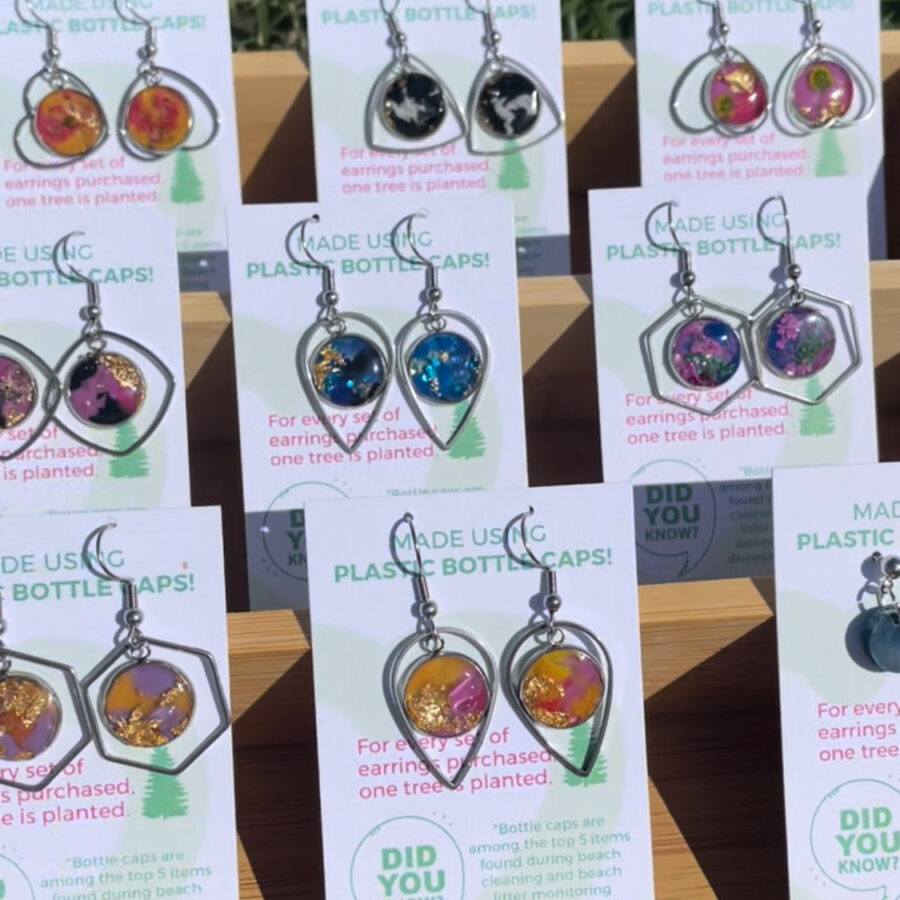
I have to give a shout-out here to Karyn, one of my former students and founder of Repurposed Plastic. Earrings from plastic bottle caps! Brilliant!

IMG_8665-900x900

Follow good laundry practices

First and foremost in this category, as mentioned in last week’s post, don’t wash clothes that aren’t dirty! With the exception of socks, underwear and workout wear, you should be able to wear an item at least three times before putting it in the laundry. Not only does washing less often save water and electricity, but it also helps your clothes last longer. Make your laundry routine even more sustainable by using eco-friendly laundry products. Wash in cold water, don’t overfill the machine, and when possible, air dry your clothes. 

Mend and repair

Prolong the life of your quality clothing by learning how to mend. It’s not as difficult as it might sound and there are lots of online articles and videos available to help. If the job is beyond your skill level, consider finding a tailor who can do it for you. Most dry cleaners also offer mending services. Taking shoes and boots to a repair shop for resoling is a cost-effective way to prolong their life while keeping perfectly good uppers out of the landfill.

Do you have any tips to add? Have you found any sustainable clothing brands that you can recommend? 

Happy Saint Patricks Day Background.

Thinking about laundry

Logo by SamOver 40 years ago, when we bought our house, one of the things I loved about it was its main floor laundry. The older I get, the more I appreciate not having to carry laundry up and down the stairs! Laundry has been part of history since humans started wearing clothes and it’s one of those household tasks that never seems to be finished! 

Here’s an interesting bit of laundry trivia… astronauts on the International Space Station wear their clothes until they can’t stand the stench then throw them in the trash. Along with other garbage, the discarded clothing is loaded onto cargo ships that generally burn up on reentry into the earth’s atmosphere. That might sound like a great solution to the never-ending laundry problem, but most of us actually want our clothes to last. Thankfully, how we do our laundry can ensure that our clothing lasts longer, help protect the environment, and even save us money!

Read the labels.

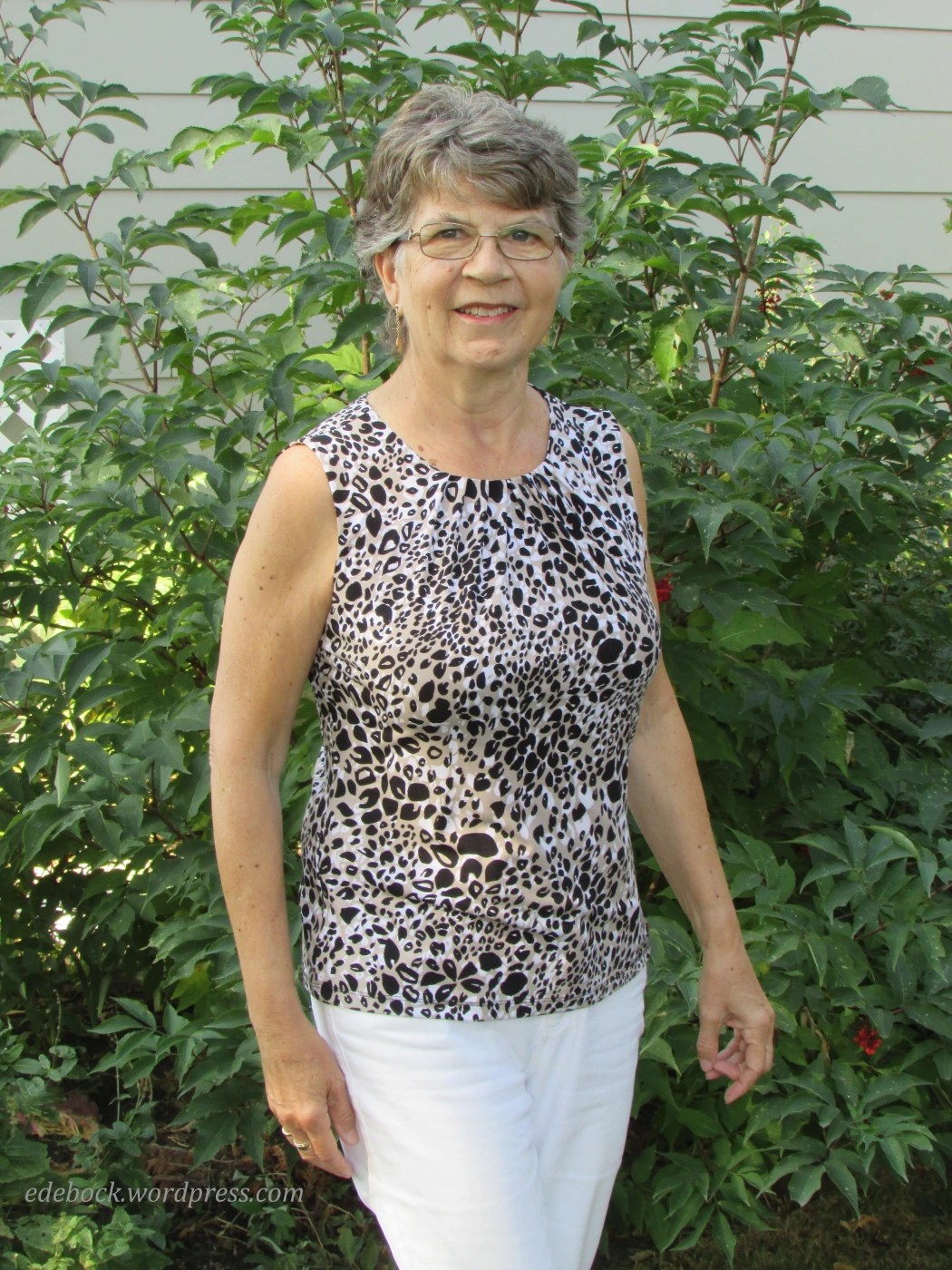
The first step in doing the laundry should happen in the clothing store. Read the labels and only buy if you’re prepared to follow the washing instructions. Personally, I very rarely buy anything that requires dry cleaning. I developed that habit in my early days of teaching school when chalk dust was the bane of every teacher’s existence. I also wanted to be able to teach a messy art class, kneel beside a student’s desk, or play with the children on the playground without having to send my clothes to the dry cleaners. With experience, however, you learn that in spite of what the labels say, some fabrics don’t actually require dry cleaning. For example, the label on this polyester top from Calvin Klein says that it should be dry cleaned, but synthetic fabrics like polyester actually wash very well. I simply launder the top using the hand wash cycle and hang it to dry to ensure that it keeps its shape.

img_4474

Treat stains.

The first rule in treating stains is to do it as quickly as possible. Stain removal pens are a great innovation. You might even want to  carry one in your purse or keep it in your desk drawer to deal with mishaps when they happen. Additional stain removal treatment might also be required before tossing the item into the laundry. This stain removal guide includes a comprehensive list of stain makers and how to deal with each of them. Once you’ve washed the item, recheck to ensure that the stain is gone. It will be much harder to remove once it’s gone through the dryer.

Wash less often.

No one wants to stink, but overwashing clothes wears them out and causes them to fade more quickly. It also wastes water and electricity. With the exception of socks, underwear and workout wear, you can likely wear an item at least 3 times before putting it in the laundry.

Don’t overload the washer.

Washing a full load rather than just a few items definitely helps conserve water, but cramming the washer full of clothes is actually detrimental. Not only do the clothes not get as clean as they ought to, but they rub together so much that it can actually be harmful to the fabric.

Turn the temperature down.

90% of the energy used to wash a load of clothes goes into heating the water! Not only does washing in cold water save electricity but it helps prevent the fibres from breaking down. It also prevents shrinkage or stretching and helps keep colours from running and fading. Don’t worry about your clothes not getting clean. Most modern detergents are designed to work well in cold water.

Extremely high dryer heat can also be damaging to clothes.

Skip the softener. 

Fabric conditioners add a lot of unnecessary chemicals and fragrances to your clothes and also coat the fibres with a waxy residue that can lead to fading and fibre breakdown. I haven’t used fabric softener or dryer sheets for years and my laundry hasn’t suffered for it.

Wash inside out.

Keep jeans and strong colours from fading and printed t-shirts from cracking by washing them inside out.

Hand wash delicate items.

Hand washing delicate garments helps them last longer. This is especially easy if your washer has a hand wash cycle! Simply place the items in mesh bags to keep them from rubbing against one another and being damaged, then let the machine do the work.

Air dry.

When we lived in Asia, we did as all our neighbours did and hung our laundry to dry. Here in Canada, I’m happy to have and use a dryer, but I still hang a lot of my clothes. Heat breaks down the elasticity in garments, causing unwanted stretching, and also contributes to shrinkage. Since pant length has always been an issue for me and I don’t want to lose even a cm, I hang all my pants to dry.

depositphotos_22198035-stock-photo-colorful-clothes-in-laundry-basket

Sustainable fashion addresses the entire process by which clothing is produced, consumed, cared for and disposed of. We can all do our part to reduce the impact of the clothing industry on the environment by not only purchasing sustainably produced clothing, but by following good laundry practices.

Do you have any tips to add to the ones given here?

International Women’s Day and Kiva

Tomorrow, March 8, is International Women’s Day, a day set aside to celebrate the social, economic, cultural and political achievements of women. It also serves as a reminder that there is still a lot of work to be done to empower women and achieve gender equality, especially in developing countries where they are at greater risk of prejudice and gender-based violence. Women’s rights have come a long way since the first International Women’s Day in 1911 but we still have a long way to go!

Although different countries and different organizations have chosen differing themes for International Women’s Day 2023, they all revolve around the idea of equality and equity for women. Equality means giving all people equal access to rights and opportunities while equity refers to allocating resources based on the needs of individuals without bias or discrimination. That’s where Kiva comes in and why I’m choosing to focus on this non-profit micro-lending organization on International Women’s Day this year.

It’s all well and good to talk about the rights of women and the need for gender equality, but unless we’re willing to actually do something, that’s all it is. Talk doesn’t change anything! Change requires action, so what can you do? How can you make a difference?

graphic-gender-equity-1-billion-women-unbanked_2xLet’s begin by looking at some startling facts. Research shows that women typically invest a higher proportion of their earnings in their families and communities than men do, but in order to do so they need access to the full range of credit, banking and financial services. 740 million women worldwide, however, have little or no access to financial services. Because so many women are excluded from accessing financial assistance, it’s difficult for them to start businesses, pursue higher education, or improve their livelihood. Kiva aims to change that! Since 2017, the number of unbanked women has dropped by 24%. If this trend were to continue, the number of women without access to financial services could reach zero in less than 20 years!
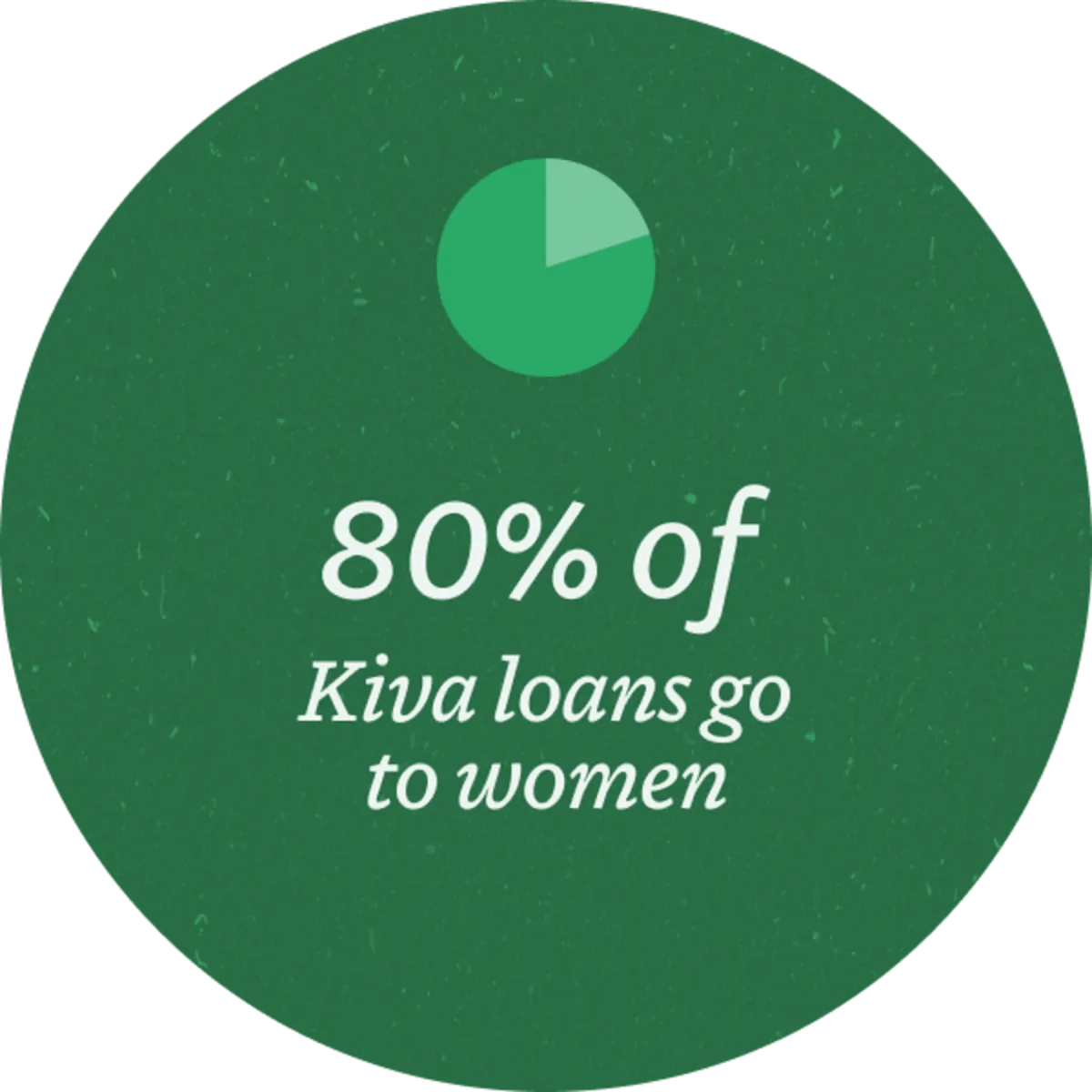
More than 80% of Kiva loans go to women, women who have historically been denied access to traditional banking services. Kivagraphic-kiva-8-percent-loans-go-to-women-1_2x loans enable them to become financially stable, resilient, and self-reliant, allowing them to better support and protect themselves and their families from abuse, violence, and financial dependence.
So, why not celebrate International Women’s Day 2023 by making a loan to a woman in one of the 70+ countries on 5 continents served by Kiva? It’s easy, it costs as little as $25, and it makes a difference! 

If you’re not familiar with Kiva, here’s how it works. Click here to choose a woman or group of women to support. Lend $25 or more to help crowdfund the full loan amount. As the borrower earns an income and begins to repay her loan, you and the other lenders who helped fund her loan are repaid. These funds go directly into your Kiva account. When your account reaches $25 again, you can relend those same dollars to support another borrower! It’s truly the gift that keeps on giving!

Since I made my first two loans in March of 2010, I’ve helped fund 83 loans in 31 countries. Though Kiva provides loans to both men and women, I choose to lend to women who are borrowing money to purchase specific items that they will use to generate income to help them support their families and educate their children. Over the years, I’ve invested in a variety of livestock, seeds and fertilizer, numerous sewing machines, fishing equipment, hairdressing tools, restaurant stoves and refrigerators, a mill for grinding corn, heavy duty washing machines, a portable food stall, and probably a few other items. I also helped renovate some rental properties earlier this year.

To mark International Women’s Day, I decided to make another loan this week. Since my Kiva account was standing at less than $2 (I always relend as soon as it reaches $25) that involved topping it up, but I was more than happy to put my money where my mouth is as the old saying goes. Just think of the difference that we could make for women worldwide if we each invested just $25!

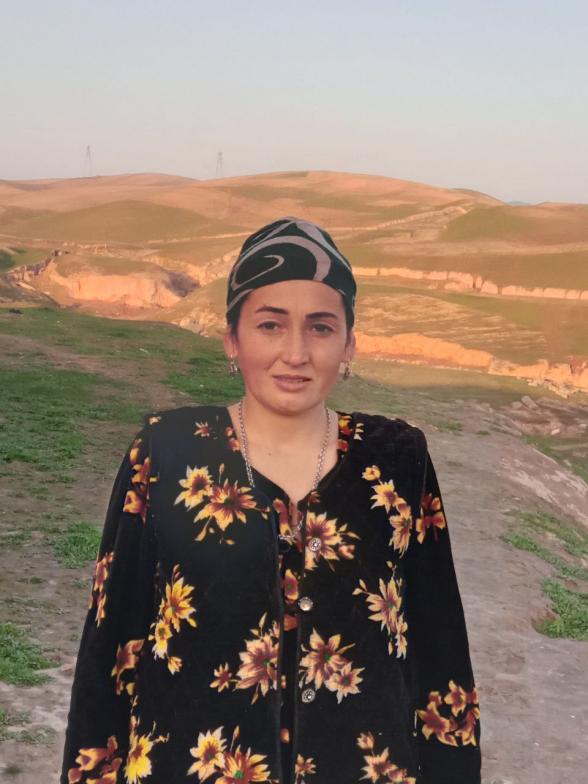
After reading through several loan descriptions, I found the one I wanted to help fund this time. Shamsiya is a 28-year-old mother of 5 children living in Tajikistan. She recently learned to sew women’s clothing and was seeking a loan to buy a sewing machine and supplies to start her own business.
fc8f6d9a81972e7a598e8ecb9c1d364b

bannerlong

images

What are you doing to make a difference this International Women’s Day? Please let us know in the comment section below.

Centro Histórico, Mexico City

We packed a lot into our final day in Mexico. Much of what we saw and experienced was within walking distance of our hotel in the Centro Histórico, the heart of Mexico City. Come walk with me and I’ll show you some of what we saw.

IMG_5433

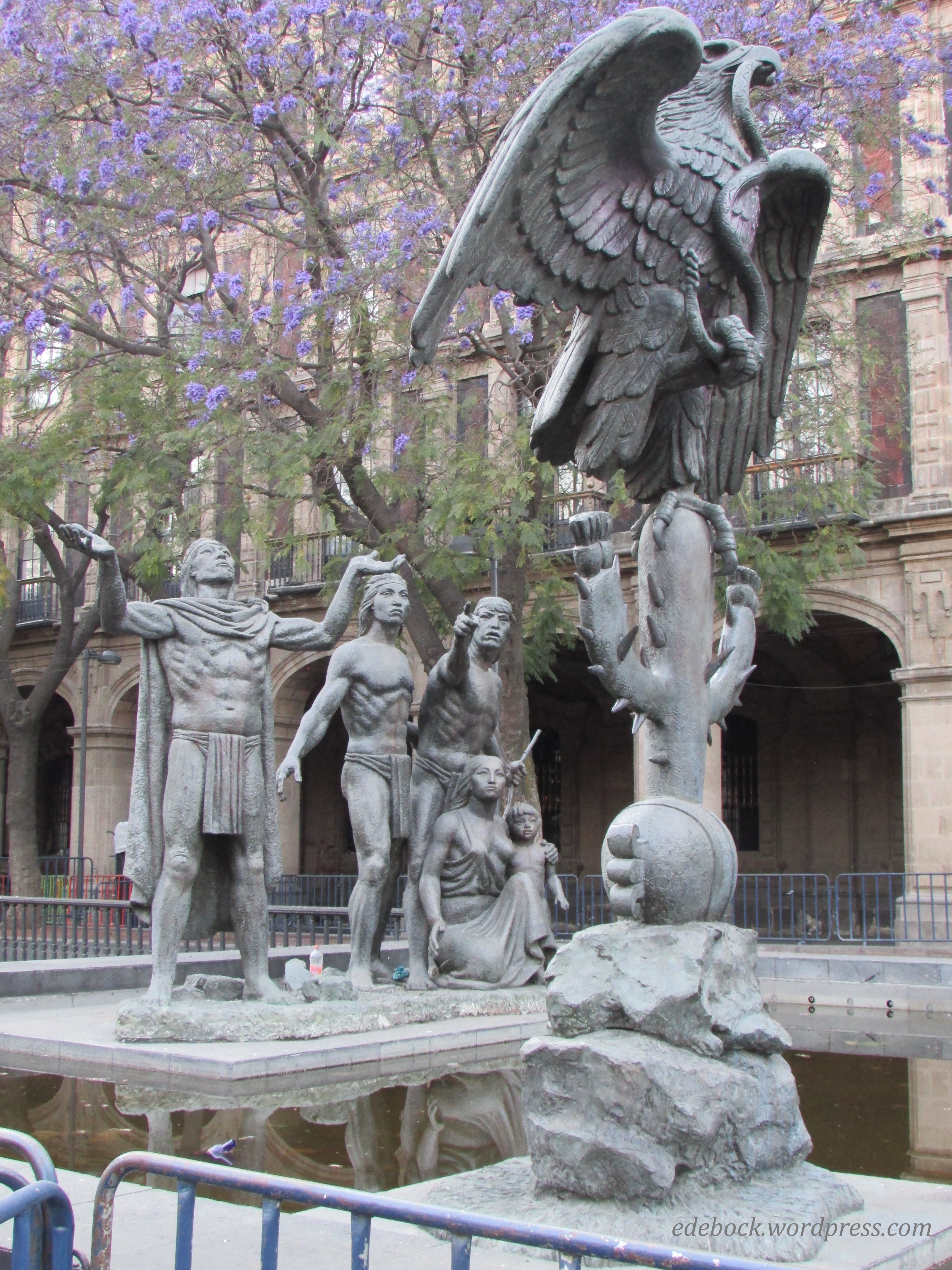
These statues of a wandering group of nomads discovering an eagle perched on a cactus and eating a snake tell the legend of the founding of the Aztec capital, Tenochtitlan. The image of an eagle eating a snake atop a prickly pear cactus also forms part of the coat of arms that is seen in the centre of the Mexican flag. 

Flag-Mexico

Cathedral

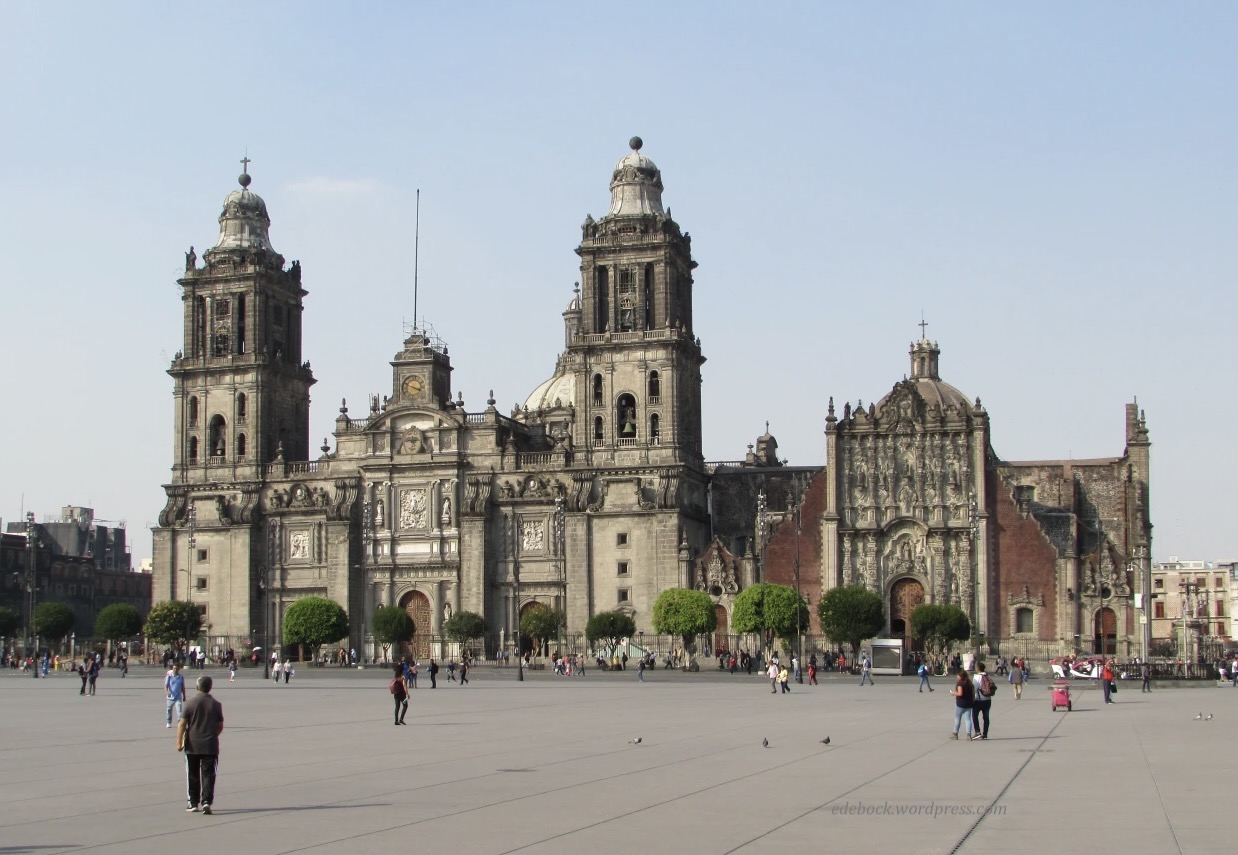
The Metropolitan Cathedral of the Assumption of the Most Blessed Virgin Mary into Heaven, better known as the Catedral Metropolitana, overlooks the Zócalo, a huge city square and is built over what was once part of the Aztec Templo Mayor.

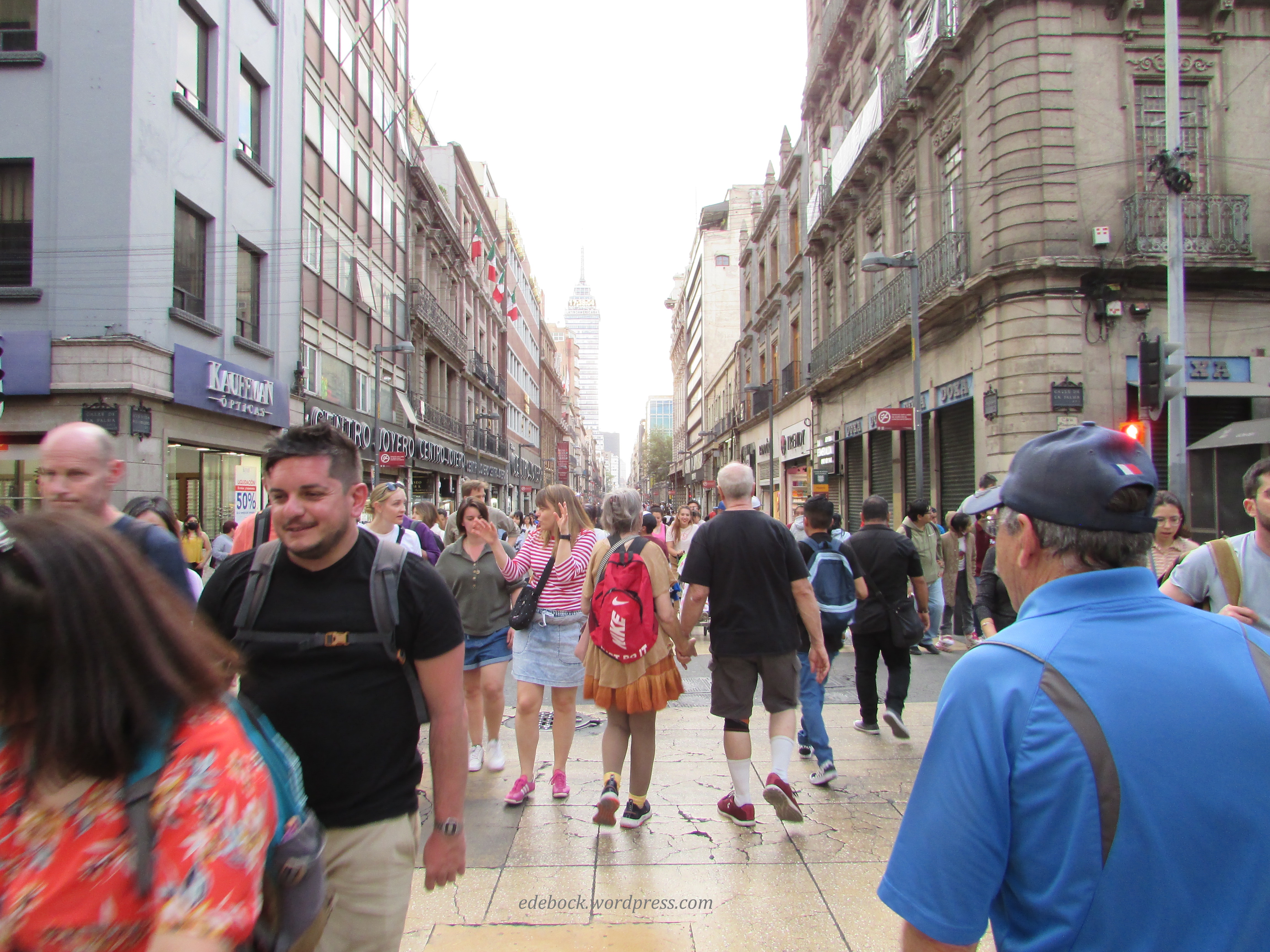
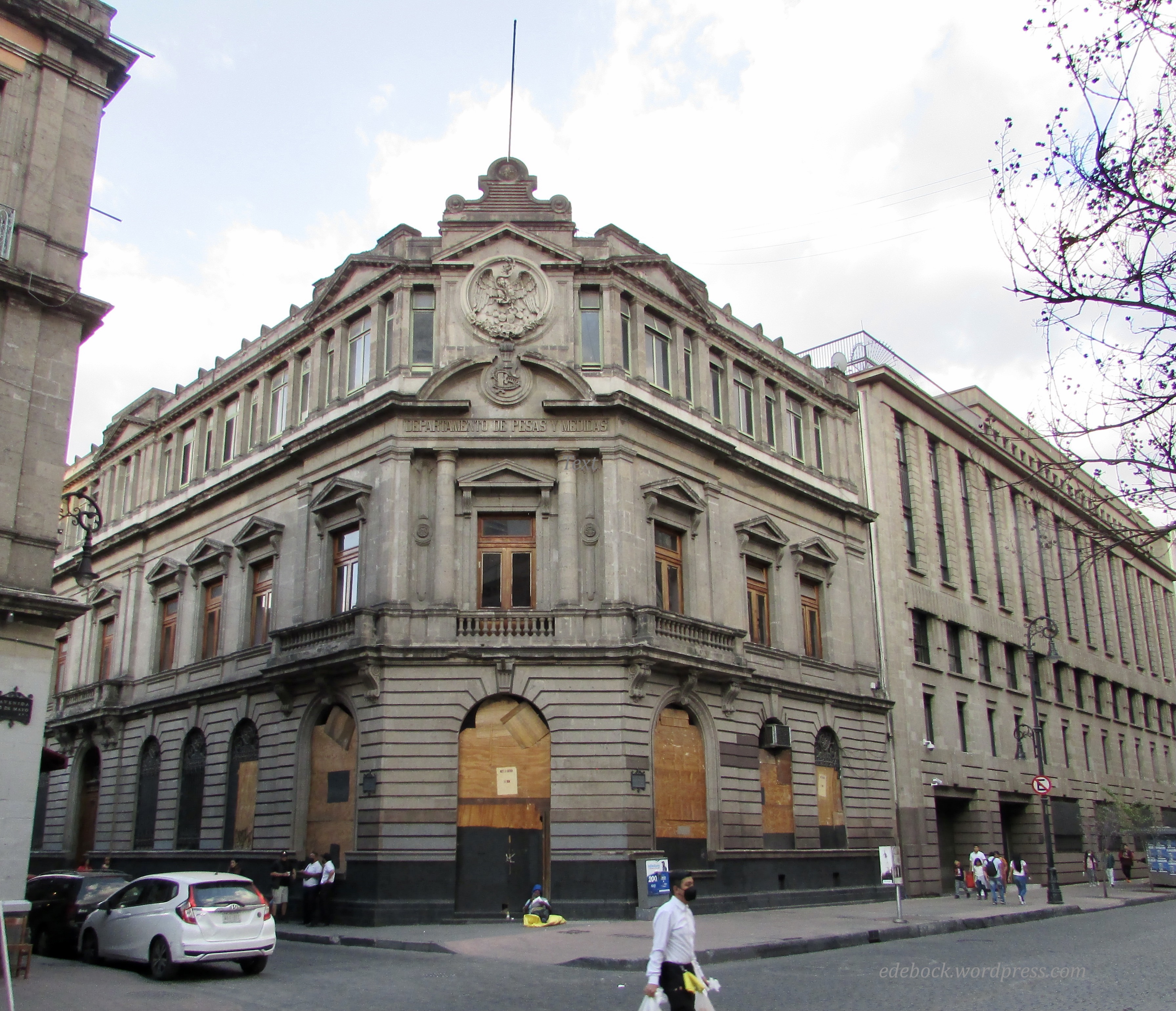
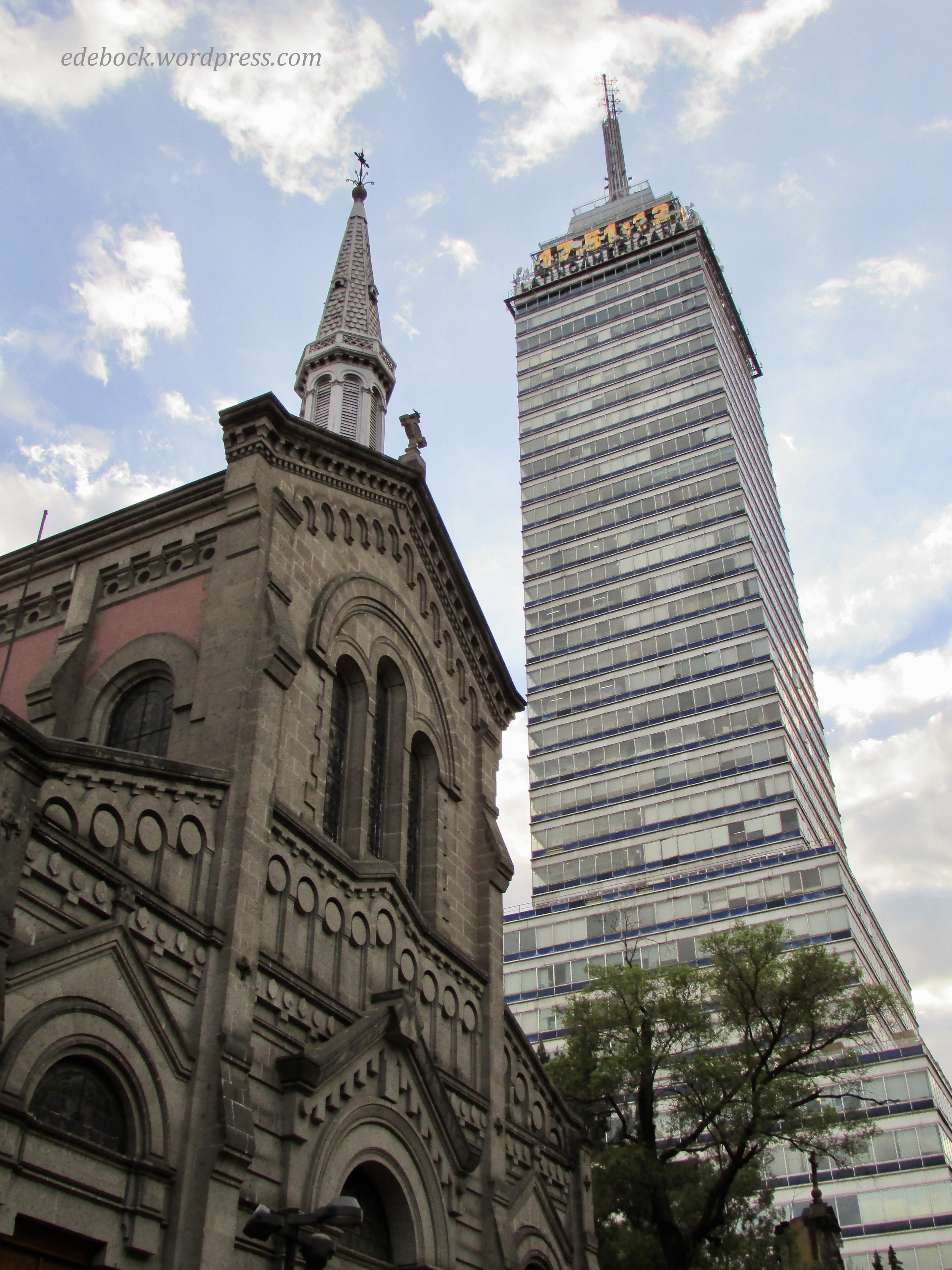
From there, we’ll walk down busy pedestrian-only Avenida Francisco I. Madero which is lined with shops, restaurants, and amazing architecture.

IMG_5325

IMG_5328

IMG_5349

IMG_5330

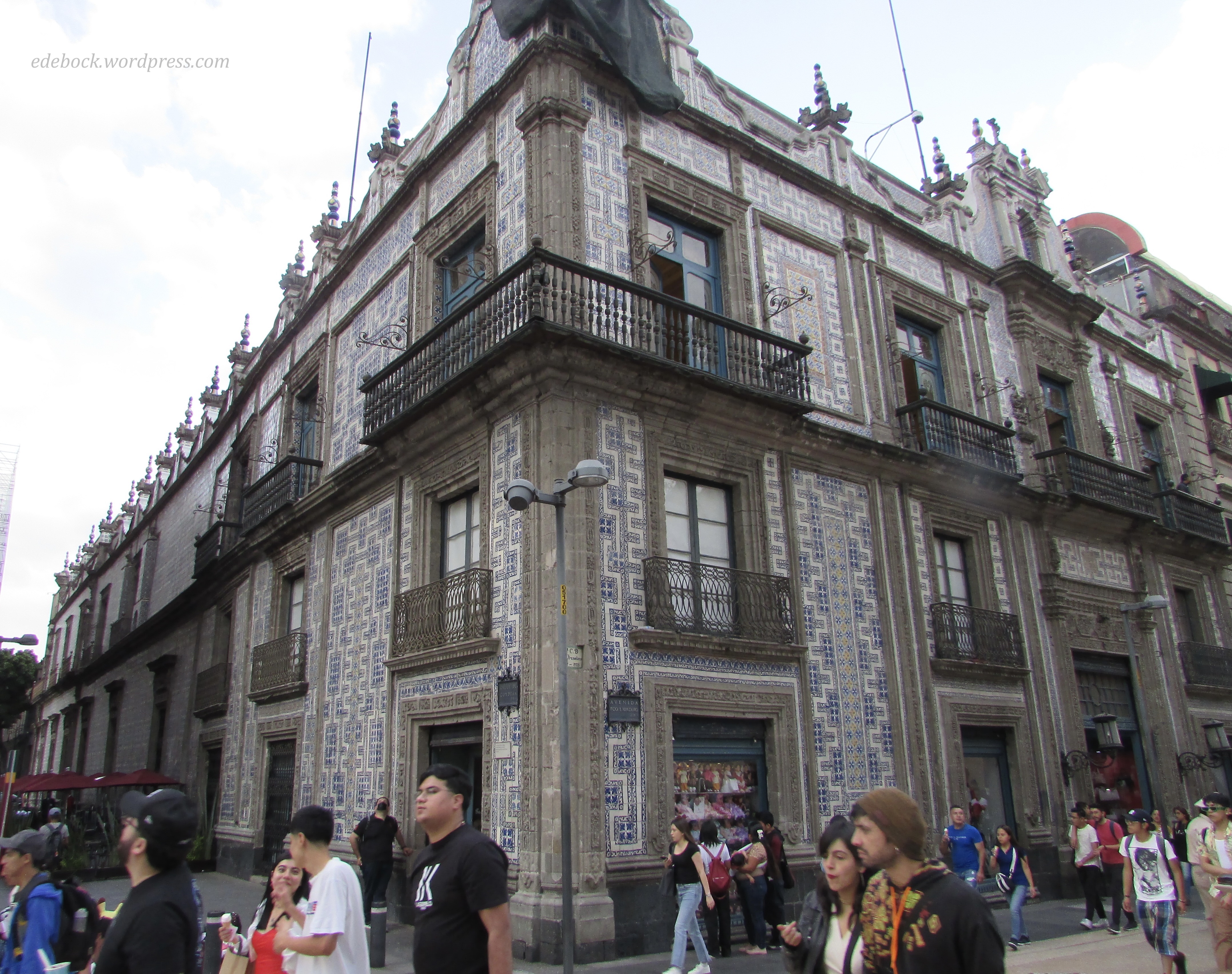
Here, covered on three sides by blue and white Talavera tiles from Puebla, is the famous Casa de los Azulejos (House of Tiles), an 18th-century Baroque palace built by the Count of the Valle de Orizaba family. 

IMG_5337

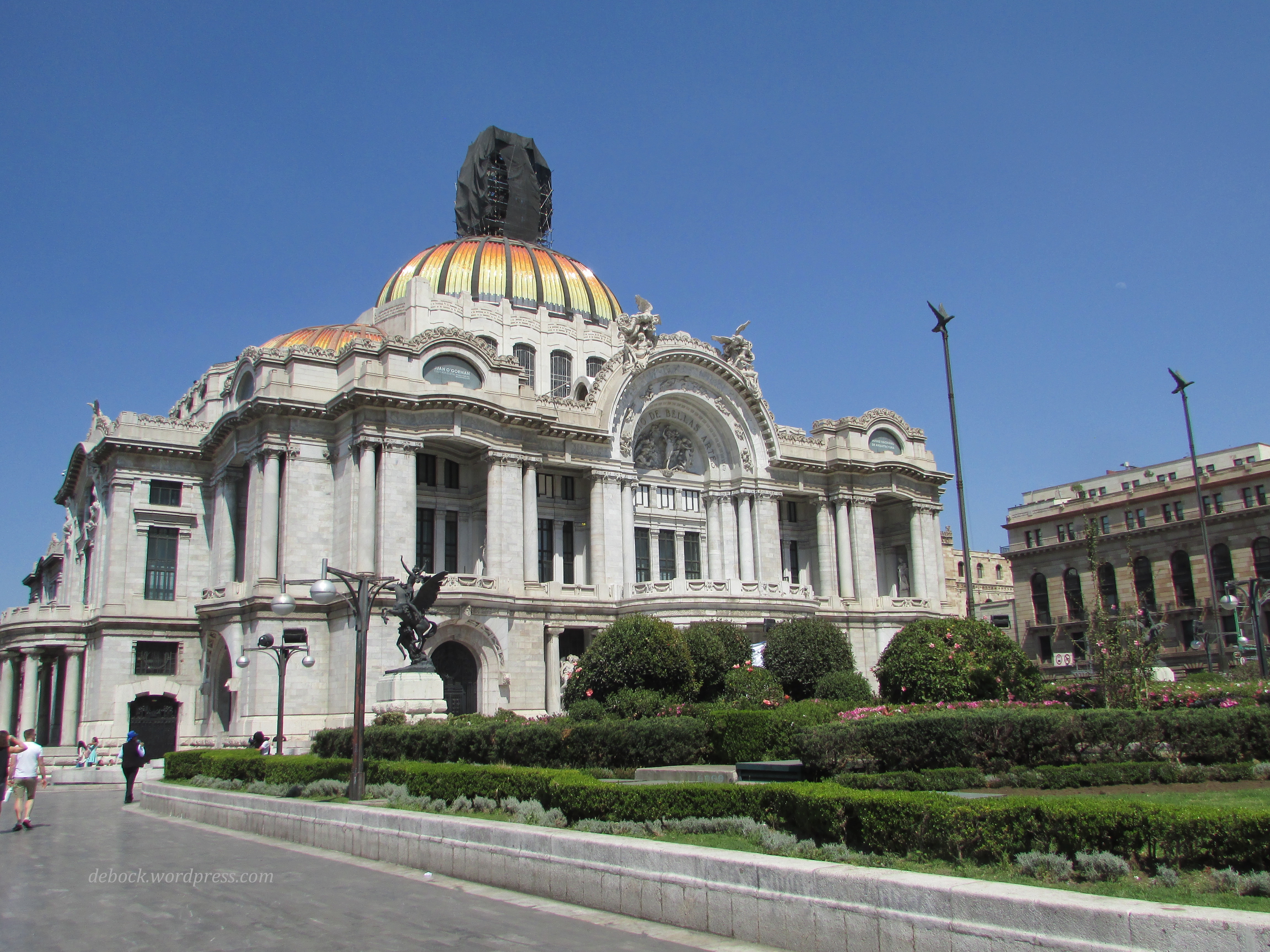
At the end of the pedestrian avenue, we come to the stunning Palacio de Bellas Artes (Palace of Fine Arts), a prominent cultural center that hosts notable events in music, dance, theatre, opera and literature and holds important exhibitions of painting, sculpture and photography. Unfortunately, most museums and cultural centres in Mexico City are closed on Mondays, so we weren’t able to see the inside. Perhaps on our next visit! 

IMG_5394

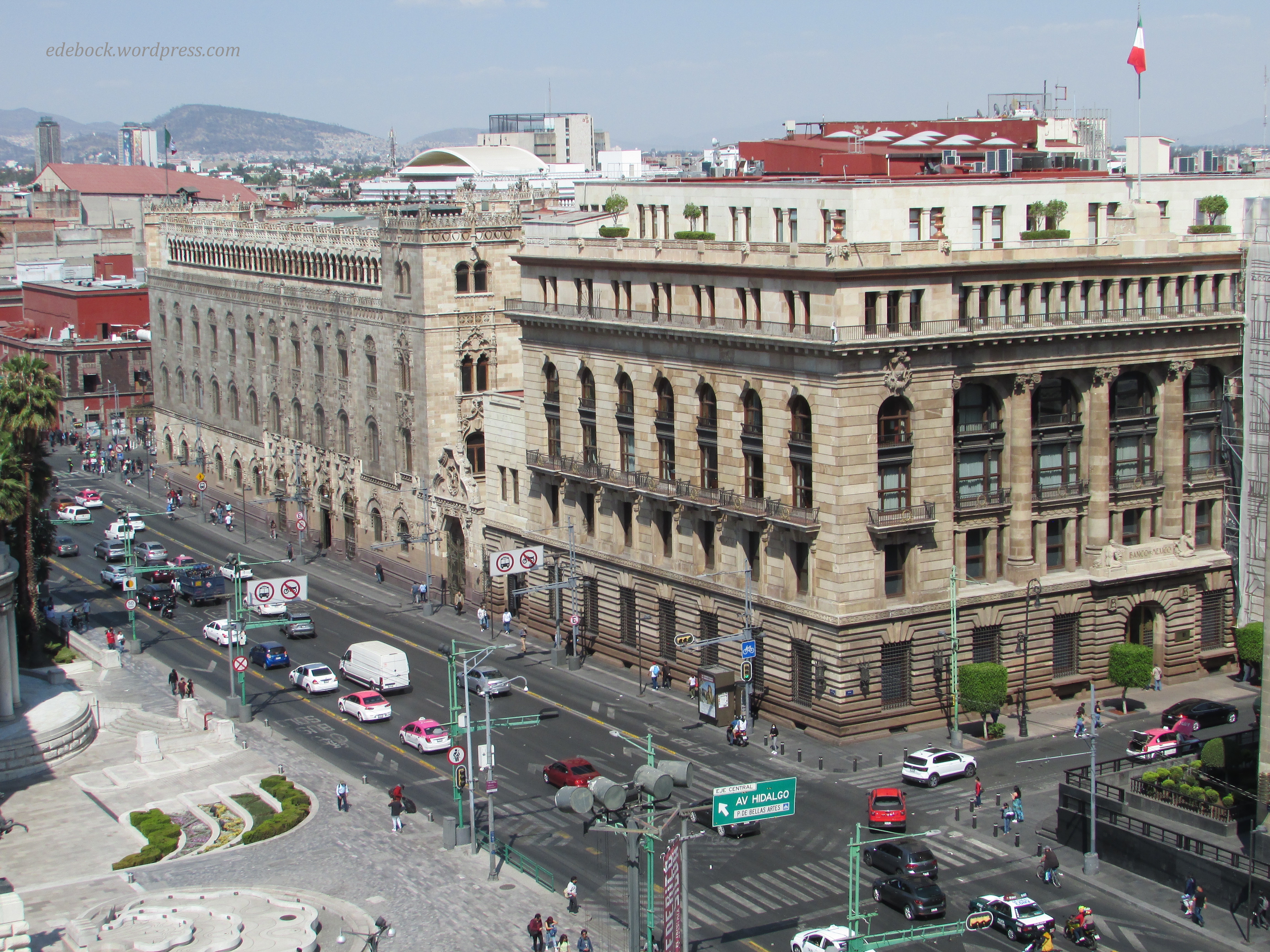
A patio coffee shop on the eighth floor of the Sears department store (yes, Sears is still alive and well in Mexico) offered spectacular views of the Palacio des Belle Artes and much of the city beyond. 

IMG_5398

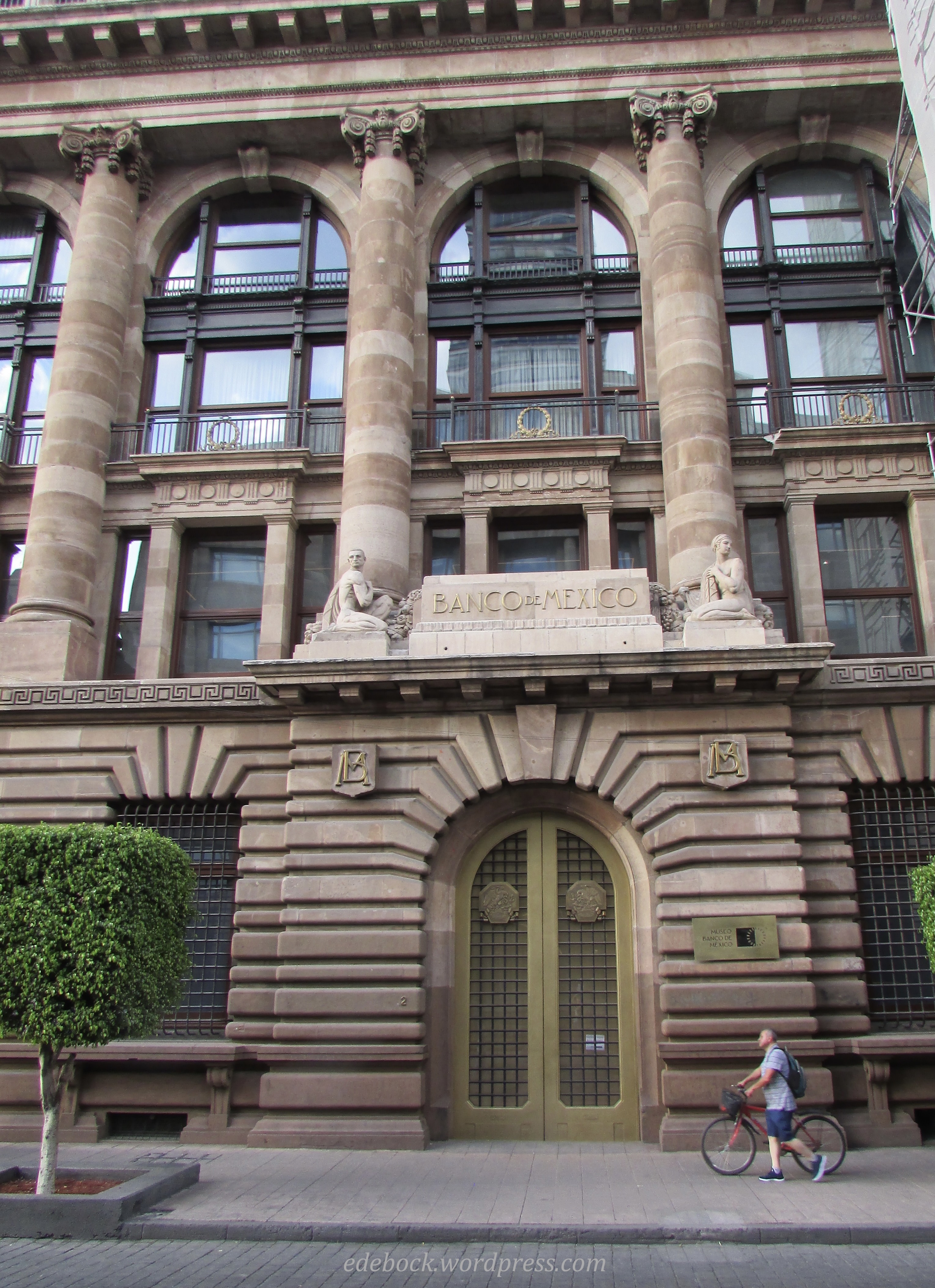
Directly across the street from the Palacio des Belles Artes are the Palacio de Correos (Main Post Office) and Banco de Mexico (Bank of Mexico).

IMG_5399

IMG_5345

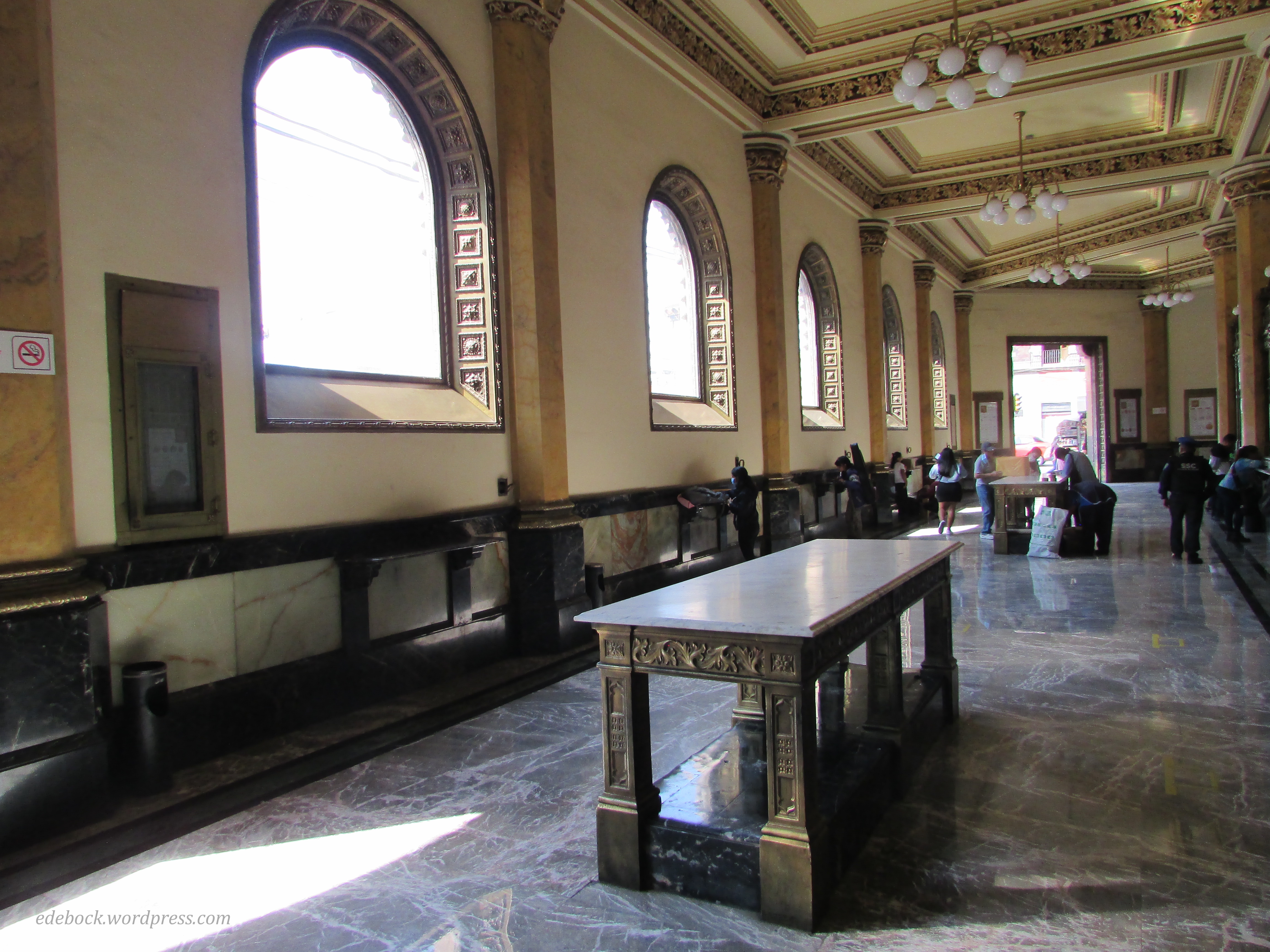
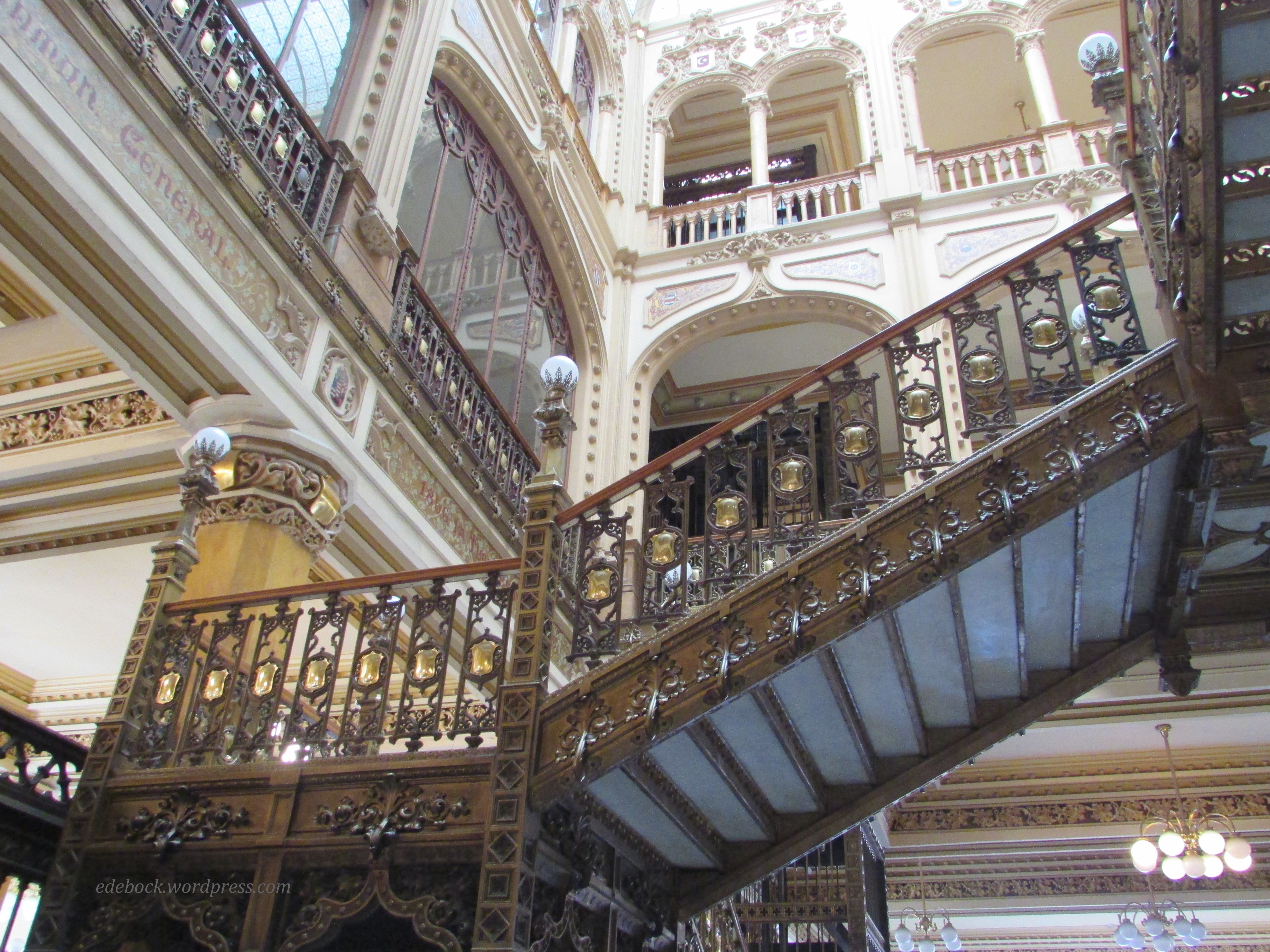
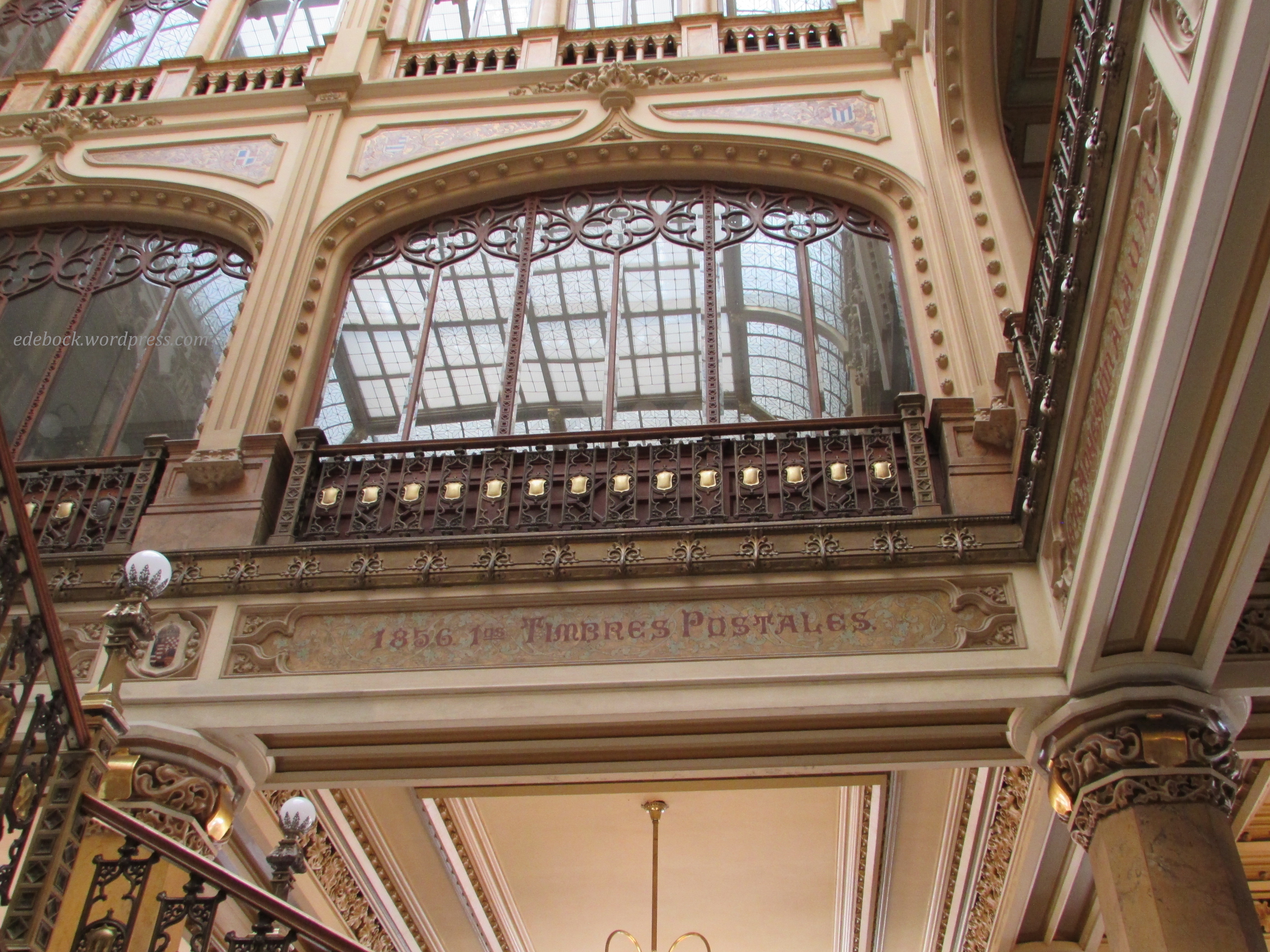
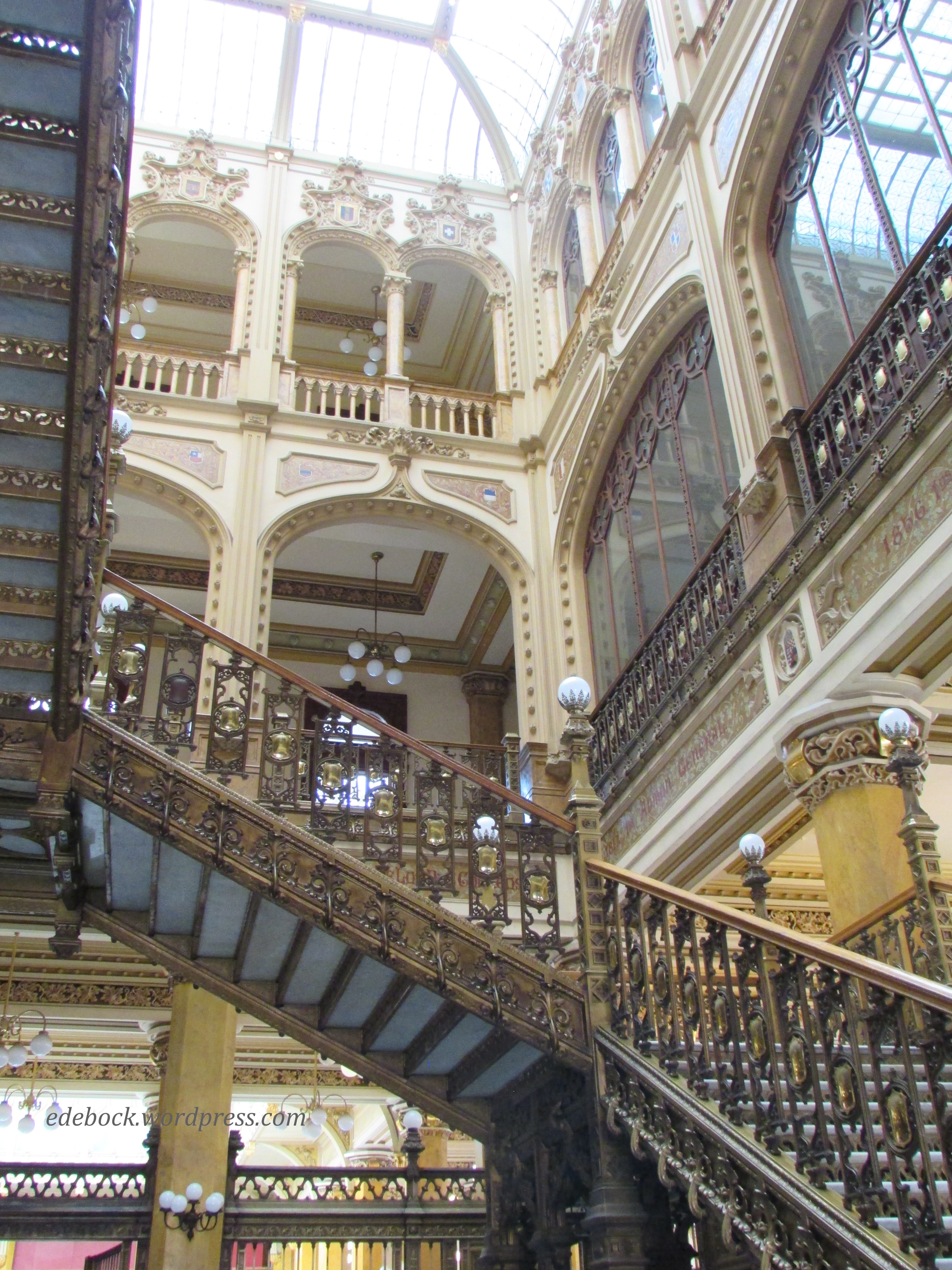
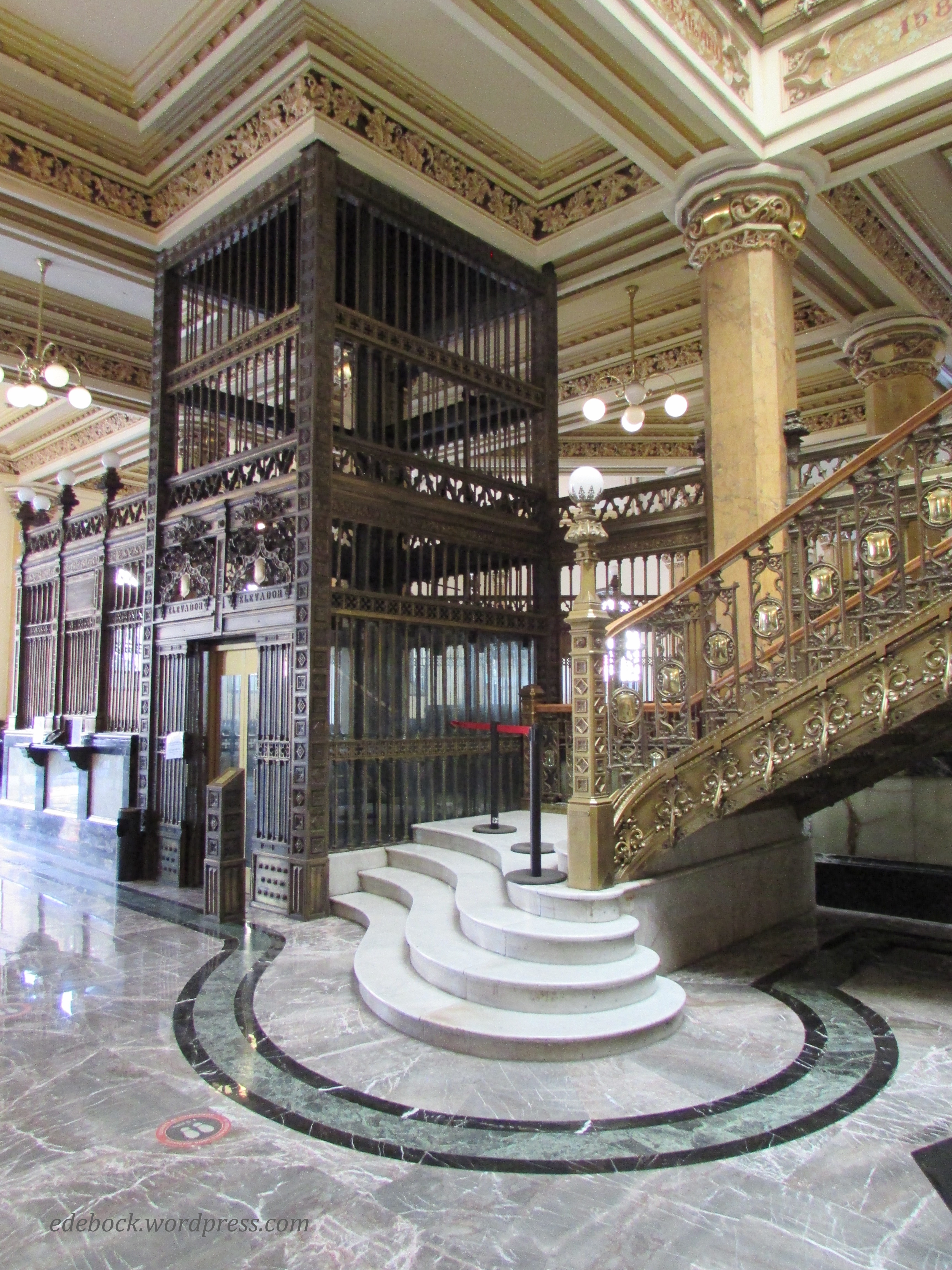
If you’re ever in Mexico City, the interior of the Post Office is definitely a must see! Absolutely stunning, it took five years to build and has been in continuous operation since it opened in 1907.

IMG_5406

IMG_5417

IMG_5416

IMG_5414

IMG_5420

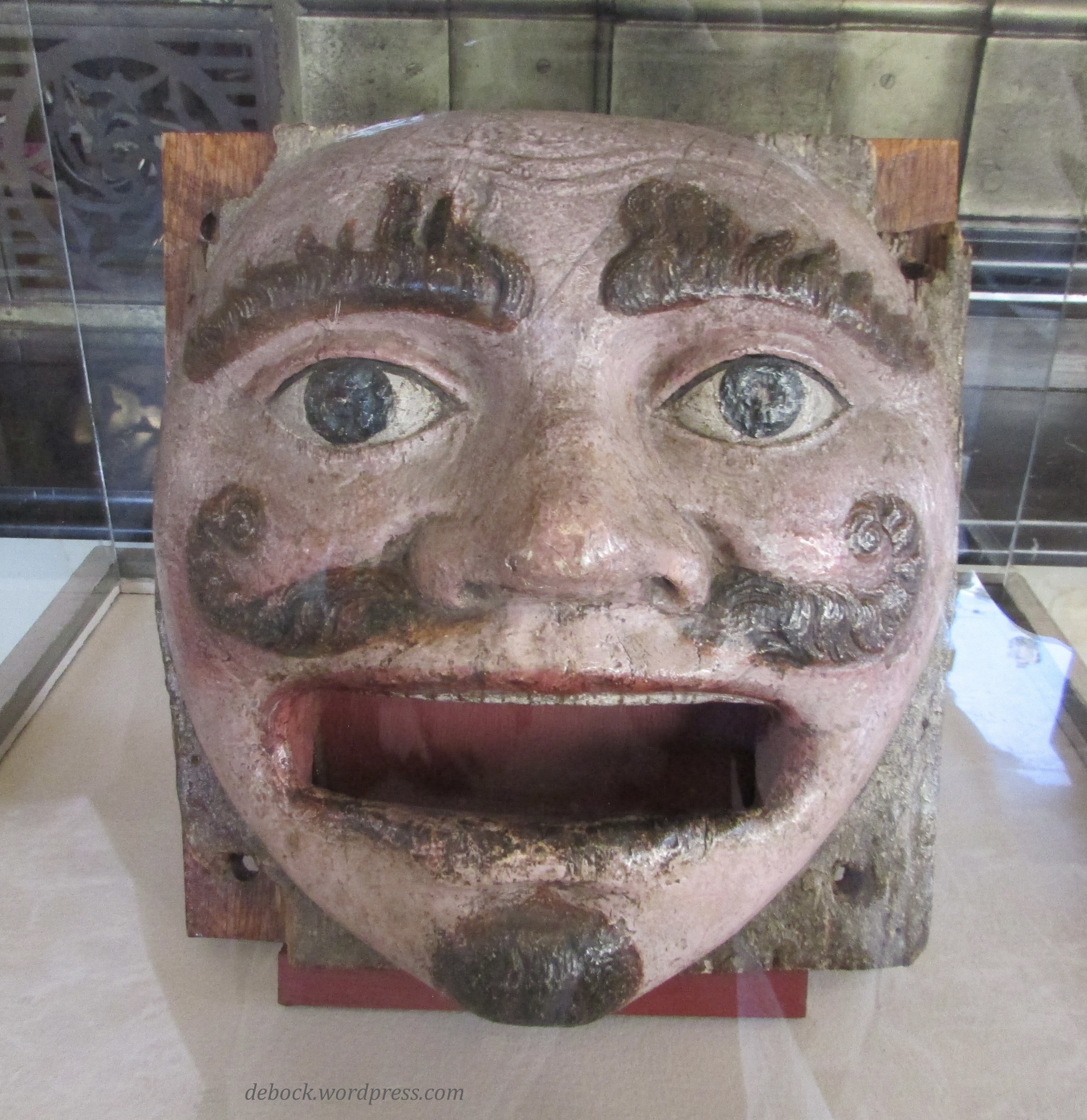
Unfortunately, the antique elevator, though fully operational, wasn’t open to the public. In addition to being an active post office, the building houses a bookstore and a small free museum of postal artifacts. Believe it or not, this handsome fellow is an ancient mailbox! Letters passed through his mouth to be collected and sent to their destination. 

IMG_5425

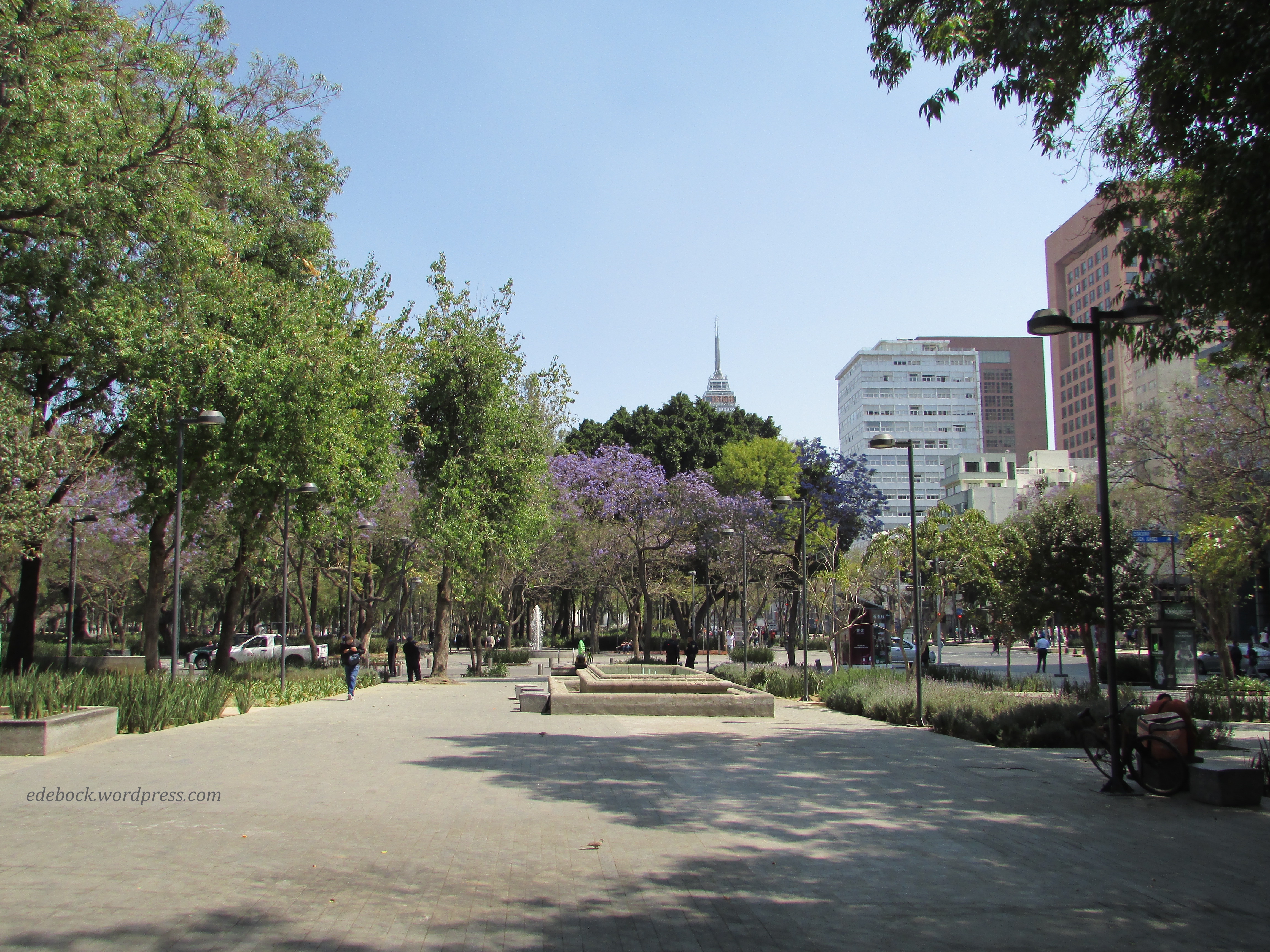
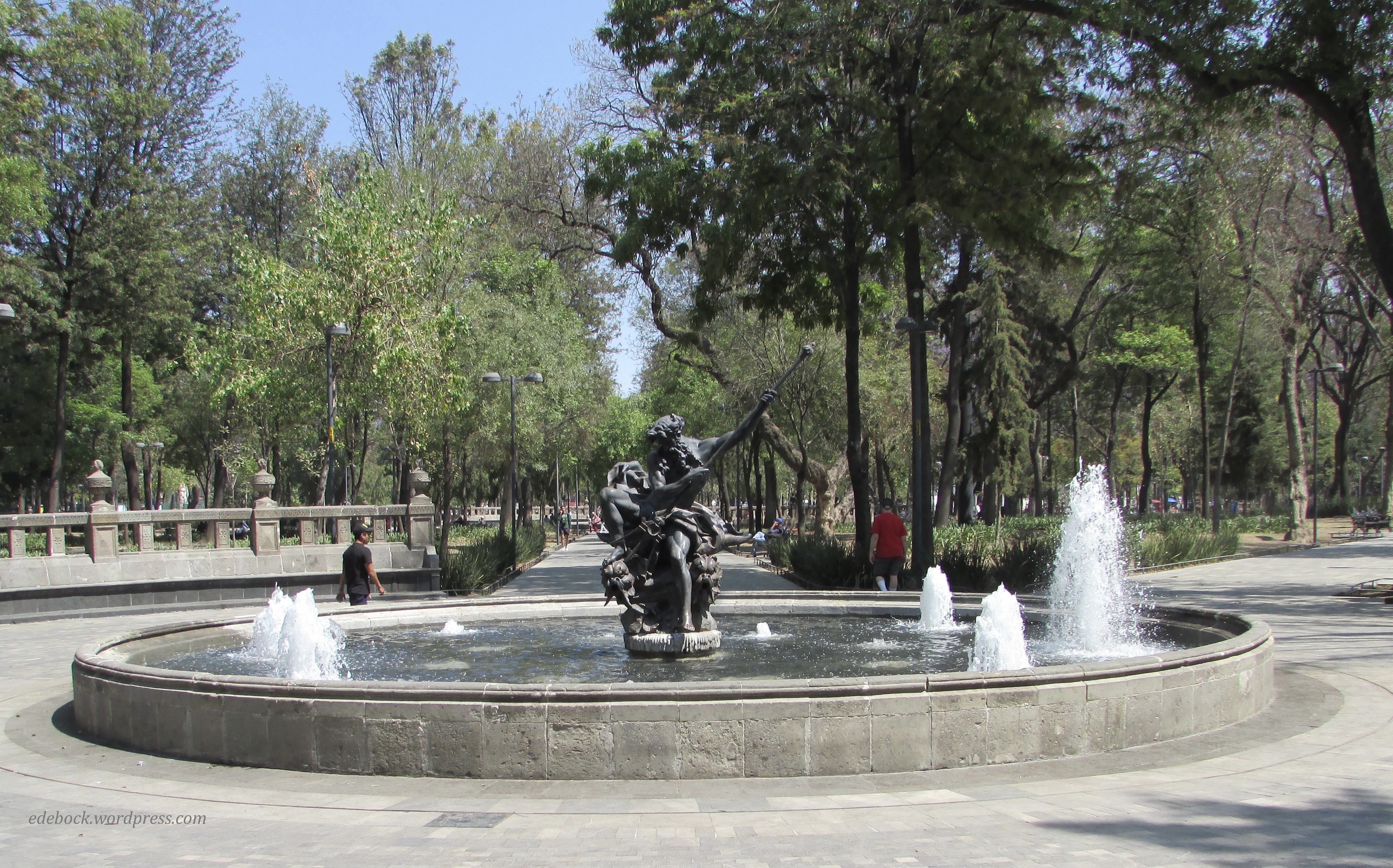
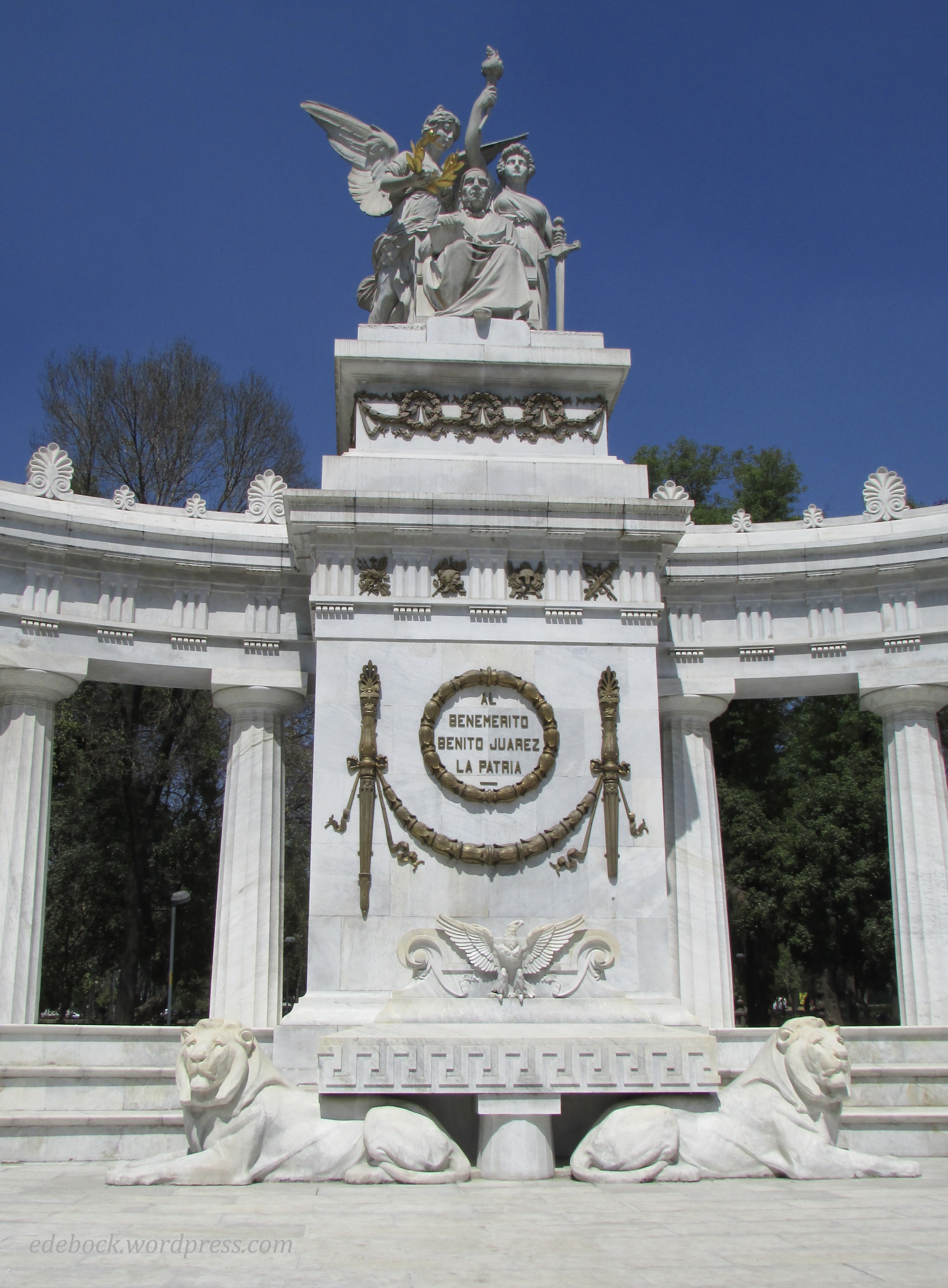
Beyond the Palacio des Belles Artes is beautiful Parque Alameda. What was once an Aztec marketplace is now one of the city’s primary green spaces complete with fountains and statues. Created in 1592, it is the oldest public park in the Americas. 

IMG_5372

IMG_5379

IMG_5381

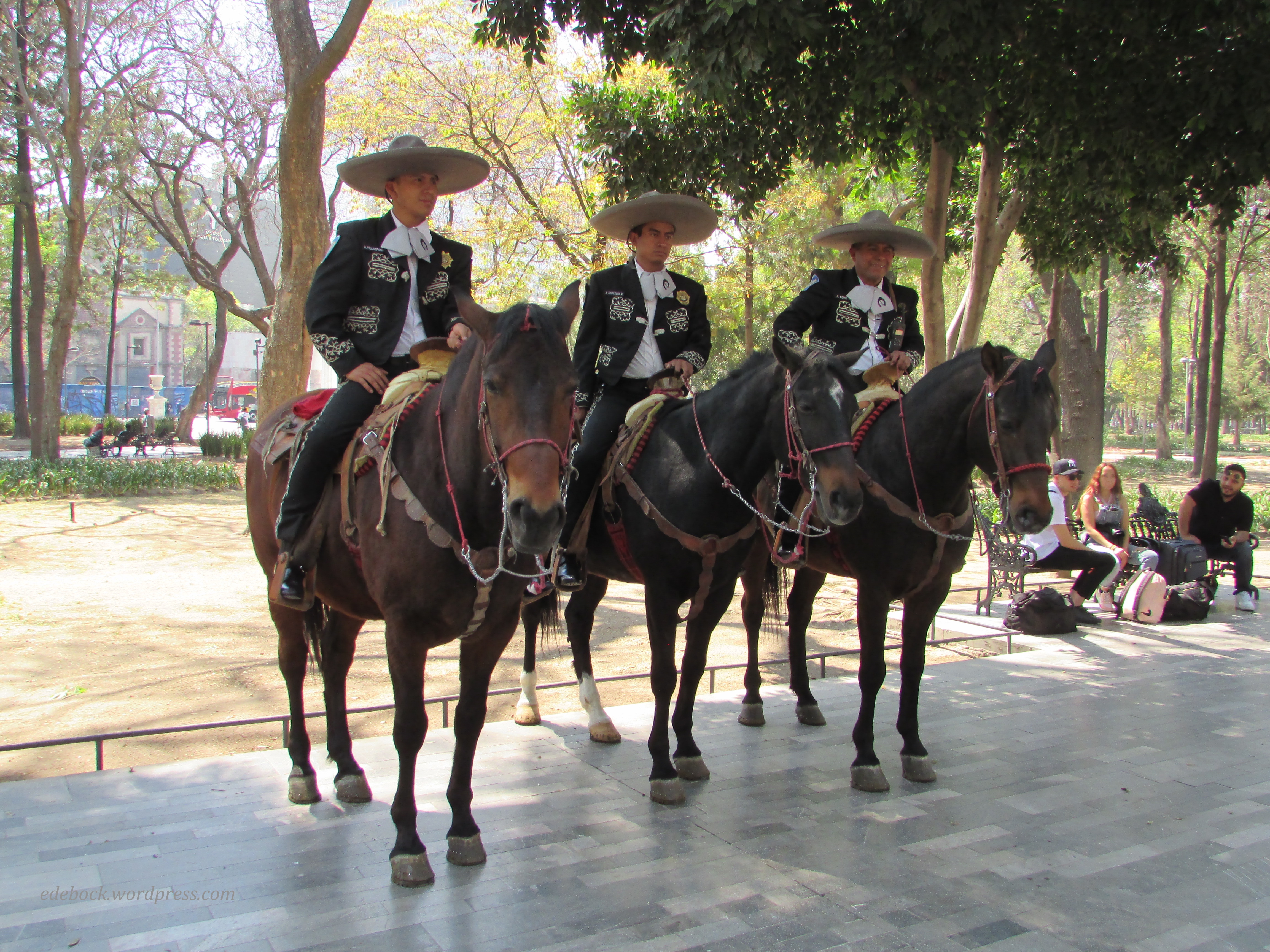
It was in the park that three mounted police officers on horseback donned their sombreros and agreed to have their photo taken. 

IMG_5386

That completes our “walking tour” of Centro Histórico and our most recent trip to Mexico. Now we’re back home in Canada, the land that every Mexican we met referred to as “mucho frio!” (very cold!) I would agree. In fact, I would call it “demasiado frio!” (too cold!).

Packing review

Logo by SamThough I still have one more blog post to write to finish up our trip to Mexico, we are home and for today’s post, I thought I’d do a quick review of what I packed. Once again, we found that traveling carry-on only was the way to go. It’s so easy and there are no baggage fees and no waiting around at airport luggage carousels wondering if our suitcases made it onto the right plane.

But what about the contents of that little carry-on suitcase? Did I pack the right things? Did I take enough of everything? First, let’s review what I packed:

IMG_5086

This was my original packing list. In addition, I put a swimsuit on the bottom of my bag just in case I had an opportunity to use it (I didn’t) and I tossed in one pair of shorts.

  • 1 pair of jeans
  • 2 pairs lightweight long pants
  • 2 pairs capris
  • 1 pair leggings
  • 1 camisole
  • 7 tops – 3 long sleeved, 1 with 3/4 length sleeves, 3 sleeveless
  • 1 dress
  • 1 dressy black jacket
  • 1 ultra light down vest
  • 1 lightweight hoodie
  • 1 light jacket
  • 1 hat
  • 1 pair sandals
  • 3 pairs shoes
  • sleepwear, underwear, and socks

Overall, I think I did a fairly good job of deciding what to take, but if I had it to do again, I might make a few changes. I only wore the top with 3/4 length sleeves once, so I could easily have left it at home. I wore the leggings to a zumba class with our hostess, but I could have worn shorts or capris for that and though I did wear the camisole once on a particularly chilly day, it wasn’t essential either. If I’d known how warm the weather was going to be, I probably would have taken one less pair of long pants and one more pair of capris or shorts, but we had to be prepared for the cooler days that often do occur at this time of year. I’m extremely glad that I did decide to throw in that one pair of shorts though as I wore them a lot. I only wore the dress and the dressy black jacket once for an evening at the symphony in Xalapa, but I definitely wanted to be able to dress up for that.

On our previous visits to Coatepec, we took most of our clothes that needed laundering out to a commercial laundry or washed them by hand. This time, however, we discovered that when the price per kilo of laundry had gone up as well as the price of the taxi to haul it to and from, our hosts had decided to purchase a washing machine. That definitely made things easier and meant that we probably could have gotten away with packing a few less things, especially socks and underwear. As we’ve done in the past, though, we packed mostly old worn out underwear that we could throw away before we came home. That left a wee bit of room to carry home the half kilo of macadamia nuts that hubby yearned for!

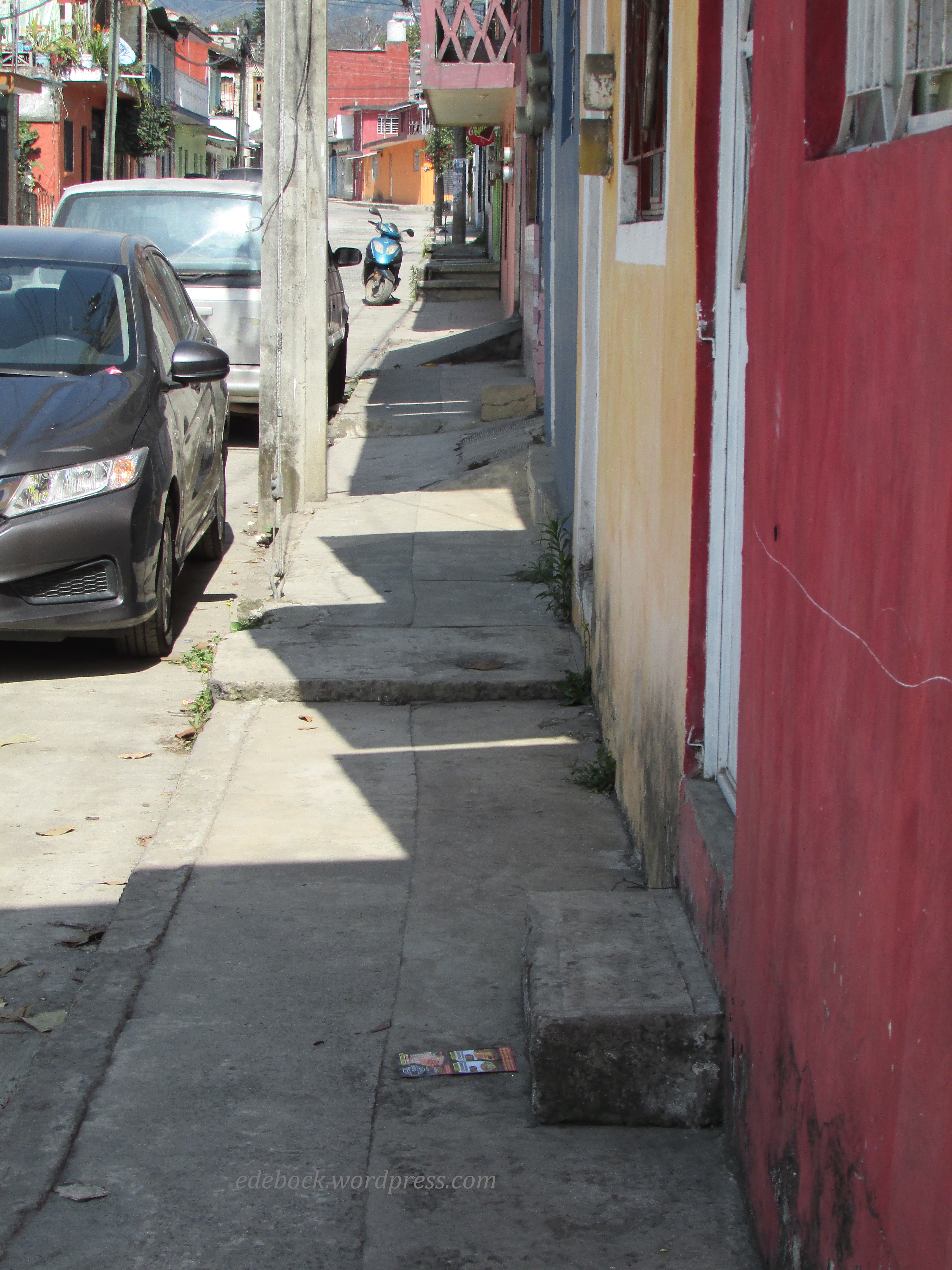
Good footwear is essential on any trip, but especially when the sidewalks that we walked on almost every day looked like this.

IMG_5200

But did I really need four pairs? Possibly not, but other than the dressy black pair that I wore only for a birthday party and the evening at the symphony, I put many miles on all three of the other pairs. The Clarks sandals that I bought at one of our local thrift stores last summer are very comfortable to walk in as are the little grey flats that have memory foam insoles.

Now that we’re finally traveling again, I’m looking forward to the next time I get to pack my teeny tiny carry-on suitcase. I don’t know when that will be or where we’ll be going, but I’ll be sure to let you know!

Templo Mayor, Mexico City

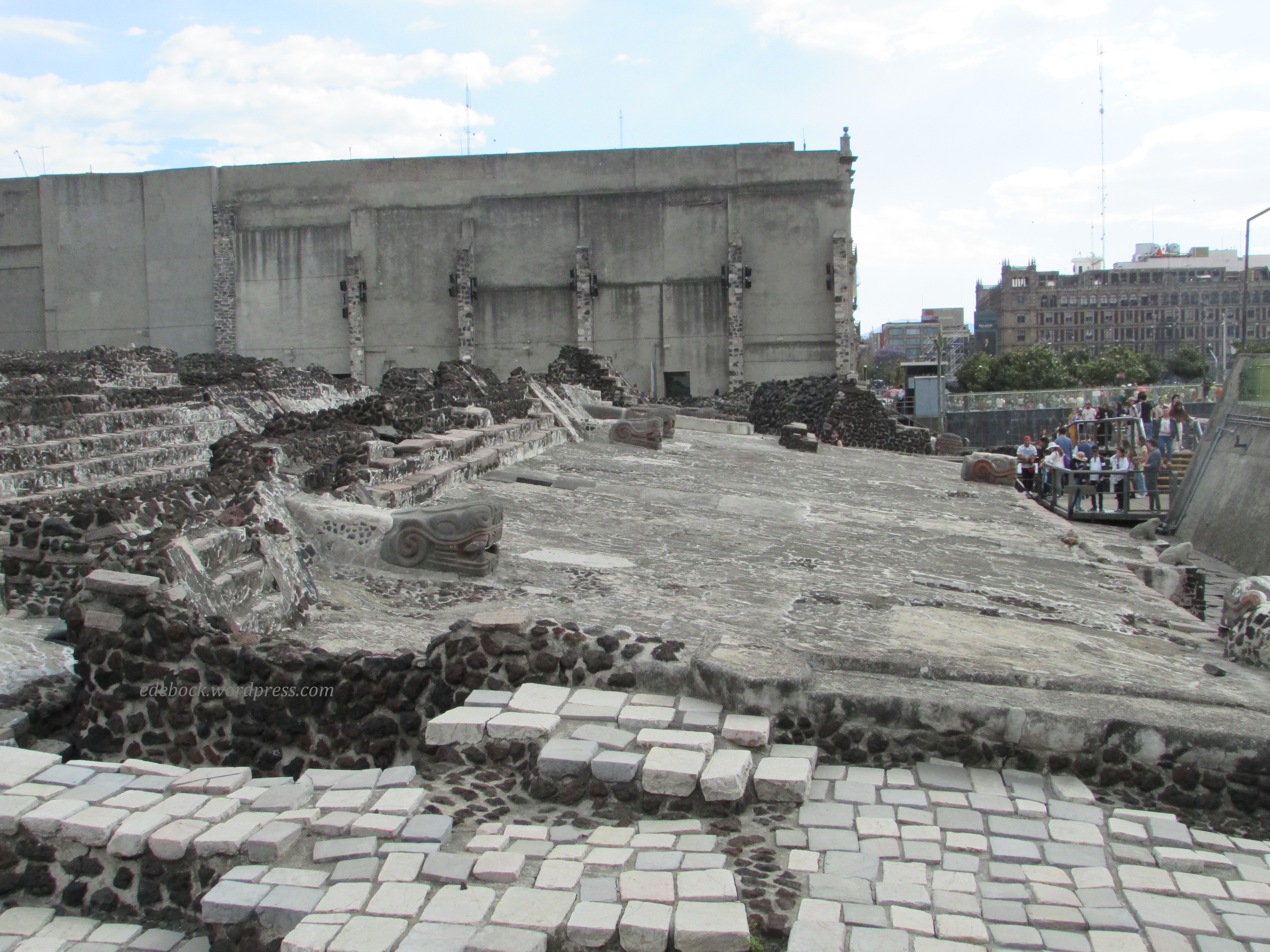
When hubby and I spent half a day in Mexico City four years ago, we glimpsed the ruins of Templo Mayor, the Aztec “Great Temple” from street level, but this time we wanted to get a closer look. Just a ten minute walk from our hotel in the Centro Histórico district, the temple once dominated the central sector of the Aztec capital, Tenochtitlan. Destroyed following the Spanish Conquest, many of its stones were used in the construction of the imposing Metropolitan Cathedral of the Assumption of the Most Blessed Virgin Mary into Heaven. The remainder of the ruins gradually disappeared beneath, first a garbage dump, and later 19th century colonial buildings. It wasn’t until 1978 when electrical workers happened upon an 8-tonne stone-disc carving of the Aztec goddess, Coyolxauhqui,  that the decision was made to demolish those colonial buildings and begin the excavation which continues today. A fenced pathway allows visitors to walk through the site and see close up what remains of the structures that once stood on the site.

IMG_5216

IMG_5215

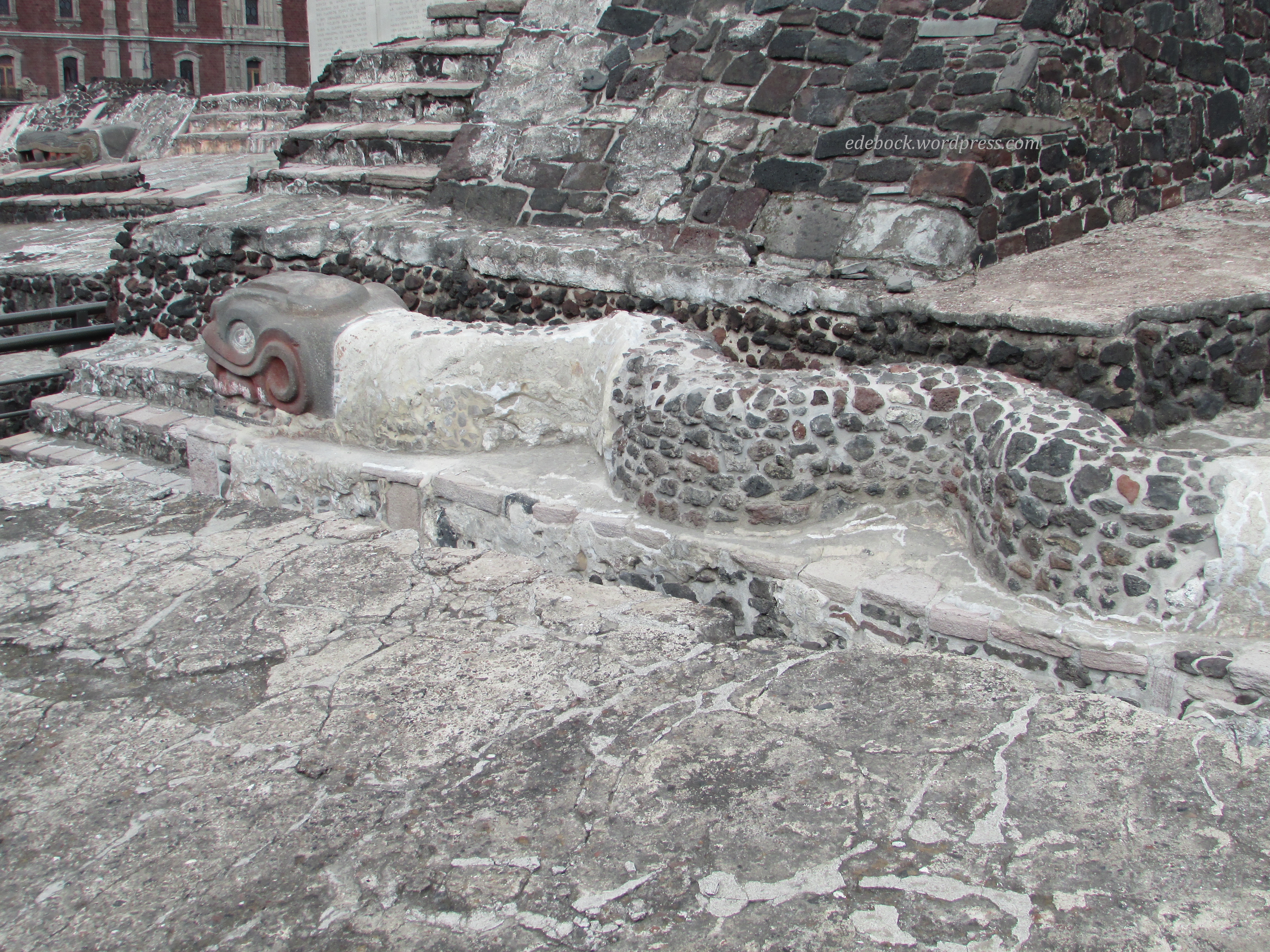
Amazingly, some pieces, including two giant undulating serpents, have retained some of their original colour through the centuries.

IMG_5217

IMG_5223

Over the years, the Great Temple underwent many changes and expansions. The main platform and part of the stairway of the great pyramid that was constructed during the reign of Moctezuma I from 1440 to 1469 have been conserved.

IMG_5227

Though not as big or as detailed, these stone figures reminded me a bit of the terracotta warriors that we saw in Xian, China.

IMG_5229

Tláloc, the rain god was worshipped by the early Mesoamerican people. This brightly painted chac-mool figure holding a basin was located on the platform of a temple dedicated to Tláloc. Dating back to approximately 1350 AD, it is the oldest piece that has been found at the Great Temple thus far.

IMG_5240

IMG_5252

Making our way around the Templo Mayor complex, we came to what was known as the House of the Eagles.

IMG_5261

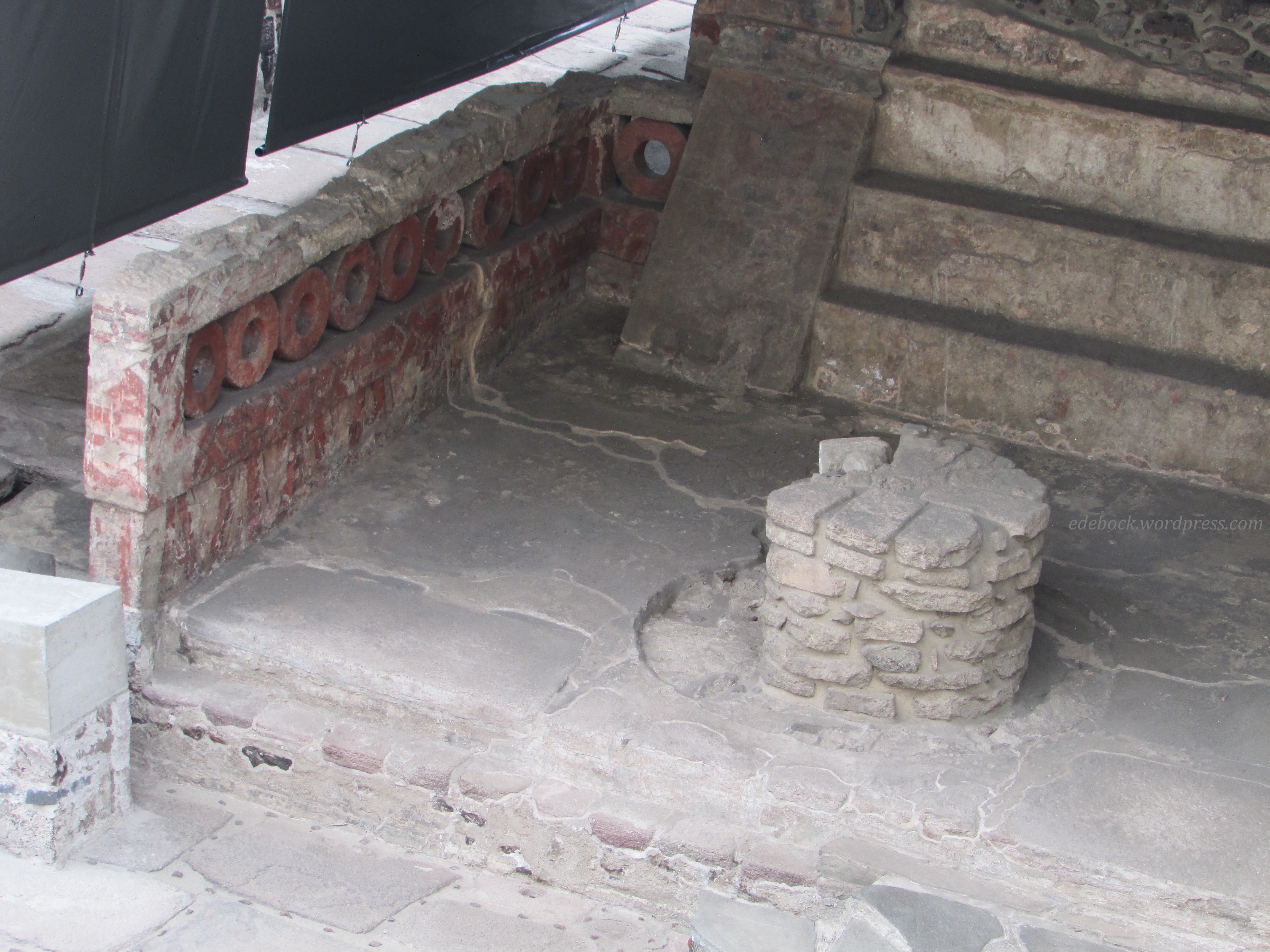
This is the best preserved portion of the temple area where we can see the stairways, porticos, and individual rooms.

IMG_5265

IMG_5271

In the next photo, you can see the present day cathedral in the background. At 60 metres high, it is only 15 metres higher than the ancient temple at the time of the conquest in 1521. I’m sure that the circular structure in the foreground had a different purpose in ancient times, but today people toss coins into it and I presume make wishes as they do so. As I tossed my coin into the centre circle, my wish was that I would have the opportunity to return to Mexico again in the future!

IMG_5289

In addition to the ruins, the Templo Mayor complex includes a four storey indoor museum that houses many artifacts found at the site. Unlike the outdoor portion, however, there is no English signage inside and since we were short on time, we only briefly checked out the first floor. I’ll finish this post with a few of the pieces that we saw there.

Book of the month – February 2023

Before we left for Mexico, I loaded a series of four books by Pulitzer Prize winning author, Elizabeth Strout, onto my Kindle.

My Name is Lucy Barton

Elizabeth Strout

image-assetThe first book in the series, My Name is Lucy Barton, reads like a memoir to such an extent that when I finished it, I actually researched the author to find out whether or not it was autobiographical. Though there are parallels, particularly in the facts that, like Strout, Lucy Barton is a writer and both were raised in rural areas somewhat isolated from other children, the similarities end there.
When Lucy Barton spends several weeks in hospital recuperating from what should have been a simple operation, her mother, who she has not seen or spoken with for several years comes to visit. As they chat, Lucy dredges up memories from her childhood in rural Illinois; memories of growing up in abject poverty, spending the first years of her life living with her family in a one room garage, being abused by her father who suffered from PTSD as the result of his time in World War II, being told by her classmates that “your family stinks” and sitting alone in a classroom to do her homework long after everyone else had left because it was better than being at home.

Exquisitely told in the first person, this is a story of coming to terms with family trauma. Though there is much that Lucy and her mother can’t or don’t discuss, it also becomes a story of reconciliation and love between mother and daughter.

The second book in the series, Anything is Possible, isn’t really a sequel. Instead, it’s a series of connected short stories about the people of the fictional town of Amgash, Illinois where Lucy Barton grew up. Lucy, herself, appears in only one of these stories when, after being absent for seventeen years, she returns to visit the siblings she left behind. The third book, Oh William!, continues the story of her life and explores her relationship, both past and present, with her first husband, William. The final book, Lucy by the Sea, which I started reading on the plane on the way home from Mexico yesterday and haven’t finished yet, might be my favourite. Perhaps that’s because the characters have become so familiar to me or maybe it’s because the topic is so timely. When the pandemic hit New York, the city that became Lucy’s home after she left Amgash, William convinces her to escape with him to an isolated house on the coast of Maine. Not taking the threat as seriously as he does, she reluctantly agrees thinking that she’ll be there only a week or two. Weeks soon stretch into months, but I can’t tell you how the story ends because I haven’t got there yet!

Elizabeth Strout describes her writing style as that of “an embroiderer”. “I will pick it up and embroider a little green line, and come back later and embroider a leaf or something… I always write by scenes, and I never write anything from beginning to end.” In the end, however, she presents the reader with a complete and complex story written in a confiding conversational tone that creates a feeling of intimacy between character and reader. I can hardly wait to read more of her books!

A walk in the neighbourhood

Our time in Coatepec is coming to a close. Tomorrow, we depart for Mexico City and on Tuesday, we fly home. This morning, hubby and I went for a walk in the neighbourhood exploring a few of the many side streets in the area. Come along and I’ll show you some of the sights that are common here. 

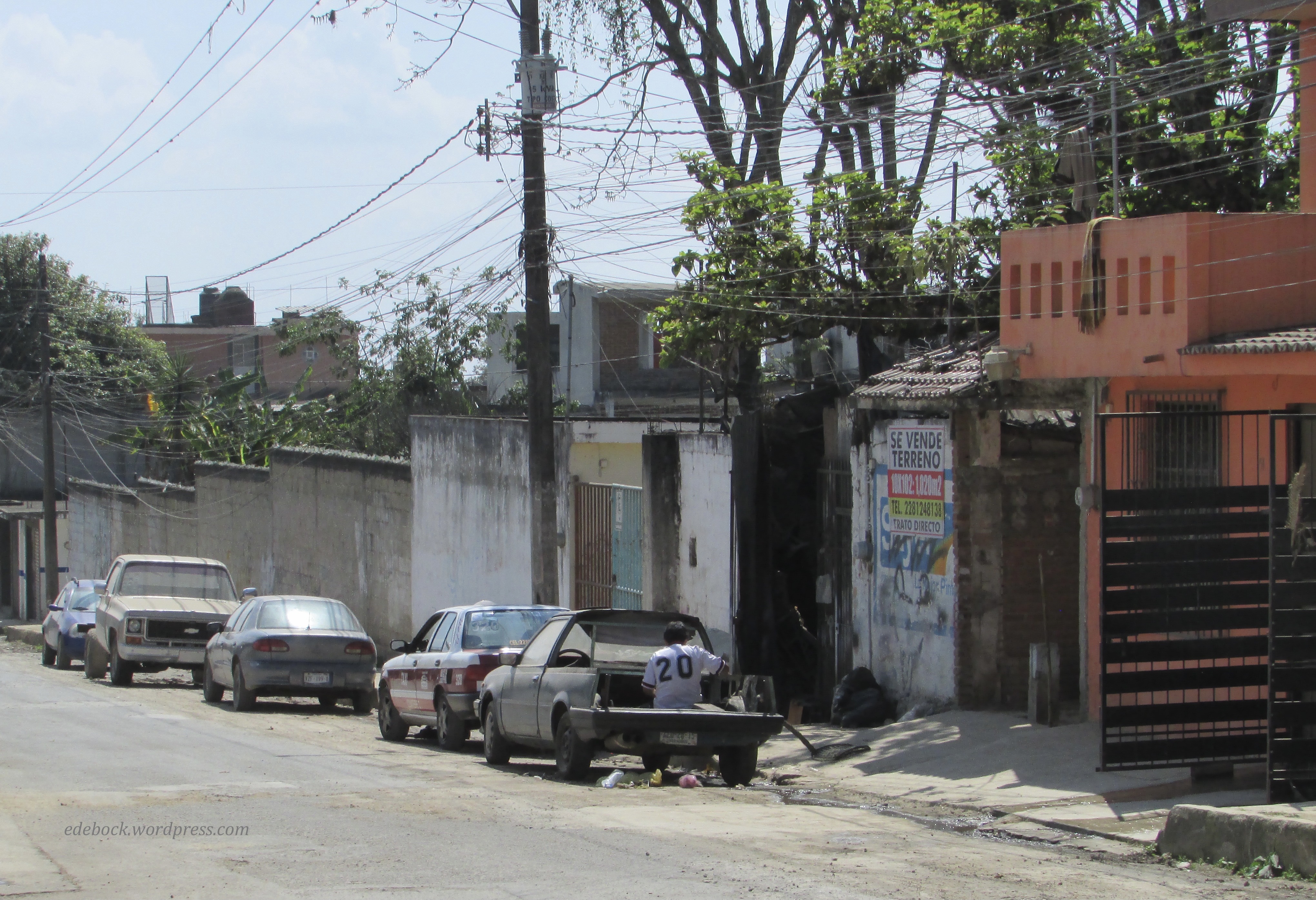
Just around the corner, you’ll see the roadside mechanic who is always busy repairing someone’s vehicle. 

IMG_5206

Here we are a little further down the street. Though this isn’t an everyday sight, it seems to be quite common on Saturday mornings.

IMG_5197

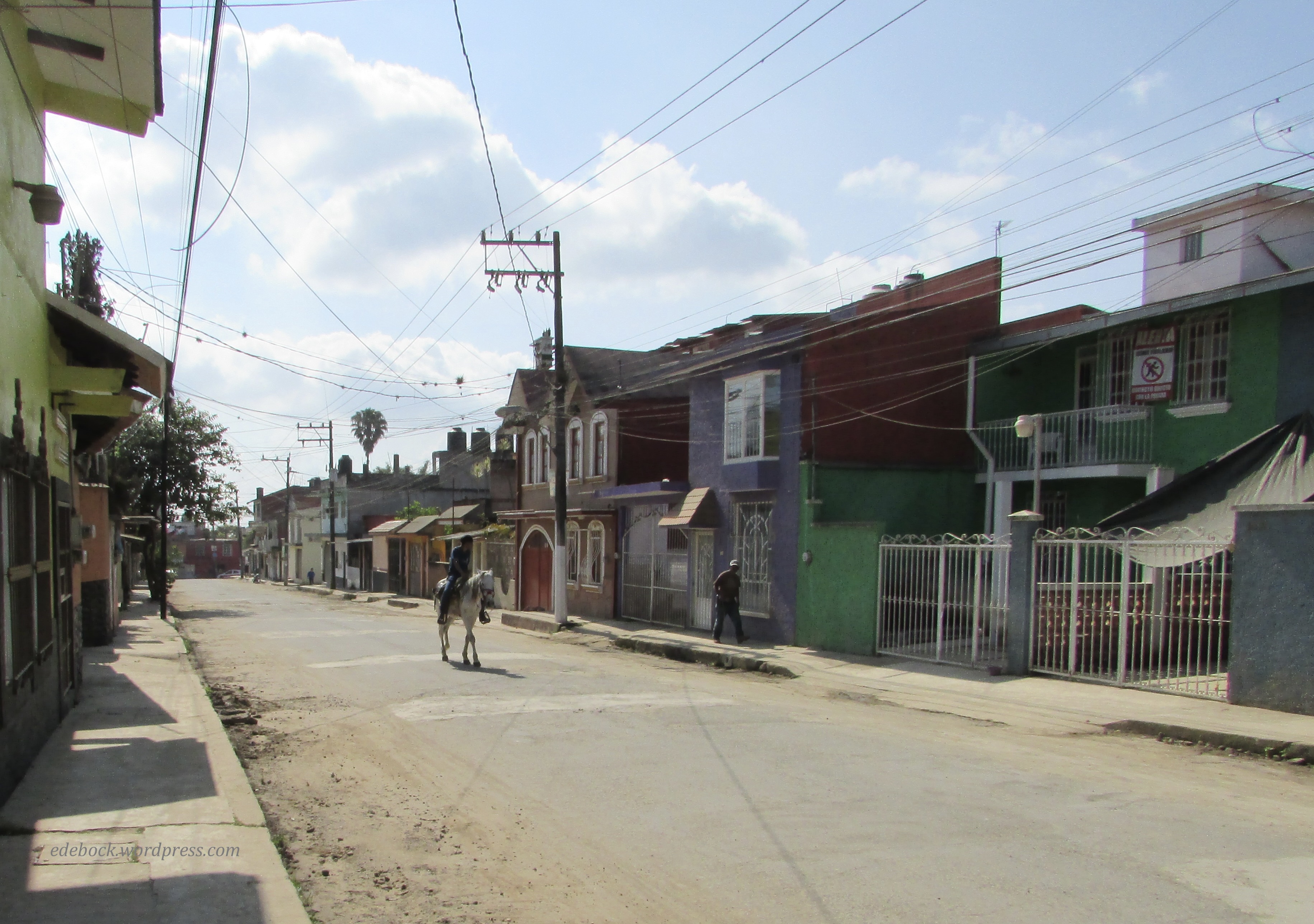
Walking can be a challenge here. This is quite typical of the sidewalks in the area!

IMG_5200

There is beauty to be seen too though. 

IMG_5201

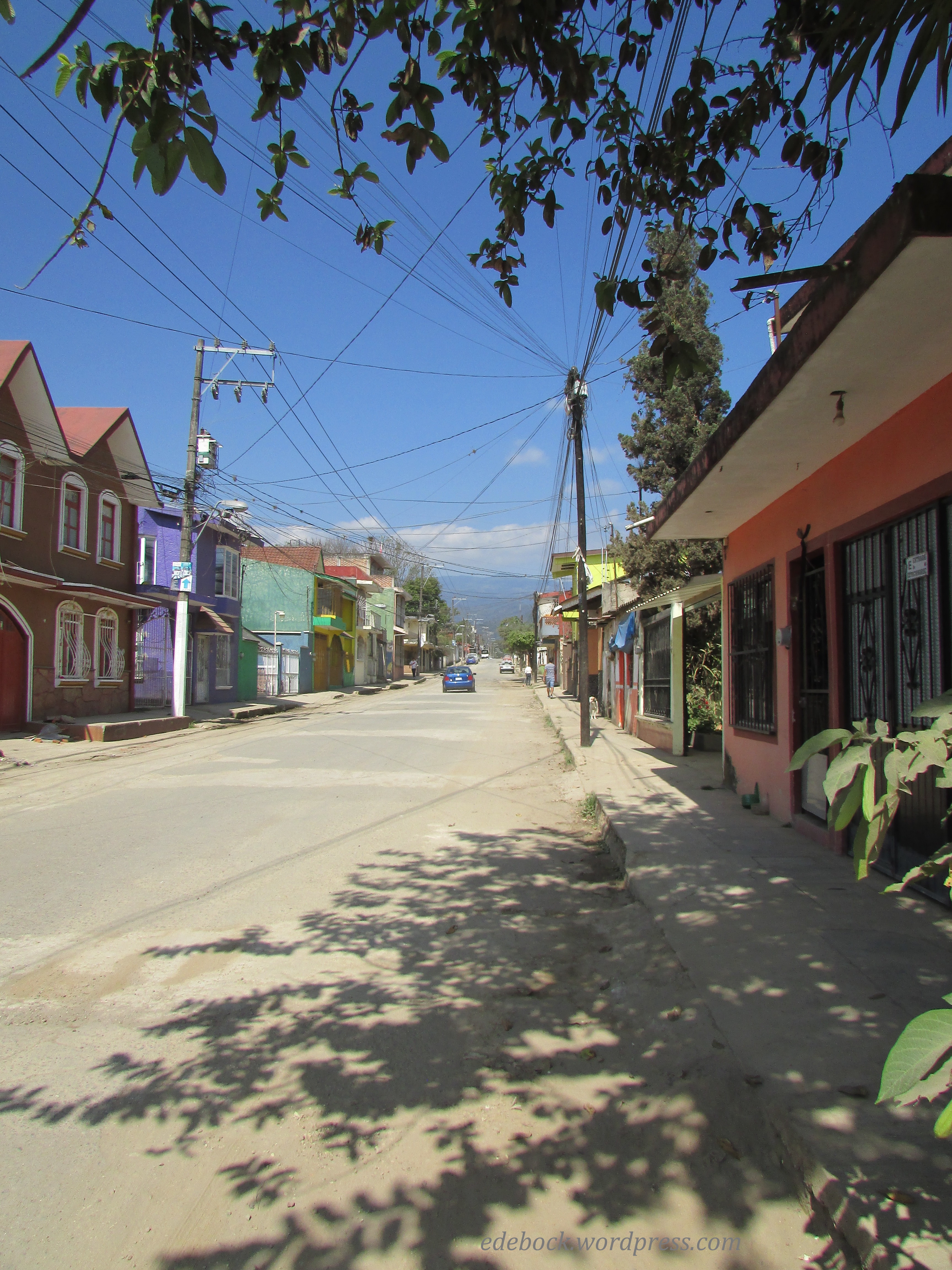
This is a typical street scene. 

IMG_5205

And here’s what it often looks like when someone is doing construction on their home or place of business. 

IMG_5204

Finally, this is the small callejón (alley) where we “live”. That’s an apartment building on the right and the rest are private homes. 

IMG_5207

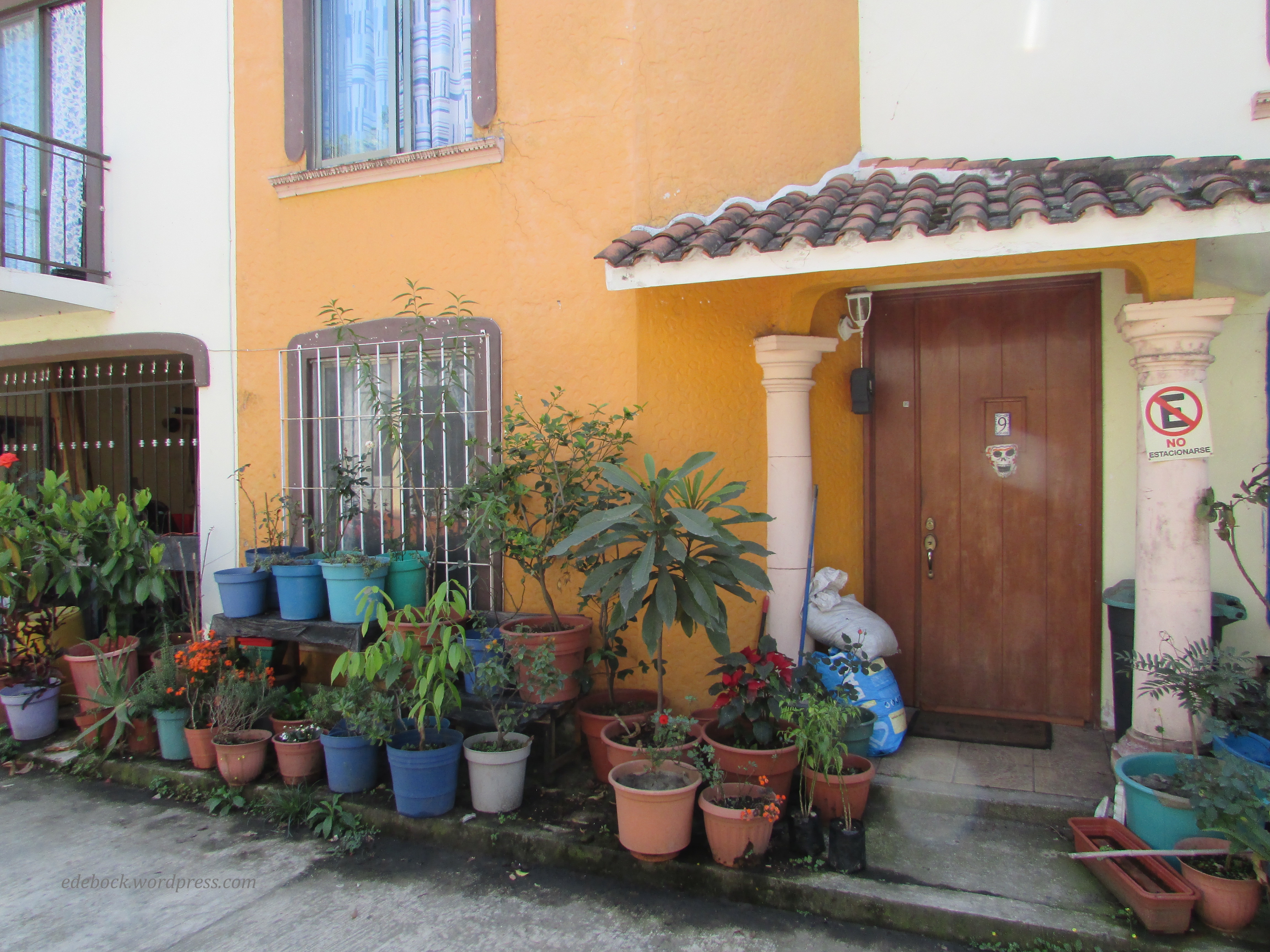
Richard and Colleen’s house is the yellow and orange one a la izquierda con muchos plantas enfrente (on the left with many plants in front).

IMG_5208

IMG_5209

As we fly back to the frigid north, we’re going to miss sunny Coatepec, but first we have Mexico City to explore! 

Dressing for the hot Mexican sun

Logo by SamI wasn’t sure if there would be a Fashion Friday post this week as I’ve been focusing on enjoying our time in Mexico and sharing some of the sights with you, but here’s a quick “what I wore” post. We’ve had a couple of cooler, wetter days, but for the most part the daytime temperatures have been in the high 20ºs Celsius (high 70ºs and low 80ºs F). At at least one point earlier this week, the temperature discrepancy between here and home was more than 50ºC! Needless to say, I’ve been enjoying wearing my summer clothes.

IMG_5172

For Tuesday’s outing to Xico, I wore a thrifted Calvin Klein top and a comfortable pair of light cotton capris that I’ve had for several years.

IMG_5192

The following afternoon, Richard and I went for a long walk around Coatepec. Here I’m enjoying a relaxing rest in Miguel Hidalgo Park in the centre of town. Named for a Catholic priest and revolutionary during the Mexican War of Independence who is generally recognized as the Father of the Nation, the park is a popular gathering place any time of day or evening. In the photo, I’m wearing a cabi top from several seasons ago and the one pair of shorts that I’m very glad I tucked into my little carry-on suitcase. The sandals in both photos are the Clarks that I bought almost brand new at one of our local thrift stores last summer.

Perhaps the most important thing that I’ve been wearing though is a good sunscreen to protect my fair skin from the bright Mexican sun!

Xico

Like Coatepec, nearby Xico has been designated a Pueblo Magico (Magic Town), for maintaining its original architecture, culture, folklore, and/or history. Recognized by the Mexican government for their “magical” qualities, these towns have been selected as some of the most beautiful places in the country to visit.

Last time we went to Xico, six years ago, road reconstruction was underway in the downtown core. Though we enjoyed a lovely lunch on an outdoor patio, we weren’t able to explore as much of the area as we did yesterday. Once again, we had the taxi from Coatepec drop us off by the beautiful Santa María Magdalena church in the centre of town.

img_3604

From there, we explored on foot. Come take a walk with us. There’s the two Richard’s leading the way.

IMG_5147

I absolutely love the colours and the old colonial architecture.

IMG_5148

IMG_5149

IMG_5159

IMG_5166

As in Coatepec, I was intrigued by the murals that we saw along the way. This one actually wraps itself around the corner of the upper storey of a building.

IMG_5152

This one adorns the outside of the restaurant where we ate last time we were in Xico.

IMG_5155

I couldn’t even capture all of this mural in a photo. I especially liked all the detail on the happy little payato (clown).

IMG_5161

IMG_5162

After our walk, we stopped for coffee overlooking the courtyard of the beautiful Las Magdalenas Boutique Hotel. I completely abandoned my coffee free, diabetic diet and indulged in a tall and very delicious frappuccino moka topped with a mountain of whipped cream! Hopefully all the walking somewhat made up for such an extravagance!

IMG_5168

IMG_5176