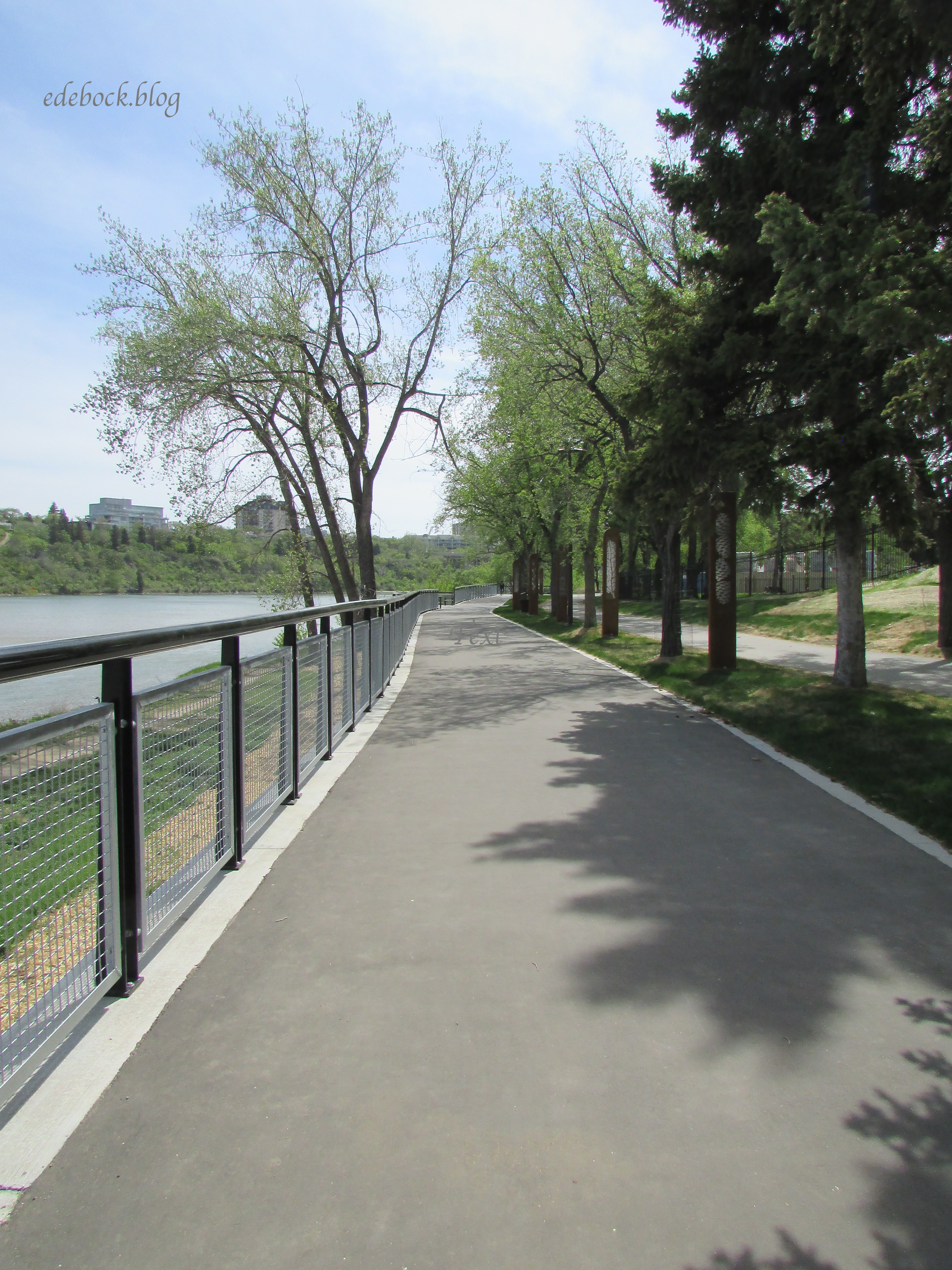
Today I have a little bit of Fashion Friday and a little bit of travel for you all in one short post! Hubby and I spent three days this week representing our church at a denominational conference in Saskatoon, Saskatchewan. While most of our time was spent in meetings, we had some free time to do a bit of exploring on Wednesday afternoon. We decided to spend it walking a small portion of the Meewasin Trail, a scenic multi-use pathway that stretches over 105 km in and around the city, mainly along the South Saskatchewan River.
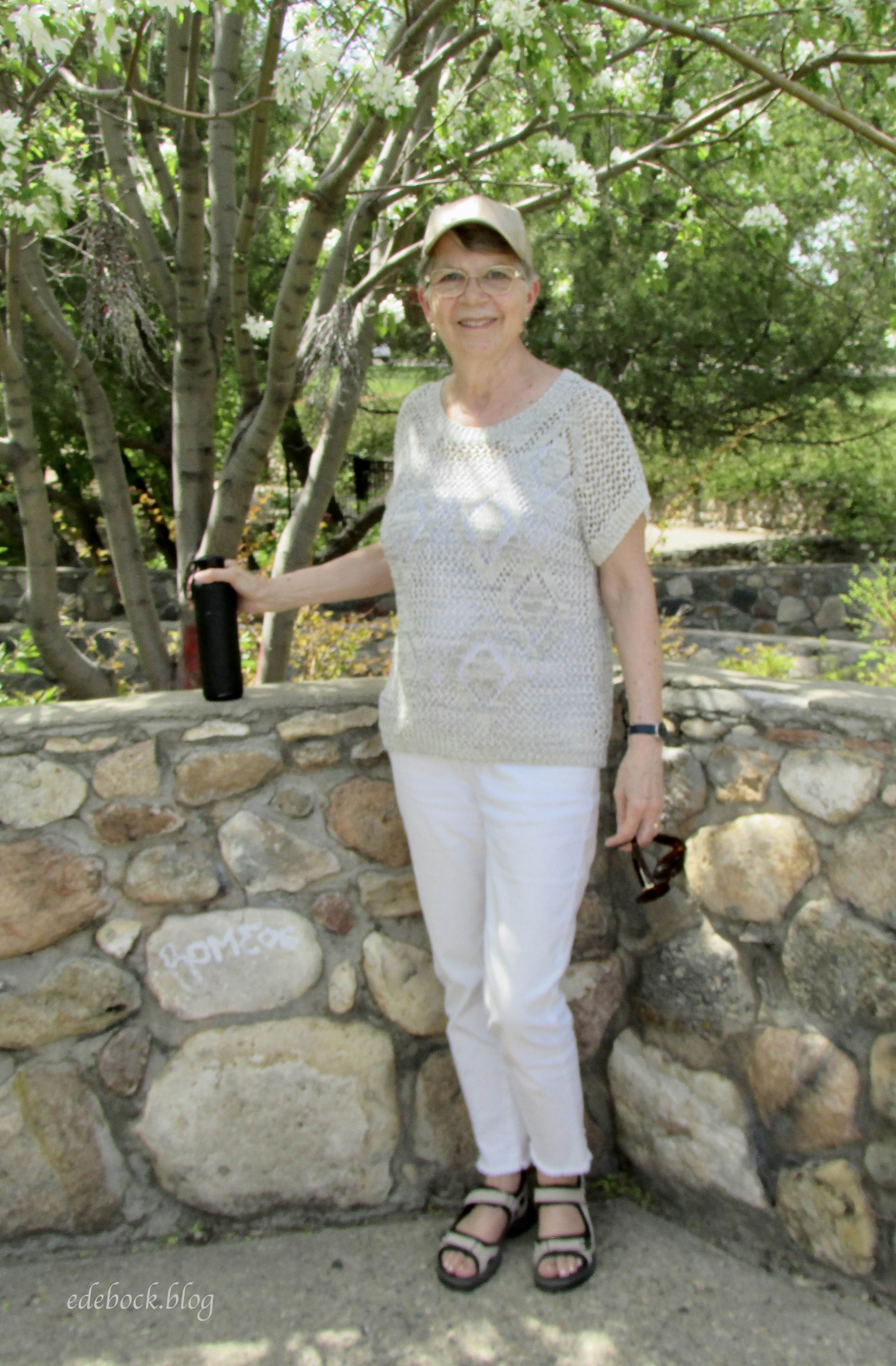
A big question for me was what to wear when I would be spending a significant amount of time in an air-conditioned venue, but also a couple of hours walking outdoors in 32ºC (90ºF) heat!! Here’s what I chose.
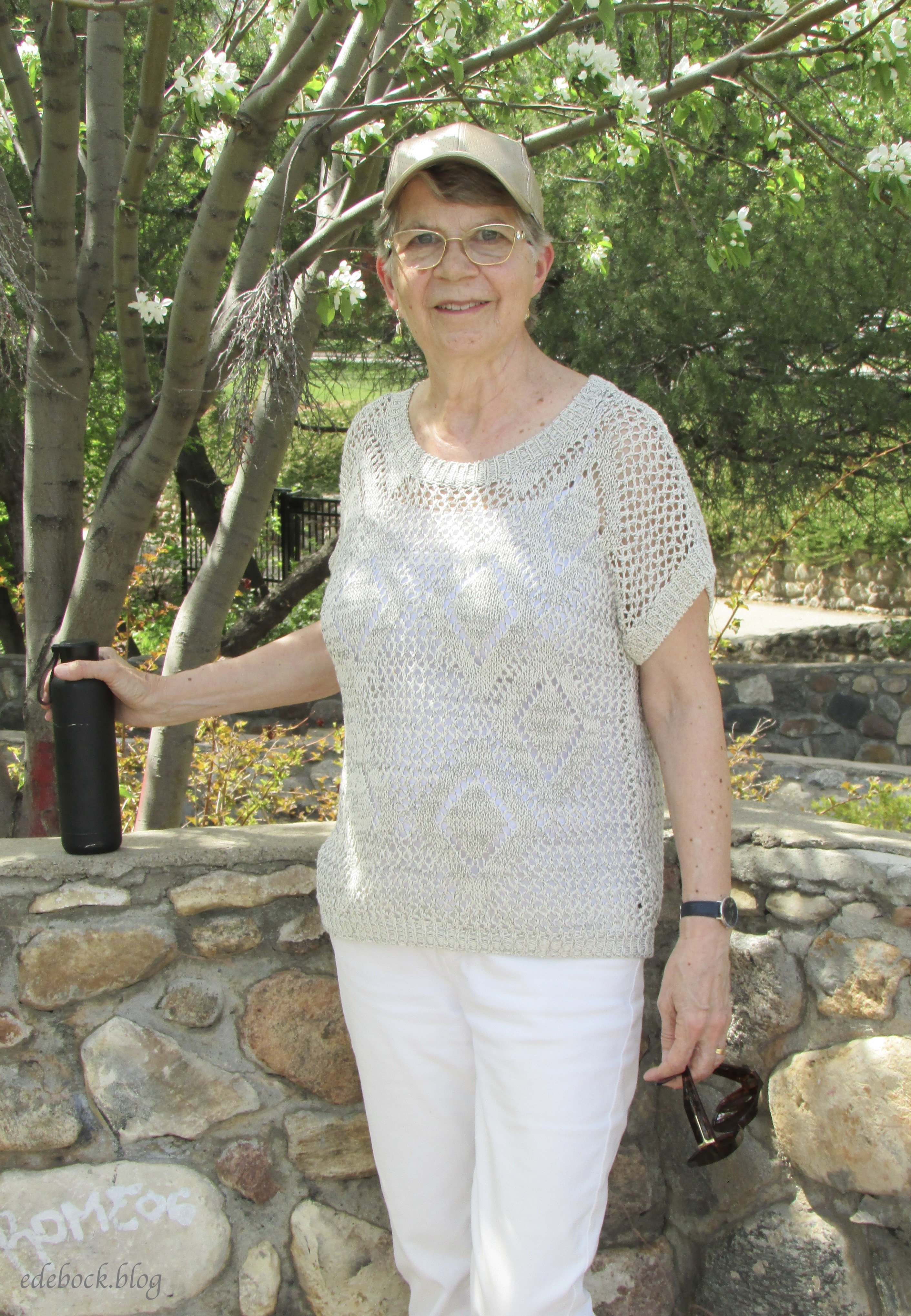
The white jeans were a thrift store purchase several summers ago and have appeared on the blog before, but the open-weave crocheted top, worn here over a white cami, is a recent acquisition purchased at a new consignment shop in our area. The sunglasses in my left hand and the hat were very important accessories on such a hot, sunny day and I also wore my Ecco Yucatan walking sandals that provided much needed support as we ended up walking 7 km (4.3 miles) on paved pathways.
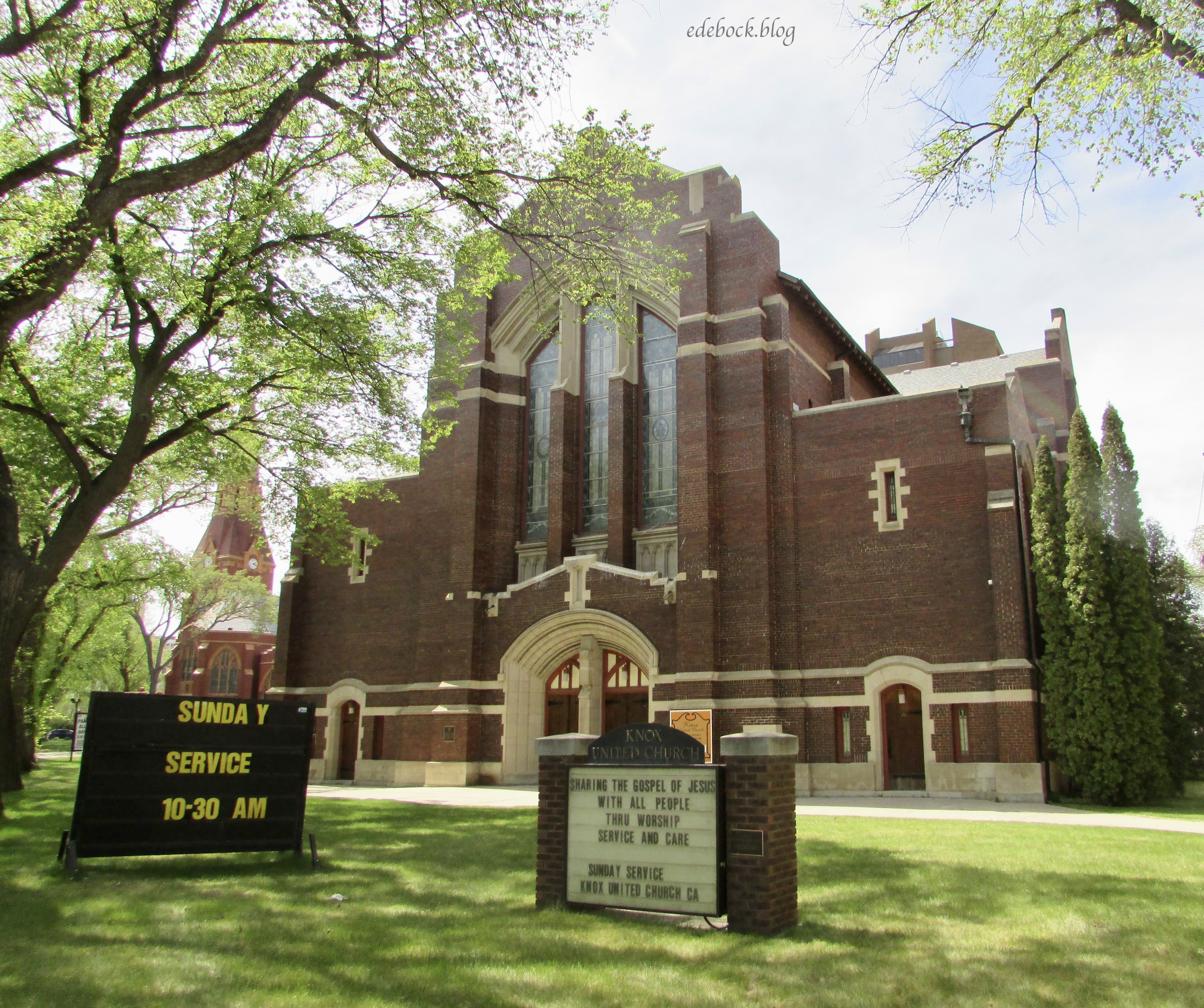
We accessed the trail and started our walk across the street from the historic Knox United Church. Built between 1912 and 1914, it is a designated municipal heritage building.
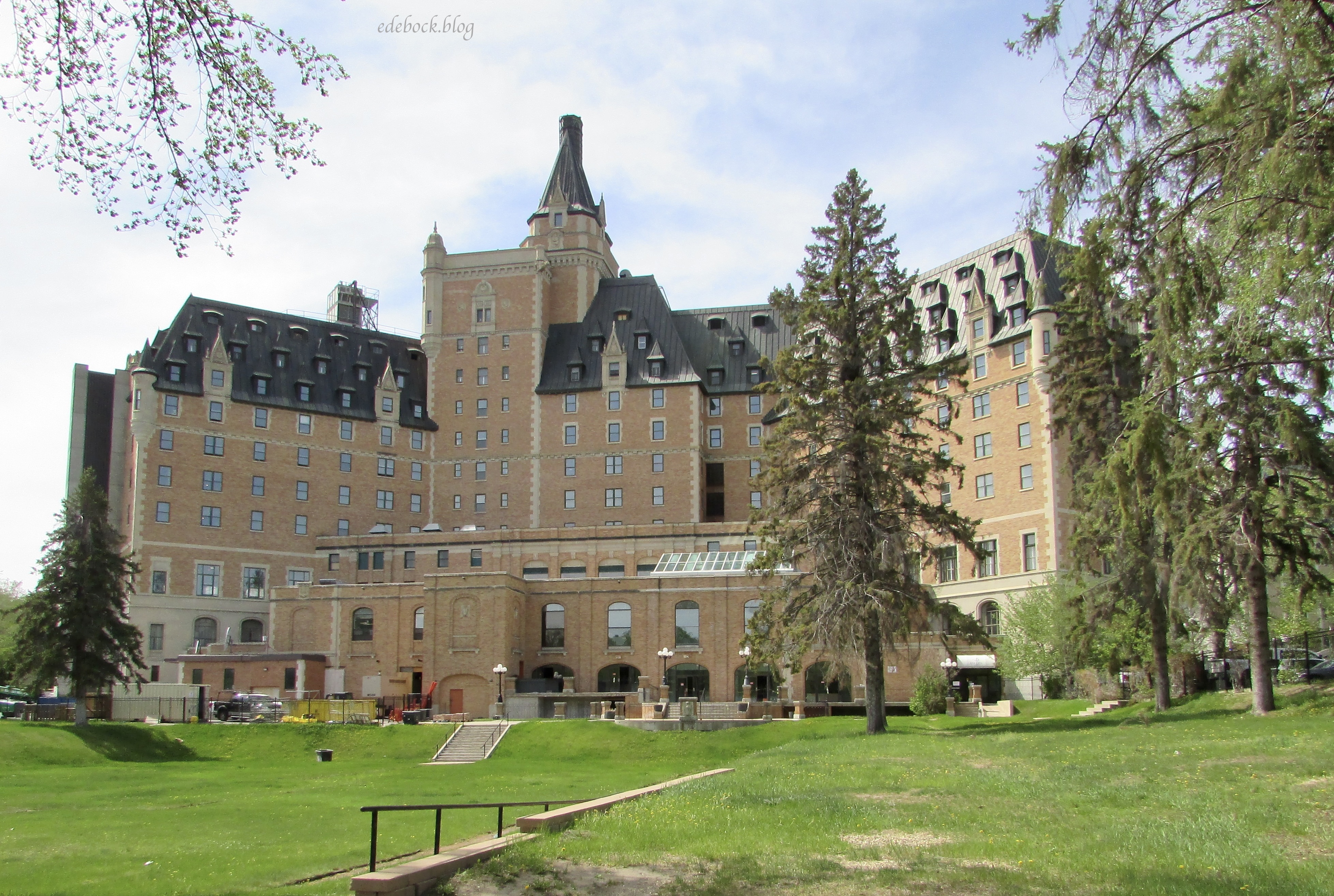
Another historic building along our route was the iconic Bessborough Hotel, Saskatoon’s castle on the river, which is presently closed for major interior renovations.
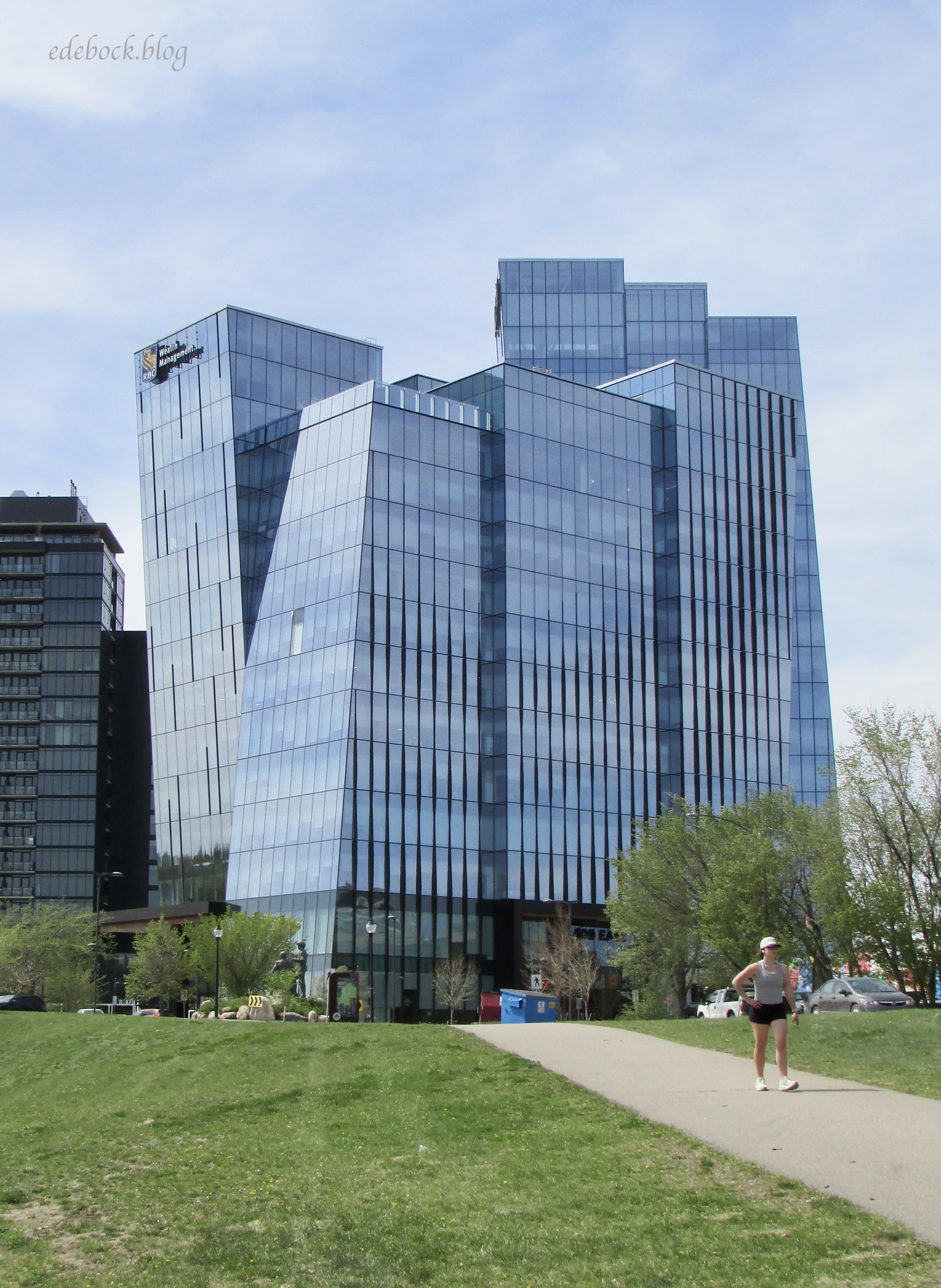
A little further along, we passed some much more modern architecture.
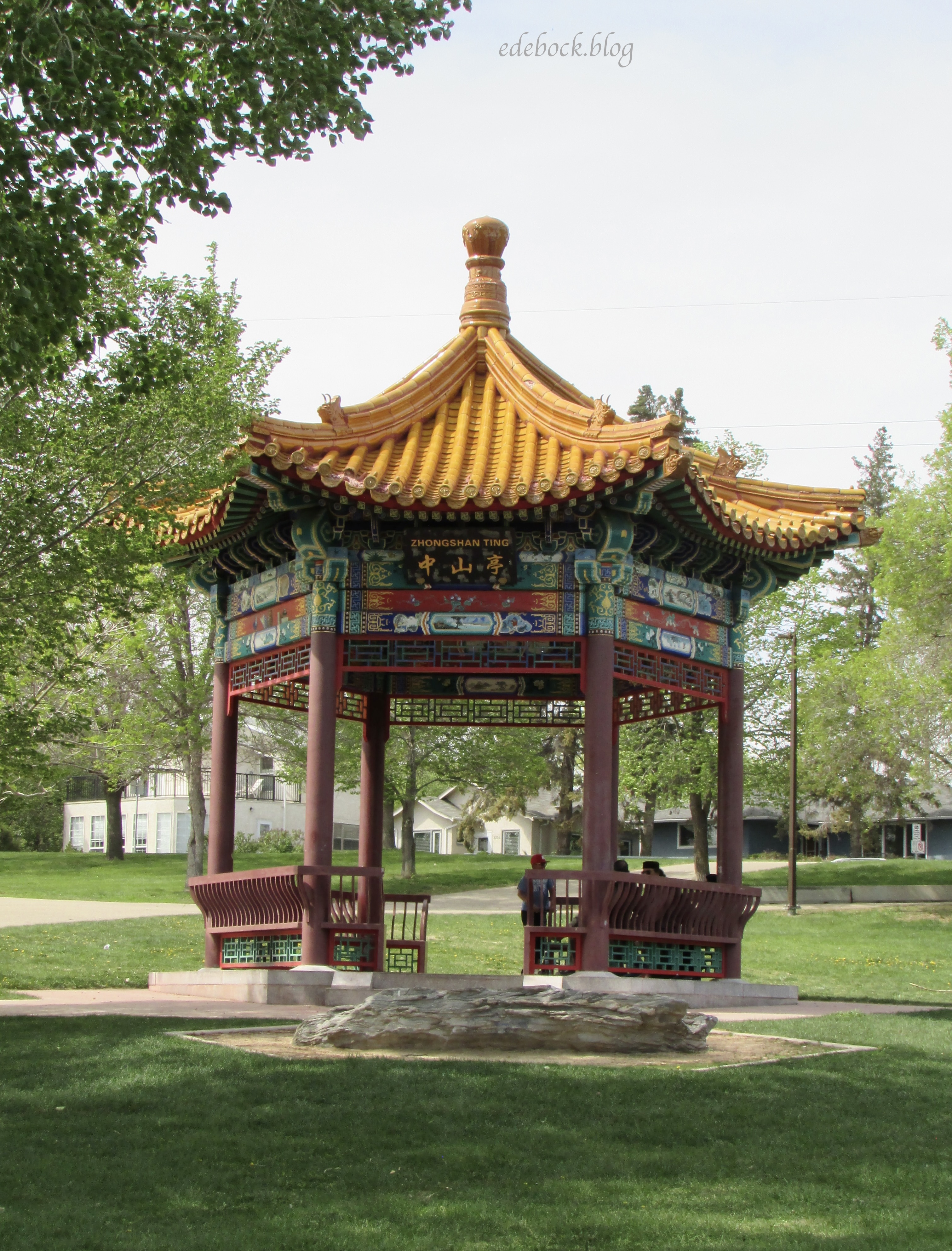
The beautiful Zhongshan Ting pagoda in Victoria Park was donated to the city in 2015 to commemorate the first Chinese immigrants and their contributions to early Saskatoon.
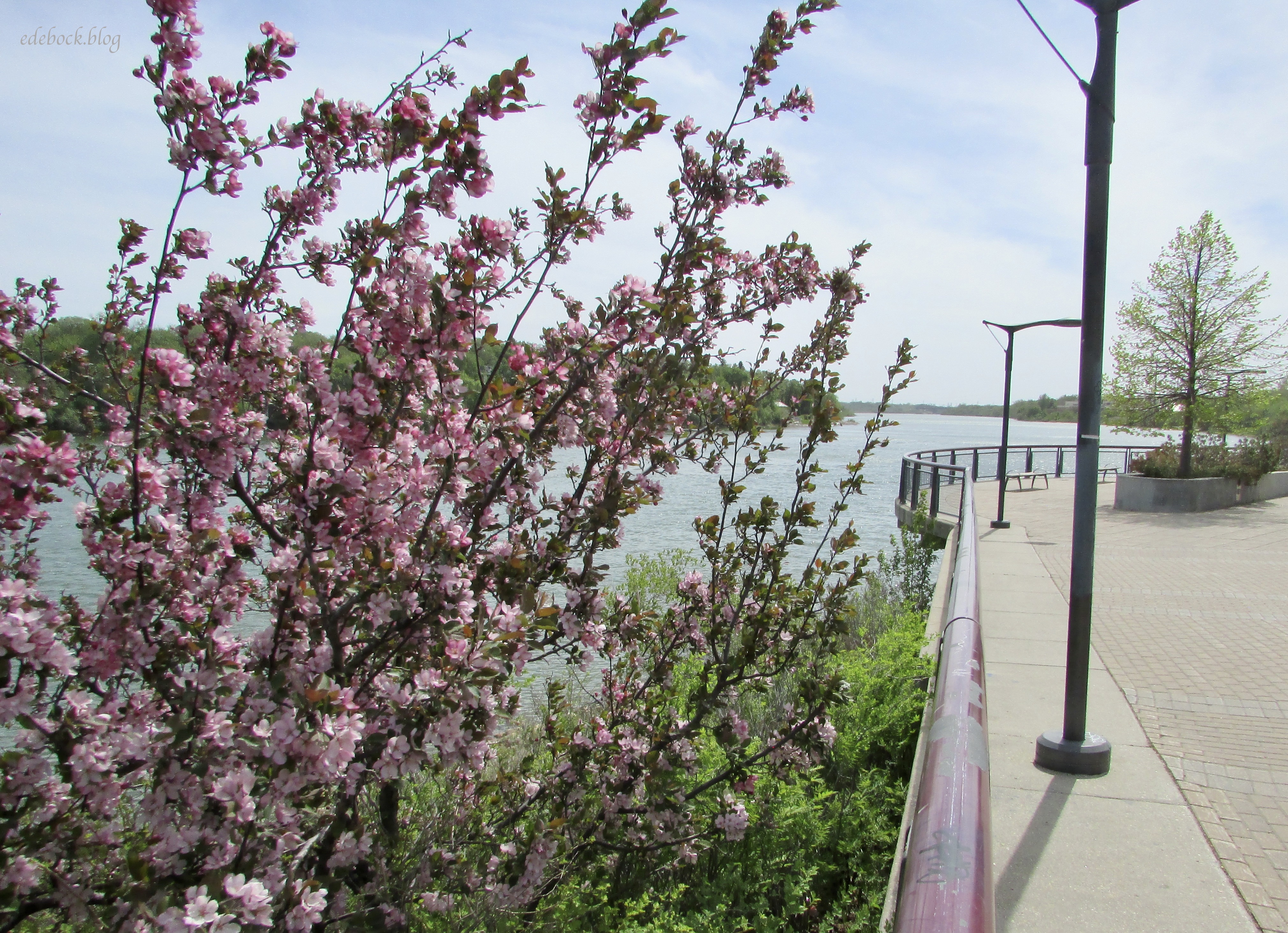
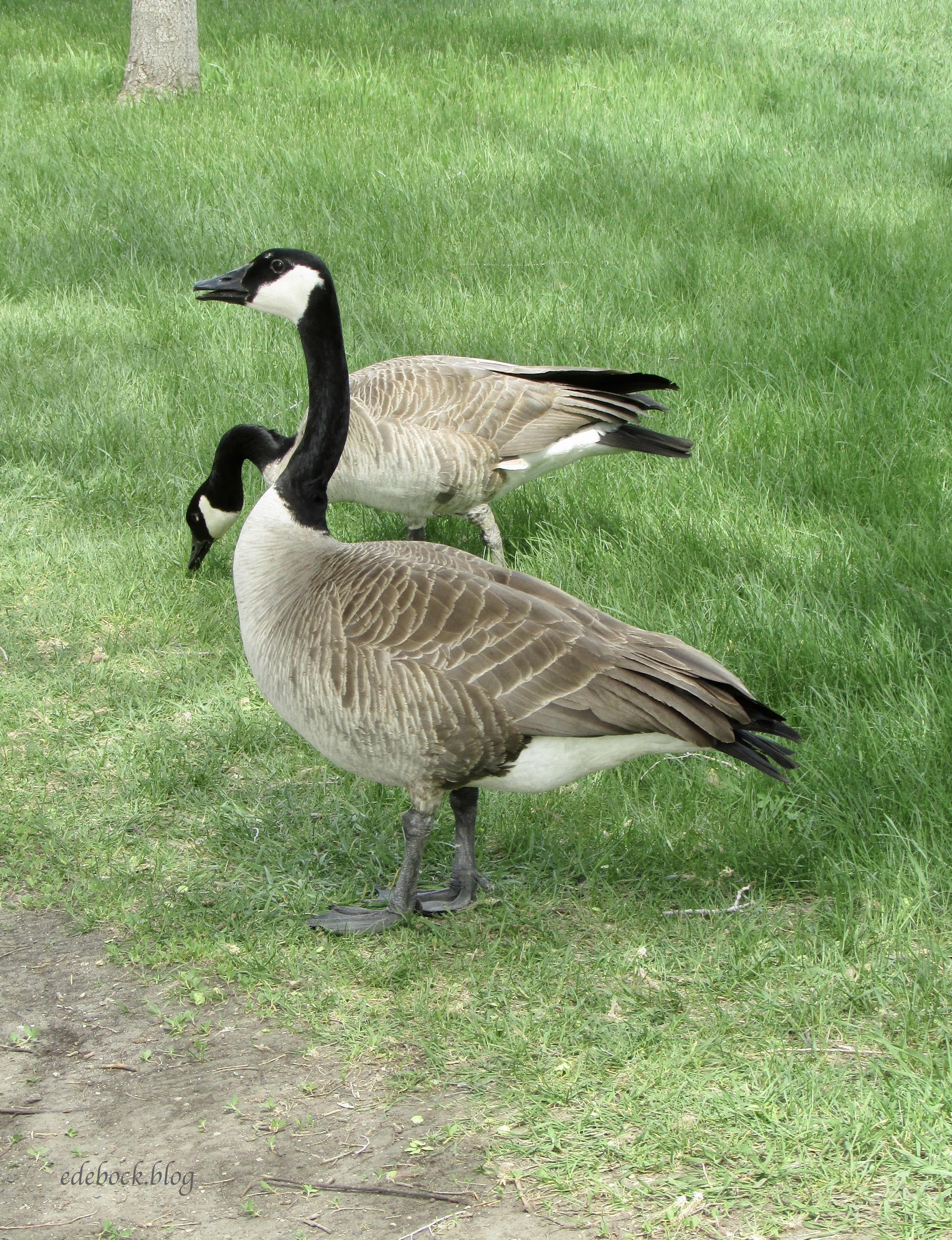
Fragrant blossoms and the presence of many pairs of Canada Geese were signs of the season. This fellow kept a close eye on us as while his partner grazed and we were careful not to annoy him. While these large birds become very comfortable in urban areas, they can also be highly aggressive, especially during their spring breeding and nesting seasons.
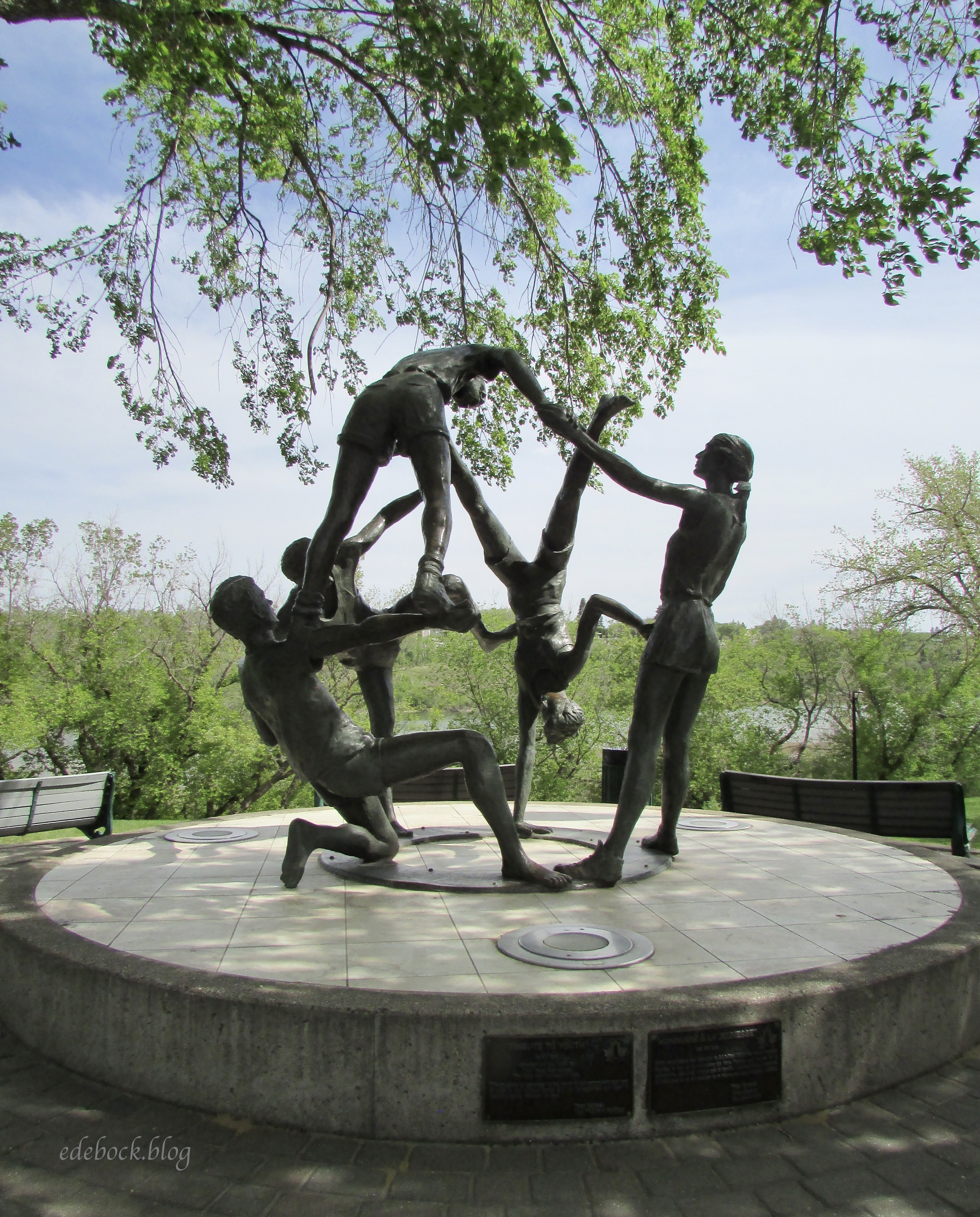
For the last bit of our walk back to the vehicle, we left the riverside and walked along Spadina Crescent. There, we came across one of the most recognized and photographed landmarks in the area, the Tribute to Youth statue. The life-sized bronze sculpture featuring five children with interlocked limbs forms a sphere and captures a sense of childlike play and energy. They definitely appeared to have more energy than I did at the end of our 7 km walk!





 Divorced for more than two decades, Yannick and Kathleen have not seen or spoken to one another for nineteen years when they receive the news that human remains have been unearthed on Vancouver Island. Could this be their daughter, Una, who disappeared without a trace over twenty years earlier? This unimaginable shared loss brings them together for a cross-Canada trip from Ontario all the way to the Pacific Coast.
 Following Augustine