Stand tall and shop smart!

Looking back at last Friday’s post, I was reminded of two things that I’ve written about before, but not for several years, so I decided to revisit them today.

Posture
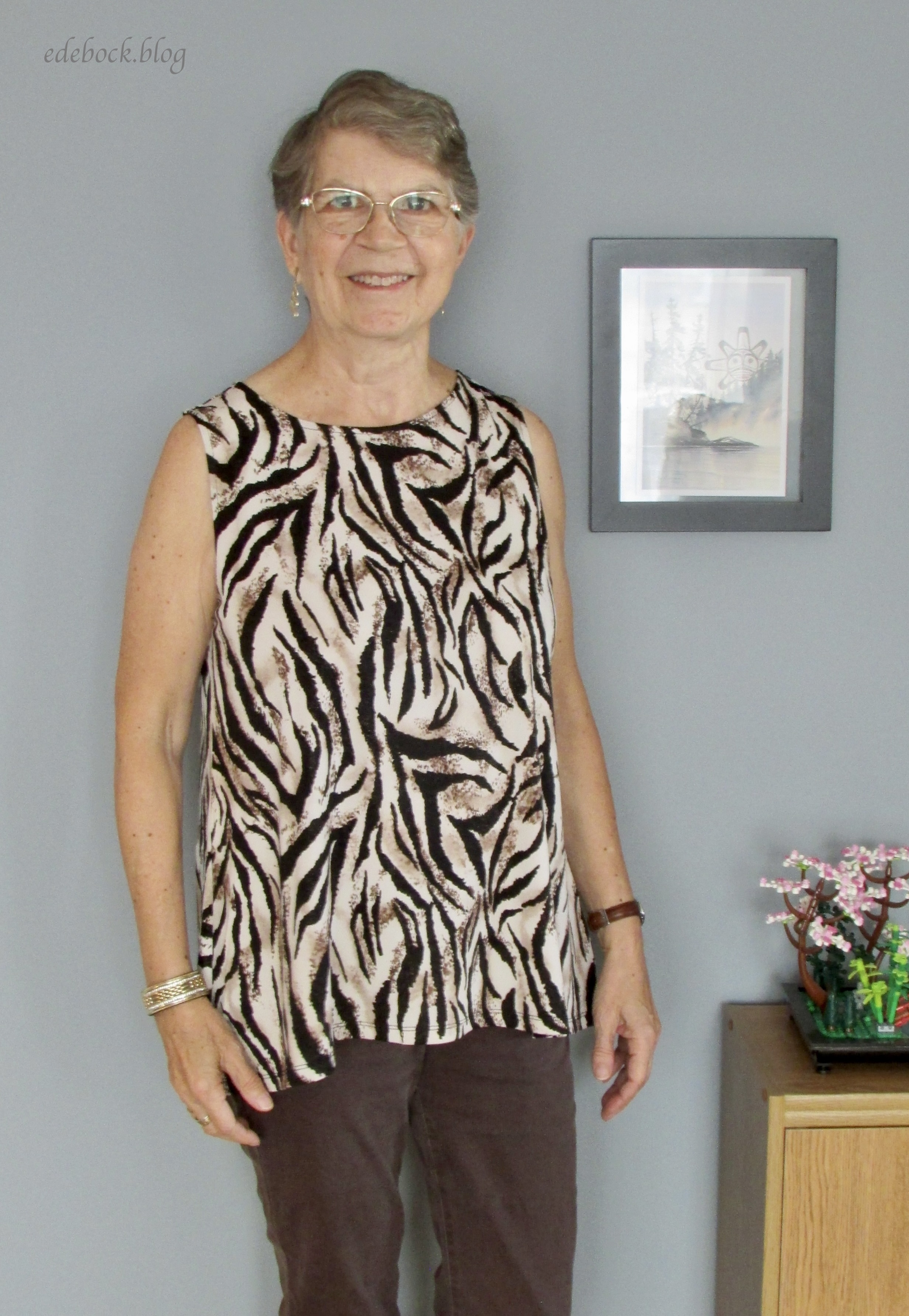
The first picture in last week’s post was meant to feature the top I was wearing, but when I look at it, all I see is terrible posture! I almost hate to post the photo a second time, but I want you to see what I’m talking about. Look at those slumped shoulders!

In comparison, what does good posture look like?

Image: Stanford University

One of the leading causes of poor posture today is constantly looking down at phones and laptops. That’s definitely part of my problem. The average human head weighs approximately 5 kg (11 pounds). Every time you look down for an extended period of time its weight adds stress to muscles, joints, and nerves, especially in the neck and upper back.

In addition to being a health hazard, poor posture also affects our appearance. Clothing always looks better on a body with good posture and people with good posture walk with more ease and grace. They look taller, more slender, more confident, and healthier.

So, what am I going to do about those slumped shoulders of mine? Yesterday I found this video online showing 4 exercises to stop hunching over 60 (I think they’d work just as well for someone under 60). I’m going to try incorporating them into my morning exercise routine, but I also need to remind myself not to spend so much time bent over my laptop!

Cost Per Wear

The ten-year-old cardigan that I wore for last Friday’s second photo reminded me of something that can really help with decision making when we’re shopping for clothes, cost per wear. The concept is very simple.
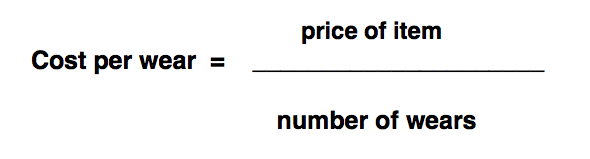
Simply divide the price by how many times you estimate that you’ll wear the item. Obviously, no one knows in advance exactly how many times they’ll wear a particular piece of clothing, but here are some questions that can help you estimate:

  • Where will I wear it?
  • Is it a single season item or something that I’ll wear year round?
  • Is it a trend that will likely disappear quickly or something that I’ll probably wear for several years?
  • Is it well made? Will it keep its shape and colour through multiple wears and washes or will it wear out quickly?
  • Will it go well with other items in my closet?
  • Will I get tired of it?

This time of year is an especially good time to think about cost per wear. Stores are full of holiday styles and it’s easy to be convinced that we need something new and special for upcoming Christmas events. I’ve fallen for the sparkle before and ended up with things hanging in my closet that were only worn once or twice a year. The cost per wear was ridiculously high. Instead, I’ve learned not to buy anything that won’t also work after the holidays and to add a festive look with accessories.

Most of all though, stand tall and wear whatever gives you joy!

An early winter hike

The last time I went hiking on Remembrance Day was 12 years ago while visiting Las Vegas with three of my girlfriends. We rented a vehicle and drove out to the Red Rock Canyon National Conservation Area to hike and explore.

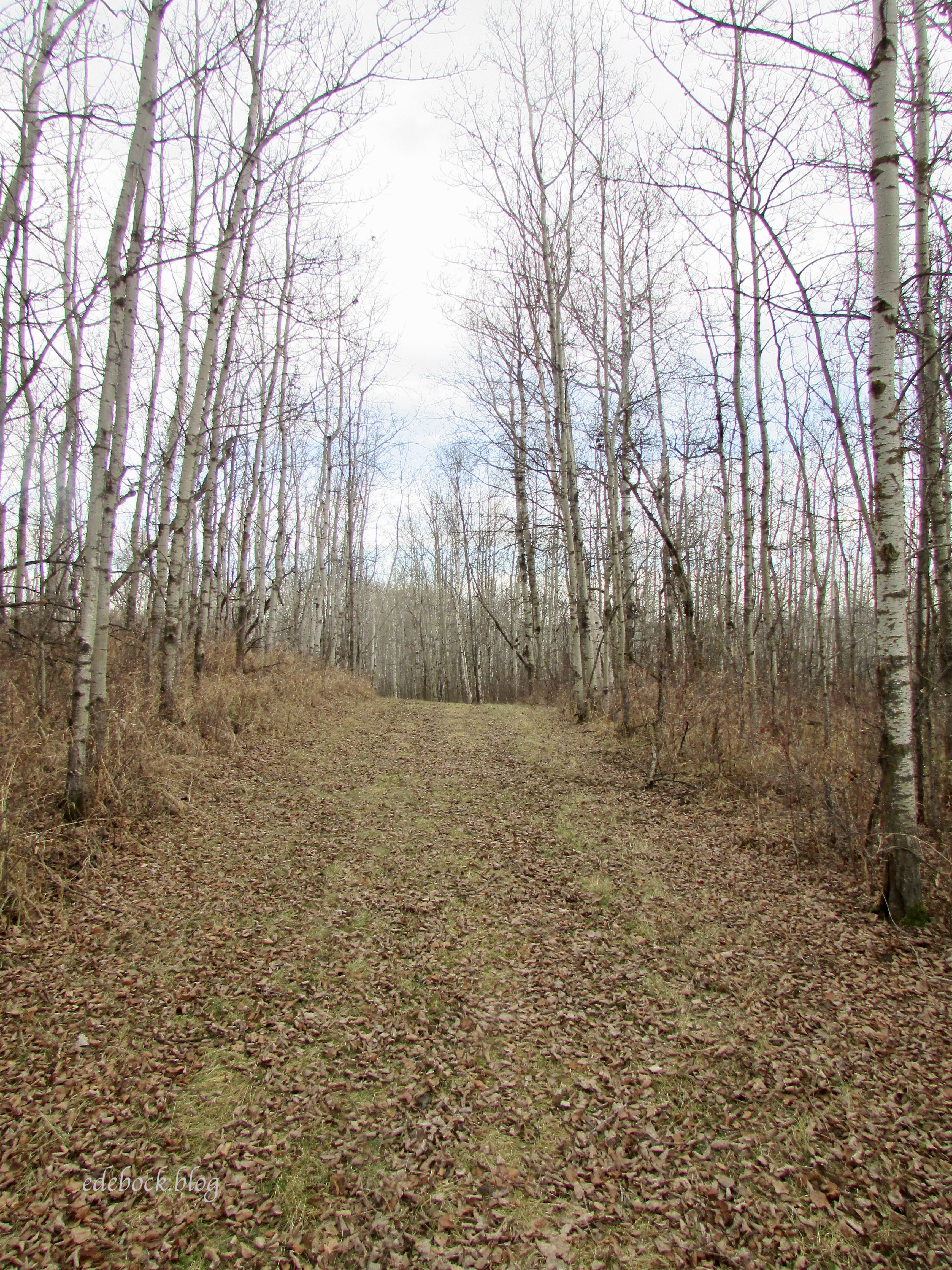
Today’s hike was very different from that one! Here in Alberta, we usually have snow by Halloween that stays on the ground until spring, but this year the weather has been unseasonably warm. Today we decided to go for a hike just because we could!

Because it’s hunting season and today was a holiday for many, we decided to choose a provincial park where there would be no chance of being mistaken for game by an unwary hunter. We chose Miquelon Lake Provincial Park, where we often enjoy camping and hiking in the fall, because we hadn’t made it there this year.

According to the weather forecast, it was supposed to be 7ºC (45ºF) when we arrived at the trailhead around noon, but it was not. It was only 4ºC (39ºF). A mid afternoon high of 14ºC (57ºF), much warmer than the average high for this day, was predicted. In reality, it didn’t get anywhere near that warm, but we had come prepared and were dressed for the cold. I was thankful that I’d brought a toque along and we were both glad to have gloves to keep our hands warm. While we were sitting on a fallen log beside the trail eating our lunch, the sun tried to break through, but most of the day was overcast.

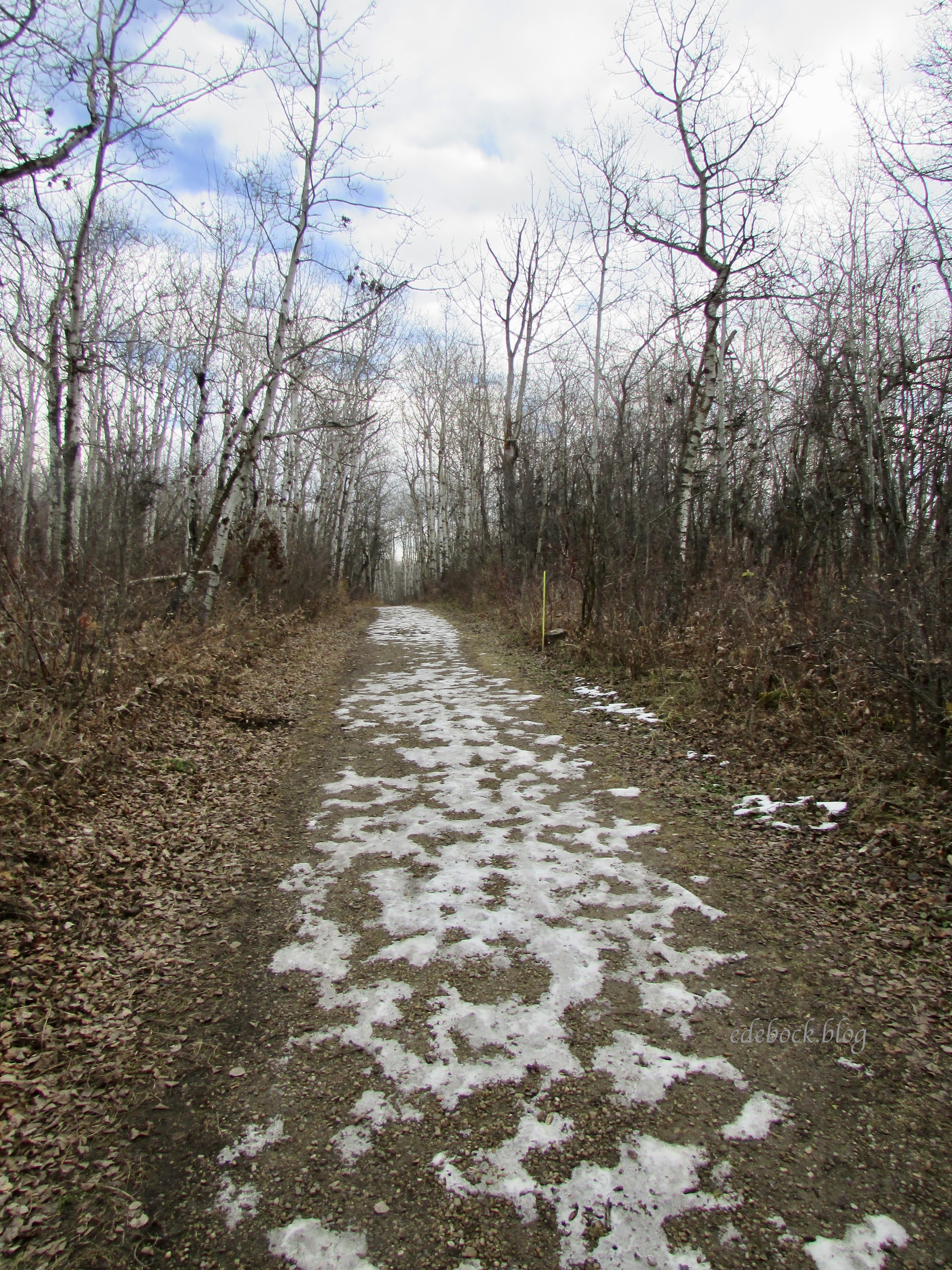
In spite of how late in the season it is, most of the trail was in excellent condition. There were, however, some snowy and icy patches where we had to watch our footing.

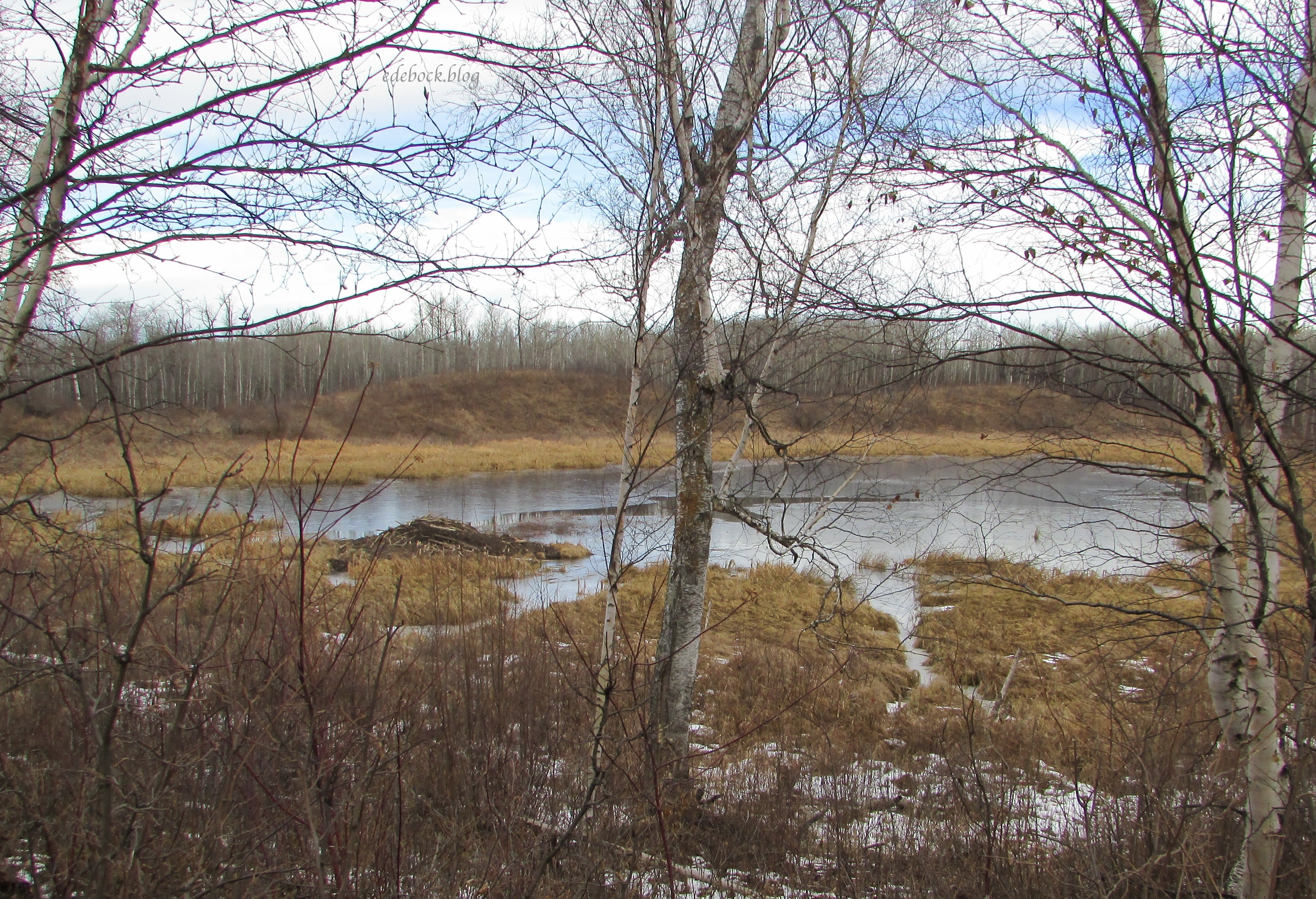
Although the trail was one we’re very familiar with, the surroundings were very different from what we’re accustomed to. The many small water bodies were largely covered by ice and without leaves on the trees and bushes, we could see through them to what lay beyond more easily than usual.

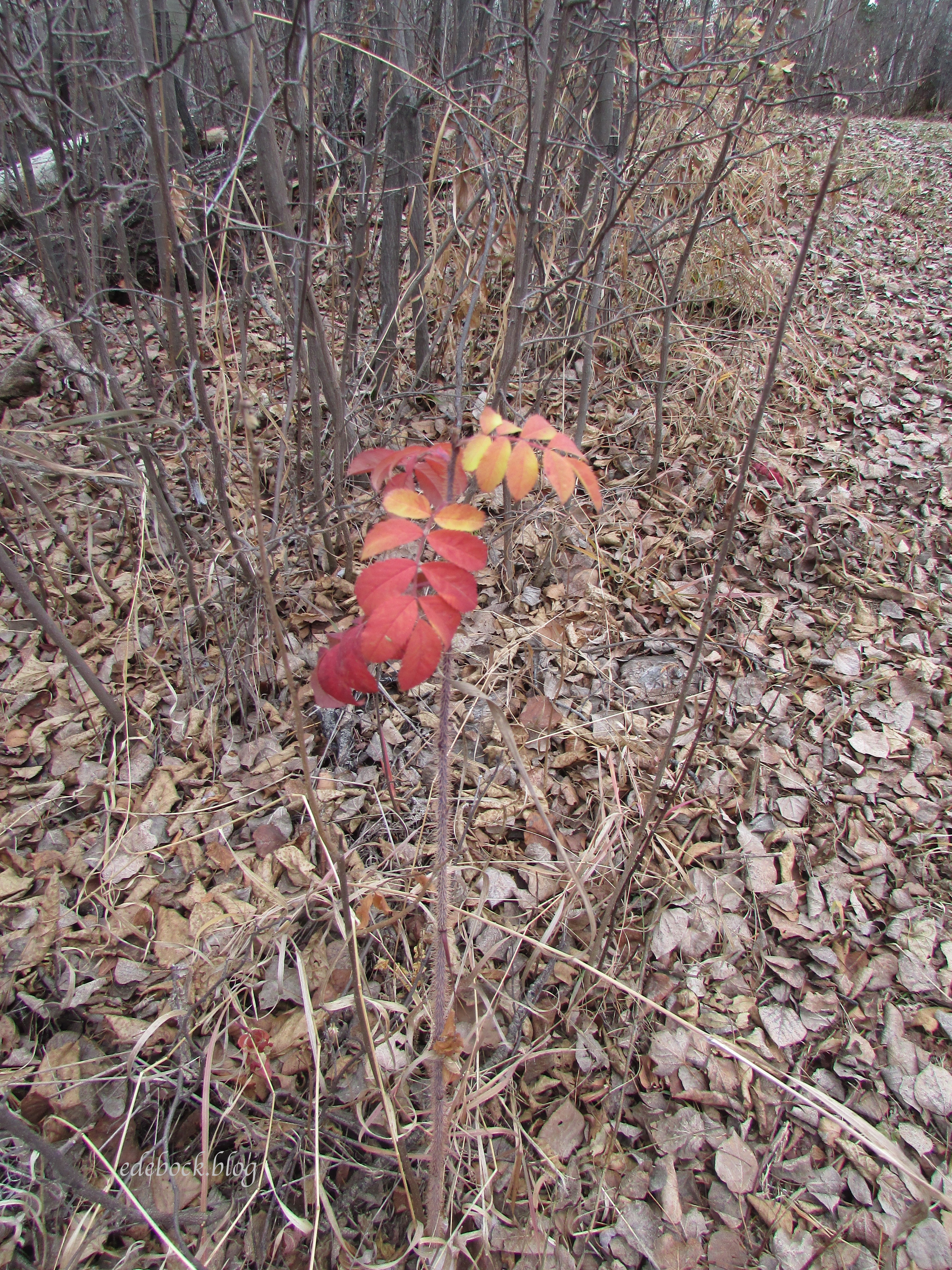
Bright red rose hips and a few coloured leaves clinging to otherwise bare stems were the only tiny splashes of colour in an otherwise monochromatic landscape.

After hiking 9.1 km (5.7 miles), we arrived back at the trailhead and were surprised to see how many vehicles were in the parking lot. Apparently we weren’t the only ones crazy enough to tackle an early winter hike on a chilly day!

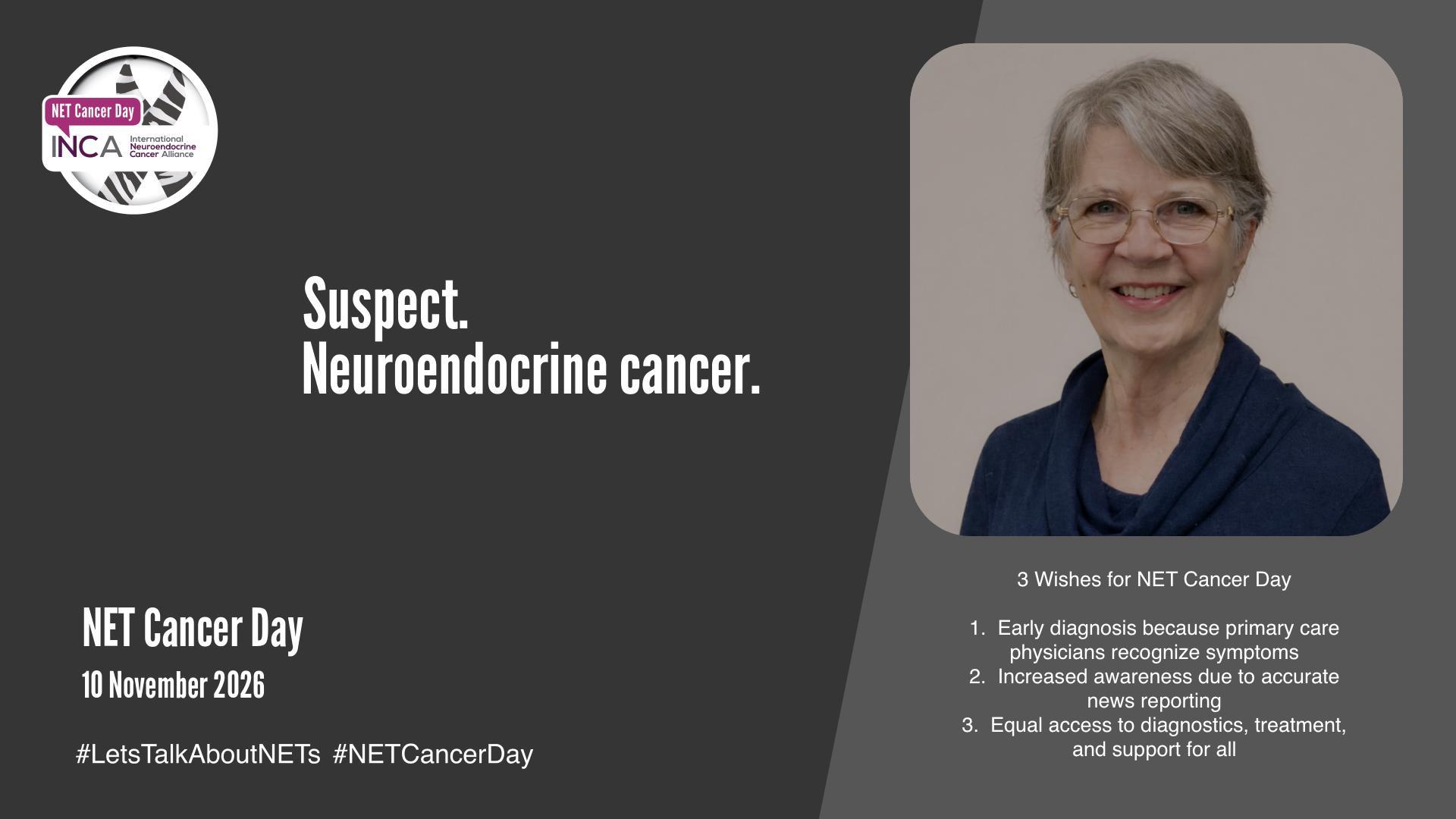
3 wishes for NET Cancer Day 2026

When I was first diagnosed with neuroendocrine (NET) cancer in 2013, it was considered a rare disease. That’s no longer the case. As the fastest growing class of cancer worldwide, it’s no longer rare, but sadly, it’s still not well known and it’s often overlooked.

As a patient, an advocate, and a support group leader, I have 3 wishes on this World NET Cancer Day.

Neuroendocrine cancer is an uncommon disease with common symptoms. Many health care professionals have never seen a case and know little or nothing about it. In order to achieve early, correct diagnosis for every patient, I wish that every primary care physician knew and understood the symptoms of this complex disease. When they are presented with stomach pain, it makes sense for them to suspect gastritis (inflammation of the stomach lining), but we also need them to wonder if it could be neuroendocrine cancer. When the stomach pain is accompanied by severe diarrhea, irritable bowel syndrome is a definite possibility, but we also need the doctor to be aware that it could be NET cancer. When a woman complains of facial flushing, rather than simply assuming that it’s due to menopause, we need her doctor to ask himself if it could be NETS. Depending on the location of the primary tumour, other symptoms may include nausea and vomiting, rapid heartbeat, anxiety, skin rash, shortness of breath or wheezing, lack of appetite, unexplained weight loss and/or lack of energy. I wish that every health care professional knew this.

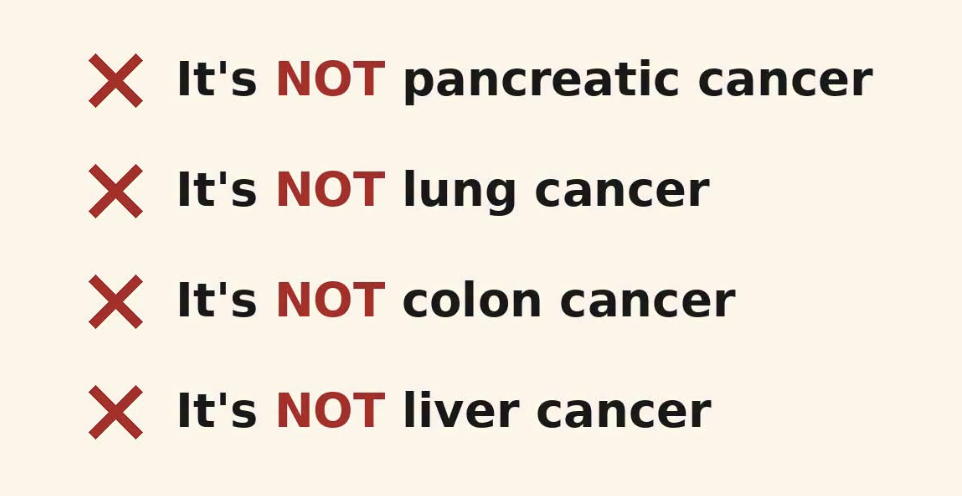
When reporting on individuals with NET cancer, I wish that the news media would get it right. I wish they knew what NETS is NOT. That would help a lot in increasing awareness of this disease. Neuroendocrine tumours are cancers that start in neuroendocrine cells, hormone producing cells found in many locations throughout the body. This cancer can develop in almost any organ but it most commonly occurs in the gastrointestinal tract, pancreas, or lungs. It very often metastasizes to the liver. Here’s the part that people often misunderstand and that the news almost always gets wrong… a NET in the colon is NOT colon cancer, a NET in the lung is NOT lung cancer, a NET in the pancreas is NOT pancreatic cancer, a NET in the liver is NOT liver cancer. In spite of what was reported, Steve Jobs and Aretha Franklin did NOT die of pancreatic cancer. They both died of neuroendocrine cancer.

Thirdly, I wish that patients across Canada and around the world had equal access to diagnostics, treatment, and support. I’m fortunate to live two and a half hours away from one of Canada’s leading cancer care centres which has a multi-disciplinary team dedicated to providing comprehensive and up-to-date NET cancer care. Many, even within my own country, are not so fortunate.

And now, on a personal note, I’ll share a NET cancer wish that came true for me recently. A little over two and a half years ago, I had a radioembolization to destroy a neuroendocrine tumour on my liver. Almost a year ago, I had an ablation to burn off another one. Ever since the embolization, I’ve been going for a CT scan every three months. I wondered if that would ever change. The results of the last couple of scans looked really good though, so at my last follow-up appointment I asked my oncologist if he thought I’d ever be able to go longer between scans. I suggested maybe four or five months. He looked at the radiologist’s report again and said, let’s do six this time! That was definitely a wish come true! I don’t have another CT scan until March and right now that feels almost like a holiday!

Zebra stripes for NET cancer awareness

It’s been awhile since I’ve written much about fashion, but having done my seasonal wardrobe switch in mid October, having been fairly ruthless about getting rid of things that should no longer be taking up closet space, having done some reorganizing of said closet and drawers, and having done a wee bit of shopping, I’ve discovered a renewed interest in fashion blogging! I don’t know how long it will last, but I do have a few new ideas to share with you.

Today, I’m going to show you my most recent purchase and tell you why I bought it.

I needed another sleeveless top like I needed a hole in my head, especially at this time of year with winter’s intense cold just around the corner, but when I saw this one in our local consignment store, I knew it was meant for me.

Why?

Because November is Neuroendocrine Cancer Awareness Month and the zebra is our symbol. Medical students are often taught “when hearing hoofbeats, think of horses, not zebras.” Neuroendocrine tumours (NETS) are very difficult to diagnose. The symptoms are usually vague and similar to more common health problems. Many primary care physicians have never encountered a NETS patient so when they’re presented with symptoms like stomach pain, wheezing, diarrhea, or facial flushing they naturally think of more common causes. They think of “horses”, but neuroendocrine cancer is a “zebra”.

There’s actually a great debate in neuroendocrine cancer circles over the use of the zebra as our symbol. Some, including the world’s best known and most highly revered patient advocate, think it’s an infantile gimmick that trivializes the grave nature of our disease and that it’s actually detrimental as an awareness tool. Others of us disagree feeling that we need to take advantage of every available opportunity to draw attention to our cause and if that includes zebra stripes, so be it.

I don’t actually wear zebra stripes very often because they’re usually black and white, colours that don’t flatter my complexion. Worn near my face, they leave me looking sickly which isn’t a good look for anyone and definitely not how I want to be seen. My new top works because the cream and brown offset the harshness of the black which also has a fine gold sparkle in it that doesn’t show in the photos.

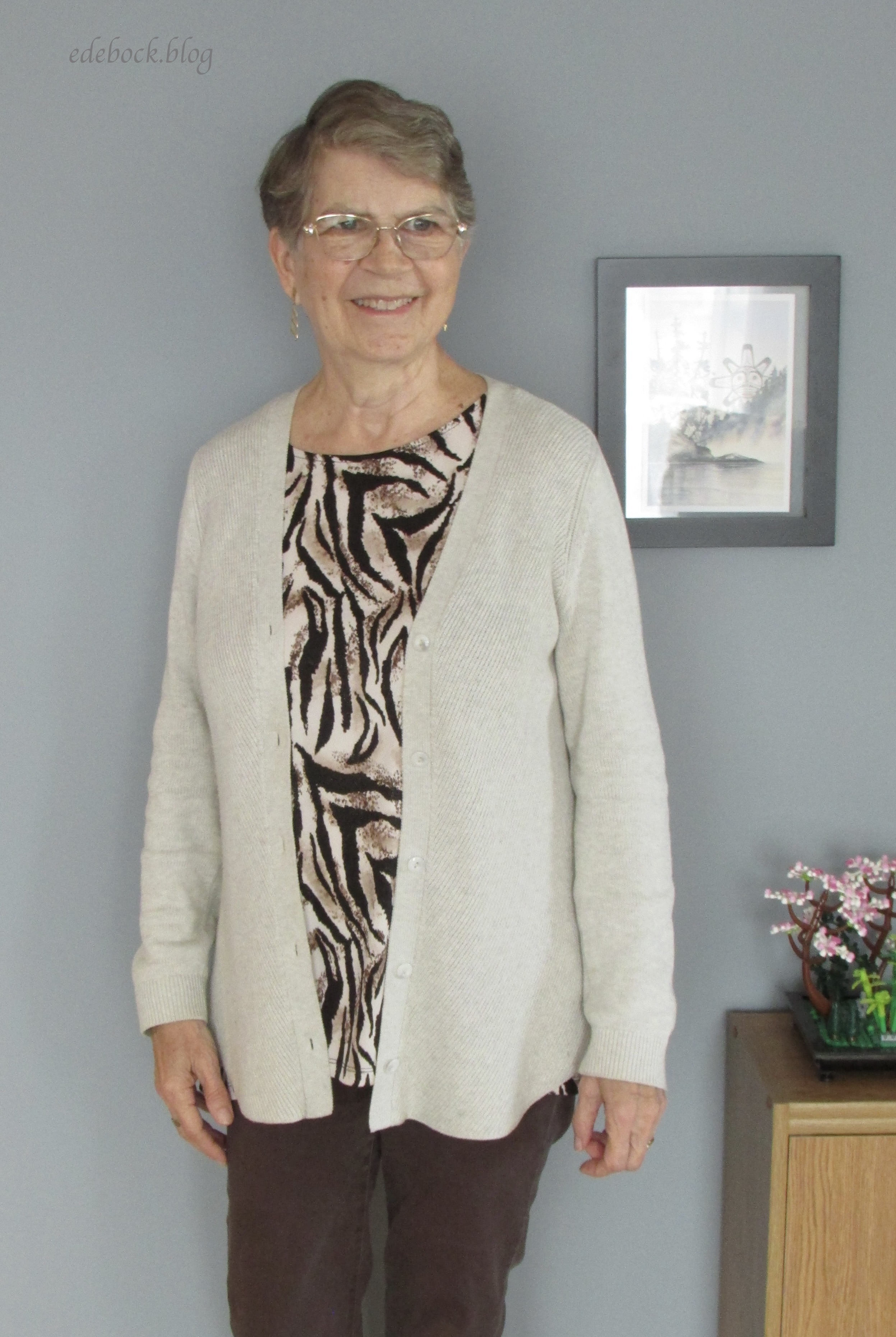
Although a sleeveless top might not be the best choice for a Canadian winter, it makes a good layering piece under a jacket or a cardigan. Here I’m wearing it with my 10-year-old Shirttail Cardigan from cabi, a workhorse in my wardrobe that still looks as good as the day I bought it.