The great zebra debate

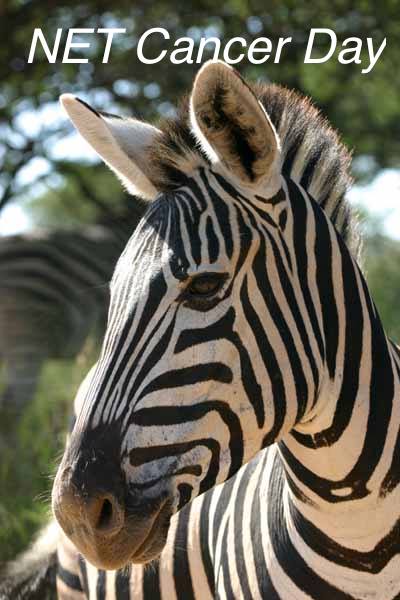
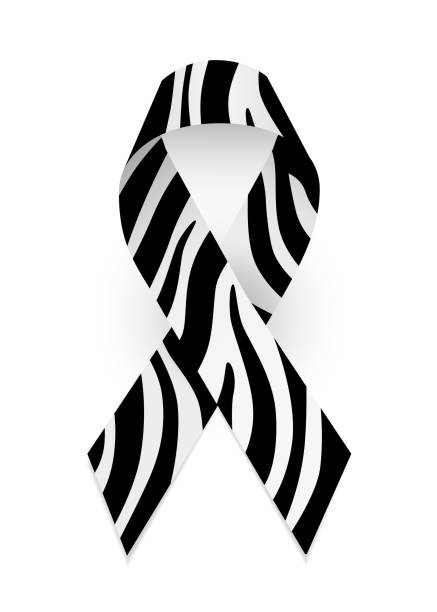
There’s a great debate in neuroendocrine cancer circles over the use of the zebra as our symbol. At one extreme are patients, usually women, who show up at meetings and conferences decked out from head to toe in zebra stripes and who refer to one another as fellow zebras. On the other side of the debate, the world’s best known and most highly revered patient advocate is so opposed to the idea that he doesn’t allow anything zebra on his social media sites. He thinks that it’s an infantile gimmick that trivializes the grave nature of our disease and that it’s actually detrimental as an awareness tool.

So, how did the zebra become our symbol in the first place? In North America, medical students are taught “when hearing hoofbeats, think of horses, not zebras.” Neuroendocrine tumours (NETS) are very difficult to diagnose. The symptoms are usually vague and similar to more common health problems. Many family doctors have never encountered a NETS patient so when they’re presented with symptoms like stomach pain and diarrhea, they naturally think of things like Irritable Bowel Syndrome, Crohn’s Disease or lactose intolerance. They think of “horses”, not “zebras”.

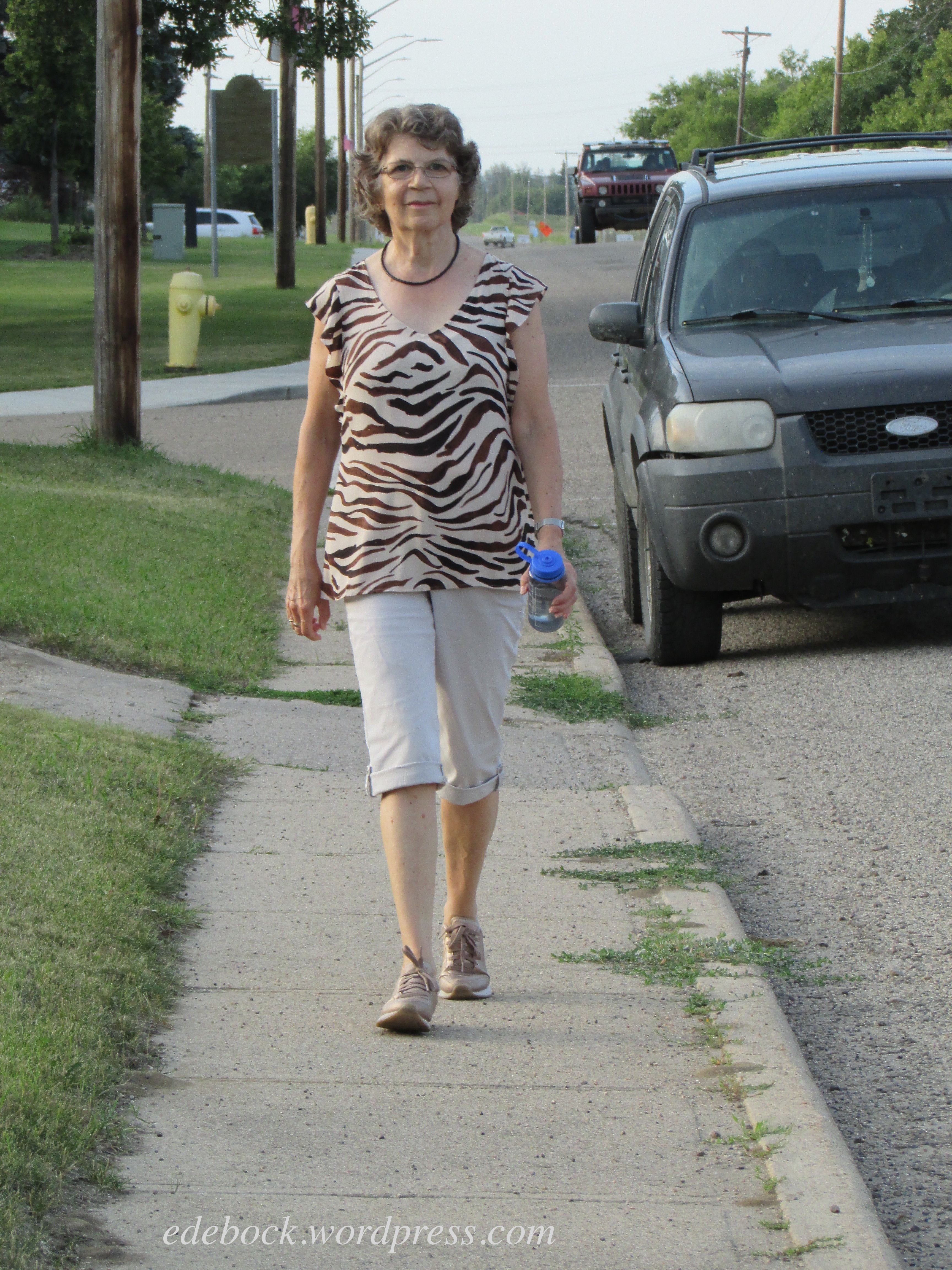
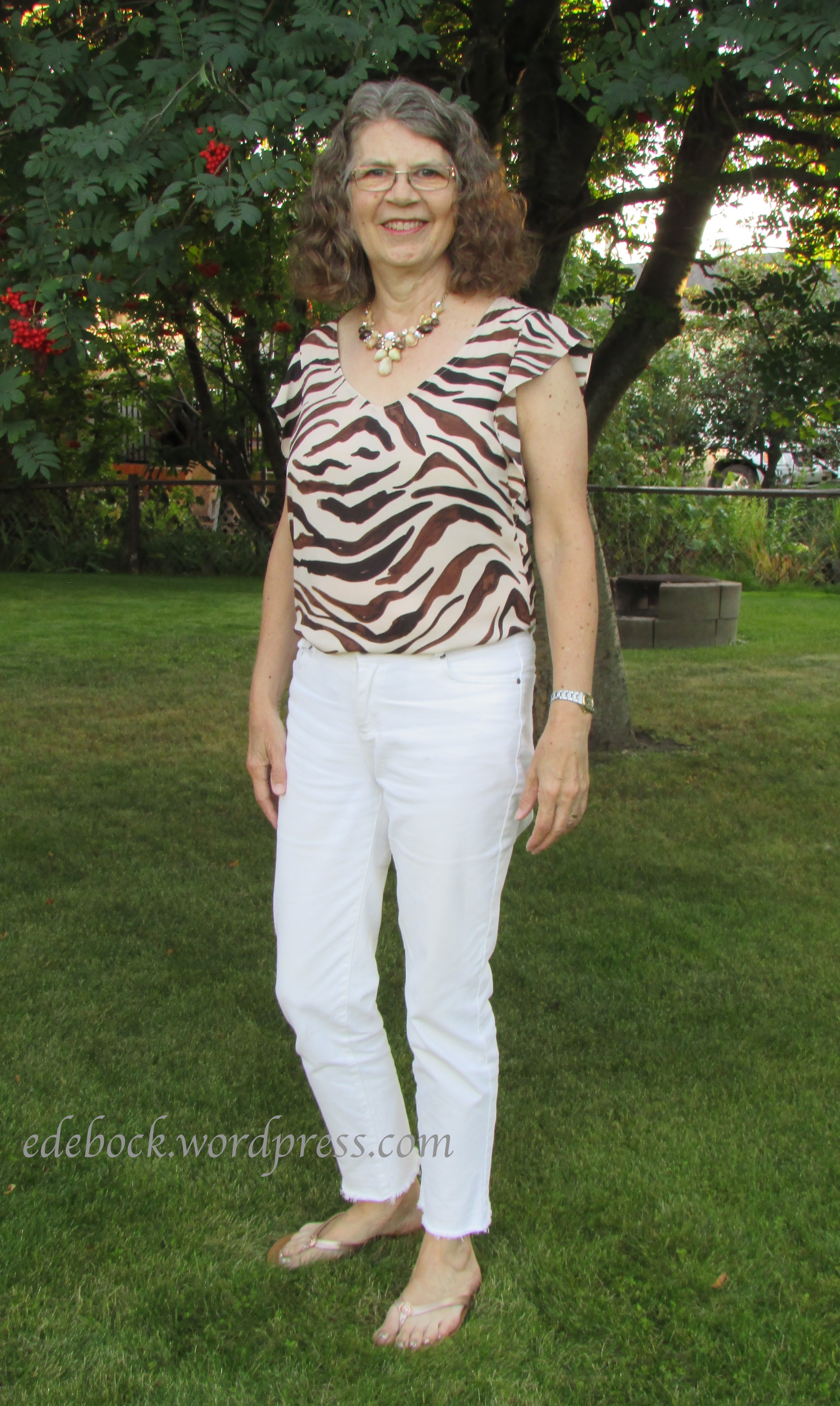
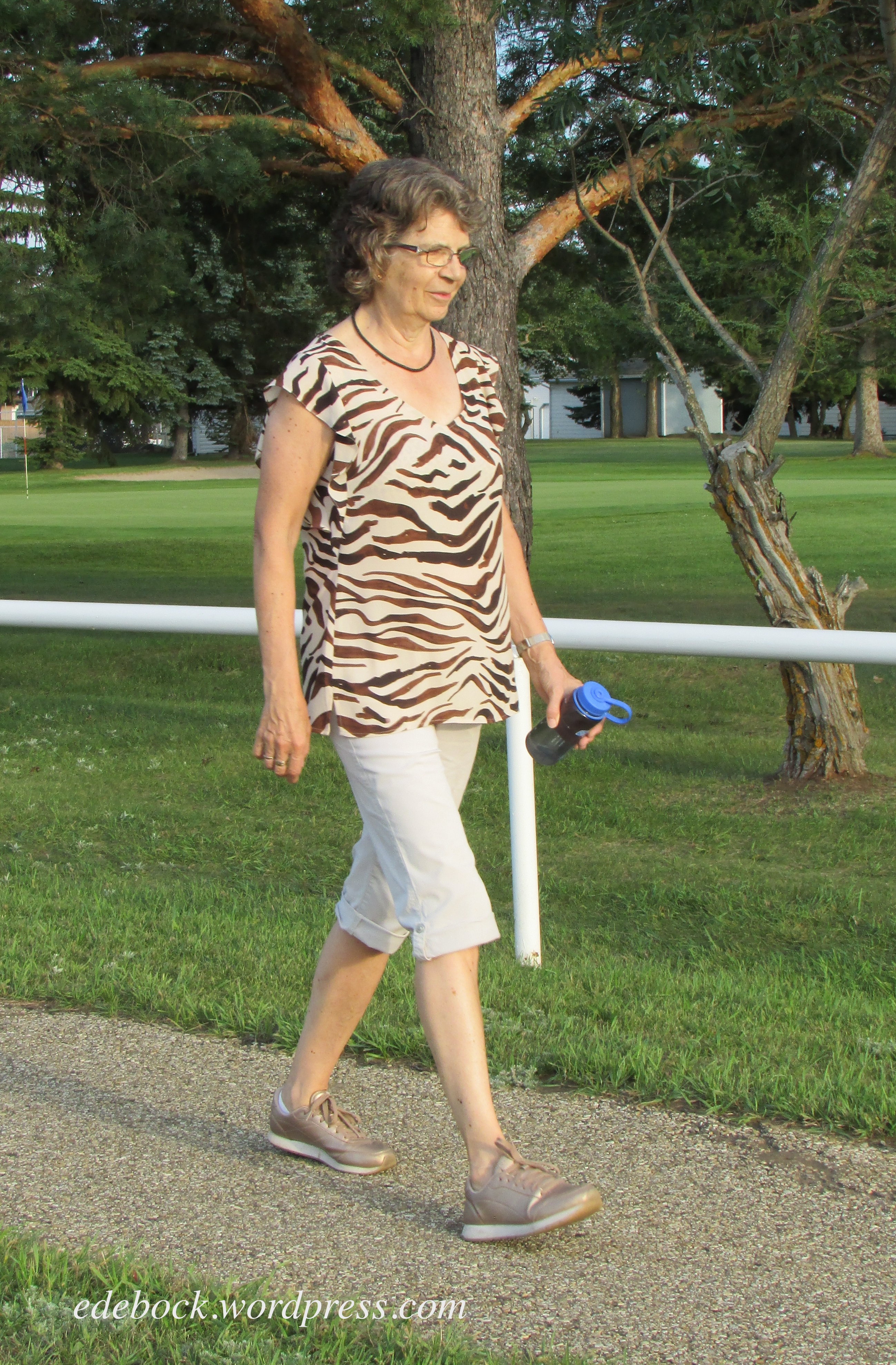
When it comes to the great zebra debate, I stand somewhere in the middle. I think we need to take advantage of every available opportunity to draw attention to our cause and if that includes zebra stripes, I’m fine with that. After all, branding works. For example, the pink ribbon and the colour itself have become highly recognized symbols of breast cancer. While you’ll never see me wearing zebra stripes from head to toe, partly because I think it looks silly and partly because I don’t look good in black and white, I do have a zebra striped top in cream and brown and on occasion, wearing it has led to a conversation about my cancer.

Although within weeks of learning that I had neuroendocrine cancer, I wrote a blog post entitled I’m a zebra!, I’ve now joined the ranks of those who cringe at being called that. Referring to ourselves as zebras makes it sound like we’re part of an exclusive club or a cult! Zebra refers to a diagnosis, not a person. While I have NET cancer, I am not my disease.

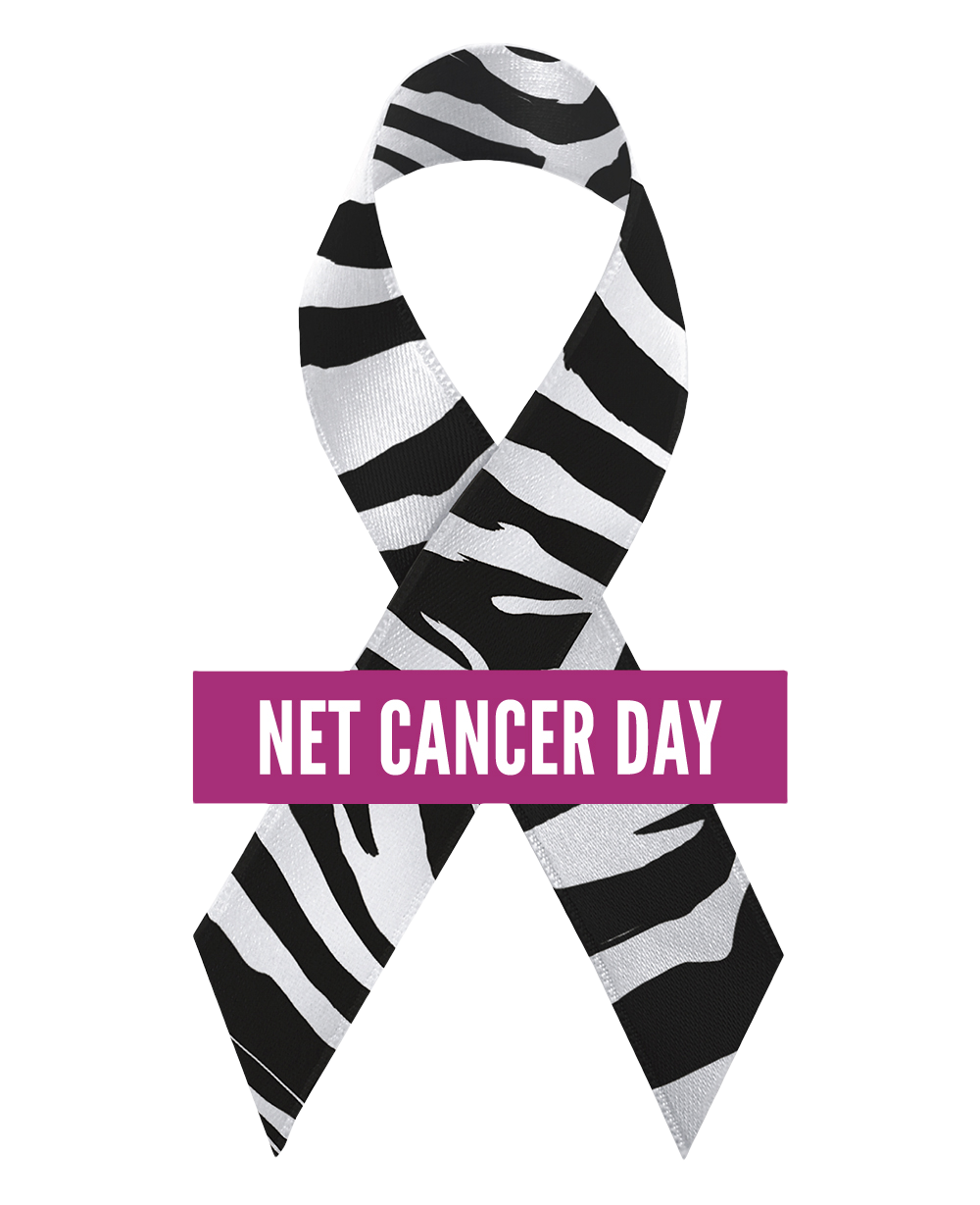
In my advocacy role and as a support group leader, I work with patients on both sides of the great zebra debate. I would really like to know your opinion. Do you think that symbols like the zebra and the striped ribbon can be effective in spreading awareness of a disease? Or do you think that they’re silly and make light of an important topic? Please leave a comment and let me know.

And, in closing, although it has very little to do with today’s topic, I can’t resist sharing the cover of the January 15, 1926 issue of Vogue magazine!


When is an accessory not just an accessory?

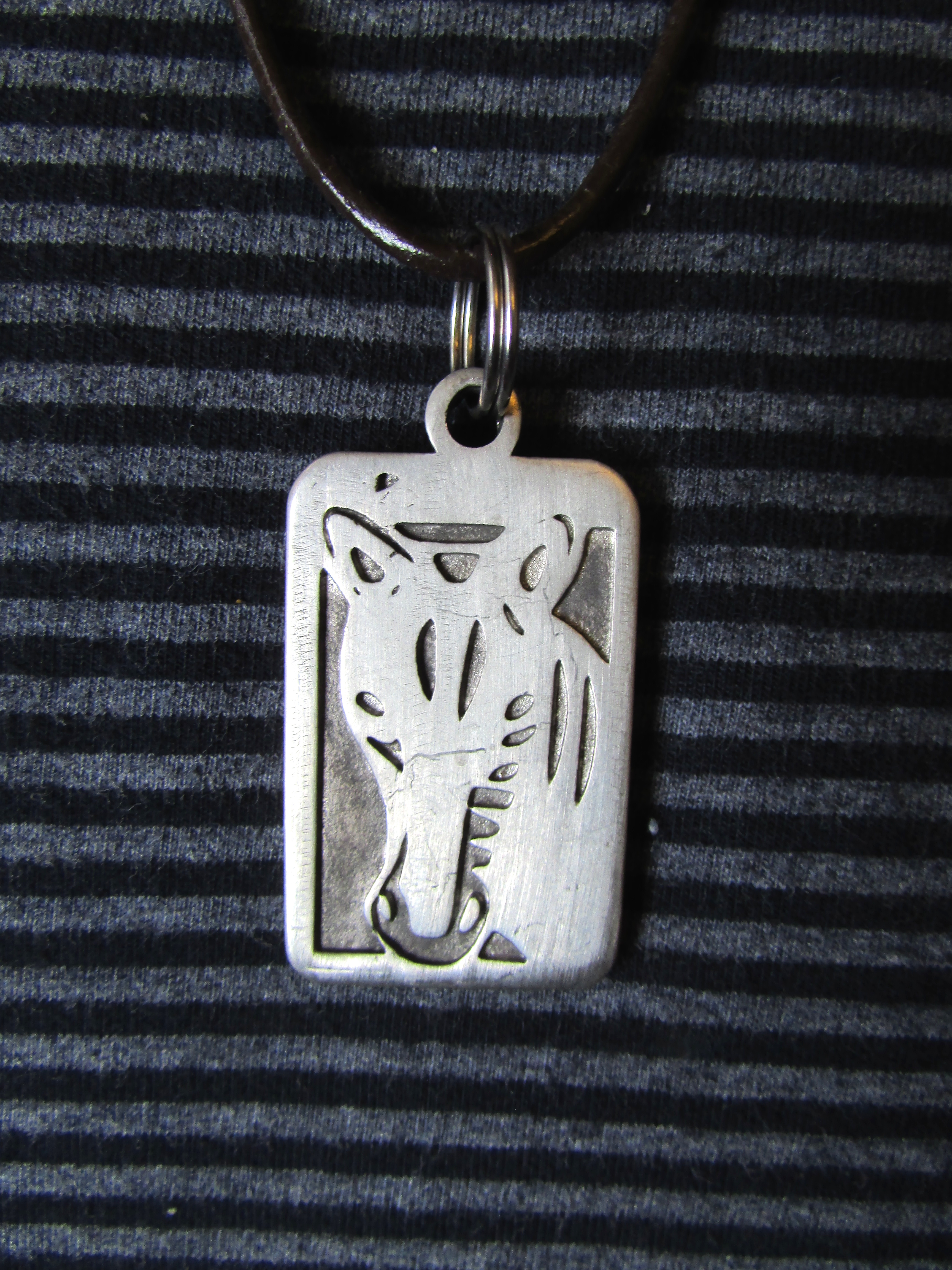
LogoAccessories are the finishing touches that can take an outfit from drab to dramatic. They also add versatility to your wardrobe enabling you to create many different looks with the same basic outfit. Accessories are also an opportunity to express your personal style, taste, and preferences, but sometimes they are even more than that. Sometimes an accessory has special meaning or significance to the person who wears it. That’s definitely the case with my new hand-crafted zebra pendant!
IMG_3007

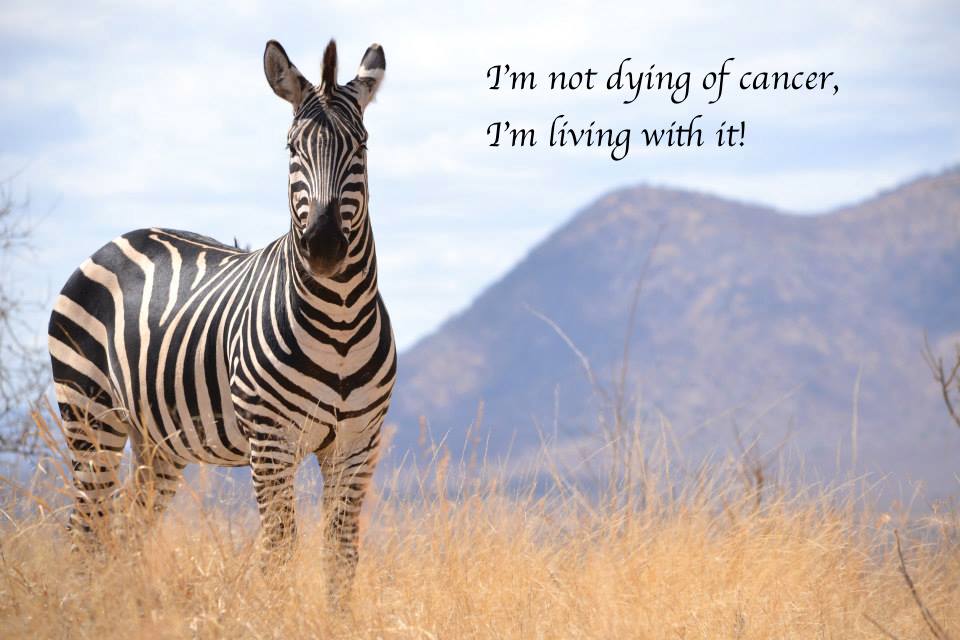
As many of you are already aware, the zebra is a symbol of neuroendocrine cancer (NETS), the cancer that I’ve been living with for the past eight years. In medical school, doctors are taught “when you hear hoofbeats, think horses, not zebras”. NETS was previously considered rare and therefore, a zebra. However, with increasing awareness and quicker diagnosis, neuroendocrine cancers are proving not to be as rare as once thought. Another reason that the Canadian Neuroendocrine Tumour Society (CNETS) chose and continues to use the zebra as their mascot is the fact that every zebra has its own pattern of stripes. Just as each patient and their needs are unique, no two zebras are exactly alike.

Committed to improving the quality of life and the survival rate for NETS cancer patients across Canada, every year CNETS funds research initiatives that will have a direct and meaningful impact on their lives. As a little-known cancer, it falls upon patients to raise much of the money for this ongoing work.

Screen Shot 2021-09-15 at 2.45.32 PMAl Gillis is a neuroendocrine cancer patient who came up with a unique idea for both increasing awareness and raising funds; a beautiful one-of-a-kind pewter pendant/keyfob featuring the CNETS zebra logo. Made entirely of donated materials and using only volunteer labour, the first distribution sold out in less one day! I was fortunate to nab one of those. Now, a second batch is in stock and going fast. If you’re interested in purchasing one and supporting this important endeavour click here, but don’t hesitate too long or you’ll be waiting for Al and his crew to make more!
You might also be interested in watching this video in which Al demonstrates and explains how the pendants (which can also be used as keyfobs) are made. I found it quite fascinating.

Do you have any accessories that are especially meaningful to you? Please tell us about one or more of them in the comments section below. 


Another HOOFING IT update

One month ago today I started counting kilometres as part of the Canadian Neuroendocrine Tumour Society (CNETS) HOOFING IT Across Canada fundraising challenge. My initial goal was to walk and/or hike 100 km and raise $1500 for NET cancer research by the time the campaign comes to an end on September 7.

IMG_1300

So, how am I doing?

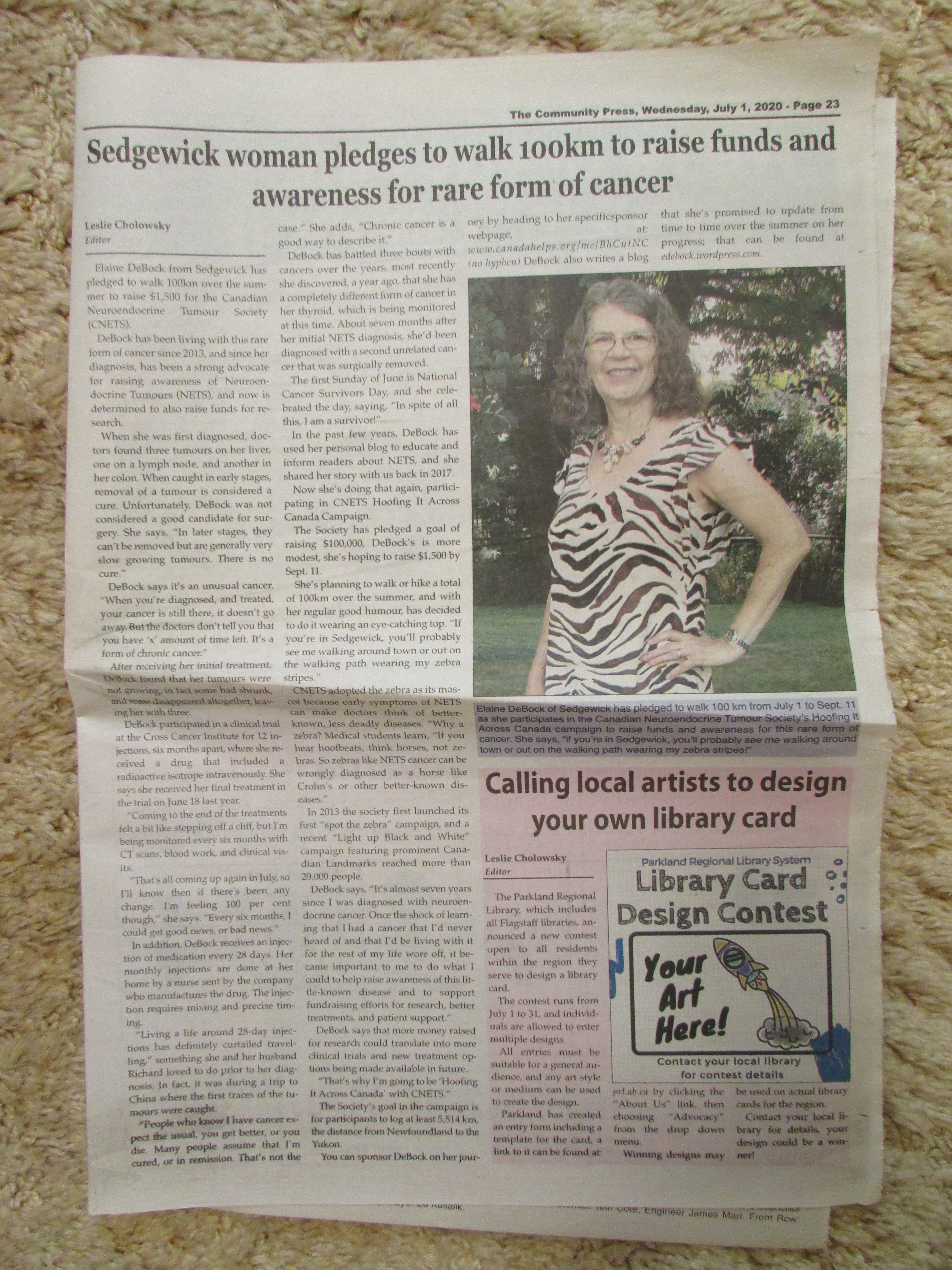
During the month of July, I walked 70.23 km, mostly up and down the streets of our tiny town and on the walking trail around the perimeter of the golf course. When that got too boring I headed out of town and enjoyed a couple of walks in the country. Most of the time, I wear my zebra stripes when I’m walking. Our local newspaper did an article on me on July 1st, so I’m hoping that when people see me, they’ll think, “There goes that lady who’s raising money for that rare cancer that she has. I should really make a donation.”

IMG_1290

Thanks to 22 big-hearted donors, I’ve been able to raise $1295 so far which places me amongst the top 10 fundraisers. I’m hoping that, with the help of a few more generous people, I can meet or even surpass my goal.

For me, a NETS cancer patient living in a rural area where I’m very much on my own, being a part of this effort has definitely been a morale booster. Members of the neuroendocrine cancer community across Canada have committed to racking up as many kilometres as we can by walking, hiking, kayaking, swimming, cycling, roller-blading, or any other forward moving activity that we can think of and tracking our individual distances. The results have been beyond amazing! Our original goal was 5,514 kilometres, the distance from Newfoundland and Labrador to the Yukon. We surpassed that in less than two weeks and doubled our goal to 11,028 km, the distance across Canada and back. Would you believe that we’ve already reached that milestone? Our latest goal is 20,000 km. We’re a determined bunch and we’re going to keep criss-crossing Canada as many times as we can until the end of this campaign!

Unfortunately, we’re not doing as well in the fundraising department. So far, we’ve raised $36,399 which is admirable for a group of just 78 people, but that’s a long way from our goal of $100,000. With just five weeks left we really need to bear down and focus on finding donors to help us meet our goal so that we can continue to support critical research projects that will eventually find the answers we so desperately need; answers to what causes this disease, how to detect it earlier, how to treat it more effectively, and ultimately, how to cure it.

I hate to continue nagging, especially when times are tough for many people, but if you haven’t already made a donation, would you please consider visiting my fundraising page and giving us a much needed boost? No amount is too small.

IMG_1307

Walking in the rain

The past few days have been sunny and warm, just the way summer should be, but today has been mostly cool and cloudy again. I really didn’t feel like putting on my zebra stripes and going for a walk. Cancer’s a bit like that. I don’t only have it on days when I feel like it! I wake up with it every morning and I go to bed with it every night. These days, I’m not just walking because I want to. I’m walking to increase awareness of neuroendocrine cancer (NETS) and to raise funds for research.

As I walked, I thought about how fortunate I am to be able to do this. I don’t live where I’m able to attend support group meetings nor do I really feel that I need them, but I am part of several online groups for patients and caregivers. Every day I hear from people whose NETS stories are so much worse than mine. I walk for them as well as for myself. I walk in memory of those we’ve lost and I walk for those who will be diagnosed with this increasingly common type of cancer in the future. I walk in hope that money for research will eventually result in a cure.

I was walking in the exact opposite corner of our small town when it started to rain! (I think I need to find a zebra striped umbrella.) There was no way that I could suddenly transport myself back to the comfort of my warm, dry house. I had to keep walking. Cancer’s like that too. When you’re diagnosed, you suddenly find yourself a long way outside your comfort zone and there’s no going back. I treat my life with cancer a lot like a walk. I just keep putting one foot in front of the other and moving forward. I refuse to stand around in the rain feeling sorry for myself!

When I walk through the corridors of the cancer clinic as I’ll do again later this month, I can’t help feeling like I don’t really belong there. I look and feel so well compared to most of the people around me. It’s called “survivor’s guilt” and it’s common to those of us who have or are surviving cancer. We can’t help asking “why them?” and “why not me?” I only know that when all this started, God promised to take care of me and, while it hasn’t always been smooth sailing, He’s been doing a great job of it ever since. So here I am, feeling strong and able to HOOF IT Across Canada!

Since the campaign started on July 1, I’ve logged 12.96 kilometres. Reaching my goal of 100 km by September 7 should be no problem, but far more important is the money that I raise for NETS cancer research. As a Canada-wide community, we hope to raise $100,000. I set my personal goal at $1500 and at $550, I’m 36% of the way! Thank you so very much to those of you who have already donated. I’ll try not to bore you with too many updates! For those who haven’t donated yet and who would like to, you can find my personal fundraising page here.

287226b0-bda3-11ea-a9f0-2d2856e5b296

Fine, thanks!

It’s been quite awhile since I posted an update about my health. That’s because there really hasn’t been anything new to report. For someone with two kinds of cancer, that’s actually a very good thing, but I know that there are those of you who want to know what’s going on, so here’s the latest.

It’s already been over six months since I had my final PRRT treatment. Other than monthly injections of Sandostatin that are mainly meant to control symptoms, I’m not presently receiving any treatment for my neuroendocrine tumours (NETs). That’s a bit disconcerting, especially when more than one fellow zebra that I’ve come to recognize through a Facebook support group has succumbed to the disease in recent months. It’s really hard when one of those announcements shows up in my news feed.

On the other hand, I’m feeling 100% healthy, so most days it’s easy to ignore the fact that there are things lurking inside me that shouldn’t be there and that could begin to grow or spread at any time. I’m blessed to be able to live a full and productive life. I’m lifting weights again this winter and I’ve recently dusted off the treadmill and started using it again. If anything, I’m feeling better and stronger than I did six months ago.

A week before Christmas, I was in Edmonton for CT scans and blood work to find out if I’m really as healthy as I feel and yesterday we met with the doctor to get the results. Sometimes I suffer from a few days of scanxiety before an appointment like this one, but this time I felt completely at ease. I just kept reminding myself that God promised to take care of me over six years ago when I was first diagnosed and He has been faithfully doing that ever since. There’s no better place for me to be than in His hands.

When we sat down with the doctor yesterday all I really needed to hear was one word. Stable! Nothing has changed. No growth, no spread! Nothing to worry about. So, unless I begin to experience symptoms (which I haven’t since treatment began), we go through the same routine six months from now and hopefully receive the same good news again… and again… and again.

The CT scans reveal very little about my thyroid cancer which is entirely different and unrelated to my NETs. For news about that one I’ll have to wait until early April when I see that doctor again and he uses ultrasound to take a closer look and measure whether or not there’s been any change.

In the meantime, when you see me and ask, “How are you?” if I answer, “Fine, thanks!” that’s because I really am!

174103009.1

Canada’s going black and white for NET Cancer Day!

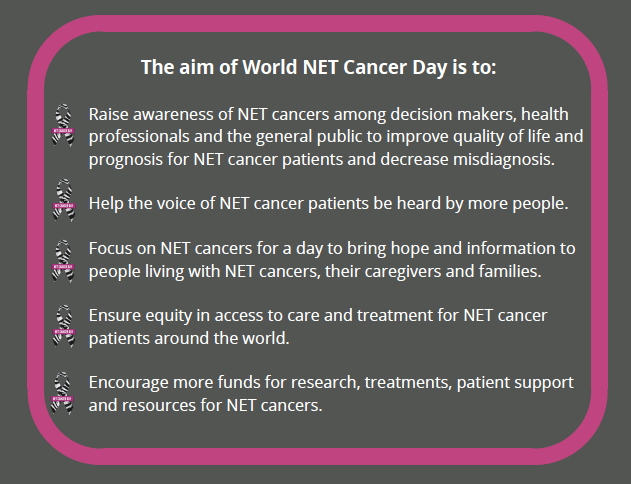
November 10 is World NET Cancer Day, a day set aside to raise awareness of neuroendocrine cancer, the uncommon disease that I’ve been fighting for the past six years. It’s our day to be heard by decision makers, health professionals and the general public. In addition to raising awareness, we want to encourage more funds for research, treatments, and patient support; and to advocate for equal access to care and treatment for NETS patients around the world.

ncd-logo-new

Zebra stripes symbolize how this rare cancer can go undetected for many years. Medical students are taught when hearing hoofbeats, to think of horses, not zebras. Neuroendocrine tumours are difficult to diagnose. Though they are the fastest growing class of cancers worldwide, their symptoms are usually vague and similar to more common health problems.  Many family doctors have never encountered a NETs patient. When presented with symptoms like stomach pain and diarrhea, they naturally think of things like Irritable Bowel Syndrome, Crohn’s Disease or lactose intolerance. They think of horses, not zebras. As a result, NETs is frequently misdiagnosed.

unnamed

It would appear, however, that through the tireless efforts of NETs patients and advocates, we’re beginning to be heard. This year on November 10, the following landmarks across Canada are lighting up in black and white for NET Cancer Day!

  • City Hall  –  Vancouver, British Columbia
  • High Level Bridge  –  Edmonton, Alberta
  • Calgary Tower  –  Calgary, Alberta
  • City Hall  –  Lethbridge, Alberta
  • CN Tower  –  Toronto, Ontario
  • City Hall Towers  –  Toronto, Ontario
  • Niagara Falls  –  Niagara Falls, Ontario
  • Hamilton Signature Sign  –  Hamilton, Ontario
  • Tower of Olympic Stadium (Parc Olympique)  –  Montreal, Quebec

If you’re near one of these locations on Sunday, I hope you’ll stop, take a photo, and post it on social media with the hashtag #LetsTalkAboutNETs @cnetscanada. Every bit of exposure helps raise awareness and may contribute to someone getting a quicker diagnosis.


Zebra stripes, more than just a fashion trend

LogoIn August 2013, I was diagnosed with neuroendocrine cancer (NETS). In August of this year, I attended a cabi party and treated myself to a zebra print top from the Fall 2019 Uniquely Us Collection. Those might seem like two completely unrelated random facts, but they aren’t.

IMG_0060

The zebra is the symbol of neuroendocrine cancer. Neuroendocrine tumours are difficult to diagnose. The symptoms are usually vague and similar to more common health problems. Many family doctors have never encountered a NETS patient. When presented with symptoms like stomach pain and diarrhea, they naturally think of things like Irritable Bowel Syndrome, Crohn’s Disease or lactose intolerance. Flushing, especially in women of a certain age, makes them think menopause, not cancer. Medical students are taught “when hearing hoofbeats, think of horses, not zebras.” Neuroendocrine tumours are rare and therefore they are considered to be zebras.

Some NETS patients and advocates think the zebra symbol is foolish, that it trivializes the grave nature of our disease, and would like to see us stop using it. I disagree. I think we need to take advantage of every opportunity to draw attention to our cause and if that includes zebra stripes, I’m all for it!

Since my diagnosis, I’ve noticed zebra stripes everywhere! As I mentioned in last Friday’s post on trends for fall 2019, the zebra motif is particularly popular this season, but animal prints never go out of style and the zebra has been around for a long time. I’ve seen zebra t-shirts, zebra leggings, zebra jeans, zebra pjs, and zebra bras. I’ve also seen zebra handbags, zebra luggage, and even a zebra golf bag.

I remember trying on a darling zebra dress a couple of years ago, but I didn’t buy it. Like most zebra garments, its stark black and white pattern wasn’t flattering on me. With my pale Spring complexion, I look better in warmer tones. That’s why my new cabi top is so perfect. With its creamy vanilla background and chocolate ganache stripes (doesn’t that sound yummy?) it’s perfect for me.

With soft flutter sleeves, the top is a good stand alone piece for the occasional warm summery day that we enjoy at this time of year, but worn under sweaters and jackets, it will transition well into fall and winter. When worn alone, underarm insets provide good armhole coverage. While the neckline isn’t immodestly low, it leaves enough décolletage exposed to nicely frame a statement necklace. The top looks great tucked in, worn loose, or belted.

IMG_0086

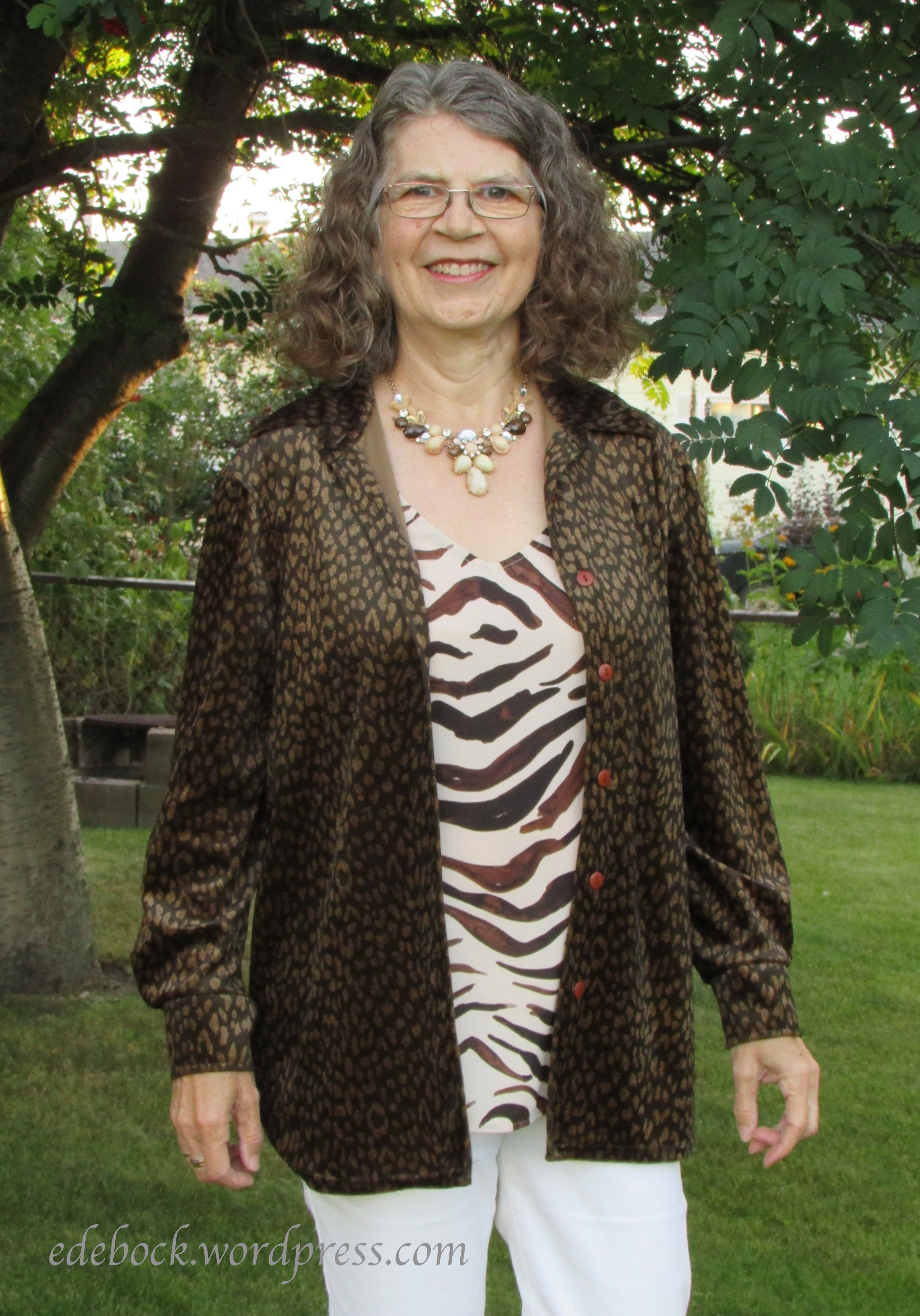
I even tried mixing animal prints. Because both prints are within the same colour family, I think it works!

IMG_0102

For today’s photo shoot, I wore my DIY frayed white jeans. Later in the season, I’ll pair the zebra top with darker pants or skirt, but obviously I don’t adhere to the antiquated don’t wear white after Labour Day rule!

And what am I wearing on my feet, you ask? A pair of flip flops that I bought for $5 at Walmart’s end of season clearance sale. They perfectly match my golden summertime toes!

IMG_0115


NET Cancer Day 2018

November 10 is World NET Cancer Day, a day set aside to raise awareness of neuroendocrine cancer, the disease that I’ve been fighting since 2013.

Screen Shot 2018-11-08 at 2.17.09 PM

Neuroendocrine (NET) tumours can arise in any organ that contains neuroendocrine cells including the stomach, intestines, lungs, liver, pancreas and appendix. While most commonly found in people over the age of 60, NET cancer can affect both men and women of any age. Though NETs is the fastest growing class of cancers worldwide, the symptoms are usually vague and similar to more common health conditions. As a result, NETs is frequently misdiagnosed as anxiety, menopause, Irritable Bowel Syndrome (IBS), asthma, or diabetes.

Screen Shot 2018-11-06 at 4.20.45 PM

Compared to most cancers, NETs is slow growing. It was estimated that I’d already had the disease for ten years when it was detected. I had been experiencing many of the common symptoms which include abdominal cramps, diarrhea, flushing of the skin, pounding of the heart, and wheezing or shortness of breath off and on for at least seven or eight years . Neither I nor my family doctor had any idea why. Like many general practitioners, he had never encountered a NETs patient before.

Almost 50% of patients visit a doctor 5 or more times before receiving a correct diagnosis! A recent study found that 58% of patients have advanced stage neuroendocrine cancer by the time they are correctly diagnosed. There is currently no cure for the majority of NET cancer patients, including me. Neuroendocrine cancers are complex and unpredictable. Once diagnosed, they require an expert and experienced multidisciplinary team of health care professionals to ensure the best possible outcome. Unfortunately, many patients, even in the world’s most developed countries, have difficulty accessing that kind of care.

ncd-logo-new

So what’s with the zebra? Everyone recognizes the ubiquitous pink ribbon as a symbol of breast cancer, but not all cancers are pink. Medical students are taught when hearing hoofbeats, to think of horses, not zebras, so the zebra was chosen as symbol of our lesser known disease. There are some patients and advocates who think it’s silly and would like to see us stop using it, but I think we need to take advantage of every opportunity to draw attention to our cause and if that includes zebra stripes, I’m all for it.

What can you do to help? You can help us spread awareness by simply reposting this on your blog if you have one or posting a link to it on your Facebook page. My fellow zebras and I thank you!


Great news!

Just a quick update concerning my health. As many of you know, I live with NETS, a little known and incurable cancer. I’ve been waiting all week for the phone to ring with the results of routine CT scans done early last week. I wasn’t anticipating bad news, but I do live with the reality that it could come at any time. Thankfully, today wasn’t that day!

Today, the news was good! Almost four and a half years after diagnosis, my disease continues to be stable with no sign of growth or spread.

Today I also learned that my last two 5H1AA tests have been normal! What does that mean, you ask. While the injection that a nurse comes to the house to give me once a month and the radioactive treatments that I receive twice a year aren’t expected to lead to a complete cure, the hope was that they would render my tumours inactive or dormant. Neuroendocrine tumours (NETS) produce and release excess amounts of hormones, particularly serotonin. 5HIAA is a 24 hour urine test that measures the amount of 5-hydroxyindoleacetic acid, a product of serotonin, found in the body. The normal test results show that my tumours are no longer active; no longer producing serotonin. It’s the serotonin that can cause symptoms including abdominal pain and cramping, diarrhea, joint pain, wheezing, fatigue and flushing of the skin. Because my levels have now been normal for several months, I was told today that I probably won’t have to repeat the 5H1AA test again unless I begin to experience symptoms again! That’s great news as it involves 3 days of dietary restrictions prior to the test and then 24 hours of collecting urine which can be quite a nuisance.

I’ll have my next treatment on May 23. Until then, with the exception of my monthly injections, I can forget about having cancer and get on with the business of living!

zebra

If you’re curious about why the zebra is the symbol of neuroendocrine cancer, check here or here.

NET Cancer Day 2017

Net Cancer DayMy weekly Fashion Friday feature is taking a break today as I have something much more important to share. November 10 is World NET Cancer Day, a day set aside to raise awareness of neuroendocrine cancer, the disease that I’ve been fighting since 2013. Those of us who have been affected by NETS (neuroendocrine tumours) hope that for today our voices will rise above those of all the more well-known and prominent diagnoses. Today is our day to be heard by decision makers, health professionals and the general public. In addition to raising awareness, we want to encourage more funds for research, treatments, and patient support; and to advocate for equal access to care and treatment for NETS patients around the world.
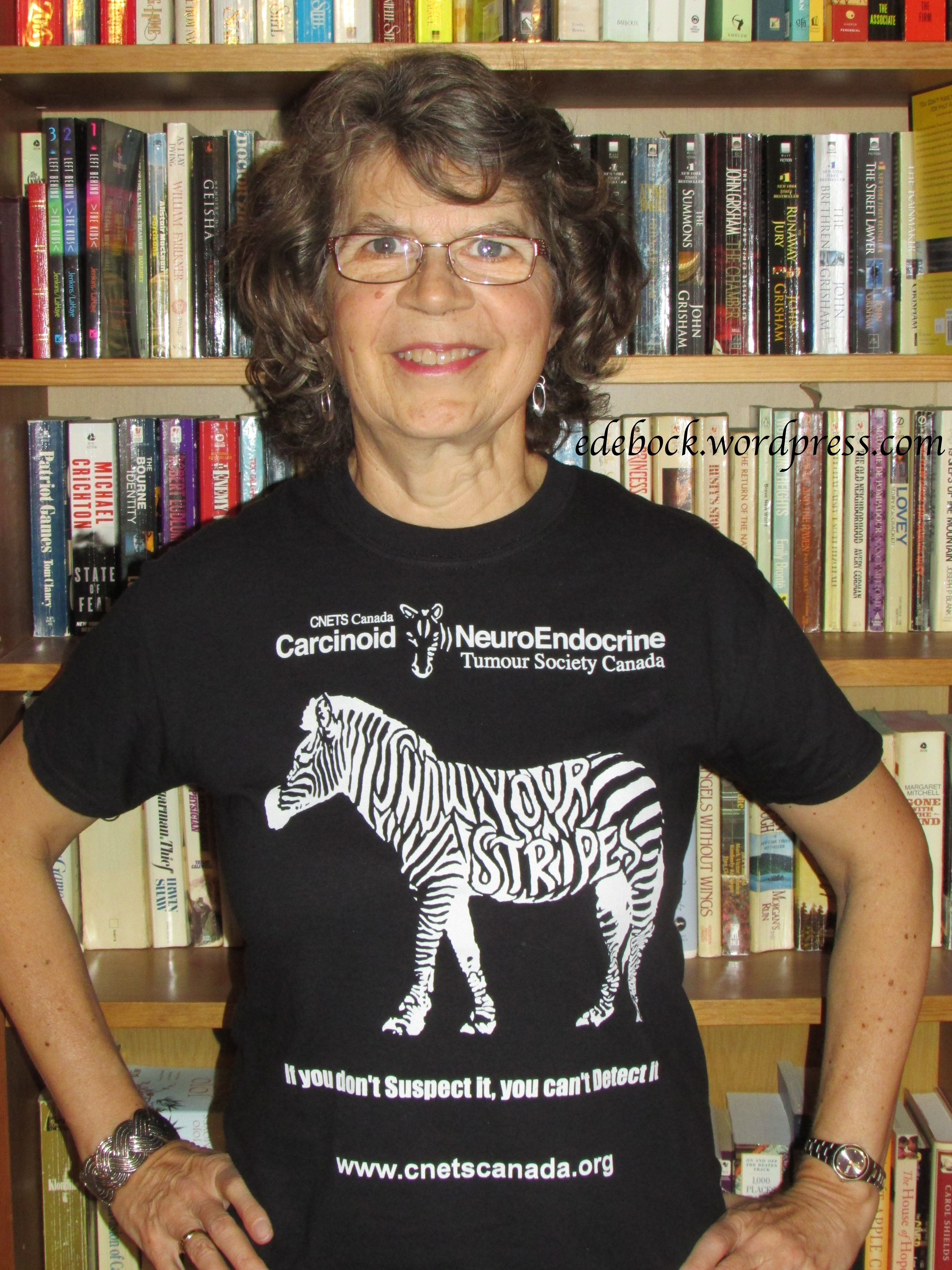
So as not to disappoint those of you who came looking for a fashion post, here’s what I’m wearing today… my CNETS Canada t-shirt. I don’t usually wear graphic tees, but the message on this one is a vital one.

IMG_5232

If you don’t suspect it, you can’t detect it. 

So what’s with the zebras? Medical students are taught when hearing hoofbeats, to think of horses, not zebras. Neuroendocrine tumours are difficult to diagnose. Though they are the fastest growing class of cancers worldwide, their symptoms are usually vague and similar to more common health problems.  Many family doctors have never encountered a NETS patient. When presented with symptoms like stomach pain and diarrhea, they naturally think of things like Irritable Bowel Syndrome, Crohn’s Disease or lactose intolerance. They think of horses, not zebras. Hence, the zebra became our symbol.

As with all cancers, early diagnosis is important. Sadly it doesn’t happen often. If the initial tumour is found before any secondary growths occur, it can often be removed surgically and the patient is considered cured. Once it has spread, however, the disease is incurable.

NETS arises from neuroendocrine cells which can be found anywhere in the body. The most common types are found in the lungs, bronchi, thymus, pituitary, thyroid, adrenal glands, intestines, pancreas, appendix, and rectum. They may also occur in other areas including the ovaries, cervix, testicles, and spleen. NETS is a slow growing cancer that is often misdiagnosed. By the time a correct diagnosis is made, the cancer has often spread. In fact, 60 to 80% of NET cancer patients are diagnosed with advanced disease.

My primary tumour was in my colon. At the time of diagnosis, I also had three tumours on my liver and one in a lymph node. It was estimated that I had already had the disease for ten years when it was detected quite by accident! Off and on for at least seven or eight years I had been experiencing most of the common symptoms which include abdominal cramps, diarrhea, flushing of the skin, pounding of the heart, and wheezing or shortness of breath. Neither I nor my family doctor had any idea why.

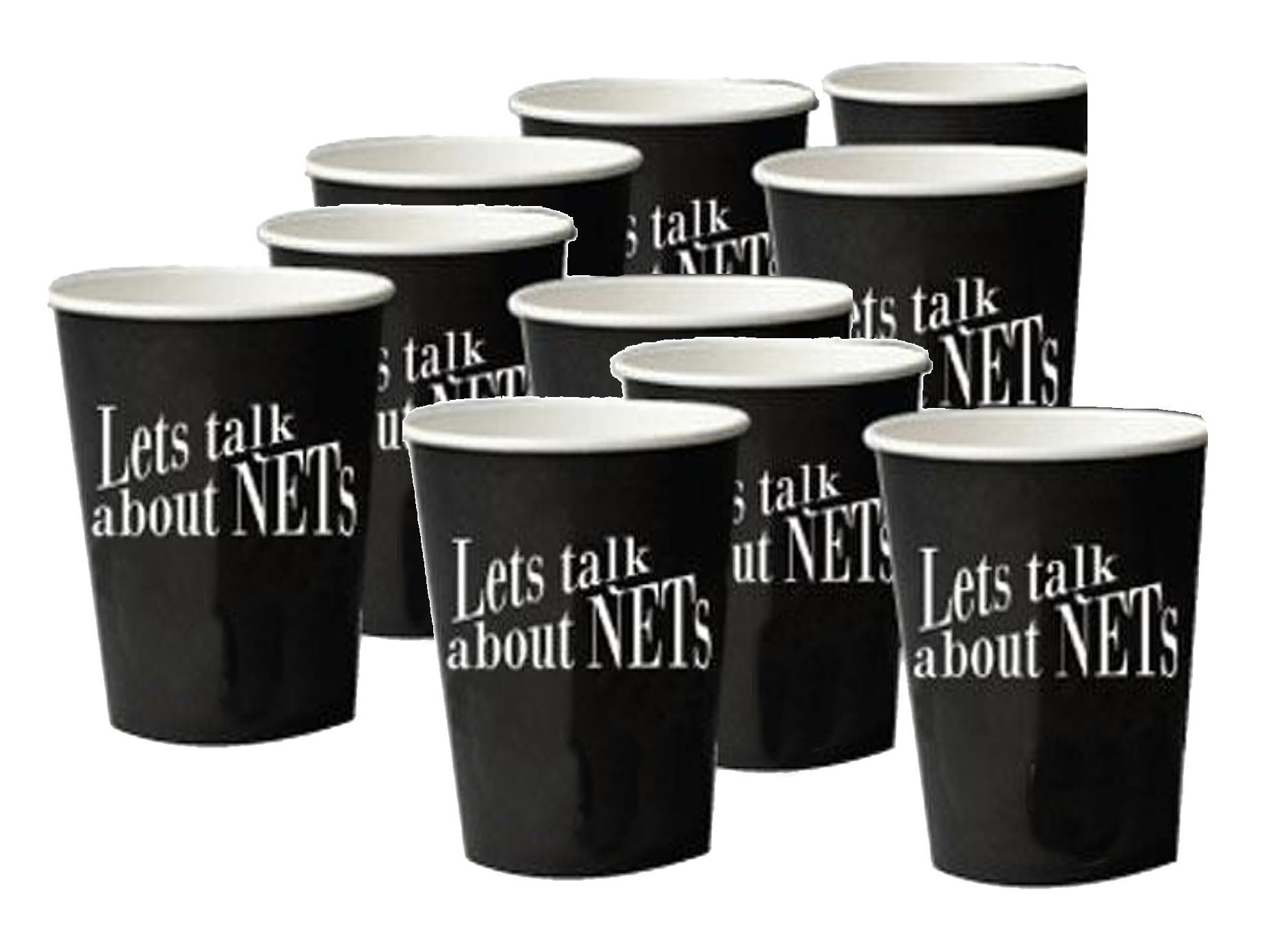
Today coffee shops across Canada and around the world, including The Wooden Spoon here in Sedgewick, will be raising awareness about NETS by using special coffee cups bearing the slogan “Lets talk about NETS” and handing out promotional material to help educate their customers about the disease.

Lets-cup10

What can you do to help? You can help us spread awareness by simply reposting this on your blog if you have one or posting a link to it on your Facebook page. Thank you so much!