It’s been awhile since I’ve written much about fashion, but having done my seasonal wardrobe switch in mid October, having been fairly ruthless about getting rid of things that should no longer be taking up closet space, having done some reorganizing of said closet and drawers, and having done a wee bit of shopping, I’ve discovered a renewed interest in fashion blogging! I don’t know how long it will last, but I do have a few new ideas to share with you.
Today, I’m going to show you my most recent purchase and tell you why I bought it.
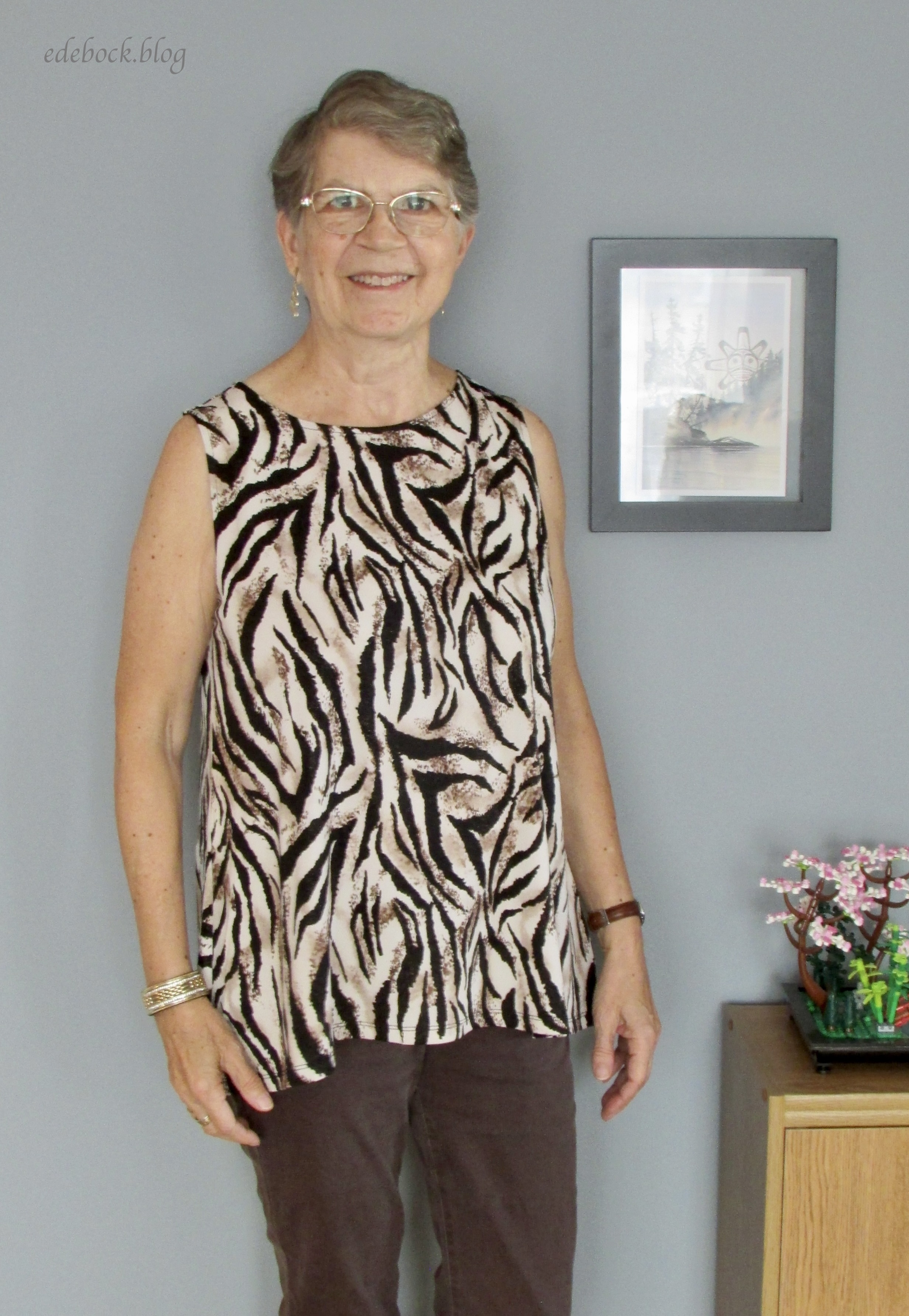
I needed another sleeveless top like I needed a hole in my head, especially at this time of year with winter’s intense cold just around the corner, but when I saw this one in our local consignment store, I knew it was meant for me.
Why?
Because November is Neuroendocrine Cancer Awareness Month and the zebra is our symbol. Medical students are often taught “when hearing hoofbeats, think of horses, not zebras.” Neuroendocrine tumours (NETS) are very difficult to diagnose. The symptoms are usually vague and similar to more common health problems. Many primary care physicians have never encountered a NETS patient so when they’re presented with symptoms like stomach pain, wheezing, diarrhea, or facial flushing they naturally think of more common causes. They think of “horses”, but neuroendocrine cancer is a “zebra”.
There’s actually a great debate in neuroendocrine cancer circles over the use of the zebra as our symbol. Some, including the world’s best known and most highly revered patient advocate, think it’s an infantile gimmick that trivializes the grave nature of our disease and that it’s actually detrimental as an awareness tool. Others of us disagree feeling that we need to take advantage of every available opportunity to draw attention to our cause and if that includes zebra stripes, so be it.
I don’t actually wear zebra stripes very often because they’re usually black and white, colours that don’t flatter my complexion. Worn near my face, they leave me looking sickly which isn’t a good look for anyone and definitely not how I want to be seen. My new top works because the cream and brown offset the harshness of the black which also has a fine gold sparkle in it that doesn’t show in the photos.
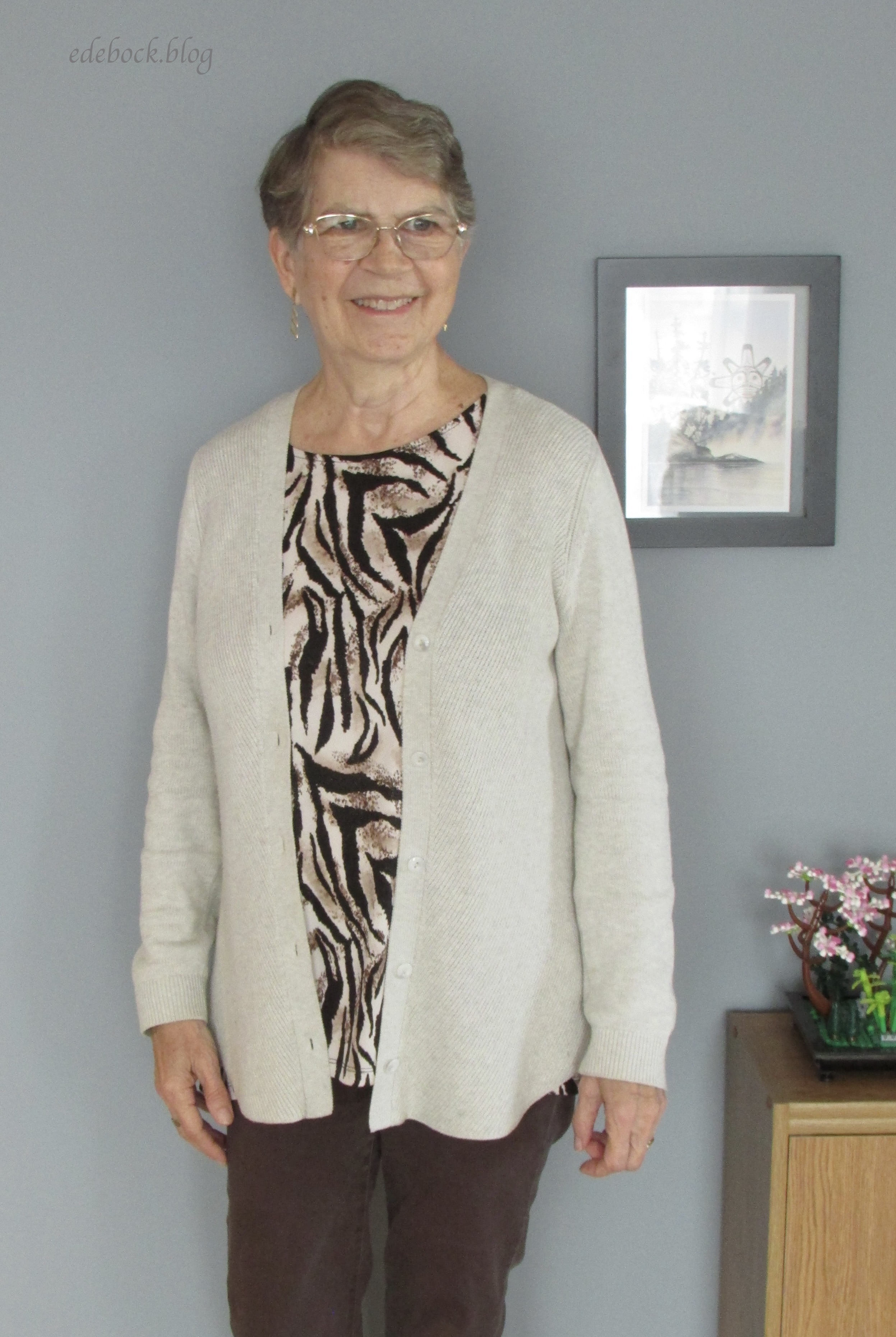
Although a sleeveless top might not be the best choice for a Canadian winter, it makes a good layering piece under a jacket or a cardigan. Here I’m wearing it with my 10-year-old Shirttail Cardigan from cabi, a workhorse in my wardrobe that still looks as good as the day I bought it.
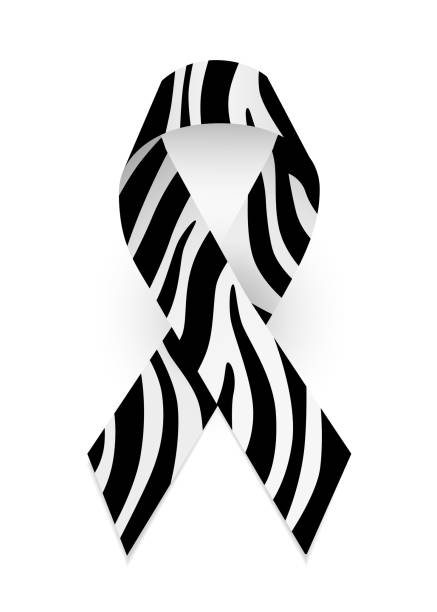 There’s a great debate in neuroendocrine cancer circles over the use of the zebra as our symbol. At one extreme are patients, usually women, who show up at meetings and conferences decked out from head to toe in zebra stripes and who refer to one another as fellow zebras. On the other side of the debate, the world’s best known and most highly revered patient advocate is so opposed to the idea that he doesn’t allow anything zebra on his social media sites. He thinks that it’s an infantile gimmick that trivializes the grave nature of our disease and that it’s actually detrimental as an awareness tool.


