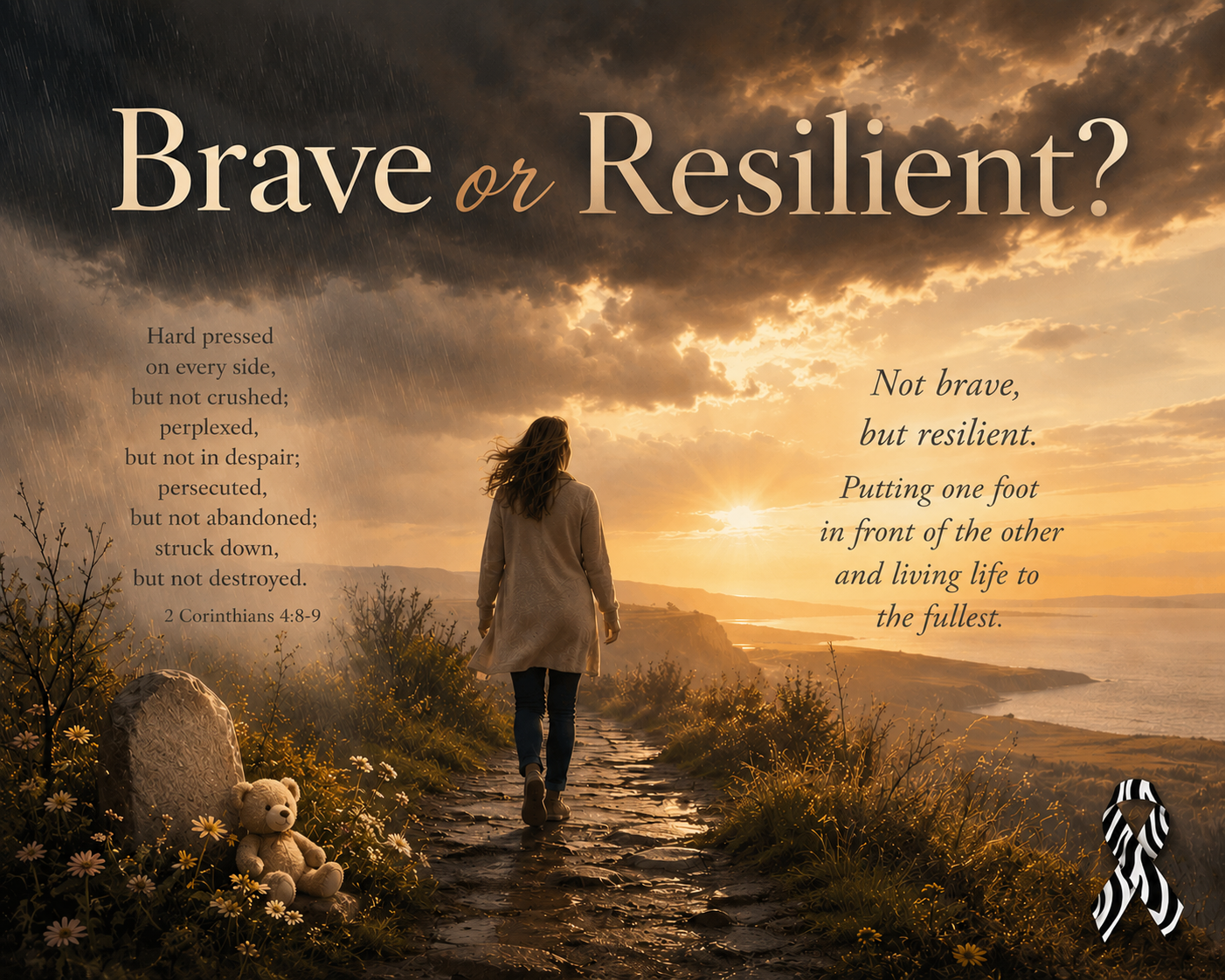
As a cancer patient, I’ve often been told that I’m brave. I know that people mean well, but that descriptor has never sat very well with me. To me, brave is the firefighter who enters a burning building to save lives or the person who jumps into deep water to rescue someone in danger of drowning. Bravery is defined as the mental strength to face danger, fear, or difficulty. It’s often impulsive or heroic. That doesn’t describe me or my thirteen year journey with neuroendocrine cancer.
Recently, a person whose opinion I value highly told me, “You’re so resilient!” and that word rang true to me. Resilience is a long-term process best described as the ability to endure, adapt, and survive adversity and recover from difficult experiences.
Those who know me well know that I’m a self-professed word nerd. Words matter to me. For more than a decade, the word stable, as in “no evidence of new or progressive disease” which was the final line on my latest CT scan report, has been a favourite word of mine. Now resilient has become another favourite!
So, how does a person build resilience? Becoming resilient is a lifelong process, not a one-time event. Life is rarely easy for anyone. Most of us experience a variety of difficult and upsetting events and circumstances over our lifetimes and I’m certainly no exception. Long before I was diagnosed with cancer, I endured a series of other tragedies and traumas, including the loss of a preschool daughter to leukemia. In each case, I chose to keep putting one foot in front of the other and living life to the fullest extent possible. That wasn’t easy, it wasn’t brave, and I couldn’t have done it alone, but it did help prepare me for life with an incurable cancer. I learned to accept circumstances that I couldn’t change and I also learned to depend on the God who loves me and who promised to take care of me.
In 2 Corinthians 4:8–9, the apostle Paul, who suffered many hardships, wrote “We are hard pressed on every side, but not crushed; perplexed, but not in despair; persecuted, but not abandoned; struck down, but not destroyed.” That’s resilience!


 We’ve just come through a season where I heard the phrase “dressed to the nines” used several times to refer to people who dressed very elegantly to attend holiday parties. As a lover of words, I began to wonder where that idiom came from and why we say “dressed to the nines” instead of to “the eights” or “the tens”? As often happens, curiosity sent me looking for answers!


 This week I’m featuring a garment that has been in my wardrobe since my teaching days. Far from new when I retired in 2007, it’s over 20 years old and now qualifies as vintage in the fashion world. Although I don’t wear it very often, I keep it because I love it and on those occasions when I do pull it out, as I did for church last Sunday, it feels like I’m wearing something new.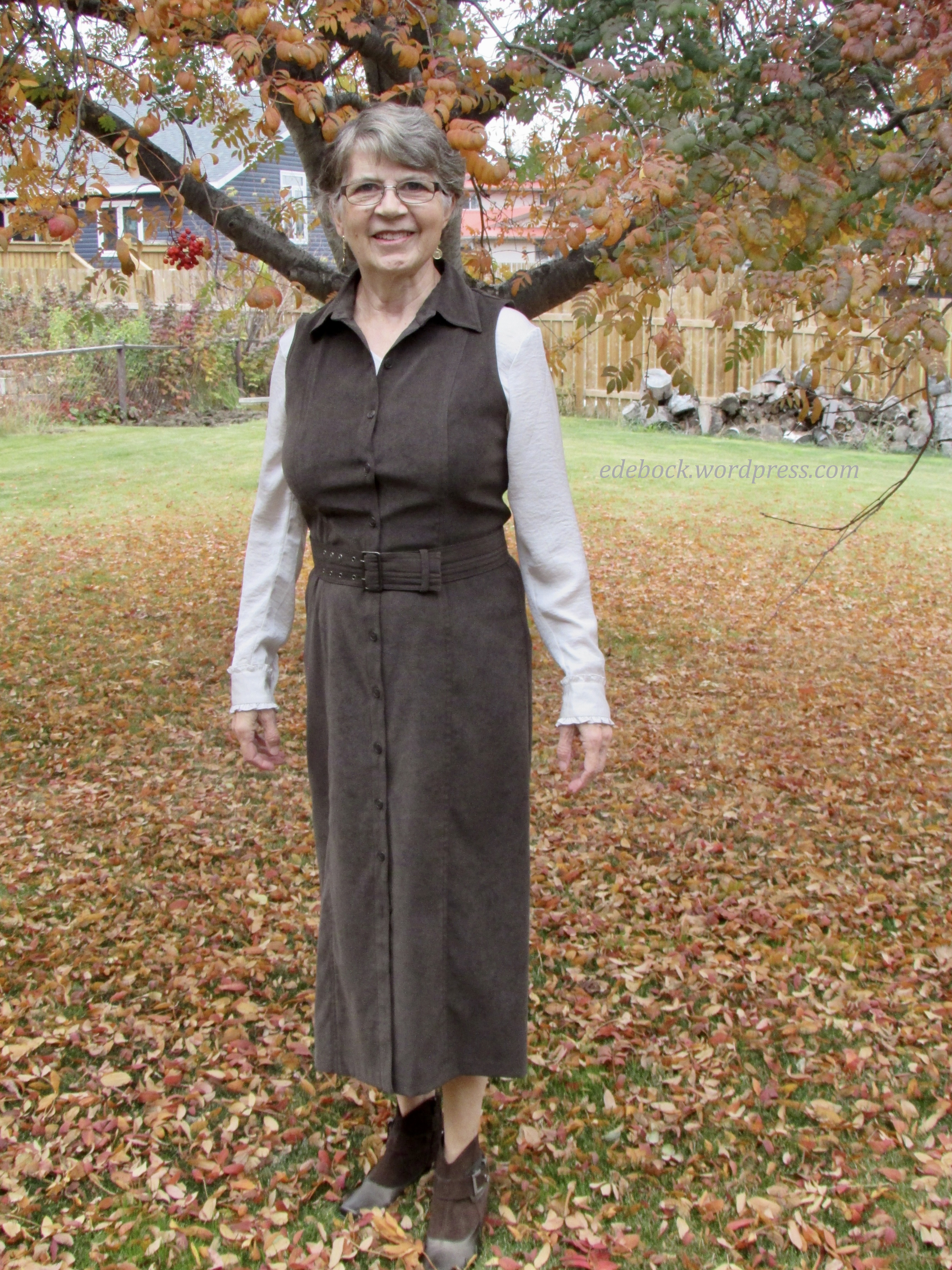

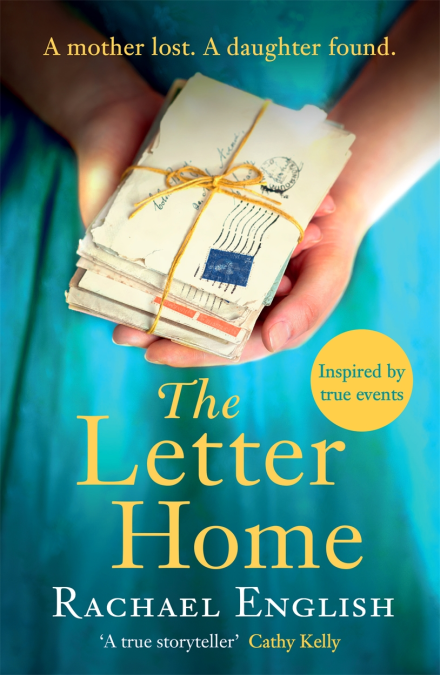 Rachael English is a novelist and a presenter on Ireland’s most popular radio programme, Morning Ireland. In her most recent novel, inspired by true events, the lives of three remarkable women are interwoven across time.