We came to Türkiye (Turkey) on a short term missions trip, but after finishing that assignment and becoming tourists, we’ve fit a lot into less than 48 hours in Istanbul!
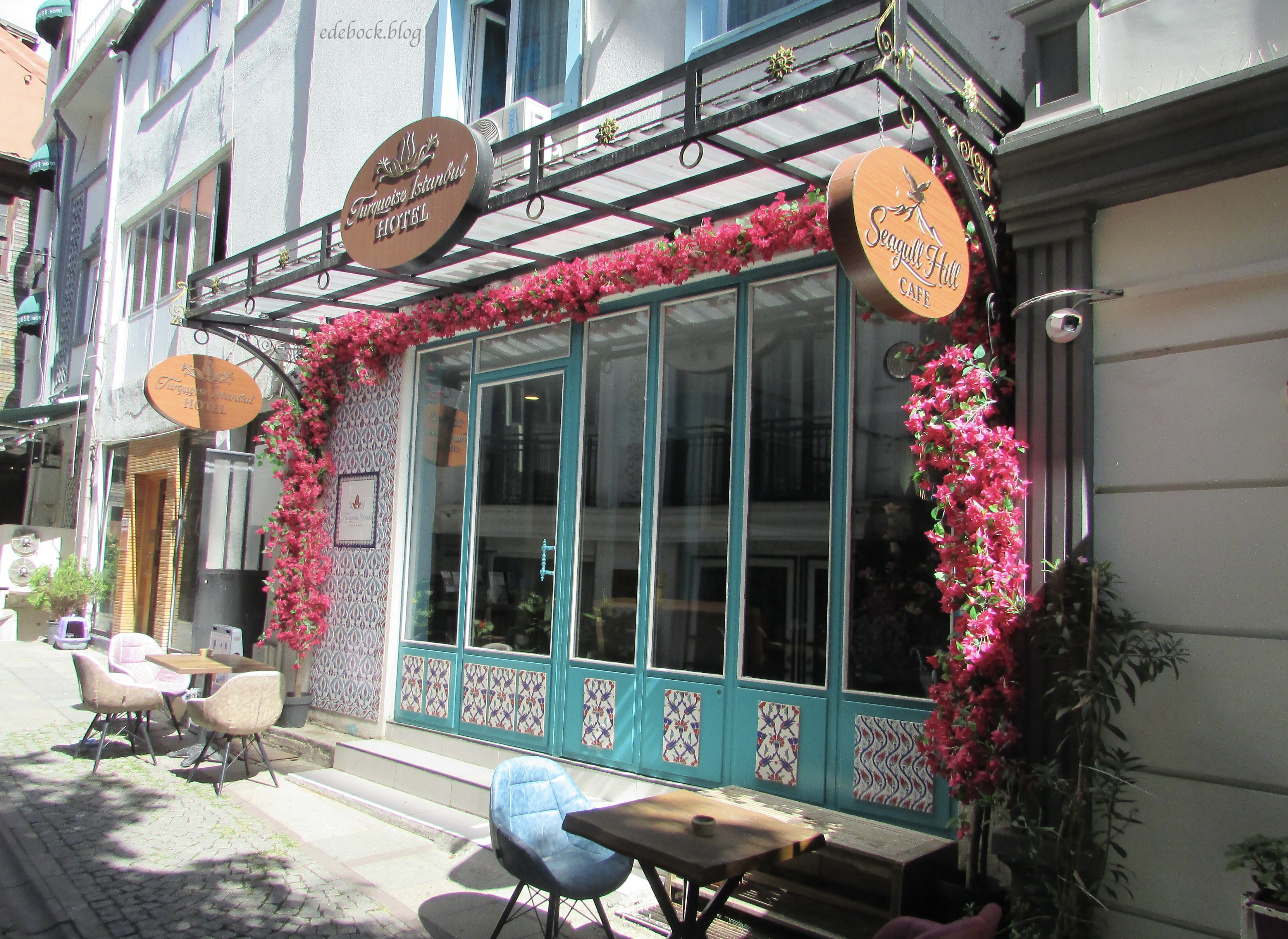
Located in the heart of historic Istanbul, our tiny, family run hotel is tucked into a little alleyway just off a busy street.
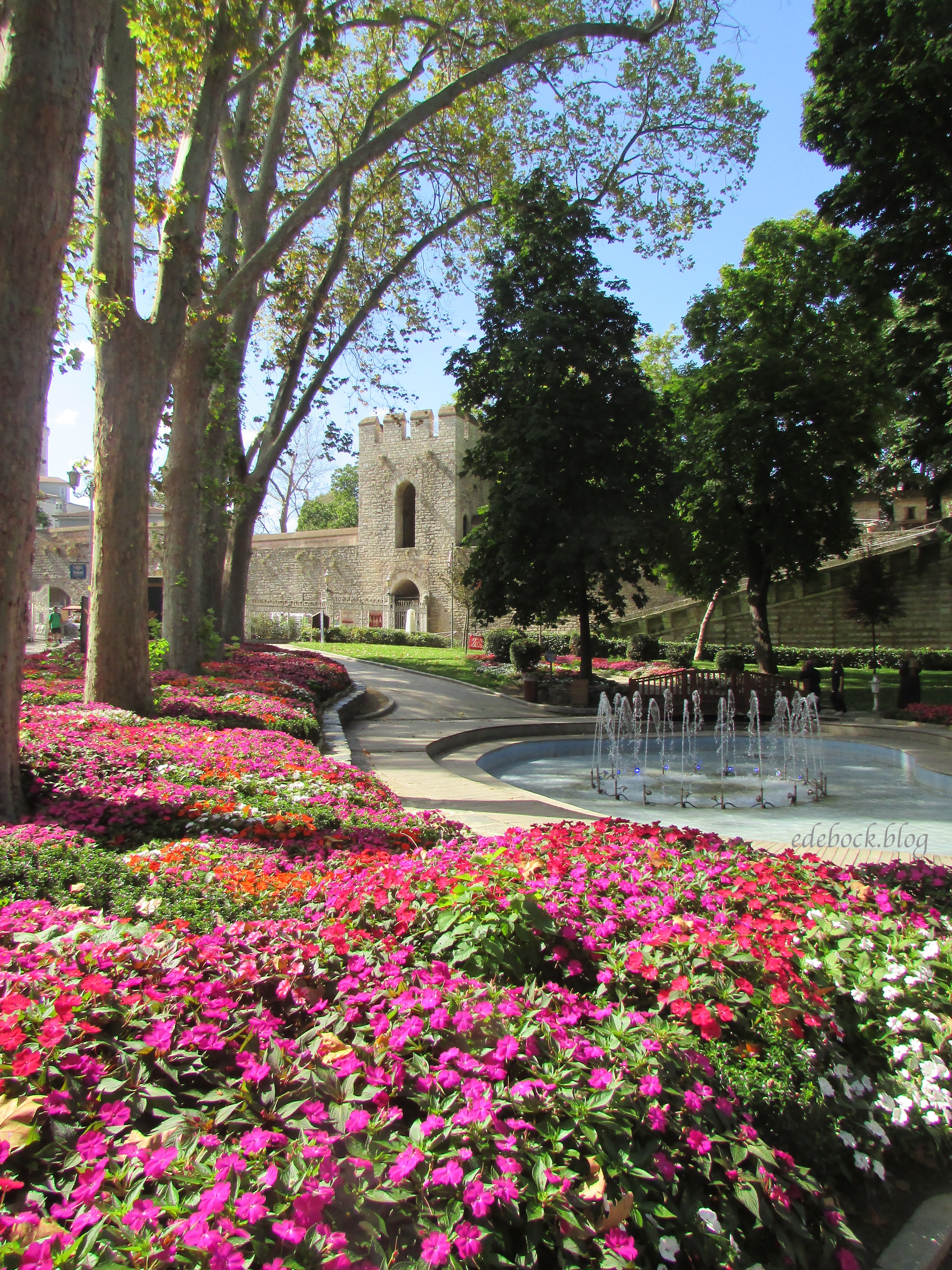
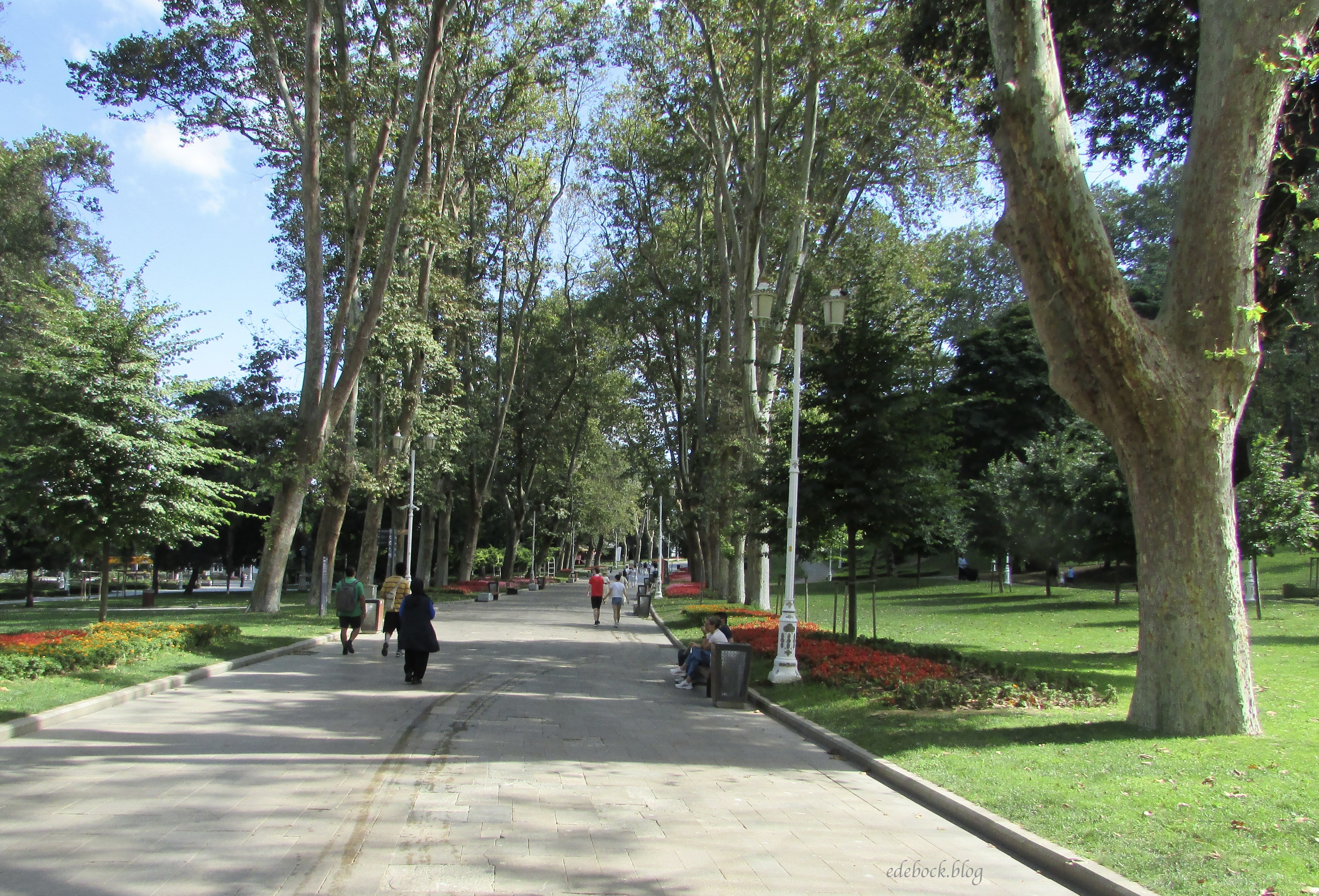
Our window looks out over the street and the entrance to beautiful Gülhane Park. Now a very busy and popular urban park, Gülhane was once the outer garden of nearby Topkapi Palace and only accessible to the royal court.
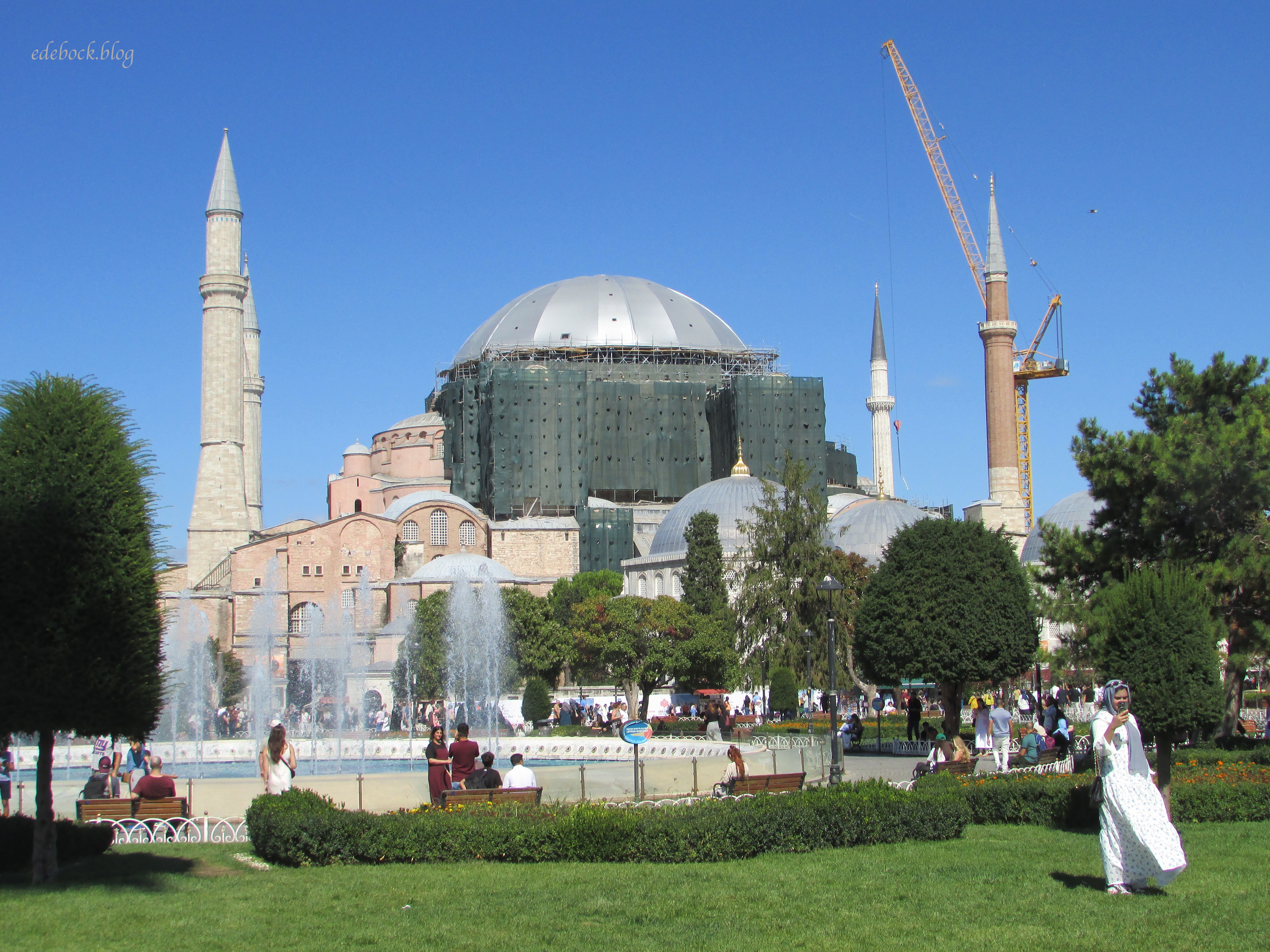
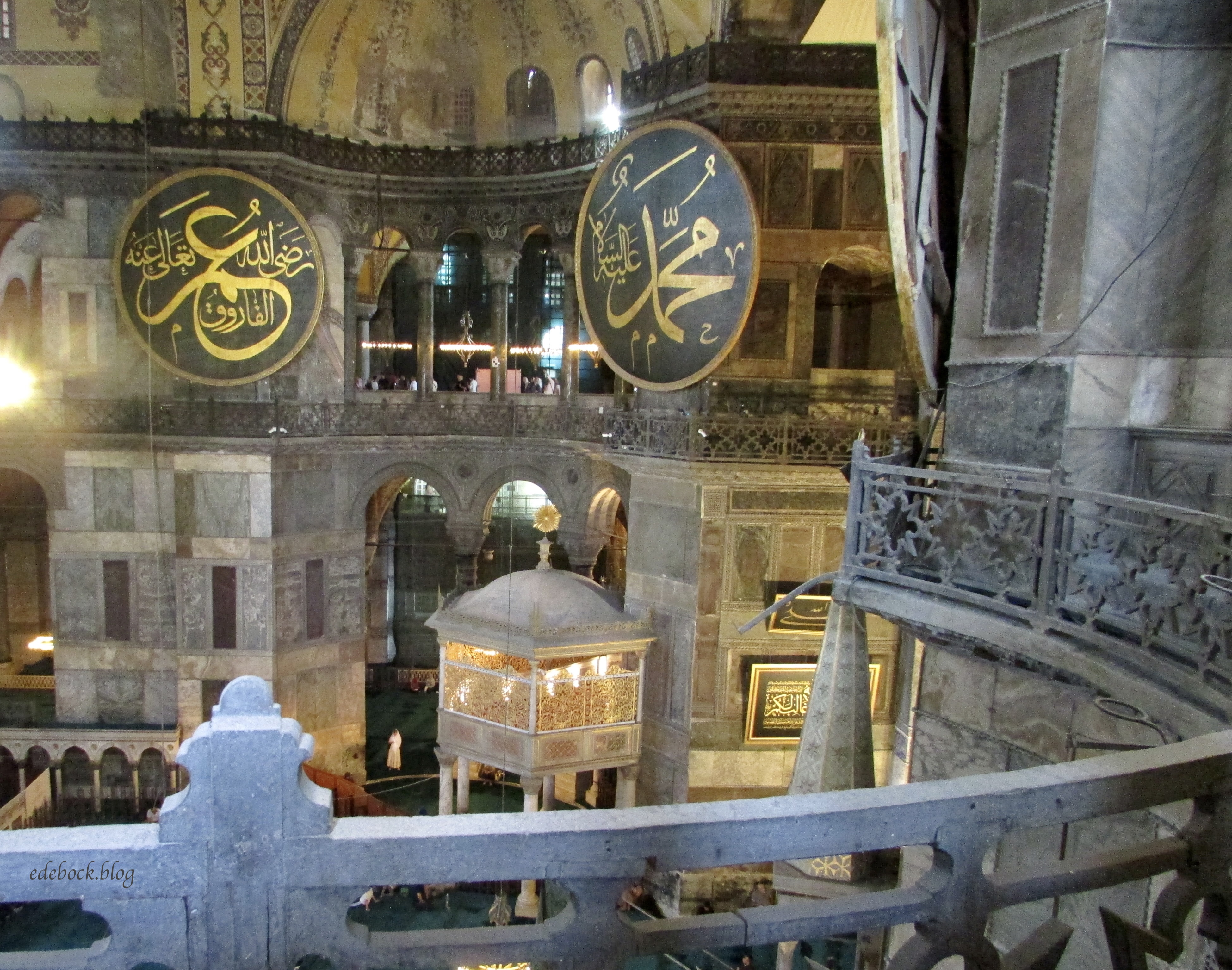
Our hotel is also only a 5 minute walk from the Hagia Sofia Grand Mosque, quite possibly Istanbul’s most famous landmark. Since it’s construction was completed in 537 AD, it has served first as a Christian cathedral, then an Ottoman mosque, a secular museum, and now an active mosque once again. Unfortunately, it’s presently undergoing renovation, so we didn’t get an unobstructed view of it.
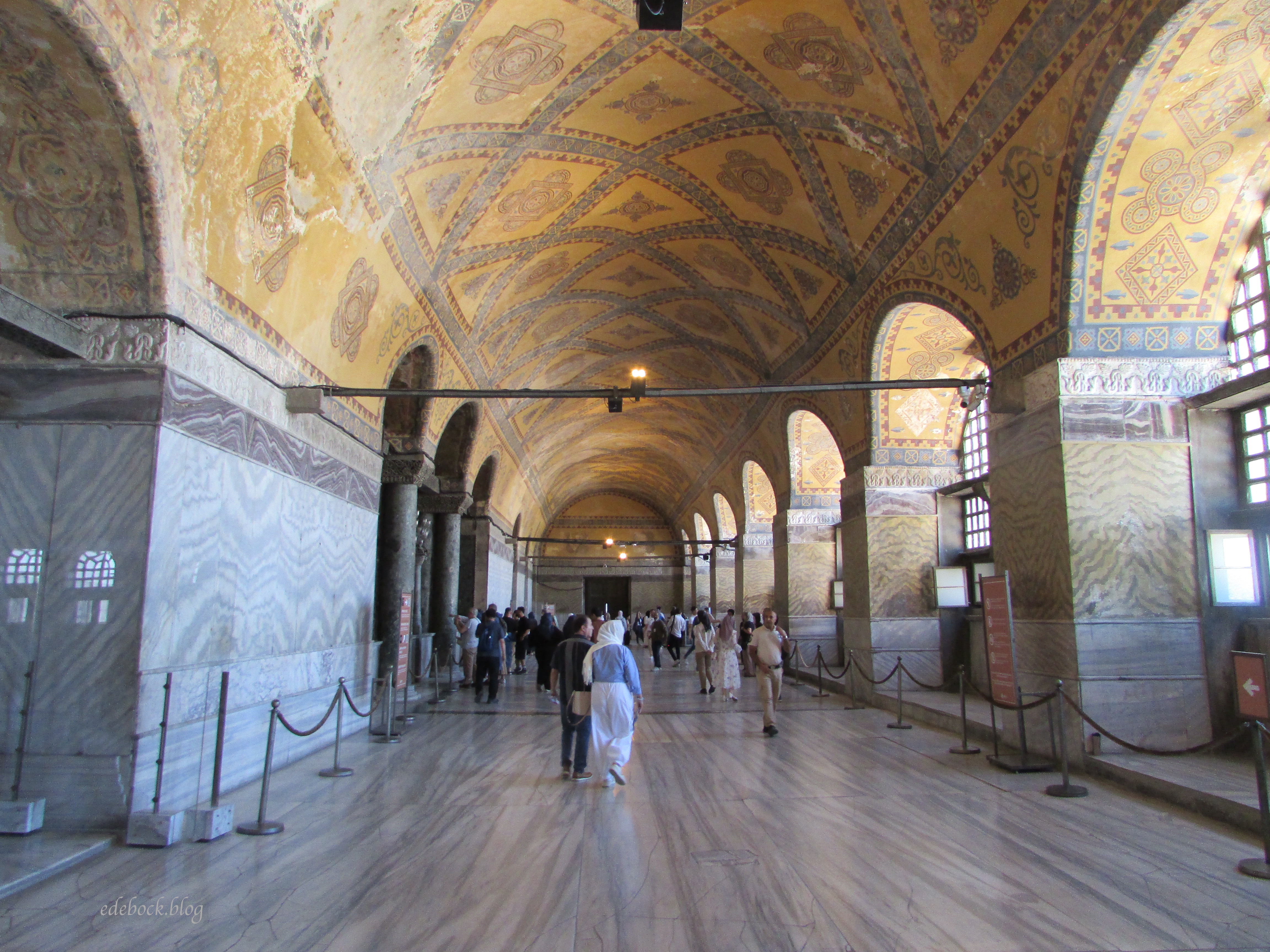
As non Muslims, we couldn’t enter the main worship portion of the mosque, but we did take what we now consider a badly overpriced tour of the portion that’s open to the general public. There is a very strict dress code for all who enter. Men cannot be wearing shorts and women must wear a head scarf and have their shoulders covered.
Just across the Sultanahmet Square from the Hagia Sofia is a second beautiful mosque, the Sultan Ahmet Mosque which is more commonly known as the Blue Mosque because of the thousands of blue ceramic tiles that decorate its interior walls.
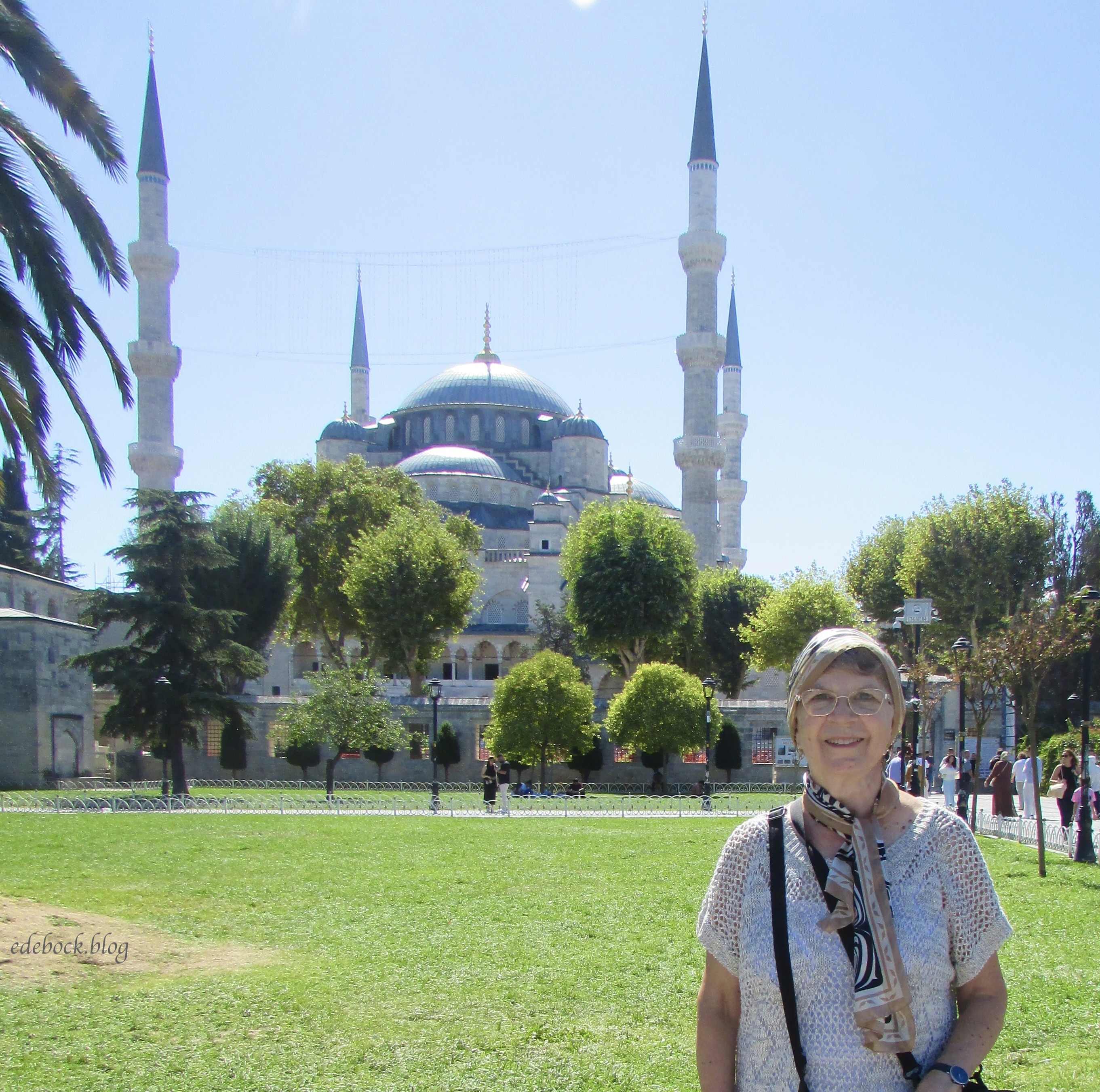
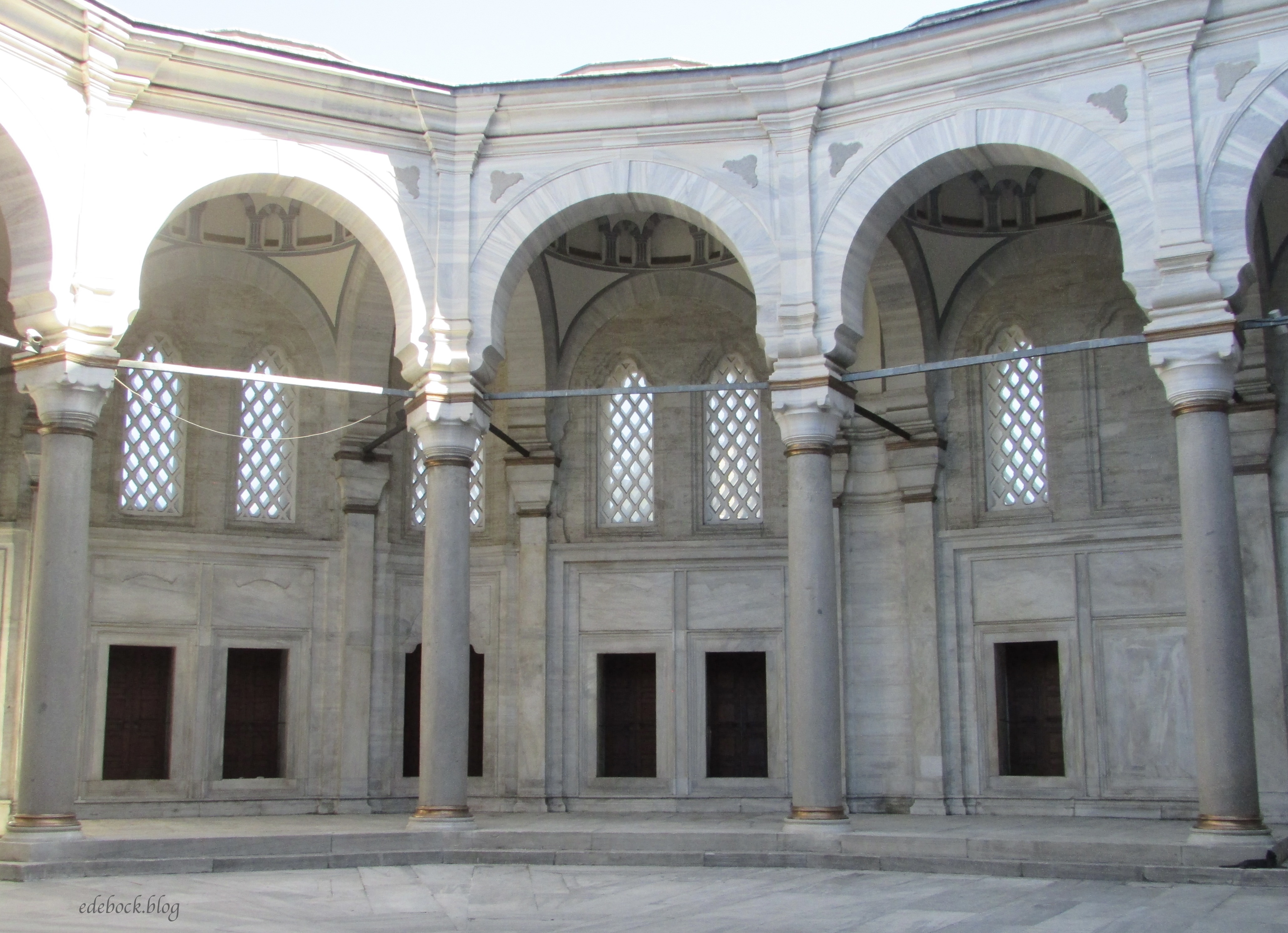
Again, we couldn’t enter the main portion of the mosque which is only open to Muslims, but we were free to wander the outer courtyard.
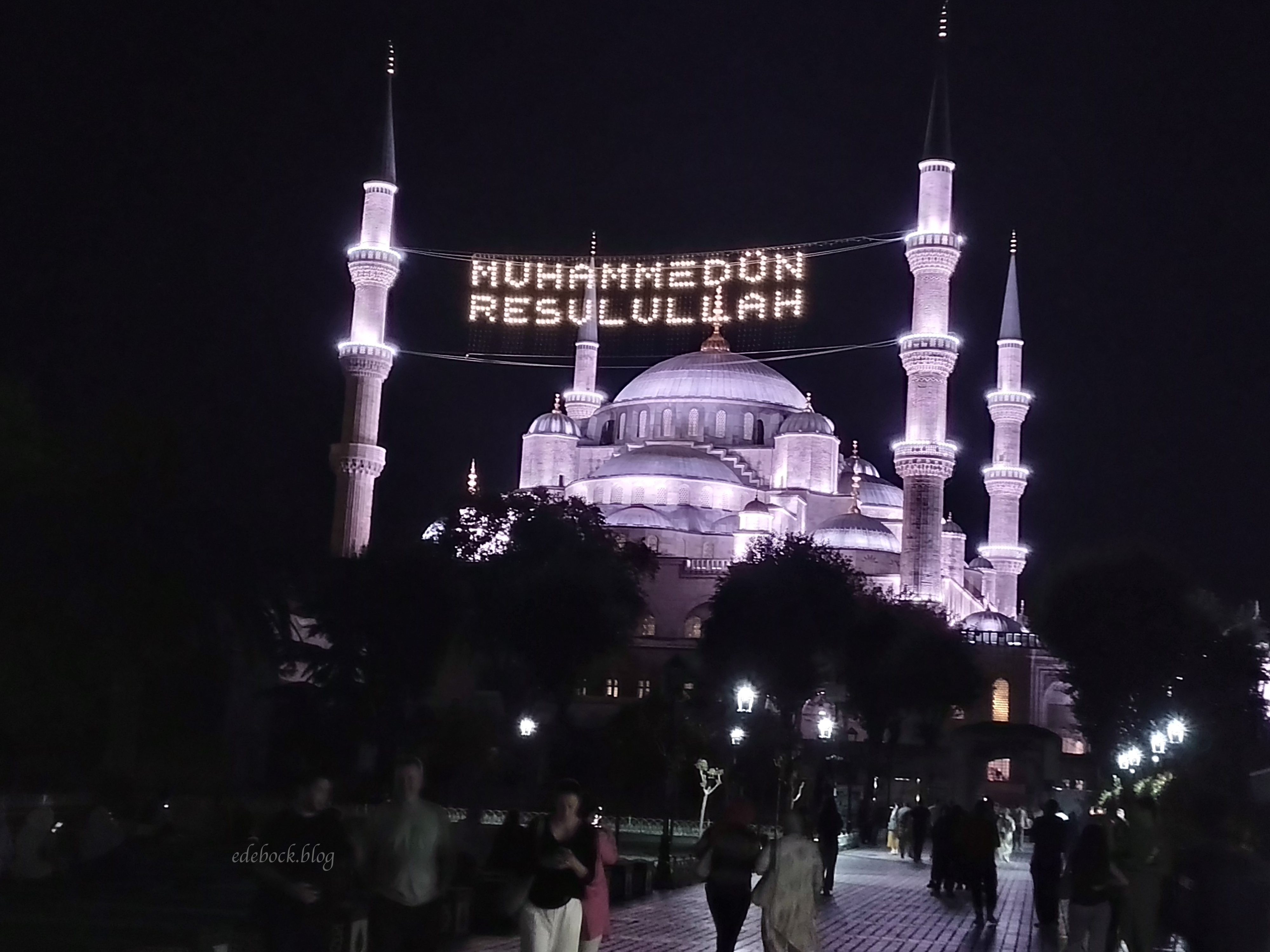
After meeting some of the team that we served with over the past week for supper last night, we returned to Sultanahmet Square to see the Blue Mosque lit up at night. The meaning of the banner is “Muhammad is the messenger of Allah.”
The Hagia Sofia and the Blue Mosque are only two of the more than 3000 mosques spread across the city, so it’s not surprising that wherever we were (including in our hotel room at about 5 o’clock in the morning), we could hear the very loud calls to prayer that ring out from the tall minarets at five different times throughout the day and night!
This morning, we walked about a kilometre to the Grand Bazaar, one of the oldest and largest covered markets in the world. Founded in the 15th century shortly after the Ottoman conquest of Constantinople (now Istanbul), it contains over 60 covered streets and nearly 4000 tiny shops selling everything from jewelry to clothes to carpets, leather goods, ceramics, and spices. It was like wandering a ginormous shopping mall.
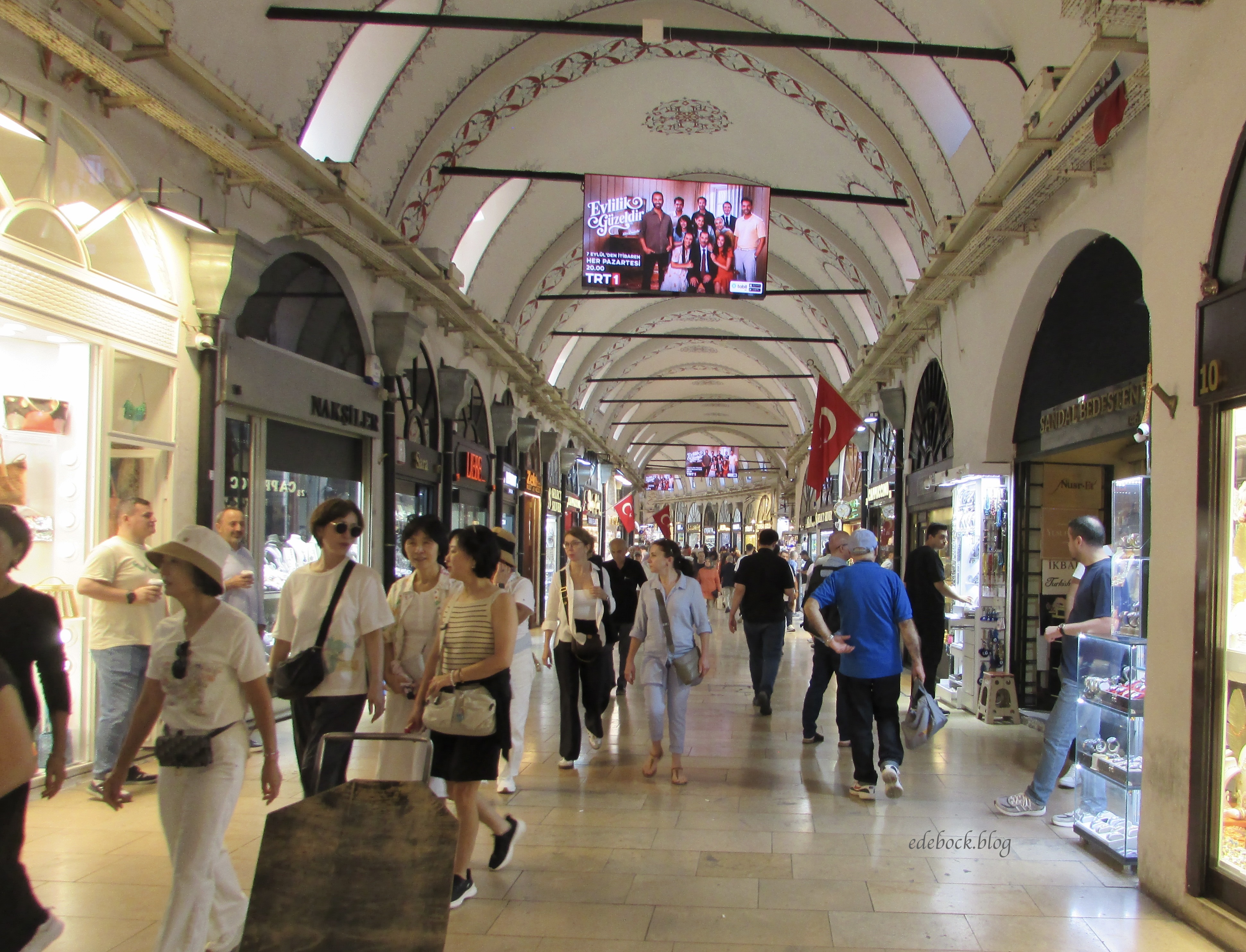
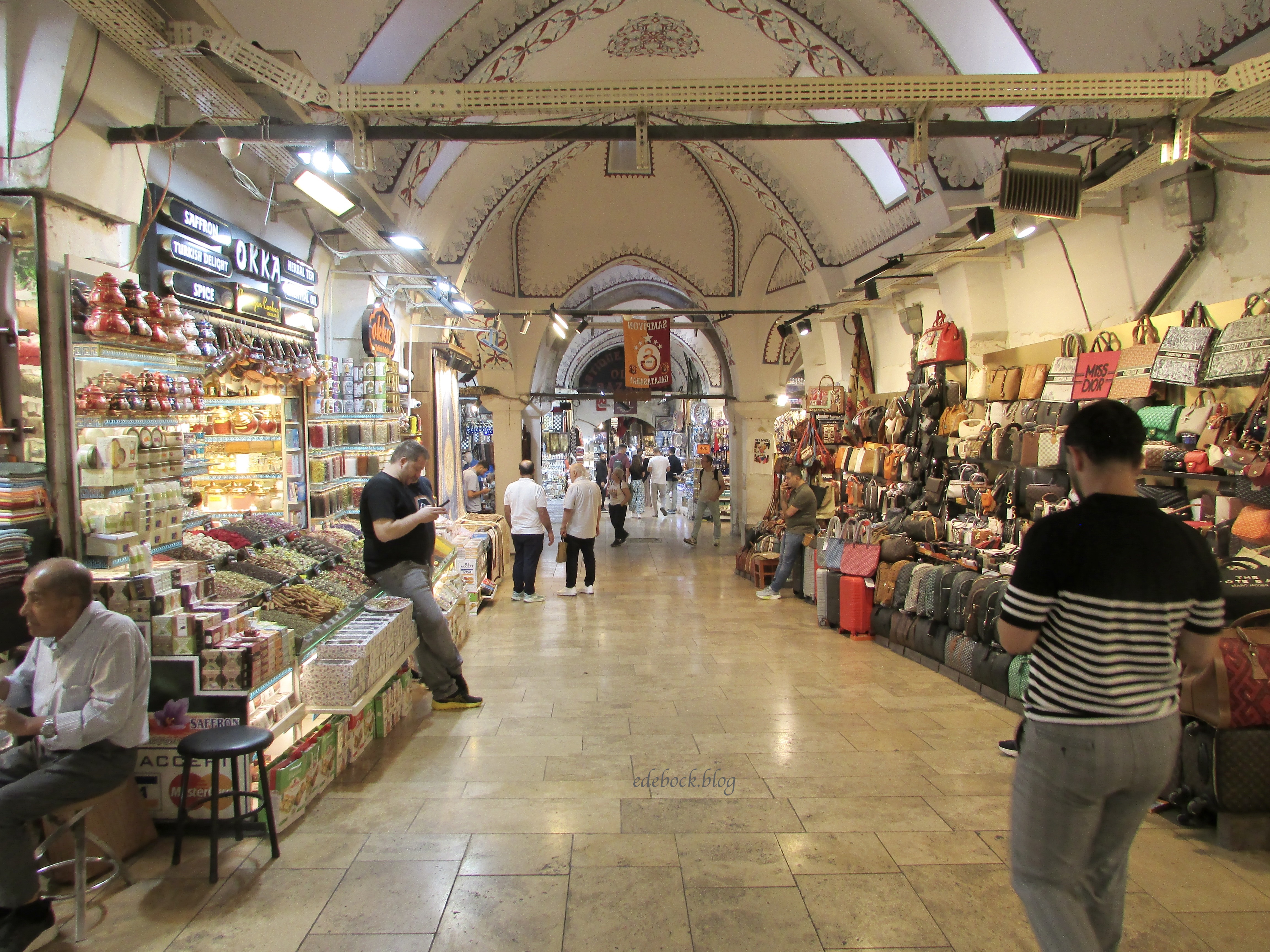
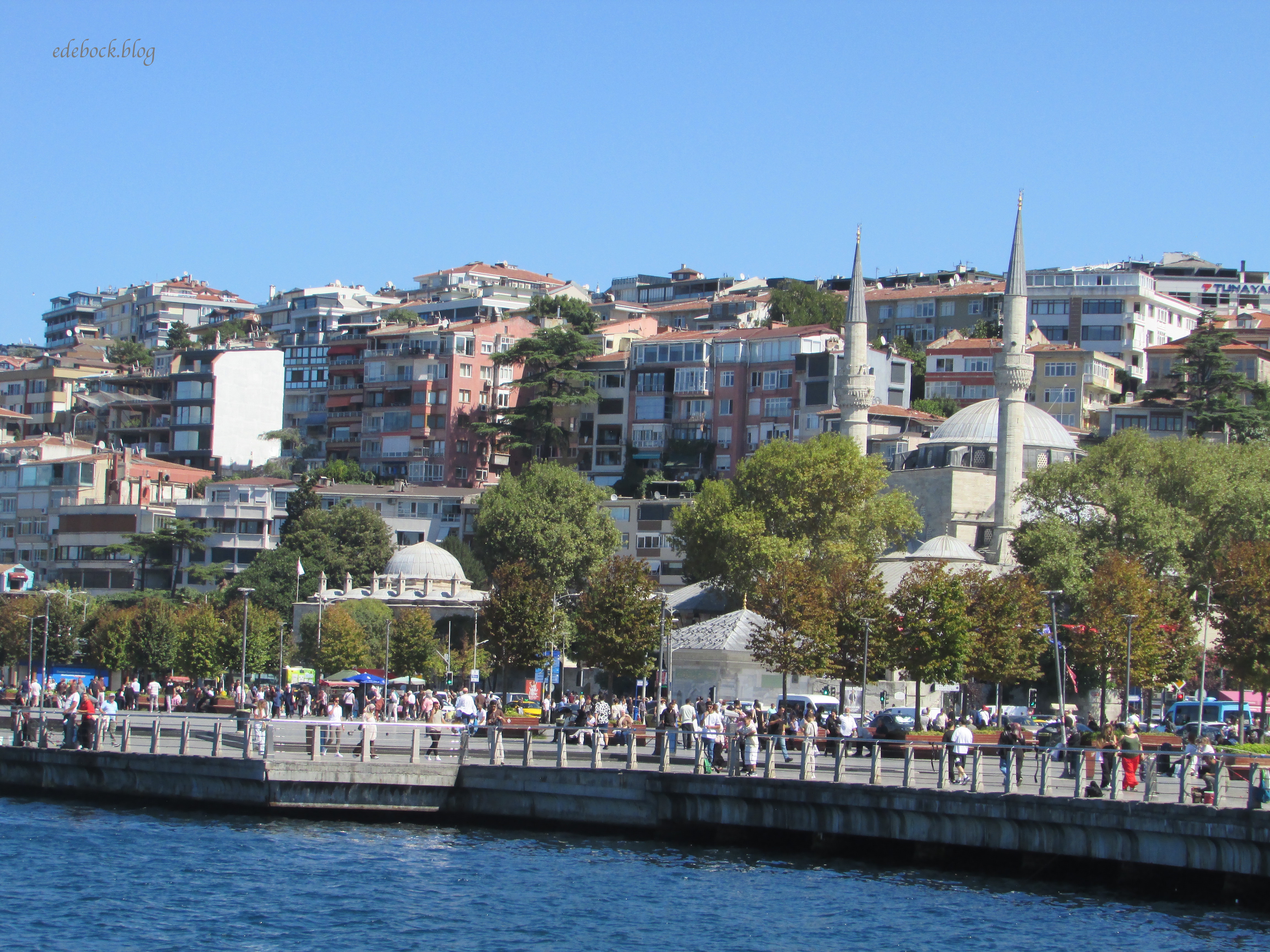
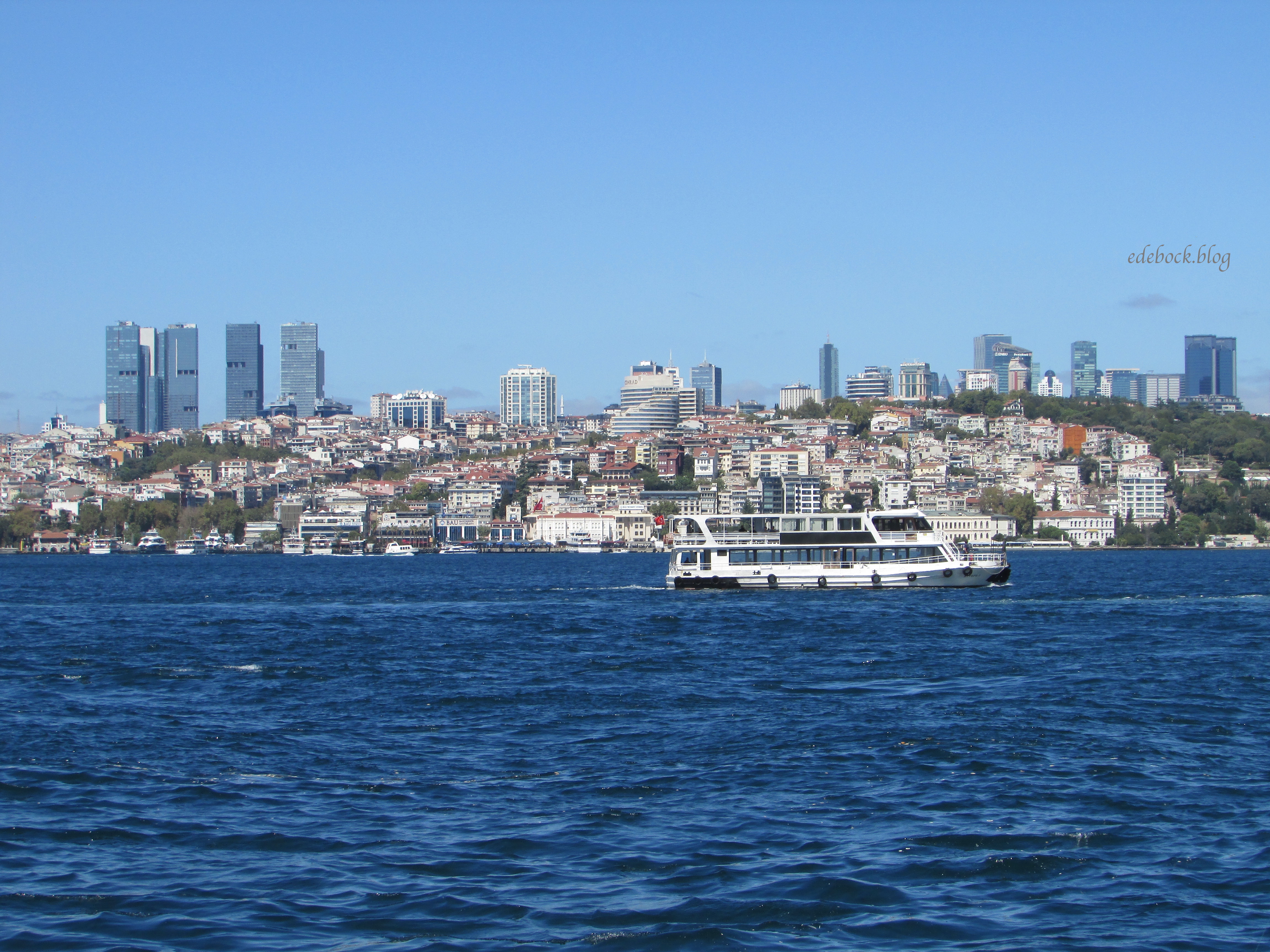
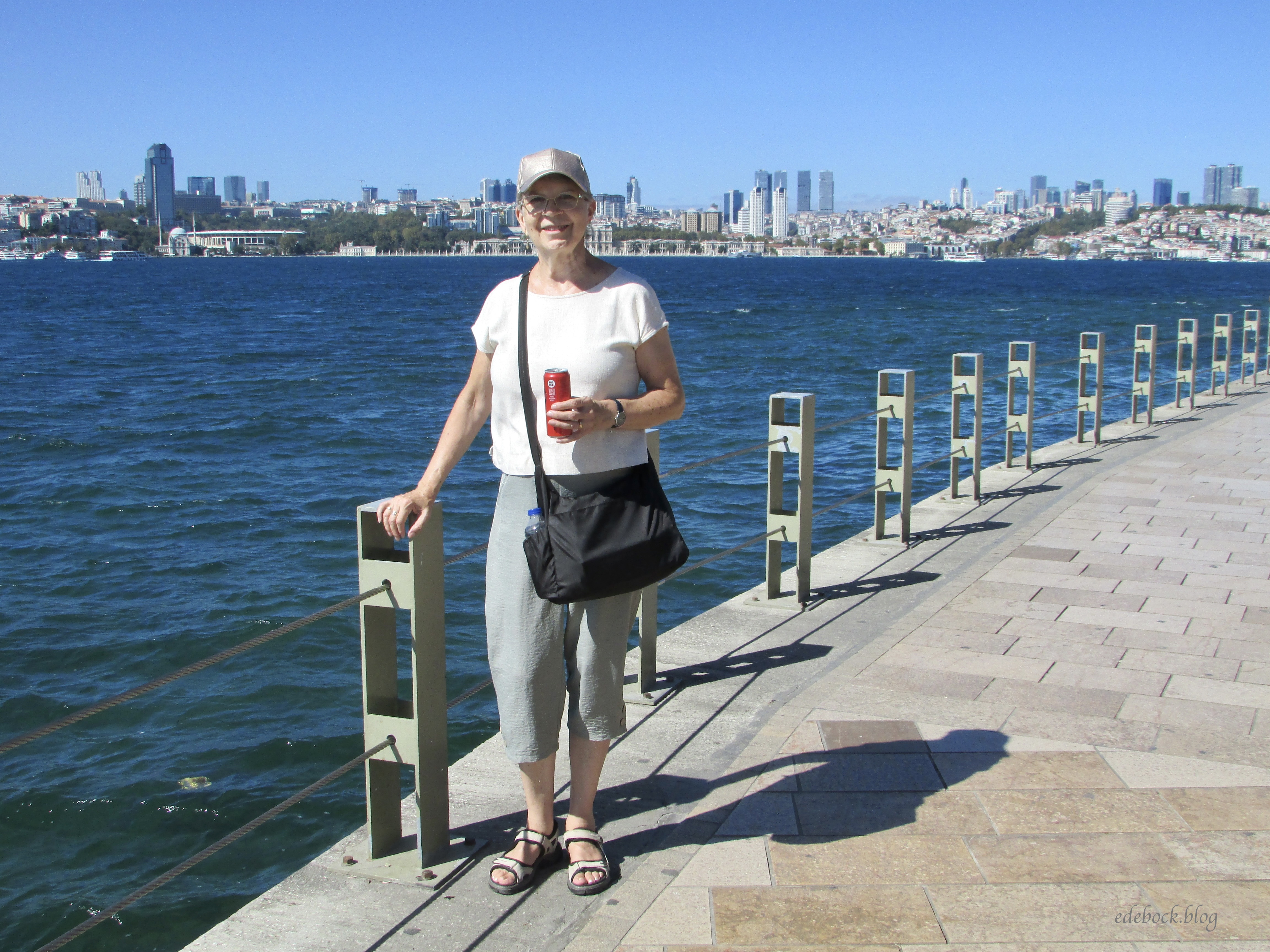
Located on both sides of the Bosphorus, a narrow strait that connects the Black Sea to the Sea of Marmara and separates Europe from Asia, Istanbul is a huge city that is located partially on each continent! About two-thirds of its population live in Europe and the rest reside in Asia. We are staying on the European side, but after leaving the Grand Bazaar today, we made our way to the Asian side via the Marmaray, a commuter rail line that connects the two continents through an underwater tunnel beneath the Bosphorus. There, we strolled the Üsküdar Coast Walkway, a stunning promenade along the shimmering blue water. At the end of the walkway, we found a marina and an open air restaurant where we enjoyed some fish and chips while watching boats of all sizes making their way in and out of the strait.
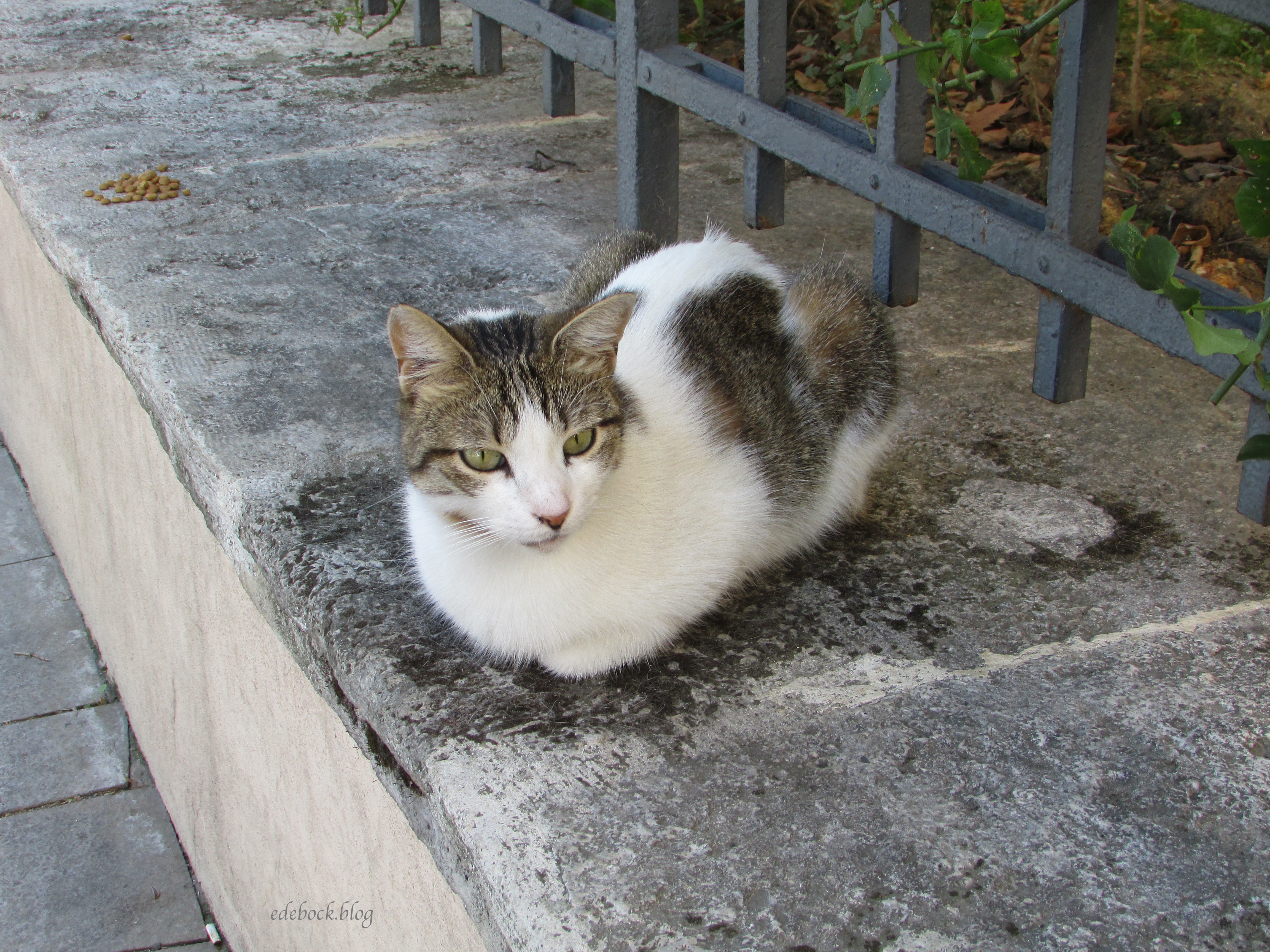
A post about this city wouldn’t be complete without mentioning the cats of Istanbul! An estimated 250 000 street cats live freely and harmoniously alongside the human population of approximately 16 million. Roaming freely through the markets, mosques, cafes, and subway stations, they are treated as community pets rather than strays. Shopkeepers and residents routinely leave out fresh water and food for them.
There’s more that I could say about our brief stay here in Istanbul, but we have a plane to catch in the morning and it’s time to get some sleep!