El Resobado: Coatepec’s historic bakery

On previous visits to Coatepec, I’ve written blog posts about everything from grocery shopping in the open market, to the beautiful murals, to the churches, and the architecture here and here. On our last visit, I wrote this post about a walk around the neighbourhood where we stay with our friends who are permanent residents of Mexico.

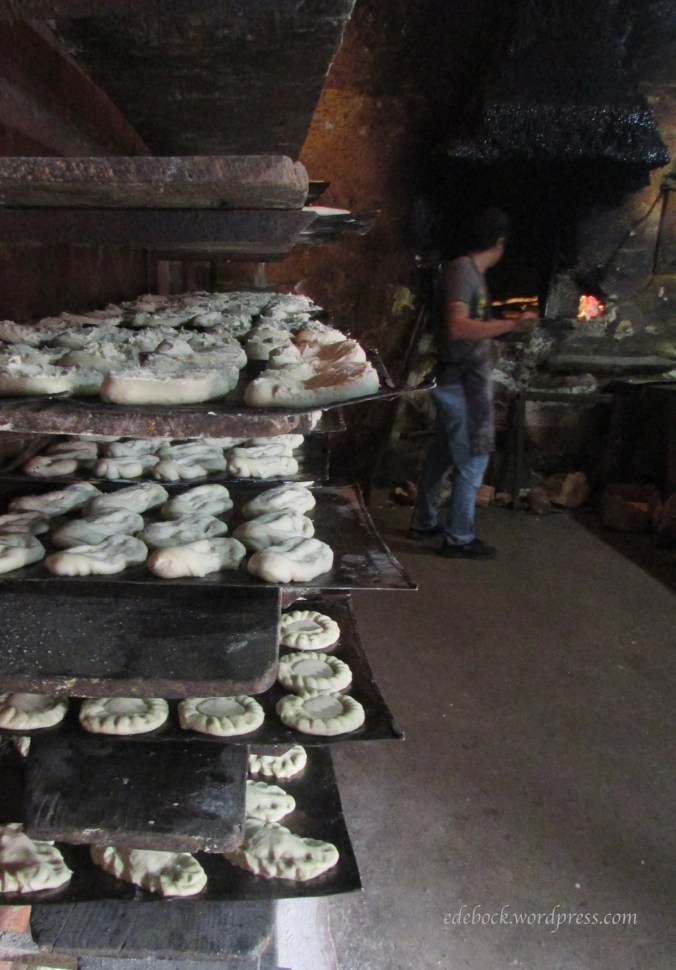
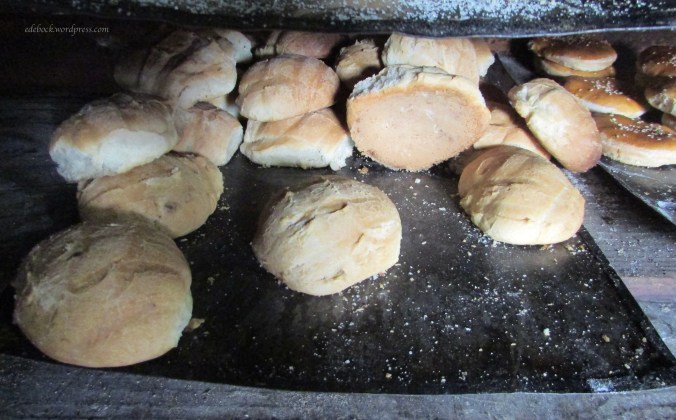
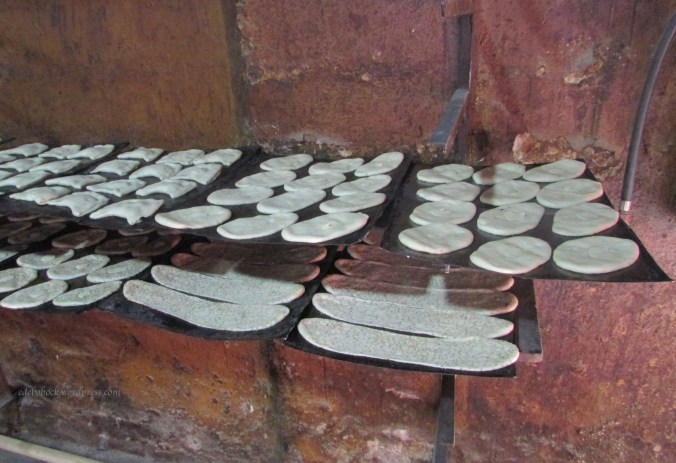
Today, on our fourth visit, I found something different to share with you. The traditional wood-fired oven in Panadería “El Resobado” has been burning for over 140 years! 

Stepping through the doorway into the front room of the bakery feels like taking a step back in time. The walls and ceiling are blackened by more than a century of smoke and one is surrounded by the smell freshly baking bread.

Shelves of artisanal breads and other baked products line the walls waiting for their turn in the oven. 

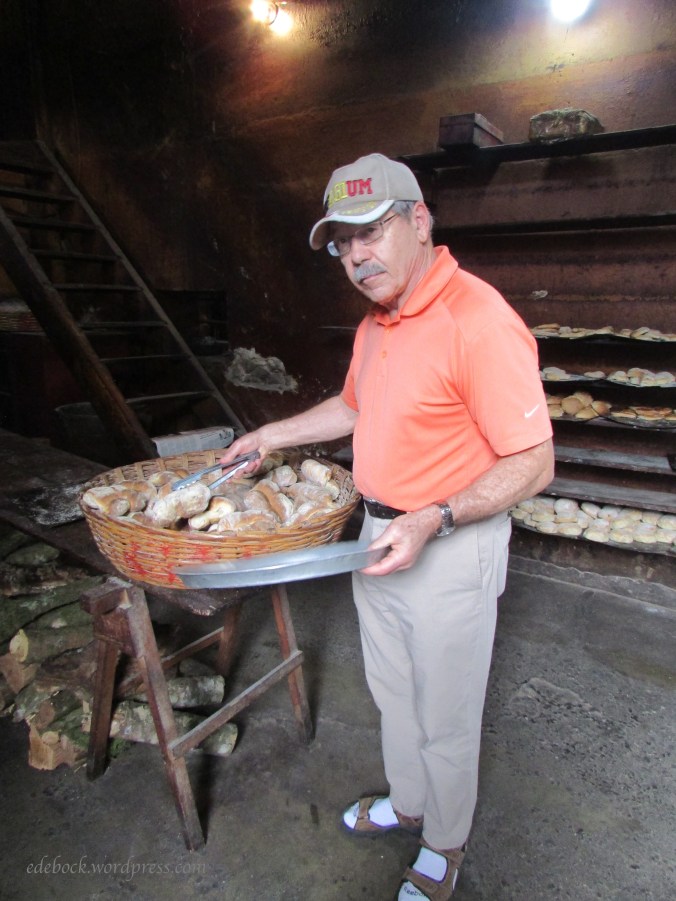
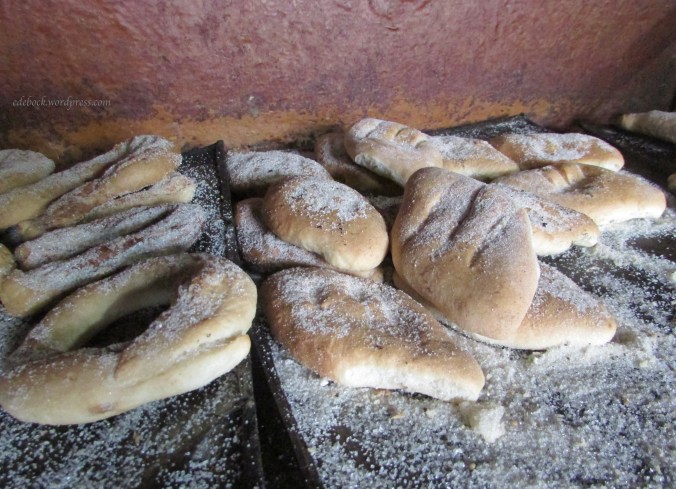
Behind the room where the actual baking takes place, one steps into another room where more shelves hold the baking that’s ready to be sold. 

Of course, we had to sample a few of them!

Until about a year and a half ago, the bakery was open 24 hours a day 7 days a week, but it now opens at 5:00 AM and closes at 11:00 PM. The products are not only sold on-site at El Resobado, but also supply some of the stores in the area. 

My latest thrift store finds

logo-by-samAs you’re no doubt aware by now, I love thrift store shopping. In addition to the fact that it’s a bit like going on a treasure hunt, there are several other advantages. I can afford to pay full price for my clothes, but my opportunities to shop are limited by the fact that I live in a very small rural community. Two small thrift stores are the only places to shop for clothing locally. The cost per wear is, of course, much lower when I buy second-hand and I also like the fact that, in my own small way, I’m helping reduce the enormous impact that the fashion industry has on the environment.

Thrifting can be a great way to add unique pieces or to fill gaps in your wardrobe, but I cringe whenever I see a blogger or a YouTuber bragging about her thrift store “hauls”. Excess of any kind bothers me. A bargain isn’t a bargain unless you’re actually going to use it and I can’t imagine anyone actually wearing everything in some of those hauls. I often leave a thrift store empty-handed, but once in awhile I find something that’s just right for me. Today I’m going to share my last two second-hand finds with you.

IMG_7723

The casual, comfy tunic shirt from Old Navy has been a good addition to my fall wardrobe. The fabric, although 99% cotton, has a linen-like feel and the soft tan with multicoloured flecks throughout works well with my complexion.

When thrift store shopping, you might have to wade through some very outdated pieces to find what you’re looking for, but it’s possible to look up-to-date or even on trend wearing second-hand clothes. For example, brown is one of the hottest fashion colours for fall/winter 2024 and stripes are also on trend. There’s nothing out of date about my latest find which went with me on our recent trip to the coast.

IMG_7704

I probably wouldn’t have bought the sweater new because it was made in China. That’s a personal choice, but one of my fashion shopping goals in recent years has been to avoid buying items, especially new ones, that were made in a country that is so well-known for exploiting it’s factory workers.

IMG_7700

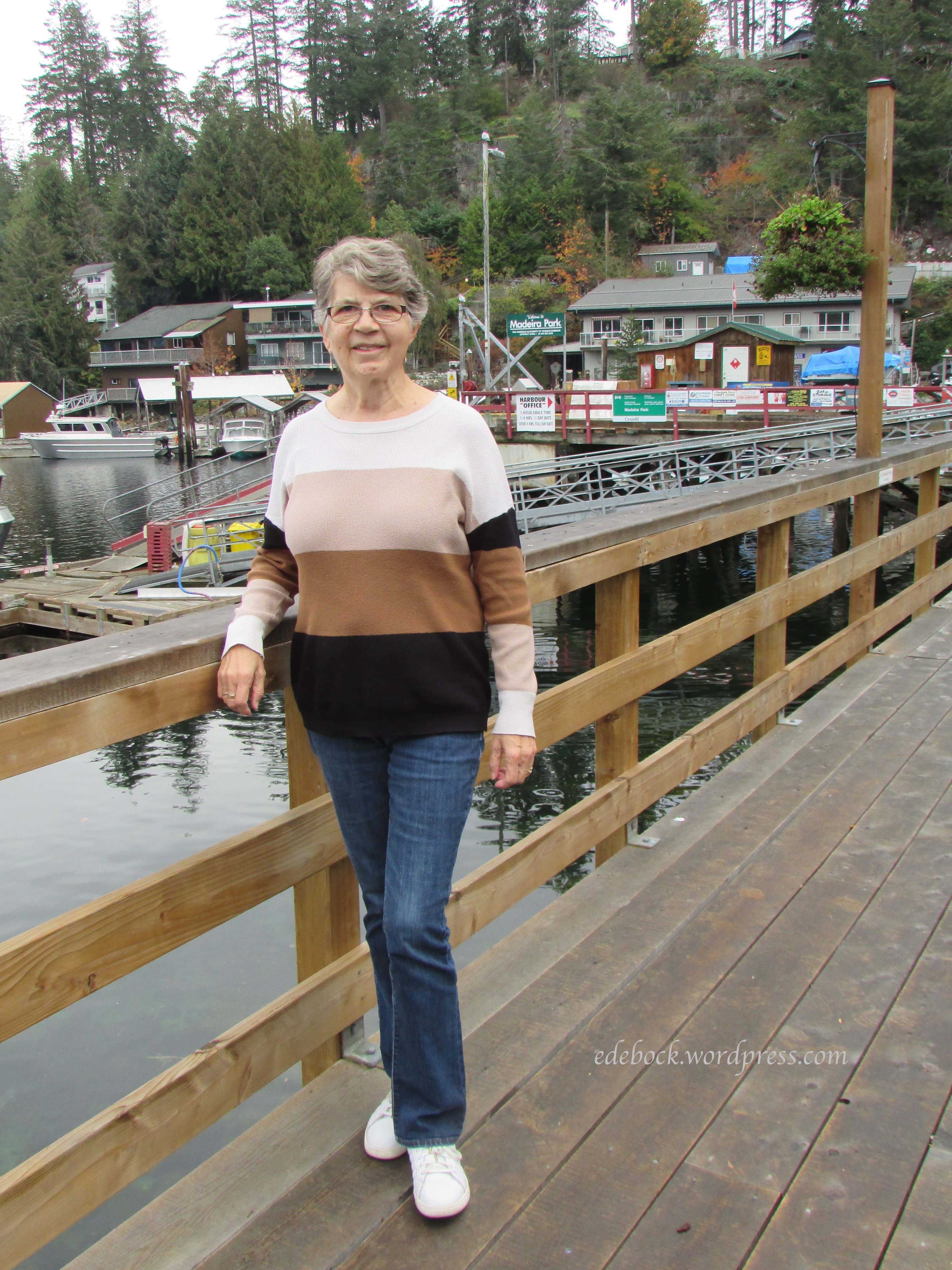
In case you’re wondering, the final two photos were taken in the tiny community of Madiera Park on British Columbia’s Sunshine Coast. The other one was taken yesterday in my own backyard. At 14ºC (57ºF) and sunny, it was unseasonably warm for the first week of November in Alberta, but I’m afraid that we’ll soon be taking all my fashion post photos indoors again!

Historic Powell River Townsite

My hometown of Powell River, BC, was established as a single-industry town in 1910. The mill, the first newsprint manufacturer in western Canada and, for a number of years, the world’s largest, was for many years the town’s primary employer. Built on the hill above the mill, the original Townsite was designated a National Historic District in 1995. It remains remarkably intact with over 400 original buildings still within the compact grid that was commonly used in early planned towns. The majority of those were employee houses. 

I lived in one of those houses for the first two and a half years of my life, but unfortunately, I don’t remember which one. Hubby and I might very well have walked right past it when we took a self-guided tour of the historic Townsite earlier this week. 

Our tour started and ended at the Dr. Henderson House. Saved from demolition and now fully restored, it houses the Townsite Heritage Society. It was the first actual home in the Townsite and was built in 1913 for Dr. Henderson and his family when he was hired as the Powell River Company’s first doctor. 

IMG_7671 Dr. Henderson agreed to come to Powell River on one condition. There had to be a hospital, so St. Luke’s Hospital was built next door to his home. While no longer a hospital, that building is still in use today. 

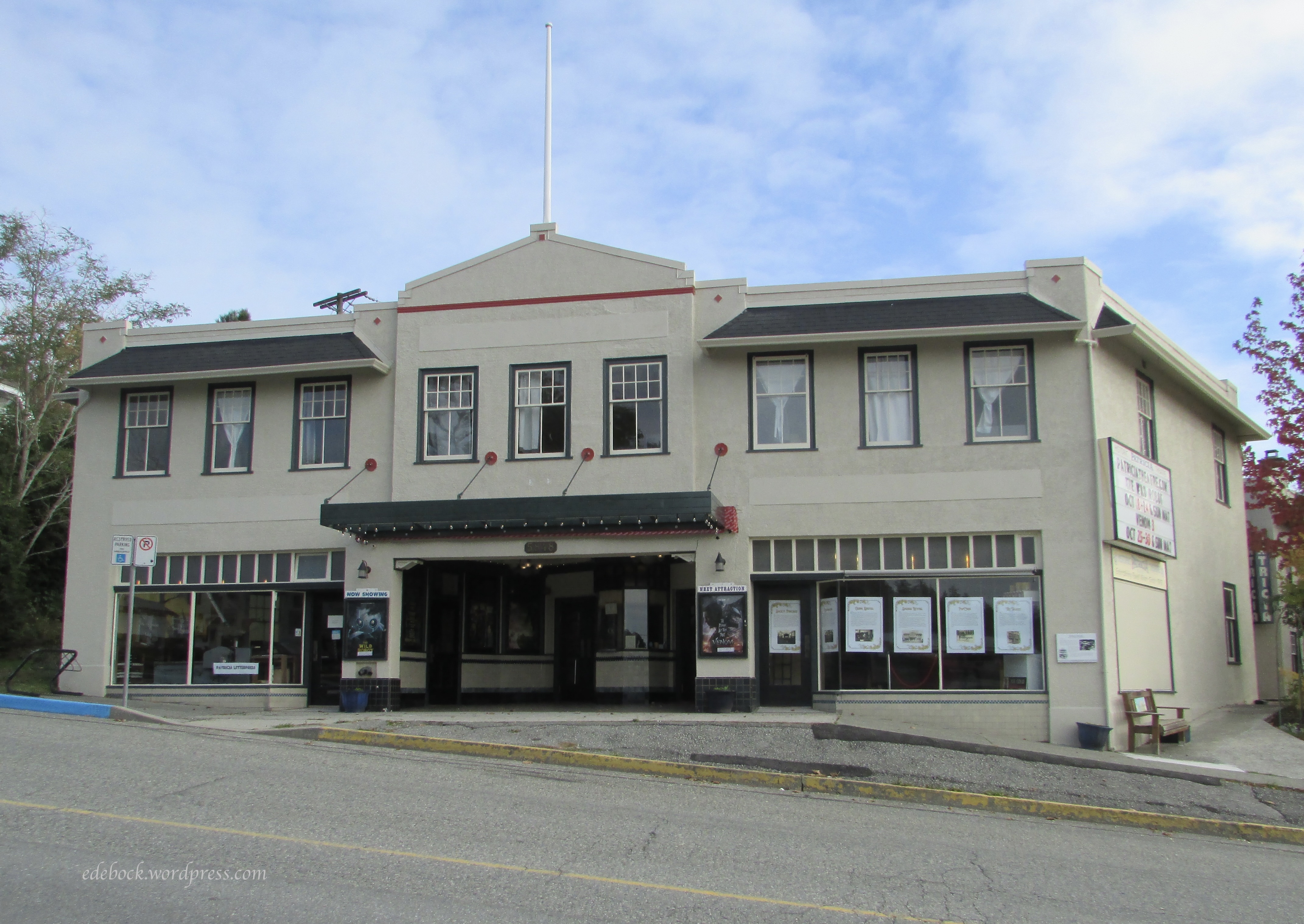
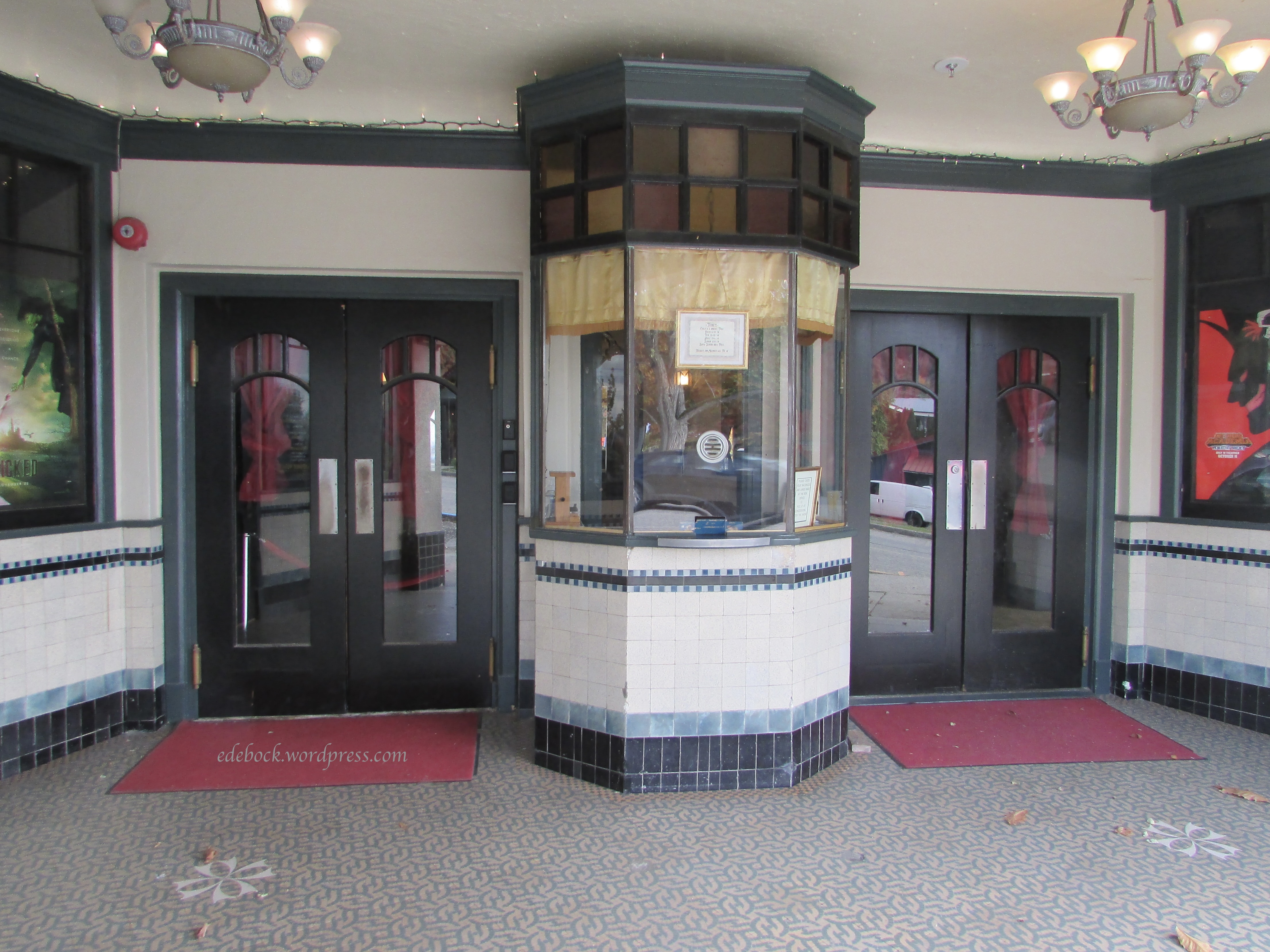
Our tour took us to 17 of the original buildings, but I won’t bore you with all of them. One that holds a special place in my memory is the Patricia Theatre, the oldest continuously operating movie theatre in Canada. First housed in a tent with a gramophone for music, the “theatre” literally blew down in a storm! The first theatre building was constructed in 1913, but the Patricia moved into the current building in 1928 and has now been operating there for almost 100 years. I attended my very first movie there when my mother took me to see Peter Pan on the big screen. I was about 5 years old. 

IMG_7682

IMG_7678

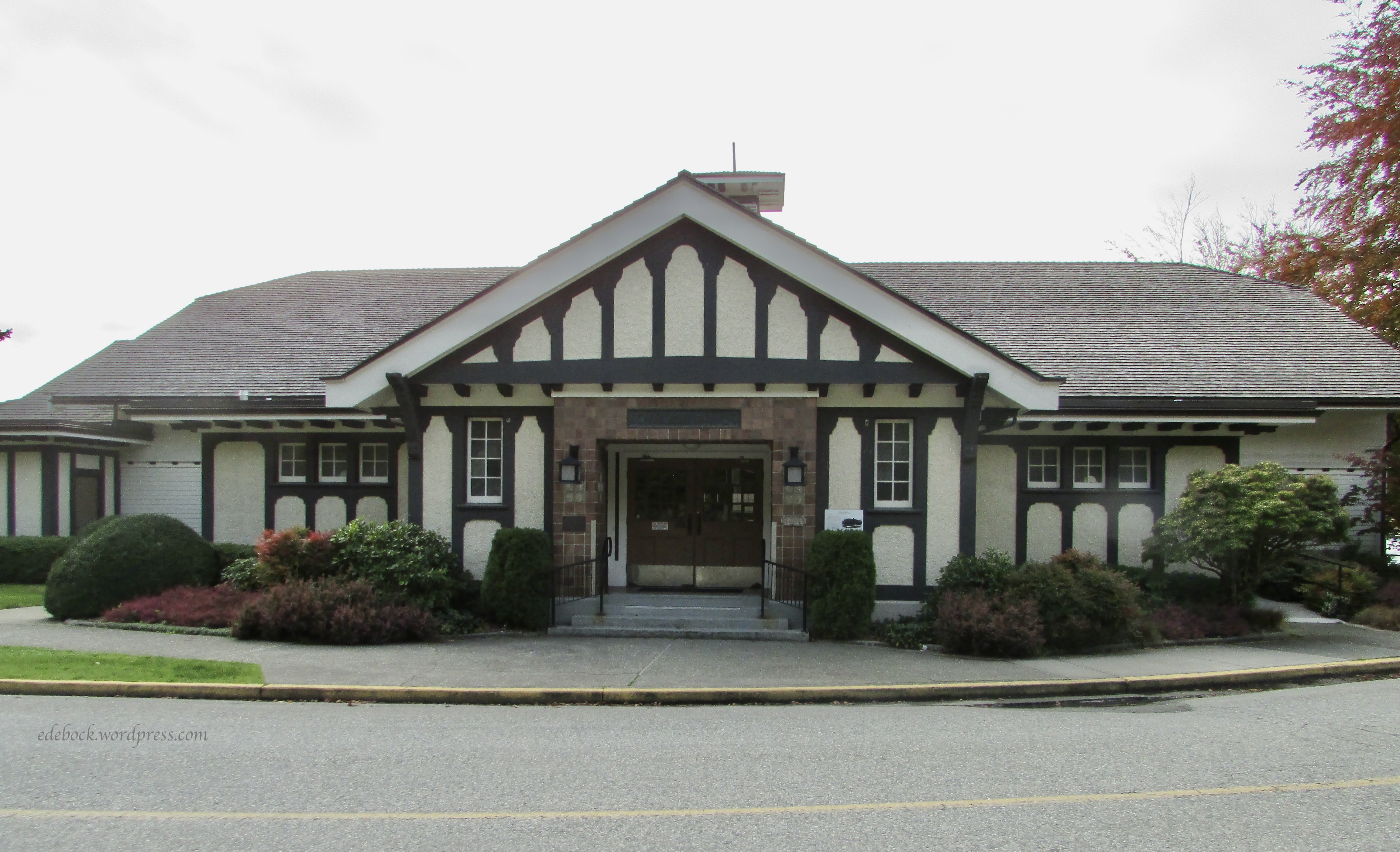
Another building that holds early memories for me is Dwight Hall. The Powell River Company built the “Grand Old Lady of Walnut Street” in 1927 and named it after Dr. Dwight Brooks, co-founder of the Company. In addition to performance and kitchen facilities, the hall boasted a dance floor that could accommodate 800 people! It’s as grand today as it was then and is still the centre of many community activities. I remember going to Dwight Hall to participate in music festivals with my class from school and on one occasion I stood all alone on the big stage to do a recitation. A couple of women from church had talked me into it and I was terrified. I think I still have the adjudicator’s notes someplace. 

IMG_7685

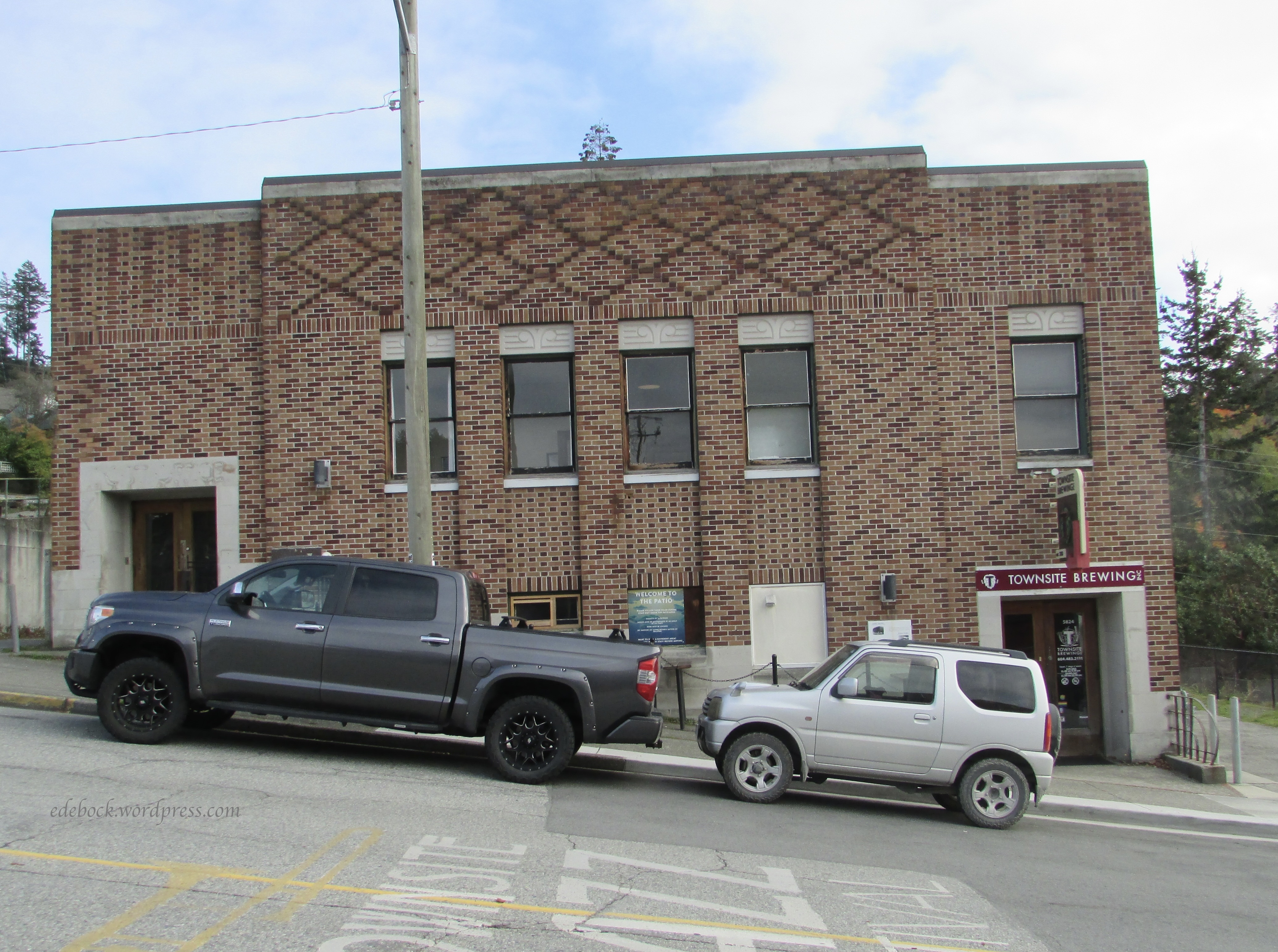
The fine brick building that currently houses Townsite Brewing was opened as the Federal Building in 1939. Built at a cost of $50 000, it housed the Post Office, Customs and Excise Office, and the Canadian Telegraph operations.

IMG_7683

And lastly, there’s the former Provincial Building, constructed in 1939 at a cost of $20 000. It was home to the BC Police, the courtroom, government agent, relief services, and the jail. Now it’s The Old Courthouse Inn. It boasts eight guest rooms with names like Judges Chambers, Sheriff’s Office, and Old Police Station. Each one is furnished with antiques and collectables.

IMG_7688

No, we didn’t stay there. We had a lovely airbnb suite with an ocean view in the part of Powell River called Westview, but I’m sure that the Townsite’s Old Courthouse Inn would also be a fine place to stay. Perhaps another time! 

The end of the road

When I was a child, my father loved to explore the most remote areas of our home province of British Columbia. Outings and vacations often involved driving to the end of the road, any road, and sometimes camping there. I guess I inherited a bit of his wanderlust! 

IMG_7645

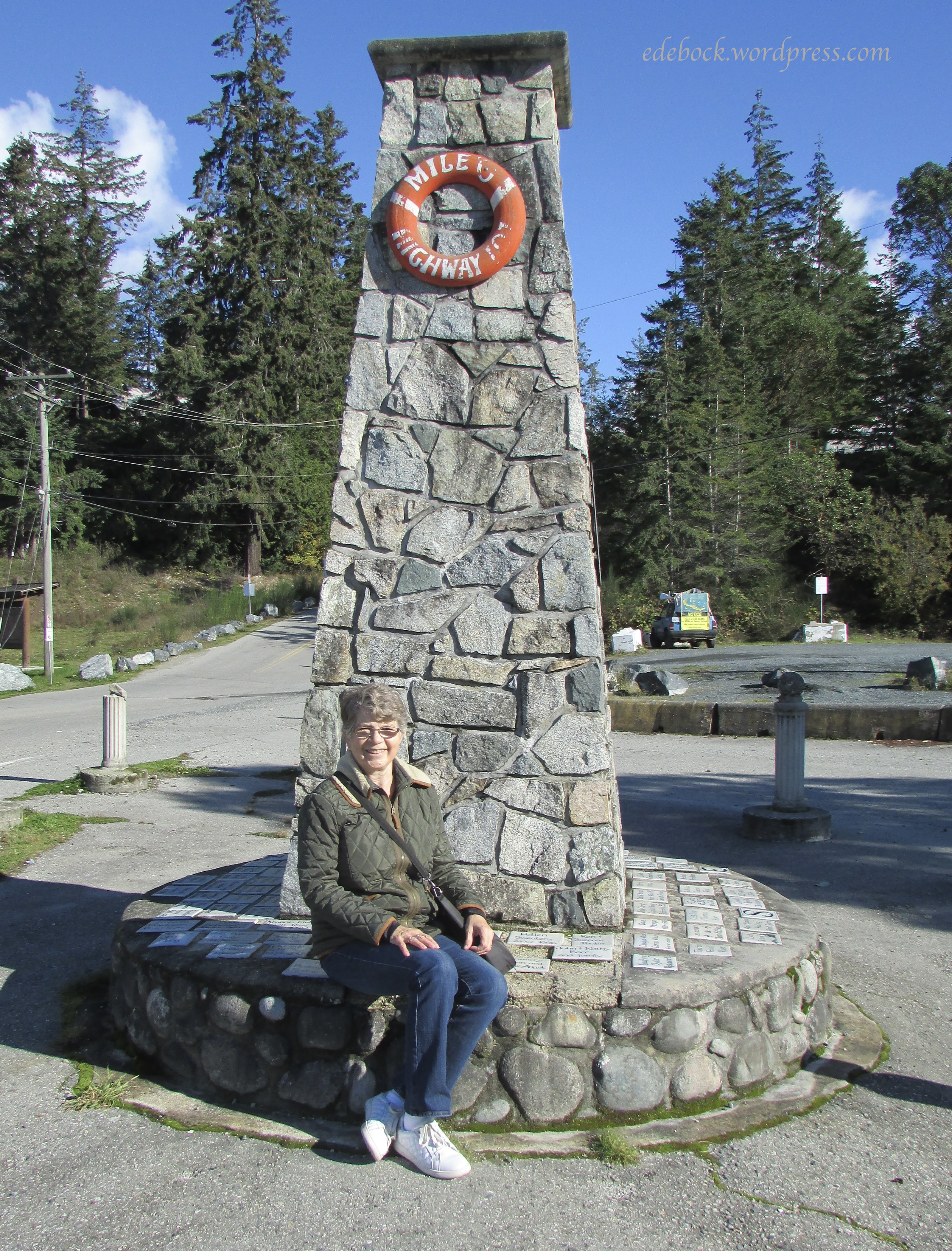
The tiny village of Lund, a 35 minute drive north of Powell River, BC, is literally either the beginning or the end of a very long road. Highway 101, the Pacific Coastal Highway, is one of the longest highways in the world. At the other end is Puerto Montt, Chile, approximately 15,202 km to the south.

IMG_7638

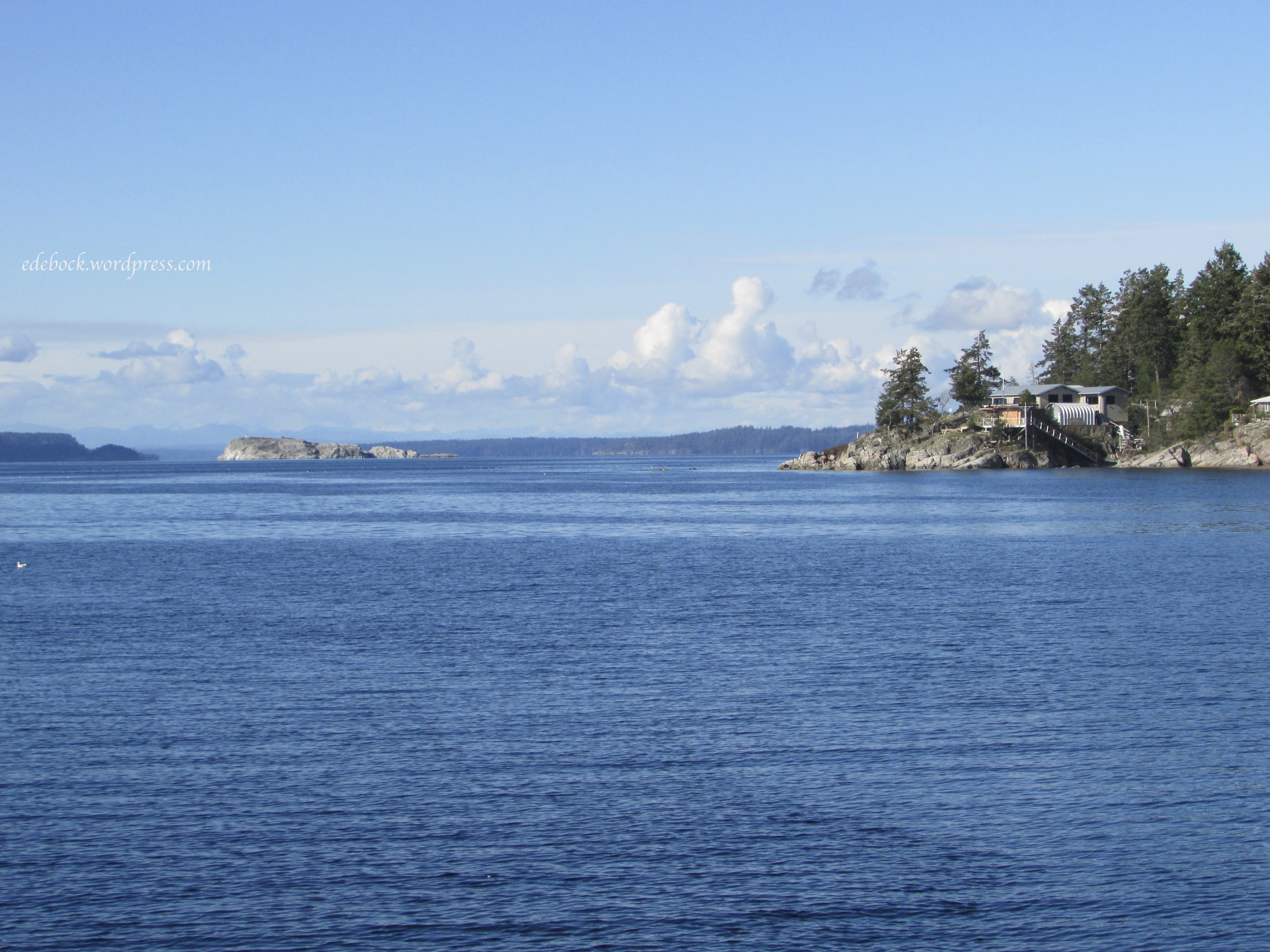
Best known today as the gateway to Desolation Sound and the Copeland Islands, Lund originated as a rugged and remote fishing village. When we spent part of an afternoon there earlier this week, the sun was shining and the ocean views were spectacular. 

IMG_7634

IMG_7635

IMG_7633

In addition to providing services for boaters, Lund is known around the area for the wonderful cinnamon buns at Nancy’s Bakery. While cinnamon buns are Nancy’s specialty, she serves a variety of other tasty treats and we enjoyed lunch at a little patio table out front of the bakery. While the food was delicious, the view was amazing. I really didn’t want to leave! 

IMG_7647 This is a very short post, but also the first one I’ve ever written while waiting in line for a ferry! We’re on our way back to Vancouver for another weekend with family before we head for home. 

Revisiting Powell River: a nostalgic journey

The past couple of days in Powell River, the BC coastal town where I was born and spent the first ten years of my life, have been a wonderful time of revisiting and reminiscing. One of my favourite things as a child was riding the ferries and after all these years, that hasn’t changed.

IMG_7608

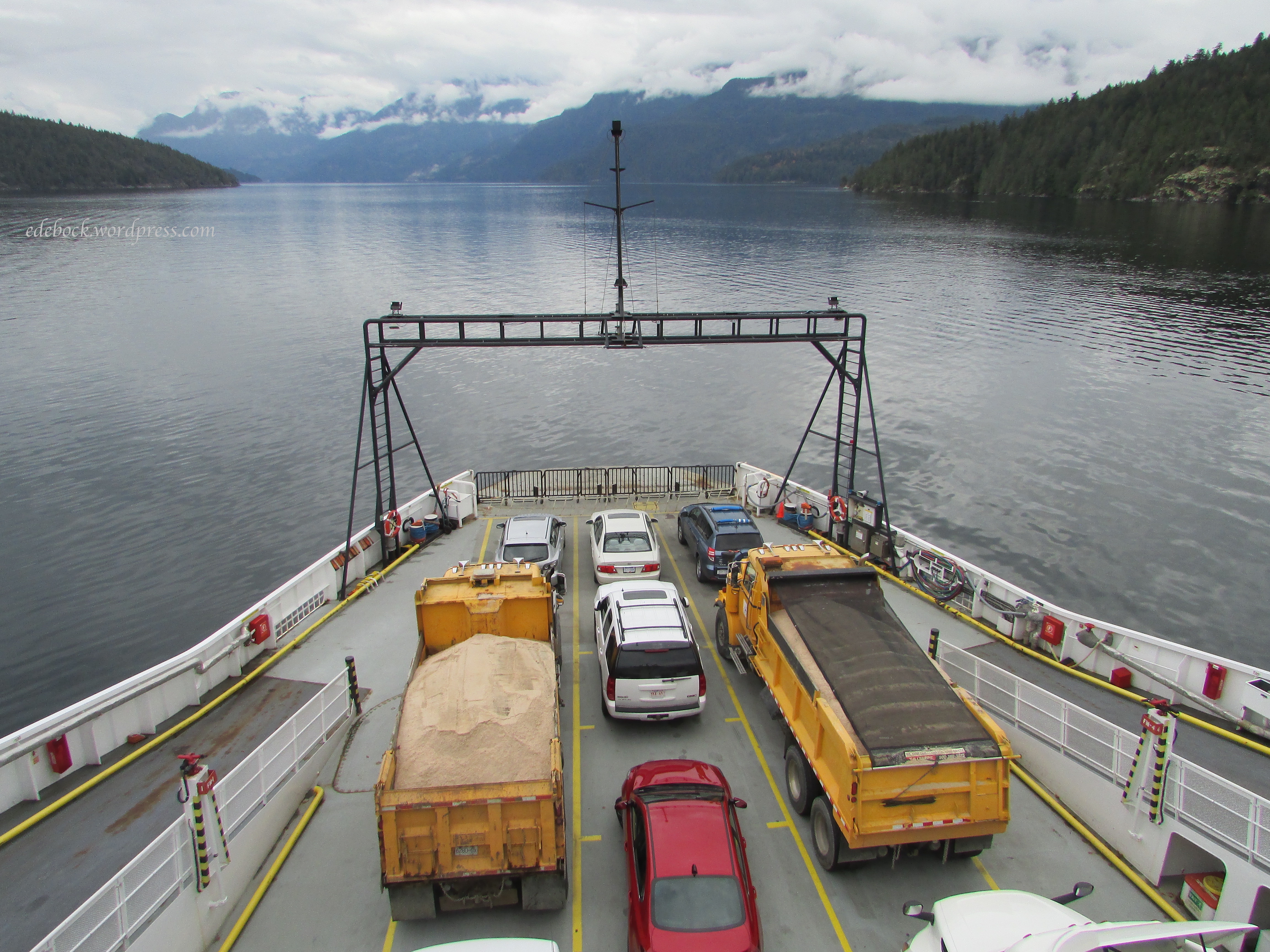
That’s the one that took us from Earl’s Cove to Saltery Bay on the last leg of our trip and there’s our white SUV sandwiched between two big trucks as we make the 50 minute crossing.

IMG_7609

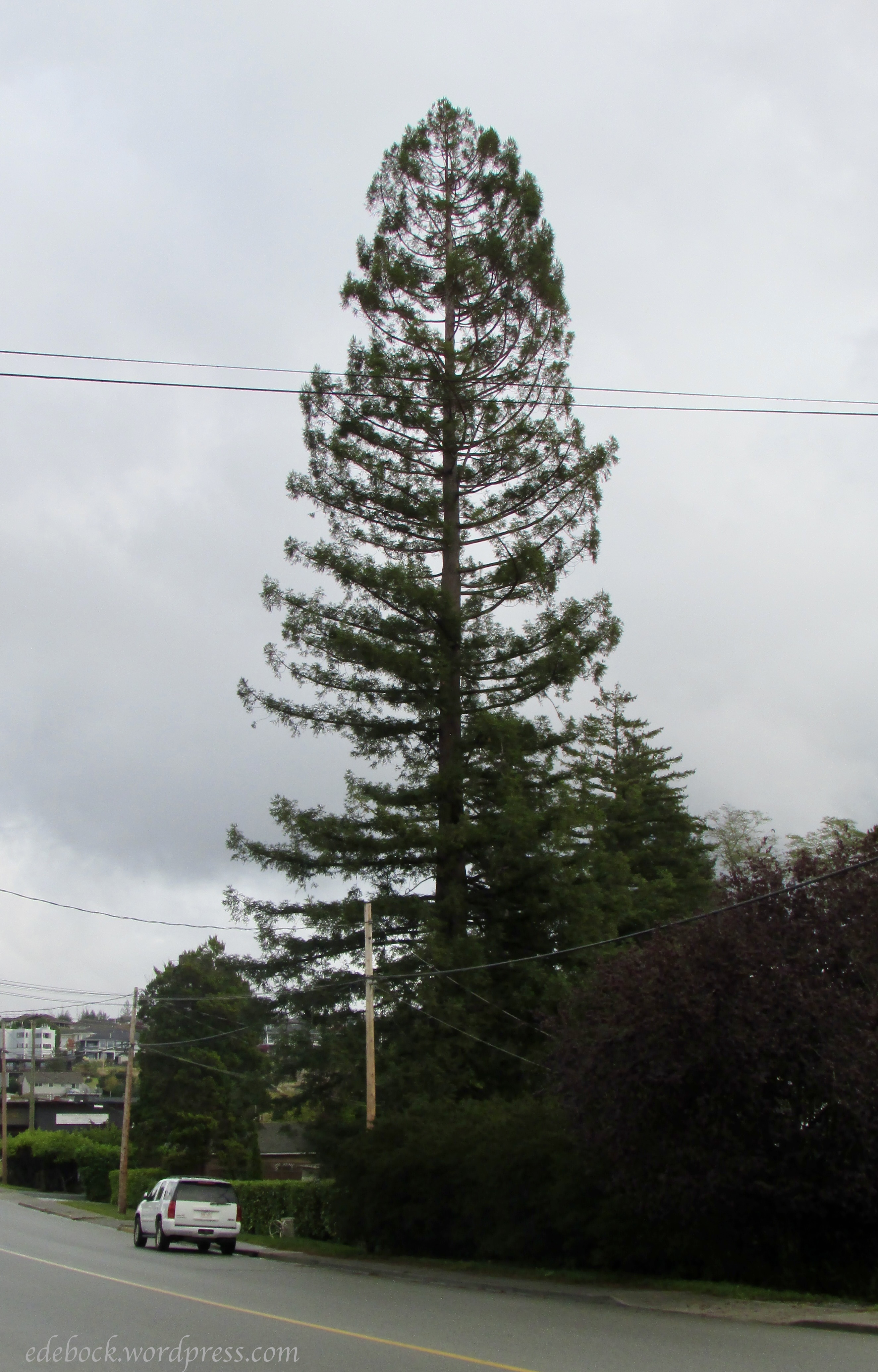
When we arrived in town, we immediately drove up the hill to check on the one remaining piece of family history in town, the giant California redwood that my grandmother planted from seed in the early 1940s. It stands in the corner of the yard that was hers and continues to thrive in its unusual location. Back in 2019, I contacted the Powell River weekly newspaper and they published this excellent article about it.

IMG_7615

There’s our vehicle again to give you an idea of how big the tree actually is!

The little house that my grandfather built in the 1930s is still standing, but I’m sure my grandmother, an avid gardener, would be as horrified as I was at the condition of the yard. She lived in that house until she passed away in late 1980 and I spent many, many happy hours there.

IMG_7689

My childhood home is still standing too, but it’s been completely transformed since we lived in it. When we moved in in 1955, it was a modest family home with two bedrooms and one bathroom, a completely unfinished upper storey, and a partially dirt basement. Later, as the family expanded, my father added two additional bedrooms and a half bath upstairs. Now for sale, it’s advertised as a “stunning 5 bed 4 bath character home” with a walk out basement and an attached bachelor suite and if you happen to have an extra $1.5 million to spend, it could by yours! While I wouldn’t even recognize it as the same house from the ocean side, this view from the street still looks very familiar.

IMG_7622

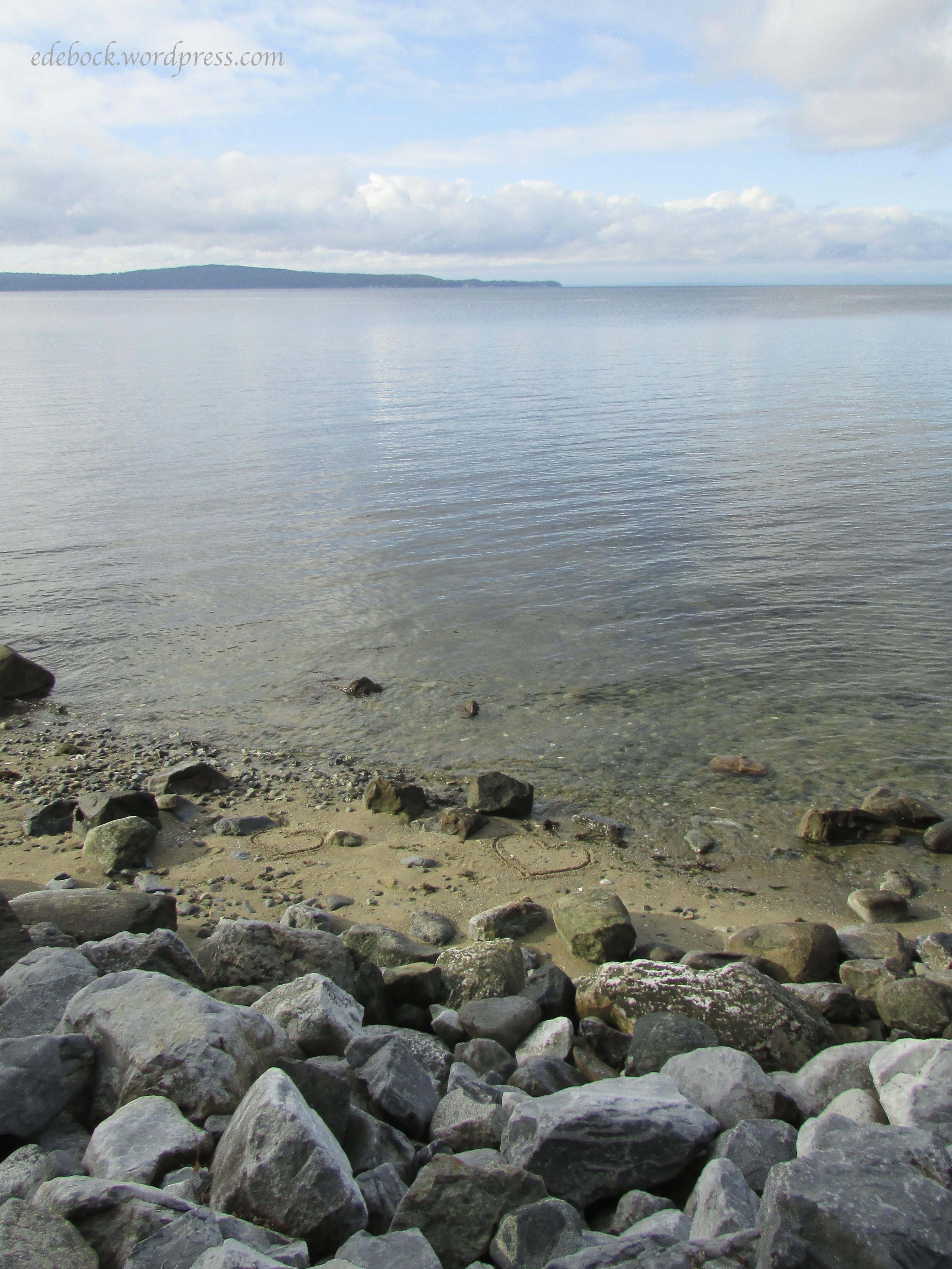
Living on the waterfront, I could hear the waves from my bedroom at night and the beach was my playground. On this visit, we walked the 2.7 km (out and back) Seawalk that is a new addition since our days in PR.

IMG_20241024_111755042_HDR 2

IMG_7666

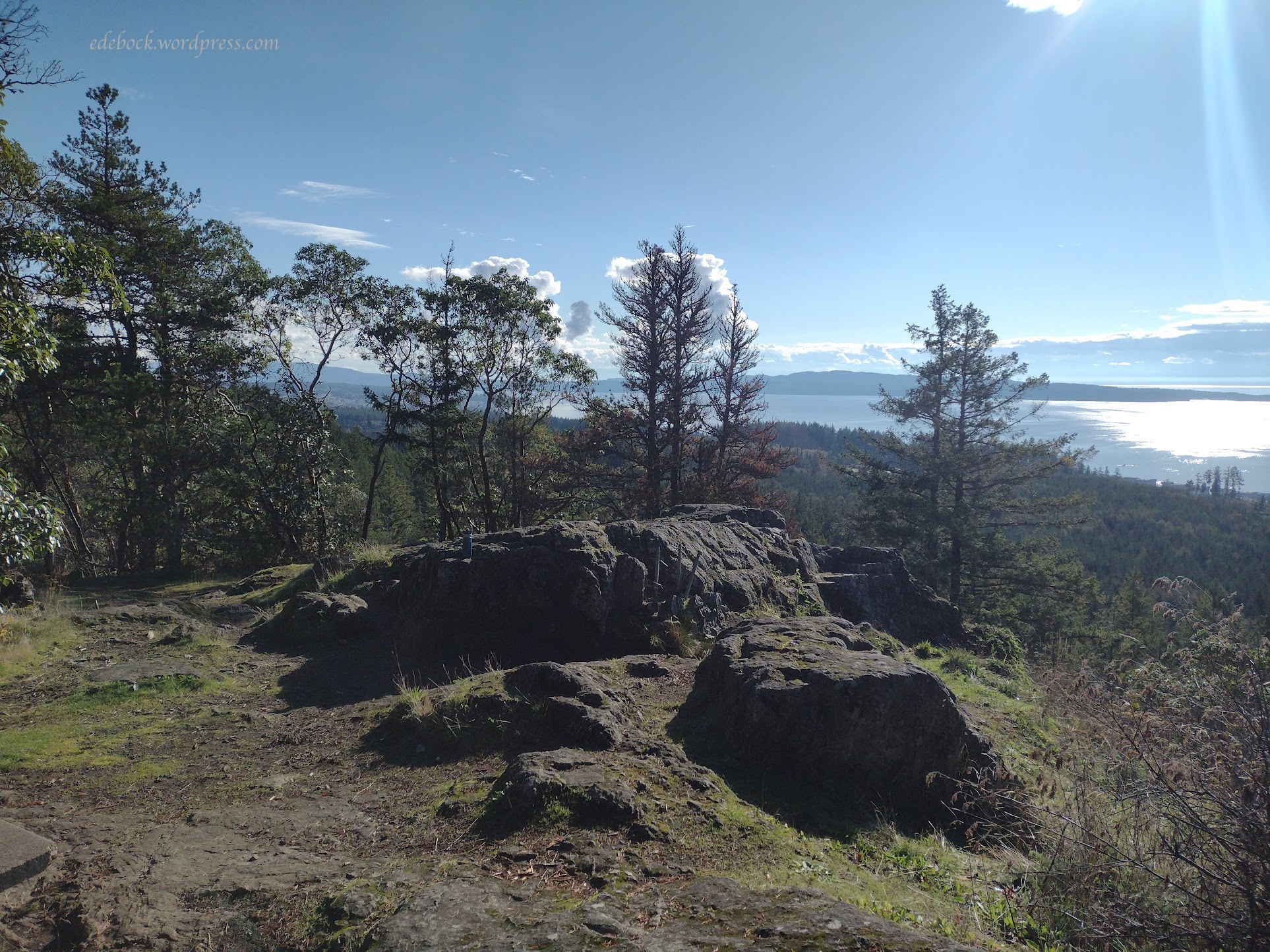
I remember my father telling the tale of climbing Valentine Mountain with his two preschool children (my older brother and I) on Father’s Day 1955 and, in his words, when we got home his wife “felt like having a baby”. My sister was born later that day! I also remember that in his younger days, Dad, an avid mountaineer, would climb the mountain with a pack filled with 40 pounds of magazines on his back to stay in shape. With these family stories in mind, I decided that on this trip, hubby and I would climb Valentine Mountain. It’s actually a short, but steep hike up to a rocky bluff with a beautiful view. The final part of the climb is a made up of steep stone steps.

IMG_20241023_145158711_BURST000_COVER

IMG_7652

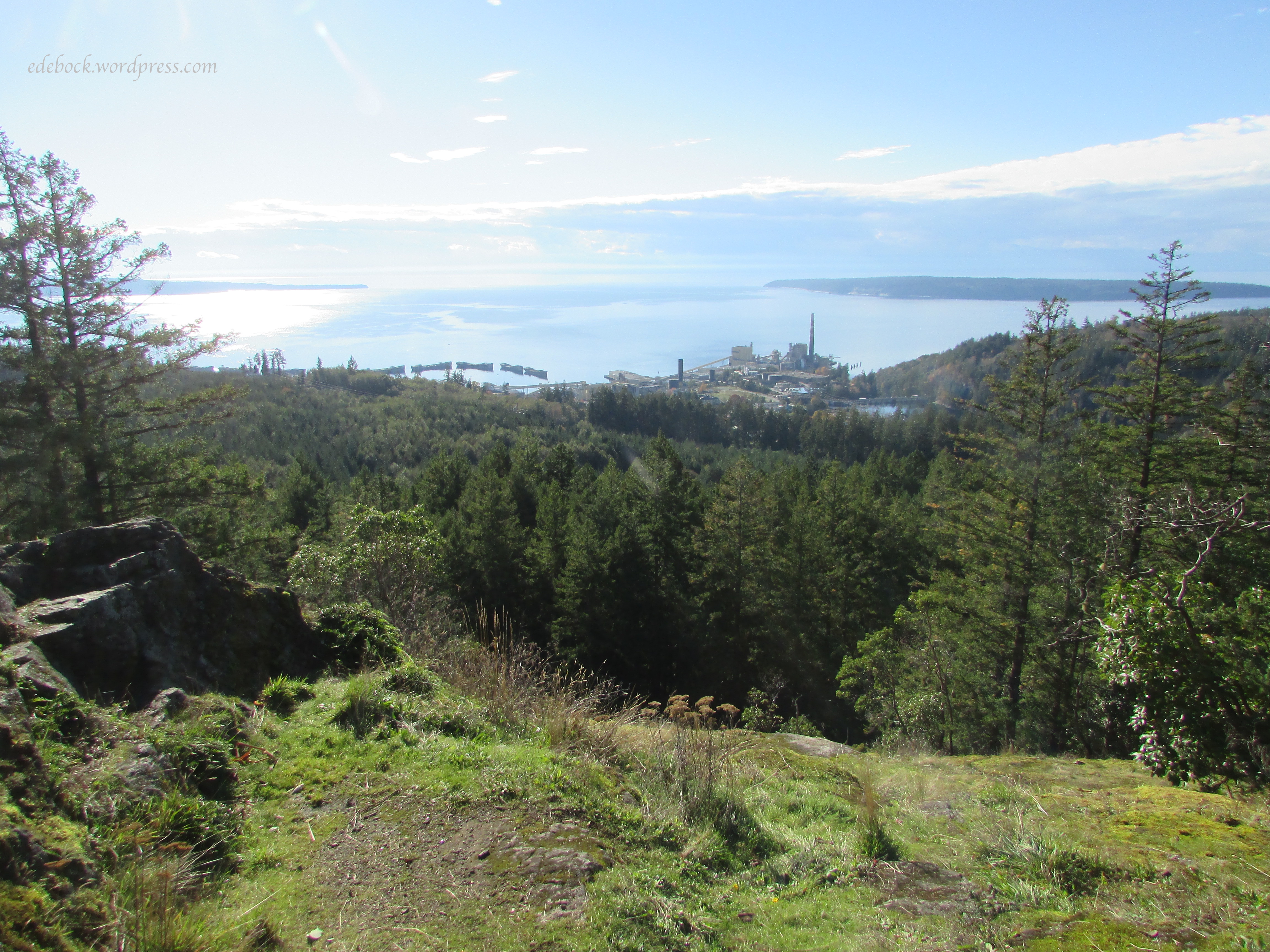
The panoramic view from the top includes the old pulp and paper mill which was originally Powell River’s sole reason for being as well as a breakwater made of WWII merchant marine vessels.

IMG_7653

The mill, now closed, played a very big role in our family history. The grandfather that I never knew because he died in his 30s worked in the mill and my beloved Grandpa, the man my grandmother married when I was 7, was a millwright there for his entire working life. During WWII, when women filled roles left vacant by men who’d gone to war, my mother also worked in the mill and later, my father was employed as an engineer by the company.

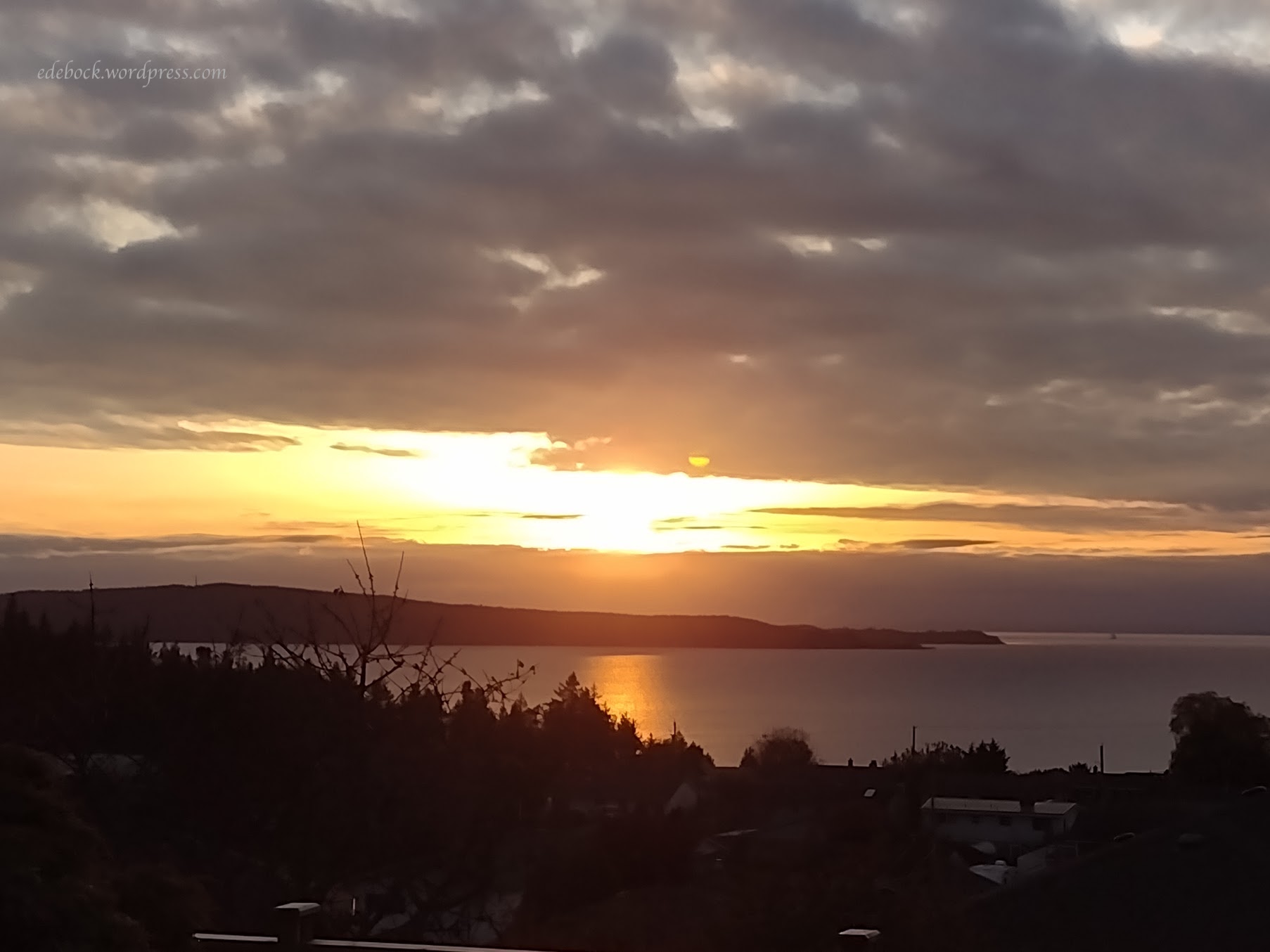
While in Powell River, we’ve been staying in a beautiful airbnb with an ocean view. Each evening, we’d watch the sun set and then go out for dinner.

IMG_20241024_174930796

We were halfway through dinner the first evening when I realized that the restaurant we were eating in was probably originally the movie theatre where I’d seen the 1959 film, The Shaggy Dog, with a group of neighbourhood kids. The waitress confirmed my suspicion. Then this evening, we ate in a bistro that is housed in what was always called the beer parlour when I was a child. I remember that back then it had two separate entrances. The signs over the doors said “Men” and “Women and Escorts”. My grandmother spoke of it as if it was a terrible place. I’m sure the ambiance has changed significantly since then!

Tomorrow, we’ll say goodbye to Powell River and return to Vancouver. There won’t be a fashion post this week, but I do plan to write a couple more about our time here. In the meantime, I hope you’ve enjoyed this rambling bit of reminiscing.

IMG_7661

Hike to Smuggler Cove

While the actual distance from Vancouver to Powell River on BC’s Sunshine Coast is only about 125 km (78 miles), it’s a 4 to 5 hour trip by car because it involves two ferry crossings of 40 to 50 minutes each.

8803037511710

I was born in Powell River and spent the first ten years of my life there. We made the trip back and forth many times for everything from medical appointments to visiting family in the city. Later, after moving to Vancouver, we returned to Powell River to visit my grandparents who continued to live there. Never during all those years did we ever stop to explore the peninsula between the Langdale and Earls Cove ferry terminals. To me, the trip always seemed like a mad dash along the narrow, winding highway to get from one ferry to the next. More than once, we arrived just as the ferry pulled away and had to wait for the next one!
It’s been about 20 years since I last returned to PR and this time I decided to make it a more leisurely trip. Instead of rushing from one ferry to the next, we spent 24 hours exploring the peninsula and spent the night with a good friend at Sechelt. We also enjoyed a hike to Smuggler Cove.

After the completion of the Canadian Pacific Railway in 1885 ex-Royal Navy seaman, Larry Kelly, used the tranquil waters of Smuggler Cove to collect cargoes of unemployed Chinese labourers who each paid him $100 to smuggle them into the United States where they hoped to find work. Later, during Prohibition (1920-1933) rum-runners used Smuggler Cove as a safe haven.

The hike to Smuggler Cove is a fairly easy one. The first part is a well-maintained trail and includes sections of boardwalk that pass through a wetland area, largely the work of resident beavers.

IMG_7579

Further on, the trail becomes slightly more challenging but it’s still not difficult. Hiking through the coastal rainforest, life beneath the canopy is lush with numerous kinds of ferns and fungi.

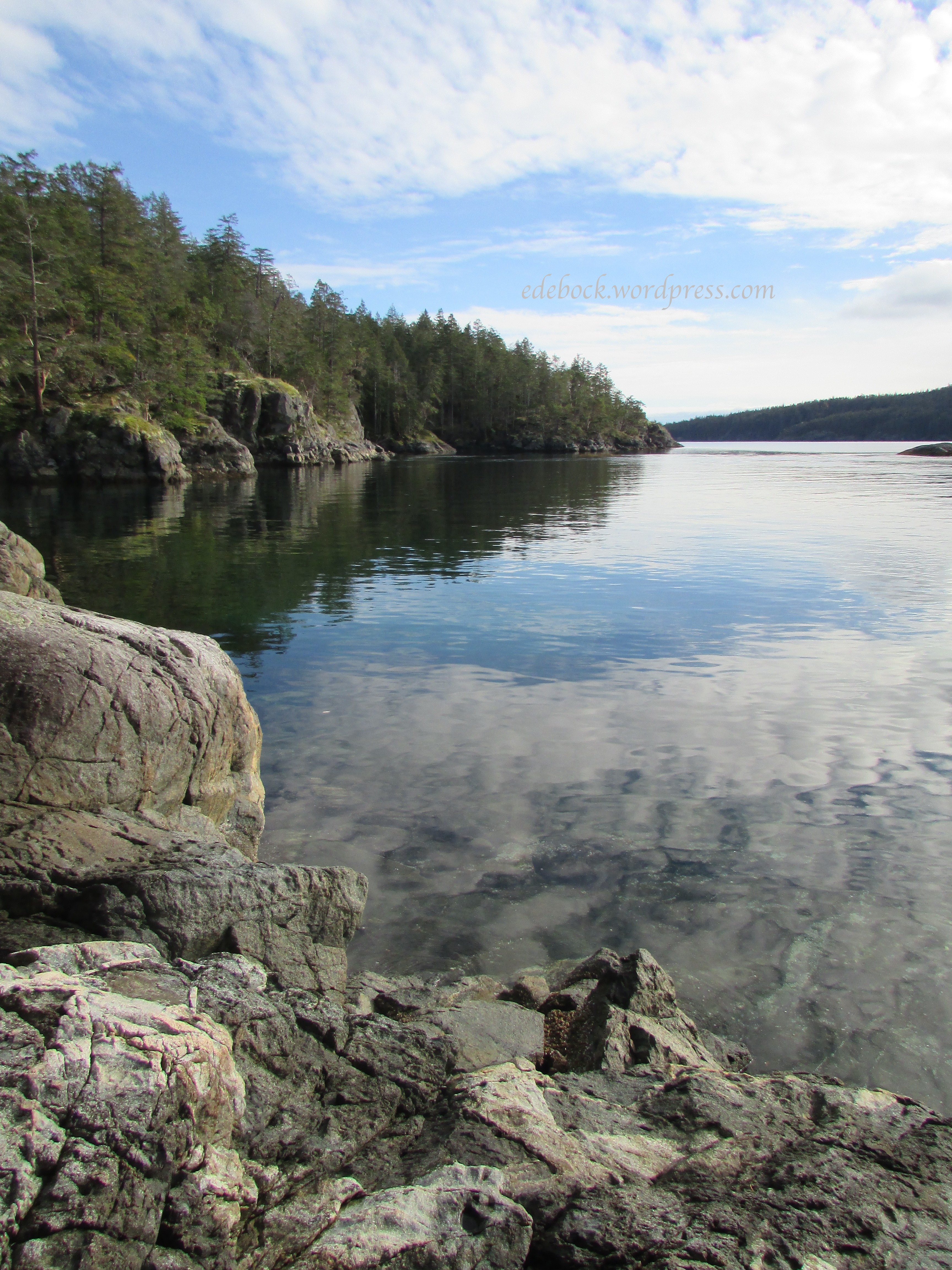
Without question, though, the highlight of the hike is the cove itself. So beautiful and so serene! Hubby was curious about the building in the second photo that would only be accessible by water. 

IMG_7597

IMG_7598

At the end of the in and out hike, before beginning the trek back to our vehicle, we sat for awhile in this beautiful spot. After experiencing the destructive power of an “atmospheric river” that caused serious damage and claimed at least three lives just a few days earlier while we were staying in North Vancouver, these peaceful ocean waters were a boon to my soul!

IMG_7602

Choosing 10 key wardrobe items for fall

logo-by-samI was scrolling through Facebook recently when I came across this reel by wardrobe consultant and blogger, Sarah Kelly who calls herself The Haute Homemaker. In it, she shares the ten pieces that she would include if she were starting her wardrobe off from scratch this fall. With them, she says that she could create endless outfit possibilities.

At the time, I was about to begin my seasonal wardrobe switch from spring/summer to fall/winter and I was also thinking about what I would pack for the trip that we’re now on. That led me to ask myself which items I would choose from my fall wardrobe if I had to limit myself to just ten. As I packed away most of my warm weather clothes and brought out the cooler weather ones, I worked on my list. Socks, underwear, and pyjamas didn’t count and unlike Kelly, I decided not to include coats or footwear in my ten. Considering the climate and my lifestyle, I would probably need to include a couple of coats and at least two or three pairs of shoes. That wouldn’t leave me much else to wear!

I seriously thought about including my denim military jacket because it’s new and I love it. It was on the list and off again more than once, as were my dark brown corduroy pants, but neither of them made the final cut. I decided that if I had to I could get away with just two pairs of pants as long as one of them could be dressed up or down. In order to create a variety of outfits that would suit my lifestyle, I decided that the rest should be tops and layering pieces. Most, if not all of my choices, have appeared on the blog before. After much thought, here’s my list:

  1. jeans
  2. navy pinstriped pants
  3. sleeveless top
  4. 3/4 sleeve top
  5. long sleeve t-shirt
  6. long sleeve shirt
  7. pullover sweater
  8. cardigan
  9. lightweight hoodie
  10. Uniqlo ultralight down vest

Depending on where you live and what stage of life you’re at, if you were to make a similar list, yours might look entirely different from mine. I’m retired, so mine didn’t have to include items that would be suitable for a work environment although some of them probably would be. On the other hand, until the snow flies, I want to be able to continue to enjoy outdoor pursuits like hiking, so I needed to take that into account.

Now, here are some of the outfits I created with the ten pieces. I’ve included both casual and dressier looks. As you can see, I could easily create more by mixing and matching. I could also vary these looks with different accessories and footwear.

I’m faking! Hubby was raking leaves when I interrupted him to take photos for the blog.

The key word in this exercise is if. I’m not actually going to limit myself to only these ten items and while I did pack most of them, I also have a few other pieces with me on this trip. I do, however, remember my self-imposed fashion fast during the fall of 2021 when I wore only six items from my closet for 30 days. I definitely learned to be more creative in coming up with different ways to combine the same pieces and I also put a lot of thought into how to use accessories to add variety.

Just doing this exercise, thinking about which pieces I wear most often and which are most essential to me, has had two definite benefits. It has reminded me that I, like most people, have way more clothes than I really need and it’s shown me a gap in this season’s wardrobe that I’d like to fill. Maybe more about that in a future post, but for now, I have miles to go and people to see!

Crossing the finish line

On Wednesday, while hiking the Holdsworth Trail in Miquelon Lake Provincial Park, I crossed the finish line of my self-imposed 300 km in 150 days walking challenge 10 days before the deadline! 

IMG_7436

I recently read a quote by French philosopher and author, Albert Camus that resonated with me. It describes perfectly why we love to camp and hike at Miquelon in the fall. 

“Autumn is a second spring when every leaf is a flower.” 

IMG_7450

In fact, after completing the Holdsworth Trail on Wednesday, we hiked another 8.9 km on the park’s beautiful and very colourful backcountry trails the following day. 

IMG_7438

Although I’ve now accomplished my walking/hiking goal for this season, I’ll continue keeping track of my distance at least until my 72nd birthday on the 5th of October which was the deadline that I’d set for myself and then I’ll keep on walking and hiking until the snow flies, hopefully sometime in the distant future! 

Exploring the University of Alberta Botanic Garden

IMG_7305

As part of his 50th year university grad celebration, hubby received complementary tickets to the University of Alberta Botanic Garden (formerly called the Devonian Gardens) just outside Edmonton. It was a beautiful fall day; perfect for a peaceful stroll through the 80 acres of themed gardens and winding nature trails.

While the garden wasn’t the riot of colour that it might have been earlier in the season, there were still many beautiful flowers to be seen.

IMG_7282

IMG_7290

IMG_7313

With its geometric granite and limestone terraces, still reflective pools, and the soothing sound of moving water, the expansive Aga Khan Garden, a contemporary interpretation of Islamic landscape architecture, was a very peaceful place to stroll. The central focus is a waterfall tumbling over textured stone.

IMG_7284

IMG_7285 Recently renovated, Connie’s Secret Garden at the north end of the Alpine Garden is home to a more natural looking waterfall.

IMG_7298

Indoor showhouses feature plants from three very diverse climatic zones… tropical, temperate, and arid. Everywhere we went, we were surrounded by an abundance of plants of every description. Some of the most unique ones were the cacti in the Arid Showhouse. Just look at that amazing flower.

During the year that we lived in Japan, I fell in love with the beautiful strolling gardens, so we purposely saved the Kurimoto Japanese Garden for last today knowing that it would be my favourite part. With it’s lanterns, arched bridge, and pagoda, the design is authentically Japanese, but the garden utilizes plants that are hardy enough to survive our northern climate.

IMG_7327

IMG_7328

IMG_7331

IMG_7317

This is really just a sampling of what the Botanic Garden has to offer. We walked every pathway, some of them twice, covering a total of 6.21 km (3.86 miles) leaving me less than 10 km to go to complete my 300 km in 150 days goal!

The Trans Canada Trail

The Trans Canada Trail isn’t a single trail. It’s the world’s longest multi-use trail network consisting of greenways, waterways, and roadways stretching across Canada from the Pacific to the Arctic and the Atlantic oceans. It crosses every province and territory and connects more that 15 000 communities.

Screenshot 2024-07-12 at 6.26.00 PM

Last week, while camping at Hilliard’s Bay Provincial Park on Alberta’s Lesser Slave Lake, we had the opportunity to hike a couple of short portions of the trail that follows the north shore of the lake.

IMG_7100

IMG_7103

It was while we were hiking there that I reached the 150 km point on my 150 day walking challenge. I’m halfway to my goal well ahead of schedule!

In the summer of 2021 , award-winning Canadian filmmaker, photographer, author and multimedia artist Dianne Whelan, became the first person to complete the entire Trans Canada Trail. Over a six year period, she travelled by foot, bike, and canoe chronicling her remarkable journey in her film, 500 Days in the Wild.

While I can’t even imagine attempting such a daunting venture, it did occur to me while we were hiking that if I were younger, I would plan to visit all 13 Canadian provinces and territories and hike a section of the trail in each one!

IMG_7117

Now that we’re home and getting back into routine, I just need to ensure that I keep on walking. I still have 147.3 km (91.5 miles) to go before October 5th!