Dinosaur fun!

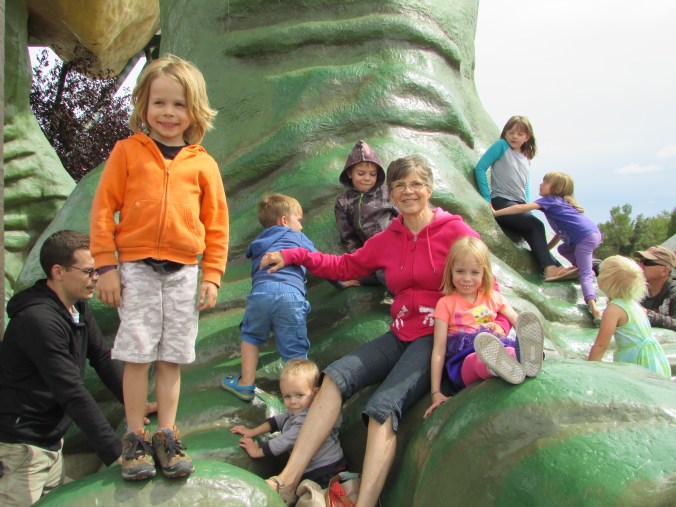
It’s very rare that we ever have all five of our grandchildren together in one place. Three of them live in Calgary and the other two in Vancouver. Last Thursday was just such a day, however, and I was one happy Gram! We were camping at Drumheller, Alberta with our son, daughter-in-law and grandsons from the coast and our daughter’s family came out from Calgary to spend the day with us.

IMG_2223 - Version 2

The Drumheller Valley is known internationally for its rich abundance of dinosaur fossils and what can capture the imagination of children more than dinosaurs? Our day began at the world-renowned Royal Tyrrell Museum of Paleontology where life sized skeletons abound.

My five littles are hardly any bigger than five giant dinosaur toes!

13895100_10154331282355915_8239574559261308982_n

After our morning at the museum, it was time to visit the world’s largest dinosaur, an enormous statue at the downtown Visitor’s Centre.

IMG_2260

Climbing the stairs inside and viewing the town from within the monster’s mouth 86 feet above the ground was fun, but so was clambering over its enormous feet!

IMG_2249

IMG_2241

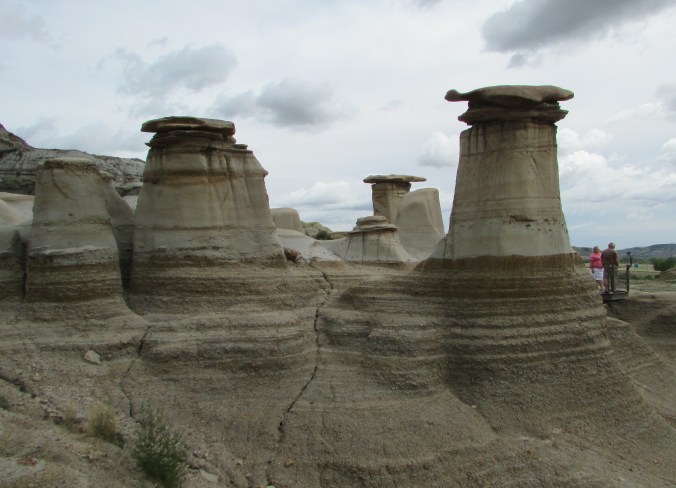
Our third stop for the day was the hoodoos, natural columns of rock composed of sand and clay. Formed by thousands of years of erosion, their solid, strong capstones protect the softer, underlying bases creating their unique mushroom-like shape.

IMG_2269

The surrounding badlands are a surreal landscape that just begs to be climbed and explored.

While some of our group climbed to the very top of the valley, the littlest one was sad to be left behind!

IMG_2292

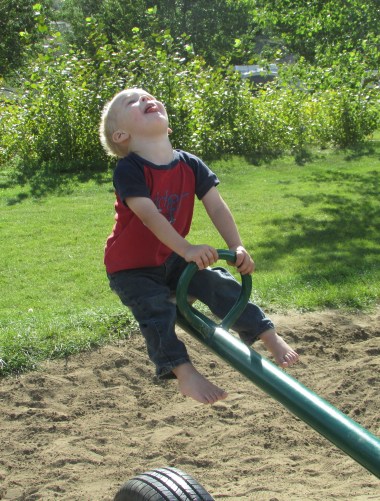
He was happier when we returned to the campground for some time on the playground though!

IMG_2332

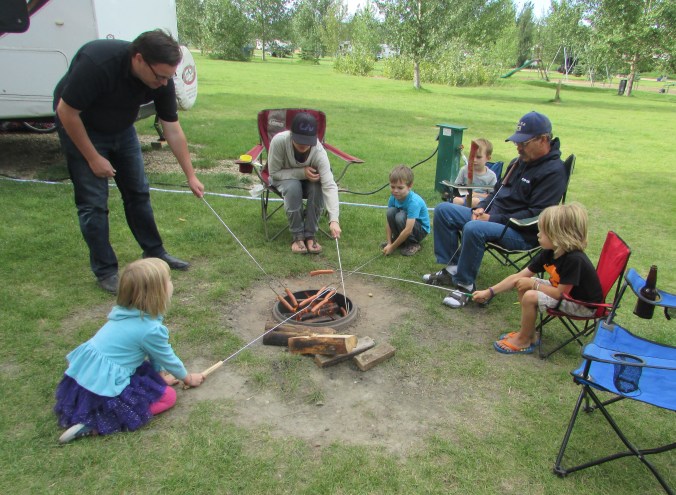
Our day ended around the campfire with hot dogs and s’mores.

IMG_2335

It will be Christmas time before we’re all together again, but until then we’ll enjoy our memories of a great day of dinosaur fun!

Modesty and cultural sensitivity

IMG_3548

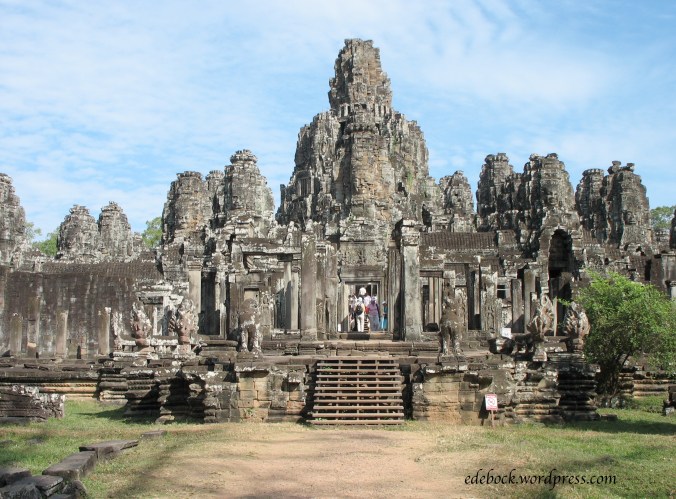
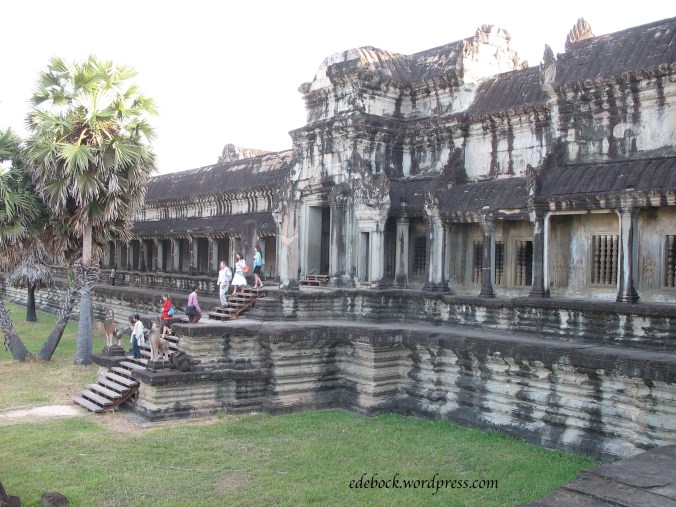
Screen Shot 2016-03-18 at 11.07.24 PM 3Visitors who dress immodestly will no longer be allowed to enter Cambodia’s famed Angkor Wat temple complex, the agency that oversees the site announced last week. Beginning August 4th, all tourists will be required to wear pants or skirts that fall below the knee and shirts that cover their shoulders.

When I read that, I immediately went back to our photos from Jan 4, 2009 to see what we were wearing the day we visited the UNESCO World Heritage Site that is also Cambodia’s biggest tourist attraction. Would we meet the new standard, I wondered.

We got up at 4:30 a.m. the day we toured Angkor Wat so that we could be there in time to watch the sun rise over it’s towers. It was still a bit chilly when we arrived and at that point, dressed in a warm fleece hoodie and capri pants, I would definitely have met the new dress code.

IMG_3507

Richard would not have, however, as he was wearing shorts and later, in the heat of the day, I wouldn’t have either.

I almost hate to post that picture because I look so frumpy, but please keep in mind that we were basically backpacking through southeast Asia. We had just traveled the length of Vietnam by night bus and we were staying in a $12/night guesthouse that wasn’t much more than a roof over our heads. I may not have looked great, but I was having the adventure of a lifetime and fashion was the farthest thing from my mind!

The question here, though, is what is modesty? My tank top may not be particularly attractive, but is it immodest?

In 1 Timothy 2:9, the apostle Paul advises women to “adorn themselves in modest apparel, with propriety and moderation” but he doesn’t give a lot of detail about what that looks like. He does go on to say, “not with braided hair or gold or pearls or costly clothing” but to understand what he was getting at, one needs to look at the culture and the context. In this passage, Paul was advising women on how to dress for church, telling them to adorn themselves in a manner that was considered appropriate for worship. In Ephesus, where his protégé, Timothy, was pastoring at the time, the elite of that culture were known for their gaudy and extravagant wardrobes, their elaborate hair styles, and their expensive clothing that communicated extraordinary wealth. Paul’s description of immodest dress conjured up a picture of someone preoccupied with appearance, fashion, luxury, and perhaps even sexual prowess. He was simply advising the Christian women of that time and place not to mimic that behaviour, but to dress in a way that showed that they desired attention to be on God, not on themselves.

Dictionary definitions of modesty include “behavior, manner, or appearance intended to avoid impropriety or indecency” and “the quality of behaving and especially dressing in ways that do not attract sexual attention.”

In discussing dress codes, it’s important to note that modesty must involve cultural sensitivity. We don’t find the wearing of shorts or sleeveless tops offensive here in North America,  but Cambodia is a completely different culture. Angkor Wat was the spiritual centre of the Khmer empire that dominated that region from the 9th to 15th centuries. It’s a symbol of great national pride and is depicted on the Cambodian flag. As such, it is worthy of utmost respect. If, to the Cambodian mind, that means a certain manner of dress, then visitors definitely need to honour that.

Though it’s unlikely that I will return to Angkor Wat (only because there’s so much world that I have yet to see), but if I do, I won’t be wearing a tank top. If you haven’t been yet, I would definitely suggest adding it to your bucket list, but make sure you pack accordingly. After August 4th, those who are not dressed appropriately will be turned away or required to change their clothes before being allowed to enter.

IMG_3496

IMG_3532

IMG_3530


Special dates with Sam and Nate

Separated by distance, we aren’t able to spend as much time with our Vancouver grandsons as we’d like and when we’re here, we also need to spend time with my very elderly father and my special brother, Donald. Fitting in quality time with the boys is a priority, however, and this time we managed to go on a special date with each of them. Though they enjoy a lot of the same activities, Sam and Nate are as different as night and day personality-wise, so one on one time with each of them individually was great.

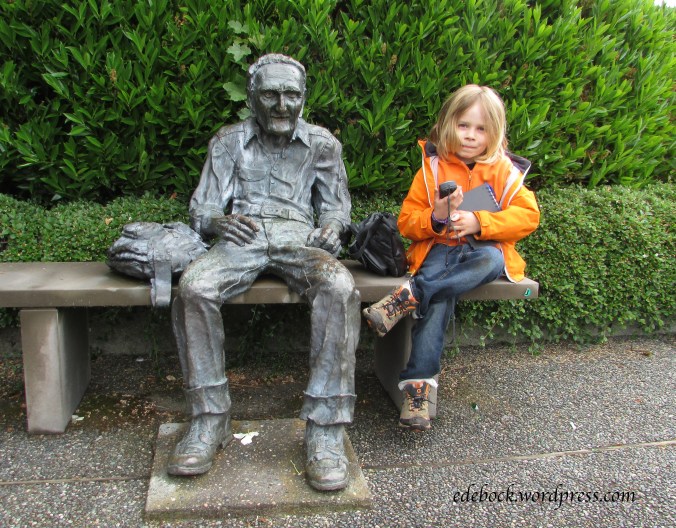
Sam is just finishing first grade, but Friday was a professional development day for the teachers at his school. Nate was at preschool that morning, so it was a perfect time for our date with Sam. He decided that he wanted to go geocaching, a hobby of ours that we introduced the boys to a couple of years ago. We started by searching out a couple of caches within easy walking distance of his house. He was especially intrigued by this old gent sitting very near the location of the first one.

IMG_1677

Here he is retrieving the next one from beneath a cedar tree!

IMG_1679

Found it!

Here in North Vancouver you are never far from nature and forest trails are easy to find. Part of our morning was spent in Princess Park. The clue for one of the caches there included this description: “You are steps away when you see a trunk that looks like a bird bath, or a water bowl for a Great Dane.” What in the world could that mean?

IMG_1682

It was obvious when we saw it and sure enough, the cache was hidden nearby.

Sam loves sushi and so do we, so when we asked him where he wanted to go for our lunch date, he chose Valley Sushi, a great little restaurant close to his Lynn Valley home.

IMG_1691 - Version 2

This morning, Sam was back at school and it was time for our date with Nate who only attends preschool three mornings a week. He knew exactly where he wanted to go; Lighthouse Park in West Vancouver. He’d been there once before with his other grandfather and had shown me a brochure containing a map of the trails that criss-cross the park the day we arrived. He wanted to hike to Juniper Point and after hearing about Sam’s geocaching adventure, he also wanted to find some caches. There were two of them along that trail. The hint for the first one said, “Horizontal tree meets vertical tree.” The GPS doesn’t work really well under tree cover, but we thought we’d found the right spot when we found a fallen tree right beside a standing one. When we didn’t find the “treasure” right away, Nate grew bored and wandered a little ways away. Suddenly we heard his shout, “I found something! I think this is it!” Sure enough, he’d located the cache all on his own, tucked into the end of another fallen tree.

IMG_1757

Another cache was found near the beautiful rocky point where we enjoyed a snack overlooking the ocean.

IMG_1753

After completing that trail, I also managed to convince Nate to hike out to the lighthouse. Look closely and notice the bald eagle perched on the weathervane!

IMG_1771

Nate’s date ended just like Sam’s with lunch at Valley Sushi. Even his order was the same; California rolls and Dynamite Rolls. Yum!

IMG_1775

Making memories with the boys on our special dates worked out so well that I think this should be the beginning of a new tradition. I wonder where they’ll want to take us next time we visit?

Seaweed and crabs

IMG_1607

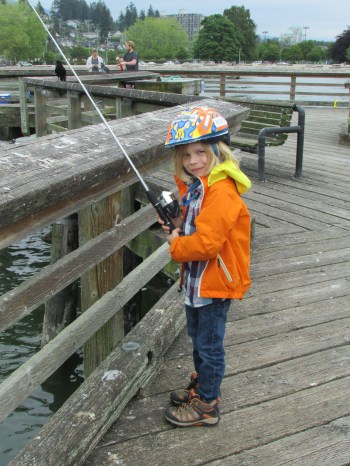
When I spoke to my five year old grandson, Nate, on Mother’s Day, he told me how excited he was about our upcoming visit. I asked him what he wanted to do while we were here and he immediately told me that we should go fishing together, so this afternoon we spent some time fishing and crabbing off West Vancouver’s Ambleside Pier.

No fish were caught, but the boys were happy to catch and release large globs of seaweed!

Nate

IMG_1611

Big brother, Sam

Crabbing yielded greater success with a couple of red rock crabs and one dungeness finding their way into the salmon baited trap. None were big enough to keep, so back into the water they went.

Our oldest son, Matt, was once one of my little “prairie chickens”, but he’s definitely become a coastal boy! I love visiting all our children and grandchildren, of course, but coming home to the coast and seeing one of my kids fully embracing the environment that I grew up in does this Mama’s heart good.

IMG_1629

 Measuring the dungeness crab

IMG_1621

Sneaker love

Screen Shot 2016-03-18 at 11.07.24 PM 3

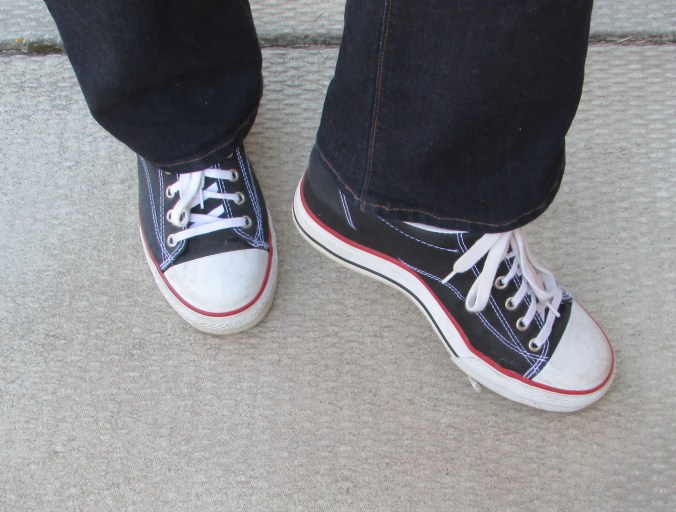
Do you call them running shoes or sneakers? Here in western Canada, we use the terms interchangeably.

IMG_1504

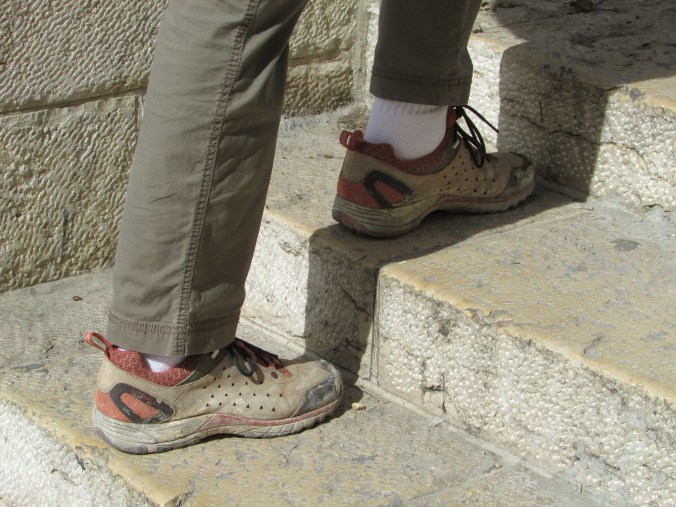
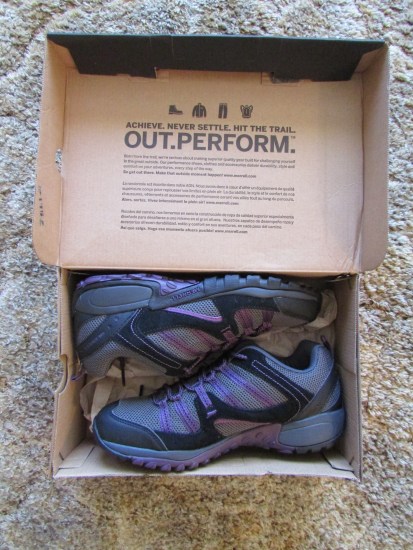
Here’s a fun pair that I’ve had for years. I love wearing them, but I neither run nor sneak in them! In fact, even if I’m just going to do a lot of walking, I want a higher quality shoe that provides better support. For that, I depend on my trusty Merrells, pictured below on the steps leading up to the Jaffa gate in Jerusalem. The dried mud that’s clinging to them is a reminder of the previous day’s climb to Herod the Great’s hilltop palace, the Herodian. That’s just one of the amazing places they’ve taken me since I purchased them in the spring of 2011. They’ve hiked trails on the Pacific island of Saipan, walked the streets of Tokyo, climbed the Great Wall of China and explored many interesting places closer to home.

IMG_1224

After five years of wandering the world, I know that they’re going to give out on me one of these days, so I picked up a new pair during December’s Boxing week sales. They’re still sitting in their box in the bottom of my closet. I wonder what wonderful adventures they’ll take me on?

IMG_1511

If you’re looking to hit the trails in a durable, supportive hiking shoe, I would definitely recommend a pair of Merrells.

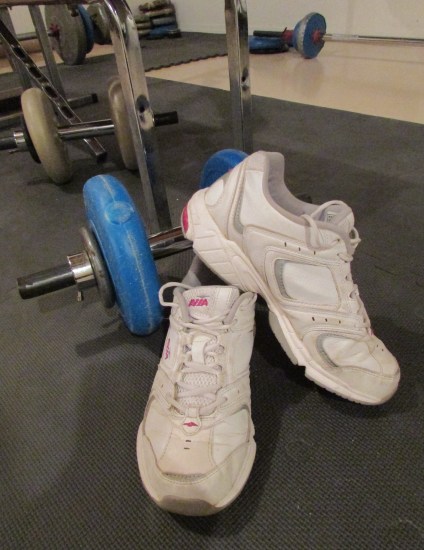
For working out, I wear this pair of Avia cross-trainers. The wider sole on this style of sneaker gives me more stability and support when I’m lifting weights.

IMG_1499

While I have sneakers for various purposes as well as some that are just for fun, not everyone enjoys the luxury of having any shoes at all. New Missions, a non-profit, non-denominational Christian organization, has been establishing churches and schools in Haiti for over 30 years and the Dominican Republic since the year 2000. Through child sponsorship, New Missions provides children with quality education, a daily meal and regular medical care. Today, approximately 10 000 children attend New Missions schools; 10 000 children who need shoes to walk to school. Through the New Missions Give Sneakers campaign, you can help cover all those little feet with brand new sneakers! Visit givesneakers.com to find out how to get involved. The campaign started on April 1 and continues until June 30. While you’re welcome to purchase sneakers and send them to the collection point in Orlando, Florida, postage is expensive, so making an online donation is also an option. I have determined that if I buy myself any shoes between now and the end of June, I will make a matching donation to the Give Sneakers campaign. Why not join me?

give sneakers

Mezuzah

If you come to visit us, you’ll notice something on the doorpost at the entrance to our home that wasn’t there before our trip to Israel.

IMG_1363

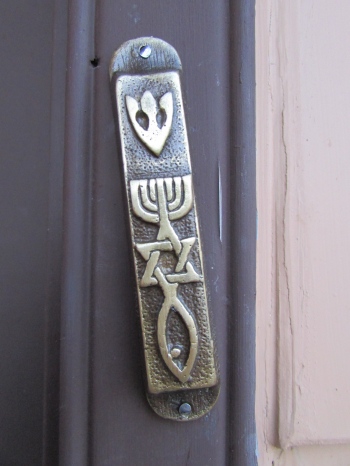
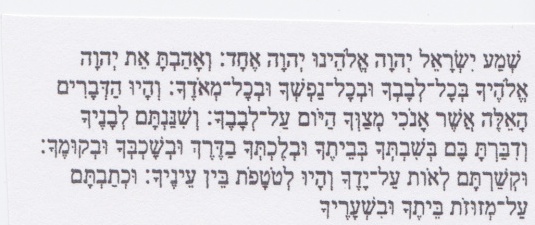
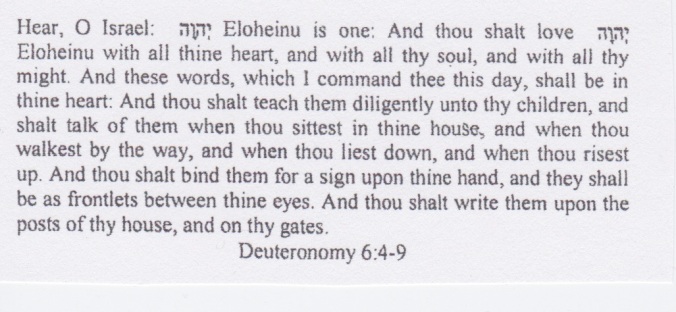
Four inches long and made of brass, it is a mezuzah container. Hidden inside are two tiny slips of paper, one in Hebrew and the other in English.

scan-1


Scan

Mezuzahs are fastened to the door frames of Jewish homes to fulfill the Biblical commandment to write the words of the Shema, the command that is central to the Jewish faith, on the door frames of their houses. (Deuteronomy 6:5-9)

“Love the Lord your God with all your heart and with all your soul and with all your strength.” 

If ours were a true Jewish mezuzah, there would be just one scroll inside. It would have been handwritten by a certified scribe with specially prepared ink on kosher parchment made of thinly shaved hide. If we were a Jewish family, we would have several mezuzahs, not just the one on the outside doorpost. Every doorway that leads into a proper room, except for the bathroom, would have its own mezuzah. Each of our hotel rooms in Israel had one.

A mezuzah is permanently affixed to the right doorpost, on the lower part of the upper third. It is traditionally hung on a slant, as shown in the photo above, with the top pointing inward. A special blessing is usually read or recited prior to affixing each mezuzah.

Mezuzah cases come in a variety of sizes and materials. Ours is a Messianic mezuzah made specifically for a Christian home. The symbol at the top is the Hebrew letter “Shin”, the first letter of Shaddai (Almighty), one of the Biblical names of God. Below it is the Messianic Seal of the Church of Jerusalem which incorporates a menorah (seven branched candelabra), a distinctly Jewish symbol, and a fish, which has been used as a symbol of Christianity since its very early days. The triangular base of the candelabra and the tail of the fish tie the two symbols together and form the Star of David, the national symbol of Israel.

The mezuzah at the entrance to our home will long be a reminder of our amazing pilgrimage to Israel, but also an expression of our faith in God.

“As for me and my household, we will serve the Lord.”  Joshua 24:15

The colours of Israel

The Sunday before we left on our pilgrimage, a little girl in our church asked us if everything in Israel was in black and white! I don’t know where she got such an idea, but her question caused me to look for colour everywhere we went. In my mind’s eye, Israel had always been the neutral colours of rock, sand and desert. A lot of it is, but there were many pops of colour to be found.

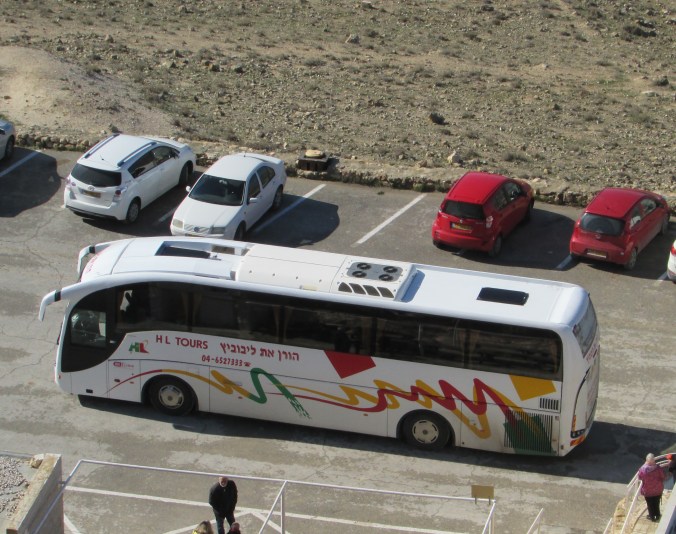
I was thankful for the bright colours on our bus, making it easy to spot wherever we went.

IMG_0822 - Version 2

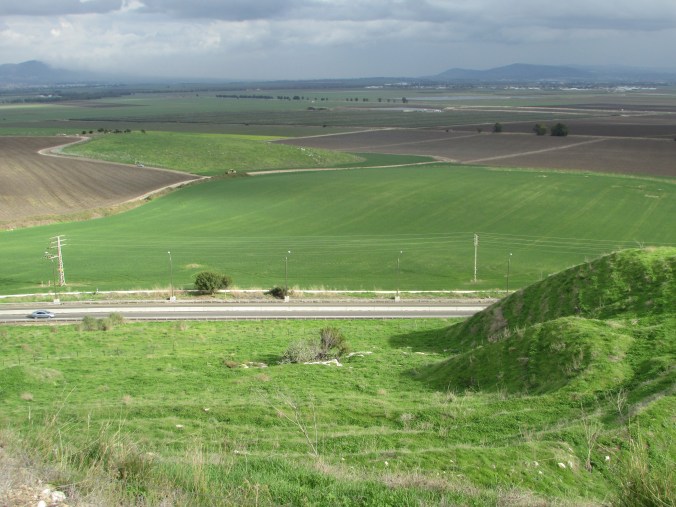
There were green fields in the fertile valleys of Galilee.

IMG_0264

And green on the street in Bethlehem that made us laugh!

IMG_0731 - Version 2

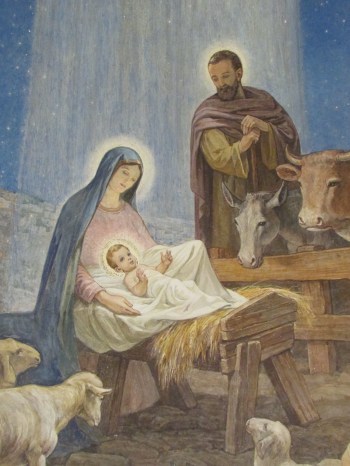
There were beautiful stained glass windows and paintings in churches.

IMG_0782

There were flowers in February, always a marvel to someone from Canada!

IMG_0345

There were bright coloured fabrics.

IMG_1235

IMG_1266

And everywhere, the olive colour of military uniforms.

IMG_1267

IMG_1298

There was, of course, the glistening gold of the Dome of the Rock.

IMG_1102

But also bright yellow signs in many places warning of land mines.

IMG_0383

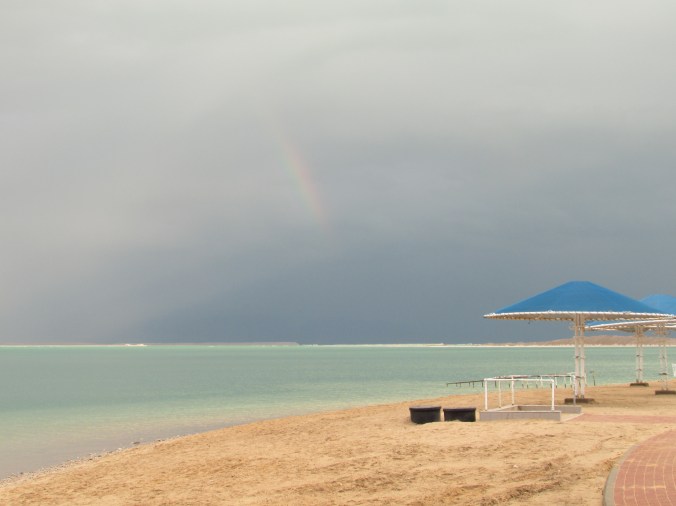
When I think of the colours of Israel, however, I will always remember the rainbows. Yes, in a usually dry and dusty land, God blessed us with three rainbows; one over the Mediterranean Sea, one over the Sea of Galilee, and one over the Dead Sea! My photos of the first two, taken through the bus window in the rain, didn’t turn out very well, but here’s the one over the Dead Sea. An employee in the hotel told us that it was the first rainbow he’d seen in at least three years!

IMG_0600

No, Victoria, Israel isn’t all in black and white!

Eating Kosher

I knew that I would be asked what the food was like in Israel, so this time I was prepared and even took pictures! We ate all of our breakfasts and suppers at our hotels while lunches were enjoyed in restaurants wherever we happened to be at the time. I can say without hesitation that the food was delicious, nutritious and kosher!

So what does it mean to eat kosher? Essentially, it means eating according to the dietary laws given in the Old Testament, or Torah. I was already aware that this meant only eating meat from animals that both have cloven hooves and chew their cud, avoiding all seafood except fish with fins and scales, and avoiding eating meat and dairy together. I’ve learned, however, that eating kosher is much more complicated than that and that even amongst Jews, there are many different ways of interpreting and following the dietary rules.

For example, when it comes to meat, it isn’t only a matter of which animals are eaten, but also how the animal is slaughtered and how the carcass is prepared for butchering. Some birds are kosher, while others are not. The eggs of kosher birds may be eaten, but only if they contain no blood which means that each egg should be examined individually. All dairy products must be derived from the milk of kosher animals. Hard cheeses pose a problem because an essential ingredient in their production is an enzyme called rennet, which is normally derived from the stomach of an animal. Some rabbinic authorities maintain that the enzyme is so separated from its original source, that it should not even be considered a meat product. Therefore, these authorities believe that it is permissible to eat cheese that was made with rennet. Others, however, believe that rennet still constitutes a part of an animal, and thus cannot be mixed with milk. Eating processed food is particularly troublesome because one must be sure that every ingredient, no matter how much or how little the product contains, is kosher.

Generally, all fruits and vegetables are kosher, but again, we learned, in Israel, that it isn’t quite that simple. There, these products are only considered kosher if 10% of the crop is left on the plants, bushes or trees around the perimeter of the field or orchard at harvest time for the use of the poor in the community and if the land is left to rest every 7th year. Fruits and vegetables must also be very carefully checked for insects as they are not kosher. Drinking wine or grape juice that has been produced by non-Jews is also forbidden.

There are those who claim that God established the dietary laws to protect the health of His people and that, for this reason, we would be wise to follow them. I don’t believe this to be true. Though there may have been some health advantages to some of the laws in the days before refrigeration, there is nothing less healthy about eating camel or rabbit than eating beef or chicken. I believe that it was simply God’s intent to distinguish His people from those around them and to teach them obedience. I am, therefore, in agreement with those Jews who say that they eat kosher simply because God told them to and for no other reason. How thankful I am that as New Testament believers, we are not subject to the Old Testament dietary laws. God made that very clear to the apostle Peter in a vision while he was staying at the house of Simon the Tanner in Joppa. (Acts 10:9-16)

All meals served in the hotels where we stayed were kosher. Each hotel is under the supervision of its local rabbinical council and should they ever be caught serving anything non-kosher, the penalty would be severe.

So, what did we eat? The meals were similar at all four of our hotels. Breakfasts and dinners were sumptuous buffets with a myriad of wonderful choices. It’s only in the west that breakfast is an entirely different meal from lunch and supper. For example, when we lived in Japan, if we asked our students what they ate for breakfast, the answer would most often be fish and rice. If we asked what they ate for dinner, the answer would usually be the same. This appeared to be true in Israel as well. Though cereal and toast were available at breakfast time and our last hotel had a station where yummy looking omelettes were made to order, breakfast also included a complete salad bar! Cottage cheese, yogurt, various cheeses, buns and breads were also part of the breakfast menu, but so were fish, olives and a variety of hot dishes. Coffee and a variety of teas were also available.

I think I could have lived off the salad bars alone. I started each day with a plate filled with salad, a dollop of cottage cheese, a few slices of cheese and a bun or a slice of hearty bread. When that was done, I finished off with a taste of a one or two of the hot dishes.

We were thankful for the hearty breakfasts as our days were full and we did lots of walking and climbing. Lunch was most often a pita filled with either falafel (spiced mashed chickpeas formed into balls and deep-fried) or schawarma (roasted, shaved meat) and vegetables. Simple, but tasty and filling.

Dinner was usually fairly late. After a busy day, we were ready to load up our plates again!

Again, I filled a plate at the salad bar and then went back for a smaller serving from the many hot food choices. Meats most often included fish, chicken and beef. The dessert selections looked absolutely amazing, but I didn’t take any pictures as I didn’t want to linger over them too long! I managed to stick to my low sugar diet most of the trip. Three of our four hotels offered sugar free dessert options which was nice. When I didn’t see any on offer at our last hotel, I asked, and after a long wait, I was brought a piece of very dry, plain cake that was still slightly frozen in the centre. After that, I didn’t ask! I did break my diet twice, once when we celebrated our youngest group member’s 16th birthday with a lovely cake and once when I tried a teeny, tiny chocolate eclair because everyone else was raving about them. It was well worth it!

Though the reason for my diet is the fact that I’m pre-diabetic, I was pleased to discover that in spite of eating so well, I didn’t gain any weight while we were away!


Shabbat Shalom!

We were in Israel for two Shabbats, the Jewish Sabbath that begins at sundown on Friday and lasts until sundown Saturday. Most schools, businesses, shops and even tourist sites close at 3:00 pm on Friday and don’t reopen until Sunday morning.

According to Old Testament law, work is forbidden on Shabbat. The 4th commandment says, “Remember the Sabbath day by keeping it holy. Six days you shall labour and do all your work, but the seventh day is a Sabbath to the Lord your God. On it you shall not do any work, neither you, nor your son or daughter, nor your manservant or maidservant, nor your animals, nor the alien within your gates. For in six days the Lord made the heavens and the earth, the sea, and all that is in them, but he rested on the seventh day. Therefore the Lord blessed the Sabbath day and made it holy.” (Exodus 20:8-11)

Over the centuries, Judaism has attempted to interpreted what is work and what isn’t, what is forbidden on Shabbat and what is allowed, ending up with a complex and somewhat overwhelming list of rules to be followed. Here’s a basic list of activities that ought to be avoided on Shabbat:

  • writing, erasing, and tearing
  • business transactions
  • driving or riding in cars or other vehicles
  • shopping
  • using the telephone
  • turning on or off anything which uses electricity, including lights, radios, televisions, computers, air-conditioners and alarm clocks
  • cooking, baking or kindling a fire
  • gardening and grass-mowing
  • doing laundry
  • carrying anything outdoors or transferring objects between an enclosed domain, such as the house, and a public domain, such as the street

There are detailed rules pertaining to each of these. For example, the refrigerator can be used because it is on all the time, but to ensure that it’s use doesn’t involve turning something on or off, the fridge light should be disconnected before Shabbat by unscrewing the bulb slightly. The rule about carrying things outdoors would include carrying anything in your pocket or even having gum in your mouth! Of course, as in any culture or religion, there are those who follow the Shabbat rules to the nth degree and those who don’t.

Clearly our Lord took exception to the interpretations of the 4th commandment that were in vogue in His day as He was criticized by the religious leaders for healing the sick on the Sabbath (John 5:1-15) and for allowing His disciples to pick heads of grain and eat them when they passed through the fields on that day of the week. (Matthew 12:1-2)

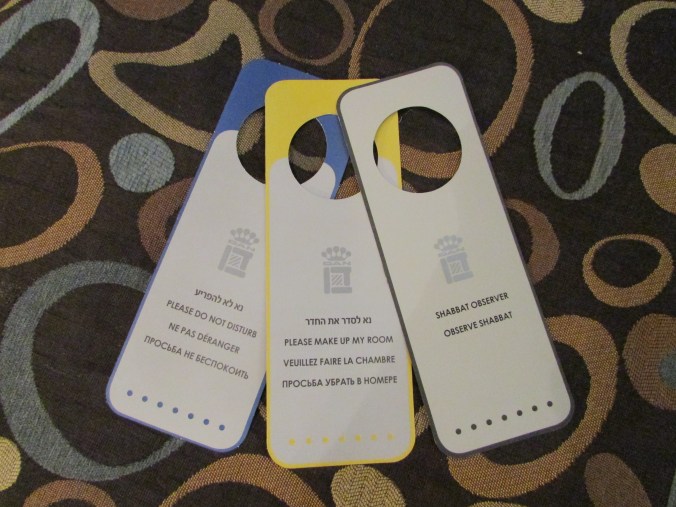
In one of our hotels, we had the choice of three door hangers to notify the staff of our various needs or intentions.

IMG_0185

Many hotels in Israel allow a late checkout on Saturday for Shabbat observers, enabling them to stay in the hotel until after sundown. Attending synagogue on Shabbat is considered essential by most Jews, so many hotels also have a synagogue within the building.

We were warned to avoid using the specially designated Shabbat elevators in our hotels unless we had lots of time to spare. Set to go up and down continuously, stopping and opening at every floor for the entire 24 hour Shabbat period, these elevators ensure that Shabbat observers don’t have to push any buttons which would be construed as work.

Friday dinners in our hotels were festive affairs with many Jewish families there to celebrate Shabbat. Going out for dinner ensured that they kept the no cooking rule and they didn’t seem to object to the fact that someone else had to work to prepare and serve the meal! The already sumptuous buffets were even more elaborate on those days and it definitely wasn’t all food that was prepared in advance. Saturday breakfasts, however, were more basic than the other days and involved very little hot food.

Of course, the people we saw at dinner in the hotels were not the ultra-Orthodox Jews. They would have been at home observing Shabbat in a much more traditional way. We drove through an ultra-Orthodox neighbourhood on our way back to our hotel in Jerusalem on a Friday afternoon and observed them scuttling about making their last minute purchases and preparations before retiring to their homes.

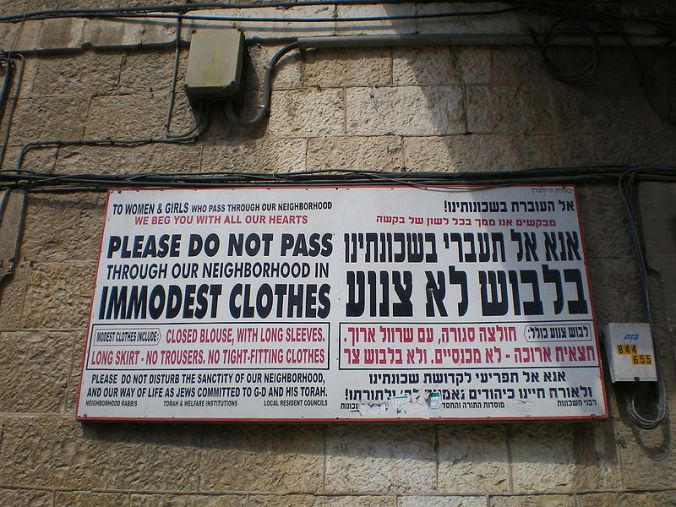
Our guide pointed out that the various ways that the men were dressed indicated membership in different sects. Height or style of hat, coat length, whether his socks are black or white, and whether or not his pants are tucked into his socks are all indicators of which group a man is part of. The women’s clothing is much less distinctive, but very conservative. For example, they would never be seen in public wearing pants. A large overhead billboard as we entered the neighbourhood advised us how we ought to dress while we were there.

billboard

Photo:  Lisa Mathon – https://commons.wikimedia.org/w/index.php?curid=2024503


So who are these ultra-Orthodox people? Though they consider themselves the most religiously authentic Jews, they don’t seem to be very productive members of Israeli society and are seen by many as a drain on the economy. Less than 50% of the men are employed. Instead, many spend long hours every day praying and studying scripture while the family lives off Israel’s generous social welfare system. Like many other Israelis, our guide, Shimon, resents how much he pays in taxes to support these people. Apparently, this is a huge political issue at election time. Another source of resentment for many is the fact that, upon the establishment of the State of Israel in 1948, ultra-Orthodox males of military age were exempted from universal conscription into the Israel Defense Forces. Officially, those who were enrolled in yeshiva, an institution focusing on the study of traditional religious texts, were granted deferred entry into the IDF, but in practice few serve at all. At the time when this agreement was made, only about 400 individuals were affected, but due to their extremely high birth rate, the ultra-Orthodox are now estimated to make up approximately 10% of the Israeli population!

Well, even though the days are getting longer it’s now past sundown on a Friday afternoon in my part of the world so I wish you Shabbat Shalom or, in English, Sabbath Peace!

Final day

Reflecting on and writing about our final day in Jerusalem seems like a perfect way to enter the Lenten season as we spent the day immersed in the final moments of Jesus’ life here on earth, visiting the sites surrounding his arrest, crucifixion, burial and resurrection!

Our morning started on the Mount of Olives overlooking the Kidron Valley. The sun gleamed off the golden Dome of the Rock, the Muslim mosque that now stands atop Mount Moriah where the Jewish temple once stood. Before us lay the route that He took on His triumphal entry into Jerusalem on the day that has become known as Palm Sunday. (Matthew 21:1-11)

IMG_1107 - Version 2

As we stood atop the Mount, we were reminded that, according to prophecy, that is where He will return someday! (Zechariah 14:4) Come, Lord Jesus!

Walking down the Mount, we came to the Garden of Gethsemane where Jesus spent the final moments before His arrest. Even with the sound of traffic in the background, the garden was a place of great peace. In our devotional time there, we were reminded so clearly of the great burden that our Lord bore that night as He prayed alone, feeling the weight of the sin of the entire world on His shoulders. Kirk, our devotional leader, compared it to the deepest of depressions. For me, our time of reflection in the garden was spiritually profound. As I thought about the extreme anguish that I once felt when I was betrayed by someone I loved and then tried to multiply that by the sin and betrayal of every person who has ever lived, it was beyond my ability to comprehend. Is it any wonder that He sweat drops of blood and prayed, “Father, if you are willing, take take this cup from me.” How thankful I am that He followed this up with “yet not my will, but yours be done.” (Luke 22:39-45) Without that willingness to carry the weight of our sins to the cross, we would be forever lost with no hope of salvation and eternal life.

We stopped for a quick look at the Gethsemane Basilica of Agony with it’s beautiful mosaics above the portico.

IMG_1189

Continuing down the hill and up the other side of the valley, we entered the walled city through the Lions’ Gate, which is also known as St. Stephen’s Gate or the Sheep Gate.

IMG_1200

IMG_1203 - Version 2

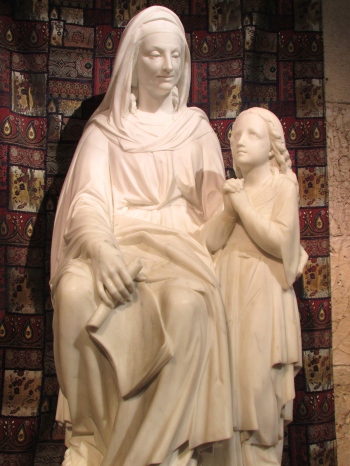
Inside the wall, we visited St. Anne’s Church where, when we sang Amazing Grace together, the acoustics were so amazing that each note hung in the air for a good four seconds! Though she isn’t mentioned in scripture, St. Anne was, according to tradition, the mother of Mary and the grandmother of Jesus. I was especially taken with the beautiful alabaster statue of a mother teaching her young daughter from scripture. The scroll in her hand has Deuteronomy 6:5 written on it in Hebrew. “Love the Lord your God with all your heart and with all your soul and with all your strength.” The delightful French Canadian priest told us that the church is often referred to as the “grandparents’ church” and reminded us of our Lord’s instruction to pass on His teachings to our children and grandchildren. (Deuteronomy 6:6-7)
IMG_1214

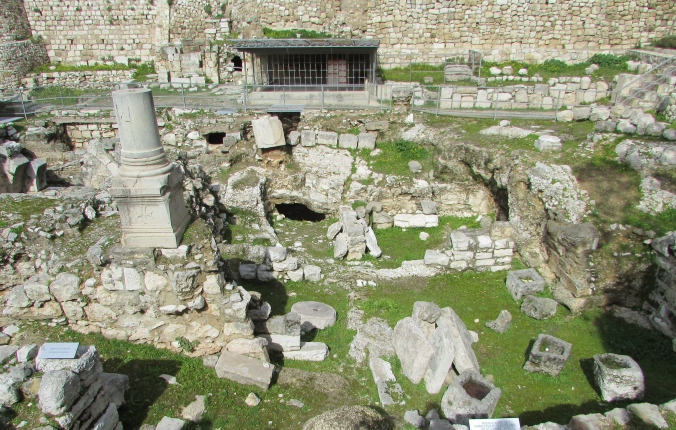
In the area, we also saw where the pools of Bethesda were once located. It was here that Jesus healed a man who had been crippled for 38 years. (John 5:1-15)
IMG_1218 - Version 2

A quick trip around the Temple Mount by bus took us to the Jaffa Gate where we entered Old Jerusalem and walked the narrow market streets to a tiny restaurant where we had lunch.

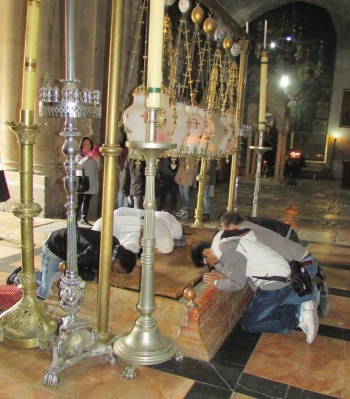
Our next stop was the Church of the Holy Sepulchre, a cavernous structure standing on the bedrock at a site said to encompass both Golgotha, or Calvary, the spot where Jesus was crucified, and the tomb (sepulchre) where His body lay. Filled with icons and incense, we could only think of what we saw as idolatry and, to me, it didn’t seem very different from what we’d seen in numerous Buddhist temples in Asia. Most disturbing to me was the Stone of Unction, or Stone of Anointing, a flat red stone some six metres in length and decorated with candlesticks and lamps that is located in the entrance of the church. It is purported to be the place where Jesus’ body was laid and prepared for burial after being taken down from the cross. It was surrounded by devoted pilgrims bowing before it, kissing it and rubbing their possessions on it in hope of receiving some sort of blessing. Personally, I was more than happy to leave. Apparently, people sometimes wait hours to enter the Edicule, an ornate cubicle that supposedly houses the empty tomb, but we had another tomb to visit!

IMG_1253 - Version 2

IMG_1255

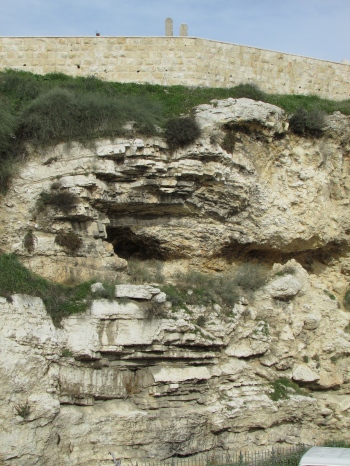
Some 2000 years after the fact, there is, of course, no way of knowing exactly where the cross of Christ stood or where the tomb that held his body was located, but the Garden Tomb seemed much more authentic to me. The guide who met us there, gave us many pieces of evidence pointing to the likelihood that this could be the place. If nothing else, there was a great sense of peace there that I didn’t feel in the Church. He first showed us the hillside that would appear to be Golgotha, meaning “the place of the skull”. Though the nose crumbled several years ago and a bus station has somewhat obliterated the lower portion, it’s easy to see a skull in the rocky hillside.
IMG_1272

Although I’ve always visualized the crosses standing at the top of a lonely barren hill, the guide explained that they were more likely positioned near the bottom beside a busy road and in the face of the throngs of passersby making their way into Jerusalem for Passover. That’s the way the Romans did things. He also pointed out the irony of thousands of lambs being brought into the city for the Passover sacrifices passing right by the true lamb of God hanging on the cross, but missed by the multitudes.

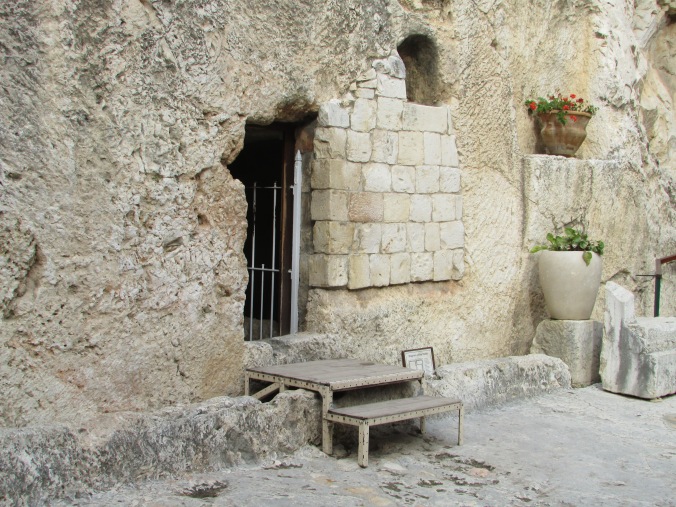
Next, he walked us through the garden to the empty tomb. Actually being able to enter and see the spot where Christ’s body may have lain was another very moving experience. The doorway has been enlarged and steps added to allow easier access.
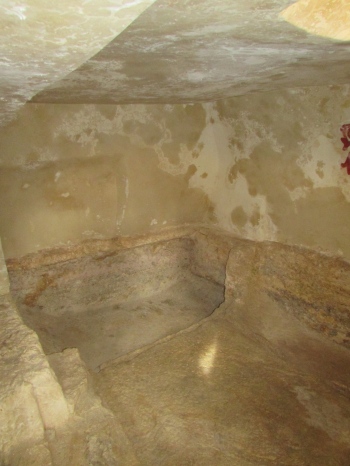
IMG_1278

IMG_1284

This is a similar tomb beside a road in Galilee that shows what the stone would have looked like.
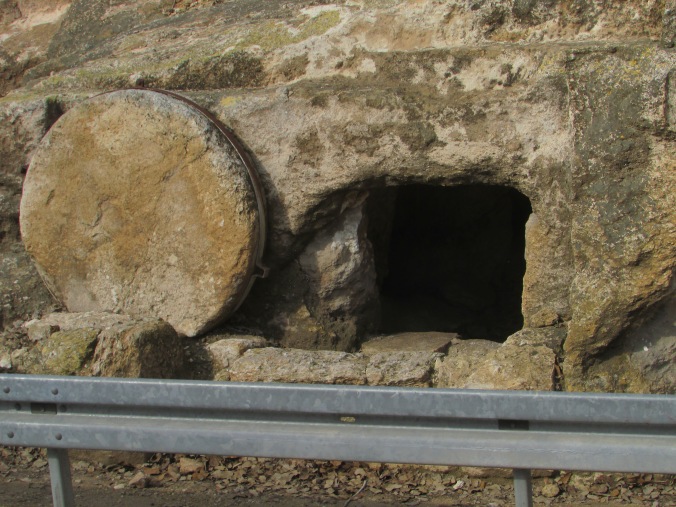
IMG_0247

After we’d all had a chance to enter the tomb, we gathered in a tiny well-lit chapel in the garden for a service of communion. We drank our wine from tiny olive wood communion cups which we were then given to bring home with us. Celebrating our risen Lord with a group of people that we’d quickly grown close to and experienced so much with was very meaningful! Though that would have been a suitable finale to our pilgrimage, we made three more quick stops before our busy day was over!

On Mount Zion, we first visited the place that is traditionally held to be the location of the Upper Room where Jesus and His disciples shared their Last Supper. (Matthew 26:17-30) The building is actually a 12th century Crusader structure, but archaeological evidence of Roman construction on the lower level supports the possibility that this area was indeed the location where our Lord shared a final meal with his disciples. Like so many others, the building has changed hands many times throughout history.

On the lower level, we visited one of the most holy Jewish sites, the traditional location of the tomb of King David. The men were required to don yarmulke, the skullcap traditionally worn by Jewish males, and entered one room while we women went into a smaller adjoining room. In our room, a few women quietly read their Hebrew scriptures, but we could hear quite a din from the other side of the partition. Our men exited shaking their heads and describing a crowded room full of ultra-Orthodox men shouting, wailing and banging on a central table as they bowed and bobbed. There is obviously much that we don’t understand about their religious practices!

Our final stop was the house of Caiaphas, the high priest, where Jesus was taken after his arrest. There is clear evidence that this time we were, indeed, standing in an authentic spot. The stone stairs leading up to the house are the very ones that Jesus would have climbed on His way to trial.

IMG_1307

Inside the house, we went down into the dungeon where Jesus likely spent His final night on earth. It was nothing more a large hole dug into the rock beneath the house. Somewhat overcome by all that we had seen and experienced, we sang our final hymn together.