This is the message that I’ve been receiving from WordPress for the past few days.

By far the most popular post, the one that has been drawing lots of readers to my blog, is this one that was published more 15 years ago. Entitled Where in the World is Saipan, it was written when hubby and I learned that we would be spending the summer of 2011 serving as short term missionaries on the tiny Pacific island of Saipan.
Saipan is the largest and the most densely populated of the 14 tiny islands that make up the Commonwealth of Northern Mariana Islands which stretches 400 miles along the Mariana Trench in the western Pacific Ocean. Just 15 degrees north of the equator, the island is only 12.5 miles (20 km) long & 5.5 miles (8 km) wide, but it has a population of almost 47 000 people.
A tropical island with a warm humid climate, Saipan holds the Guinness World Record for having the most consistent temperature in the world. The average temperature year-round is 27C (81 F) with very little fluctuation between day and night. It is, however, in a very high-risk area for tropical storms or typhoon with several passing near or directly over the island annually and I’m sure that this is what has drawn so many people to my blog post this week.
On Tuesday night and throughout the day on Wednesday, Super Typhoon Sinlaku hammered the island with sustained winds of up to 150 mph (240 km/h) flipping cars, uprooting trees, toppling utility poles, and ripping off tin roofs. The only hospital on the island sustained severe flooding as did many homes and other buildings. Power and water were out and many of the roads were left impassable. The images and videos that have been filling my Facebook feed are heartbreaking. Here are a several from the Marianas Press.
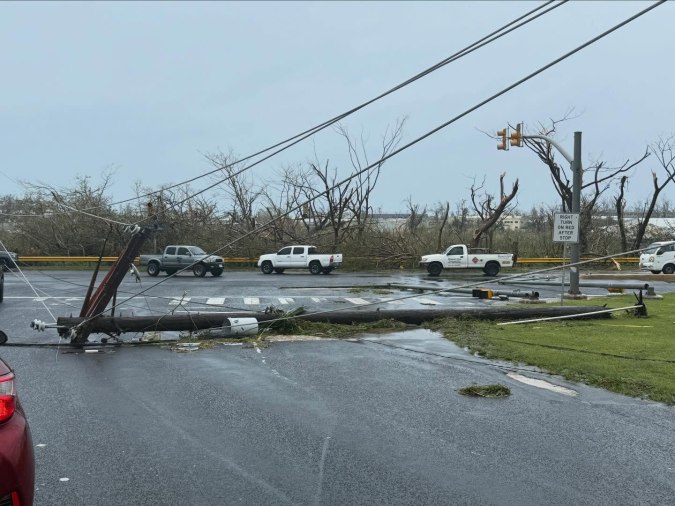
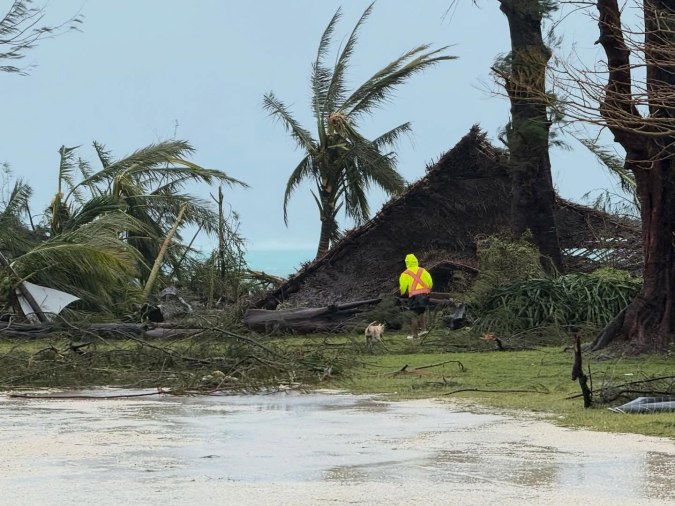
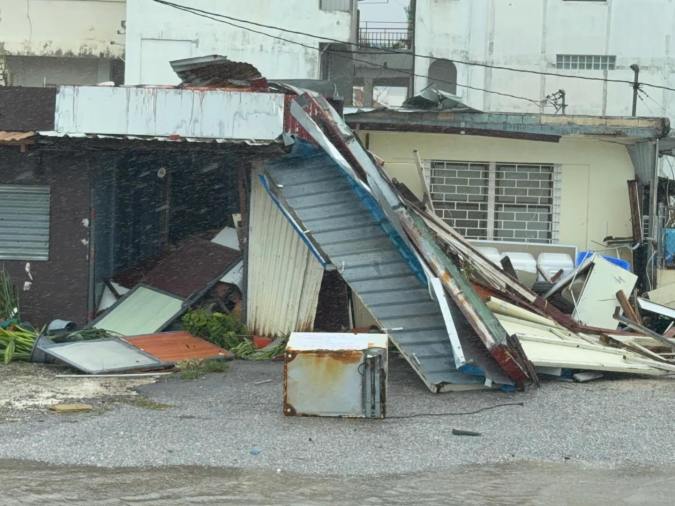
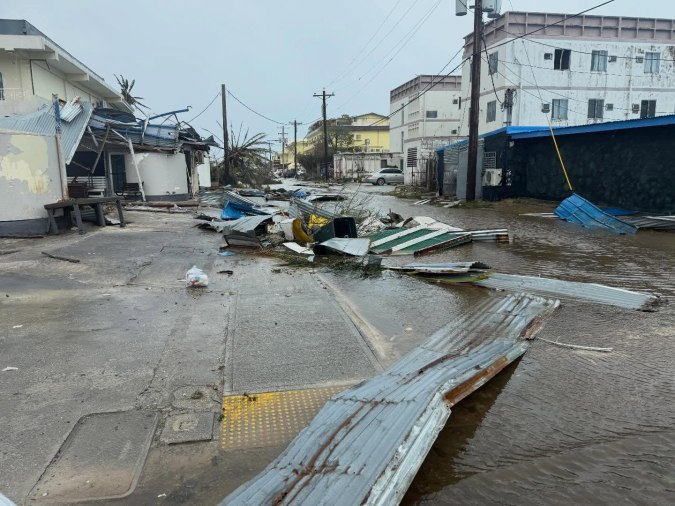
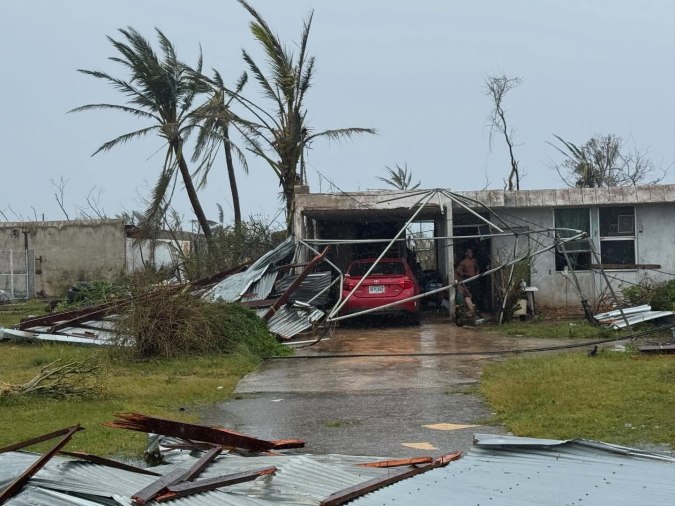
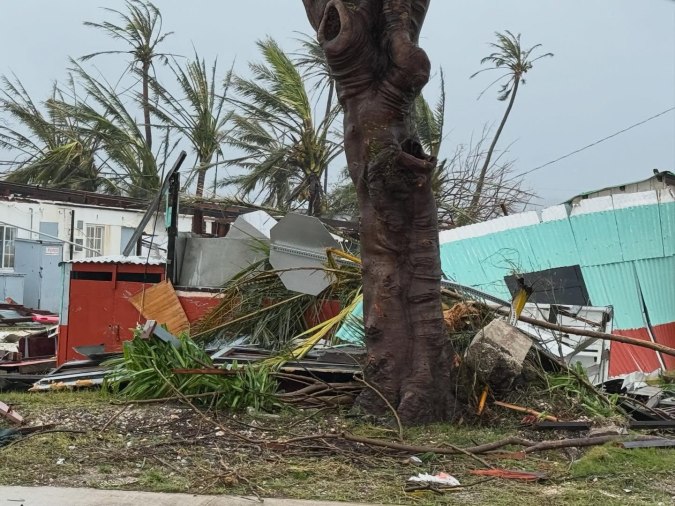
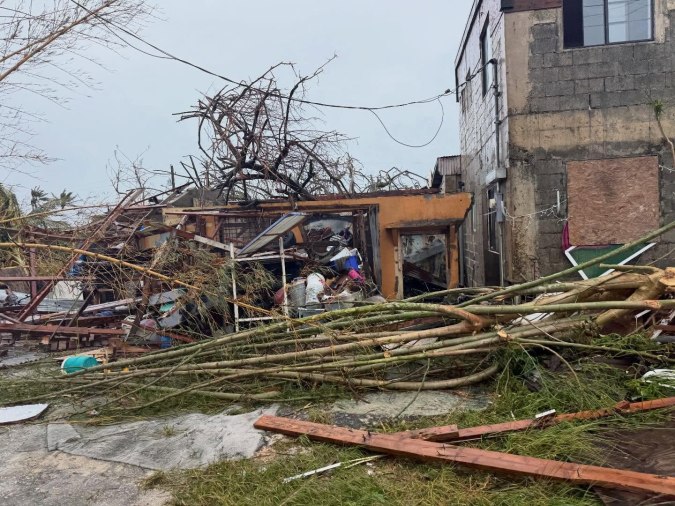
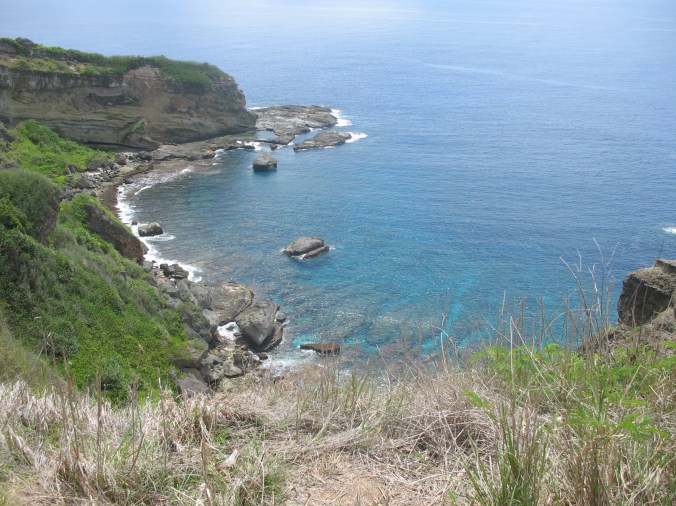
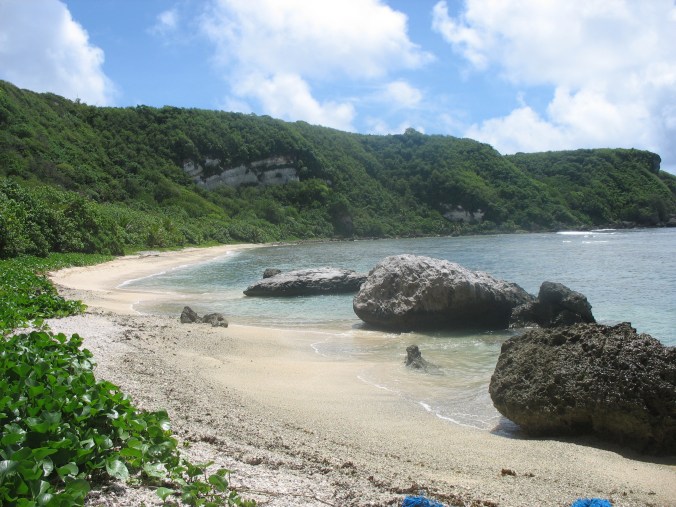
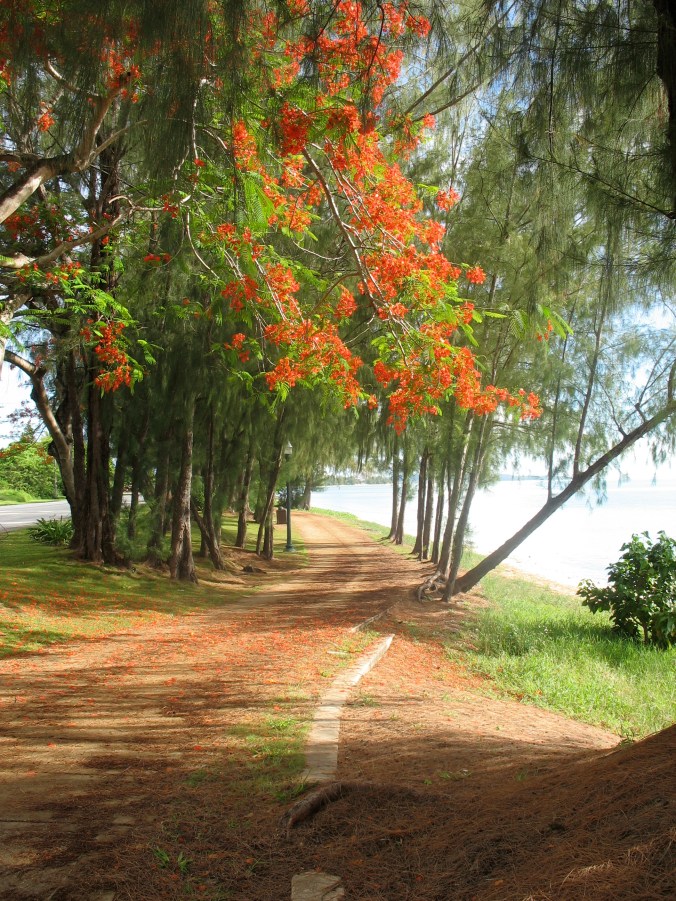
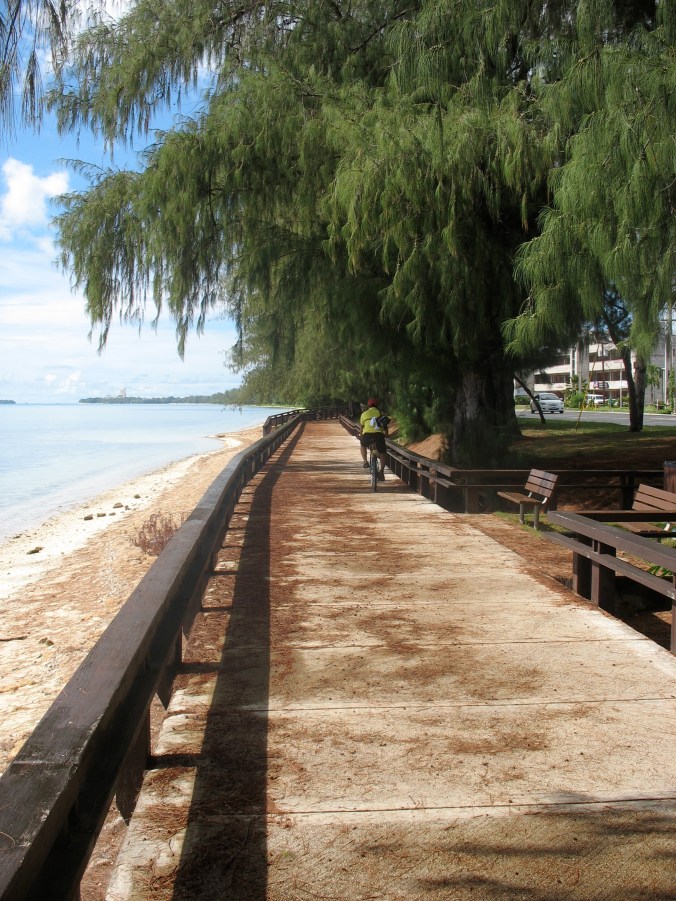
What a sharp and horrifying contrast from the tranquil beauty that I remember.
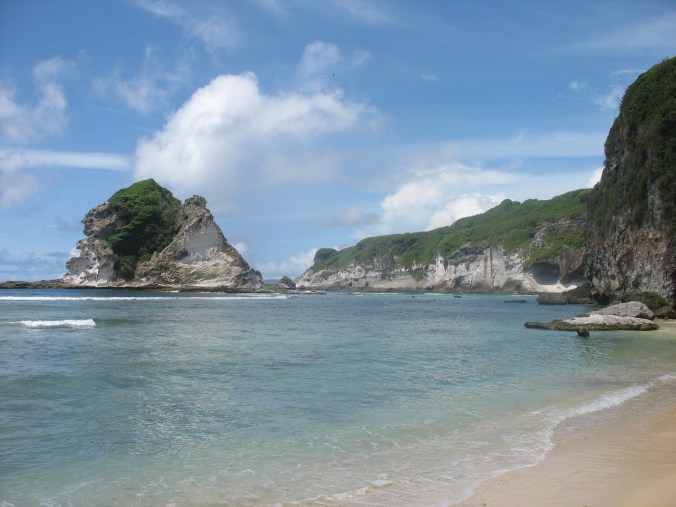
As gorgeous as Saipan was, however, and in spite of the fact that there were beautiful beach resorts along the west side of the island, we also knew that many of the people that we were ministering to lived in houses like these ones. I can only imagine what’s left of them after Sinlaku ravaged the island this week.
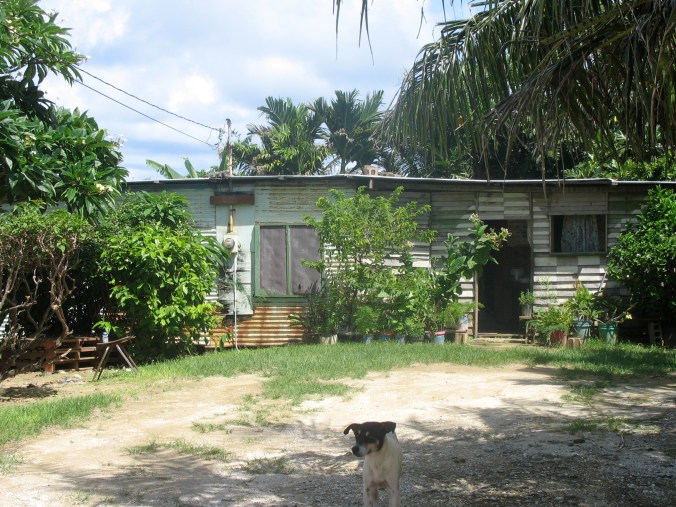
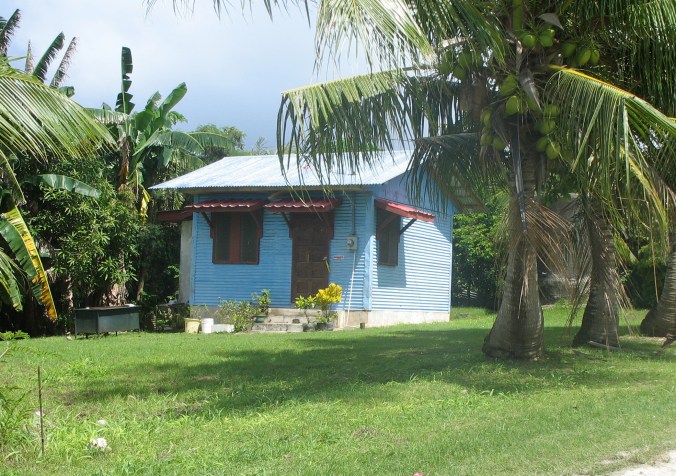
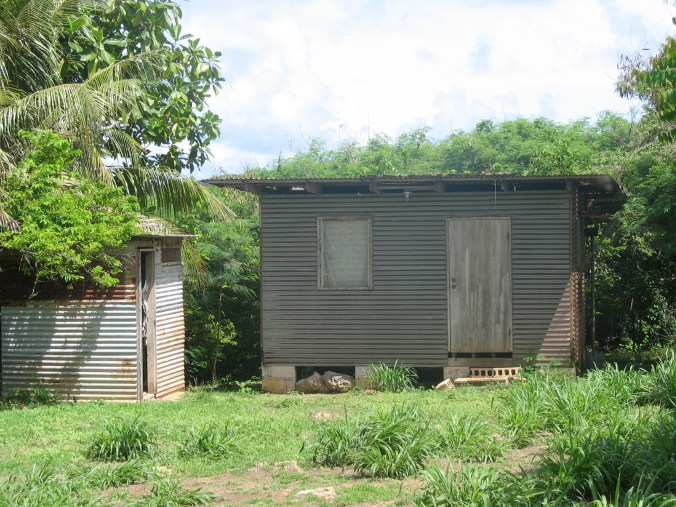
I’m not happy about the fact that there’s still snow in our forecast for the coming week, a time of year when we’re often on the golf course, but seeing what the people of Saipan have been dealing with certainly puts things into perspective in a hurry!
 Now that winter has arrived, challenging myself to wear skirts and dresses to church every Sunday has resulted in me digging much deeper into my closet. Last Sunday morning, the temperature was -10ºC (14F), a strong wind was blowing, and it was snowing. Clearly, dressing warm was a priority.


