 I had my 11th PRRT treatment on Monday and once again I’m too radioactive to be in close contact with other people. For a week following each treatment I spend most of my time at home. I sleep in the guest room, have my own bathroom, and stay at least a few feet away from Richard at all times.
There’s nothing funny about cancer and high doses of radiation, but sometimes you just have to laugh. I pose a particularly high risk to pregnant women and children, but since there’s no chance of running into any of them at our weekly senior’s bowling league, I played yesterday but sat apart from the rest of the bowlers. There were some who knew exactly why, but others who were curious. One jovial fellow, noticing that I was sitting alone, commented, “I see you’re sitting back there with all your friends!” I hope he didn’t feel bad when he found out why I was keeping my distance. I thought his comment was funny! Then there are invariably questions about whether or not I glow in the dark! (I don’t) One friend laughed and said I must be a night light! I told him that that must be the reason that I’m not allowed to sleep with Richard! The glow would keep him awake.
In all seriousness though, I have scans the morning after each treatment to determine whether or not there has been any change to my tumours. In the past, I’ve been able to sit down with a doctor immediately afterward to discuss the results, but this time was different. Dr Sandy McEwan, head of the clinical trial that I’ve been part of since 2014 and the driving force behind bringing state of the art NET cancer treatment to Edmonton, has left the program. While I’m sad for myself and the rest of his patients, I’m happy for him that he has been able to relocate to Toronto where he will be closer to family. I knew a couple of years ago when he proudly told me that he’d become a grandpa that that day might come! His departure means that there isn’t time for the remaining doctor to meet with every patient both before their treatment and after their scans. That meant that this time I came home not knowing what they showed. While I was still able to laugh yesterday, the question was there in the back of my mind. Was this the time that the news would be bad?
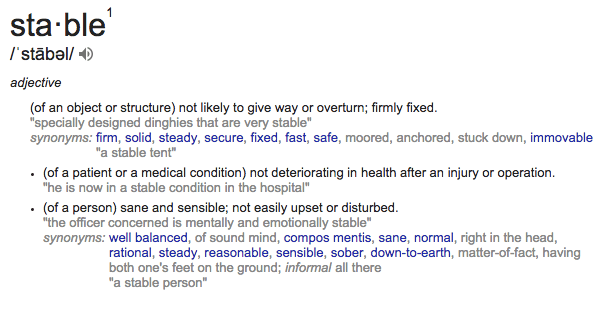
Thankfully, I wasn’t kept wondering very long. I chatted with one of the program nurses this morning and once again I heard that word that I’ve come to love; stable! There has been no change! Praise the Lord!




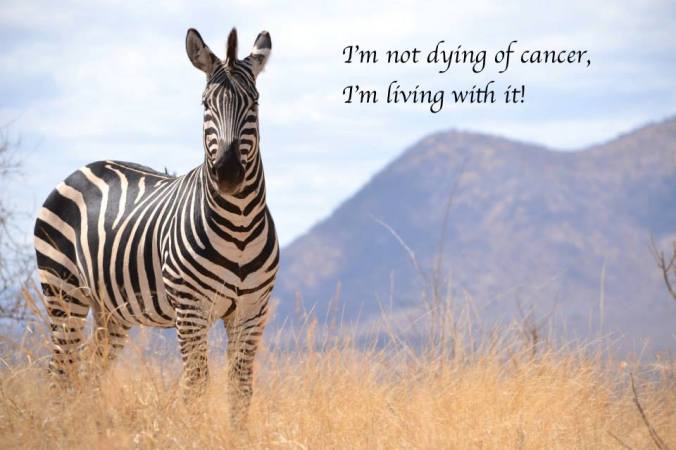
 Though we often laugh and joke about it, there’s nothing fun about being radioactive two weeks out of every year. I don’t glow in the dark and I don’t have any special powers. I simply feel tired and have to limit the time I spend in close contact with other people. It’s not that bad really, but when I sit alone and watch Sunday morning’s sermon online and when my husband is out at a social event while I’m at home alone, it’s easy to start feeling a bit sorry for myself.
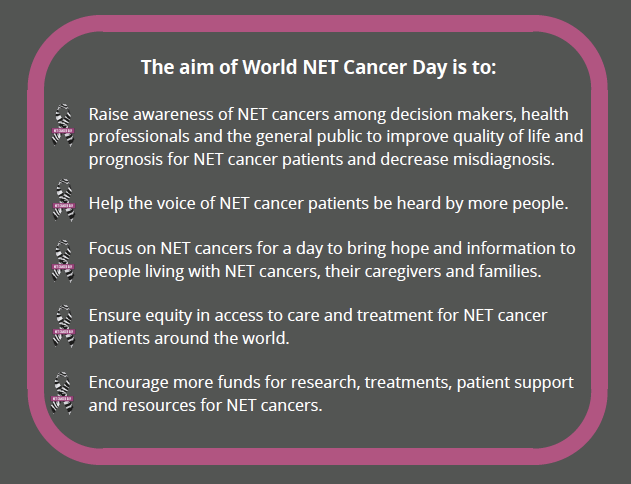
 My weekly Fashion Friday feature is taking a break today as I have something much more important to share. November 10 is World NET Cancer Day, a day set aside to raise awareness of neuroendocrine cancer, the disease that I’ve been fighting since 2013. Those of us who have been affected by NETS (neuroendocrine tumours) hope that for today our voices will rise above those of all the more well-known and prominent diagnoses. Today is our day to be heard by decision makers, health professionals and the general public. In addition to raising awareness, we want to encourage more funds for research, treatments, and patient support; and to advocate for equal access to care and treatment for NETS patients around the world.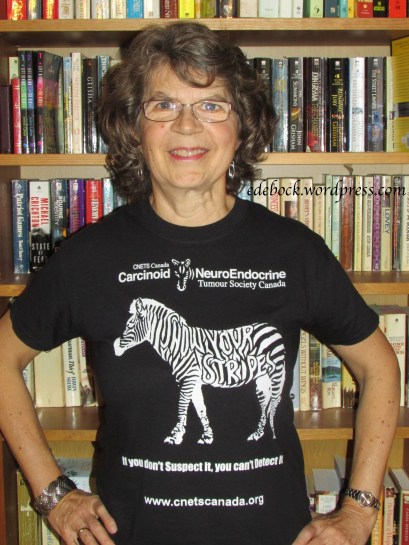

 Following Augustine