HOOFING IT again!

Once again, HOOFING IT, the annual CNETS (Canadian Neuroendocrine Tumour Society) fundraiser for NET cancer research, is up and running. Between June 1st and September 30th, 2026, the Canadian neuroendocrine cancer community will be working together to raise $60,000 to fund research grants! I wasn’t actually planning on participating this year as I really hate asking the same people for money again and again, but then I read about the recipients of last year’s grants and I was reminded just how important this campaign is. Without the research that led to the various treatments that I’ve received over the past 13 years since I was diagnosed with NETs, I probably wouldn’t be here today!

Once the shock of being diagnosed with a little known and poorly understood cancer, for which there is no cure, wore off, it became important to me to do what I could to raise awareness of the disease and to advocate for more research and greater access to improved diagnostics and treatment. I also believe that no one should have to fight cancer alone. That’s why I co-lead the Alberta NET patient support group and why I’m once again HOOFING IT to help raise funds for NET cancer research! 


In addition to raising money to fund much-needed research, the HOOFING IT campaign also encourages participants to be physically active. There is a component to the program that allows us to track a wide range of activities and to earn points for them. Some patients aren’t well enough to engage in physical activity though, so that part of HOOFING IT is entirely optional. Personally, I’m not concerned with tracking my activity or earning points. My goal is to walk or hike at least 5 days a week until the end of September and to raise a minimum of $1300, $100 for each year that I’ve been fighting this cancer.

That’s where you come in! If you’re able, I’m hoping that I can persuade you to visit my fundraising page and make a donation. Charitable donation receipts will be issued for all donations of $20 or more, but no amount is too small! Every cent that is received will be directed to neuroendocrine cancer research. We need to know what causes this disease. We need better diagnostics, more effective treatments, and ultimately, we need to find a cure!

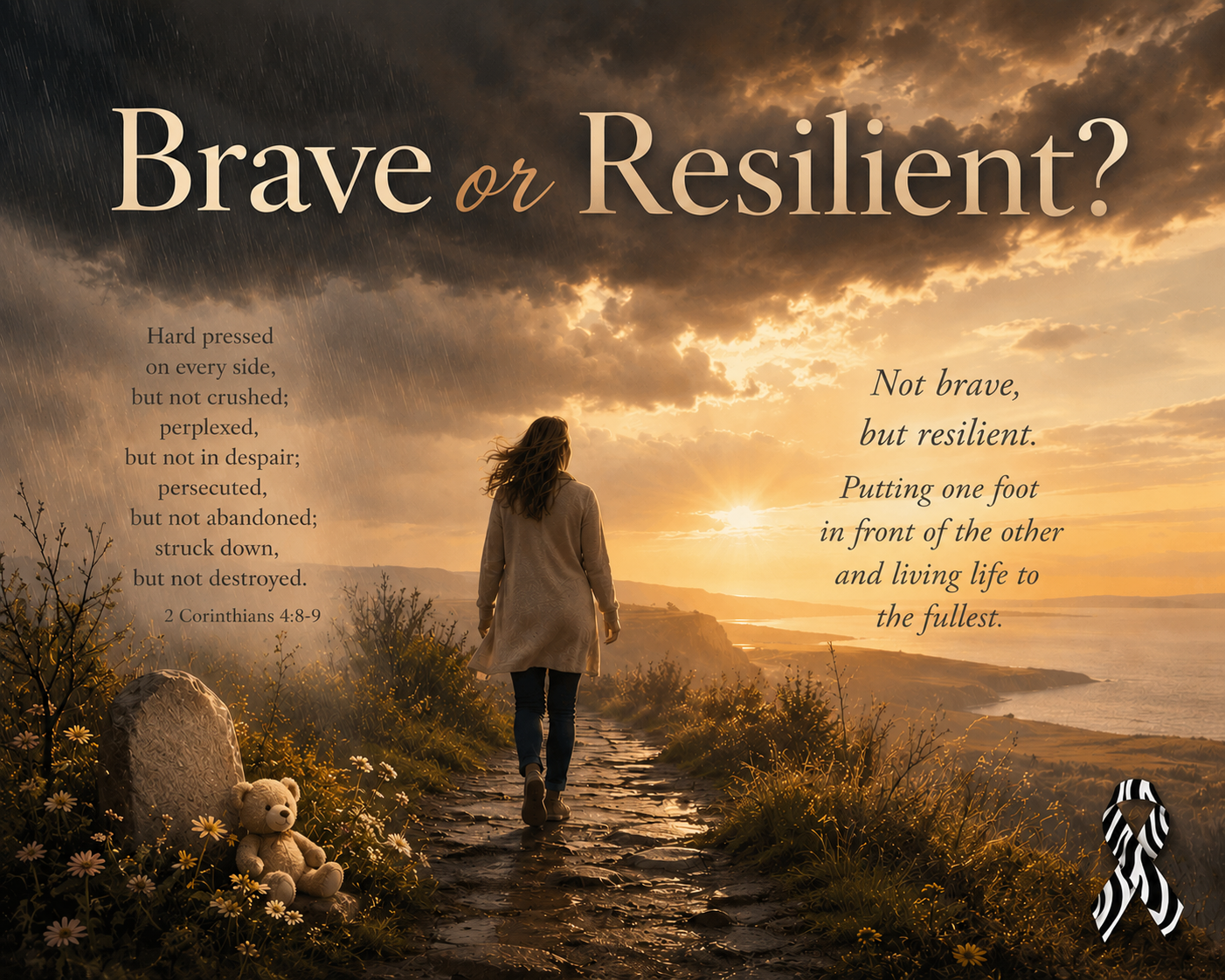
Brave or resilient?

As a cancer patient, I’ve often been told that I’m brave. I know that people mean well, but that descriptor has never sat very well with me. To me, brave is the firefighter who enters a burning building to save lives or the person who jumps into deep water to rescue someone in danger of drowning. Bravery is defined as the mental strength to face danger, fear, or difficulty. It’s often impulsive or heroic. That doesn’t describe me or my thirteen year journey with neuroendocrine cancer.

Recently, a person whose opinion I value highly told me, “You’re so resilient!” and that word rang true to me. Resilience is a long-term process best described as the ability to endure, adapt, and survive adversity and recover from difficult experiences.

Those who know me well know that I’m a self-professed word nerd. Words matter to me. For more than a decade, the word stable, as in “no evidence of new or progressive disease” which was the final line on my latest CT scan report, has been a favourite word of mine. Now resilient has become another favourite!

So, how does a person build resilience? Becoming resilient is a lifelong process, not a one-time event. Life is rarely easy for anyone. Most of us experience a variety of difficult and upsetting events and circumstances over our lifetimes and I’m certainly no exception. Long before I was diagnosed with cancer, I endured a series of other tragedies and traumas, including the loss of a preschool daughter to leukemia. In each case, I chose to keep putting one foot in front of the other and living life to the fullest extent possible. That wasn’t easy, it wasn’t brave, and I couldn’t have done it alone, but it did help prepare me for life with an incurable cancer. I learned to accept circumstances that I couldn’t change and I also learned to depend on the God who loves me and who promised to take care of me.

In 2 Corinthians 4:89, the apostle Paul, who suffered many hardships, wrote “We are hard pressed on every side, but not crushed; perplexed, but not in despair; persecuted, but not abandoned; struck down, but not destroyed.” That’s resilience!

Saying yes to the unexpected

From time to time over the years, I have experienced the joy that comes from saying yes to the unexpected. While it’s easy to stay within what’s predictable and familiar, saying yes often requires us to step out of our comfort zone and stretches us as a person.

In mid December, I received an email from the president of CNETS (the Canadian Neuroendocrine Tumour Society) asking me if I would be interested in sharing my patient story at a pharmaceutical company gathering in Kananaskis on January 20th. While I seldom give an immediate response to an unexpected request, preferring to give myself time to think about it first, I knew right away that this was something I wanted to do. Since there was nothing on our calendar to prevent me from saying yes and since we could also combine it with a weekend visit with our daughter’s family on the way, I sent off a quick reply saying yes to this unexpected opportunity. I will admit that the location in the beautiful Rocky Mountains of southwest Alberta was an added incentive!

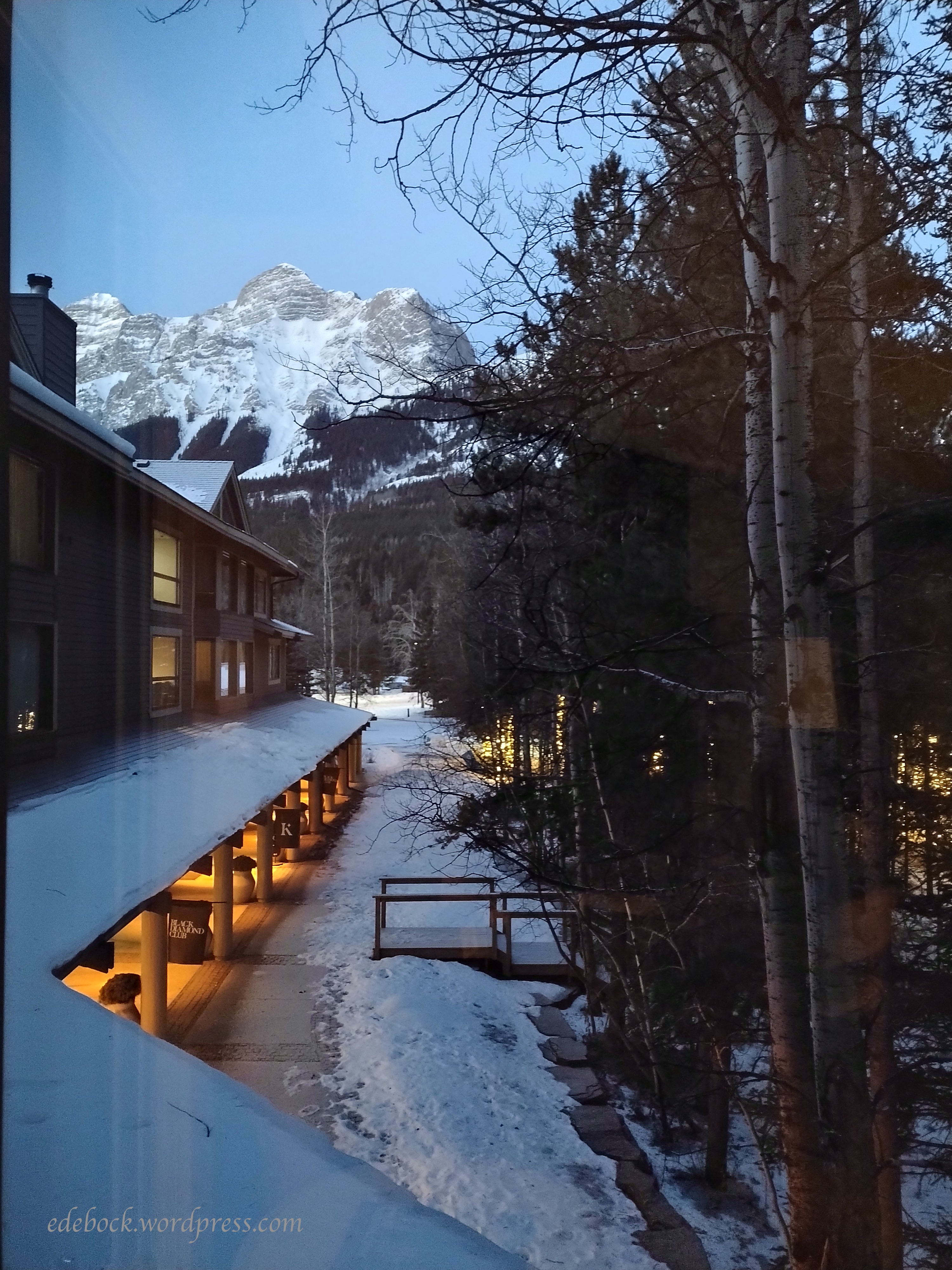
The event was held in the Black Diamond Club, an exclusive “hotel within a hotel” at the Pomeroy Kananaskis Mountain Lodge, and we were provided with one night’s luxury accommodation there. Here’s the beautiful view from the window of our room early Tuesday morning.

The group that I would be speaking to on Tuesday was made up of approximately 20 individuals from across the country plus a member of the company’s legal counsel from the US. We were invited to have dinner with them on Monday evening and by the time we’d spent a couple of very relaxing hours over a delicious meal together, I felt so comfortable with them that any nervousness I might have felt about sharing my story had completely evaporated. They have an unwritten rule that when they assemble in person they don’t discuss politics or religion, probably very wise considering the state of the world that we live in today. Instead, conversation around the table ranged from families to food to travel and a variety of other topics. After dinner, hubby and I relaxed in the outdoor hot tub before retiring for the night.

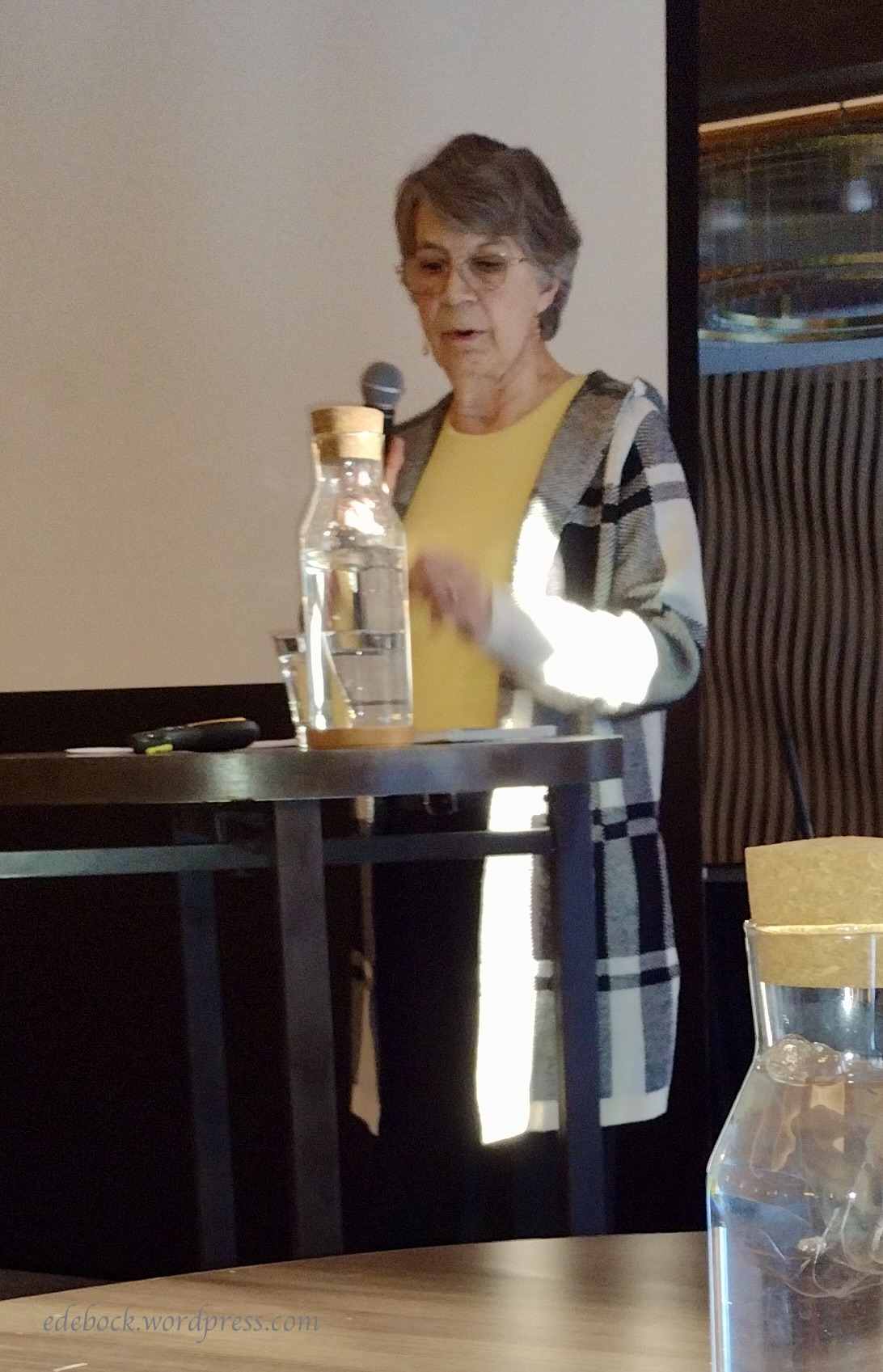
The following morning my story was very well received. As the producers of a generic version of a medication that is commonly used by neuroendocrine patients, they wanted to hear about my journey to diagnosis, my treatments, and what it has been like living with NETS (neuroendocrine cancer), as well as what tools or support services might be helpful to the NETS community. I was impressed by the fact that  they were very interested in learning about the disease from the patient’s perspective. There were audible gasps and even a few tears, but also moments of laughter as they hung on every word. My half hour talk was followed by a question and answer period during which they asked some very insightful questions and expressed their appreciation for all that I shared.

Once again, saying yes to the unexpected was a very rewarding experience and one that I’d be happy to repeat. When we take a chance and step into the unknown, we have the opportunity to make new connections, discover new strengths, and open ourselves up to unexpected rewards. I believe in embracing life and living it to the fullest, so I hope to have more opportunities to say yes to the unexpected!

The great zebra debate

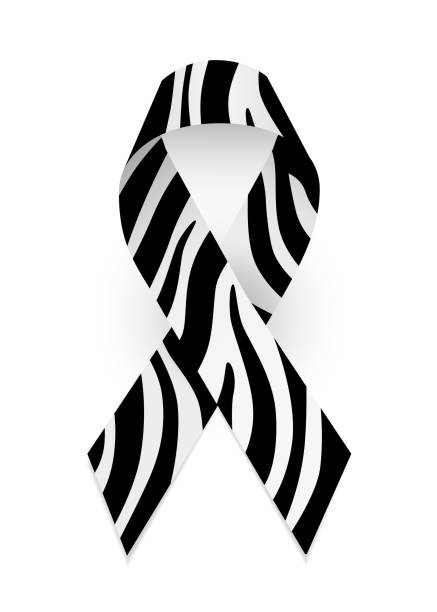
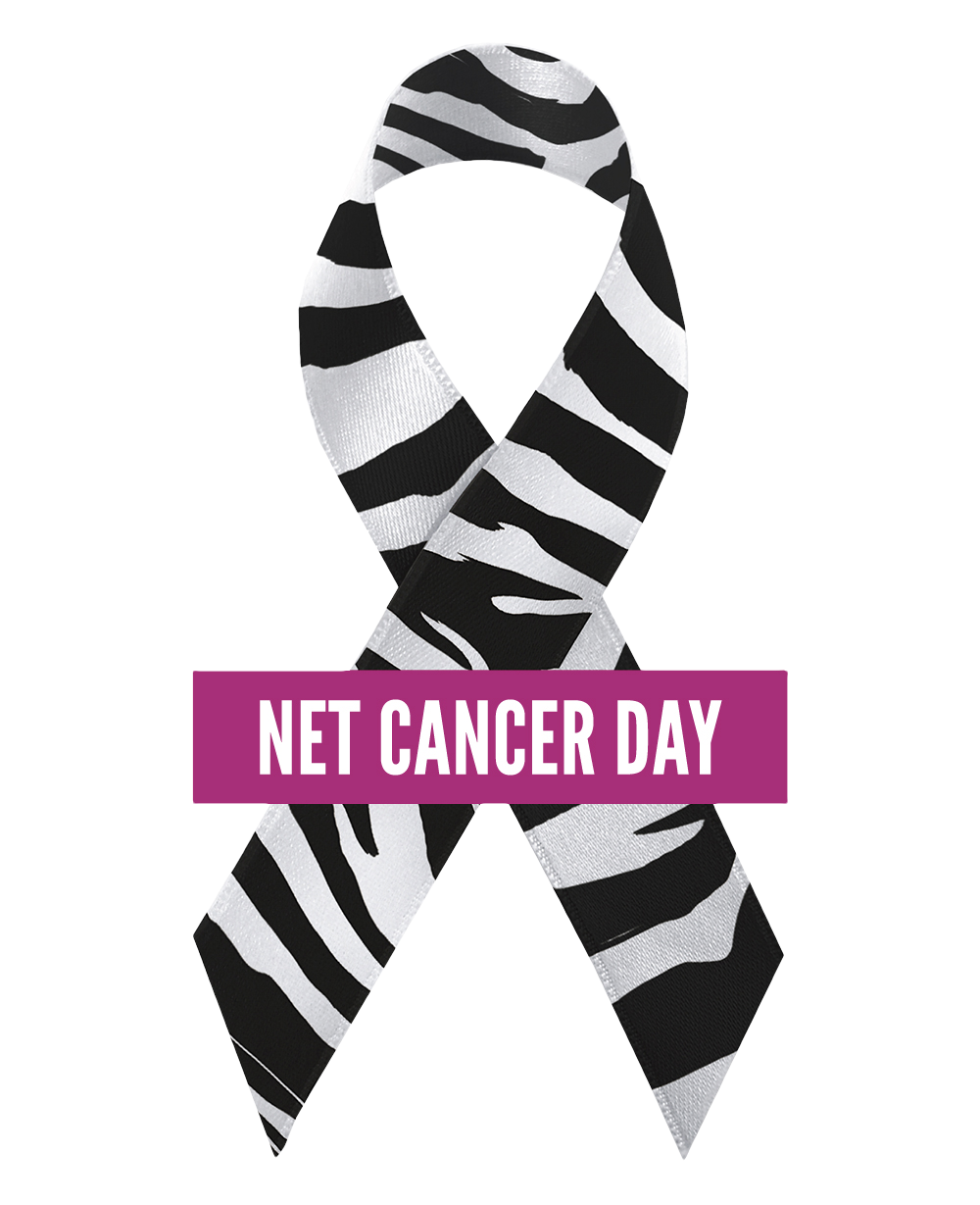
There’s a great debate in neuroendocrine cancer circles over the use of the zebra as our symbol. At one extreme are patients, usually women, who show up at meetings and conferences decked out from head to toe in zebra stripes and who refer to one another as fellow zebras. On the other side of the debate, the world’s best known and most highly revered patient advocate is so opposed to the idea that he doesn’t allow anything zebra on his social media sites. He thinks that it’s an infantile gimmick that trivializes the grave nature of our disease and that it’s actually detrimental as an awareness tool.

So, how did the zebra become our symbol in the first place? In North America, medical students are taught “when hearing hoofbeats, think of horses, not zebras.” Neuroendocrine tumours (NETS) are very difficult to diagnose. The symptoms are usually vague and similar to more common health problems. Many family doctors have never encountered a NETS patient so when they’re presented with symptoms like stomach pain and diarrhea, they naturally think of things like Irritable Bowel Syndrome, Crohn’s Disease or lactose intolerance. They think of “horses”, not “zebras”.

When it comes to the great zebra debate, I stand somewhere in the middle. I think we need to take advantage of every available opportunity to draw attention to our cause and if that includes zebra stripes, I’m fine with that. After all, branding works. For example, the pink ribbon and the colour itself have become highly recognized symbols of breast cancer. While you’ll never see me wearing zebra stripes from head to toe, partly because I think it looks silly and partly because I don’t look good in black and white, I do have a zebra striped top in cream and brown and on occasion, wearing it has led to a conversation about my cancer.

Although within weeks of learning that I had neuroendocrine cancer, I wrote a blog post entitled I’m a zebra!, I’ve now joined the ranks of those who cringe at being called that. Referring to ourselves as zebras makes it sound like we’re part of an exclusive club or a cult! Zebra refers to a diagnosis, not a person. While I have NET cancer, I am not my disease.

In my advocacy role and as a support group leader, I work with patients on both sides of the great zebra debate. I would really like to know your opinion. Do you think that symbols like the zebra and the striped ribbon can be effective in spreading awareness of a disease? Or do you think that they’re silly and make light of an important topic? Please leave a comment and let me know.

And, in closing, although it has very little to do with today’s topic, I can’t resist sharing the cover of the January 15, 1926 issue of Vogue magazine!

NET Cancer Day 2025

Once again, today is NET Cancer Day. November 10th is a day set aside to increase awareness of neuroendocrine cancer and to promote improved diagnostics, treatments, care, and research, but for those of us who live with the disease, every day is NET Cancer Day.

Here are a few alarming facts that point out why a day like today is vital:

  • Over 90% of all NET patients are incorrectly diagnosed and initially treated for the wrong disease!
  • The average time from onset of symptoms to correct diagnosis often exceeds 5 years!
  • Over 50% of NET patients are already at stage 3 or 4 when diagnosed!
  • Many primary care physicians are unfamiliar with NETS and some still falsely believe that it isn’t even cancer!

These are just some of the reasons that I have become involved in patient advocacy over the past couple of years. Once considered a rare disease, NETS has become the fastest growing class of cancer worldwide. Although the reasons for this aren’t fully understood, it’s likely due to increasing awareness and better diagnostics.

In addition to my role as a member of the CNETS (Canadian Neuroendocrine Tumour Society) Advocacy Advisory Board, I’ve become actively involved in trying to improve the patient experience in a number of other ways. I had the opportunity to participate as a patient representative in an Ipsen project to design an injection toolkit to make the experience easier for patients who are newly prescribed the medication that I receive every 28 days. Ipsen is the pharmaceutical company that produces the drug.

Also, if you’ve been reading my blog you know that I participated in this summer’s CNETS “Hoofing It” fundraiser. With the generous support of many, including some of you who read the blog, we managed to raise over $40,000 for NET cancer research here in Canada. An additional bonus for me was the fact that the “hoofing it” that I committed to as part of this initiative got me out walking almost every day. Now that the campaign is over and the weather has turned cold, daily walking has become a habit and I’ve dusted off the treadmill in the basement so that I can keep it up over the winter!

Another big opportunity came my way earlier this year when I was asked to co-lead the CNETS Alberta patient support group that meets online once a month. This really was a big step for me as I’d never been part of a support group before! Every month I hear stories from patients who were initially misdiagnosed, who feel confused or unheard, whose symptoms have been minimized or dismissed as all in their head, who feel lost trying to navigate the health care system, or who don’t know how to advocate for themselves. More than ever, I’ve come to realize how badly we need to continue raising awareness and promoting better diagnostics, treatments, care, and research. One day a year just isn’t enough!

And now, on a more personal note, you may remember that in my 12 year cancerversary post at the end of August, I mentioned the latest tumour on my liver. A week from today, on November 17th, I’ll be having a CT guided ablation to destroy it. A needle-like probe will be inserted through my abdomen and into the tumour where it will deliver microwave energy to kill the cancer. This is done as a day procedure, but I’ll be required to stay in the city overnight in case of complications. I’m not sure what the recovery will entail, but hopefully I’ll be back on the treadmill before long!


My 12 year cancerversary!

Yesterday was my 12th cancerversary. Twelve years have passed since I heard those dreadful words, “It’s cancer and it has already spread.” At the time, that sounded like a death sentence, but two weeks later we learned that I have neuroendocrine cancer (NETS) which, while not curable, can be treated and usually grows more slowly than most other cancers.

One of the things that I learned early on was how important it is for patients to advocate for themselves. Last Friday proved that point. When I saw my oncologist in mid July to discuss the results of my latest CT scan which showed that a small tumour on my liver had started to grow, he referred me back to the interventional radiology specialist who did my radioembolization in March of last year. He expected that I would hear something within a couple of weeks, but when we returned from our recent trip, more than a month had passed and I’d heard nothing. On Friday morning, I called and left a message asking for confirmation that the referral had been received and, if possible, an update on what was happening. In less than half an hour, I had an appointment to see the doctor during her noon hour on Monday! I can’t help wondering how long I would have had to wait if I hadn’t called.

We actually had to wait quite awhile to see the doctor on Monday because she was tied up in a procedure that took much longer than expected. When we finally got in, she did an ultrasound and wasn’t able to find the tumour. Unfortunately, that doesn’t mean that it isn’t there. It simply means that it’s in a location that isn’t easy to see. After discussing the fact that the tumour is quite small and that I don’t have any symptoms, we decided on a tentative treatment plan, but we aren’t actually going to do anything until after my next CT scan on September 26. This battle is really a balancing act. We don’t want to treat too soon because that can limit what we might be able to do in the future, but we also don’t want to wait too long and let the tumour get too large.

After twelve years of living with this, I’ve become much more comfortable with waiting. Rather than worrying about what might or might not be happening inside me or about what the future might hold, I’m simply going to go on living my best life right now!

Image: Surya Ali Zaidan

If you would like to help, I’m still fundraising for neuroendocrine cancer research. Click here to visit my fundraising page. Although I’m nearing my $1200 goal ($100 for each of the 12 years that I’ve been fighting this disease) the campaign is still far short of what we need to fund research grants for the coming year. We could really use your help!

No one fights cancer alone

My cancer is on the move again and so am I. It’s been 5 years since I last participated in the annual CNETS (Canadian Neuroendocrine Tumour Society) Hoofing It fundraiser and I’m late to the party this year, but I’ve decided to get involved again.

It’s been 12 years since I was diagnosed with stage 4 neuroendocrine cancer (NETs). Once the shock of learning that I had a cancer that I’d never heard of and that I’d be living with it for the rest of my life wore off, it became important to me to do what I could to help raise awareness of this little known disease and to support fundraising efforts for research, better treatments, and patient support. If it wasn’t for the research that organizations like CNETS fund, I probably wouldn’t be here today, so this is definitely something that’s very close to my heart!

I don’t think I’ve mentioned it on the blog before, but several months ago I became co-lead of the CNETS Alberta Patient Support Group that meets online once a month. Every month I hear from patients and caregivers whose lives have been turned upside down by this disease. Some are newly diagnosed and looking for answers. Others have been battling this for longer than I have and some are ready to give up hope.

After 16 months of stability following the radioembolization treatment that I had in March of last year, my cancer is growing again. Another tumour on my liver has started to increase in size and I’m waiting to find out how we’re going to treat it. At this point, my other tumours continue to remain stable and the cancer hasn’t spread to any new locations, but this is definitely beginning to feel a bit like a game of Whack-a-Mole! We haven’t exhausted all the possible treatment options yet, but this new development has reminded me how important it is that research into new treatments continues to move forward.

In past Hoofing It fundraisers, participants kept track of how many kilometres they walked, hiked, biked, or paddled, but not all patients are physically capable of doing those things. This year points are being assigned for a wider variety of physical activities. I’m not concerned about earning points though. My goal is simply to walk or hike at least 5 days a week until the end of September & to raise a minimum of $1200.

The walking part is easy. I was already doing that before we went to Europe, but since arriving home last month, I’ve been a bit lazy. Hopefully participating in this endeavour will provide the motivation I need to keep moving.

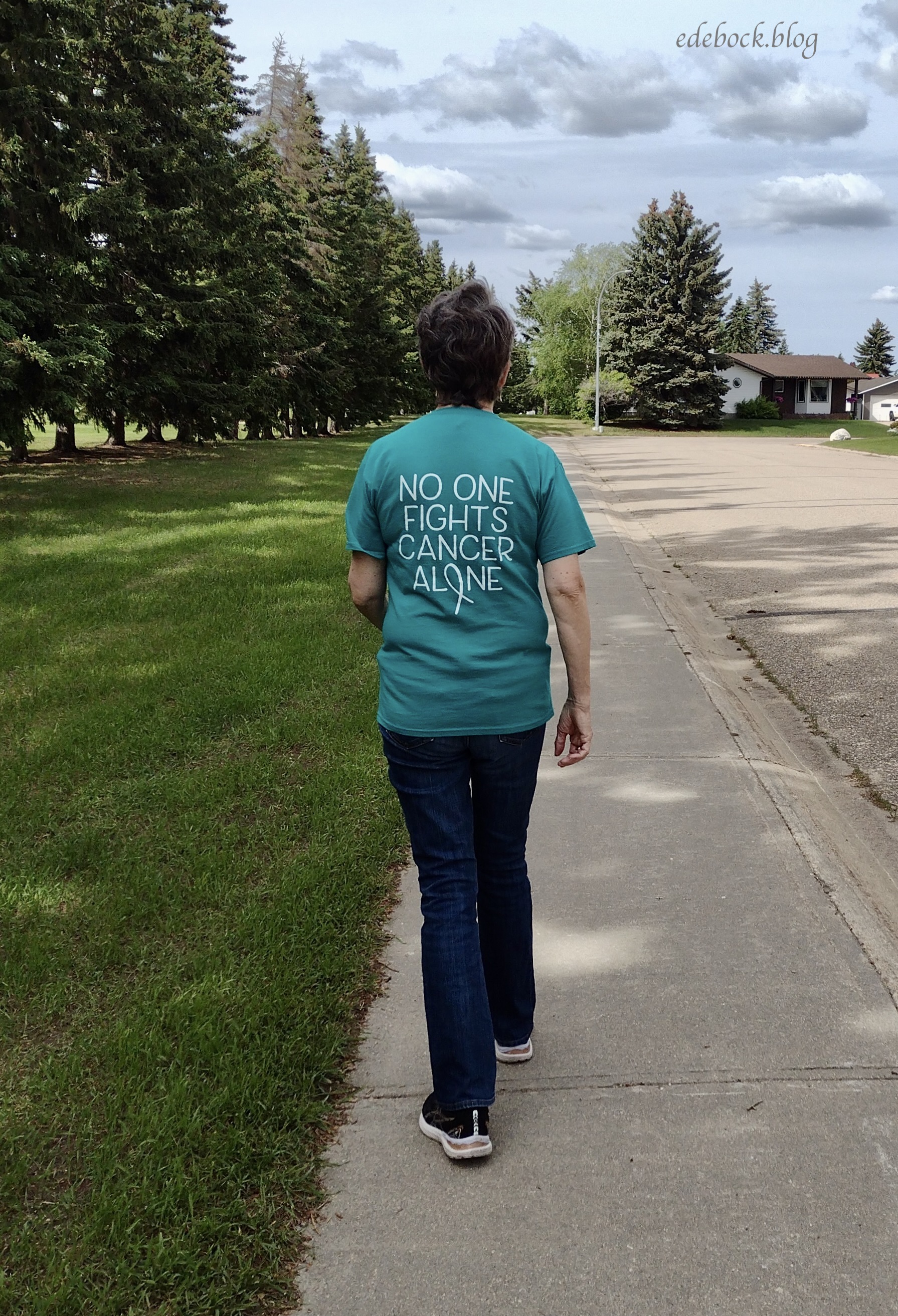
The $1200 is where you come in! As my new t-shirt says, no one fights cancer alone. I’m hoping that I can persuade you to visit my fundraising page here and make a donation. No amount is too small! Every cent received by CNETS during this campaign will go directly to neuroendocrine cancer research. We need to know what causes this disease, we need more and better treatments, and we need to find a cure!

Celebrating wellness

In 2021, Alberta Blue Cross launched the Faces of Wellness program to celebrate Albertans who are champions of wellness in their communities whether by making positive lifestyle changes, promoting a health-related cause, making the most of life while living with a chronic condition, standing up for mental health, or being a role model for others. I was completely unaware of the program until early last fall when I saw a post about how to apply or nominate someone else for the 2024 award. The deadline to enter hadn’t passed yet, so I thought “why not?” It would be another opportunity to educate someone about neuroendocrine cancer even if it was only the contest judges.

The application process involved writing a detailed story outlining the individual’s wellness experience, how they embraced the courage to overcome, and examples of how they live a life of wellness and regularly encourage others to do the same. I wasn’t sure how I could accomplish all that in the limited space that was allowed, but after writing a longer version and then seriously editing it, this is what I came up with.

Eleven years ago, I was diagnosed with stage 4 neuroendocrine cancer (NET), a disease that even my family doctor had never heard of. For several years, I had been experiencing symptoms similar to those of several more common conditions and my slow-growing cancer was initially misdiagnosed as gastritis.

My cancer isn’t curable, but ongoing treatment keeps it from growing and spreading. Since my NET diagnosis, routine scans detected 2 unrelated cancers which were removed surgically. More recently, I was also diagnosed with type 2 diabetes.

In spite of all this, I am thriving! I’m not dying of cancer, I’m living with it. Wellness is about more than physical health. Spiritual, emotional, and social well-being are equally important. I have a strong faith and supportive family and friends who make the journey easier. A positive attitude won’t cure my cancer, but it certainly makes living with it easier.

Maintaining wellness involves actively practicing healthy habits. Eating well and being physically active are vital. I’m almost 72, but I exercise 5 days a week and love nothing more than paddling my kayak, going for a hike, or playing a round of golf.

From the beginning of my NET journey, it has been my mission to educate people in my community and elsewhere about the disease. I’m actively involved in patient advocacy as a member of the Advocacy Advisory Board to the Canadian Neuroendocrine Tumour Society. I’m involved in initiatives to try to make the patient experience better for all of us including those who have not yet been diagnosed. It’s not uncommon for people to experience symptoms for 5 to 7 years before receiving a correct diagnosis. That needs to change! Neuroendocrine cancer is the fastest growing class of cancer worldwide, but it’s not well-known in the medical world. That, too, needs to change! I’m passionate about making a difference by being a voice for change.

I sent off my submission and hardly gave it another thought until sometime in December when I received an email informing me that I had been chosen as a runner-up and would be receiving a $25 Atmosphere gift card in the mail once the Canadian postal strike came to an end. Apparently this is a face of wellness!

And so now, for those of you who have been following my wellness journey, an update. February was a month of tests, scans, and appointments. I was supposed to meet with my specialist on Wednesday to discuss the results of many of those tests including a CT scan that was done the week before. That appointment had to be postponed, however, because the scan results weren’t available yet and let me tell you, scanxiety (scan + anxiety) is real! I had already seen the results of the other tests online and most of them were good, but there was one that concerned me and made me wonder if the cancer was beginning to grow or spread again. Thankfully, the scan results finally showed up online at 10 o’clock last night! While I don’t understand all of the medical jargon and will have to wait for the specialist to interpret some of it, the final statement was clear, “No evidence of progressive disease from November.” In other words, nothing has changed since my last scan three months ago!

Over the past month, I’ve also learned that my A1C (3 month blood sugar level) continues to be stable (with medication), my blood pressure is excellent (also with medication), and my bone density has not deteriorated over the past two years. This is all very good news and, in spite of having cancer, I’m feeling pretty blessed to be a face of wellness!

World Cancer Day 2025: United by Unique

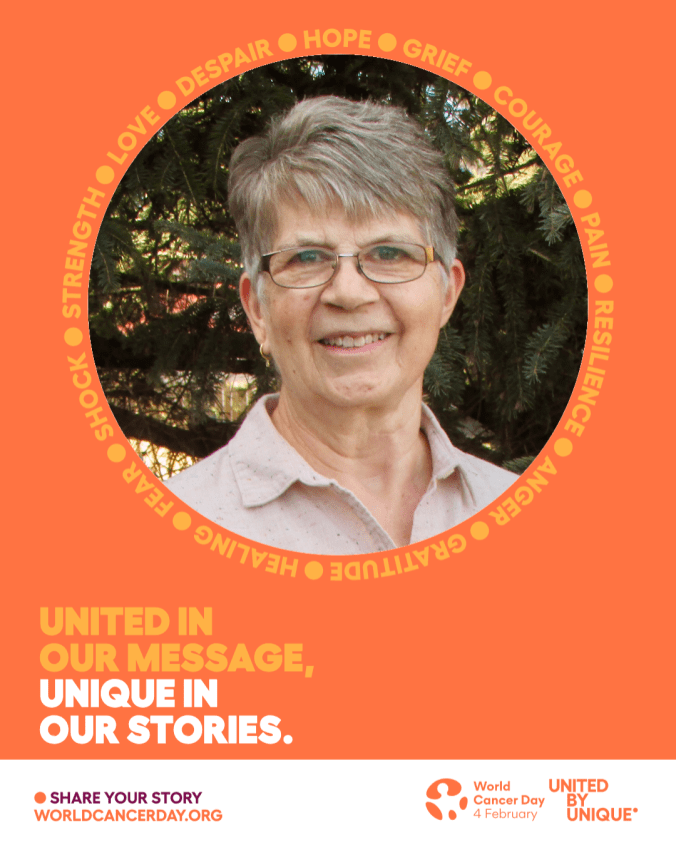
February 4 is World Cancer Day. There are more than 200 different kinds of cancer and every patient’s experience is different. That’s why the new World Cancer Day theme, United by Unique, resonates so strongly with me. While each of our stories is unique, we are united in our message and in our desire to raise awareness and see progress made in fighting this dreadful disease. 

The emphasis of the 3-year United by Unique campaign that kicks off today will be people-centred care. Behind every diagnosis lies a unique human story. These are stories of grief, pain, healing, resilience, love and so much more. A people-centred approach to care that listens to patients’ stories and fully responds to each individual’s unique needs with compassion and empathy will lead to the best possible outcomes.  

People living with cancer don’t always feel heard, seen, or understood. They are often bewildered, feeling isolated and voiceless at a time when they’re also learning to navigate an unfamiliar and confusing health care system and dealing with the emotional highs and lows of cancer diagnosis, treatment, or recovery. That’s why the first year of this campaign will focus on telling our unique stories.

I feel very fortunate to receive my cancer care at the Cross Cancer Institute in Edmonton, Alberta, Canada, a facility where it is common practice to look beyond the patient to the person as a whole and to consider the impact of their cancer on all aspects of their life. When I go for appointments, I’m routinely handed a clipboard with a questionnaire that delves into not only the physical symptoms that I might be experiencing, but also the psychosocial ones. The CCI offers a wide range of supportive services that go far beyond the patient’s physical well-being. The health care team there includes professionals in psychology, social work, spiritual care, nursing, and psychiatry and available services include individual, couple, and family counselling; professionally-led support groups; and practical supports for financial and other basic needs. While the need for these supports has not been part of my unique story thus far, I’m glad to know that they’re available should I ever need them and I wish that that was true for patients everywhere.  

I have been invited to share my unique patient story at a Canadian Neuroendocrine Tumour Society (CNETS) conference in May. The big challenge is going to be condensing the approximately 20 years from initial symptoms to present day into a 10 minute talk that educates, encourages, and inspires those in attendance, especially those who are in the early days of their journey and who need to know that it’s possible to live long and live well in spite of their diagnosis. 

United in our goals, unique in our needs.

How to look put together every day

logo-by-samIt’s late in the day and I still haven’t written today’s Fashion Friday post, so this is going to be a quick one. We spent two days in the city this week attending medical appointments so that’s my excuse for not being better prepared. The good news is that the lab work and CT scans that I’ve had done over the past couple of weeks showed that my cancer is stable! That’s a word that I wasn’t sure I was ever going to hear again, so of course, I’m delighted. We’ll redo all the tests in three months time, but for now I can put that on the back burner and get on with other things.

We may not always feel as if we have it all together, but we can always look as though we do and how we look affects how we feel. Today I’m going to share 14 tips on how to look put together every single day regardless of age or occasion.

  1. Start by taking care of yourself. Regular exercise, a healthy diet, and adequate sleep go a long way toward looking and feeling your best.
  2. Get a good, low maintenance haircut.
  3. Good grooming is key. Develop a good skin care routine, make sure your hair is neat and clean, practice good dental hygiene, and don’t neglect nail care.
  4. Make sure your clothes are clean.
  5. Don’t wear wrinkled clothes (with the exception of linen which is supposed to be wrinkled). You might want to invest in a hand-held steamer for quick touch ups.
  6. Ensure that your clothing fits well.
  7. Invest in good basics. Shop within your means, but buy the best quality that you can afford.
  8. Use a fabric shaver to remove pilling from knitwear.
  9. Find the colour palette that works best for you.
  10. Make sure your footwear is clean and in good condition.
  11. Accessorize, but don’t overdo.
  12. Use makeup strategically. Again, don’t overdo.
  13. Practice good posture.
  14. And finally, wear a smile!

These tips might seem obvious, but you don’t have to look far to see women who ignore them, especially at this busy, sometimes frenzied time of year. Do you have any other tips to add to the list?