Winnipeg walk

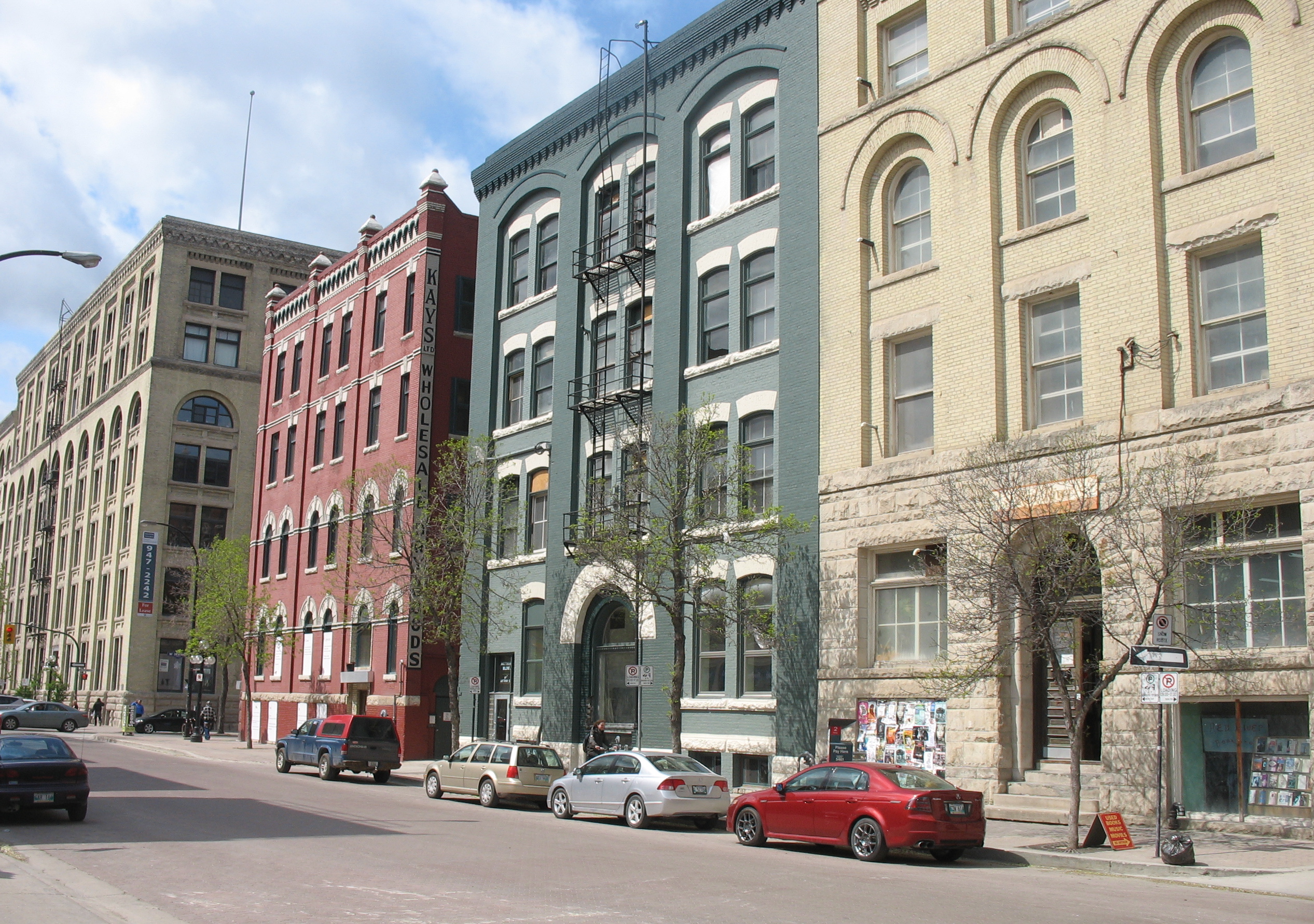
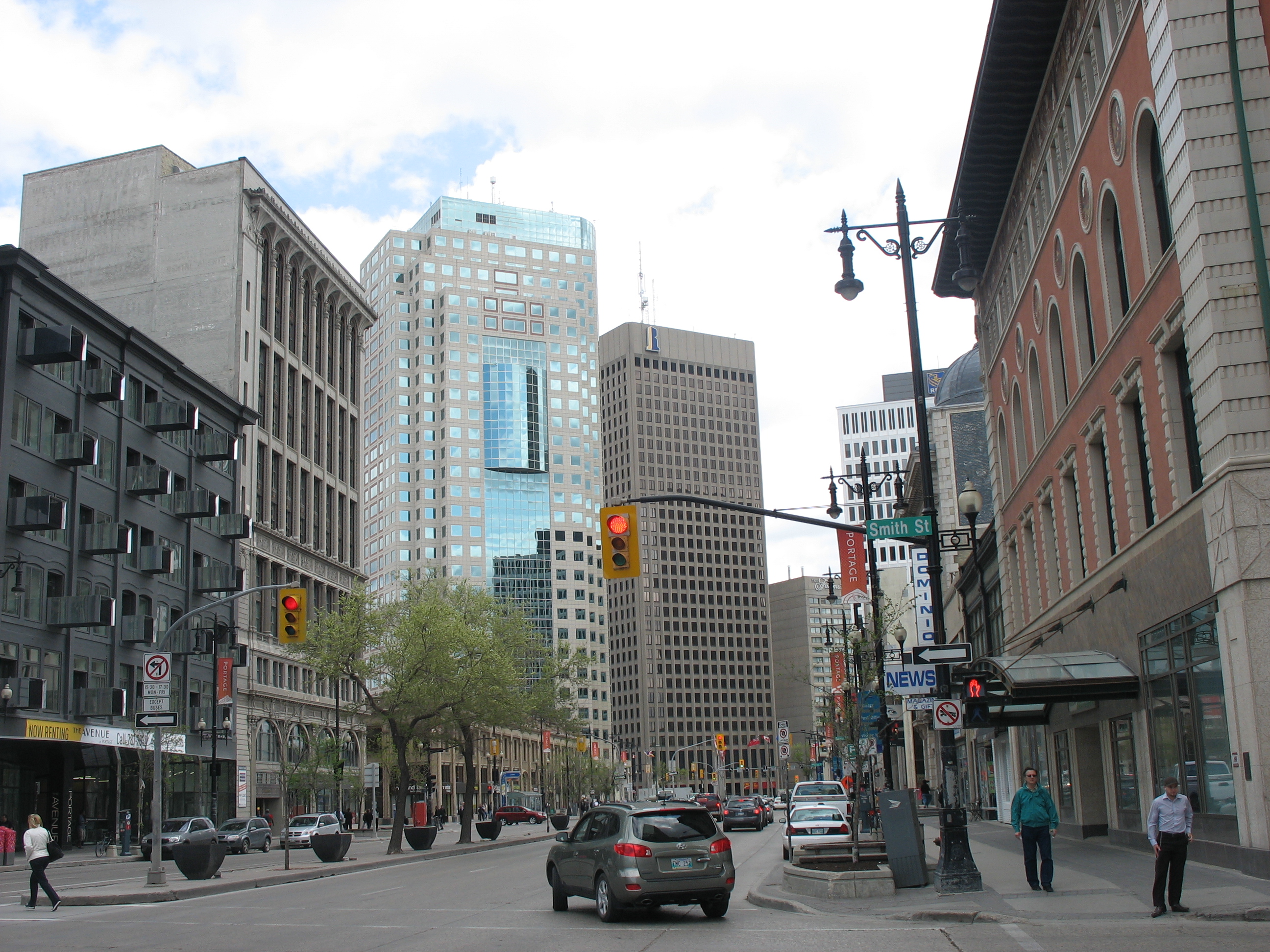
While Chrissy attended her first tae kwon do class this morning, I spent a couple of hours exploring downtown Winnipeg with my camera in hand. Located at the confluence of the Red and Assinboine Rivers, Winnipeg is the capital city of Manitoba and Canada’s seventh largest municipality.

The farther east one travels in Canada, the more history there is to be found. French traders built a fort here in 1738. The City of Winnipeg was incorporated 35 years later, long before anyone settled the area of Alberta that we call home.

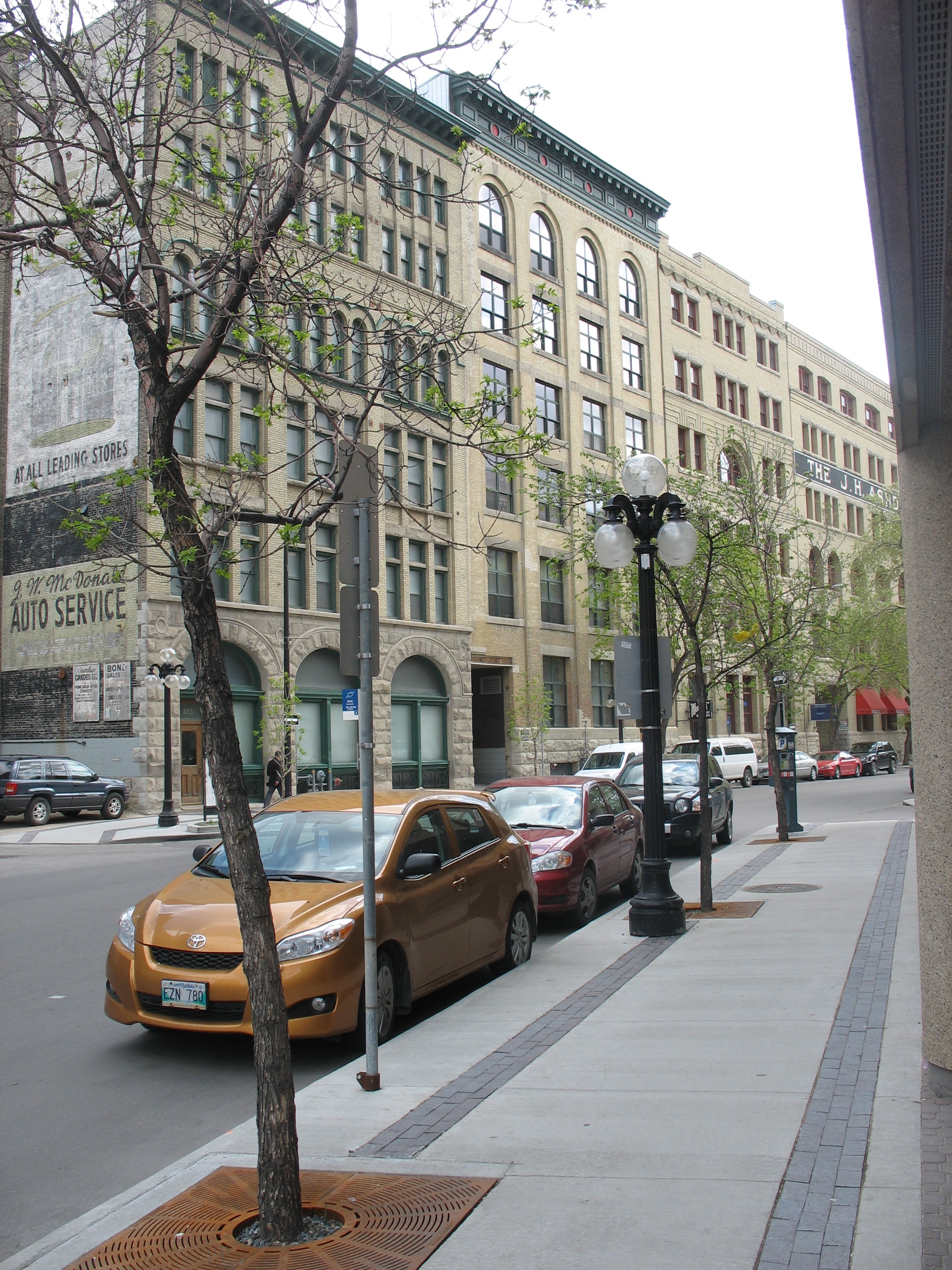
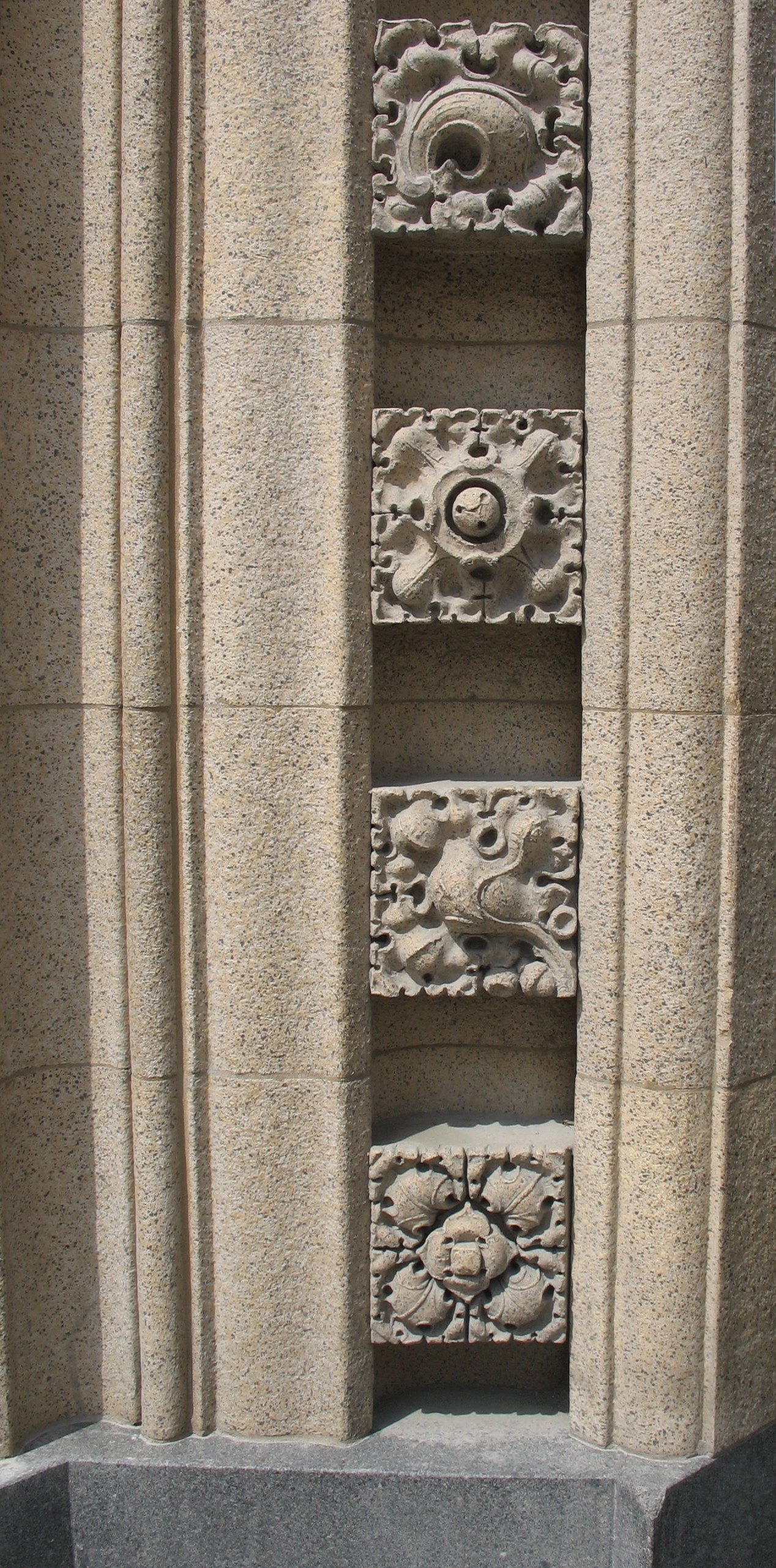
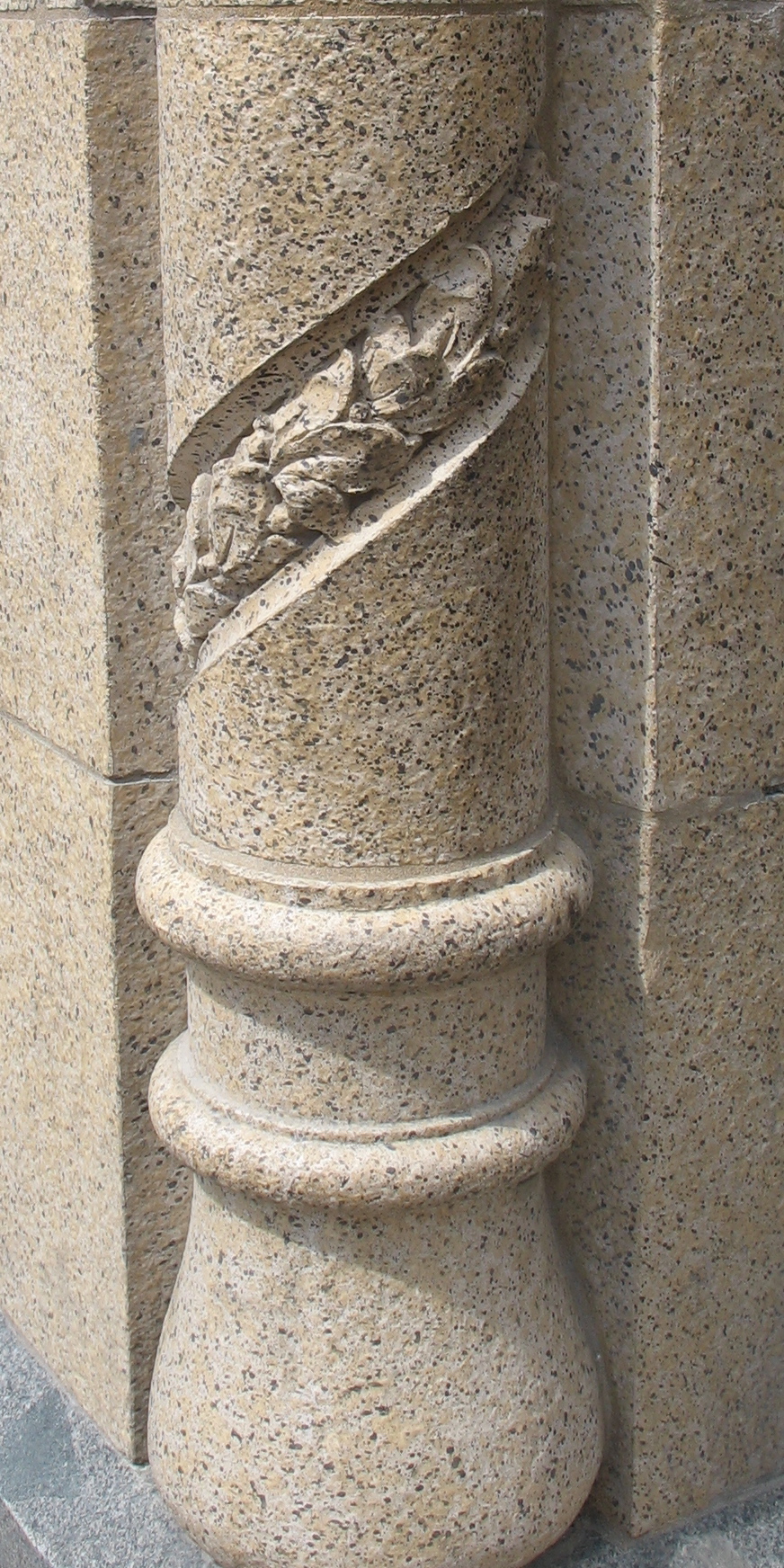
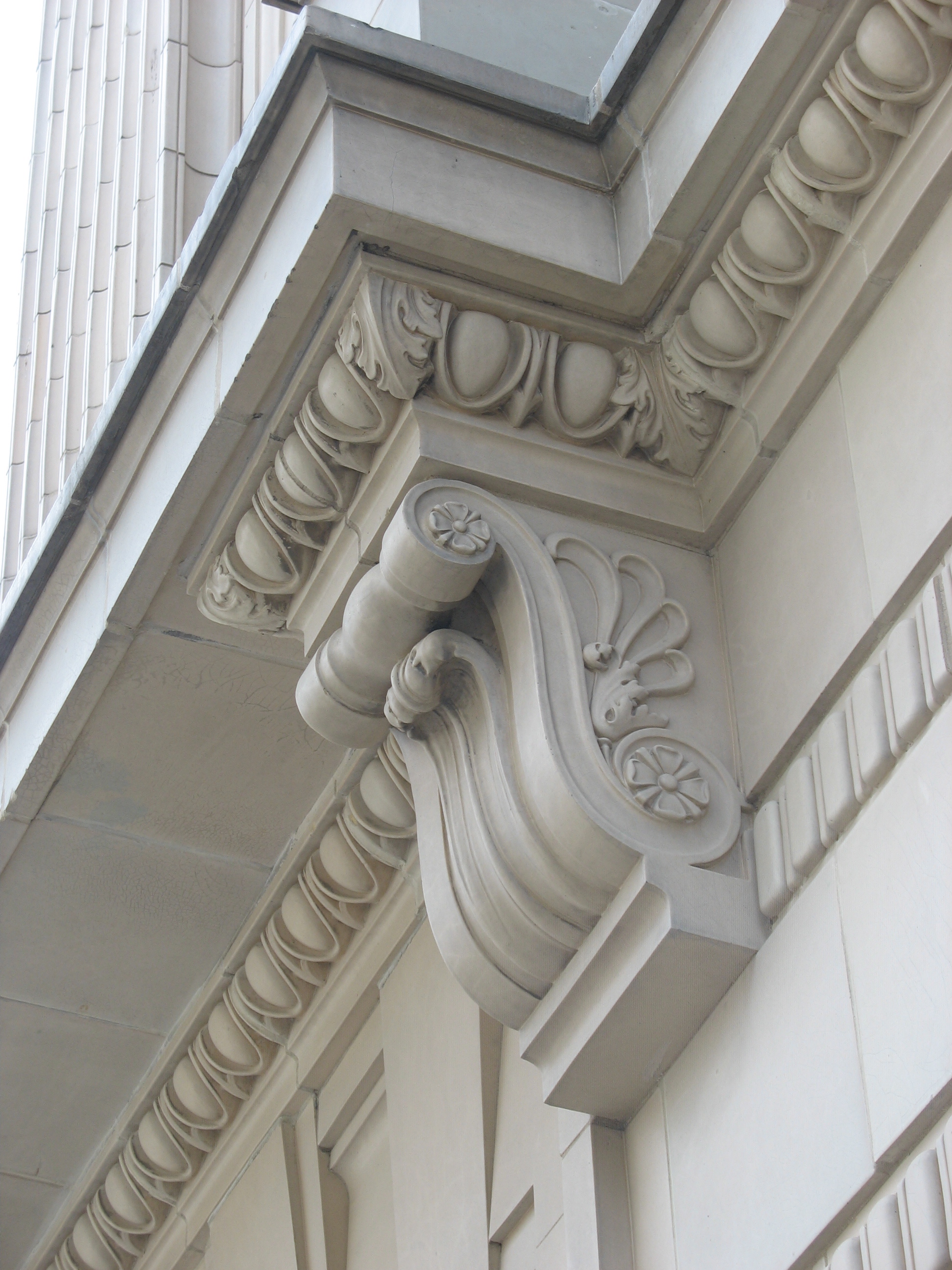
My favourite part of this morning’s walk took me through the Exchange District National Historic Site, one of North America’s most colourful and cosmopolitan neighbourhoods. Home to the city’s arts district as well as fine cultural, dining and retail establishments, it showcases North America’s most extensive collection of turn-of-the-twentieth-century architecture.

Portage and Main, at the heart of downtown Winnipeg, is perhaps the most famous street corner in Canada. The hub of some of the city’s main transportation routes, it was once the centre of western Canada’s banking industry. The stately Bank of Monteal building, constructed in 1877, stands guard over the intersection.
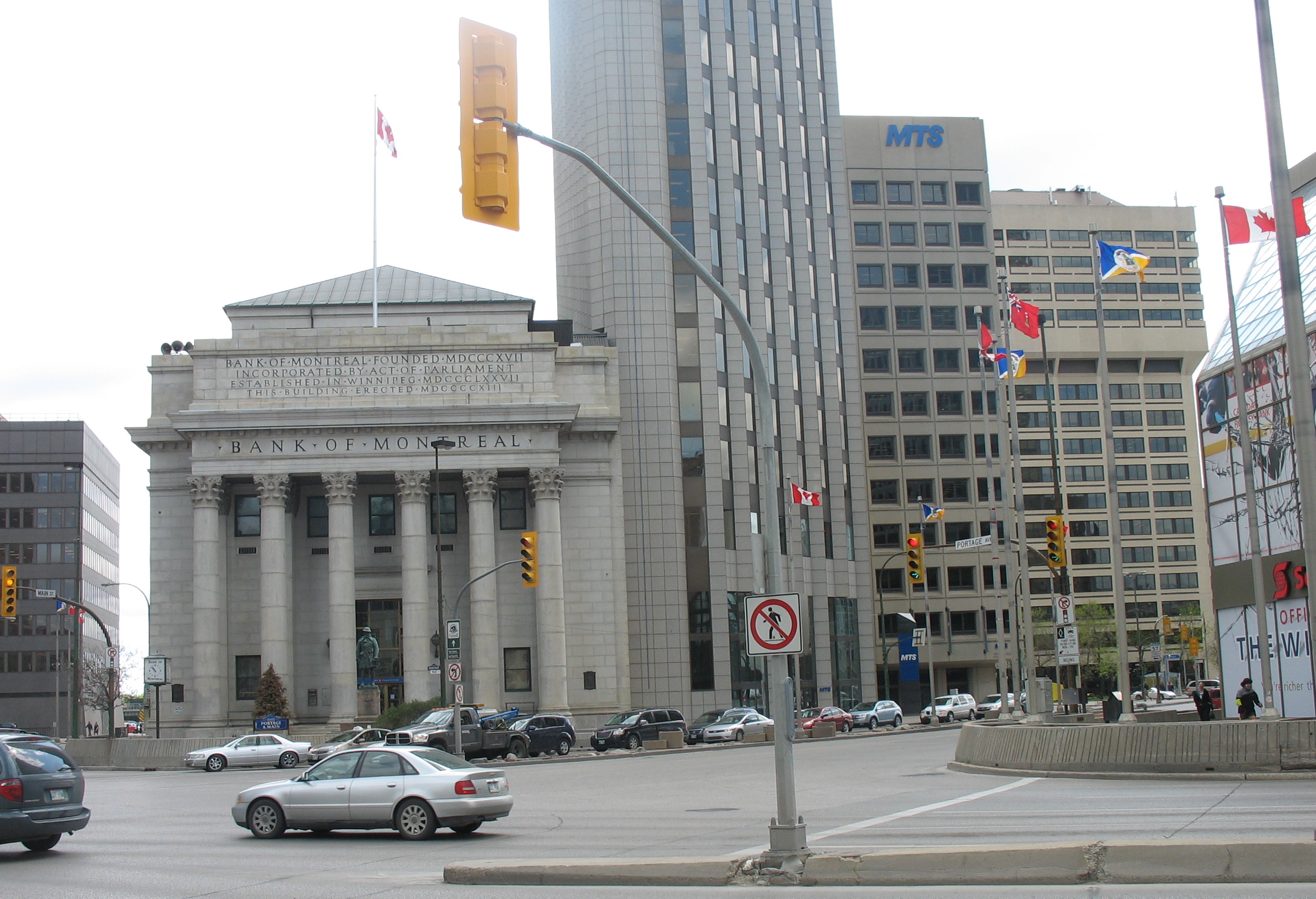
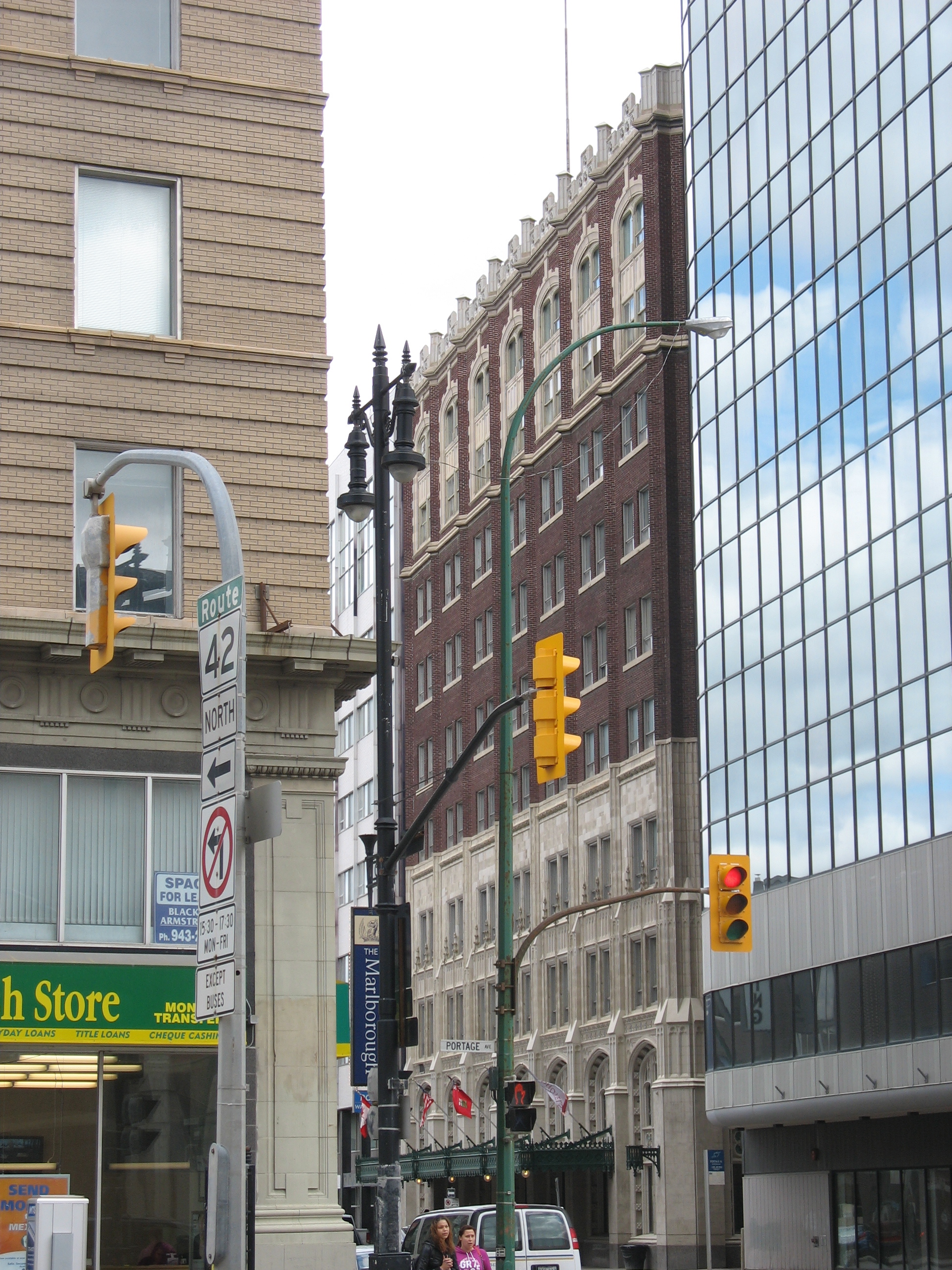
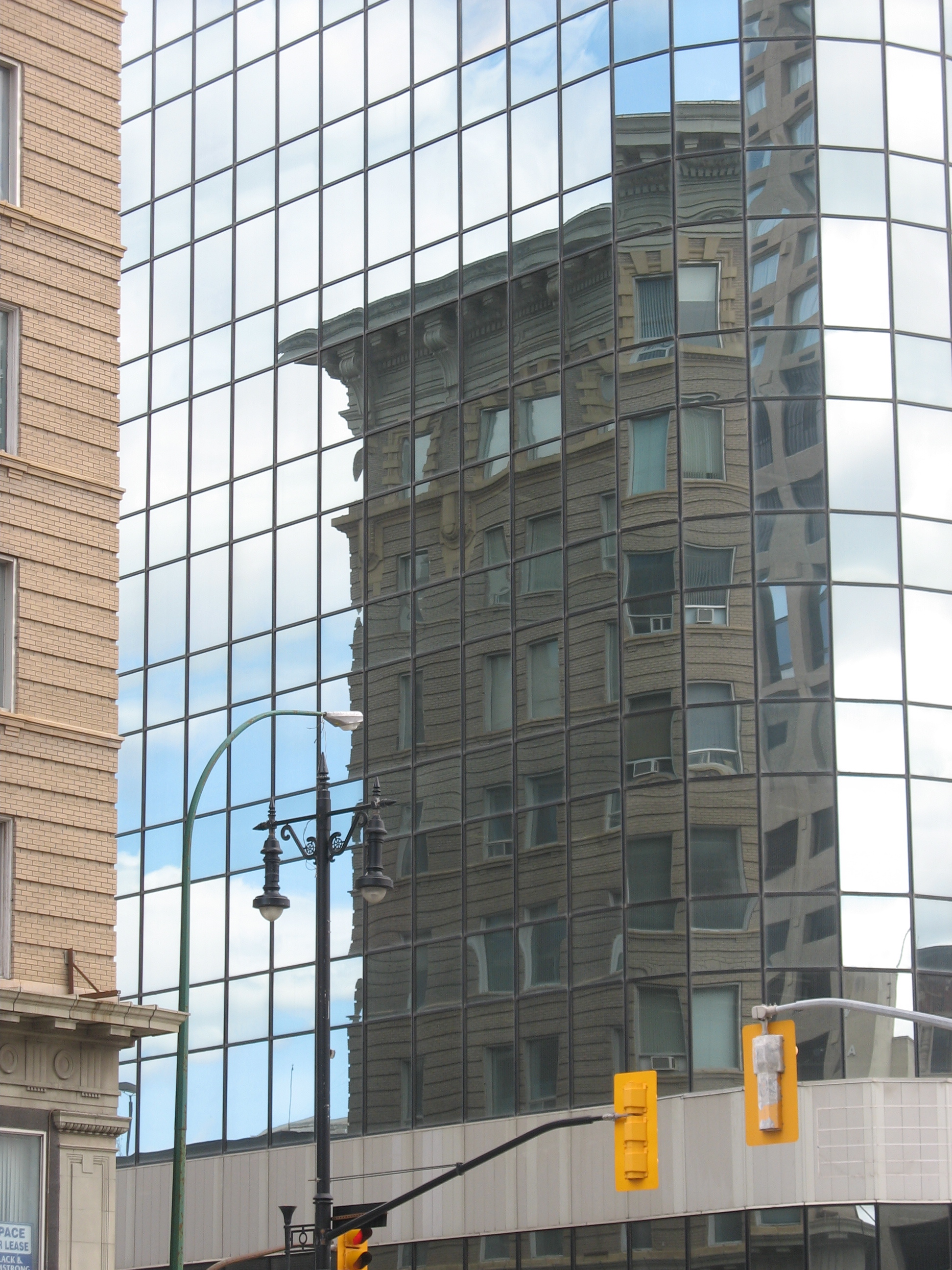
I love the mixture of old architecture and new that I found as I walked Portage Avenue.

Reflections

There are so many photos that I’d love to share with you but here are just a few more.

            
Winnipeg may not be one of Canada’s prime tourist destinations, in fact it was the butt of a well-known and rather humourous 2005 Fountain Tire television ad, but it’s definitely worth a visit.

More pieces of the past

The Alberta prairie is crisscrossed with roads, many of them only a couple of miles apart. After living here for almost 36 years, there are many of them that we’ve never traversed but over the past few days searching for geocaches has taken us down several new ones. We found three more caches yesterday but it’s the pieces of the past that we keep finding that intrigue me even more.

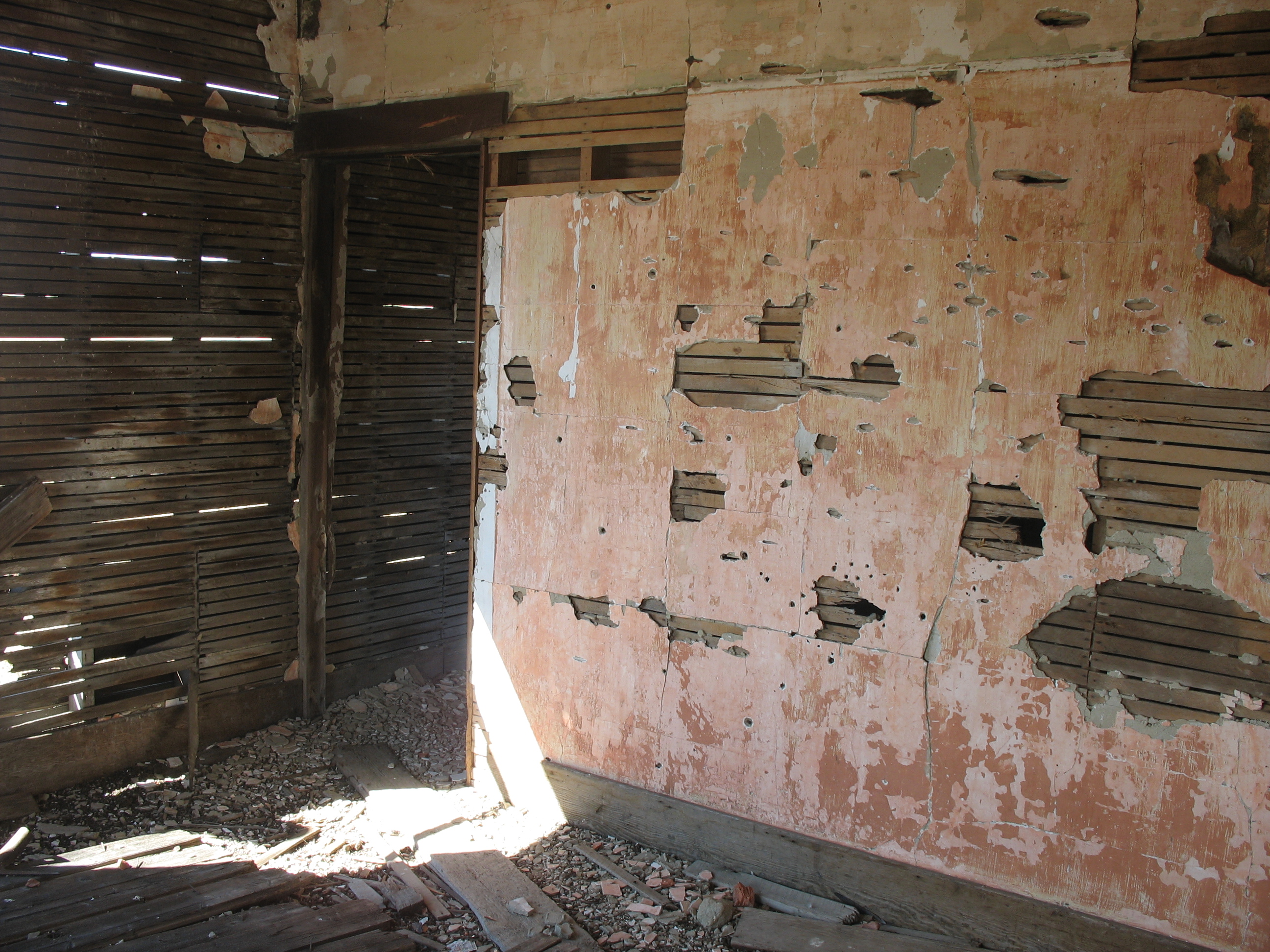
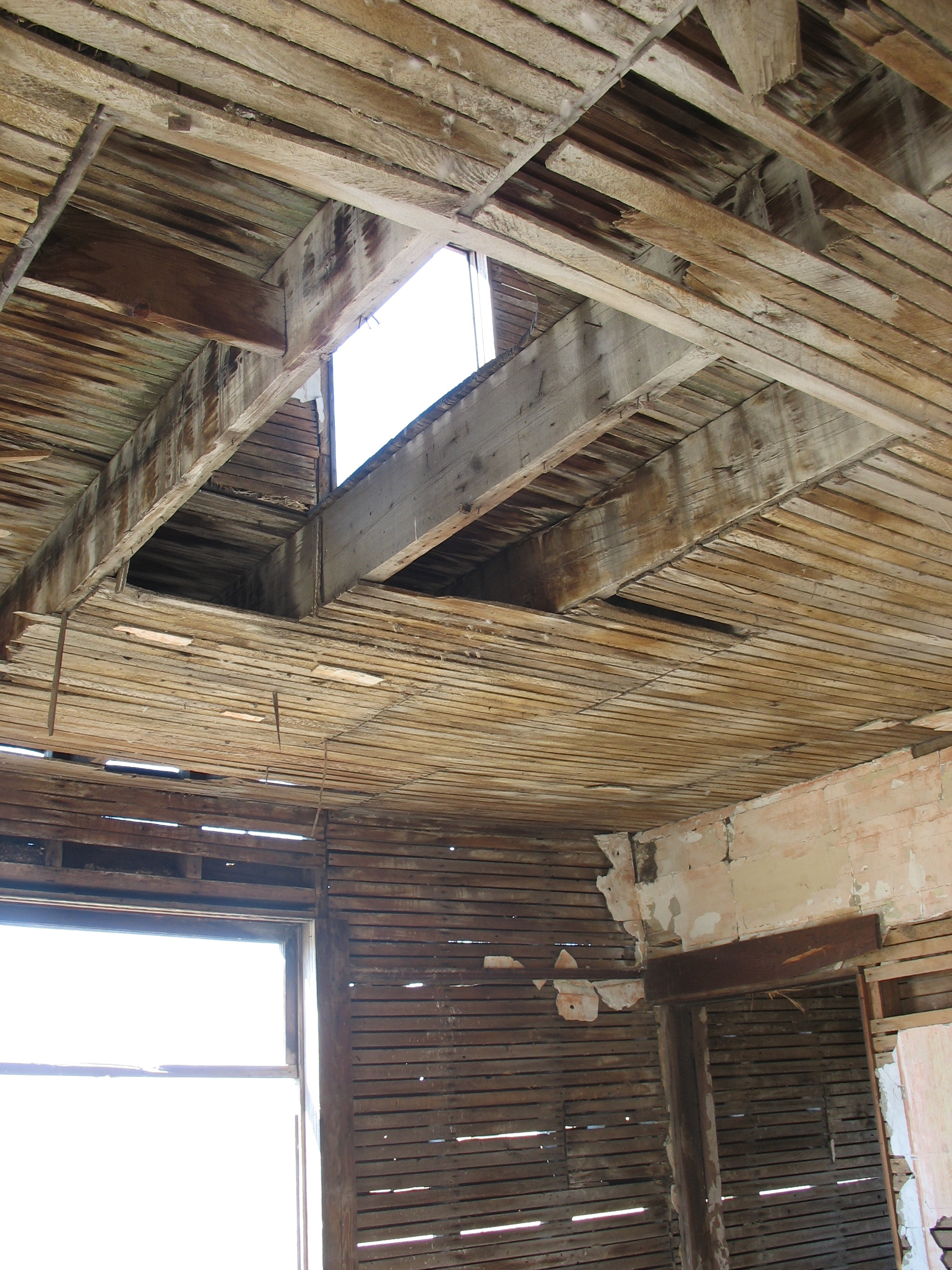
We explored two more old abandoned houses yesterday, neither as majestic as the house on the hill but interesting nonetheless. The first was a very simple structure. Little more than a two storey wooden box with a very steep roof, its main floor was made up of just two rooms. We could see where a very steep staircase once led to the upper floor but it was no longer there; possibly removed to keep intruders like ourselves from falling through the decaying floorboards. Once again, there was nothing left in or around the house to tell the story of the people who once called it home.

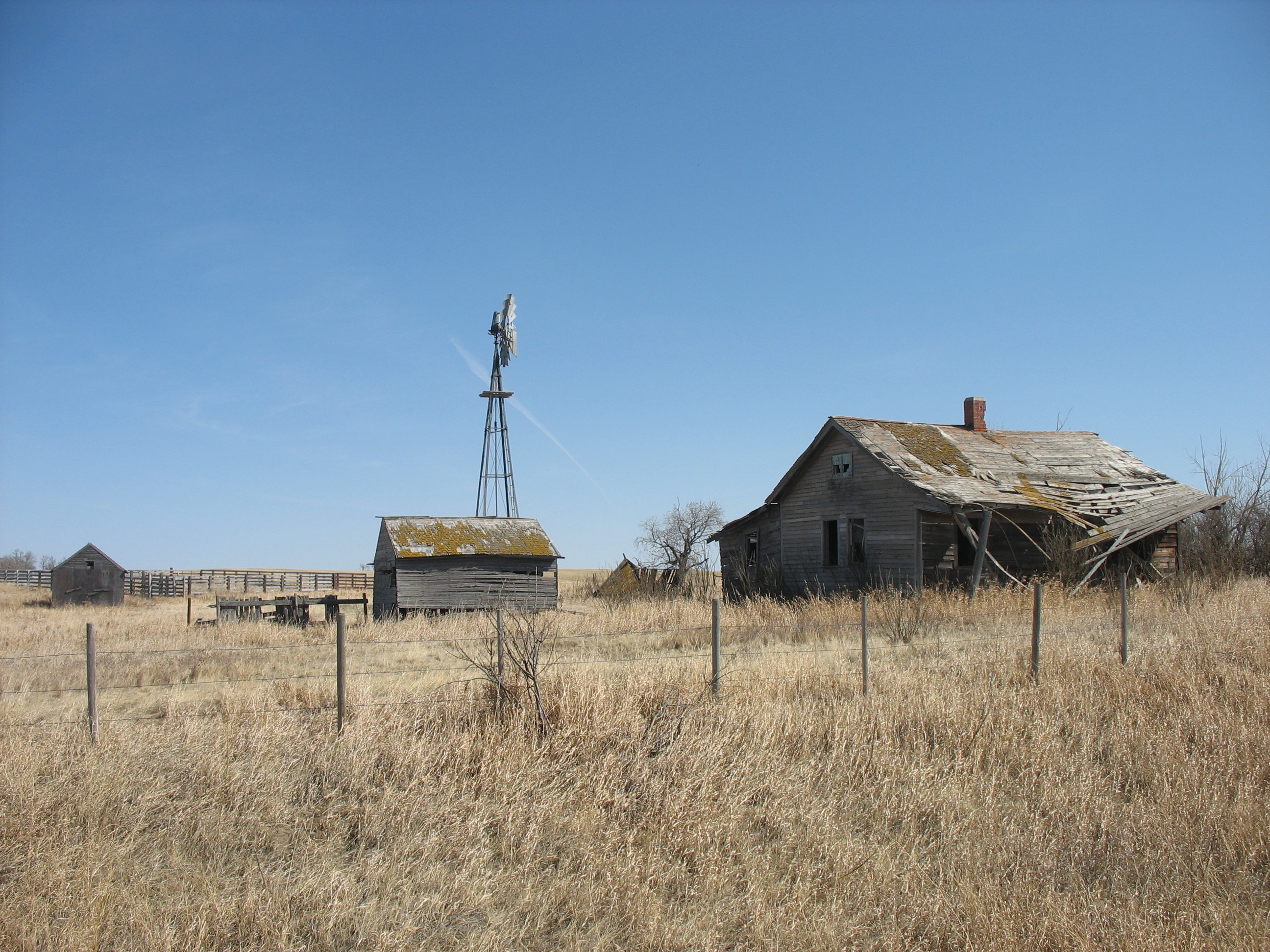
The second house finally yielded what I was looking for; signs of human habitation. It was the windmill that first captured our attention. Connected to a pump behind the house, it would have provided water for the family as well as any animals they might have had.

The sign on the fence might have read “No Trespassing” but since we didn’t tear it off (I promise!) and it could just as easily have said “No Hunting”, we climbed the fence and went exploring!

The open door was so inviting. I just had to go inside! Treading carefully to avoid falling into the root cellar below, I made my way from room to room.

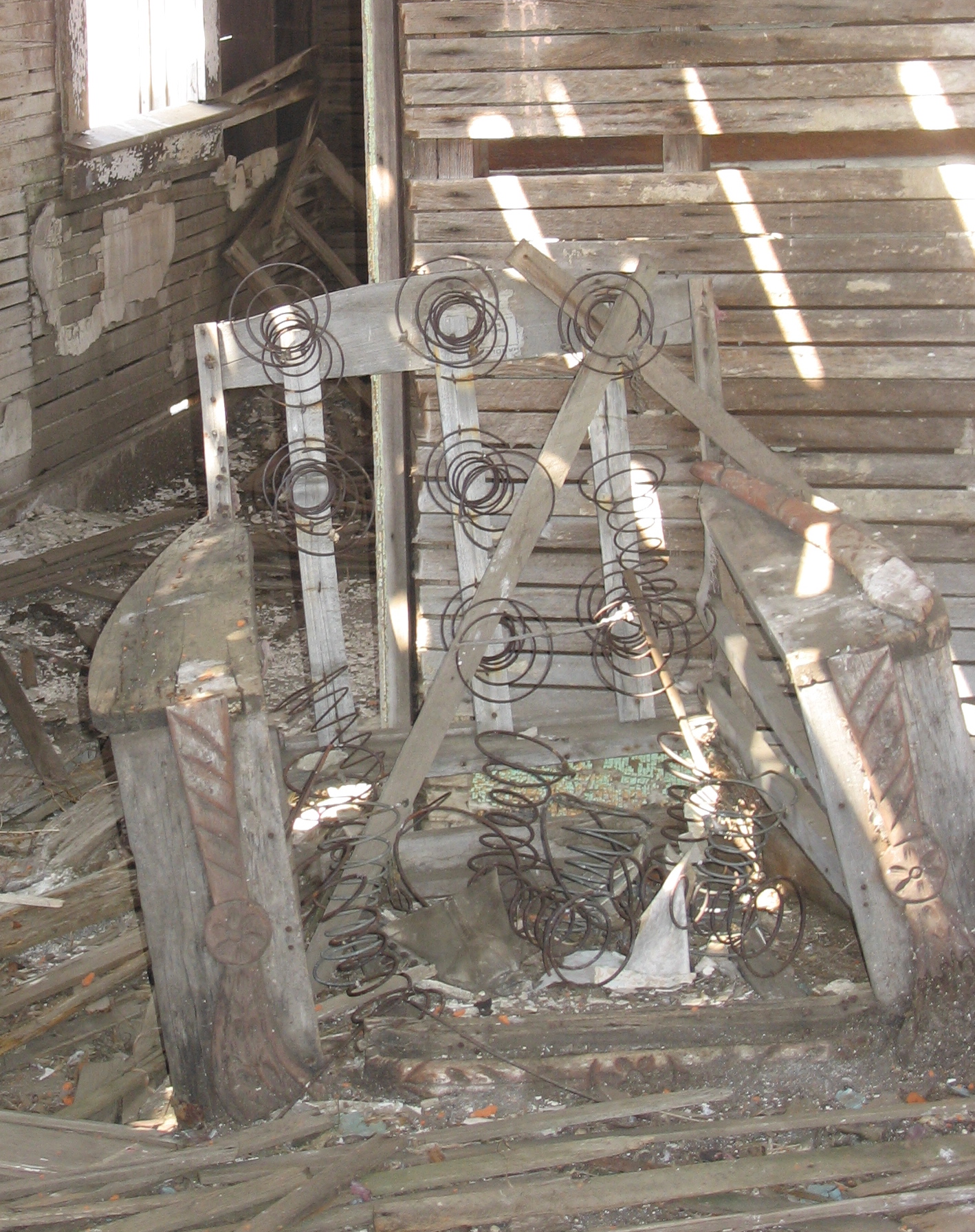
Who sat in the old armchair I wondered. It might have been quite comfortable before the mice did away with all the upholstery and stuffing!

Another skeleton sat in the centre of a different room. Clearly a baby once lived here!

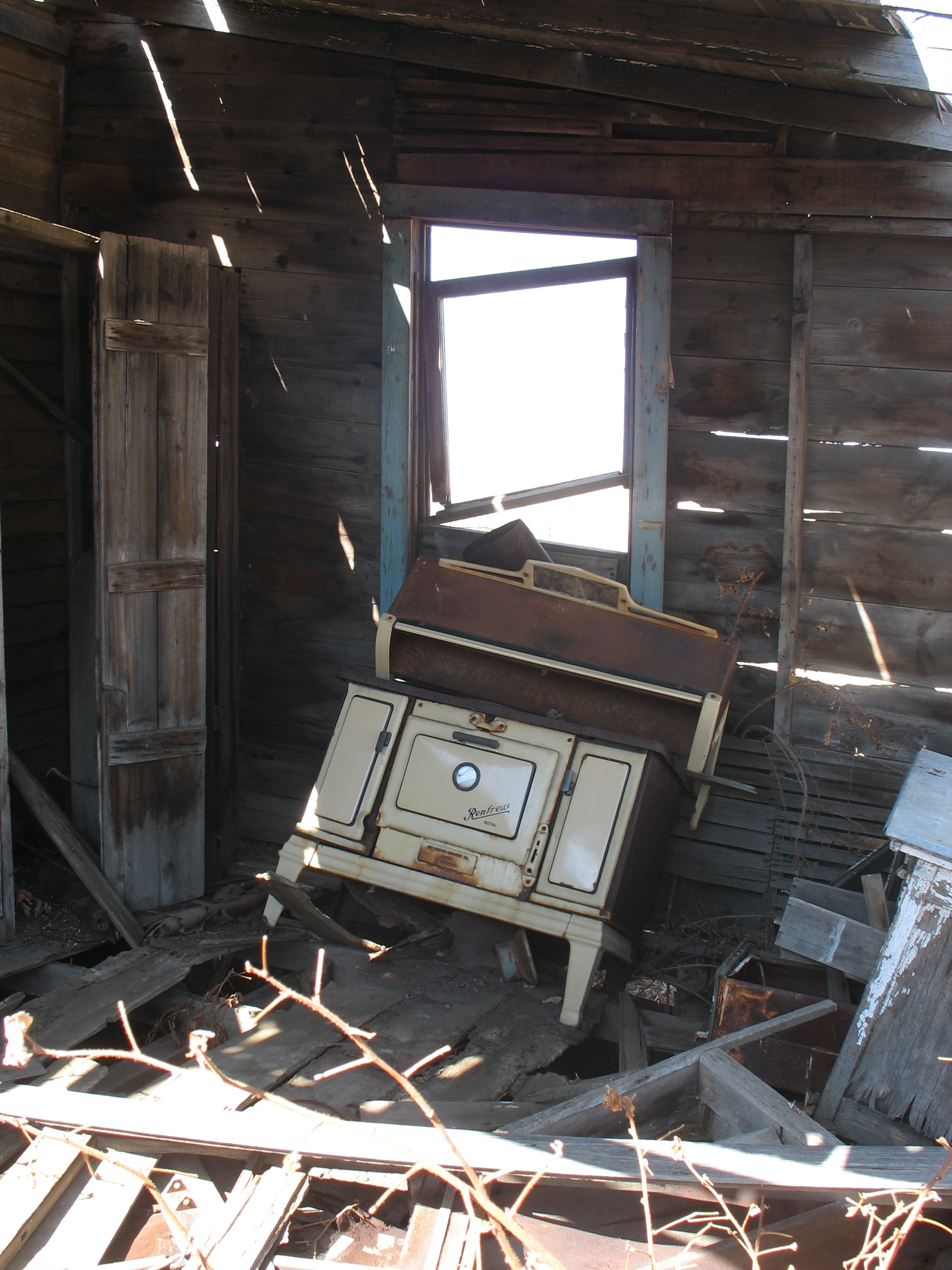
I was surprised to see the old wood stove still there. I would think that an antique collector would like to get their hands on this beauty.

There was also an oil heater to keep the cold Alberta winters at bay.

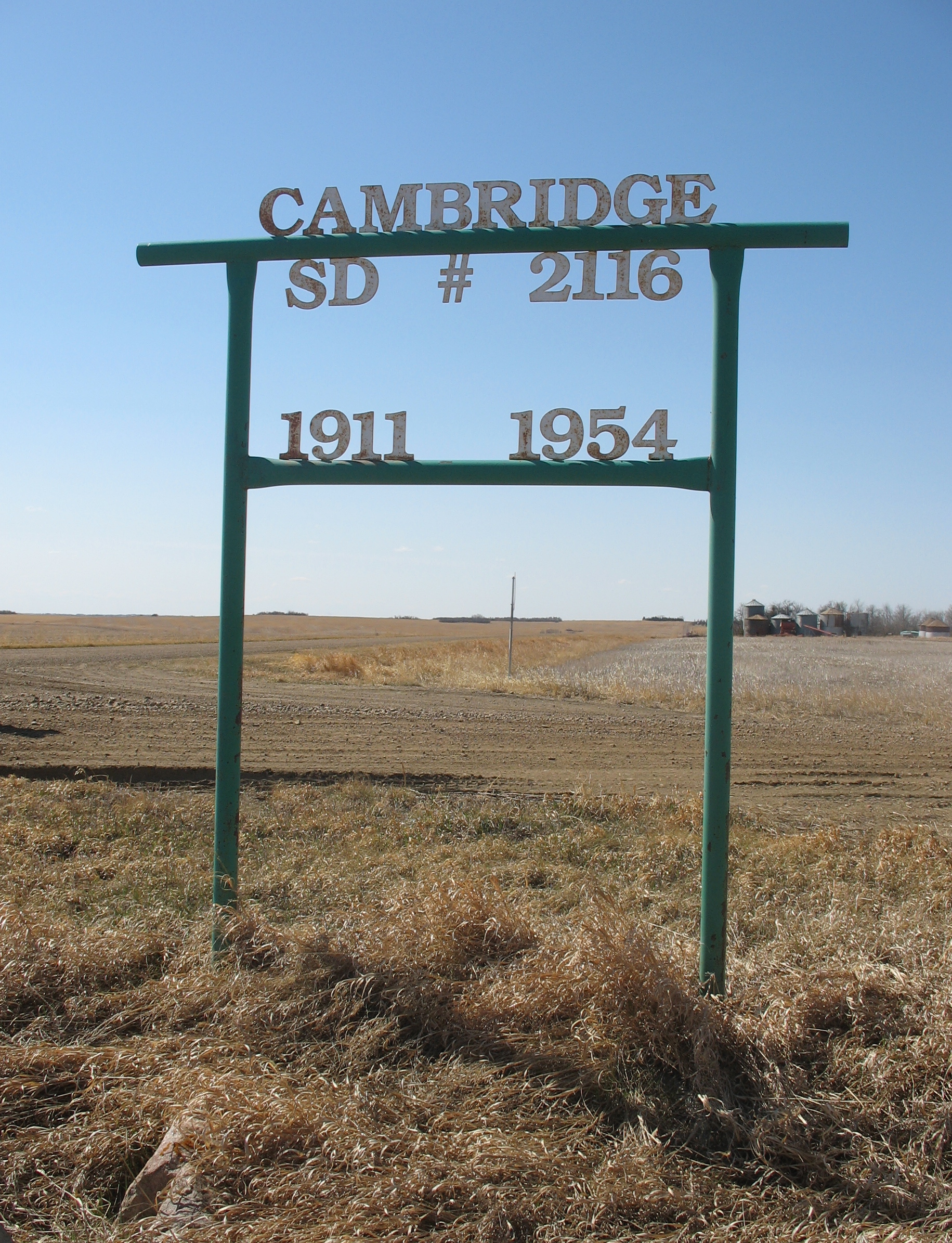
Where there are children, schools are also needed and before the day of school buses the Canadian prairie was dotted with one room schoolhouses. Though many of them are gone, in our area historical markers show where they once stood. We passed a couple of them yesterday and as retired teachers, it was easy to imagine the voices of children from the past playing where farmers now cultivate the land.

The house on the hill

With the exception of the natives, we don’t have a long history here in western Canada. The first settlers arrived in our part of Alberta little more than a century ago. Nevertheless, the prairie is dotted with abandoned buildings. I love all the old weather beaten structures but it’s the houses that intrigue me most; the places where babies were born, people laughed and cried, and memories were made.

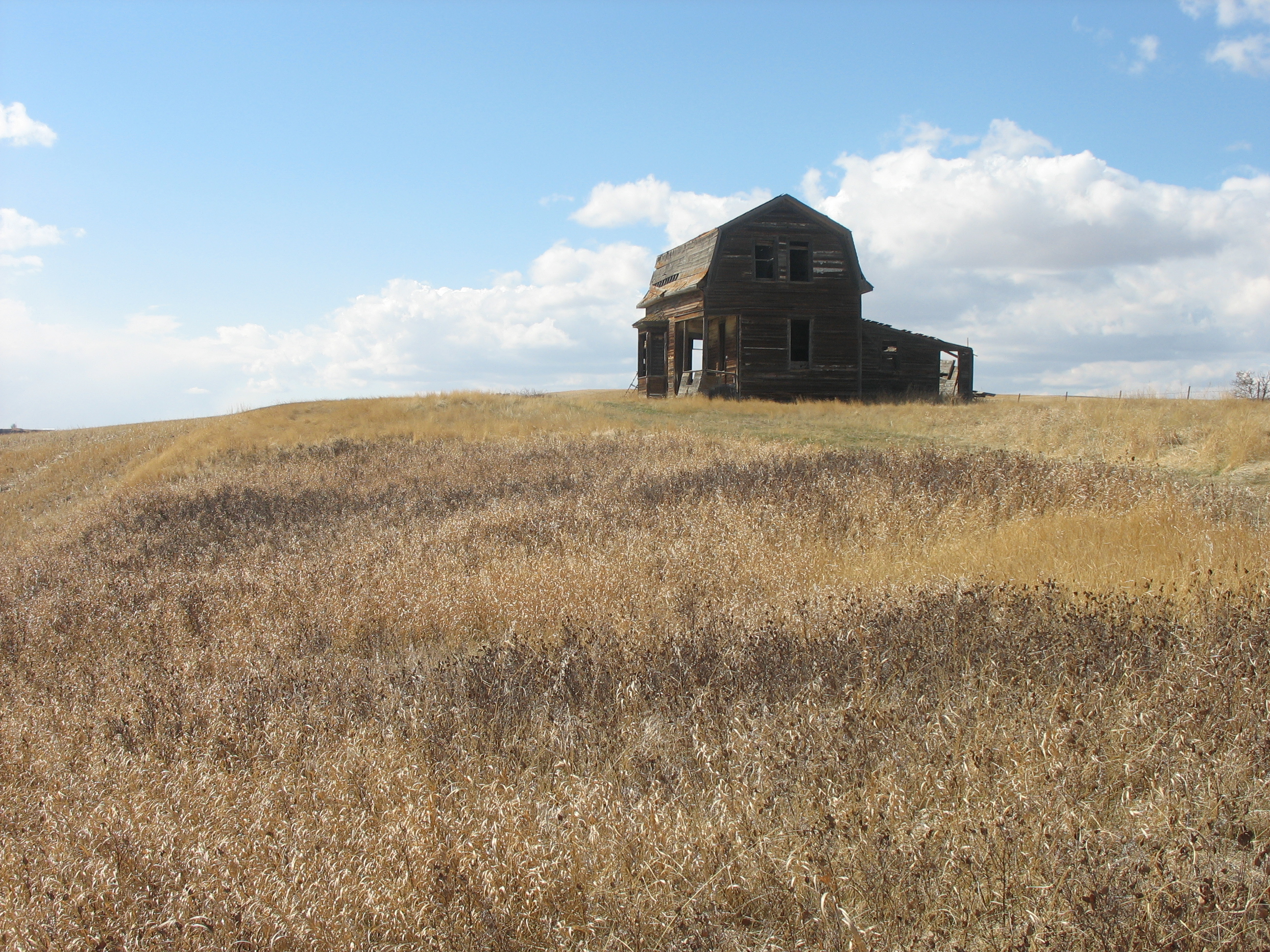
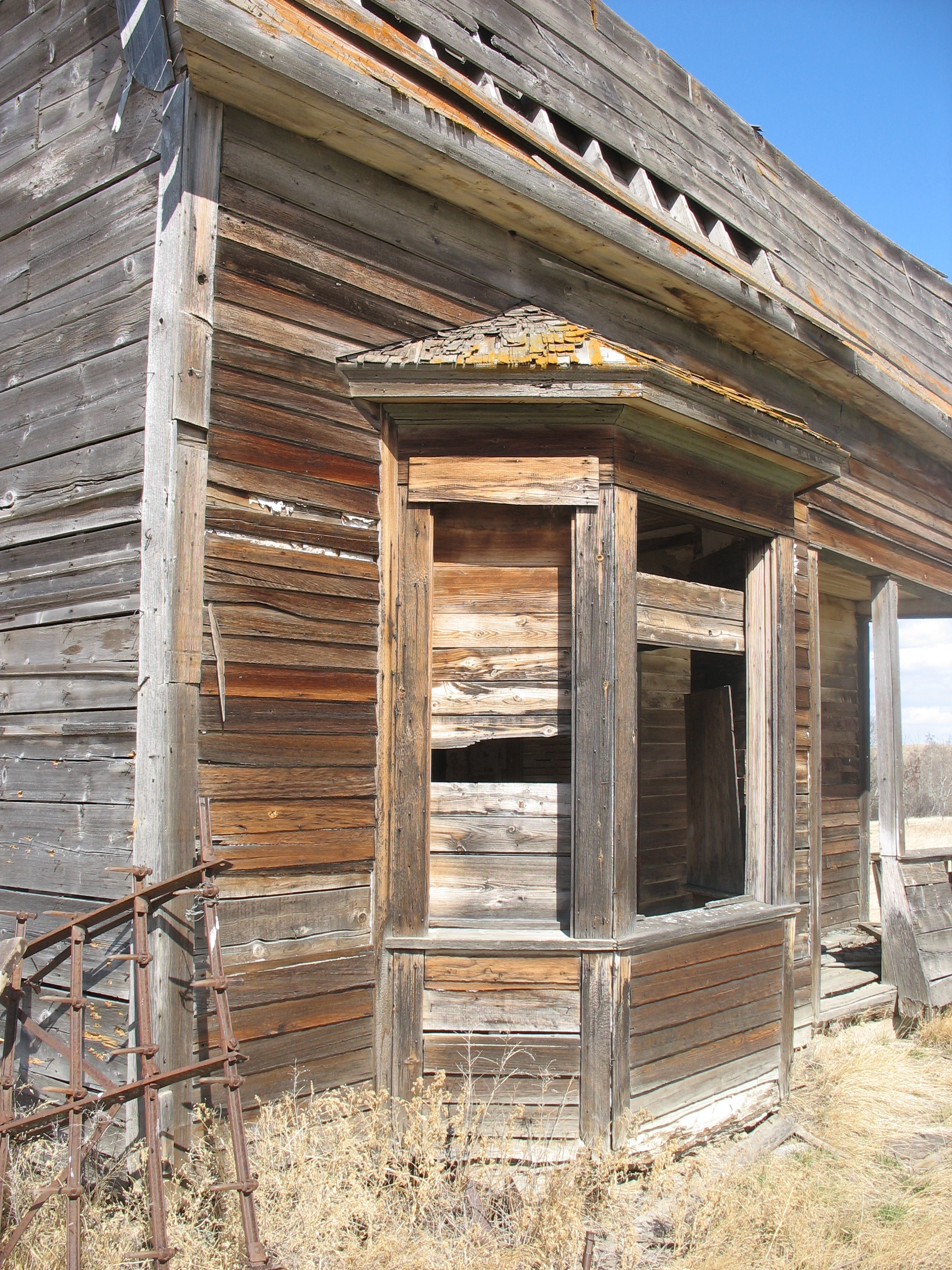
The second cache that we found yesterday overlooked the highway but rather than returning home that way, we decided to explore a few back roads. I’m so glad we did! As we rounded a curve not far from the cache site, we saw what we initially thought was an old barn standing like a sentinal against the skyline. We have to get closer, I told Richard. As we did, we realized that it wasn’t a barn at all. It was a big old house, one that would have been quite a mansion in its day.

With not a tree or a bush around, it stands like a lonely beacon on the hilltop commanding a view in every direction. I was delighted that we were able to walk right up and explore all around it.

The floor had caved in in several places so I didn’t venture far inside but its many windows offered me views of the interior. There was nothing left that would tell the story of the people who once called it home. Who were they, I wondered.

If only those walls could talk!

Who slept in those upstairs bedrooms?

Though it’s partially boarded up now, I loved the view from the bay window.

I wonder what other treasures we will find as we head out geocaching again. I can hardly wait!