Boats on the Sea of Galilee

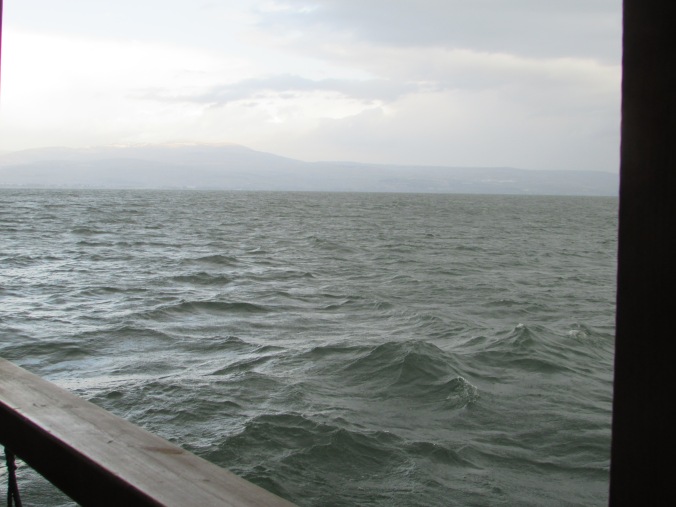
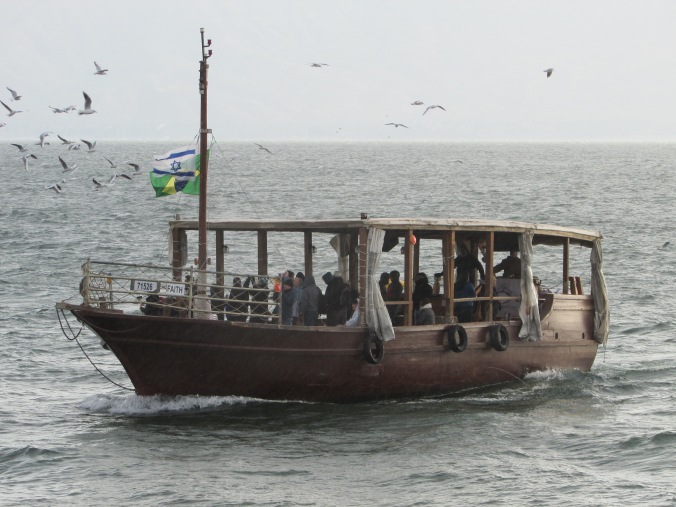
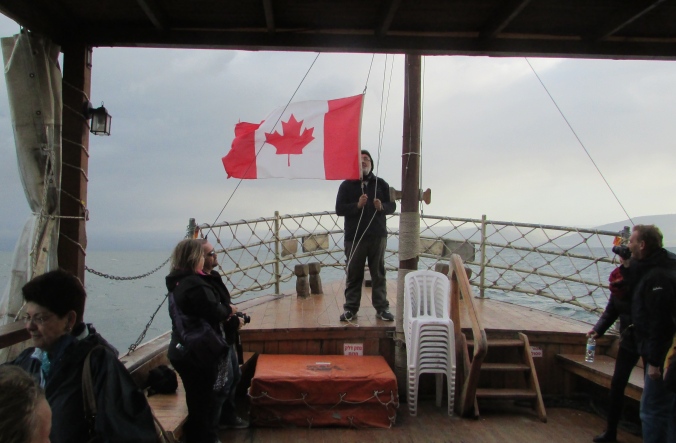
We arrived at our hotel in Tiberias overlooking the Sea of Galilee, or Lake Kinneret, shortly after dark on Saturday, January 24th. Sunday morning began with what was definitely one of the highlights of our pilgrimage to Israel; worshipping on a boat on a stormy Sea of Galilee! The original plan had been to travel by boat to another spot along the lake and have the bus pick us up there, but the water was too rough for that and since Jesus wasn’t there to calm the storm (Matthew 8:23-27), we went out and back to the same spot staying fairly close to shore. The boat was aptly named Faith and we all agreed that it was somehow very fitting that we were buffeted by wind and waves just as Jesus and his disciples had been.

As soon as we put out from shore, the Canadian flag was raised and Captain Daniel Carmel, who is also a Christian singer and songwriter with an amazing testimony, declared the boat temporary Canadian territory and “the warmest spot in Canada today!” My heart was full as we all stood and sang O Canada. After a short devotional, we sang hymns and songs of praise and listened to Captain Daniel sing one of his own songs entitled Jerusalem. It was a very moving experience.
IMG_0299

IMG_0306 - Version 2

IMG_0310

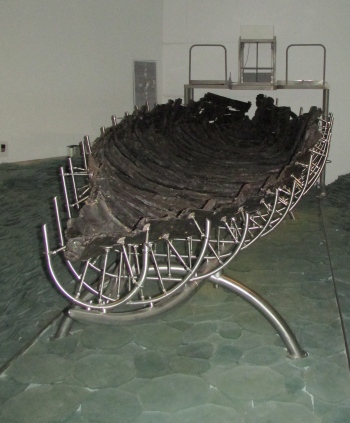
Too soon, we were back on shore and on our way to our next destination, the Jesus Boat Museum on a kibbutz at Ginosar. In 1986, at a time when the water level was particularly low, the remains of a 27 meter long fishing boat from the time of Jesus was discovered in the mud on the northwestern shore of the Sea of Galilee by brothers Moshe and Yuval Lufan. Of tremendous historical importance, it was unearthed by a team of archeologists who took particular care to keep the ancient wood wet so that it wouldn’t dry out and crumble. Encased in expanding foam, it was then floated to a spot where it could be lifted from the water by a crane and moved. It was submerged in a chemical bath for seven years to preserve the wood before it was finally put on display. Though there is no evidence to definitively connect the boat to Jesus or any of his disciples, it is an amazing relic from their day.
IMG_0322 - Version 2

Mount Carmel, Megiddo and Nazareth

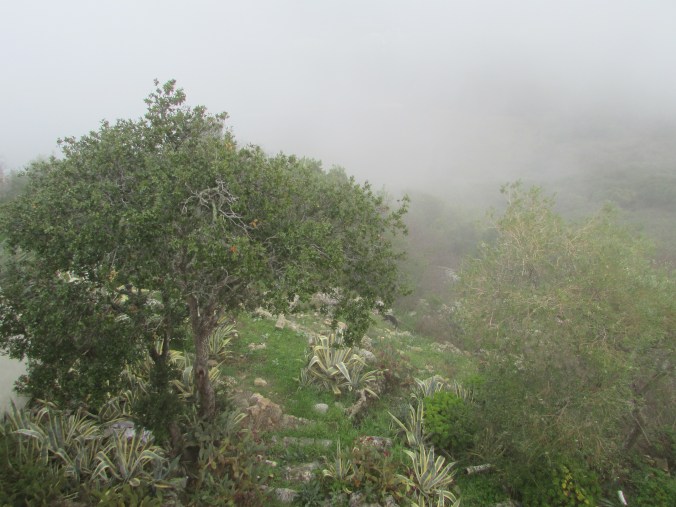
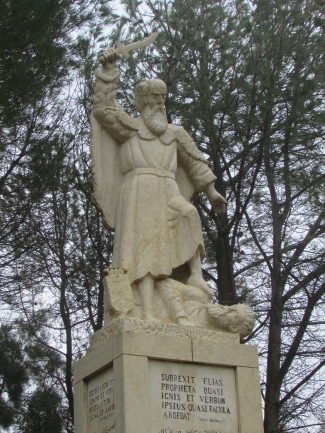
Moving inland toward the Sea of Galilee, we stopped to visit several interesting and very significant sites. The first was Mount Carmel where the prophet Elijah called down the fire of God and defeated the prophets of Baal. (1 Kings 18:19-40) Unfortunately, fog obscured our views of the Kishon Valley below.

IMG_0243

IMG_0244

For most of our time in Israel, the weather was unusually cool and wet even for winter. Warm weather clothing stayed in our suitcases while we dressed in layers to fend off the chill. I was very happy to have taken gloves, a warm hat and an umbrella with me!

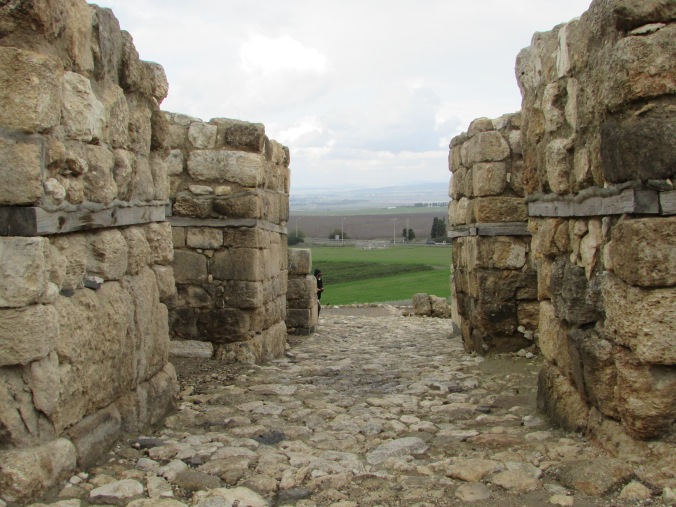
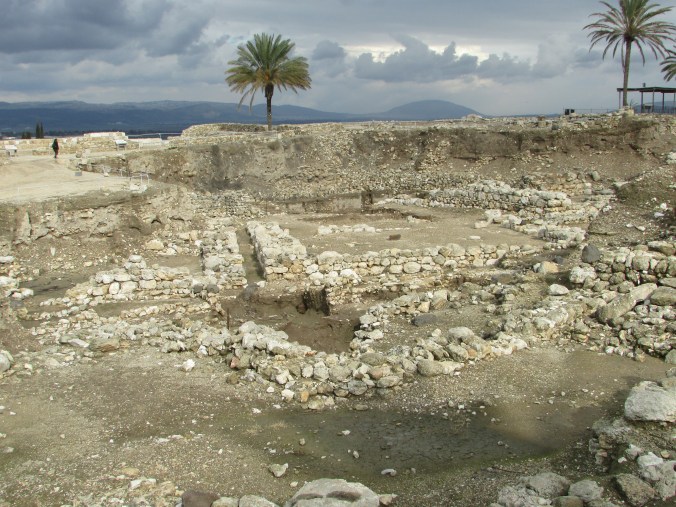
After Mount Carmel, we continued on to Megiddo (Hebrew for Armageddon) where many, many layers of archeological remains going back thousands of years have been excavated. Here, a giant fortress believed to have been built by King Solomon once stood.

IMG_0252

IMG_0258

IMG_0259

At Megiddo, we had the first of several underground experiences. Descending approximately 180 stairs deep into a shaft in the ground, we followed a tunnel that brought water to the fortress from a small spring outside its walls.

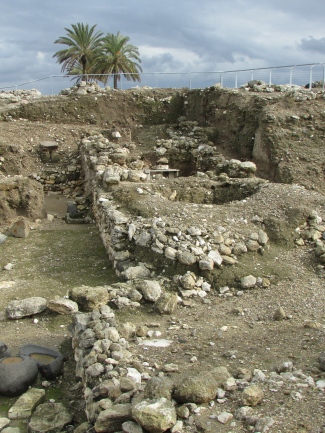
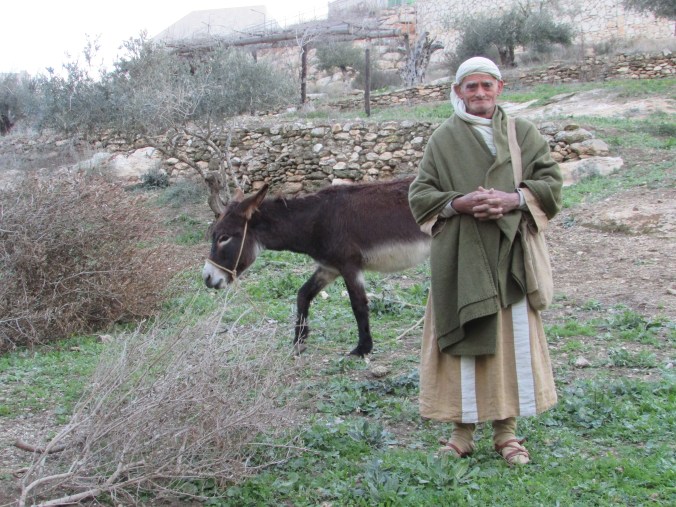
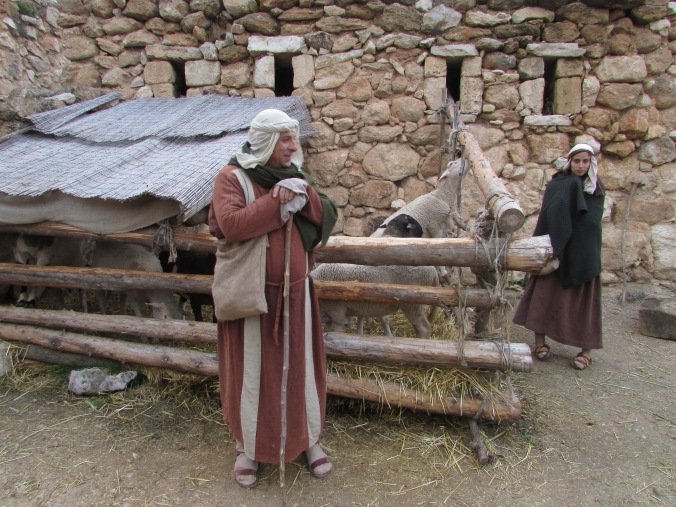
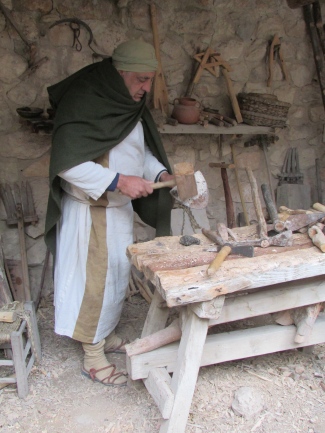
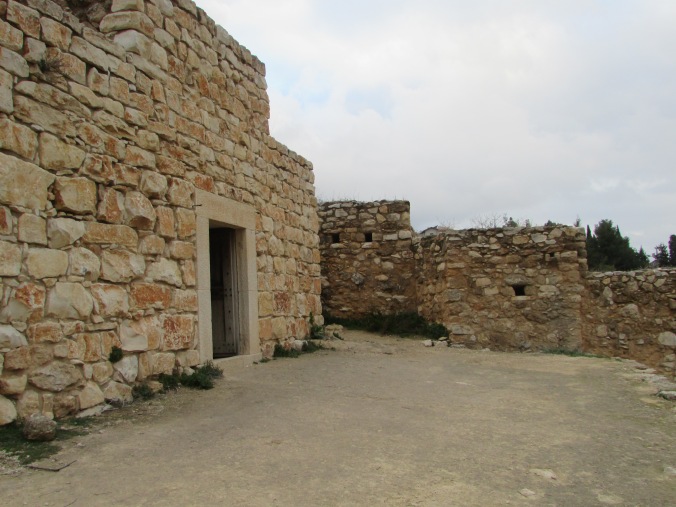
Moving on, our next stop was Nazareth, the childhood home of Christ, where we toured a recreated first century village complete with cultivated terraces and vineyards, an ancient winepress, an operating olive press and a synagogue representing the one where Jesus identified himself to his townspeople as the fulfillment of Isaiah’s prophecy of a coming Messiah. (Luke 4:14-30)

IMG_0274

IMG_0283

IMG_0288

IMG_0287

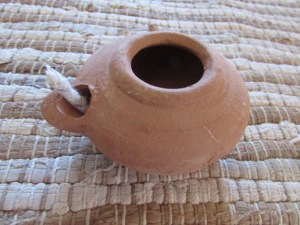
As we left the village, we were each given a tiny oil lamp, a reminder that we are called to be the light of Christ to a lost and hurting world.

IMG_1352

Caesarea by the Sea

IMG_0229 - Version 2

Traveling north from Tel Aviv, we came to Caesarea Martima or Caesarea by the Sea, not to be confused with Caesarea Philippi which we visited a couple of days later. Once an amazing complex overlooking the Mediterranean Sea, Caesarea Martima was one of the great architectural achievements of King Herod the Great. Described as both the greatest builder in Jewish history and a madman who murdered his father-in-law, several of his own wives and two of his sons, it was this same Herod who ordered the massacre of all the baby boys aged two years old and under in Bethlehem and its vicinity after he was outwitted by the wise men who came from the east to visit the baby Jesus. (Matthew 2:1-17)

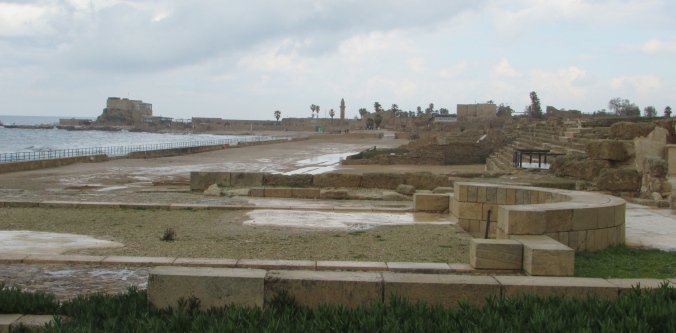
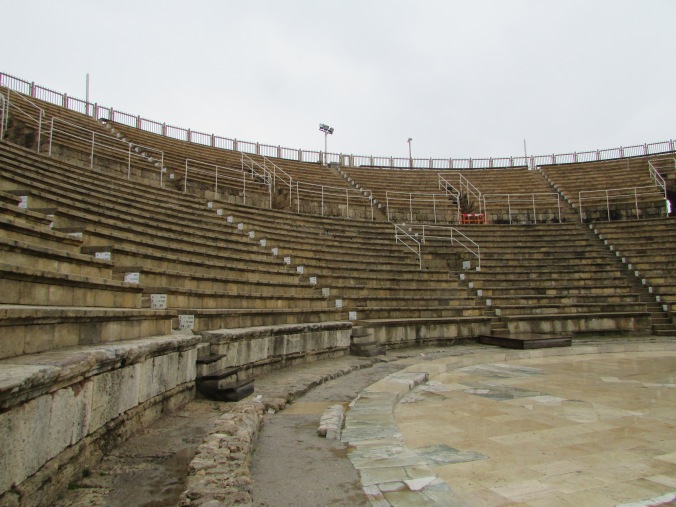
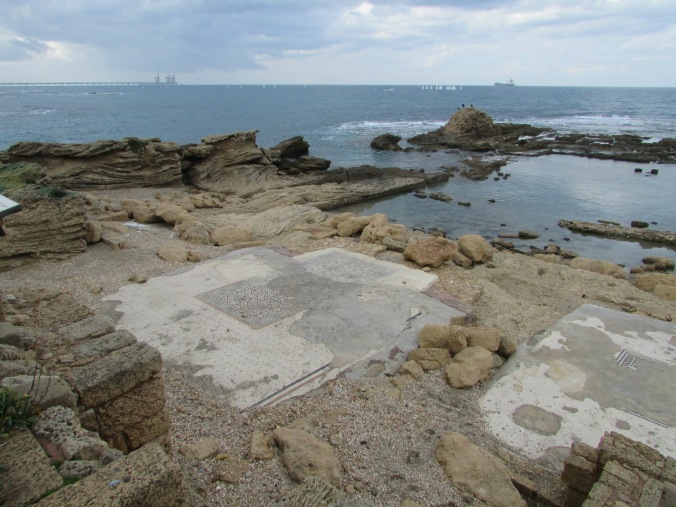
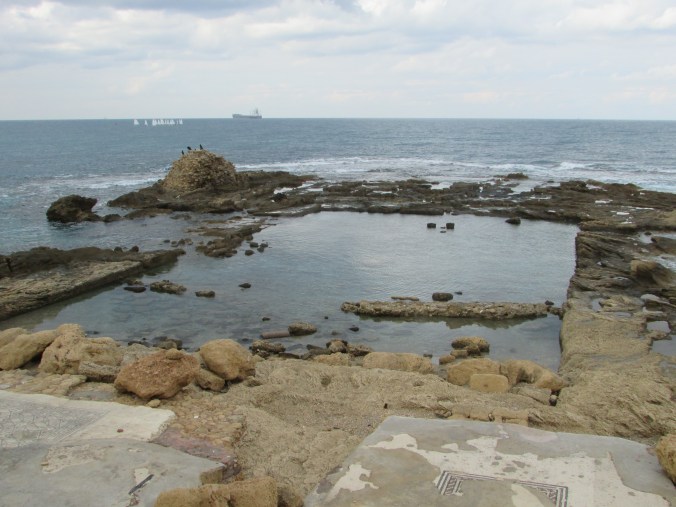
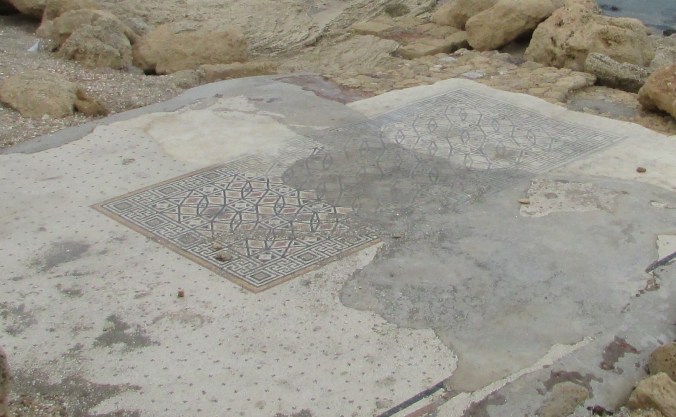
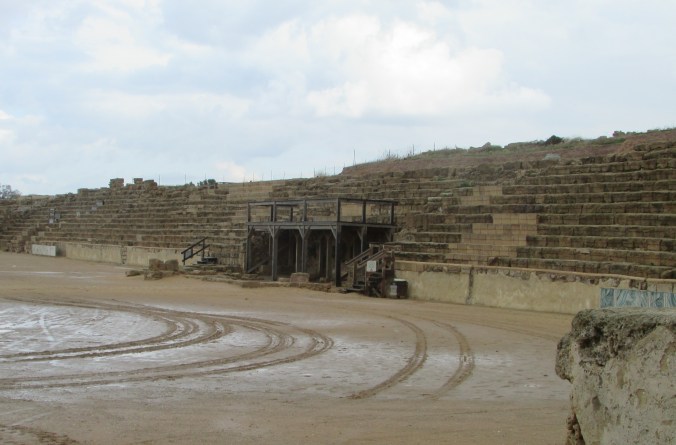
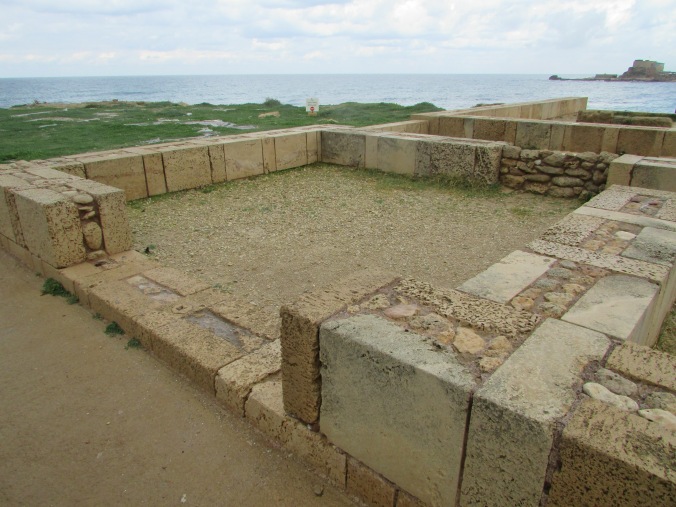
At Caesarea, named after his Roman patron, Caesar Augustus, Herod built himself a magnificent palace, complete with a freshwater pool, on a promontory jutting out into the waters of the Mediterranean. The site also included a harbour that would accommodate 300 ships, a theatre that would seat 3500 and the massive Hippodrome where horse races and other special events were held.

IMG_0195

Theatre

IMG_0219

Remains of Herod’s palace

IMG_0218

The pool

IMG_0219 - Version 2

Mosaic floor

IMG_0225 - Version 2

Hippodrome

The Hippodrome originally sat some 10 000 people, but the seating on the sea side is missing. Large sections of it have been found in the sea some distance from their original location. It is thought that they might have been dragged out to sea by a tsunami. A major geological rift runs the entire length of Israel making it an earthquake zone.

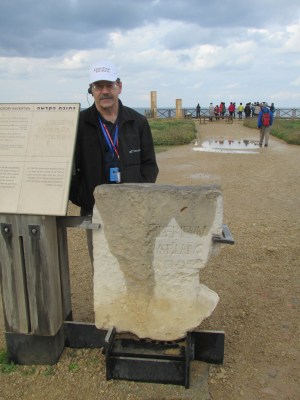
From a Biblical perspective, perhaps the most significant find at Caesarea thus far has been the Pilate stone, a damaged block of engraved limestone with an authentic 1st-century Roman inscription mentioning the name of Pontius Pilate, the Roman governor who sentenced Jesus to death. (Matthew 23:1-25) It provides non-Biblical evidence proving the existence of this man. It is likely that he made his base here at Caesarea Maritima.

IMG_0213

The Pilate stone

It was also at Caesarea that the apostle Paul was imprisoned for two years while he awaited transfer to Rome. (Acts 23:23-26:32) It may have been in this small room or one just like it that he was held.

IMG_0221

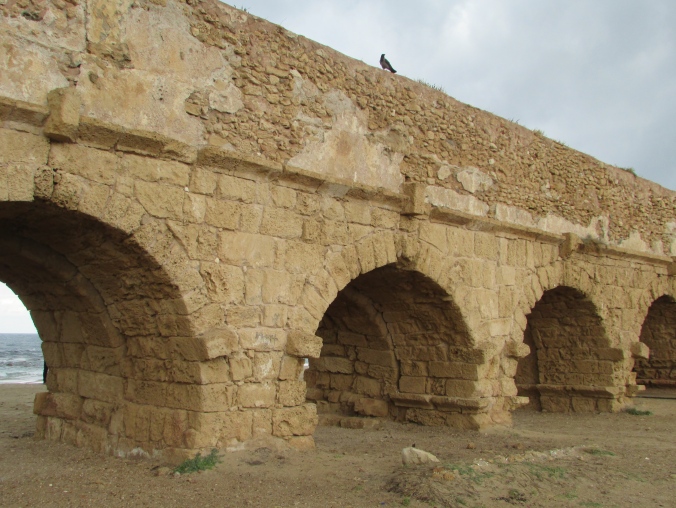
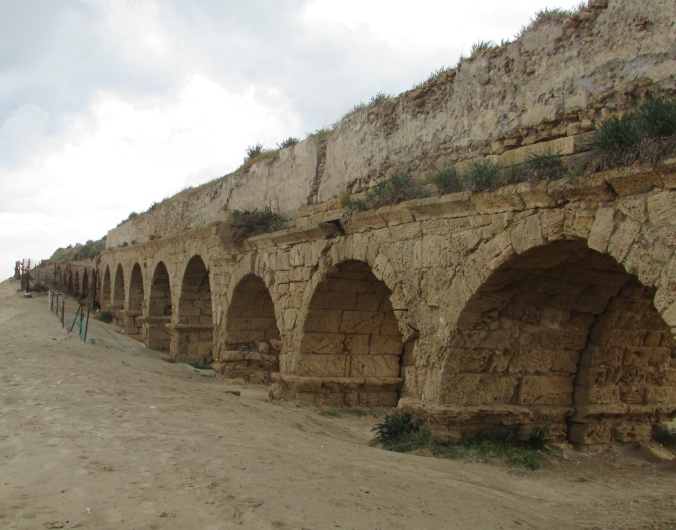
Lack of fresh water at Herod’s complex required it to be brought from springs at the base of Mount Carmel nearly ten miles away. That posed little problem for the great builder, however, who simply had his labourers build an aqueduct. An amazing engineering feat, the aqueduct was built on arches and the gradient carefully measured so that the water would flow by the pull of gravity.

IMG_0237

IMG_0238 - Version 2

Shalom Israel!

As I begin to process and share all that we saw and experienced on our pilgrimage to Israel, I am reminded that there is a fine line between worshipping at a place and worshipping the place itself. There is no holy magic to any of the sites that we visited, but I have no doubt that being there and seeing them with our own eyes will give greater context to scripture as we continue to read and study it; to make it come alive or, as Richard says, to help us see it in 3D. As we traveled the length and breadth of this small country, I think everyone in our group gained a greater appreciation for the land that our Saviour traversed and for the ways in which He used His environment in His teachings.

We arrived in Israel on January 22nd via a direct ten hour flight from Toronto to Tel Aviv. The ultra modern Ben Gurion International Airport, named after the country’s first prime minister, is the world’s gateway to Israel.

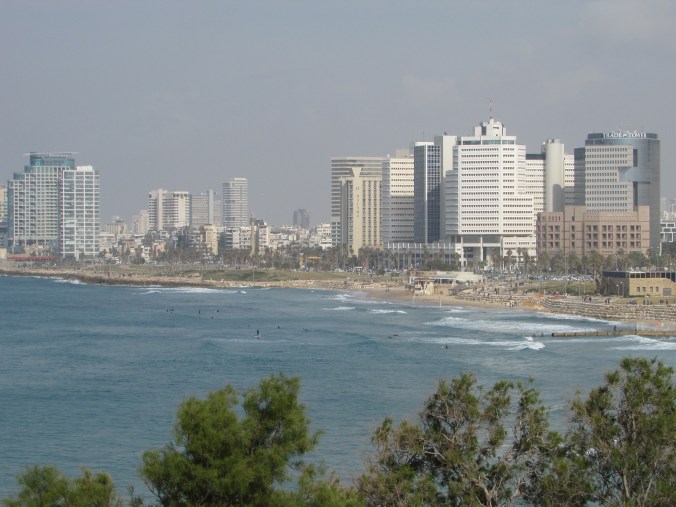
Tel Aviv is a vibrant, modern and very liberal city located on the eastern shore of the Mediterranean Sea. Its next door neighbour is the ancient port city of Jaffa (Joppa). The two cities have grown together to form one metropolitan area with no line of distinction between them.

IMG_0138

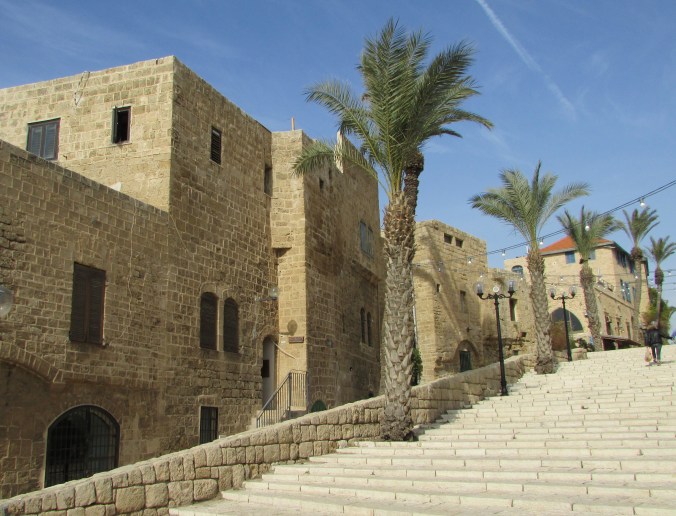
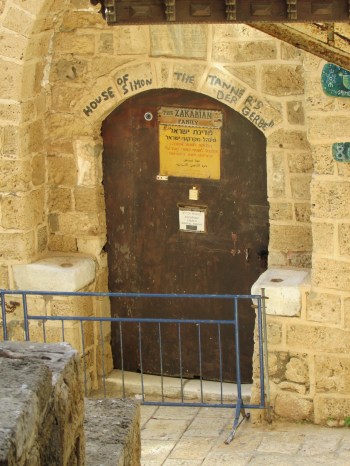
Jaffa is of both Old and New Testament significance. It was here that Jonah boarded a ship headed for Tarshish in an attempt to flee from the mission that the Lord had given him. (Jonah 1:3) Much later, in the book of Acts, we are told that Peter was staying in Joppa with a tanner named Simon when he was summoned by Cornelius, a Roman centurion in Caesarea, to come and share the good news of Christ with him and those who had gathered in his home. (Acts 9:43-10:48) We were reminded that we can choose to be like Jonah and stand in God’s way or like Peter who cooperated with God. (Acts 11:17)

IMG_0128

IMG_0151  IMG_0150

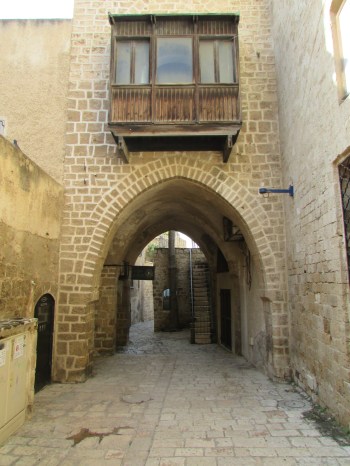
Walking through the narrow stone alleyways of historical Jaffa, we came to the purported house of Simon the Tanner. There we were reminded that there are, in Israel, two types of Biblical sites; those that may be/might be/ are traditionally thought to be the original sites and those that definitely are. Simon’s house clearly falls into the first category. The present house simply doesn’t date back to the first century AD, but it is in the approximate location of the original home.

IMG_0146

Returning to Tel Aviv proper, we spent about an hour exploring the colourful Friday market which reminded Richard and I of similar marketplaces in Korea and Cambodia.

IMG_0160

After checking into the lovely Dan Tel Aviv Hotel where every room has a view of the Mediterranean Sea, Richard and I went for a stroll along the promenade overlooking the rocky shore to a sandy beach where, in spite of the coolness of the day, I shed my shoes and socks, rolled up my pant legs and fulfilled my dream of wading in the Mediterranean Sea!

IMG_0181

IMG_0177


Because I can

Here in Canada, we are nearing the end of the longest federal election campaign in recent history. When we go to the polls on October 19th, 78 days will have passed since Prime Minister Stephen Harper asked Governor General David Johnston to dissolve Parliament and call a general election. 78 days of rhetoric and sadly, 78 days of name calling and fear mongering. How glad I am that I don’t live in the US where the electoral process goes on for many months!

Regardless of which country you live in, however, when election day finally rolls around, VOTE! Consider the issues, research the candidates, and then VOTE!

Official turnout for our last federal election, held on May 2, 2011, was 61.1%, only 2.3 percentage points higher than the all-time low of 58.8% in 2008! What is the matter with people? Why does 40% of our population fail to cast a ballot? Are we Canadians really that apathetic?

I will vote, if for no other reason than because I can. It’s a privilege that I don’t take lightly. Women before my time fought long and hard so that I could exercise this right. Women like Nellie McClung, well-known advocate and popular speaker on the subject of women’s suffrage in the early 1900s, who said “Our worthy opponents will emphasize the fact that women are the weaker vessel. Well I should think that a woman who cooks for men, washes and bakes and scrubs and sews for her family could stand the extra strain of marking a ballot every four years.”

The United States began allowing women to vote in 1920, after the ratification of the 19th Amendment to their Constitution. Here in Canada, many women voted for the first time the following year, but it wasn’t until much later that all Canadians had the right to vote. Most “people of colour” were prohibited from voting at the provincial and federal level until the late 1940s and it wasn’t until 1960 that every Canadian of age had the right to vote. That’s right! 1960! Prior to that time, aboriginal Canadians were required to give up their treaty rights and renounce their status under the Indian Act in order to qualify for the vote.

While I consider our record abysmal, there are places where the situation is much worse. Women in Saudi Arabia are registering to vote for the first time in history, but keep in mind that they won’t be able to drive themselves to the polling stations as they are still completely banned from driving. They won’t even be able to leave their homes to go and vote without being accompanied by a male guardian!

On election day, get off your butt and VOTE! Don’t make excuses. Don’t be one of the apathetic masses. Vote, if for no other reason than because you can!

canada vote

Fall camping

IMG_5618I’ve always wanted to go camping in the fall; always hoped for just one more outing with the trailer before winter hit. As teachers, it never happened. We were back in the classroom and up to our eyeballs in work by late August or the first week of September. Then, with retirement came several years of helping our friend, Louis, with harvest. I loved being out on the combine, but it meant that there was no time for camping in the fall.

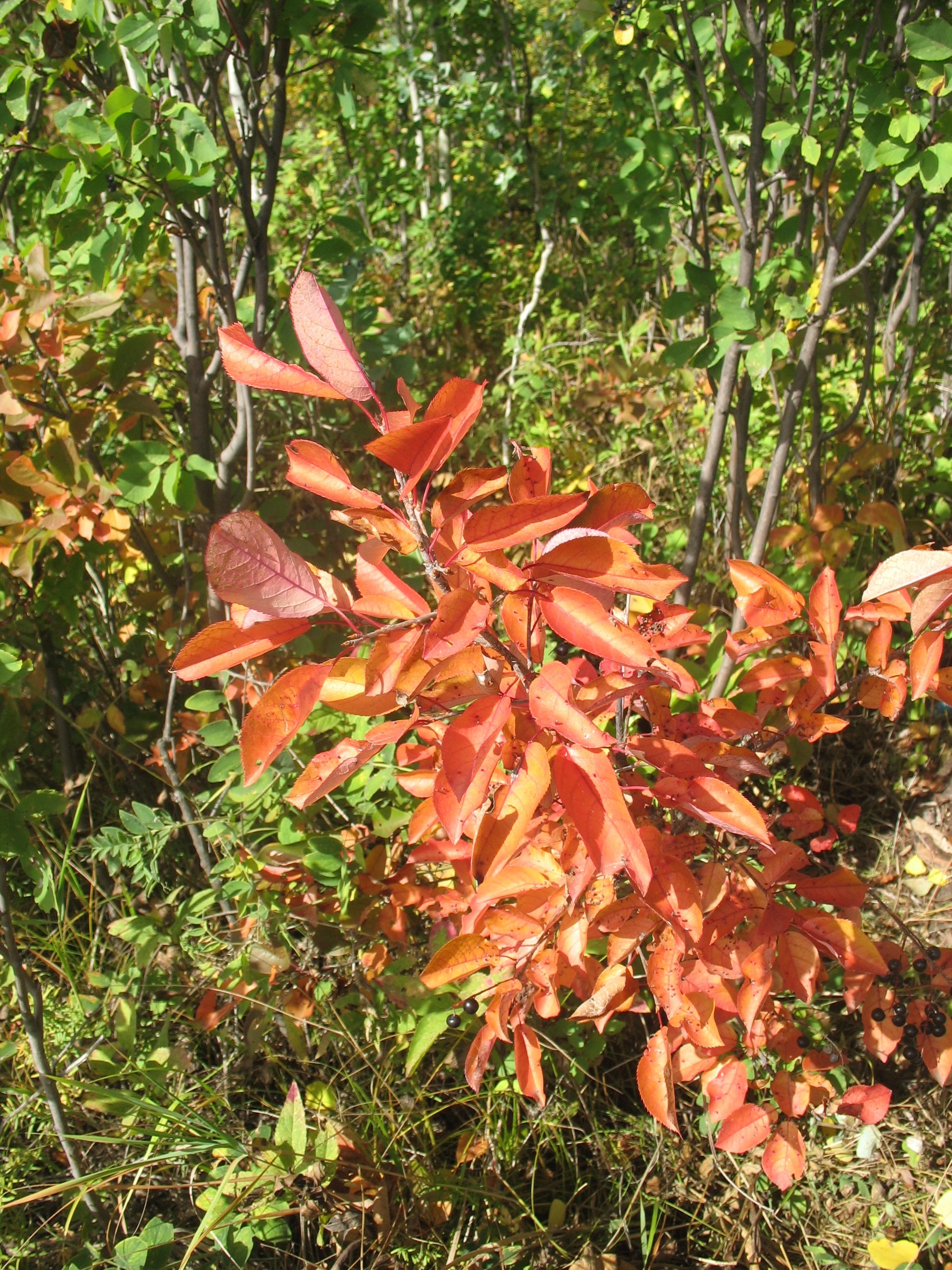
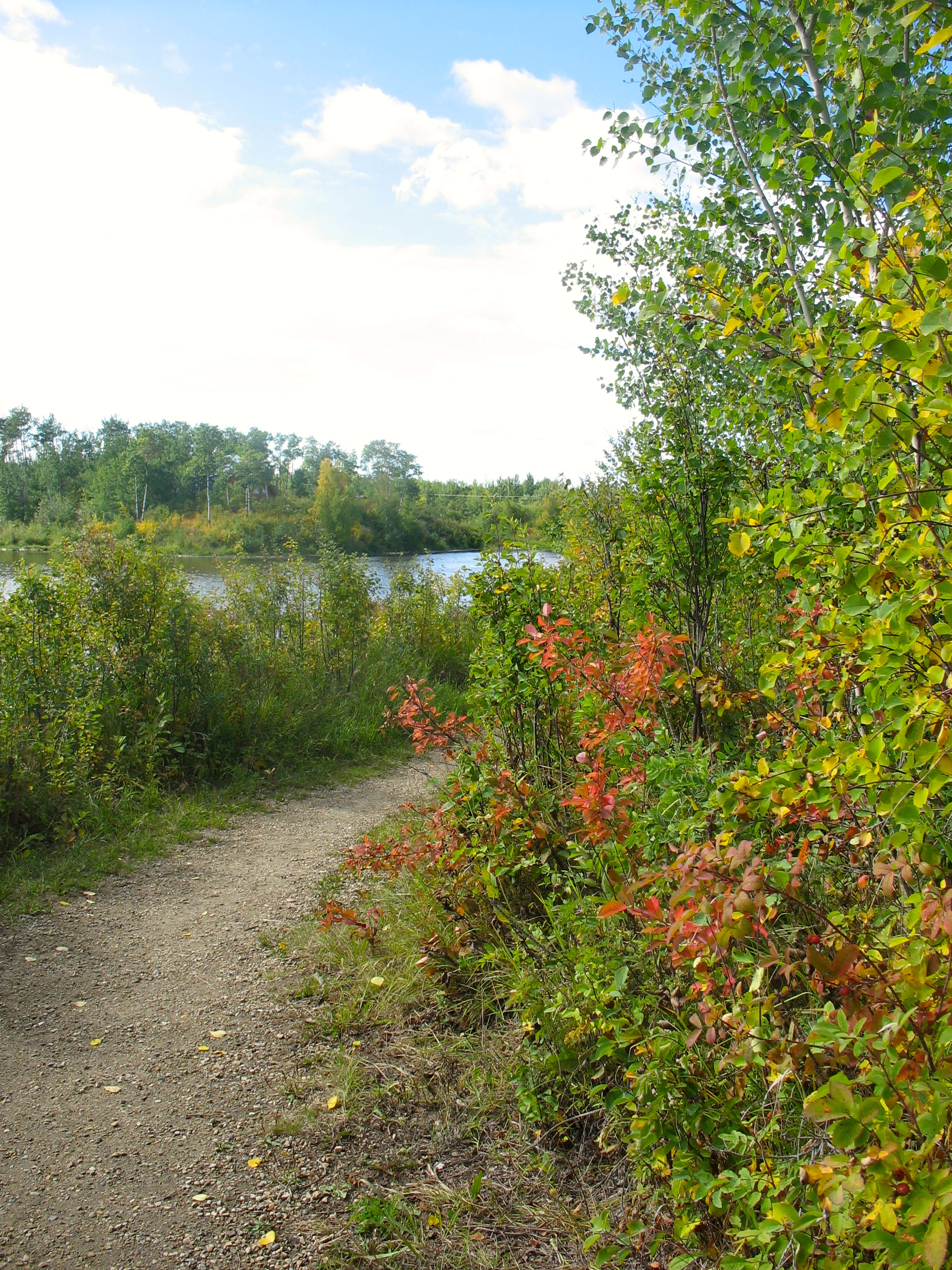
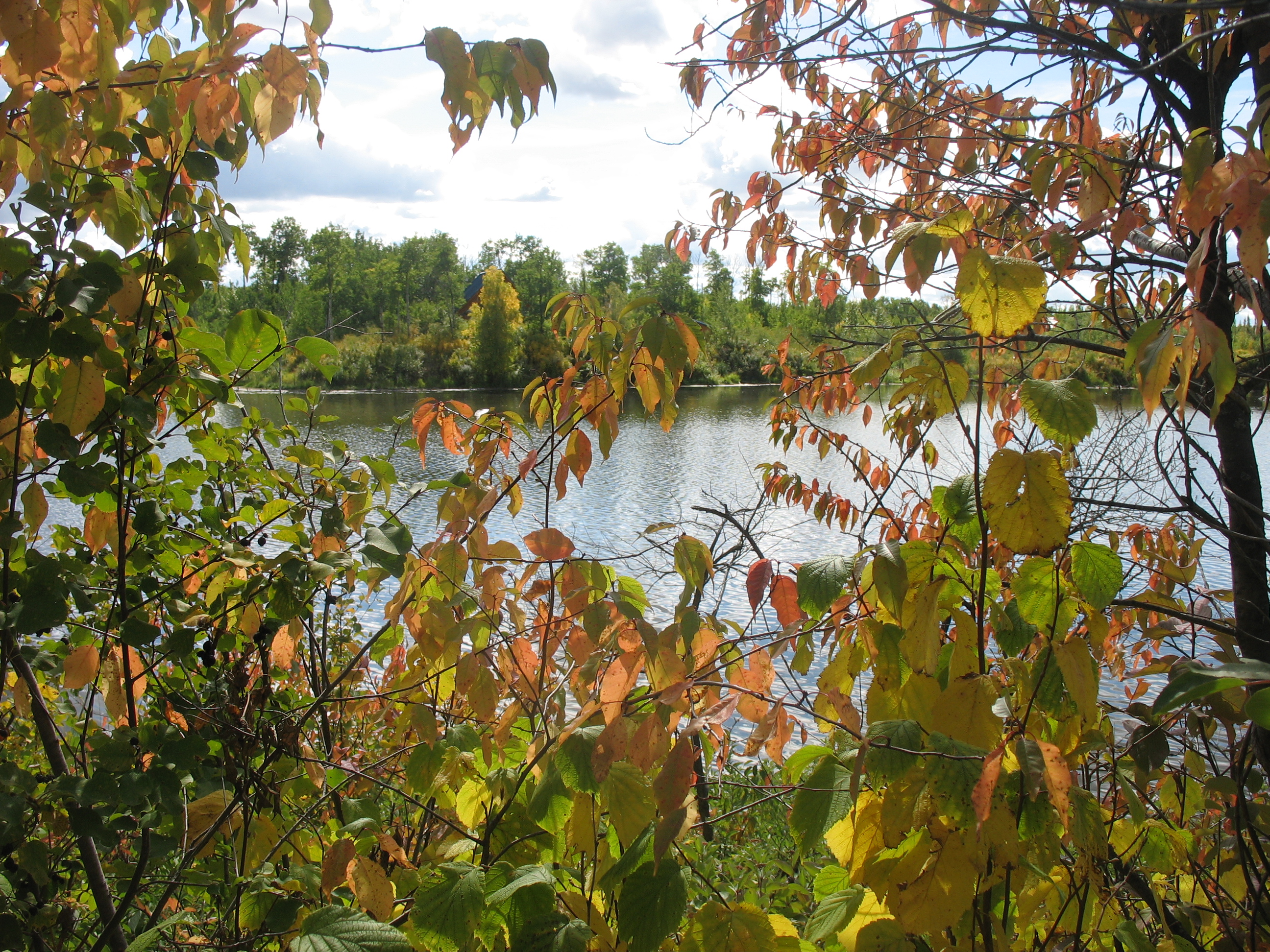
Finally, this year it happened! We packed up the trailer last Wednesday morning and headed for Miquelon Lake Provincial Park, less than an hour and a half from home. Surrounded by the spectacular colours of the season, fall camping was everything I always thought it would be! Though we got caught in the rain while out geocaching on Wednesday afternoon, the clouds soon disappeared and for the remainder of our time the weather was glorious.

Here in Alberta, we don’t get the wide variety of fall colours that are found in eastern Canada, but everywhere I turned I was surrounded by beauty and I took dozens of pictures!

IMG_5594  IMG_5617

IMG_5633

We found 14 geocaches within the park boundaries, but the highlight of our trip was definitely Friday’s hike. We left the trailhead late in the morning intending to hike 7.3 kilometres, but we’d completed all but 1.5 km of that by the time we stopped to eat lunch! Digging out our trail map, we quickly decided to add what we had originally thought might be a separate hike sometime in the future. In the end, we covered 13.2 km! Considering the fact that just a few months ago, I couldn’t walk more than two km without playing out, I was pretty stoked!

IMG_5608  IMG_5613

IMG_5647

Those of you who’ve been reading my blog for very long know how much we enjoy exploring old abandoned houses that give us glimpses into life in days gone by. Imagine our surprise and delight when Richard spotted an old brick chimney rising out of the bush a short distance from the trail. Of course, we had to take a closer look! Although the girl manning the park office couldn’t give us any information about the house or its original inhabitants, it was easy to see that the two storey structure and its smaller outbuilding must have been there long before the park was established in 1958.

IMG_5663

IMG_5652

IMG_5659

Though we didn’t see any of the larger wildlife, including deer, moose and elk, that live within the park, there was clear evidence of their presence along the trails. Plenty of fresh hoof prints and droppings told us they weren’t far off. What we did see were squirrels, muskrat, tiny frogs, a surprising number of garter snakes and an abundance of water fowl. As Miquelon Lake and the numerous wetland areas within the park are located within two of North America’s migratory flyways, flocks of migrating geese honked their way overhead and settled on the lake each evening.

Miquelon Lake is also part of the Beaver Hills Dark Sky Preserve, an an area that has been established to reduce the glare of artificial light and increase the visibility of the night sky. Each evening, as we sat around the fire in the crisp evening air, darkness settled around us and stars filled the sky. What could be more relaxing?

Dare I hope for one more camping trip before winter arrives?

IMG_5623

Donalda day trip

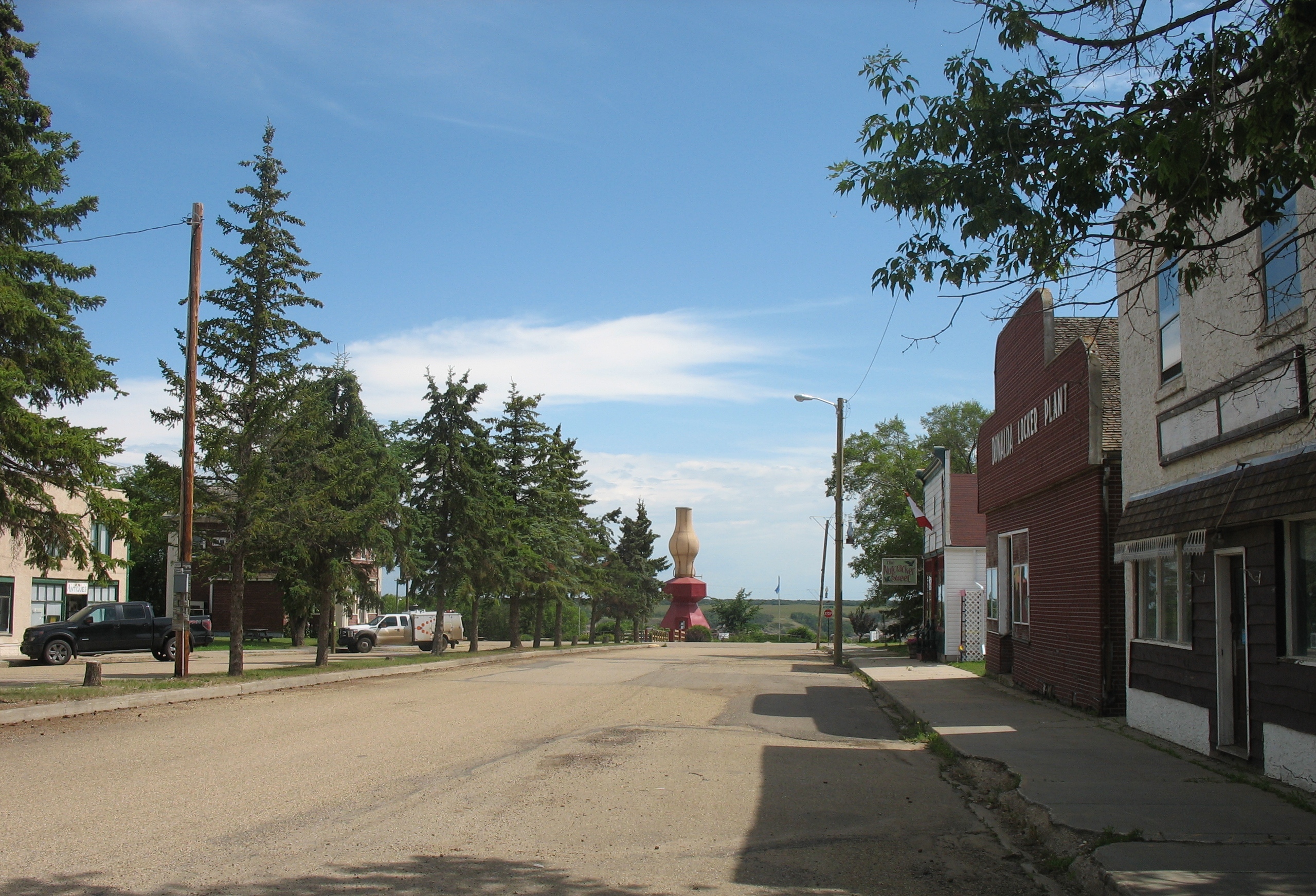
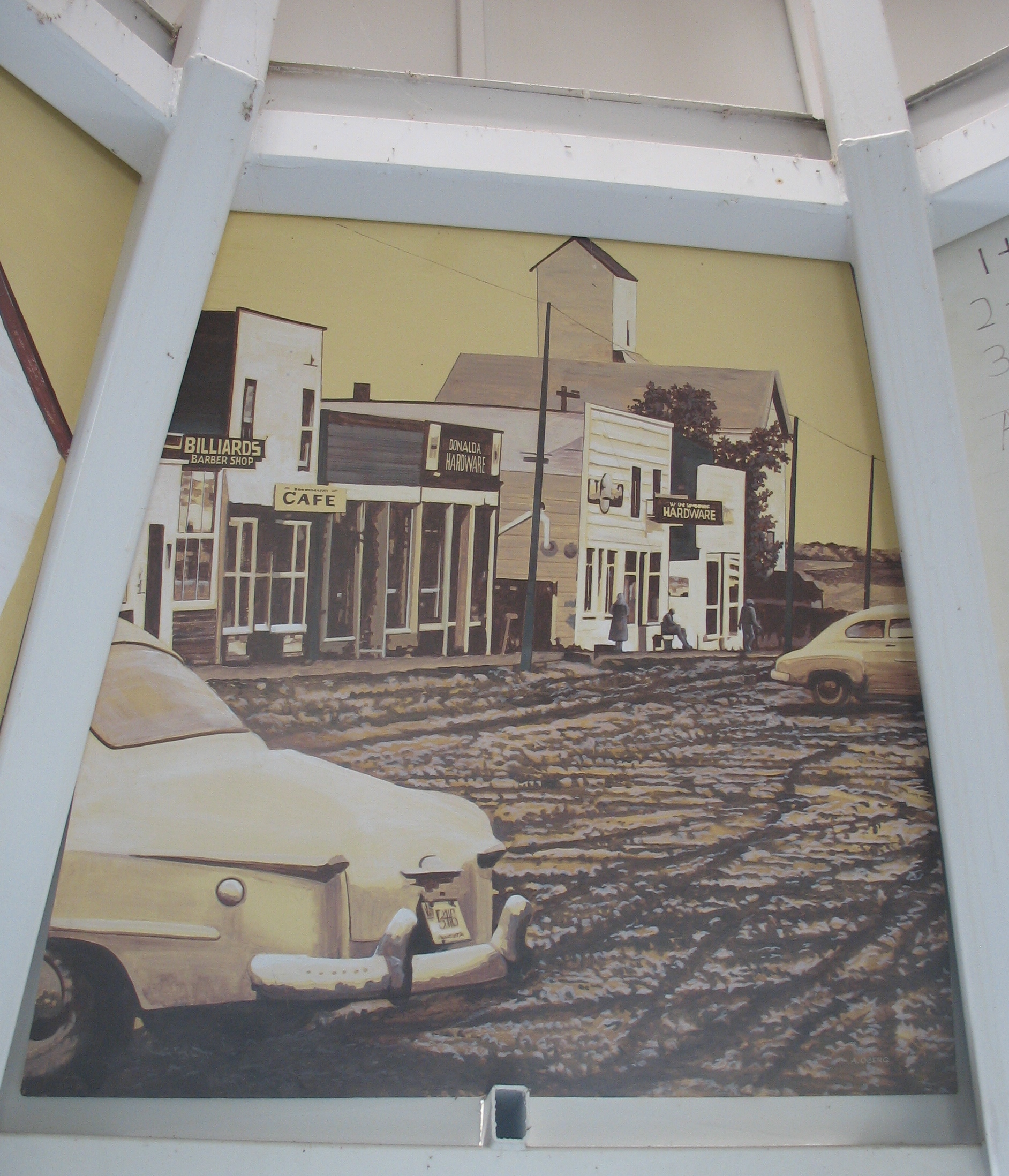
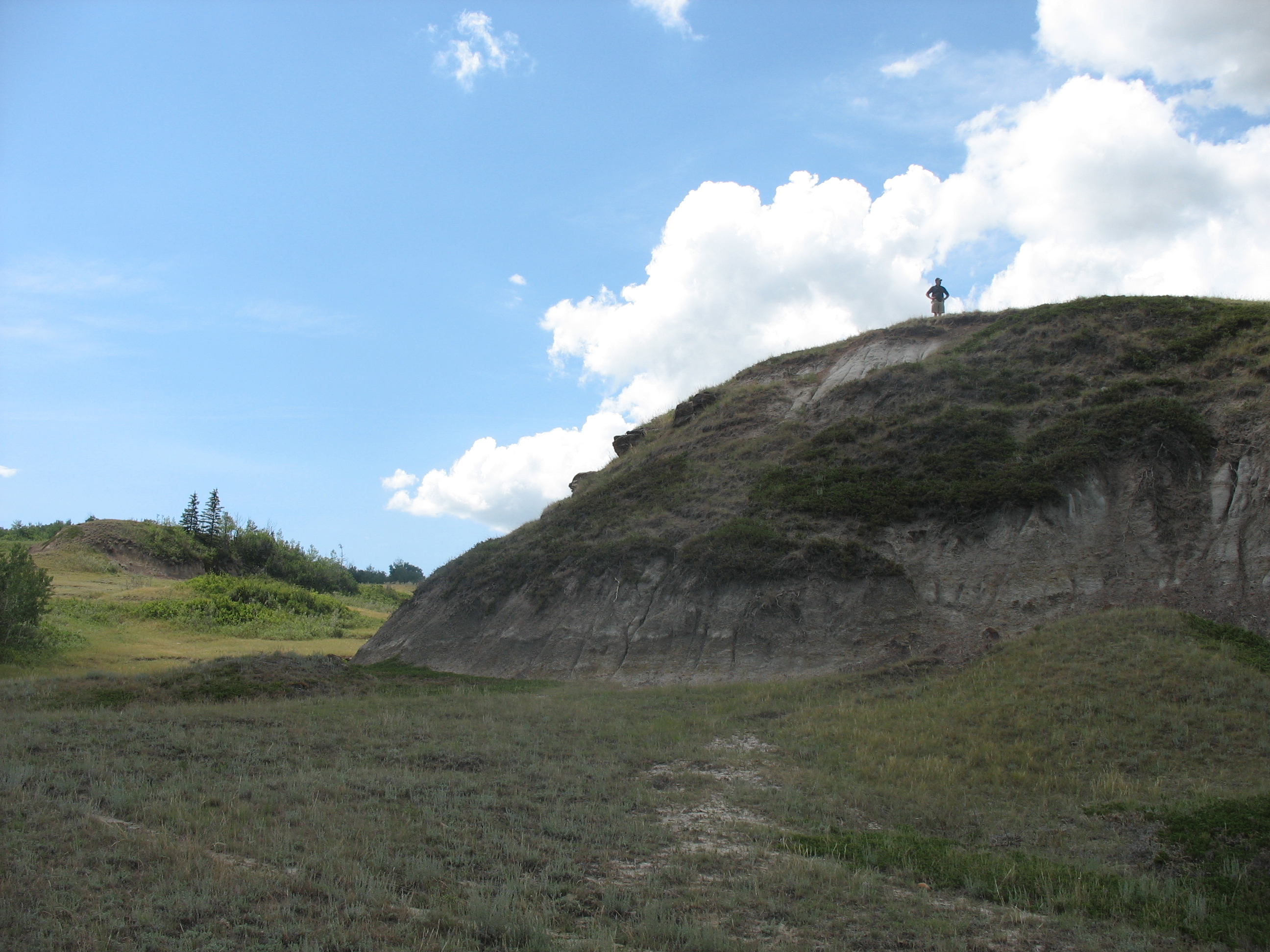
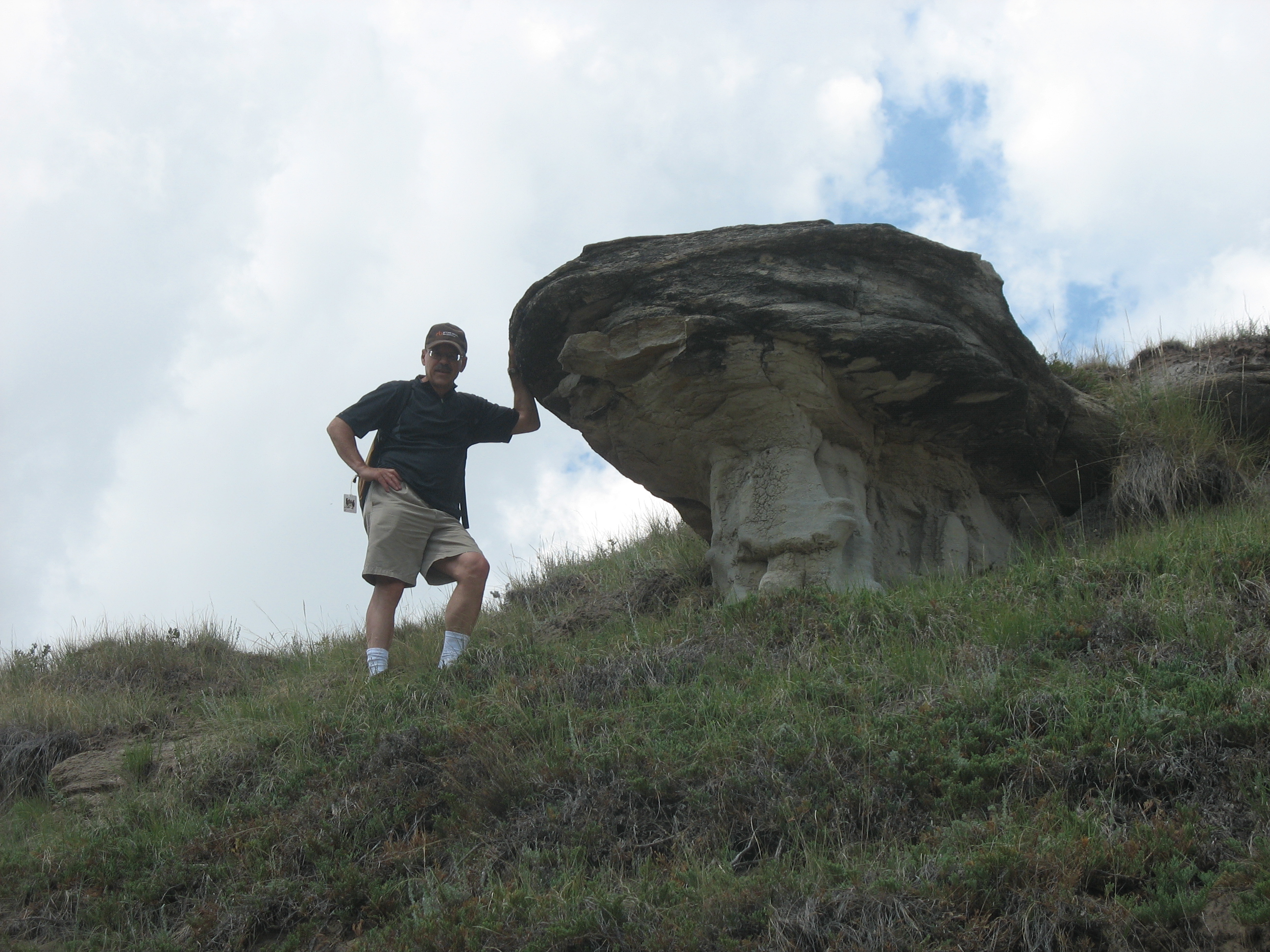
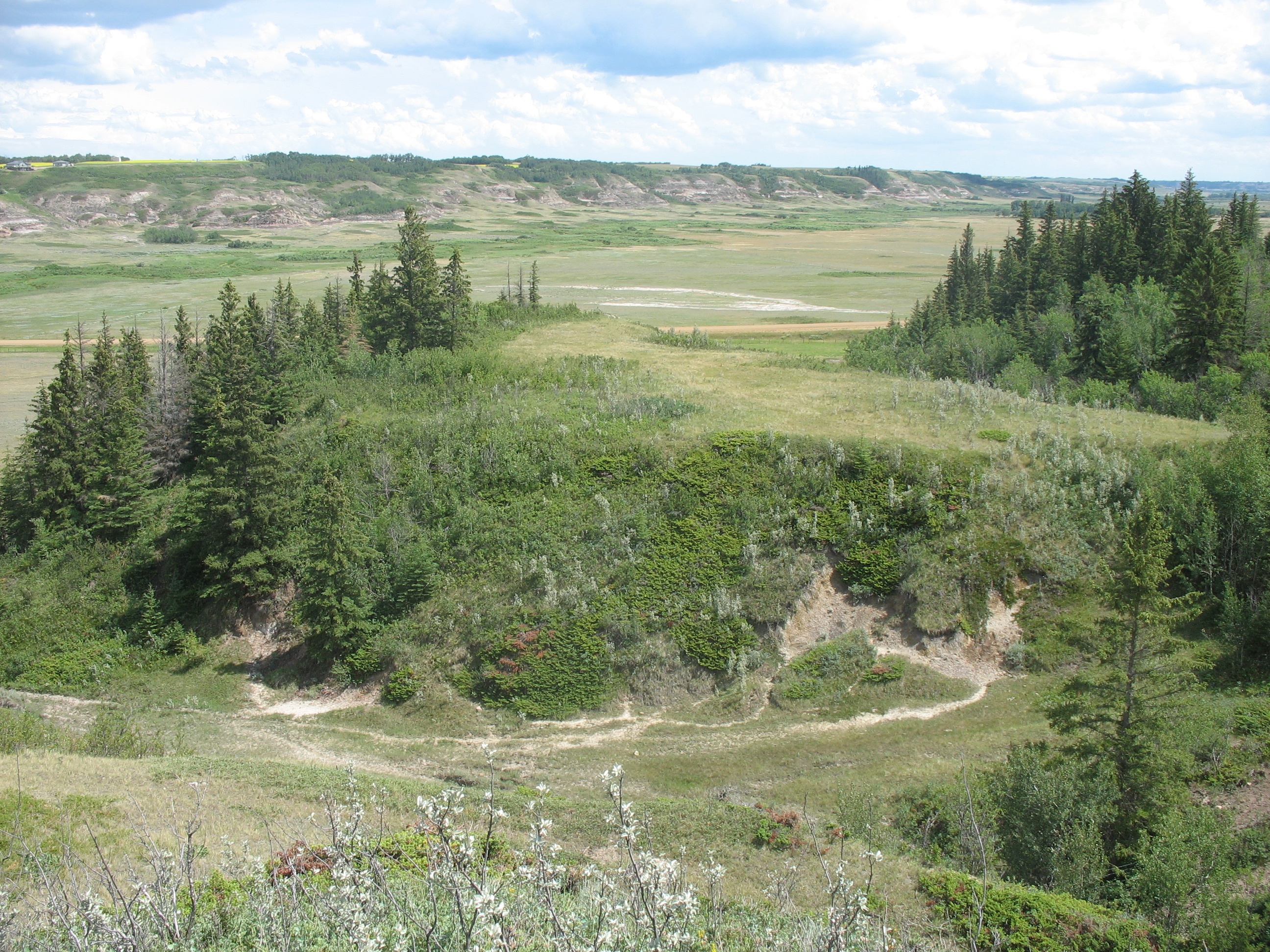
Every time we travel Highway 53 on our way to Red Deer, Calgary or other points to the south, we dip down into Meeting Creek Coulee, the northern most point of the Canadian Badlands. As we climb back out, we pass the access road to the tiny village of Donalda. With its population of about 260 people, it perches on a bluff overlooking the vast valley below. Over the years, we’ve often thought that this would be a great area to go hiking and apparently, we weren’t the only ones. A few years back, the community developed and advertised a hiking trail. When we discovered that geocachers had hidden some caches both in town and along the trail, our interest grew and finally, yesterday was the day. We packed a picnic lunch and off we went! IMG_5318Donalda’s greatest claim to fame is the world’s largest lamp, a replica of the oil lamps that once lit the homes of early settlers across this land. Standing 42 feet tall at the end of the town’s quaint main street and just across the corner from a museum that houses the world’s largest collection of oil lamps, it was lit for the first time on July 1, 2000. All night, every night, its light shines out over the valley below. Inside its base, visitors enjoy a series of paintings depicting the town in its earlier days. Our first cache was hidden just outside. IMG_5327 IMG_5323  IMG_5322 IMG_5321 IMG_5316 After picnicking close to the lamp and the restored railway station nearby, we searched out the other two caches that are hidden in town and then set off along the hiking trail. We expected to find ourselves walking along the rim of the coulee, but instead, we followed a woodland trail that eventually led us out onto an open bluff overlooking the valley below. Seldom ones to stay on the beaten track, after stopping to rest at a picnic table with a spectacular view, we set off to follow an animal trail down into the valley. IMG_5351 I hiked down to the flat valley floor while Richard explored the interesting formations on another close by bluff. IMG_5344 IMG_5345 IMG_5346 The valley is far vaster than we ever realized from the highway and my photos hardly do it justice, but it was great to finally trek through a very small part of it. There are so many interesting places close to home if one but takes the time to explore them! IMG_5334 IMG_5335 IMG_5336

Magical Mystery Tour

Several weeks ago, an insert appeared in our Sunday Morning church bulletin advertising the SCCN (Sedgewick Community Church of the Nazarene) Magical Mystery Tour. “Come ride the bus to our unannounced destination for a fantastic fun filled day of fellowship and food” it proclaimed. Today’s date was given, but very few other details.

I checked the calendar and the day was open. What fun! Those of you who know me well or who’ve been following my blog for very long know that I like nothing better than packing up and going somewhere. Anywhere, whether it be a day trip or a year in Japan, I’m game to go! It’s the gypsy in my blood!

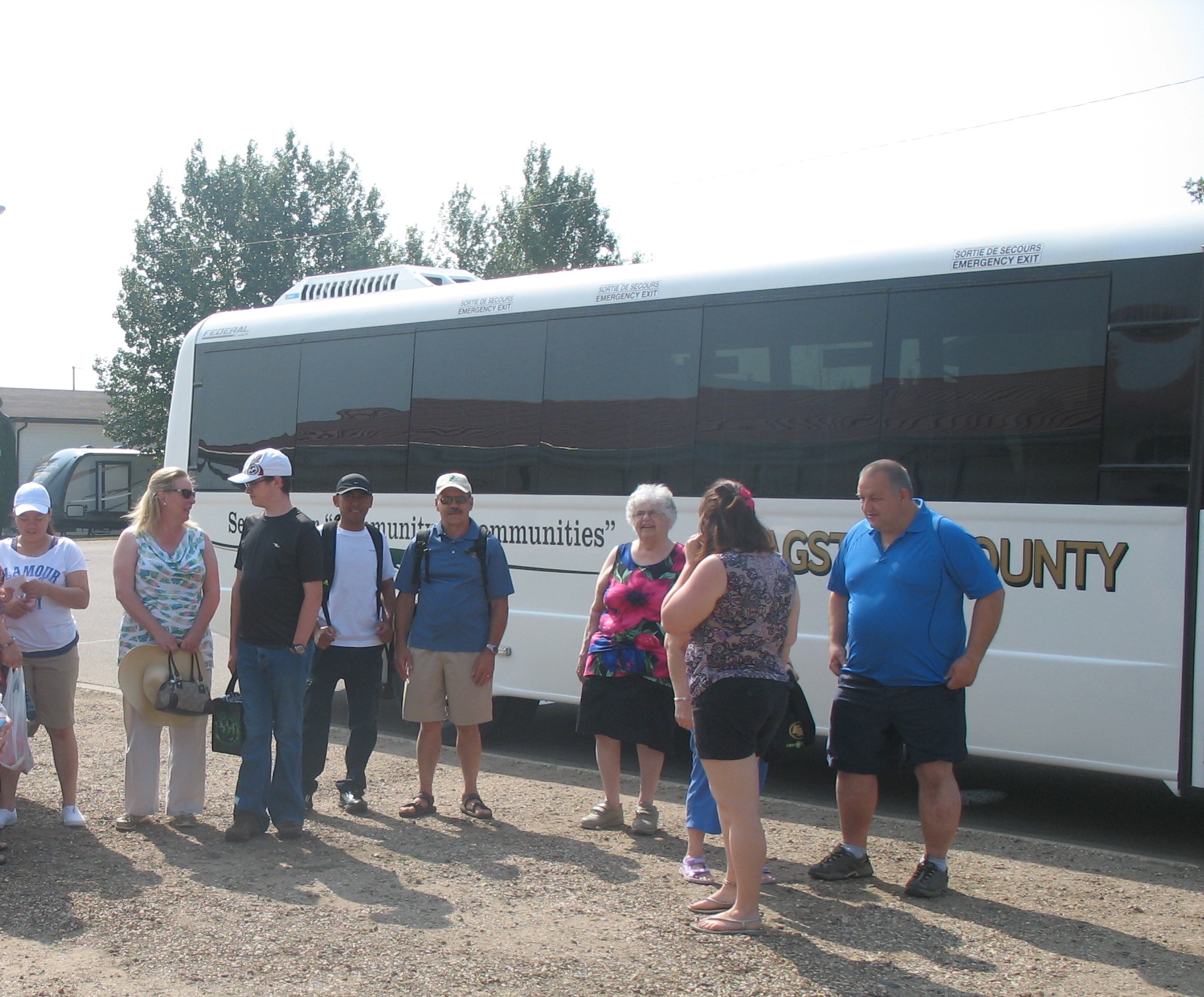
At 10:30 this morning approximately 30 of us gathered in front of the church. “Where do you think we’re going?” some asked while others tried to guess. The 32 passenger County of Flagstaff community bus pulled up and we knew we’d be traveling in style. With temperatures of over 30ºC forecast, we’d definitely appreciate the air conditioning!

IMG_5287 - Version 2  IMG_5286

I’ve always been the travel planner in our family. For me, part of the fun of traveling is the planning that usually goes into it, but today I felt like a kid climbing aboard the bus with absolutely no idea where it was going to take me! Soon we were headed north, passing vast fields of bright yellow canola in bloom. Perhaps we were going to Viking, hometown of the Sutters, one of the most famous families in NHL history. Six of the seven Sutter brothers made it to the National Hockey League in the 1970s and 80s and four of them went on to become coaches and general managers. Half an hour north of Sedgewick, Viking is also hometown to our Mystery Tour organizer. Perhaps she knew of something interesting for us to do in the small town of just over 1000 people. But no, the bus continued onward.

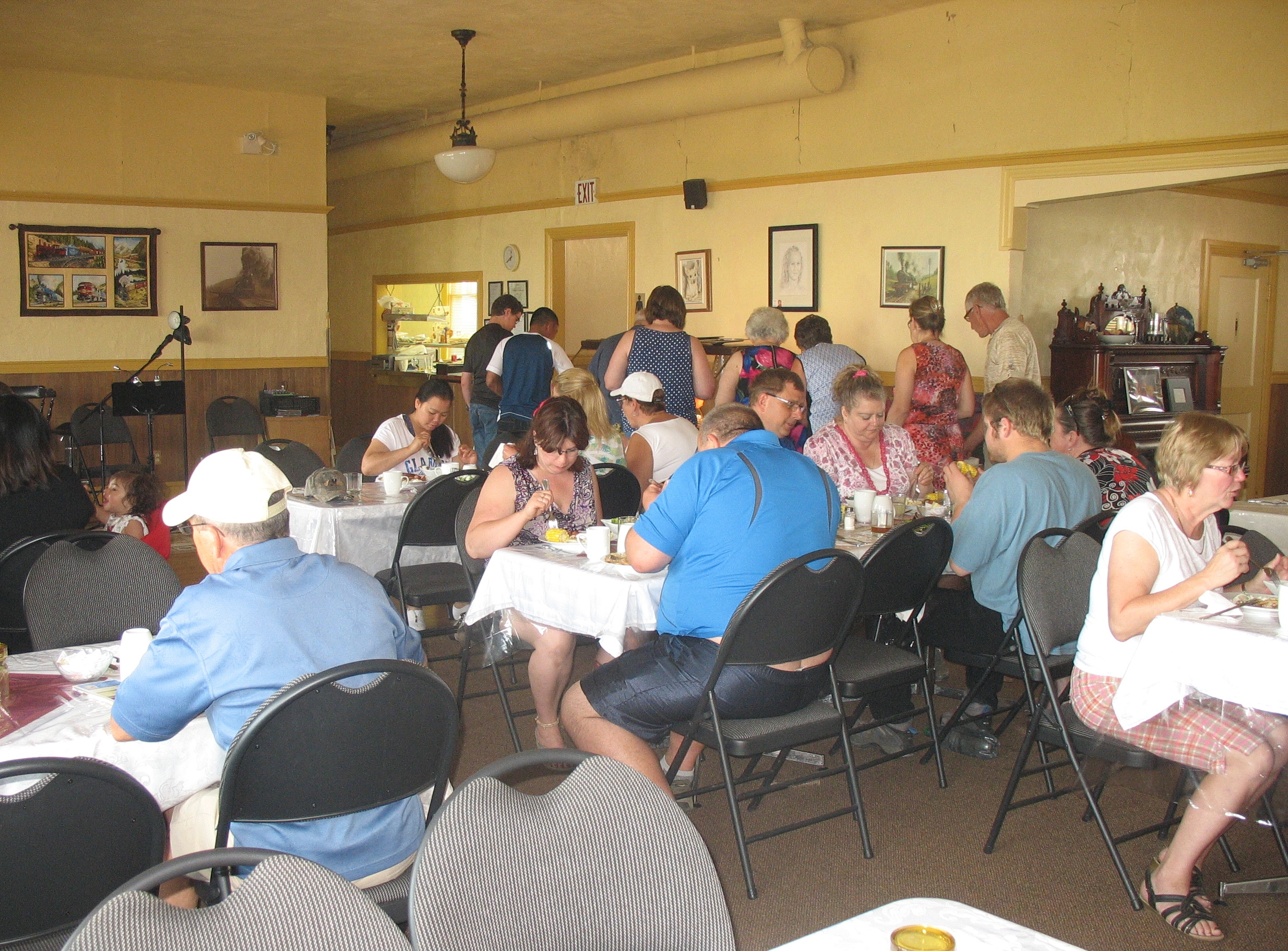
When we turned west on Highway 16, we began to speculate that our destination might be Vegreville, home of the world’s largest pysanka (Ukrainian Easter egg). Sure enough, though we passed by the giant egg, the bus pulled into town and stopped at the historic train station. Built in 1930, it now houses the Station Cafe where a delicious buffet of authentic Ukrainian food awaited us. After relaxing around the tables, we were given a tour of the building. Many of us decided that we’d happily move into the beautifully renovated upper story that once housed the station master’s family.

IMG_5303  IMG_5297 - Version 2

IMG_5306 - Version 2

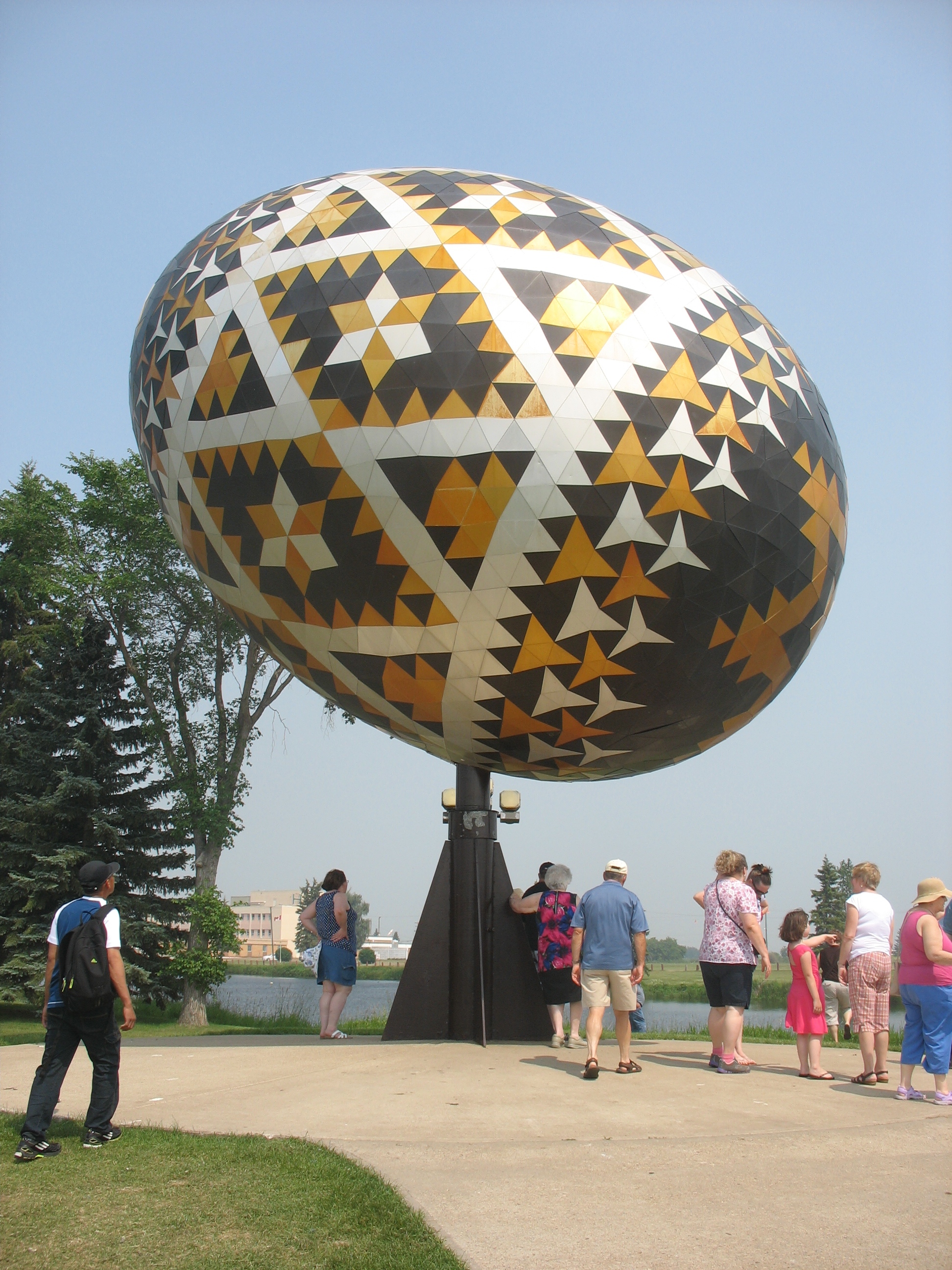
Our second stop was, in fact, the park with the 9.4 metre high pysanka that reflects the traditional art of the many Ukrainian settlers who made this part of Alberta their home.

IMG_5309

A stop for ice cream in Viking on the way home rounded out our day. Though the results of my most recent glucose tests were pretty good, I am pre diabetic and I’d already indulged in a small dessert back at the train station so I knew I’d better forgo another sweet treat. Besides, after filling up on cabbage rolls, perogies and other Ukrainian delights, I wasn’t the least bit hungry!

The Magical Mystery Tour was definitely all that it promised to be; a day filled with fun, fellowship and fantastic food. In fact, some of us are hoping that a new SCCN tradition has been born!

20150711_143001photo: Doris Johnson

Why the rainbow?

What I’m about to say will probably be offensive to some, but I’m going to say it anyway because I am also offended. I understand that there are those who are celebrating the US Supreme Court’s historic decision to legalize same sex marriage across that nation, but I am offended by the rainbows that are cropping up everywhere. I was offended when I came to WordPress to write this post and found a rainbow banner plastered across the top of the page. I was offended when I went to Facebook today and encountered numerous rainbowed profile pictures.

Don’t get me wrong. Am I offended because people are using Facebook’s rainbow filter to express their sexual orientation or to show support for gay friends and/or loved ones? No! I am offended in the same way that I take offence to non Christians taking Christ out of Christmas and Easter. I am offended because the LGBT community chose as their symbol something that God used to symbolize something entirely different. Personally, I think there’s significance in that.

So, how did the rainbow become a symbol of gay pride? For some, it’s many colours simply represent diversity within the LGBT community. The rainbow flag was originally designed by San Francisco artist, Gilbert Baker, in the 1970s and had eight stripes: hot pink to represent sex, red for life, orange for healing, yellow for the sun, green for serenity in nature, turquoise for art, indigo for harmony and violet for spirit. The pink stripe was eliminated first when Baker approached a company to mass produce the flags and discovered that hot pink fabric was not available commercially. Given what the flag stands for, I find it quite hilarious that he simply chose to eliminate the stripe representing sex! Indigo was later removed to give the flag an even number of stripes. Again, I find it a bit odd that the stripe representing harmony was removed. If there is anything that’s needed where this topic is concerned, it’s harmony!

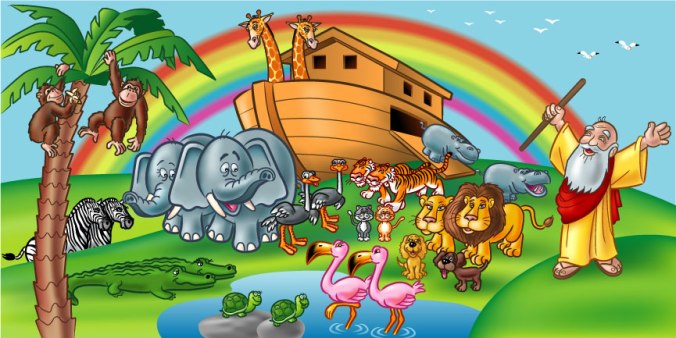
But, why am I offended by this use of the rainbow? Christian or not, you are probably familiar with the biblical story of Noah’s ark. According to Genesis 6, a time came when “The Lord saw how great man’s wickedness on the earth had become, and that every inclination of the thoughts of his heart was only evil all the time.” Perhaps, a time not so different from our own! We are told that God “was grieved that He had made man on the earth, and His heart was filled with pain.” As a result, He decided to send a flood to wipe out mankind, but He chose to preserve one family, the family of a righteous man named Noah, to begin again. When the flood waters finally receded and Noah’s family, as well as the animals that had been preserved with them, were able to leave the ark, Genesis 9 tells us that God made a covenant with them that never again would flood waters destroy all life on earth. Then, He set a rainbow in the sky as a sign of His promise.

“Whenever the rainbow appears in the clouds, I will see it and remember the everlasting covenant between God and all living creatures of every kind on the earth.”  Genesis 9:16 NIV

That’s the rainbow I’m thankful for; a symbol of hope in a world that often seems devoid of hope! We live in a time of moral decay and depravity, but our God has promised not to send the flood waters to swallow us up! I take offence to the symbol of that promise being used for anything else, most especially something that I do not believe my God would celebrate.

rainbow

As always, I invite you to leave a comment. Given the controversial nature of this topic, however, I urge you to do as I have tried to do and express your views without attacking anyone.

The old farmstead

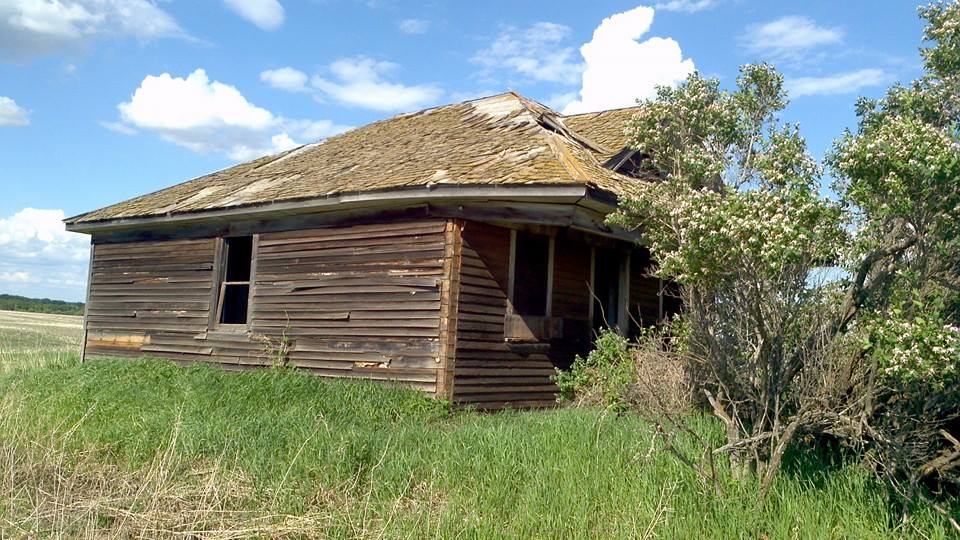
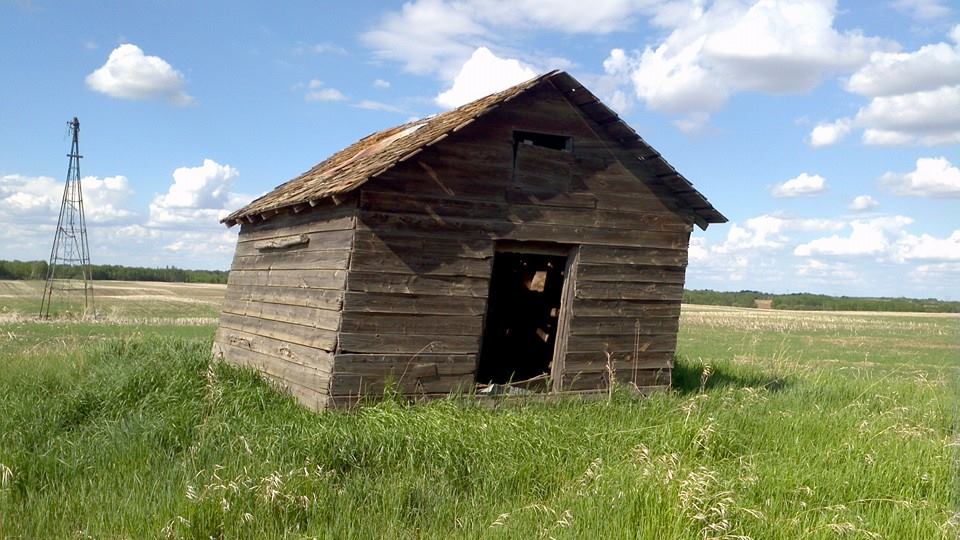
If you’ve been following my blog for very long, you may remember how much I enjoy exploring the old farmsteads scattered across the prairie. If only walls could talk, what stories they would tell!

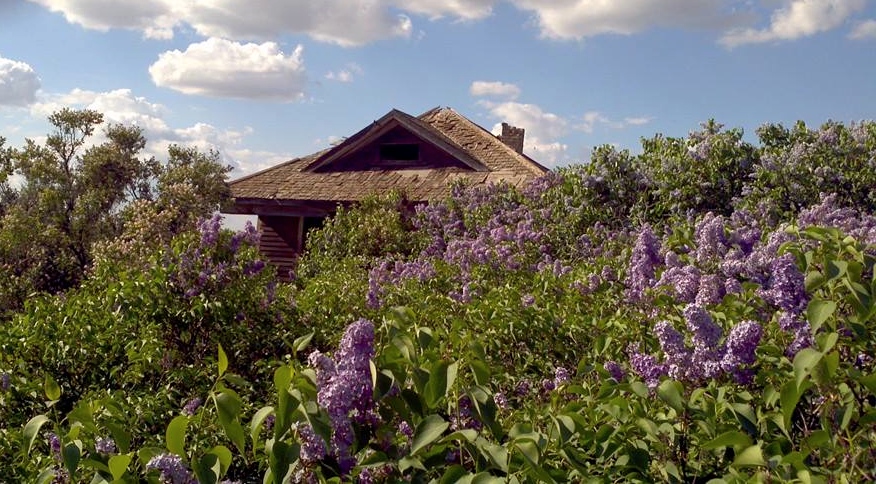
Today, we made the one hour drive to Wainwright to pick up a piece that Richard had ordered for the golf cart. On the way, we passed an old abandoned house hiding behind an abundance of beautiful lilacs. As always, I was intrigued.

in lilacs

When we arrived in Wainwright, we discovered that the wrong part had been ordered! Fortunately, the trip was not for naught. We went out for lunch, did a bit of much needed shopping and found eight geocaches before heading for home. On the way back, Richard slowed the vehicle as we once again approached the old house hiding behind the lilac bushes.

“Do you want to stop?” he asked, already knowing what the answer would be. Of course, I did!

6

3

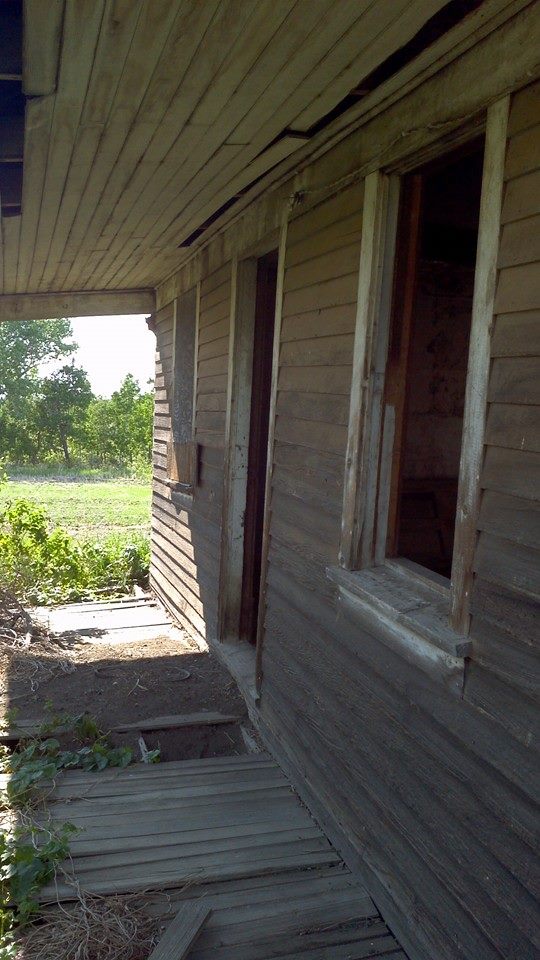
Can you imagine sitting in the shade on the front porch gazing across the open prairie or watching the stars come out at night?

4

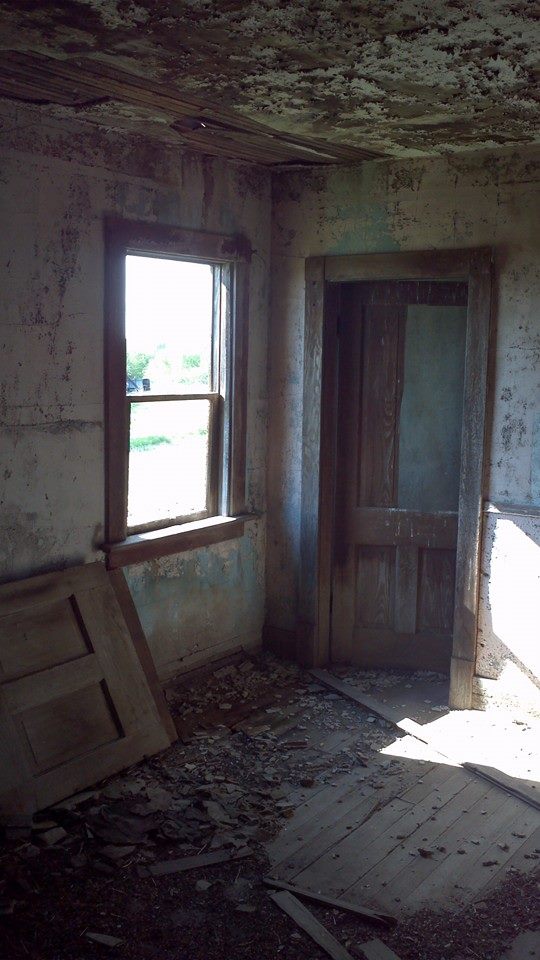
The floor is rotted out in places, exposing the root cellar under the kitchen, so we didn’t walk around inside but it was easy to take photos through the open windows and doors. Who slept in the two small bedrooms, I wondered, and what did they dream about? I’m sure that many good times were had as well as challenges met under that roof.

5

7

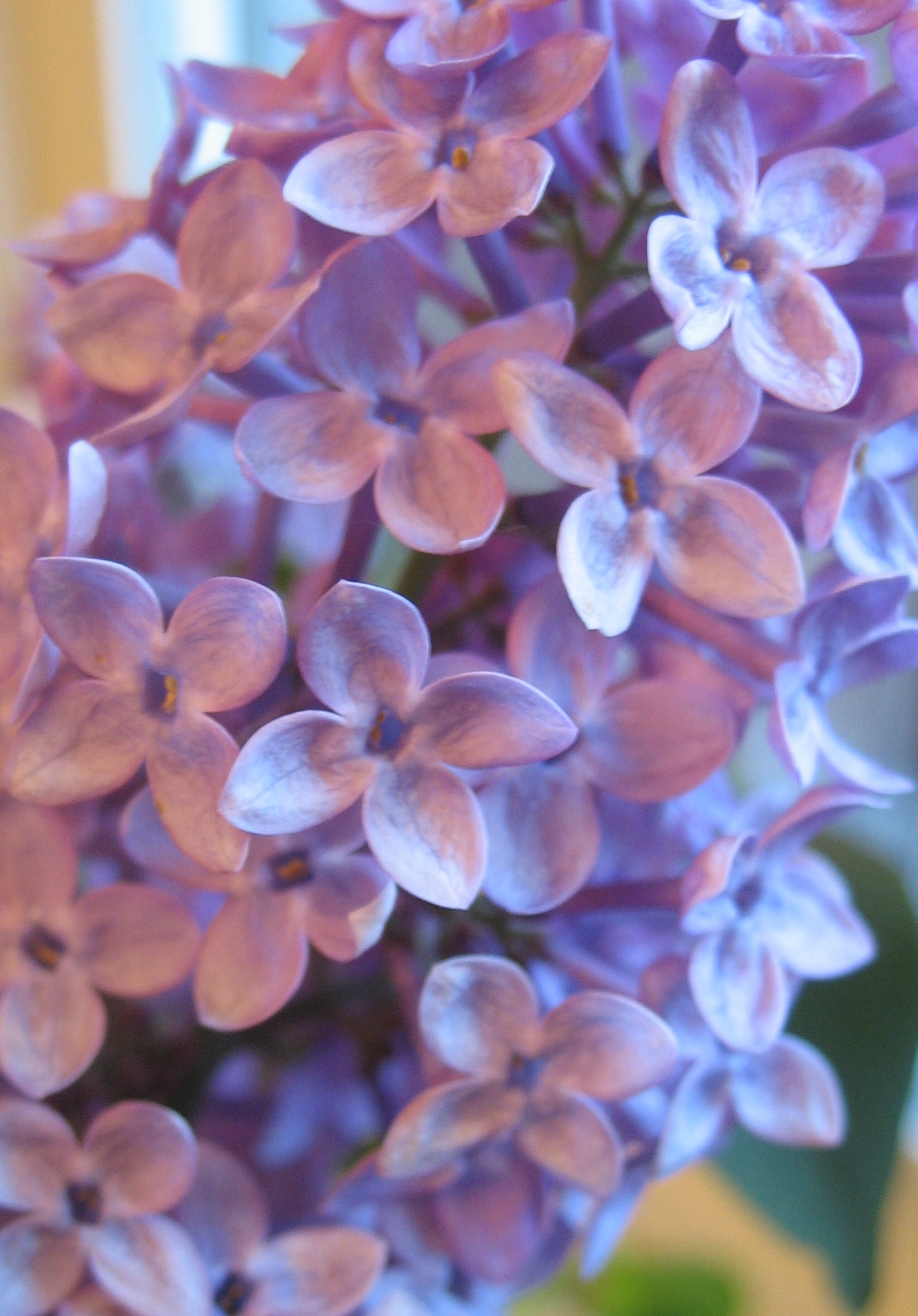
Before we left, Richard took out his trusty pocket knife and snipped off a few sprigs of lilac. I have no idea who planted those bushes, now so overgrown, but their heavenly scent now fills my kitchen!

IMG_5220

IMG_5224 - Version 2