This has been a very hard week.
I think it’s common for people to ask “Why me?” when they’re diagnosed with cancer or another life threatening illness, but that wasn’t my experience. In fact, I clearly remember thinking, “Why not me?” After all, nearly 2 in 5 Canadians are expected to develop cancer at some point in their lives. Why wouldn’t I be one of them?
There are times though when I do ask “Why me?” When I walk into the cancer clinic for an appointment and see patients who are so much worse off than I am, I can’t help wondering why I’ve been so fortunate and they haven’t. Surviving longer, having an easier time with treatments, and/or experiencing fewer side effects often cause cancer patients like me to experience what’s known as survivor’s guilt. This is a complex emotional response where survivors feel guilty, sad or unworthy for living and recovering while others don’t.
Once again, this week has left me asking, “Why me?” In a period of less than 48 hours, we lost two very special people to cancer. One, our son-in-law’s younger sister, was a woman in her 40s whose youngest child is still in high school. The second was a very dear friend who we first met in 2013 when we were teaching English in China and her husband was on staff with us. As couples, we did many things together, even traveling and climbing the Great Wall together. Since they retired to Mexico several years ago, we’ve visited them several times and had many more interesting adventures together. Why is it that, almost 12 and a half years after being diagnosed with an incurable cancer, I continue to live a fairly normal and productive life while both these women suffered much more than I have and are gone less than a year after diagnosis? Logically, I know that their cancers were more aggressive than mine, but I can’t help asking why I’m still here and they are not.
There are, of course, no answers to these questions. I can only conclude that God isn’t finished with me yet and determine to make good use of whatever time I have left. In fact, that’s one of the recommended ways of dealing with survivor’s guilt and I suspect it’s the reason that I’ve felt driven these past few years to do many of the things I do. Things like editing loan descriptions for Kiva, a nonprofit organization that facilitates microloans to help alleviate poverty in underprivileged areas of the world. Things like writing letters for a Christian prison ministry and helping lead a provincial patient support group. These are things that help me find purpose and meaning in survival.
I also know that guilt, including survivor’s guilt, is one of the common stages of grieving. As I grieve the losses that we’ve experienced this week, I know that it’s normal for me to be feeling this way right now and so I acknowledge the feeling and don’t despair.



 There’s a great debate in neuroendocrine cancer circles over the use of the zebra as our symbol. At one extreme are patients, usually women, who show up at meetings and conferences decked out from head to toe in zebra stripes and who refer to one another as fellow zebras. On the other side of the debate, the world’s best known and most highly revered patient advocate is so opposed to the idea that he doesn’t allow anything zebra on his social media sites. He thinks that it’s an infantile gimmick that trivializes the grave nature of our disease and that it’s actually detrimental as an awareness tool.
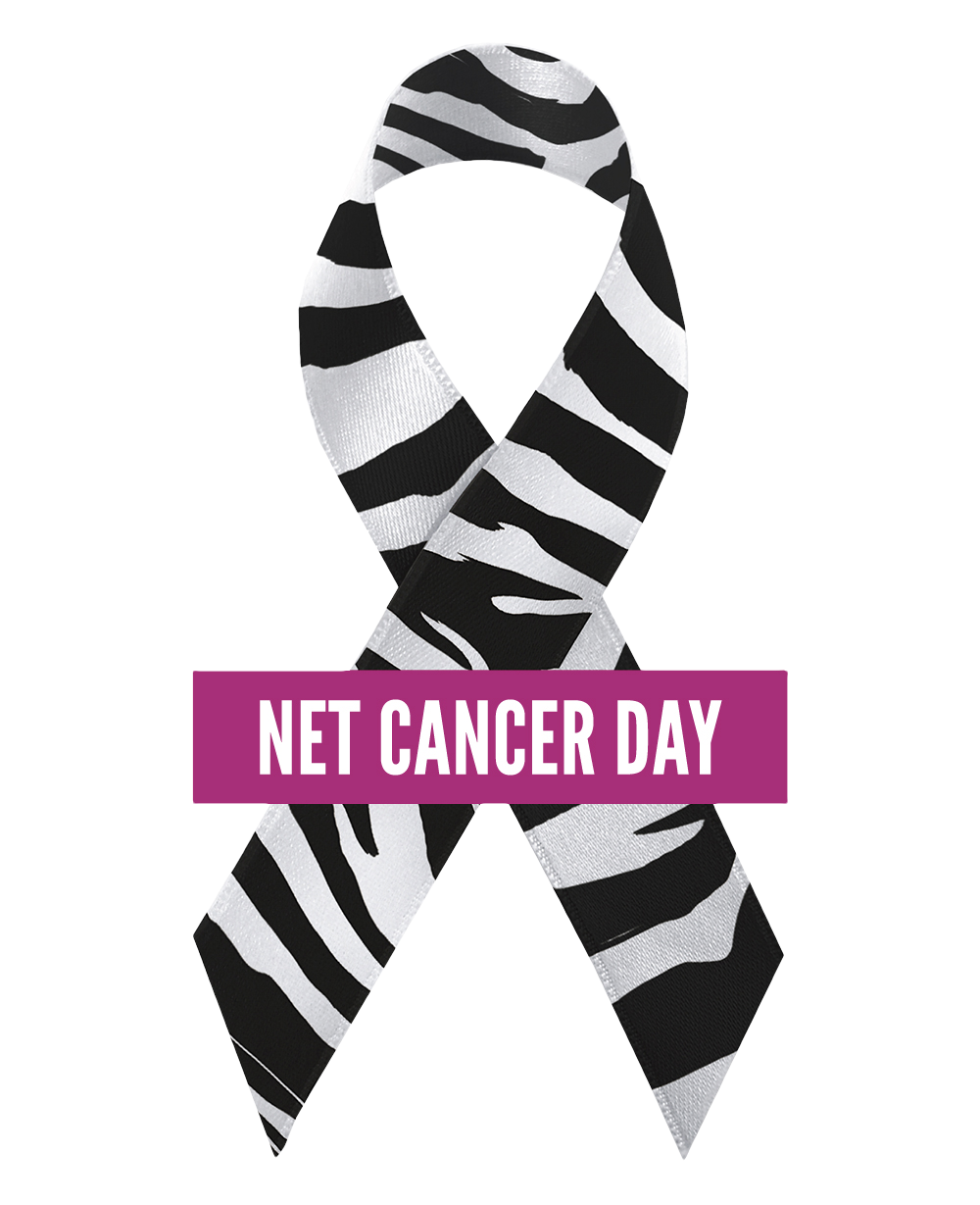 Once again, today is NET Cancer Day. November 10th is a day set aside to increase awareness of neuroendocrine cancer and to promote improved diagnostics, treatments, care, and research, but for those of us who live with the disease, every day is NET Cancer Day.
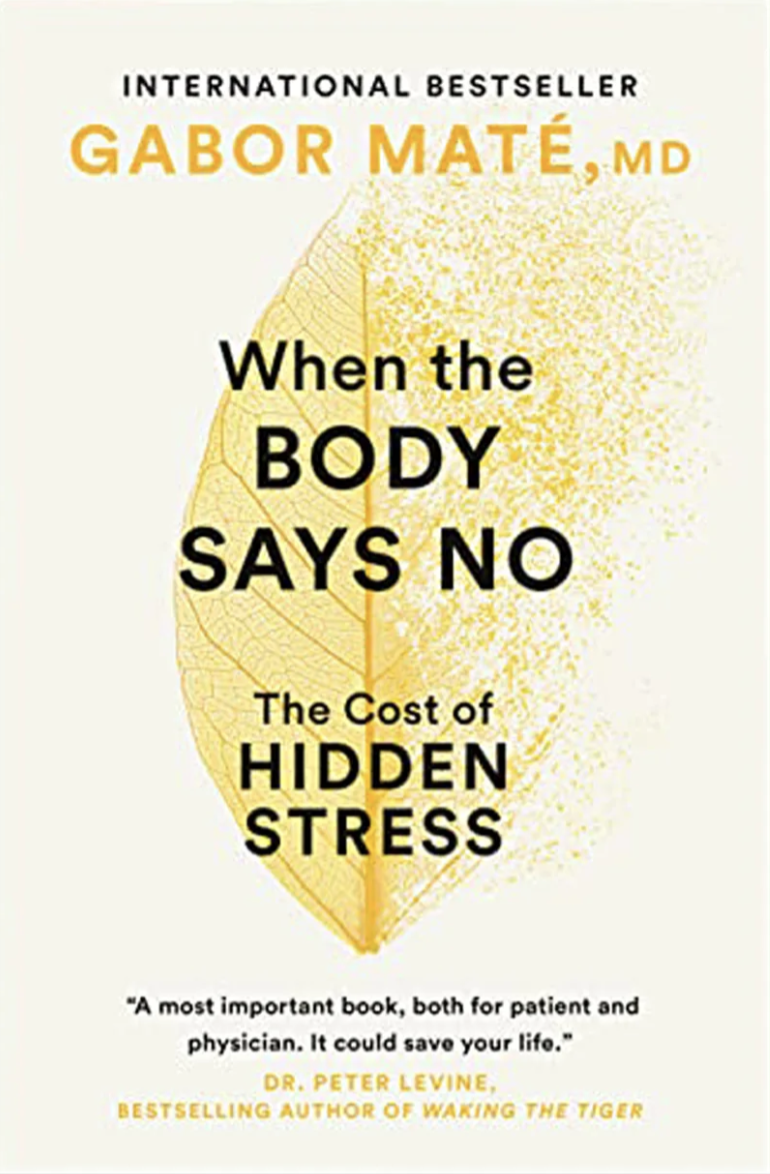 In this international bestseller, renowned mental health expert and speaker, Dr. Gabor Maté, provides insight into the critical role that stress and emotions play in the development of many common diseases.



 Following Augustine