I confess that I haven’t been very faithful about posting monthly book reviews lately, but I’m determined to change that.
The Book Thief
Markus Zusak
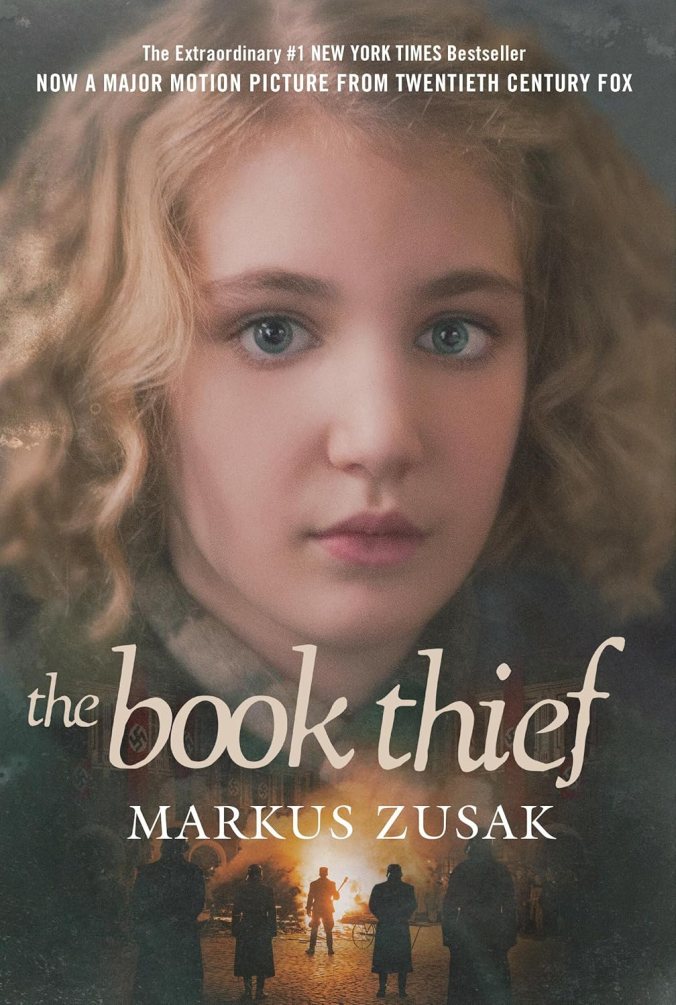 I’ve been avoiding books set during World War II lately. Over the past year or so I’d read so many of that popular genre that I was growing weary of them, but The Book Thief was different from most.
Nine-year-old Liesel Meminger is illiterate when she comes to live with foster parents Hans and Rosa Hubermann in the fictional town of Molching, Germany in 1939, but she brings with her a copy of The Grave Digger’s Handbook, found partially hidden in the snow beside her brother’s grave. With the help of her accordion-playing foster father, she learns to read and a love affair with books begins. She steals books from a Nazi book-burning, from the mayor’s wife’s library, and from anywhere else that books are found, but she isn’t a thief without a moral compass. She only steals a book when she has read the ones she already has, usually several times over. She reads with her neighbour, with a young Jewish man hidden in the Hubermann’s basement, with the mayor’s wife when she goes to pick up laundry, and in the neighbourhood shelter when bombs are falling.
In the author’s native Australia, The Book Thief is generally classified Adult Fiction, but it has often been marketed as a Young Adult novel in North America. It has, however, been challenged several times when included in school curriculums because of violence, course language, and disturbing scenes. While I wouldn’t consider it inappropriate for teenage readers, it certainly isn’t juvenile in writing style or theme. In fact, the style is so out of the ordinary that I actually found it difficult to get into at first, but I’m glad I persevered. Character development is one of the books greatest strengths and perhaps the most unusual thing about it is the use of Death as the narrator.
And now it’s your turn. If you’ve read The Book Thief, what did you think of it? Have you read any good books lately? What are you reading now?

 Being diagnosed with a life-changing illness can be completely overwhelming. In Hope for the Best, Plan for the Rest, Drs. Sammy Winemaker and Hsien Seow offer a valuable guide to help patients and families deal with their new reality. Combining their decades of palliative care research and experience caring for seriously ill patients and harnessing the advice of thousands of patients, they offer 7 keys for navigating a life-changing diagnosis. With real-life stories, tips, and exercises, these compassionate experts empower patients with practical tools to help them successfully navigate the health care system with knowledge and confidence.
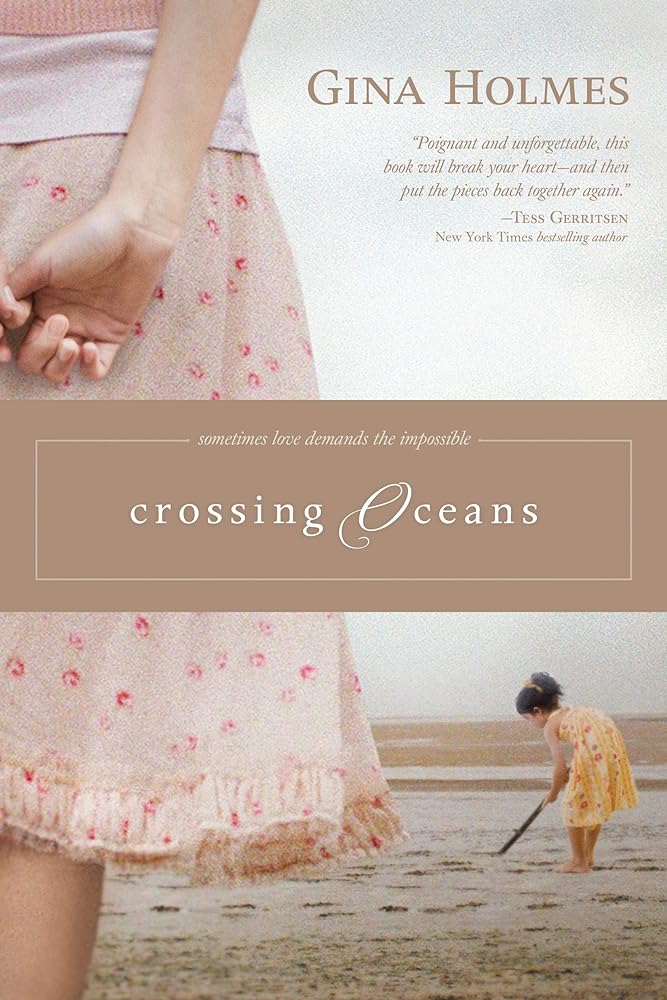 At the outset, Gina Holmes’ Crossing Oceans reminded me of a sappy Christmas movie. You know the ones… after several years away, beautiful young woman returns to her quaint mid American hometown where she encounters sweet, kindhearted, and inexplicably single man from her past who sweeps her off her feet and solves all her problems.
 Until the end, when the two finally come together, this is really two completely different storylines connected only by a specific location.
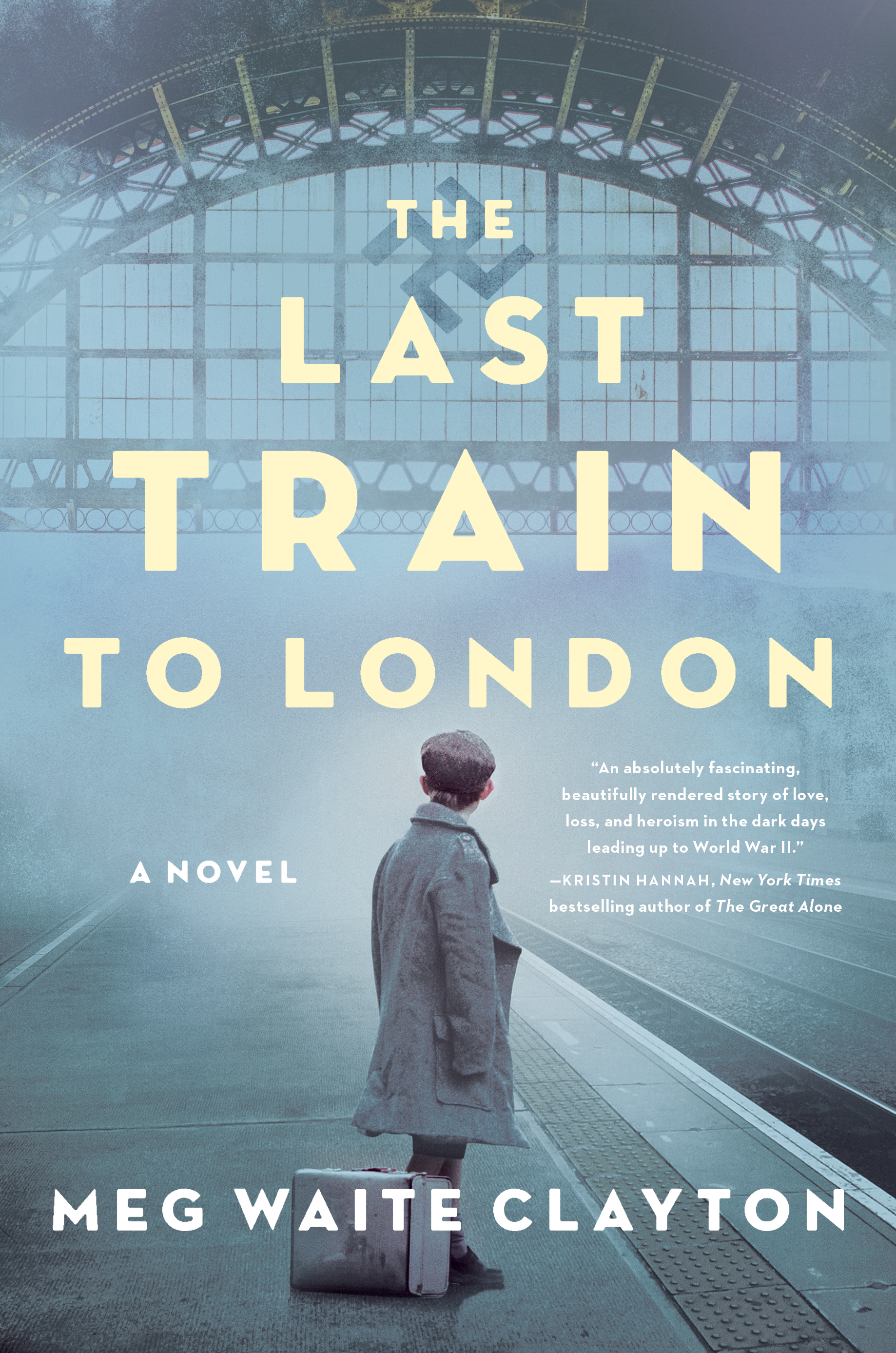 Geertruida (Truus) Wijsmuller, a childless member of the Dutch resistance, risks her life smuggling Jewish children out of Nazi Germany to the nations that will take them. It is a mission that becomes even more dangerous after Hitler’s annexation of Austria when, across Europe, countries begin to close their borders to the growing number of refugees desperate to escape. After Britain passes a measure to take in at-risk child refugees from the German Reich, Tante Truus, as she is known by the children, dares to approach Adolf Eichmann, the man who would later help devise the “Final Solution to the Jewish Question” and is granted permission to escort a trainload of 600 children (not 599 or 601, but exactly 600) out of the country. In a race against time, 600 children between the ages of 4 and 17 are registered, photographed, checked by medical doctors and put on board the train to begin a perilous journey to an uncertain future abroad. Thus begins the famous Kindertransport system that went on to transport thousands of children out of various parts of Europe during the Nazi occupation of the region in the late 1930s, immediately prior to the official start of World War II.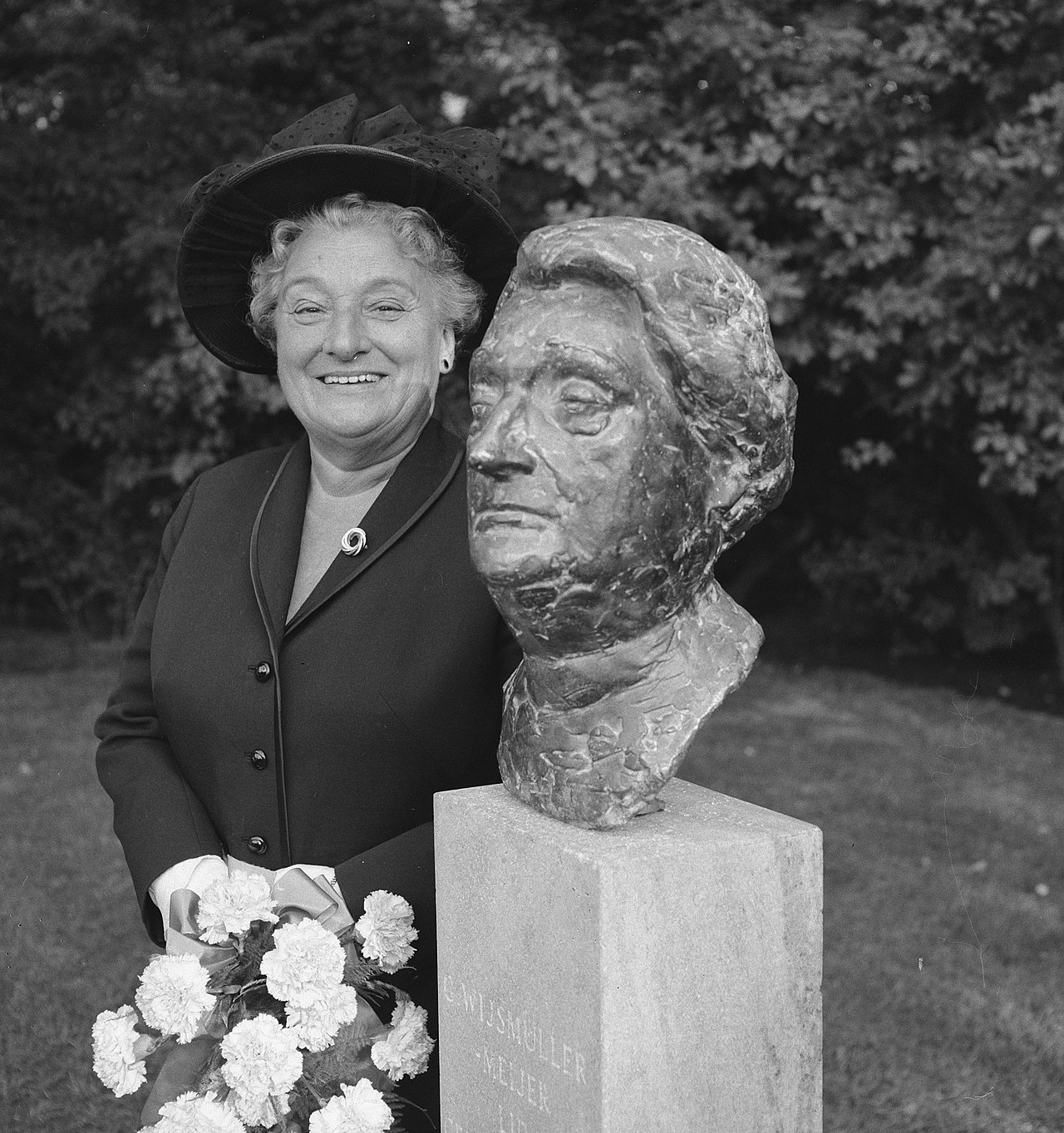

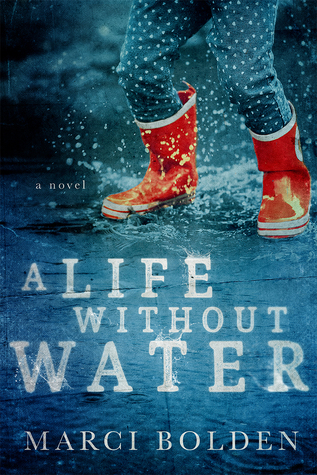 After reading Rohinton Mistry’s A Fine Balance, a 713 page novel about life in India in the 1970s and 80s, and then Timothy Keller’s The Reason for God: Belief in an Age of Skepticism, I was looking for something light to read! Something frivolous and entertaining.
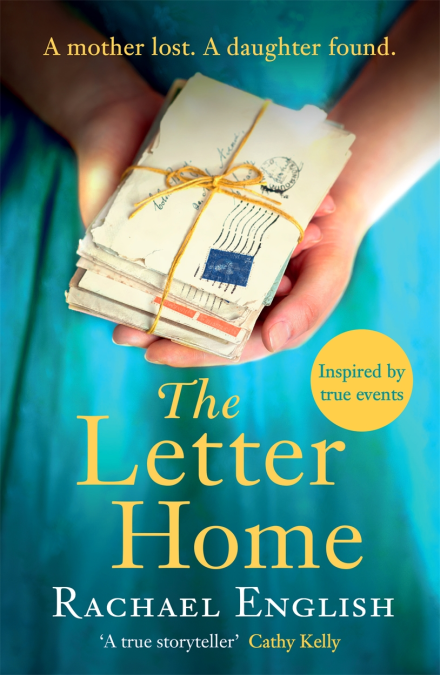 Rachael English is a novelist and a presenter on Ireland’s most popular radio programme, Morning Ireland. In her most recent novel, inspired by true events, the lives of three remarkable women are interwoven across time.
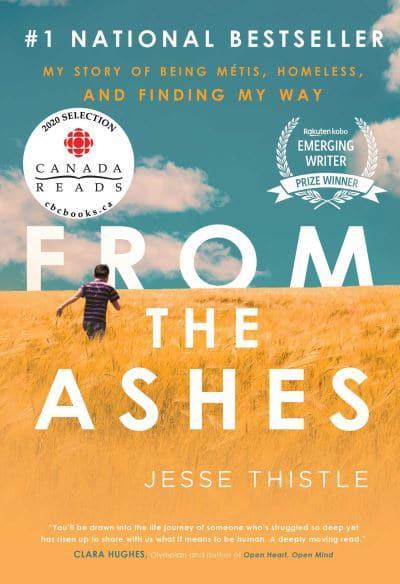 This month’s book was a difficult read because of the content, but at the same time, it was difficult to put down!

 Nadia Hashimi’s second adult novel is the gripping story of a mother and her children fleeing Afghanistan after the brutal murder of her husband by the Taliban. Their one hope is to find refuge with her sister’s family in London, England. It’s also the story of Fereiba’s teenage son, Saleem, who becomes separated from the family as they make their perilous journey into Iran, Turkey and across Europe.
  Following Augustine