How to Read a Book
Monica Wood
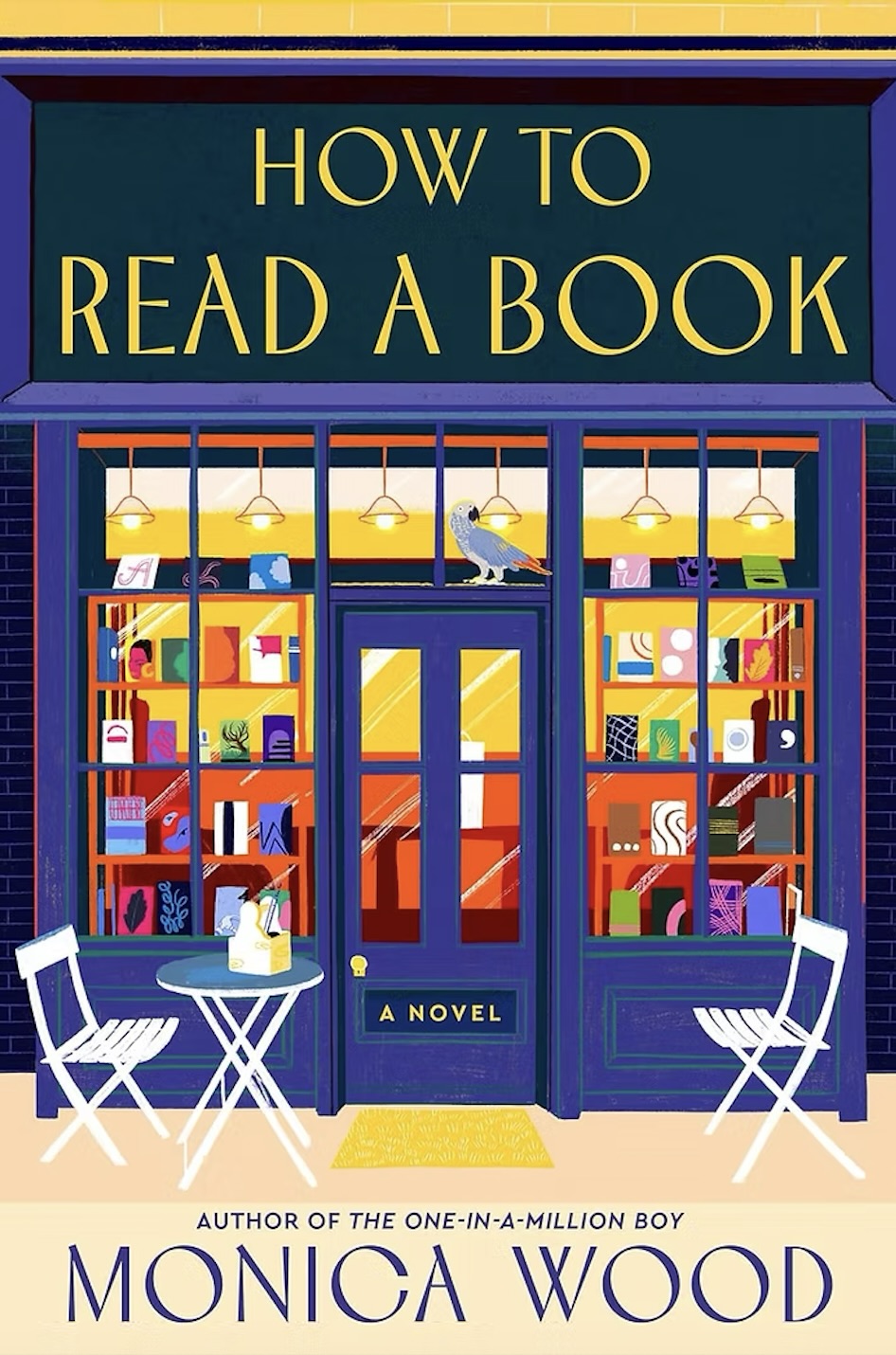
The title is catchy, but this is not actually a book about how to read! It’s a heartwarming novel about forgiveness, second chances, unlikely friendships, and the life-changing power of books.
The author, Monica Wood, brings a prison, a bookstore, and a science lab to life in such a way that we can easily picture ourselves in each location, but the greatest strength of this book is character development. We are immediately drawn into the lives of the three main characters. Violet Powell is a 22-year-old from rural Maine who is released from prison after serving 22 months for a drunk-driving accident that killed an older kindergarten teacher. Frank Daigle, a retired machinist who works part time as a bookstore handyman, has yet to come to terms with the complications of his marriage to the woman who died in the crash. Widow, Harriet Larson, is a retired English teacher who runs the prison book club. A chance encounter between these three becomes life-changing for each of them.
The characters are believable and imperfect, just like the rest of us! When Violet enters into an illicit affair with her much older employer, my first thought was “How stupid!” until I thought about how vulnerable she was and remembered some of the incredibly idiotic decisions that I made at a similar age.
This was a feel-good book, but also thought provoking. Now I have Monica Wood’s memoir, When We Were the Kennedys, on my Kindle, ready to read on our upcoming trip, but more about that in future posts!
And as a totally unrelated aside, many thanks to those of you who made donations to my Hoofing It fundraiser for neuroendocrine cancer research after reading my last post. Your generosity is very much appreciated!
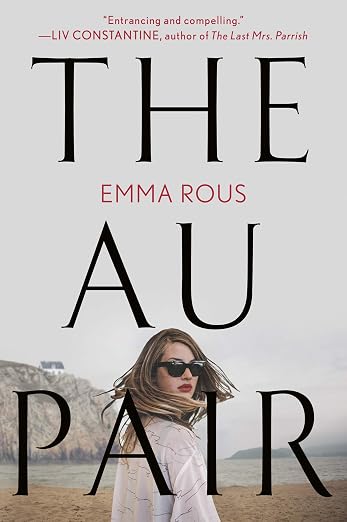
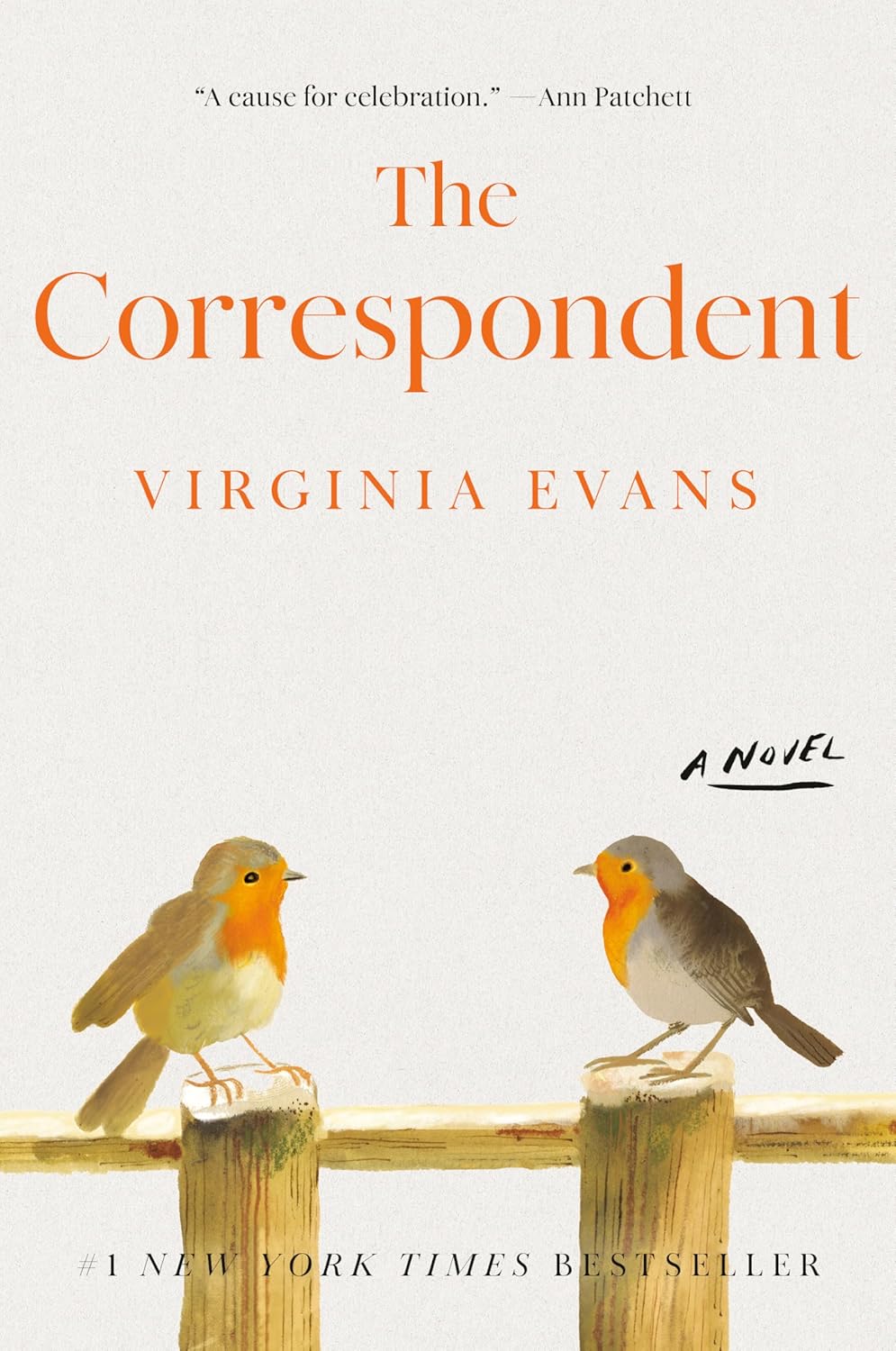
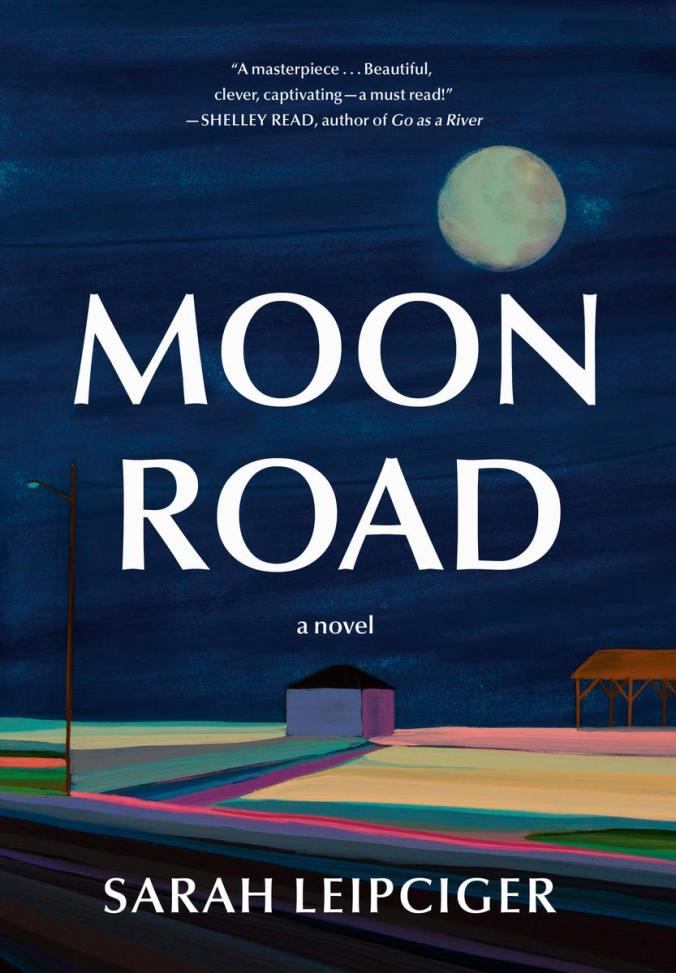 Divorced for more than two decades, Yannick and Kathleen have not seen or spoken to one another for nineteen years when they receive the news that human remains have been unearthed on Vancouver Island. Could this be their daughter, Una, who disappeared without a trace over twenty years earlier? This unimaginable shared loss brings them together for a cross-Canada trip from Ontario all the way to the Pacific Coast.
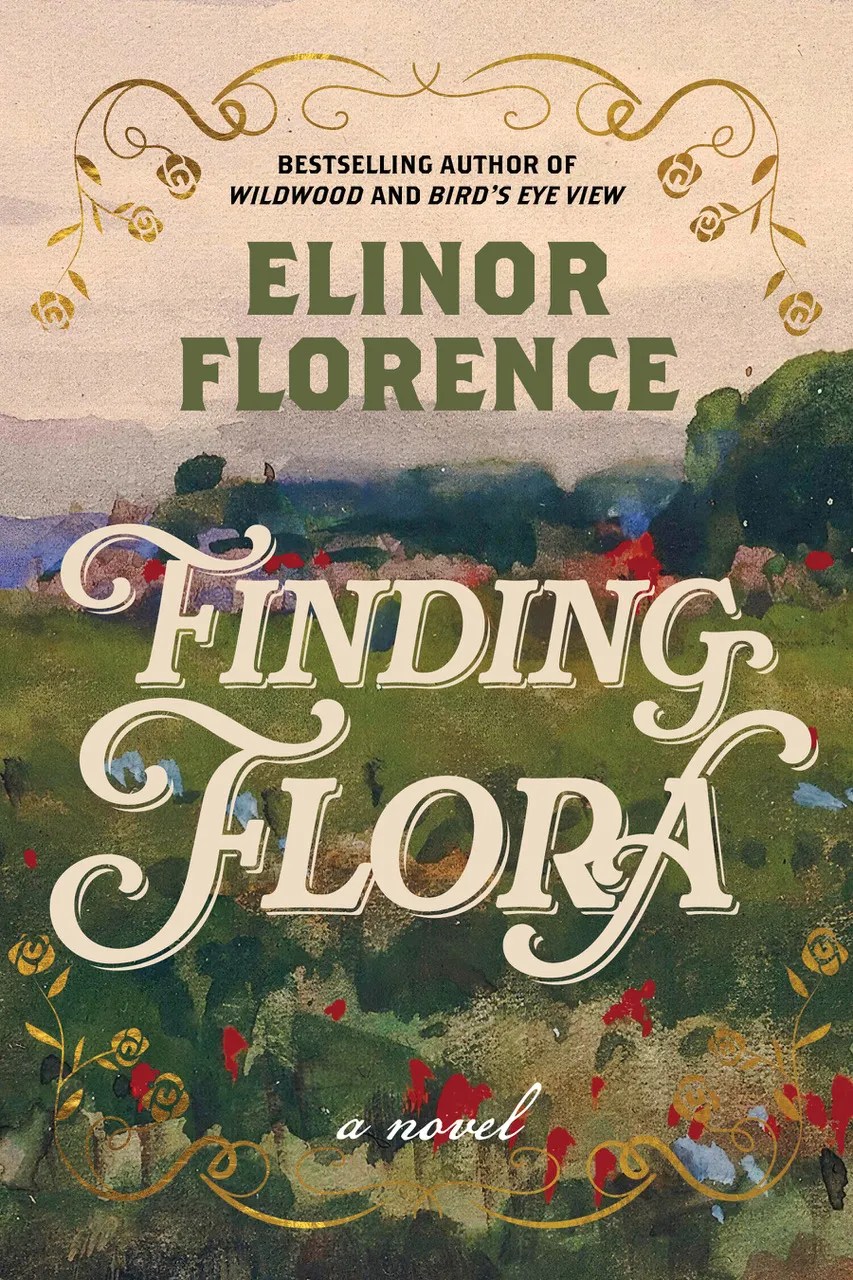 When a friend recommended this historical novel I was immediately intrigued because the setting is a very familiar one. The story takes place near the location of present-day Clive, Alberta, about an hour and a half by car from where I live! The action begins in 1905 with Scottish newcomer, Flora Craigie, jumping from a moving train to escape a disastrous marriage. Depending on where you live, 1905 might seem like fairly recent history, but this was brand new country at that time. The town where I live was established as a Canadian Pacific Railway townsite in 1906 and incorporated as a village in March 1907.


 Buying a Piece of Paris is a charming memoir about the Australian author’s humorous and challenging quest to find and purchase an apartment in Paris. With only two weeks to locate and secure the apartment of her dreams, something exuding character and Parisian chic, Ellie embarks on what seems an almost impossible pursuit. Armed with only a cursory grasp of the language, she finds herself trying to navigate the bewildering French real estate market with its unique customs, quirky agents, and unexpected cultural hurdles. All in all, a very entertaining read and especially so since, although I’ve only spent five days in Paris, I could visualize many of the places that she mentioned and the kind of buildings she visited in her frantic and sometimes hilarious search for the perfect place to call home.

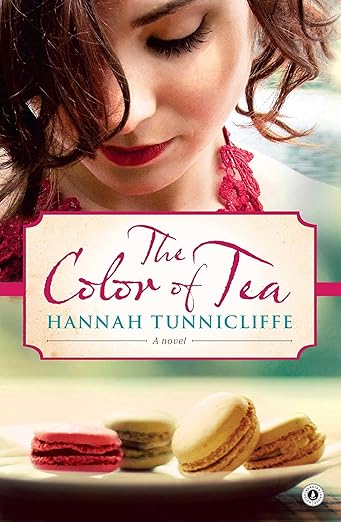 After moving with her husband to the tiny, bustling city of Macau, across the Pearl River delta from Hong Kong, Grace Miller finds herself a stranger in a very foreign land. Facing the devastating news of her infertility and a marriage in crisis, Grace resolves to do something bold, something that her impetuous mother might have done. Turning to her love of baking, she opens Lillian’s, a café specializing in coffee, tea, and delicate French macarons. In this story of love, friendship, and renewal, Lillian’s quickly becomes a sanctuary where women from different cultural backgrounds come together to support one another.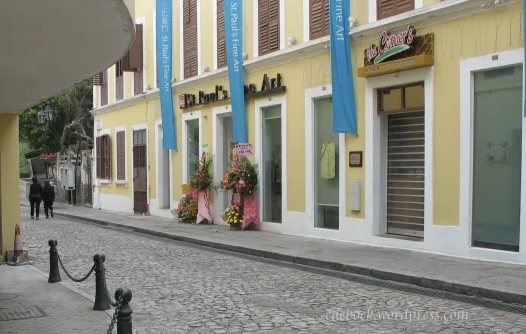
 When Jennifer Connolly of
 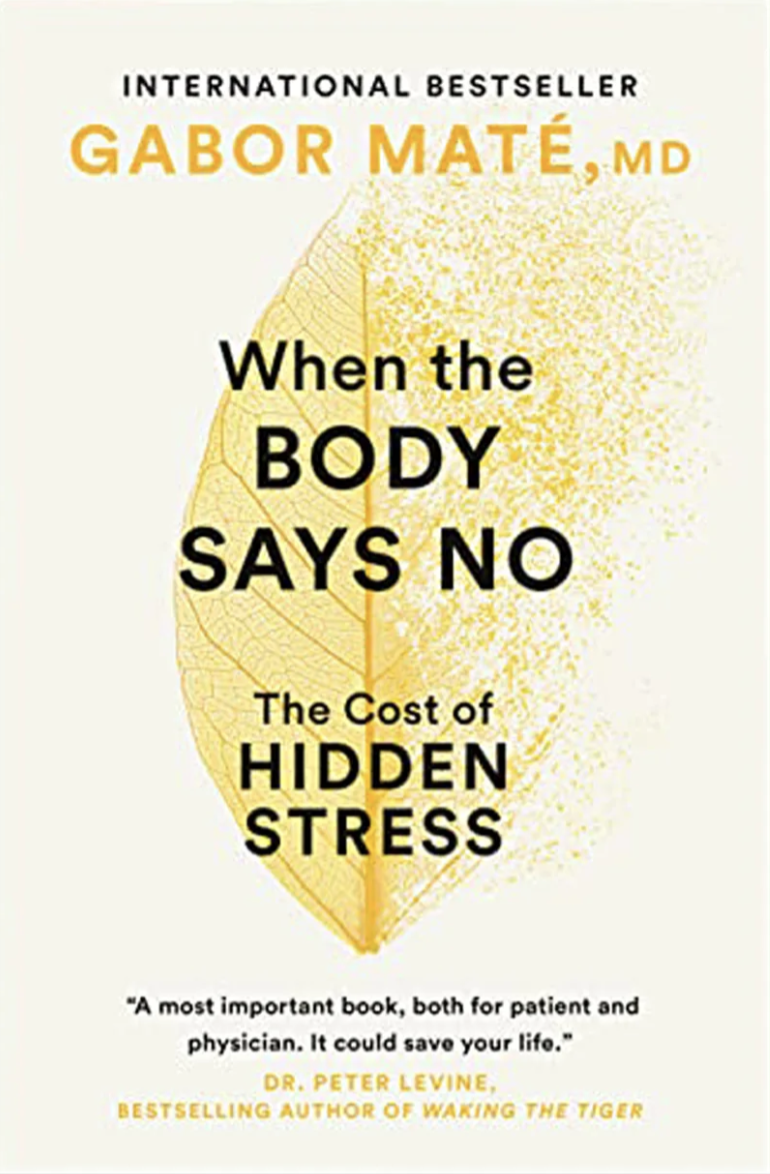 In this international bestseller, renowned mental health expert and speaker, Dr. Gabor Maté, provides insight into the critical role that stress and emotions play in the development of many common diseases.
