Fabulous Florence

When I started planning this trip, I was undecided about whether or not to include Florence on the itinerary, but I’m very glad I did! We arrived by high speed train from Rome at about noon on Tuesday after sharing our coach with a group of 27 fifth and sixth graders embarking on a four day field trip with two of their teachers. As retired grade school teachers, we felt right at home, but also very glad that we weren’t responsible for all those excited children!

Our guest house in Florence was a short walk from the train station and just off the corner of Piazza del Duomo in the very heart of Florence. Absolutely everything we wanted to see and do was within walking distance, so we were able to pack plenty into our day and a half there.

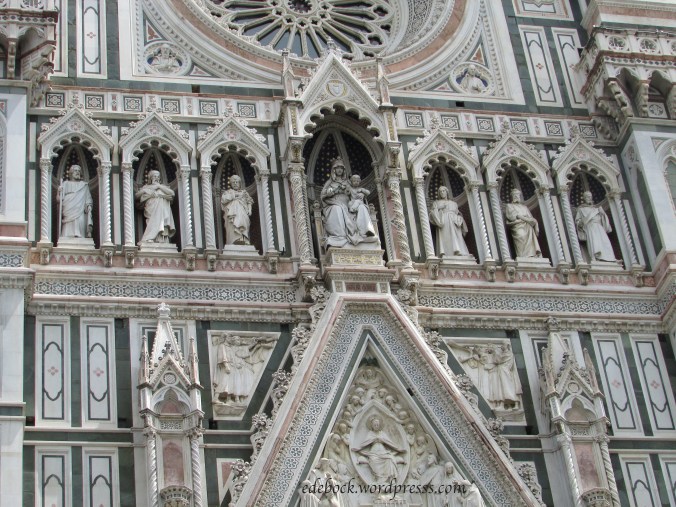
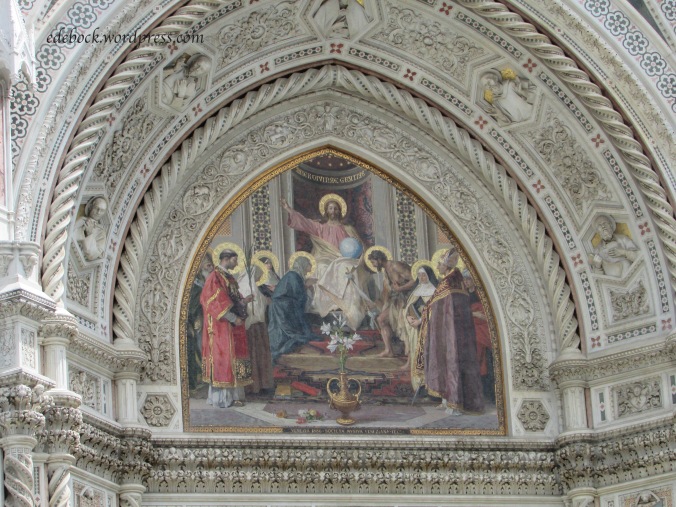
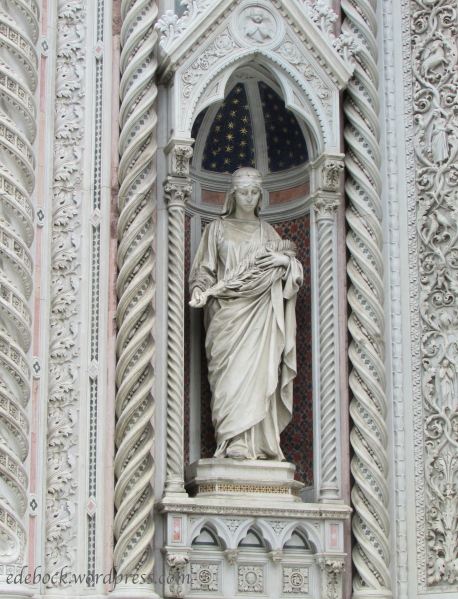
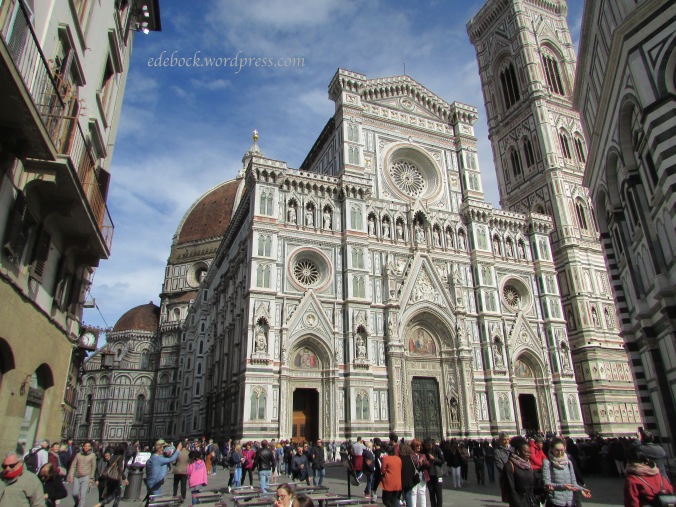
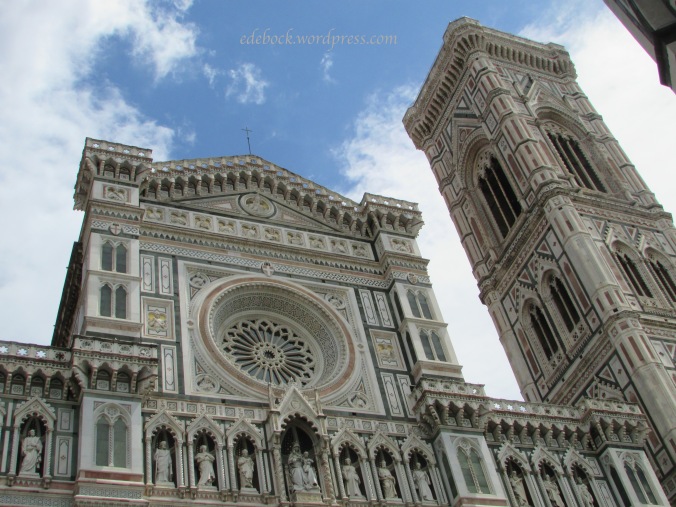
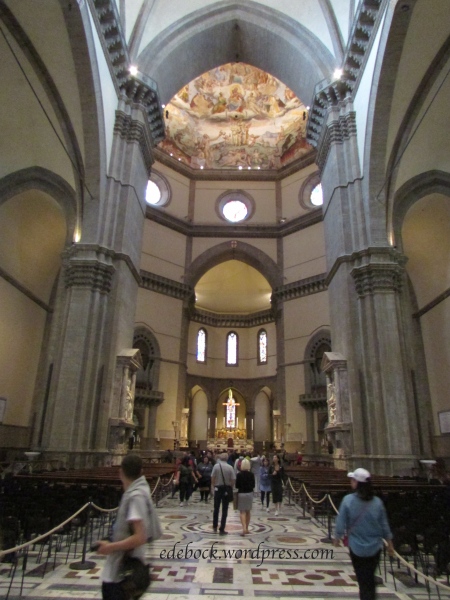
As soon as we checked in and dropped off our luggage, we headed out to see the Duomo, the Cathedral of Santa Maria del Fiore. The complex is so enormous that it was impossible to squeeze it all into a photo and so ornate that you really need to look at various parts of it close up.
IMG_8211

IMG_7978

IMG_7980

IMG_7981

IMG_7986

Surprisingly, the interior, though beautiful wasn’t as ornate as some of the other churches we’ve visited.
IMG_7989

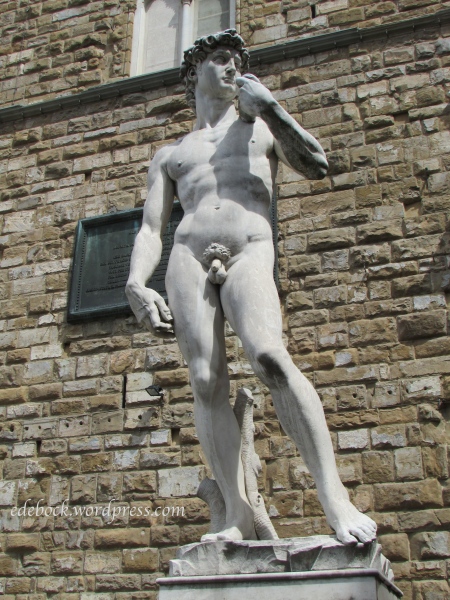
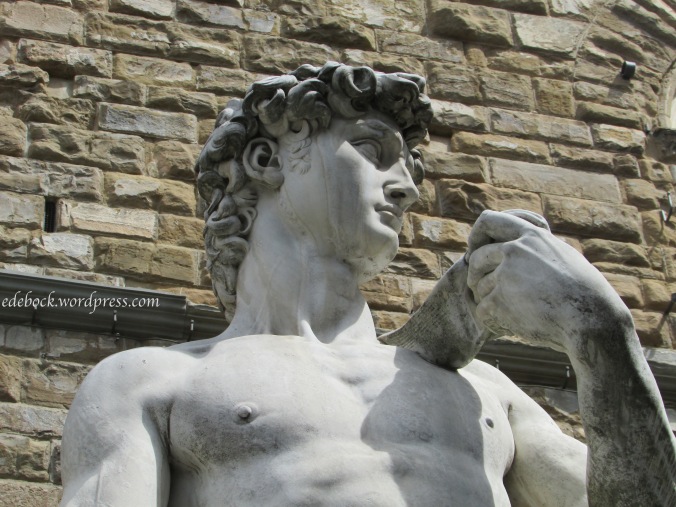
From the Duomo, we walked a very short distance to Piazza del Signoria in front of the grand Palazzo Vecchio, headquarters of the city government as well as a museum. The highlight here was the replica of Michelangelo’s David standing in the exact spot where the original stood for over 400 years until it was moved into the Accademia Gallery.
IMG_8007

IMG_8011.JPG

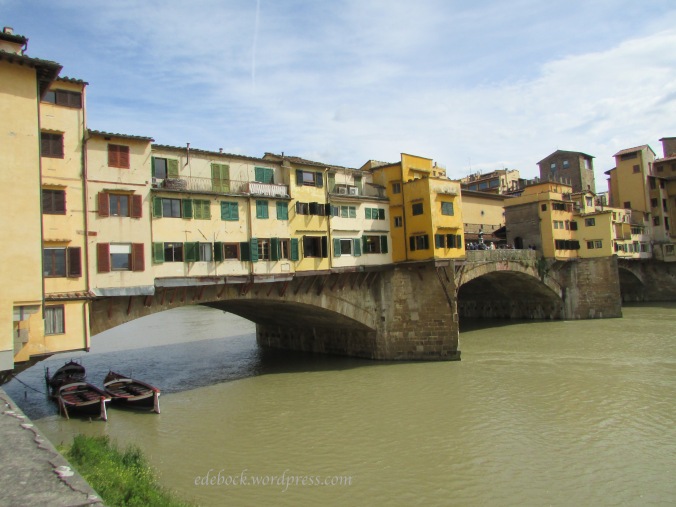
Perhaps the most famous sight of all in Florence is the nearby Ponte Vecchio, Florence’s oldest bridge, that has spanned the Arno River since the 12th century! Little jewelry shops line both sides of the interior of the bridge.
IMG_8058

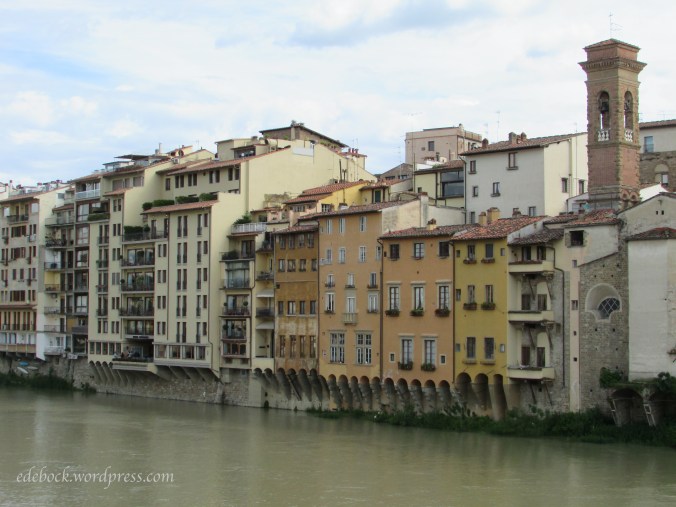
The riverside is lined with fascinating architecture.
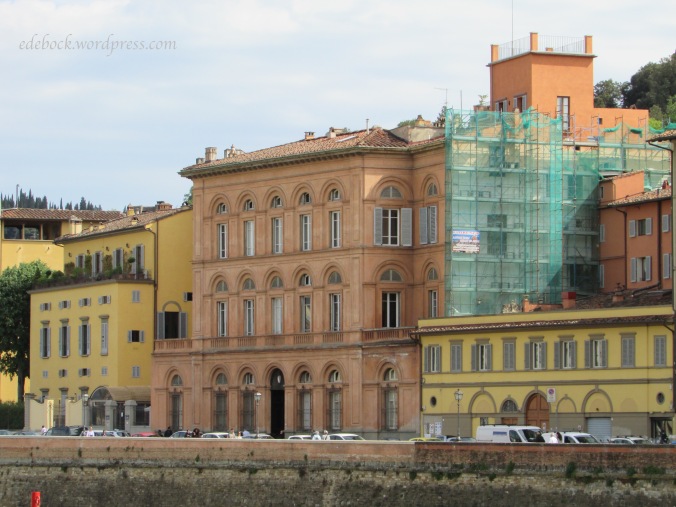
IMG_8053IMG_8064

Neither of us are art connoisseurs, but the next day we spent a very enjoyable morning at the Uffizi Gallery, one of the world’s top art museums, taking in its enormous collection of Renaissance masterpieces. After we’d made our way through about one quarter of it, we decided we’d have to pick up the pace or we could easily be there all day! The sculptures were the greatest attraction for me, especially the busts of historical figures. It was amazing to gaze into the faces of long gone heroes of the past like Agrippa on the left and Trajan on the right.

This sculpture representing the martyrdom of St. Lawrence especially intrigued me due to the fact that the artist, Gian Lorenzo Bernini, was only 15 years old when he carved it in the early 1600s! What amazing talent!
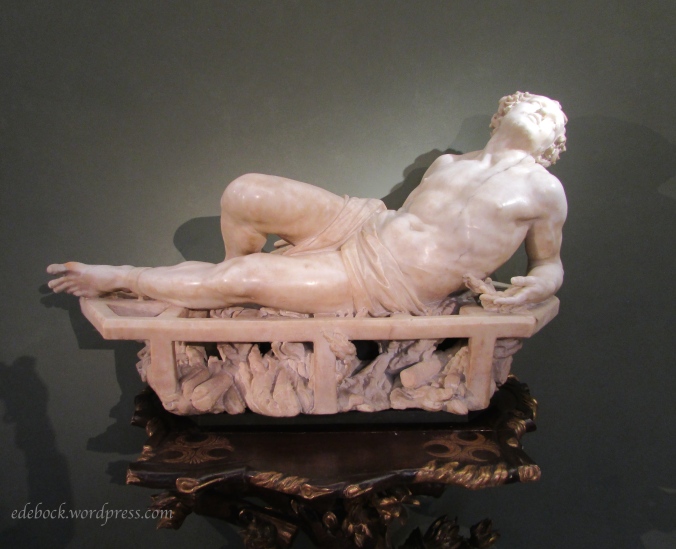
IMG_8108

A vast number of the pieces in the Uffizi are of a religious nature, many of them stunning altar pieces like this one.
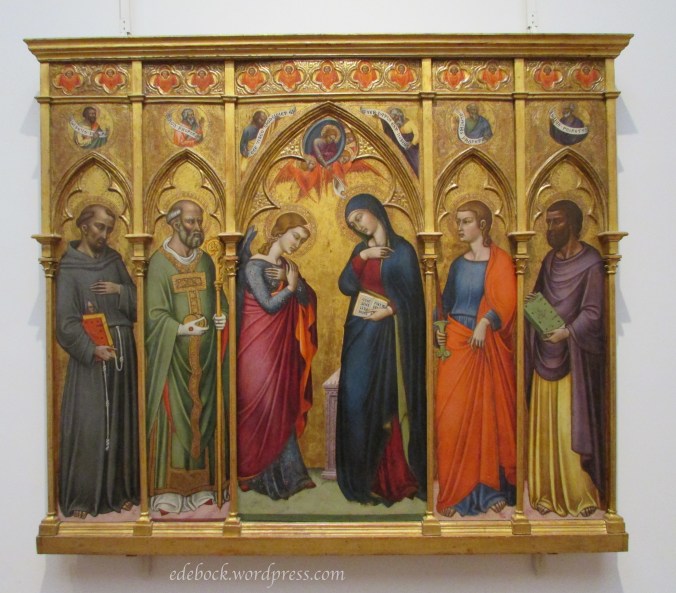
IMG_8079

Images of the Madonna abound. I was particularly attracted to this one by Botticelli. If you look closely, you can see that the angels on either side of Mary and the Christ child are holding a crown of thorns and crucifixion nails.
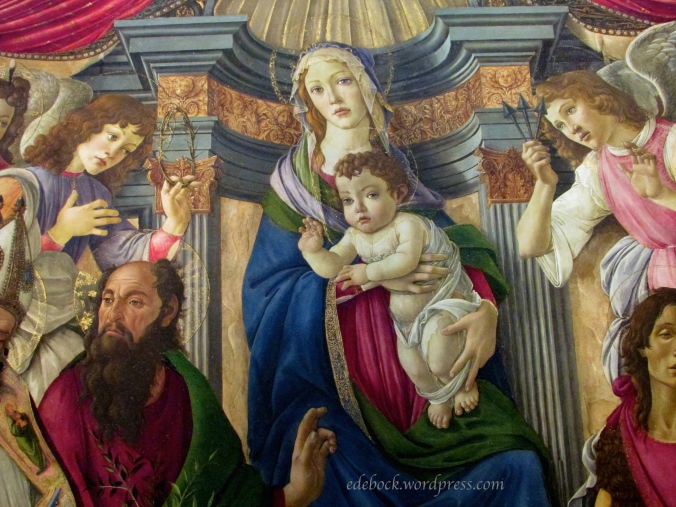
IMG_8093

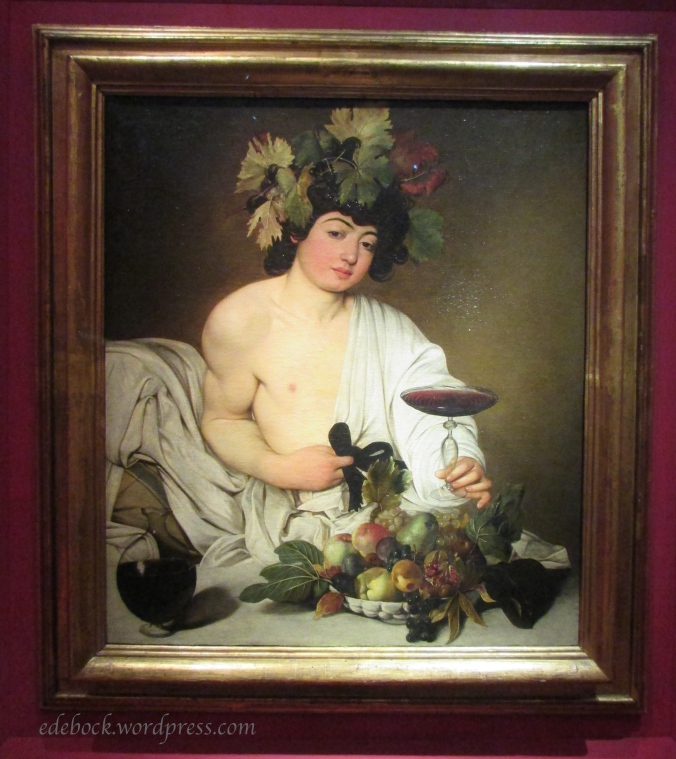
A huge print of this painting by Caravaggio was hanging at the head of our bed in the guest house!
IMG_8132

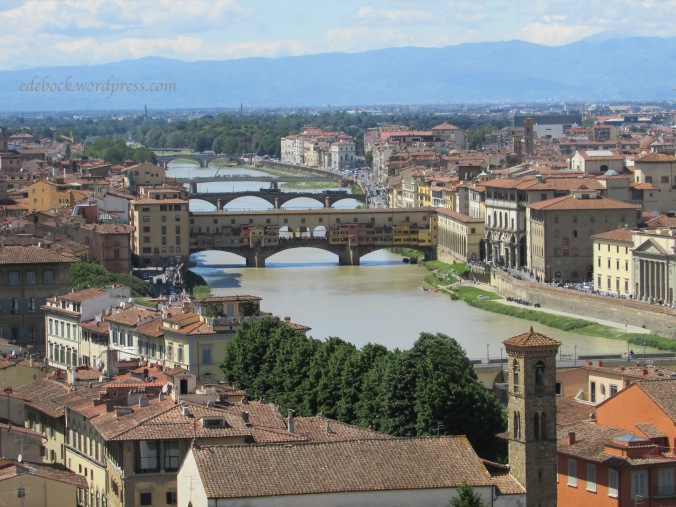
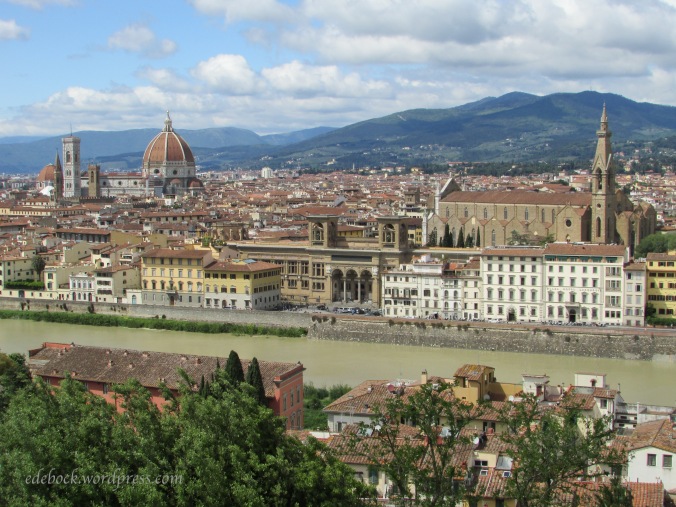
After leaving the gallery we crossed the river and made the steep climb up to Piazza Michelangelo where the views of the city were absolutely stunning!
IMG_8156

IMG_8170

I could easily spend endless hours wandering the tiny streets of Florence, but a day and a half was enough to capture the highlights.

First day in Rome

If you can’t handle crowds, especially crowds of tourists, Rome is not the place for you! Our first two days here were intensive; jam packed with must-do, must-see places that we’d only heard of and dreamed of until now. Yes, there were crowds, but everyone was happy to be there and for the most part, we managed to avoid the incredibly long line ups by arranging “skip the line” passes in advance.

Early on our first morning, we headed to the Vatican City, in reality a separate country inside Rome! We took a tour of the Vatican Museum and the Sistine Chapel which was perhaps a bit more hurried than we would have liked, but we learned a lot more and navigated the crowds much more easily than if we had tried to do it on our own. From late April until October, more than 20 000 people pass through the museum every day, six days a week!

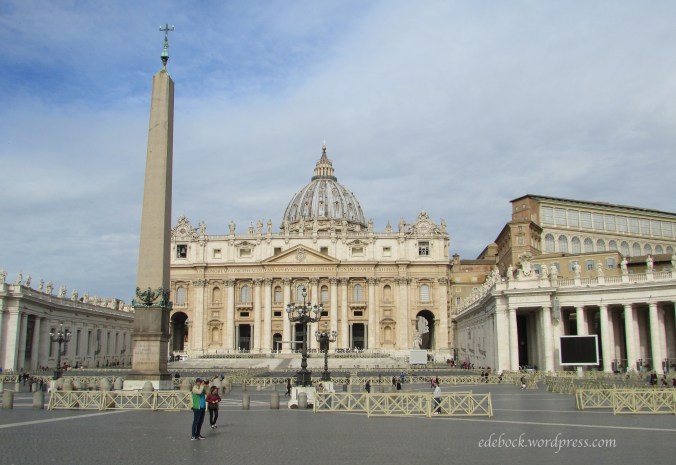
Here’s an early morning look at St. Peter’s Square with the dome of St. Peter’s Basilica in the centre and a 4000+ year old Egyptian obelisk that was brought to Rome by Caligula in 37 AD on the left.

IMG_7538

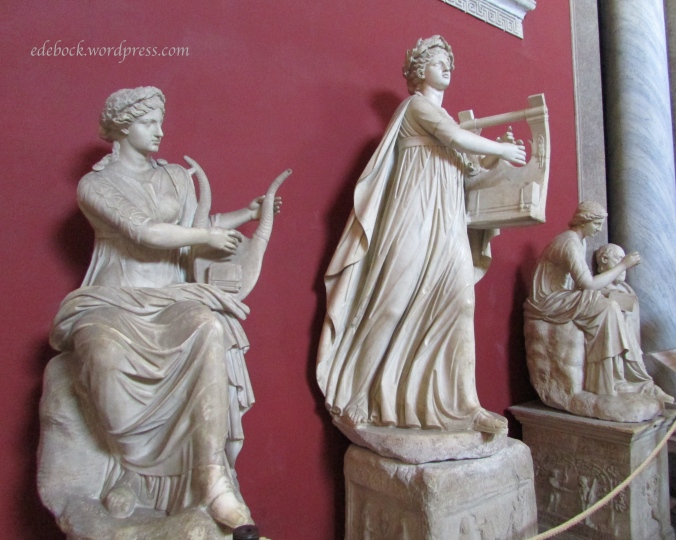
The Vatican Museum houses a massive number of paintings, sculptures, tapestries and other works of art collected by popes throughout the centuries. The sheer size of the collection is really quite overwhelming. Sculpture is probably my favourite art form, so that’s mostly what my camera captured.
IMG_7565

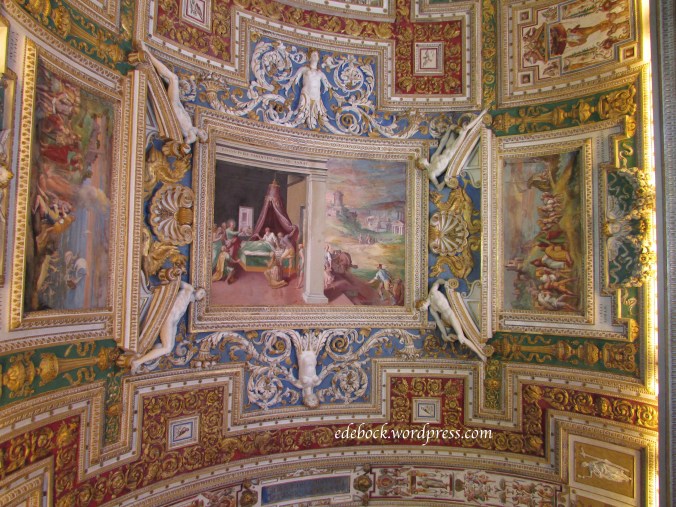
The floors and especially the ceilings throughout the enormous museum building are works of art in their own right. Imagine the work that went into a ceiling like this one when this is only a tiny portion of it!

IMG_7594

Unfortunately, taking photographs isn’t allowed inside the Sistine Chapel where we gazed in amazement at Michelangelo’s ceiling, his Last Judgement, and the frescos lining the walls.

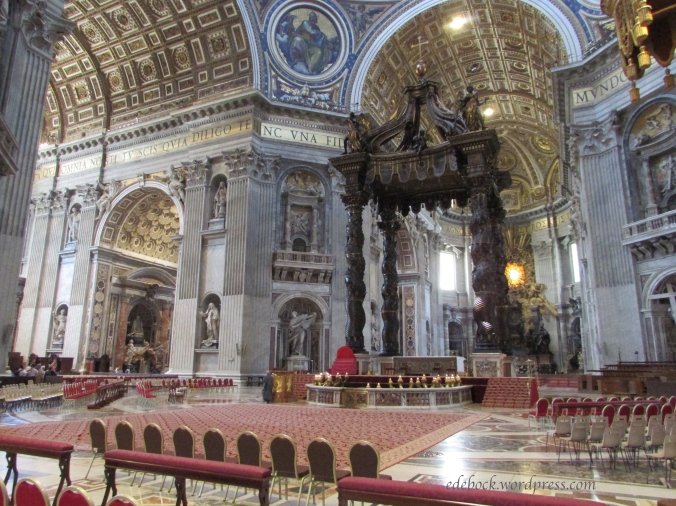
After our tour, we made our way into St. Peter’s Basilica, the world’s largest church and what is regarded as one of the Roman Catholic Church’s holiest shrines. My photos don’t really do it justice, but here’s one to give you an idea of the immense size and ornateness of the interior.

IMG_7607

After leaving the Vatican, we took a Hop On, Hop Off bus around it’s route to get a better idea of the layout of the city. We had 72 hour passes that allowed us to ride it as often as we wanted which was handy. While we did use the metro and city buses as well, we sometimes found the Hop On, Hop Off to be the best way to get where we wanted to go. Since arriving in Europe, I’ve been extremely grateful for our year in Japan as it really prepared these Alberta prairie hicks for things like big city metro systems!

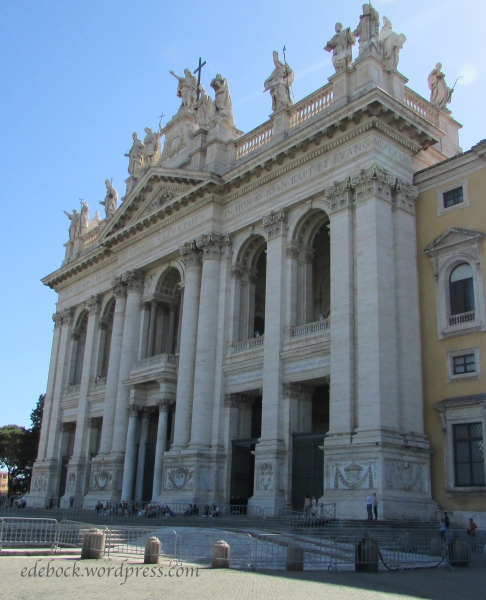
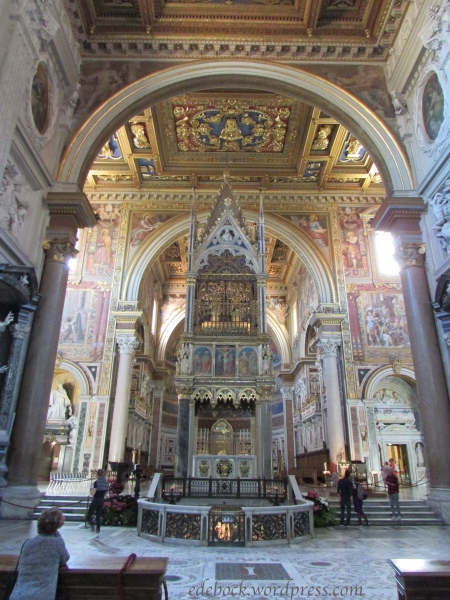
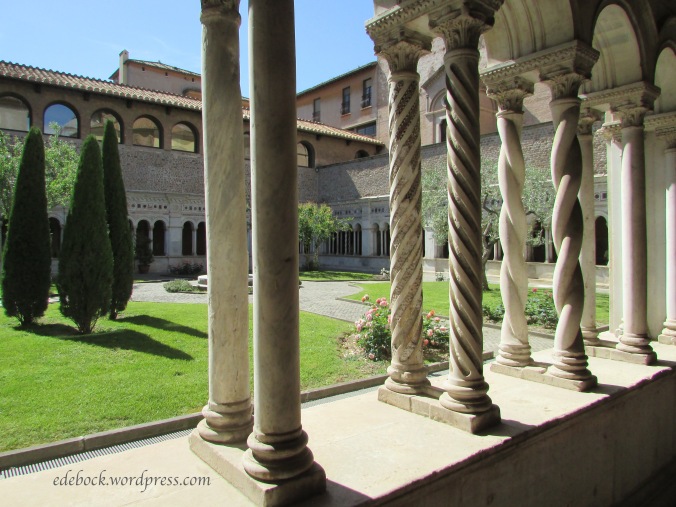
Our first day in Rome also included a visit to the Basilica of St John Lateran, the oldest and largest cathedral in Rome and the official seat of the Bishop of Rome, the pope. Less visited by tourists, it was was a more peaceful and relaxing place to visit, especially the 13th century cloister.

IMG_7648

IMG_7642

IMG_7636

The nave of the basilica is lined with statues of saints, so in honour of our oldest son and our oldest and youngest grandsons who all have saint names, here from left to right, are Matthew, Andrew, and Simon.

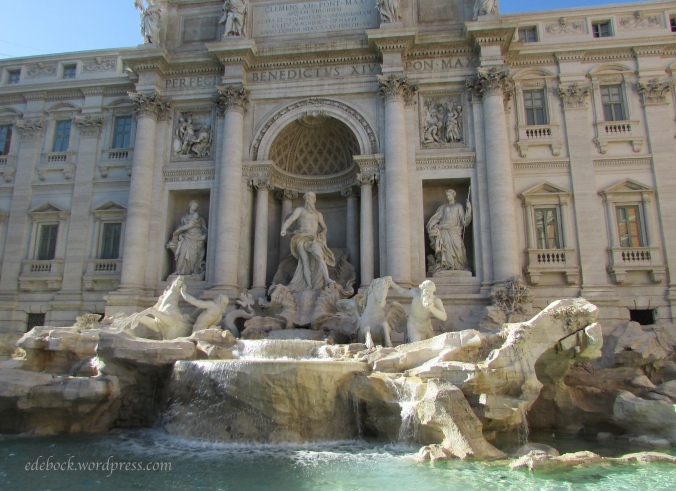
Next on our busy first day agenda was the famous Trevi Fountain, the world’s largest Baroque fountain. According to legend, if you toss a coin into the fountain, you’ll return to Rome someday, so of course we had to do that! The vast sum of money that is collected goes to charity. We also enjoyed our first Italian gelato at the fountain.

IMG_7659

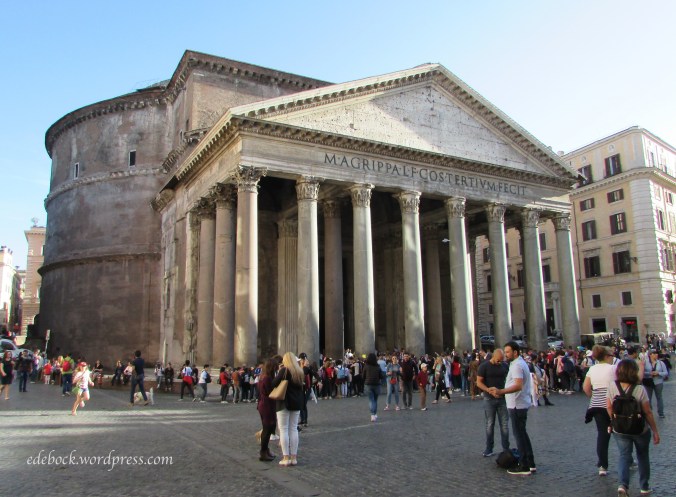
A short walk took us from the Trevi Fountain to the Pantheon. Once a temple to the gods of ancient Rome, it was later turned into a church.

IMG_7683

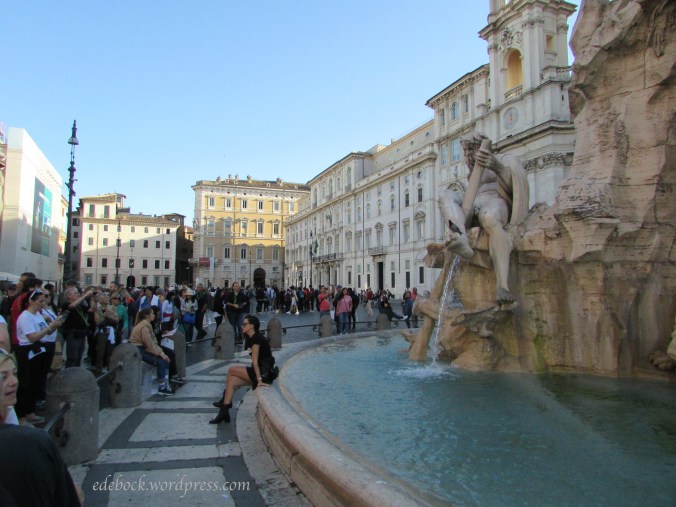
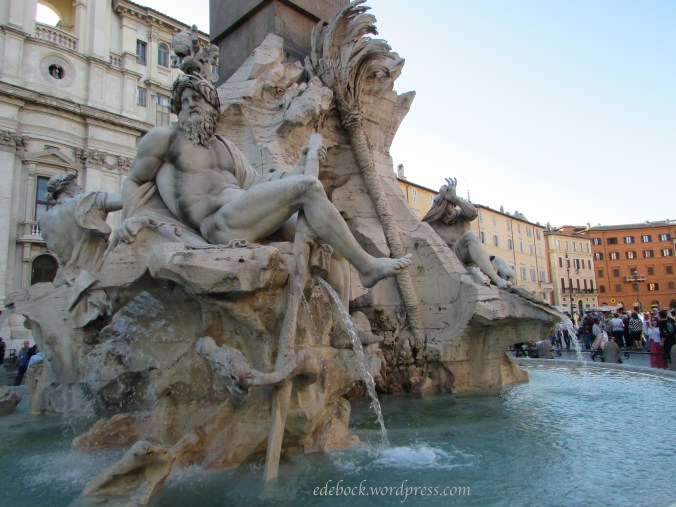
Continuing on, we ended our day of exploration at Piazza Navona. One the prettiest and most popular of Rome’s many plazas, it boasts three ornate fountains and is always a happening place.

IMG_7701

IMG_7703

Just in case we hadn’t visited enough churches that day, we also peeked into the Church of Sant’Agnese in Agone on the edge of the piazza! While our first day in Rome focused mainly on churches, the next was all about ancient Rome. That will have to wait for another blog post on another day though!


Historic Mexico City

On Wednesday morning we took a taxi into Xalapa and then a bus back to Mexico City. Arriving at our hotel in the historic centre of the city a few minutes after 3 o’clock, we checked in, dropped our baggage in our room, and headed out to explore our surroundings. We had about four hours before dark to see as much as we possibly could!

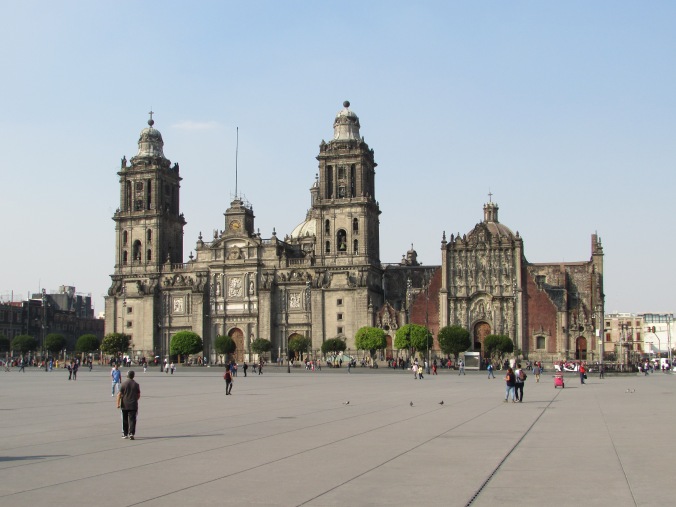
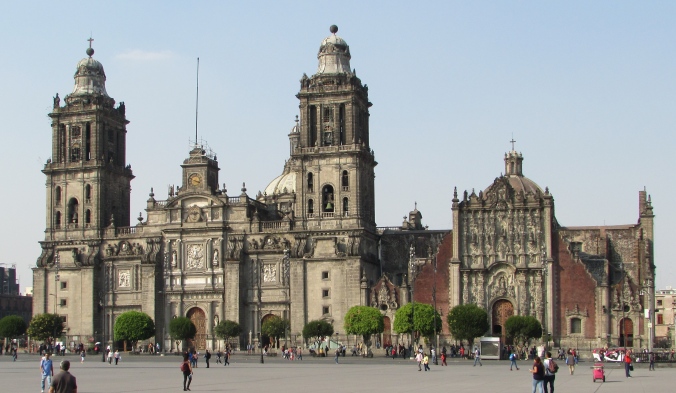
About six blocks north of our hotel, we came across the expansive Plaza de la Constitución. There was a protest of some sort happening just off the south side of the square, but it was the amazing Metropolitan Cathedral (or to give its full name, the Metropolitan Cathedral of the Assumption of the Most Blessed Virgin Mary into Heaven) on the north side of the plaza that completely captured our attention.

IMG_7059

Latin America’s largest and oldest cathedral, the imposing structure is the seat of the Roman Catholic Archdiocese of Mexico and one of the country’s most treasured architectural masterpieces. Built on the site of Templo Mayor, an ancient temple in what was the centre of the Aztec capital of Tenochtitlan, it includes much of the stone from that original structure. Construction of the cathedral, which incorporates several different architectural styles, spanned three centuries from 1573 to 1813! The bell towers house a total of 25 bells, the largest one weighing 13 000 kilograms!

IMG_7059 - Version 2

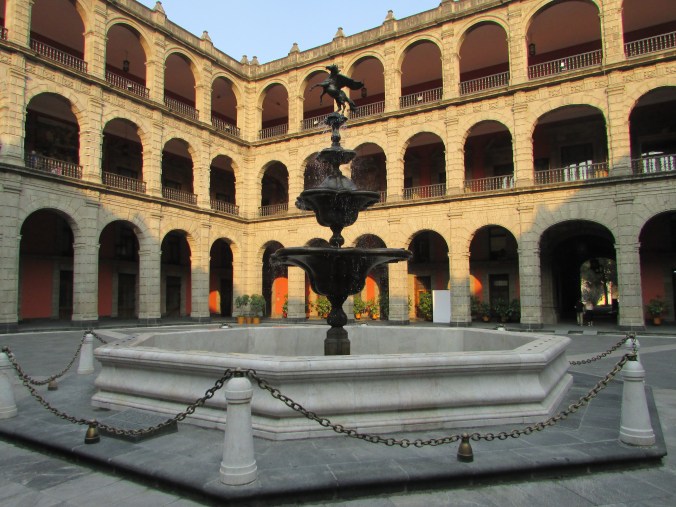
After a quick peek inside the Cathedral, we moved on. The Palacio Nacional, home to the offices of the president of Mexico as well as the federal treasury, is located on the east side of the Plaza de la Constitución. The palace’s main courtyard is surrounded by a three level arcade and has at its centre an enormous fountain topped by an elegant bronze statue of Pegasus, the winged stallion of Greek mythology.

IMG_7102

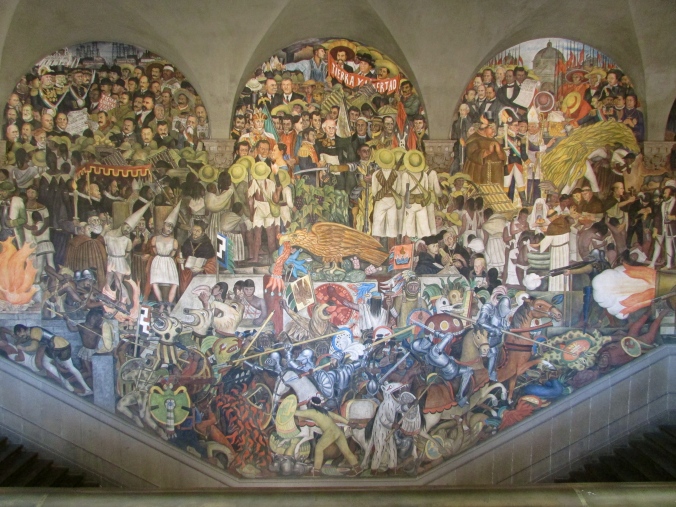
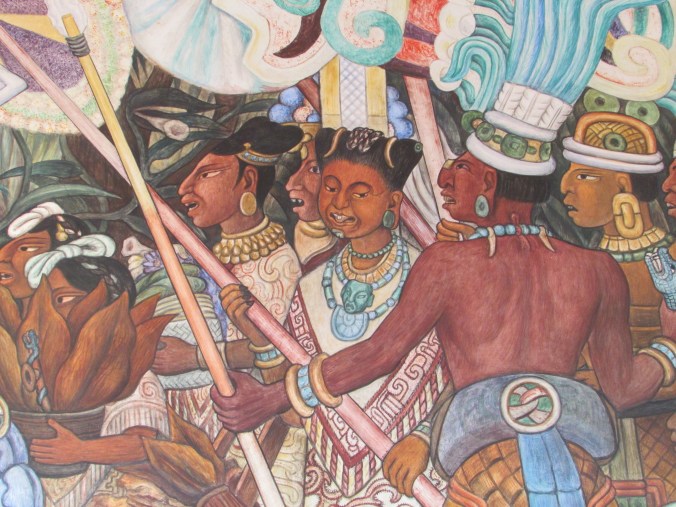
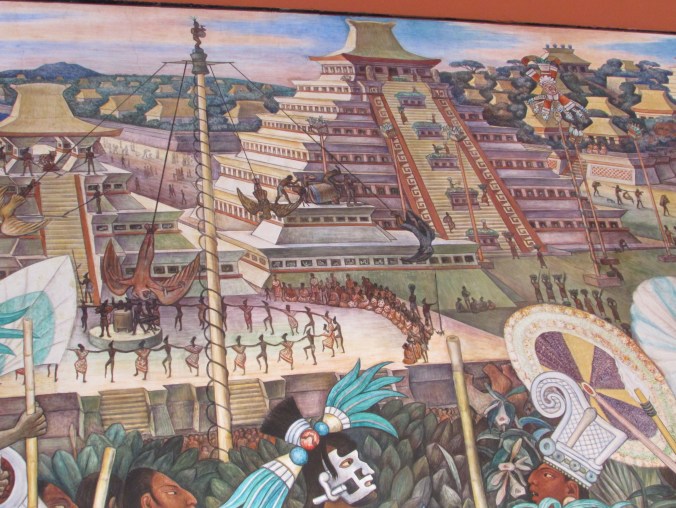
It was the Diego Rivera murals, painted between 1929 and 1951 and depicting the history of Mexico from the Aztec era to the early 20th century that drew us to the Palacio Nacional. The enormous staircase murals, located between the first and second floors, are sometimes compared to an epic poem including the legendary pre-Hispanic past, the Spanish conquest, and the more recent past. Tucked into the mural over the left staircase is an portrait of Rivera’s wife and fellow artist, Frida Kahlo (wearing a green dress and a star necklace).

IMG_7070 2

Nine more murals chronicling indigenous life before the Spanish conquest of Mexico cover the north and east walls of the second level. This series of panels was intended to go all the way around the second storey, but the project was incomplete when Rivera died in 1957.

IMG_7082

IMG_7081

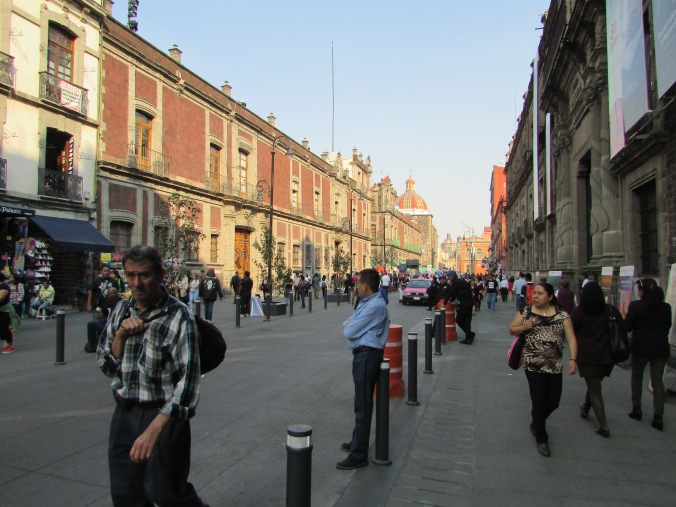
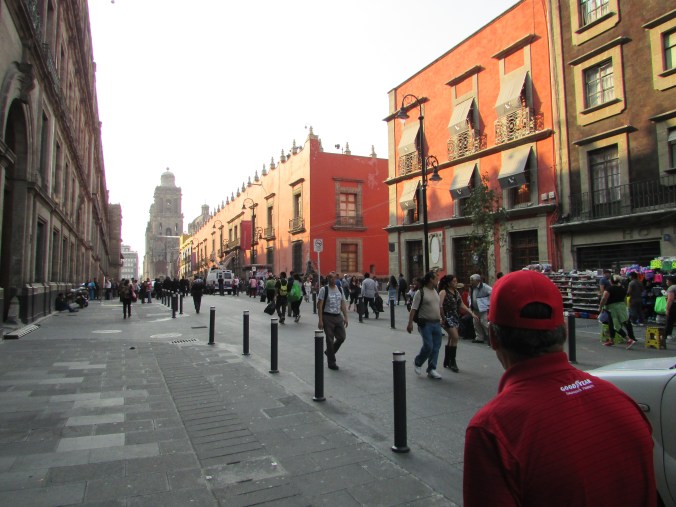
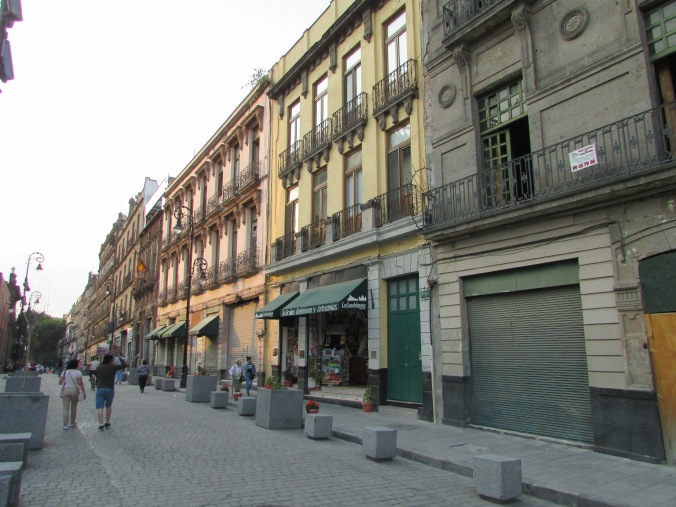
After leaving the Palacio Nacional, we wandered the nearby streets enjoying the sights and sounds of this small part of one of the world’s largest cities.

IMG_7066

IMG_7067

IMG_7112

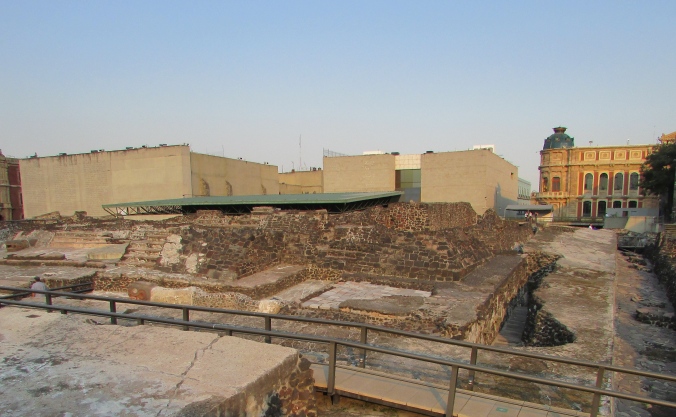
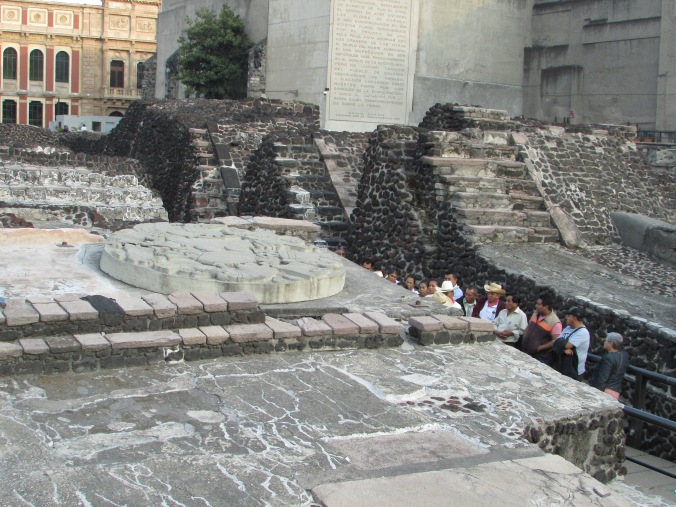
To the north and east of the central plaza, we discovered the remains of a portion of the Templo Mayor that was excavated between 1978 and 1982.

IMG_7106 - Version 2

IMG_7110

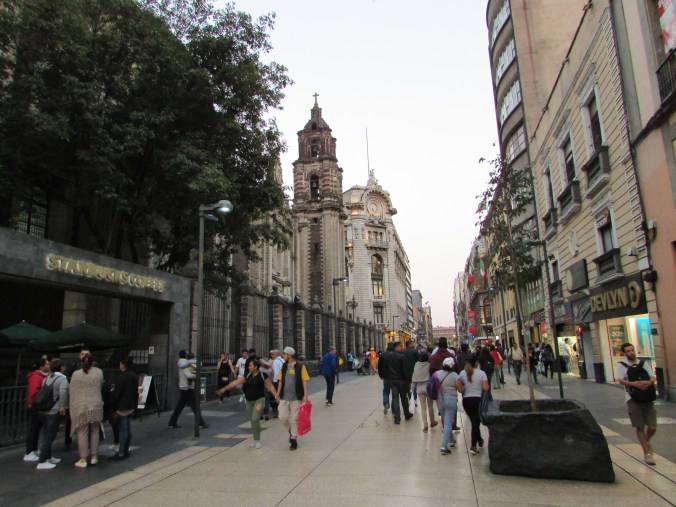
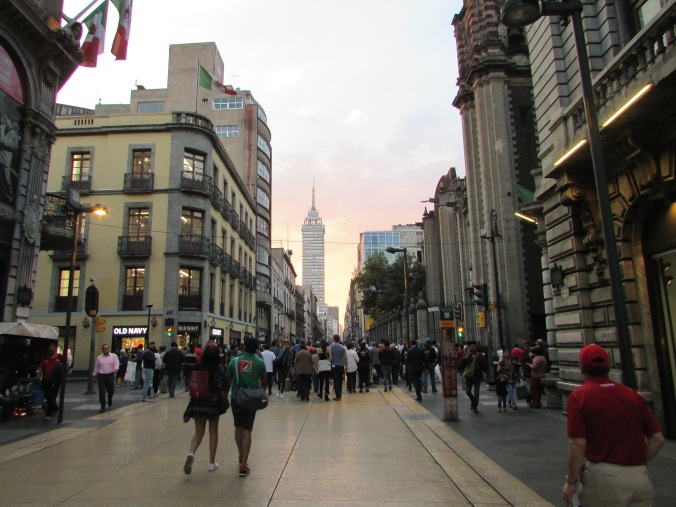
Continuing our walk, we eventually came across a long pedestrian street lined with shops and restaurants that included a number of American chains such as Old Navy, Starbucks, H&M, and Forever 21. Though it was a midweek day at suppertime, the street was full of people. Photos hardly do it justice as without sound they fail to fully capture the festive atmosphere. On one block a young boy played an accordion, on another a trio of men in traditional costume played lively music on stringed instruments, on yet another a boy played guitar and sang. In each case, of course, they had a hat or container out to catch the coins of passersby.

IMG_7116

IMG_7121

We stopped for a quick bite to eat in a tiny Mexican restaurant and dessert from Santa Clara, a Mexican ice cream shop chain. Then as the sun slipped below the tall buildings surrounding us, we headed back toward our hotel. We had to be up very early the following morning to catch our flight home.

And that’s a wrap folks! After a fantastic visit with our friends in Mexico, we’re back home on the frozen Canadian prairie revelling in the memories of another wonderful trip completed.

Churches of Coatepec

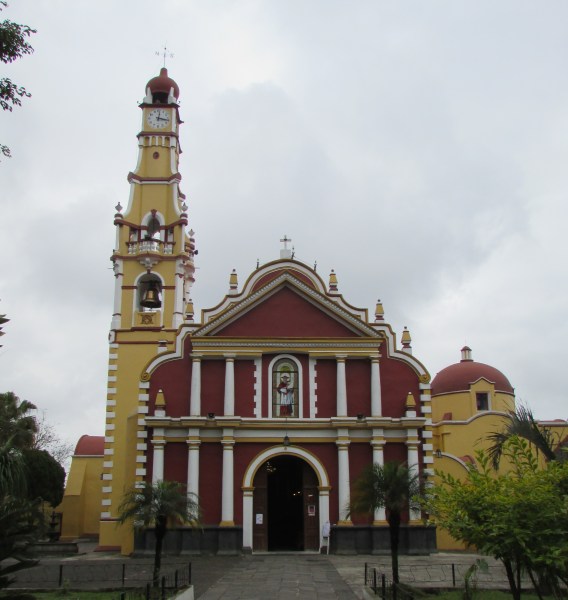
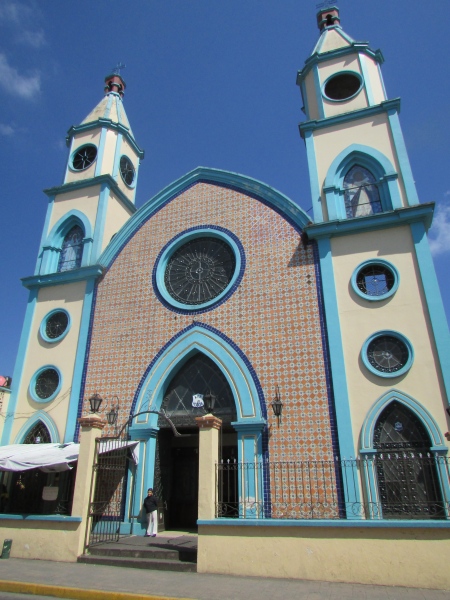
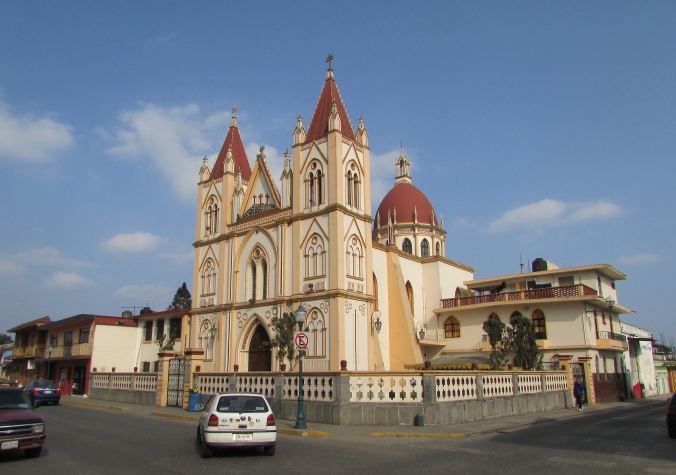
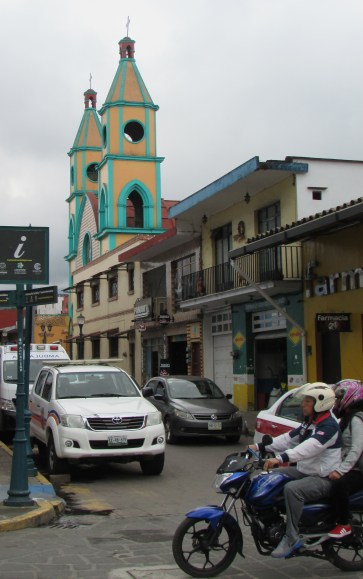
Everywhere we go in Coatepec and the surrounding area, the colour and architecture of the churches practically insist that I stop to take photos! Over 90% of the population of the area adheres to the Roman Catholic faith, so Catholic churches are everywhere.

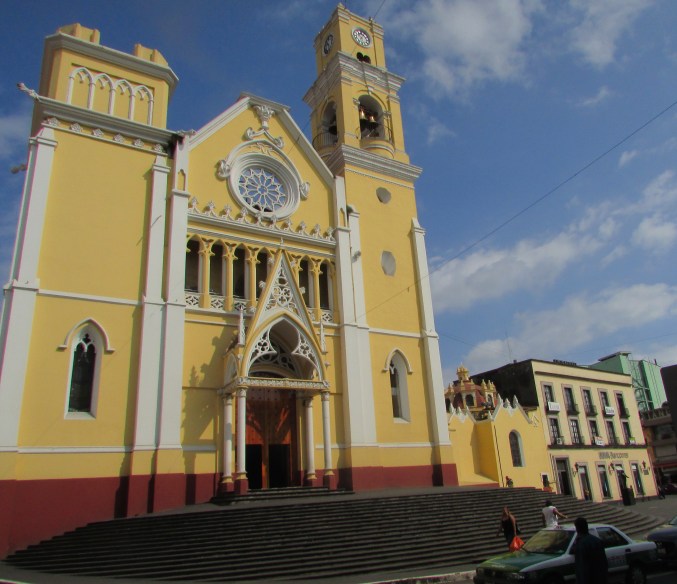
In the nearby city of Xalapa, the Catedral Metropolitana de la Immaculada Concepción, or the Xalapa Cathedral as it is more commonly called, is one of the oldest buildings in the city.

IMG_3649 - Version 2

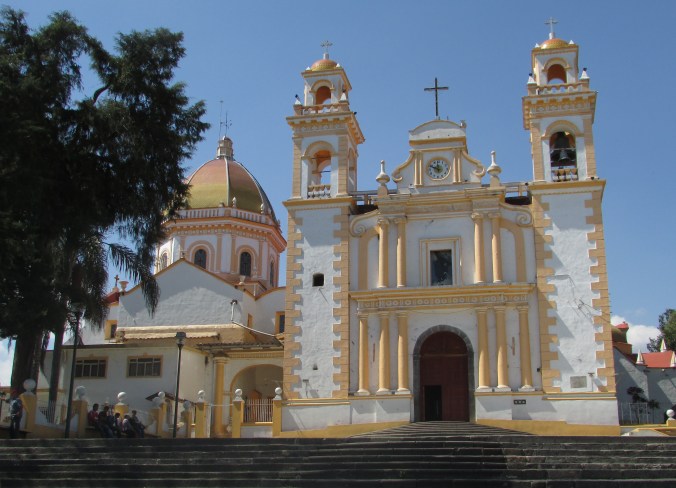
Every small town has churches that are equally spectacular. Santa Maria Magdalena is the patron saint of Xico and the church that bears her name is absolutely stunning.

IMG_3604

A little further away, this beautiful church overlooks the central square in the smaller town of Teocelo.

Here in Coatepec, the stately church of San Jéronimo is located in the central core across the street from the Parque de Miguel Hidalgo which is always a happening place.

img_6817

I don’t know the names of the other churches that I’ve stopped to photograph, but there are many!

IMG_3665

IMG_7005

We specifically walked up a steep hill to take a closer look at this one this morning.

IMG_7038

But this is my favourite of all the ones we’ve seen in Coatepec. Not only is the architecture exquisite, but I love the Calvary motif high above the entrance.

IMG_7033

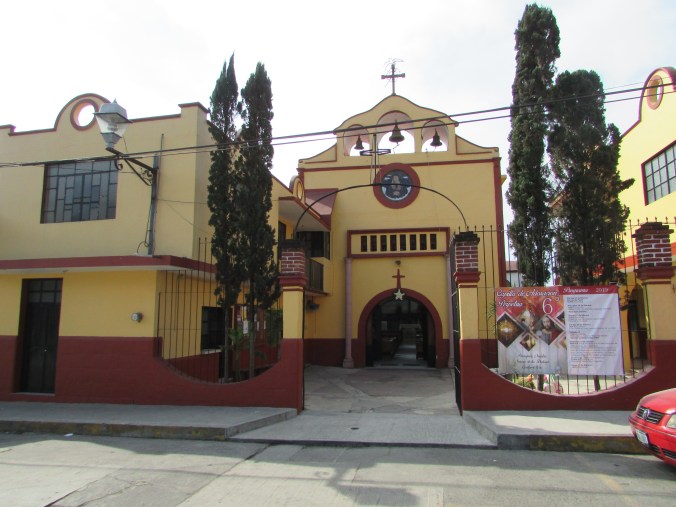
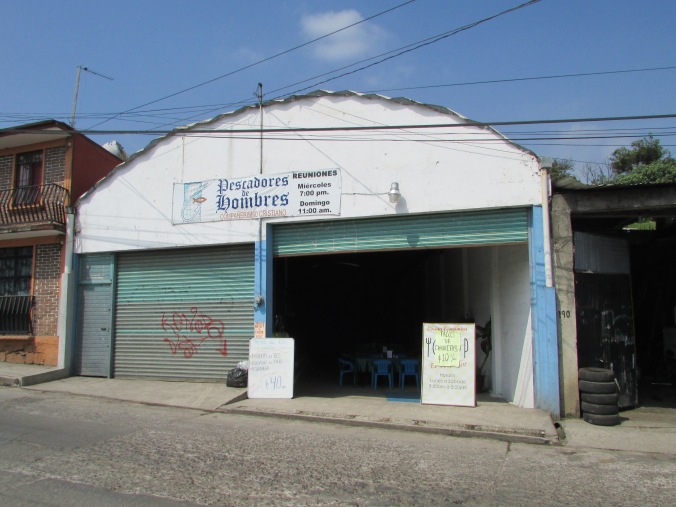
By contrast, less than 10% of the population is evangelical Christian and they meet in much more modest buildings. The Pescadores de Hombres Compañerismo Christiano (Fishers of Men Christian Fellowship) congregation meets in this building a few blocks away from where we’ve been staying.

IMG_7041

A church on Sunday morning and Wednesday evening, it’s a cochina economica (cheap kitchen) the rest of the week where you can buy tacos for 10 pesos (69 cents CAD) apiece.


The colours of Coatepec

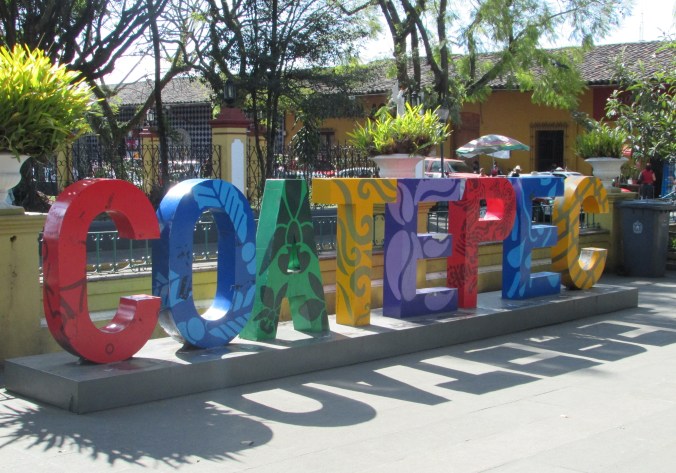
The last time we came to Coatepec, Mexico to visit our friends, Richard M and Colleen, I fell in love with the Spanish colonial architecture. On that visit, I wrote a post about the amazing doors and windows, but another thing that stood out to me was the vibrant colours!

img_3579Living in Alberta, we spend the long winter months in a mostly monochromatic world. With the trees bare and the ground covered with snow, we live in shades of black, grey, and white. Perhaps that’s why I’m so drawn to this colourful culture. Today, we spent several hours walking around the central part of town.
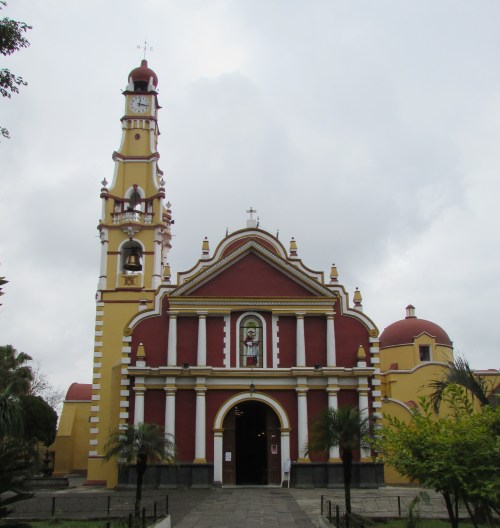
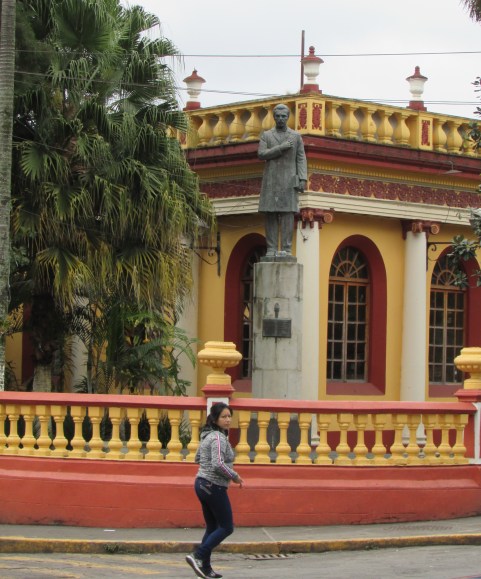
Just off one side of Miguel Hidalgo Park is the beautiful San Jerónimo Church.

img_6817

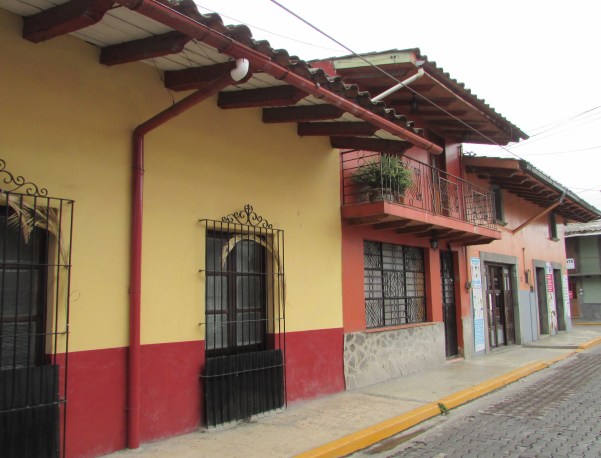
Homes and businesses are equally as colourful. Come walk with me.

img_6833

img_6835

img_6842

img_6848

img_6850

img_6847

img_6852

img_6855

It’s been cloudy and fairly cool since we arrived, but the colours of Coatepec are definitely a welcome respite from our Canadian winter!

Doors and windows

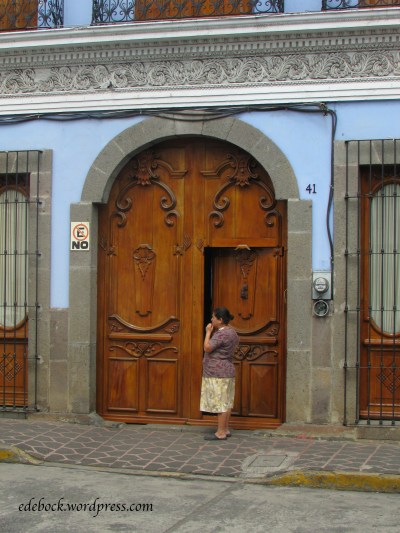
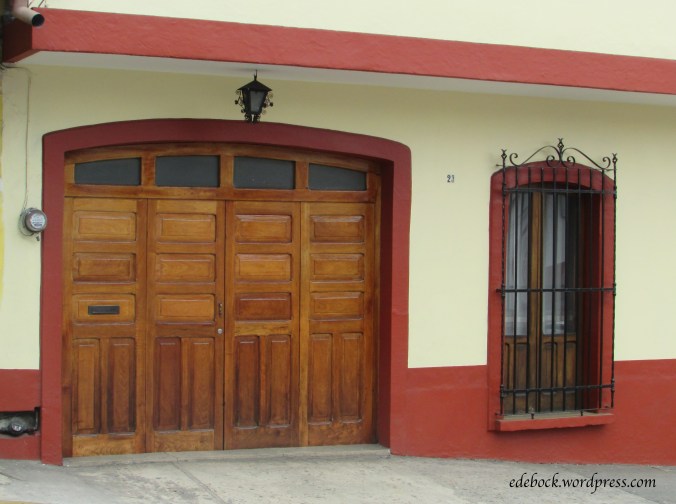
I’m quite madly in love with the architecture here in Coatepec, Mexico. I adore the bright colours, but the doors and windows are most amazing. In the downtown core, many of the businesses have huge, ornately carved wooden doors.

Some have a door within a door. Only one panel actually opens to allow access.

img_3716

img_3721

These are some of the windows above that amazing door! The balcony railing is a great example of the beautiful wrought iron work found all over Coatepec.

img_3720

Most windows in both homes and businesses have wrought iron bars for security purposes, but rather than being plain and ugly, they are usually delightfully decorative.

img_3663

What is art anyway?

Picture 4

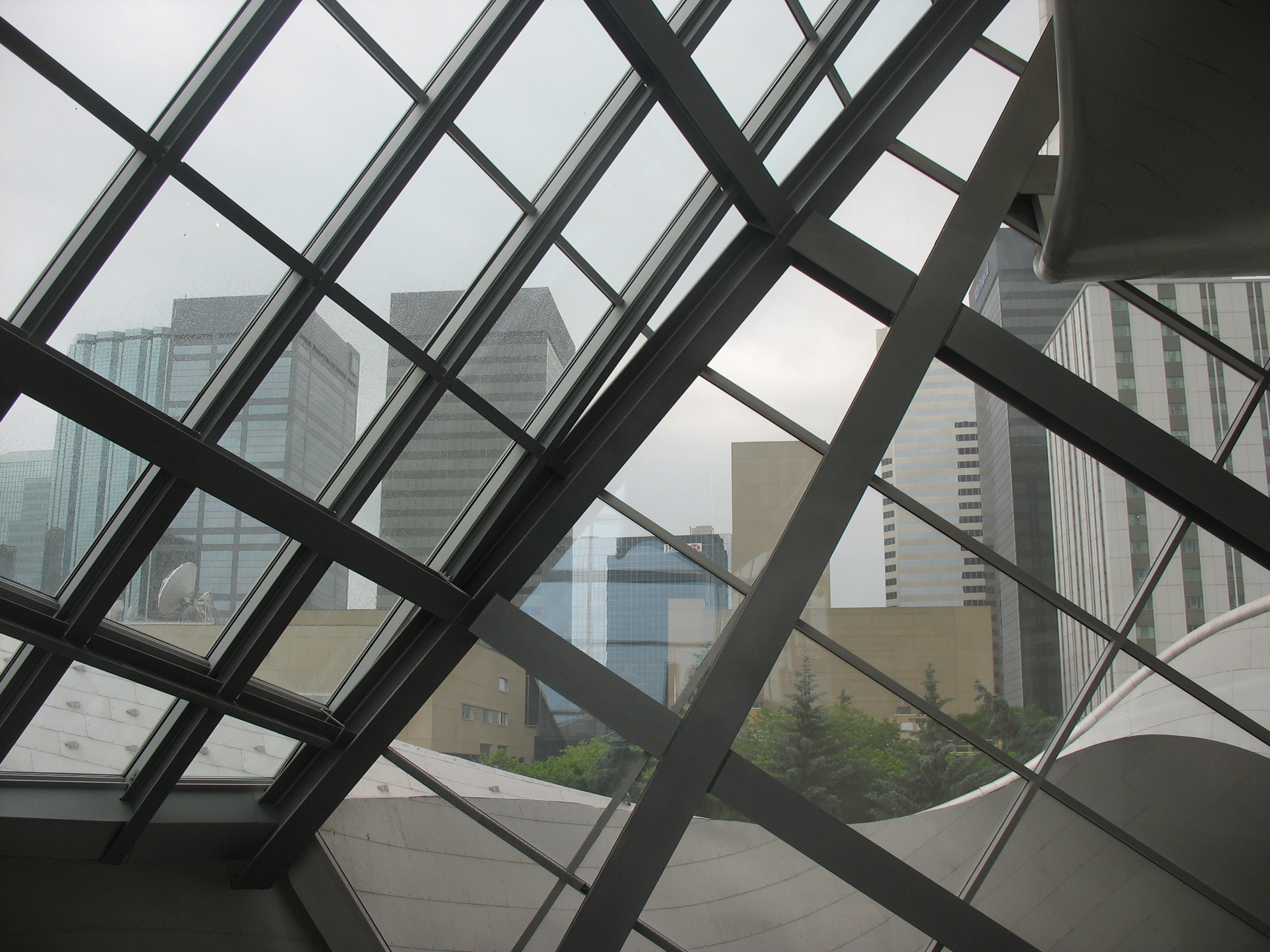
A cool rainy afternoon was a perfect time to visit the Art Gallery of Alberta in downtown Edmonton. We had never been inside the unusual building composed mostly of windows and a winding ribbon of steel before and I was as interested in the architecture as the art inside.
IMG_3972

IMG_3974

As we wandered through the exhibits, we saw pieces that we liked, pieces that we didn’t care much for and others that simply made us shake our heads. I couldn’t help wondering what makes something art. What makes one thing worthy of display in a prestigious art gallery and another not? For example, take a look at this:

IMG_3978

Whether or not they’re to our taste, I’m sure we’d all agree that the paintings on the wall are art, but what about the pile of hammers on the table? Yes, that’s what that is, a pile of hammers! What makes this pile of hammers a work of art and not simply a mess on someone’s workshop floor? I’m afraid I really don’t get it.

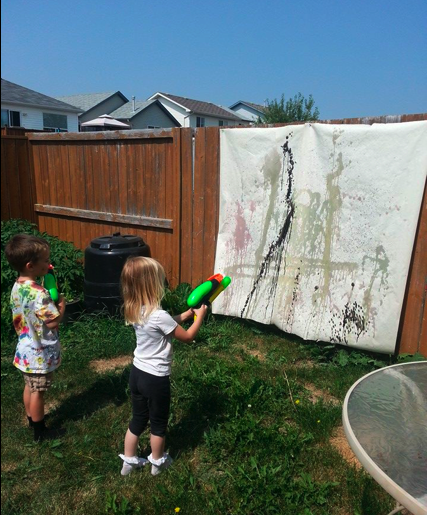
Perhaps Richard was right when he looked at the photo of two of our grandchildren that our daughter posted on Facebook yesterday.

Picture 3Photo: Melaina Graham

“All it needs is a frame and you could sell it for big bucks!” he said. Yes, that looks like art to me!

Shanghai, city of contrasts!

When we went to China, Shanghai wasn’t high on our list of places to visit. As you can probably guess by now, we’re fascinated by history and culture and I viewed Shanghai, with its population of 23.5 million people, as little more than a massive modern city. The only thing that actually drew us to Shanghai as a possible place to visit was the fact that we had friends living there. We got to know the Kawabatas when we attended the same church during our year in Japan and Itoshi was transferred to Shanghai not long after we left that country in 2009.

When we discovered that the tour that included everything we most wanted to see in China ended in Shanghai, we decided to go there after all. We timed it so that we’d finish our tour on a Friday afternoon and then spend the weekend with our friends before flying back to Canada from there.

As time went by, I became more excited about seeing Shanghai. I looked forward to seeing the contrast between the old and traditional in Beijing and the new and modern in Shanghai. Little did I know that I would see both in Shanghai. It is truly a city of contrasts!

Our Lonely Planet guidebook suggests that “Shanghai is best seen as an epilogue to your China experience” and I’m glad we saw it that way. It also refers to Shanghai as “the future that China has long been waiting for”.

Our tour began at the Shanghai Urban Planning Exhibition Hall which gave us a good overview of the city both past and present before we began to explore it. With its massive model of the city and its dizzying 3D wrap around virtual tour in which we seemed to float over the metropolis, we soon felt as if we were no longer strangers there. Historic photos, maps and dioramas gave us a picture of its colourful past. Our next stop was the 88 storey Jinmao Tower for an amazing bird’s eye view of the city.

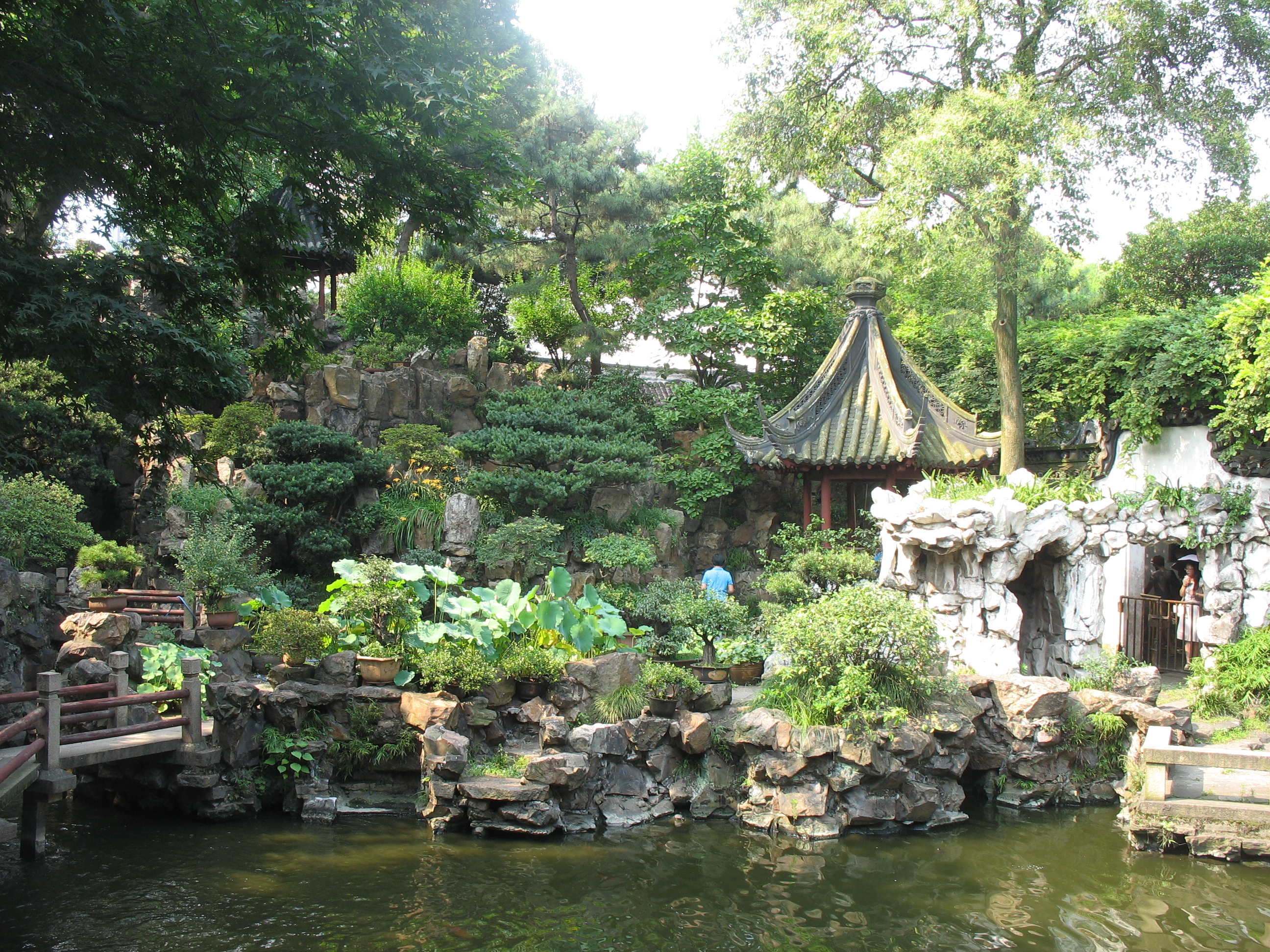
After lunch, we were off to the most traditionally Chinese part of Shanghai where we toured the classical Yu Garden, founded by the Pan family, rich Ming dynasty officials in the 1500s. Afterward, we relaxed over coffee at Starbucks in the middle of the adjacent and very crowded bazaar area with its many tacky tourist shops and outdoor vendors.

IMG_2932

IMG_2923

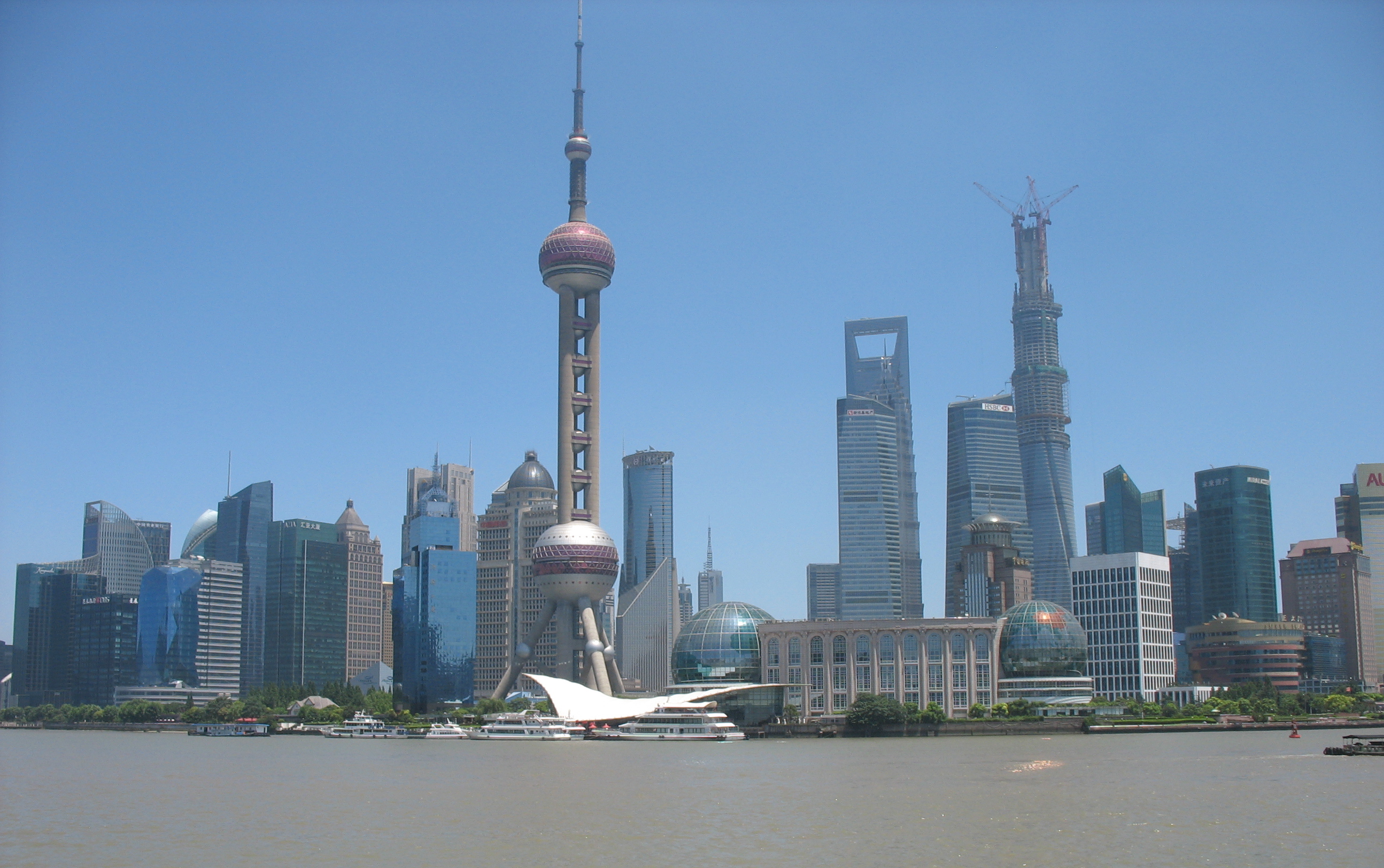
The building under construction in the background will be the world’s tallest when it’s finished.

IMG_2942

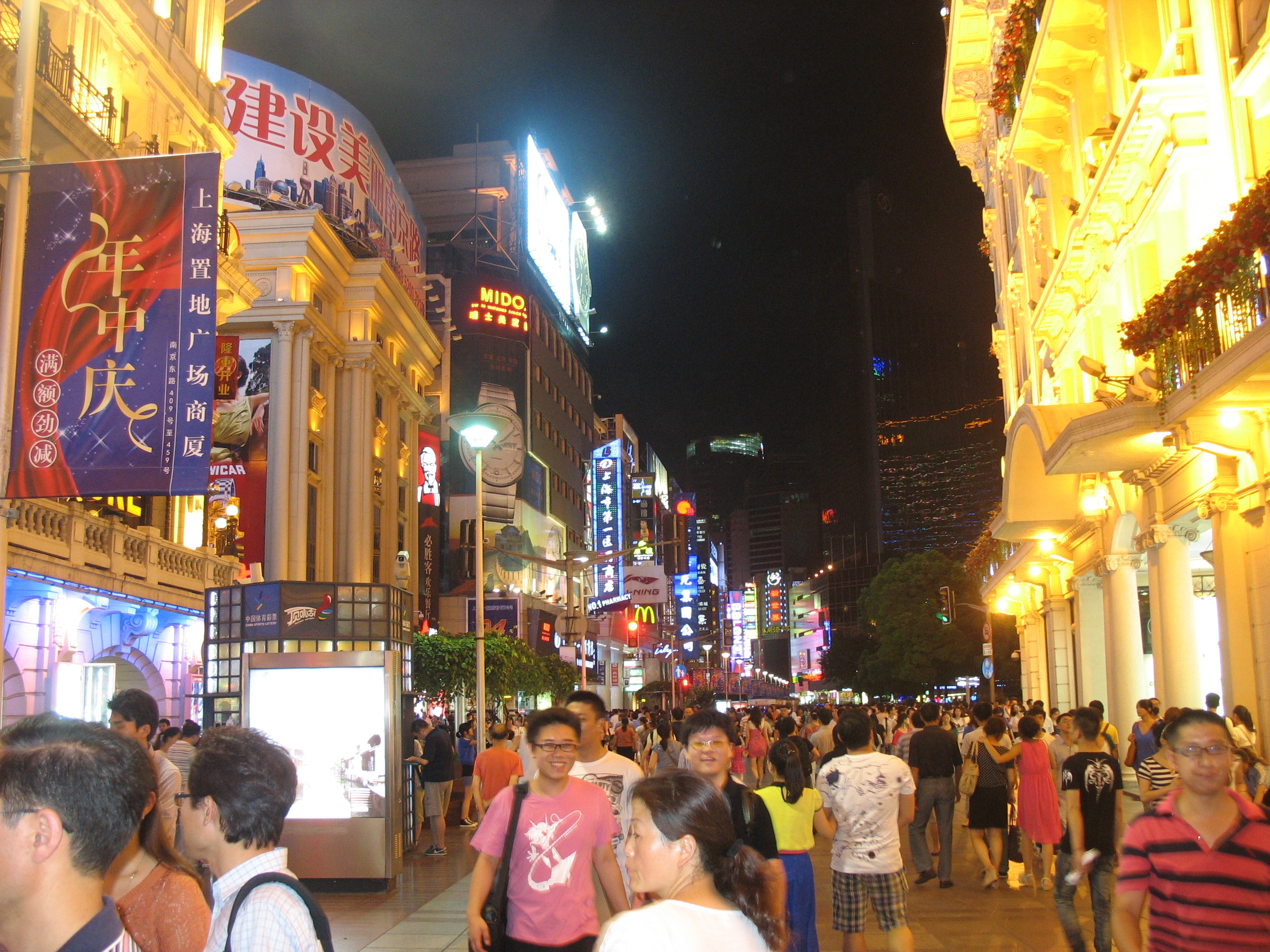
Our evening was free so we took the subway from our hotel to East Nanjing Road, one of the most famous and crowded shopping streets in China. The pedestrian street was a glowing forest of neon lights and crowded with people. It was a vibrant and noisy hub of activity with people strolling, singing, and dancing while others hawked their goods. We even joined one of the groups for an old time waltz!

IMG_2948

The next morning we were back on East Nanjing Road to see it in the daylight and do a bit of shopping. Look very closely and you’ll see the same KFC and McDonalds signs in both photos!

IMG_2950

From there, it was an easy walk to the Bund where we strolled along the riverfront in awe of the contrast between the two sides of the river. On our side stood stately very European looking buildings. Symbolic of the city’s colonial past, they once housed Shanghai’s most powerful banks and trading houses. Today, the Bund is a designer retail and dining area with some of the city’s most exclusive boutiques, restaurants and hotels. Across the river, is the futuristic skyline of the Pudong New Area looking like the set for a science fiction movie. Thirty years ago, that area was still farmland.

IMG_2958

IMG_2962

Perhaps the most amazing building we saw in Shanghai was the one where our friend, Itoshi, works where we were dropped off at the end of our tour of China!

IMG_2970

Busy day in Beijing

I prefer to blog as I travel while the images and impressions are fresh in my mind but our whirlwind tour of China didn’t allow time for that. Now that we’re home and recuperating from jet lag, I’ll do my best to recap for you over the next few days.

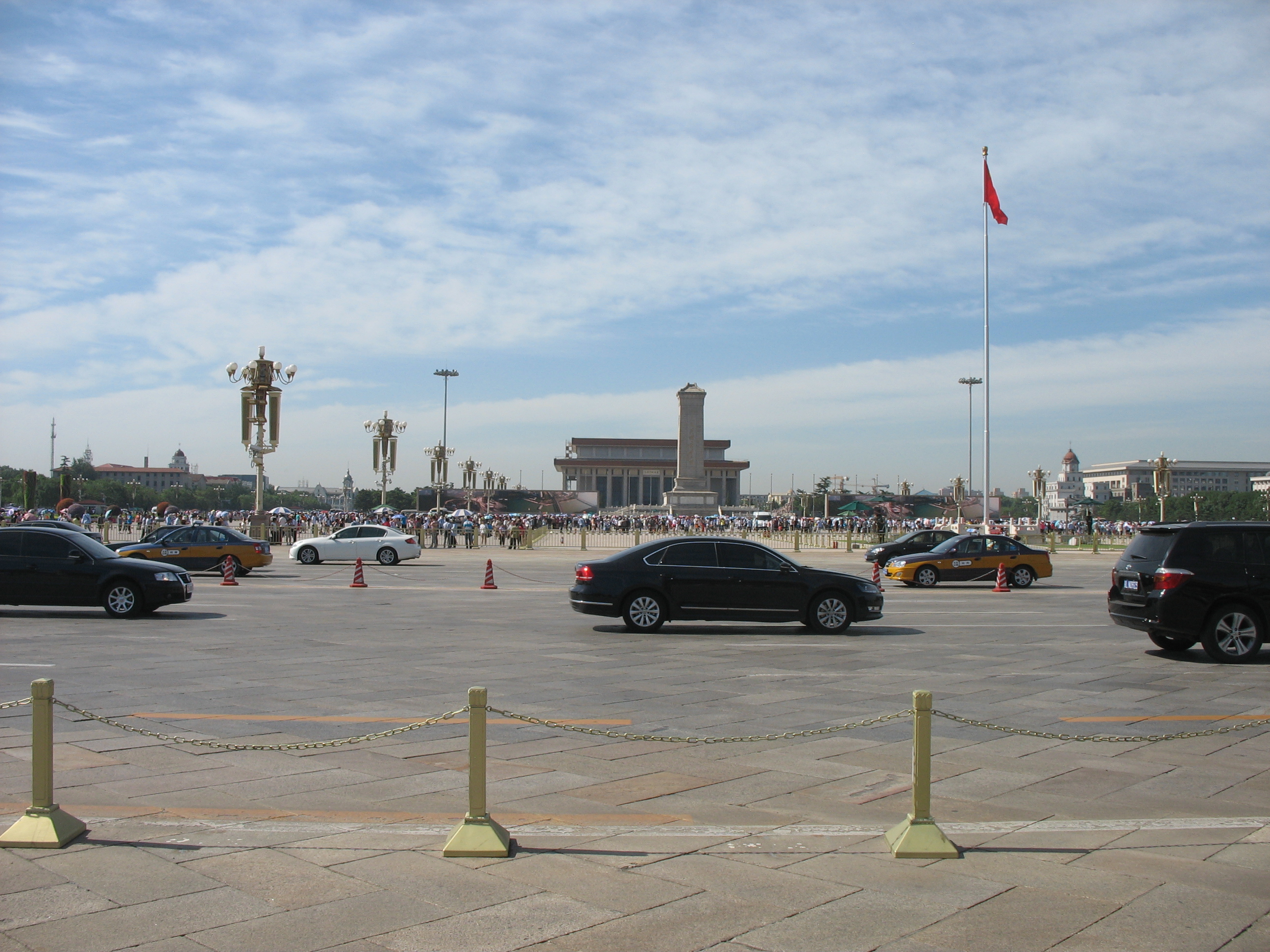
As we walked toward Tiananmen Square on our first morning in Beijing, I felt completely overwhelmed. Many times during our months in China, we commented on how surreal it felt to actually be living there but in early June of 1989 when tanks rolled into that square and mowed down hundreds of protesting students I couldn’t possibly have imagined that I might someday stand on that very spot. The exact number who died that day has never been officially confirmed. The reality of being there brought a lump to my throat and tears to my eyes. When I mentioned my feelings to our tour guide, she quickly changed the subject pointing out the Great Hall of the People where the nation’s government meets, the China National Museum, the Monument to the People’s Heroes and the Mausoleum in the centre of the square where Chairman Mao’s embalmed body has lain in state since his death in 1976. I was later told that tour guides are not allowed discuss the Tiananmen massacre with foreigners.

Image

Tiananmen Square

Joining a throng of visitors, mostly Chinese, we passed beneath the gigantic portrait of Chairman Mao and through the Gate of Heavenly Peace into the Forbidden City. It was from high on this gate that Mao proclaimed the formation of the People’s Republic of China on October 1, 1949 and we truly felt that we were at the heart of the country.

Image

The Gate of Heavenly Peace

Our Beijing guide chose to pack too much into our first day there making our tour of the Forbidden City, so-called because it was off limits to the ordinary people for its first 500 years, a rushed one. Originally constructed over a 14 year period in the early 1400s when China’s third emperor, Zhu Di, moved his capital from Nanjing in the south to Beijing in the north, the Forbidden City is China’s largest and best-preserved complex of ancient buildings. We would have liked more time to explore it but fortunately, it is not unlike many other similar complexes that we’ve seen in Asia.

Image

in the Forbidden City

Image

Next on the day’s agenda was the Summer Palace, a huge park complete with gardens, pavilions, temples, bridges and man-made Kunming Lake. The soil that was excavated to form the lake was used to build Longevity Hill which overlooks it. The Summer Palace was vandalized during an Anglo-French invasion in 1860 but rebuilt in 1888 as a palatial summer resort for the Empress Dowager Cixi, also known as China’s Dragon Lady. She spared no expense even using money that was earmarked for a modern navy to build an enormous marble boat at the northern edge of the lake!

IMG_2281

Kunming Lake and Longevity Hill

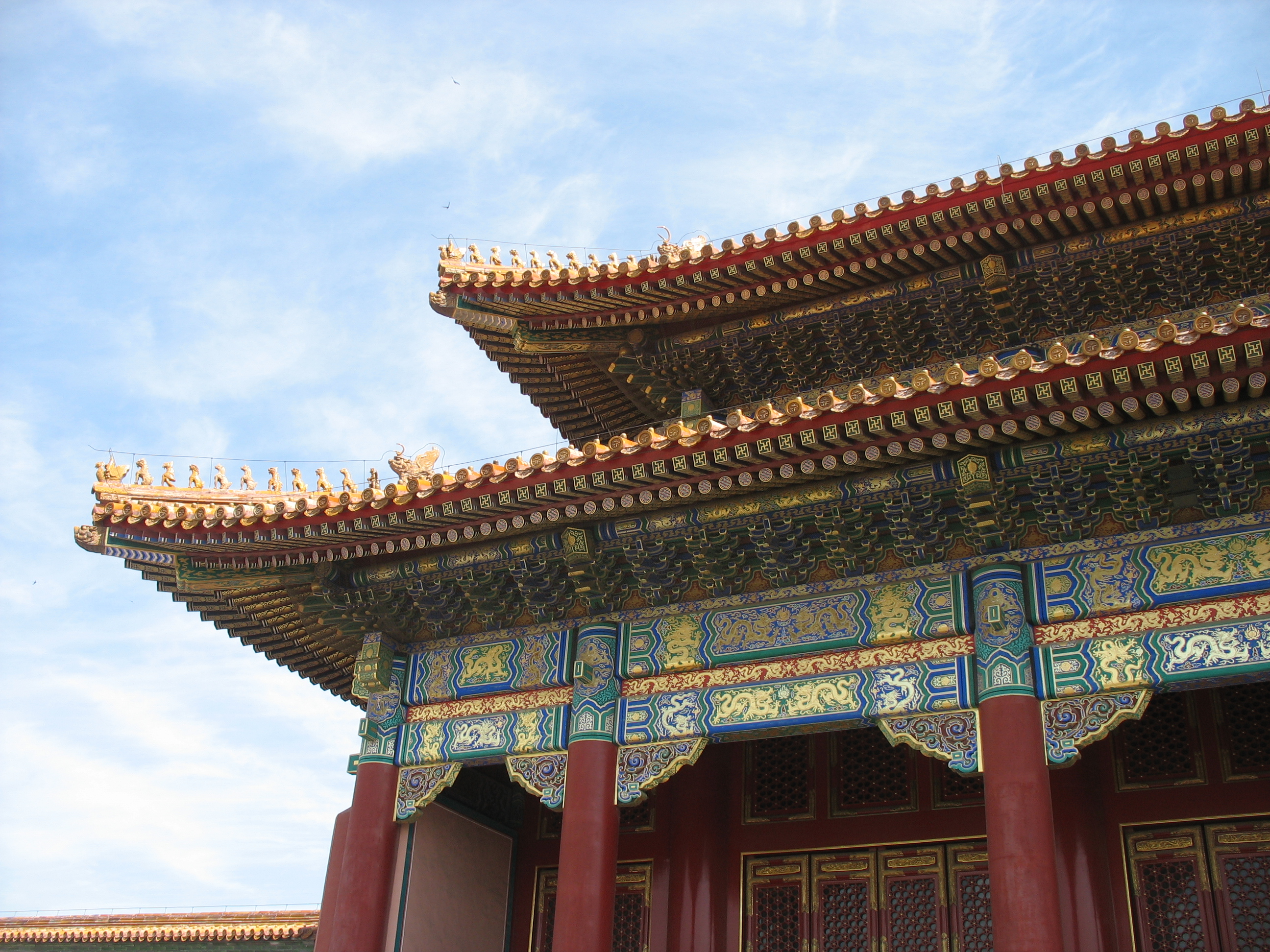
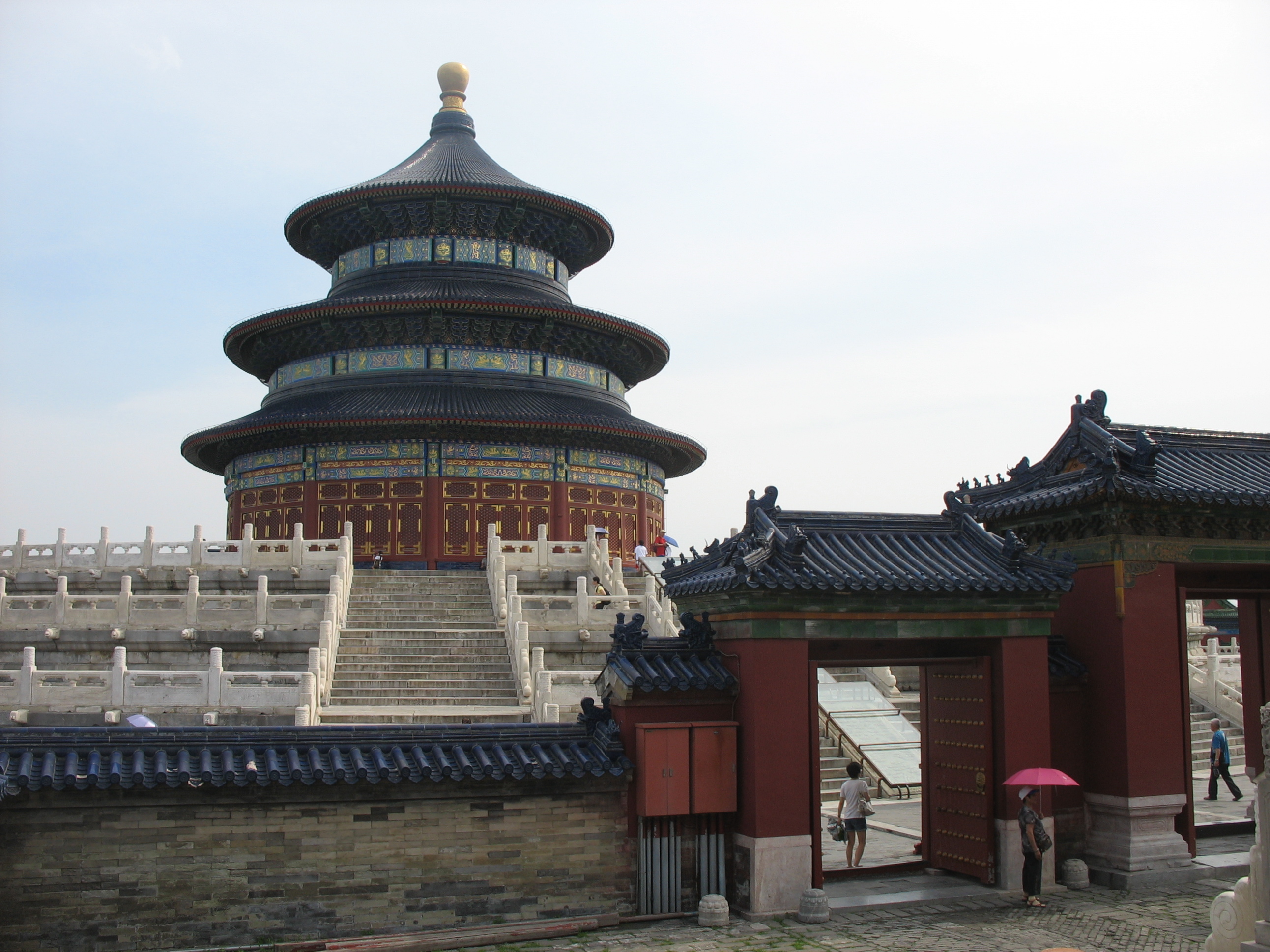
Our third historical site for the day was the circular Temple of Heaven with its three levels representing God, the emperor and the people. Sally, who we dubbed the “reluctant tour guide”, dismissed it as unimportant because “we have no God anymore”. She told us that Mao gave the Chinese people “freedom from religion”. She didn’t appear to share the hunger for something to believe in that we sensed in many of the young Chinese that we were acquainted with.

Temple of Heaven

Temple of Heaven

Again, we would have liked to have had enough time to explore the peaceful park surrounding the temple but that was not to be. These are only a few of the highlights of a very busy day that ended with a Kung Fu show that was a fantastic combination of martial arts and dance.

In one way, we were very blessed while we were in Beijing. Did you notice the sky in the photos? Beijing is usually shrouded in heavy smog. It reaches such dangerously high levels that some people actually wear gas masks outdoors but just before we arrived, the air was cleansed by heavy rain and we enjoyed clear skies and unusually fresh air!

The heart of the city

We’ve spent the last couple of Sundays with students but today we were on our own so we decided to explore the heart of downtown Dalian.

In spite of the fact that Dalian is a city of some 3.4 million people, it’s quite compact and easy to get around by bus. Since almost everyone lives in an apartment and there are virtually no single family dwellings, it’s not a sprawling metropolis like a lot of North American cities are.

We started our day by catching a bus to the train station. Long-distance buses depart from various points around the station so we scouted around and figured out where the buses to a couple of the places we’re hoping to visit in the not too distant future leave from. Once we’d found what we were looking for, we set off on foot for Zhongshan Square stopping for lunch along the way.

KFC and McDonald’s are probably the most popular western fast food restaurants in Asia. They seem to be everywhere. I think the last time we ate at KFC was in December 2008 in Hanoi, Vietnam. We don’t eat at KFC in Canada and hadn’t really planned on it here either but we’d both reached the point where we were craving a meal that didn’t involve either rice or noodles and the KFC that we passed on the way to Zhongshan Square was just too unique to pass by!

Zhongshan Square (which is actually circular) is the hub of Dalian’s business district. With ten roads radiating out from its central roundabout, it is encircled by ten buildings dating from the early 1900s that have been declared cultural heritage buildings under the protection of both the Chinese government and the Dalian municipal government. Though the central part of the square is undergoing reconstruction at the moment, I was so enthralled by the classical architecture surrounding it that I hardly noticed. We walked the entire circle admiring each of the stately buildings and remarking on the contrast with the much more modern structures that formed a backdrop for them before continuing our walk north along Shanghai Road toward Russian Customs Street.

Dalian was originally a Russian seaport. In 1898, the Russian Empire leased Liaoning Peninsula from the Chinese Qing dynasty and laid out a modern city that they named Dalny. After the Russo-Japanese war in 1905, Dalny was yielded to Japan and its name became Dairen. Prior to the unconditional surrender of Japan in August of 1945, Dairen was liberated by the Soviets who once again governed the city until it was presented to the Chinese Communist government without any compensation in 1950. Dalian’s many squares with their sculptures, lawns and western-style fountains were constructed by Russian architects who were enamoured with French culture and design.

Russian Customs Street retains some of the flavour of Dalian’s Russian days but I was disappointed by the aggressiveness of the many vendors hawking Russian stacking dolls and other cheap souvenirs. I’m not sure if any of them were genuine. I did purchase a cute scarf but it was made in Taiwan!

From Russian Customs Street it was a short walk back to the train station to catch a bus back home where we’re spending a quiet evening resting our tired feet!