Writing On Stone Provincial Park

Over the years that we’ve been together, hubby and I have visited 18 different countries and we’re about to add 2 more to the list, but there are still places closer to home that we haven’t explored. Until the past week, Writing On Stone Provincial Park was one of them.

Straddling the Milk River just north of the Alberta-Montana border, Writing On Stone or Áísínai’pi, which means “it is written” or “it is pictured” is geographically central to the vast area inhabited by the Niitsítapi (Blackfoot) people since time immemorial. For them, it is also a deeply sacred place, a place where they seek the guidance of spirit beings thought to dwell in the hoodoos and nearby hills. Áísínai’pi was declared a UNESCO World Heritage site in 2018 and in order to protect the ancient art on many of the rock faces from vandalism, part of the park is an archaeological preserve closed to the public except by guided tour.

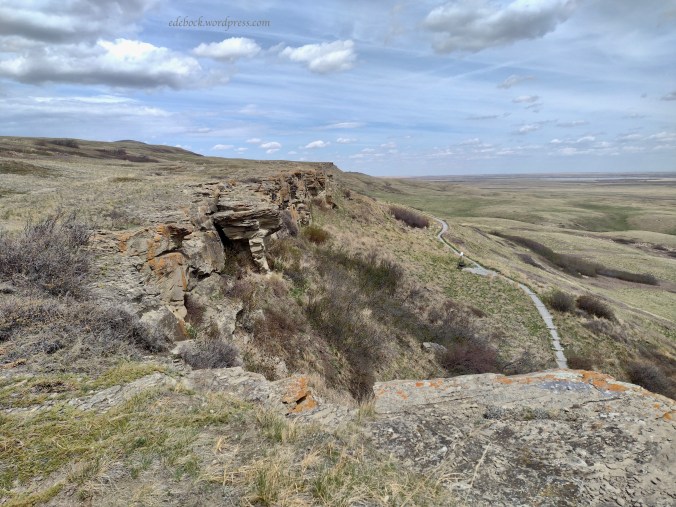
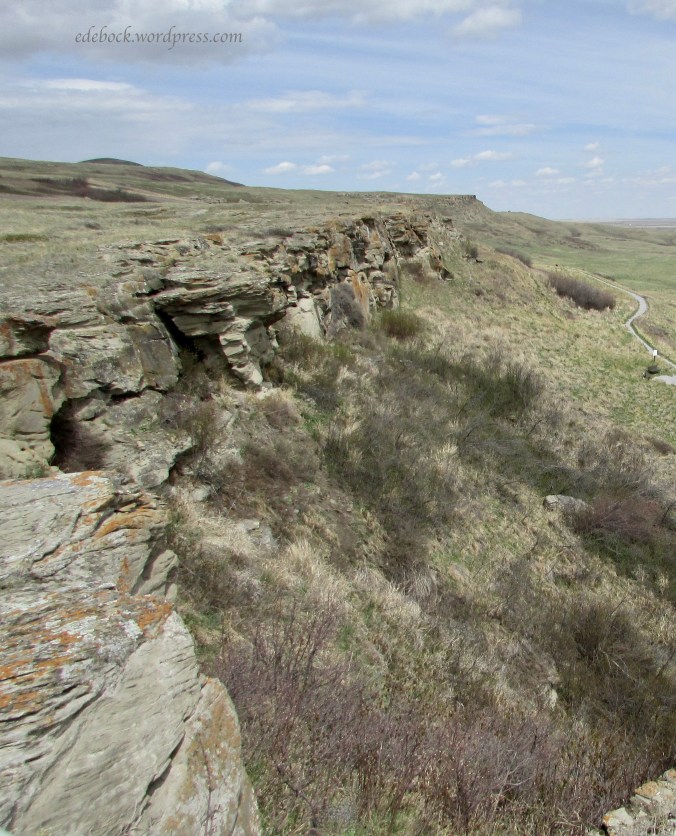
It is impossible to adequately capture the sheer magnitude of the landscape in photos, but here are a few to give you a taste of what you would see if you were to visit.

Writing On Stone has the highest concentration of Indigenous rock art on the Great Plains of North America. We did a two hour Markings of Áísínai’pi tour to view many of these pictographs and petroglyphs. Pictographs are painted on the rock with red ochre, crushed iron ore mixed with animal fat or water. Time and weathering have all but erased these remnants of days gone by.

Although the Blackfoot elders want the rock art to age naturally and no attempt has been made to preserve them, petroglyphs, etched into the stone, have lasted much better. While there is no technique that can accurately date rock art sites, researchers estimate their age based on objects depicted in the artwork as well as by analyzing changes in rock art styles. The next photo shows part of one of the oldest panels in the park.

While the exact meaning of much of the artwork is unknown, much of it was probably ceremonial, created during different rituals like vision quests. 

We also hiked the 5 km out-and-back Matapiiksi (Hoodoo) Interpretive Trail and, on a different day, spent a couple of hours wandering our way through the Hoodoo Exploration Area on the hillside between the campground below and the very informative interpretive centre perched on valley’s edge above.

All I could say over and over again was “This is so amazing!”

Camping with caterpillars

Hubby and I spent the past four days camping at Cross Lake Provincial Park about three and a half hours northwest of here. Amazingly, in spite of the fact that Alberta has been experiencing near-historic rainfall over the past month, we enjoyed four days of beautiful sunshine and it wasn’t until we were tucked into bed in the trailer last night that the rain began to fall again.

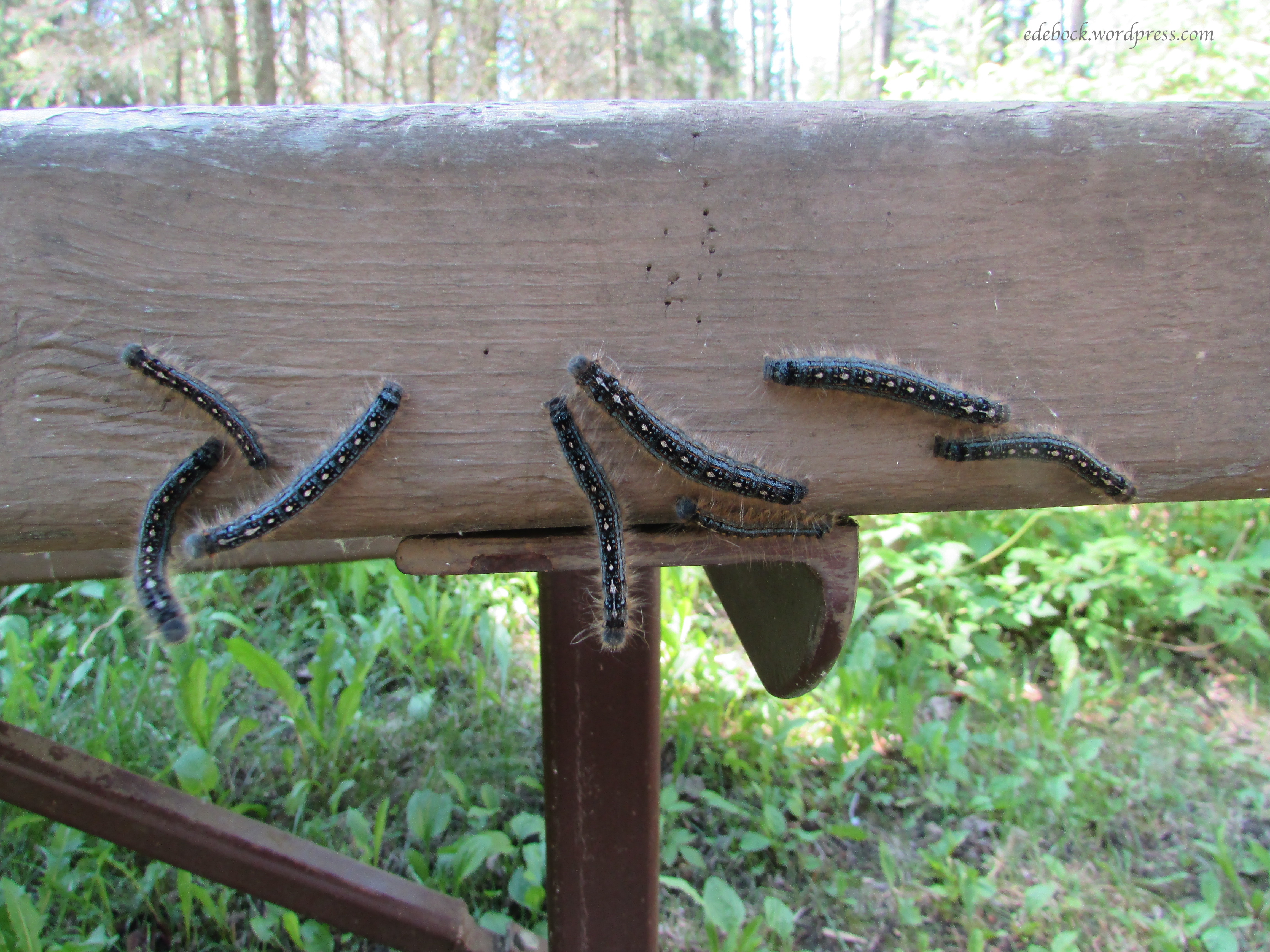
In addition to all the rain, Alberta has also been experiencing a massive infestation of tent caterpillars, a natural phenomenon that peaks every 10 to 12 years. Located in the boreal forest that encompasses almost the entire northern half of the province, the campground was overrun with these hairy little critters.

Although we love to spend most of our time outdoors when we’re camping, we ate our first supper in the trailer to avoid the caterpillars and when we were outside that evening, we literally had to tuck our pants into our socks to keep them from crawling up the inside of our pant legs!

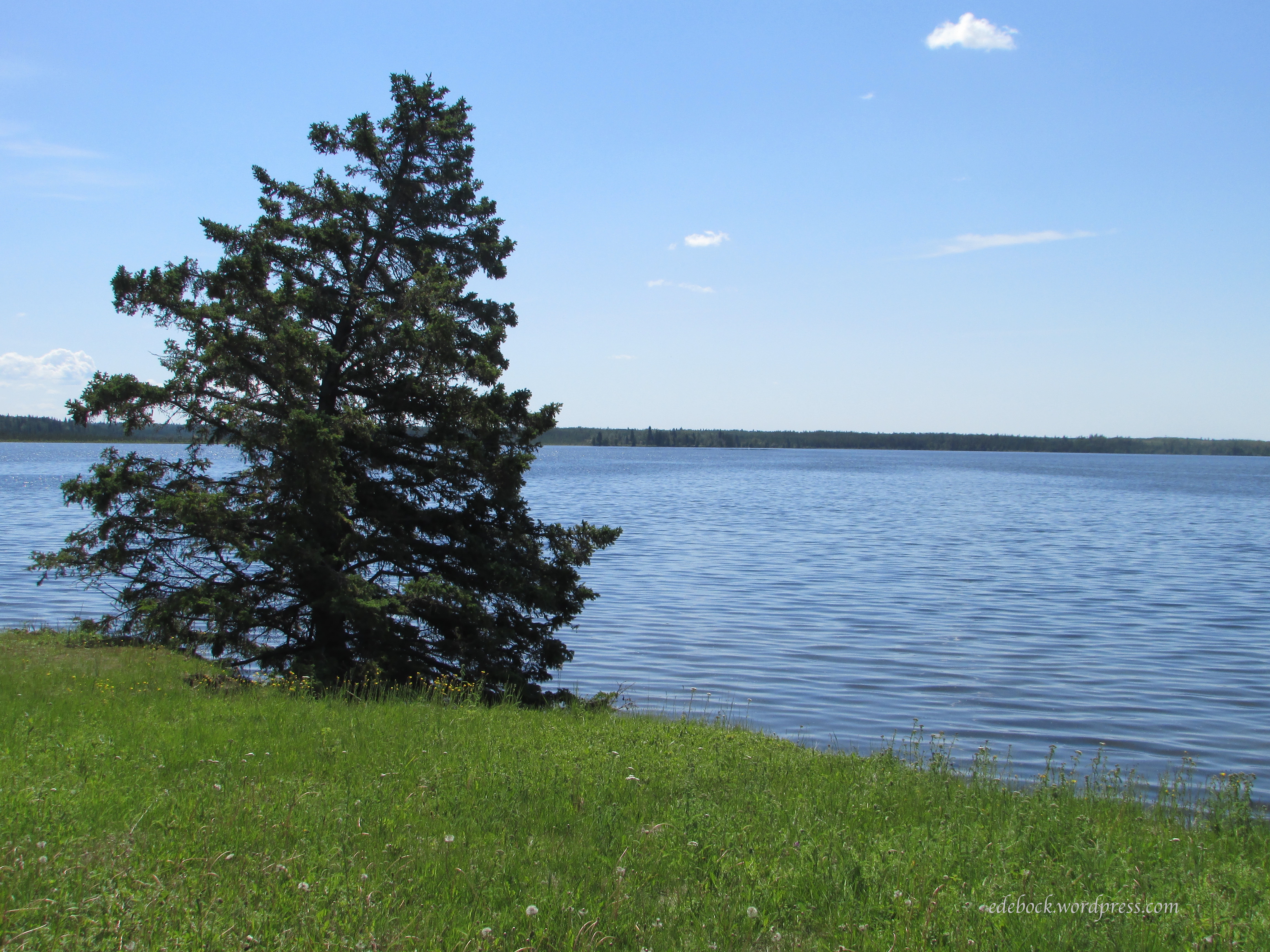
One place where there were no caterpillars was out on the water. The main Cross Lake Provincial Park campground offers 130 lovely powered sites, but across a wide bay and accessible only by foot or by boat, is rustic George’s Point campground with seven tent only sites. For the first of our two kayaking excursions, we packed a lunch and paddled over to George’s Point for a picnic. We were the only ones there and this is the view that we enjoyed.

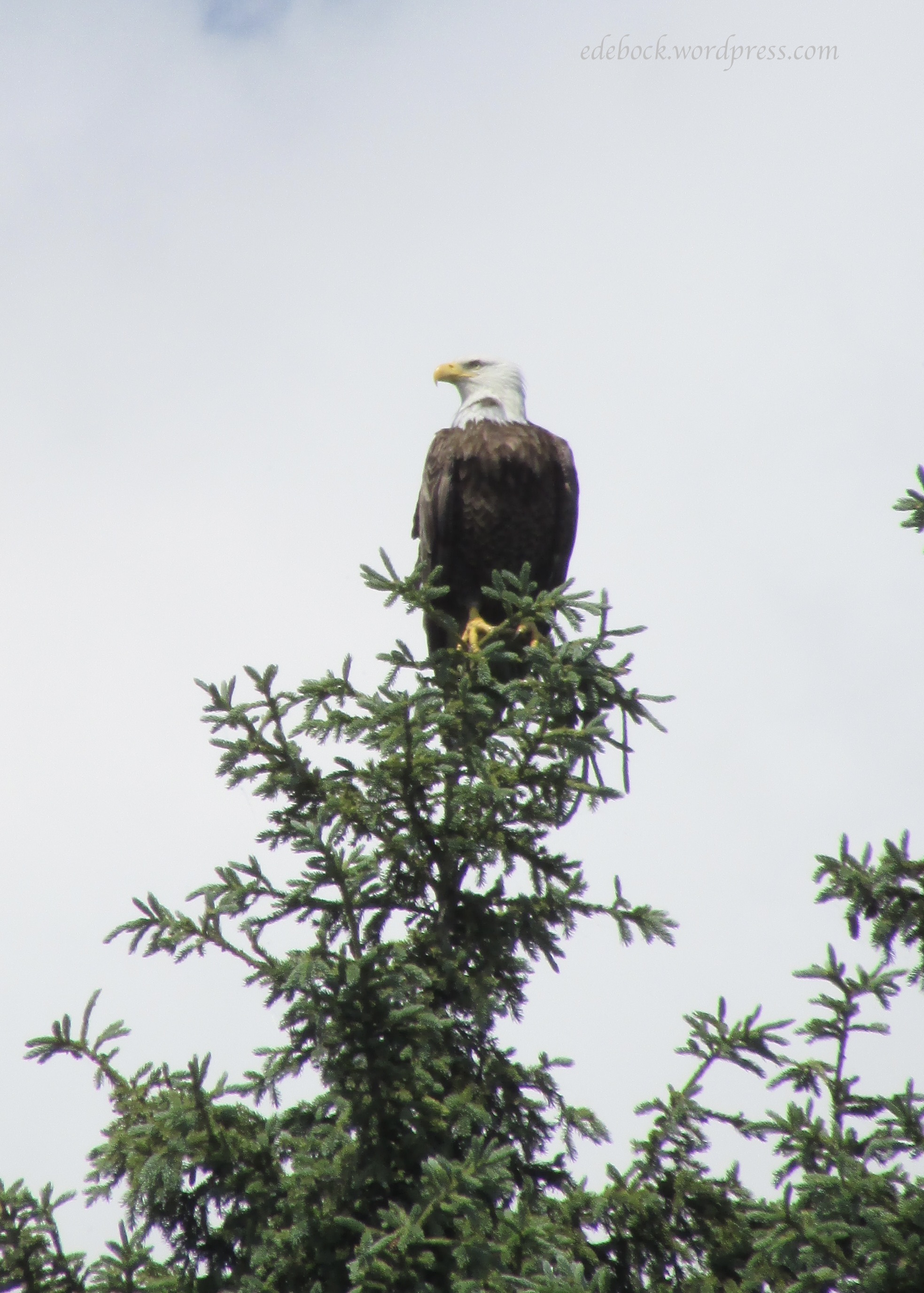
While kayaking, we saw families of ducks and loons as well as gulls and other water birds, but we were especially delighted to spot a bald eagle. There’s no way to keep a kayak perfectly still on the water, so taking good photos, especially those that require zooming in, is extremely challenging. Needless to say, I’m pretty happy with this one…

When we got back to our campsite later that day, it was lierally like walking into a horror movie! Every surface was crawling with caterpillars… thousands and thousands of caterpillars! Thankfully, we’d heard from another camper that there weren’t many of them on the far side of the campground where there were more evergreen trees and less of the deciduous ones that the caterpillars feed on. The campground was far from full, so we asked and were given permission to move. It was a lot of extra work, especially for hubby, but it was definitely worth it. Although there were still a few creepy crawlies, we were able to enjoy the remainder of our stay.

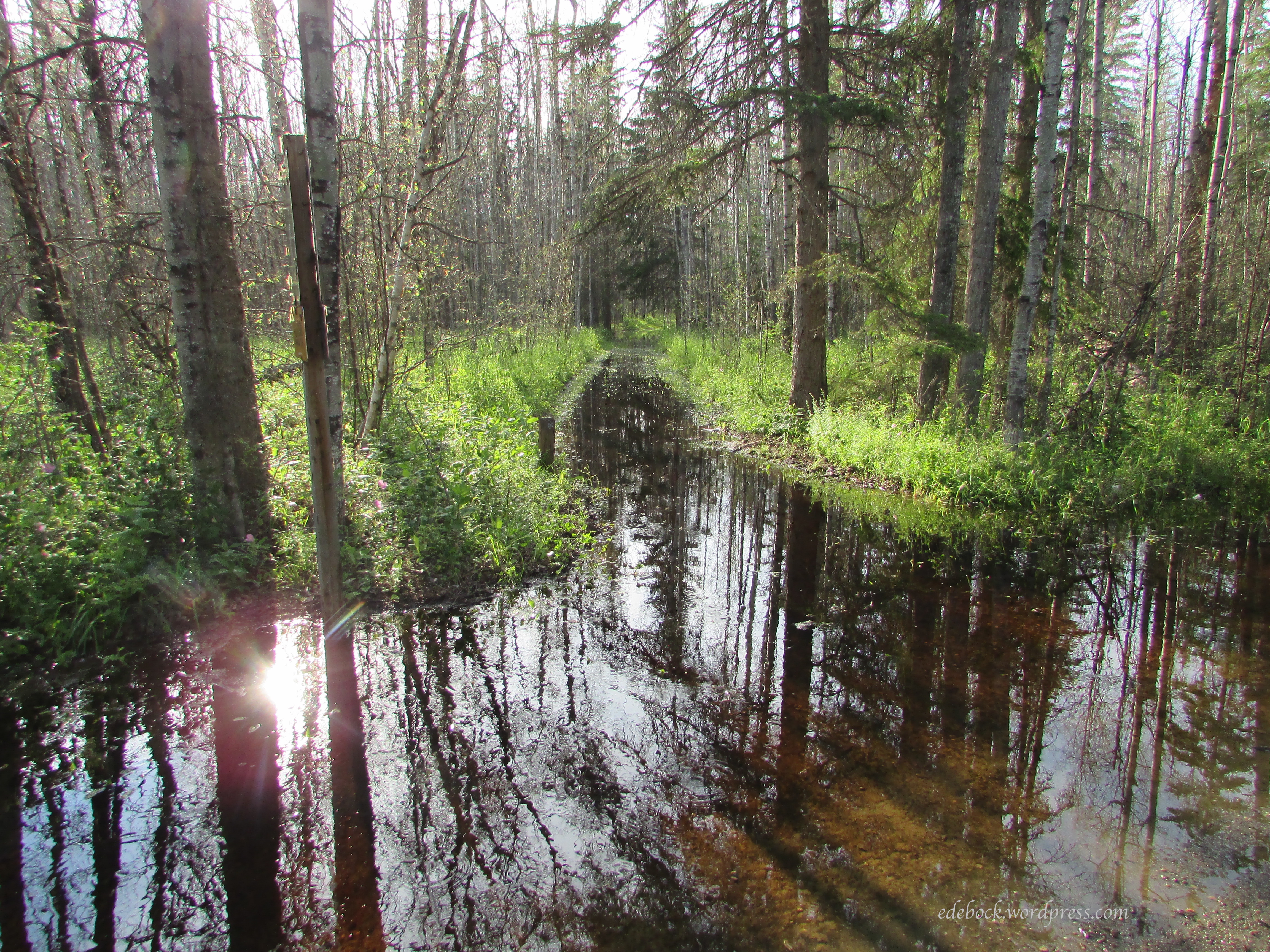
We weren’t able to do as much hiking as we might have as many of the trails looked like this…

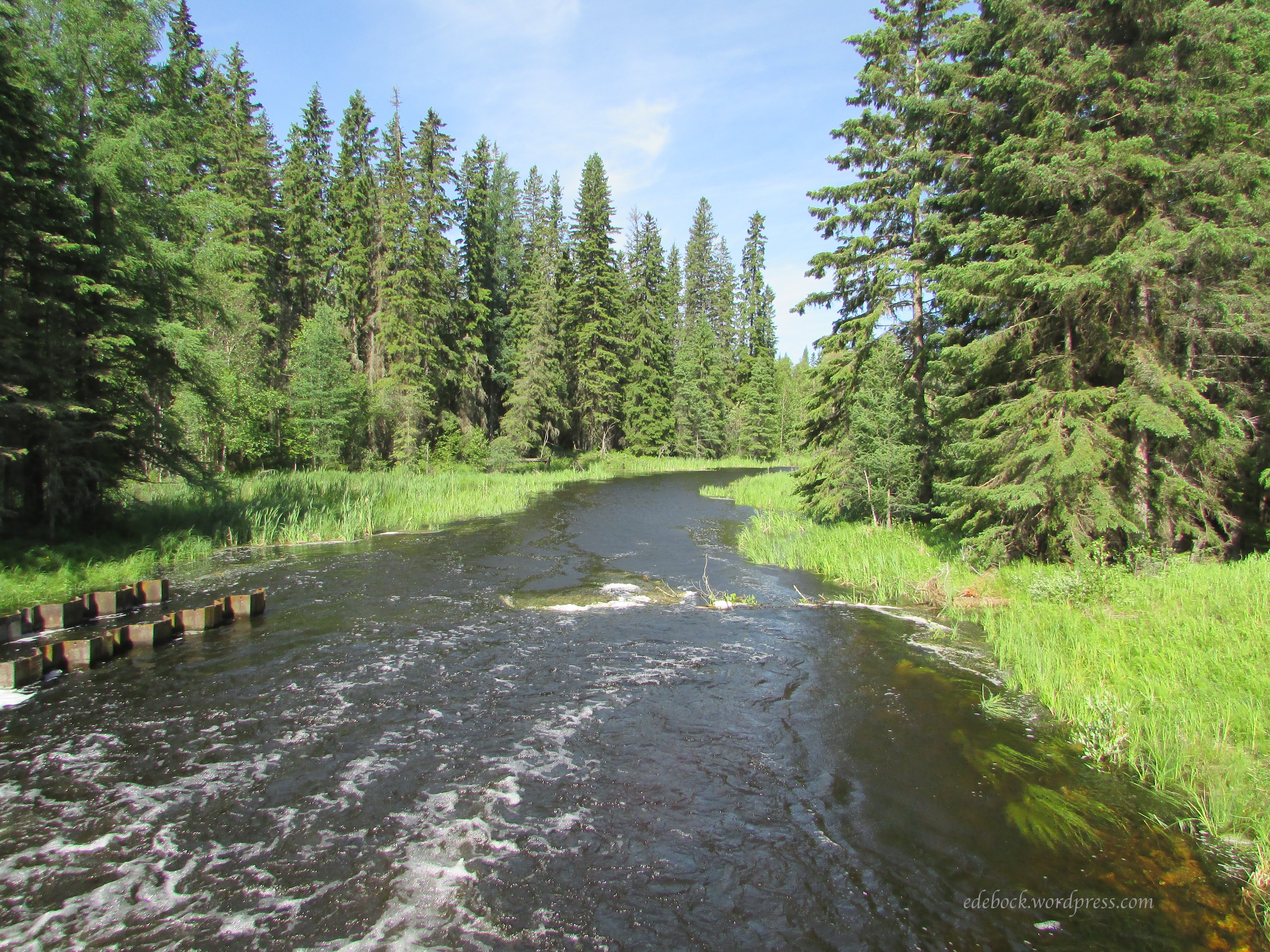
Thankfully though, although we had to carefully skirt around a couple of huge puddles, the trail from the campground to French Creek, which flows out of the lake, was passable and we even found the only geocache located in the park while we were on that hike.

Now we’re home and it’s raining again, but at least there are no caterpillars here!

Head-Smashed-In Buffalo Jump

Hubby and I reached a new milestone on Friday. For the first time ever, we became the grandparents of an adult when our grandson, Drew, celebrated his 18th birthday! I have no idea how the time went so fast, but this sweet babe is now a fine young man!

Drew and his siblings are Métis. He, in particular, has taken a keen interest in their Indigenous heritage, so yesterday we took them to Head-Smashed-In Buffalo Jump, a remarkable site that teaches about the Plains native culture.

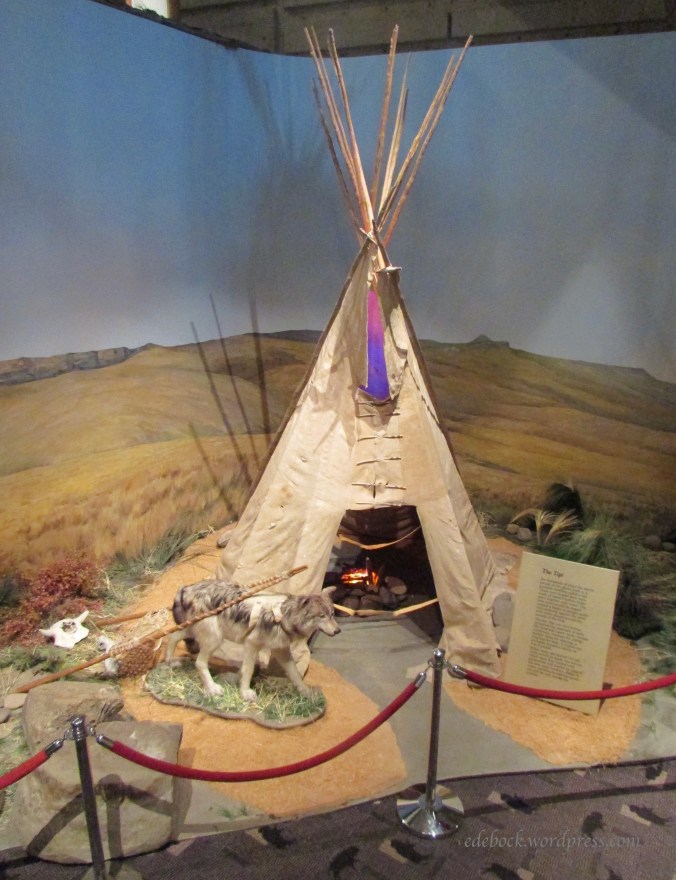
Located about two hours south of Calgary, Alberta, Head-Smashed-In Buffalo Jump is the most outstanding and best preserved example of a unique communal hunting technique employed by the Plains people for thousands of years. At sites like this one across the North American Plains, Indigenous tribes used natural barriers such as coulees, depressions and hills to funnel bison herds into prepared drive lanes ending at a precipice over which the bison were stampeded to their deaths. The carcasses were then butchered in camps set up below the cliffs to provide food and materials for clothing, tools and dwellings.

The seven-levelled Interpretive Centre at Head-Smashed-In was built into the hillside just south of the jump site in such a way that the fragile archaeological deposits were left undisturbed. As recommended, we started our tour at the top where we walked the 200 metre upper trail to the viewpoint overlooking the precipice.

Working our way down through the seven levels of exhibits, we stopped at the theatre on the third level to view an excellent 15 minute film re-enactment of a buffalo jump.

We had planned on walking the 1.2 km interpretive trail below the cliff after finishing inside, but a storm had blown in and it was raining, so we missed that part of the experience. It was still an excellent day and well worth the trip.

Book of the month – February 2026

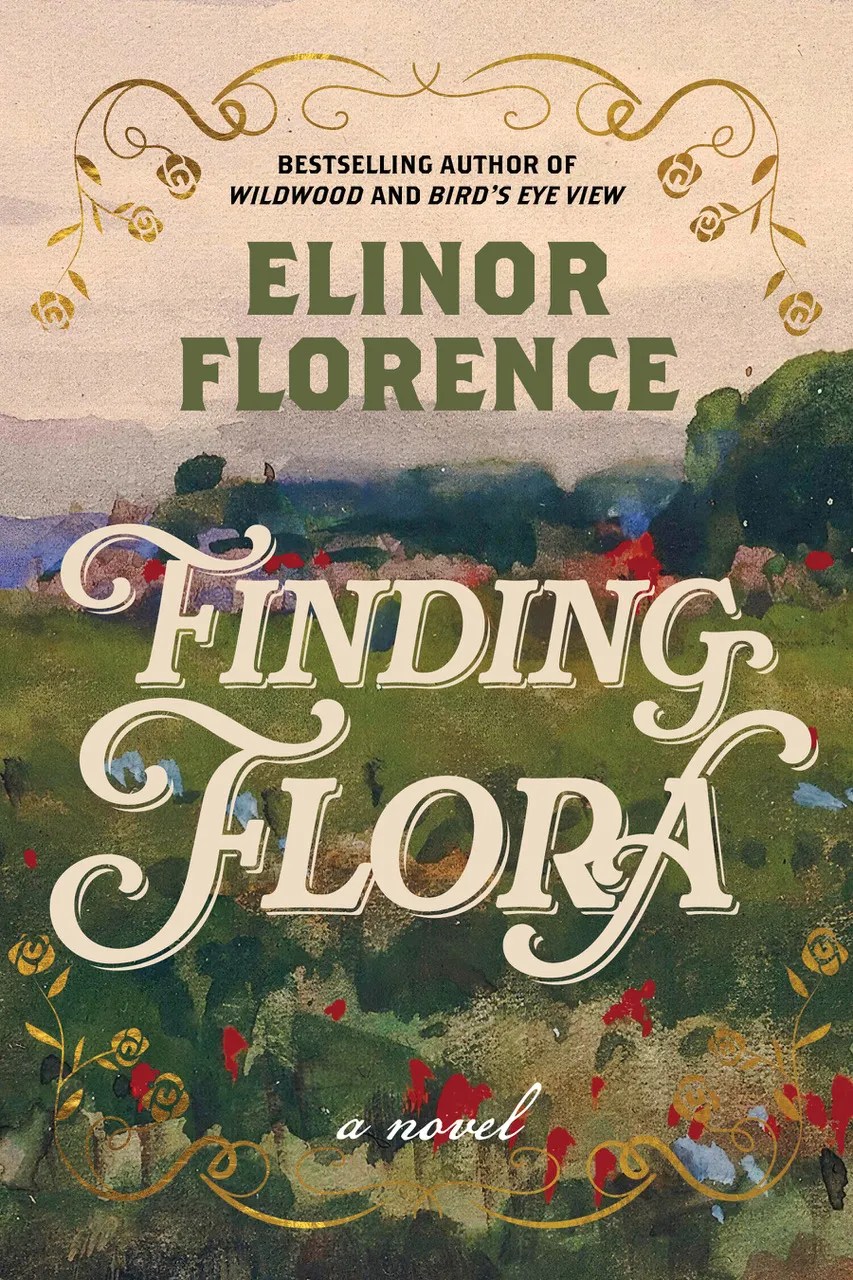
Finding Flora

Elinor Florence

When a friend recommended this historical novel I was immediately intrigued because the setting is a very familiar one. The story takes place near the location of present-day Clive, Alberta, about an hour and a half by car from where I live! The action begins in 1905 with Scottish newcomer, Flora Craigie, jumping from a moving train to escape a disastrous marriage. Depending on where you live, 1905 might seem like fairly recent history, but this was brand new country at that time. The town where I live was established as a Canadian Pacific Railway townsite in 1906 and incorporated as a village in March 1907.

In the early 1900s, the Canadian government granted 160 acres of free land to any man who met three stringent conditions: he had to live on the property for three years, build a habitable dwelling, and cultivate a required number of acres each year. That opportunity wasn’t open to single women, however. Not surprising, I suppose, if you consider the fact that women in Canada weren’t even legally declared persons until October 18, 1929!

The heroine of our very well-researched story finds a legal loophole, however. Canadian veterans of the Boer War in South Africa were granted homesteads by the federal government in appreciation for their service and there was no law against them selling these claims. Flora purchases her claim from one of the twelve Canadian nurses who served in the Boer War and who were therefore considered veterans. She is astonished to find that her nearest neighbours are also female: a Welsh widow with three children, two American women raising chickens, and a Métis woman who trains wild horses.

With strength, determination, and endless courage Flora and her neighbours battle the harsh environment as well as those who were opposed to women owning land. They endure backbreaking labour and many hardships that were common to early Canadian settlers. Hardships like the winter storm that kept us housebound one day last week. Imagine surviving a prairie blizzard in a one room cabin without insulation, indoor plumbing, electricity, and central heating! To complicate matters for Flora, there were indications that her violent husband hadn’t given up looking for her.

The kindness of strangers and the importance of community are themes that weave their way through this heartwarming story.  There’s also an element of romance and although the ending is quite predictable, I can’t help but love a story about resilient boundary-breaking women!

Beaver watching at Miquelon Lake Provincial Park

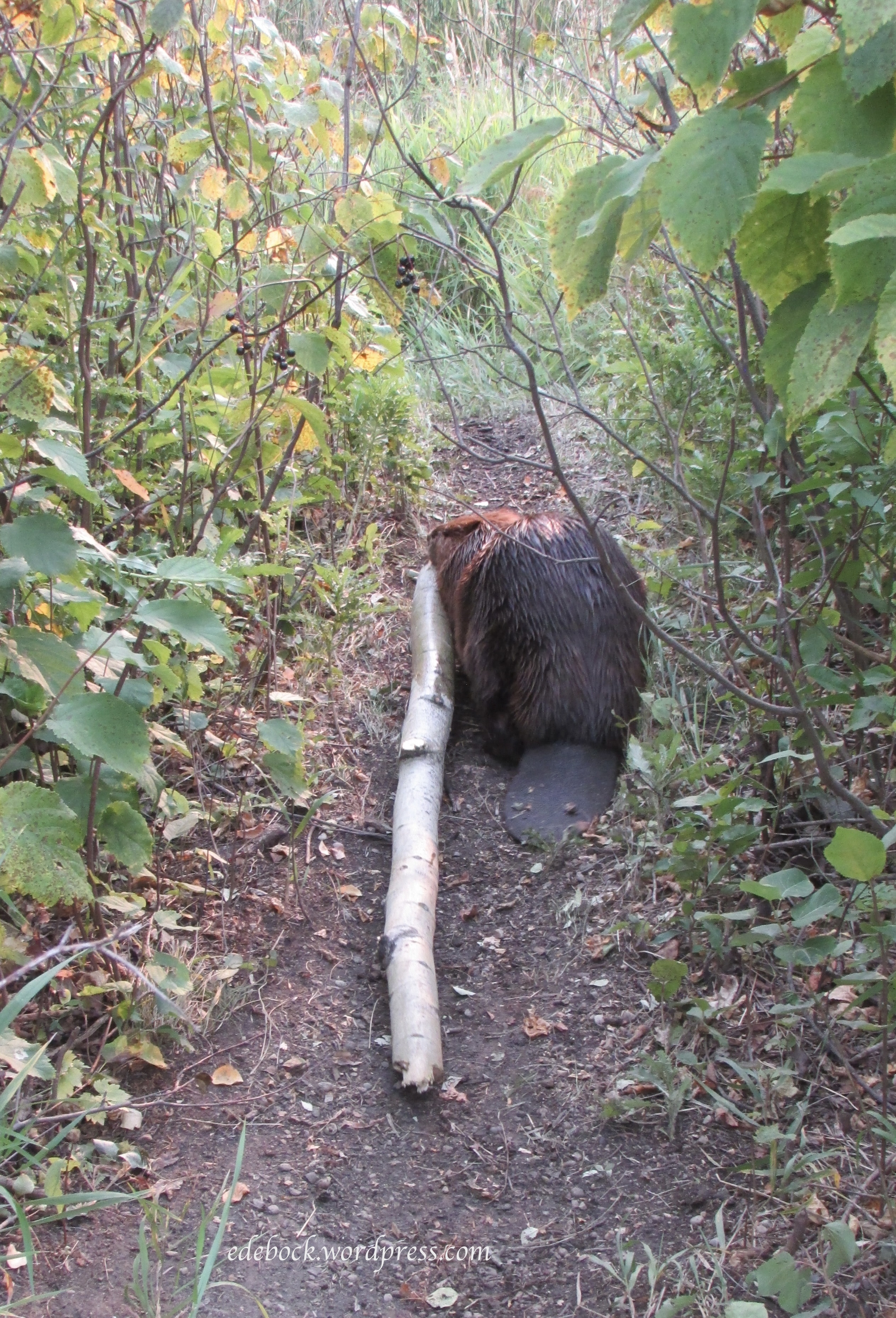
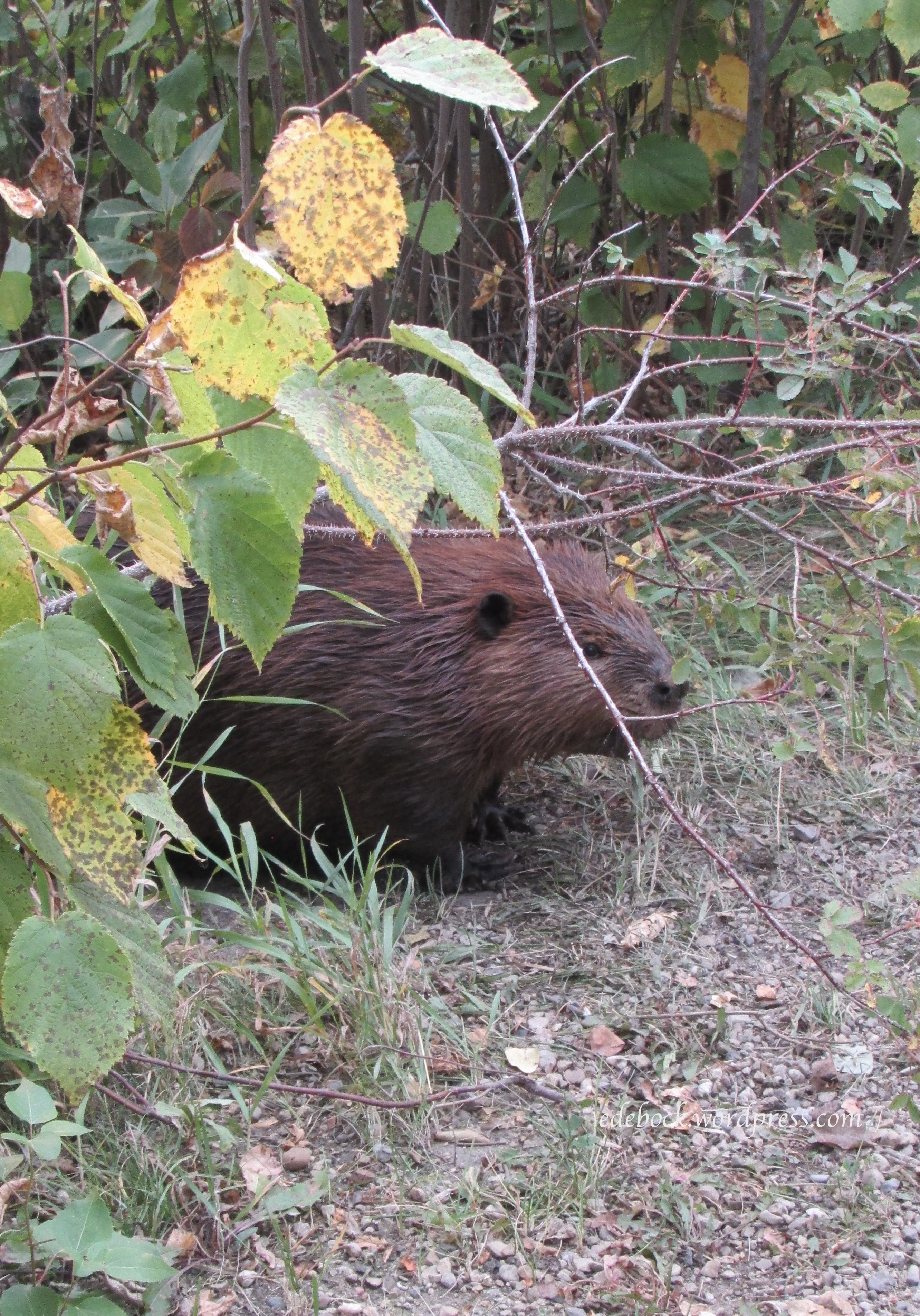
Earlier this week, we spent three days camping at Miquelon Lake Provincial Park. We hiked a little over 9 km (5.6 miles) one day and about half of that the following day, but by far the most fun we had was an hour spent watching a family of beavers hard at work. We came upon them quite by accident while enjoying an evening stroll alongside the Grebe Pond and stayed until my camera battery died! Of the many photos that I took, this one is my favourite.

The North American beaver, officially Canada’s national animal, is this continent’s largest rodent. The saying “busy as a beaver” is very apt. As we watched, the industrious critters constantly crossed the path in front of us on a well-worn trail from the water’s edge to the hillside above us. There we could hear them using their long orange incisors to busily cut branches from the trees that they felled before dragging them down to the shoreline.

Look at the size of the load that this one was hauling!

We’ve encountered a beaver in the water several times when we’ve been kayaking. If we get too close for comfort, it slaps its tail on the water with a thunderous splash and dives beneath the surface. At first, these ones were clearly surprised to see us watching them from just a few feet away, but they didn’t seem too bothered by our quiet presence. The young ones were the most cautious, first sitting still in the edge of the brush and peeking out before quickly scooting across in front of us.

With its big, webbed hind feet and its rudder-like tail, it’s no wonder that the beaver is such a good swimmer. Not only did they drag the branches down to the water’s edge, but then they swam across the pond with them to add them to their lodges on the other side.

We had thought that this would be our last camping adventure of the year, but we had such a good time that we’re thinking of trying to squeeze in one more. As I mentioned in my last post, I’m never quite ready to let go of summer!

Crossing the finish line

On Wednesday, while hiking the Holdsworth Trail in Miquelon Lake Provincial Park, I crossed the finish line of my self-imposed 300 km in 150 days walking challenge 10 days before the deadline! 

IMG_7436

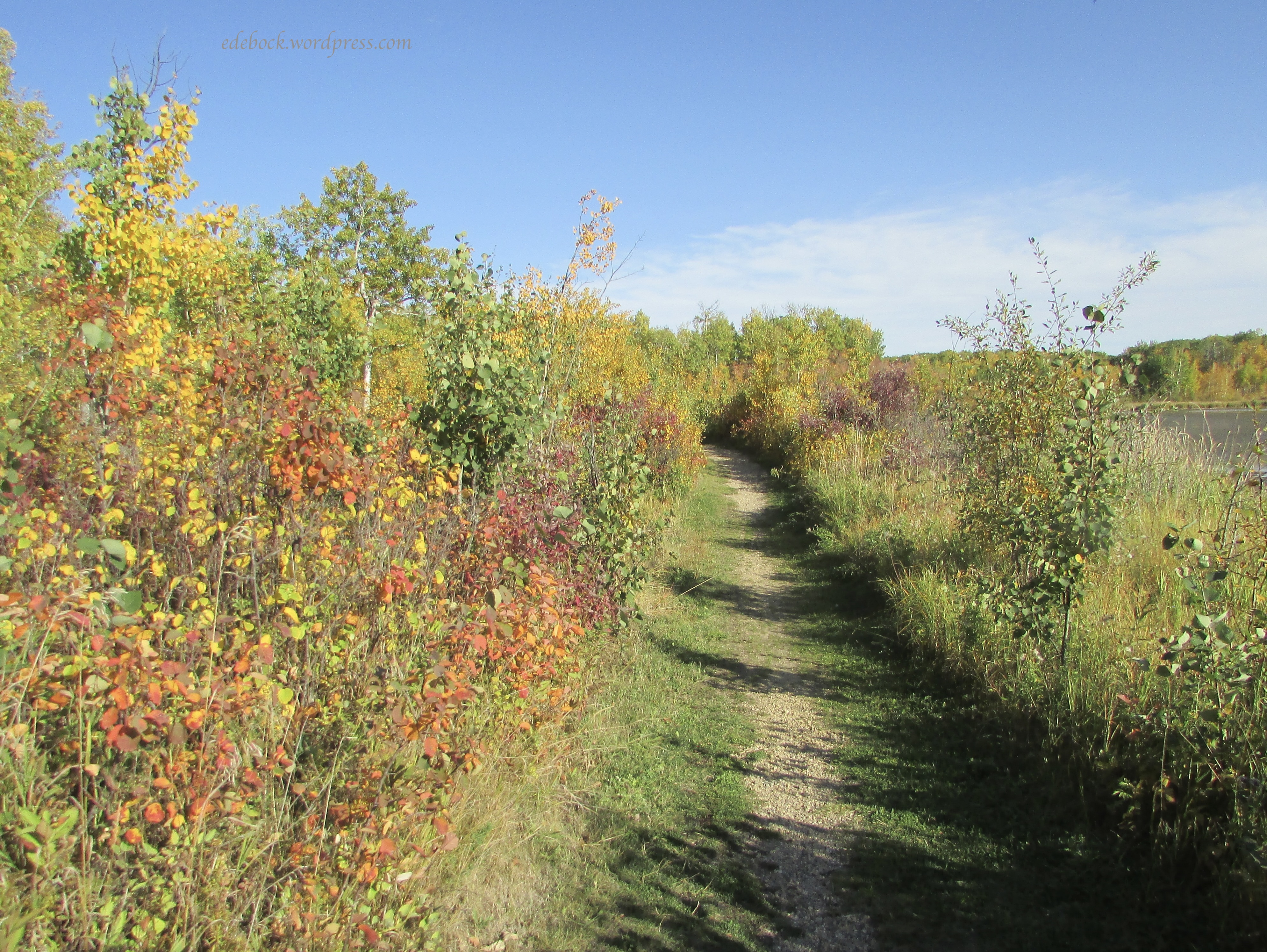
I recently read a quote by French philosopher and author, Albert Camus that resonated with me. It describes perfectly why we love to camp and hike at Miquelon in the fall. 

“Autumn is a second spring when every leaf is a flower.” 

IMG_7450

In fact, after completing the Holdsworth Trail on Wednesday, we hiked another 8.9 km on the park’s beautiful and very colourful backcountry trails the following day. 

IMG_7438

Although I’ve now accomplished my walking/hiking goal for this season, I’ll continue keeping track of my distance at least until my 72nd birthday on the 5th of October which was the deadline that I’d set for myself and then I’ll keep on walking and hiking until the snow flies, hopefully sometime in the distant future! 

Exploring the University of Alberta Botanic Garden

IMG_7305

As part of his 50th year university grad celebration, hubby received complementary tickets to the University of Alberta Botanic Garden (formerly called the Devonian Gardens) just outside Edmonton. It was a beautiful fall day; perfect for a peaceful stroll through the 80 acres of themed gardens and winding nature trails.

While the garden wasn’t the riot of colour that it might have been earlier in the season, there were still many beautiful flowers to be seen.

IMG_7282

IMG_7290

IMG_7313

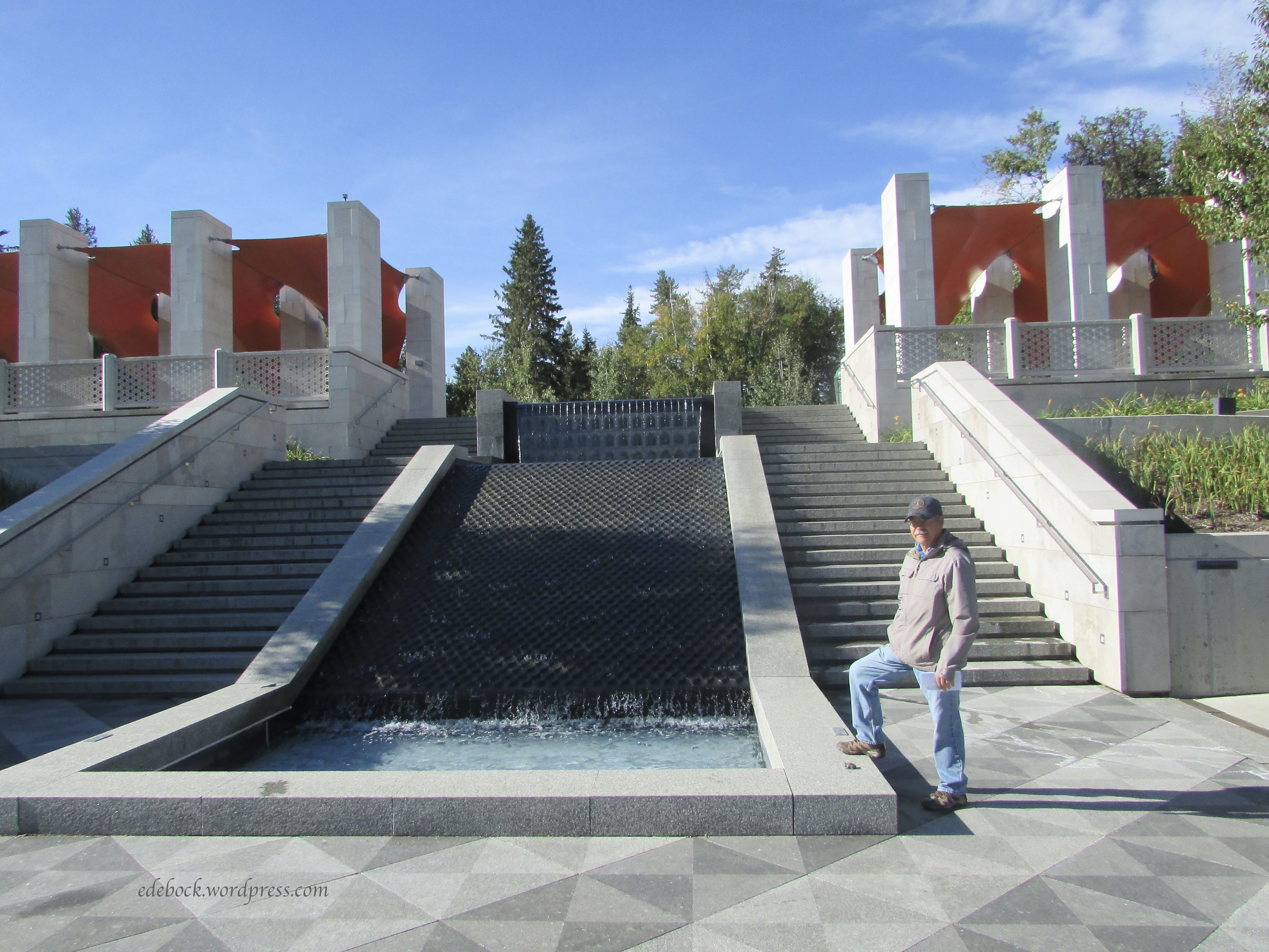
With its geometric granite and limestone terraces, still reflective pools, and the soothing sound of moving water, the expansive Aga Khan Garden, a contemporary interpretation of Islamic landscape architecture, was a very peaceful place to stroll. The central focus is a waterfall tumbling over textured stone.

IMG_7284

IMG_7285 Recently renovated, Connie’s Secret Garden at the north end of the Alpine Garden is home to a more natural looking waterfall.

IMG_7298

Indoor showhouses feature plants from three very diverse climatic zones… tropical, temperate, and arid. Everywhere we went, we were surrounded by an abundance of plants of every description. Some of the most unique ones were the cacti in the Arid Showhouse. Just look at that amazing flower.

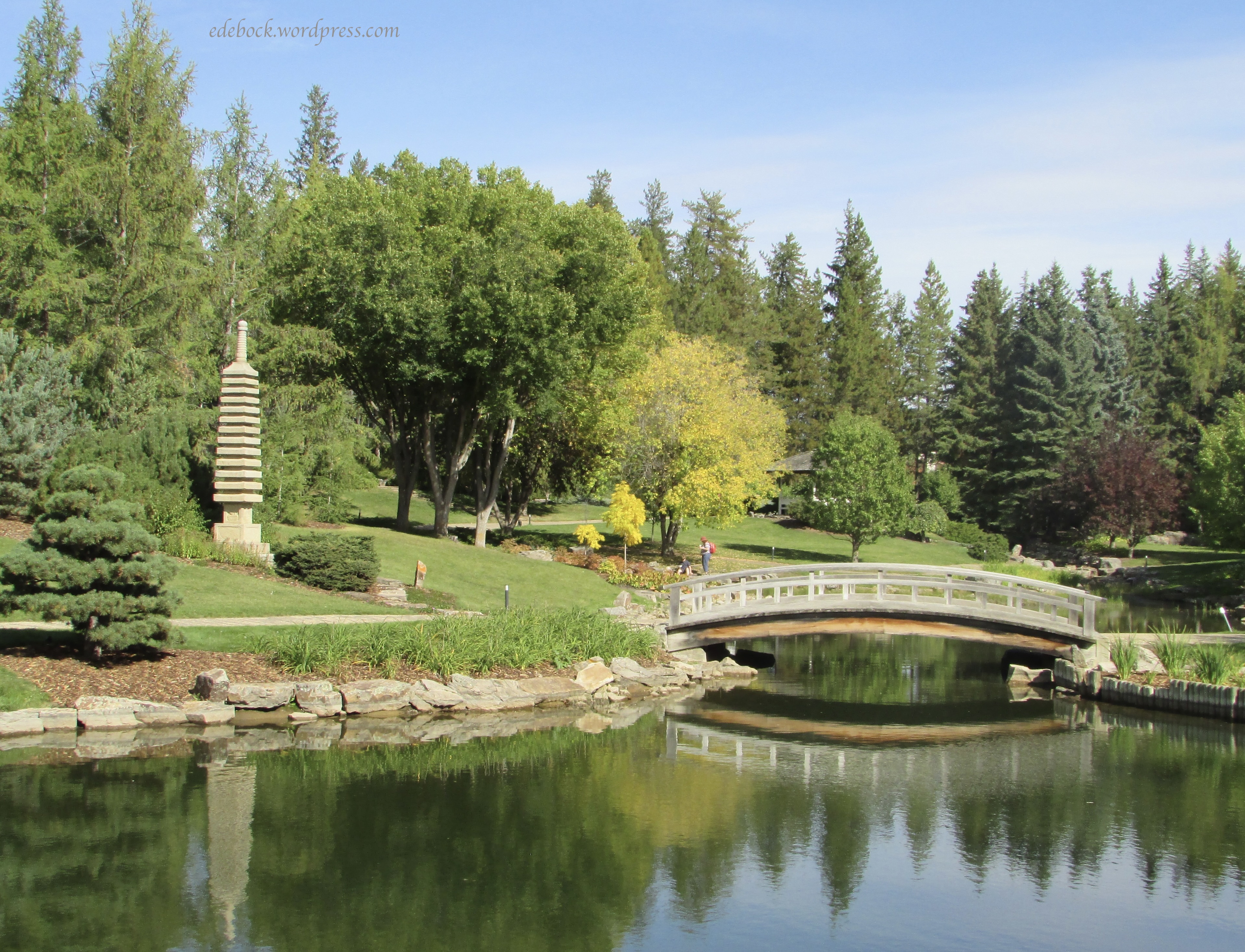
During the year that we lived in Japan, I fell in love with the beautiful strolling gardens, so we purposely saved the Kurimoto Japanese Garden for last today knowing that it would be my favourite part. With it’s lanterns, arched bridge, and pagoda, the design is authentically Japanese, but the garden utilizes plants that are hardy enough to survive our northern climate.

IMG_7327

IMG_7328

IMG_7331

IMG_7317

This is really just a sampling of what the Botanic Garden has to offer. We walked every pathway, some of them twice, covering a total of 6.21 km (3.86 miles) leaving me less than 10 km to go to complete my 300 km in 150 days goal!

The Trans Canada Trail

The Trans Canada Trail isn’t a single trail. It’s the world’s longest multi-use trail network consisting of greenways, waterways, and roadways stretching across Canada from the Pacific to the Arctic and the Atlantic oceans. It crosses every province and territory and connects more that 15 000 communities.

Screenshot 2024-07-12 at 6.26.00 PM

Last week, while camping at Hilliard’s Bay Provincial Park on Alberta’s Lesser Slave Lake, we had the opportunity to hike a couple of short portions of the trail that follows the north shore of the lake.

IMG_7100

IMG_7103

It was while we were hiking there that I reached the 150 km point on my 150 day walking challenge. I’m halfway to my goal well ahead of schedule!

In the summer of 2021 , award-winning Canadian filmmaker, photographer, author and multimedia artist Dianne Whelan, became the first person to complete the entire Trans Canada Trail. Over a six year period, she travelled by foot, bike, and canoe chronicling her remarkable journey in her film, 500 Days in the Wild.

While I can’t even imagine attempting such a daunting venture, it did occur to me while we were hiking that if I were younger, I would plan to visit all 13 Canadian provinces and territories and hike a section of the trail in each one!

IMG_7117

Now that we’re home and getting back into routine, I just need to ensure that I keep on walking. I still have 147.3 km (91.5 miles) to go before October 5th!

Lost in the wild!

While camping at Winagami Lake Provincial Park near High Prairie, Alberta last week, we decided to explore the hiking trails in the nearby O’Mahony Conservation Area. The area was named in honour of John O’Mahony, a teacher and conservationist who envisioned a natural area where students and the public could learn about and enjoy nature. By 1994, he had developed over 10 km of trails winding through the boreal forest and meadows bordering Winagami Lake.

Screenshot 2024-07-11 at 7.47.13 PM

With bug spray, bear spray, and lunch in our daypack, we set off.

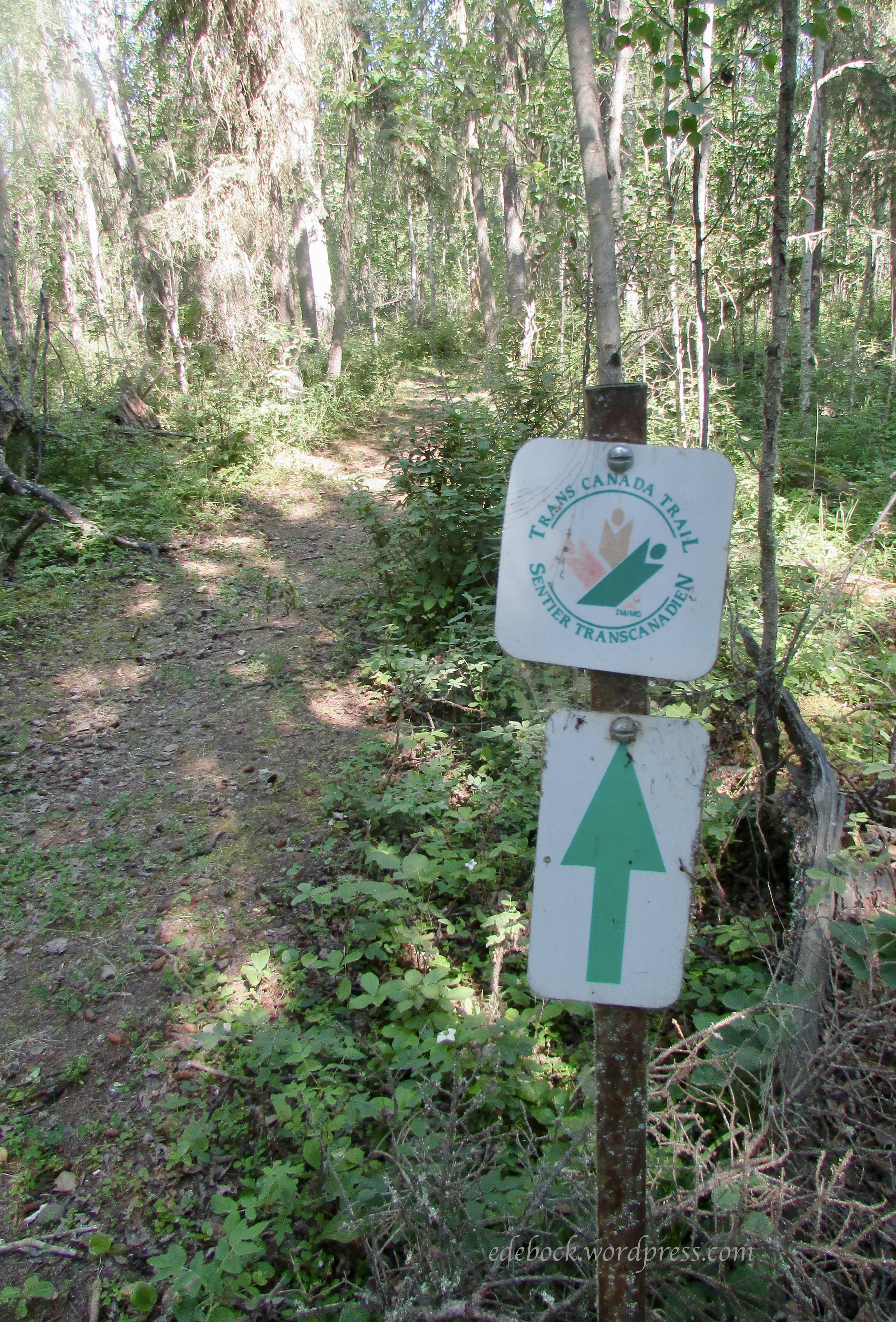
We soon discovered that the Savanah Swath and Hawk Haven trails shown on the map no longer exist, but we continued on determined to enjoy the others. All went well until we also discovered that the Eagle Trail hasn’t been maintained beyond the Beaver Browse loop. It was badly overgrown, but we made the decision to venture onward anyway. Perhaps not a good idea as it turned out!

IMG_7090

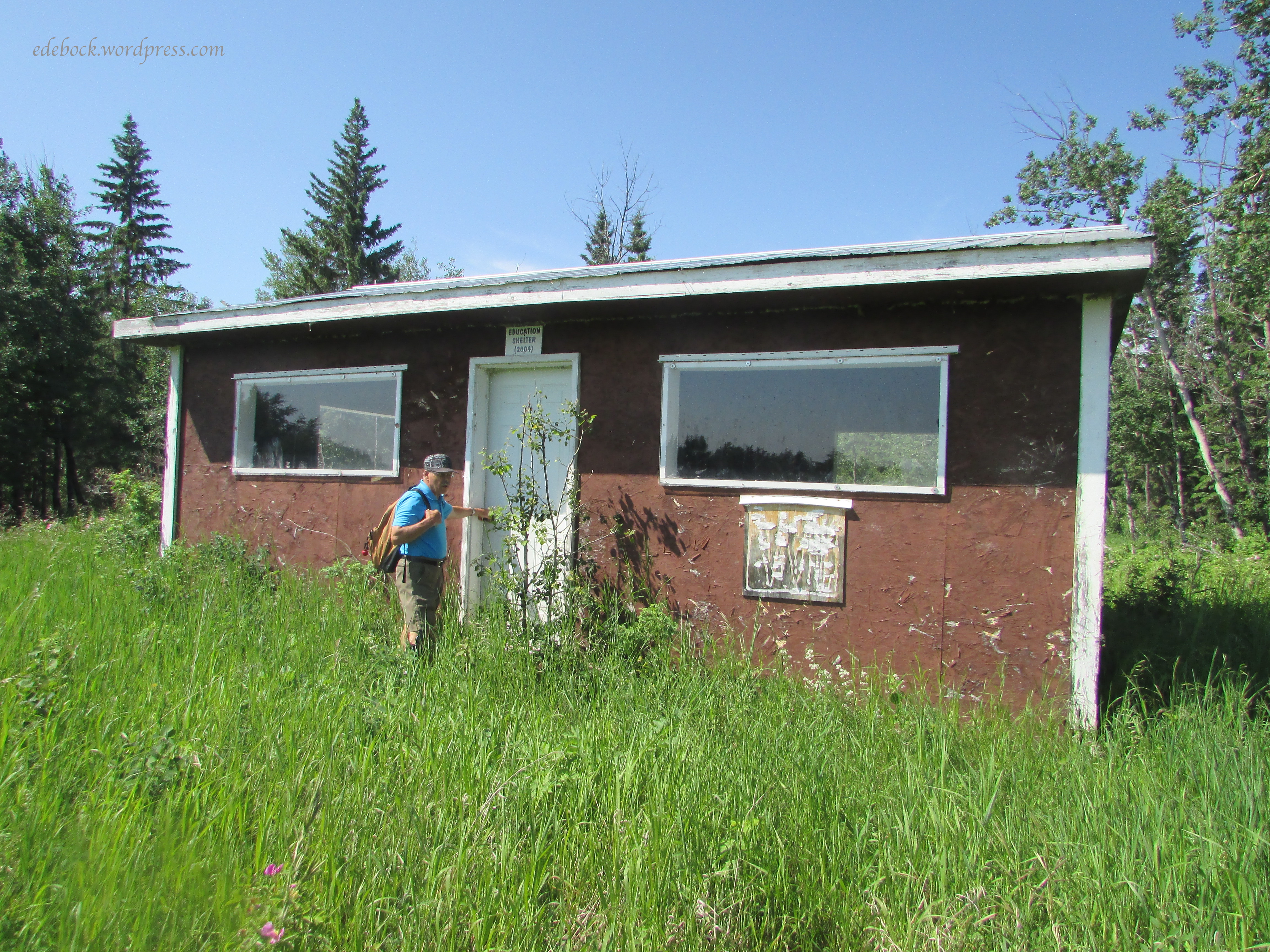
We were just about to turn around when I spotted a building through the trees ahead. It wasn’t shown on the map, so of course we had to check it out!

IMG_7080

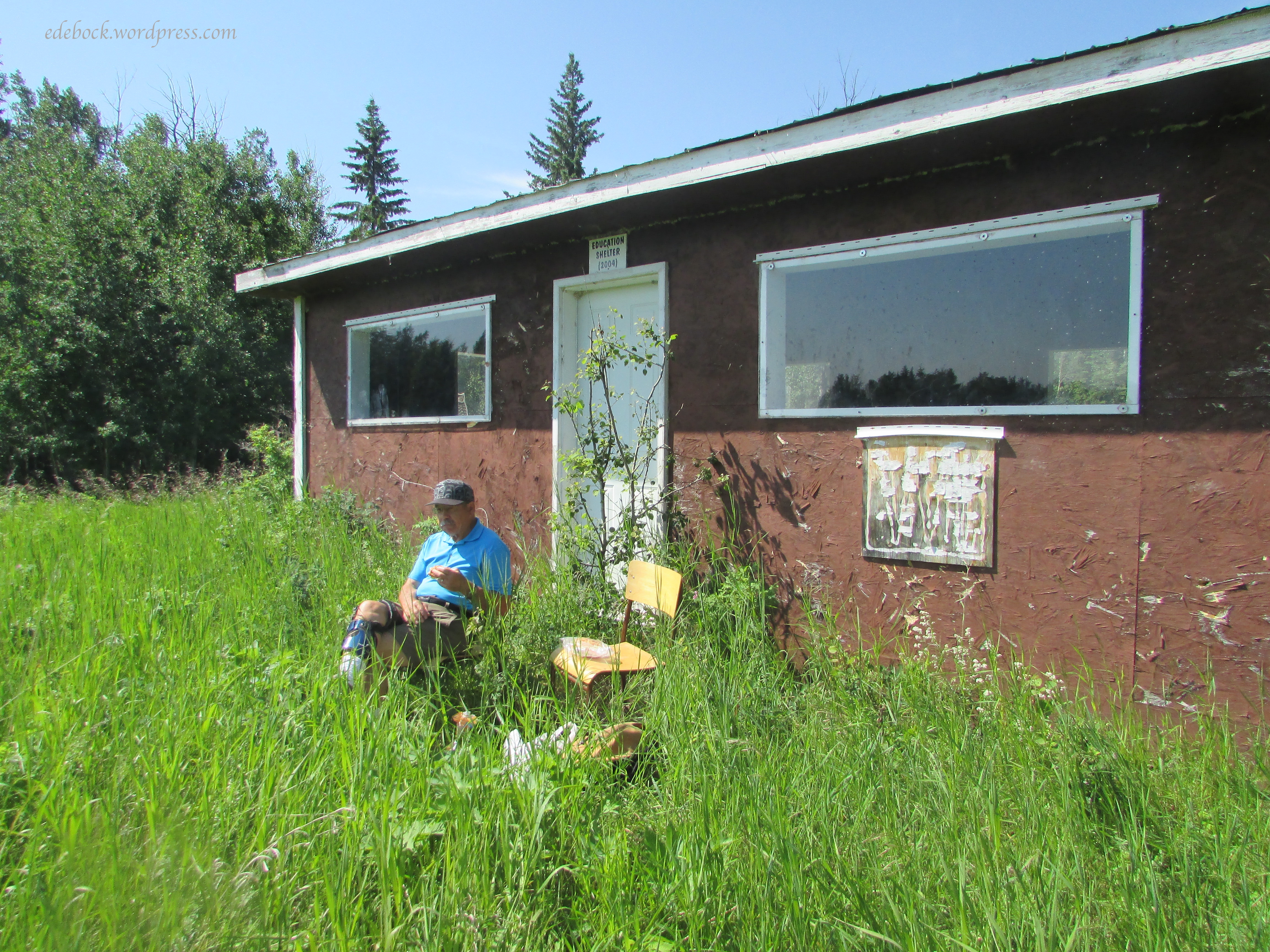
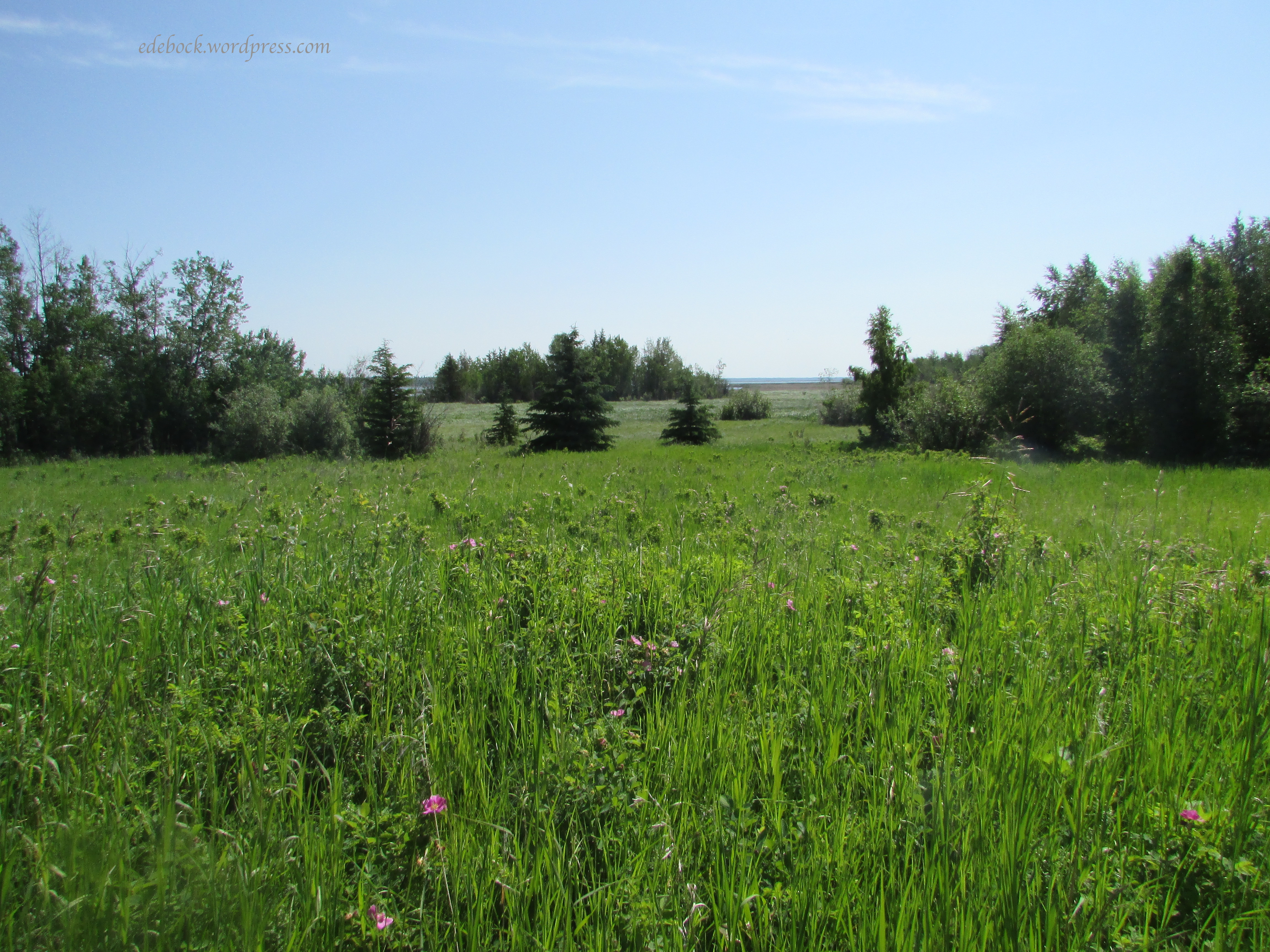
The sign over the door says it’s an Education Shelter that was constructed in 2004 and another on the side told us that it was built by a group of Junior Forest Rangers. The door was unlocked and there was a table and some chairs inside. We brought a couple of chairs out front and enjoyed our lunch with a lovely view. I even saw a deer bound into the bushes some distance away.

IMG_7082

IMG_7081

Since there was absolutely no sign of a trail going any further, we decided that it was time to retrace our steps. We didn’t expect that to be a problem, but before we knew it, we were lost! We couldn’t find the spot where we had come out of the trees. We spent the next half hour bushwhacking and scrambling about in search of our trail. The mosquitos were horrendous and I could easily see how they could drive a person mad if one was lost in the wild for very long. We were thoroughly scraped and scratched and definitely getting worried when hubby finally realized where we’d gone wrong.

IMG_7087

Soon we were back on the trail and all ended well, but I might be a bit more hesitant to wander off into untended territory in the future! I’ve also decided that from now there will be a lighter and some fire starter in our backpack. Without the wherewithal to build a fire, a night in the wild could be a very cold and scary one!

A quick walking update

Yesterday, I turned my computer on for the first time in over a week. I’ve been camping, spending time with family, reading, relaxing, kayaking, hiking and walking. On May 8th, I wrote about my 150 day walking goal and challenged some of you to join me. I planned to walk or hike 300 km (186.4 miles) before my 72nd birthday on October 5th.

Today’s post is just a quick update to let you know how it’s going. I’ve been caught in the rain a couple of times and in an extreme windstorm once, but mostly I’ve enjoyed being outdoors putting one foot in front of the other on sidewalks, walking paths, and hiking trails. With the first 55 days behind me, I’ve covered 120.82 km (75 miles), so I’m on track to complete my challenge on time.

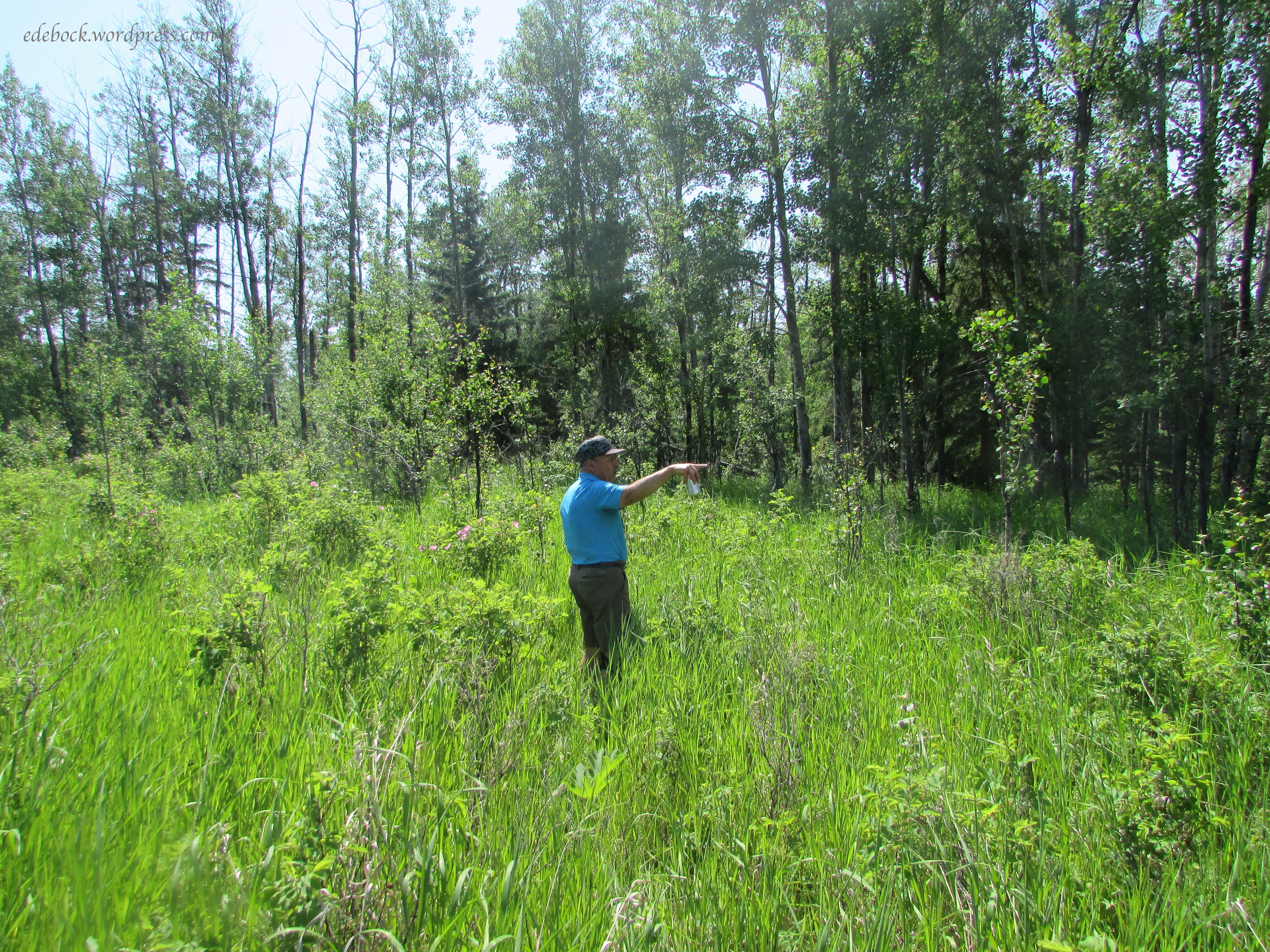
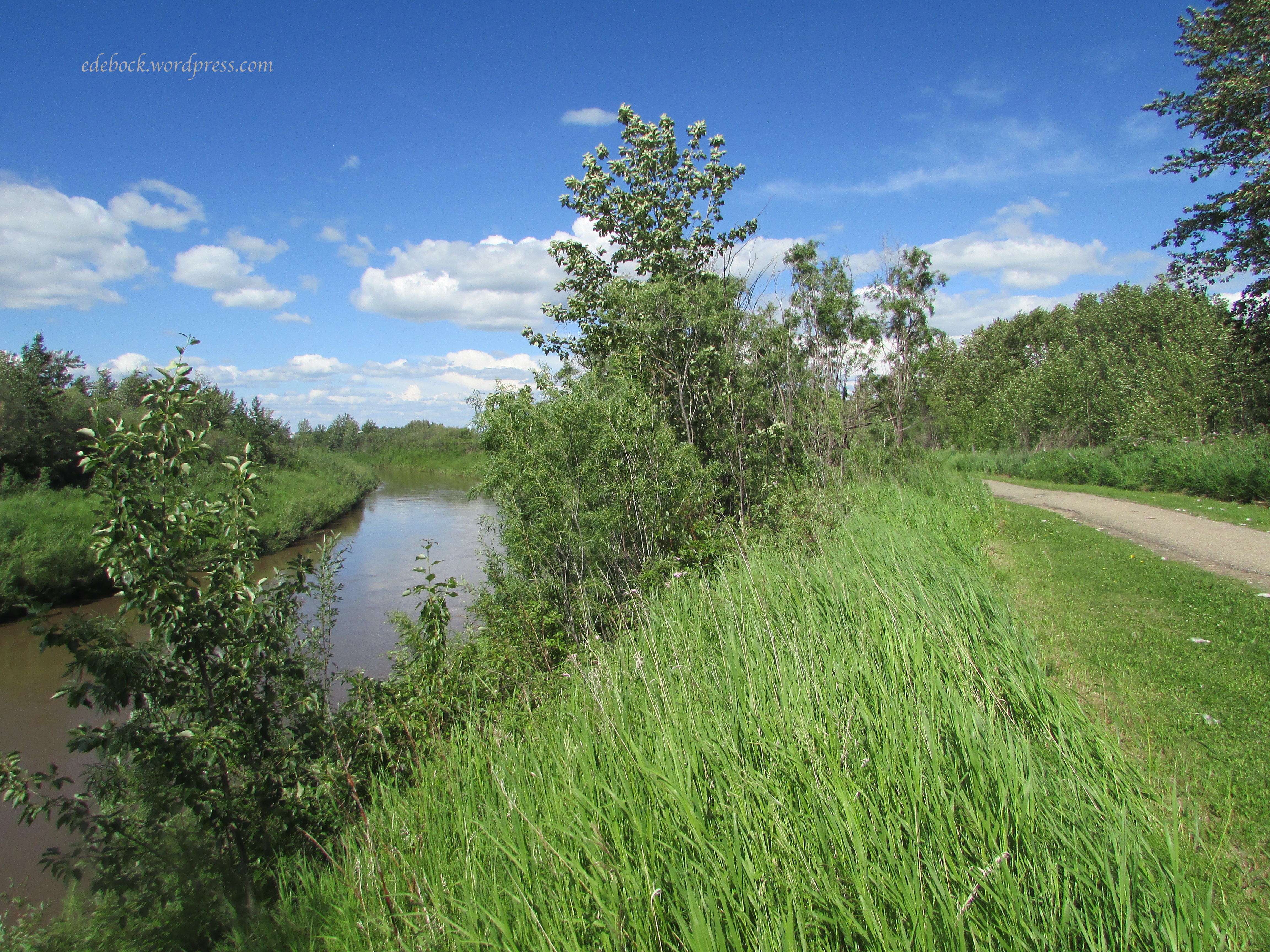
Earlier this year, my younger brother and his wife moved north to the small town of High Prairie, Alberta. She’s the new pastor of the Church of the Nazarene there and they live in the parsonage next door to the church. When we visited, I was delighted to find that the Rianna Otto Memorial Walking Trails start just the other side of the church. Each day while visiting, we walked the paved pathways alongside the West Prairie River.

IMG_7069

I was delighted when two readers, a friend of mine and one of my sisters-in-law, decided to join me for this challenge, each choosing a walking goal that she thought was reasonable for herself. I know that one of them is on a cross Canada trip right now, so I hope she’s also been walking some interesting trails!