What’s my risk factor?

Before I even begin this post, especially for those who haven’t been here before, let me emphasize that I have absolutely no medical training. I am simply a neuroendocrine cancer (NETS) patient seeking answers and doing the best I can to weather the very unusual days that we all find ourselves in.

Screen Shot 2020-03-21 at 7.17.10 PM

Does my cancer and the PRRT treatments that I’ve received mean that I’m at higher risk of contracting COVID-19 than the general population? Not as far as I know. The reality, as I understand it, is that no one has immunity to this virus. It’s a brand new disease that our bodies have never encountered before; never had an opportunity to develop antibodies to. That’s why I’m doing what I think everyone should be doing. I’m not hiding out in fear, but I’m hunkering down at home and only going out for necessities such as food and medications.

When we hear about those people who are most vulnerable to COVID-19, this refers to those who may be at higher risk for more serious complications IF they contract the disease. That’s why it’s so important for all of us to do our part in helping prevent these populations from getting the COVID-19 virus in the first place. Am I one of the vulnerable ones? Certainly, my age puts me at higher risk than those who are younger, but I haven’t been able to find any information regarding NETS and COVID-19. In reality, such information probably doesn’t exist. At least, not yet.

So, what are those risk factors? 

  • An older adult  –  Recent figures show that more than 50% of the patients who have been admitted to an ICU with the disease and 80% of those who have died were over the age of 65. At 67, I’m at the low end of that population, but still within the high risk category.
  • People who have serious underlying medical conditions such as:
    • Heart disease  –  Not me!
    • Diabetes  –  I have been diagnosed as pre diabetic, but maintaining a careful, well disciplined diet has kept my blood sugar well regulated, so I doubt that this would put me at high risk.
    • High blood pressure  –  Experts indicate that if a person’s blood pressure is under control and they don’t have other risk factors, they probably aren’t at any greater peril than the general population. I’ve been on hypertension medication for several years and it’s been keeping my blood pressure under control but, of course, I do have other risk factors.
    • Chronic respiratory diseases  –  No again!
    • Cancer  –  This one raises lots of questions for me. Cancer is such a broad category. The word actually refers to any of the 200 different diseases, affecting many parts of the body, that are characterized by the uncontrolled growth of cells that invade and damage the body’s normal tissues. Do all of them put a person at higher risk for COVID-19 complications? I doubt it, but what about the 3 completely unrelated cancers that I’ve been diagnosed with since August 2013? That’s right, 3! As I mentioned above, I haven’t been able to find any information about NETS and COVID-19, but what about my untreated thyroid cancer? At present, there has been no indication that thyroid conditions place a person at jeopardy.
  • People who have a compromised immune system from a medical condition or treatment (e.g. chemotherapy)  –  In spite of having or having had 3 different cancers over the past 6 1/2 years, I’ve never had chemotherapy, but I haven’t been able to find any information on how PRRT affects the immune system, so once again, I’m left with questions.

The immune system is the body’s natural defence system. Unfortunately, there isn’t a simple questionnaire that will tell you how strong yours is. There are, however, several signs that you might have a weakened immune system:

  • Stress  –  Stress decreases the body’s lymphocytes, the white blood cells that help fight off infection. Thankfully, my life is relatively free of stress these days. For the most part, I think I can say with the apostle Paul, “I have learned to be content whatever the circumstances.”  Philippians 4:11b
  • Frequent colds or infections  –  I’ve had two colds this winter; one mild and one nasty. That’s more than I usually get, but I recovered from both in a reasonable length of time and I don’t remember the last time I’ve needed an antibiotic for an infection.
  • Frequent diarrhea or constipation  –  Diarrhea was one of the most obvious symptoms of my NETS cancer before it was diagnosed. Now medications tend to cause the opposite problem, but I can’t blame that on my immune system.
  • Wounds are slow to heal  –  I don’t think so. I haven’t had any serious wounds in recent years, but minor ones heal just fine.
  • Fatigue  –  When your immune system struggles, so does your energy level, but for the most part mine is good. My father passed away in the wee hours of March 1. I got almost no sleep that night and I definitely discovered that pulling an all-nighter in my 60s isn’t as easy as it was in my 20s! The week that followed was pretty exhausting too, but three weeks later, I’ve bounced back and feel completely rested. That seems to speak well of my immune system.

I do know, however, from regular blood tests, that my hemoglobin tends to be slightly on the low side which would make me somewhat vulnerable to infection and disease. On the other hand, I do all the right things to keep my immune system as healthy as I can. I don’t smoke, I eat a healthy diet, I maintain a healthy weight, I exercise regularly, I drink alcohol only in moderation, I get adequate sleep, I try to minimize stress, and I even wash my hands frequently!

So, what is my risk factor? I can only give a somewhat educated guess. Since I live in a sparsely populated area and I’m staying home most of the time, I’d say that my risk of getting COVID-19 is quite low. On the other hand, IF I do get it, my risk of suffering complications is probably moderately high.

Am I worried? No, but I’m definitely taking all the recommended precautions. I hope you are too!

Wear it 3 ways

LogoI don’t know about you, but I seldom shop for clothes online. I know I’m old school, but I like to touch and feel the fabric, examine the workmanship, and try things on before I buy. In these uncertain days when we should all be staying home as much as possible, many retailers are temporarily closing their doors and going to online shopping only. Rather than shopping for anything new, I’ll be playing with the things that are already in my closet. This is not a bad thing. In fact, it fits perfectly with one of my fashion goals for 2020… “I will strive to buy less and experiment with new ways to wear what I already have.”

One of the things that I like to ask myself when I’m considering adding something to my wardrobe is can I wear this at least three different ways with items that I already have in my closet? If so, it will probably be a good purchase. This won’t always work for something like a special occasion dress, but it’s a good rule of thumb for most other wardrobe purchases.

For today’s post, let’s look at three different ways to style an item from my closet. I randomly chose the Garden Blouse from the cabi Fall 2018 collection.

IMG_0861

Here’s a colourful, casual look suitable for daytime outings and lunch with friends. I’ve paired the Garden Blouse with my Brick Dust Skinny pants, also from cabi. They were part of the Spring 2018 Collection, but one of the things that I like about cabi is that the company is intentional about ensuring that new releases coordinate with items from previous collections so that over time a customer can build a cohesive wardrobe. I’ve finished the look with a cute pair of flats in a floral pattern similar to the top.

Now let’s glam it up a bit for an evening out with my hubby.

IMG_0873

I’ve tucked the top into a pair of dressy black pants, added the little jacket that has appeared on the blog numerous times before, and changed the accessories. Black isn’t the best colour on me, particularly close to my face, and I’ll be adding less of it to my wardrobe in the future, but for now I’ll be wearing what I have.

Though it was part of a fall collection, the blouse is very lightweight and the sheer sleeves and overlay are right on trend for spring 2020, so let’s look at a spring/summer look featuring the same top. I had to dig into storage for this one as I won’t be transitioning to my warm season wardrobe for awhile yet. We still have lots of snow on the ground here in Alberta, but a girl can dream, can’t she?

IMG_0880

As with many pieces in my closet, I can easily dress the Garden Blouse up or down and I can wear it with many other things that I already own. This makes it very versatile and greatly reduces it’s cost per wear. 

And yes, if you’ve been wondering, I do have a new hairdo. I actually had it cut a month ago, but I haven’t posted any pictures of myself on the blog since then. It looks a bit wild and crazy sometimes, but after fighting with my natural curls for much of my life, I’m embracing them!

Living in unusual times

We are definitely living in unusual times. We’ve watched as COVID-19 swept across the globe and now it’s reached our shores. I’m tempted to sit at my laptop hour after hour watching and reading updates. Things are happening so fast! Late Sunday, it was announced that schools across our province were closing. Yesterday, the province declared a state of emergency and non essential services began to shut down. Recreational facilities, museums, libraries, art galleries, community centres, children’s play centres, casinos… all closed until further notice. Gatherings of more than 50 people are prohibited. Even churches are closing their doors. I’m sure it’s much the same where you are.

So what do we do in such unprecedented and uncertain times? How do we cope when the calendar is suddenly blank? Self-isolate and social distancing are new additions to most people’s vocabulary, but I have a little more experience than most with these concepts. Over the past six and a half years, I’ve had 14 PRRT treatments and I was required to self-isolate for one to two weeks after each one. The present COVID-19 crisis will likely last significantly longer than that, but this too shall pass and when it does, I don’t want to look back on this as time wasted.

We’ve just been handed a lot of extra uninterrupted time, something most of us never seem to have enough of. What will you do with yours?

Here are a few suggestions:

  • Declutter. Clean out a closet, a drawer, the kitchen cupboards. Start your spring cleaning early.
  • Try some new recipes. This one might become a necessity. We visited five grocery stores today only to find the meat departments almost empty. I’m definitely going to have to be somewhat creative with meal planning over the next while!
  • Prepare and freeze some meals for when life gets busy again.
  • If you’re able, get outside. Self-isolating doesn’t mean you have to stay inside. Go for a walk or, depending on where you live, do some yard work, ride a bike, go snowshoeing, paddle a canoe. Fresh air and exercise are essential to maintaining a positive outlook in trying times.
  • Check out Duolingo and start learning a new language.
  • Keep up social connections via phone or video chat.
  • Play board games.
  • Do jigsaw or crossword puzzles.
  • Finish the craft that you started some time ago and never completed.
  • Start a journal or a blog.
  • Read all those books that you never had time for.
  • Enjoy virtual tours of 12 famous museums from around the world.
  • Attend the opera online.

Whatever you do, don’t panic and don’t just sit around waiting for this to pass. Take wise precautions, be safe, but also seize the moment. Choose to do something worthwhile in the midst of these difficult and uncertain times. Make it a time worth remembering!

And one final bit of advice… assuming that you don’t live alone and that no one in your household is sick, remember that hugs are healthy! The thing that I missed most during my periods of post treatment isolation was the comfort of physical touch.

Would you wear them?

LogoWith a friend who just flew home from Europe self-isolating and our own travel plans nixed for the foreseeable future, we are as aware as anyone else of the seriousness of the rapidly spreading and sometimes deadly COVID-19 virus. The outbreak in a North Vancouver care centre is just 1 km (0.6 mile) from our oldest son’s home and there’s now a confirmed case in Vegreville, the town 106 km (66 miles) northwest of here where my sister lives. All around us, events are being cancelled to help prevent further spread of the disease.

Clearly, this pandemic is no laughing matter, but I can’t help shaking my head in bewilderment over people stockpiling toilet paper! Toilet paper, of all things! I can understand the wisdom in having a reasonable supply of essential items on hand in case of any emergency, including the need to self-isolate, but panic buying of case upon case of toilet paper is absolutely ludicrous!

So, what does all this have to do with fashion? Not very much, actually, but in light of the present situation I have to ask, would you wear this?

88965955_2795568973862330_5404922587727790080_n

T-shirt available here.

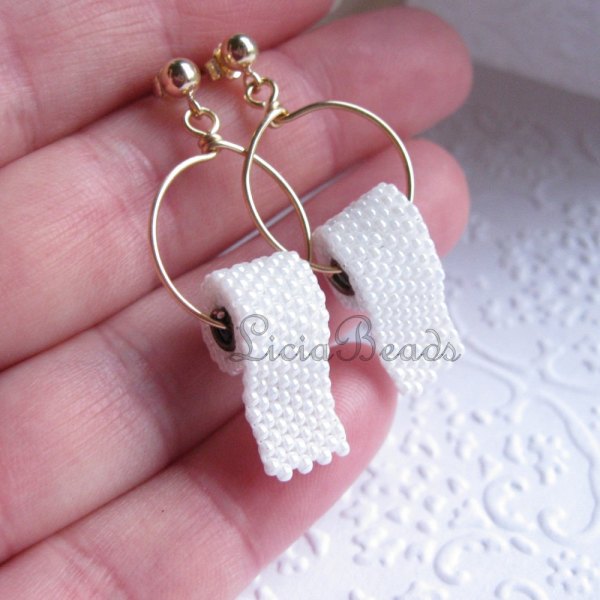
If not, perhaps you’d prefer something slightly more unobtrusive.

il_fullxfull.1113342784_ihwo

Earrings available here.

Would you wear them?

Remembering my father

The blog has been unusually quiet for the past week and a half. There was no Fashion Friday post last week and nothing in honour of International Women’s Day yesterday. My father passed away less than 48 hours after I published the last post. All I’ve written since then is his eulogy and a myriad of lists. Lists of things to do and people to contact. In fact, I wrote so many lists that Richard suggested perhaps I needed to make a list of my lists!

As I worked on the eulogy, when we chatted with Dad’s pastor while planning the memorial service, and when we visited with friends and family after the service, it was comforting to recall who Dad was before macular degeneration robbed him of his sight, a stroke stole most of his speech and mobility, and in his final months, dementia began to weaken his mind. My Dad was many things. He was a kind and generous man who was accepting of all people. He had a keen scientific mind, but also loved good literature and often quoted poetry to us. Above all else though, Dad was an adventurer. Even though it was very far removed, he was proud of his Gypsy heritage!

After graduating from the University of British Columbia in the spring of 1946 with an honours degree in chemical engineering, Dad found a job up the coast in the pulp and paper town of Powell River. That fall, he bought an old 24-foot wooden boat powered by an ancient 1927 car engine. With a friend, he sailed it up the coast from New Westminster to Powell River where he spent many hours over the next year sanding, re-caulking, and painting the hull and having the engine overhauled. He also met his bride-to-be that fall and the summer after they were married, they spent two weeks puttering up the coast in that old wooden boat. Apparently it rained every day but one, but that didn’t deter them from further adventures!

It was also during the Powell River years that Dad took up mountain climbing. He was a member of the BC Mountaineering Club for many years and ascended many peaks in the Powell River area as well as around Vancouver and on Vancouver Island. Dad always had a passion for seeing what was in the next valley, behind the next hill, or around the next corner. As a climber, he had at least one first ascent because, in his words, he was mad enough go one mountain further back than anyone else had ever bothered!

Dad loved to get away to quiet and remote places. For our very first camping trip as a family, he piled Mom and three kids into the little rowboat that he’d made with his own hands and rowed us across an isolated inlet to a rocky point where we would set up camp and stay for a week. A second trip in the rowboat brought the big canvas tent and the rest of our camping gear across. We had so much fun that we returned to the same spot the following summer!

After we moved to Vancouver in 1963, Dad’s passion for the path less traveled took us to some of the most remote places in BC that were accessible by road. As a child, I remember wondering if some of them were really roads at all and if we were going to get permanently lost! In 1967, we drove the then mostly unpaved Alaska Highway all the way to Anchorage. The following year, Dad chartered a little floatplane and we flew into Garibaldi Lake to spend a couple of weeks camping, climbing, and exploring. While we were there, Dad and I climbed Mount Price together.

Scan copy 14

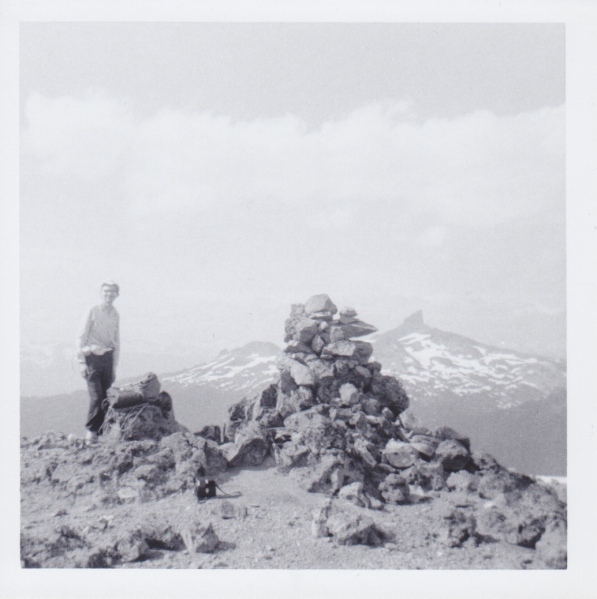
Dad on the summit of Mount Price

Just before Christmas 1968, Dad accepted a job with the newly formed Government of the Northwest Territories. He moved to Yellowknife in January while the rest of us stayed in Vancouver until the end of the school year. Our last long road trip as a family took us from Vancouver to our new home in Yellowknife with a side trip to visit Wood Buffalo National Park. Dad’s role with the territorial government involved quite a bit of travel, sometimes to comfortable spots in southern Canada, but mostly by small aircraft into settlements across the Arctic. On one of those trips, he froze his fingertips while desperately clinging to a komatik (sled) as it bounced across the ice and snow behind an Inuit man on a snowmobile.

In the early 1970s, Dad decided that it was time for he and Mom to begin seeing more of the world. With my younger siblings, who were still living at home, they spent the summers of 1973 and 76 exploring Europe. In typical Dad fashion, those trips took them off the popular tourist trail to some more remote and unusual destinations including Leningrad and Moscow.

In May of 1982, Dad retired and in his words, he and Mom became homeless wanderers. Their belongings were shipped to Vancouver and put into storage while they spent most of the following year traveling North America and sleeping in the back of their little Malibu station wagon. After returning to Vancouver and living in a rented apartment for six months, it was time to set off on an even more audacious adventure. Dad ordered a Volkswagen camper van from a dealership in Vancouver to be picked up at the factory in Germany. Rather than flying directly to Germany, they got there via Japan, South Korea, Hong Kong, two weeks in China, and the Trans Siberian railroad across the Soviet Union. After picking up the Volkswagen, they spent more than a year living in it and roaming around Europe and the Middle East before finally shipping it back to Canada. Sometime later, while a niece housesat for them, Dad and Mom were off on yet another adventure living in a rented van in Australia for several months. It was there that they survived a head on collision virtually unscathed.

In retirement, when he wasn’t traveling, Dad quickly learned that there’s no end of things to do as long as you don’t want to be paid. He spent three years working as volunteer office manager and treasurer for the Africa Community Technical Service, an organization committed to providing clean, accessible water to isolated communities in Africa. That led to yet more travel as he and Mom spent seven weeks in Kenya, Uganda, and Tanzania with the director and his wife seeing first hand what their efforts were accomplishing.

Over the years that followed, the Volkswagen van brought them over the mountains to Alberta numerous times to visit their children and grandchildren. Their last big trip was to a resort in the Dominican Republic where they celebrated their 55th wedding anniversary. That brought their total number of countries traveled to 67.

Life changed significantly for Dad when Mom began to show signs of dementia. For many years after that he devoted himself to the challenging task of caring for her. As a family, we were deeply concerned that he was burning himself out, but he faced it like another mountain to climb and later, after she passed away in 2014, he was heard to say that those had been good years.

In the early morning hours of Sunday, March 1, while I stood at his bedside, Dad ascended his final peak and caught his first glimpse of what’s on the other side.

clone tag: 3240436027412250884

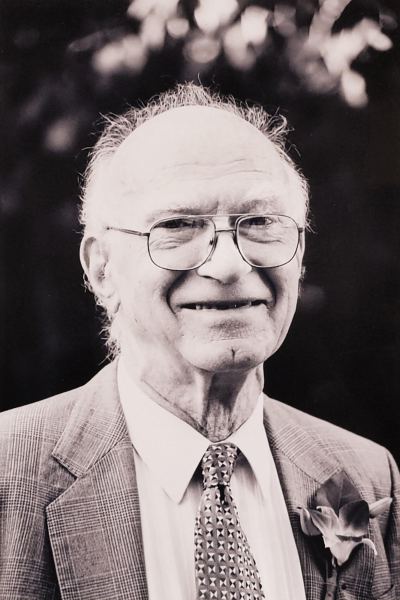
June 25, 1923 – March 1, 2020

At the reception following his memorial service, I was asked if I had inherited my father’s adventurous spirit and I was proud to reply that, yes, I believe I did! Thank you, Dad!

What’s in the suitcase this time?

LogoI didn’t actually think that there was going to be a Fashion Friday post this week. Life threw us an unexpected curve a few days ago when we learned that my very frail 96-year-old father had taken a turn for the worse. He isn’t expected to live and we’re once again on our way to Vancouver.

There were a lot of details that we had to take care of at home in order to clear our calendars and get on our way. Very little thought or planning went into what’s in our suitcase. Thankfully, we travel a lot and packing has become second nature to me. When I looked at the clothes laying on the bed in our guest room, which doubles as my packing room, I realized that I’d automatically chosen mostly neutrals and that everything coordinated so that I could put together many outfits with just a few items. The latter is a very important key to packing well.

We spent many hours on the road yesterday and at one point I found myself thinking about what was in the suitcase. I came to the realization that, for the most part, I’d packed what might best be referred to as comfort clothes. Comfortable, yes, but also comforting. Clothes like my grey and white Breton t-shirt and my tan cords that feel like old friends. I may not be a shining fashionista in the things that I packed, but in these challenging days, I’ll be dressed in clothes that bring me comfort.

What about you? Do you have clothes that you instinctively reach for on days when you need comforting?

DIY winter moisturizing masks

LogoCold, dry winters here on the Canadian prairie are terribly harsh on skin. Awhile ago, my face was beginning to look and feel like parchment! My regular skin care routine simply wasn’t cutting it. I needed more moisture than my daytime lotion and night creme were providing. Being a frugal fashionista (and living where there isn’t a wide array of products to choose from) I looked no further than my kitchen for help!

That’s right! All you need for a do-it-yourself winter moisturizing mask is probably right there in your pantry.

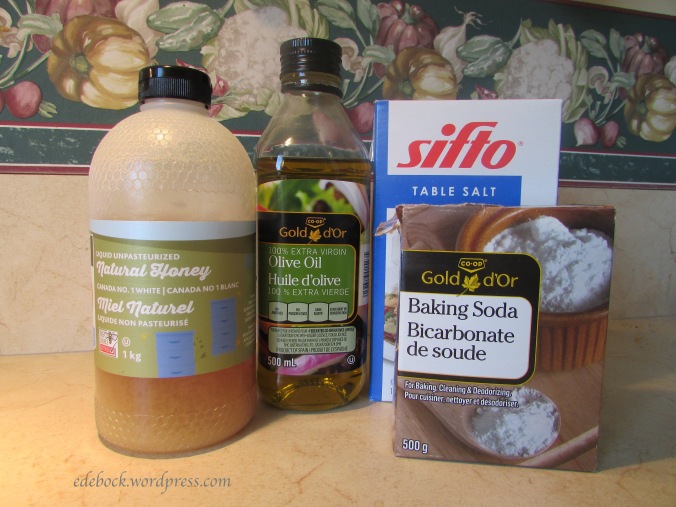
IMG_0812

Unpasteurized honey has been used as a beauty treatment since ancient times, but what makes it such a great skincare ingredient? First of all, honey is a humectant, which means that it attracts and retains moisture. It also contains a number of vitamins and minerals, it’s a potent source of antioxidants, and it’s anti-bacterial.

Mediterranean women have also used olive oil as a moisturizer for centuries. Like honey, it’s loaded with nutrients, is a natural humectant, and is rich in antioxidants.

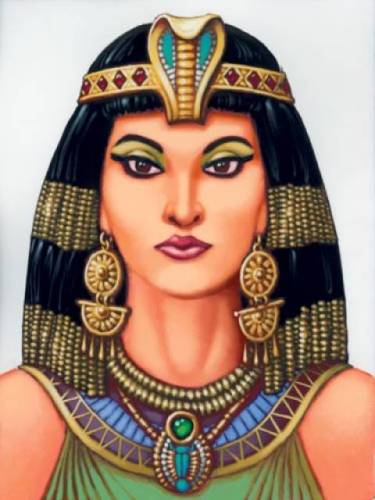
Cleopatra was renowned throughout history for her radiant skin and stunning beauty. Early records show that she added honey to her milk baths to keep her skin smooth and firm. Olive oil and honey facials were also part of her beauty regime. If these things were good enough for Cleopatra, I thought they must be worth a try!

464192-cleopatra

While either unpasteurized honey or extra virgin olive oil can be used alone, why not try one of these simple recipes for smoother, softer, well hydrated skin?

Exfoliating Mask

When I used this one, my face looked like a glazed doughnut, but it felt wonderful!

  • 1 tablespoon honey
  • 1 teaspoon salt
  • a few drops of olive oil

Mix ingredients together and apply to clean, wet skin in a circular motion. Avoid eye area. Leave on for about 15 minutes. Rinse thoroughly with warm water and follow up with your favourite moisturizer.

Salt has been used as a healing agent for centuries. It tightens, preserves, and acts as an exfoliant, removing stubborn dead skin cells and allowing new and healthy skin to emerge, but be very gentle with this mask as it is quite abrasive.

Gentle Exfoliating Mask

  • 2 teaspoons honey
  • 1 teaspoon baking soda
  • a few drops of olive oil

Mix and use as above.

Moisturizing Mask

This one is my favourite! It’s so simple and soothing.

  • 1 to 1.5 teaspoons honey
  • 1 to 1.5 teaspoons olive oil

Mix ingredients. Apply to clean, damp skin. Leave on for 15 to 20 minutes then rinse thoroughly.

There are many more DIY recipes online that include other ingredients from your kitchen such as oatmeal, egg yolk, yogurt, and cinnamon but all you really need for an effective and inexpensive beauty treatment is olive oil and honey. You can use any of these masks weekly as needed. I used the Exfoliating Mask first and followed it with the Moisturizing Mask a week later. That was a couple of weeks ago and my skin is still thanking me!

Ansanm… together

Tim DeTellis is President at New Missions, a ministry started by his parents in 1983 when they set up five tents on the Leogane plain in Haiti and started holding church services. Tim was 11 years old at the time. From that humble beginning, New Missions has grown to include 35 churches and schools as well as medical clinics in both Haiti and the Dominican Republic. In addition, a Bible school and a professional trade school prepare graduates of the New Missions schools to support their families and become leaders in their communities. As a lover of words, I was touched by something that Tim recently posted on Facebook.

“Ansanm means together in Haitian Creole. Togetherness makes life better because you have community to share life with. When I lived in Haiti I saw the strength of togetherness as villagers would gather at the shoreline to help pull in the fishing nets. It took many hands and the strength of togetherness to survive.” 

84136281_1519572048193605_2583547266631467008_o

photo: Tim DeTellis

We’re not meant to live life alone. Married or single, we were made for community. We’re meant to do life together… ansanm.

The Bible says, “How good and pleasant it is when God’s people live together in unity!” Psalm 133:1 and Two are better than one, because they have a good return for their labor.” Ecclesiastes 4:9

While there are times that togetherness can try our patience, maybe even drive us a little bit crazy, there are definite advantages to being part of a group whether it be immediate family, physical neighbourhood, church, workplace, or even an online community.

  • it’s safer
  • it’s mutually supportive
  • it provides comfort in times of trouble or loss
  • we can share knowledge and learn from one another
  • we’re inspired by others
  • we receive advice and encouragement from others
  • we cheer one another on and celebrate together
  • we can share resources
  • it provides accountability
  • it’s fun

Not only do we need other people, but they need us. Someone needs you! Who are you doing life with?

Fashion trends for spring 2020

LogoIt’s still winter here on the Canadian prairie and will be for a couple more months, but when February rolls around I always begin to think about spring. Today, let’s take a look at 11 fashion trends for the season that lies ahead. I must be getting old as I’ve seen many of them come and go before. In fact, this season looks very much like a 1970s rerun!

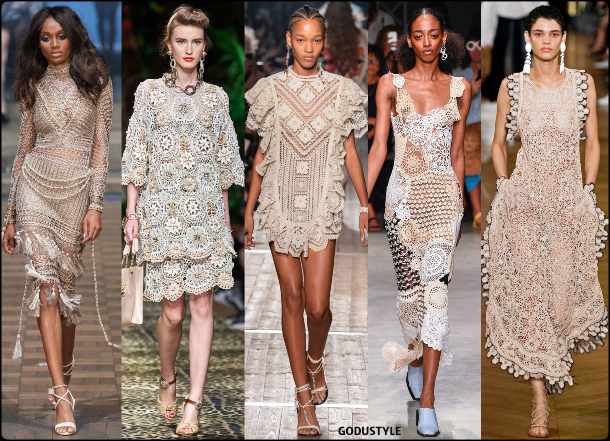
1.  Crochet  

crochet-spring-2020-fashion-trends-look-style-details-tendencias-moda-godustyle

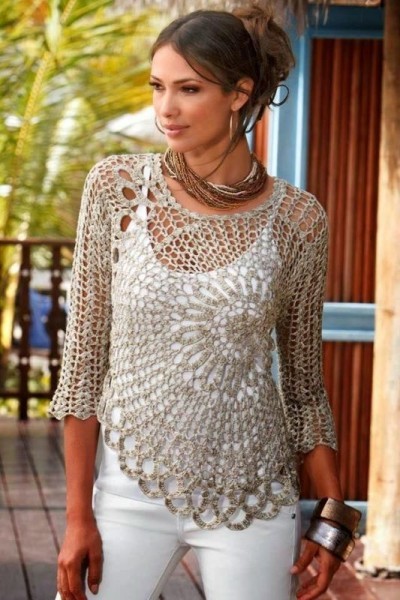
Definitely not your Grandma’s doilies, but crochet is being seen in dresses, suits, tops, and evening wear. Runway looks are usually a little over the top for most of us, but I have fond memories of a crocheted vest in my high school years and I could certainly see myself wearing something like this.

crochet-outfit-ideas-3

2.  Hot Pants  For those of you who weren’t around in the 70s and may not yet be familiar with the term, hot pants are teeny, tiny, ultra short shorts worn not as beach wear, but for much dressier occasions. Back in the day, I thought I was quite something in my black velveteen hot pants, but looking back I suspect that they weren’t particularly flattering with my toothpick legs. This is one trend I definitely won’t be revisiting!

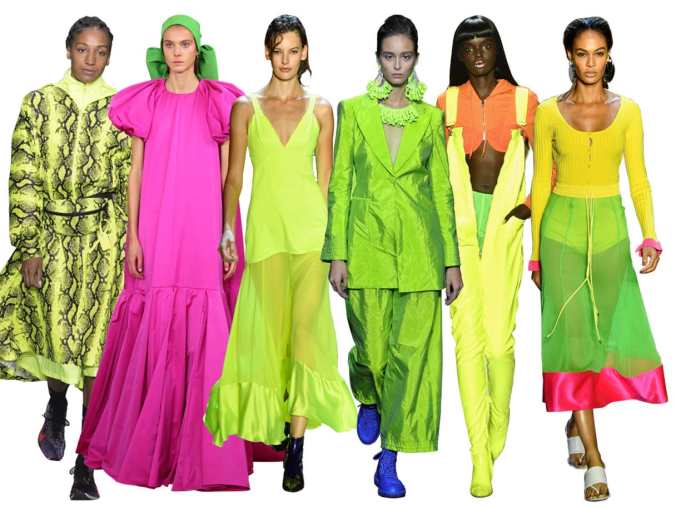
3.  Neon Colours  You’ll never see me in head to toe fluorescents, but it would be easy to add a touch of this trend to your spring wardrobe by opting for a neon accessory. Perhaps a pair of sneakers, a purse, a scarf, or even a simple bracelet.

Neon

4.  Bras  We’re not talking under garments or exercise wear here, but bras worn under blazers or alone with high waisted pants and skirts. Again, not something I’ll be wearing!

5. Suits With Shorts  If I was still teaching instead of happily retired, I could definitely see myself investing in one of these menswear inspired suits with Bermuda shorts. It’s a nice take on business casual and if the trend doesn’t last, the pieces could still be worn separately.

6.  Vests  Here’s another masculine inspired trend. Vests are being worn as part of three piece suits, mismatched with a blazer, or alone. I’m kicking myself for getting rid of the ones I wore back in the 80s or 90s. If I still had them, I’d definitely wear them again.

7.  Psychedelic Prints  Think 1960s wallpaper!

8.  Leather  Once reserved for fall and winter, leather is having a moment this spring. Brightly coloured and buttery soft, leather is appearing as skirts, pants, jackets, and coats. I’ll definitely be getting out my leather jackets as soon as the weather warms up a bit.

leather-trend-outfit-1568311780

9.  Polka Dots  Big dots, little dots, colourful dots, dots on dresses, dots on pants, dots on shoes… polka dots are everywhere! This is a trend that’s been around for awhile and shows no signs of fading. It’s one that I haven’t fully embraced yet, but I actually like both these looks. It’s also a trend that’s easy to introduce in smaller amounts with polka dotted accessories.

10.  See-through Sheer  Chiffon and tulle create airy looks that no woman in her right mind is going to wear as shown on the runway, but I’m sure we’ll see this trend translated into looks that will be very wearable. I’m thinking of sheer sleeves and overlays.

11.  Trench Coats  Nothing says spring like a practical, dependable trench coat. This is another trend that isn’t going anywhere. This year we’re seeing classic beige as well as some lovely feminine colours.

Clearly mine is still in style and I look forward to wearing it again!

Will you be wearing any of these trends this spring? If so, which ones? Do tell!

It’s all about pockets

LogoHave you ever wondered why women carry purses and men don’t? It’s all about pockets… and history.

Pockets as we know them didn’t come into being until the 17th century. Prior to that time, both men and women wore bags tied to their waists or suspended from belts, a bit like modern day fanny packs. As the world became more urban and criminals more sophisticated, people began to hide these “pockets” under layers of clothing to keep their contents safe from pickpockets.

Victoria and Albert Museum

Woman’s “pockets” – mid 1700s – Victoria and Albert Museum, London

In the late 17th century, pockets began to be permanently sewn into men’s coats, waistcoats, and trousers. Women, however, continued to wear bags hidden beneath their dresses. These were often large and beautifully decorated, but terribly inconvenient. The average 17th century woman wore several layers beneath her billowing skirts. Her pockets would be tied around her waist, between her under-petticoat and her petticoat. In order to access their contents, she essentially had to get undressed! She had ample space to carry a wide variety of personal items in her pockets, but she couldn’t get at them in public!

As styles changed and slimmer, body hugging dresses came into fashion, there was no longer space to hide pouchy bags under a woman’s clothing. Instead, they carried tiny decorative handbags known as reticules that could scarcely hold a handkerchief and a coin.

Later came the suffragettes and other feminist radicals who believed that women should have equal political and financial standing with men. With them came pockets for women! “Plenty of Pockets in Suffragette Suit” read a 1910 New York Times headline. The suit, the piece explained, had seven or eight easy to access pockets.

Fast forward to today. Leggings have no pockets at all and then there are those silly fake pockets in some of my dressier pants. What good is a pocket that isn’t really a pocket at all? Women’s jeans do have pockets, of course, but my husband can easily carry his wallet, keys, some loose change, a comb, some kleenex, and a pocket knife (you can take the boy off the farm, but…) in his jeans pocket while anything larger than a credit card in mine leaves an unsightly and uncomfortable bulge. What’s the difference, you ask? About 4 inches. The front pockets on his jeans are about 7 inches (18 cm) deep while mine are less than half of that! There are women who rail against what they call pocket inequality, but am I willing to give up snug fitting jeans for the convenience of being able to schlep a lot of stuff around in my pockets? Not really. I’ll happily stick to carrying a purse!

What about you? Do you think pocket equality is something women should be fighting for?