I’ve become a mass murderer!

I don’t like killing things. I’m more apt to capture a spider and release it outdoors than I am to kill it and I’ve been known to let ladybugs stay in the house all winter rather than putting them outside to freeze. Naturally, then, when I saw the first teeny, tiny critter flitting about the bathroom a few weeks ago, I was content to leave it be. Little did I realize that it would soon be joined by millions more! They’re very tiny so we haven’t been able to examine them closely but by the way they move, I suspect that they’re some kind of moth. We’re not sure if they’re hatching out someplace or finding their way in from outdoors. Either way, I’m not willing to share my space with them and have taken to squashing them with a vengeance! At first I did it daintily with a tissue making sure they didn’t leave their mini guts streaked across my bathroom wall but I’m past that now too. I squish them with bare hands if need be! Fortunately, they seem to like the dampness of the bathroom and most don’t venture out into the rest of the apartment. A few have been getting braver lately though and it will be much harder to control their population if they continue to spread. There seem to be more of them when it’s rainy which doesn’t bode well for the future as the real rainy season and the hot, humid summer are still out in front of us.

As if an infestation of critters hopping about the bathroom walls wasn’t enough, I discovered ants in the kitchen this morning! Not just one or two; about a bazillion! They’re little tiny ones, just like the ones that reside in my flower beds back home. Again, I don’t know where they came from but when I discovered them, they were busy exploring one corner of the room and hadn’t ventured further yet. I didn’t know what to do so I grabbed the can of roach spray that hadn’t been put to use yet and decided to see what it would do to ants. If it’s as effective on cockroaches as it is on ants, we have nothing to worry about! They shriveled and died almost instantly and I simply vacuumed up the carcasses! Amazingly, I also discovered that the roach spray has no smell. I was expecting something really nasty. It did leave a shiny residue on the nice clean floor that Richard just washed yesterday but I’ve decided to leave that for the moment in hopes that it will discourage any stragglers from trying to claim our territory. I also checked the cupboards and was happy to discover that they hadn’t found their way in there yet.

A moment of generosity

Often, when I see an elderly Japanese man on the street or on the train, I’m reminded of the fact that somewhere in this country there may be an old retired sailor who first crossed my path over fifty years ago.  I was three or four years old at the time, too young to actually remember the incident but I remember being told about it and I have the evidence that it happened in a storage trunk back home in Canada.   At that time, we lived in a waterfront house in Powell River on the coast of British Columbia.  It wasn’t unusual for crew members from boats in the harbour to be seen walking along our street.  One day as I was playing in the yard, my mother, who was watching from the kitchen window, saw a Japanese sailor enter the yard and give me something.  Concerned about what it might be, she came out to check and found me holding a tiny blue and white cigarette lighter in the shape of an oriental man.  It was out of fuel but my mother deemed it an inappropriate plaything for a little child so she took it away from me.  Realizing, however, that the gentleman meant it as a gift of kindness, she kept it for me and gave it to me when I was older telling me at that time where it had come from.  I have kept it ever since and have always appreciated the fact that my mother didn’t simply throw it out and allow the incident to be forgotten.  Who knows what impression that moment of generosity on the part of a sailor far from home and family had on the mind of a child and whether or not my interest in and love for Japan goes back, in some small way, to that incident?

One more performance

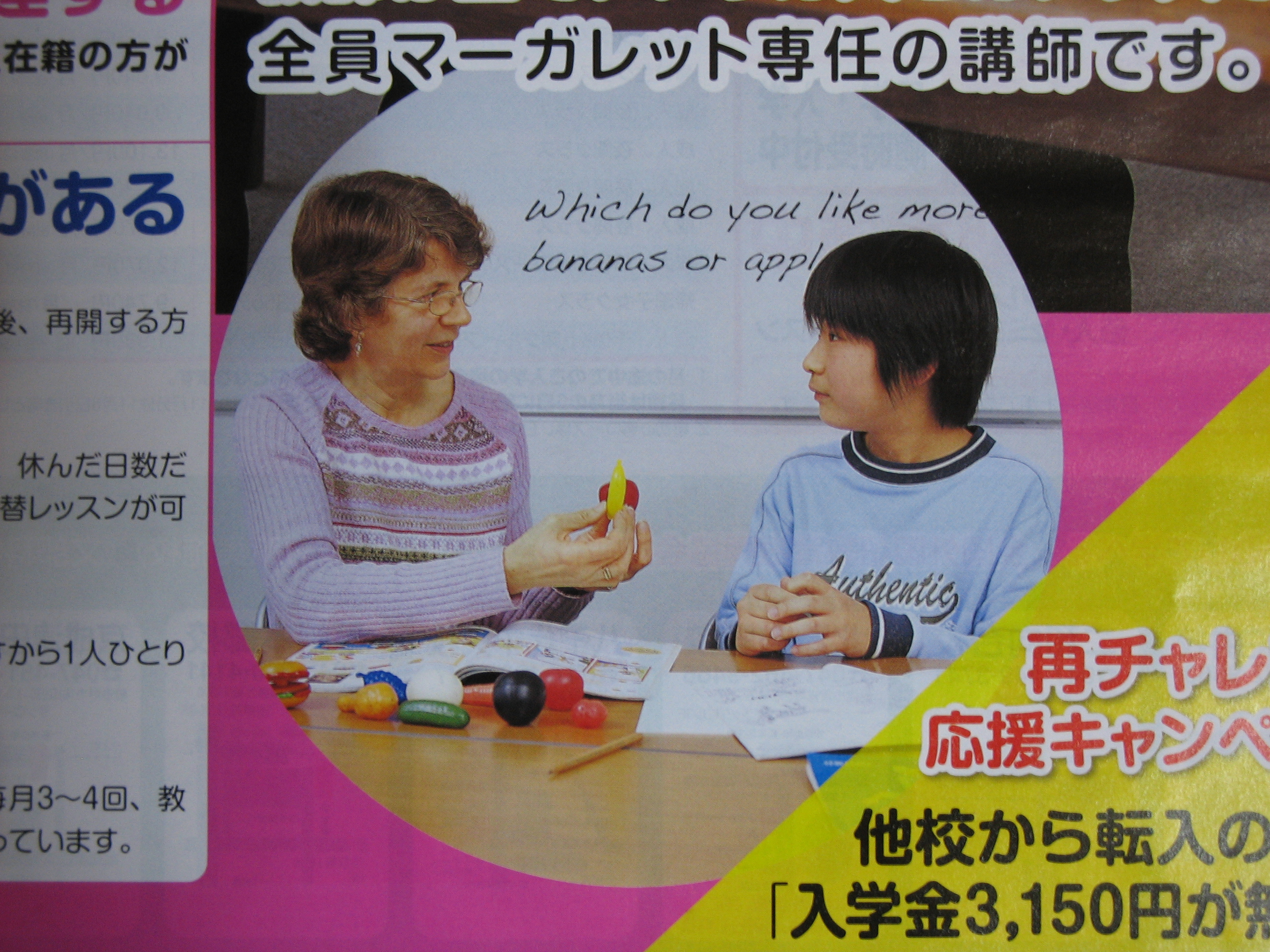
The new MIL advertising flyers came out yesterday and there I am on the front page!  That’s probably the beginning and the end of my modeling career but it’s fun while it lasts.

I’ll be appearing before a different kind of camera on Thursday.  My classes are being videotaped that day as that’s one of MIL’s methods of evaluating new teachers.  When I was first informed of this, I felt a little intimidated but then I reminded myself that I’ve been videoed lots of times before.  Somehow, though, I find it easier when I’m appearing as Vonga, the jungle girl, or crazy Aunt Abby!  I’m sure I’ll get through it just fine, though.  I’ll just remind myself that this is one more performance!

Earthquake!

Once again, we were awakened in the wee hours of the morning by the earth shaking beneath us! An earthquake with a magnitude of 6.8 struck offshore less than 100 miles from here and was followed about half an hour later by a second quake with a magnitude of 5.3. It was definitely our most prolonged and bumpy ride so far! It wasn’t enough to drag us from our beds, however, and we’re happy to report that we’re fine. We haven’t heard reports of any serious damage but apparently two people suffered minor injuries from falling furniture. An 18-year-old boy was hit when his stereo speakers fell onto his bed, and a 25-year-old man was hit by objects rattling off shelves.

Fortunately, we don’t have anything located in such a way that it could fall on us while we sleep. The clothing rod in our closet did collapse this morning, however! It’s a temporary rod that we rigged up because there wasn’t anywhere to hang clothes so it isn’t very stable and it was obviously shaken loose by the quake. It’s now back in place again.

Of somewhat greater concern is the fact that our gas has been off all day meaning no cooking and no hot water. As a safety feature, the gas to the apartment is supposed to shut off automatically in the case of an earthquake. This is the first time we’ve had a quake strong enough for that to happen. Normally, we should be able to go out to the gas meter on the side of the building and reset it but that hasn’t worked so we’re assuming that the gas is off to the whole building. Our instructions for such an occasion are to call the gas company and say “gas-ga-ki-te-nai” (my gas has not turned back on yet) but when Rich tried that he got a lengthy recording in Japanese. It probably explains the situation but, of course, we don’t understand a word of it! He then called the school and left a message for Miki, the gal who handles everything to do with housing. Hopefully she can phone the gas company for us and figure out what’s going on. In the meantime, we’re managing fine without it and if it’s not on by the time I get home from school this evening, I guess we’ll just have to go out for supper. Darn it anyway!

We fully expected to experience earthquakes while in Japan. In fact, I would have been disappointed if we hadn’t but we didn’t realize how frequent they would be. Apparently, however, 20% of the world’s earthquake activity happens here in Japan so I guess we shouldn’t be surprised. I’ve already lost count but I think this was probably our sixth! Of course, most are very minor. So far, most have happened during the night and the others while we were at school. We’ve yet to experience one while we’re outdoors on solid ground. I still hope to find out what that feels like.

All about food

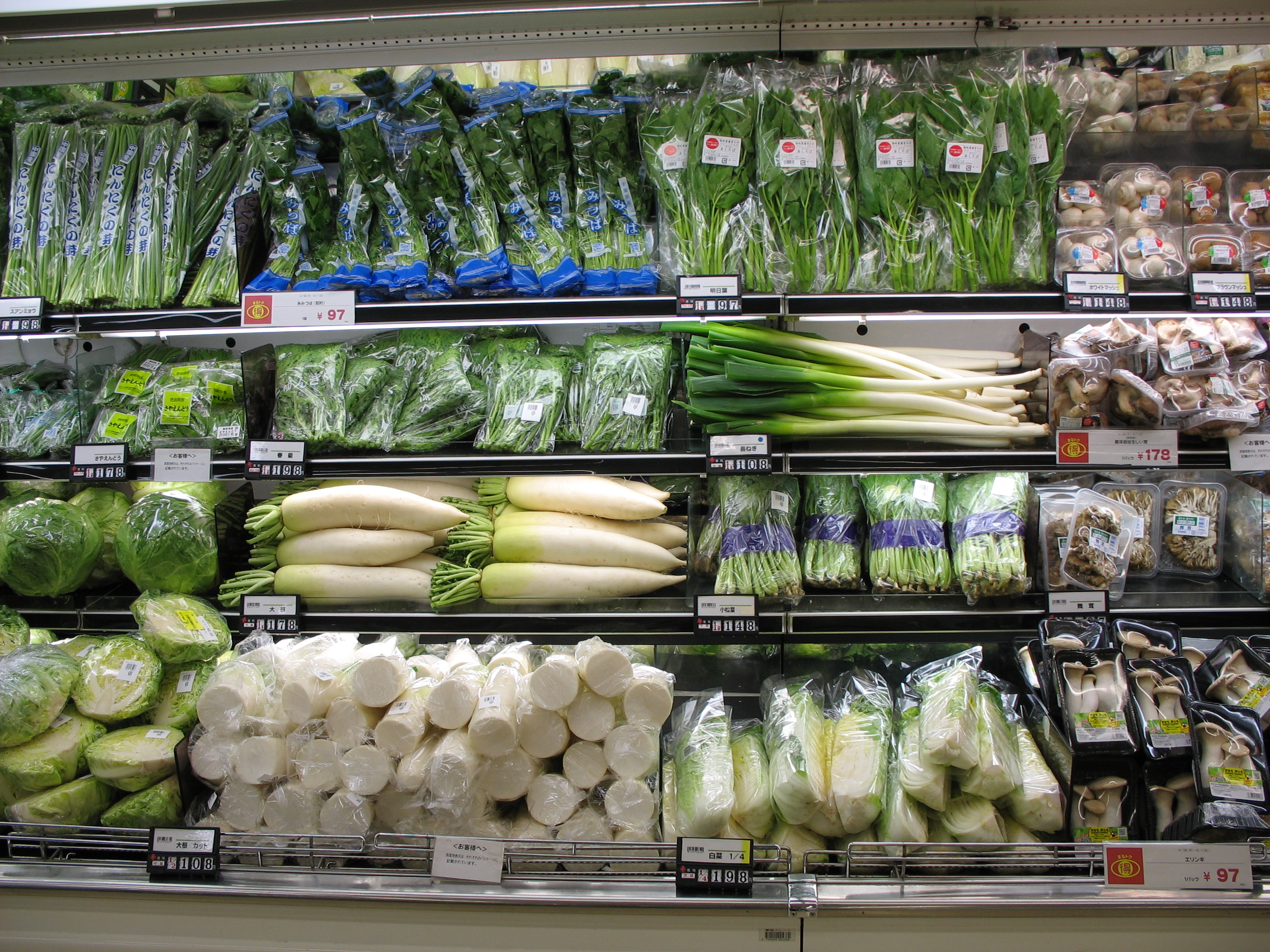
We do most of our grocery shopping at Seiyu, one of the two department stores within easy walking distance of home.  Jusco actually has a bigger grocery department but, after shopping in the Sedgewick Coop for over thirty years, I don’t need big.  It’s actually easier to find what I need at Seiyu and produce tends to be cheaper there.  Since we eat lots of fresh fruit and vegetables, that’s an important consideration.  I’m quite proud to say that I haven’t used the can opener since we moved in over two months ago!  Okay, I have opened a couple of cans of tuna but they had pull off lids that didn’t require the can opener.

The grocery store is filled with things I don’t recognize, either because I can’t read the label or because they’re actually things I’ve never seen before.  Shopping for staples like sugar and vegetable oil were quite a challenge when we first arrived!   How do you know which white powder is sugar or which yellowish liquid is oil when you can’t read the label?  Pictures sometimes help.  For example, when I found the section of yellowish liquids sporting pictures of corn, sunflowers and canola in bloom, I knew I’d found what I was looking for and the picture of a cup and saucer on the bag of sugar was a clear giveaway that it wasn’t salt!

When we first arrived, I determined to try at least one new thing each time I shopped.  I’m not still doing that but as a result of keeping that up for the first few weeks, we’ve eaten new kinds of vegetables and fish as well as several different kinds of mushrooms.  I don’t always know what it is that I’m buying but so far, there hasn’t been anything we haven’t enjoyed.

We explored the possibility of doing some of our grocery shopping at Costco but decided against it.  As the crow flies, it’s probably not all that far from here and if we had a vehicle, it might be worth considering.  By public transit, however, it’s a costly trip involving two or three trains and either a bus or a long walk.  Since we’re only able to carry a limited amount and have very little storage space, shopping in bulk really doesn’t work here.  Instead, we shop locally every day or two.  In addition to Seiyu, we occasionally buy produce at one of the many little green grocers in the area and we also make good use of the wonderful bakery nearby.

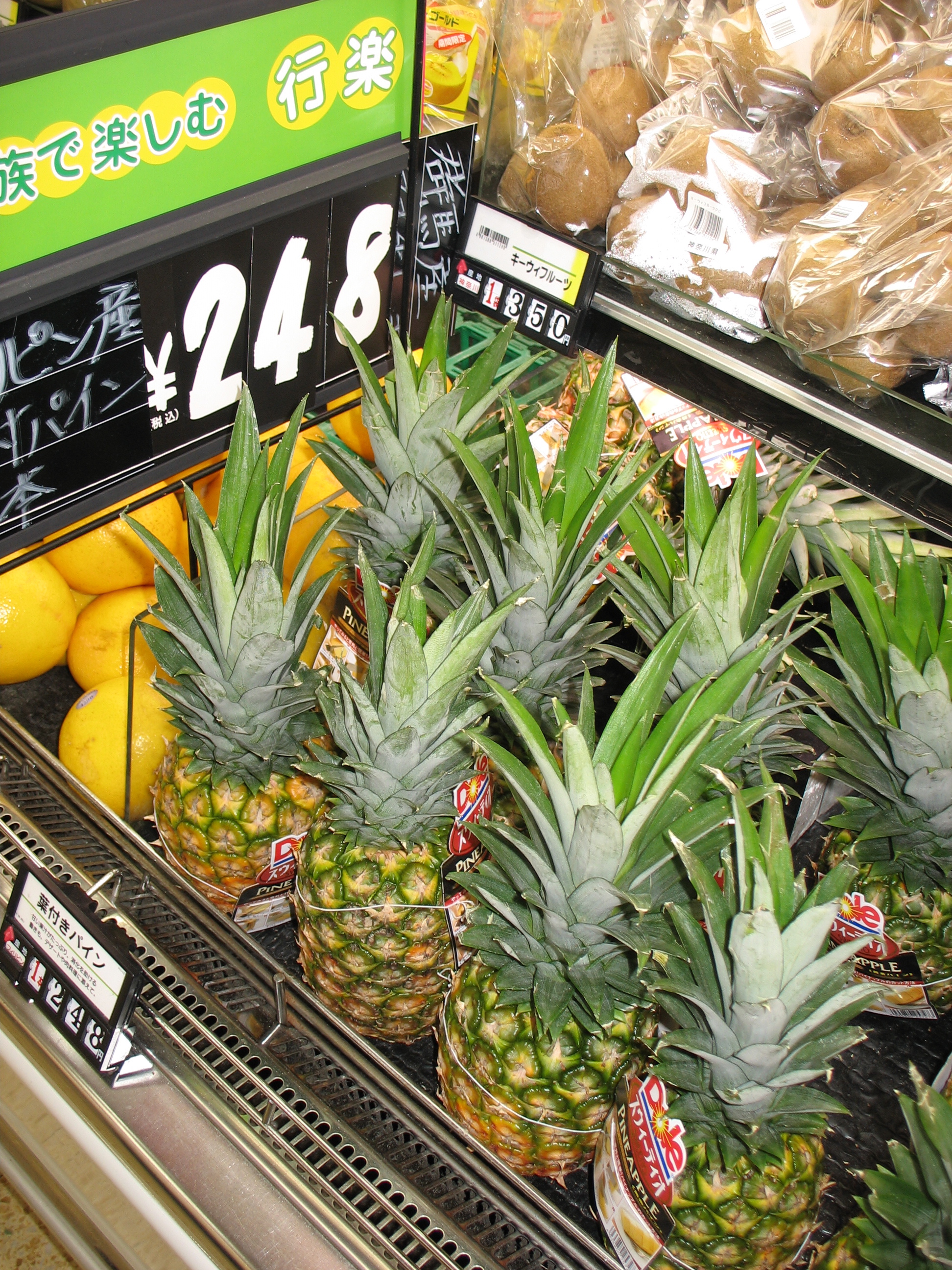
Because of our work schedule, mealtimes are quite different from what we were accustomed to before coming here.  Breakfast usually consists of either cereal or eggs but occasionally cinnamon buns or bagels from the bakery find their way to our breakfast table.  Cereal choices are very limited.  Most of what’s available comes in very small packages and is both highly sweetened and very expensive.  We have, however, found a couple of choices that work for us.  We usually eat them with sliced banana or strawberries on top and we eat fresh pineapple with almost every breakfast because it’s both delicious and inexpensive.  A whole pineapple usually sells for 295 yen (approximately $2.95).  Some fruits are terribly expensive, however.  Apples, while large and delicious, are a rare treat as they sell for 97 to 148 yen apiece and we probably won’t eat cantaloupe while we’re here as it sometimes sells for as much as 3 000 yen!  Yes, that’s really $30!

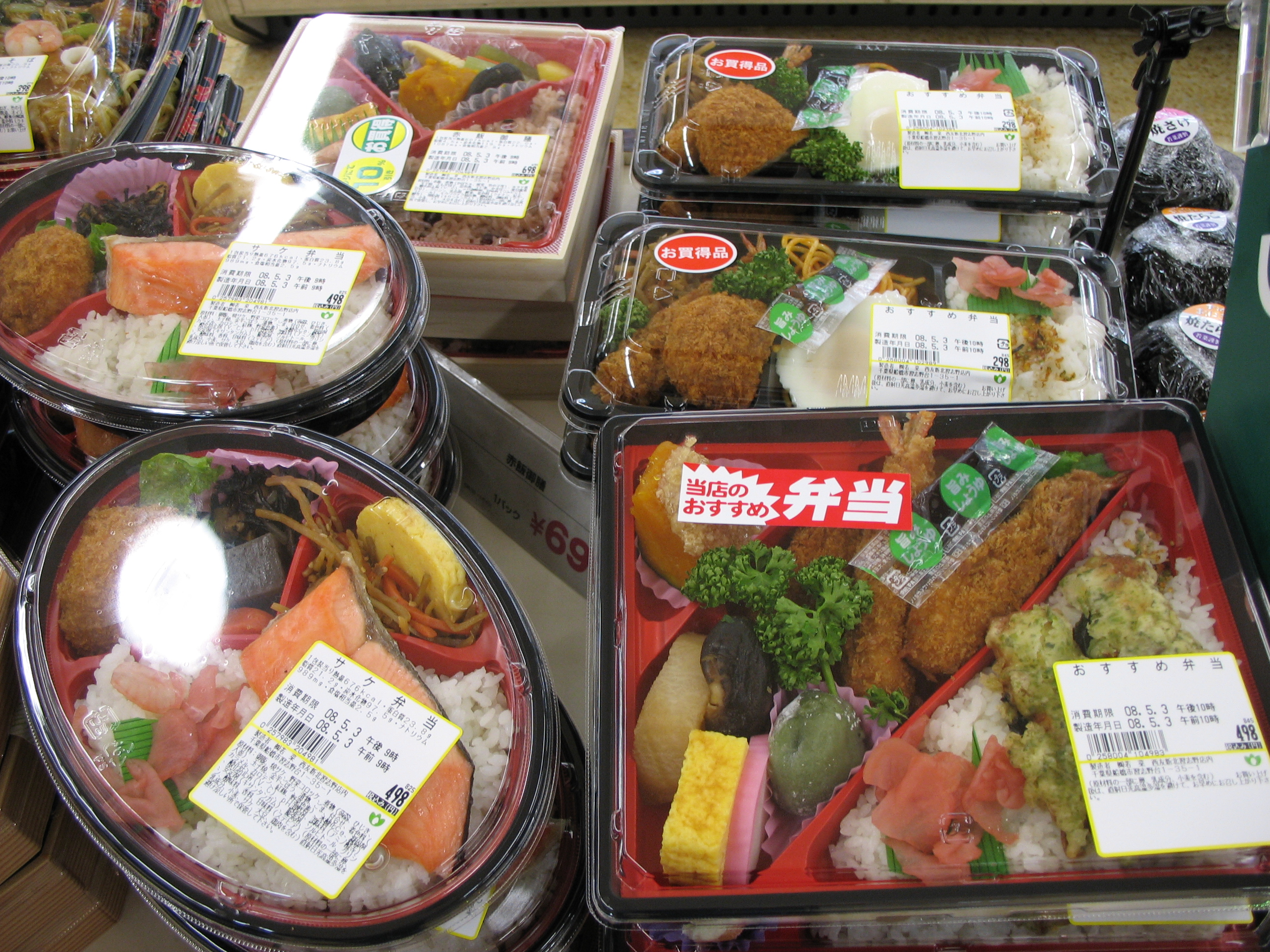
Because we get home from work so late, we often eat supper at about 10:00 p.m.  Obviously, with a schedule like that, lunch at noon wouldn’t work well so we generally have a snack before leaving for work and eat lunch sometime in the middle of the afternoon.  It has to be something that can be eaten on the run because we often have only 5 or 10 minute breaks between classes.  I pack lunches for us six days a week; five schooldays as well as a lunch to eat after the church service on Sundays.  Lunches most often consist of sandwiches, raw veggies and fruit just as they did in Canada.  Bread, though not part of a traditional Japanese diet, has become quite common here in recent years.  A loaf of bread consists of either 4, 6 or 8 slices, though, depending on the thickness of each slice!  We buy the 8 slice loaf.  Each slice is large, square and about the thickness of sliced bread at home.  I don’t know what happens to the loaf end crusts as there aren’t ever any in the packages.  The bread is all white which is a big change for us as we ate 100% whole wheat at home.   It’s very tasty though and we’re quite enjoying it.  For variety, we occasionally take onigiri instead of sandwiches.  Onigiri are seaweed wrapped rice triangles with fish centres.  The grocery store also sells great pizza buns which make a nice change and we occasionally buy bento boxes for Sunday.  A bento is a complete lunch consisting of a variety of Japanese foods.
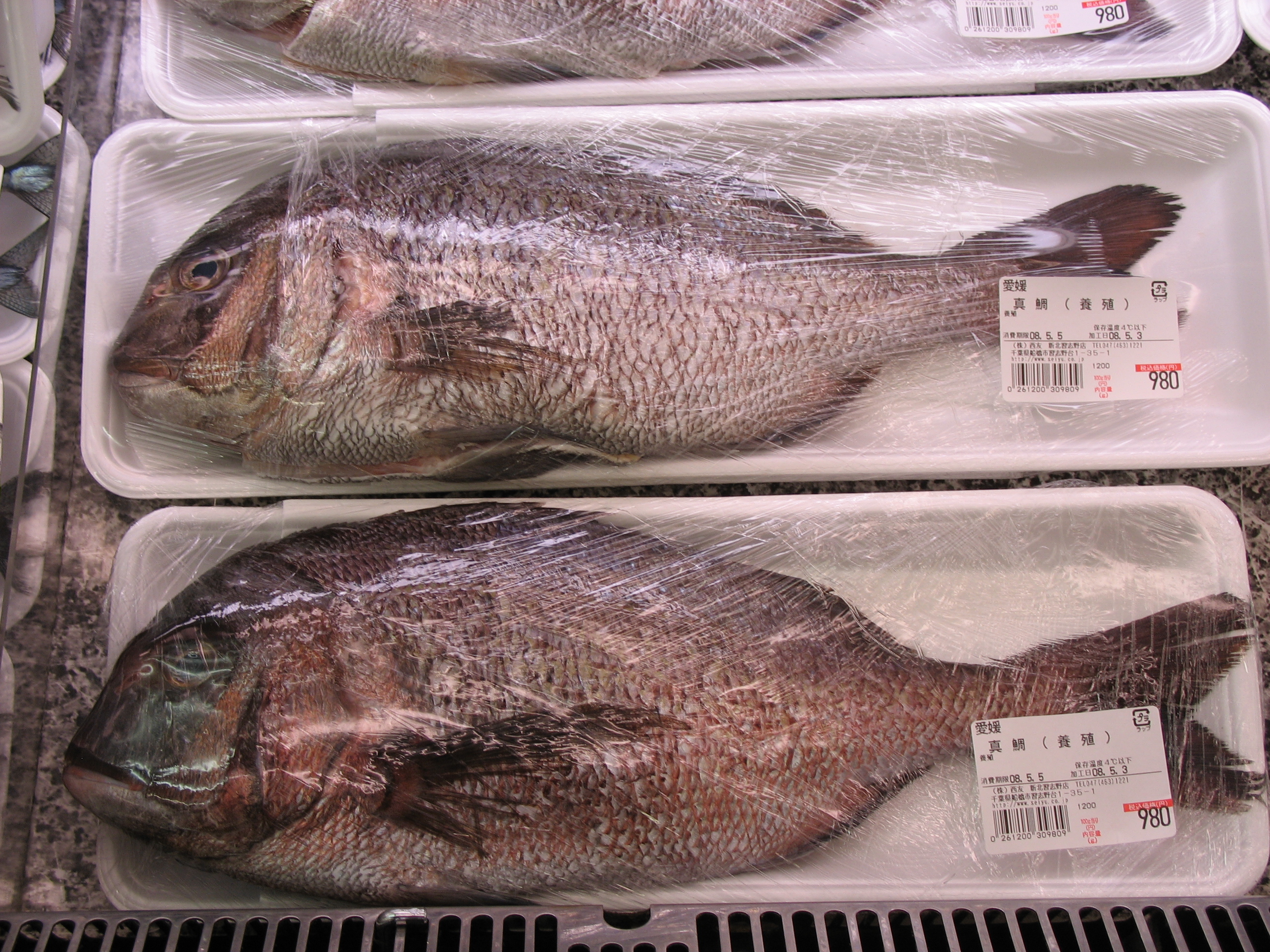
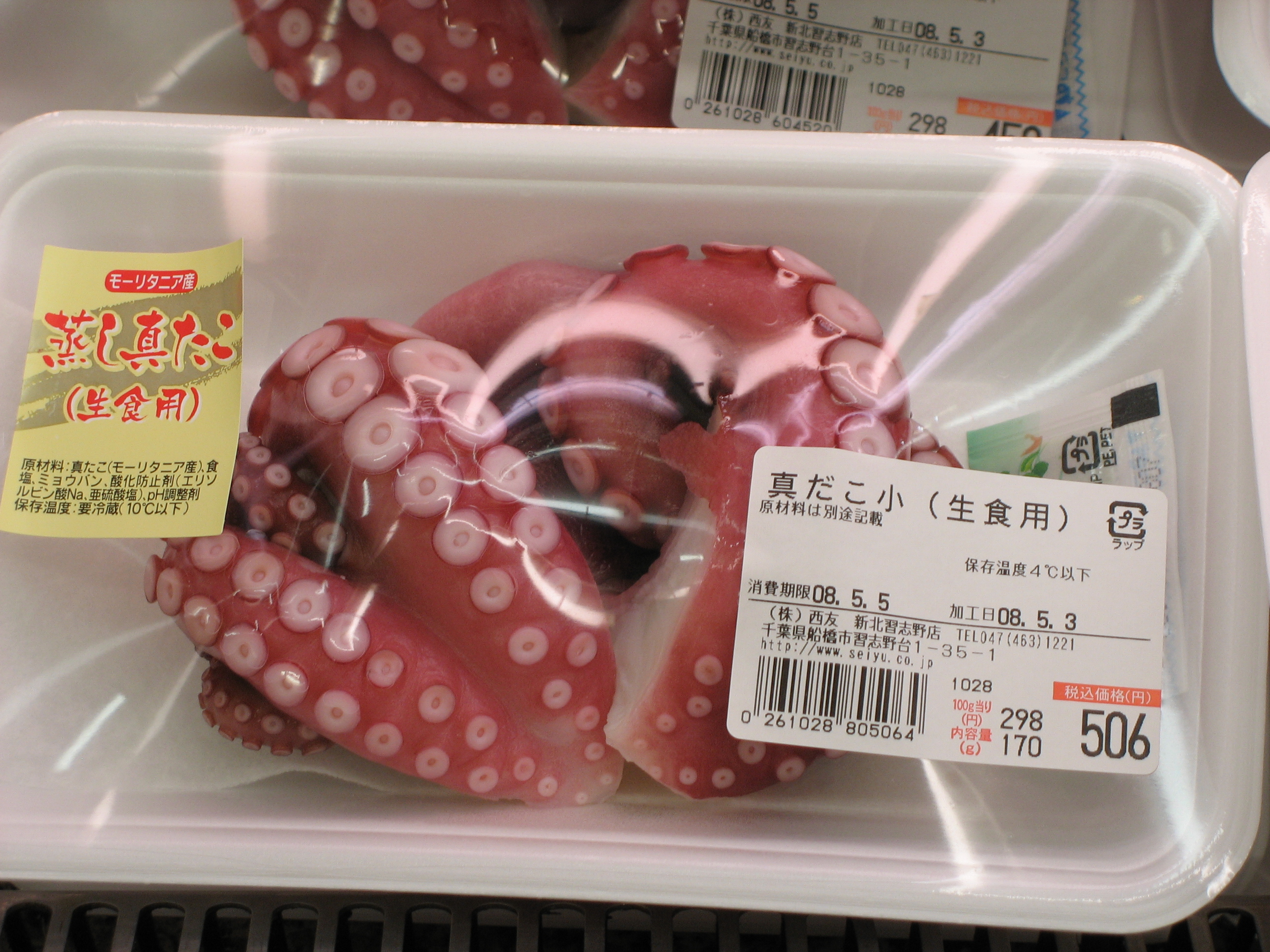
While some of our suppers are not much different from what we ate in Canada, most are at least quasi Japanese.  Though we do have potatoes occasionally, we usually eat either rice or noodles.  The most common types of noodles are soba and udon.  Soba are made of buckwheat and udon of wheat.   Our meat dishes include fish, beef, pork and chicken.  Since cooking is limited to the stove top or the little grilling drawer, many of our meals are some type of stir fry.  As already mentioned, we’ve tried a variety of fish.  With the exception of salmon, which is easy to identify, I’m not sure what the others are because I can’t read the labels!  So far, I haven’t bought anything with eyes looking back at me nor do I buy seafood with suckers attached!  I really like the almost paper thin sliced pork and beef that is so readily available.  Not only is it quick and easy to cook but it’s so tender and tasty.  They tend to do unusual things with eggs here.  I haven’t managed to convince Richard that dipping cooked beef into raw egg is actually very tasty but he does like the beef dish with egg added that I’ve made several times now.
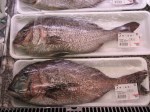
Perhaps the oddest thing about grocery shopping here is the packaging; the sheer amount of it!  We don’t buy a lot of things like cookies but if we did, it wouldn’t be unusual for each cookie to be individually wrapped inside the larger package.  For someone who is used to buying five pound bags of carrots, three carrots per bag seems quite hilarious.  On the other hand, I’m going to miss the carrots when we leave.  They’re so sweet and tasty.

Of course, we’ve only been here two months so I’m sure as seasons change, so will some of the produce that’s available and the prices that it sells for.  We had always been told that living in Japan is terribly expensive so I decided to keep track of what we spent on groceries in April just to see for myself.   I was pleasantly surprised when I totaled it up, to learn that we’d spent less than 50 000 yen ($500)!  I’m quite sure that that’s not anymore than we were spending back in Sedgewick.   So, now that I know that we’re losing weight and not overspending, watch out bakery…  here I come!
Kamakura

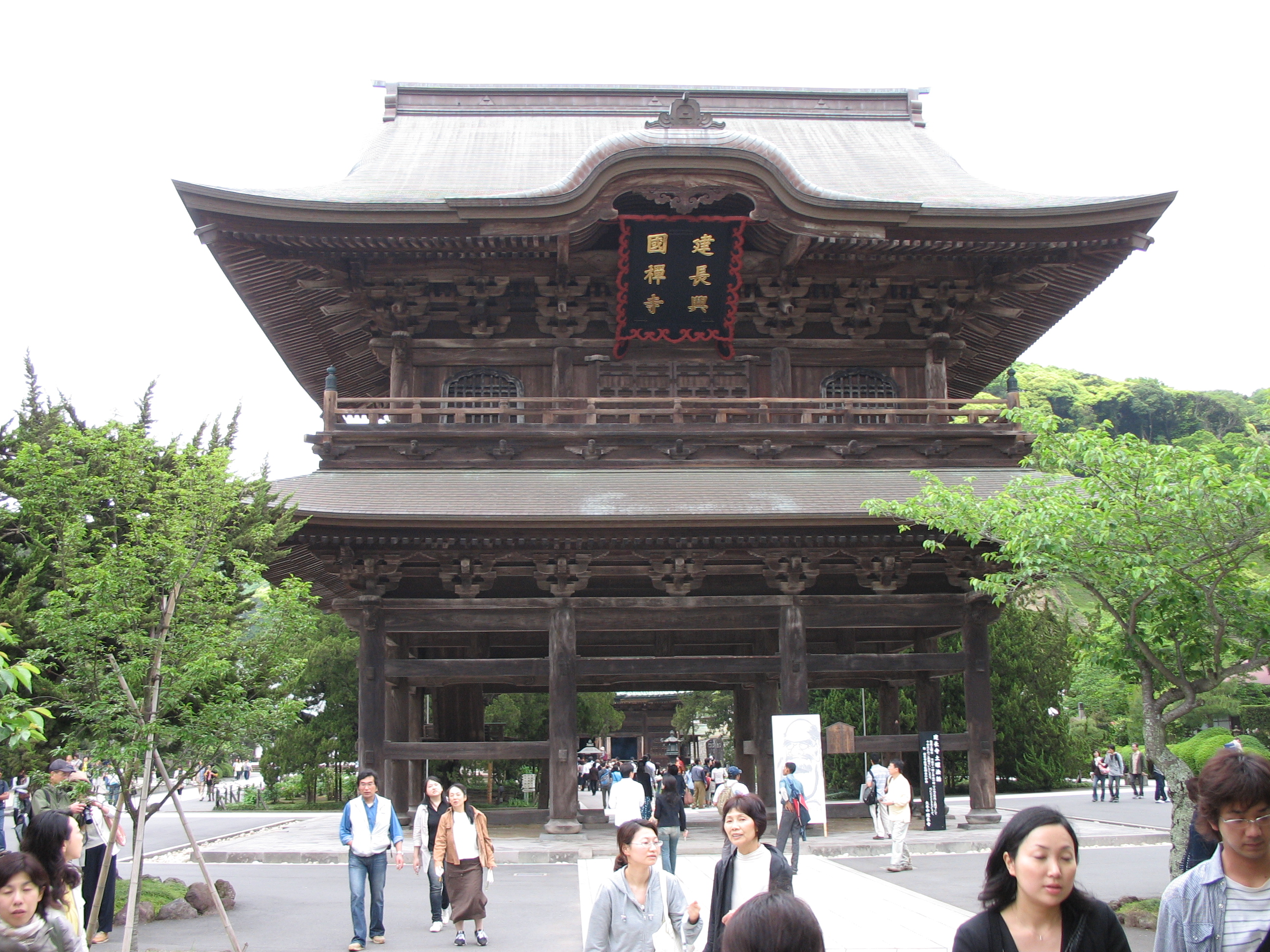
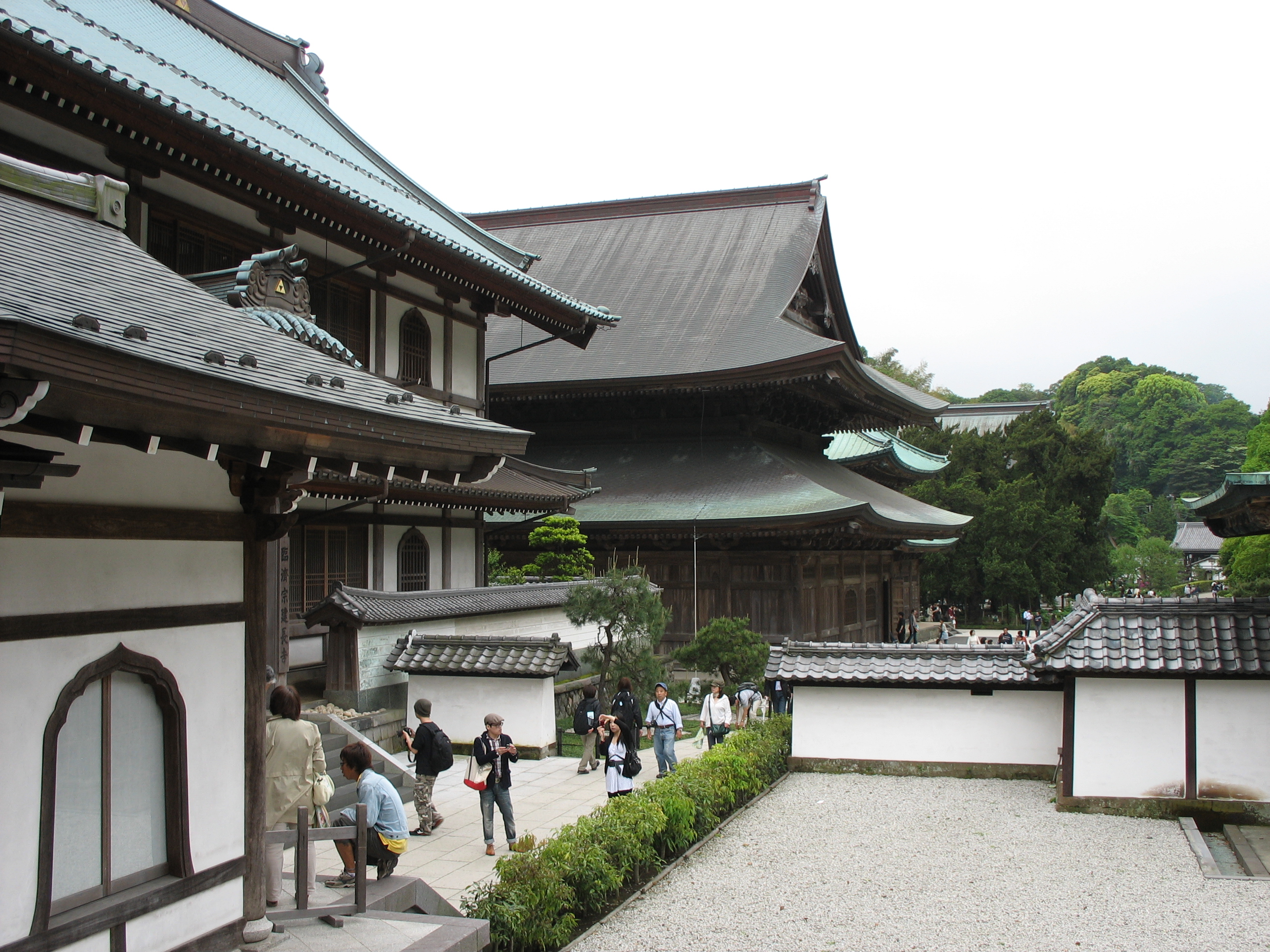
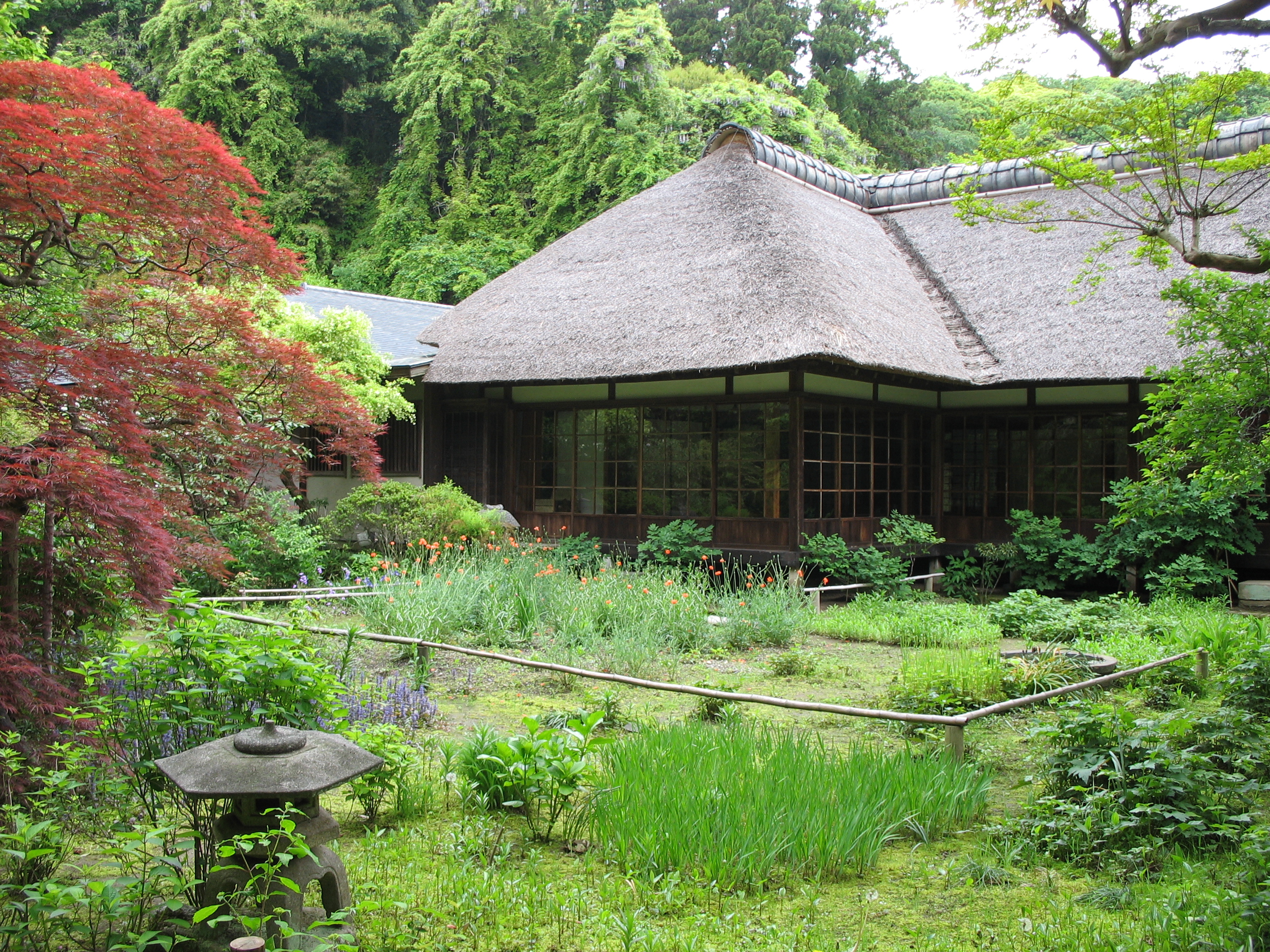
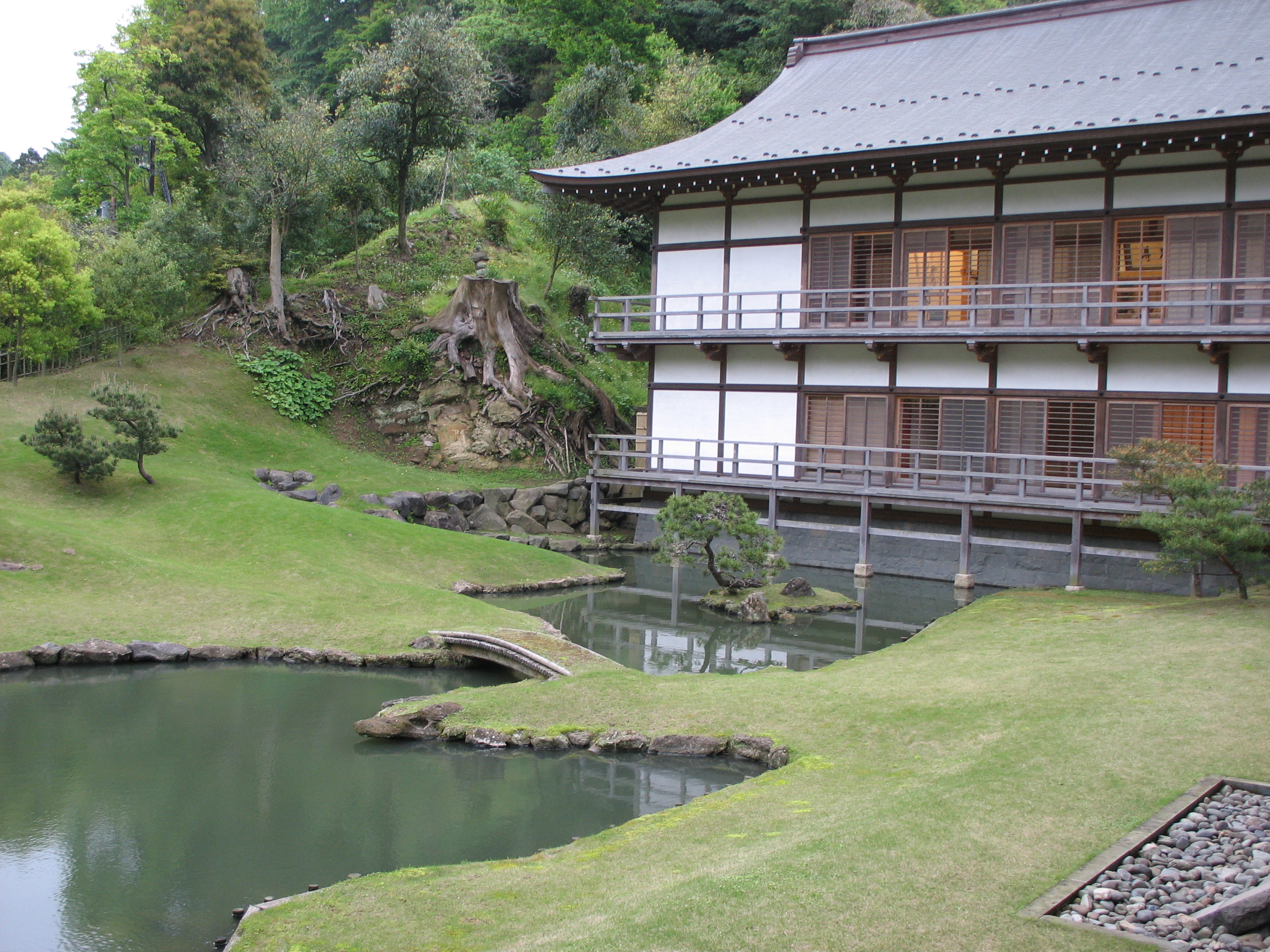
Yesterday we took a day trip to Kamakura, about 50 km south of Tokyo.  We started the day by touring several Zen Buddhist temples.  Even though there were many people doing the same thing, the overall feeling was one of quiet calm.  Unlike the elaborate and ostentatious structures at Nikko, Kamakura’s temples are much simpler and largely constructed of dark, unpainted wood.  Some  structures even have thatched roofs.  Though some of the buildings and the surrounding grounds are open to the public, several of these are still in active use.   We could hear chanting coming from inside one of the them and everywhere we went, the smell of incense hung in the air.

Like Nikko, the temples of Kamakura are nestled in natural forest.  The trees, plants and moss reminded me of the B.C. coast.  We also enjoyed walking through stands of bamboo.  Everything was so green!

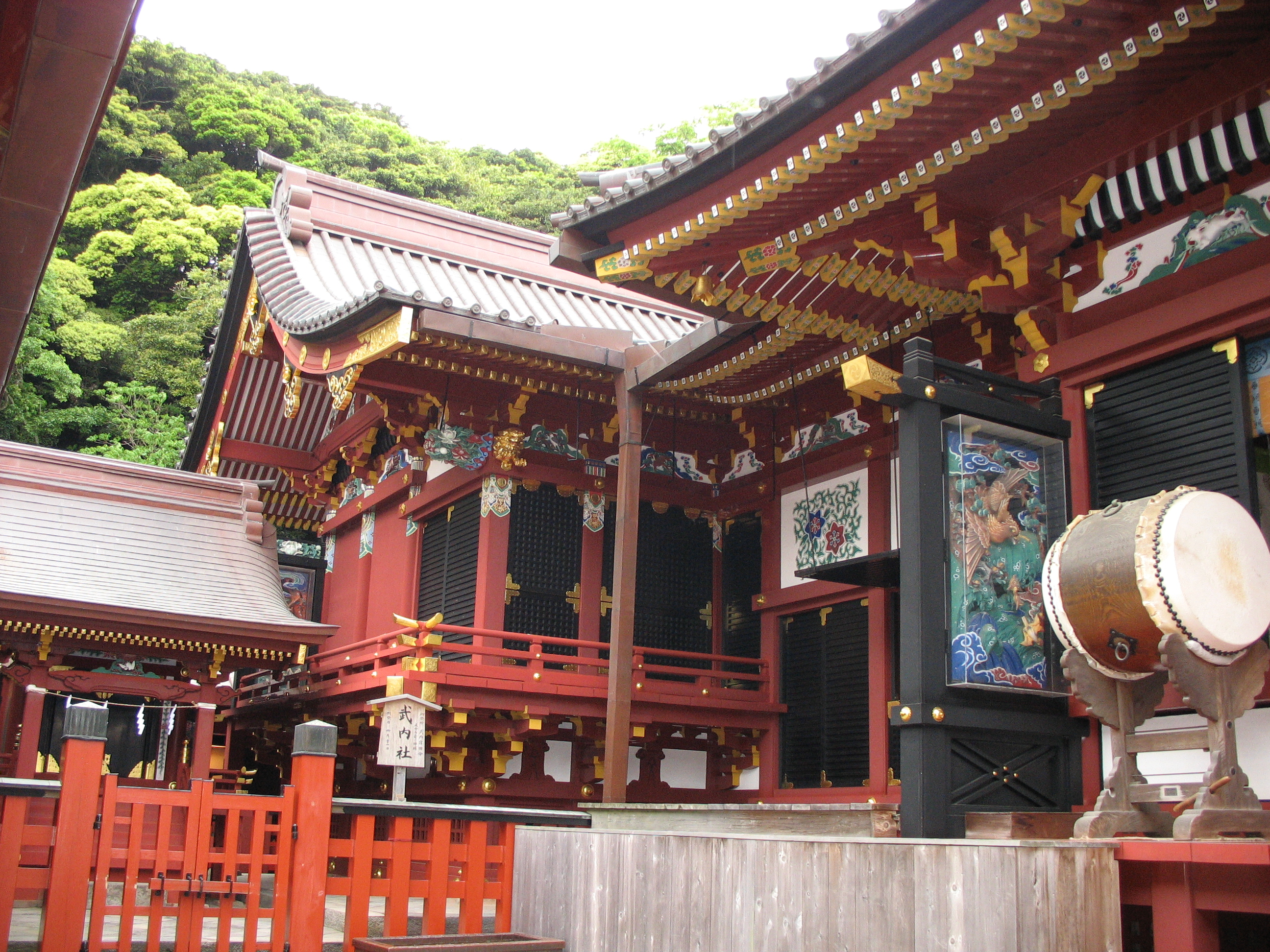
At the end of our temple walk we came to Tsurugaoka Hachiman-gu, the main Shinto shrine of Kamakura where the atmosphere was drastically different from the quiet repose of the Zen temples.  Located at one end of Kamakura’s main street, the brightly coloured shrine had a carnival feel.  Here we met up with the bulk of the Golden Week crowd visiting Kamakura.  Food stalls lined the walkway up to the shrine and tacky souvenirs abounded.  Crowds of people waited their turn to rush up the main steps of the shrine, toss their coins into the offering box, offer a quick prayer, clap and bow.  To an outsider, at least, there seemed to be little reverence or real religious significance to what they were doing.

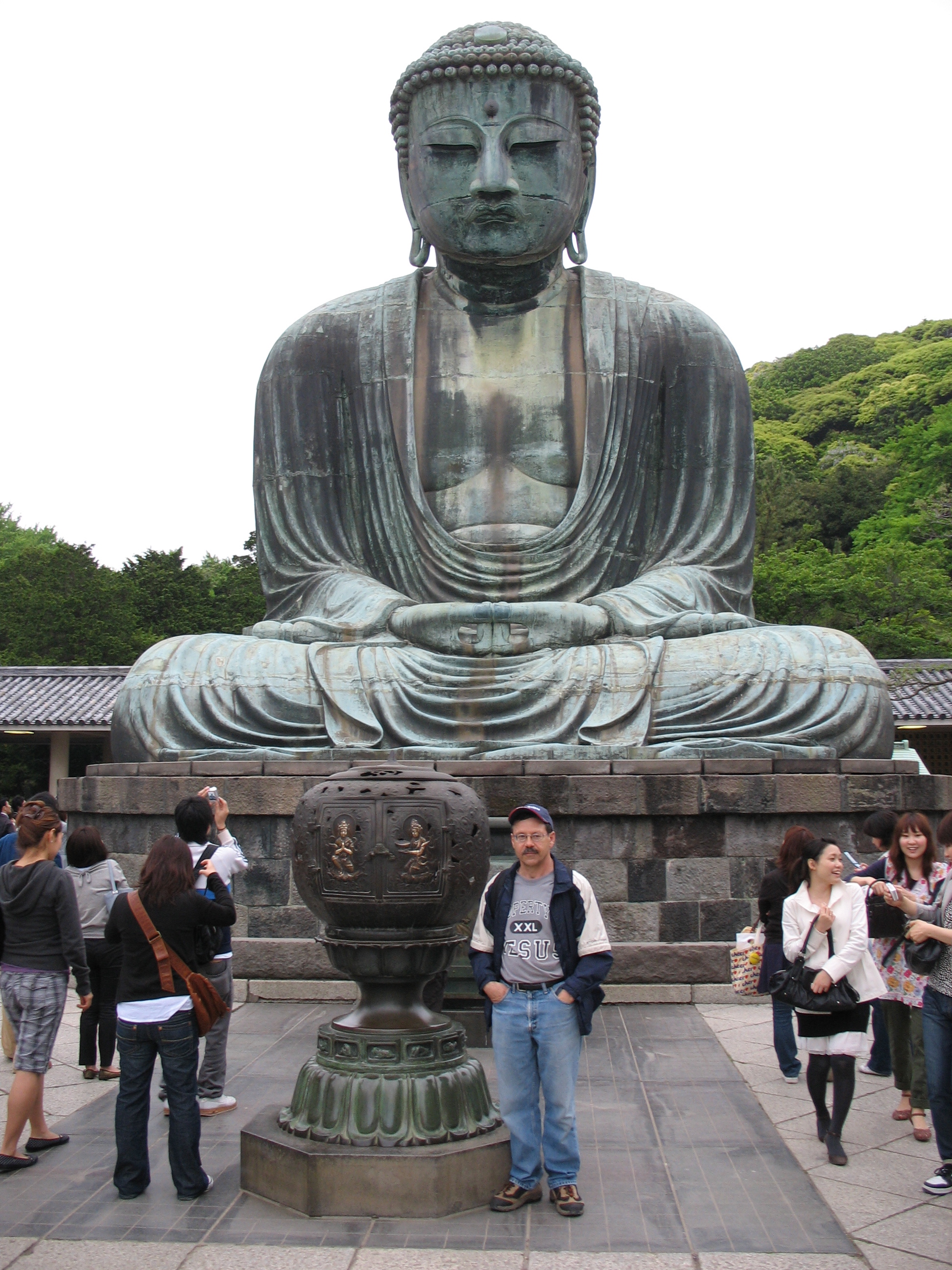
After leaving the shrine, we walked to the main train station where we caught a bus to Kamakura’s most famous sight, the Daibutsu or Great Buddha.  We were packed into the bus like sardines as it crawled it’s way through the narrow and crowded streets but the wow factor was definitely worth the ride.  Cast in bronze in 1252, the statue stands 11.4 metres high and is said to weigh close to 850 tonnes.  Though it isn’t quite as big as the enormous Buddha that we saw in Nara three years ago, the weathered giant sitting out in the open  was quite something to see.  It was originally housed in a huge hall but that was washed away by a tsunami in 1495 and it has sat outside ever since.

Nikko

Our trip to Nikko was great!  We left home Tuesday morning with everything we’d need for four days on our backs.  Some  38 years after hitchhiking from Vancouver to Edmonton with a duffle bag over my shoulder, this girl had rejoined the backpacker generation!   The train from Tokyo took us inland past newly flooded rice paddies and into the mountains of central Japan.  It was fascinating to see the rice plants being transplanted, some by hand and others by machine.

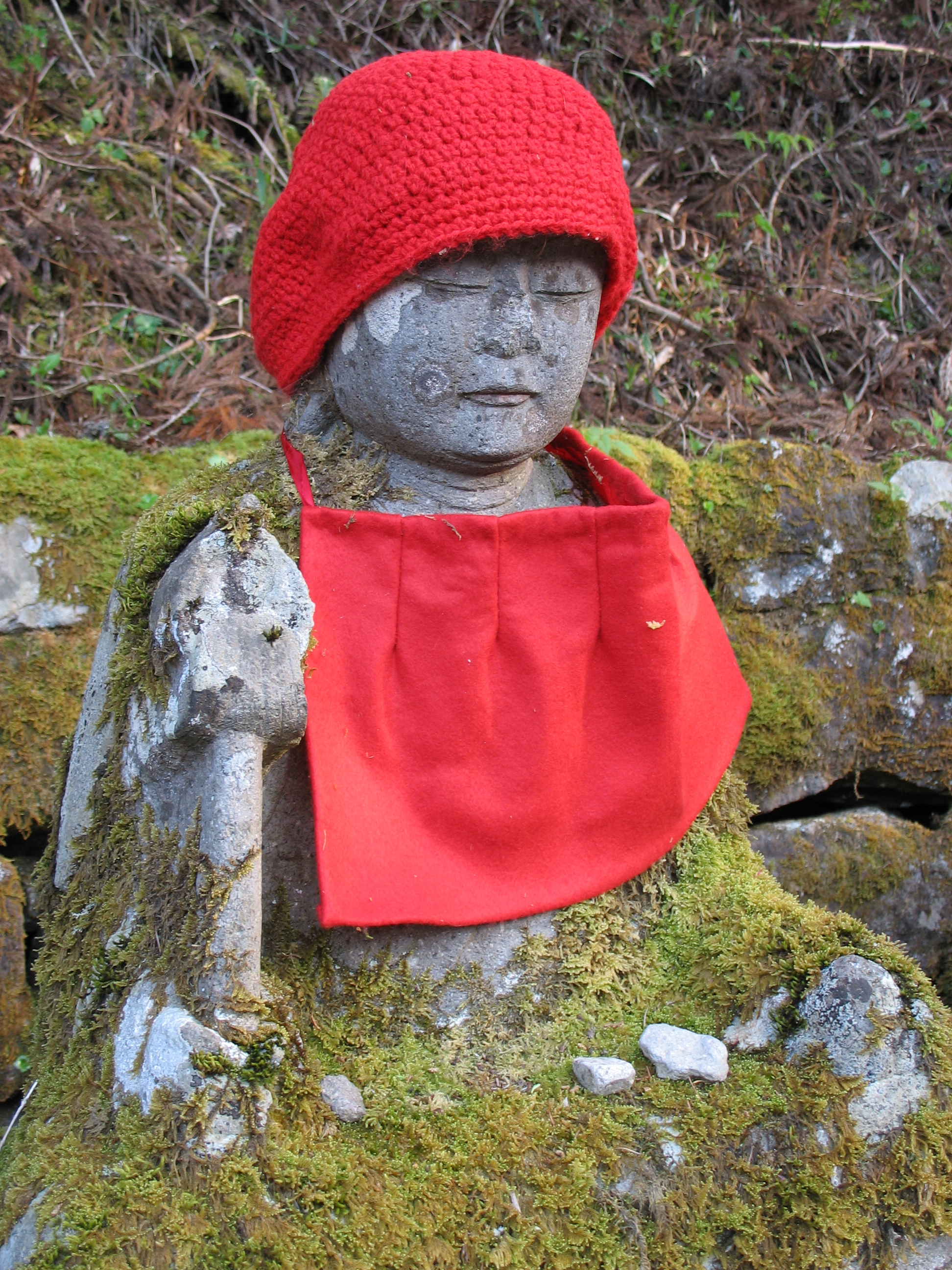
After arriving in Nikko and checking into our inn, we took a walk along the nearby Daiya River through an area known as the Gamman-Ga-Fuchi abyss.  There we walked a wooded riverside path lined with statues of Jizo, the patron saint of the souls of departed children.  Legend has it that the statues are uncountable; that each time you count you get a different number.  We didn’t try.

The next morning, we walked for miles looking for a western breakfast finally learning that such a thing isn’t available in Nikko before 10:00 a.m!  While we enjoy Japanese food, we can’t quite get our heads around rice, fish or miso soup for breakfast.  Waiting and wandering finally paid off with a full breakfast of eggs, bacon or sausage, salad (a western breakfast in Japan includes salad instead of hash browns), toast, juice and coffee for approximately $5 each!  Considering the fact that a single cup of coffee can cost almost that much, that was an amazing bargain and we returned to that restaurant for breakfast each morning.

After breakfast on Wednesday, we caught the bus to Chuzenji-ko, ten kilometres west of Nikko.  Little did we know that the bus was going to climb a mountain!  Up a series of tight narrow switchbacks we went.  It looked like the world dropped off at the edge of the road.  Roads like that usually terrify me but the view was fantastic and I actually found myself enjoying the ride!  At Chuzenji, we took in the 97 metre Kegon Falls including an elevator ride down through the bedrock to viewing platforms where we could observe the full force of the plunging water.  We walked a bit along the lakefront then decided it was time to visit a public onsen (hot spring bath).  We didn’t really need to do this as our inn back in Nikko had two private hot spring fed baths, one a single and the other family sized, but we want to experience all that Japan has to offer so we stopped at the tourist information centre and were directed to a nearby onsen on the grounds of a lovely hotel.  In spite of having to get naked with strangers, it was a very relaxing and serene experience.  The segregated baths were sheltered in a wooden building with wide open sliding windows on one side overlooking the lake.  The water was very hot and soothing after all the walking we’d been doing.

An added bonus to the onsen experience was the fact that there were bathroom scales in the changing rooms.  We knew we’d both lost weight since arriving in Japan but this was the first opportunity we’d had to weigh ourselves.  Assuming that the scales were accurate and our conversion of kilograms to pounds correct, I’ve lost about 10 pounds and Richard close to 15.  No wonder he’s always hungry!  This weight loss is neither a surprise nor a sign that we’re not in good health.  It’s simply due to the amount of walking and stair climbing we do as well as the change in diet.

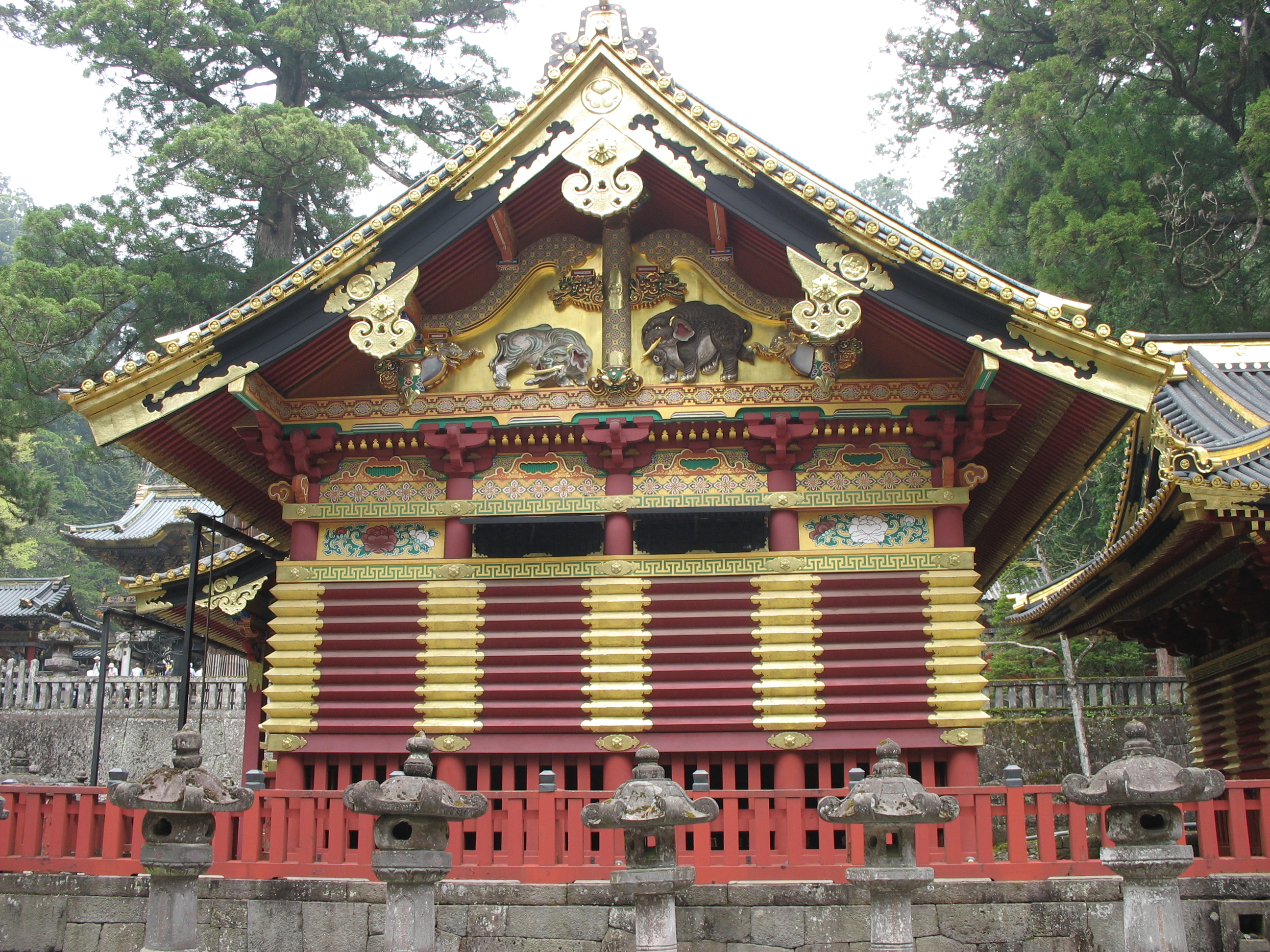
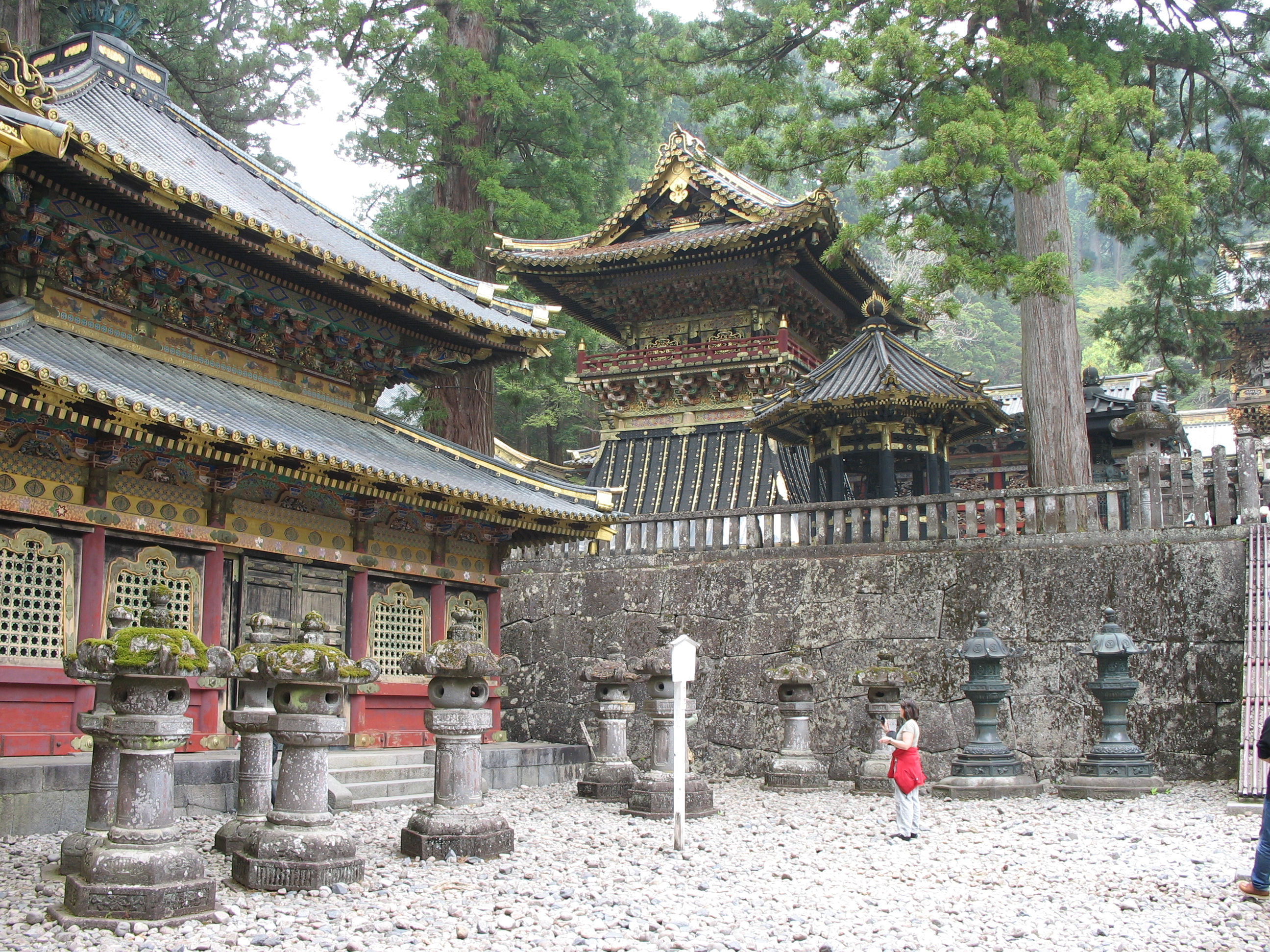
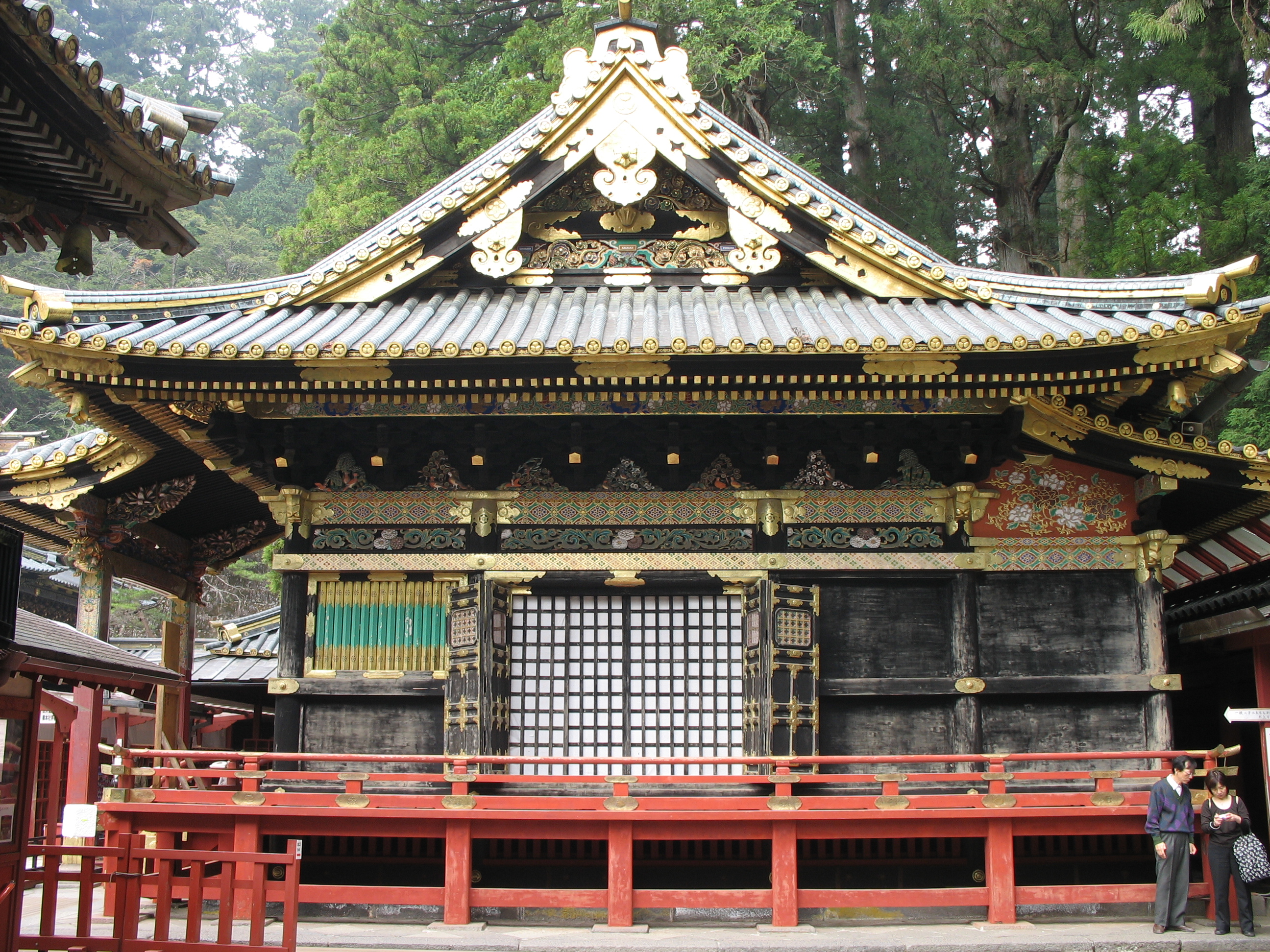
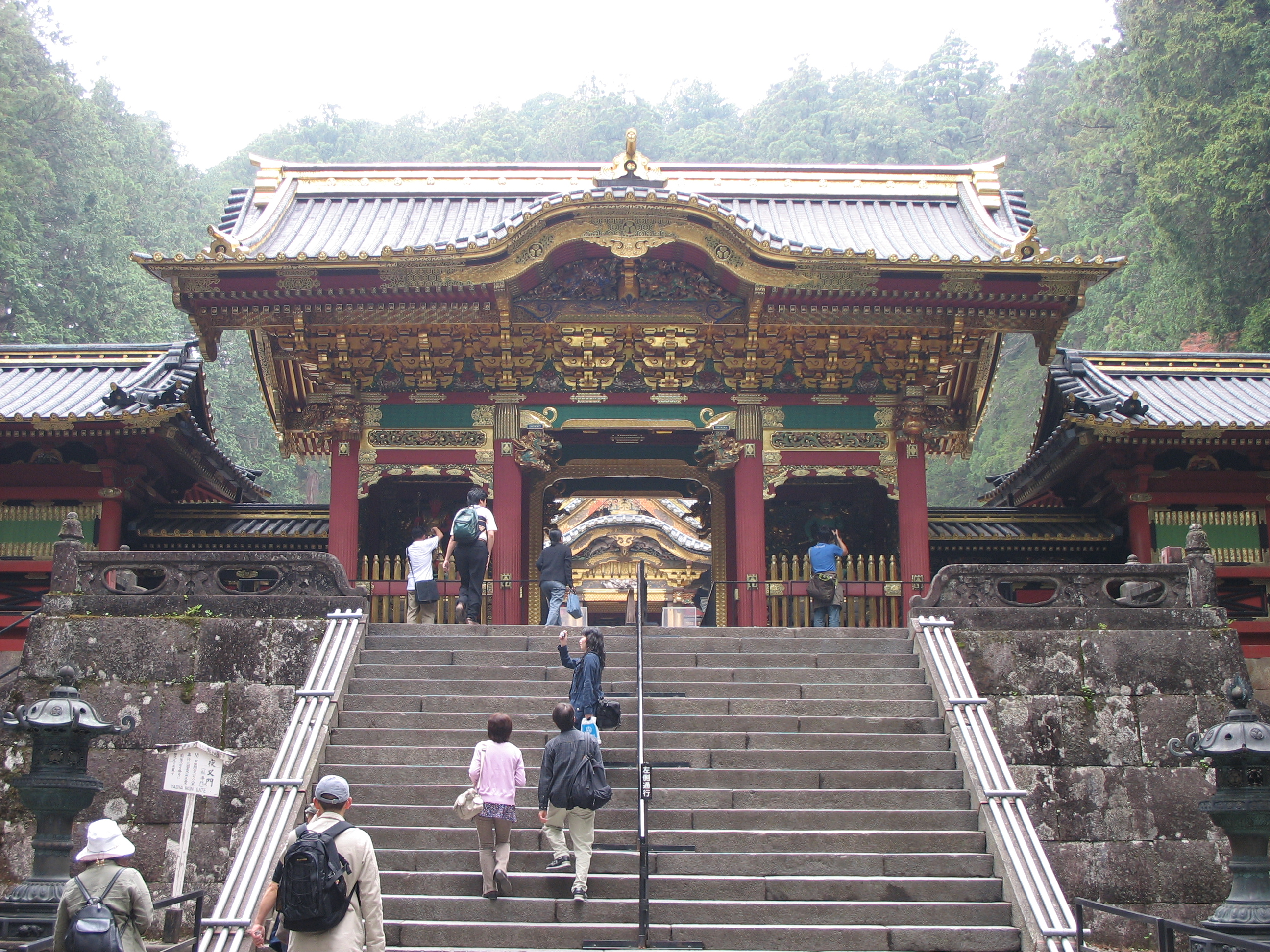
We spent most of Thursday seeing the spectacular temples and shrines of Nikko.  The entire temple area has been declared a UNESCO World Heritage Site.  It was truly hard to take it all in.  The intricate detailed carving on everything, the colour, the gold overlay…  Wow!  The manmade beauty seems to be enhanced by the fact that the buildings are set on a hillside amongst stately cedar trees.  While the area is largely a tourist attraction now, a visit to the temples and shrines clearly has great religious significance for some as well.

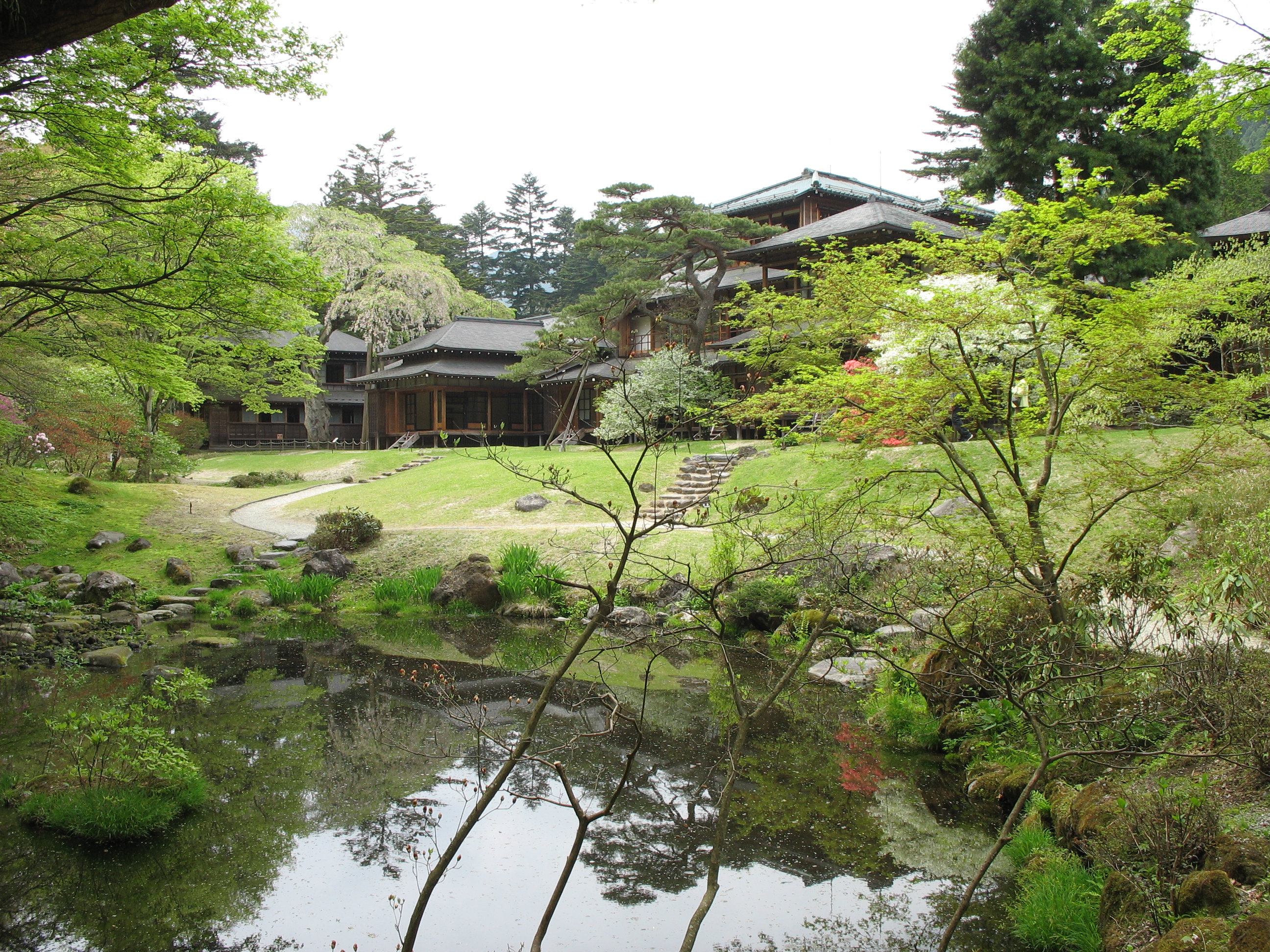
Yesterday began with the exciting phone call shortly after we awoke informing us that we had become grandparents!  That will serve to make our visit to Nikko even more memorable than it already would have been.  We checked out of the inn but left our bags there to be picked up later and headed off to tour the Tamozawa Imperial Villa, a 106 room wooden structure built over a long period of time as an emperor’s retreat and crown prince’s residence.  Japan’s present emperor was sent there as a young evacuee in 1943 and stayed there for about a year.  While strolling through the beautiful garden surrounding the villa, it was interesting to see entrances to air raid shelters, a reminder of Japan’s role in the last great war.  Early in the afternoon, we picked up our bags at the inn, headed for the train station and were home by supper time.

Just before we left for Nikko, I discovered that nikko means sunshine in Japanese and it most certainly lived up to its name.  The weather was absolutely lovely.  Now we’re back home and it’s raining again so this may be a quiet day at home!

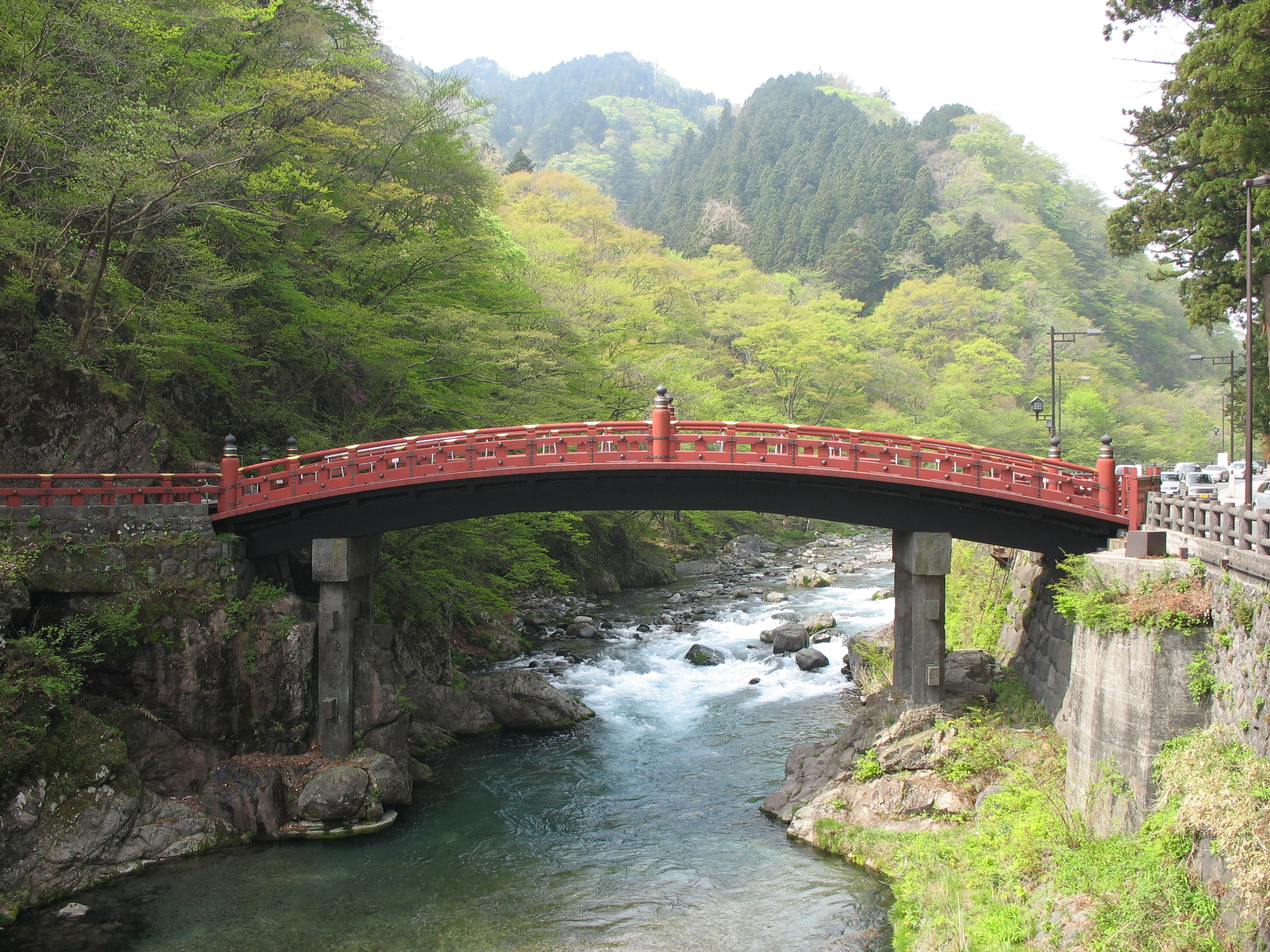
Shinkyo Sacred Bridge, Nikko

Peanut!

Andrew David Richard Graham, son of Melaina and Aaron Graham, arrived at 4:21 a.m. Thursday, May 1 making me a grandmother for the first time!  Thanks to free internet access here at the inn in Nikko, nestled in the mountains of central Japan, I’ve already seen pictures of the wee chap.  He weighed in at 8 pounds 1/2 ounce and 20 inches long.  Not bad for two weeks early!  Way to go, Melaina! 

Golden Week

We have one more day of teaching before our Golden Week holiday.  In Japan, April 29th is a national holiday known as Greenery Day and May 3rd to 6th is Golden Week.  Our employer gives us the three days between these two holidays as days in lieu of other national holidays when the school doesn’t close.  That provides us with an eight day break.  Originally we’d thought about going to South Korea but by the time we got to Japan, got settled in and started looking at booking flights, the Japanese had made their holiday plans and flights were full.   We decided to stay in Japan and will probably go to Korea during our summer vacation in August.

On Tuesday we’re heading to Nikko, some 3 to 4 hours from here by train.  Nikko, a community of approximately 18 000, is well known for it’s splendid temples and shrines as well as its onsen (hot springs).  Nikko, which is inland from here, is part of the Nikko National Park, a mountainous area complete with extinct volcanoes, lakes, waterfalls and marshes.  While we’re there, we hope to visit nearby Chuzenji-ko lake and Kegon-no-taki, a 97 metre high waterfall.  If the weather cooperates, we’ll probably do some hiking in that area.  With a name like Golden Week, how could it not be sunny and warm?  Hopefully that’s not just wishful thinking!

We have reserved a traditional Japanese room with shared bath at a small inn in Nikko for 3 nights.  The inn is also preparing a traditional Japanese dinner for us one evening while we’re there.

A visit to at least one of the onsen is an absolute must while we’re at Nikko but it will take a fair amount of courage on my part.  Unlike North American hot springs, Japanese onsen are considered public baths and as such, swimsuits are not worn.  Fortunately for those of us gaijin (foreigners) who are not used to getting naked with total strangers, most are separated into male and female baths.  Some also provide “modesty towels” to cover your most private bits and pieces until you slip into the water.  One of my adult students assured me that I needn’t worry, the hot springs are indeed very hot and the resulting steam makes it difficult for bathers to see one another.  I hope she’s right!

Since our grandson is yet to be born, I may seek out an internet cafe if such a thing exists in Nikko but I likely won’t be blogging until we return.  We’re coming home on Friday and will do some day trips from here during the remainder of our break.  That will be the actual Golden Week holiday during which schools and most businesses other than stores, are closed.  As a result, everywhere we go will be extremely crowded but we’ll return to our quiet apartment at night.

Preparing for the rainy season

In the two months that we’ve been in Japan we’ve probably seen as much rain as we normally get in a year in Alberta and the rainy season hasn’t even started yet!  In our school mailboxes yesterday we received two pages of hints and tips for coping with this annual occurrence.  Apparently, we need to prepare ahead in order to minimize mold, mildew, moths and yes, cockroaches!

Our first task will be a trip to the store in search of anti-moth products, desiccants which are used for dehumidifying, and roach traps.  Next, we’re advised to make sure that winter clothing, particularly anything wool, is thoroughly cleaned and stored in bags with anti-moth stuff and desiccant.  I’ve already packed our winter coats away but will have to add the products to protect them once we purchase them.  We’re also advised to put anti-moth product and desiccant in all our drawers and in the corners of our closet.  Apparently, if we don’t, we run the risk of finding mold on pretty much anything.

Apparently, even if we run our fans and use the dehumidifying feature on the air conditioner, everything will become damp during rainy season.  As often as possible, assuming that the sun does shine occasionally during the rainy season, we should sun dry our futons to keep them from becoming musty.   I don’t have any difficulty believing that this will become necessary as I already took the towels from the bathroom and hung them outside for awhile this morning because they simply wouldn’t dry in there.

In order to avoid run ins with the “little livestock”, as our handout calls the cockroaches, we must NEVER leave any food out for them, should wash all dishes immediately, should wipe our sink and counters (what counters?) with bleach and should keep all garbage bags closed and sealed.  Also, I now know why there’s a trap in the kitchen sink.  It’s not to keep food stuff from going down the drain.  It’s to keep roaches from coming up!  Eew!

We can do all of the above but I’m not sure how much it will help.  There’s an open space under our bathtub where the water from the sink and tub drain.  I hate to think how gross and wet it probably is under there and I don’t know of anything we can do to close it off or prevent it from attracting nasties.  It’s been suggested that we pour some bleach in there to try to kill off anything that might be growing there so we’ll probably do that and hope for the best.  We’ll also decorate the apartment with roach traps.  Apparently, these are much like the little ant traps that we use in the basement back home.  The insect carries the poison back to the nest to share with it’s roommates, thus killing them off.  Gross, but hopefully effective!

The final suggestion on our handout is to always look for the beauty in the season!  Apparently Japanese iris and hydrangea are at their prime at that time of year.  I’ll try to remember that when I encounter my first cockroach!