Mixing old and new

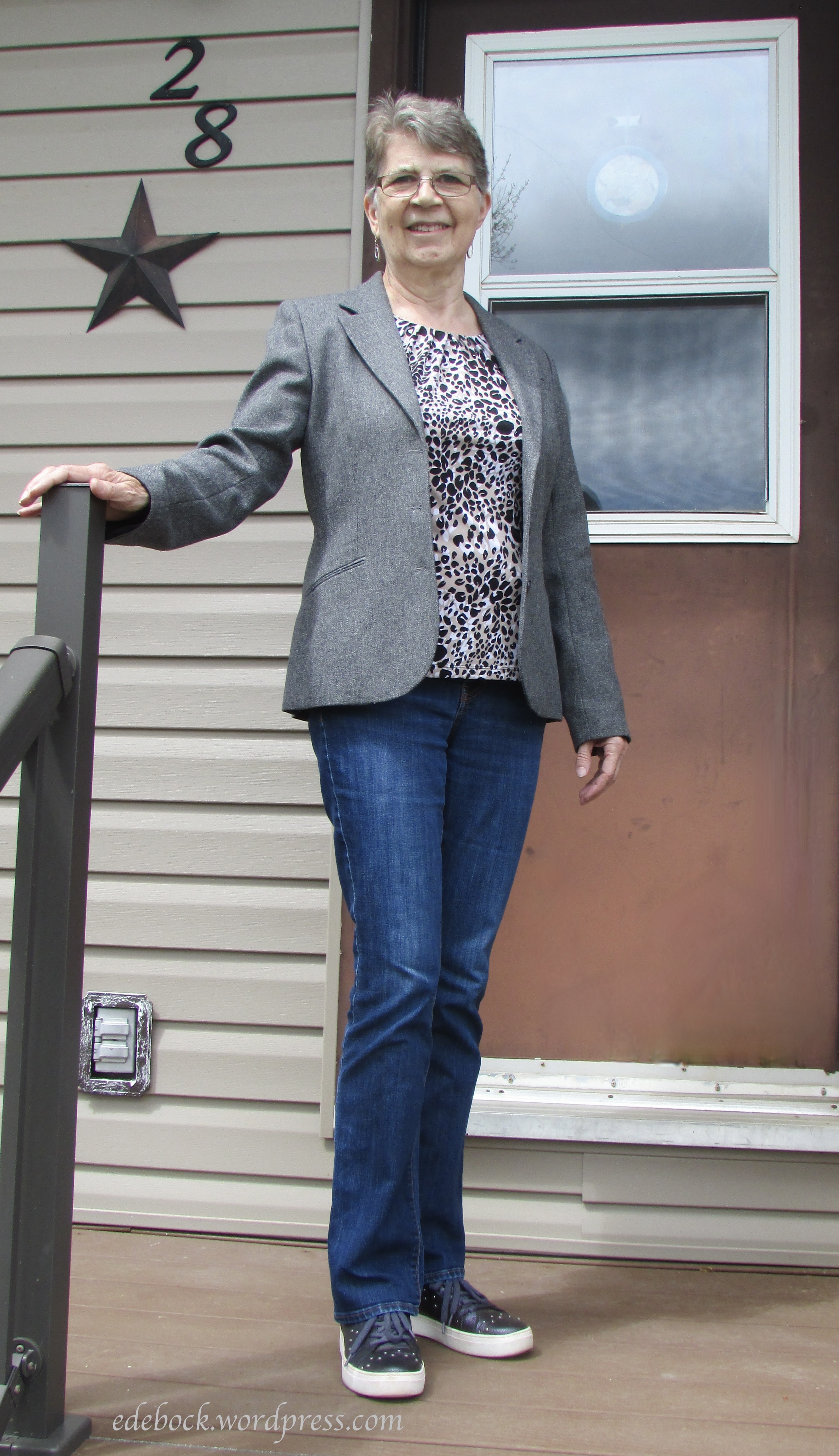
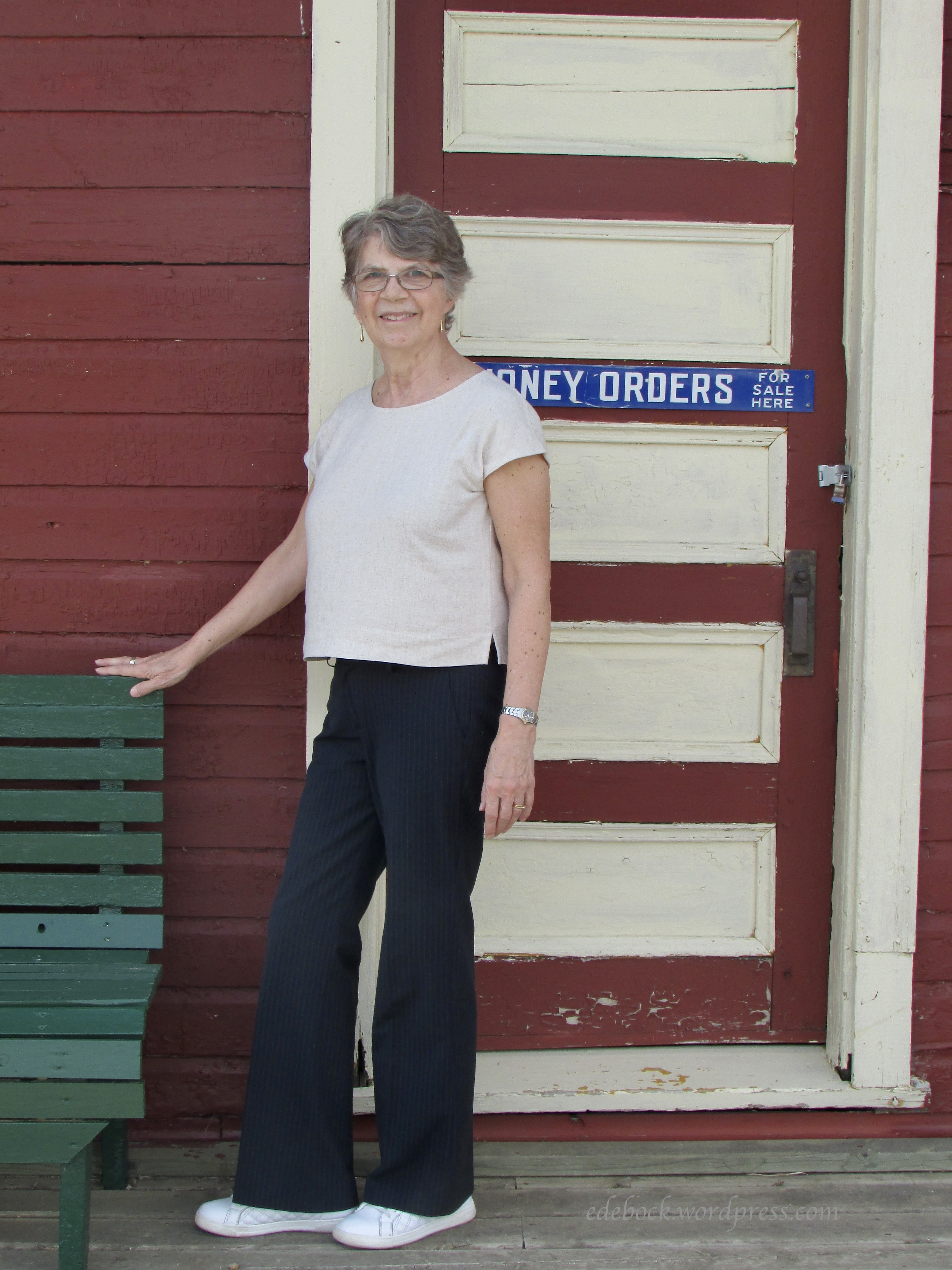
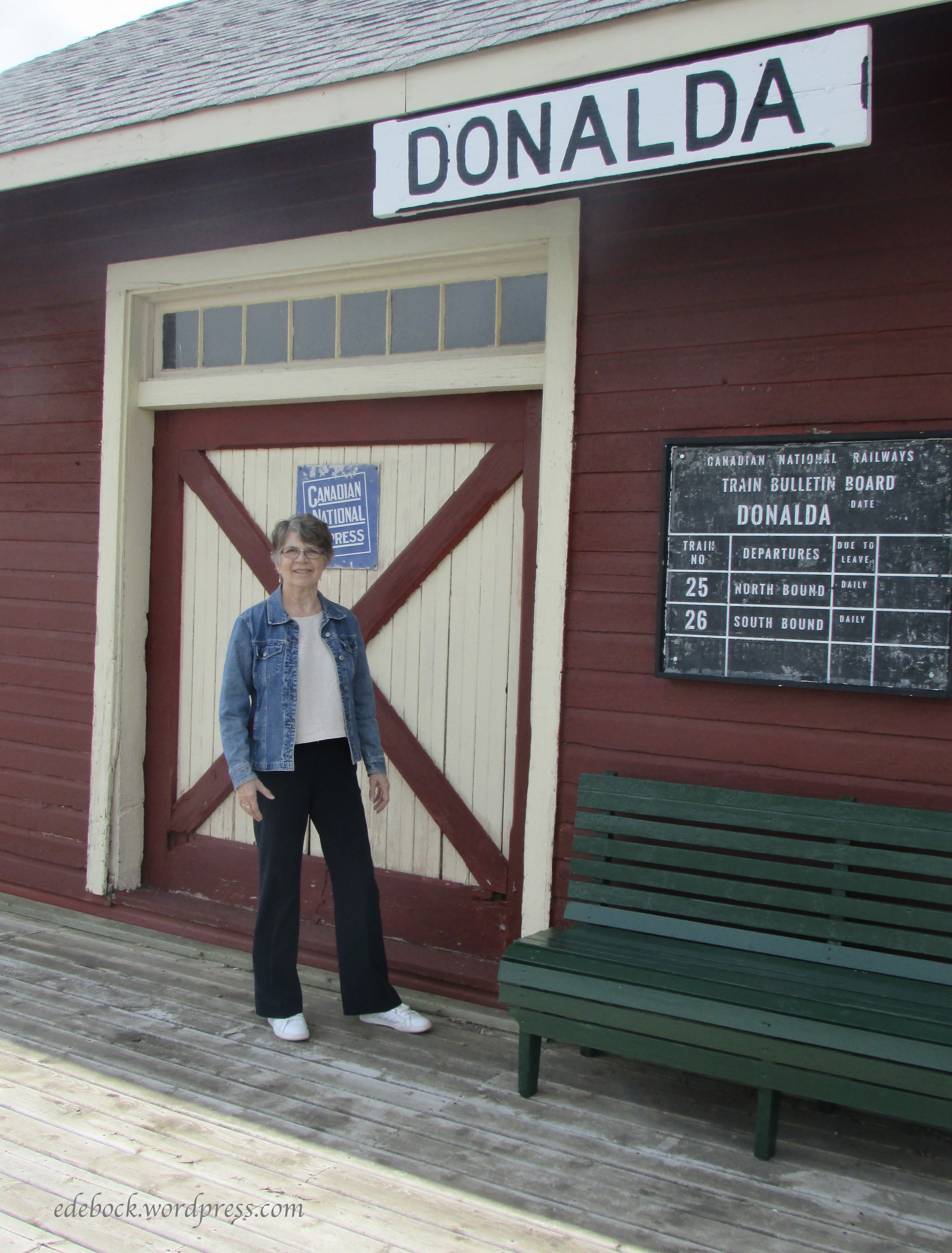
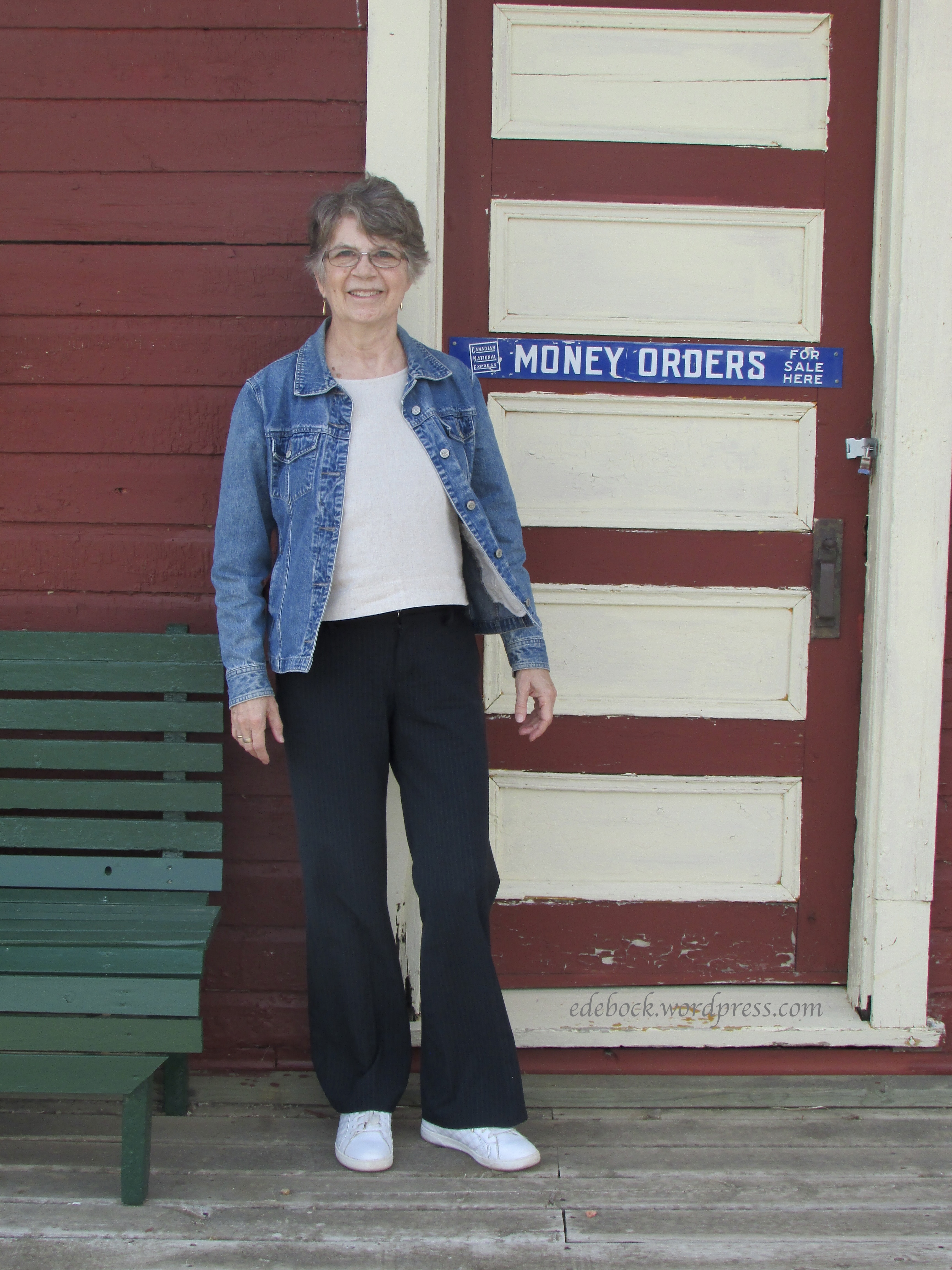
Logo by SamInstead of going home after church last Sunday, hubby and I set out for the little village of Donalda and the Willow Canyon trail, one of our favourite places to go hiking. Realizing that the restored train station near the trailhead would make a great backdrop for photos, I wore the outfit that I planned to share with you this week to church and changed into my hiking clothes after the photo shoot.

IMG_6895

IMG_6832

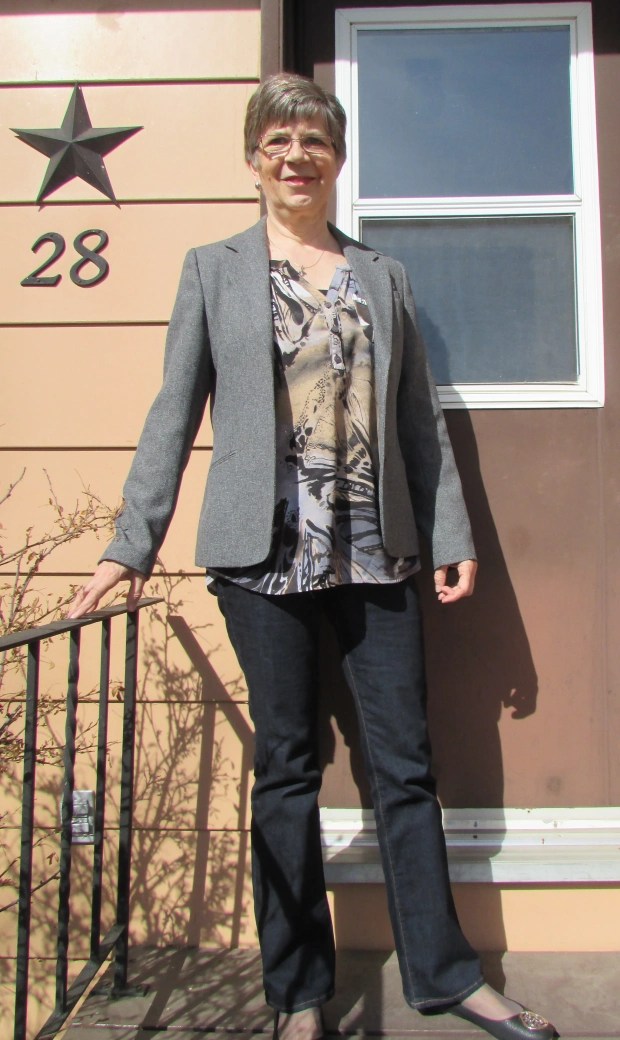
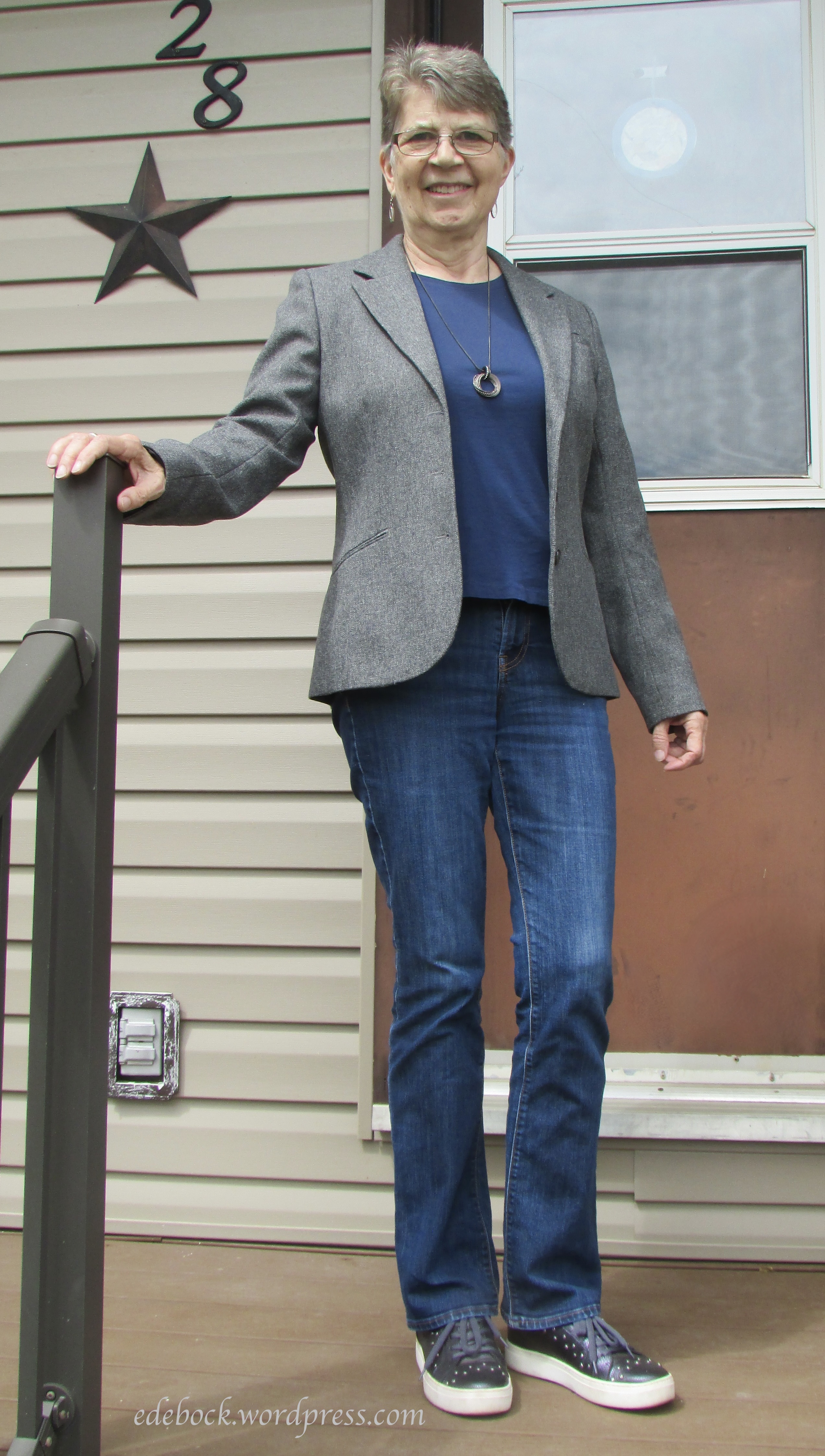
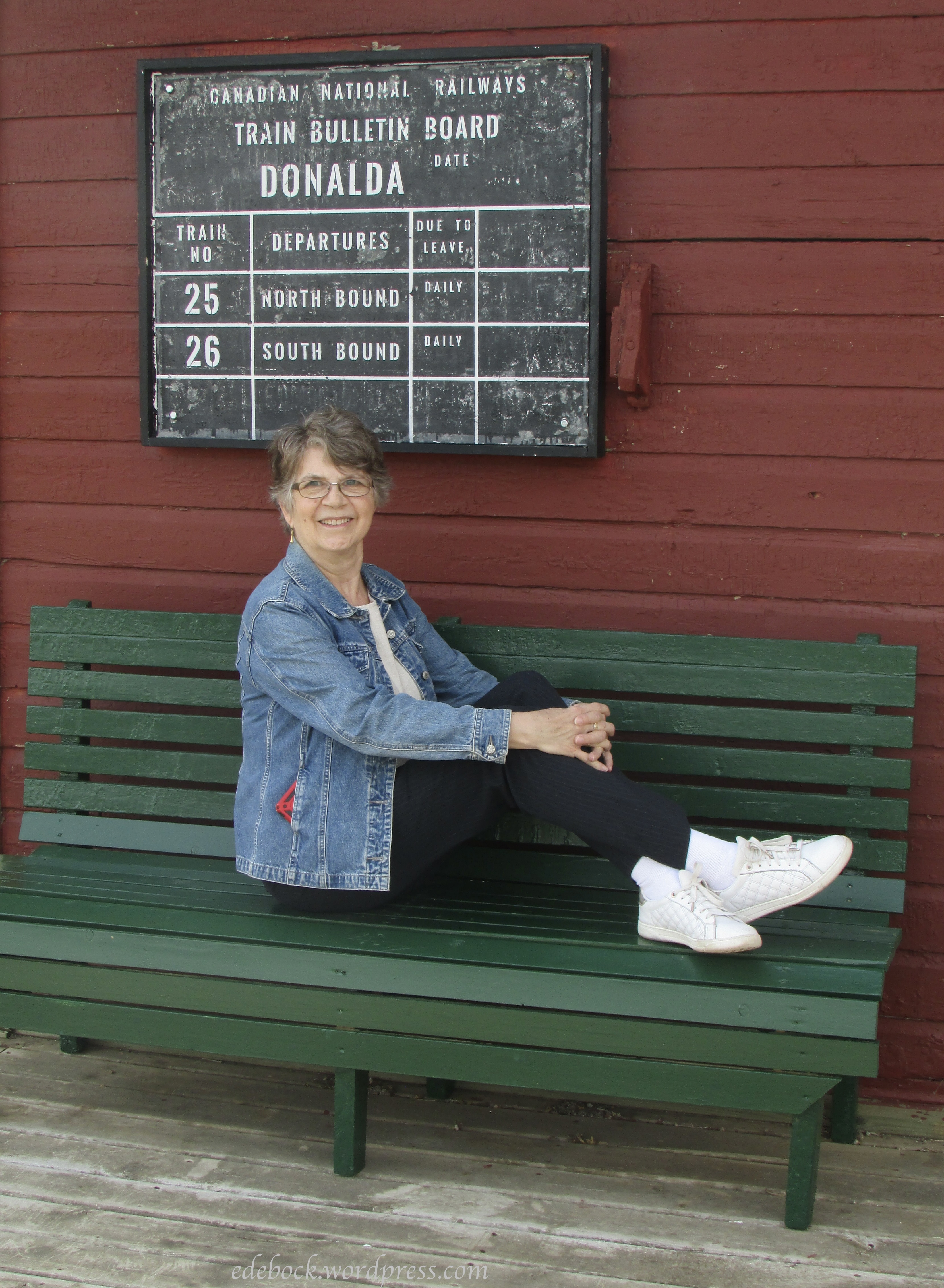
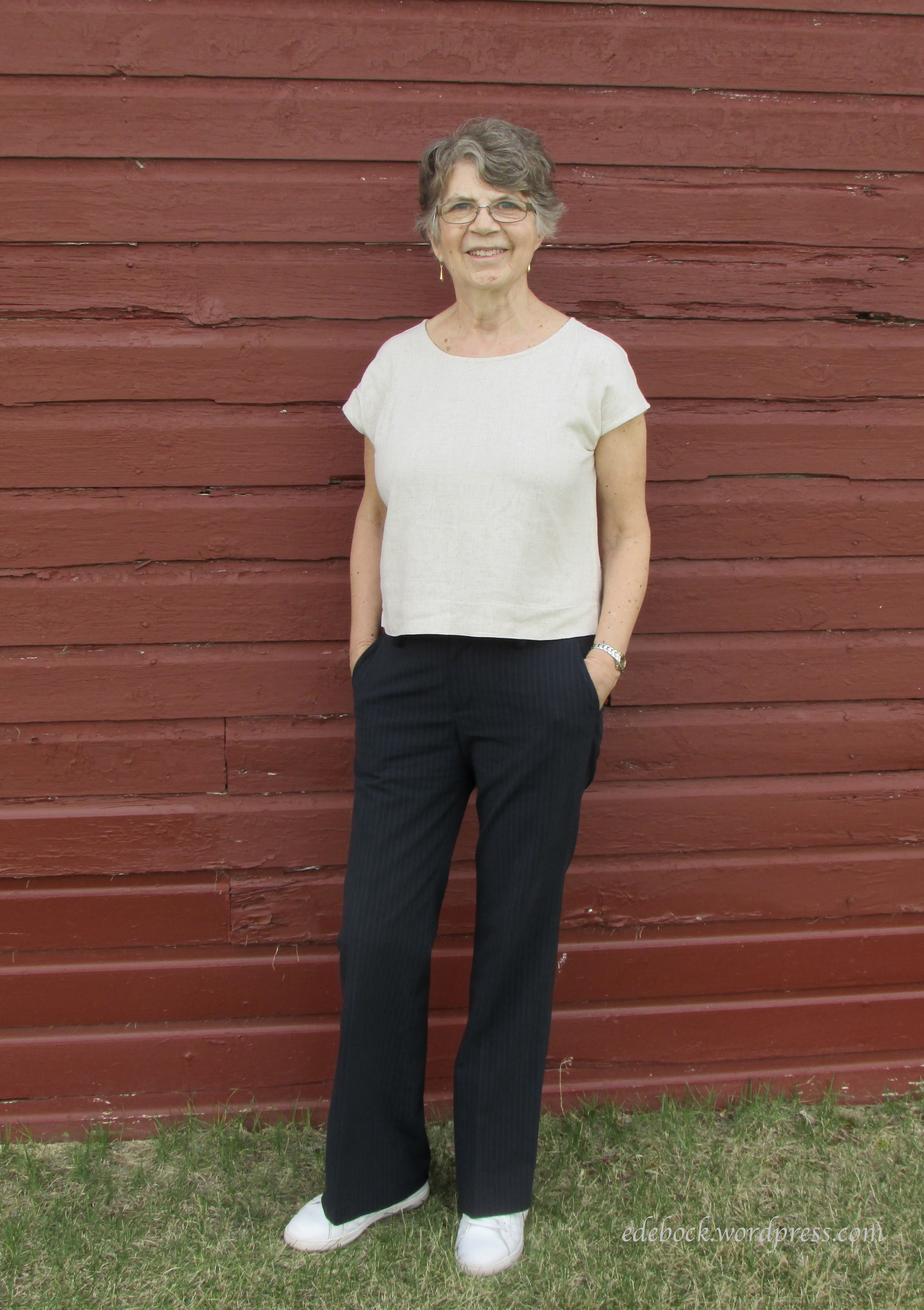
In addition to the jean jacket, thrifted several years ago, my outfit consists of one of the oldest items in my wardrobe as well as the newest. I distinctly remember buying the dark navy pinstriped pants at Uniqlo shortly after our arrival in Japan in 2008. They were a workhorse in my teaching wardrobe that year and again in 2013 when we taught in China, but after that they spent a lot of time hanging in storage. I kept them because they fit well and I really liked them and when wider legs came back in style, I started wearing them again. They’ve appeared on the blog several times in the past year or two. 

IMG_6841

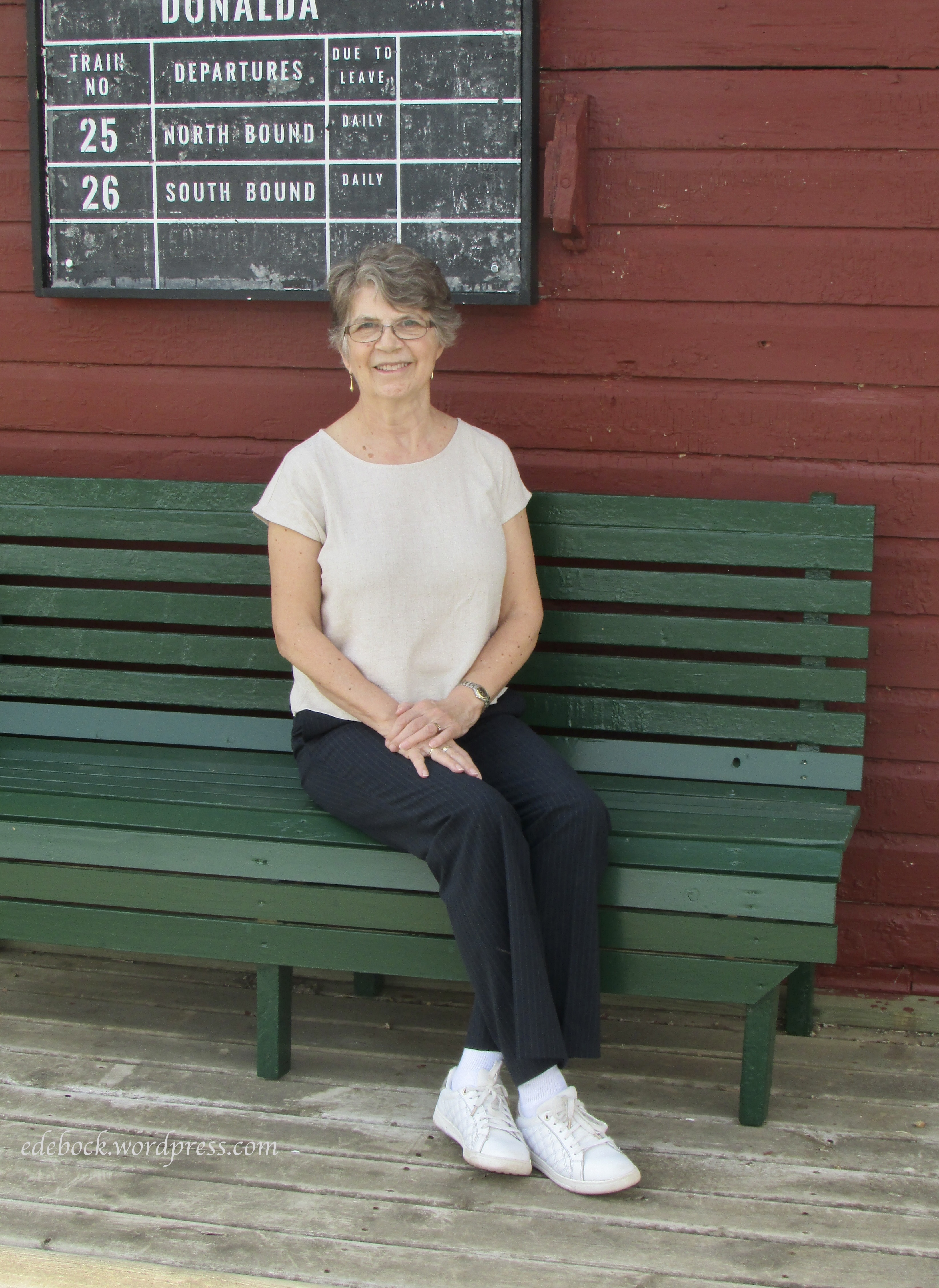
Someone painted the bench in front of the station since the last time we were there, so of course I had to try it out. 

IMG_6850

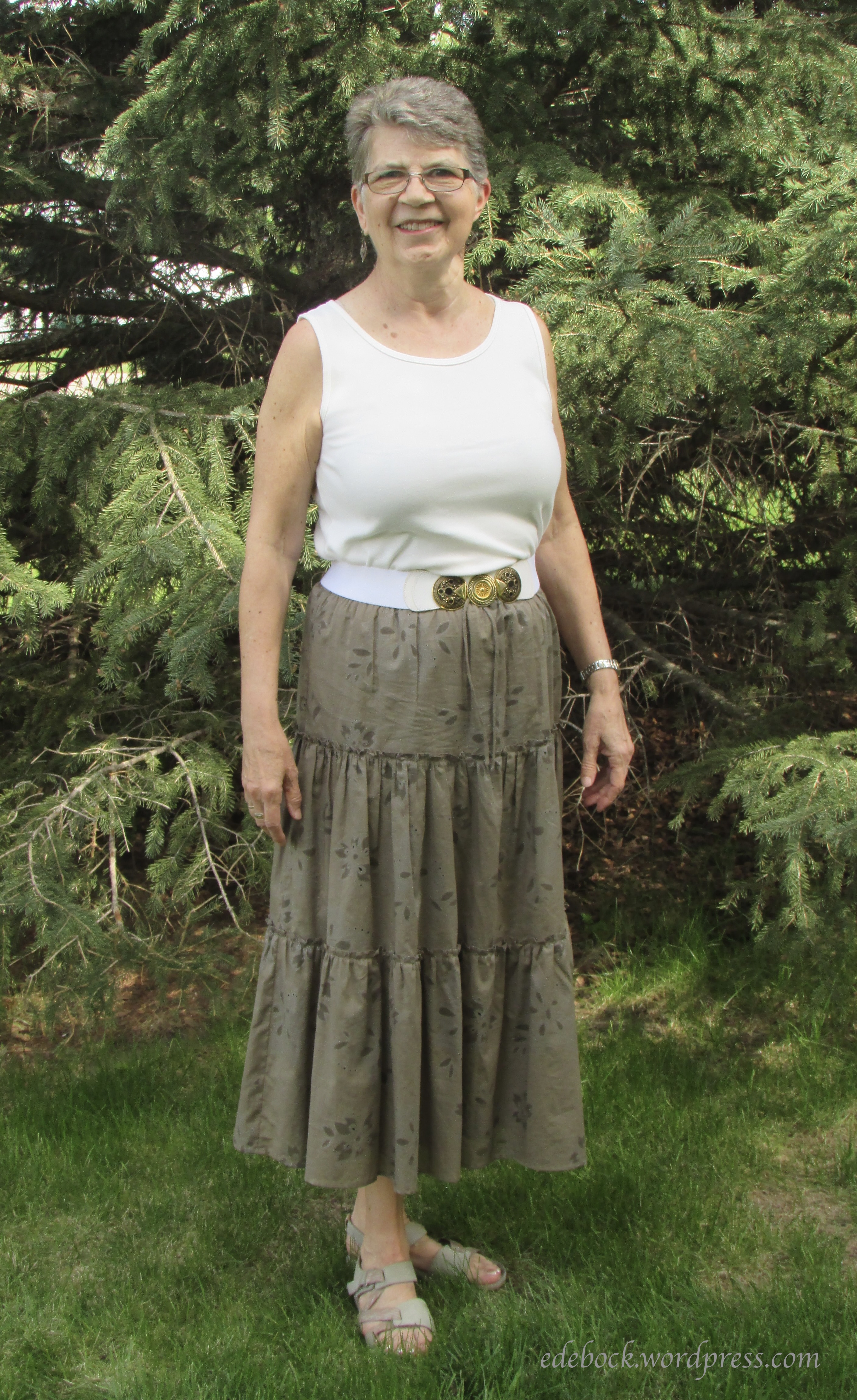
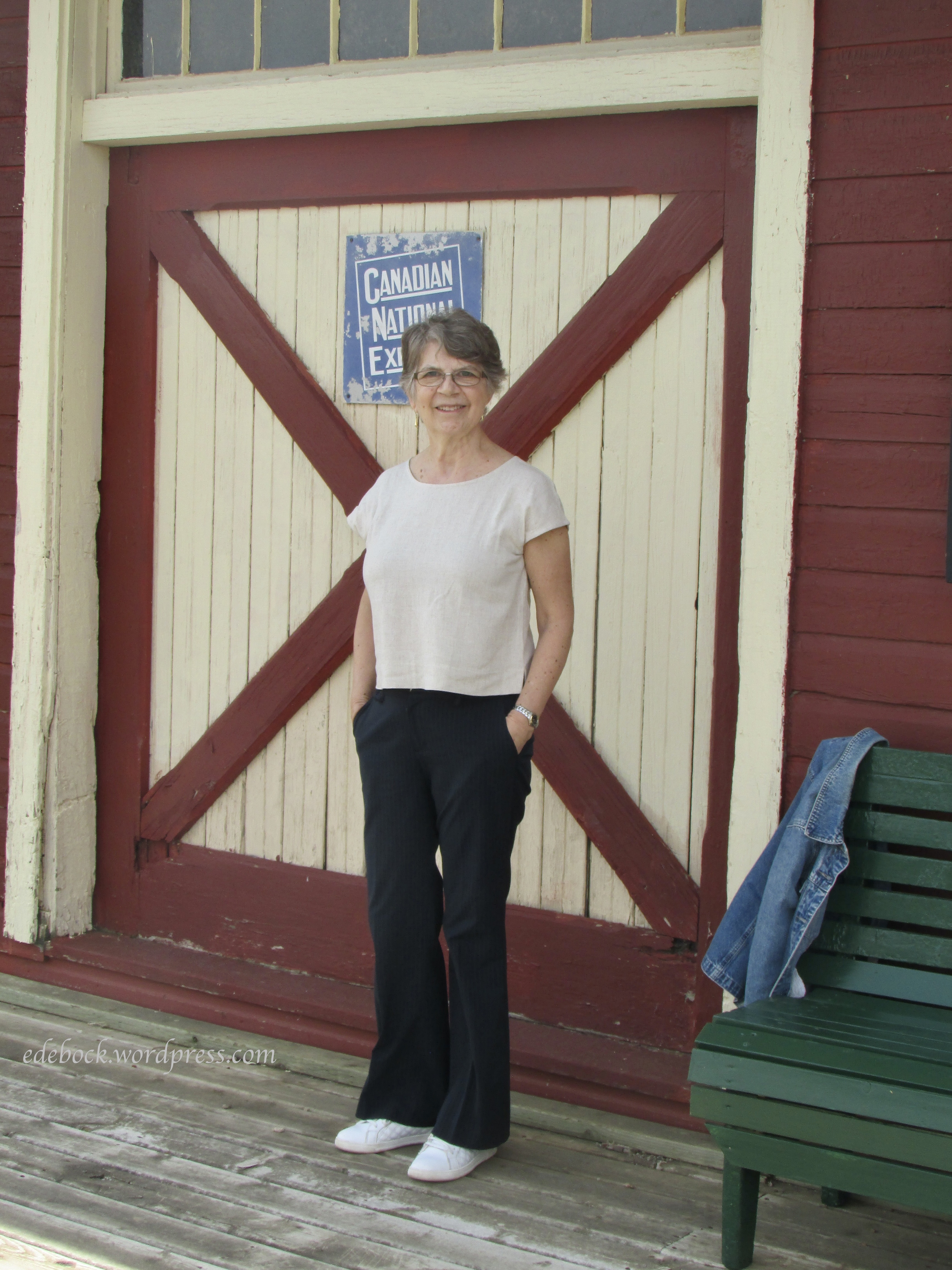
The new item in this week’s outfit is the linen blend top purchased at Sweet Home on Main in Stetter on a recent retreat weekend with several ladies from our church. 

IMG_6854

It was obviously a popular item as two of us bought it and it’s presently out of stock. Simple and versatile, it can easily be dressed up or down and the soft ecru colour is more flattering to my complexion than white would be. I prefer a linen blend to pure linen as it has a similar feel and drapes just as well, but it doesn’t wrinkle as badly. 

IMG_6869

I usually wear longer tops, but I wanted to step outside my comfort zone and try this short boxy style. I just have to make sure that I wear it with high waisted pants and I won’t be raising my arms very high in the air when I’m wearing it. At 71, my midriff isn’t as attractive as it once was! 

IMG_6886 2

And finally, here I am just waiting for my train. Actually, I don’t think one has been by here in a very long time! 

IMG_6875 2


Choosing the right walking shoes

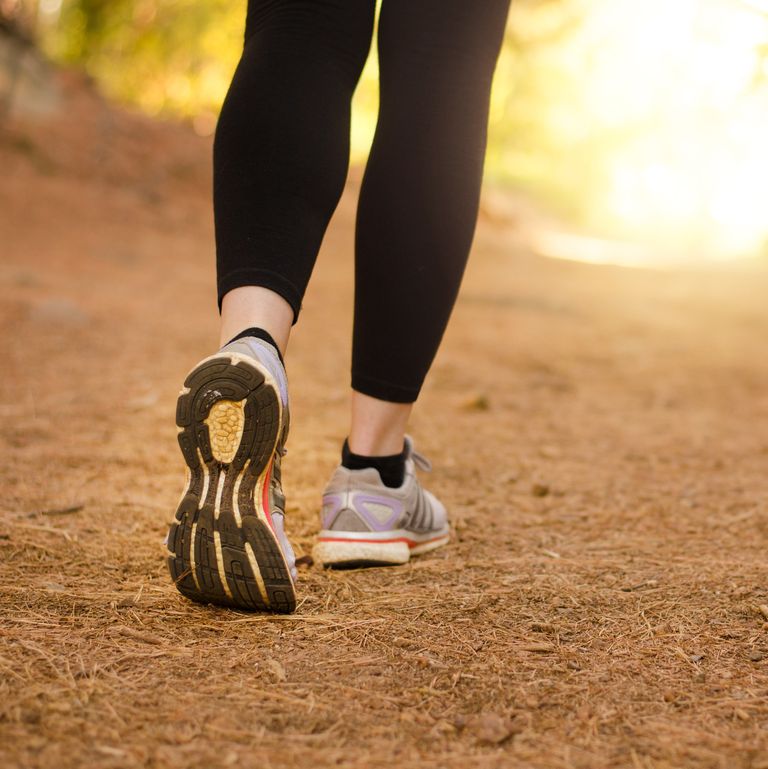
Screenshot 2024-05-09 at 7.40.11 PMAfter writing about my 150 day walking challenge earlier this week and encouraging you to consider joining me, I thought that this would be a good time for a post about how to choose the right walking shoes. If you’re walking in comfy, but well-worn sneakers, you might want to consider investing in a new pair that are dedicated to walking.

The American Podiatric Medical Association recommends replacing your walking shoes every 600 to 800 miles (approximately 950 to 1300 km). Some experts advise replacing them even more often, so be sure to check yours from time to time. If they’re becoming worn or have lost cushioning, it’s time for a new pair. Brand-new, well-fitting walking shoes might even put a bit more spring in your step and encourage you to walk a little farther.

Because feet come in various shapes and sizes, it’s impossible to recommend a specific style or brand that would suit everyone, but there are some tips that can help you find a pair that are right for you. First of all, shop late in the day. Our feet tend to expand a little throughout the day, so it’s best to try on shoes when they’ve swelled a bit. Also think about what kind of socks you’ll wear on your walks. The thickness of your socks will affect how the shoes fit, so take them shopping with you. If you wear orthotics, be sure to take those too. 

Comfort and fit go hand in hand and are by far the most important factors to consider when choosing the right walking shoes. Choose a shoe that is lightweight and breathable. You want it to fit snuggly at the heel and through to the middle of your foot, but it shouldn’t crowd your toes. The toe box should have enough wiggle room for your toes to splay out a bit, but not too much. Make sure that there’s a finger’s width or about half an inch between the end of your longest toe and the front of the shoe. Don’t hesitate to try on several different brands and styles to find the one that is right for you. 

The insole of a good walking shoe should cushion each step and it should feel like it’s adequately supporting the arch of your foot. Look for a uniform level of cushioning, rather than a higher heel cushion. The outer sole should provide adequate traction. 

Check the shoe for flexibility and stability. Hold it by the heel and bend the toe upward. It should bend at the ball of the foot. Grasp it at the heel and toe, then twist. You should feel moderate resistance. 

Finally, take a walk around the store before you decide to buy to ensure that the shoes you choose fit well and are completely comfortable. The old idea that shoes need to be broken in doesn’t apply to walking shoes. 

Good quality athletic shoes can be expensive, but your feet are worth it. You are worth it! Consider these shoes an investment in your well-being. Then get out there and enjoy walking!  

My 150 day walking goal

If you’ve been following my blog for long, you may remember that several times in the past few years I’ve challenged myself to walk or hike a specific distance over the summer months. The first time, back in 2020, I walked as part of a fundraiser for NET cancer research, but after that I recalled how good all that walking felt and how much having a specific goal kept me motivated. Last year, I challenged myself to walk 350 km between May 1 and October 31 and actually exceeded that by approximately 60 km.

Today, recognizing that I’ve been unusually lazy over the past winter and realizing how badly I need to get out and walk again, I decided that I would attempt to walk 300 km between now and my 72nd birthday on October 5, which happens to be exactly 150 days from now. (For my American friends, 300 km is equal to 186.4 miles.) Not only does having a goal motivate me, especially on those days when I’m feeling sluggish or just plain lazy, but being accountable to someone else is another driving force. That’s where you come in and the reason why I’m writing this post! 

walking-for-weight-loss-tips-1588694143-1

So why walk?

Walking has many benefits including:

  • It’s accessible, easy, safe, and free.
  • It reduces stress and decreases symptoms of depression and anxiety.
  • It improves heart health and reduces the risk of cardiovascular disease.
  • It increases blood flow and therefore improves energy levels.
  • It improves blood pressure and cholesterol levels.
  • It reduces the risk of some cancers.
  • It boosts the immune system.
  • It helps prevent the onset of Type 2 diabetes (which I already have).
  • It burns calories.
  • It promotes more restful sleep.
  • It improves flexibility and helps ease chronic pain and stiffness.
  • It improves brain function.
  • It’s a weight bearing exercise that reduces the risk of osteoporosis.
  • It has even been linked to longer life expectancy!

If you’d like to partner with me, I’d love to share this walking challenge with you. Just choose a distance that you think is reasonable for you and share it in the comment section below.

There are several ways to measure the distance that you walk. In and around town, I use MapMyWalk which allows you to create and save routes that you use regularly. All Trails gives information and distances for trails around the world and I use a handheld Garmin GPS to measure unmarked hiking trails. 

Your most valuable accessory

What is your most valuable fashion accessory? I would suggest that it’s not an expensive piece of jewelry, a silk scarf, or an amazing pair of shoes. No, I would say that it’s your smile!

100-Smile-Quotes-That-Are-Sure-to-Get-You-Grinning-4

Image: Reader’s Digest

A smile has a way of lighting up a room and making everyone feel welcome. It brightens your face and makes you appear more confident, friendly and approachable. In fact, the first thing we notice about a person is seldom the clothes they’re wearing. Several years ago, a survey for USA Today found that 47% of respondents chose a great smile as the feature that most attracted them to another person. Their eyes came second at 31%.

Apparently, smiling can have profound impact on your mental and physical health too . The simple act of smiling can improve your mood, reduce stress, boost your immune system, and help improve cardiovascular health by lowering blood pressure. What’s not to like about that?

Smiling is also contagious. During the year that we lived in Japan, I didn’t speak the language. I wasn’t able to converse with many people, but I made a point of smiling at everyone I passed. The reactions were interesting. Known as a publicly reserved people and especially shy about interacting with foreigners, many looked startled and some quickly looked away, but many faces lit up and smiled back at me. I liked to think that I added a moment of warmth to their day as they had done to mine. After all, a smile is the same in any language!

So, next time you go out, don’t forget to wear your most valuable accessory, your smile!

Logo

Book of the month – April 2024

The gift shop at the Cross Cancer Institute in Edmonton where I go for most of my cancer care sells gently-used books. From time to time, they hold a giant book sale in the main lobby where the books sell for $1 each. When we arrived for my last appointment with time to spare, such a sale was underway, and that’s where I found this month’s book.

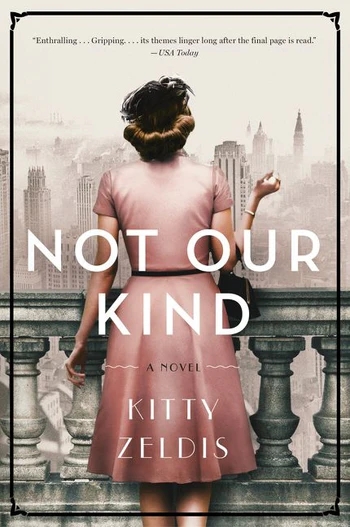
Not Our Kind

Kitty Zeldis

9780062844248_7102f355-50a2-4a5c-86b0-7389e84225aaNot Our Kind is the story of two very different women whose lives intersect on a rainy morning in June, two years after the end of World War II. A minor traffic accident in New York City brings together Eleanor Moskowitz, a bright young teacher on her way to a job interview, and Patricia Bellamy, a socialite whose difficult thirteen-year-old daughter, Margaux, recovering from polio, needs a private tutor. When Eleanor goes to work for the Bellamys, she forms an immediate bond with Margaux, but because they live in a restricted building, she has to conceal her Jewish identity.

Patricia’s boorish husband, her charming bohemian brother, the all-knowing housekeeper, and Eleanor’s hat maker mother round out a cast of interesting characters.

The story raises a number of issues including class distinctions, marital discord, sexual assault, and body image but deals with them somewhat superficially. We do get a sense of the anti-Semitism that pervaded post war America and I can’t help wondering how much that has really changed.

I would classify this novel as a light historical read with an added element of romance; not a deep read, but an enjoyable one.

My Fashion Revolution Week projects

LogoTo upcycle is to recycle or reuse something in such a way that the resulting product is of higher quality or value than the original. Upcycling clothing involves taking old or unwanted garments and turning them into something new and unique. Technically, my Fashion Revolution Week projects might better be referred to as minor alterations as opposed to upcycling, but whatever we choose to call them, the result is two items of clothing that I hadn’t worn for a long time are now back in circulation. 

img_5508-2

The first was this blouse that I bought about six years ago. It originally had bell sleeves, a trend that I didn’t expect to last very long. I loved the colour and the fit though, and since it was on sale for less than $20, I decided to buy it anyway. I knew that I could easily remove the bells at a later date. I did that a couple of years ago and started to wear it again, but that didn’t last. When I did my recent closet cull, I was going to add it to the donate pile, but I tried it on again and discovered that I still really liked the colour and the fit. So, why wasn’t I wearing it? What was it that caused me to leave it hanging in the closet? The sleeves still weren’t right. The length was awkward and they made my wrists look even skinnier than they really are. I could have tried shortening them a little more, but I wasn’t sure that that would help. Instead, I decided to try my hand at ruching, a sewing technique that I’d never tried before. I took a look at this tutorial first and it didn’t look too difficult.

IMG_6828

I added a decorative button to each sleeve and I’m happy with the results.

IMG_6831

The second item was this denim shirt from cabi’s Fall 2016 Collection. I wore it quite a bit in the past and have always liked everything about it except the ties. I never knew quite what to do with them.

IMG_6808 3.47.31 PM

The collar and ties were all one piece of fabric, but it shouldn’t be too difficult to cut them off and turn the edges under to form a stand-up collar, I thought. 

IMG_6811

No more silly ties and again, I’m very happy with the results!

IMG_6818

And now it’s time to go back to my closet and start switching over to my spring/summer wardrobe!


Fashion Revolution Week

Logo by SamFashion Revolution is a not-for-profit global movement that was founded by British fashion designers Orsola de Castro and Carry Somers following the collapse of the Rana Plaza garment factory in Bangladesh on April 24, 2013 that killed 1,134 people and injured another 2,500. Fashion Revolution campaigns for a clean, safe, fair, transparent and accountable fashion industry; one that that conserves and restores the environment and values people over growth and profit. Over the past ten years, it has grown to become the world’s largest fashion activism movement, mobilizing citizens, brands and policymakers through research, education and advocacy. Every year, they organize Fashion Revolution Week in April, but this year’s campaign is marking a decade of active campaigning with ten days of action running from April 15 to 24.

433469133_424161200263956_5310705543677909198_n

I don’t consider myself a fashion activist, but I do believe that everyone has a part to play in building a fashion industry that puts people and the planet first. Until our our clothing is made in safe, clean, and fair ways, we’re all part of the problem.

Those of us who live in North America have little choice but to buy clothes that are produced overseas and it’s virtually impossible to find out whether they are made in sweatshops where workers are exploited and forced to work in unsafe conditions or manufactured in socially and environmentally responsible factories. So, what can we do? How can we be part of the solution instead of the problem?

Overconsumption has become a huge problem. Apparently, the number of clothes that the average consumer purchased between 2000 and 2014 increased by 60 percent and those clothes tended to kept about only half as long as in the past. Individually, we can do our part by buying less and choosing quality over quantity. After all, how much do we really need hanging in our closets? At least one of the fashion bloggers that I follow has committed to The Rule of 5, planning to buying no more than five new fashion items this year. She’s decided to explore second-hand shopping which, as you know, is one of my favourite ways to add to my wardrobe.

427688654_401397839206959_3748741648498203248_n

Another way that we can take action is to extend the life of our clothing by learning to mend, repair, and upcycle. In cities around the world Fashion Revolution activists are planning to come together in public spaces tomorrow to work on personal mending projects while drawing attention to the goals of the movement. That reminds me that I still have two pieces set aside from my recent closet cull waiting for some simple upcycling. Though I won’t be doing it in a public place, perhaps that should be my Fashion Revolution Week project.

Debunking common cancer myths

Penn Medicine

Image: Penn Medicine

The post that I recently wrote about what not to say to someone with cancer clearly resonated with a lot of people. In fact, it rapidly became one of my most read posts of the past year.

As I thought about the things that people say and particularly the advice that is often given, I realized that much of it is the result of common myths and misconceptions that people have accepted as truth. As a result, I decided to write a companion piece to try to debunk some of those popular cancer myths.

The internet, and social media in particular, have been responsible for spreading vast amounts of dubious or misleading information as well as much that is entirely false, but cancer myths existed long before the advent of the internet. In the early 1980s, when our daughter was dying of leukemia, I was told by a well-intentioned gentleman that I simply needed to boil up some spruce needles and give her the resulting tea to drink and she would be fine! That may not be one of the more common myths, but it is the kind of miracle cure that cancer patients are routinely advised to try. According to this study from a few years ago, almost 40% of Americans believe cancer can be cured solely through alternative therapies.

So, without further ado, here are 12 popular beliefs about cancer that are not true.

Sugar feeds cancer and makes it grow faster.

All cells in the body, both healthy and cancerous, depend on glucose, a type of sugar, to function. There is, however, absolutely no scientific evidence showing that eating sugar will make cancer grow or spread more quickly or that cutting out sugar will slow its growth or prevent the disease. This is not to say that there is no connection between sugar and cancer. Consuming too much sugar causes weight gain and obesity does increase the risk of developing certain cancers.

Artificial sweeteners cause cancer. 

According to the National Cancer Institute, questions about artificial sweeteners and cancer arose when early studies showed that cyclamate in combination with saccharin caused bladder cancer in laboratory animals. Further studies, however, including one with more than half a million participants, found no evidence that artificial sweeteners increased the risk of cancer or posed any other threat to human health.

An acidic diet causes cancer and an alkaline diet cures cancer.

Although it’s true that cancer cells can’t live in a very alkaline environment, neither can any other cells in our body. While our blood may become slightly more acidic or alkaline after eating certain foods, it will not remain that way for any meaningful amount of time. Our kidneys ensure that our blood stays in its healthy, slightly alkaline range. If or when our blood becomes too acidic or too alkaline, our body automatically eliminates the excess through our urine. A healthy balanced diet, with lots of fruits and vegetables, plenty of whole grains, and healthy sources of protein, can help maintain a healthy body weight and reduce the risk of cancer, but there is no evidence to show that diet can significantly change our body’s pH, or that a diet of a certain pH has any impact on cancer.  

Cancer is a fungus and can be cured with baking soda. 

No, cancer is not a fungus! Scientists have proven that cancer begins when mutations within our own cells cause them to grow in an uncontrolled way. Oddly though, even if cancer were a fungal infection, baking soda (sodium bicarbonate) wouldn’t be an appropriate or recommended treatment. In fact, high doses of sodium bicarbonate are poisonous and can lead to very serious consequences.

Herbal medicines can cure cancer.

There is no evidence that herbal medicines can effectively treat or cure cancer, but certain complementary and alternative therapies, such as acupuncture, meditation, and yoga, are known to help with the psychological stress associated with cancer and some of the side effects of its treatment.

Plastic bottles and containers cause cancer. 

Reducing the use of plastics definitely has environmental benefits, but it will not affect your cancer risk. Drinking from plastic bottles (including those that contain BPA) and using plastic containers and bags to store food have not been proven to cause cancer. Although studies have shown that certain chemicals in plastics may end up in the things we consume, the levels are very low and within a range considered safe for humans. This is even true in experiments where plastics are heated for many hours at a time.

5G, wifi, cell phones and power lines cause cancer. 

Behind these myths, which I’ve lumped into one, is the misunderstanding that these emit radiation that can damage DNA and cause cancer. High energy radiation (often called ionising radiation), such as UV rays from the sun, do indeed release enough energy to damage DNA, but these technologies transmit radio frequency radiation (non-ionising), which is very weak in comparison. It doesn’t have enough energy to damage DNA or cause cancer. 5G, wifi, and mobile phones are still relatively new technologies so long term effects can’t be completely ruled out and research is still ongoing. At this point, however, several large-scale studies in people have been conducted and have found no clear evidence that these technologies cause cancer. Cell phone use has risen dramatically over the last few decades, with billions of people now using them around the world, and yet no significant rise in the rates of conditions such as brain, thyroid or salivary cancers has been observed.  

Microwaves cause cancer. 

Just like cell phones, microwaves emit non-ionising radiation that is too weak to damage DNA and cause cancer. Despite some common misconceptions, microwaves do not make your food radioactive and it’s safe to stand in front of the microwave oven while your food is heating.

Deodorants cause breast cancer.

This popular myth probably grew out of the fact that women are asked not to wear deodorants or antiperspirants when they go for mammograms. That’s because deodorants and antiperspirants contain aluminum which can mimic calcium on an X-ray or mammogram and interfere with the test results. Studies so far have found no evidence linking the chemicals typically found in antiperspirants and deodorants with changes in breast tissue or an increased risk of breast cancer.

Attitude affects cancer outcome. 

There is no scientific proof that a positive attitude gives you an advantage in cancer treatment or improves your chance of survival. It does, however, improve your quality of life during cancer treatment and beyond. People with a positive attitude are more likely to stay active and maintain social connections that provide the emotional support they need to cope with their cancer.

Cancer spreads when exposed to air during surgery or biopsy. 

There is absolutely no evidence that exposing a tumour to air causes it to grow more rapidly or to spread to other parts of the body. The chance of surgery causing cancer to spread is extremely remote and surgeons take many precautions to prevent this from happening. The reality is that many cancers are aggressive and will spread. This is because of the biology of the cancer, not because of a biopsy or surgery.

The cure for cancer already exists, but the pharmaceutical companies are keeping it secret.

First of all, cancer is really more than 200 different diseases. There is not, nor will there ever be, a one size fits all cure. In spite of this fact, the claim that a cure for cancer has actually been found and is being suppressed by pharmaceutical companies who make money off the disease is a popular one. Logic would say, however, that it would be in the best interest of those pharmaceutical companies to reveal such a cure if it actually existed because huge sales of the antidote would be sure to follow. It’s also important to remember that doctors, medical researchers, and the people who work for pharmaceutical companies also get cancer. Their loved ones get cancer. The idea that they would intentionally withhold a cure from their own loved ones is rather difficult to believe. Surely someone who is part of that nefarious plot would break and the secret would be out of the bag!

This is by no means an exhaustive list of all the cancer myths that are out there, but I’ve tried to address the most common ones. You many not agree with everything I’ve said, but please know that if you disagree, you will also be disagreeing with many of the primary cancer organizations around the world and the researchers that they support.

Why volunteer?

April 14-20, 2024 is National Volunteer Week in Canada, a time to recognize and celebrate the impact of the country’s 24 million volunteers who share their time, skills, empathy, and creativity for the well-being of others.

But why volunteer? What are the benefits of giving of your time and energy for the sake of others?

One positive result of volunteering is an increased sense of purpose and satisfaction. Studies actually show that volunteering triggers the mesolimbic system, the portion of the brain responsible for feelings of reward. The brain releases feel-good chemicals like dopamine, spurring a person on to perform more acts of kindness. Psychologists call this “helper’s high.”

For those of us who are retired, this aspect of volunteering can be especially beneficial. “A strong sense of purpose is always in my top five secrets of healthy aging,” says Scott Kaiser, MD, a board-certified geriatrician and director of geriatric cognitive health for the Pacific Neuroscience Institute. “Having a reason to get up in the morning is extremely powerful.”

Research presented at last year’s Alzheimer’s Association International Conference also found that volunteering later in life may protect the brain against cognitive decline and dementia. Those who volunteered demonstrated better memory and executive function. Volunteering can also be a social activity; an opportunity to build connections with other people who have similar interests.

In his later years, my father always said that there are no end of things to do as long as you don’t have to be paid for doing them and I have found that to be very true. My only problem is ensuring that I don’t overextend myself and take on more than I can reasonably handle.

But what if you haven’t volunteered before? How do you get started? First, think about your skills, abilities, and passions. What are you good at? What excites you? Next, look for opportunities that align with these things. These might be found in your church, in community organizations, or ever further afield. Sometimes it’s just a matter of taking that first step!

For example, teaching and writing are my gifts. These are the things that energize me. In the past, children’s ministries were an obvious area where my abilities could be put to good use. I taught Sunday School, counselled at summer camps, and assisted with after school programs and Vacation Bible Schools. While I still love kids, I don’t have the energy level that I once had, so working with adults has become a better fit. I lead a ladies Bible and also volunteer as a tutor with a local literacy program. As I’ve mentioned on the blog before, I’m also a volunteer editor for Kiva, an online lending program that crowdfunds loans to borrowers around the world who don’t have access to traditional financing. This has the advantage of being done online and while I’m committed to editing a minimum of 40 loan descriptions a month, I can do it whenever I choose.

Still not sure? Don’t be afraid to step outside your comfort zone and try something new. Several months ago, I volunteered to be part of a CNETS (Canadian Neuroendocrine Tumours Society) Advocacy Advisory Board, hence my recent trip to Montreal. We’re still in the learning and planning stages, so I don’t know exactly how my skills will be put to use, but as a NETS patient this is something that I’m passionate about, so I took a leap.

As my father said, there are no end of opportunities. Hospitals need volunteers to assist patients, their families, and staff. Food banks need volunteers to prepare and distribute food hampers. Drivers are needed to deliver meals to shut ins. Schools often welcome volunteers to help in a variety of ways. A volunteer even gave me directions at the airport last week!

NVWDigital Banner

What I packed for the conference

Logo by SamLast weekend, I had the privilege of attending and participating in a three day Canadian Neuroendocrine Tumour Society (CNETS) conference in Montreal. Prior to going, I thought a lot about what to pack. Retired for more than a decade, I no longer have a professional wardrobe and I certainly wasn’t going to go shopping for clothes that I likely wouldn’t use again. Since most of my wardrobe is what I would categorize as classy casual, I shopped my closet and carefully chose outfits for each day. Most, if not all of the clothes have appeared on the blog before.

1

I left my photographer at home, so I had to resort to taking selfies using the full length mirror that was tucked into the corner of my lovely room in the Fairmont Queen Elizabeth hotel in downtown Montreal. I clearly should have taken all the photos after dark when the lighting worked better for photography, but I’ve done my best to manipulate the remaining photos so that you can see what I wore.

For traveling, I like to be warm and comfy, so I chose my new striped sweater, jeans, and a very comfortable pair of white sneakers. My plane was delayed for four hours by a nasty snowstorm, so it was cold, wet, and very blustery when I finally arrived in Montreal. My bright red Calvin Klein jacket served me well and while you can’t see it hidden behind my coat, I carried my favourite travel purse which is very lightweight and large enough to carry any extras that I might need while traveling or exploring.

IMG_20240405_170913854

Day 1 was a learning and working day for a small group of us from across the country who are part of a newly formed CNETS Advocacy Advisory Board. While we had already met online several times, this was our first face to face get together.

The colours in the photo above are particularly bad, so I recreated my outfit below to give you a better look. I wore a semi dressy pair of navy pinstriped pants, one of the few items in my wardrobe that are left over from my teaching days. Now that wide legs are on trend again, they’re back in style! A sleeveless cabi top and a cardigan, also from cabi, completed the outfit. I was especially glad that I’d chosen to wear the cardigan, a workhorse in my wardrobe, as our meeting room was quite chilly, especially first thing in the morning. I’m also glad that sneakers go with anything these days!

IMG_6805

Day 2 was a medical and scientific meeting. With the exception of those of us on the advocacy board who were asked to attend, this was a day for medical professionals who care for neuroendocrine patients. It took place last Saturday, so I wondered if the participants would dress professionally or, since it was a day off for them, would they dress more casually? Not having an answer to this question in advance, I wondered how I should dress.

IMG_20240406_080610918

Again, limited by what’s in my closet as well as my desire to be comfortable while sitting for many hours trying to absorb the information that was being presented, I chose carefully. I wore dark brown corduroy pants, the sleeveless animal print top that I recently featured here, and the same cardigan as the day before. As you can see, I did fit a second pair of shoes into my tiny suitcase. While most of the participants were dressed quite professionally, I didn’t feel out of place in this outfit.

Day 3 was a national patient conference available both in-person and online. For that day, I simply added a necklace to my travel outfit. It’s mostly hidden behind my phone in the photo!

IMG_20240407_075640862_HDR 2

In addition to what I’ve shown you here, another important item in my suitcase was my swimsuit. I seldom travel without one. After long days soaking up information about everything from how treatments and medications are approved and why it takes so long for them to go from being developed to becoming accessible to patients to disparities in cancer care to new developments in research to NET cancer pathology and treatment, my brain was on overload and I much appreciated the opportunity to unwind in the hotel hot tub and sauna on two of the evenings while I was there.

I would definitely give myself a high mark for packing on this trip. Everything I needed fit easily into my teeny tiny carry-on and I felt completely at ease in everything I wore. Definitely a win!