Hello snow! It’s time for boots!

Logo by Sam

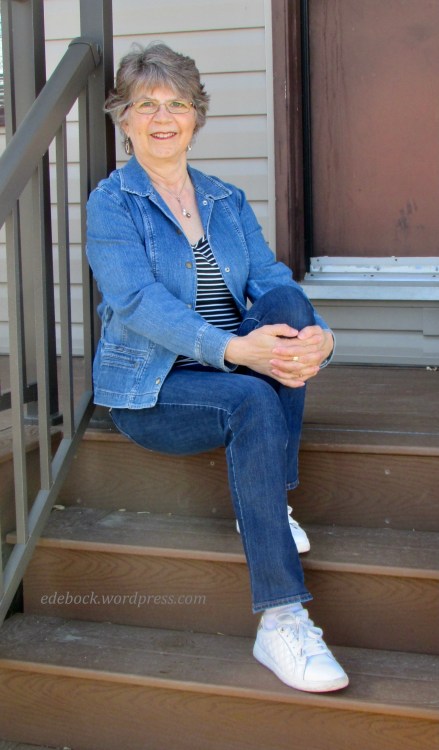
Here on the Canadian prairie, boots are more than just a fashion item. Winter arrived all of a sudden early last week. With it came snow and temperatures as low as -30ºC (-22ºF).

IMG_0501

IMG_3623

The snow is pretty, especially when the sun is shining on it, but boots are absolutely essential! So, is six pairs of winter boots enough, or should I add another pair? That is the question!

Let’s take a look at my present collection.

IMG_4891

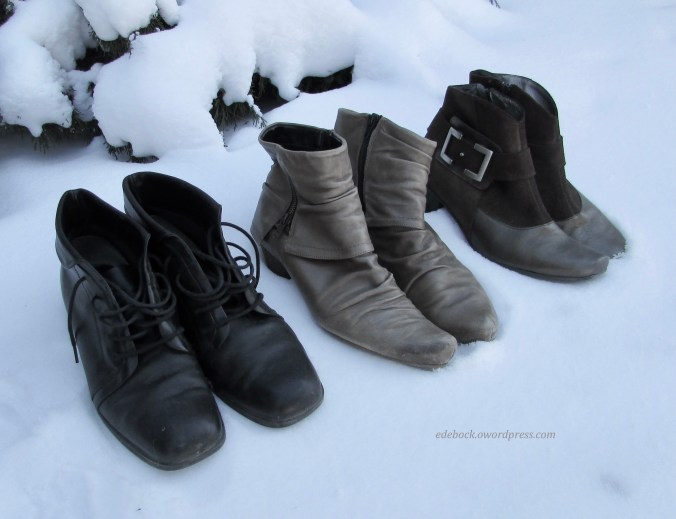
Two pairs of tall boots by Taxi, identical except for colour. The first time I wore my previous pair of tall winter boots out into the snow in November of 2019, I discovered that they leaked. Wet feet at subzero temperatures is more than uncomfortable; it’s dangerous. I knew that I needed to replace them, but since I live 85 km (53 miles) from the closest shoe store, I decided to check one of our local second-hand stores on the off chance that they might have something in my size. That’s when I found the brown pair. They were like new and now, going into their fourth winter, they’re still in very good condition. They’re comfortable, stylish, and reasonably warm and perhaps best of all, the elastic panel at the back means that they fit my slim calves. Last winter, I decided to keep my eye out for something similar in black and eventually I lucked out again when I found the exact same pair in black, also second-hand! Score!

IMG_4892

These three pairs of ankle boots, two also bought second-hand, are really just for show. They have smooth outer soles that don’t provide traction on ice and snow, the insoles aren’t cushioned for comfortable walking, and they don’t have warm linings. I love them, but they aren’t practical for spending much time outdoors in the depth of our winters.

IMG_4896

Then there’s this rugged old pair. And I do mean old! I distinctly remember buying them while on a high school basketball trip with my youngest son when he was in grade 11 or 12. That was over 20 years ago! In fact, he now has a daughter in grade 8! Although I used to wear them a lot, I pretty much only use them for snowshoeing now.

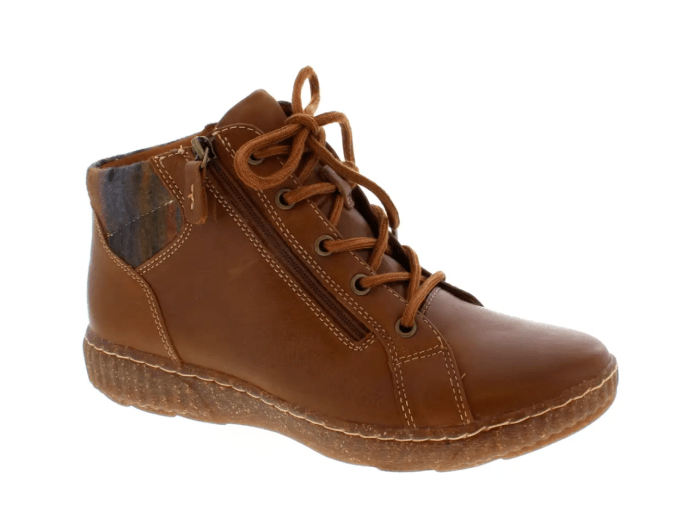
So, with six pairs of winter boots, why would I be thinking about buying more? That’s easy! I don’t have a pair of warm ankle boots that are safe and comfortable to do much walking in. The old rugged ones used to serve that purpose and perhaps they’d still do if I added a pair of comfortable insoles, but I’m thinking that I might want something a little more attractive and in style. Vanity, I know! I’ve been thinking about something like these

Screen Shot 2022-11-09 at 8.42.44 PM

these

Screen Shot 2022-11-09 at 10.05.09 PM

or maybe these.

Screen Shot 2022-11-09 at 10.00.41 PM

bigstock-Remembrance-Day-Lest-We-Forget-1

How to dress for confidence

Logo by SamIn last Friday’s post about fighting invisibility with fashion, I wrote that we should wear what makes us feel confident, but how do we do that? To begin with, let’s think about what we mean by confidence. An article in Psychology Today, defines it as “a belief in oneself, the conviction that one has the ability to meet life’s challenges and to succeed – and the willingness to act accordingly.” It went on to say that projecting confidence helps us gain credibility, make strong first impressions, deal with pressure, and tackle personal and professional challenges. It also helps put other people at ease. So, what does all this have to do with how we dress?
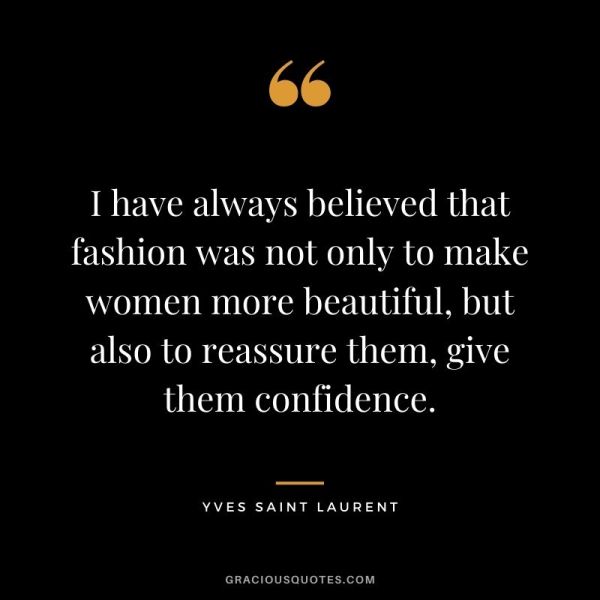
I-have-always-believed-that-fashion-was-not-only-to-make-women-more-beautiful-but-also-to-reassure-them-give-them-confidence.-1

When you know that what you’re wearing looks good, it’s empowering. It gives you a sense of confidence and strength. It makes you feel like your best self and helps you hold your head a little bit higher. In psychology, this idea that what we wear influences who we are or how we think, act, or feel is called enclothed cognition.

Style confidence is something you can learn. Here are ten tips to help you dress confidently:

1.  Know which colours look best on you. 

Knowing whether your skin has cool or warm undertones can help in choosing the colours that are best for you. An easy way to figure this out is to look at the veins on the inside of your wrist. Do they look blue or green? If they appear more blue, you are cool-toned; if they’re more green, you’re warm-toned. The study of colour can be a complex one, but essentially, if you are cool-toned, take your inspiration from the cool end of the spectrum. Bright blues, deep purples, emerald greens, and frosty shades of lavender, ice blue, and pink will look good on you. If you’re warm-toned, look to the warm end of the spectrum for your best colours. Think fiery reds, peach, coral, oranges and rusty tones, creams, camel, and earth tones.

2.  Know your body type.

female_bodytypes

While exercise and healthy eating can make some difference, your body shape depends largely on genetics and skeletal structure. A quick search online will result in many videos and articles to help you dress to flatter your unique shape. Designer, Justine Leconte, created a video series on this topic several years ago. You can find the introductory video here and then go from there to explore your own body type.

3.  Emphasize your best features and play down your least favourite. 

This tip goes hand in hand with the previous one. Once you’ve identified your body type, consider which of your features you’d like to highlight and which you’d prefer to draw attention away from. For example, if your waistline is one of your best features, you may want to show it off by tucking in your top and wearing an eye-catching belt. I, on the other hand, have a rectangular body shape with very little definition at the waist. Add the thickening of that region that invariably seems to come with age, and that’s a part of my body that I’d rather not emphasize.

4.  Know your personal style. 

Style is how we personalize what the fashion industry produces. One way to identify your personal style is to choose 3 to 5 adjectives to guide your fashion choices. Check here for an exercise that will help you do that. Pinterest is another excellent tool to help you identify or clarify your own style. This post will show you how that works.

5.  Dress for the occasion. 

When it comes to clothing, we seem to have become an anything goes society, but you will definitely feel more confident when you dress appropriately. That doesn’t mean following a bunch of archaic fashion rules, but simply being sensitive to the occasion and the location. For example, if you’re going to a job interview, find out what type of company it is and what the work environment is like, then dress accordingly. For any event, when in doubt, I recommend erring on the dressier side.

6.  Wear what you feel most comfortable in. 

I mean that literally. If you find walking in high heels uncomfortable, choose flatter shoes. If a particular fabric is uncomfortable against your skin, avoid it. If something feels too tight, don’t wear it. In my opinion, comfort is key to feeling good in what we wear.  As far as styles go, while I encourage you to step outside your comfort zone and try new looks, if something is going to make you feel self-conscious or uncomfortable, don’t wear it.

7.  Get rid of clothes that make you feel second-rate. 

If there are pieces in your closet that don’t fit, aren’t the right colour for you, don’t suit your body type or your personal style, or that make you feel uncomfortable, now is the time to move them out! Reserve the space in your closet for things that make you happy.

8.  Don’t try to copy someone else or be someone you aren’t. 

Don’t compare yourself to others or try to copy them. Take inspiration from women whose style you admire, but be yourself. Mimicking someone else won’t give you the confidence you’re looking for.

9.  Don’t be so hard on yourself. 

What do you say to yourself when you look in the mirror? What negative thoughts do you repeat about yourself? A woman who values herself accepts and appreciates who she is, including her imperfections, so stop beating yourself up! Instead, practice positive and respectful self-talk.

10.  Wear what you love, not what anyone else tells you you should wear. 

Shopping with friends can be a lot of fun, but their taste might be different than yours. Consider their advice, but resist buying something that they like unless you know that it’s actually right for you. Similarly, don’t let the fashion industry dictate what you wear. As I said in my last post, wear what makes your heart sing!

Fighting invisibility with fashion

Logo by SamIf you haven’t read the first two instalments of this series about age related invisibility or Invisible Woman Syndrome, you can find them here and here. Today we’ll bring the series to a close by looking at how style can help us be more visible.

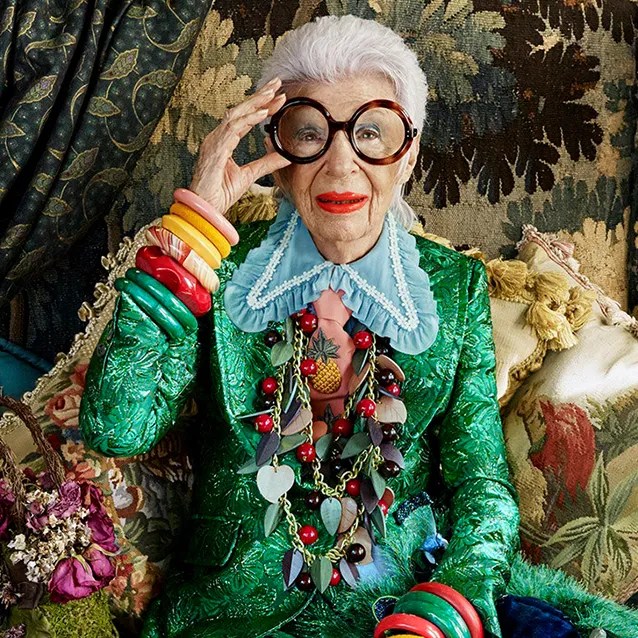
We could dress like 101-year-old style icon, Iris Apfel, but that might not be our best option!

Iris_Apfel_638x638_V1

Instead, let’s begin by thinking about style adjectives. What do you want your appearance to say about you? I’m sure you wouldn’t pick words like old, tired, or boring. No! Instead, we want to tell the world around us that we are current, confident, approachable, and comfortable with who we are. So, how do we do that?

Notice that I didn’t include words like young, youthful, or trendy. We want to be noticed for who we are, not for trying to be something we’re not. Those of us who’ve been around for 50 years or more are never going to be young again, nor do most of us want to be, but great style is possible no matter how old you are. Pay attention to trends, but add them to your wardrobe judiciously. Stay abreast of what’s modern, fresh, and relevant, but consider adding bits that are on-trend to an otherwise classic wardrobe.

Vibrant, visible women ignore so-called fashion rules and dismiss antiquated ideas of what’s “age-appropriate”. Instead, wear what makes you feel confident and present. Wear what makes your heart sing! When you do that, you’ll walk into a room with a bounce in your step and your head held high and people will notice. Being visible is about more than what you wear; it’s about attitude!

Don’t be afraid to wear colour. Neutrals might form the core of your wardrobe, but you don’t want to look drab. Even a small pop of colour can add interest and visibility to an outfit. Just make sure that you know which colours suit your skin tone and wear those close to your face.

Play with accessories. A statement necklace, an interesting bracelet, a colourful scarf, or a unique handbag will help you stand out.

Finally, wear a smile! It’s an inexpensive fashion accessory that’s available to everyone! Research has actually shown that people who smile regularly appear more confident and are more likely to be approached by others.

smile

And it doesn’t cost a cent!

New red coat

Logo by SamToday’s Fashion Friday post is later than usual because we’ve been having internet woes. Fortunately, they appear to have been resolved, at least for the moment, so let’s get this out there before something goes wrong again!

After writing about second-hand shopping for the entire month of September, I wasn’t planning to mention it again for awhile, but then I found a treasure!

IMG_4827

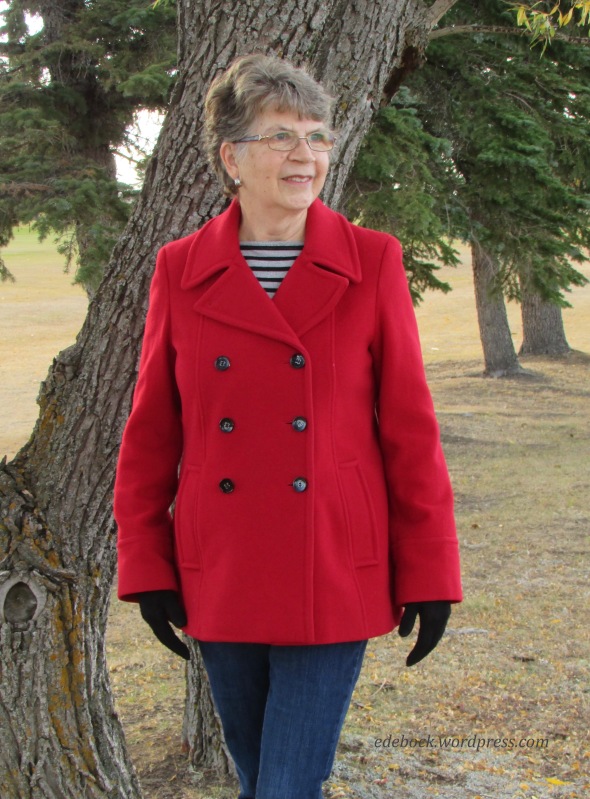
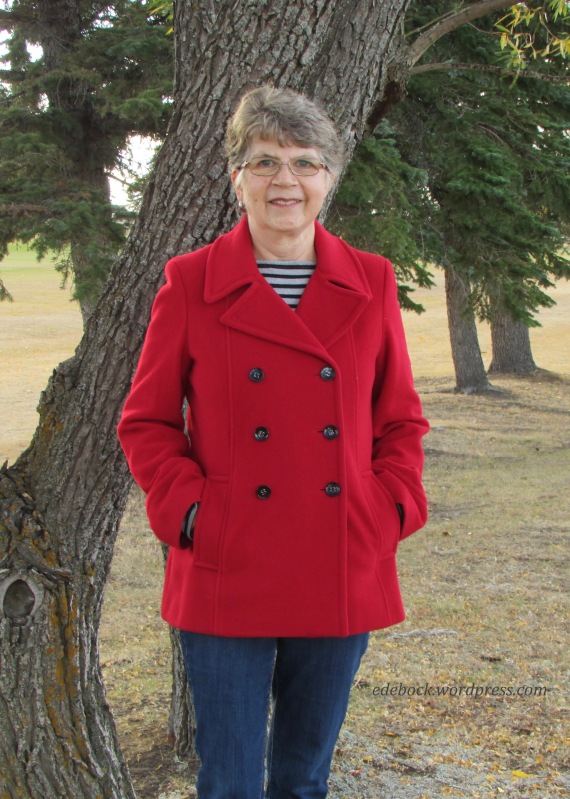
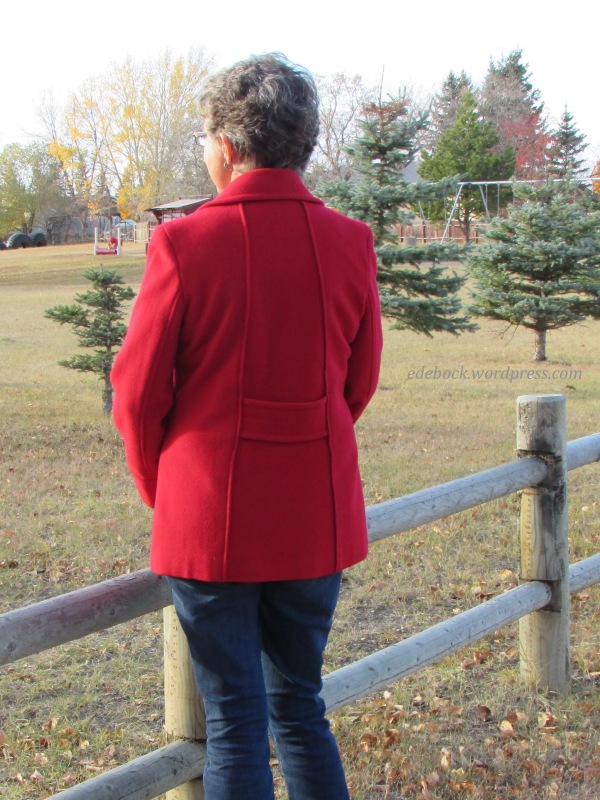
I was already planning to replace a similar charcoal grey coat that I’ve had since the fall of 2007 when I found this one in one of our local thrift stores. After fifteen years of serving me well, the old coat was beginning to show its age and for some reason, it didn’t fit quite as well as it once did. Okay… perhaps I should admit to having gained a few pounds over those years! 

I was prepared to pay full price for a new coat, but when I could get a beautiful Calvin Klein jacket that looked like it had never been worn for just $7, why in the world would I? A similar CK coat sells here for $129 USD or approximately $180 in Canadian dollars. 

IMG_4825

If I’d bought the jacket in a regular shop, I would probably have tried on one size smaller for comparison purposes. Buying second-hand, of course, that isn’t an option, but I like the fact that the coat is roomy enough to wear over a bulky sweater in cold weather. I wouldn’t want the fit to be as snug as the old one is now!

A coat like this one is perfect for early winter and early spring here in Canada. The fabric is 70% wool, 20% nylon, and 10% recycled cashmere and it’s fully lined with polyester. In the depth of winter, I’ll be wearing the much warmer coat that I showed you here. 

IMG_4835

Inspired to try cream

No, not in my coffee! I don’t even drink coffee.

Screen Shot 2022-10-12 at 3.51.52 PM

Greetje, Dutch writer of the blog, No Fear of Fashion, usually wears bright, bold colours, but she recently published this post about a monochromatic cream outfit. I was immediately inspired to try a similar look from my own closet.

As I mentioned last week, those of us whose skin has warm undertones look ghastly (or perhaps, ghostly) if we wear white close to our faces, but we can wear off-white and cream.

IMG_4787

It wasn’t until I saw the photos that I realized that this outfit didn’t work. Can you see why? In real life, the sweater isn’t quite as pink as it looks here. I’d actually call the colour oatmeal, but it is a pinkish cream whereas the pants are more yellowish. To my eye, at least, they don’t go well together.

That sent me back to my closet to see what else I could find.

IMG_4811

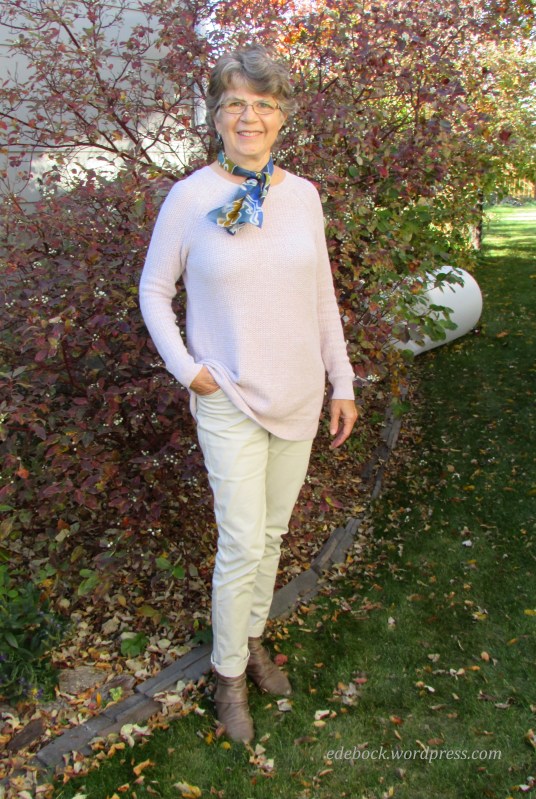
I traded the cream chinos for this comfy old pair of soft corduroy pants. No longer cream; more like café au lait, but this is an outfit that works for me. The sweater is the same thrifted maternity sweater that you saw two weeks ago in my Second Hand September wrap-up post. I tried adding a pop of colour with a scarf at my waist as Greetje did, but that didn’t work with the length of my sweater, so I wore one at my neck instead. That’s the thing about finding inspiration in what other women wear. It’s not about copying. My final outfit doesn’t actually look much like Greetje’s, but she planted the idea and I worked with it.

I still think that I could wear a monochromatic cream outfit. I just don’t have the right pieces in my wardrobe. Apparently Diane Keaton does though. Here’s a photo of her that I came across while I was thinking about writing this post. I absolutely love her coat!

Screen Shot 2022-10-12 at 1.54.25 PM

Logo by Sam

Fashion rules I don’t follow

Logo by SamWhen I asked awhile ago what you’d like to read about on the blog, one reader suggested a post about fashion rules I don’t follow. That’s a great idea because, as British fashion designer and couturier, Alexander McQueen, is quoted as saying, “It’s a new era in fashion, there are no rules. It’s all about individual and personal style.” 
Don’t wear white after Labour Day

IMG_4465 2

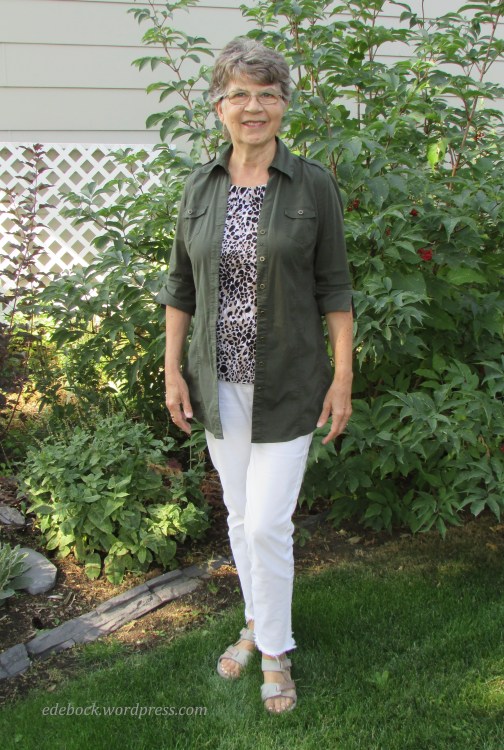
No one seems to know for sure how or why this became a rule, but regardless of its origin, it’s outdated and very few people actually follow it anymore. Personally, in spite of the fact that many fashion influencers insist that every woman’s closet should contain at least one white button-up shirt, mine does not. If your skin has warm undertones, as mine does, wearing white close to your face at any time of year will make you look tired or washed out. I love my white jeans, however, and as you’ve seen in recent posts, I certainly didn’t stop wearing them after Labour Day. I wouldn’t want to wear them during wet, sloppy weather when rain might cause spots on them or worse yet, they might get splashed with mud, but once the temperature is consistently below freezing, I might try them with ankle boots or my tall brown boots.

Don’t wear black with brown 

When I was growing up, there were lots of rules about colour combinations. For example, we were taught that “blue and green should never be seen” and yet navy and emerald look striking together. Don’t pair brown with black was another popular rule, but there are many shades of brown that go beautifully with black. After all, leopards have worn this colour scheme for eons! They look great doing it and leopard print is consistently a popular fashion print. Brown is very much on-trend for fall 2022 and I’m guessing that we’ll see plenty of it worn with black. Like white, however, wearing black close to my face drains me, so when I do wear this colour combination, black will usually be on the bottom and brown on top.

IMG_0205

Don’t mix patterns

While some fashionistas like to mix bold and colourful patterns, I’m more conservative, so while I definitely will mix patterns, there are a few guidelines that I like to follow. Keeping the fabrics within one colour family is a simple way to keep from looking like I got dressed in the dark! I also like to vary the size of the prints. Some patterns mix much more easily than others. In the world of mixing and matching, stripes are considered a neutral because they will go with almost anything. Grid patterns and polka dots also mix well with other patterns.

Don’t wear horizontal stripes

When I was young, we were told that wearing horizontal stripes would make us look fat, while vertical stripes would make us look taller and thinner. It turns out that this fashion advice was actually wrong. According the the Helmholtz illusion, horizontal stripes won’t make you look fatter. In fact, they may even make you look thinner! Since I was always skinny and tall for my age anyway, I disregarded this fashion rule long before I knew whether or not it was based on fact. If you’ve following my blog for very long, you know how much I love a Breton striped t-shirt!

Don’t wear double denim

IMG_3892

We call this a Canadian tuxedo! When I wear head to toe denim, I like to mix darker and lighter washes.

Don’t mix gold and silver jewelry

When I was young I wore only gold jewelry. I instinctively knew that it looked better with my complexion than silver did. With the passage of time, however, I began to notice a change. When silver streaks began to appear in my hair, I also began to add silver jewelry to my collection. I particularly like pieces that combine both metals.

Make sure your purse matches your shoes

For a very formal occasion, I might consider matching dressy black shoes with a black evening purse, but who am I fooling? I don’t remember the last time I attended an occasion like that! In real life, I’m pretty much a one bag goes everywhere girl. In the summer and when I travel, I like a handbag that’s big enough to  carry my camera, sunglasses, and sunscreen in addition to all the usual items found in my purse. At this time of year, I usually switch to something a little smaller and more structured. My latest choice is taupe and it doesn’t match a single pair of shoes in my wardrobe!

Always wear stockings with dresses and skirts

Not long ago, no respectable woman would be seen wearing a skirt without hose, but thankfully, that’s another fashion rule that’s gone out of style! I’m old enough to remember wearing a garter belt to hold up my stockings and no, my dear younger readers, it wasn’t sexy! It was annoying and uncomfortable! The introduction of pantyhose in the mid 1960s was revolutionary, but the freedom to go bare legged is even better!

nr1

The key thing to keep in mind in this era of no rules is that you should wear whatever makes you feel happy and confident. If you feel uncomfortable mixing patterns, don’t do it. If you prefer to wear stockings with a dress, by all means do. That’s the beauty of no hard and fast rules! On the other hand, if you’ve always followed a rule simply because you thought you were supposed to, maybe it’s time to say “no” to that rule and “yes” to your finding own individual style.

An entire month of wearing second-hand!

Logo by SamI did it! Second Hand September wasn’t as hard as I thought it would be. I spent the entire month wearing only second-hand clothes and to top it off, I didn’t buy any clothes, footwear, or accessories this month, new or second-hand! To clarify, for those who didn’t read my initial Second Hand September post, I did wear underwear, socks, and pyjamas that were purchased new. They always are. I wore a mix of new and second-hand accessories, and as it turned out, all my outerwear was second-hand.

I think I’ve said enough this month about shopping second-hand and reducing our fashion footprint, so today I’m just going to share two more outfits that I wore this week.

IMG_4656

You’ve seen the jeans before, but Sunday was the first time I wore the oatmeal coloured sweater. I bought it at Goodwill in Edmonton in the middle of August when the weather was much too hot for sweaters and didn’t notice until I got it home that the label actually said “maternity”! Apparently the person sorting clothes behind the scenes at Goodwill didn’t notice either as it wasn’t in the maternity section. I can’t help wondering what the young mom who donated it would think if she knew that it was now being worn by a grandmother! Personally, I like the slightly loose fit as it hides my muffin top!

IMG_4651

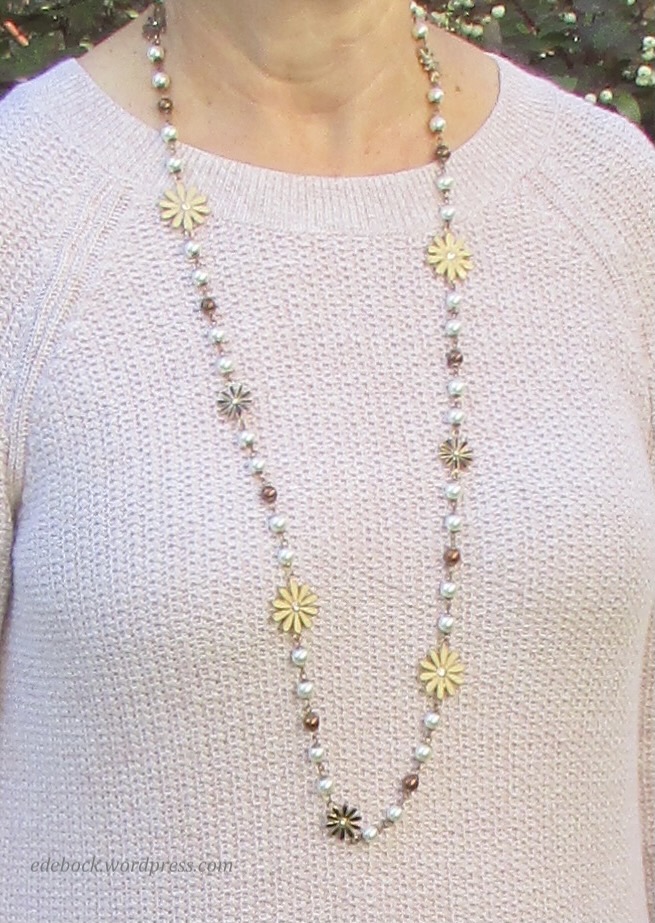
I bought the necklace at the same time because I thought it went so well with the sweater. My granddaughter who was shopping with me agreed.

IMG_4691

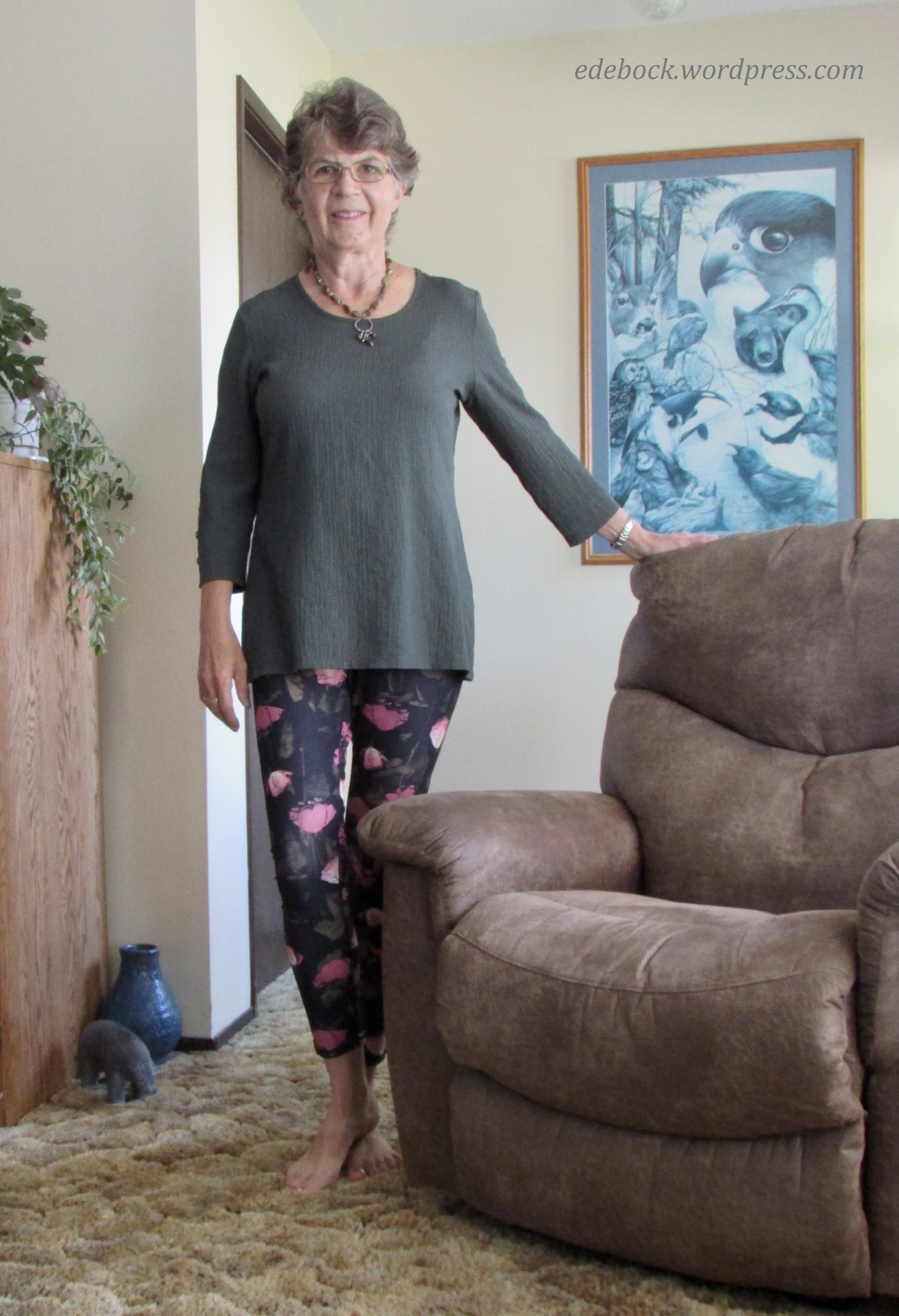
I tested positive for Covid on Monday, so here’s a comfy, casual, stay-at-home outfit… patterned leggings and a solid coloured waffle weave top with three quarter length sleeves. Perfect for a long afternoon nap, it looks and feels a lot like pjs! 

IMG_4693

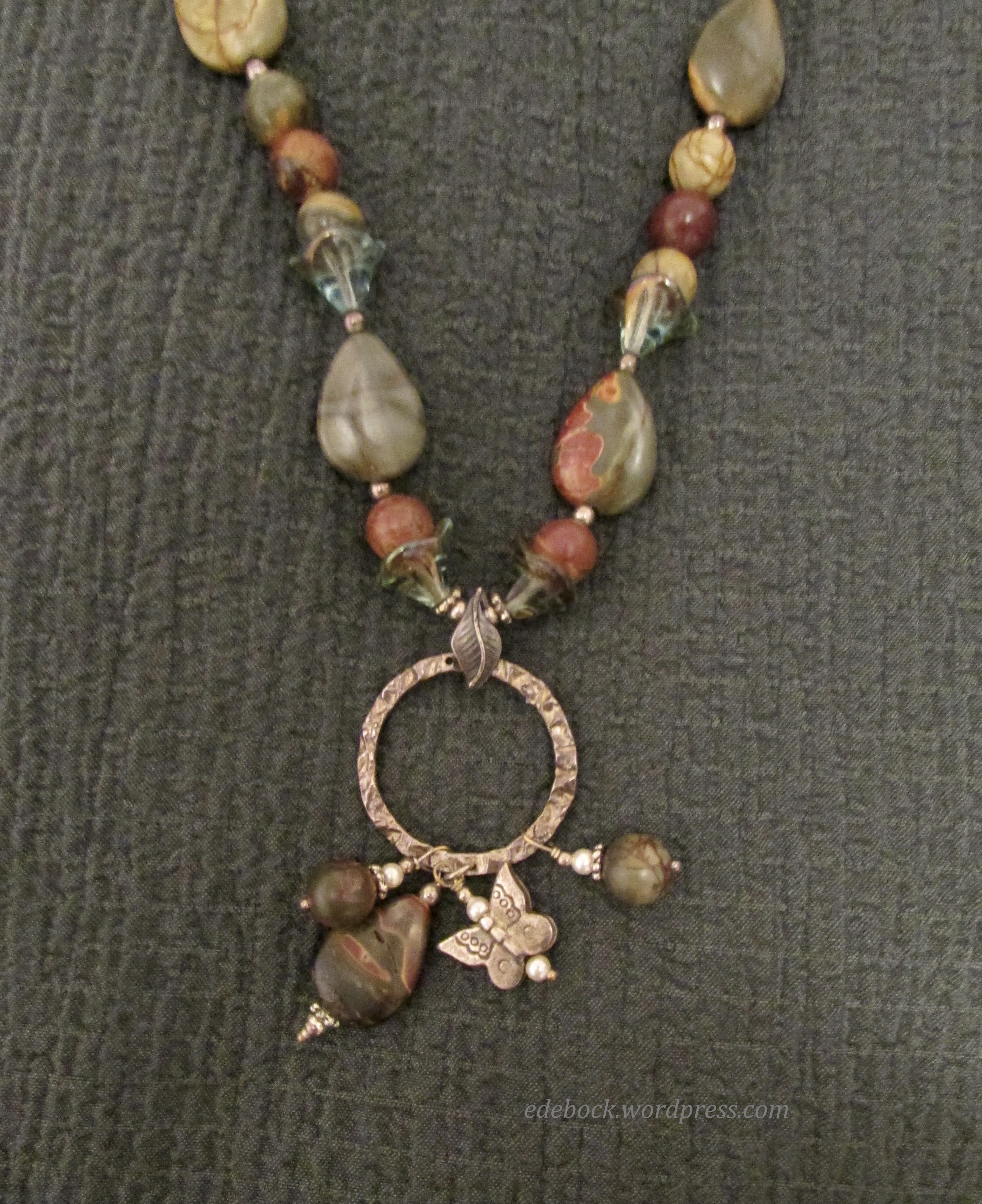
Again, I bought the necklace on the same second-hand shopping trip as the top because they went so well together. In this case, I actually spent more for the necklace than I did for the top as I bought it at a consignment store. Second-hand shopping is a great way to pick up inexpensive accessories. 

Thanks to being fully vaccinated, mine has been a very mild case of Covid. Aside from being more tired than usual, I’ve had nothing more than a runny nose and a cough. I look forward to being out and about again soon and I especially look forward to delving back into the rest of my wardrobe beginning tomorrow! 


Where does donated clothing go?

Logo by SamWhether I like to admit it or not, fall has arrived in my part of the world. Days are cooler, nights are frosty, and leaves are changing colour. The time has come for many of us to go through our closets and decide what to keep for next summer and what we won’t wear again. Bagging up those unwanted items and dropping them off at a second-hand store might be the end of them as far as we’re concerned. It might even seem like the generous thing to do, but what actually happens to all that donated clothing?

As I mentioned in a previous post, most thrift stores are only able to sell a small fraction of what is donated. The reality is that over the years I have taken many items to our local second-hand shop. I’ve seen some of them hanging on the racks, but not once have I ever seen someone in our small town wearing one of them. Where did they go?

If your gently used garment isn’t sold within as little as three or four weeks in some shops, it might end up as carpet padding, insulation, or a rag in an auto body shop. That’s not necessarily a bad thing. Recycling textiles keeps material out of landfills and incinerators and reduces the need for virgin fibres by extending the life of existing ones.

Second-hand clothes that don’t sell in Canada, Europe and the US and that don’t end up in textile recycling facilities are often exported. The US alone sends roughly 700 000 tons of used clothing overseas annually. Again, this might sound like a benevolent thing to do, but it’s the middlemen who profit most from this practice and in many developing countries, it has had a devastating impact on local clothing industries. In Kenya, for example, where second-hand imports can be sold for a fraction of the cost of new locally produced items, the textile industry has been virtually wiped out by our “generosity”. The garment industry in that country, which employed half a million workers a few decades ago, now engages only tens of thousands. In 2016, the East African Community (EAC) agreed to a complete ban on imported clothing that was supposed to go into effect in 2019, but leaders backed down and rescinded the ban under pressure from the Trump administration.

Regardless of how much extra life our cast off clothing gets in those countries, the textiles themselves usually end their life there. Most developing countries don’t yet have even basic collection and recycling programs. Often, there isn’t even municipal waste management in place. Ultimately, what is left of our donated clothing often ends up being burned or dumped in environmentally sensitive areas that are considered wasteland.

So, what can we do to be more responsible consumers?

  1. Buy less. We buy too much stuff and then want our excess to somehow be good for the world. It simply doesn’t work that way!
  2. Shop second-hand.
  3. When buying new, look for garments that contain recycled content to ensure that we create demand for recycled textiles.
  4. Avoid fast fashion. Buy better, more durable clothing.
  5. Learn to extend the life of a garment by mending or upcycling.

With just one week left in my Second Hand September challenge, I will admit that I’m getting tired of limiting myself to only wearing second-hand clothes, but I’m determined to make it to the end of the month! Here are a couple of the outfits that I wore this week.

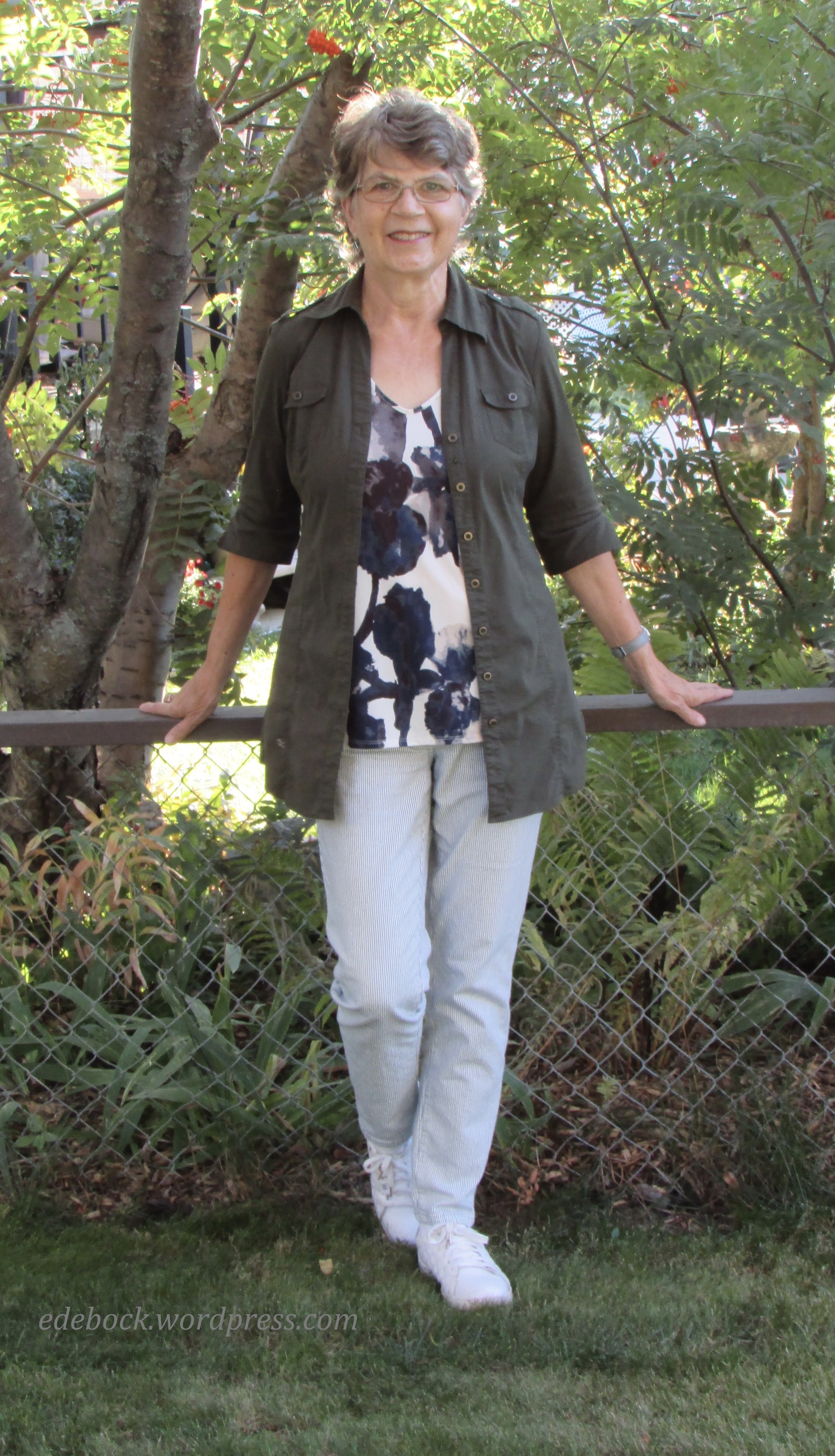
When I left for church on Sunday morning, it was too chilly to wear the sleeveless dress without something over it, so I pulled out the very versatile olive shirt that first appeared on the blog here. More than three years after finding it in our local thrift store, I still enjoy wearing it and have found it very useful this month. Even the shoes in this outfit are second-hand.

IMG_4602

There’s that olive shirt again! The lightweight jeans that I found in one of our local second-hand stores recently look light blue or grey in the photo, but if you zoom in you can probably see that they’re actually a blue and white pinstripe. I discovered that this month’s limited wardrobe didn’t include many tops with sleeves that went well with them. When I headed off to a morning appointment, I needed a third piece over the sleeveless shell to add some warmth and finish the outfit. Thankfully, olive is a neutral colour and goes with just about everything!

Fall camping second-hand style

Logo by SamOver the past week, we spent four days camping and then company arrived shortly after we got home. That left very little time for writing a post for today, but since this is Second Hand September and I’m wearing only second-hand clothes this month, I thought I’d share a couple of the outfits that I wore while we were camping.

IMG_4499

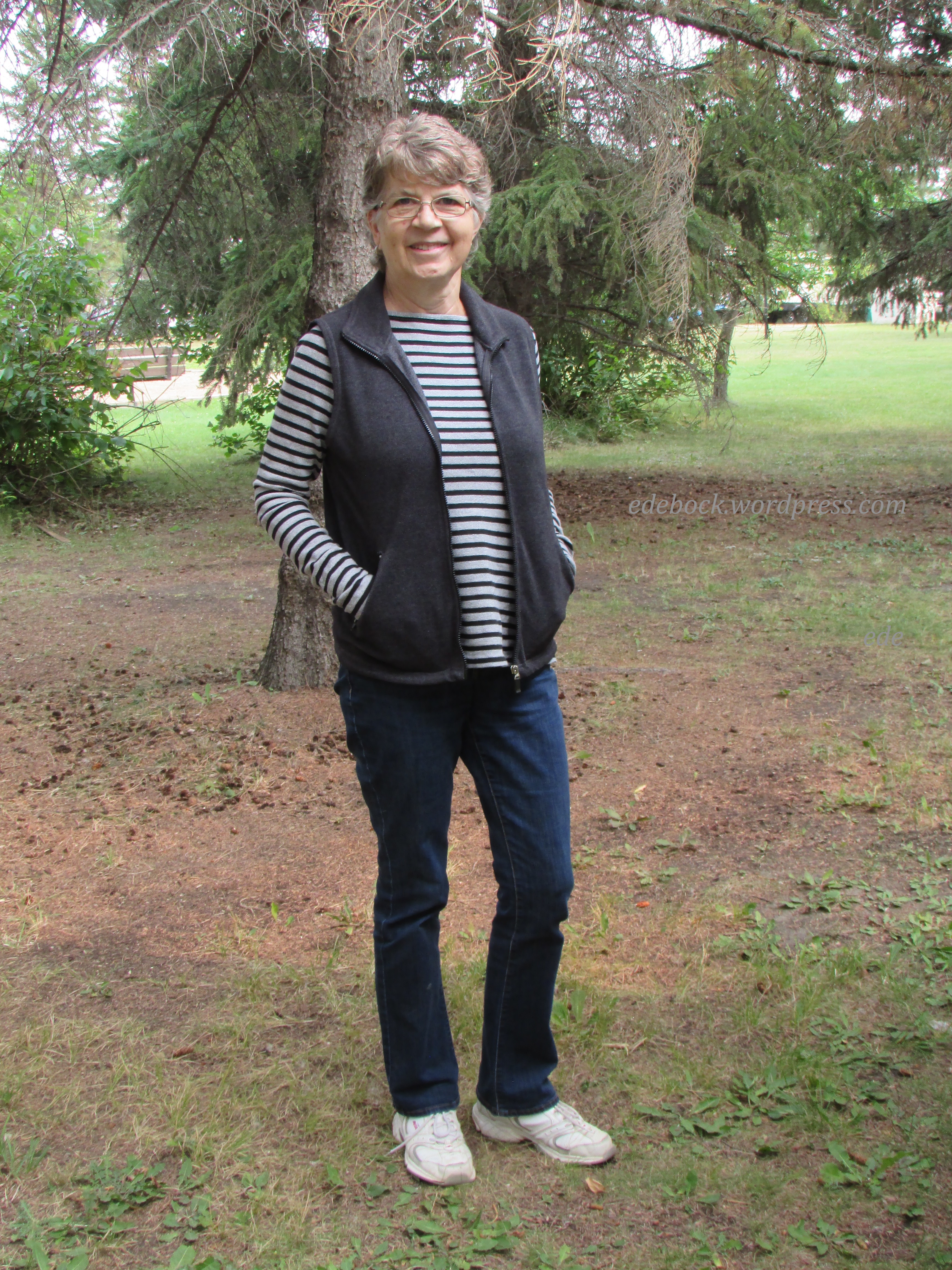
At $12, the striped boatneck sweater, purchased at Goodwill in Calgary last spring, is the most expensive thrifted item in my closet, but its light weight makes it a great layering piece on a chilly morning. It was about 10ºC (50ºF) when this photo was taken! I’ve had the fleece vest for many years and the jeans were hand-me-downs from my very generous sister-in-law. Almost new when she gave them to me because she found a pair that she liked better, they quickly became a staple in my fall/winter wardrobe.

When the temperature soared to about 25ºC (77ºF) in the afternoon, out came the summer clothes again!

IMG_4531

The patterned Denver Hayes tank top is a recent thrift store find, but I’ve had the pants for several years. Too long to be called shorts, they’re shorter than most of my capris. They’re actually a flattering length though because they cover my less than attractive knees and end at a narrow part of my leg. Fashion isn’t a high priority when I’m camping, but a girl always likes to look nice, doesn’t she?

6 myths about second-hand shopping busted!

Over a week into my Second Hand September challenge it’s going well. Today I thought I’d look at some of the most common myths or misconceptions about second-hand shopping.

1.  Thrift stores are only for poor people. 

In reality, most thrift stores exist to raise money for local charities and organizations, not to cater to a certain economic class. Many of us who buy second-hand can afford to buy new, but choose to reuse for a variety of reasons. Shopping second-hand is a sustainable practice that helps preserve resources and cuts waste by keeping usable clothing out of the landfill. It’s also fun; a bit like going on a treasure hunt!

Some argue that when those of us who can afford to buy new shop second-hand, we are taking from those in need. If you’ve ever had the opportunity to look behind the scenes at a thrift store, you know that that’s not true. There is definitely more than enough for everyone! Most thrift stores are only able to sell a small percentage of what is donated. The excess is often sent to women’s shelters, shipped abroad to be re-sold in third world countries (which is not necessarily a good thing… perhaps a topic for a future blog post), cut up and sold as industrial rags, or sent to textile recycling facilities where they are reprocessed into other useful products.

2.  Thrift stores are dirty. 

They may not be able to afford the nicest spaces with the best lighting and may not have fancy window displays, but well-run second-hand stores, like other businesses, try to keep their premises clean and their inventory presentable. Some people think that because the clothes are used, they must be dirty, but that’s generally a false assumption. Most clothing is washed before it’s donated and some second-hand stores have laundry facilities on-site to deal with those items haven’t been. Personally, however, I always wash second-hand items before I wear them because I don’t know where they’ve been and how they’ve been handled. Since I prefer unscented laundry detergent, I also like to remove any odours that might linger.

3.  Second-hand stores are disorganized. 

While some may be more difficult to navigate than others, most second-hand stores are organized in a similar manner to other shops with separate areas for men’s, women’s, and children’s clothing. Within each category, clothes are usually separated by type (tops, pants, dresses, etc) and further arranged according to size.

4.  Second-hand stores only sell cheap, low-end brands. 

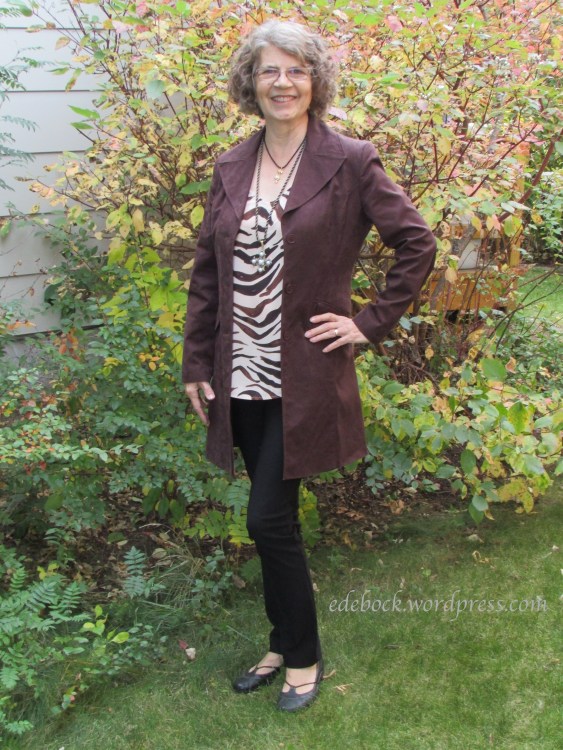
If you take the time to hunt carefully, you can sometimes find name-brand, designer, or even luxury goods in thrift stores. One of my most recent finds was this animal print top from Calvin Klein.

IMG_4474

If high-end fashion is what you’re looking for though, you might want to check out consignment stores. Prices are generally higher and selection smaller, but they tend to be very selective in what they accept for sale.

5.  Clothes sold in second-hand stores are in bad shape. 

Clothes are sorted and inspected for quality before going onto the shelves. Those that are badly worn are disposed of, cut up and sold as rags, or recycled. Most of the clothing that reaches the sales floor has already stood the test of time. Any shrinkage or fading that might occur has already happened. Occasionally, however, brand new items are donated.

IMG_4492

The top I’m wearing in this picture still had the original tags on it when I bought it! It’s from Laura, one of my favourite Canadian women’s fashion brands. If memory serves me correctly, the original price was $69 and I bought it for less than $5!

6.  Clothes in second-hand stores are out of style. 

Thrift stores carry a mix of old and new and a wide variety of styles all in one place. You can easily go modern, retro, or vintage! They’re a great place to find pieces that fit your personal style rather than what the fashion industry dictates as on-trend for a particular season. They’re also a great source of timeless pieces that form the backbone of a good wardrobe.

Logo by Sam

So, if you’ve been averse to shopping for second-hand clothing for any of these reasons, perhaps it’s time to rethink that position and give it a try. Shopping second-hand helps support charitable causes, is good for the environment, and can save you a ton of money!

Here are two second-hand outfits that I wore this week that included the tops shown above. As you can see, the white jeans are getting lots of use this month, but it’s also been warm enough for shorts and capris. I’m hanging onto the last days of summer for as long as I can!