The Berry Pickers
Amanda Peters
 Once in awhile you read a book that you just can’t put down. For me, The Berry Pickers was one of those. I read it while I was eating breakfast and while I was cooking supper, I read it when I should have been going to bed at night, and I read it whenever I got a chance in between.
In July 1962 a tight-knit Mi’kmaw family from Nova Scotia makes their annual trip to Maine to spend the summer working in the blueberry fields. A few weeks later, four-year-old Ruthie, the family’s youngest child, disappears without a trace. Her six-year-old brother, Joe, the last person to see her, blames himself for her disappearance and carries that guilt for the rest of his life.
Elsewhere in Maine, Norma, an only child, grows up in an affluent home with an overprotective mother and an emotionally distant father. Troubled by recurring dreams in early childhood, Norma grows up sensing that there are secrets that her parents are keeping hidden from her.
Told in the first person in alternating chapters that span five decades, Joe and Norma’s stories, read more like memoirs than fiction. In this stunning debut novel, Amanda Peters has also brought even her supporting characters to life.
The Berry Pickers is a gripping story of broken lives, family secrets, the search for truth, the shadow of trauma, and the persistence of love. The author also handles sensitive topics including grief, the loss of a child, alcoholism, discrimination, and terminal illness with sensitivity and compassion.
The novel, which was the Reader’s Digest Book Club pick for November, was also the winner of the 2023 Barnes & Noble Discover Prize and the 2024 Andrew Carnegie Medal for Excellence in Fiction. I am absolutely delighted to learn that the author is working on a screenplay based on the book and that she also has a second novel in the works. Her first one will stay with me for a long time.
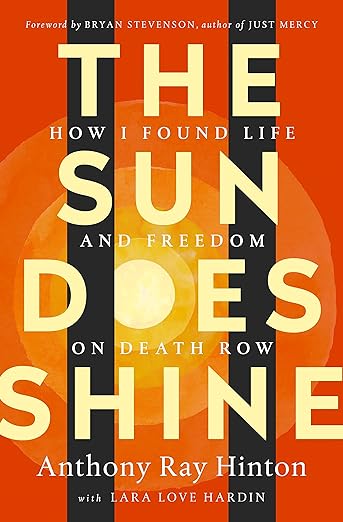 Anthony Ray Hinton spent almost 30 years on death row in Alabama. In 1985, he was arrested and charged with two counts of capital murder, but his only crime was being poor and black.
 Being diagnosed with a life-changing illness can be completely overwhelming. In Hope for the Best, Plan for the Rest, Drs. Sammy Winemaker and Hsien Seow offer a valuable guide to help patients and families deal with their new reality. Combining their decades of palliative care research and experience caring for seriously ill patients and harnessing the advice of thousands of patients, they offer 7 keys for navigating a life-changing diagnosis. With real-life stories, tips, and exercises, these compassionate experts empower patients with practical tools to help them successfully navigate the health care system with knowledge and confidence.
 In this compelling family memoir, Canadian lawyer Mark Sakamoto writes about his grandparents’ harrowing experiences during World War II. In so doing, he shares with us one of the ugliest and most shameful parts of our country’s history, the forced evacuation of Japanese Canadians from the coastal areas of British Columbia.
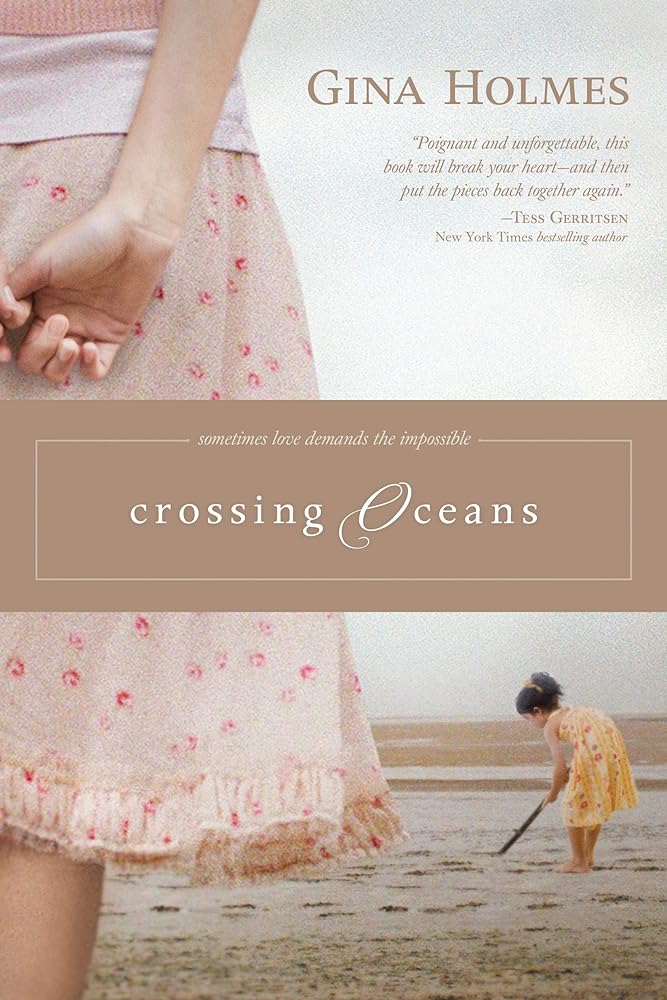 At the outset, Gina Holmes’ Crossing Oceans reminded me of a sappy Christmas movie. You know the ones… after several years away, beautiful young woman returns to her quaint mid American hometown where she encounters sweet, kindhearted, and inexplicably single man from her past who sweeps her off her feet and solves all her problems.
 From India to Ethiopia to America, Cutting for Stone, is an epic story that captured my attention and held it for the entire 658 pages! Although it’s a work of fiction, it reads more like a memoir.
 Like many children in wartime Britain, 10-year-old Agnes Crawford was sent out of London to the safety of the countryside where she lived with the well-to-do McIntyre family. Tragically orphaned by the war, she stayed on afterward as their maid and close friend of their daughter, Isobel. When tragedy strikes again, Agnes adopts her deceased friend’s identity and with it the opportunity to become a medical student at a London university.
 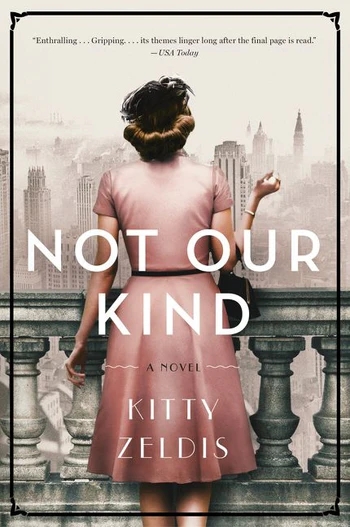 Not Our Kind is the story of two very different women whose lives intersect on a rainy morning in June, two years after the end of World War II. A minor traffic accident in New York City brings together Eleanor Moskowitz, a bright young teacher on her way to a job interview, and Patricia Bellamy, a socialite whose difficult thirteen-year-old daughter, Margaux, recovering from polio, needs a private tutor. When Eleanor goes to work for the Bellamys, she forms an immediate bond with Margaux, but because they live in a restricted building, she has to conceal her Jewish identity.
 Until the end, when the two finally come together, this is really two completely different storylines connected only by a specific location.
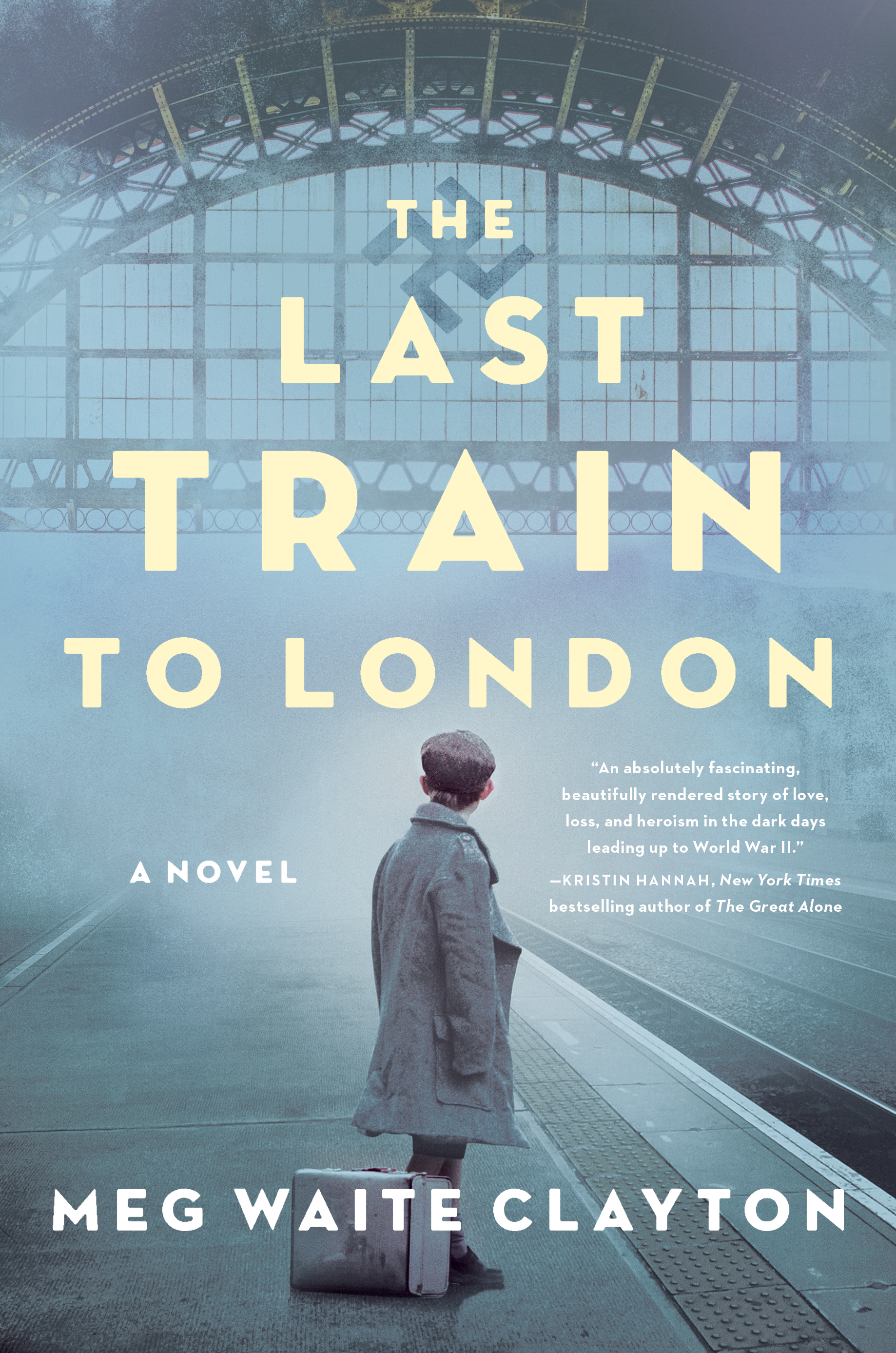 Geertruida (Truus) Wijsmuller, a childless member of the Dutch resistance, risks her life smuggling Jewish children out of Nazi Germany to the nations that will take them. It is a mission that becomes even more dangerous after Hitler’s annexation of Austria when, across Europe, countries begin to close their borders to the growing number of refugees desperate to escape. After Britain passes a measure to take in at-risk child refugees from the German Reich, Tante Truus, as she is known by the children, dares to approach Adolf Eichmann, the man who would later help devise the “Final Solution to the Jewish Question” and is granted permission to escort a trainload of 600 children (not 599 or 601, but exactly 600) out of the country. In a race against time, 600 children between the ages of 4 and 17 are registered, photographed, checked by medical doctors and put on board the train to begin a perilous journey to an uncertain future abroad. Thus begins the famous Kindertransport system that went on to transport thousands of children out of various parts of Europe during the Nazi occupation of the region in the late 1930s, immediately prior to the official start of World War II.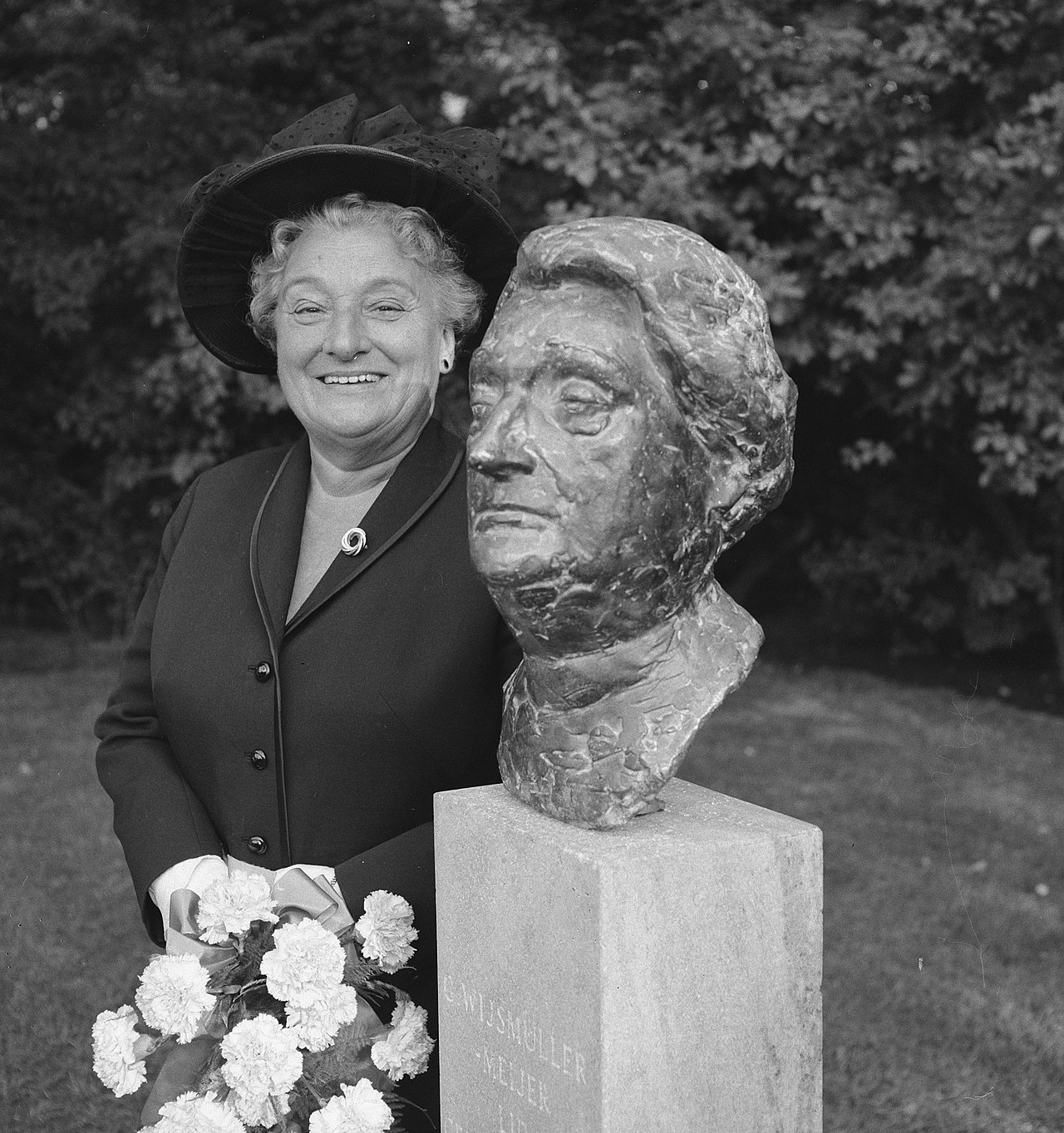
 Following Augustine