Hitting the Covid-19 wall

hitting-the-wall-resize-1

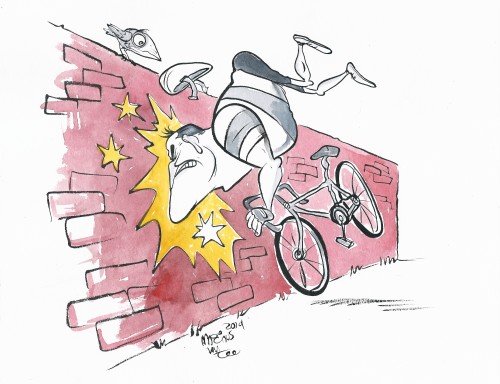
Do you feel like you’ve hit a wall where Covid-19 is concerned? Have you simply had enough with all the restrictions imposed by the pandemic? I know I have!

I admit that as retirees, we’ve had it easier than many. We don’t have jobs or a business to worry about or children at home. My father, our last remaining parent, passed away ten days before the World Health Organization declared the rapidly spreading coronavirus outbreak a pandemic, so we don’t have elderly parents in care facilities to worry about. Nevertheless, I’ve definitely hit the proverbial wall. Like many others, I’m tired and frustrated.

Experts tell us that this isn’t unusual. Dr. Aisha Ahmad, Associate Professor of Political Science at the University of Toronto who has has conducted fieldwork on conflict dynamics in Afghanistan, Pakistan, Somalia, Lebanon, Mali, and Kenya, recently summed it up this way: “The 6 month mark in any sustained crisis is always difficult. We have all adjusted to this “new normal”, but might now feel like we’re running out of steam. Yet, at best, we are only 1/3 the way through this marathon. How can we keep going? First, in my experience, this is a very normal time to struggle or slump. I always hit a wall 6 months into a tough assignment in a disaster zone. The desire to “get away” or “make it stop” is intense. I’ve done this many times, and at 6 months, it’s like clockwork.”

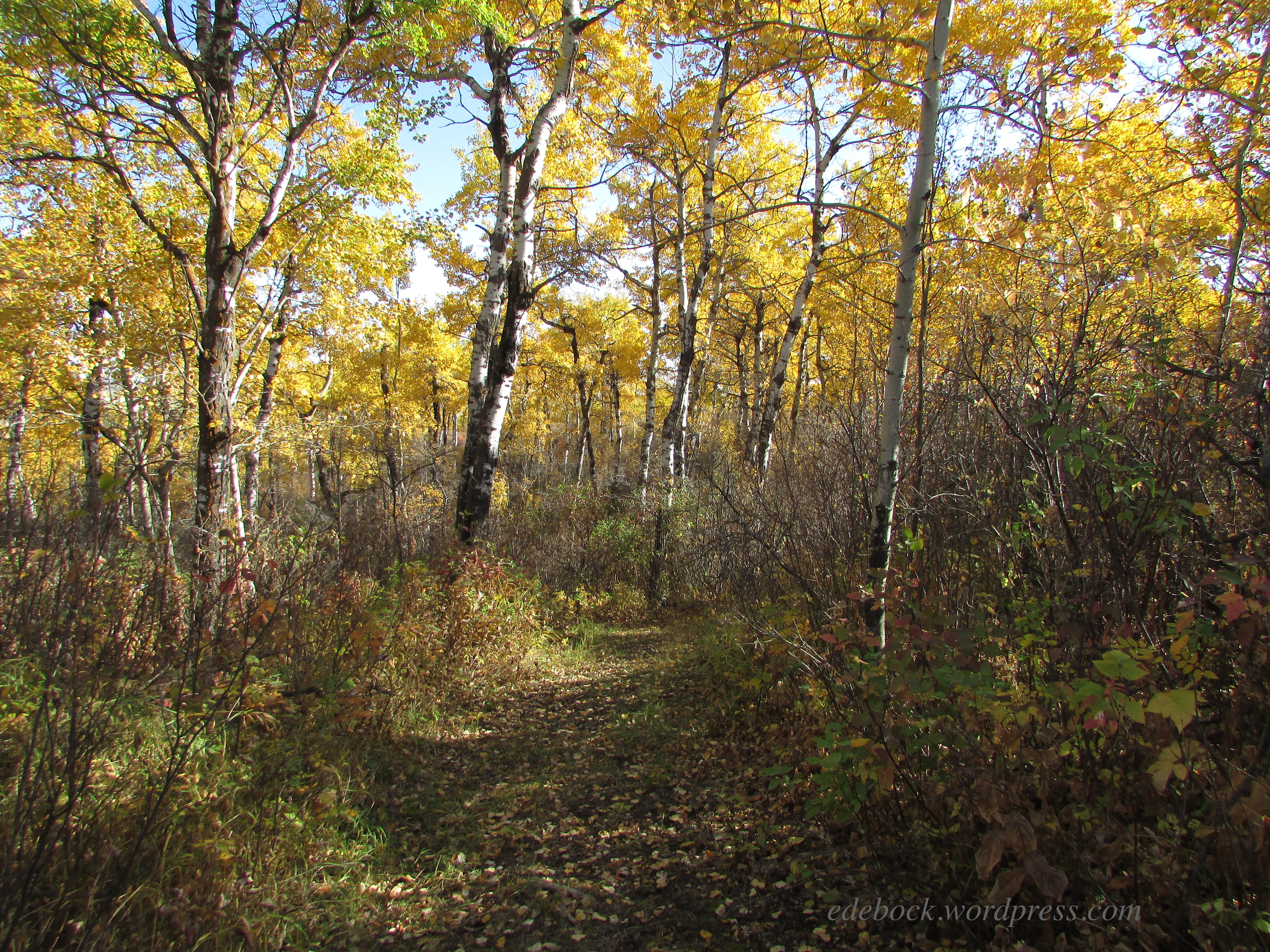
With the pandemic dragging on and no end in sight, it’s easy to become discouraged. In our part of the world summer is over. The days are getting shorter and the hours of darkness longer. We’ve enjoyed beautiful fall weather throughout the month of September, but the long cold winter is just around the corner. People will soon feel more shut in than ever. Add to that the fact that Thanksgiving is almost upon us (we celebrate it in October in Canada) and not long after that, Christmas. Those are times when families usually come together to celebrate, but much of the spread of Covid-19 over the summer has been the result of family gatherings. There’s a lot of uncertainty in many families about how to observe these holidays this year. 

One of my greatest sources of frustration is the urge to travel. It may not make sense to a lot of people, but wanderlust (a deep, uncontrollable desire to travel and explore the world) is real. With interprovincial travel discouraged and international borders closed, I’m beginning to feel trapped. Yesterday, I jumped in the vehicle and drove down country roads just to try to appease that feeling! 

Then there’s frustration over the divisiveness of this thing. With more than 1 million deaths due to Covid worldwide, there are still those who believe that it’s a hoax or a conspiracy cooked up by “the” government to take control of our lives. I still haven’t figured out which government they’re referring to or why they think that all the governments of the world would come together to destroy their own economies! I was actually told yesterday that it’s all a plot to derail the upcoming election in the United States! What ever happened to calamity drawing people together? It certainly hasn’t happened this time! 

Anyway, enough of my ranting! Thankfully, Dr. Ahmad also offers hope. “This is my first pandemic, but not my first 6 month wall. So, what can I share to help you? First, the wall is real and normal. And frankly, it’s not productive to try to ram your head through it. It will break naturally in about 4-6 weeks if you ride it out.” I sure hope she’s right! 

In the meantime, what can we do to help alleviate that hitting the wall feeling? Nicole Haughton, a registered psychologist based in Toronto, suggests that that maintaining a proper diet, exercising regularly, going out for fresh air, and engaging in spiritual practices or mindful meditation can be beneficial to mental health during this time.

For me, writing about my feelings is cathartic, but here are a few other suggestions:

  • Give yourself something to look forward to. I can’t plan a major trip right now, but I can plan an overnight getaway for our upcoming anniversary. 
  • Step back from social media and limit the amount of news you consume. I definitely need to take this one to heart!
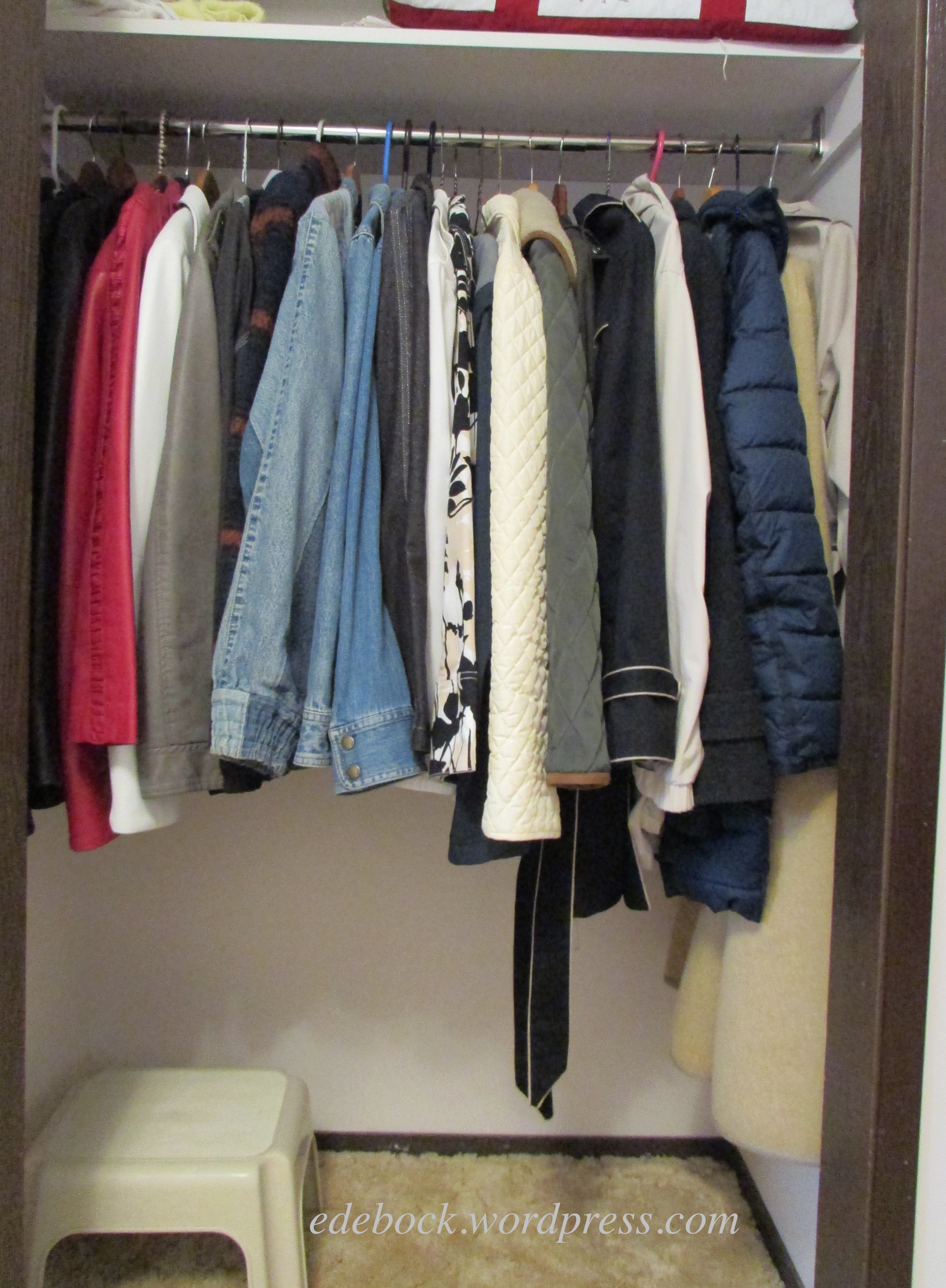
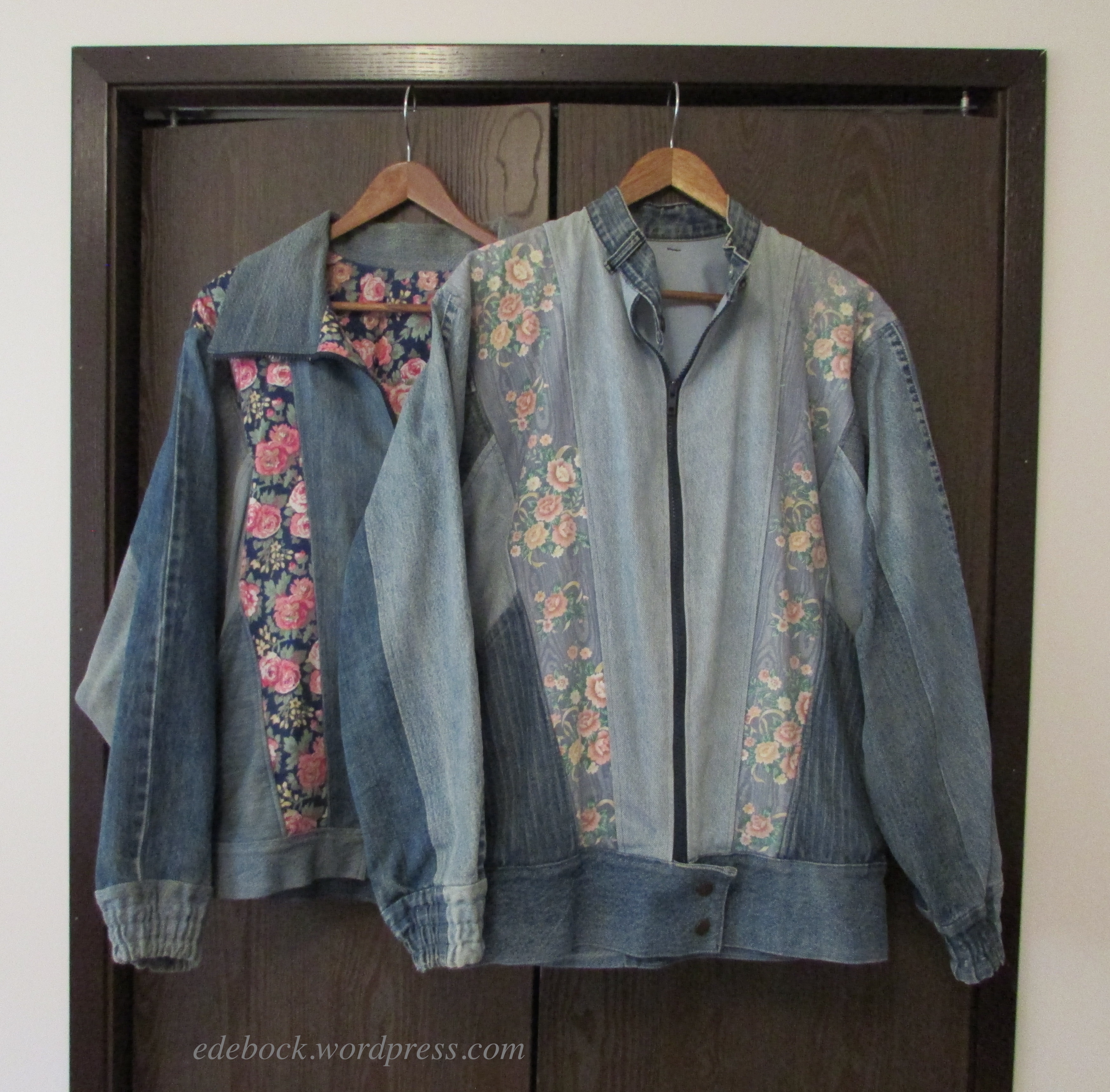
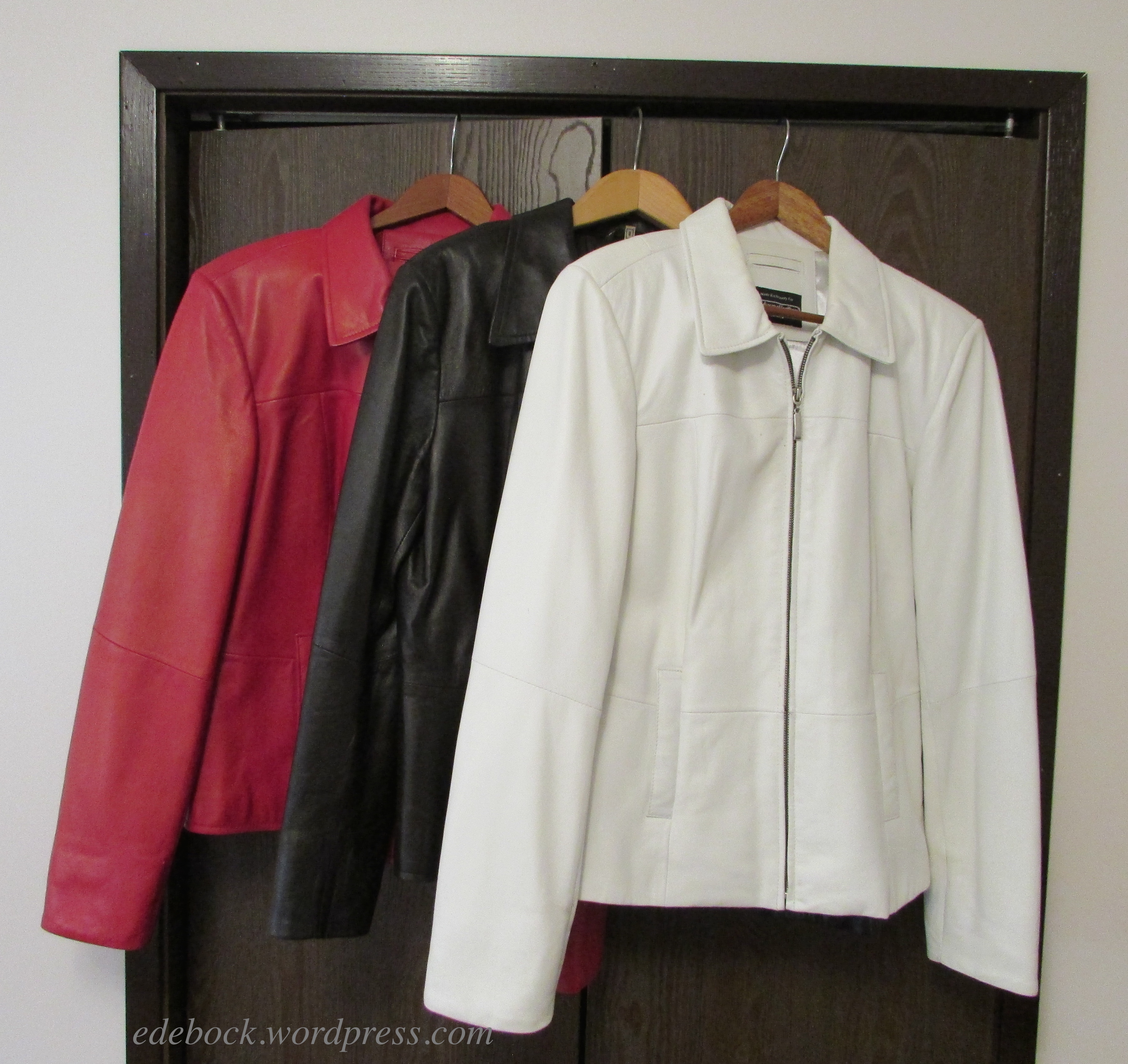
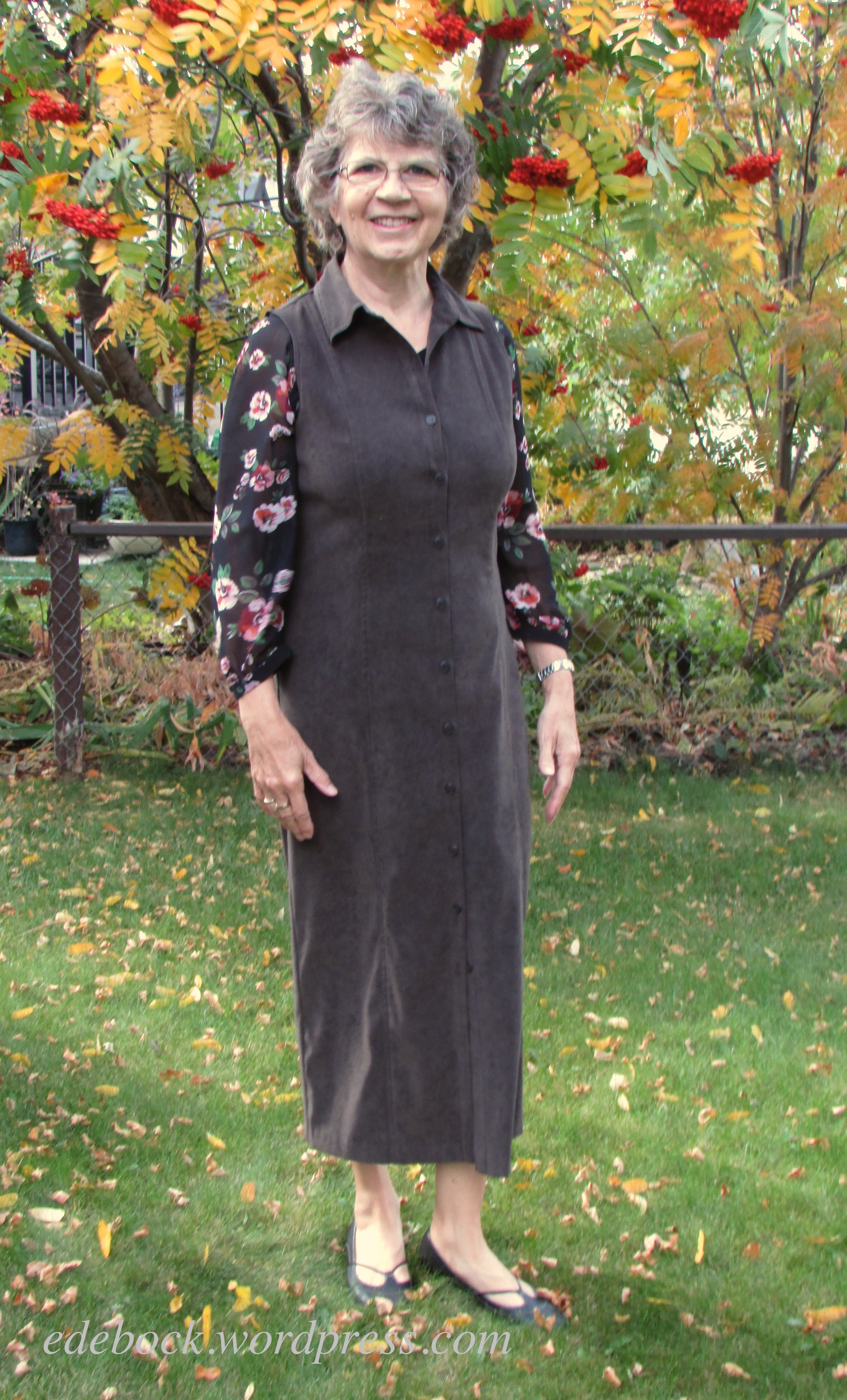
  • Clean out or reorganize something. It could be the kitchen cupboards, a closet, a filing cabinet, or the garage. The simple act of bringing organization to chaos where we’re able to can be very freeing. I did a lot of this back in the early days of Covid-19, but it’s been awhile. Now it’s time to do my seasonal wardrobe switch and reorganize my closet for winter. Having some “new” clothes to wear might also be a pick me up. 
  • Start a gratitude journal. It’s easy to spiral into negativity, but even in these strange and somewhat difficult days, we all have much to be thankful for.  

Finally, psychologist, Dr. Heather McLean, asks her clients to rate themselves on this scale and tells them, “If you see you are on the low end of any of these these, get busy and problem solve, think outside the box, and ask others for help on how to fix it.” 

Screen Shot 2020-09-29 at 11.50.11 AM

Though the pandemic is likely going to be with us much longer than anyone hoped or predicted, I do trust that it will come to an end. For now, I just need to focus on getting through this blasted six month wall instead of bashing my head against it!

Emanuel Ungaro scarf

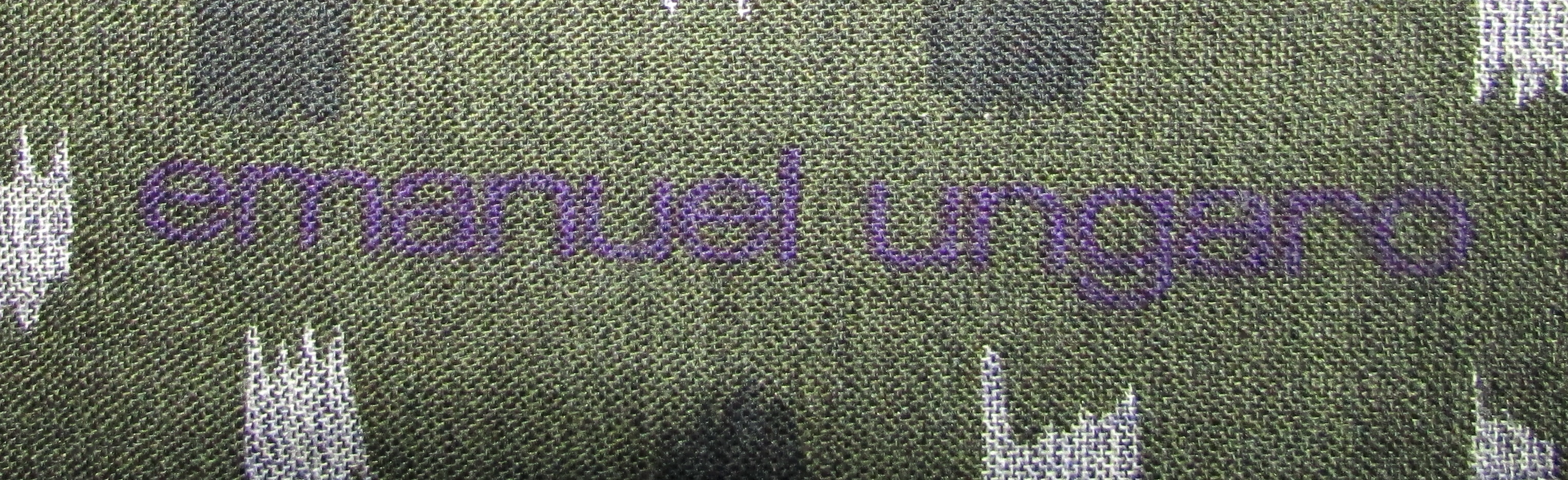
LogoAs I mentioned in my last post, I buy most of my scarves in thrift stores. Thrift store shopping is always a treasure hunt, but once in awhile you’re lucky enough to find something particularly interesting. Everything I purchase second-hand is washed before I wear it and it wasn’t until I was ironing one of my latest purchases that I realized what I’d bought. Sewn into the edge of the scarf, visible but not obvious, was the name emanuel ungaro.

IMG_1515

Emanuel Ungaro (1933-2019) was a French fashion designer who, after working for famed couturier, Cristóbal Balenciaga, went on to found the fashion house in Paris that still bears his name. He attracted celebrity customers known for their good taste in fashion including Jacqueline Kennedy Onassis, Catherine Deneuve and Isabelle Adjani. Second-hand Emanuel Ungaro scarves sell online for anywhere from $15 CAD to several hundred dollars. I bought mine for 50 cents! 

IMG_1517

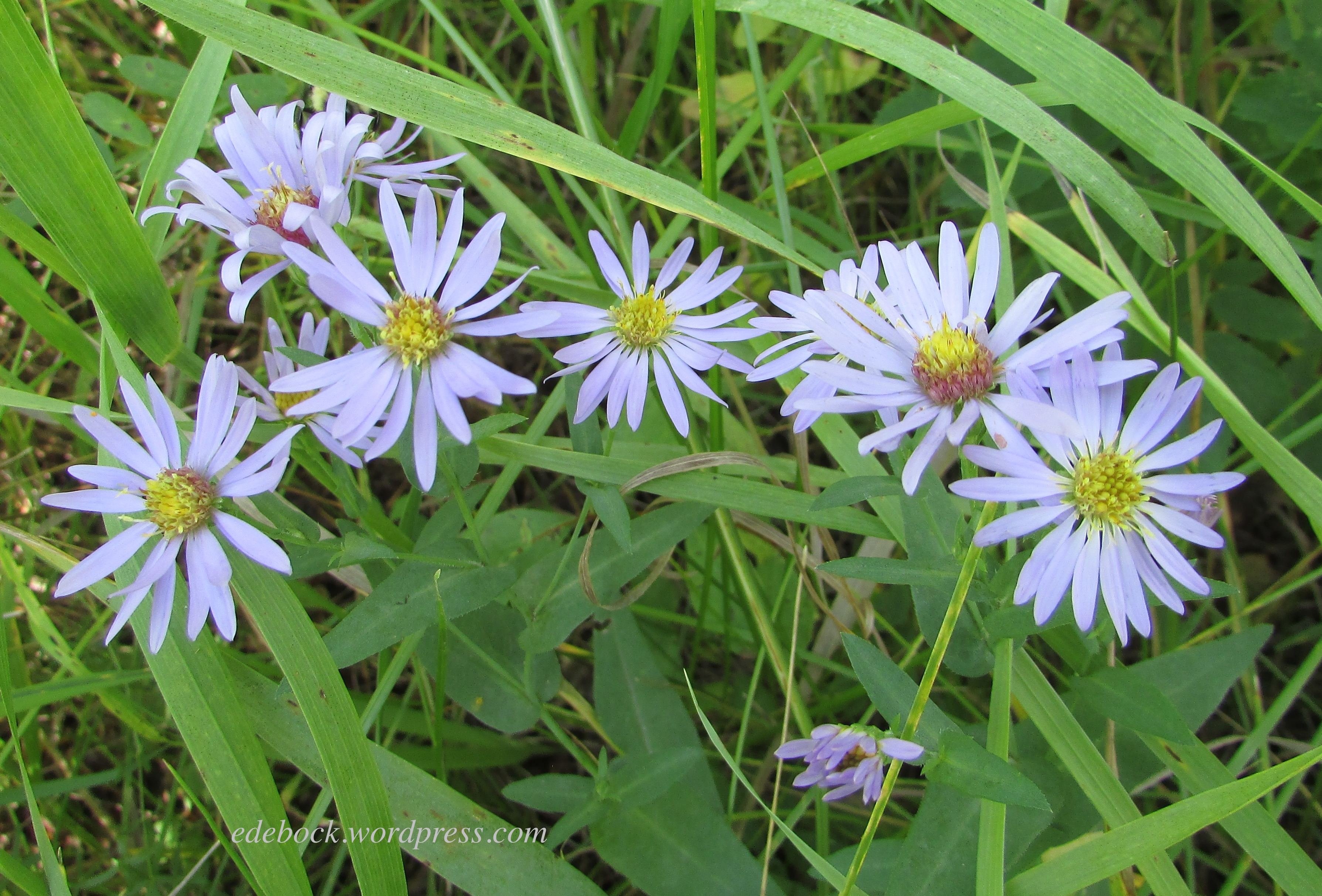
It was the colours in the scarf that caught my eye and caused me to add it to my bag, particularly the olive green which is a favourite of mine and on-trend this fall. I also like the clear violet and light lilac, both part of my Spring colour palette. They remind me of the little flowers that are so prevalent along the hiking trails that we love so much at this time of year.

IMG_0164

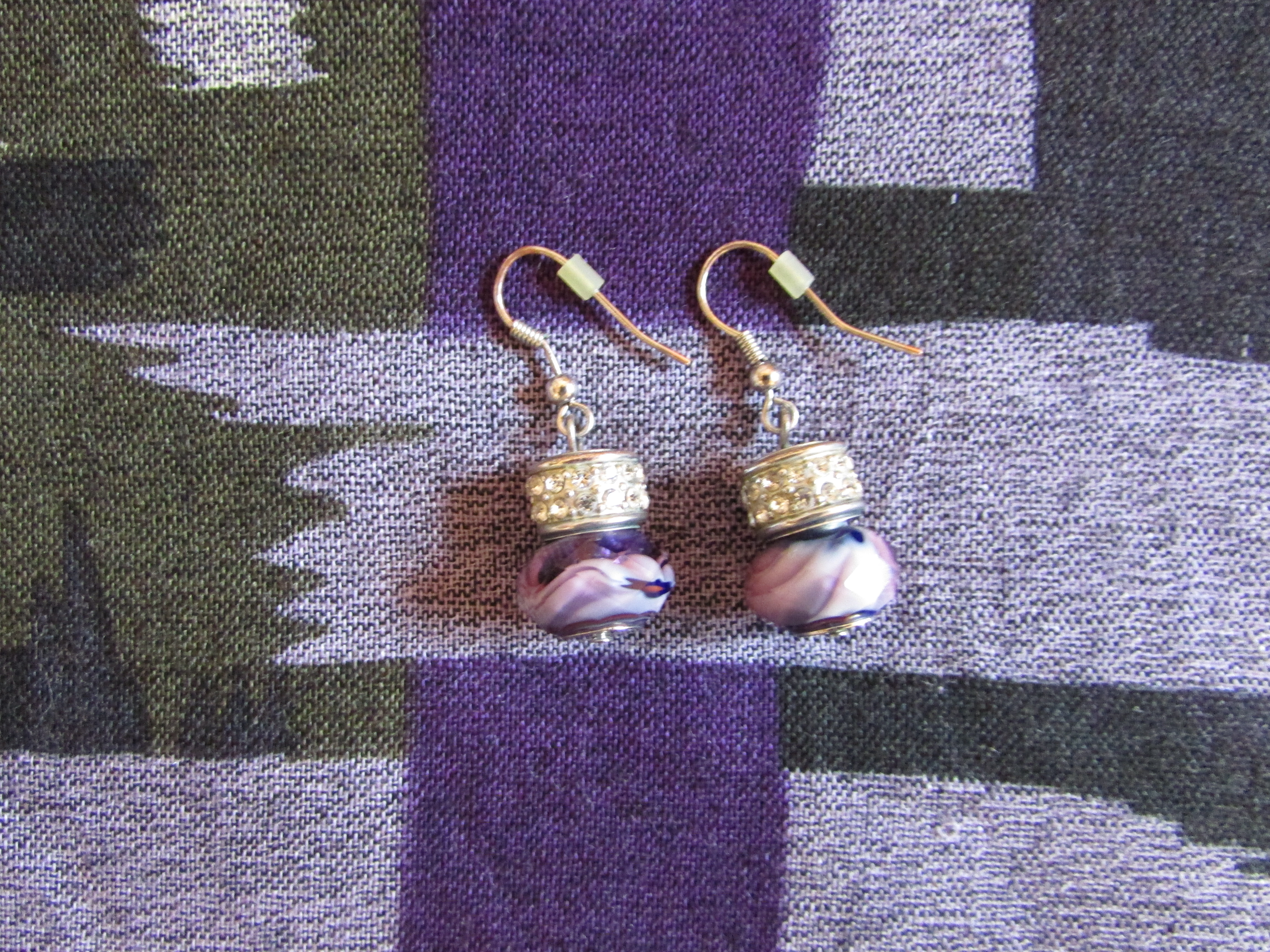
These purple colours are sadly lacking from my wardrobe. In fact, they only appear in these favourite earrings, a gift from my sister-in-law. Perhaps I need to remedy that!   

IMG_1511

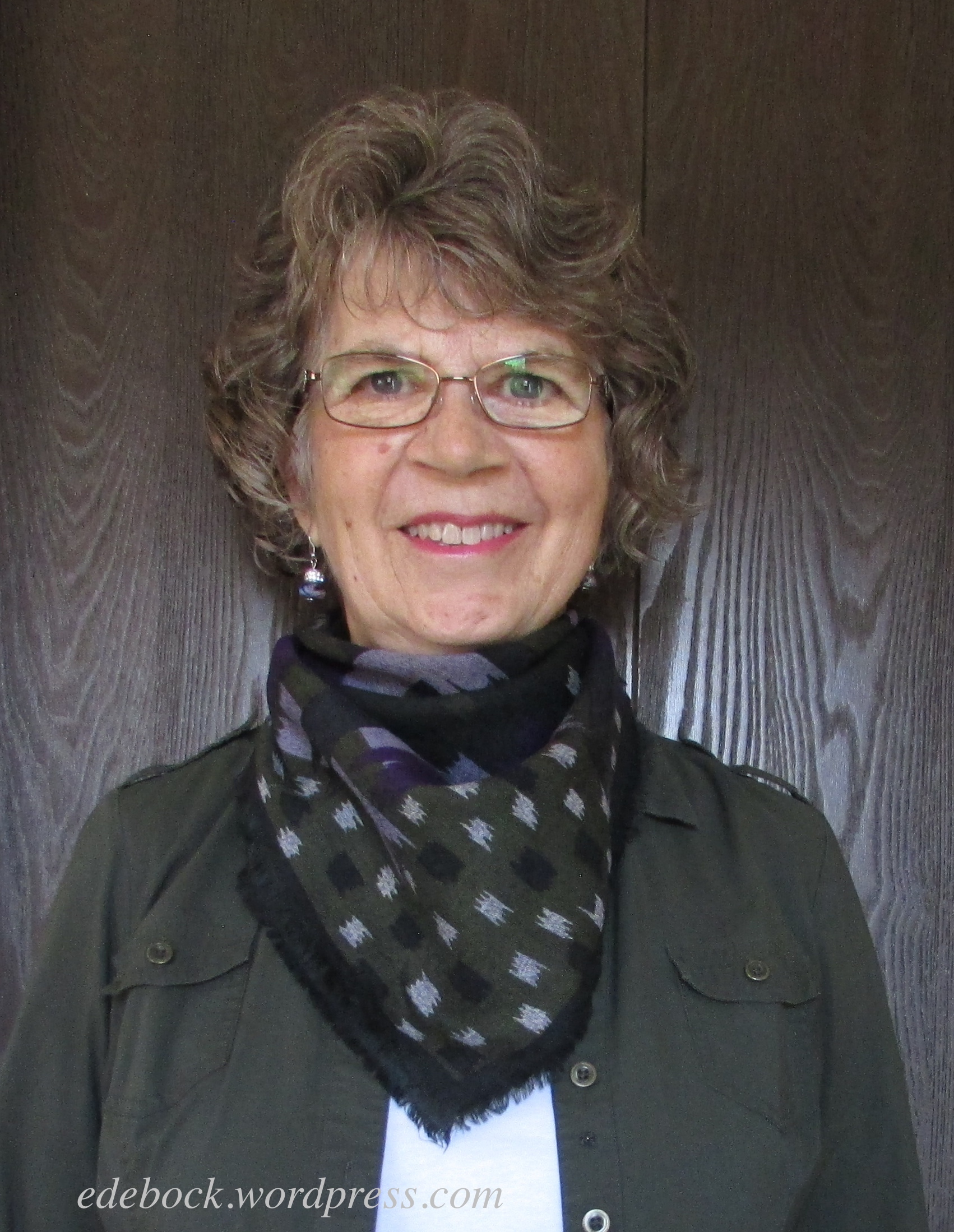
Depending on size and fabric, there are numerous ways to wear a square scarf and plenty of tutorials online to show you how. Here’s the super simple cowgirl style which shows off the colours nicely. I’m wearing it with a plain white Uniqlo t-shirt and the olive green shirt/jacket that I showed you here. It was also thrifted.

IMG_1522

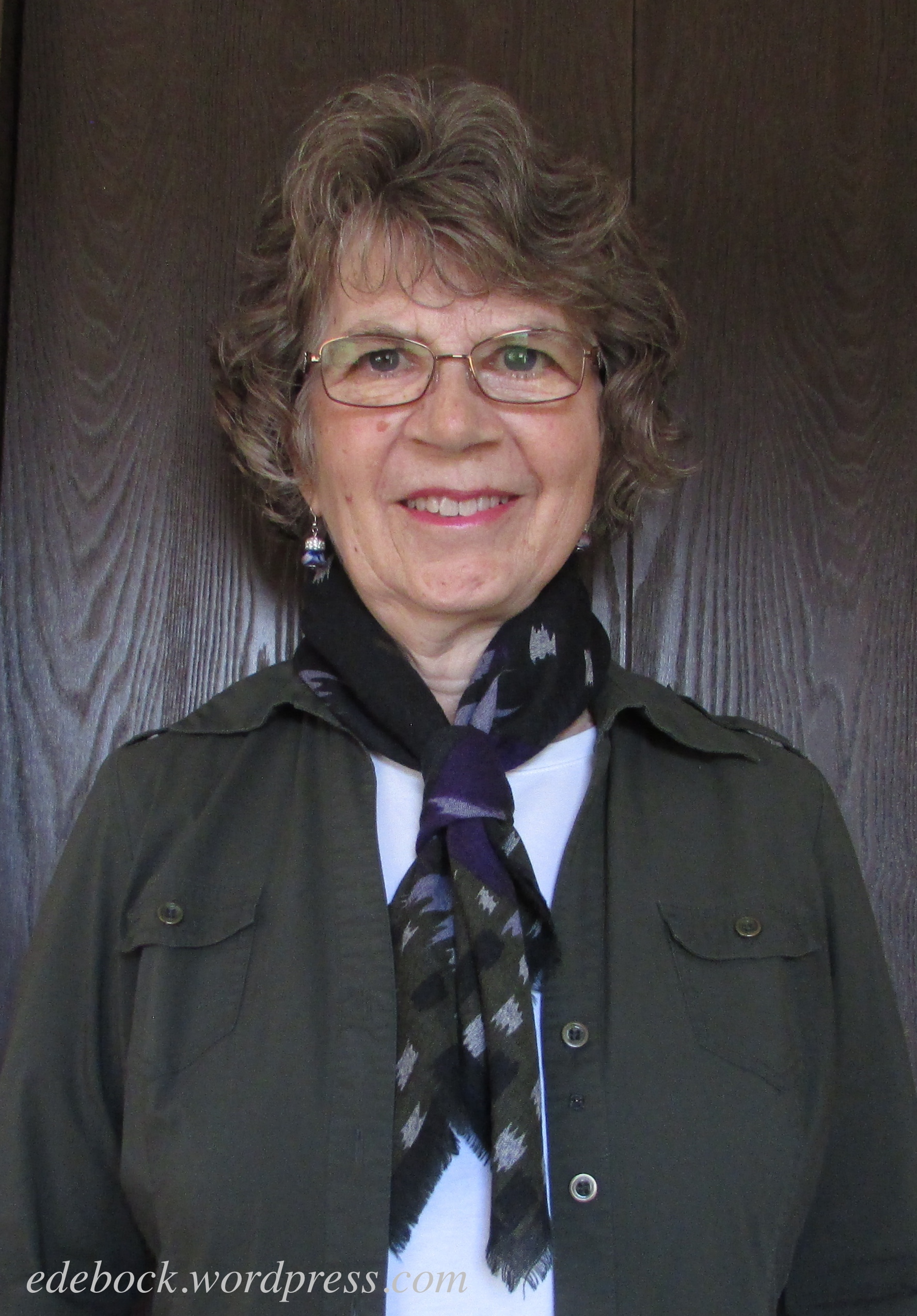
And here’s another very simple option. 

IMG_1526

Do you enjoy thrift store shopping? Have you found any treasures?

Scarves, scarves, scarves!

LogoFall is a beautiful season, but bittersweet because it means that our long, cold winter is just around the corner. At this time of year, I’m always reluctant to put my summer clothes away because I keep hoping that there will be a few more truly warm days and that I’ll still need them. Realistically, however, the days are getting shorter and cooler and I’m wearing mostly transitional pieces. While I haven’t switched my closet from spring/summer to fall/winter yet, I have started making some small moves in that direction. A few summer clothes that weren’t used at all this year have already been dropped off at the thrift store and this week, in preparation for fall, I decided to take a serious look at my scarf collection. 

IMG_1449I have a few warm, wooly scarves for outdoor wear in the depths of winter, but for this exercise, I was addressing only what I’d call my fashion scarves. I started by gathering them all together in one place. There were infinity scarves, rectangular scarves, square scarves, and even a few very tiny scarves. There were animal prints, polka dots, stripes, and a variety of other patterns. As you can see, there were lots of earth tones, some blues, greens, and greys, and a few pops of other colours. For a woman who doesn’t wear scarves very often, I seem to have a lot of them! A couple were gifts and a couple belonged to my mother-in-law before she passed away, but I picked up the vast majority of them at the local thrift stores over the past few years. Some I’ve never actually worn! It was time to decide which ones to keep and which ones to move along. A scarf doesn’t take up much space, but getting dressed is so much easier when your wardrobe is pared down to only those items that will actually be worn.  

I decided to start by separating my scarf collection into three piles… ones I’ve worn regularly in the past, ones I don’t wear and probably never will, and ones I’d like to wear but haven’t figured out how yet. This method can actually work well for everything in your closet, but for now I was focusing only on scarves. The don’t wear pile was set aside for my next trip to the thrift store. Hopefully someone else will enjoy those ones. Next, I went through the favourites pile and took a closer look at each of them. One of them was badly worn with lots of little catches in the fabric. It was time to let that one go too. The rest of that group went into my closet on handy scarf hangers purchased at the dollar store. 

Over the next while as I do the rest of my seasonal closet switch, I’ll play around with the final few; the scarves that I like but haven’t quite figured out how to wear with my existing wardrobe. Hopefully they’ll result in some new looks for fall. 

IMG_1455

And finally, here’s my newest scarf. Infinity scarves are so easy to wear and when I saw this one in the thrift store last week, I knew immediately that it would look great with a jean jacket, in this case a basic one from Gap that’s been in my closet for several years. Perfect for an early fall day! 

IMG_1459

50 characteristics of an elegant woman

audrey-hepburn-quotes1

Pamela Lutrell, writer of the blog Over 50, Feeling 40, has been writing a series recently on cultivating elegance. Before she started, she asked her readers how they would define elegance. That led to a very interesting discussion and started me thinking a lot about what it means to be an elegant woman. 

What is elegance? Is it an old-fashioned concept gone the way of the dodo bird or is it something that today’s busy woman should aspire to?  

The dictionary defines elegance as the “quality of being graceful and attractive in appearance or manner.” It’s the “or manner” part that caught my attention. Elegance is much more than what we look like or how we dress. It’s the whole package, inside and out. 

With that in mind, I think an elegant woman…

  1. Dresses appropriately for the occasion.
  2. Doesn’t dress to impress.
  3. Knows her style and dresses accordingly. 
  4. Practices modesty and moderation in all things.
  5. Chooses quality over quantity. 
  6. Feels free to be herself. Is authentic, not contrived.
  7. Uses makeup subtly to enhance her natural beauty, not hide it. 
  8. Maintains good posture and moves gracefully.
  9. Doesn’t compare herself with others.
  10. Exhibits self-confidence. 
  11. Looks to other women for inspiration, not competition. 
  12. Practices good manners. 
  13. Accepts compliments gracefully.
  14. Has a heart of gratitude.
  15. Isn’t a complainer. 
  16. Engages in intelligent conversation and appreciates an intellectual debate.
  17. Is present in every conversation giving everyone her full attention. 
  18. Isn’t judgemental.
  19. Doesn’t gossip. 
  20. Practices discretion. Doesn’t share everything with everyone. 
  21. Is kind with her words about others. 
  22. Speaks eloquently and thoughtfully.
  23. Is never loud or obnoxious.
  24. Doesn’t always have to be right. 
  25. Doesn’t always have to have the last word. 
  26. Is comfortable with silence.  
  27. Stands up for what she believes in, but does it graciously. 
  28. Doesn’t lose her cool in public, but gracefully and calmly stands up to people who are disrespectful. 
  29. Thinks of others and puts their feelings ahead of her own. 
  30. Doesn’t try to control other people. 
  31. Doesn’t take other people for granted.
  32. Practices patience with everyone and everything in her life. 
  33. Admits when she is wrong and seeks to make amends.
  34. Apologizes sincerely. 
  35. Doesn’t speak down to children, but engages with them at an appropriate level. 
  36. Respects other people’s time and avoids being late. 
  37. Enjoys learning new things. 
  38. Recognizes her own areas of weakness. 
  39. Isn’t wasteful.
  40. Appreciates all that she’s been blessed with. 
  41. Takes pride in what she does, but isn’t a perfectionist.
  42. Isn’t boastful. 
  43. Appreciates hard work. 
  44. Lives passionately. 
  45. Isn’t afraid of getting dirty working in the garden, making mud pies with her grandchildren, or hiking a rugged trail. 
  46. Knows that life is about small and simple pleasures. 
  47. Persists when life gets tough, which it inevitably will. 
  48. Doesn’t obsess over the “what ifs” and “if onlys” in life. 
  49. Knows that the grass isn’t greener on the other side of the fence and when it looks as if it is, she waters her own yard. 
  50. Radiates inner peace. 

LogoDoes this list make elegance sound impossible? I hope not. Remember, no one is perfect. None of us gets it right all the time, but I think these are qualities that we can all aspire to and that they’re just as appropriate today as they were in our grandmother’s day. What do you think? Can you add any others to the list? 
HOOFED IT!

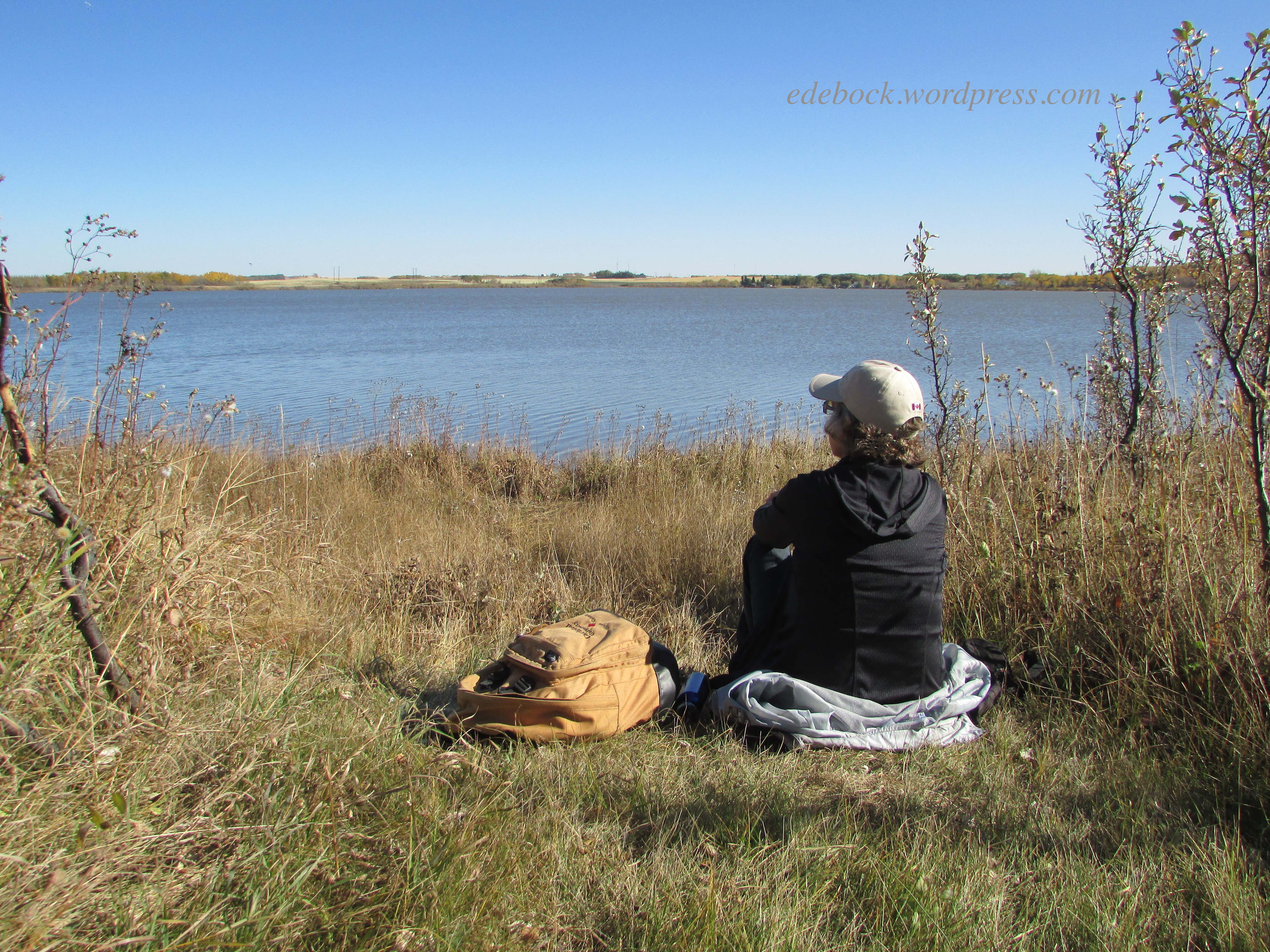
Over a three day period while camping at Miquelon Lake Provincial Park this past week, Richard and I hiked a total of 23.9 km, pushing me to within just 2 km of my final HOOFING IT Across Canada goal. This evening, under dark cloudy skies that look like they were about to let go and pour rain, I crossed my self-imposed finish line! Since July 1st, I’ve HOOFED IT 179.5 kilometres (111.5 miles). That’s 2.5 km more than the distance from our front door to the Cross Cancer Institute in Edmonton where I receive all my neuroendocrine (NET) cancer care.

If you’ve been reading my blog or following me on Facebook this summer, you know that I’ve been taking part in the CNETS Canada campaign to raise funds for NET cancer research. The goal was for participants to rack up 5514 km, the distance from Newfoundland and Labrador to the Yukon, by walking, hiking, kayaking, swimming, cycling, roller-blading, or any other forward moving activity that they could think of. We did that in spades, criss-crossing Canada almost five times!

Fundraising has been a bigger and vastly more important challenge. This evening, we’re sitting at just over $73,000, but approximately $20,000 of that has come in over the past ten days! For that reason, the deadline for making donations has been extended to September 25. With an extra two and a half weeks, we’re hopeful that we can bring in the final $27,000 necessary to continue funding critically needed neuroendocrine cancer research.

The need for research and awareness was brought home to me again this afternoon when I spent some time chatting online with a NET patient in another Canadian province who was diagnosed in May of this year. She’s been seen by an oncologist and has had surgery, but she hasn’t been referred to a NET specialist. She hadn’t even heard of Sandostatin, the injection that I’ve been receiving every 28 days since diagnosis. It’s been the workhorse medication for neuroendocrine cancer patients for the past 30 years, but her oncologist may never have encountered a NET patient before and may have little or no idea how to treat it. Sadly, this is a common occurrence for NET cancer patients!

Today, with so much attention being directed toward COVID related research (and rightly so) a relatively unknown cancer like ours can easily get overlooked. With many people facing financial difficulties, it’s not easy to keep asking for donations, but let me do it one more time. If you haven’t already and you’re able to give even a small donation, please visit my fundraising page and help us reach our goal. Every dollar counts!

12 Trends for Fall 2020

Logo

As we enter a new season and continue to find ourselves caught in this strange Covid-19 conundrum, I wonder how many of us are thinking about fashion trends or even considering adding to our existing wardrobes. I think, more than anything, fashion this fall is going to be all about comfort and some of the trends definitely reflect that.

Before we look at specific styles, let’s talk about colour. Though black and grey will continue to be popular neutrals, bold jewel tones lead the way this fall. Marigold, orange, wine, and rust are very popular and even chartreuse is on trend. Rich, bold blues and deep olive are also highly favoured. Head to toe outfits in warm creamy tones are a new look for fall this year.

ISABEL MARANT Fall Winter 2020 Runway Images Courtesy of ISABEL MARANT

Now for 12 of the most popular trends for fall:

1.  Textured coats  –   Shearling and faux fur are both very popular for outerwear this season.  

2.  Oversized coats  –  We definitely want to wrap ourselves in something comfy as we move into winter! 

Screen Shot 2020-08-31 at 4.36.07 PM

3.  Capes  –  Capes as coats continue the theme of wrapping ourselves in comfort. 

4.  Quilted fashions  –  Puffer coats and vests have been popular for awhile, but this season we’re also seeing quilted skirts! 

5.  Plaids and checks  –  Look for argyle patterns, tartans, gingham, houndstooth, checks of every kind this season. You may not have to look any further than your own closet to incorporate this look into your fall outfits. Vintage shops would be another great source. 

6.  Shoulder reveals  –  Not just the cold shoulder look that’s been around for the past couple of years, but asymmetrical shoulder cutouts, one shoulder, and off the shoulder looks are all on trend this season. 

7.  Puff sleeves  –  Anne of Green Gables anyone? Dramatic, voluminous sleeves are big (pun intended) this fall. 

copenhagen-str-2-rs19-0580

8.  Ruffles and tiers  –  Ruffled skirts and tiered dresses are popular. Look for Victorian-era details, particularly ruffled Victorian necklines. 

victorian ruffles

9.  Skirt suits  –  Summer’s short suits have transitioned into skirt suits for fall. This trend might appeal to many women who’ve been able to return to the workplace and who are looking to amp up their fall and winter wardrobes. Some have pleated skirts, many are seen in bright colours, and some are even all leather. 

10.  Fringe  –  Fringes, sometimes very long fringes, are being seen on hemlines, sleeves, handbags, pretty much anywhere you can put a fringe. 

11.  Metallics and sequins  –  The majority of us probably won’t be going anywhere in the near future that requires anything very fancy, but if you do, metallic fabric (especially silver) or sequins is the way to go. 

12.  Lingerie looks  –  Lastly, for the more adventurous amongst us and perhaps those who live in a warmer climate than I do, is the intimate apparel as daywear look. If you can’t decide which shirt to wear, don’t panic. Just go without one! Bra tops and bustiers under jackets are a trend, though not one that I”m likely to adopt! 

Bra top under jacket

As you can see from the photos, it’s very easy to mix and match this fall’s trends. Think plaid overcoat, cape, or skirt suit, for example. 

As I’ve mentioned in previous seasonal trend posts, some of these may appeal to you and others probably won’t. Don’t ever feel compelled to wear something simply because it’s on trend. Instead, pick and choose those colours that suit your skin tone and looks that fit your personal style. And, before you start shopping for this season’s trends, remember to shop your own closet. Perhaps you’ll find something there that fits right in with the current trends. 

Wearable milk?

LogoI learn so much from my readers! The idea for today’s post came from one of my most recent followers, new blogger, Dhwani Ghandi, of Style Green With Dee

The fashion industry is known to be one of the world’s worst polluters. According to the United Nations, it is responsible for producing 20% of global waste-water and 10% of carbon emissions, more than that of international flights and maritime shipping combined. Clearly, there is an urgent need for more sustainable, eco-friendly alternatives. Could milk protein (casein) be one of them? 

The idea isn’t a new one. In fact, fabric made from sour milk was developed as a substitute for wool in resource-starved Italy in the 1930s and was used in many clothing and household items in America and Europe during the ’30s and ’40s. It was far from perfect, however. Chemicals such as formaldehyde were used to strength the fabric and it wasn’t as soft or durable as wool. As a result, it fell into obscurity when less expensive, more resistant synthetic options such as nylon became available. 

Today, milk fibre is once again gaining interest as manufacturers and consumers look for alternatives to synthetic fabrics. Most milk fibres today are blended with the chemical binder acrylonitrile, which is also used to make acrylic, but there are some small producers in Europe who claim that their fabrics are 100% chemical-free. At this point, they have a limited market due to cost. Milk fibre is much more expensive than polyester to produce, but cheaper than other luxury fibres like silk. 

So what is casein or milk fibre fabric like? Apparently, it is glossy and luxurious in appearance, feels much like silk, absorbs moisture well, and is antibacterial and antifungal. It blends well with other fabrics such as cotton, bamboo, and modal. What’s not to like? 

I have to wonder though, if solving one problem would cause or contribute to another. Apparently, the dairy industry worldwide dumps millions of tons of milk every year. It would be wonderful to see that go to good use in fabric production. Would it be enough, however, or would dairy herds have to be increased in order to meet the demand? It takes approximately 15 kg (33 lb) of milk to produce 1 kg (2.2 lb) of milk fibre. The amount of land and water required to raise additional cows, the unethical treatment of factory-farmed animals, and pollution caused by manure entering waterways are all factors that would have to be taken into consideration. And then there are those cow farts putting methane gas into the atmosphere! 

Who knows though? It may be a novel idea now, but maybe someday we’ll all be wearing sour milk! 


My final goal

Just a quick HOOFING IT Across Canada post today as I have grandchildren here and don’t intend to spend much time sitting at the computer! With just two weeks left in the fundraising campaign for neuroendocrine (NET) cancer research, I have walked 136.56 km and raised $1595 in donations. If you’ve been following my progress, you know that I originally set 100 km as my walking/hiking goal. When I accomplished that before the middle of this month, I decided to add another 50 km to my distance. Now, with that goal in sight, I’ve decided to push myself a little bit further.

The distance by road from my front door to the Cross Cancer Institute in Edmonton, Alberta is 177 km. That’s where I receive all my NET cancer care, so 177 km seems like a very meaningful goal to pursue. It might be a bit of a stretch, but I CAN DO IT!

I also passed my fundraising goal of $1500 in early August. It hasn’t grown a lot since then, but I would dearly love to see a few more donations come in. I’m still in the top ten fundraisers and would love to hold onto that position, but much more important is the need for funds to continue research into this unusual cancer. It will be 7 years tomorrow since I started this journey and while there’s been progress made, we still know nothing about what causes NET cancer and have a very long way to go to find better treatments and ultimately a cure.

The overall goal for the HOOFING IT Across Canada campaign is $100,000. This afternoon we’re sitting at just under $54,000, so we still have a long way to go! You can help by visiting my fundraising page and adding to my total. Thank you so much for being with me on this journey!

287226b0-bda3-11ea-a9f0-2d2856e5b296

Busting the LBD myth

LogoEvery woman needs a little black dress or so we’re told, but is it true? What about those of us who look completely washed out in black?  

The idea behind this so-called “essential”depositphotos_79714730-stock-illustration-fashion-little-black-dress-template is excellent. The LBD should be simple and elegant, something that can be dressed up or down depending on the occasion. It can be worn to work, to dinner, on a date, to a professional event, to a funeral, to church, to a party – the list is endless. It’s a classic piece that can be quickly and easily accessorized making it a simple choice when something unexpected comes up. It stands the test of time and never goes out of fashion.

But, does it have to be black? Absolutely not!  

For those of us with warm skin tones who don’t look good in black, navy is an excellent alternative, but your LBD that isn’t black could be another neutral colour or even bright red.

So, whether your LBD is black, navy blue, chocolate brown, charcoal, camel, or red, how do you choose the right one? First of all, make sure that the fit is perfect and choose a simple style that flatters your body shape. When you slip into it, you should feel glamorous. Length is optional. You can go as short as above the knee, choose a longer maxi style, or go for something in between. Avoid trendy hemlines as you want to wear it for many, many seasons.  Though the LBD is most often sleeveless, this is also a matter of choice. If you aren’t keen on your upper arms being seen, you can certainly opt for one with sleeves. If you travel a lot, choose a fabric that doesn’t come out of the suitcase looking like a wrinkled mess, ideally one that you can wash in a hotel sink and hang to dry.  

The power and versatility of the LBD of any colour is in the accessories. You can wear it with shiny jewelry and heels for a fancy party or pair it with ballet flats and a cardigan for a casual night out. Play around with scarves, wraps, necklaces, belts, and other accessories. Wear it with a blazer, a jean jacket, or a sparkly sweater. With one simple dress and the things you already have in your closet, you’ll create a multitude of different looks. 

So ladies, if you don’t already have a dress like this in your wardrobe, what are you waiting for? Just remember, it doesn’t have to be black!  

download (1)


HOOFED IT 100 km!

dancing-netty-zebra-net-cancer-dayThere’s no doubt that the HOOFING IT Across Canada fundraising campaign has helped give purpose to my summer; this very weird summer when a family reunion, special birthday celebration, travel, and even scattering my father’s ashes in his beloved mountains all went out the window with Covid-19.

Prior to the campaign, I set two goals for myself. Between July 1st and September 7th, I would walk or hike 100 km and raise a minimum of $1500 in donations for neuroendocrine cancer (NETS) research. I knew that I’d have no problem HOOFING IT 100 km, but I originally thought that $1000 was perhaps a more reasonable fundraising goal. My husband had other ideas. “Go big!” he urged me, so $1500 it was. This week, I accomplished both these goals! In fact, the $1500 was in the bag before I HOOFED my final kilometres today!

With a little over three weeks left in the campaign, I’m not going to quit now. Instead, I’m going to push myself to walk another 50 km and increase my fundraising goal to $2000. My total presently sits at $1570, so I’m going to need some help!

Perhaps this is a good time to explain a bit about this cancer that killed Steve Jobs, Aretha Franklin, and more recently, actor Irrfan Khan, and why research funds are so badly needed. NETS is currently being diagnosed more frequently than ever before, but no one knows why or what causes it. Despite vast improvements in diagnostic techniques, it continues to be difficult to diagnose because symptoms are often vague and are also typical of hundreds of other more common diseases. As with any cancer, early diagnosis is the first step toward successful treatment and better outcomes, but patients commonly make many visits to the doctor over several years before an actual diagnosis is made. I probably had NETS for 7 to 10 years before it was detected and, of course, by that time it had spread. This is pretty typical. Thankfully neuroendocrine tumours tend to grow slowly and a person can live a long time even with advanced disease. Time equals hope; hope that new and better treatments will be found. That requires research and research requires dollars!

That’s why the Canadian neuroendocrine cancer community has collectively walked, run, hiked, biked, kayaked, canoed, and even stand-up paddleboarded over 17,000 km this summer and raised over $45,000. That falls a long way short of our $100,000 goal though.

I greatly appreciate those who have already made donations. If you haven’t and you’re able to, please visit my fundraising page here. No amount is too small!