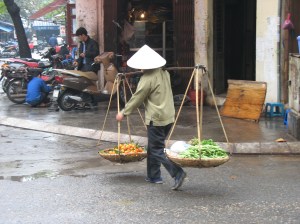
Dec. 27 was a drizzly wet day in Hanoi. After checking out of our hotel and leaving our luggage there for safekeeping, we set out with umbrellas in hand to do some more exploring. After lots of walking, we treated ourselves to one hour full body massages for $15 US each!
Late in the afternoon, we headed back to the hotel to pick up our luggage and meet the van that would take us to catch the overnight sleeping bus to Hoi An which is located about half way down the coast of Vietnam. What an adventure that was! Three rows of narrow bunks filled the bus from front to back and the narrow aisles in between were crowded with luggage. We claimed two top bunks toward the back of the bus and settled in. The passengers were an interesting mix and camaraderie soon developed. It reminded me of being in an overcrowded summer camp cabin on wheels! We drove through the night making several bathroom stops along the way. The facilities were very primitive and way beyond dirty but when you gotta go, you gotta go! Everyone would pile out of the bus, climbing over the luggage in the aisles and line up. Then back on the bus and on we’d go. It didn’t help that it rained most of the night.
Travel in Vietnam is incredibly slow. I think the bus averaged about 50 km/hour. At times, however, it barely crawled over roads that were almost impassable due to road repairs and bridge construction or in some places, washouts. In spite of the bone jarring ride, we did manage to get some sleep. Early in the morning, the bus pulled in to Hue and those of us who were going on to Hoi An were shepherded onto other buses for the remainder of the trip. We were part of a group who had to carry our luggage a couple of blocks down the street to the place where our second bus would pick us up. It seemed like mass confusion but we were soon on our way again and arrived in Hoi An around one o’clock.
We quickly found a very nice hotel with an indoor swimming pool where we were able to get a room for $14 US/night including breakfast and free internet. Prices in Vietnam continued to amaze us. Dinner for two including wine could be easily had for around $10 US.
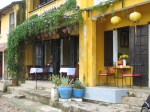
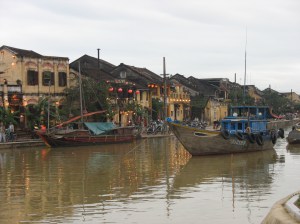 Hoi An, a town of about 76 000 people, is like a living museum and it’s Old Town area has been designated a UNESCO World Heritage site. After having showers and settling in, we set off to explore this fascinating place. There are over 200 tailoring shops in Hoi An. By this time, I had fallen in love with the traditional Vietnamese ao dai, a two piece silk outfit comprised of pants and long tunic, that is still in common use. When I discovered that I could have one made to measure in the fabric of my choice for $35 US, I couldn’t resist even though I’m not sure where I’ll wear it! Of course, we think of silk as a luxury item but in Vietnam, it’s commonplace. It’s nothing to see women dressed in silk sitting on the ground selling vegetables. It took the seamstress only a matter of minutes to take my measurements and I was told to come back the next afternoon for a fitting. What fun!


After strolling the riverfront area and enjoying a delicious seafood dinner, we were caught up in an amazing street scene on the way back to our hotel. Vietnam had just won the Suzuki Cup, an Asian soccer championship, claiming victory over Thailand, the expected winner. Impromptu parades of flag waving, cheering people filled the intersection. We simply had to stand back and take it in as there was absolutely no way to cross the street and head back to our hotel. The police were visible but there was no sign of violence or vandalism, just a great overflowing of national pride and rejoicing. It was a privilege to be a part of it. As the crowd dispersed enough for us to move on, I returned to the hotel wearing a bright red “Vietnam Vo Dich” (Veitnam wins) ribbon around my neck. Many of the locals who saw it were delighted and called out to us as we passed. The ribbon, purchased from a child in the crowd for just a few cents, is as meaningful to me as any souvenir I’ve ever bought.
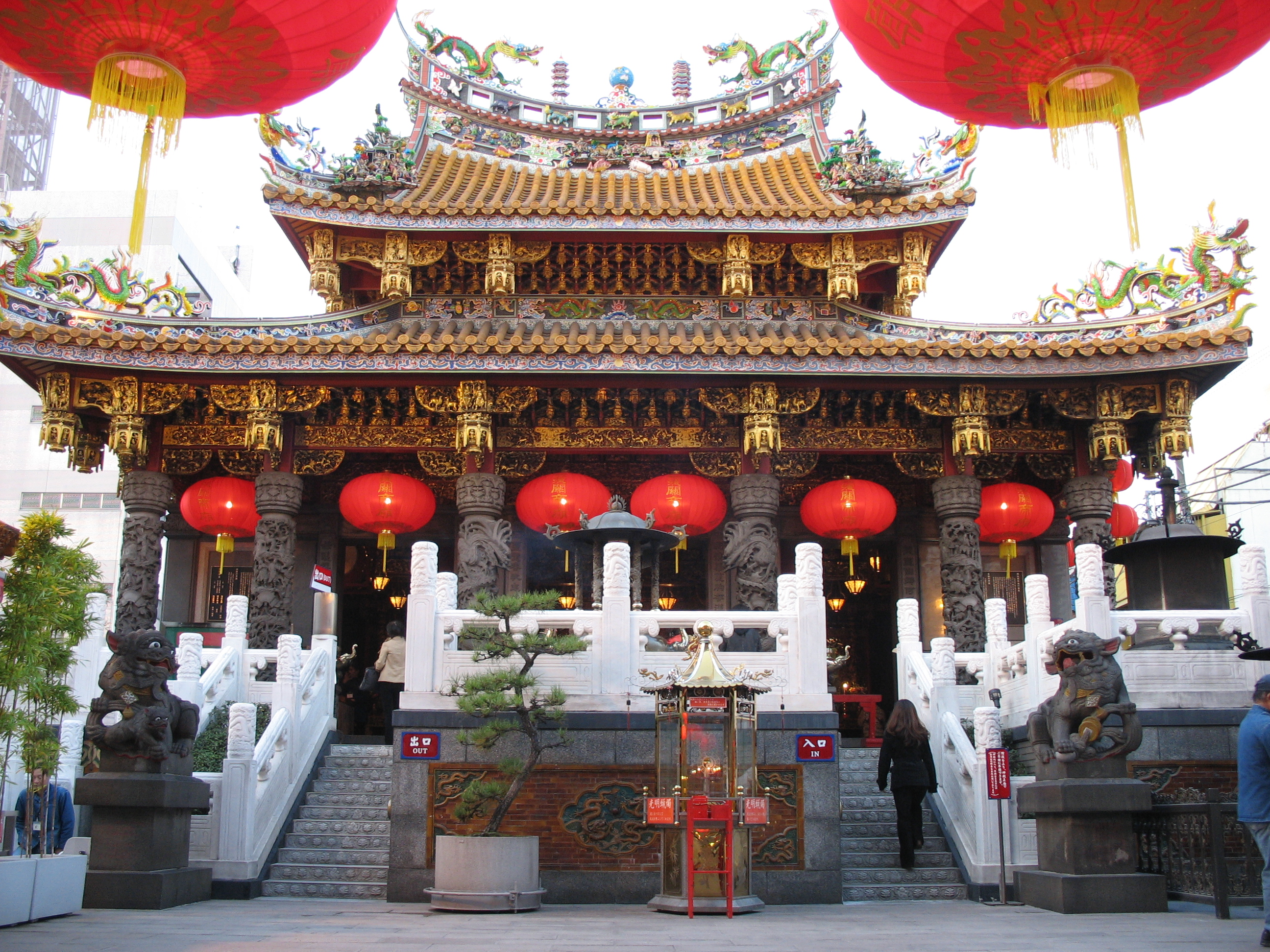
We spent much of the following day wandering the Old Town visiting a variety of attractions including a Chinese assembly hall, the Museum of History and Culture, a couple of handicraft workshops and a historic house that has been in the same family for seven generations. The family lives upstairs and opens the main floor to tourists most of the year. The house is located on the river’s edge. During the three month rainy season, the main floor floods and all the heavy wood furniture has to be moved upstairs!
Late in the afternoon, we returned to the Dung tailor shop (how’s that for a name?) for my fitting. The ao dai fit to perfection so I was able to take it with me.
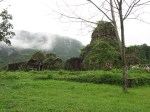
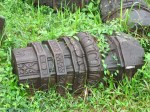 Early the following morning, we were picked up at the hotel for a tour of the Cham ruins at My Son, 35 km southwest of Hoi An. Another UNESCO World Heritage site, the ruins were a religious centre built and occupied between the 4th and 13th centuries. Though they pale in comparison to Angkor Wat, which we would see later in our trip, the ruins were fascinating and their location, nestled in a lush valley, gave us opportunity to see the dense jungle growth up close. Part way back to Hoi An, we transferred to a boat and finished the trip by river. Once back in town, we had a mid afternoon meal and picked up food for the next long bus trip to Saigon.


Hoi An was once a major Vietnamese seaport but with the advent of larger ships that couldn’t enter the silt filled harbour, that role was taken over by Danang and the once thriving community faltered. In very recent years, tourism has been a boon to Hoi An and I suspect that it will contribute to future restoration and development. Hopefully, the town will continue to become the jewel that it could someday be without losing any of it’s charm or quaint character.
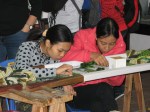 towns along the way. We also stopped at a very large souvenir shop that sold local pottery and a wide variety of other handicrafts. At one end of the building, a workshop had been set up where embroidery pictures were being handmade. This was a work project for disadvantaged people, many of them quite young.
 We arrived at the busy Halong Bay tourist wharf and boarded our junk around noon. As this was our Christmas gift to each other, we had booked the deluxe tour. After a welcome drink, we settled into our small but comfortable cabin then made our way to the dining room for the first of the four fabulous meals that we’d be served aboard. Though the food was incredible, some of us jumped up several times to rush out on deck and take photographs of the amazing sights that surrounded us.




 with them just outside a fabulous lagoon with just one entrance, a tunnel through the rock. As we kayaked through the tunnel, we sang Silent Night and listened to our voices echoing off the rock walls around us. We enjoyed a peaceful paddle around the lagoon while our fellow passengers boarded a small boat and came in for a quick look around then we all returned to the junk which was now anchored for the night. As the sun set over the bay, we relaxed on board until supper, another wonderful feast, was served by candlelight. The water was dead calm and the lights of several other junks reflected off it beautifully.



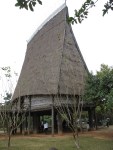

 of Literature which was originally dedicated to Confucius and
 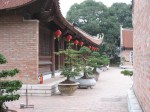 later used as a university. Built in the 11th century, it is a well preserved example of traditional Vietnamese architecture. While there, we had the opportunity to listen to a performance of Vietnamese music played on a variety of traditional instruments. We then walked the couple of kilometers back to our hotel, growing ever more accustomed to crossing the busy streets.