Book of the month – July 2025

I haven’t been reading as much as usual this summer. In fact, I only completed one book in the entire month of June! That would help explain why I haven’t written a book of the month post for awhile, but it’s time for that to change. Maybe I need to add reading to my daily to-do list!

The Indigo Girl

Natasha Boyd

If I didn’t know that this novel was was a well-researched, but fictionalized retelling of a true story I would have thought it a bit far-fetched. A father giving his 16-year-old daughter control of three family plantations in South Carolina while he leaves the country to secure his political position on the Caribbean island of Antigua would be remarkable at any time, but this was 1738! At a time when the role of women was purely domestic, intelligent and headstrong Eliza Lucas was determined to find a cash crop to pull the plantations out of debt, pay for their upkeep, and support her family.

Upon learning how much the French were willing to pay for indigo dye, Eliza was convinced that it could be the key to resolving the family’s financial woes. Thwarted at every turn, even by her own mother, she refuses to give up. After three years of persistence and many failed attempts, she proves that indigo could indeed be successfully grown and processed in South Carolina.

A woman before her time, Eliza Lucas dares to choose her own path, to choose whether or not to marry, and to prove herself as competent as the men who try to intimidate her. Although she couldn’t have accomplished what she did without the help of the plantation slaves, she struggles with the concept of owning people and unlike many slave owners of her time, she seeks to treat her people well. She has improvements made to their living quarters and, with the help of a lawyer friend, cleverly circumvents the law forbidding masters to teach their slaves to write. She sets up a small school to teach the children to read and also teaches one of the men who has been with her family for many years.

This is a story of friendship, intrigue, ambition, sacrifice, betrayal, and for those who like romance, there’s some of that too. Excerpts of actual letters written by Eliza Lucas are interspersed throughout the book.

International Women’s Day and Kiva

Tomorrow, March 8, is International Women’s Day, a day set aside to celebrate the social, economic, cultural and political achievements of women. It also serves as a reminder that there is still a lot of work to be done to empower women and achieve gender equality, especially in developing countries where they are at greater risk of prejudice and gender-based violence. Women’s rights have come a long way since the first International Women’s Day in 1911 but we still have a long way to go!

Although different countries and different organizations have chosen differing themes for International Women’s Day 2023, they all revolve around the idea of equality and equity for women. Equality means giving all people equal access to rights and opportunities while equity refers to allocating resources based on the needs of individuals without bias or discrimination. That’s where Kiva comes in and why I’m choosing to focus on this non-profit micro-lending organization on International Women’s Day this year.

It’s all well and good to talk about the rights of women and the need for gender equality, but unless we’re willing to actually do something, that’s all it is. Talk doesn’t change anything! Change requires action, so what can you do? How can you make a difference?

graphic-gender-equity-1-billion-women-unbanked_2xLet’s begin by looking at some startling facts. Research shows that women typically invest a higher proportion of their earnings in their families and communities than men do, but in order to do so they need access to the full range of credit, banking and financial services. 740 million women worldwide, however, have little or no access to financial services. Because so many women are excluded from accessing financial assistance, it’s difficult for them to start businesses, pursue higher education, or improve their livelihood. Kiva aims to change that! Since 2017, the number of unbanked women has dropped by 24%. If this trend were to continue, the number of women without access to financial services could reach zero in less than 20 years!

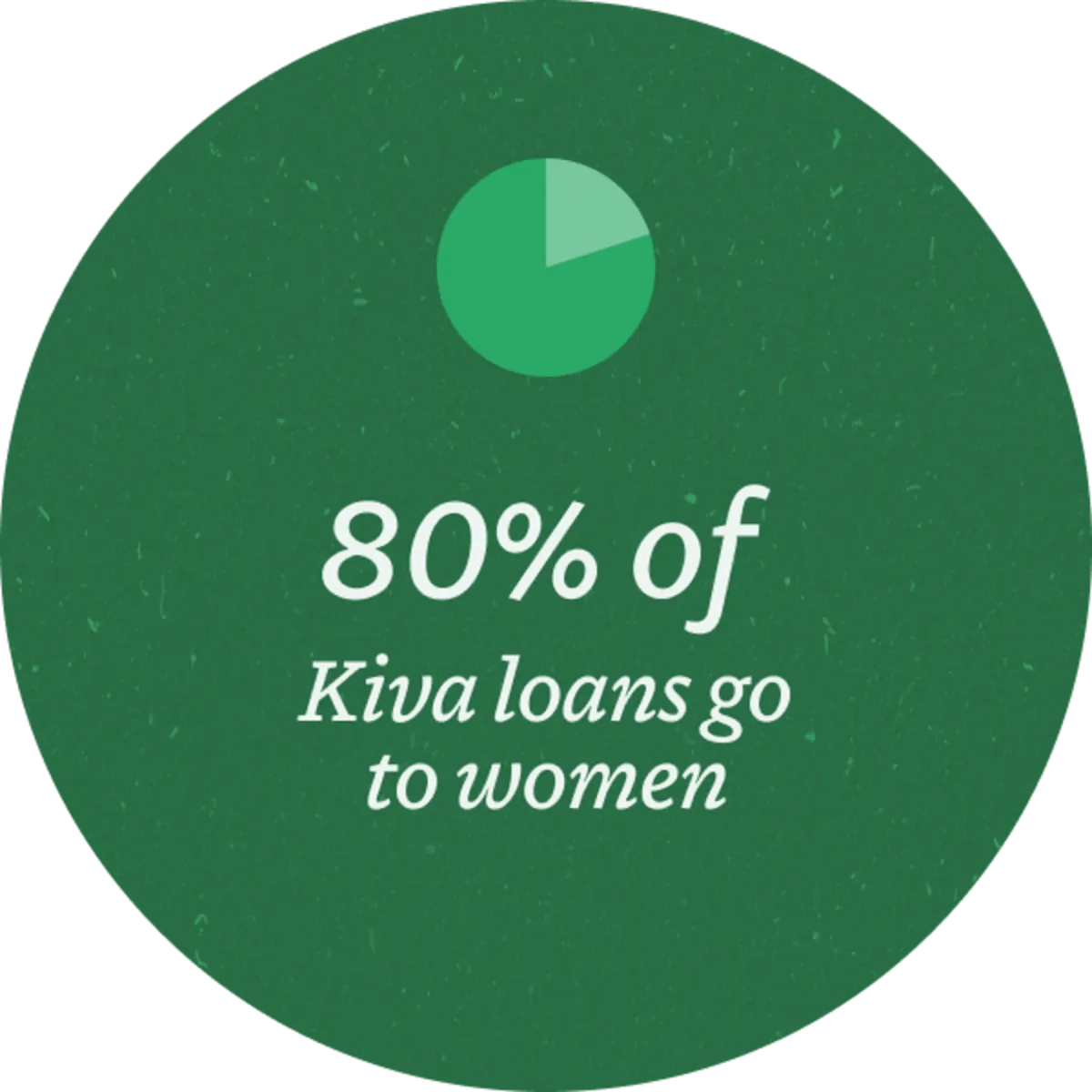
More than 80% of Kiva loans go to women, women who have historically been denied access to traditional banking services. Kivagraphic-kiva-8-percent-loans-go-to-women-1_2x loans enable them to become financially stable, resilient, and self-reliant, allowing them to better support and protect themselves and their families from abuse, violence, and financial dependence.

So, why not celebrate International Women’s Day 2023 by making a loan to a woman in one of the 70+ countries on 5 continents served by Kiva? It’s easy, it costs as little as $25, and it makes a difference! 

If you’re not familiar with Kiva, here’s how it works. Click here to choose a woman or group of women to support. Lend $25 or more to help crowdfund the full loan amount. As the borrower earns an income and begins to repay her loan, you and the other lenders who helped fund her loan are repaid. These funds go directly into your Kiva account. When your account reaches $25 again, you can relend those same dollars to support another borrower! It’s truly the gift that keeps on giving!

Since I made my first two loans in March of 2010, I’ve helped fund 83 loans in 31 countries. Though Kiva provides loans to both men and women, I choose to lend to women who are borrowing money to purchase specific items that they will use to generate income to help them support their families and educate their children. Over the years, I’ve invested in a variety of livestock, seeds and fertilizer, numerous sewing machines, fishing equipment, hairdressing tools, restaurant stoves and refrigerators, a mill for grinding corn, heavy duty washing machines, a portable food stall, and probably a few other items. I also helped renovate some rental properties earlier this year.

To mark International Women’s Day, I decided to make another loan this week. Since my Kiva account was standing at less than $2 (I always relend as soon as it reaches $25) that involved topping it up, but I was more than happy to put my money where my mouth is as the old saying goes. Just think of the difference that we could make for women worldwide if we each invested just $25!

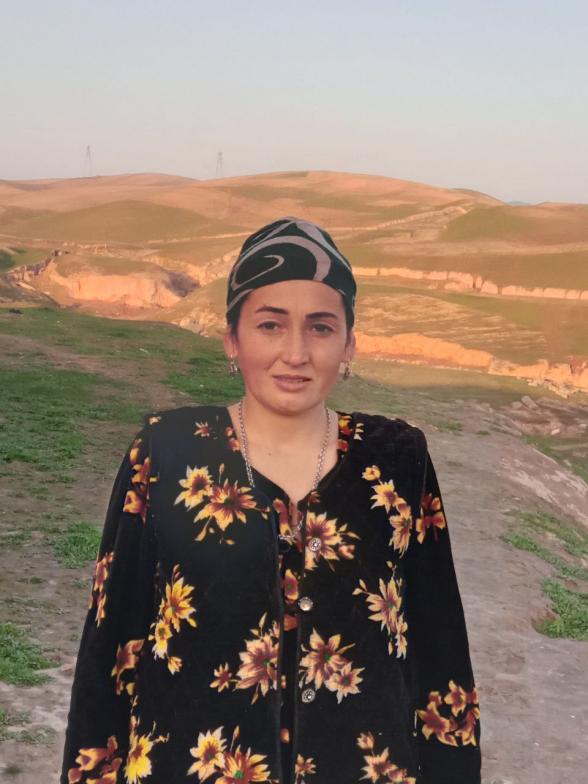
After reading through several loan descriptions, I found the one I wanted to help fund this time. Shamsiya is a 28-year-old mother of 5 children living in Tajikistan. She recently learned to sew women’s clothing and was seeking a loan to buy a sewing machine and supplies to start her own business.

fc8f6d9a81972e7a598e8ecb9c1d364b

bannerlong

images

What are you doing to make a difference this International Women’s Day? Please let us know in the comment section below.

International Women’s Day – Break The Bias

Tomorrow is International Women’s Day. It saddens me that we should even need to set aside a day to focus on women’s rights, to remind the world that women deserve equality. The reality, however, is that we need to do much more than simply dedicating one day a year to drawing attention to the plight of women worldwide. This needs to be addressed 365 days of the year!

The theme of International Women’s Day 2022 is #BreakTheBias. We are urged to:

Imagine a gender equal world.

A world free of bias, stereotypes, and discrimination.

A world that is diverse, equitable, and inclusive.

A world where difference is valued and celebrated.

In reality, we need to do more than just imagine that world. We need to be aware that gender bias, discrimination and stereotyping exist and actively call them out each and every time we see them. Whether deliberate or unconscious, gender bias makes it difficult for women to move ahead. Even in the developed countries of the world, disparity continues to exist in the workplace, in education, and in health care.

Globally, most women are employed in lower-wage occupations and lower paid industries than men. They are underrepresented in corporations in general and the percentage of women decreases with each step up the corporate ladder. In 2016, only 3 of the 100 highest paid CEOs in Canada were women.

A 2015 UN Human Rights report raised concerns about “the persisting inequalities between women and men” in Canada including the “high level of pay gap.” Five years later, in 2020, Statistics Canada reported that on an average, full-time working women earned 76.8 cents for every dollar made by men. The gap is even wider for women who are Indigenous, members of other visible minorities, newcomers, or living with a disability. The situation is similar in other first world nations. In the UK, for example, women earn an average of 18% less than men.

Gender bias in education is much more subtle in the western world than in countries like Pakistan where over 50% of girls receive no formal education and South Sudan where that number is closer to 75%. Here in Canada, in spite of the fact that 56% of post secondary students are female, women continue to be underrepresented in STEM majors (science, technology, engineering, and mathematics). In spite of the fact that, on average, they don’t outperform girls in high school math or physics, there continues to be a perception that boys are naturally more adept in these areas. This is the kind of stereotype that we need to call out!

Bias also affects the quality of health care that women receive. Too often, doctors view men with chronic pain as “brave” or “stoic” while women are seen as “emotional” or even “hysterical”. Her pain is much more likely to be treated as the symptom of a mental health condition, rather than a physical one.

Important biological differences between the sexes can influence how diseases, drugs, and other therapies affect people, but medical research has often been limited to male participants. They are considered better test subjects because they don’t have menstrual cycles and can’t become pregnant! This lack of inclusivity has led to gaps in knowledge that are detrimental to women’s health.

Lastly, traditional attitudes by which women are regarded as subordinate to men continue to perpetuate widespread abuse. Gender-based violence happens in all communities, cultures, and faith groups, and at every age and every income level, but some women are at higher risk than others. More than 40% of all Canadian women have experienced some form of intimate partner violence, but this number rises to 60% for Indigenous women. Every 6 days a woman in Canada is killed by her intimate partner. The homicide rate for women who identify as Indigenous is more than 5 times higher than that of all other women. Immigrant women are more vulnerable to domestic abuse often due to economic dependence, language barrier, and a lack of knowledge about community resources. In addition, when incidents of abuse within visible minority groups are reported, they are often taken less seriously by the criminal law system and the perpetrators routinely receive less harsh punishments. Younger women and women with disabilities are at much higher risk of experiencing violence. According to a 2019 report from Statistics Canada, 30% of all women over the age of 15 report the they have been assaulted sexually compared to 8% of men. The actual number is, of course, much higher as many incidents are never reported. 69% of all those who experience incidents of cybercrime are women.

On International Women’s Day and always, we need men and women to advocate for equality for all. Together, we can break the bias!

IMG_3619

Around the world, people are crossing their arms in the International Women’s Day #BreakTheBias pose to show solidarity. Why not join the movement? Post your photo on social media using #IWD2022 and #BreakTheBias to encourage other people to commit to working toward a more inclusive world for all.

Images: internationalwomensday.com

I’m a Christian feminist

I’m a Christian feminist. Yes, there is such a thing and no, that f word isn’t an obscenity.

The label may not be a familiar one, but Christian feminism predates well known secular feminists and activists including Simone de Beauvoir, Betty Friedan, and Gloria Steinem. There is, in fact, a long history of Christian women devoting themselves to fighting for the status of women, and the right of women to vote, to own property, and to defend themselves in a court of law against rape and domestic abuse. Women like Nellie McClung who, based on her understanding of God’s intention for creation, together with Emily Murphy, Henrietta Muir Edwards, Irene Parlby and Louise McKinney, launched a legal challenge that would pave the way for women to be declared “persons” under law and to participate equally in all aspects of life in Canada. Thankfully, theirs is a rich tradition of pro-life feminism that continues today.

Within the Christian church, there are two schools of thought regarding the roles of men and women. Complementarians believe that men and women, though equal in worth, are meant to have distinctly different roles. Egalitarians, while agreeing that men and women are equal in worth, believe there should be no gender restrictions on what roles they can fulfill. Marriage and ministry are the primary points of disagreement between the two viewpoints.

When we first married, I was a baby Christian. I tried to be the submissive wife that my husband had been taught was his due simply because he was born with a Y chromosome and an extra appendage. It didn’t work. He wasn’t a good leader and, truth be told, I wasn’t a good follower. All the while, I wondered why God would want me to submit to a sinful man. Then I realized that He didn’t. We were meant to be partners, submitting to one another (Ephesians 5:21) with God as the head of our household.

But what about Ephesians 5:22-24 and Colossians 3:18, verses that exhort wives to submit to their husbands? We can’t simply ignore portions of scripture because they make us uncomfortable or dismiss the parts we don’t like. Sometimes we have to grapple with scripture. We have to understand the context and the time in which the words were written. We have to dig deep and seek to understand the principles being taught and then figure out how to apply them in our time and place.

“It’s dangerous to cherry-pick a few stand-alone verses, particularly when they are used as a weapon to silence and intimidate, effectively benching half the church… We can’t read letters written to specific people with specific situations in mind in a specific context and then apply them, broad-brush, to the whole of humanity or the church or even our own small selves.”  Sarah Bessey, Jesus Feminist

These select verses telling wives to submit to their husbands line up with the Greco-Roman household codes that were part of Pax Romana law at the time and in the place that the apostle Paul was writing his epistles. They were the law of the land at that time and, as in Romans 13:1-2, Paul is telling his readers that “everyone must submit himself to the governing authorities.”

Interestingly, just four verses after Colossians 3:18 instructs women to submit to their husbands, verse 22 tells slaves to obey their earthly masters. While wives must submit is a core teaching in most Christian churches today, no one takes that verse literally and suggests that slavery is actually a godly practice. I jokingly respond that if I have to submit to my husband, I also want my slave!

In addition to slavery, which is never actually prohibited in the Bible, the church has rightfully done away with many Biblical practices including polygamy, the buying and selling of daughters, stoning, the requirement that baby boys be circumcised, and many other ancient practices that were once culturally acceptable. Gender inequality is just one more example of an injustice that we need to let go of.

Nowhere in the Bible does it suggest that any of the gifts of the Spirt, which include teaching, pastoring, prophecy, evangelism and leadership (Romans 12, Ephesians 4, 1 Corinthians 12), are gender specific and yet many Christian churches today exclude women from these roles. Sadly, in spite of the fact that there are numerous examples of women leading, teaching, ministering, and prophesying in scripture, patriarchy is alive and well in many churches today. This is clearly contrary to Acts 2:18 which says “Even on my servants, both men and women, I will pour out my Spirit in those days, and they will prophesy.” Paul himself says in Galatians 3:28 “There is neither Jew nor Greek, slave nor free, male nor female, for you are all one in Christ Jesus.”

I served on the board of our previous church for seven years, but in our present church I would not be allowed to because I’m a woman. I’m okay with me not being on the board, but I’m not okay with half the church being denied full opportunity to use their God-given gifts simply by virtue of being female and I’m not okay with a church board not having the benefit of the female perspective. The very first chapter of the very first book of the Bible makes it abundantly clear that God created male and female in His image and gave THEM dominion over all that He had made.

According to Genesis, God did create Adam first, but He also said, “It is not good for the man to be alone. I will make a helper suitable for him.” The original word translated in English Bibles as helper or helpmeet is ezer, a word used twenty-one times in the Old Testament: twice in Genesis for the woman, three times for nations that Israel appealed to for military aid, and sixteen times for God Himself as Israel’s helper! God created His daughters to be ezers, strong and resourceful partners for His sons. He also makes it clear that in relationship, they are to become one. That’s partnership, not patriarchy! When a woman is held back, hushed up, minimized or lessened in any way, she is not free to walk in the fullness that God intended for her as His image bearer, His ezer.

“When half the church holds back – whether by choice or because we have no choice – everybody loses and our mission suffers setbacks.” Carolyn Custis James, Half the Church

So what do I make of 1 Corinthians 14:35 which says “If they want to inquire about something, they should ask their own husbands at home; for it is disgraceful for a woman to speak in the church.”? Again, if we were to delve into the historical context for this verse, we would find that it was written in direct response to disruptions that were occurring in the Corinthian church at that time. The underlying principle is not that women 2000 years later should be forbidden from speaking in church, but that a church service ought to be orderly, not chaotic, a topic that Paul actually begins to address at the beginning of chapter 11.

And what about 1 Timothy 2:12 “I do not permit a woman to teach or have authority over a man; she must be silent.”? Again, Paul’s restriction was given in the context of a personal letter to Timothy giving advice about a specific issue concerning false teaching that had arisen in the church at Ephesus. There is no suggestion that he was establishing church policy for all time. Neither is there any mention of this in the rest of Paul’s writings or elsewhere in the Bible. As has already been mentioned, there are clear examples elsewhere in scripture of women teaching, prophesying, and taking leadership roles.

So why do I, a Christian feminist, stay in a male-dominated church? First of all, there aren’t a lot of options in our small community. Fortunately, however, there are ways that I can use my spiritual gifts of teaching and faith within the confines of a patriarchal setting and I’ve always been comfortable worshipping with genuine believers who don’t see eye to eye with me on all matters. I also believe that God has placed me behind enemy lines, so to speak, for a reason. Though it likely won’t happen in my lifetime, I can pray for change and speak for justice for the women of the future. I may not be allowed to preach from the pulpit, which I don’t feel called to do anyway, but I can speak the truth, as I know it, when opportunity presents itself and I can certainly preach it from my keyboard!

For further reading on this topic, I highly recommend:

  1. Half the Church: Recapturing God’s Global Vision for Women, Carolyn Custis James
  2. Jesus Feminist: An Invitation to Revisit the Bible’s View of Women, Sarah Bessey
  3. The Making of Biblical Womanhood: How the Subjugation of Women Became Gospel Truth, Beth Allison Barr
  4. A Year of Biblical Womanhood, Rachel Held Evans

This is, of course, a controversial topic. I invite dialogue in the comment section, but I also insist that it remain a safe and respectful place for the expression of differing viewpoints and experiences.

International Women’s Day 2021

images

Today is International Women’s Day. It saddens me that we should even need to set aside a day to focus on women’s rights, to remind the world that women deserve equality. It was never meant to be this way. 

I’ve been focusing a lot on what the Bible has to say about womanhood in recent weeks as I’ve started leading a ladies Bible study on women of the Bible. The very first statement about women in the Bible comes in the first chapter of Genesis. Verses 27-31 say: 

So God created mankind in his own image, in the image of God he created them; male and female he created them. God blessed them and said to them, “Be fruitful and increase in number; fill the earth and subdue it. Rule over the fish in the sea and the birds in the sky and over every living creature that moves on the ground.” Then God said, “I give you every seed-bearing plant on the face of the whole earth and every tree that has fruit with seed in it. They will be yours for food. And to all the beasts of the earth and all the birds in the sky and all the creatures that move along the ground—everything that has the breath of life in it—I give every green plant for food.” And it was so. God saw all that he had made, and it was very good. 

Do you see what I see? First of all, we’re told that God created men and women in His own image! Both were meant to be His image bearers. Second, He gave both of them dominion over and responsibility for His creation. It was a joint assignment. God did not give men dominion over women! That was never His intention. And finally, God saw all that He had made, and it was very good. His plan was equality for men and women and it was very good

In chapter 2 of Genesis we’re given a more detailed creation story. Verse 18 says, “The Lord God said, “It is not good for the man to be alone. I will make a helper suitable for him.” The King James Version of the Bible uses the words help meet to describe the woman’s role. “Meet” is an archaic adjective meaning suitable or proper, so the phrase simply means a suitable helper. Perhaps this is where the idea that men should dominate came from, but that was never God’s intent. In the original language, the word translated as helper or help meet was ezer. Ezer is a word that appears 21 times in the Old Testament; twice in Genesis for the woman, 3 times for nations to whom Israel appealed for military aid, and 16 times to refer to God as Israel’s helper, their shield and defence. It was used consistently in a military context. That hardly brings to mind a meek or subservient helper! Perhaps strong helper would be a better translation. 

Sadly, God’s plan for a partnership between men and women didn’t play out in human history. It didn’t take long for the relationship to deteriorate to the point where women were simply possessions of their fathers or husbands, barely a step above their livestock. Their primary role was to serve the men in their lives and to produce sons to carry on their husband’s family line. 

These may be radical thoughts for a woman who attends a patriarchal church, but I’ve always been a bit of a rebel and women’s issues have been a passion of mine for a very long time. The reality is that we need to do much more than set aside one day a year to draw attention to the plight of women worldwide. It is something that needs to be addressed 365 days of the year! 

As long as there are places on this planet where parents sell their daughters because they can’t afford to feed them, where girls walk an average of 6 kilometres a day to collect clean water for their households, where they are denied education, where they are forced to undergo female genital mutilation and/or forced into child marriage, we must do more than celebrate the social, economic, cultural, and political achievements of women on International Women’s Day. It’s easy to turn a blind eye to the atrocities inflicted on women in foreign lands when they aren’t happening in our own backyard, but there are women living in abject poverty in Canada, the United States, and other developed countries. Objectifying and exploiting women is still alive and well in our culture. Violence against women is still prevalent. Human trafficking happens in our own neighbourhoods.  

Though the situation may have improved over the years, women have yet to achieve equality in the workplace. As a current example, women are at the forefront of the battle against Covid-19 as front-line and health sector workers, scientists, doctors and caregivers, yet according to a UN report, they get paid 11 percent less globally than their male counterparts!  

What, then, can we do to press for progress for women? First of all, we need to educate ourselves, to look beyond our comfortable lives and become aware of what the issues are and which reputable organizations are working to change them. If you’re serious about wanting to have an impact on the lives of women around the world, I would suggest that you begin by reading Half the Sky: Turning Oppression into Opportunity for Women Worldwide, by Pulitzer Prize winning journalists Nicholas D. Kristof and Sheryl WuDunn. This book was a life changer for me. Kristof and WuDunn are upfront and clear; they hope to recruit their readers to get involved, to become a part of a movement to emancipate and empower women by helping provide the economic resources that can help transform their lives.  Half the Sky not only inspires the reader to get involved, it gives many suggestions how.

It was after reading Half the Sky that I began making micro loans to women in third world countries through Kiva, the world’s first online micro-lending platform. It’s one small step, but it’s something I can do. Kiva is a non-profit organization that allows a person to lend as little as $25 to a specific low-income entrepreneur in one of 77 countries around the world. When a loan is repaid, the money can be withdrawn or used to fund a new loan. I choose to lend to women with children at home. All too often, money in the hands of men goes to alcohol and prostitution but in the hands of women, it nurtures children, feeds families and promotes education.

It’s International Women’s Day. What will you do? 

Banner-image-8

Who do we dress for?

LogoIn a comment thread on another fashion blog that I read recently, several women objected to the idea of dressing to work from home during the pandemic. They felt that they were just as productive in their sweats or pjs. One reader brought up an interesting question, however. “Who are we dressing for – ourselves or others?” she asked. “If we wear nice things outside the house, but not inside, do we do that to be complimented, to impress, to influence, or perhaps to display wealth?”

I think women, especially younger women, often dress to impress or attract men. I wish I could tell them not to bother! There’s absolutely nothing wrong with wanting to look attractive, but if a man is only interested in you for your looks, he’s not worth it!

More often, though they may not realize it or want to admit it, women dress to impress other women. Looking good in the eyes of other women often makes us feel better about ourselves.

To me, one of the best things about growing older has been reaching the point of not caring so much about what other people think. I choose to dress the same at home as I do to leave the house because I’m dressing for me. Wherever I am, I want to look like I matter, like I care about myself, and I want to have fun with how I dress. Of course, I also want to be comfortable and appropriately dressed for whatever I’m doing, so I’ll probably change if I’m going out to dig in the garden or wash the car!

I don’t suppose I’ll ever dress like Iris Apfel, but I definitely agree with her philosophy!

Iris-Apfel-Dress-to-please-yourself

Who do you dress for?

Royal wedding favourites

LogoUnlike some of my friends, I did not stay up until the wee hours last Saturday morning or get up before the sun to watch the royal wedding. It just wasn’t that important to me. I was saddened, however, in the days that followed to see women making unkind comments online about what some of the invited guests chose to wear. Why is it that women feel the need to criticize and put one another down? Does it make them feel better about themselves? Is it the voice of jealousy speaking? How very sad!
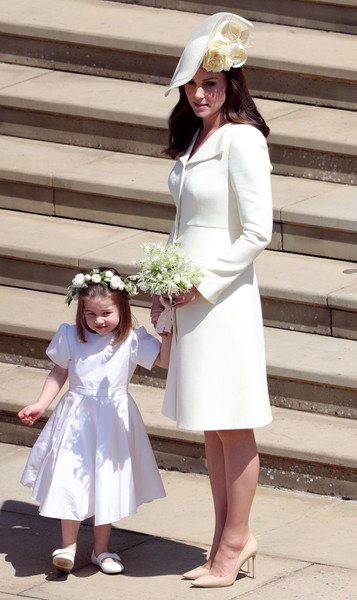
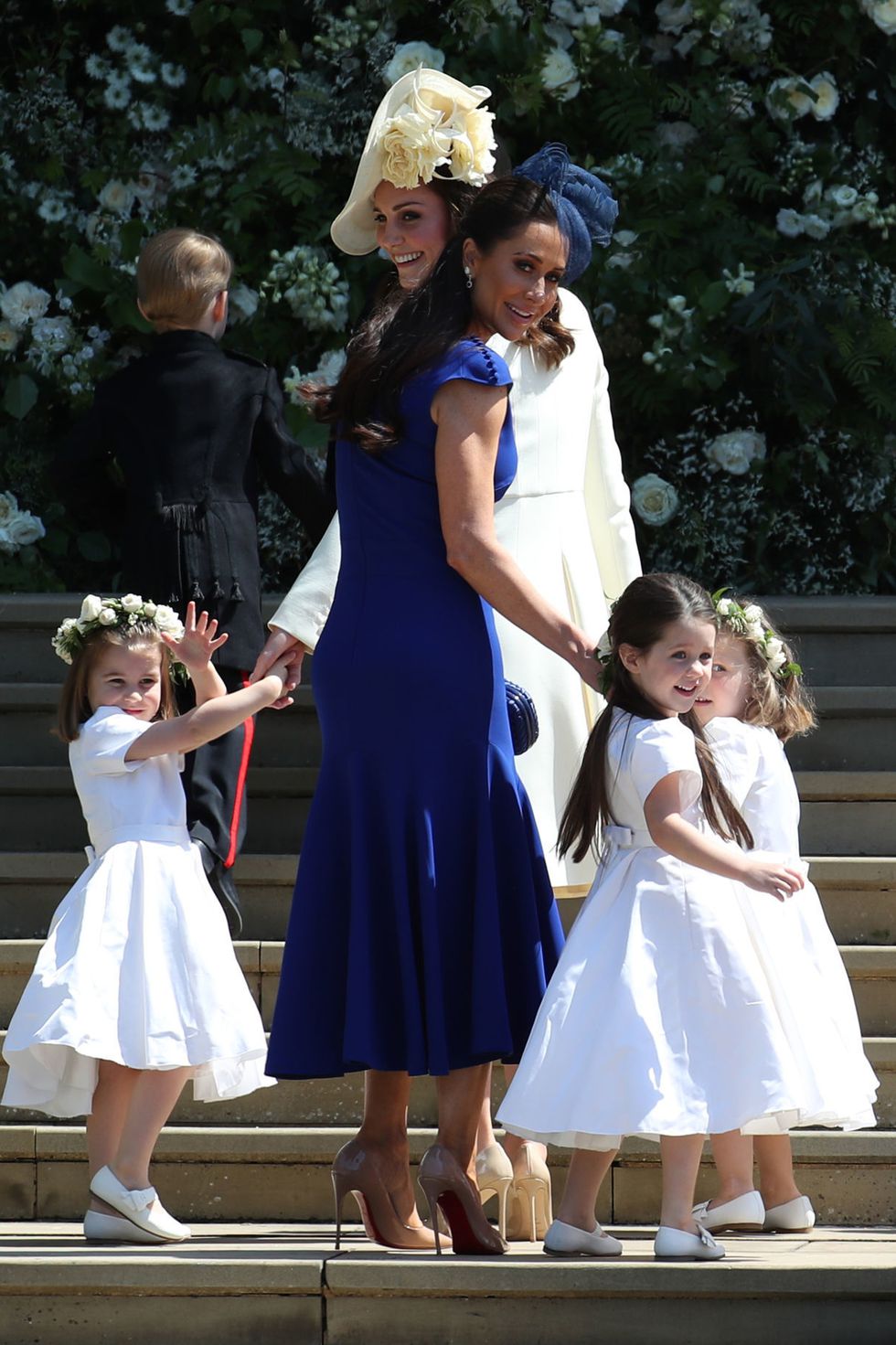
We all have different taste in clothing; different personal styles. In fact, it would be a very boring world if we all dressed the same. After reading some of the catty comments, I decided to take a look at the photos and find out for myself what they were referring to. I saw some outfits that I liked better than others, of course, but mostly what I saw we’re happy looking people celebrating a joyous occasion. I loved the vast array of colours and styles. There was clearly no one trend or colour that dominated.

After careful consideration, I’ve chosen a few of my favourite looks to feature here.

Kat Middleton - royal wedding

Always classy, Kate Middleton wore a figure-flattering silk coat dress by Alexander McQueen. The nasties complained that she wore white, considered a major wedding faux pas. Although it does appear almost white in the sunshine on the church steps following the ceremony, it was in fact cream and apparently looked much yellower in the dimmer lighting inside the church. What I love most about it, though, is the fact that this is a dress that Kate has worn several times before. We first saw it at her daughter’s christening in 2015. It’s obviously a favourite of hers and unlike a lot of women, she doesn’t feel the need to wear something brand new to every occasion.

Another favourite of mine is Jessica Mulroney’s royal blue tea-length dress with cap sleeves by Montreal based designer Di Carlo Couture.

Jessica Mulroney - royal wedding

Lady Kitty Spencer, 27-year-old daughter of Princess Diana’s brother, the Earl of Spencer, looked elegant in a green floral Dolce & Gabbana dress. Internet chatter focused not on what she wore, but instead on her uncanny resemblance to her famous aunt.

Kitty Spencer - royal wedding

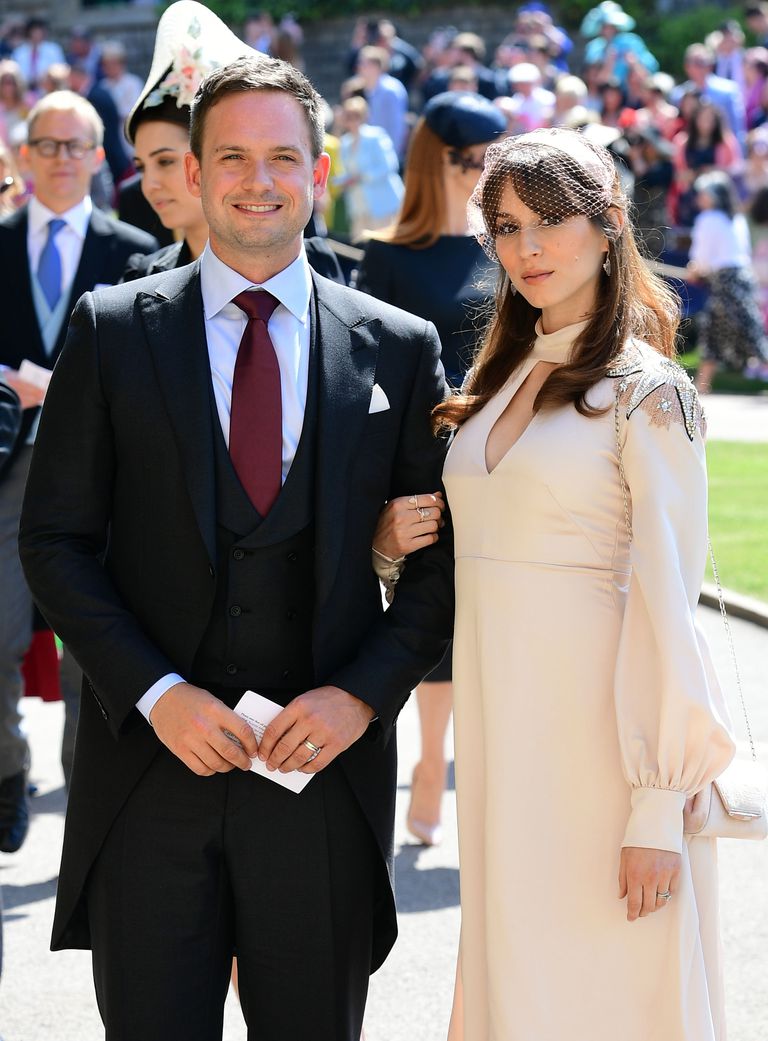
There’s something about American actress Troian Bellisario’s cream coloured gown by Temperley London that caught my fancy. I particularly like the embellishment at the shoulders of its long sleeves.

Troian Bellisario - royal wedding

And then there were the hats and the fascinators! Oh how I’d love to attend an event where the women wore such gorgeous headpieces! Yes, there were some that I wouldn’t have chosen, but again, why knock another woman’s choice? Here are a few of my favourites.


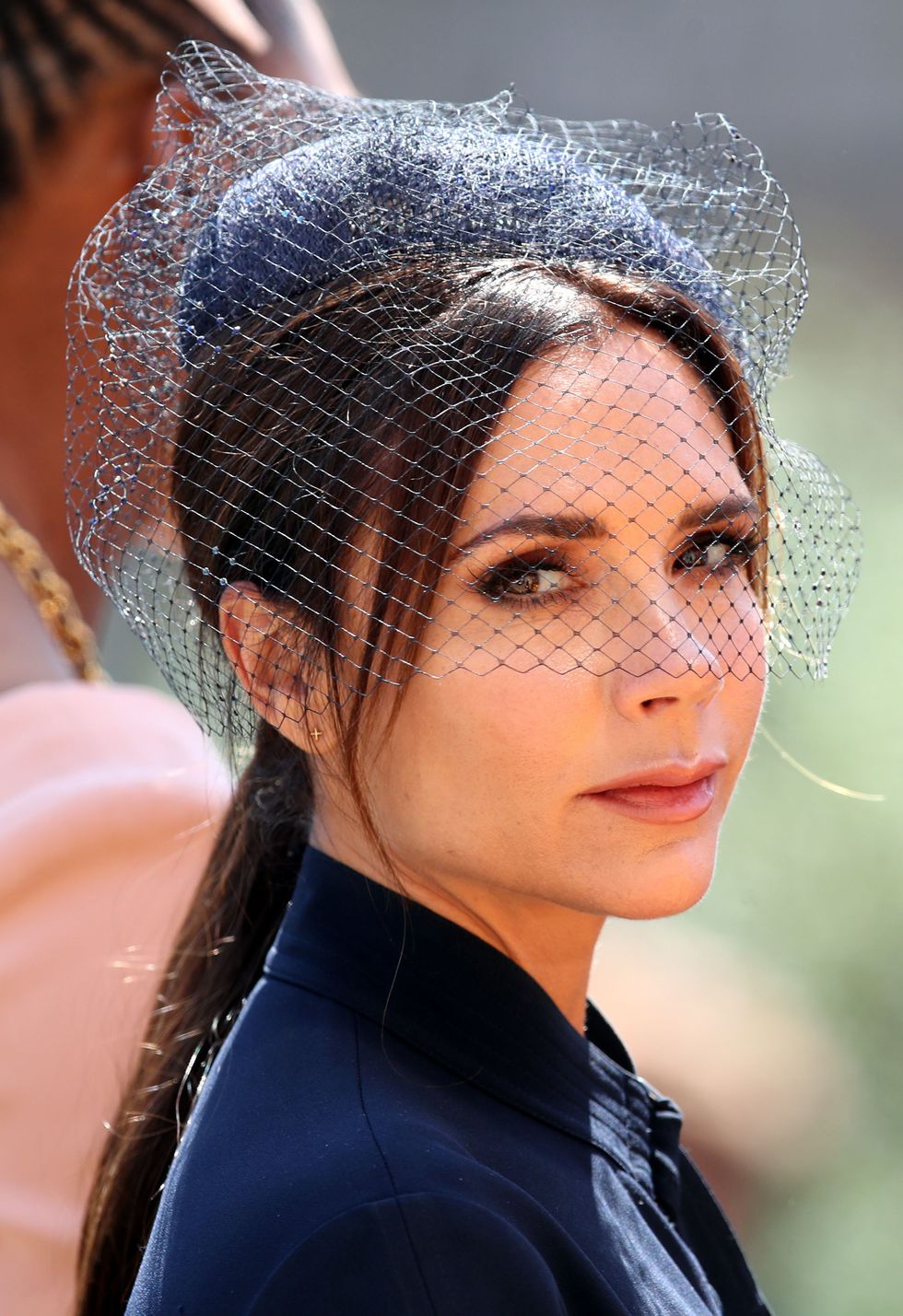
The sleeves on American actress Sarah Rafferty’s frock took a current trend to its outer limit, but her hat was just darling! Former Spice Girl, Victoria Beckham’s was similar.
Victoria Beckham - royal wedding


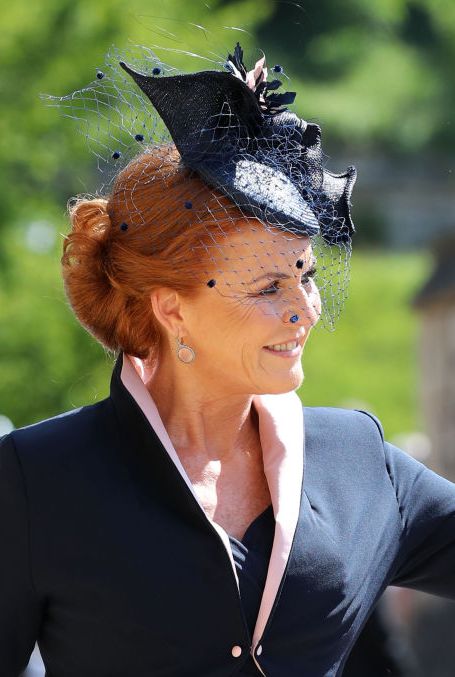
The groom’s aunt, Sarah Ferguson, Duchess of York, looked so very chic!

Sarah Ferguson - royal wedding


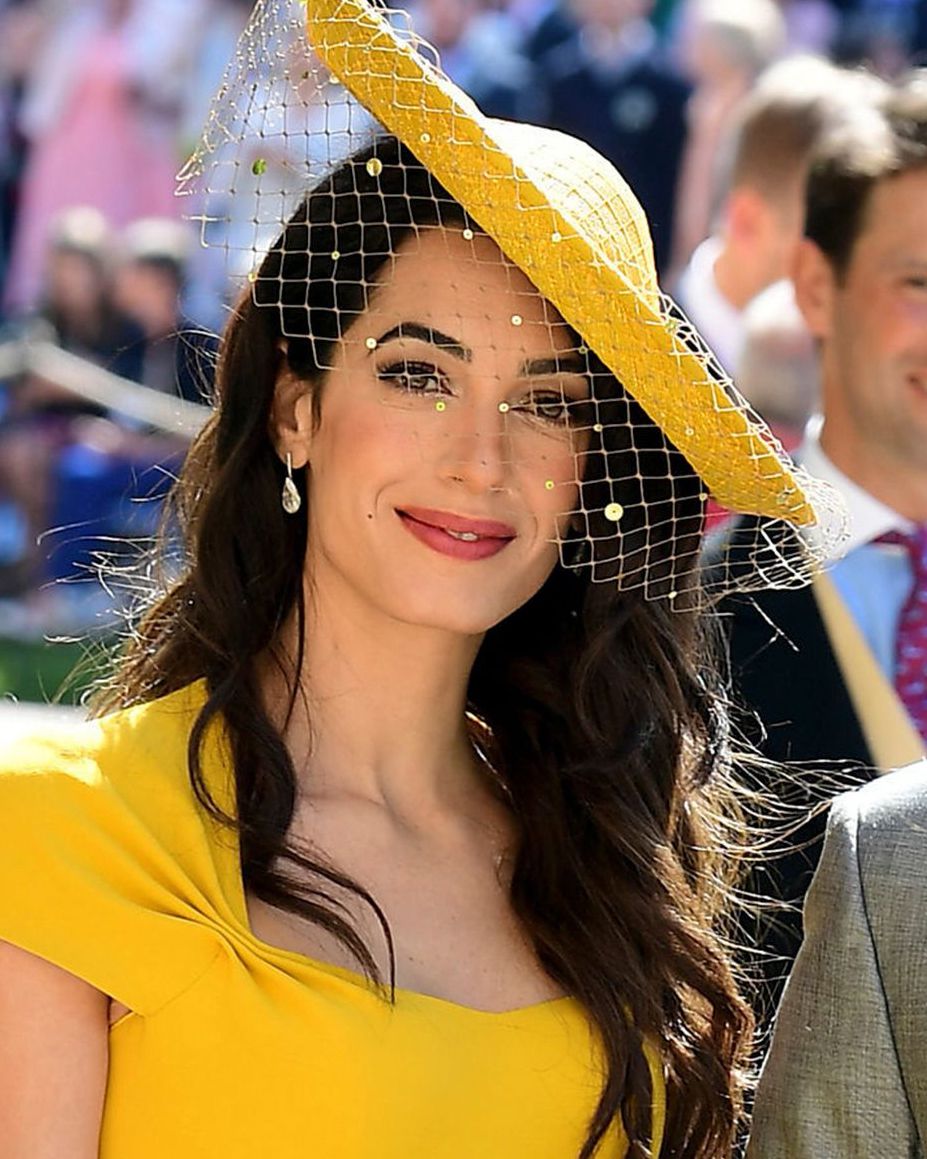
Looking at these three, one might get the impression that I favour small navy blue headpieces with veils. While I do adore them, I was just as impressed by Amal Clooney’s (British-Lebanese barrister and wife of actor, George Clooney) broad brimmed bright yellow hat.

Amal Clooney - royal wedding
Regardless of which outfits I like best and whether or not you agree with my choices, the point here is that we have nothing to gain from putting other women down for what they choose to wear. Let’s be kind to one another!

Bold!

Logo

As I mentioned in a previous post, I don’t care to be known as fierce, but what about BOLD? Oh yes, absolutely! You can definitely call me BOLD!


Brenda Kinsel

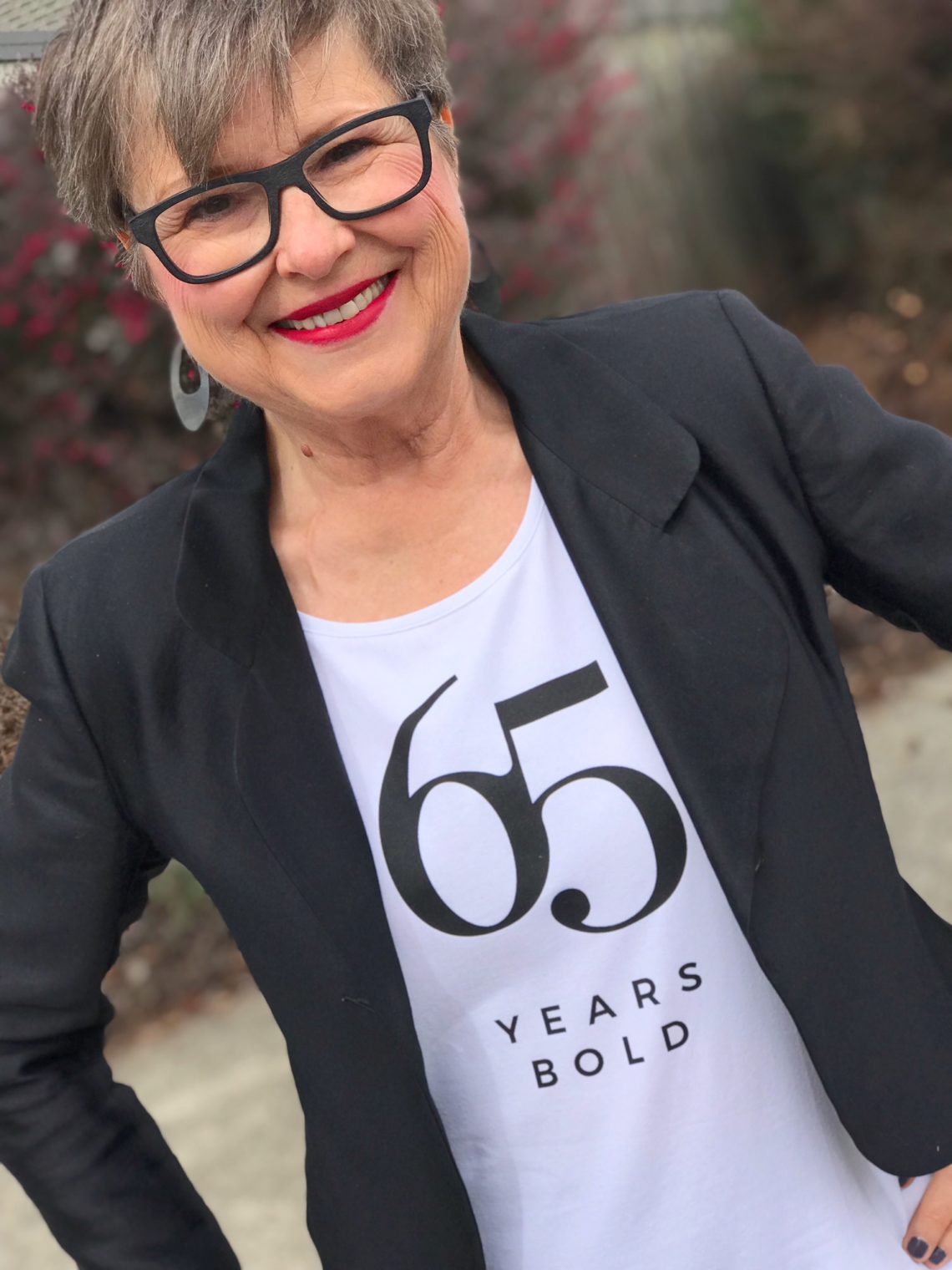
When I saw this photo of fellow fashion blogger, Brenda Kinsel, her t-shirt jumped out at me! It was love at first sight! In her post, Brenda wrote about a conversation that she had with Michelle, Director of Social Marketing and Brand Public Relations for Chico’s who got in touch with her to discuss how women see themselves and how they want to be seen. They talked about how Chico’s is attempting to use their brand to reach out, connect, and open the conversation about women and visibility and possibilities. Michelle asked Brenda if she would like to participate in a small way in the launch of their message and, of course, Brenda said yes. A couple of weeks later, a package arrived in her mail containing the t-shirt that she’s wearing in the photo. With it came a letter from Diane Ellis, the President of Chico’s. Brenda included this excerpt in her post.

These days, women can be almost anything. They can be curvy, curly, scientific, athletic, CEO’s, politicians, mothers, mechanics, and marines.

But there’s one thing women still can’t be:

49, or 52, or 65

WHY NOT?

Well- that’s what we wondered. After all, we are a company that celebrates women. Being bold is in our DNA. Our mission is to support women with fabulous style in all that they do. So why were we hesitate to say our age out loud?

It’s time for that to change.

It’s time to GROW BOLDER.

By wearing this t-shirt with pride and sharing it on social media using #HowBoldAreYouit will inspire women everywhere to embrace their own unique personal style no matter their age. Yeah, it’s great to be 20, but it’s also great to be 52 and 43 and 61.

Let’s decide together that we’re not growing older, we’re growing bolder. And let’s shout it from the rooftops.

Later in her post, Brenda had this to say about herself.

I’m proud to be 65. At 65 I’m not worrying as much about what other people think. Is that bold? Yup, probably!

I’m 65 and brave. I’ve had to be. I’ve had challenges that pushed me to the ground but I’m not staying there for long. I’ll get upright and look at my scuffed up knees with confidence that those hurts will heal and I’ll be here for tomorrow’s rich experiences.

That truly resonated with me!

At the end of her post, Brenda asked, “Can you relate? Is it a stretch to say you’re feeling bold?” Here is my response.

I LOVE this post and I NEED that t-shirt! On my last birthday, I threw myself a “still alive at 65 party” because I’ve been living with a chronic cancer for the past four and a half years. I know that it could take my life at any time and that every day is a gift, but I’m determined to squeeze every bit of life out of the days, months, or years that I have left! Yes, I am BOLD!

That was rather bold, wasn’t it? Perhaps even a wee bit brash. I wasn’t really asking for Brenda’s t-shirt though, just exclaiming over how perfect it was and how it’s message suits me to a T (pun intended)! So imagine my astonishment when Brenda responded…

Elaine, guess what came in the mail today: a duplicate 65 t-shirt. Email me your address and I will send it to you. I relate quite personally to what you’ve shared. Gosh, you must have this t-shirt. I mean it, email me!

I could hardly believe my eyes!

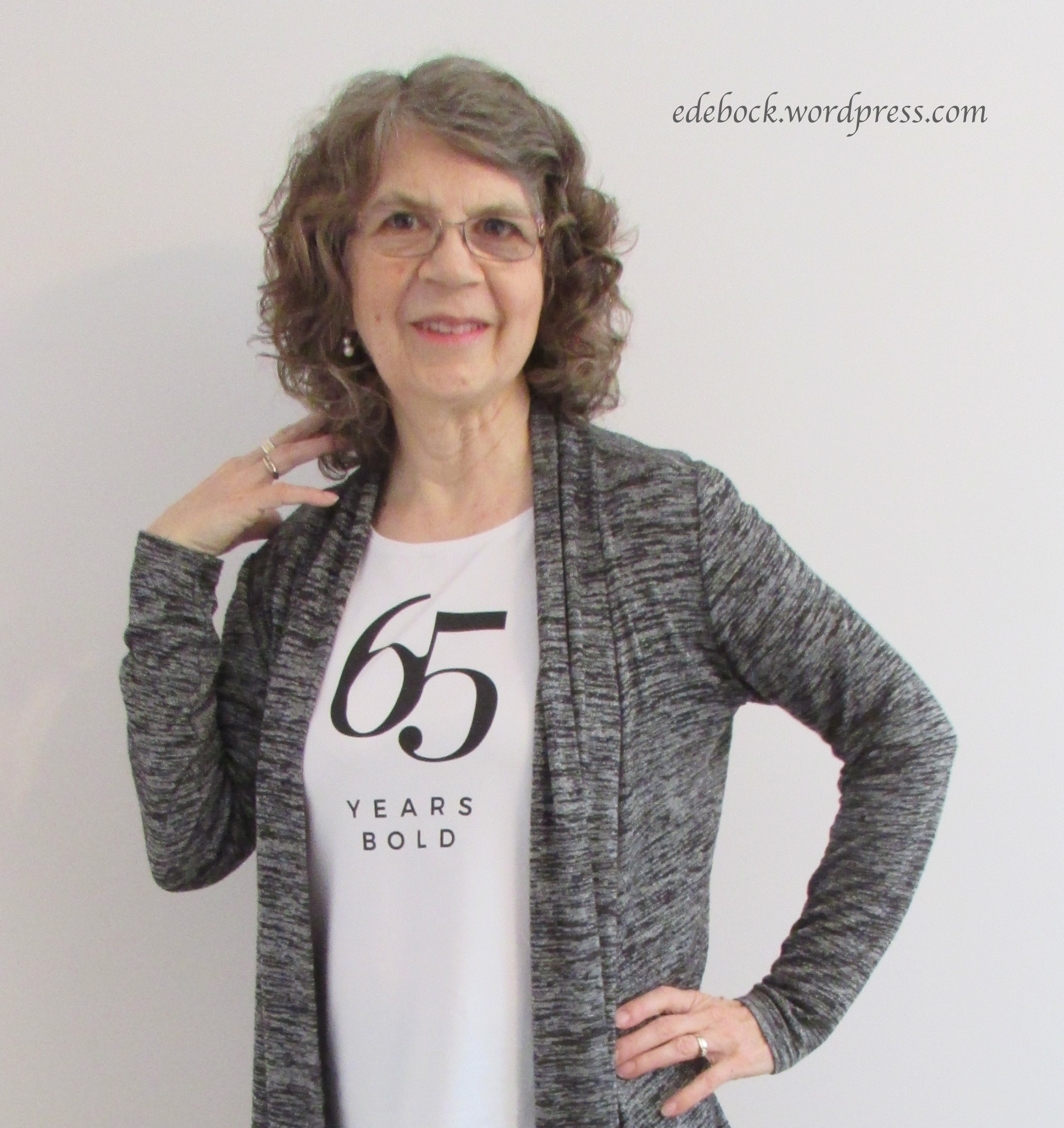
When the t-shirt arrived, it was a bit too big. Brenda had warned me that it might be, but a little while at my sewing machine was all it took to alter it so that it would fit.

IMG_5644

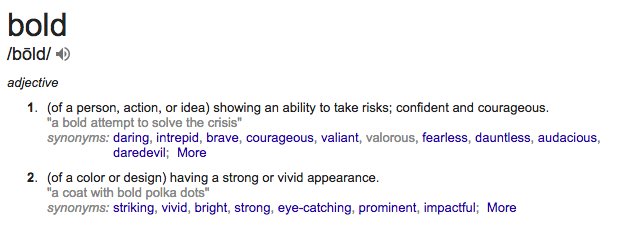
So what does it mean to be bold?

Screen Shot 2018-04-10 at 7.50.28 PM

I think I’d draw the line at daredevil, but I hope that the rest of the adjectives under definition #1 are ones that could be applied to me. That wasn’t always the case. As a child, I was incredibly timid, but like Brenda, the challenges of life knocked me down and I had a choice… be broken or be bold. I choose bold!

IMG_5667

Message t-shirts are on trend again this season and I’ll definitely be wearing this one with pride. If you’re between the ages of 40 and 80, you can wear one too. Order here.

IMG_5672

What about you? Are you bold?