 After a full month of wearing only six items from my closet, I have thoroughly enjoyed getting dressed this week! In fact, I’ve worn something different every single day!
As promised last week, I also went through my closet, tried on a lot of things, and put aside a few to be donated. I usually do this twice a year when I switch my closet from summer to winter and then back again in the spring, but after a month of not missing some of the items in my closet I knew that a few more could probably be moved out.
This exercise led me to think about the different things that can be done with clothing that we no longer want or need. Often, the obvious answer is to donate them or consign them so that they can be enjoyed by someone else, but what about those items, including sheets and towels, that are too worn out to be donated?
A conservative estimate is that clothing and textiles make up 5 to 7% of what occupies landfills globally. Many believe that this figure is closer to 12%. The average American citizen reportedly throws away 70 pounds (31.75 kg) of clothing and other textiles each year. The figures are probably similar in other first world countries. I’ve never weighed my wardrobe, but 70 pounds of clothing sounds like an awful lot to me! What can we do to keep this fabric waste out of the landfill?
Here are a few ideas:
- Cut them up to use for cleaning rags. Towels and sweatshirts are particularly good for this purpose.
- Some thrift stores do accept worn out fabric that can be cut up and sold as industrial rags.
- Take advantage of the H&M Garment Collecting programme. Simply bag any unwanted clothes or textiles, by any brand, and in any condition, then take them into an H&M store and hand them to a cashier. In return, you will receive a thank you voucher to use toward a purchase. Anything that is still wearable will be sold second-hand. Textiles that are no longer suitable to be worn will be turned into other products and those that can’t be used in any other way will be shredded into textile fibres that are often used as insulating material. Several other brands including The North Face, Zara, Patagonia, Levi’s, and Uniqlo have similar programs.
- Check with a local animal shelter. Many will take old towels, sheets, and other soft or fuzzy fabrics to use for bedding.
- Compost natural fibres. Remove attachments such as buttons and zippers, then shred the fabric finely and add it to your compost alongside fresher, wetter material such as vegetable peelings or garden cuttings to help it break down faster. Find more information about how to to this properly here.
- Purchase an unstuffed pouf style hassock such as the one pictured below and fill it with old bedsheets, towels, and clothing. Again, remove any attachments like buttons and zippers that might poke through the cover. If you’re like me, it might take half a lifetime to fill a hassock, but you can do the same thing on a smaller scale by filling an unstuffed throw cushion.
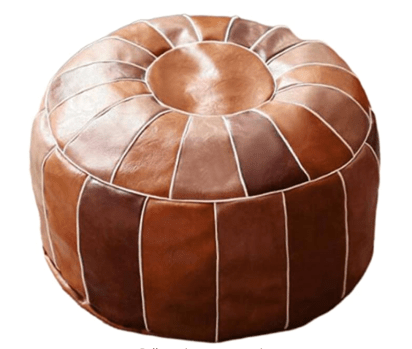
Unstuffed pouf from Amazon.ca
Do you have any ideas to add to this list? What do you do with old, worn out clothing?





 Following Augustine