New red coat

Logo by SamToday’s Fashion Friday post is later than usual because we’ve been having internet woes. Fortunately, they appear to have been resolved, at least for the moment, so let’s get this out there before something goes wrong again!

After writing about second-hand shopping for the entire month of September, I wasn’t planning to mention it again for awhile, but then I found a treasure!

IMG_4827

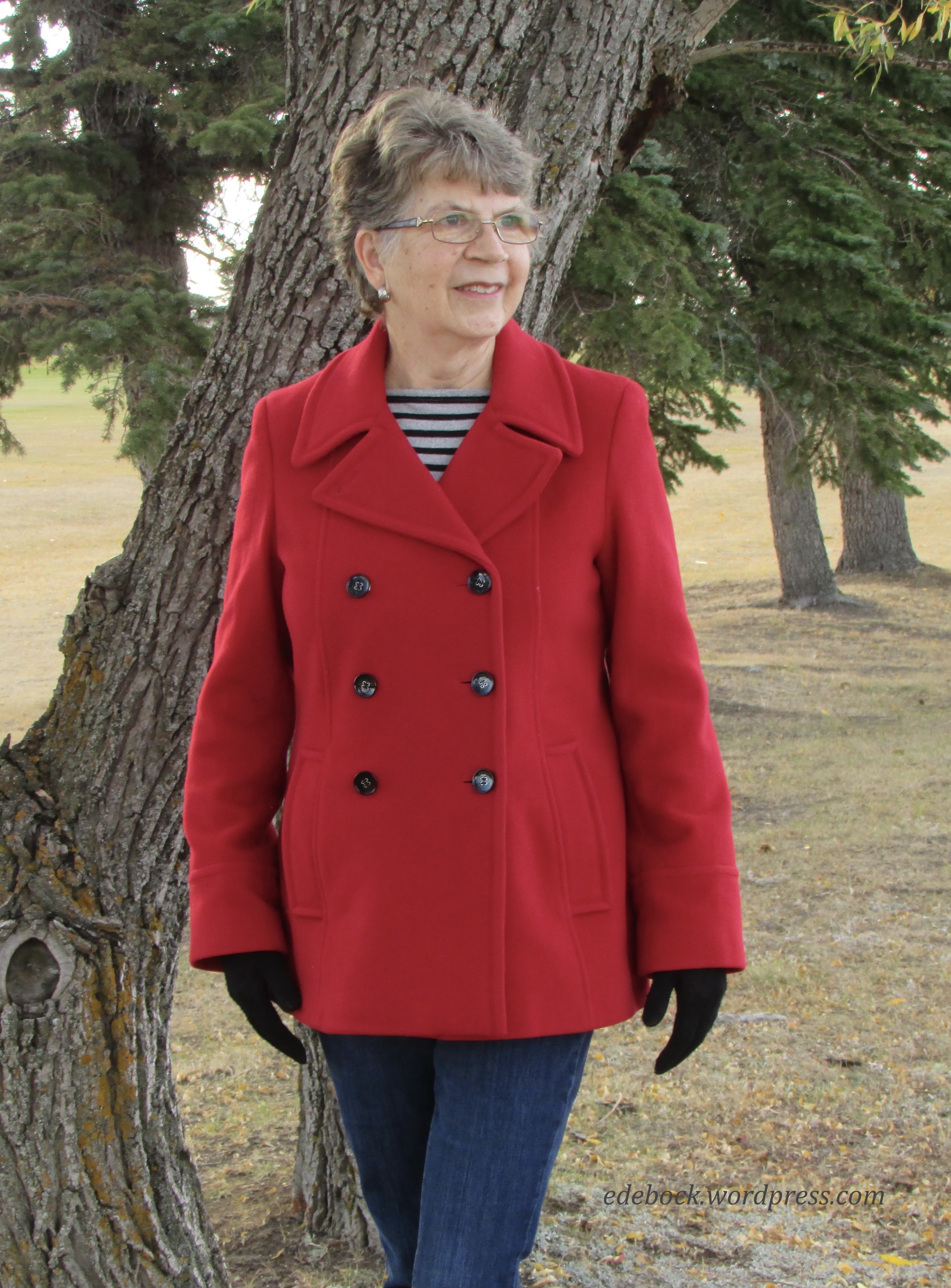
I was already planning to replace a similar charcoal grey coat that I’ve had since the fall of 2007 when I found this one in one of our local thrift stores. After fifteen years of serving me well, the old coat was beginning to show its age and for some reason, it didn’t fit quite as well as it once did. Okay… perhaps I should admit to having gained a few pounds over those years! 

I was prepared to pay full price for a new coat, but when I could get a beautiful Calvin Klein jacket that looked like it had never been worn for just $7, why in the world would I? A similar CK coat sells here for $129 USD or approximately $180 in Canadian dollars. 

IMG_4825

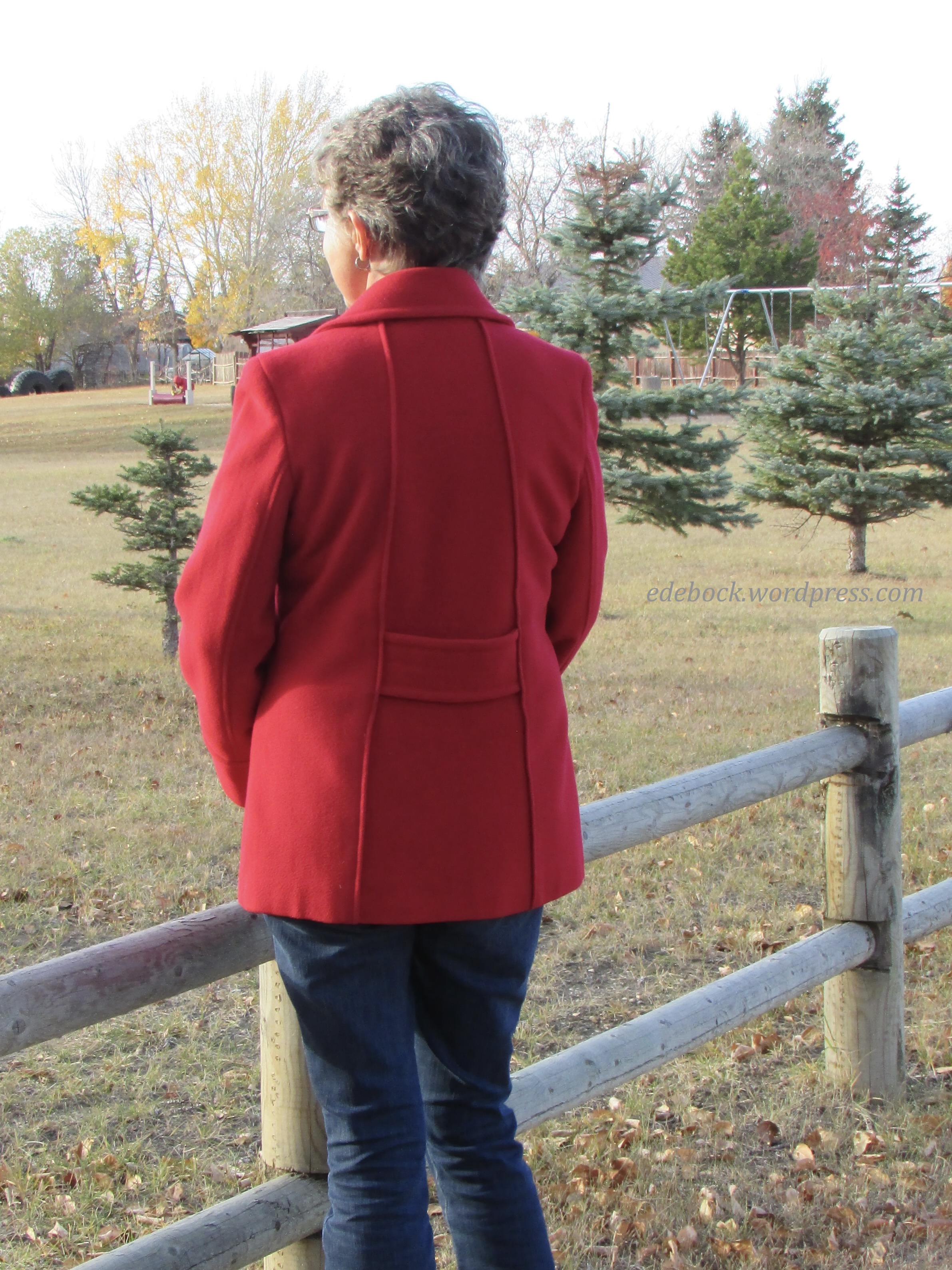
If I’d bought the jacket in a regular shop, I would probably have tried on one size smaller for comparison purposes. Buying second-hand, of course, that isn’t an option, but I like the fact that the coat is roomy enough to wear over a bulky sweater in cold weather. I wouldn’t want the fit to be as snug as the old one is now!

A coat like this one is perfect for early winter and early spring here in Canada. The fabric is 70% wool, 20% nylon, and 10% recycled cashmere and it’s fully lined with polyester. In the depth of winter, I’ll be wearing the much warmer coat that I showed you here. 

IMG_4835

Where does donated clothing go?

Logo by SamWhether I like to admit it or not, fall has arrived in my part of the world. Days are cooler, nights are frosty, and leaves are changing colour. The time has come for many of us to go through our closets and decide what to keep for next summer and what we won’t wear again. Bagging up those unwanted items and dropping them off at a second-hand store might be the end of them as far as we’re concerned. It might even seem like the generous thing to do, but what actually happens to all that donated clothing?

As I mentioned in a previous post, most thrift stores are only able to sell a small fraction of what is donated. The reality is that over the years I have taken many items to our local second-hand shop. I’ve seen some of them hanging on the racks, but not once have I ever seen someone in our small town wearing one of them. Where did they go?

If your gently used garment isn’t sold within as little as three or four weeks in some shops, it might end up as carpet padding, insulation, or a rag in an auto body shop. That’s not necessarily a bad thing. Recycling textiles keeps material out of landfills and incinerators and reduces the need for virgin fibres by extending the life of existing ones.

Second-hand clothes that don’t sell in Canada, Europe and the US and that don’t end up in textile recycling facilities are often exported. The US alone sends roughly 700 000 tons of used clothing overseas annually. Again, this might sound like a benevolent thing to do, but it’s the middlemen who profit most from this practice and in many developing countries, it has had a devastating impact on local clothing industries. In Kenya, for example, where second-hand imports can be sold for a fraction of the cost of new locally produced items, the textile industry has been virtually wiped out by our “generosity”. The garment industry in that country, which employed half a million workers a few decades ago, now engages only tens of thousands. In 2016, the East African Community (EAC) agreed to a complete ban on imported clothing that was supposed to go into effect in 2019, but leaders backed down and rescinded the ban under pressure from the Trump administration.

Regardless of how much extra life our cast off clothing gets in those countries, the textiles themselves usually end their life there. Most developing countries don’t yet have even basic collection and recycling programs. Often, there isn’t even municipal waste management in place. Ultimately, what is left of our donated clothing often ends up being burned or dumped in environmentally sensitive areas that are considered wasteland.

So, what can we do to be more responsible consumers?

  1. Buy less. We buy too much stuff and then want our excess to somehow be good for the world. It simply doesn’t work that way!
  2. Shop second-hand.
  3. When buying new, look for garments that contain recycled content to ensure that we create demand for recycled textiles.
  4. Avoid fast fashion. Buy better, more durable clothing.
  5. Learn to extend the life of a garment by mending or upcycling.

With just one week left in my Second Hand September challenge, I will admit that I’m getting tired of limiting myself to only wearing second-hand clothes, but I’m determined to make it to the end of the month! Here are a couple of the outfits that I wore this week.

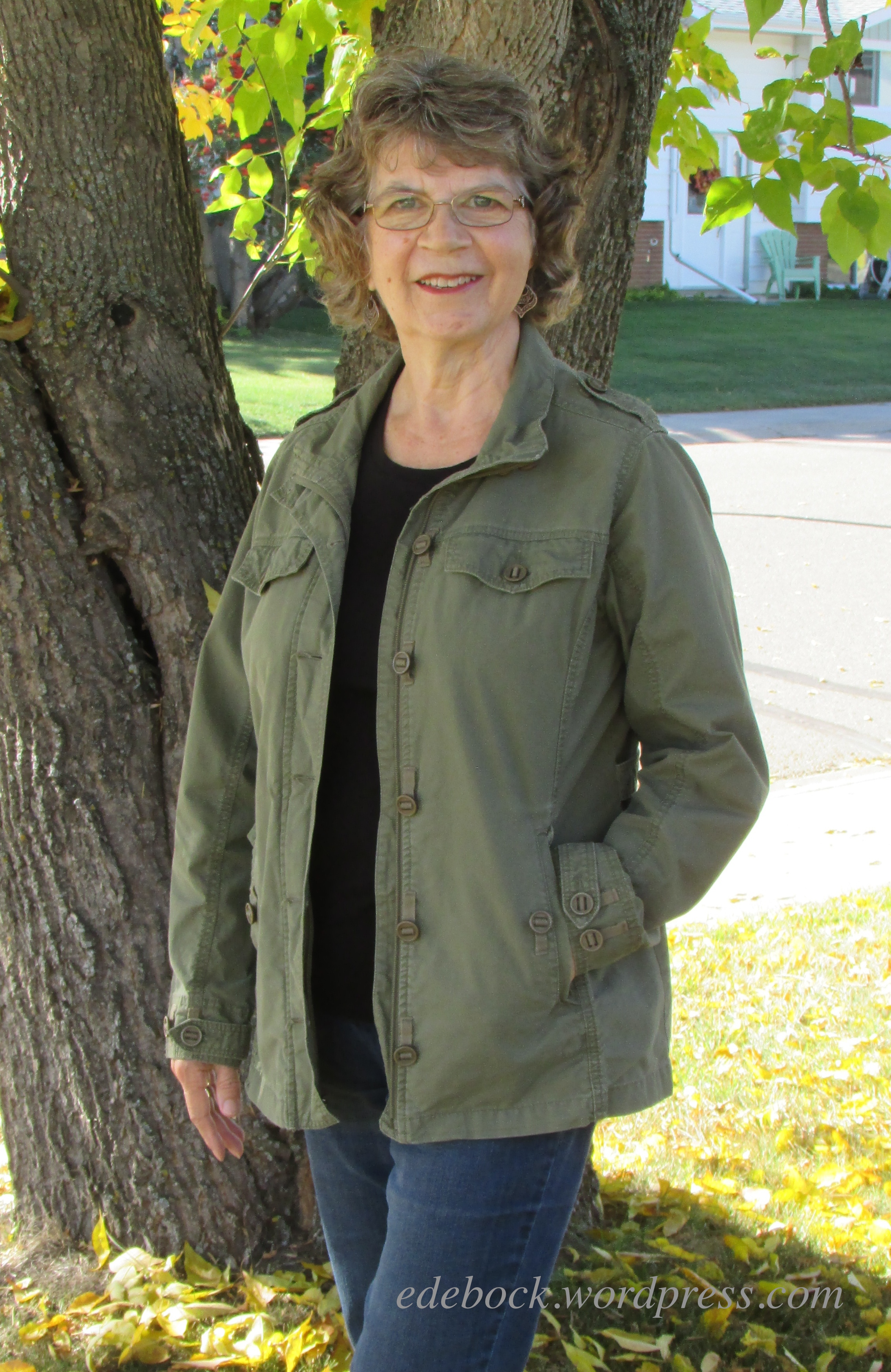
When I left for church on Sunday morning, it was too chilly to wear the sleeveless dress without something over it, so I pulled out the very versatile olive shirt that first appeared on the blog here. More than three years after finding it in our local thrift store, I still enjoy wearing it and have found it very useful this month. Even the shoes in this outfit are second-hand.

IMG_4602

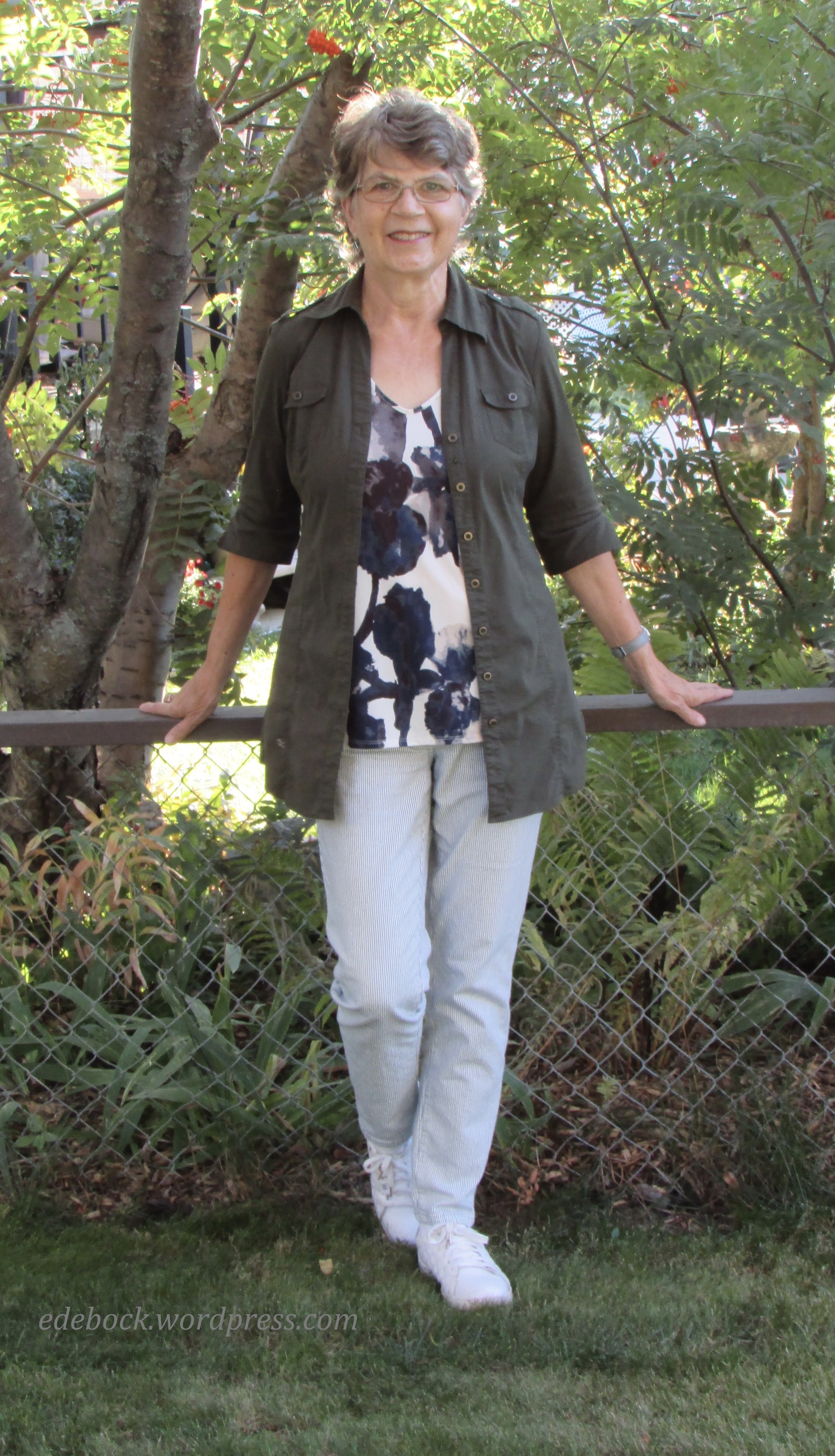
There’s that olive shirt again! The lightweight jeans that I found in one of our local second-hand stores recently look light blue or grey in the photo, but if you zoom in you can probably see that they’re actually a blue and white pinstripe. I discovered that this month’s limited wardrobe didn’t include many tops with sleeves that went well with them. When I headed off to a morning appointment, I needed a third piece over the sleeveless shell to add some warmth and finish the outfit. Thankfully, olive is a neutral colour and goes with just about everything!

Fall camping second-hand style

Logo by SamOver the past week, we spent four days camping and then company arrived shortly after we got home. That left very little time for writing a post for today, but since this is Second Hand September and I’m wearing only second-hand clothes this month, I thought I’d share a couple of the outfits that I wore while we were camping.

IMG_4499

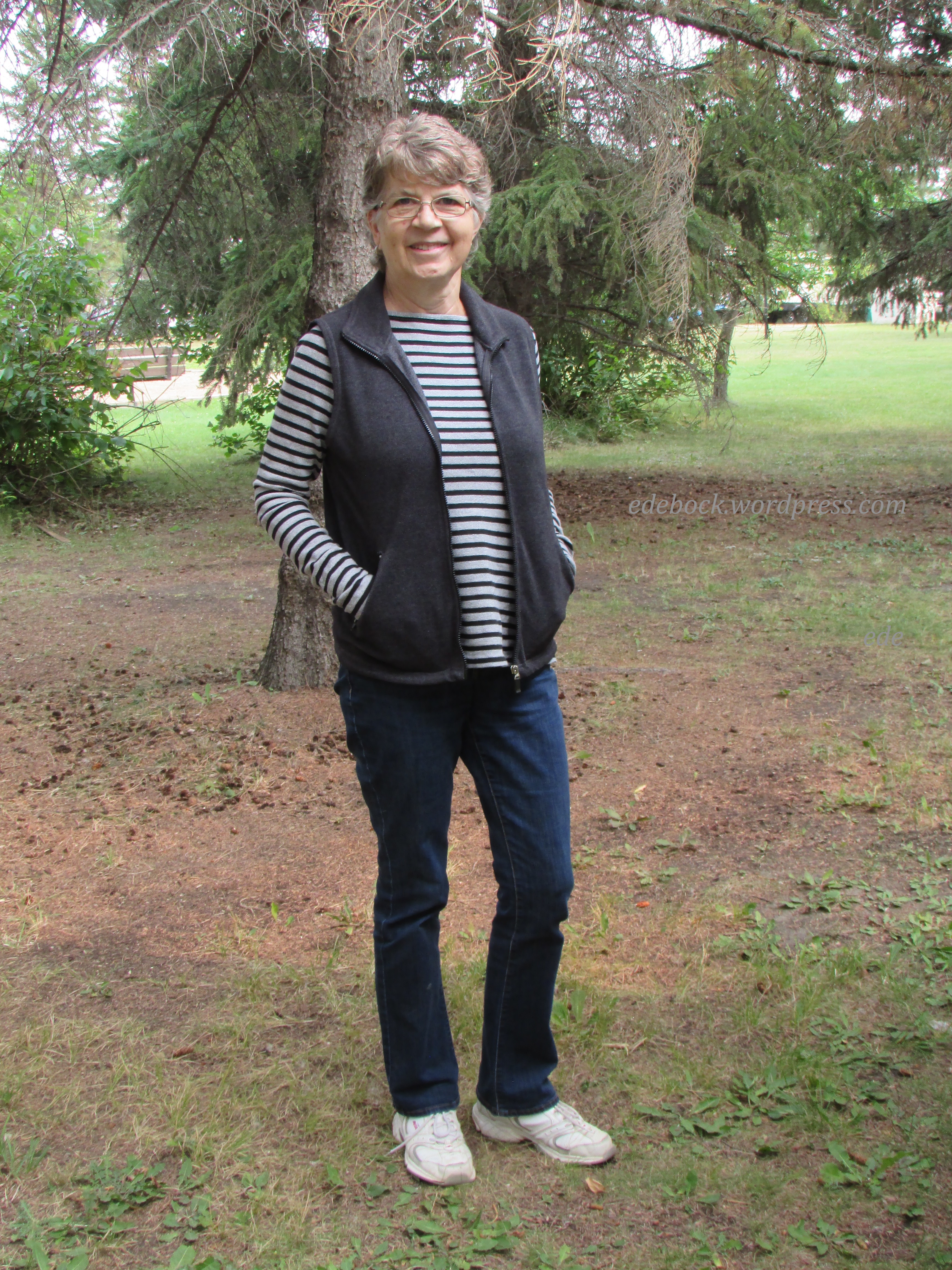
At $12, the striped boatneck sweater, purchased at Goodwill in Calgary last spring, is the most expensive thrifted item in my closet, but its light weight makes it a great layering piece on a chilly morning. It was about 10ºC (50ºF) when this photo was taken! I’ve had the fleece vest for many years and the jeans were hand-me-downs from my very generous sister-in-law. Almost new when she gave them to me because she found a pair that she liked better, they quickly became a staple in my fall/winter wardrobe.

When the temperature soared to about 25ºC (77ºF) in the afternoon, out came the summer clothes again!

IMG_4531

The patterned Denver Hayes tank top is a recent thrift store find, but I’ve had the pants for several years. Too long to be called shorts, they’re shorter than most of my capris. They’re actually a flattering length though because they cover my less than attractive knees and end at a narrow part of my leg. Fashion isn’t a high priority when I’m camping, but a girl always likes to look nice, doesn’t she?

6 myths about second-hand shopping busted!

Over a week into my Second Hand September challenge it’s going well. Today I thought I’d look at some of the most common myths or misconceptions about second-hand shopping.

1.  Thrift stores are only for poor people. 

In reality, most thrift stores exist to raise money for local charities and organizations, not to cater to a certain economic class. Many of us who buy second-hand can afford to buy new, but choose to reuse for a variety of reasons. Shopping second-hand is a sustainable practice that helps preserve resources and cuts waste by keeping usable clothing out of the landfill. It’s also fun; a bit like going on a treasure hunt!

Some argue that when those of us who can afford to buy new shop second-hand, we are taking from those in need. If you’ve ever had the opportunity to look behind the scenes at a thrift store, you know that that’s not true. There is definitely more than enough for everyone! Most thrift stores are only able to sell a small percentage of what is donated. The excess is often sent to women’s shelters, shipped abroad to be re-sold in third world countries (which is not necessarily a good thing… perhaps a topic for a future blog post), cut up and sold as industrial rags, or sent to textile recycling facilities where they are reprocessed into other useful products.

2.  Thrift stores are dirty. 

They may not be able to afford the nicest spaces with the best lighting and may not have fancy window displays, but well-run second-hand stores, like other businesses, try to keep their premises clean and their inventory presentable. Some people think that because the clothes are used, they must be dirty, but that’s generally a false assumption. Most clothing is washed before it’s donated and some second-hand stores have laundry facilities on-site to deal with those items haven’t been. Personally, however, I always wash second-hand items before I wear them because I don’t know where they’ve been and how they’ve been handled. Since I prefer unscented laundry detergent, I also like to remove any odours that might linger.

3.  Second-hand stores are disorganized. 

While some may be more difficult to navigate than others, most second-hand stores are organized in a similar manner to other shops with separate areas for men’s, women’s, and children’s clothing. Within each category, clothes are usually separated by type (tops, pants, dresses, etc) and further arranged according to size.

4.  Second-hand stores only sell cheap, low-end brands. 

If you take the time to hunt carefully, you can sometimes find name-brand, designer, or even luxury goods in thrift stores. One of my most recent finds was this animal print top from Calvin Klein.

IMG_4474

If high-end fashion is what you’re looking for though, you might want to check out consignment stores. Prices are generally higher and selection smaller, but they tend to be very selective in what they accept for sale.

5.  Clothes sold in second-hand stores are in bad shape. 

Clothes are sorted and inspected for quality before going onto the shelves. Those that are badly worn are disposed of, cut up and sold as rags, or recycled. Most of the clothing that reaches the sales floor has already stood the test of time. Any shrinkage or fading that might occur has already happened. Occasionally, however, brand new items are donated.

IMG_4492

The top I’m wearing in this picture still had the original tags on it when I bought it! It’s from Laura, one of my favourite Canadian women’s fashion brands. If memory serves me correctly, the original price was $69 and I bought it for less than $5!

6.  Clothes in second-hand stores are out of style. 

Thrift stores carry a mix of old and new and a wide variety of styles all in one place. You can easily go modern, retro, or vintage! They’re a great place to find pieces that fit your personal style rather than what the fashion industry dictates as on-trend for a particular season. They’re also a great source of timeless pieces that form the backbone of a good wardrobe.

Logo by Sam

So, if you’ve been averse to shopping for second-hand clothing for any of these reasons, perhaps it’s time to rethink that position and give it a try. Shopping second-hand helps support charitable causes, is good for the environment, and can save you a ton of money!

Here are two second-hand outfits that I wore this week that included the tops shown above. As you can see, the white jeans are getting lots of use this month, but it’s also been warm enough for shorts and capris. I’m hanging onto the last days of summer for as long as I can!

Second Hand September

Logo by SamThe fashion industry’s carbon footprint is enormous and has grown even more apparent with the rapid rise of fast fashion over the past few years. It now accounts for more carbon emissions globally than those emitted by all international flights and maritime shipping combined. In addition, approximately 10 million tons of clothes are sent to landfills every year. Second Hand September, a campaign introduced by Oxfam in 2019, has inspired thousands of people in the UK to begin thinking more sustainably by buying only second-hand clothes during the month of September. 

This year, I’ve decided to try taking Second Hand September one step further. I’m challenging myself to wear only second-hand clothing for the entire month! 

I’m going to follow the same rules as I did for last November’s “six Items or less challenge”. Underwear, socks, and pyjamas will not be included. I always purchase those items new. Outerwear, footwear, and accessories will also be exempt. Though I do have second-hand items in each of those categories and will try to make good use of them throughout the month, I won’t restrict myself only to those. 

Though my closet contains many more than six second-hand items, I suspect that this challenge might actually be the more difficult of the two. In selecting six items to wear for 30 days, I was able to be very intentional about choosing a colour palette that could easily be mixed and matched to create many different looks, pieces that could be dressed up or down, and pieces that worked well for layering. This time, I find myself working with a much more random mix of items. Most of those are quite casual and I have at least two events this month, including a concert tomorrow evening, that might require a bit of polish. I’ll also have church every Sunday. September is a shoulder season here in Canada and the weather throughout the month will likely range from hot and dry to chilly and wet. To make this work, I’ll likely be pulling second-hand pieces from both my summer and winter wardrobes.   

Have I bitten off more than I can chew? Only time will tell. Throughout the month, I’ll be sharing my experience and showing you some of the outfits that I create with my Second Hand September wardrobe, so stay tuned! 

To start things off, here’s what I wore yesterday for the first day of the challenge. I think it has a coastal grandmother feel to it. 

IMG_4440

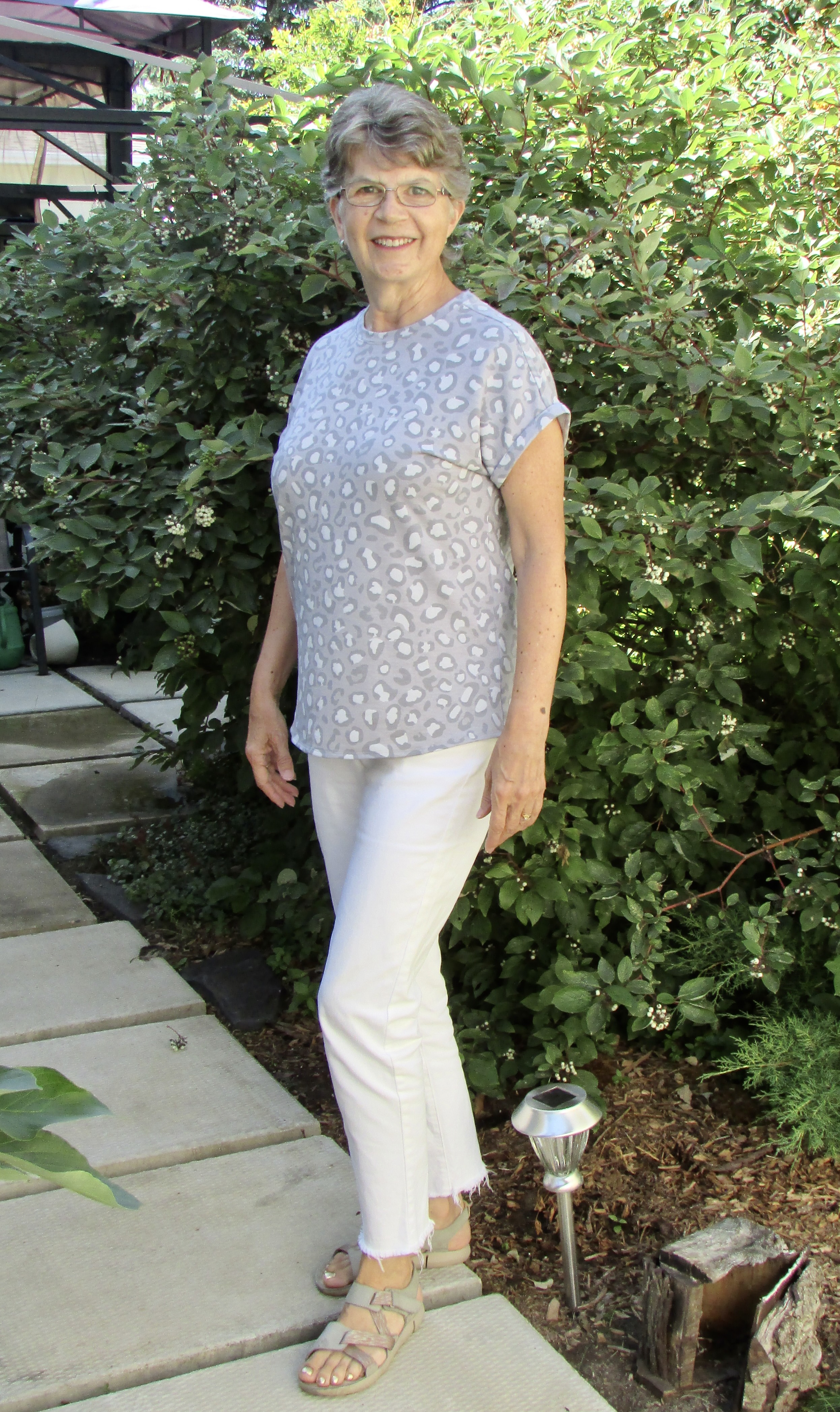
I’ve had the white frayed hem jeans for three years. They first appeared on the blog here. Thankfully, the archaic “don’t wear white after Labour Day” rule has long been abandoned and while I don’t wear these jeans in the depth of our Canadian winter, I’ll certainly continue wearing them throughout September. The Clarks sandals were a lucky find earlier this summer and the loose and comfortable light grey animal print tee is a new-to-me acquisition. Thanks to regular sales at our local thrift stores, the entire outfit, cost me less than $10!

In closing, I would be remiss not to acknowledge those of you who responded to last week’s post asking for your input about what you’d like to see on the blog. I will be working at incorporating some of your ideas into future posts. 


Mindful shopper or impulse buyer?

Logo by SamMindfulness, the practice of being fully aware and in the present moment, has become a popular buzzword these days. There’s mindful meditation and mindful eating, but today we’re going to look at mindful shopping. 

Mindless or reckless, impulsive (and sometimes even compulsive) shopping is a trap that’s easy to fall into especially in this day of online, credit card shopping. Unfortunately, it can lead to buyer’s remorse, unnecessary debt, anxiety, and even relationship problems. It can also mean having a closet full of clothes, but still experiencing that all too familiar feeling of having nothing to wear. 

Shopping

So how can you move from impulse buyer to mindful shopper?

When I shop for groceries, I do so mindfully. I shop with a list. Before I leave home, I check the fridge and the cupboards to make sure that the list includes everything we need. Though I might occasionally buy something that isn’t on the list, I read labels and think about what goes into the grocery cart. My husband has cholesterol issues and I’m diabetic, so I take those factors into consideration when I decide what to buy. I don’t buy pineapple or kiwi because I’m allergic to them and I’ve never liked parsnips, so I don’t buy them even if they’re on sale and look really fresh.  Perhaps we can apply some of these same or similar practices to shopping for clothes.  

Here are 10 tips to help you make the transition: 

  1.  Change your mindset. Consider shopping a necessity, not a hobby or a leisure time activity. That doesn’t mean that it can’t be enjoyable, but if you’re simply shopping for fun, find another pastime.
  2. Don’t indulge in retail therapy. If you shop because you’re feeling down and need a pick-me-up, find another way to treat yourself. 
  3. Avoid temptation. Don’t go to the mall unless you actually have a reason to be there. Don’t spend your time watching “shopping hauls” on YouTube. Don’t window shop, especially online. We all know that as soon as you look at an item on the internet, you’ll be bombarded with ads for similar items all meant to convince you to buy. 
  4. Make a mindful shopping list. This involves taking stock of what you already have and thinking about what you actually need. Go through your wardrobe and take note of things that need replacing or gaps that need filling.  
  5. Resist the urge to buy something simply because it’s on-trend. Don’t buy something simply because everyone else has it.  
  6. Don’t be seduced by sales. I’m a frugal fashionista and I like a sale as much as anyone else, but a bargain is only a bargain if it’s something you need or something you’ll actually wear. Buying something on sale is still spending, not saving. 
  7. Be cautious of marketing campaigns. “Buy one, get one half price” is only a bargain if you need more than one of a particular item. 
  8. Take a breather before you buy. The next time you’re tempted to buy something that isn’t on your list, something that you don’t actually need, especially something that’s tempting you because it’s on sale, hit pause and take time to think about it. Leave the store and come back later if you’re still convinced that you ought to buy it. 
  9. Think quality, not quantity. Shopping mindfully is about buying less, but buying better, and having a well curated wardrobe that puts an end to that feeling of having nothing to wear. 
  10. Consider cost per wear. Ask yourself if you’ll wear the item often enough to make it a worthwhile purchase.  

retail-shopping-package_4460x4460-scaled 2

As a mindful shopper, you’ll learn to make intentional choices that help you save money while feeling good about what you’re wearing. Does that mean that you should never make an impulse purchase?  No, of course not, but don’t fill your closet with them. An occasional splurge, as long as you can afford it, might turn out to be something that you love and wear over and over again.

For the most part, I try to limit my impulse buys to second-hand shopping. Once in awhile, like last week, I’m lucky enough to find something that’s on my mindful shopping list in a thrift store, but that’s not likely to happen very often. The prices in our local volunteer-run, not-for-profit thrift stores are very low. When I can buy a top, a dress, a pair of jeans, or a pair of boots for less than the price of a latte, I know that cost per wear will be extremely minimal and even if I don’t end up wearing the item very often, I won’t have lost much. In that case, I can afford to let mindfulness go out the window!   

Musing about sandals

Logo by SamWhen I took my sandals out of storage this spring, I realized how worn they were getting. That’s not surprising considering the fact that the newest pair is at least five years old! I only know that because I’ve been keeping track of all my clothing, footwear, and accessories purchases since the beginning of 2018 and there aren’t any sandals on the list!

I have a couple of pairs that are still quite serviceable, but really, it might be time for this girl to be thinking about buying some new ones!

NF190_BR6597_ld

Fishermans sandals are very much on trend for 2022, but something about a closed toe sandal just doesn’t sit well with me. They’re great for women who are self-conscious about exposing their toes for any reason, but when I wear sandals, I want my golden summertime toes to show.

Then there’s the recent popularity of fishermans sandals with socks. That one is a definite no for me! I haven’t spend all these years teasing hubby about wearing socks with his sandals to succumb to that fad!

NF190_BR6597_d4

What about you? Are you a fan of this look? I always say that, first and foremost, we ought to wear what makes us happy.

I’m not a girly girl, but if I do go shopping for sandals, I’ll be looking for something a little more feminine looking than the closed toe fishermans sandal; something more like this pair from Naturalizer. I like a sandal that’s casual, but a little bit dressy looking, and something that I can comfortably walk a long way in.

Screen Shot 2022-05-30 at 3.32.41 PM

Sadly, the Naturalizer stores in Edmonton closed last year and I’d have to order these online. Not only do I much prefer shopping in person, but I have very narrow, difficult to fit feet. Ordering shoes online just doesn’t work for me. So, for now, until I have an opportunity to shop and try on, I’ll just continue wearing my old sandals and musing about new ones.

And then…

As usual, this post was written earlier in the week so that it would be ready to post first thing this morning. Yesterday, after getting my monthly injection, I stopped at one of our local thrift stores to drop off a bag of books that I’d finished reading. Of course, I had to take a look around and guess what I found? Sandals! Almost brand new Clarks in my size for $2.00! Similar sandals online sell for $110 and up. I’ll still be keeping my eye out for a dressier pair similar to the ones above, but in the meantime, I’m delighted with my find. They’re comfortable and supportive and the soft sage colour goes well with my summer wardrobe.

IMG_4137

On a totally different topic, I recently had the privilege of writing a guest post for the parenting blog, Leaf and Steel. I hope you’ll pop over and check it out here

Brooches are back!

LogoBrooches, once considered stodgy and old-fashioned, have made a fashionable comeback and are now a stylish and versatile accessory that can add a spark of glamour and attitude to almost any outfit. Unlike our grandmothers, who tended to wear a bit of elegance pinned to their lapels or upper bodices, today’s brooches are often styled in unexpected ways.

If you’re lucky, you might have inherited some vintage ones from your granny, but if not, second-hand stores are a good source. I found these two in one of our local thrift shops for 25 cents apiece!

IMG_3525

The newest trend where brooches are concerned is wearing a cluster. Why wear just one when you can wear two or three? Some are even sold in sets like these ones found on Amazon. Though insects wouldn’t be my personal choice (except maybe the dragonfly and the butterfly), having a theme can sometimes help pull a look together.

At the moment, since I only have the two to work with, I’ve been wearing them together.

IMG_3519

As a gal who loves casual glamour, I like the juxtaposition of a little sparkle on a basic denim shirt. I’d also wear them on a plain t-shirt, a sweater, a cardigan, or a jean jacket.

Brooches didn’t actually begin as jewelry. Historically, they were functional items used to hold pieces of cloth together. The pin on a Scotsman’s kilt comes to mind as a good example. Today, however, there are numerous ways to make a statement with a brooch. Here are just a few ideas:

  • use one or more to dress up a purse or a bag
  • add one to a hat
  • use one as a hair accessory
  • position one at the point of a V neck
  • add one to the waistline of a skirt or dress instead of wearing a belt
  • attach one to a belt
  • pin one to the wrist of a shirt or jacket

I even read about one woman who liked to pin a sparkly dragonfly to the back of her shoulder!

If you’re wearing a brooch, or especially a cluster of them, be careful that they aren’t too heavy for the fabric. To prevent them from pulling it down, try pinning a piece of felt or sturdier fabric behind your garment to provide support. A cotton makeup pad will also work well.

A post about brooches would be incomplete without mentioning Queen Elizabeth II. Apparently she owns 98 of them and is seldom, if ever, seen without one. Many of them have historic and personal significance and some are meant to convey a message. I’m not a monarchist, but I can’t help chuckling over the fact that on July 12, 2018, the day that Donald Trump arrived in the UK for a three day royal visit, she wore one that had been given to her by the Obamas!

2021 fashion shopping review

LogoAs I’ve done for the past few years, I once again kept a list of all the clothes, footwear, and accessories that I bought over the past year so that I could analyze my shopping habits and establish goals for next year. I started doing this because I wanted to be more intentional about wardrobe development and because I wanted to focus on becoming a more ethical shopper. Hopefully, I’ve made progress in both these areas.

Let’s begin by looking at my fashion shopping goals for 2021 and see how I did.

  • I will continue tracking my purchases for at least one more year so that I can review and evaluate my shopping habits again a year from now. Done!
  • I will continue to buy things that I need and items I love that work well with what I already have. Mostly successful. Two items have already been returned to the thrift store though. After wearing one of them a couple of times, I realized that I didn’t like it as much as I thought I would. The other, a pair of sandals, ended up being quite uncomfortable when worn for more than a few minutes. 
  • I will continue to experiment with new ways to wear what I already have. Done!
  • When considering a purchase that was made in China, I will attempt to find a suitable alternative made elsewhere. Fairly successful. Only three of the fourteen new items that I bought this year were made in China. Read more about why I’ve made this a personal goal here and here.   
  • When adding to my closet, I will consider five adjectives that begin with C… classy, confident, comfortable, casual, and creative. While I don’t consciously think about these adjectives as often as I used to, purchasing and wearing clothes that say these things about me has become habit.  
  • I will continue to write a Fashion Friday post each week. Done!  

With the pandemic continuing throughout the past year, shopping trips were few and far between. That, combined with the fact that I live in a rural town with a population of just over 800 people and no clothing or shoe stores, made it very easy to limit my 2021 purchases. Let’s take a look at a few stats.

  • I bought a total of 28 items
    • 18 garments
    • 6 accessories
    • 4 pairs of footwear (shoes, boots, and sandals)
  • 14 items were thrifted and 14 purchased new
  • I paid full price for only 4 items
  • I spent a total of $582.38 CAD or an average of $48.53 a month
  • The most expensive item that I purchased was a pair of Asics running shoes that I paid full price for ($159.99)

The six goals from last year, mostly unchanged from the year before, will continue to guide my fashion shopping for 2022, but I’m adding two more.

  • I will strive to add more colour to my wardrobe.
  • I will be more selective and intentional about the thrifted items that I buy. A bargain is only a bargain if it’s something that you’re actually going to wear!

And now a few of my favourite fashion purchases of 2021. They’ve all appeared on the blog before.

Uniqlo denim shirt

The Uniqlo denim shirt, purchased last spring, quickly became a workhorse in my wardrobe and was one of the six items that I wore exclusively for an entire month earlier this winter.

IMG_3053

The Cabella’s utility jacket that I bought at a garage sale was one of my best second-hand purchases this year.

IMG_3082

I stepped a bit outside my fashion comfort zone with this thrifted outfit, but both the dress and the boots have become favourites.

IMG_3405

And finally, the gentlewoman blazer that I purchased earlier in December. Judging by the number of you who checked the link when it first appeared on the blog, I wasn’t the only one who loved it. Now it’s on sale for a fraction of what I paid for it!

And finally, with just a few hours left in 2021, I wish you and yours a very Happy New Year! Hopefully 2022 will be a better year for all of us.

All dressed up and nowhere to go

Prior to the pandemic, this was the time of year when I shared the outfits that I wore to various Christmas events. Now, for the second year in a row, there have been no such events to attend. No parties, no dances, no reasons to dress up! 

As I mentioned last week, I’m not a girly girl, but I do like to dress up once in awhile. On a recent visit to our local thrift store, I even bought a skirt. It seemed a bit daft considering the fact that I’ve nowhere to wear it these days, but I loved the richly patterned fabric and at $2.50, what did I have to lose? 

IMG_3435

We haven’t attended church in months, opting to participate online instead because there have been numerous cases of Covid amongst the congregants and we’re aware of several who are not vaccinated. In spite of the fact that we were only going as far as the living room couch to worship, I decided to wear my new skirt last Sunday. 

No, I don’t usually wear boots in the house, but for the photos, I tried the skirt with a couple of different pairs. I think I prefer it with the tall pair, but both would work. The skirt has a wide elastic waistband which makes it super comfortable and I wore it over leggings for warmth on a cold winter day. I also wore a shirt and sweater that pick up colours from the skirt. Both are from previous seasons of cabi and have been shown on the blog before. 

IMG_3414

I have no idea how old the skirt is, but I suspect that it might be a vintage piece. I have three reasons for thinking so. 

  1. The only evidence of the brand that I can find online is other vintage pieces being offered for sale. 
  2. It was made in the USA. While a limited amount of clothing is still made in North America, the garment industry began moving production to Asia in the 1960s and most of what has been bought more recently was made there. 
  3. While the paisley pattern made a brief comeback in the early 2000s, it had it’s heyday in the mid to late 1960s. 

And now, a very Merry Christmas to all my readers! I’ll be back next week with my annual fashion shopping review. 

IMG_3428