
As president of our church’s missions council, I share a short message about what the church is doing around the world during every Sunday morning service. This week’s Missions Moment required more research than most and had a profound impact on me so I’ve decided to expand on it here.
Would you believe me if I told you that there are over four and a half thousand slaves living in Canada today and approximately 60 000 in the US? If you think that slavery ended in 1865, think again! According to the 2014 Global Slavery Index, that is the number of people trapped in modern slavery in our two countries and that’s only the tip of the global iceberg. There are, in fact, more slaves in the world today than at any other time in history! Experts estimate that 30 million people are caught up in the global slave trade, an industry that generates $150 billion in profit each year.
Today is Freedom Sunday, a day that Christian churches around the world have set aside to increase awareness of the problem.
According to the Polaris Project, a national anti-human trafficking group, most of North America’s modern day slaves are foreign workers labouring in factories, farms, strip clubs, and begging and peddling rings or serving as domestic workers. They come seeking a better life, but instead, they find lives of servitude. Most are told upon arrival that they owe huge sums of money to the smugglers and traffickers who brought them here, debts that they have little hope of ever being able to pay. Many are physically abused. Employers often keep their passports and other documents “for safekeeping” making it impossible for them to escape. Threats of deportation or of harm befalling their families back home keep them from trying.
Human trafficking is defined as the illegal movement of people, typically for the purposes of forced labor or commercial sexual exploitation, a system in which both children and adults are bought and sold, held captive through force, coercion, threats, deception, or abduction. It is a global problem that affects people from many backgrounds or situations but people living in poverty are especially at risk because traffickers prey on those who are most vulnerable.
Ours is a worldwide denomination that has a presence in many countries where children and adults are vulnerable to trafficking. In those areas, it partners with local churches in anti-trafficking efforts that range from prevention and education to protection and rehabilitation. It’s strongest efforts toward ending human trafficking are through prevention and providing economic and educational opportunities to lower the risk of poverty-induced trafficking. Children living on the streets and in the slums of third world nations are particularly vulnerable to abuse and to “too good to be true” offers of a better life elsewhere. Child development centres and child sponsorship programs help children stay in school and teach them to see themselves as valuable and loved by God. Other programs focus on providing homes for orphaned and abandoned children to keep them off the streets.
Imagine the heartbreak of a parent so trapped in poverty that selling their own child seems to be the only way out; a parent who chooses to sell a son or daughter to a stranger rather than watching them starve. Church run self-help groups and skills training programs empower women to improve their household finances, thereby lessening their children’s risk of being trafficked. It’s a documented fact that money in the hands of men often goes to alcohol and prostitution but in the hands of women, it nurtures children, feeds families and promotes education.
Our denomination also partners with other ministries that help survivors of trafficking by offering rehabilitative services and skills development.
But what can we, as individuals do? What can you do?
First of all, you can do what I have done this week. You can educate yourself and then others. Take the time to be informed and to inform others. None of us can end the curse of human trafficking on our own but together, we can make a difference.
If you believe in the power of prayer, commit to praying regularly for the victims of human trafficking and for those governments that are striving to end it. James 5:16 tells us that the prayer of a righteous person is powerful and effective.
You can financially support an organization that is working to end human trafficking. Whether it be a church or a secular organization, there are many that need resources to carry on the battle. Do your homework, check the links in this post and choose an organization to support.
Combat the demand. I’m as guilty as the next person, but if we put our minds to it and took the time to do the research, most of us could do a better job of ensuring that we don’t purchase products that are produced by men, women and children trapped in slavery. Do you know how and where the clothes you’re wearing were produced? Click here for a 5 step guide to ethical fashion shopping. What about the coffee you’re sipping or your favourite chocolate? There are many resources on the internet to help you be a better global citizen through how you shop.
I know I might be treading on toes, but now that I’ve started, I’m going to get even more personal and specifically address the men who are reading. Guys, if you are in the habit of viewing pornography in any of it’s many forms, you are involved in the slave trade! You are contributing to human trafficking. I could write an entire blog post, or perhaps a series of them, on the connection between pornography and trafficking but suffice it to say that many of the girls and women who are used in its production are the victims of trafficking and are being held against their will. Think for a moment, what if that was your sister or your daughter?
Let’s all commit to doing something to help bring an end to the curse of human trafficking and modern day slavery. Let’s set the captives free!

 If I didn’t know that this novel was was a well-researched, but fictionalized retelling of a true story I would have thought it a bit far-fetched. A father giving his 16-year-old daughter control of three family plantations in South Carolina while he leaves the country to secure his political position on the Caribbean island of Antigua would be remarkable at any time, but this was 1738! At a time when the role of women was purely domestic, intelligent and headstrong Eliza Lucas was determined to find a cash crop to pull the plantations out of debt, pay for their upkeep, and support her family.
 I was thinking about a topic for this week’s fashion post when I came across a news article that fit very well with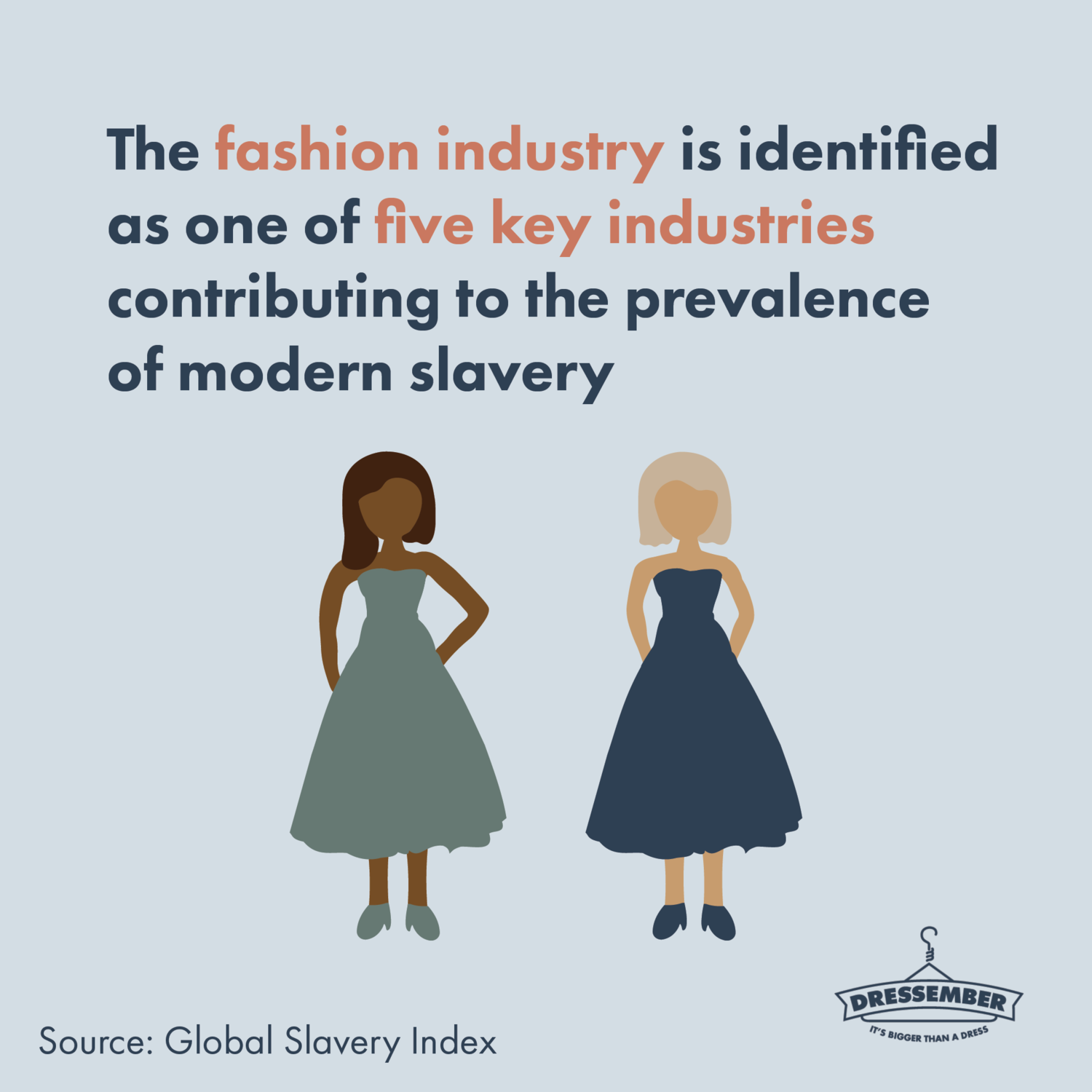
 Following Augustine