It’s a start

LogoI was thinking about a topic for this week’s fashion post when I came across a news article that fit very well with what I said last week about boycotting products that are made in China.

The Canadian Border Service Agency (CBSA) recently intercepted a shipment of women’s and children’s clothing that originated in China on the grounds that the garments were made by forced labour. This was the first interception of its kind since new federal laws came into place in July 2020 officially banning the import of goods made partially or wholly by forced labour. Just as there is no way for us as consumers to know what conditions our purchases were made under, there is no visual indicator to show a border services officer the labour standards by which a particular good was produced. This makes this a very difficult situation to deal with, but the CBSA says that it will continue to investigate complaints and allegations pertaining to imports made using forced labour. Hopefully this will lead to further interceptions of this kind and will ultimately result in retailers ensuring that they don’t order goods that have been produced unethically. At least it’s a start. 

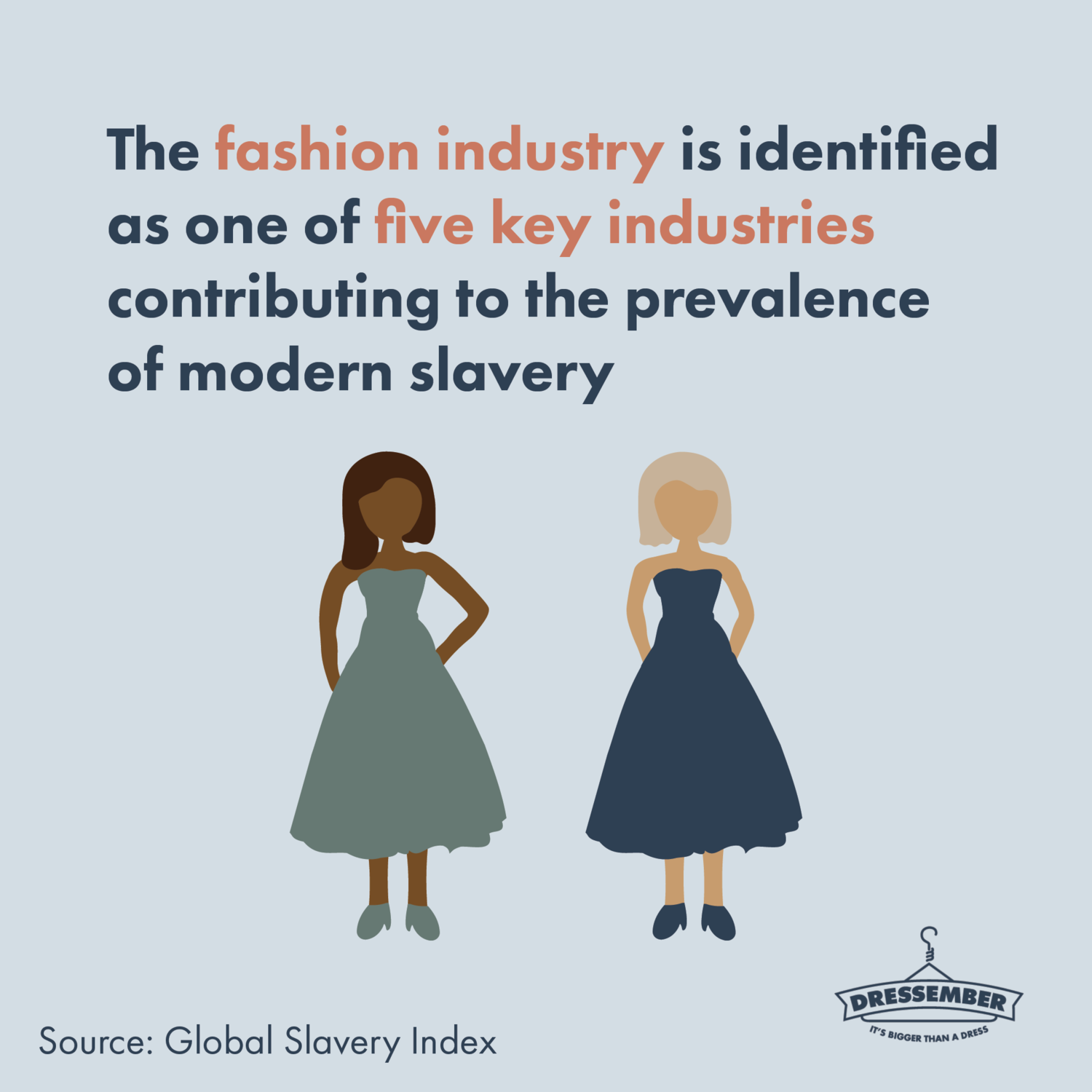
So what exactly is forced labour? According to the International Labour Organization (ILO), forced or compulsory labour is “all work or service which is exacted from any person under the threat of a penalty and for which the person has not offered himself or herself voluntarily.” It refers to a form of modern slavery in which people are coerced to work through the use of violence or intimidation, or by more subtle means such as manipulated debt, retention of identity papers, or threats of being handed over to immigration authorities. In China, Uyghurs and other Turkic minority ethnic groups are being subjected to forced labour in Xinjiang province. As well, a recent CBC Marketplace investigation found that several Canadian retailers, including one of my favourites, had brought hundreds of shipments of clothing into Canada from a Chinese factory suspected of secretly using North Korean forced labour. The factory is located in the city of Dandong, just across the Yalu River from North Korea.

The more I learn about unethical clothing production in China, the more convinced I am not to support it with my fashion dollars! I know I’m only one and I’m not even a big spender when it comes to clothing, but if I can convince even one of you to consider not purchasing clothes that are made in China, it’s a start. 

DAY+22

And now, are you wondering how the six items or less challenge is going? At the end of the second week, I must admit that wearing the same things over and over again is a bit boring, but there are also advantages. Getting dressed in the morning is easy and so was packing for a weekend away to meet our brand new baby granddaughter! I simply wore two items and packed the other four along with some socks, underwear, and pjs. Easy peasy! No thought involved. 

More about the six

LogoFacebook comments in response to last week’s post about my self-imposed “six items or less” challenge ranged from “I could absolutely NOT do this!” to “I’ve been living in the same set of clothing since I retired.”

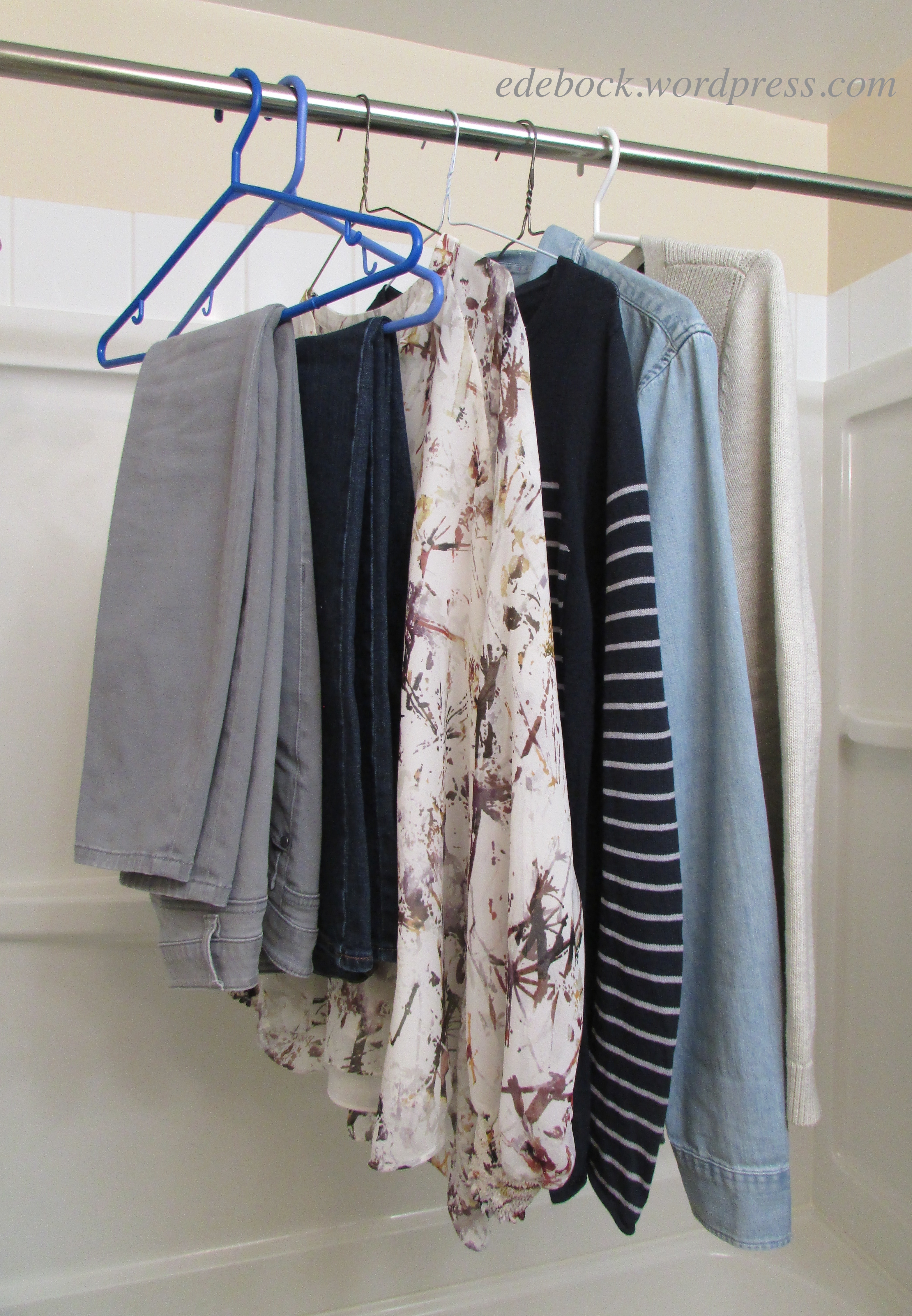
Today, after one full week, I thought I’d share a bit more about each of the six pieces that I’m wearing for the duration of the one month challenge. None are new and they’ve all appeared on the blog at one time or another in the past. First, let’s take another look at the photo…

IMG_3313

From left to right:

  1. Grey skinny jeans  –  cabi  –  purchased new in fall 2018  –  made in China
  2. Dark wash jeans  –  Old Navy  –  gifted in early 2018  –  made in China
  3. Patterned blouse  –  cabi  –  thrifted in fall 2020  –  made in China
  4. Navy striped pullover  –  cabi  –  purchased new in fall 2017  –  made in China
  5. Denim shirt  –  Uniqlo  –  purchased new in early 2021  –  made in Bangladesh
  6. Cardigan  –  cabi  –  purchased new in late 2016  –  made in China

It wasn’t until I’d carefully chosen all six pieces that I realized that four of them were cabi! In addition to the fact that I simply have a lot of cabi, I think that there are a couple of other good reasons for that. First of all, cabi intentionally produces clothing that coordinates well with previous and future seasons. This makes building a cohesive wardrobe very easy. Second, cabi clothing is good quality. It lasts! I suspect that many fast fashion pieces that are sold today wouldn’t hold up to a month of steady wear and washing. Instead, they fall apart after a few wearings and end up in the landfill.

As someone who is attempting to be an ethical shopper, I was also surprised and somewhat alarmed to see that five of the six items were made in China! While shopping in Superstore last week, I passed up a super cute pair of leopard print sneakers. The deciding factor, in addition to not really needing them, was the fact that they were made in China. Having lived in that country for several months, I’m conflicted about buying anything that is produced there. I know that the majority of the population is extremely poor and that garment factories provide much needed employment, but I also know that the conditions in many of them are abhorrent. Men and women work in unsafe surroundings 10 to 12 hours a day, 360+ days a year for a mere pittance. In addition, there are political reasons for boycotting Chinese products. I see China as a threat to Canadian security and although the two Michaels were released in September, it’s clear that they were held for almost three years on trumped up charges in retaliation for Canada’s arrest of Chinese high-tech executive Meng Wanzhou. That’s simply not a country I want to support with my fashion dollars!

My justification for having five made in China items on the list of six is threefold. First, two of them were thrifted or gifted. My intention is to try to avoid purchasing new items that are made in China. Second, the new items were purchased prior to 2019 when I made a commitment to begin shopping more ethically. And third, four of the five items are cabi. I’ve been assured by two independent cabi stylists that their products are made in socially and environmentally responsible factories. In spite of that, I was happy to see that my most recent cabi purchase, which you’ll see on the blog later this winter, was made in Vietnam. I suspect that this means that cabi, like many other companies, is moving their factories out of China, not for political reasons, but because the cost of production there has risen significantly and other locations in Asia are more cost efficient. In any case, I’ll feel better about buying cabi in the future if it’s made elsewhere.

And now, before I close, here are a couple of the outfits that I wore this week. On Tuesday, when I went to my weekly Bible study and ran some errands, I layered the denim shirt over the patterned blouse and paired them with the grey skinny jeans. I dressed the outfit up with my newest boots and a necklace, both thrifted.

IMG_3321

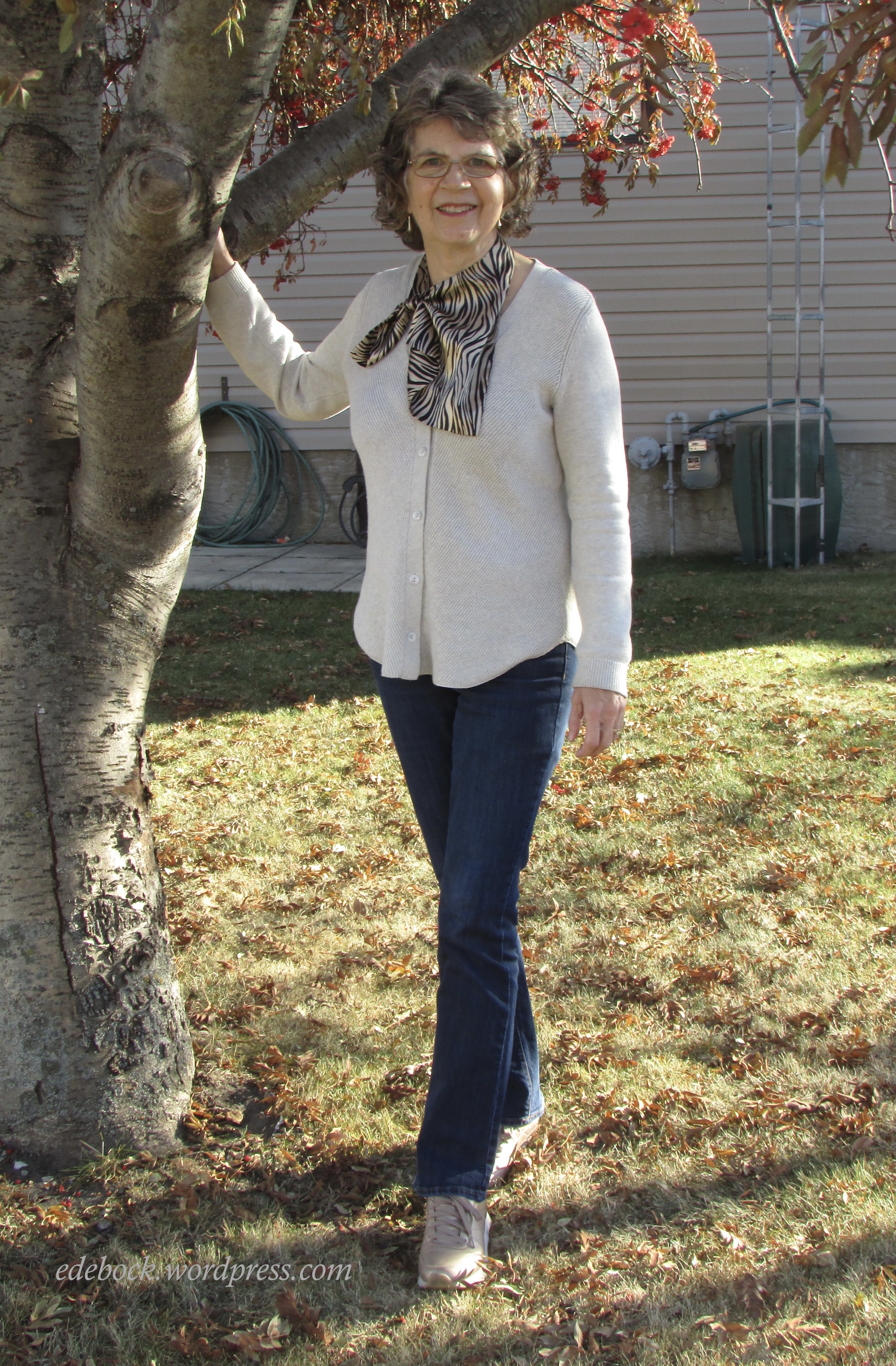
Though I’ve never worn the cardigan this way before, I knew when I decided to include it as one of the six that I would probably try buttoning it up and wearing it with a scarf. When you only have six items to work with, you have to be creative!

IMG_3337

I wore it this way on Wednesday. We bowled in the morning, so I needed something that was comfortable and easy to move in. This Wednesday was also NET Cancer Day and since the zebra is our symbol, I wanted to wear a touch of zebra stripes that day. Interestingly, I purchased the scarf in a shop on Russian Street in Dalian, China when we lived there, but it was actually made in Taiwan! According to the somewhat sketchy instructions that came with it, it can be worn ten different ways, but I’ve yet to figure out most of them.

I don’t know if you can tell, but I was freezing during the taking of these pictures! The temperature was barely above 0ºC (32ºF), but as you can see, we don’t have any snow yet, so we decided to take advantage of that and squeeze in a couple more outdoor shoots.

Dream jeans

IMG_2797

When I spotted these yellow capri length jeans in one of our local thrift stores, I immediately recalled a message that I received from my daughter a few months ago.

I had a ridiculous dream that you were in last night. We went shopping together and you tried on this pair of bright yellow skinny jeans. They looked fantastic on you, but you weren’t sure you wanted bright yellow jeans. So I thought I’d just carry them while we looked around this HUGE store more, and then forgot I had them. You left before I did and then after I’d left the store I realized I was still carrying, and had accidentally shoplifted, these jeans! So the rest of the dream was me trying to sneak them back into the store without getting caught! But then I wandered the store for a long time, still with the jeans, trying to decide if I should just buy them for you! hahahaha!

I’m not a great believer in dreams, but this one seemed to be telling me something! I’ve never worn yellow pants before, but I had to at least try them on! They fit perfectly and at $2.50 they were pretty much a steal, so now they’re mine.

Of course, once I got them home, the challenge was to style them with pieces that were already in my closet. I was surprised to find out how many tops I had that looked good with yellow! In these photos I’ve styled the pants with a sleeveless top that was also thrifted. Though black and white tend to look too harsh on me, the overall geometric pattern gives the appearance of a softer grey which is much more flattering to my complexion.

IMG_2796

I had hoped to show you one or two other combinations as well, but we had a very difficult time getting quality photos for this post. At the time when these were taken, the air was full of smoke from distant wildfires which affected the lighting quite drastically. These were the best we got, so I decided to go with them in spite of the fact that the pants are actually a bit brighter than they appear here. Poor hubby, who had hardly ever had a camera in his hands until I added Fashion Friday to my blog, is my willing and patient accomplice, but I can only ask so much of him!

Logo

15 fashion stats

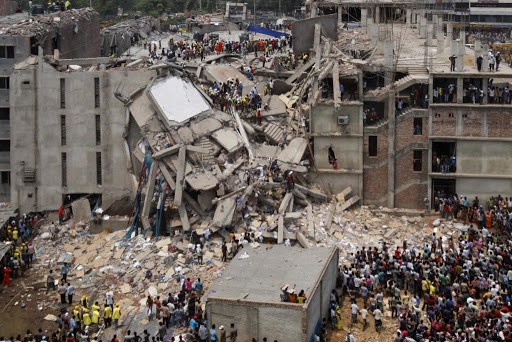
LogoTomorrow is the 8th anniversary of the collapse of the eight-storey Rana Plaza building in Dhaka, Bangladesh that housed five garment factories. More than 1,100 workers lost their lives that day and thousands more were injured. It was, to date, the worst industrial incident to hit the garment industry. The disaster drew attention to the human cost behind the clothes we wear and also inspired more people to start thinking about the broader topic of sustainability in the fashion industry.

unnamed

Here, in no particular order, are 15 statistics about the fashion industry.

  • 97% of the clothing sold in America is made overseas.
  • Garment workers are often forced to work 14 to 16 hours a day, 7 days a week in buildings with no ventilation.
  • 75% to 85% of the world’s garment workers are women and they are amongst the lowest paid workers in the world.
  • American women aged 35 to 44 spend an average of $960 on clothes each year, the highest among all age groups.
  • On average, an article of clothing in a woman’s closet is worn only seven times before being discarded.
  • The average American throws away approximately 81.5 pounds of clothing every year.
  • Approximately 10 million tons of clothes are sent to landfills every year.
  • Less than 11% of fashion brands have implemented recycling strategies for their products.
  • The fashion industry is responsible for 8% to 10% of carbon emissions globally, more than those emitted by all international flights and maritime shipping combined.
  • Solvents and dyes used in the manufacturing of clothing are responsible for 20% of the world’s industrial water pollution.
  • About 1,800 gallons of water are needed to produce the cotton in one pair jeans, and 400 gallons to produce the cotton in a shirt.
  • 23% of all chemicals produced in the world are used in the textile industry.
  • Nearly 70 million barrels of oil are used each year to make polyester fibre which is the most commonly used fibre in our clothing.
  • Polyester fibre takes more than 200 years to decompose.
  • Today, 400% more clothing is produced than 20 years ago.

I think that you’ll agree that many of these facts are disturbing. We all wear clothes, so in a sense, we’re all responsible. The hard question is what are we going to do about it? Do we care enough to do anything at all?

Thankfully, there is some good news on this front. A recent survey of 2,000 respondents from the US and the UK revealed that more than half want the fashion industry to be more sustainable and many are willing to pay more for sustainable clothing. Younger consumers in particular are seriously concerned with social and environmental causes. As they increasingly back up their beliefs with their shopping habits, countless brands are responding by doing their bit to transform the fashion industry for the better. We can also do our part by buying fewer, better quality items and wearing them longer. They may cost more to purchase, but their extended life will make them a more affordable option in the long run.

Dressing for the in-between season

What do you wear for a day away from home in this in-between season when the weather is so unpredictable? That’s what I had to decide on Wednesday. On Monday, we had a blizzard with howling winds gusting to 90km/h (56mph), but on Wednesday the forecast was calling for sunny skies and a high of 10ºC (50ºF).

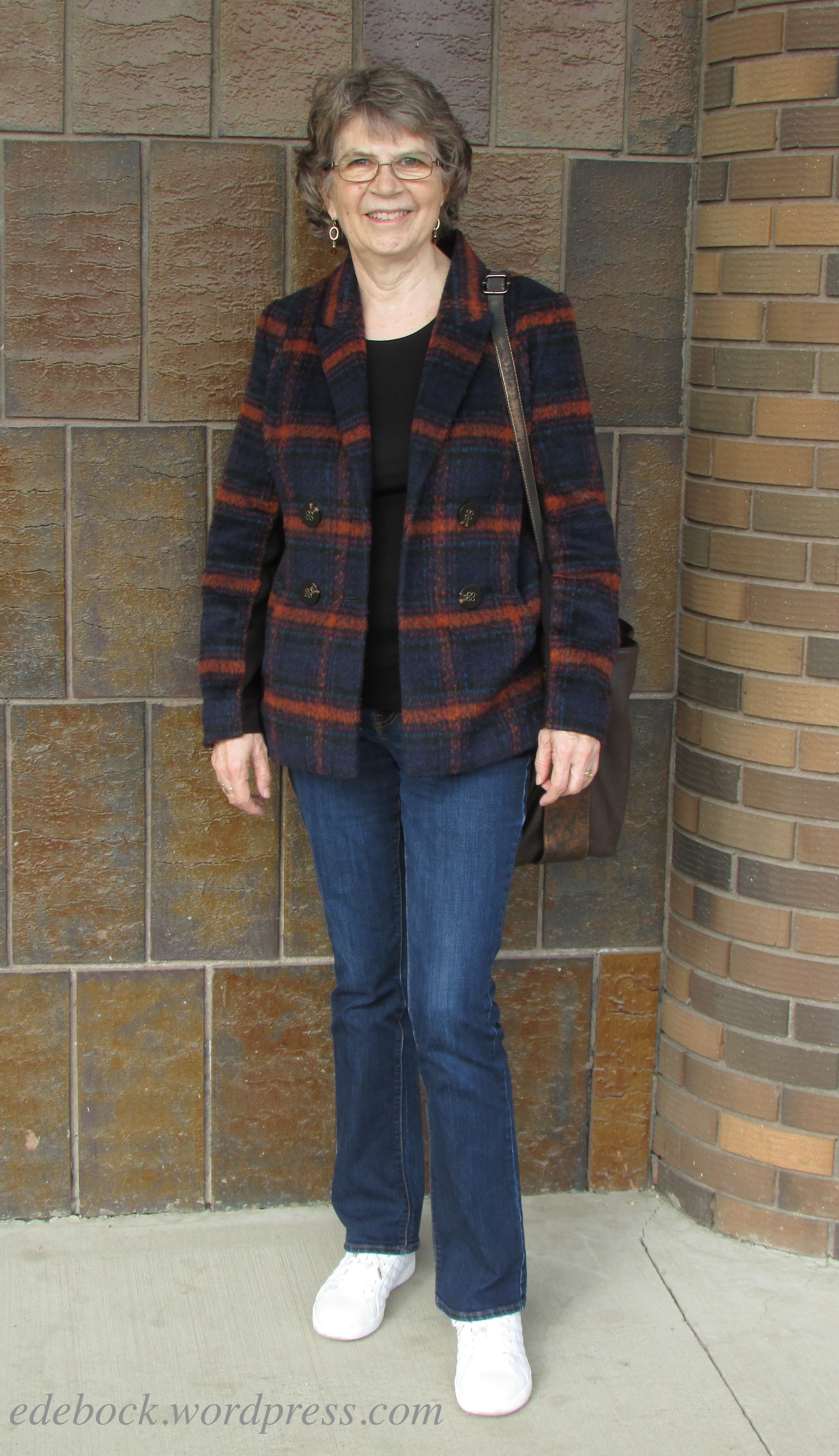
Hubby had two medical appointments in the city several hours apart. I’d be spending quite a bit of time sitting in waiting rooms, but I also planned to do some shopping. Yes, shopping! For the first time in several months, I’d be walking the malls. I wanted to be warm, but not too hot. As always, I wanted what I wore to say classy, confident, and comfortable. I wanted to be able to try things on easily, and comfortable walking shoes were definitely a must. Here’s what I decided to wear. If you’ve been following the blog for very long, you’ve seen all the pieces before.

IMG_2245

I’m a little self-conscious about having my photo taken in public places with people around, but hubby is always willing to act as my photographer and we snapped this one just outside the mall. My Checkmate Jacket from cabi’s Fall 2019 Collection feels like a cozy sweater, but it’s a bit dressier looking. I wore it over a plain black t-shirt from Uniqlo and a pair of dark wash jeans from Old Navy. A necklace would have dressed the look up a bit more, but it would have been in the way while trying on clothes, so I went without one. The white sneakers that insisted on being mine have turned out to be an excellent purchase. They’re so comfortable that I’d be able to walk for hours in them and they added a casual vibe to the outfit. Apparently stylish French women are wearing white sneakers with everything from jeans and blazers to dresses or suits, so I guess I’m in good company! 

The temperature was hovering around 0ºC (32ºF) when we left home in the morning, so I added a lightweight anorak over my outfit. I left it in the vehicle once we reached the city where the temperature climbed to a balmy 14ºC (57ºF) by mid-afternoon. 

IMG_2244

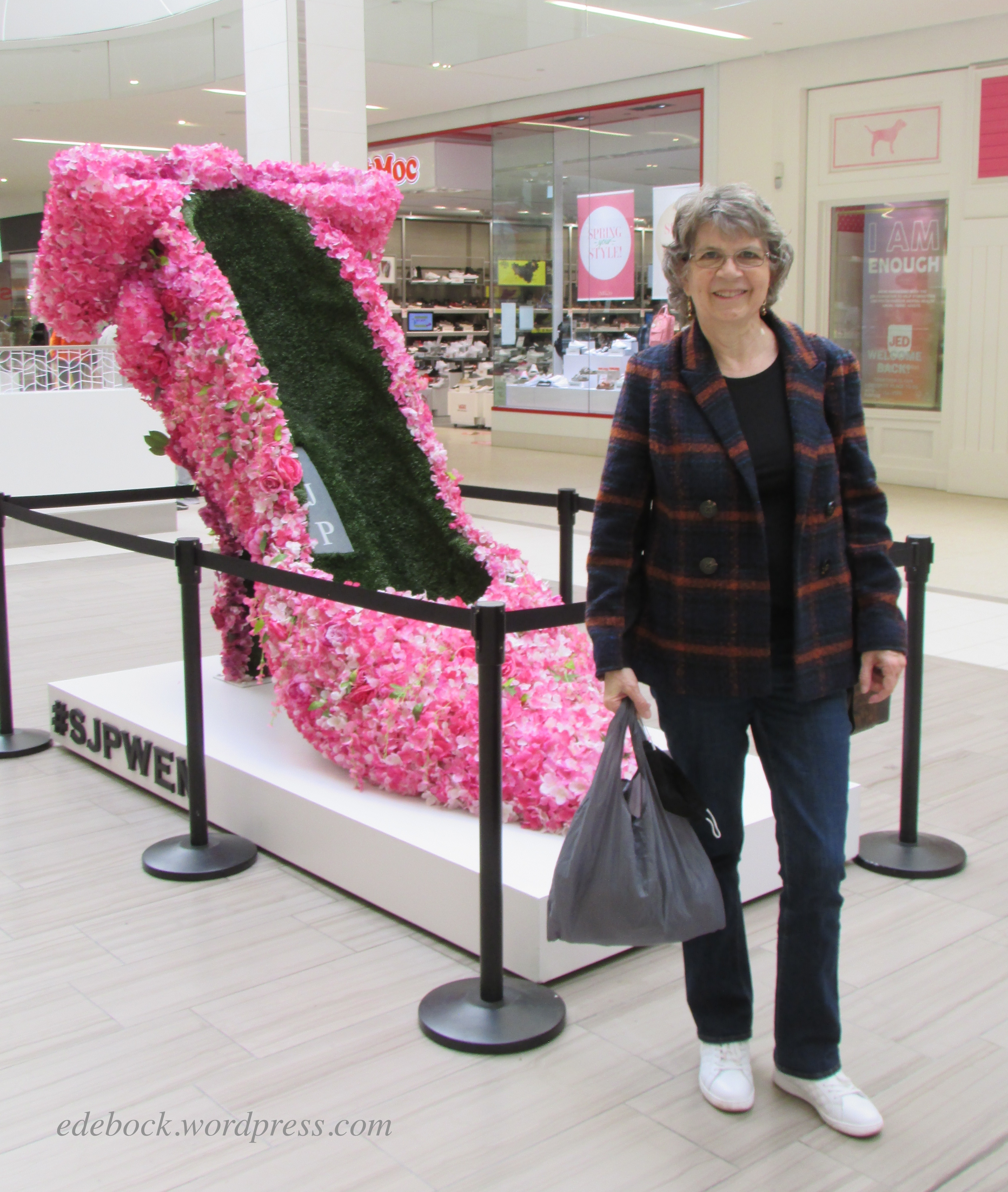
When we spotted this giant flower-covered shoe in the mall, we had to stop for another photo! I slipped my mandatory mask off for a moment and hubby snapped a quick one. I’ll share the contents of the bag with you in a future post! 

When is a bargain not a bargain?

LogoIn anticipation of spring (I saw my first robin earlier this week!) I’ve been looking through my winter closet and thinking about which items to keep for another season and which to get rid of. In the process, I’ve stopped to ponder a few pieces that I’ve rarely ever worn. Why did I buy them in the first place, I’ve asked myself, and why don’t I wear them? That led to the topic for today’s post. When is a bargain not a bargain?

As a frugal fashionista, I’m always drawn to the sales racks and I love thrift store shopping. Much of my wardrobe was purchased at a fraction of it’s original price. I’ve learned, however, that a bargain isn’t a bargain unless it’s something you’re actually going to wear!

When considering whether a bargain is actually a bargain, here are a few questions to ask yourself:

Does it fit properly? Shop for the body you have right now, not the one you wish you had or the one you hope to have someday in the future. If you can’t wear it today, put it back on the rack unless you intend to have it altered. If you do, unless you have the ability to do it yourself, you also need to factor in the cost of tailoring.

Does it fit your lifestyle? Do you actually have somewhere to wear it?

Does the colour flatter your complexion? This is especially important to consider if it’s something that will be worn close to your face.

Does it work with your existing wardrobe?  Know what’s already in your closet and where the gaps are. If you have to buy several other items to make something work, it’s no longer a bargain.

Does it say what you want it to say? Choose 3 to 5 adjectives that describe what you want your wardrobe to say about you and keep them in mind when you’re shopping. When I look in the mirror I want my outfit to say classy, confident, and comfortable. I also look for pieces that might add a bit of creative flair.

Do you love it? My shopping mantra has become “If you don’t love it, don’t buy it!”

When deciding whether or not something will be a bargain, another factor to consider is cost per wear. Let’s look at a couple of examples from my closet. One of the first pieces of cabi that I bought was the Shirttail Cardigan from the Fall 2016 Collection. I still love it and I wear it frequently during the winter months. The original price was $149 CAD, but as a party hostess, I was able to purchase it at 50% off. I have no idea how often I’ve worn it, but I’m guessing maybe 100 times. If we do the math ($74.50 ÷ 100) that works out to 75¢ per wear. The following year, I bought the cabi Silk Blouse, also at 50% off. It originally sold for $159 CAD, but I paid $79.50. I’ve probably worn it half a dozen times. That works out to $13.25 per wear! It’s easy to see which of these items was a bargain and which wasn’t! That doesn’t mean that the blouse wouldn’t have been a bargain for someone else, just not for me.

I’m sure I’ll still make some shopping mistakes, but I’m hoping that there will be less of them in the future!

2020 fashion shopping review

LogoOnce again, I kept a list of all the clothing purchases that I made over the past year so that I could analyze my shopping habits and establish goals for the following year. I do this in part because I want to be a more ethical shopper, but also because I want to be intentional about wardrobe development. Little did I know when the year began, however, what was lurking just around the corner! If there’s one good thing that the Covid-19 pandemic has done for me, it’s been the fact that it sent me deep into my closets and storage spaces for things to wear instead of to the mall. As I look at my list of purchases, it’s much shorter than previous years and it tells me once again what a strange year 2020 was!

Before we look at what I did buy, let’s take a look at my goals for 2020 and see how I did. 

  • I will continue tracking my purchases for at least one more year so that I can review and evaluate my shopping habits again a year from now.  Done!
  • I will continue to buy things that I need and items I love that work well with what I already have.  Done!
  • I will strive to buy less and experiment with new ways to wear what I already have.  Thanks to Covid-19 and the fact that I seldom purchase clothing online, this was a major success! 
  • I will continue to buy quality pieces and not waste money on fast fashion.  Done!
  • When considering a purchase that was made in China, I will attempt to find a suitable alternative made elsewhere.  Quite successful. I only bought a couple of new items that were made in China. More about that later in the post. 
  • When adding to my closet, I will consider five adjectives that begin with C… classy, confident, comfortable, casual, and creative.  Done!  
  • I will continue to write a Fashion Friday post each week.  Done!

It’s estimated that in a normal non-pandemic year most women purchase an average of approximately 70 items of clothing spending somewhere between $150 and $400 a month or approximately $1800 to $4800 annually. As a frugal fashionista, I never come close to that. For example, in 2019 I bought 43 items and spent $1071.74 CAD or approximately $89 a month. In 2020, however, I spent only $402.33 or approximately $33.50 a month! With that, I bought 24 items including clothing, accessories, and footwear. Exactly half of them were new and the other half were thrifted. I paid full price for only 8 items. 

While the thrift store purchases were largely impulse buys, most of them were items that I loved and that fit into my existing wardrobe well. More than ever in past years, the new items that I bought were intentional, planned purchases that filled identified gaps in my wardrobe. Those included underwear and pyjamas to replace ones that were worn out, the running shoes that I bought to use on the treadmill, and two pairs of chinos purchased at the beginning of summer to fill a need for pants that would be warmer than my shorts and capris, but cooler than jeans.

One of the ways that I attempt to be an ethical shopper is to avoid purchasing new items that were made in China. I did buy several garments that were made in third world countries such as Bangladesh, Vietnam, and Cambodia. Unfortunately, I have no way of knowing if they were manufactured in factories that are socially and environmentally responsible or sweatshops where workers are exploited and forced to work in unsafe conditions. Having lived in China, however, I do know that the conditions for many factory workers there are abhorrent and that human rights in that country are being increasingly eroded. In addition, China continues to hold two Canadians in prison in what is widely seen as retaliation for Canada’s arrest of Chinese high-tech executive Meng Wanzhou and I believe that China is a threat to Canada in other ways. These are all good reasons to avoid purchasing items made in that country. I did slip up a couple of times this year. I failed to find out where the sneakers that wanted to be mine were made before I ordered them and while I made most of our face masks, I did buy one package that were made in China. 

Since this was such an unusual year and I did so little clothes shopping, rather than coming up with a whole new list of fashion shopping goals for 2021, I’m going to keep the same ones for another year and hope that I actually get to do some real shopping. With that in mind, however, I will make one change. The third goal will change from “I will strive to buy less and experiment with new ways to wear what I already have.” to “I will continue to experiment with new ways to wear what I already have.” I can’t imagine buying less than I did this year! I yearn for the day when I can browse the stores, feel the fabric, try things on, and even take a few of them home with me!   

In the meantime, here’s a sample of my favourite purchases of 2020. You’ve seen many of them on the blog before. 

Three tops, all thrifted. The Goddess Blouse from cabi’s Fall 2018 Collection, shown on the left, is one of the only two cabi pieces that I bought in 2020. The other was also second-hand. As I look at the photo on the right, I’m reminded of an unwritten fashion goal that I’ve had for the past couple of years; to gradually transition from black, especially close to my face, to navy and other neutrals that are more flattering to my complexion. I would not have bought this top if the background had been black.  

These are the only shoes I bought in 2020. On the left, the Asics GT2000 6 running shoes that were purchased specifically for walking on the treadmill. I’ve put plenty of miles on them since buying them last January. On sale at 40% off their regular price, they continue to be comfortable and supportive and were definitely a very good buy. On the right, the sneakers from Mark’s that I bought simply because I love them! They were also on sale. 

And finally, a pair of thrifted capris and one of my most recent purchases, a navy sweater dress from Reitmans.

Boxing Day

Our very quiet Christmas is over. Thanks to modern technology, we were able to see and chat with all our kids and grandkids, so it wasn’t as lonely as it might otherwise have been. It was also a good day to reflect on our many blessings and on the reason for the season… the babe in the manger who became the man on the cross; the One who died that we might have everlasting life.

Today is a totally secular add-on holiday celebrated in the UK, Canada, and other Commonwealth countries. Boxing Day originated as a day to give gifts to the poor. The reason for the name seems to have been lost in the mists of time. Some say that wealthy employees would give boxes containing small gifts, money, and Christmas leftovers to their servants who were allowed time off on December 26 to visit their families. Others theorize that churches put out boxes to gather money for the poor and the proceeds were distributed the day after Christmas. In any case, the original meaning has long been lost and Boxing Day has become primarily a day for shopping after Christmas sales, much like Black Friday in the US.

In past years, Boxing Day has been a good day to pick up electronics, toys, fitness equipment, seasonal clothing, gift sets, and all things Christmas at seriously reduced prices. It’s also been a day for pushing, shoving, and standing in long line ups in overcrowded stores. For many shoppers, Boxing Day and Boxing Week sales this year will look a little different. With Covid shutdowns or restrictions in place, much of the shopping will be done online.

Either way, I’m with Santa… I think Boxing Day is a good day to relax after the busyness of Christmas Day! It’s also a good day for eating leftovers of which there are many in our house. In spite of the fact that there were only the two of us, I cooked our traditional Christmas dinner including a turkey! After dinner tonight I’ll be packing up meal size portions and putting them in the freezer to be enjoyed some other time.

I-Love-Boxing-Day

Shopping like a goddess

LogoIf you’ve been reading Following Augustine for long, you know that I love thrift store shopping. In fact, one of my most popular posts over the past year has been this one. I’m not crazy about big city stores like Value Village where there’s an overwhelming amount of merchandise to sift through. Instead, I prefer smaller not-for-profit stores like the two that I shop locally. 

Other than one pair of pyjamas that I picked up at Walmart, the only clothing that I’ve bought in the past four months has been second-hand. One of my most recent finds was the Goddess Blouse from cabi’s Fall 2018 Collection. Although it’s two years old, it’s like new and it fits into my wardrobe for several reasons. 

IMG_1745

Like many cabi pieces, it isn’t trendy. Its timeless quality means that it’s something that I’ll be happy to wear for a long time. The cream coloured background is flattering to my complexion and the abstract pattern, in colours that are part of my spring palette, doesn’t overwhelm me. The blouse also coordinates with lots of things in my present wardrobe including many other cabi pieces. That’s one of my favourite things about cabi; the fact that pieces from one season are intentionally designed to coordinate with those from several previous seasons so that you can build a cohesive wardrobe over a period of time. 

In the first photo, I’m wearing the Goddess Blouse with my grey skinny jeans, also from the Fall 2018 Collection. My necklace is another recent thrift store purchase.

I love the next look which is entirely cabi. I styled the blouse with my Brick Dust skinnies from Spring 2018, the Tudor Cross necklace from Fall 2019, and one of my oldest pieces of cabi, the Shirttail Cardigan from Fall 2016. It might be four years old, but it’s still going strong!

IMG_1756

Next, here I am wearing the blouse with a pair of dark wash jeans and yet another piece from cabi, the Checkmate Jacket from a year ago. 

IMG_1777

And finally, here’s my very good friend and cabi stylist, Deborah, wearing her Goddess Blouse with several items from this season’s cabi collection

Deb

By now, you might be wondering if this is a sponsored post. It’s not. I just have a lot of cabi in my closet and I’m delighted that I was able to add another piece for just $3.00 by shopping my local thrift store! 

Finding trends in my closet

LogoAs most of you already know, I don’t shop for clothes online and I’ve mostly been staying away from brick and mortar stores since the onset of Covid-19. That leaves shopping my closet and trying to create new looks with old clothes.

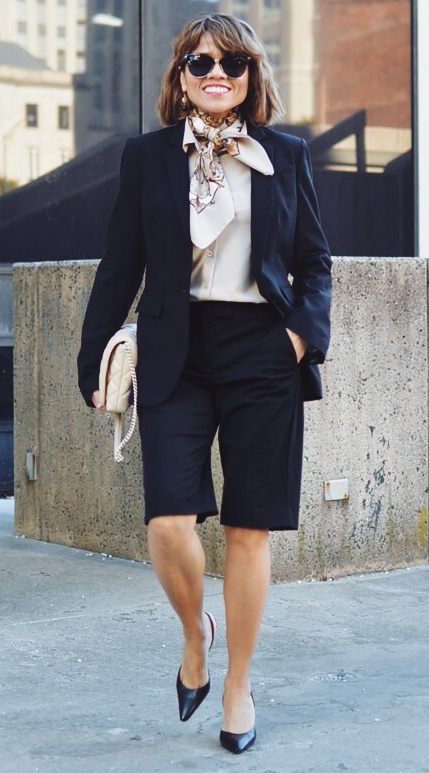
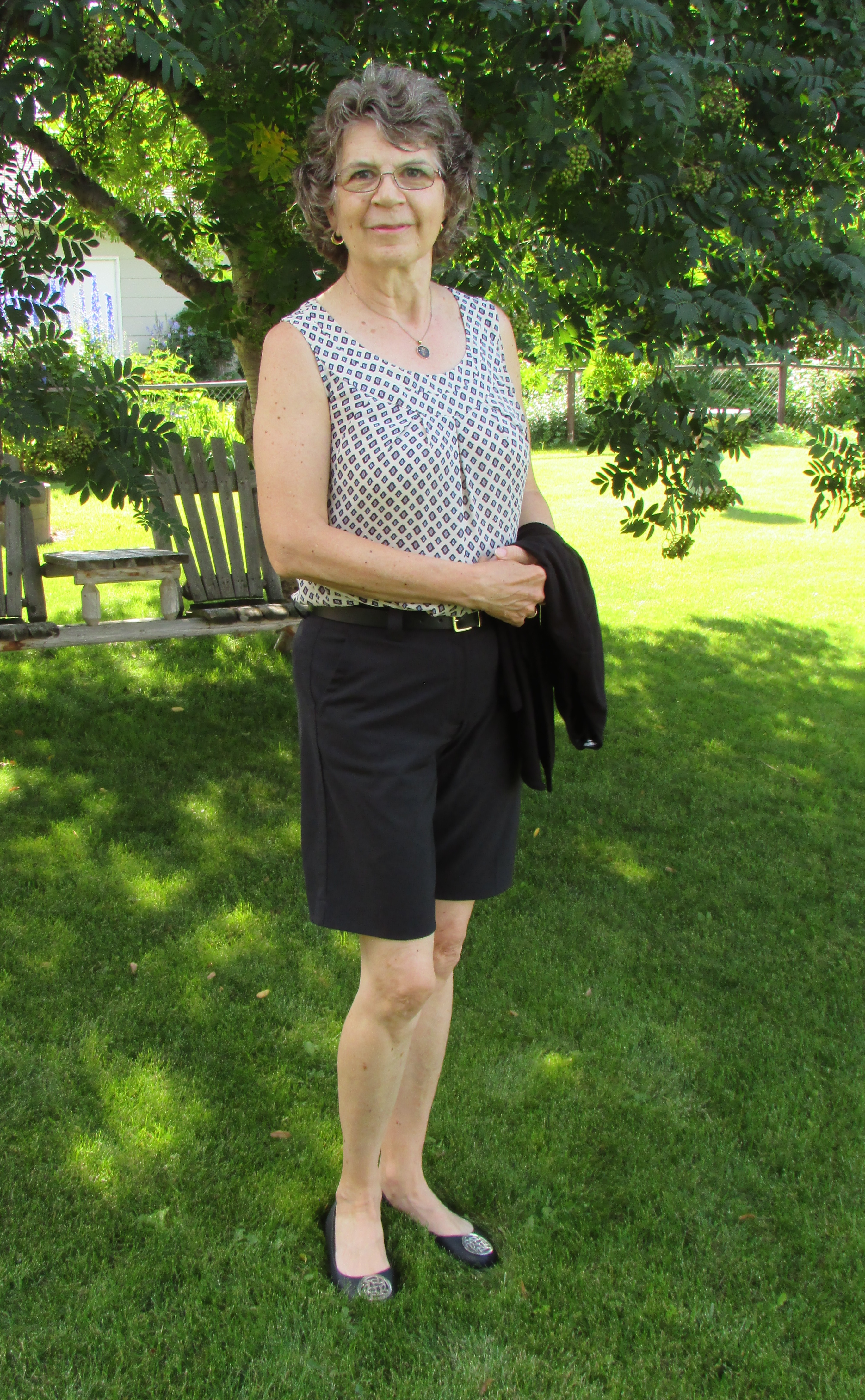
When I researched fashion trends for spring and summer 2020 for an earlier post, one of the looks that appealed to me and that I could see myself wearing was the suit with Bermuda shorts.

Processed with VSCO with a9 preset

Had I still been teaching instead of happily retired, I could definitely have seen myself investing in one of these menswear inspired suits. They’re a nice take on business casual and if the trend doesn’t last, the pieces could still be worn separately. I didn’t realize at the time that I could create a similar look using pieces from my own wardrobe!

IMG_1254

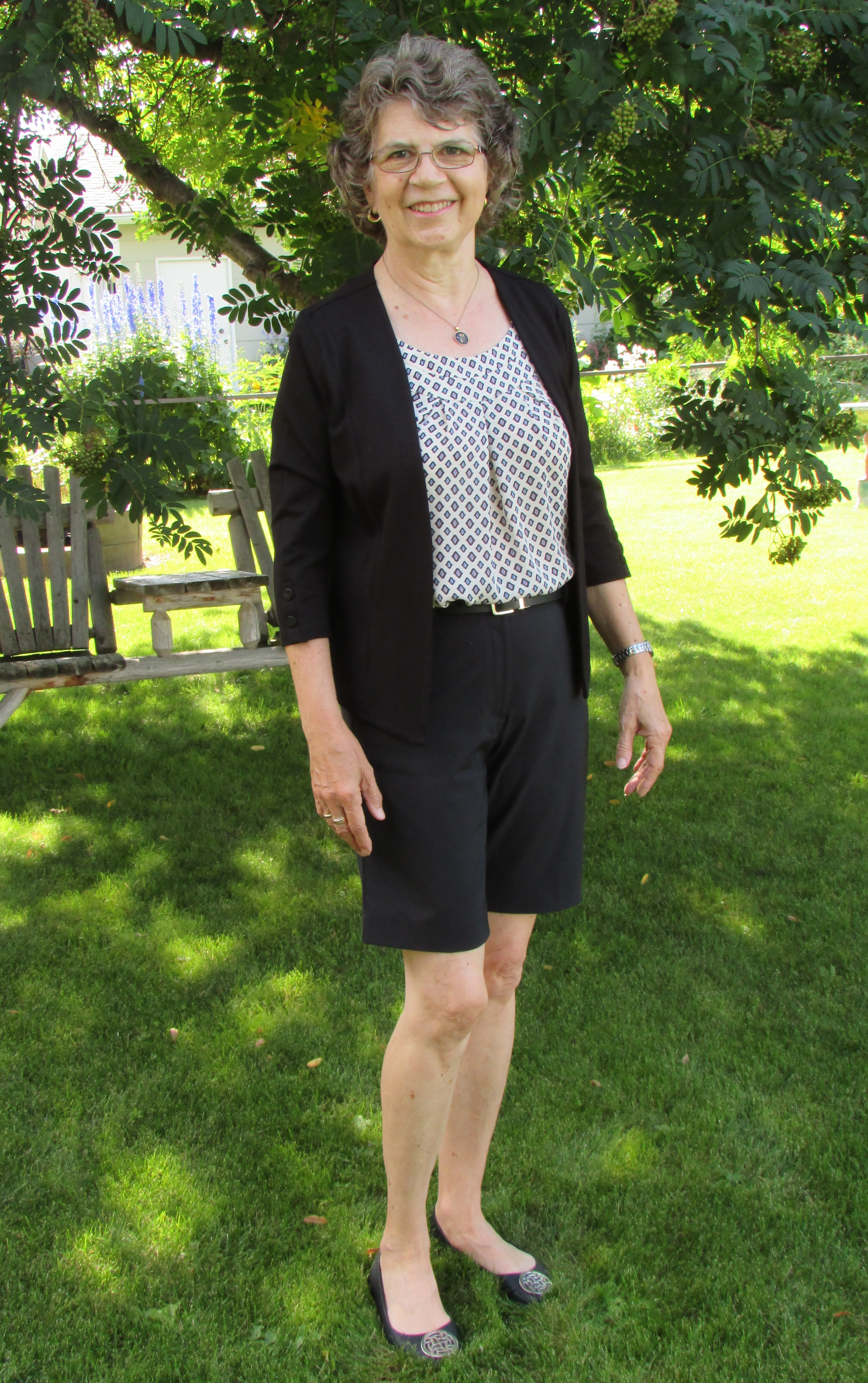
I wear capris more often than shorts as I don’t think that my knees are amongst my more attractive features, but I do have several pairs of shorts including these black ones from Nike Golf. The top is cabi and the little black jacket is from Canadian fashion retailer, Reitmans. All three pieces have been in my wardrobe for several seasons.

I’m not really going anywhere these days that requires even this level of dressy, but I did have some business to take care of at the bank yesterday and even though it wasn’t necessary, it felt nice to dress up just a bit.

IMG_1242


HOOFING IT Across Canada update:

I’ve now walked 51.37 km since the beginning of the challenge. With over 6 weeks left, I should have no problem surpassing my personal goal of 100 km. Donations have slowed down a bit, but thanks to many generous donors, I’ve raised $1095 which is 73% of my $1500 goal. As the Canadian neuroendocrine cancer community, however, we have a long way to go to raise the $100,000 needed to continue funding much needed research. At present, we’ve raised just over $31,600.