“One’s reward for marching through the decades is a gradual process of erasure.” The Book of Lost Names, Kristin Harmel
If you’re an older woman, whatever you define that to be, have you ever been made to feel invisible? Maybe you’ve been overlooked for a project or a promotion at work. Maybe you’ve felt unseen when you entered a restaurant, a garage, or another place of business. Perhaps you’ve been ignored while younger customers received all the attention from shop attendants. Maybe you’ve felt invisible at a social or family event. If you’ve ever felt this way, you’re not alone! There’s even a name for it, Invisible Woman Syndrome.
A survey by Gransnet, a busy social networking site for people over 50, revealed that 7 out of 10 women feel that they become invisible as they get older, beginning as young as age 52. Nearly two-thirds believe that older women tend to be more invisible than men of the same age. Nearly two-fifths of the respondents said that younger people have patronized them as they’ve gotten older and a quarter said that if they’re out with a younger person, people tend to talk to the younger person rather than to them.
Many of these women are well educated and have interesting careers. They may be well traveled and involved in a variety of worthwhile activities, so why are they made to feel invisible? What is it about an older woman that society finds unpalatable? Why does she lose relevance as her body ages?
Unfortunately, age discrimination is real, especially for women, but it’s more than that. Ageism walks hand in hand with sexism. Older men are often seen as powerful and distinguished; their grey hair a sign of knowledge and experience. Women, on the other hand, often feel pressured to appear younger than they are in order to be taken seriously.
Personally, I’ve really only noticed the onset of age related invisibility in one area. I no longer have to put up with the unwanted and sometimes inappropriate sexual attention from men that seems to go along with being a younger woman. I see that as positive, but it doesn’t work in favour of those older women without partners who are interested in dating and forging relationships with members of the opposite sex. Too often, they go unseen while older men look instead at women who are twenty years younger.
So, do we simply accept being invisible? Short of jumping up and down and screaming, “CAN’T YOU SEE ME?” what can we do to be more visible? In order to keep this post from becoming too long, that will be the topic of tomorrow’s post. In the meantime, though, I’d really like to hear your thoughts about this topic. What has your experience been? If you don’t feel comfortable sharing here, please feel free to email me at elainedebock@gmail.com.
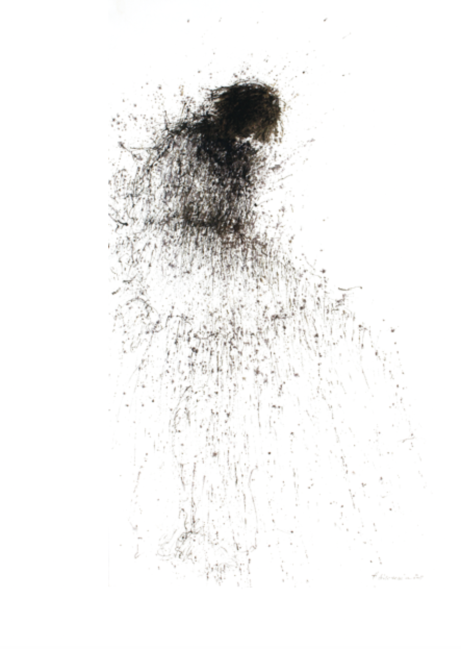
Artwork by Hanna Sidorowicz
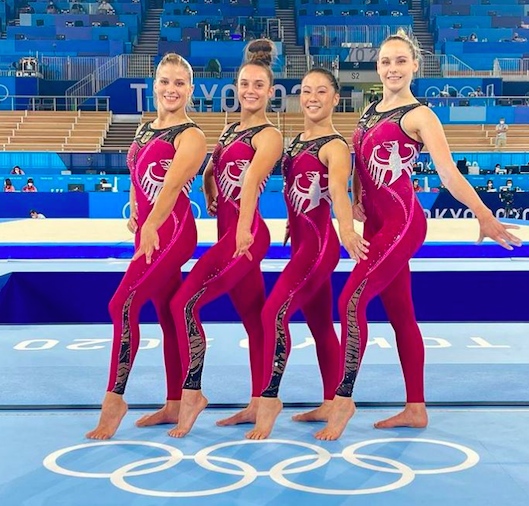
 I’m not really a sports fan, but one thing that has caught my attention recently is the controversy over uniforms. I know that this is a much talked about topic on social media this week, but I decided to add my two cents’ worth here.

 As a Canadian, I admit that I know nothing about Australian politics, but I do know that being a politician in any country isn’t easy. They can’t please everyone and their personal lives are constantly under scrutiny. I also know that being a female politician is even harder and I greatly admire South Australian MP Nicolle Flint for the way that she stood up to a journalist’s comments about her clothes this week.


 Following Augustine