Fashion trends for spring 2021

LogoDepending on where you live, it might be early to start thinking about spring, but as I look out on a bleak winter landscape in the midst of pandemic restrictions, I need something to remind myself that better days are coming! In my opinion, much of what is being shown by fashion designers for spring 2021 simply doesn’t fit well with our lockdown, stay-at-home, Covid pandemic life, but there are a few takeaways that might boost our morale or add a bit of optimism to our spring closets.

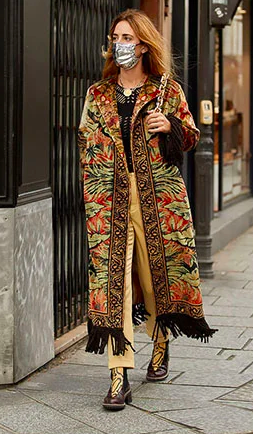
Spring promises to be full of colour. Yellow, the most luminous colour of the spectrum, is perhaps the most popular for the new season. Yellow is considered the colour of happiness, optimism, enlightenment, creativity, and sunshine, all things we hope for as we emerge from the darkness of this particular winter. Pastels promise to be popular. Think buttercream, mint green, lavender, sky blue, and bubblegum pink. Vibrant, optimistic colours like marigold, tangerine, and hot pink will also be on trend. Bold florals and tie dye will catch the eye as will multicoloured, folk inspired coats like this one.  
Screen Shot 2021-01-27 at 1.59.33 PM

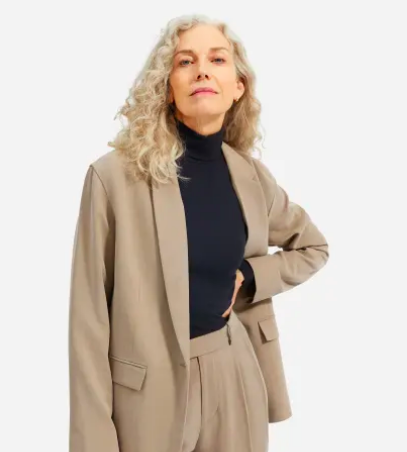
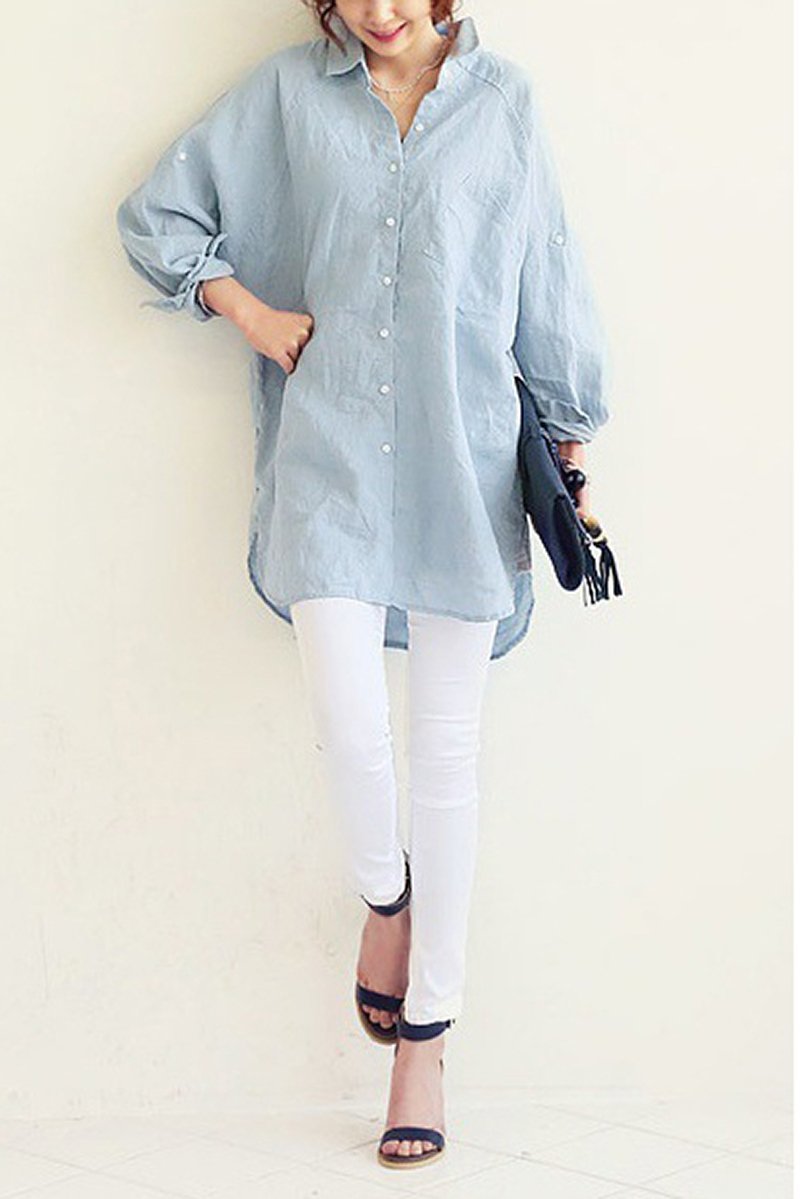
Slouchy tailoring, well suited to our desire for comfort during these stressful times, will be very evident this spring. Oversized, button-down shirts will be popular. Think “hubby’s shirt” or “Dad’s shirt” in feminine colours. Oversized blazers or boyfriend jackets are also on trend. 
1483_0_1608048018_1200x

Screen Shot 2021-01-27 at 3.26.14 PM

I don’t think that skinny jeans are going to disappear completely just yet, but again in keeping with our more sedentary lifestyle these days, the silhouette for pants is changing significantly. My daughter was in Walmart earlier this week and mentioned that where there used to be a wall of jeans, there was now nothing but sweatpants! Yes, sweatpants have definitely come into their own during the pandemic and not only for exercise. Many are quite stylish looking. 

Though sweatpants are definitely having a moment, blue jeans aren’t disappearing from the fashion landscape. This season’s pants, jeans included, will be loose fitting and wide legged, reminiscent of the 1970s and 80s. 

The key to looking put together instead of sloppy in the upcoming season’s loose fitting garments is to create balance by pairing them with slim fitting pieces. Wear an oversized shirt with leggings or those skinny jeans that are still in your closet. Try the loose fitting boyfriend blazer over a fitted tee or wear baggy pants with a cropped or slim fitting top, perhaps even one of the “second-skins” that are popular for this spring. Unfortunately, these stretchy, body hugging knits probably won’t be flattering to those of us with middle age bulges that we’d prefer to keep hidden! 
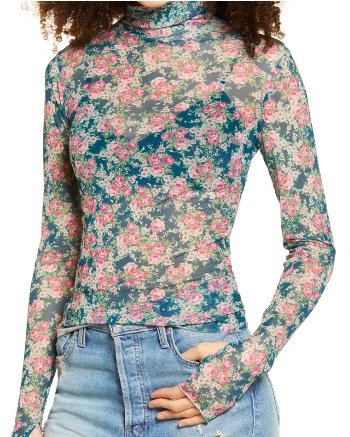
Screen Shot 2021-01-27 at 4.56.57 PM

A few other things to look for this spring include big shoulders, again a throwback the the 1980s, and puffed sleeves. Cinched waists with statement belts will be popular and then there’s netting. Not fishnet stockings this time, but mesh dresses worn over bodysuits. Personally, I’m not sure how well that one will catch on, but we shall see! Though mini skirts will still be seen, midi and maxi lengths will be more popular this season. And then, of course, there are the shackets that I wrote about last week.  

Do you see yourself adopting any of these trends when winter comes to an end? I’m partial to the big shirts and, since there’s absolutely no yellow in my closet, I may have to look for something in that sunny colour to brighten things up.  

Pjs and pockets

LogoThough I didn’t buy a lot of clothes in 2020, I did purchase a couple of pairs of pyjamas at Walmart to replace ones that were totally worn out. Due to Covid-19, the fitting rooms were closed so I couldn’t try them on. I loved the feel of the soft fabric though and I was pretty sure that medium would fit, so I took a chance. What I didn’t realize until I put them on at home was that both pairs of pyjama pants had pockets. Pockets in pjs! That was something I’d never seen before.

IMG_2055

I’ve written about pockets in women’s clothing before and I’m definitely very much in favour of them, but in pyjamas? Why would we need pockets in pyjamas, I wondered. After all, anything more than a tissue in the pocket while in bed would be rather uncomfortable, don’t you think? Besides, bedside tables, not pockets, are for the things you might want to have within reach while you’re in bed. 

After much consideration, I’ve come to the conclusion that pockets in pyjamas must be a Covid-19 accommodation. As we shelter in place, work from home, and conduct business online, we no longer need to dress as we might have in pre-pandemic days. Comfort is definitely the name of the game these days and for some, that might mean wearing pyjamas, or at least pyjama bottoms, all day. In that case, pockets to hold cell phones and other paraphernalia make perfect sense. 

IMG_2057

Pyjamas as daywear isn’t a brand new idea. When we lived in China, it wasn’t uncommon to see adults in the street wearing flannel pyjamas and house slippers. I wrote about that here. We even saw a woman wearing lovely pink pjs in the Louvre when we visited Paris in 2019 and Australian novelist, Justine Larbalestier, claims that all her books were written while she was wearing pyjamas. 

While I confess that it’s getting harder as this pandemic drags on, I still do my best to maintain some sense of normalcy by getting dressed every morning. I wear earrings every day and most days I still put on mascara and a bit of blush. Pockets or no pockets, I won’t be wearing my pyjamas all day! 


2020 fashion shopping review

LogoOnce again, I kept a list of all the clothing purchases that I made over the past year so that I could analyze my shopping habits and establish goals for the following year. I do this in part because I want to be a more ethical shopper, but also because I want to be intentional about wardrobe development. Little did I know when the year began, however, what was lurking just around the corner! If there’s one good thing that the Covid-19 pandemic has done for me, it’s been the fact that it sent me deep into my closets and storage spaces for things to wear instead of to the mall. As I look at my list of purchases, it’s much shorter than previous years and it tells me once again what a strange year 2020 was!

Before we look at what I did buy, let’s take a look at my goals for 2020 and see how I did. 

  • I will continue tracking my purchases for at least one more year so that I can review and evaluate my shopping habits again a year from now.  Done!
  • I will continue to buy things that I need and items I love that work well with what I already have.  Done!
  • I will strive to buy less and experiment with new ways to wear what I already have.  Thanks to Covid-19 and the fact that I seldom purchase clothing online, this was a major success! 
  • I will continue to buy quality pieces and not waste money on fast fashion.  Done!
  • When considering a purchase that was made in China, I will attempt to find a suitable alternative made elsewhere.  Quite successful. I only bought a couple of new items that were made in China. More about that later in the post. 
  • When adding to my closet, I will consider five adjectives that begin with C… classy, confident, comfortable, casual, and creative.  Done!  
  • I will continue to write a Fashion Friday post each week.  Done!

It’s estimated that in a normal non-pandemic year most women purchase an average of approximately 70 items of clothing spending somewhere between $150 and $400 a month or approximately $1800 to $4800 annually. As a frugal fashionista, I never come close to that. For example, in 2019 I bought 43 items and spent $1071.74 CAD or approximately $89 a month. In 2020, however, I spent only $402.33 or approximately $33.50 a month! With that, I bought 24 items including clothing, accessories, and footwear. Exactly half of them were new and the other half were thrifted. I paid full price for only 8 items. 

While the thrift store purchases were largely impulse buys, most of them were items that I loved and that fit into my existing wardrobe well. More than ever in past years, the new items that I bought were intentional, planned purchases that filled identified gaps in my wardrobe. Those included underwear and pyjamas to replace ones that were worn out, the running shoes that I bought to use on the treadmill, and two pairs of chinos purchased at the beginning of summer to fill a need for pants that would be warmer than my shorts and capris, but cooler than jeans.

One of the ways that I attempt to be an ethical shopper is to avoid purchasing new items that were made in China. I did buy several garments that were made in third world countries such as Bangladesh, Vietnam, and Cambodia. Unfortunately, I have no way of knowing if they were manufactured in factories that are socially and environmentally responsible or sweatshops where workers are exploited and forced to work in unsafe conditions. Having lived in China, however, I do know that the conditions for many factory workers there are abhorrent and that human rights in that country are being increasingly eroded. In addition, China continues to hold two Canadians in prison in what is widely seen as retaliation for Canada’s arrest of Chinese high-tech executive Meng Wanzhou and I believe that China is a threat to Canada in other ways. These are all good reasons to avoid purchasing items made in that country. I did slip up a couple of times this year. I failed to find out where the sneakers that wanted to be mine were made before I ordered them and while I made most of our face masks, I did buy one package that were made in China. 

Since this was such an unusual year and I did so little clothes shopping, rather than coming up with a whole new list of fashion shopping goals for 2021, I’m going to keep the same ones for another year and hope that I actually get to do some real shopping. With that in mind, however, I will make one change. The third goal will change from “I will strive to buy less and experiment with new ways to wear what I already have.” to “I will continue to experiment with new ways to wear what I already have.” I can’t imagine buying less than I did this year! I yearn for the day when I can browse the stores, feel the fabric, try things on, and even take a few of them home with me!   

In the meantime, here’s a sample of my favourite purchases of 2020. You’ve seen many of them on the blog before. 

Three tops, all thrifted. The Goddess Blouse from cabi’s Fall 2018 Collection, shown on the left, is one of the only two cabi pieces that I bought in 2020. The other was also second-hand. As I look at the photo on the right, I’m reminded of an unwritten fashion goal that I’ve had for the past couple of years; to gradually transition from black, especially close to my face, to navy and other neutrals that are more flattering to my complexion. I would not have bought this top if the background had been black.  

These are the only shoes I bought in 2020. On the left, the Asics GT2000 6 running shoes that were purchased specifically for walking on the treadmill. I’ve put plenty of miles on them since buying them last January. On sale at 40% off their regular price, they continue to be comfortable and supportive and were definitely a very good buy. On the right, the sneakers from Mark’s that I bought simply because I love them! They were also on sale. 

And finally, a pair of thrifted capris and one of my most recent purchases, a navy sweater dress from Reitmans.

Boxing Day

Our very quiet Christmas is over. Thanks to modern technology, we were able to see and chat with all our kids and grandkids, so it wasn’t as lonely as it might otherwise have been. It was also a good day to reflect on our many blessings and on the reason for the season… the babe in the manger who became the man on the cross; the One who died that we might have everlasting life.

Today is a totally secular add-on holiday celebrated in the UK, Canada, and other Commonwealth countries. Boxing Day originated as a day to give gifts to the poor. The reason for the name seems to have been lost in the mists of time. Some say that wealthy employees would give boxes containing small gifts, money, and Christmas leftovers to their servants who were allowed time off on December 26 to visit their families. Others theorize that churches put out boxes to gather money for the poor and the proceeds were distributed the day after Christmas. In any case, the original meaning has long been lost and Boxing Day has become primarily a day for shopping after Christmas sales, much like Black Friday in the US.

In past years, Boxing Day has been a good day to pick up electronics, toys, fitness equipment, seasonal clothing, gift sets, and all things Christmas at seriously reduced prices. It’s also been a day for pushing, shoving, and standing in long line ups in overcrowded stores. For many shoppers, Boxing Day and Boxing Week sales this year will look a little different. With Covid shutdowns or restrictions in place, much of the shopping will be done online.

Either way, I’m with Santa… I think Boxing Day is a good day to relax after the busyness of Christmas Day! It’s also a good day for eating leftovers of which there are many in our house. In spite of the fact that there were only the two of us, I cooked our traditional Christmas dinner including a turkey! After dinner tonight I’ll be packing up meal size portions and putting them in the freezer to be enjoyed some other time.

I-Love-Boxing-Day

So much anger!

We’re living in a very angry world, or so it seems to me. Everywhere we look, whether in person or on social media, people seem to be protesting or venting their anger. First it was the shutdowns, then masks, and now the prospect of a vaccine that isn’t even available yet.

Calgary-COVID-protest-Nov-28-20204

Calgary, November 28, 2020 – Global

What is really behind all this anger? It’s clearly a response to what’s going on in the world around us, but why so much anger? Why are so many people lashing out at one another and at those in positions of authority? I think it’s much more than being asked to wear a little piece of fabric over their mouth and nose or the thought of having to have an injection.

There are many different emotions that might result in anger, but anxiety, sadness, fear, frustration, disappointment, and worry are some of the most common triggers and who amongst us hasn’t experienced some of those feelings in recent months? Add to that the fact that we feel like we’ve lost control of our lives. Things that we’ve always taken for granted, like spending time with family, have been taken away. For many, the things that they’ve trusted in, things that have given them a sense of security, have also been swept away. Some have lost jobs, others have had to close businesses. Some are still working, but feeling isolated at home. In addition to all of this, with the incredible amount of false information and fear mongering being spread by irresponsible “news” sources and keyboard warriors, it should be no surprise that undiscerning people are being sucked into the swirling maelstrom of fear and anger that surrounds us. The virus is everywhere. There isn’t even anywhere we can go to escape!

Unfortunately, anger is one of the most divisive and destructive forces on the planet. It’s a poison that spreads with astonishing speed; faster perhaps than Covid itself. It turns crowds into mobs, inflicts deep wounds, and crushes the human spirit. Plus, it does absolutely nothing to alleviate the crisis that we all find ourselves in.

Anger itself isn’t the problem; it’s what you do with it. First of all, let’s look at what NOT to do.

Don’t be a spreader! Don’t spread the virus, don’t spread misinformation, and don’t spread anger.

Don’t spread the virus. Whether or not you fully agree with the measures that have been recommended or mandated in your area, suck it up and cooperate. Wear the mask, stay 6 feet (2 metres) from other people, and whenever possible, stay home. We’re all in this together. The sooner we really start working together to limit its spread, the sooner we’ll have any hope of reclaiming some of the things that we’ve lost. 

Don’t spread false information. The internet is awash with misinformation, much of it deliberately intended to mislead and to stir up fear and anger. Don’t add to the noise! Check your facts before passing something on. Chances are that your neighbour down the street or your friend from high school doesn’t know as much about epidemiology as the experts do. The lack of respect and support for doctors, scientists, and other health professionals during this pandemic is nothing short of astonishing. There is plenty of evidence to show that masks do make a difference and no, they aren’t harmful to your health. There are very, very few people who have legitimate reasons for not being able to wear one and those people should be staying home because they clearly have other issues that put them at high risk. Yes, the vaccines have been fast tracked, but that doesn’t necessarily mean that they’re dangerous. They’ve been through the same rigorous testing as any other vaccines, but because of the urgency of the present situation, they weren’t allowed to bog down in bureaucratic red tape the way things usually do.  

Don’t spread your anger. Denying that you’re angry or keeping it bottled up inside isn’t healthy, but taking it out on an unsuspecting cashier who’s simply attempting to do her job in trying circumstances doesn’t make the situation better. Neither does waving a protest sign or ranting on social media. 

So what CAN we do with our anger? What SHOULD we do? 

  • Think before you speak, post or repost.
  • Find constructive ways to express your concerns clearly and directly to the right people without trying to hurt or control anyone. This might include asking questions in an attempt to seek out the truth and understand the reasons behind measures that are being recommended or mandated.
  • Take a break. That might mean taking a self-imposed time out from social media or getting outside for some fresh air and exercise.  
  • Practice relaxation. Listen to music, write in a journal, do a few yoga poses or some deep breathing exercises… whatever works for you.
  • Pray. Pray for wisdom, understanding, and grace. Pray for those in positions of authority who are daily faced with making incredibly difficult decisions. 
  • Do something positive for someone else. Instead of writing that Facebook rant, why not write a note of encouragement to someone? Instead of attending a protest rally, look for an opportunity to volunteer in your community. 
  • Know when to seek help. If your anger feels out of control, reach out to a mental health professional. 

I’m as eager as the next person to see this pandemic come to an end, but I’m equally anxious to see us pull together and rise above the overwhelming flood of anger that threatens to crush us all. 

Where do you find comfort?

If there was ever a time in most of our lives when we craved comfort, this is probably it. The combination of the upcoming holiday season + a worldwide pandemic is bound to be stressful. For many of us, the shorter, darker days of winter add to our feelings of disquiet. It’s a universal human trait to seek comfort when life becomes difficult, but where do we find that comfort? What do we turn to?

You’ve probably heard people refer to their “Quarantine 15”. In a poll of more than 1,000 WebMD readers, nearly half of the women and almost one-quarter of the men said that they had gained weight since March. This trend is no surprise. Food is one of the most common sources of comfort that people turn to in times of stress. There’s even a physiological reason for this. Chronic or ongoing stress causes the body to produce higher levels of the stress hormone, cortisol, which in turn triggers cravings for salty, sweet, or fried foods; foods that produce a burst of energy and pleasure.

Thankfully, this hasn’t been an issue for me. In fact, in times of distress I tend to lose my appetite. One of my main go tos for comfort is a cup of hot tea which is known to lower stress hormones. Since I drink my tea black, it has the added benefit of being calorie free.

tea-mugs-250x250

Soaking in a hot bath is another favourite source of comfort for me. There’s something about being surrounded by liquid warmth that soothes away anxiety and restores a sense of peace. Perhaps it’s reminiscent of returning to the womb! 

What are some other ways that you can comfort yourself, especially if you’re trying to avoid stress eating? Here are a few suggestions, but I’d love to hear your ideas in the comment section. 

  • Exercise. This one might be challenging if gyms and recreational facilities are closed in your area, but it goes hand in hand with the next suggestion. 
  • Spend time outdoors. 
  • Listen to music.
  • Do something creative… paint, sketch, knit, crochet, sew, embroider… the options are almost endless.
  • Keep a gratitude journal.
  • Practice mindfulness. Focus on whatever you’re doing at the moment. Notice the sights, sounds, and scents that surround you. 
  • Escape into fiction. Watch a movie or read a book. 
  • Work on a jigsaw, crossword, or sudoku puzzle.
  • Savour the routines in your life. If life seems chaotic, work on establishing some routines and focus on the comfort that you receive from that first cup of coffee in the morning, a regular devotional or prayer time, a few minutes of quiet reading or contemplation after work.  

We are living in tumultuous times and there seems to be no end in sight. We can’t see the big picture and have no idea how all this is going to work out for us individually or globally, but there is One who does know. Ultimately, true comfort is to be found in faith in God. Scripture is full of words of comfort. 

2 Corinthians 1-3-4

Who is the enemy?

One of the most valuable lessons I’ve learned about dealing with conflict in a relationship is the idea of standing shoulder to shoulder and attacking the problem together instead of face to face and attacking one another. If we all applied this principle to the fight against Covid-19, I think we’d have a much better chance of successfully containing the spread and minimizing the long term effects of this dreadful pandemic.

unnamed

The first step in fighting this battle together is identifying who or what is the enemy and perhaps even more important, who is NOT the enemy. The enemy is not the government, the public health authorities, or Bill Gates. The enemy is not 5G and it certainly isn’t your Facebook friend who thinks that Covid-19 is a hoax!

The enemy is a virus; a submicroscopic infectious agent that invades living cells and uses their chemical machinery to stay alive and to replicate itself. It doesn’t care whether or not we believe it’s real. It doesn’t care what our political views are, whether we’re young, old, or in-between, or if we’re good at math. It just needs an available host.

We can exhaust ourselves arguing about whether or not we should be wearing face masks and using hand sanitizer. We can wave protest signs and refuse to follow recommendations and requirements. We can spread rumours and accuse one another of all sorts of heinous things, but the virus doesn’t care! As long as we’re standing face to face and fighting with one another, it will simply continue its insidious attack. It will kill more of our elderly and vulnerable. Some of its victims will get off easy, but others will suffer long term physical and mental harm.

OR we can stop attacking one another and stand shoulder to shoulder against a common enemy. We can admit that we’re all in this together and that there are no quick fixes or easy answers. We can temporarily put aside our personal preferences and stop rebelling against every measure that is put in place to try to protect us.

header

How to care for your hands and nails during Covid

LogoThe cold, dry air of a Canadian prairie winter is always hard on exposed skin, but this year we have more than that to contend with. Constant hand washing and sanitizing might protect us from Covid, but it’s wreaking havoc on our poor hands!

I spent last weekend in the city on my annual Christmas shopping trip with three of my closest girlfriends. At the entrance to every store, we had to stop and use the hand sanitizer that was provided. On Monday, I was back in the city again as my hubby had a medical appointment. Before heading for home, we stopped to do a bit more shopping and, of course, more hand sanitizing. By Tuesday, four very brittle fingernails had broken and the skin on the back of my hands was stinging! It felt like I’d burned them! 

070716_handsanitizer_THUMB_LARGE

Alcohol-based hand sanitizers with a minimum of 60% alcohol are recommended for combatting viruses including Covid-19, but frequent use can lead to dryness, itching, cracking, and even eczema. Clearly, good hand and nail care is going to be more important than ever this winter.

Here are a few tips to help:

Wear gloves while doing anything that might irritate your skin such as washing dishes and cleaning house. 

Use hand sanitizer only when soap and water are not available. 

Stay well hydrated. In addition to other health benefits, drinking plenty of water helps prevent your skin and nails from drying out. 

Lock in the moisture. Keep your hands hydrated by gently drying them with a clean towel after washing and then, while they are still slightly damp, immediately apply a moisturizer. Work some of it into your nails to keep them from cracking, splitting, and breaking. If your hands are already irritated look for fragrance free products and ones that are formulated for sensitive skin. 

When you use hand sanitizer, apply a moisturizing cream or ointment immediately after the sanitizer dries. If you’re spending the day shopping, this may not be possible every time you enter a store, but carrying a travel sized lotion in your purse and applying it occasionally throughout the day will help prevent the distress that I suffered earlier this week. 

Rehydrate hands overnight. Apply a hand cream just before you go to bed at night and give very dry hands an overnight treatment by applying a heavy cream or petroleum jelly and wearing cotton gloves while you sleep. If you don’t have cotton gloves, a pair of socks will do. 

images

With Covid numbers steadily increasing, it looks like this is going to be a winter like none other, but hopefully with a bit of extra care, we can get through it with healthy, beautiful hands. 

4003270_f520


A Covid Thanksgiving

If you use social media at all, I’m sure you’ve seen a myriad of memes and posts bemoaning the somewhat bizarre year that 2020 has turned out to be.

halloween-meme-2020-jason-freddy-michael

2020

Then there are the “If 2020…” memes. At least some of them add a bit of humour to our current predicament. 

burn

wq46izkd1iq41

But has it really been that bad? I see posts from people claiming that 2020 has been the worst year of their life. If that’s the case, I’m thinking that perhaps they’re very young or maybe they’ve just lived a charmed life. I can think of at least three years in my life that have been worse than this one, but that’s not what I want to write about today.

Thanksgiving

Today is Canadian Thanksgiving, traditionally a time for families to gather and enjoy a festive meal together. For many of us, it’s a very different and much quieter celebration this year. Here in Canada, we’re experiencing a second wave and many of the new Covid-19 cases have been the result of large family gatherings. Though we live in a rural area where the numbers have remained relatively low, all of our children and grandchildren live in urban settings where that is not the case. As a result, we’ve chosen not to get together to celebrate Thanksgiving this year. In spite of the fact that hubby and I are alone this holiday weekend, I cooked a tiny (8.5 pound) turkey with all the trimmings yesterday. It may be far from an ordinary year, but that’s no reason to completely forgo those things that bring us joy!

Without the happy sounds of children and no one gathered around a board game on the kitchen table, the house is very quiet, but that doesn’t mean that I don’t have much to be thankful for. In the solitude of this unusual Thanksgiving weekend, I’ve had much opportunity to contemplate how very blessed we are. Even in the midst of a pandemic such as we’ve never experienced before, there is so much to give thanks for. I’m reminded of one of my favourite passages of scripture, Philippians 4:6-7.

“Do not be anxious about anything, but in every situation, by prayer and petition, with thanksgiving, present your requests to God. And the peace of God, which transcends all understanding, will guard your hearts and your minds in Christ Jesus.” (emphasis my own)

121074208_10158938499207387_5978601577989692251_n

Though the list of things that I’m thankful for is very long, this image pretty much sums it up for me. In spite of two cancers and several other diagnoses, I feel great and I’m able to live a full and active life. I have access to excellent, free health care. I have a comfortable home that’s in the process of undergoing a complete facelift. My family may be scattered today, but I’m so proud of the adults that my children have become and the spouses they’ve chosen. Of course, I’m also head over heels in love with the seven grandchildren that they’ve added to the clan. As sad as it was to lose my elderly father earlier this year, I’m grateful that he went before the pandemic struck, that we were able to be with him in his final hours, and that we could celebrate his life together with friends and family. And where would we be without friends? I’m so thankful for the ones that God has blessed me with, both far and near. Finally, there’s food. Along with safe, clean drinking water, food is something that we tend to take for granted, but I’m mindful of the fact that, while I can cook a whole turkey for two people, there are many in this world who don’t know where their next meal is coming from and who may be going to bed hungry tonight. No, for most of us, 2020 has not been that bad! 

If-2020-is-telling-us

Hitting the Covid-19 wall

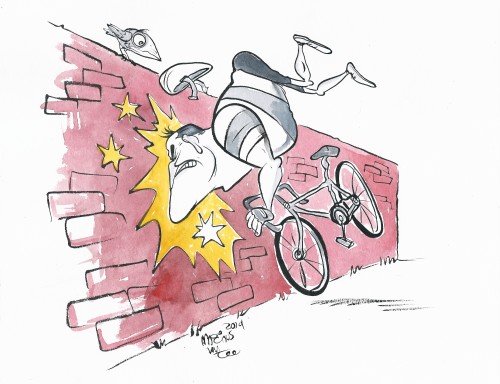
hitting-the-wall-resize-1

Do you feel like you’ve hit a wall where Covid-19 is concerned? Have you simply had enough with all the restrictions imposed by the pandemic? I know I have!

I admit that as retirees, we’ve had it easier than many. We don’t have jobs or a business to worry about or children at home. My father, our last remaining parent, passed away ten days before the World Health Organization declared the rapidly spreading coronavirus outbreak a pandemic, so we don’t have elderly parents in care facilities to worry about. Nevertheless, I’ve definitely hit the proverbial wall. Like many others, I’m tired and frustrated.

Experts tell us that this isn’t unusual. Dr. Aisha Ahmad, Associate Professor of Political Science at the University of Toronto who has has conducted fieldwork on conflict dynamics in Afghanistan, Pakistan, Somalia, Lebanon, Mali, and Kenya, recently summed it up this way: “The 6 month mark in any sustained crisis is always difficult. We have all adjusted to this “new normal”, but might now feel like we’re running out of steam. Yet, at best, we are only 1/3 the way through this marathon. How can we keep going? First, in my experience, this is a very normal time to struggle or slump. I always hit a wall 6 months into a tough assignment in a disaster zone. The desire to “get away” or “make it stop” is intense. I’ve done this many times, and at 6 months, it’s like clockwork.”

With the pandemic dragging on and no end in sight, it’s easy to become discouraged. In our part of the world summer is over. The days are getting shorter and the hours of darkness longer. We’ve enjoyed beautiful fall weather throughout the month of September, but the long cold winter is just around the corner. People will soon feel more shut in than ever. Add to that the fact that Thanksgiving is almost upon us (we celebrate it in October in Canada) and not long after that, Christmas. Those are times when families usually come together to celebrate, but much of the spread of Covid-19 over the summer has been the result of family gatherings. There’s a lot of uncertainty in many families about how to observe these holidays this year. 

One of my greatest sources of frustration is the urge to travel. It may not make sense to a lot of people, but wanderlust (a deep, uncontrollable desire to travel and explore the world) is real. With interprovincial travel discouraged and international borders closed, I’m beginning to feel trapped. Yesterday, I jumped in the vehicle and drove down country roads just to try to appease that feeling! 

Then there’s frustration over the divisiveness of this thing. With more than 1 million deaths due to Covid worldwide, there are still those who believe that it’s a hoax or a conspiracy cooked up by “the” government to take control of our lives. I still haven’t figured out which government they’re referring to or why they think that all the governments of the world would come together to destroy their own economies! I was actually told yesterday that it’s all a plot to derail the upcoming election in the United States! What ever happened to calamity drawing people together? It certainly hasn’t happened this time! 

Anyway, enough of my ranting! Thankfully, Dr. Ahmad also offers hope. “This is my first pandemic, but not my first 6 month wall. So, what can I share to help you? First, the wall is real and normal. And frankly, it’s not productive to try to ram your head through it. It will break naturally in about 4-6 weeks if you ride it out.” I sure hope she’s right! 

In the meantime, what can we do to help alleviate that hitting the wall feeling? Nicole Haughton, a registered psychologist based in Toronto, suggests that that maintaining a proper diet, exercising regularly, going out for fresh air, and engaging in spiritual practices or mindful meditation can be beneficial to mental health during this time.

For me, writing about my feelings is cathartic, but here are a few other suggestions:

  • Give yourself something to look forward to. I can’t plan a major trip right now, but I can plan an overnight getaway for our upcoming anniversary. 
  • Step back from social media and limit the amount of news you consume. I definitely need to take this one to heart!
  • Clean out or reorganize something. It could be the kitchen cupboards, a closet, a filing cabinet, or the garage. The simple act of bringing organization to chaos where we’re able to can be very freeing. I did a lot of this back in the early days of Covid-19, but it’s been awhile. Now it’s time to do my seasonal wardrobe switch and reorganize my closet for winter. Having some “new” clothes to wear might also be a pick me up. 
  • Start a gratitude journal. It’s easy to spiral into negativity, but even in these strange and somewhat difficult days, we all have much to be thankful for.  

Finally, psychologist, Dr. Heather McLean, asks her clients to rate themselves on this scale and tells them, “If you see you are on the low end of any of these these, get busy and problem solve, think outside the box, and ask others for help on how to fix it.” 

Screen Shot 2020-09-29 at 11.50.11 AM

Though the pandemic is likely going to be with us much longer than anyone hoped or predicted, I do trust that it will come to an end. For now, I just need to focus on getting through this blasted six month wall instead of bashing my head against it!