Summer memories

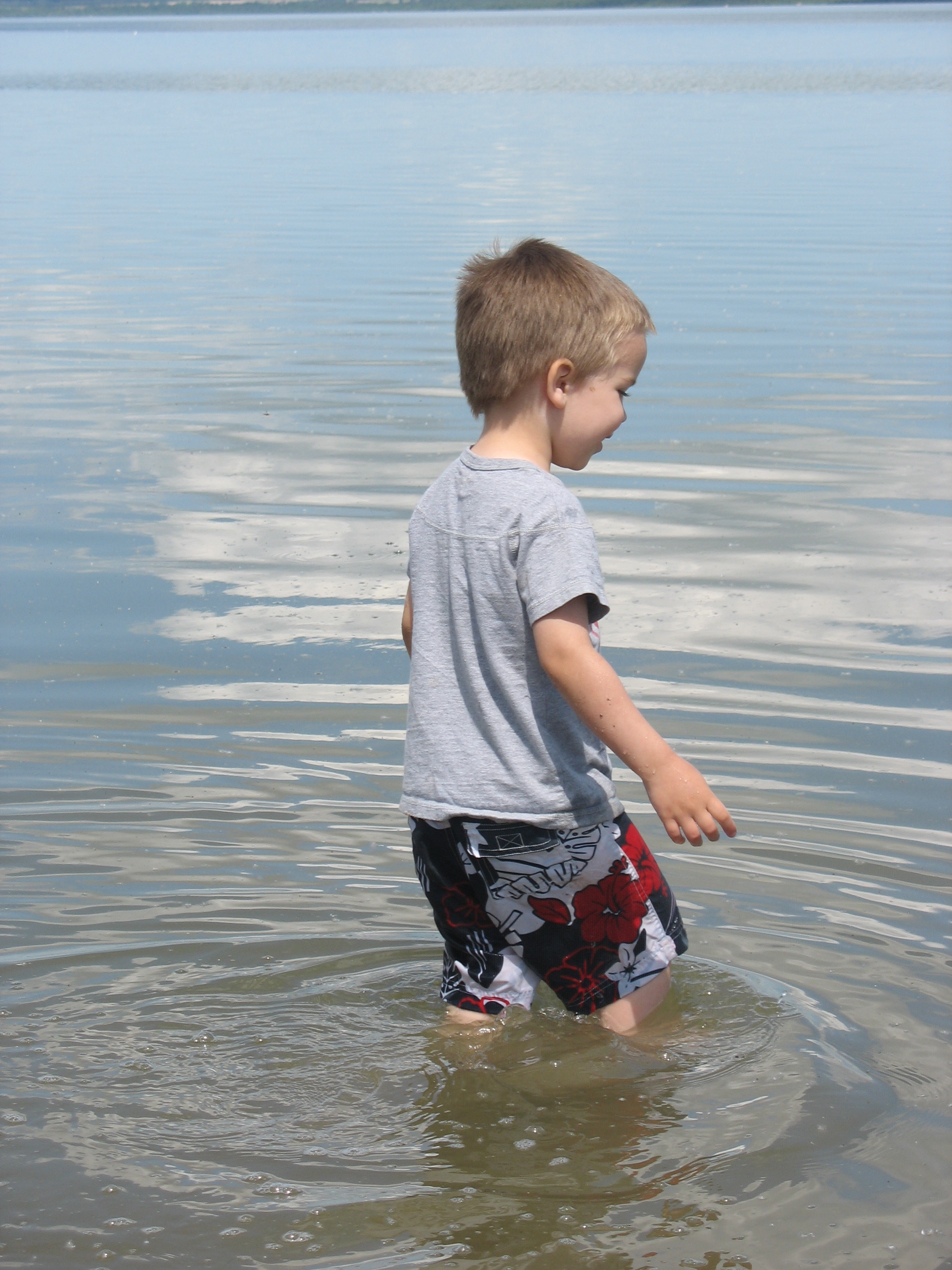
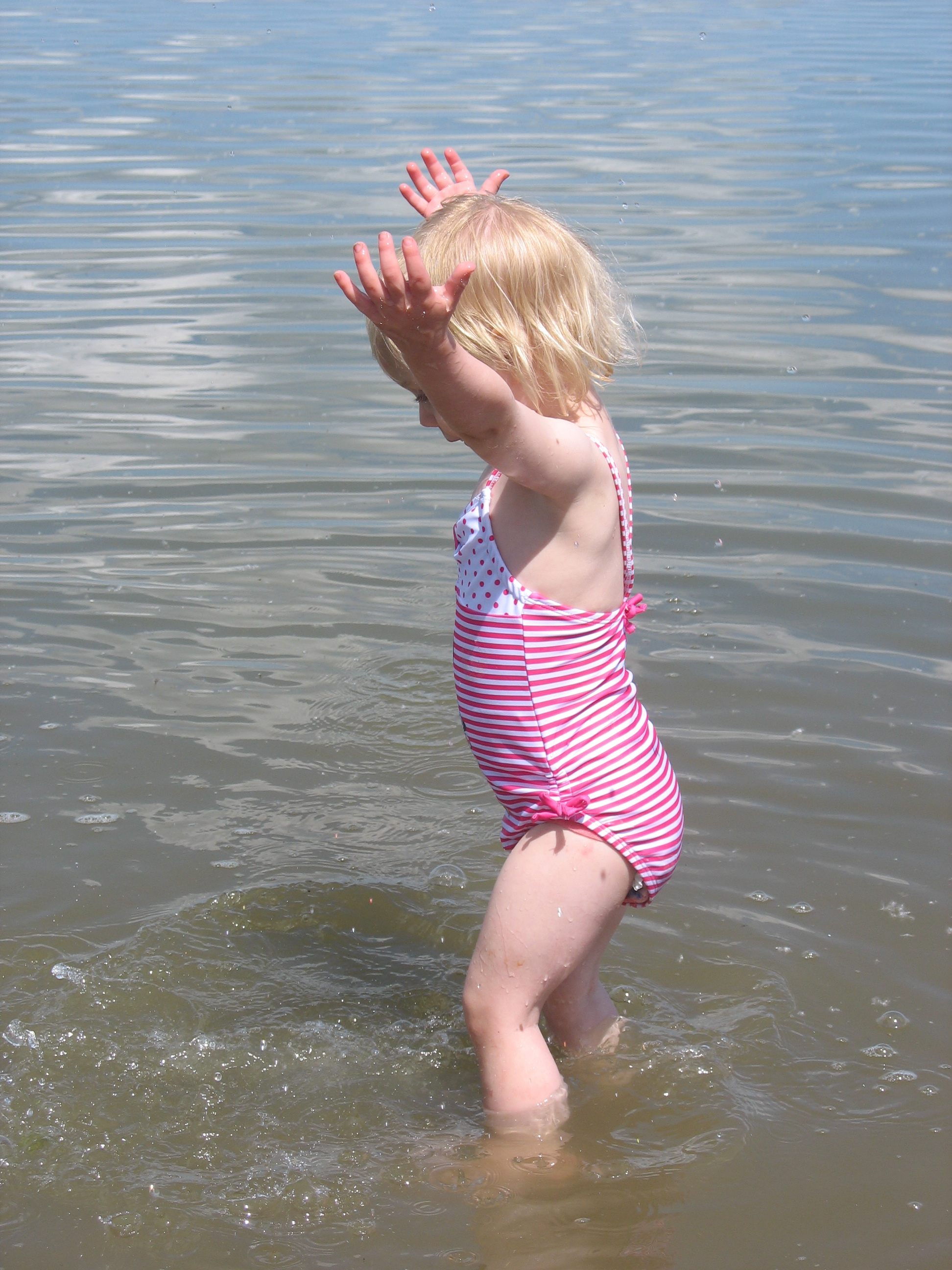
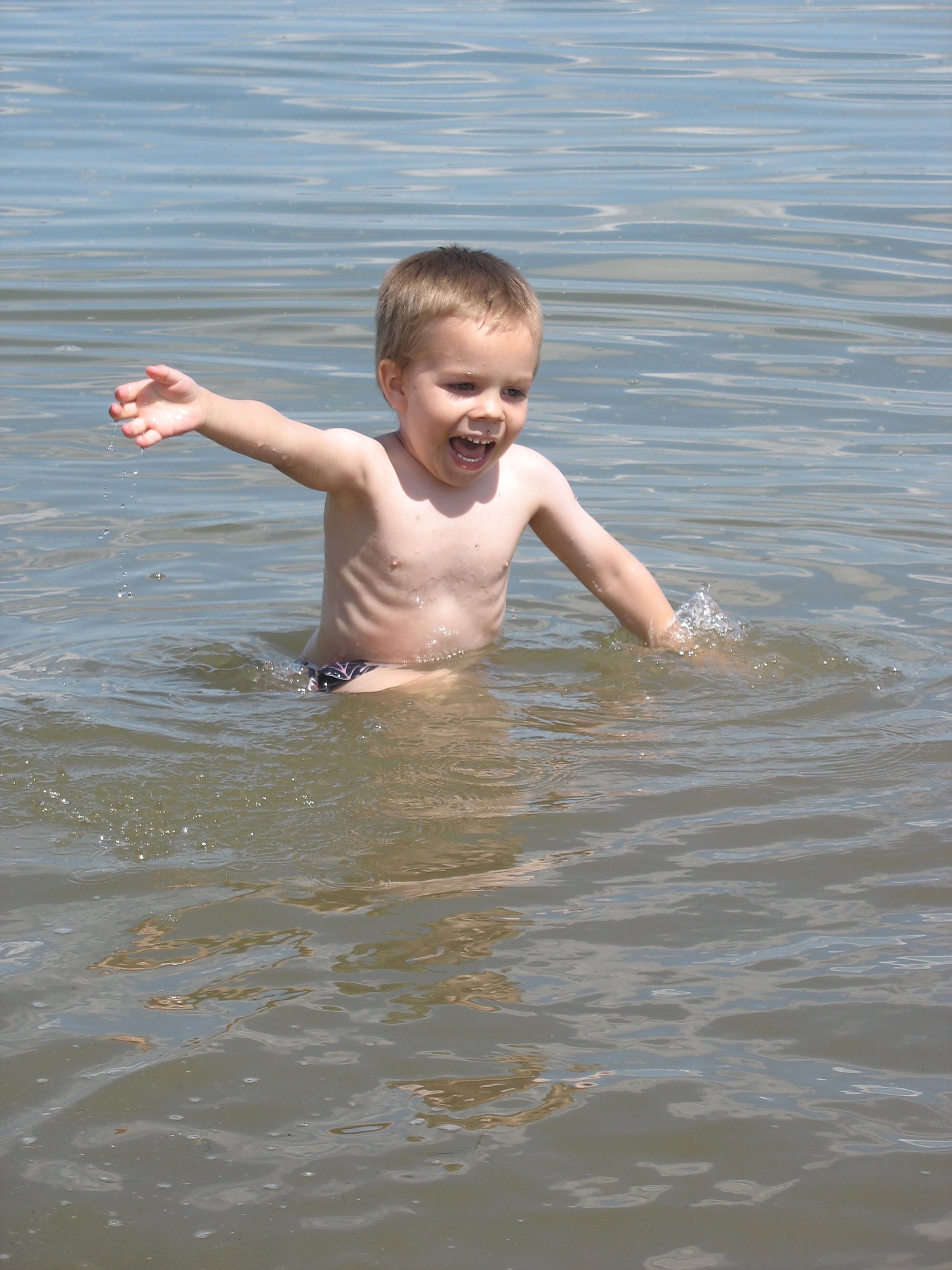
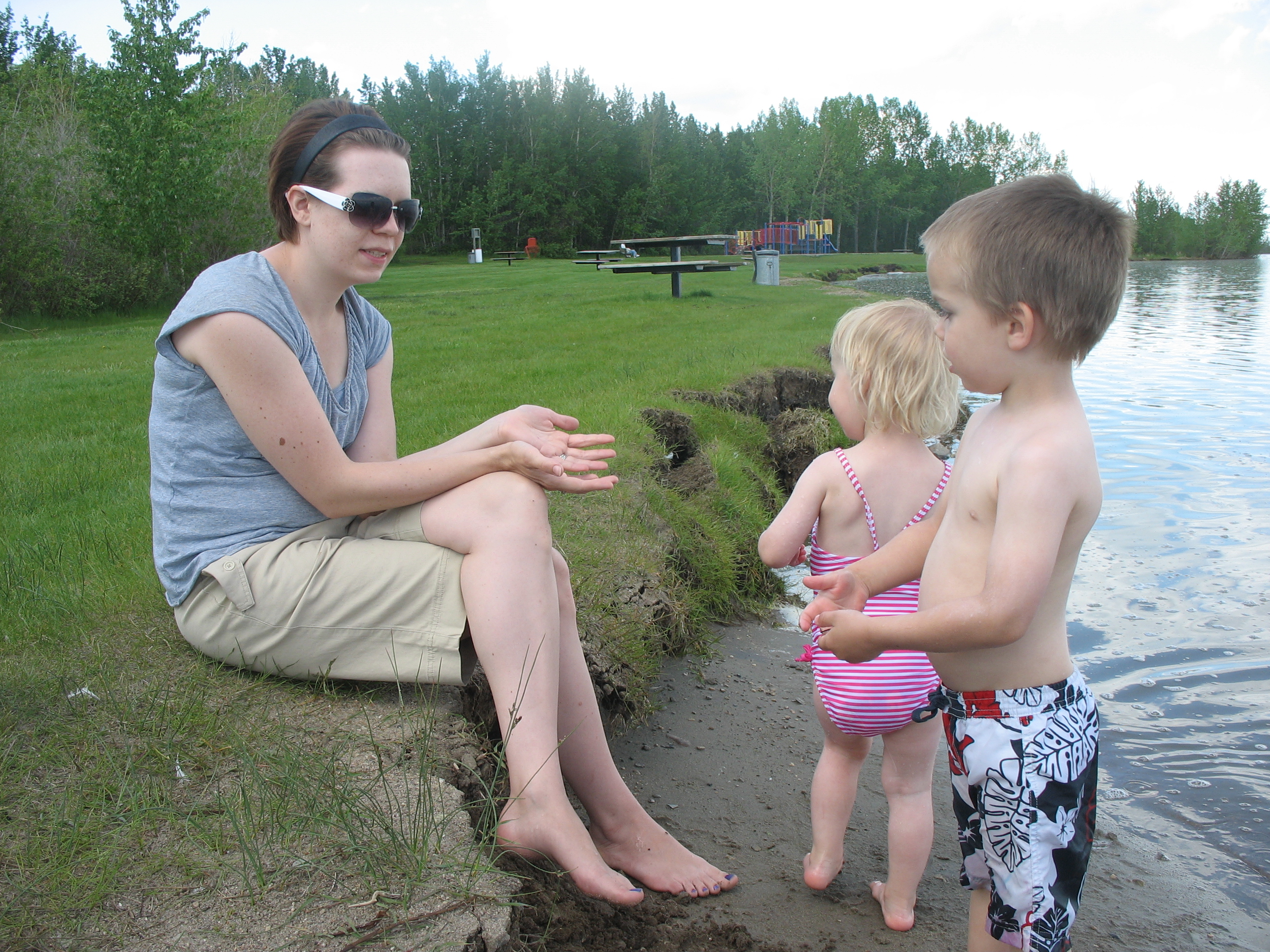
We’ve made a lot of good memories this summer, many of them with our grandchildren. We had a great time visiting Drew and Jami-Lee in Calgary in June and Sam and Nate in Vancouver in July. Many hours were spent reading stories, playing with toys, visiting playgrounds and going on adventures.

We spent a couple of glorious days camping with Drew and Jami-Lee (and their Mommy) and had hoped to camp with Sam and Nate too. When that didn’t work out, two-year-old Sam had a sleepover in the trailer with us in his very own driveway!

What would summer be without the beach, whether it be a prairie lake or a rocky ocean shore? Here’s a gallery of some of my favourite memories from this summer:

Jami-Lee and Drew at Gull Lake near Lacombe, AB


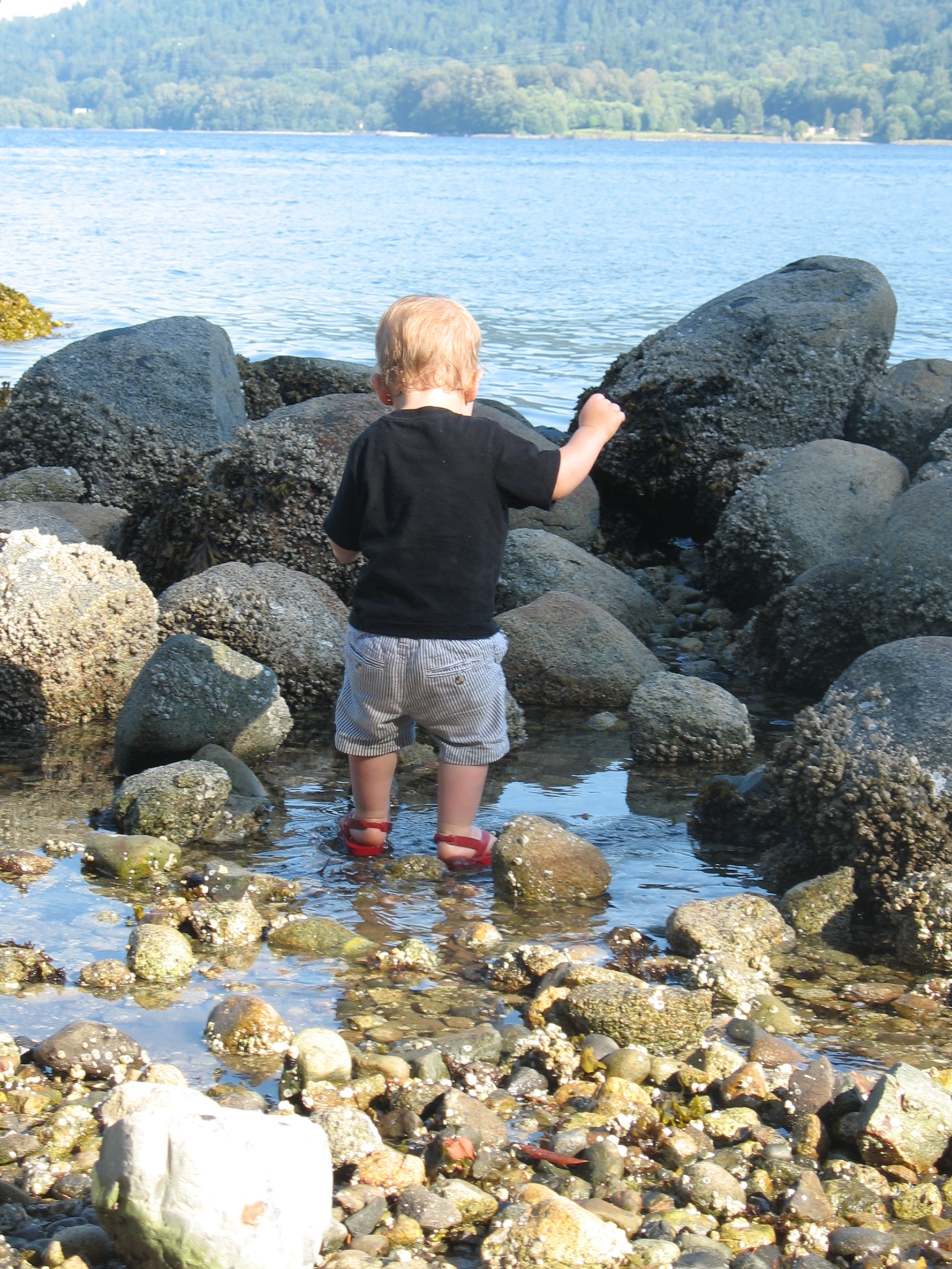
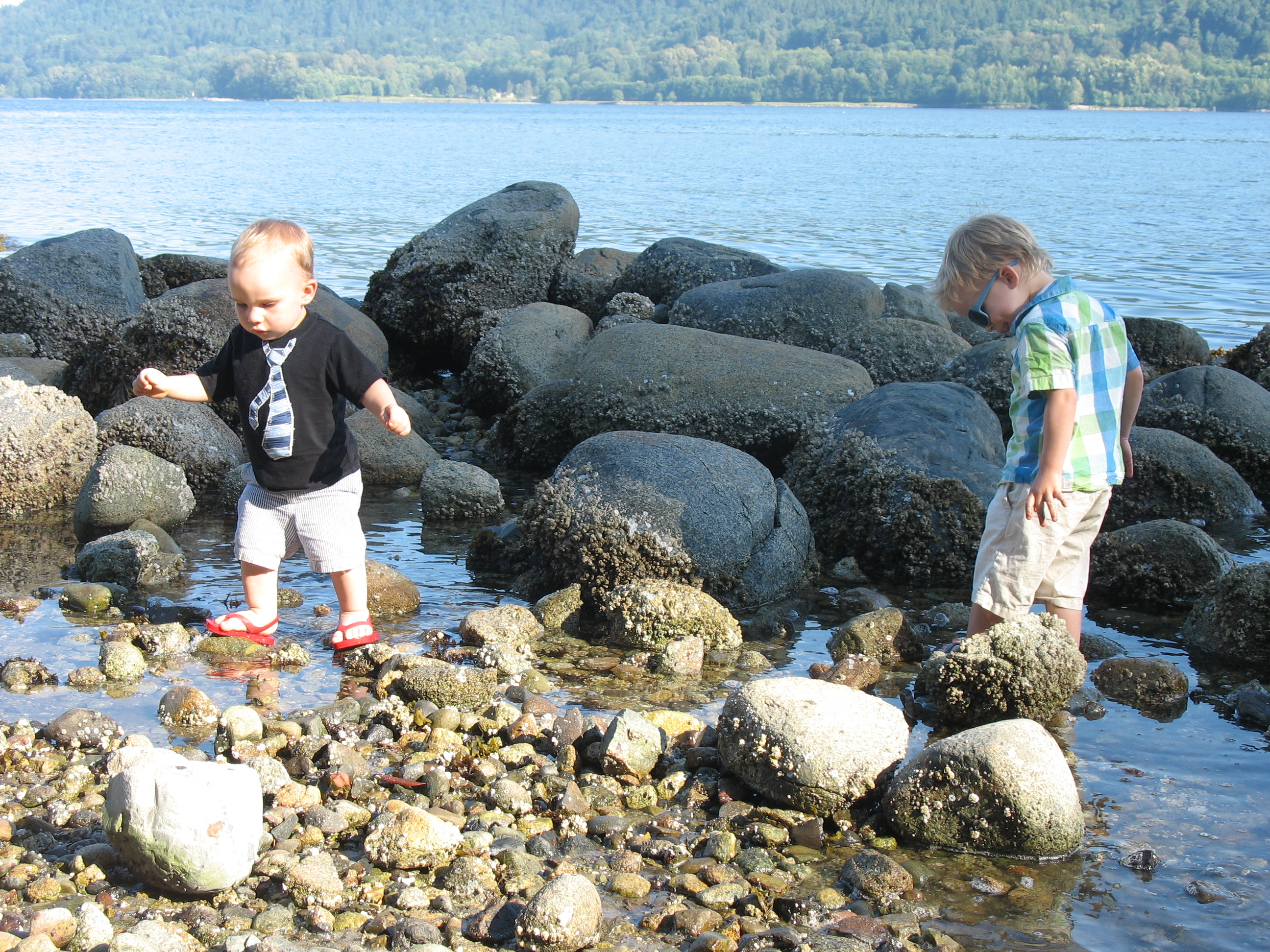
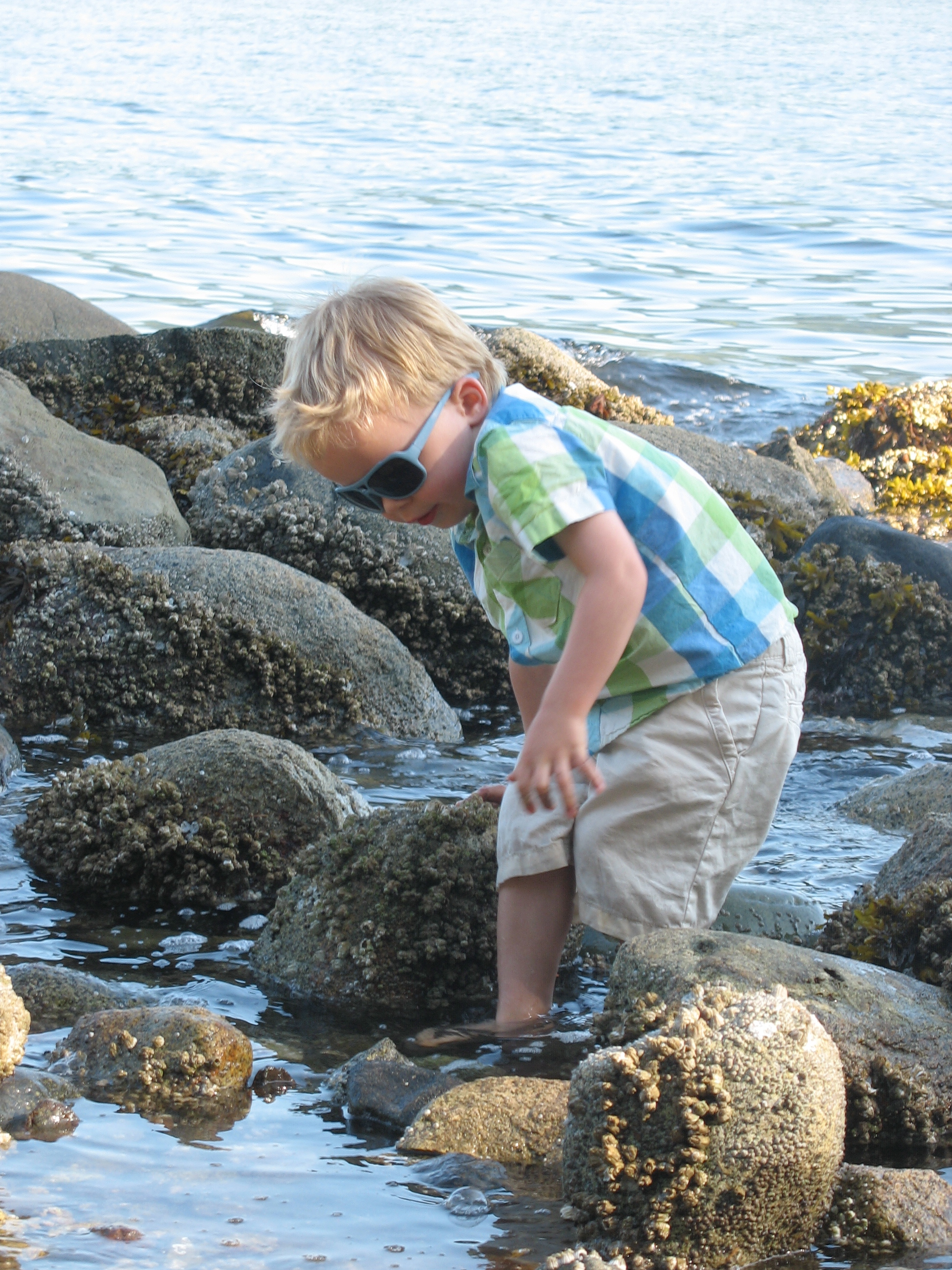
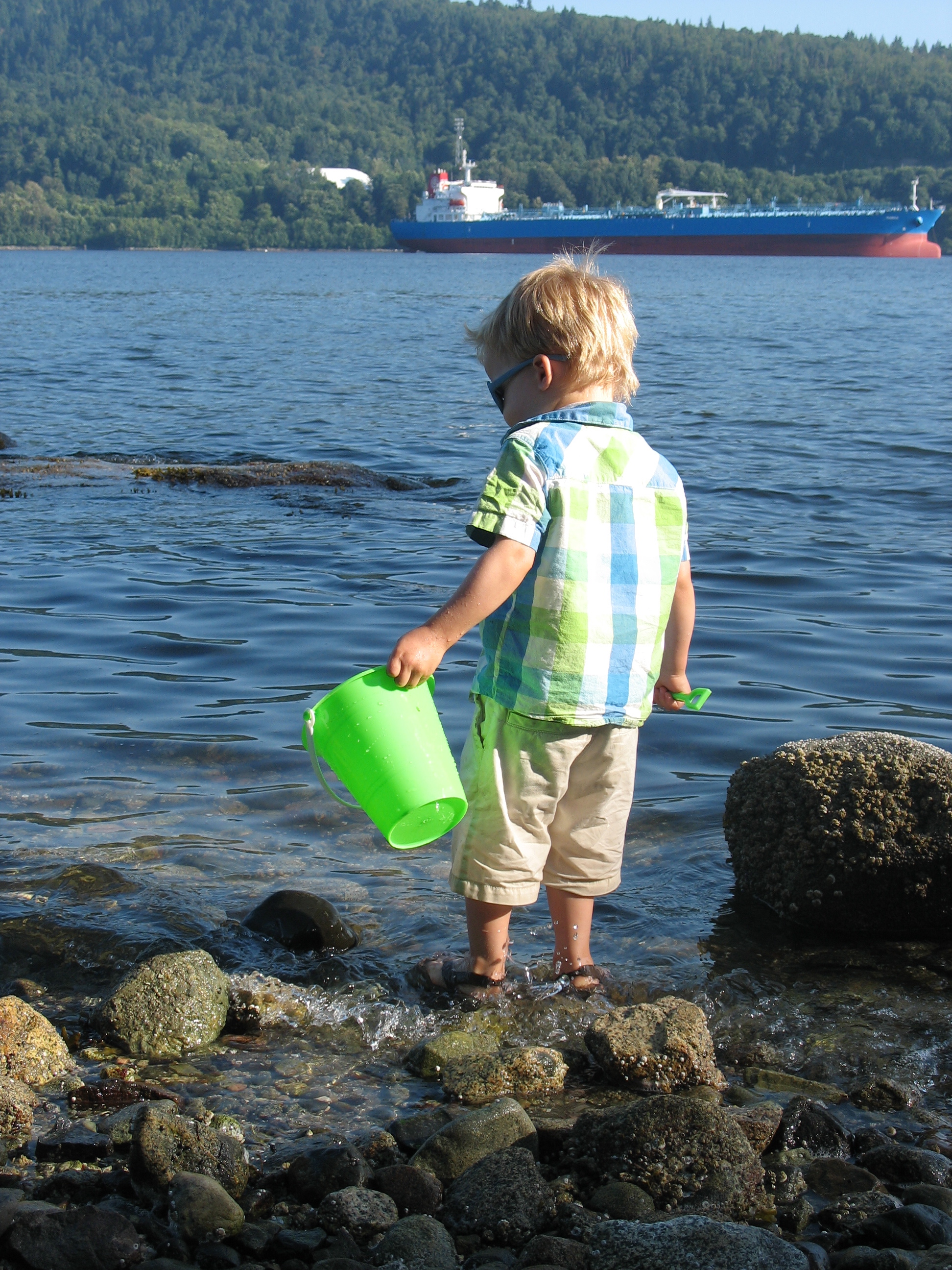
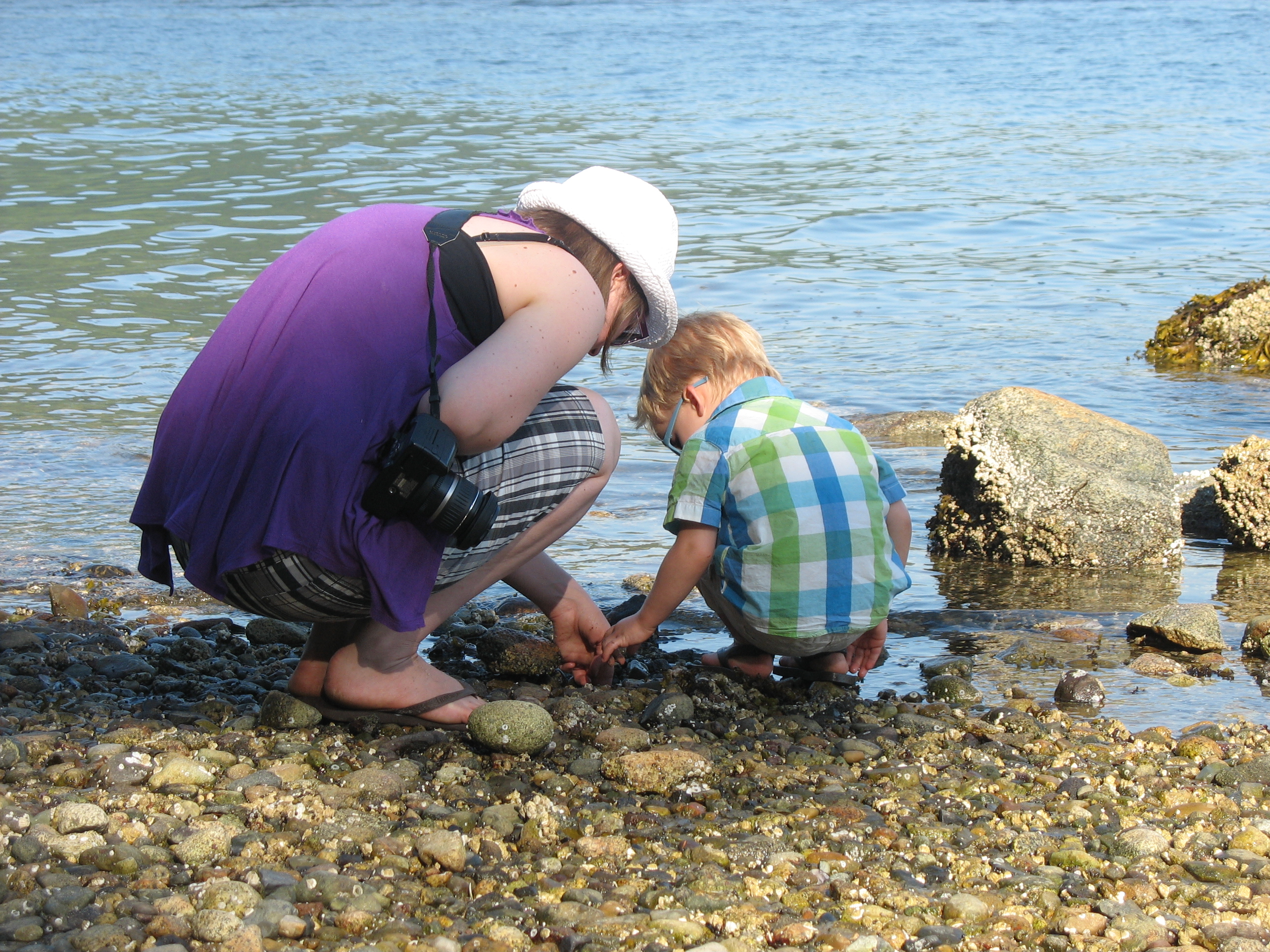
Sam and Nate at Cates Park in North Vancouver, BC

I was amazed at how sure-footed 17-month-old Nate was on the wet, barnacled rocks!


Is it any wonder that we feel so blessed?

Cathedral Grove

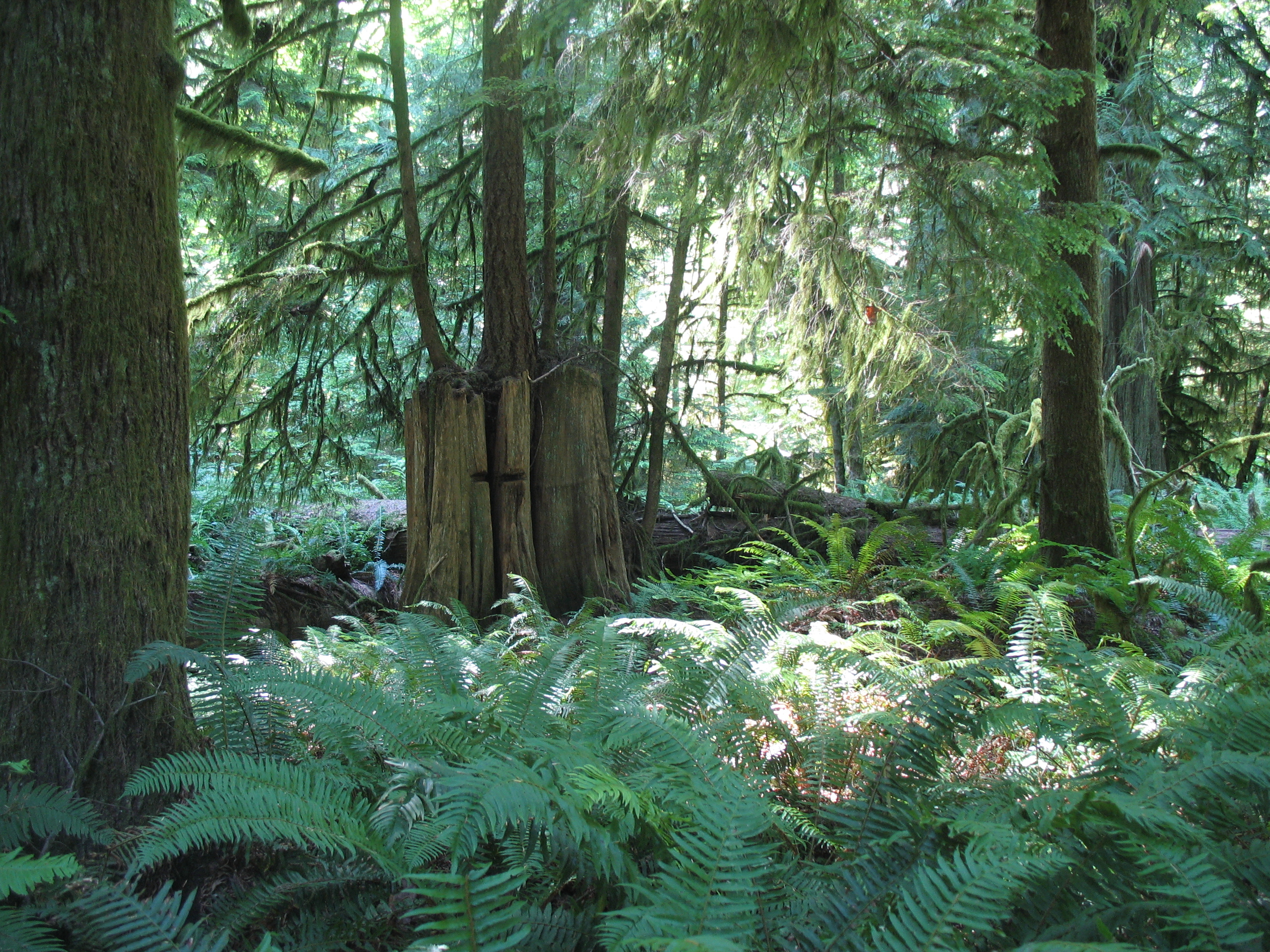
Our recent drive to Port Alberni to spend a few days with Richard’s aunt and uncle involved passing through Cathedral Grove in Vancouver Island’s MacMillan Provincial Park. Though we’ve been there many times before, the towering stands of Douglas fir and Western red cedar never cease to amaze us. Trails on both sides of the highway allow visitors to stand in awe beneath these majestic giants, some more than 800 years old.

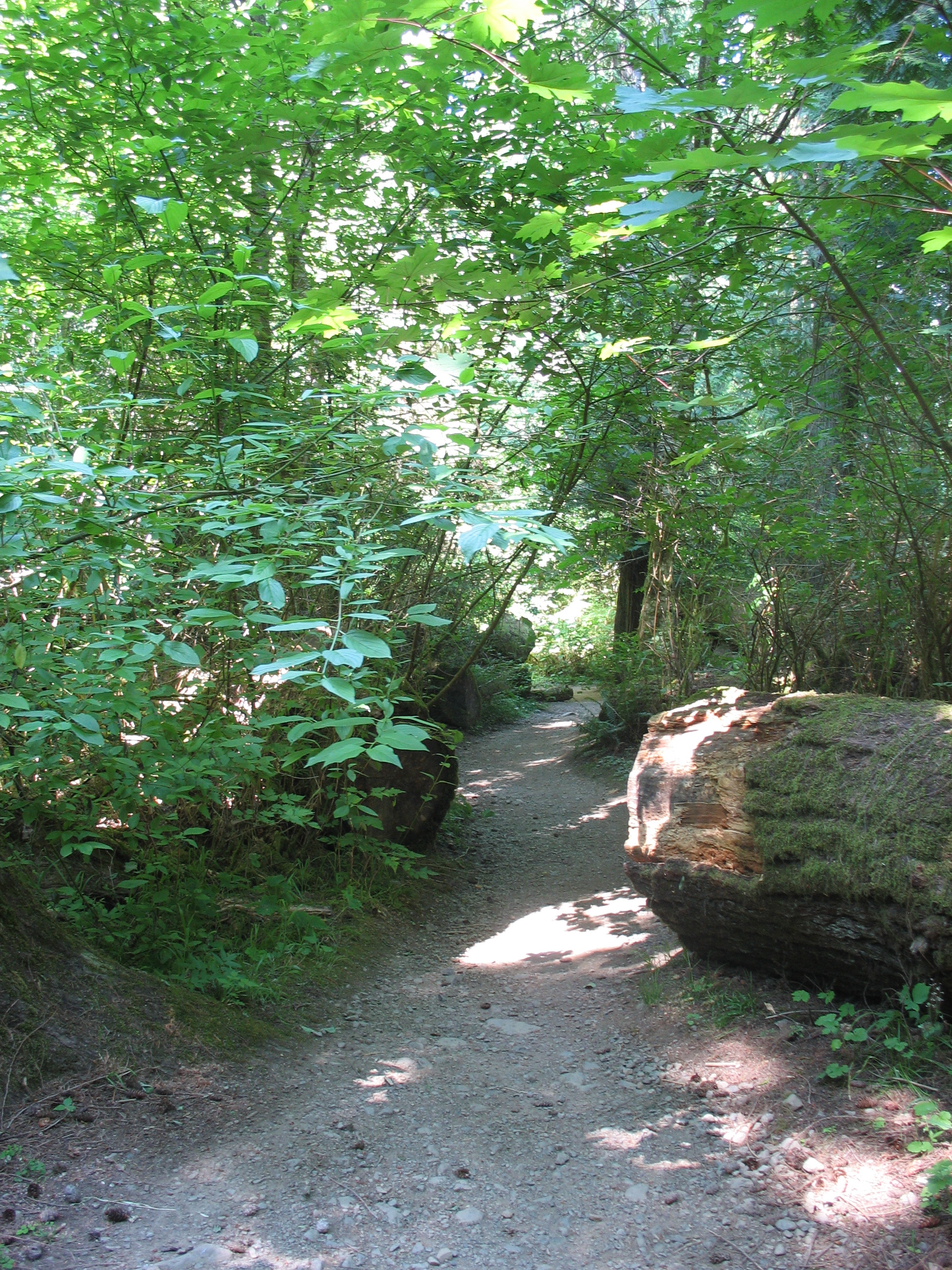
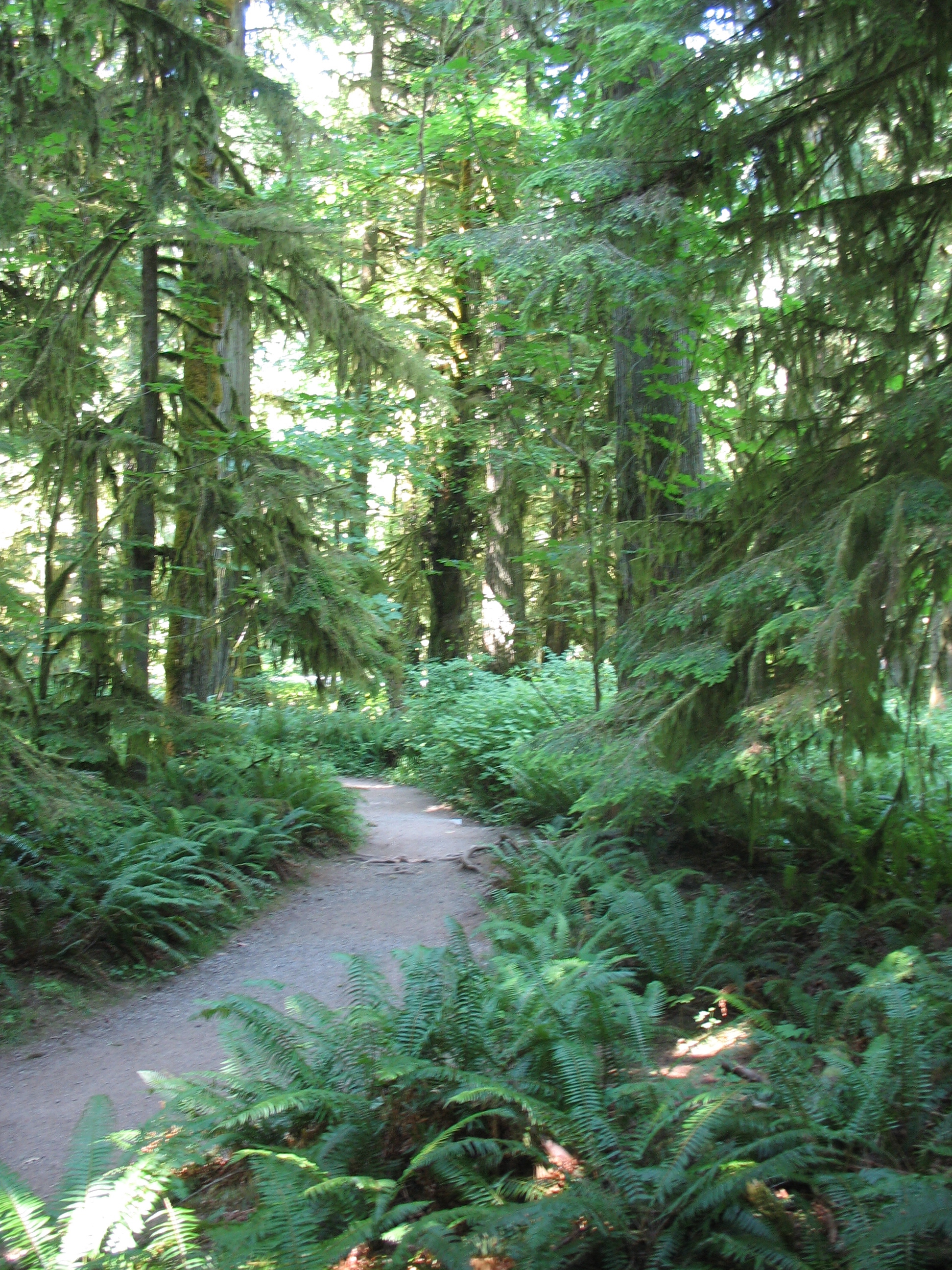
The park has changed since I walked its pathways as a child and since we wandered there with our own children some years back. On New Year’s Day 1997, a severe windstorm changed its look forever. Hundreds of huge trees were toppled and now lie amongst the undergrowth and some sections of the trail system were obliterated. Repairs to the trail system began immediately but fallen trees are part of nature. They open the canopy to provide light, space, shelter and nutrients for new growth. As gorgeous as the giant trees are, the lush growth on the forest floor is equally fascinating.

This year, geocaching added a new element to our visit to the park. Though there are several of them there, we decided to look for just two caches; one on each side of the highway. The dense canopy made it difficult for the GPS, which depends on satellite signals from high overhead, to give us accurate readings but hints given on the geocaching website helped us locate them. We had to be stealthy so as not to give away their locations to the many “muggles” (non geocachers) who were also enjoying the park.


Knouff Lake, British Columbia

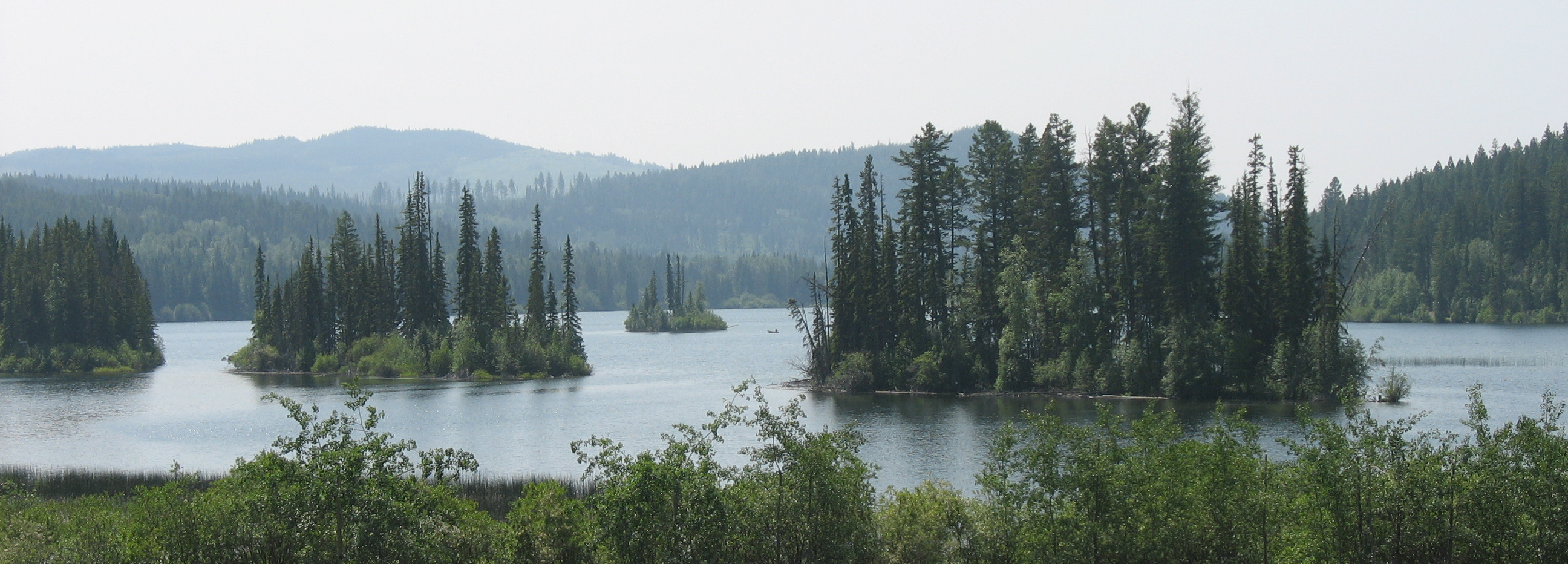
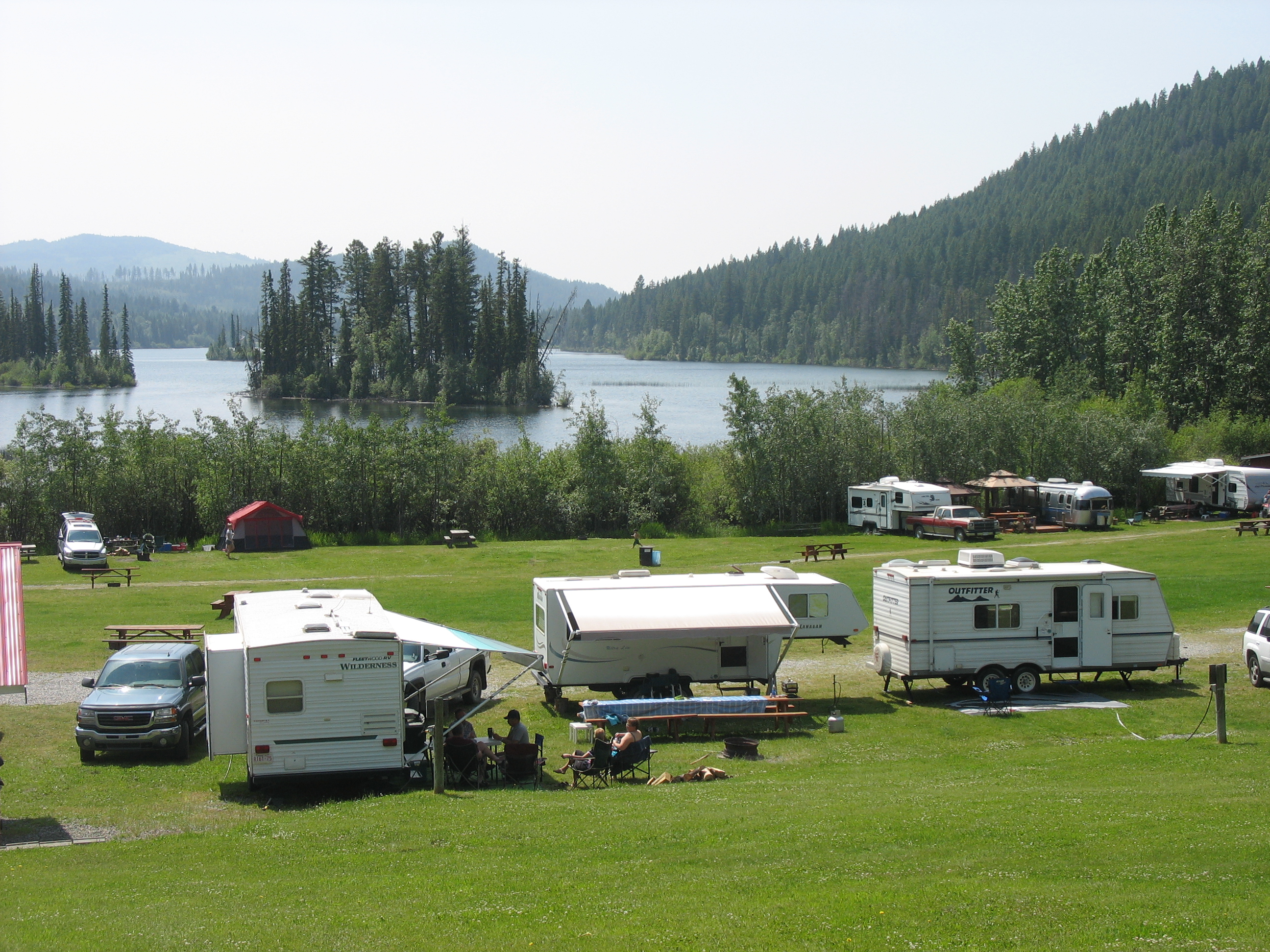
When Richard’s sisters and brothers gathered for our niece’s wedding at Sun Peaks, several of us camped together at beautiful Knouff Lake Resort. Towing our trailers up the long steep climb to the crystal clear lake nestled between the mountains about 3800 feet above sea level was well worth the effort. Established in 1904, this 4-season resort is advertised as one of the oldest fishing camps in B.C. but it is much more. Surrounded by the beauty of nature, it provides a tranquil getaway from the hustle of day to day life. Owners, Don and Gloria Lamberton, went out of their way to make our stay a comfortable and memorable one. They even provided us with a key to the gate so that family could come and go after the usual 10:00 p.m. closing time.
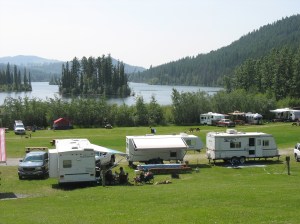
That’s our trailer on the right.

Our sister-in-law, Brenda, is an avid geocacher like us. When I mentioned that I’d seen on the geocaching.com website that there was a cache hidden on one of Knouff Lake’s tiny islands, she was determined that we should find it. Richard’s sister, Sue, was intrigued when she heard us talking about searching for these hidden treasures so the morning after the wedding, she joined us and the three of us set off on an adventure. The husbands, thinking us a bit crazy, stayed in camp.

Though I much prefer the quietness of a canoe, the Lambertons were reluctant to rent one to three prairie chicks so we set out in a big, flat-bottomed rowboat instead. Since I was born a coastal girl and learned to row at the age of 6 or 7, I took the oars and off we went. Sue was a little nervous but I assured her that we’d have to try very hard to capsize that thing on such calm waters. By the time we returned to camp, she’d taken a turn at the oars and what fun we’d had!

As we pulled ashore on Beaver Island, we three women in our 50s and 60s felt like kids on a Tom Sawyeresque adventure. With GPS units in hand, we clambered through the undergrowth and soon found the cache exactly where it was supposed to be.
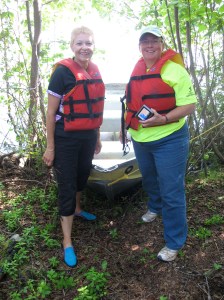
My sis-in-laws, Sue & Brenda

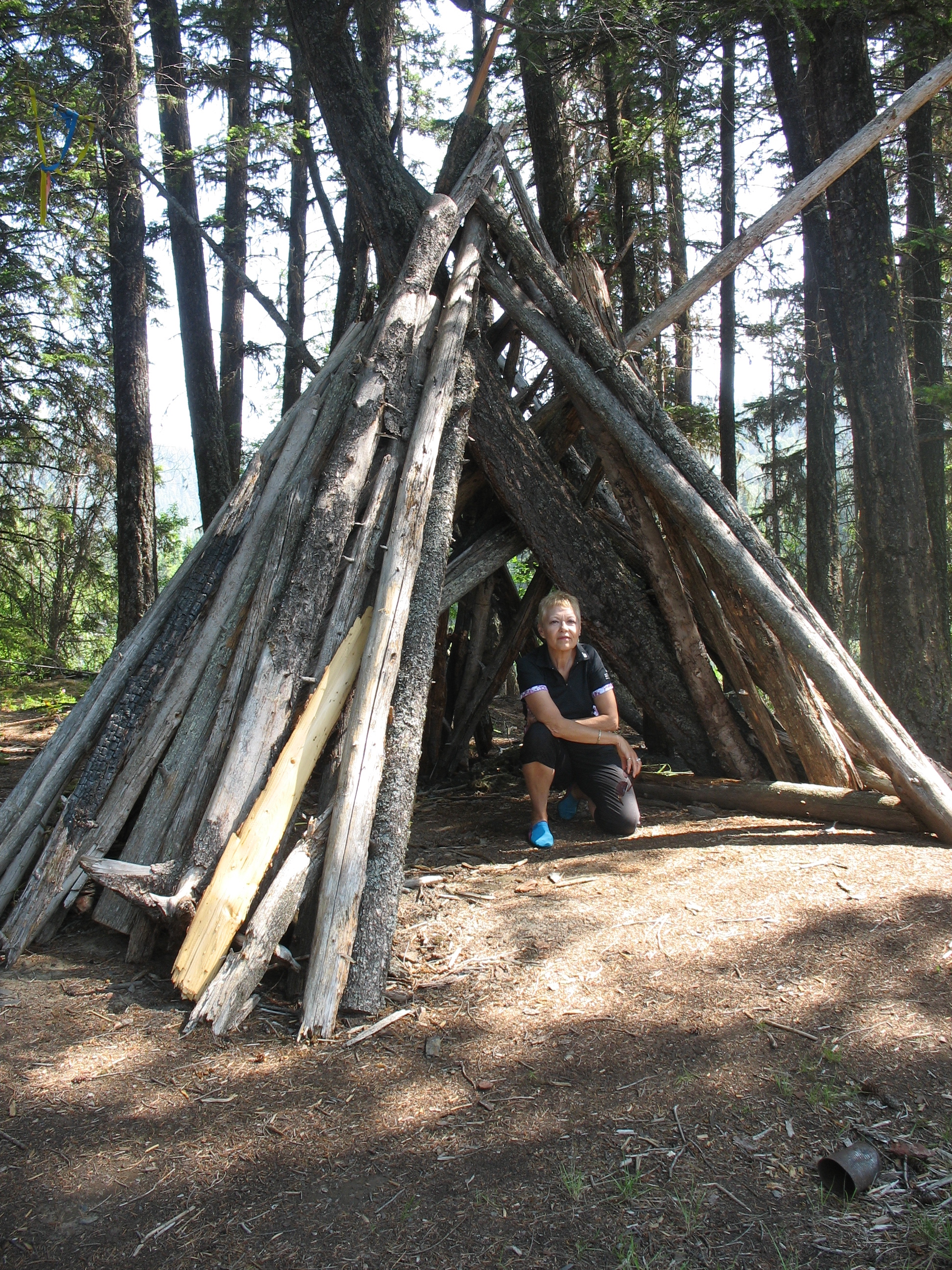
We’d also been told about a memorial on one of the other islands, placed there in memory of an avid fisherman and outdoorsman who hosted an annual fishing derby at the lake each summer until his untimely death in 2009. Before returning to camp we rowed over to check that out and also discovered the skeleton of a teepee standing nearby.

Until Stacey began planning her wedding we were completely unaware that Knouff Lake (also known as Sullivan Lake) even existed but now that we’ve found this hidden gem, we’ll likely be back again. It’s only a short distance off our usual route between home and Vancouver, a trek that we make two or three times a year to visit grandchildren and elderly parents. We don’t often have the trailer with us though so perhaps next time we’ll rent one of the rustic log cabins overlooking the lake.

Wild roses and wetlands

My man had to drive to Wainwright this morning (about an hour northeast of here) to pick up some new tires that he’d ordered for the golf cart. “Why don’t you come with me,” he asked. “We can look for a few geocaches along the way and then have lunch in Wainwright.”

Does that sound like a date to you? It did to me. It also sounded a lot more appealing than weeding the flower beds which was what I probably should have been doing. We’re only home for a few days between trips so there are lots of things that need to be done around here but since retirement means doing what you want to do when you want to do it, I went to Wainwright.

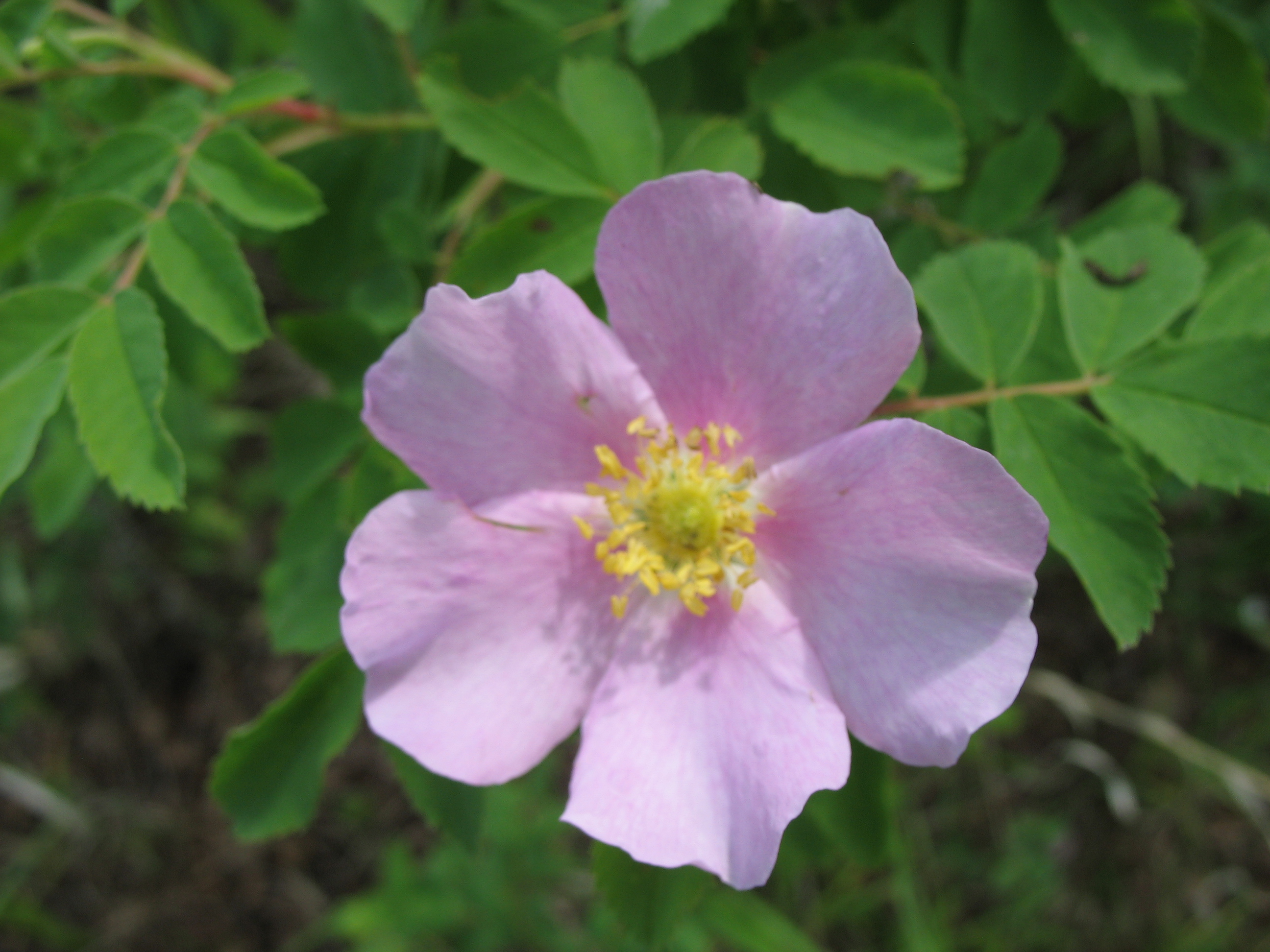
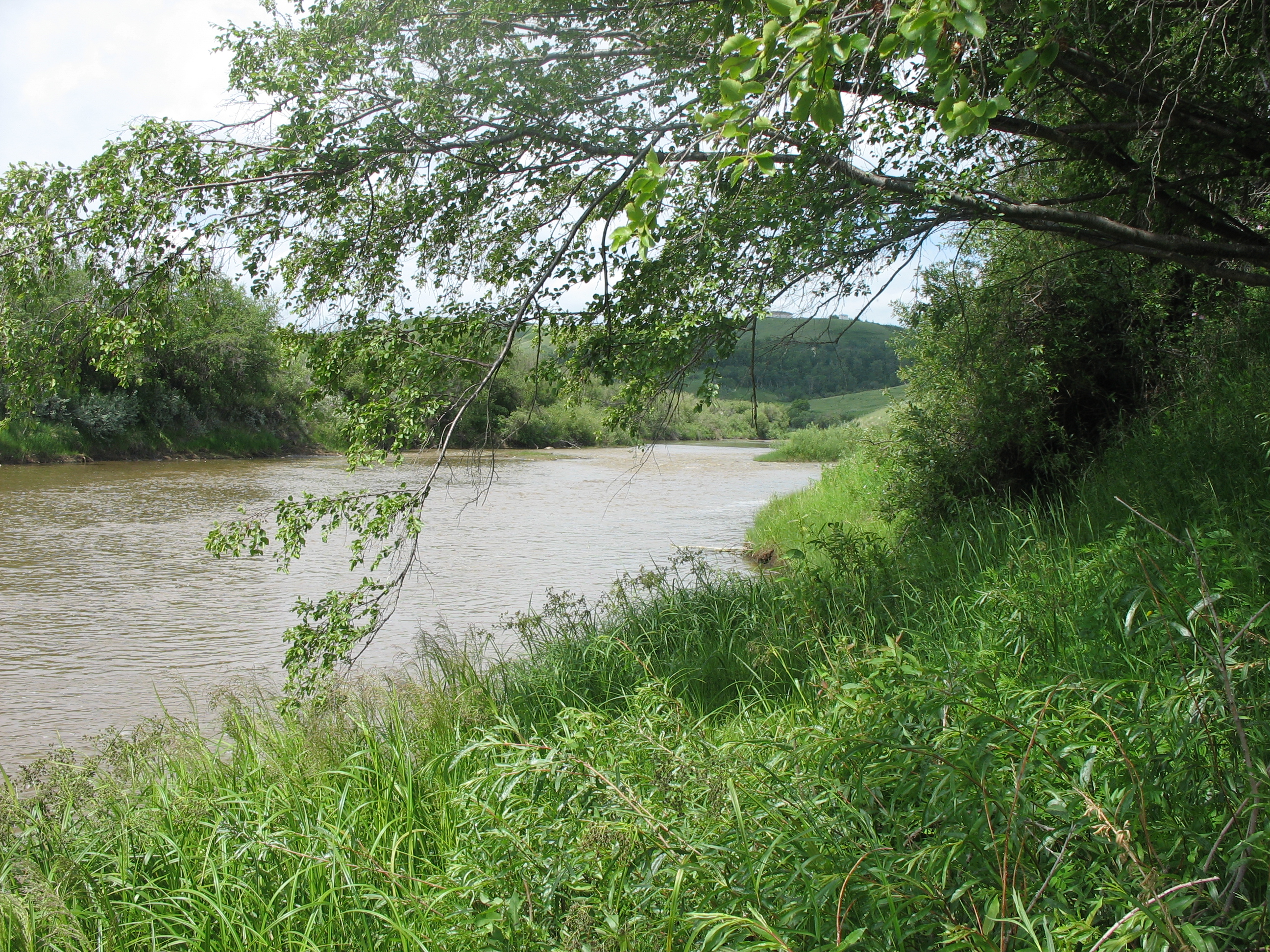
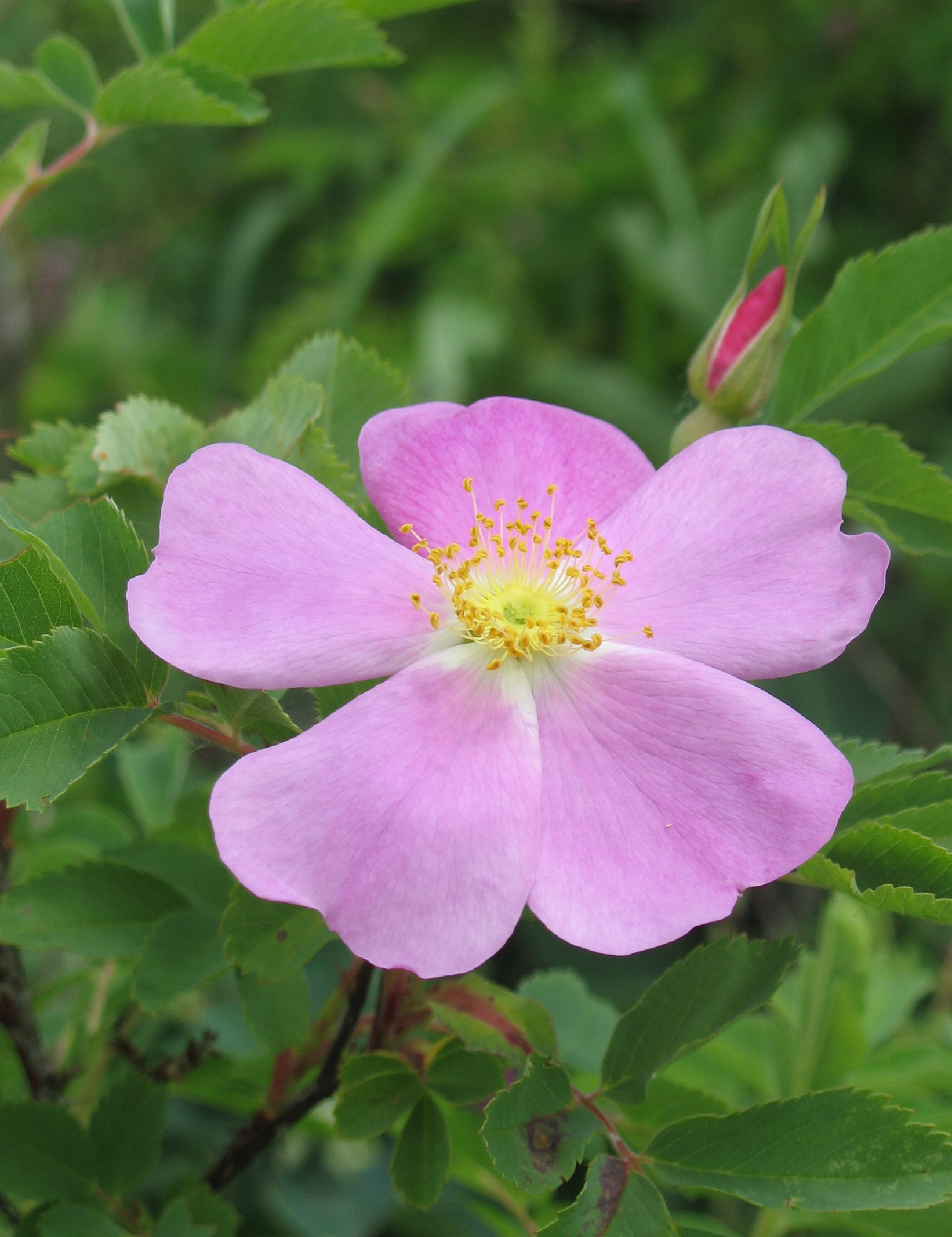
We never did find the cache that was supposed to be hidden in the lilac bushes alongside a rural cemetery but the next one, in a quiet spot overlooking the Battle River, made up for any disappointment we might have felt. The wild rose, Alberta’s provincial flower, is in full bloom at this time of year and as we made the short hike down to the river we were surrounded by them. 

Battle River

I wish I could share their beautiful aroma with you but I don’t have the words to do it justice.


I waded into the bushes and risked being stung to get the next picture and others like it but the ‘sting bugs’, as our grandchildren call them, were much more interested in the flowers than they were in me and I came away unscathed.

The next cache had us treading carefully to keep from getting our feet wet! It was hidden beneath one of the bushes out on the point beyond this lookout tower.


We really should have had our rubber boots on but they’re in the trailer which is in Camrose for a minor repair to a leaky valve on the hot water tank. When it’s ready, Richard will be making another one hour drive in the opposite direction to go get it. Perhaps this time I’ll stay home and get something done around here… or maybe not!

Found it!

We have a new toy and a new hobby! The toy is a Garmin Etrex Legend HCx handheld GPS receiver which we are still learning how to use and the hobby is geocaching.

Geocaching is basically a grown up, high-tech game of hide and seek. Participants use GPS units to hide and find containers called geocaches or simply caches and then log their activity online. A typical cache is a small waterproof container containing a logbook where the finder records the date they found it as well as their geocaching username. It may also contain small items for trading or a trackable item such as a travel bug or a geocoin that is moved from cache to cache. Each trackable has its own unique tracking number stamped on it and its own online diary that follows its movements. To watch a 2 minute video that explains geocaching in a nutshell, click here.

There are currently more than 1.6 million geocaches hidden in over 100 countries around the world. They can be found on every continent including Antarctica and there are over 5 million registered geocachers out there looking for them! Today we joined their ranks.

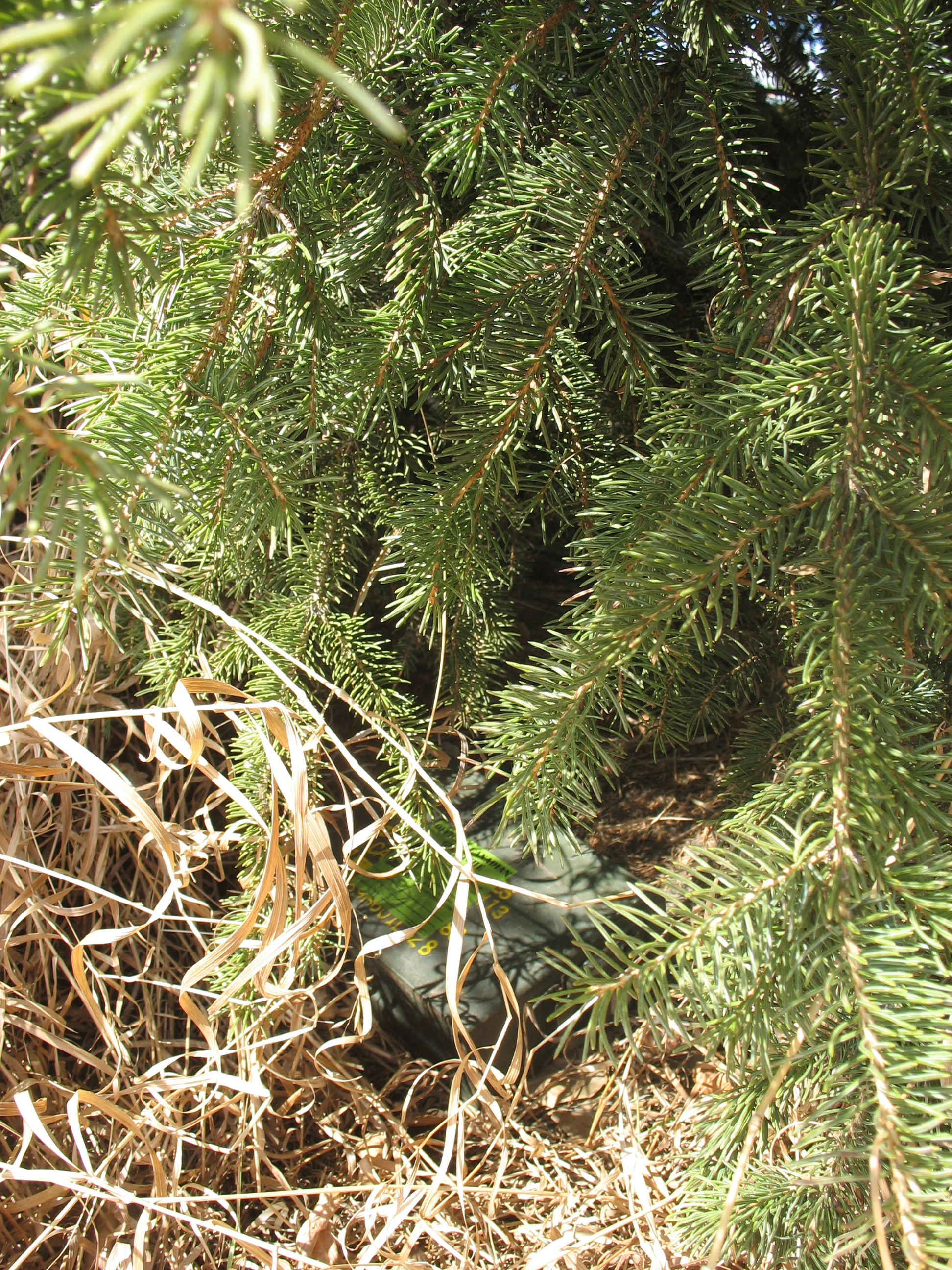
Though we look forward to finding caches in many interesting and faraway places, there are lots to be found close to home. This afternoon, we set off in the sunshine in search of two of them. We had a little trouble finding the first one, not because it was so difficult but because we were still trying to figure out how to use the GPS! We’re not the most technologically savvy pair on the planet! Once we figured out how to enter the coordinates and follow the directions, the GPS led us right to what we were looking for. Our first find was an ammo box hidden within sight of the school I used to teach at.

Can you see it?

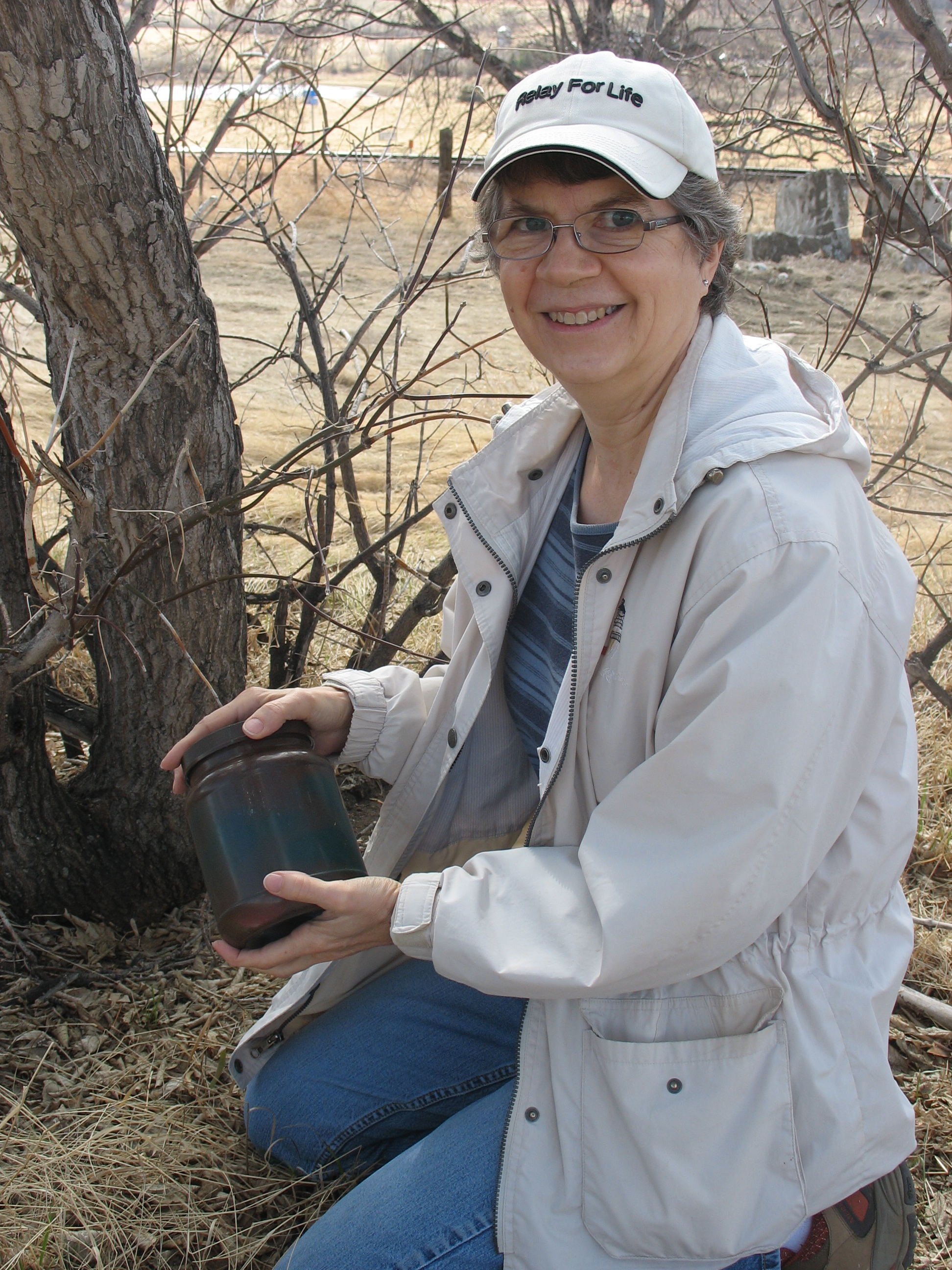
The second one, which we found much more easily, was a little further from home. It was a camouflaged peanut butter jar hidden in the edge of a farmer’s field.

After just two finds, we’re definitely hooked! Geocaching is a perfect activity for retired folk like us with plenty of time on our hands and a love of the great outdoors.

One aspect of geocaching that we are very pleased to participate in is known as Cache In Trash Out. Geocachers around the world are dedicated to preserving the natural beauty of parks and other cache-friendly locations by picking up trash as we go. It’s easy and it enhances the beauty of our surroundings.

On the way home after finding our second cache this afternoon, we wandered some back roads and found something else that we weren’t looking for but it will be the topic of my next post!