NET Cancer Day 2025

Once again, today is NET Cancer Day. November 10th is a day set aside to increase awareness of neuroendocrine cancer and to promote improved diagnostics, treatments, care, and research, but for those of us who live with the disease, every day is NET Cancer Day.

Here are a few alarming facts that point out why a day like today is vital:

  • Over 90% of all NET patients are incorrectly diagnosed and initially treated for the wrong disease!
  • The average time from onset of symptoms to correct diagnosis often exceeds 5 years!
  • Over 50% of NET patients are already at stage 3 or 4 when diagnosed!
  • Many primary care physicians are unfamiliar with NETS and some still falsely believe that it isn’t even cancer!

These are just some of the reasons that I have become involved in patient advocacy over the past couple of years. Once considered a rare disease, NETS has become the fastest growing class of cancer worldwide. Although the reasons for this aren’t fully understood, it’s likely due to increasing awareness and better diagnostics.

In addition to my role as a member of the CNETS (Canadian Neuroendocrine Tumour Society) Advocacy Advisory Board, I’ve become actively involved in trying to improve the patient experience in a number of other ways. I had the opportunity to participate as a patient representative in an Ipsen project to design an injection toolkit to make the experience easier for patients who are newly prescribed the medication that I receive every 28 days. Ipsen is the pharmaceutical company that produces the drug.

Also, if you’ve been reading my blog you know that I participated in this summer’s CNETS “Hoofing It” fundraiser. With the generous support of many, including some of you who read the blog, we managed to raise over $40,000 for NET cancer research here in Canada. An additional bonus for me was the fact that the “hoofing it” that I committed to as part of this initiative got me out walking almost every day. Now that the campaign is over and the weather has turned cold, daily walking has become a habit and I’ve dusted off the treadmill in the basement so that I can keep it up over the winter!

Another big opportunity came my way earlier this year when I was asked to co-lead the CNETS Alberta patient support group that meets online once a month. This really was a big step for me as I’d never been part of a support group before! Every month I hear stories from patients who were initially misdiagnosed, who feel confused or unheard, whose symptoms have been minimized or dismissed as all in their head, who feel lost trying to navigate the health care system, or who don’t know how to advocate for themselves. More than ever, I’ve come to realize how badly we need to continue raising awareness and promoting better diagnostics, treatments, care, and research. One day a year just isn’t enough!

And now, on a more personal note, you may remember that in my 12 year cancerversary post at the end of August, I mentioned the latest tumour on my liver. A week from today, on November 17th, I’ll be having a CT guided ablation to destroy it. A needle-like probe will be inserted through my abdomen and into the tumour where it will deliver microwave energy to kill the cancer. This is done as a day procedure, but I’ll be required to stay in the city overnight in case of complications. I’m not sure what the recovery will entail, but hopefully I’ll be back on the treadmill before long!

 

Another cancerversary!

Eleven years ago today I was told that I had stage 4 colon cancer. Thankfully, a biopsy proved that diagnosis inaccurate or I probably wouldn’t be here to tell you about it today. According to the Canadian Cancer Society, the 5-year survival rate for colon cancer that has spread from its original location to distant parts of the body is 11%.

What I do have is neuroendocrine cancer (NETS), a slow-growing cancer that originated in my colon, more specifically in the cecum which is part of the colon. By the time it was diagnosed, I had been experiencing vague symptoms for several years. In fact, I was told that I’d probably had it for 7 to 10 years. At diagnosis, it had already spread to lymph nodes and my liver. Accurate stats and information about survival rates aren’t as readily available for neuroendocrine cancer because it isn’t as well-known or well-documented as many of the more common varieties, but I don’t really need to know those numbers. I just need to know how I’m doing right now and I found that out last week.

In response to my oncologist’s, “How are you?” as he entered the examining room, I replied, “I’m good.” Glancing at the notes in his hand, he enthusiastically responded, “Yes, yes you are!”

I wasn’t as exuberant about the results of the previous week’s CT scan as he appeared to be. I had hoped to hear that March’s TheraSphere treatment had completely annihilated the largest tumour on my liver. In fact, it had only shrunk by about 20%. The doctor hastened to remind me that shrinkage is always a good thing. That, combined with the facts that I’m not experiencing any symptoms and that the scan also showed “no progression of disease” is actually very good news!

I’ll have another CT and more lab work done in November, but in the meantime I’ve got lots of living to do. In addition to the many ways that I’ve found to stay active and busy in retirement, I’ve also become more active in patient advocacy over the past year. As a member of the CNETS (Canadian Neuroendocrine Tumour Society) Advocacy Advisory Board, I’m working with other patients and caregivers from across the country to try to increase awareness of our disease, shorten the pathway to diagnosis, advocate for equal access to treatment for patients across the country, and promote research into newer and better treatments. I’m also involved in meetings with a group of patients and health professionals around the world as part of an initiative by Ipsen, the pharmaceutical company that produces the medication that I’m injected with every 28 days, to try to improve the patient experience.

That reminds me of another recent change. Hubby is now giving me that monthly injection which frees us up to take it with us when we travel instead of having to be at home to wait for the nurse’s visit. A cancer diagnosis is life changing for a partner or caregiver as well as for the patient, so this is really his cancerversary too. We aren’t doing anything special to celebrate, but we’re thankful for another year of relatively good health; another year of life!

Ribbon Symbol

NET Cancer Day 2023 and an update

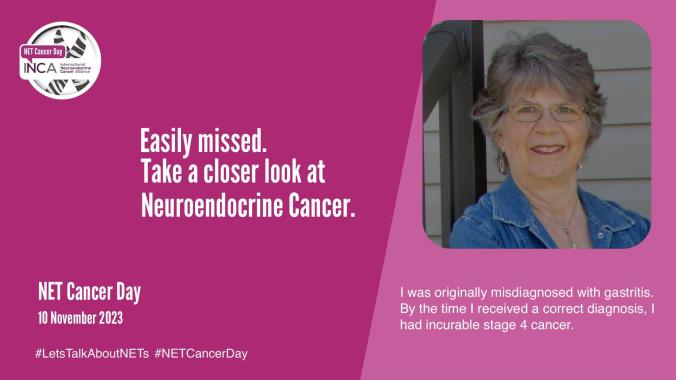
For those of us who have neuroendocrine cancer, every day is NET Cancer Day, but November 10 is the one day each year that is set aside to increase awareness of our disease and to promote improved diagnostics, treatments, care, and research. Unlike most cancers, neuroendocrine cancer (NETS) is often overlooked or misdiagnosed. Some patients, myself included, endure symptoms for 5 to 10 years before receiving an accurate diagnosis. All that time, the unseen disease is quietly growing and spreading which is why at least 50% of us, again myself included, have stage 4 cancer by the time we are diagnosed. At that point, it’s treatable, but not curable.

Why is this sneaky disease so easily missed? Why does it take so long to get a correct diagnosis? NETS starts in the cells of the neuroendocrine system which are found throughout the body. Neuroendocrine tumours can hide in many locations, but most commonly originate in the lungs, pancreas, gastrointestinal tract (specifically the large intestine, small intestine, or appendix), the adrenal glands or in rare cases, the brain, breast, or prostate. Without early detection, it spreads to other locations throughout the body including the lymph nodes, liver, peritoneal cavity, and bones.

Not only can the cancer be found in so many different parts of the body, but the symptoms vary and are often non-specific. They might include abdominal pain, diarrhea, nausea and vomiting, heightened anxiety, fatigue, weight loss, skin flushing, chest pain, coughing, wheezing, shortness of breath, and/or back pain. All of these are also symptoms of more common conditions, so it’s completely understandable that doctors don’t immediately consider a little-known cancer like NETS. Many have never encountered a case and know little or nothing about it. As a result, neuroendocrine cancer is often mistaken for other conditions including gastritis, IBS, generalized anxiety disorder, or even menopause. That’s why we need an annual NET Cancer Day and why we need to advocate for increased awareness amongst doctors and patients every day of the year.  

poster (3)

Last year, on NET Cancer Day, I was happy to be able to report that my disease was stable. Unfortunately, this year, that’s no longer the case. Over the past year, my tumours (or at least one of them), which had essentially been dormant for several years, have been waking up and producing excess hormones again. One of the lesions on my liver has also started to grow again. Thankfully, however, NETS is usually a slow-growing cancer and we still have a number of treatment options available. The neuroendocrine cancer team at the Cross Cancer Institute meets on Tuesdays (I absolutely love the fact that they take a team approach), so they’ll be discussing my case next week and deciding where we go from here.

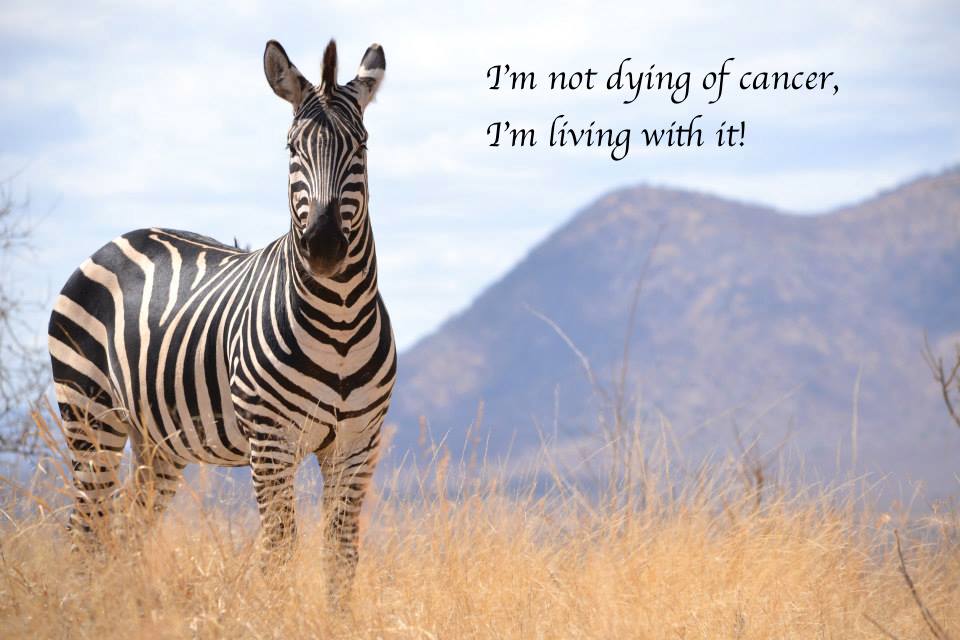
In the meantime, other than an ongoing headache that is probably stress-related, I have no symptoms and I’m able to live a fairly normal life. Considering that fact that I’ve had stage 4 cancer for over ten years, I feel pretty blessed. I consider every day a gift and I continue to trust that I’m not dying of NETs, but living with it! 

There will be no Fashion Friday post today, but stay tuned for a new one next week. 

Mostly good news

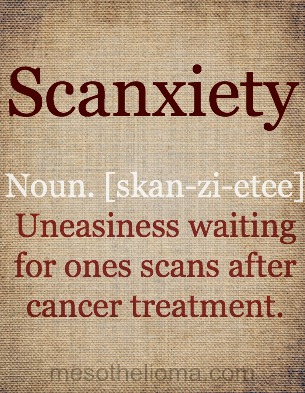
For the past couple of weeks, I’ve been riding a roller coaster that is known in the cancer world as scanxiety (scan + anxiety = scanxiety). 

scanxiety

Over the 9+ years since my stage 4 neuroendocrine cancer (NETS) was diagnosed, I’ve had more scans of various kinds than I want to count. The morning after each of my 12 radioactive PRRT treatments I had an octreotide scan to determine whether or not my tumours had grown or spread since the previous treatment. Any scanxiety that I experienced back then was short-lived because I met with the doctor immediately after the scan to review the results. Not so with the CT scans that I’ve had at 6 month, and more recently 9 month, intervals since completing my treatments in June of 2019. After each of those, I’ve had to wait about a week to find out the results. A week can feel like a very long time if you’re riding the scanxiety roller coaster, but because I’ve been doing so well for so long, that hasn’t usually been a big problem for me. 

This time was different. About three weeks prior to each scan, I have a whole battery of lab tests. The results of those are available to me online, so before I even had the CT scan, I knew that something might be amiss. Two markers that are of particular significance for NETS patients are chromogranin A in the blood and 5-HIAA (5-hydroxyindoleacetic acid) in the urine. Both had been gradually climbing and were now flagged as being higher than the normal range. That’s when the roller coaster ride began! 

360_F_141399140_3bi2tLZvTs4ek3a81nu6aSkeNc8pjsNd

In my lowest moments, I was sure that cancer was rapidly spreading throughout my body, but I did what I’ve done before in times like this. I called on a dozen godly women who share my belief in the power of prayer and asked them to pray. The ride was smoother after that. I still knew that something might be wrong, but I felt more at peace. I’d be a liar if I said that I wasn’t anxious at all, but I didn’t dwell in the low spots any longer. I also focused on one of my favourite passages from scripture, Philippians 4:6-7. 

Do not be anxious about anything, but in every situation, by prayer and petition, with thanksgiving, present your requests to God. And the peace of God, which transcends all understanding, will guard your hearts and your minds in Christ Jesus.

By the time the doctor phoned today for our follow-up appointment (saving us a 5 hour round trip to the city) I truly did feel at peace about whatever it was that she was about to tell me. She gave me the good news first. Nothing of concern appeared on the scans. In fact, a tumour in a lymph node that had been there since diagnosis in 2013 has completely disappeared! That’s amazing news, especially considering how long it’s been since I had my last treatment. I don’t think anyone expected that the PRRT would still be resulting in shrinkage of tumours three and a half years later. The good news was somewhat overshadowed though by the fact that those elevated levels in my blood and urine still indicated that something is happening. So what happens next? 

I’m going to be going for a Gallium-68 dotatate PET scan sometime in January. This newer imaging technique is similar to the octreotide scans that I’ve had in the past, but much more sensitive. It will be able to pick up even the tiniest growths that might have been overlooked on the conventional CT scan. The results of that will dictate what the next steps will be, but for now I’m not going to worry about it. I’m determined not to climb back on that roller coaster. Instead, I’m going to focus on having an enjoyable Christmas!

The scan did reveal something totally unrelated to my cancer. Apparently, I now have a 1.3 cm Thornwaldt cyst lurking in my head! This is a rare, benign growth that develops in the nasopharynx, above the soft palate and behind the nose. If it continues to grow or becomes infected, it has the potential to start causing things like headaches, postnasal drip, blockage of the eustachian tubes, and/or halitosis. If that occurs, it can be drained or removed surgically. I’ll cross that bridge if and when I get there. For now, it’s just one more thing to add to my long list of weird and not so weird diagnoses! 

NET Cancer Day 2022

ncd-logo-newOnce again, today is Worldwide NET Cancer Day, a day set aside to increase awareness of neuroendocrine (NET) cancers and to promote improved diagnostics, treatments, information, care and research. As a patient who has been living with this cancer for the past nine years, this is, of course, very close to my heart.
Once again this year, we are urging people to

Know the symptoms.

Push for diagnosis. 

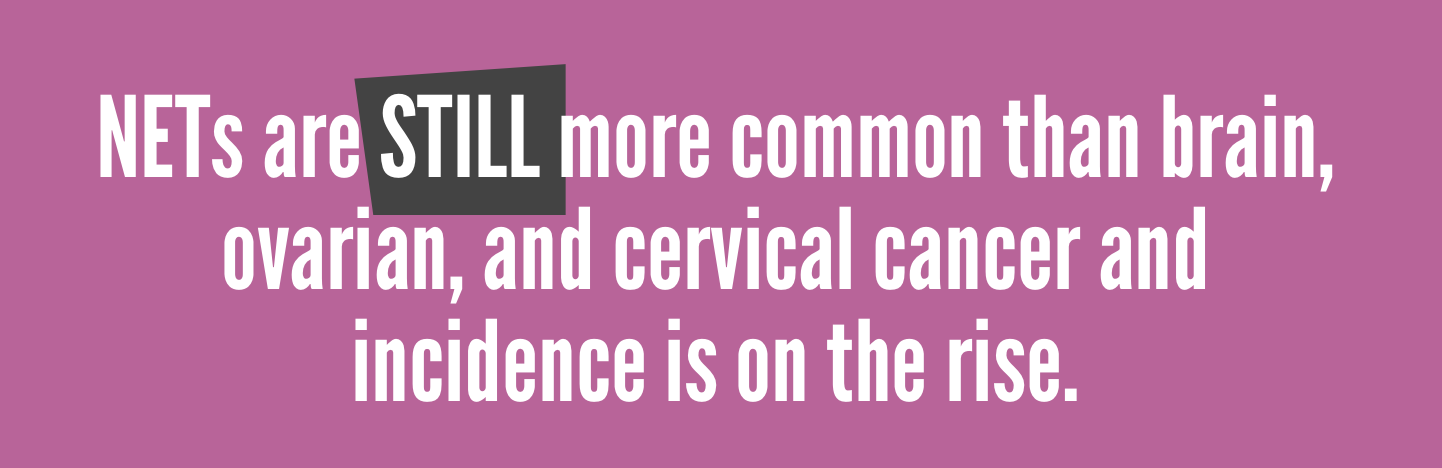
Less than 30% of neuroendocrine cancer patients receive a correct diagnosis the first time they reach out for help. In fact, it often takes five to ten years from onset of symptoms to correct diagnosis. During that time, of course, the cancer quietly spreads.

Screen Shot 2022-11-10 at 9.46.22 AM

Here are some facts about neuroendocrine cancer:

  • NETs are a unique group of cancers that arise from neuroendocrine cells and can be found in many organs of the body.
  • NETs generally affect people over the age of 50, but not always.
  • Symptoms of NETs vary and are often non-specific due to their ability to secrete an excess of different hormones.
  • Symptoms depend on the organ where the tumour is located and may include abdominal pain, diarrhea, nausea and vomiting, weight loss, skin flushing, chest pain, coughing, wheezing, shortness of breath, and/or back pain. 
  • As a distinct class of tumours, NETs require specialized tests and treatments.
  • NETs are often found unexpectedly during unrelated medical procedures or imaging tests.
  • NETs are the second most common cancer of the digestive tract.
  • Gastrointestinal NETs are often found in the appendix, colon, and rectum, but can also affect the stomach and small intestine.
  • Lung NETs comprise 20 to 25% of all invasive lung tumours.
  • The incidence and prevalence of pancreatic NETs (the form of neuroendocrine cancer that claimed the lives of Steve Jobs and Aretha Franklin) have been steadily increasing over time and now comprise about 7% of all pancreatic cancers.
  • Merkel Cell Carcinoma, a rare skin cancer, is a form of neuroendocrine cancer.

One of the most important things I’ve learned since my diagnosis is how important it is to advocate for yourself. Know your body. Know what’s normal for you. Pay attention when something feels off. Take note of unusual symptoms and talk to your doctor as soon as possible. If you don’t get the answers you’re looking for, PUSH! Don’t give up.

Thankfully, at this point, my cancer is stable. Constant surveillance is important though, so I’ll be having CT scans and other tests again next month. In the meantime, since hubby’s diagnosis with prostate cancer this summer, my health has temporarily taken a back seat. Now that his name is on the five to six month waiting list for robotic prostate surgery, we’re breathing a sigh of relief and getting on with life. Though there is no cure for me, I continue to trust that I’m not dying of NETs, I’m living with it! 

Radioactive again

10991307_10153055708750915_6654881605691342497_nI had my 11th PRRT treatment on Monday and once again I’m too radioactive to be in close contact with other people. For a week following each treatment I spend most of my time at home. I sleep in the guest room, have my own bathroom, and stay at least a few feet away from Richard at all times.

There’s nothing funny about cancer and high doses of radiation, but sometimes you just have to laugh. I pose a particularly high risk to pregnant women and children, but since there’s no chance of running into any of them at our weekly senior’s bowling league, I played yesterday but sat apart from the rest of the bowlers. There were some who knew exactly why, but others who were curious. One jovial fellow, noticing that I was sitting alone, commented, “I see you’re sitting back there with all your friends!” I hope he didn’t feel bad when he found out why I was keeping my distance. I thought his comment was funny! Then there are invariably questions about whether or not I glow in the dark! (I don’t) One friend laughed and said I must be a night light! I told him that that must be the reason that I’m not allowed to sleep with Richard! The glow would keep him awake.

In all seriousness though, I have scans the morning after each treatment to determine whether or not there has been any change to my tumours. In the past, I’ve been able to sit down with a doctor immediately afterward to discuss the results, but this time was different. Dr Sandy McEwan, head of the clinical trial that I’ve been part of since 2014 and the driving force behind bringing state of the art NET cancer treatment to Edmonton, has left the program. While I’m sad for myself and the rest of his patients, I’m happy for him that he has been able to relocate to Toronto where he will be closer to family. I knew a couple of years ago when he proudly told me that he’d become a grandpa that that day might come! His departure means that there isn’t time for the remaining doctor to meet with every patient both before their treatment and after their scans. That meant that this time I came home not knowing what they showed. While I was still able to laugh yesterday, the question was there in the back of my mind. Was this the time that the news would be bad?

Thankfully, I wasn’t kept wondering very long. I chatted with one of the program nurses this morning and once again I heard that word that I’ve come to love; stable! There has been no change! Praise the Lord!

NET Cancer Day 2018

November 10 is World NET Cancer Day, a day set aside to raise awareness of neuroendocrine cancer, the disease that I’ve been fighting since 2013.

Screen Shot 2018-11-08 at 2.17.09 PM

Neuroendocrine (NET) tumours can arise in any organ that contains neuroendocrine cells including the stomach, intestines, lungs, liver, pancreas and appendix. While most commonly found in people over the age of 60, NET cancer can affect both men and women of any age. Though NETs is the fastest growing class of cancers worldwide, the symptoms are usually vague and similar to more common health conditions. As a result, NETs is frequently misdiagnosed as anxiety, menopause, Irritable Bowel Syndrome (IBS), asthma, or diabetes.

Screen Shot 2018-11-06 at 4.20.45 PM

Compared to most cancers, NETs is slow growing. It was estimated that I’d already had the disease for ten years when it was detected. I had been experiencing many of the common symptoms which include abdominal cramps, diarrhea, flushing of the skin, pounding of the heart, and wheezing or shortness of breath off and on for at least seven or eight years . Neither I nor my family doctor had any idea why. Like many general practitioners, he had never encountered a NETs patient before.

Almost 50% of patients visit a doctor 5 or more times before receiving a correct diagnosis! A recent study found that 58% of patients have advanced stage neuroendocrine cancer by the time they are correctly diagnosed. There is currently no cure for the majority of NET cancer patients, including me. Neuroendocrine cancers are complex and unpredictable. Once diagnosed, they require an expert and experienced multidisciplinary team of health care professionals to ensure the best possible outcome. Unfortunately, many patients, even in the world’s most developed countries, have difficulty accessing that kind of care.

ncd-logo-new

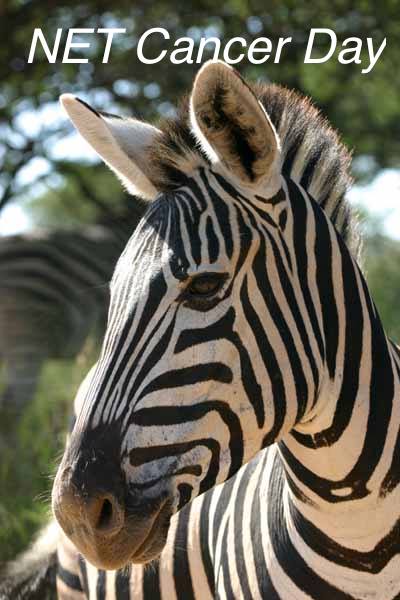
So what’s with the zebra? Everyone recognizes the ubiquitous pink ribbon as a symbol of breast cancer, but not all cancers are pink. Medical students are taught when hearing hoofbeats, to think of horses, not zebras, so the zebra was chosen as symbol of our lesser known disease. There are some patients and advocates who think it’s silly and would like to see us stop using it, but I think we need to take advantage of every opportunity to draw attention to our cause and if that includes zebra stripes, I’m all for it.

What can you do to help? You can help us spread awareness by simply reposting this on your blog if you have one or posting a link to it on your Facebook page. My fellow zebras and I thank you!


Great news!

Just a quick update concerning my health. As many of you know, I live with NETS, a little known and incurable cancer. I’ve been waiting all week for the phone to ring with the results of routine CT scans done early last week. I wasn’t anticipating bad news, but I do live with the reality that it could come at any time. Thankfully, today wasn’t that day!

Today, the news was good! Almost four and a half years after diagnosis, my disease continues to be stable with no sign of growth or spread.

Today I also learned that my last two 5H1AA tests have been normal! What does that mean, you ask. While the injection that a nurse comes to the house to give me once a month and the radioactive treatments that I receive twice a year aren’t expected to lead to a complete cure, the hope was that they would render my tumours inactive or dormant. Neuroendocrine tumours (NETS) produce and release excess amounts of hormones, particularly serotonin. 5HIAA is a 24 hour urine test that measures the amount of 5-hydroxyindoleacetic acid, a product of serotonin, found in the body. The normal test results show that my tumours are no longer active; no longer producing serotonin. It’s the serotonin that can cause symptoms including abdominal pain and cramping, diarrhea, joint pain, wheezing, fatigue and flushing of the skin. Because my levels have now been normal for several months, I was told today that I probably won’t have to repeat the 5H1AA test again unless I begin to experience symptoms again! That’s great news as it involves 3 days of dietary restrictions prior to the test and then 24 hours of collecting urine which can be quite a nuisance.

I’ll have my next treatment on May 23. Until then, with the exception of my monthly injections, I can forget about having cancer and get on with the business of living!

zebra

If you’re curious about why the zebra is the symbol of neuroendocrine cancer, check here or here.

NET Cancer Day 2017

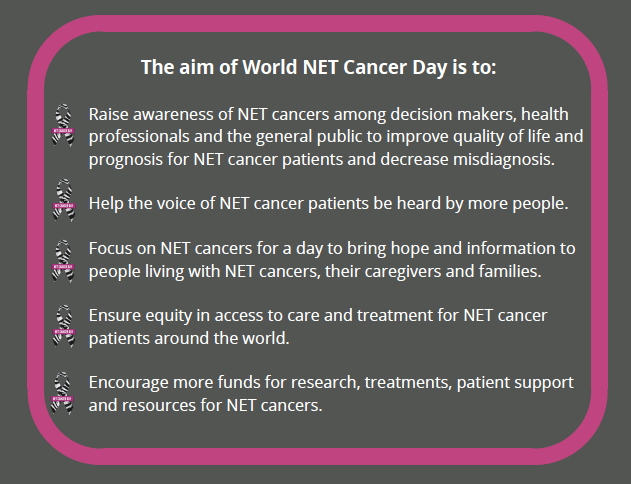
Net Cancer DayMy weekly Fashion Friday feature is taking a break today as I have something much more important to share. November 10 is World NET Cancer Day, a day set aside to raise awareness of neuroendocrine cancer, the disease that I’ve been fighting since 2013. Those of us who have been affected by NETS (neuroendocrine tumours) hope that for today our voices will rise above those of all the more well-known and prominent diagnoses. Today is our day to be heard by decision makers, health professionals and the general public. In addition to raising awareness, we want to encourage more funds for research, treatments, and patient support; and to advocate for equal access to care and treatment for NETS patients around the world.
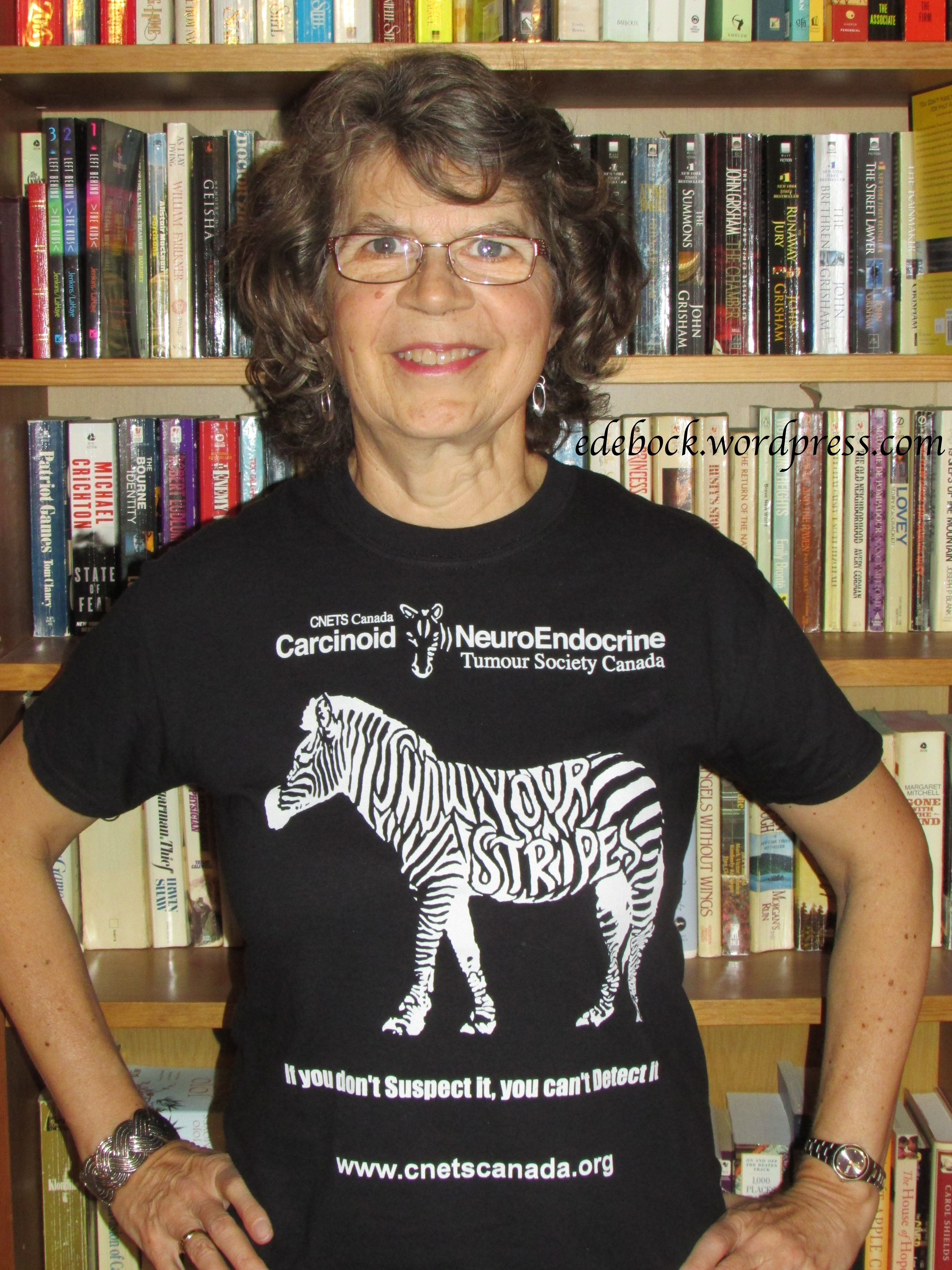

So as not to disappoint those of you who came looking for a fashion post, here’s what I’m wearing today… my CNETS Canada t-shirt. I don’t usually wear graphic tees, but the message on this one is a vital one.

IMG_5232

If you don’t suspect it, you can’t detect it. 

So what’s with the zebras? Medical students are taught when hearing hoofbeats, to think of horses, not zebras. Neuroendocrine tumours are difficult to diagnose. Though they are the fastest growing class of cancers worldwide, their symptoms are usually vague and similar to more common health problems.  Many family doctors have never encountered a NETS patient. When presented with symptoms like stomach pain and diarrhea, they naturally think of things like Irritable Bowel Syndrome, Crohn’s Disease or lactose intolerance. They think of horses, not zebras. Hence, the zebra became our symbol.

As with all cancers, early diagnosis is important. Sadly it doesn’t happen often. If the initial tumour is found before any secondary growths occur, it can often be removed surgically and the patient is considered cured. Once it has spread, however, the disease is incurable.

NETS arises from neuroendocrine cells which can be found anywhere in the body. The most common types are found in the lungs, bronchi, thymus, pituitary, thyroid, adrenal glands, intestines, pancreas, appendix, and rectum. They may also occur in other areas including the ovaries, cervix, testicles, and spleen. NETS is a slow growing cancer that is often misdiagnosed. By the time a correct diagnosis is made, the cancer has often spread. In fact, 60 to 80% of NET cancer patients are diagnosed with advanced disease.

My primary tumour was in my colon. At the time of diagnosis, I also had three tumours on my liver and one in a lymph node. It was estimated that I had already had the disease for ten years when it was detected quite by accident! Off and on for at least seven or eight years I had been experiencing most of the common symptoms which include abdominal cramps, diarrhea, flushing of the skin, pounding of the heart, and wheezing or shortness of breath. Neither I nor my family doctor had any idea why.

Today coffee shops across Canada and around the world, including The Wooden Spoon here in Sedgewick, will be raising awareness about NETS by using special coffee cups bearing the slogan “Lets talk about NETS” and handing out promotional material to help educate their customers about the disease.

Lets-cup10

What can you do to help? You can help us spread awareness by simply reposting this on your blog if you have one or posting a link to it on your Facebook page. Thank you so much!


Good news!!

Good news

Four years post diagnosis, there are times when I almost forget that I have an incurable cancer. It’s no longer the first thing I think of when I wake up every morning and I’m sure there are days when it doesn’t even cross my mind.

Then there are days like today; days when it jumps to the forefront again. This morning started with CT scans of my head, neck, chest, and abdomen. Several hours later, we sat down with my doctor to discuss the results. I had no reason to anticipate bad news, but we’re fully aware that at any time the treatment could stop working. New growths could appear or tumours that have shrunk could start growing again. Someday, we probably will receive that kind of news, but not today!

Today, my doctor called me a “poster child” for the PRRT treatment protocol that I’ve been on since September 2014. He’s as delighted as we are with how well it’s been working for me. The largest tumour on my liver is noticeably smaller today than it was six months ago. The other remaining tumours appear unchanged and there are no new growths!

Quality of life is an important factor in cancer treatment and Dr. MacEwan is always delighted to hear that mine continues to be superb. It’s only days like this one that remind me that I have cancer! The rest of the time I’m busy living life to the fullest and with utmost gratitude to my amazing medical team, my many faithful praying friends, and the God who promised to take care of me on this journey.