NET Cancer Day 2025

Once again, today is NET Cancer Day. November 10th is a day set aside to increase awareness of neuroendocrine cancer and to promote improved diagnostics, treatments, care, and research, but for those of us who live with the disease, every day is NET Cancer Day.

Here are a few alarming facts that point out why a day like today is vital:

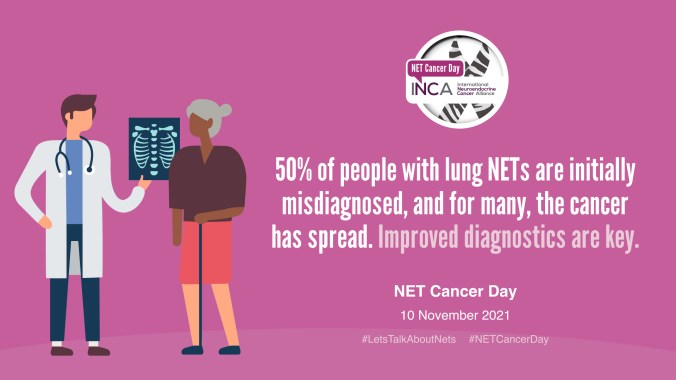
  • Over 90% of all NET patients are incorrectly diagnosed and initially treated for the wrong disease!
  • The average time from onset of symptoms to correct diagnosis often exceeds 5 years!
  • Over 50% of NET patients are already at stage 3 or 4 when diagnosed!
  • Many primary care physicians are unfamiliar with NETS and some still falsely believe that it isn’t even cancer!

These are just some of the reasons that I have become involved in patient advocacy over the past couple of years. Once considered a rare disease, NETS has become the fastest growing class of cancer worldwide. Although the reasons for this aren’t fully understood, it’s likely due to increasing awareness and better diagnostics.

In addition to my role as a member of the CNETS (Canadian Neuroendocrine Tumour Society) Advocacy Advisory Board, I’ve become actively involved in trying to improve the patient experience in a number of other ways. I had the opportunity to participate as a patient representative in an Ipsen project to design an injection toolkit to make the experience easier for patients who are newly prescribed the medication that I receive every 28 days. Ipsen is the pharmaceutical company that produces the drug.

Also, if you’ve been reading my blog you know that I participated in this summer’s CNETS “Hoofing It” fundraiser. With the generous support of many, including some of you who read the blog, we managed to raise over $40,000 for NET cancer research here in Canada. An additional bonus for me was the fact that the “hoofing it” that I committed to as part of this initiative got me out walking almost every day. Now that the campaign is over and the weather has turned cold, daily walking has become a habit and I’ve dusted off the treadmill in the basement so that I can keep it up over the winter!

Another big opportunity came my way earlier this year when I was asked to co-lead the CNETS Alberta patient support group that meets online once a month. This really was a big step for me as I’d never been part of a support group before! Every month I hear stories from patients who were initially misdiagnosed, who feel confused or unheard, whose symptoms have been minimized or dismissed as all in their head, who feel lost trying to navigate the health care system, or who don’t know how to advocate for themselves. More than ever, I’ve come to realize how badly we need to continue raising awareness and promoting better diagnostics, treatments, care, and research. One day a year just isn’t enough!

And now, on a more personal note, you may remember that in my 12 year cancerversary post at the end of August, I mentioned the latest tumour on my liver. A week from today, on November 17th, I’ll be having a CT guided ablation to destroy it. A needle-like probe will be inserted through my abdomen and into the tumour where it will deliver microwave energy to kill the cancer. This is done as a day procedure, but I’ll be required to stay in the city overnight in case of complications. I’m not sure what the recovery will entail, but hopefully I’ll be back on the treadmill before long!

 

NET Cancer Day 2024

ncd-logo-newI wish there wasn’t a need for NET Cancer Day and that I didn’t feel compelled to write about it again this year, but there is and I do. Those of you who have been reading the blog for very long might think that I’m  starting to sound like a broken record, but it’s just so important for people to become more aware of this frequently misdiagnosed cancer.
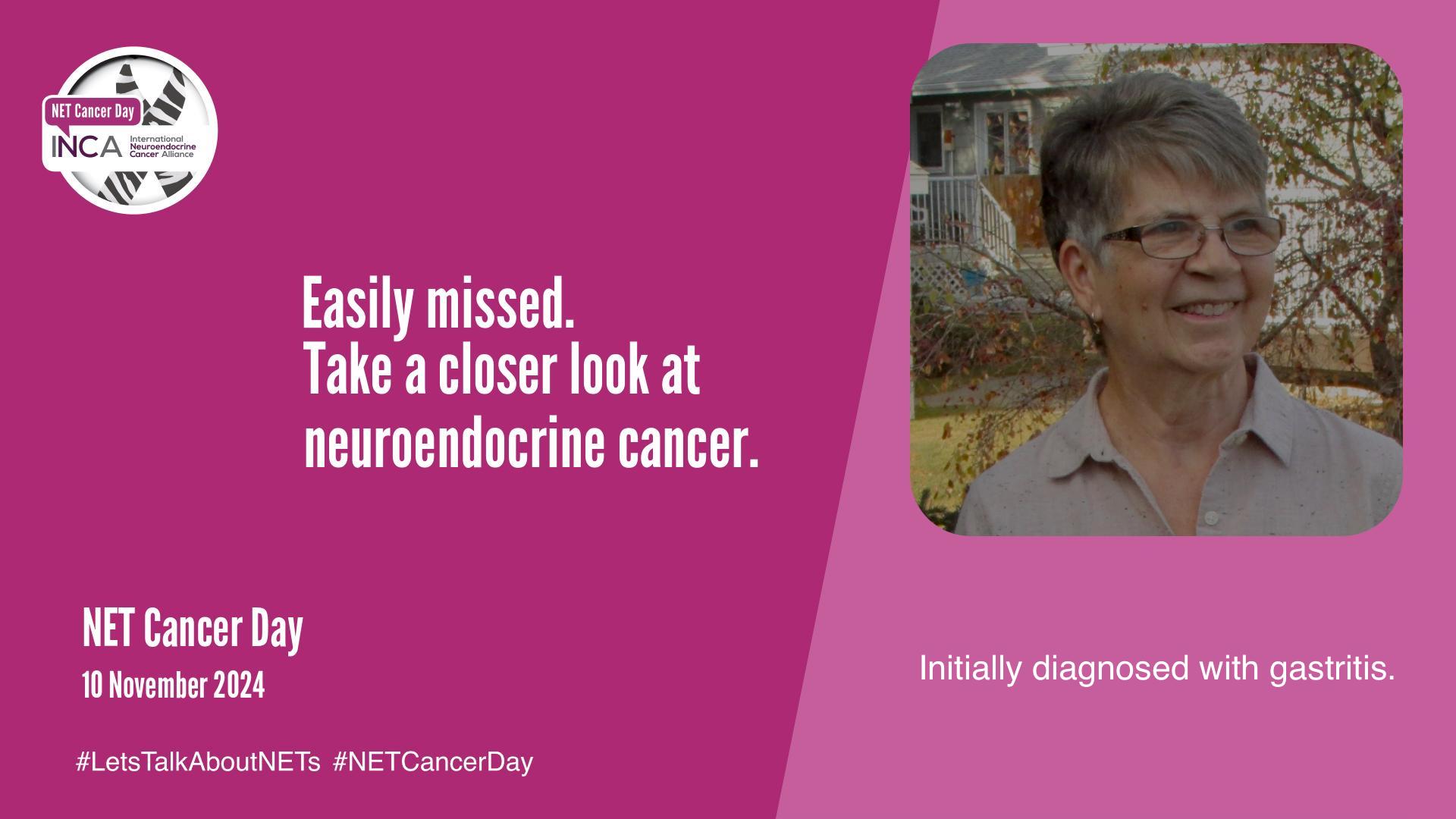
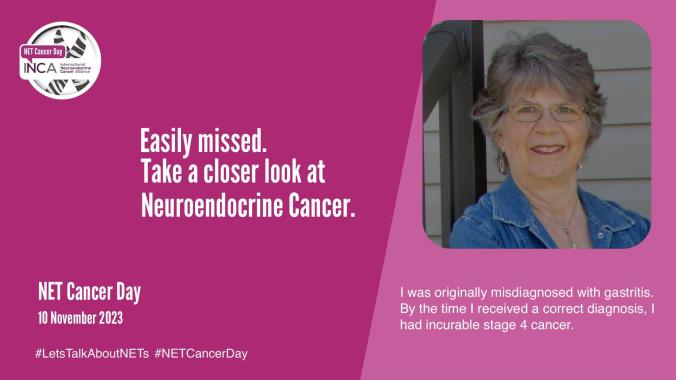
The incidence of neuroendocrine tumours (NETs) is on the rise and symptom awareness is key to earlier diagnosis and ultimately to better outcomes. Last year’s campaign slogan “Easily missed: Take a closer look at neuroendocrine cancer” was such a vital one that the NET Cancer Day campaign is reaffirming that message by using it again this year. More common than brain, ovarian or cervical cancer, neuroendocrine cancer continues to be frequently missed and misdiagnosed.

Globally, it takes an average of 5 years from initial symptoms to actual diagnosis; longer in North America. In my case, doctors estimate that I had had the disease for 7 to 10 years before it was diagnosed and based on symptoms, I’m sure they’re right. By then the cancer had already spread to distant parts of my body. Like many, many other NETs patients, my cancer was Stage 4 and no longer curable. Clearly, a greater awareness of NETs amongst the global community and especially the medical profession is needed.

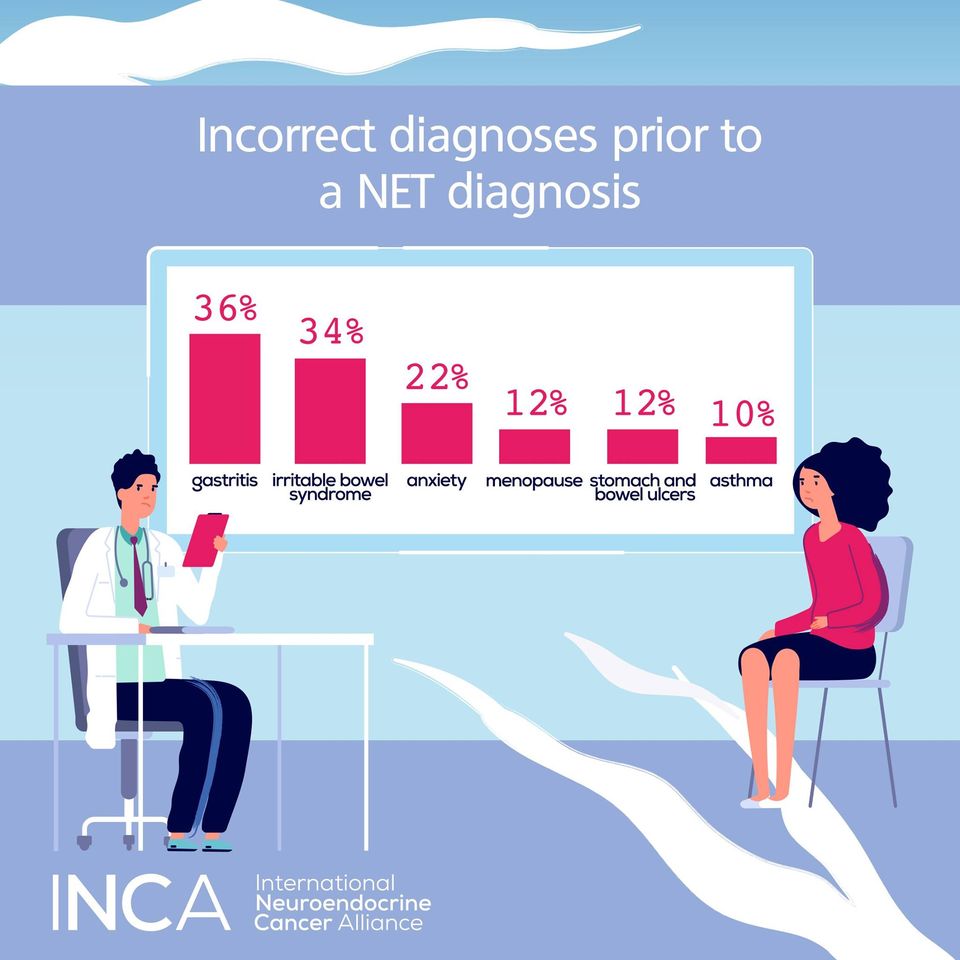
The NET Cancer Day campaign has traditionally been focused on highlighting the common symptoms that are often interpreted as other conditions, but can also be signs of neuroendocrine cancer. These include facial flushing, abdominal pain, digestive problems, diarrhea, rapid heartbeat, chest pain, shortness of breath, wheezing, coughing, and/or persistent fatigue. People with NETs are often misdiagnosed with more common conditions such as anxiety, menopause, Irritable Bowel Syndrome, gastritis, or asthma.

poster

I’m not able to give you an update on my own health today as I’m presently waiting for the results of lab work that was done this past week and I’ll be going for CT scans again on Wednesday. Instead, I’ll tell you a bit more about what I’ve been involved in since last NET Cancer Day.

Since very early in my cancer journey, The Canadian Neuroendocrine Tumour Society (CNETS) has been a valuable source of information and support. When the opportunity to get involved as a volunteer member of a newly forming patient advocacy advisory board came to my attention, I knew immediately that that was something I wanted to do. It was time for me to start giving back.

After meeting in Montreal in April for an “advocacy bootcamp” with a prominent Canadian health advocate and policy consultant, we came away with a list of priorities and tactics in the areas of education and awareness, treatment and diagnostic access, and research. With two other members of the board, I’ve been working on a graphic representation of both the current and the ideal pathways to diagnosis for neuroendocrine patients in Canada which we hope to use to inform patients, medical practitioners, and health authorities. This fall, we were fortunate to have our project approved for funding by the International Neuroendocrine Cancer Alliance (INCA) which is allowing us to work with a patient-led consultancy group out of Germany to take our initial work to a higher, more professional level.

Over the past few months, in addition to the advocacy board work, I’ve also been involved in an initiative with Ipsen, the pharmaceutical company that produces the medication that I’m injected with every 28 days, to improve the patient experience with that drug.

These are baby steps in the overall work that needs to be done to improve diagnosis and treatment of neuroendocrine cancer, but I’m happy to be doing what I can to raise awareness and move the work forward.

Screenshot 2024-11-09 at 7.19.36 PM

NET Cancer Day 2023 and an update

For those of us who have neuroendocrine cancer, every day is NET Cancer Day, but November 10 is the one day each year that is set aside to increase awareness of our disease and to promote improved diagnostics, treatments, care, and research. Unlike most cancers, neuroendocrine cancer (NETS) is often overlooked or misdiagnosed. Some patients, myself included, endure symptoms for 5 to 10 years before receiving an accurate diagnosis. All that time, the unseen disease is quietly growing and spreading which is why at least 50% of us, again myself included, have stage 4 cancer by the time we are diagnosed. At that point, it’s treatable, but not curable.

Why is this sneaky disease so easily missed? Why does it take so long to get a correct diagnosis? NETS starts in the cells of the neuroendocrine system which are found throughout the body. Neuroendocrine tumours can hide in many locations, but most commonly originate in the lungs, pancreas, gastrointestinal tract (specifically the large intestine, small intestine, or appendix), the adrenal glands or in rare cases, the brain, breast, or prostate. Without early detection, it spreads to other locations throughout the body including the lymph nodes, liver, peritoneal cavity, and bones.

Not only can the cancer be found in so many different parts of the body, but the symptoms vary and are often non-specific. They might include abdominal pain, diarrhea, nausea and vomiting, heightened anxiety, fatigue, weight loss, skin flushing, chest pain, coughing, wheezing, shortness of breath, and/or back pain. All of these are also symptoms of more common conditions, so it’s completely understandable that doctors don’t immediately consider a little-known cancer like NETS. Many have never encountered a case and know little or nothing about it. As a result, neuroendocrine cancer is often mistaken for other conditions including gastritis, IBS, generalized anxiety disorder, or even menopause. That’s why we need an annual NET Cancer Day and why we need to advocate for increased awareness amongst doctors and patients every day of the year.  

poster (3)

Last year, on NET Cancer Day, I was happy to be able to report that my disease was stable. Unfortunately, this year, that’s no longer the case. Over the past year, my tumours (or at least one of them), which had essentially been dormant for several years, have been waking up and producing excess hormones again. One of the lesions on my liver has also started to grow again. Thankfully, however, NETS is usually a slow-growing cancer and we still have a number of treatment options available. The neuroendocrine cancer team at the Cross Cancer Institute meets on Tuesdays (I absolutely love the fact that they take a team approach), so they’ll be discussing my case next week and deciding where we go from here.

In the meantime, other than an ongoing headache that is probably stress-related, I have no symptoms and I’m able to live a fairly normal life. Considering that fact that I’ve had stage 4 cancer for over ten years, I feel pretty blessed. I consider every day a gift and I continue to trust that I’m not dying of NETs, but living with it! 

There will be no Fashion Friday post today, but stay tuned for a new one next week. 

NET Cancer Day 2022

ncd-logo-newOnce again, today is Worldwide NET Cancer Day, a day set aside to increase awareness of neuroendocrine (NET) cancers and to promote improved diagnostics, treatments, information, care and research. As a patient who has been living with this cancer for the past nine years, this is, of course, very close to my heart.

Once again this year, we are urging people to

Know the symptoms.

Push for diagnosis. 

Less than 30% of neuroendocrine cancer patients receive a correct diagnosis the first time they reach out for help. In fact, it often takes five to ten years from onset of symptoms to correct diagnosis. During that time, of course, the cancer quietly spreads.

Screen Shot 2022-11-10 at 9.46.22 AM

Here are some facts about neuroendocrine cancer:

  • NETs are a unique group of cancers that arise from neuroendocrine cells and can be found in many organs of the body.
  • NETs generally affect people over the age of 50, but not always.
  • Symptoms of NETs vary and are often non-specific due to their ability to secrete an excess of different hormones.
  • Symptoms depend on the organ where the tumour is located and may include abdominal pain, diarrhea, nausea and vomiting, weight loss, skin flushing, chest pain, coughing, wheezing, shortness of breath, and/or back pain. 
  • As a distinct class of tumours, NETs require specialized tests and treatments.
  • NETs are often found unexpectedly during unrelated medical procedures or imaging tests.
  • NETs are the second most common cancer of the digestive tract.
  • Gastrointestinal NETs are often found in the appendix, colon, and rectum, but can also affect the stomach and small intestine.
  • Lung NETs comprise 20 to 25% of all invasive lung tumours.
  • The incidence and prevalence of pancreatic NETs (the form of neuroendocrine cancer that claimed the lives of Steve Jobs and Aretha Franklin) have been steadily increasing over time and now comprise about 7% of all pancreatic cancers.
  • Merkel Cell Carcinoma, a rare skin cancer, is a form of neuroendocrine cancer.

One of the most important things I’ve learned since my diagnosis is how important it is to advocate for yourself. Know your body. Know what’s normal for you. Pay attention when something feels off. Take note of unusual symptoms and talk to your doctor as soon as possible. If you don’t get the answers you’re looking for, PUSH! Don’t give up.

Thankfully, at this point, my cancer is stable. Constant surveillance is important though, so I’ll be having CT scans and other tests again next month. In the meantime, since hubby’s diagnosis with prostate cancer this summer, my health has temporarily taken a back seat. Now that his name is on the five to six month waiting list for robotic prostate surgery, we’re breathing a sigh of relief and getting on with life. Though there is no cure for me, I continue to trust that I’m not dying of NETs, I’m living with it! 

NET Cancer Day 2021

ncd-logo-new

Once again, today is Worldwide NET Cancer Day, a day set aside to increase awareness of neuroendocrine (NET) cancers and to promote improved diagnostics, treatments, information, care and research.

The theme of this year’s campaign is

Know the symptoms.

Push for diagnosis. 

Less than 30% of neuroendocrine cancer patients receive a correct diagnosis the first time they reach out for help. In fact, it often takes five to ten years from onset of symptoms to correct diagnosis. During that time, of course, the cancer quietly spreads. Thankfully, compared to many other cancers, NETS is slow growing, but like many of my fellow patients, I was Stage 4 at diagnosis. This means that my cancer had already spread from its origin to distant parts of my body. At this point, 8 years after diagnosis, treatment has halted it’s progress and resulted in some shrinkage, but there is no cure.

Know the symptoms. 

23213264_715559725308228_7678779028864335896_o

Once considered rare, neuroendocrine cancer is actually the fastest growing class of cancers worldwide. Unfortunately, many health care professionals have never seen a case and know little or nothing about this complex disease. In order to achieve early, correct diagnosis for every patient, we need every primary care physician to know and recognize the symptoms. When they are presented with stomach pain, it makes sense for them to suspect gastritis (inflammation of the stomach lining), but we also need them to wonder if it could be neuroendocrine cancer. When the stomach pain is accompanied by severe diarrhea, irritable bowel syndrome is a definite possibility, but we also need the doctor to be aware that it could be NET cancer. When a woman complains of facial flushing, rather than simply assuming that it’s due to menopause, we need her doctor to ask himself if it could be NETS. Depending on the location of the primary tumour, other symptoms may include nausea and vomiting, rapid heartbeat, anxiety, skin rash, shortness of breath or wheezing, lack of appetite, unexplained weight loss and/or lack of energy.

Push for diagnosis. 

Message-5-16_9-Key-Messaging-Infographic

Diagnosing neuroendocrine cancer is complex. In addition to recognizing the symptoms, we need doctors to order the correct laboratory tests and scans. It’s also important for patients to push for correct diagnosis. One of the most important things I’ve learned since my diagnosis is how important it is to advocate for yourself. Know your body. Know what’s normal for you. Pay attention when something feels off. Take note of unusual symptoms and talk to your doctor as soon as possible. If you don’t get the answers you’re looking for, PUSH! Don’t give up. Years before I was finally diagnosed, I remember thinking “at least it’s not cancer” but I was wrong! If I’d pushed for answers then, perhaps it would have been caught much sooner and the outcome might have been very different!

Know the symptoms.

Push for diagnosis. 

NET Cancer Day 2020

net-cancer-awareness

Once again, today is Worldwide NET Cancer Day, a day set aside to try to increase awareness of neuroendocrine (NET) cancers and to promote improved diagnostics, treatments, information, care and research. The focus of this year’s campaign is to highlight the challenges that patients and clinicians face around the early diagnosis of NETs.

A recent worldwide survey of NET patients showed that only 27% of them received a correct diagnosis the first time around. 44% of us, myself included, were misdiagnosed for several years before the correct source of our symptoms was discovered, often by accident. Globally, it has been taking 5 years on average from initial symptoms to diagnosis; 6 years here in North America which was also my experience.

122537054_3583258601716994_7578317130403807428_o

I’m part of the 36% who were initially diagnosed with gastritis, inflammation of the stomach lining. It was a GP who made that diagnosis based only on my symptom, a gnawing abdominal ache. I don’t fault him for that as NET cancer usually presents symptoms that mimic much more common ailments. Had we done a colonoscopy, however, the tiny tumour growing in my cecum would likely have been found before the cancer spread. It was several years later, when unusual spots on my liver showed up on a completely unrelated ultrasound, that suspicions were raised and I eventually learned that I had Stage 4 cancer! By that time, my symptoms had grown to include chronic diarrhea as well as occasional flushing and episodes of tachycardia (extremely rapid heart rate), all common characteristics of NET cancer.

There are 3 As that would significantly improve the outcome for many NET patients:

  1.  Awareness of symptoms  –  We need health care professionals at every level to be aware of this complex disease and to be able to recognize its symptoms. My family physician had been practicing medicine for approximately 20 years when I was diagnosed, but I was his first NET patient and he knew very little about it. I’ll never forget the locum who argued with me that neuroendocrine tumours aren’t malignant (some aren’t) and that I didn’t actually have cancer at all! 
  2.  Availability of diagnostic tools  –  The most precise tool for detecting NET cancer is the Gallium 68 PET scan, but I have never had one. In fact, only 18% of the surveyed patients worldwide have. It isn’t available at many cancer treatment centres. For the past few years, there’s been talk of one coming to the Cross Cancer Institute where I receive all my care, but as far as I know it hasn’t happened yet. 
  3.  Access to NET specialists  –  In the survey mentioned above, 24% of the patients had not even heard of a NET cancer specialist and many others travel long distances to see one. 

So, every year on November 10, and whenever I have the opportunity in between, I’ll do my bit to raise awareness, never giving up hope that eventually better diagnostics and treatments will be available to all NET patients and that ultimately a cure will be found!

unnamed

Canada’s going black and white for NET Cancer Day!

November 10 is World NET Cancer Day, a day set aside to raise awareness of neuroendocrine cancer, the uncommon disease that I’ve been fighting for the past six years. It’s our day to be heard by decision makers, health professionals and the general public. In addition to raising awareness, we want to encourage more funds for research, treatments, and patient support; and to advocate for equal access to care and treatment for NETS patients around the world.

ncd-logo-new

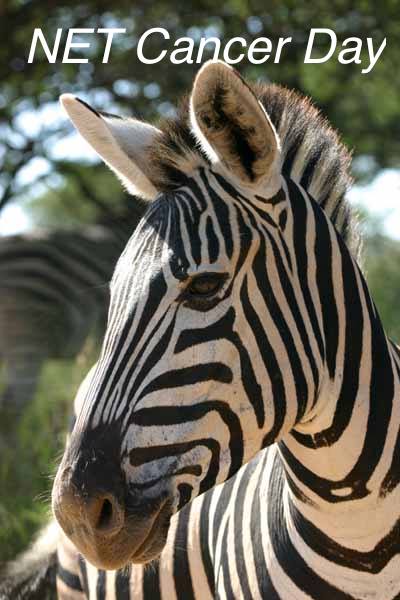
Zebra stripes symbolize how this rare cancer can go undetected for many years. Medical students are taught when hearing hoofbeats, to think of horses, not zebras. Neuroendocrine tumours are difficult to diagnose. Though they are the fastest growing class of cancers worldwide, their symptoms are usually vague and similar to more common health problems.  Many family doctors have never encountered a NETs patient. When presented with symptoms like stomach pain and diarrhea, they naturally think of things like Irritable Bowel Syndrome, Crohn’s Disease or lactose intolerance. They think of horses, not zebras. As a result, NETs is frequently misdiagnosed.

unnamed

It would appear, however, that through the tireless efforts of NETs patients and advocates, we’re beginning to be heard. This year on November 10, the following landmarks across Canada are lighting up in black and white for NET Cancer Day!

  • City Hall  –  Vancouver, British Columbia
  • High Level Bridge  –  Edmonton, Alberta
  • Calgary Tower  –  Calgary, Alberta
  • City Hall  –  Lethbridge, Alberta
  • CN Tower  –  Toronto, Ontario
  • City Hall Towers  –  Toronto, Ontario
  • Niagara Falls  –  Niagara Falls, Ontario
  • Hamilton Signature Sign  –  Hamilton, Ontario
  • Tower of Olympic Stadium (Parc Olympique)  –  Montreal, Quebec

If you’re near one of these locations on Sunday, I hope you’ll stop, take a photo, and post it on social media with the hashtag #LetsTalkAboutNETs @cnetscanada. Every bit of exposure helps raise awareness and may contribute to someone getting a quicker diagnosis.


NET Cancer Day 2018

November 10 is World NET Cancer Day, a day set aside to raise awareness of neuroendocrine cancer, the disease that I’ve been fighting since 2013.

Screen Shot 2018-11-08 at 2.17.09 PM

Neuroendocrine (NET) tumours can arise in any organ that contains neuroendocrine cells including the stomach, intestines, lungs, liver, pancreas and appendix. While most commonly found in people over the age of 60, NET cancer can affect both men and women of any age. Though NETs is the fastest growing class of cancers worldwide, the symptoms are usually vague and similar to more common health conditions. As a result, NETs is frequently misdiagnosed as anxiety, menopause, Irritable Bowel Syndrome (IBS), asthma, or diabetes.

Screen Shot 2018-11-06 at 4.20.45 PM

Compared to most cancers, NETs is slow growing. It was estimated that I’d already had the disease for ten years when it was detected. I had been experiencing many of the common symptoms which include abdominal cramps, diarrhea, flushing of the skin, pounding of the heart, and wheezing or shortness of breath off and on for at least seven or eight years . Neither I nor my family doctor had any idea why. Like many general practitioners, he had never encountered a NETs patient before.

Almost 50% of patients visit a doctor 5 or more times before receiving a correct diagnosis! A recent study found that 58% of patients have advanced stage neuroendocrine cancer by the time they are correctly diagnosed. There is currently no cure for the majority of NET cancer patients, including me. Neuroendocrine cancers are complex and unpredictable. Once diagnosed, they require an expert and experienced multidisciplinary team of health care professionals to ensure the best possible outcome. Unfortunately, many patients, even in the world’s most developed countries, have difficulty accessing that kind of care.

ncd-logo-new

So what’s with the zebra? Everyone recognizes the ubiquitous pink ribbon as a symbol of breast cancer, but not all cancers are pink. Medical students are taught when hearing hoofbeats, to think of horses, not zebras, so the zebra was chosen as symbol of our lesser known disease. There are some patients and advocates who think it’s silly and would like to see us stop using it, but I think we need to take advantage of every opportunity to draw attention to our cause and if that includes zebra stripes, I’m all for it.

What can you do to help? You can help us spread awareness by simply reposting this on your blog if you have one or posting a link to it on your Facebook page. My fellow zebras and I thank you!


NET Cancer Day 2017

Net Cancer DayMy weekly Fashion Friday feature is taking a break today as I have something much more important to share. November 10 is World NET Cancer Day, a day set aside to raise awareness of neuroendocrine cancer, the disease that I’ve been fighting since 2013. Those of us who have been affected by NETS (neuroendocrine tumours) hope that for today our voices will rise above those of all the more well-known and prominent diagnoses. Today is our day to be heard by decision makers, health professionals and the general public. In addition to raising awareness, we want to encourage more funds for research, treatments, and patient support; and to advocate for equal access to care and treatment for NETS patients around the world.

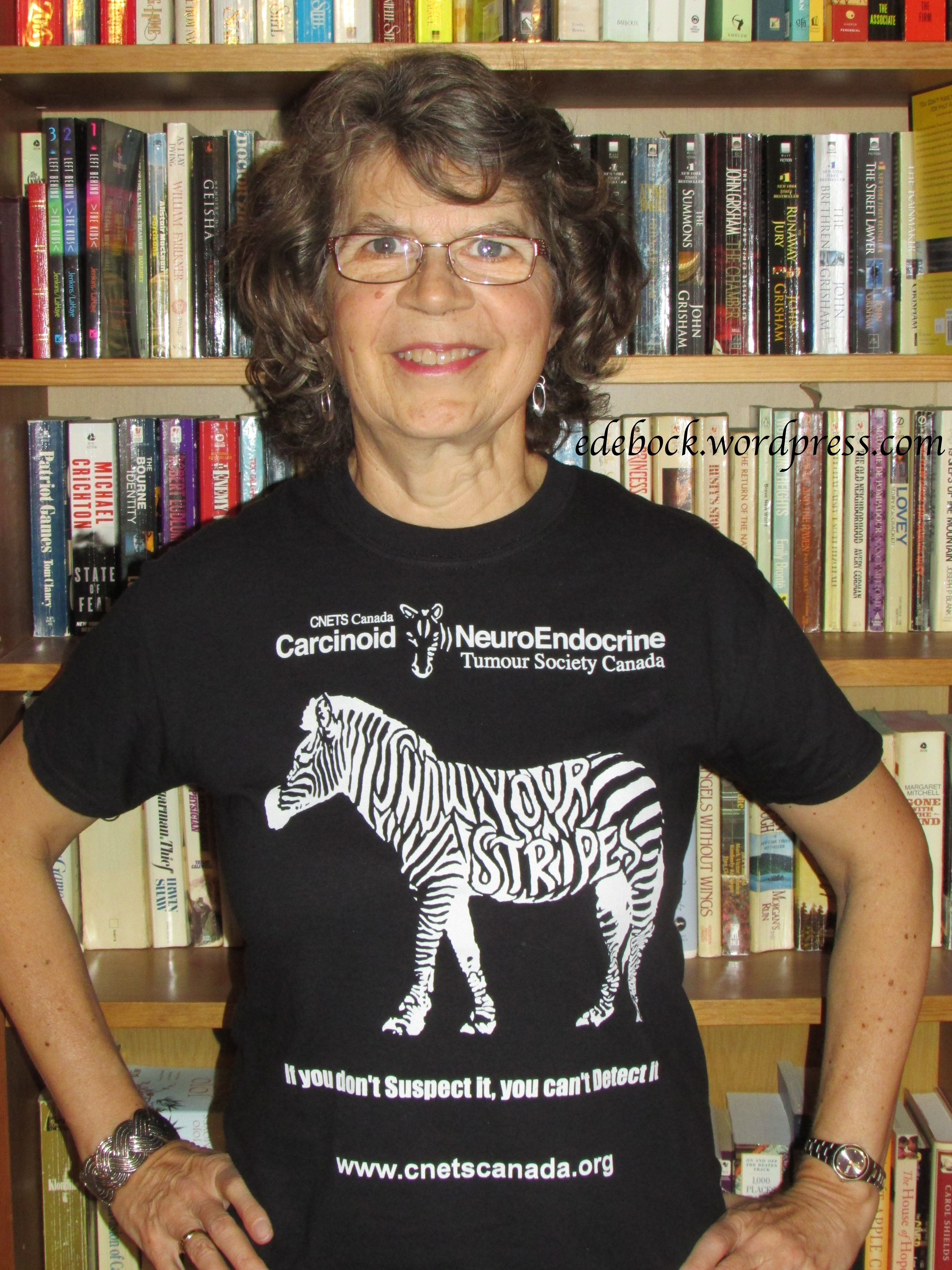
So as not to disappoint those of you who came looking for a fashion post, here’s what I’m wearing today… my CNETS Canada t-shirt. I don’t usually wear graphic tees, but the message on this one is a vital one.

IMG_5232

If you don’t suspect it, you can’t detect it. 

So what’s with the zebras? Medical students are taught when hearing hoofbeats, to think of horses, not zebras. Neuroendocrine tumours are difficult to diagnose. Though they are the fastest growing class of cancers worldwide, their symptoms are usually vague and similar to more common health problems.  Many family doctors have never encountered a NETS patient. When presented with symptoms like stomach pain and diarrhea, they naturally think of things like Irritable Bowel Syndrome, Crohn’s Disease or lactose intolerance. They think of horses, not zebras. Hence, the zebra became our symbol.

As with all cancers, early diagnosis is important. Sadly it doesn’t happen often. If the initial tumour is found before any secondary growths occur, it can often be removed surgically and the patient is considered cured. Once it has spread, however, the disease is incurable.

NETS arises from neuroendocrine cells which can be found anywhere in the body. The most common types are found in the lungs, bronchi, thymus, pituitary, thyroid, adrenal glands, intestines, pancreas, appendix, and rectum. They may also occur in other areas including the ovaries, cervix, testicles, and spleen. NETS is a slow growing cancer that is often misdiagnosed. By the time a correct diagnosis is made, the cancer has often spread. In fact, 60 to 80% of NET cancer patients are diagnosed with advanced disease.

My primary tumour was in my colon. At the time of diagnosis, I also had three tumours on my liver and one in a lymph node. It was estimated that I had already had the disease for ten years when it was detected quite by accident! Off and on for at least seven or eight years I had been experiencing most of the common symptoms which include abdominal cramps, diarrhea, flushing of the skin, pounding of the heart, and wheezing or shortness of breath. Neither I nor my family doctor had any idea why.

Today coffee shops across Canada and around the world, including The Wooden Spoon here in Sedgewick, will be raising awareness about NETS by using special coffee cups bearing the slogan “Lets talk about NETS” and handing out promotional material to help educate their customers about the disease.

Lets-cup10

What can you do to help? You can help us spread awareness by simply reposting this on your blog if you have one or posting a link to it on your Facebook page. Thank you so much!


Not so rare after all!

November 10 was worldwide NET Cancer Day. In addition to writing my Let’s talk about NETS post, I read several other articles about neuroendocrine cancer that day and what I learned was quite astonishing.

When I was diagnosed with neuroendocrine cancer (NETS), I was told that it was rare and much of the literature about it seems to agree, but is it really? Is it actually rare, or is it just not very well-known?

You’ve heard of cystic fibrosis, right? And what about ALS (Amyotrophic lateral sclerosis), often called Lou Gehrig’s disease after a hall-of-fame baseball player for the New York Yankees who was diagnosed with ALS in the 1930s? If you hadn’t already heard of that one, I suspect that the famous Ice Bucket Challenge of July and August 2014 brought it to your attention. Unless you’re a fellow patient, however, I’m guessing that you’d never heard of NETS before you read about it here on my blog, but is that because it’s rare?

Let’s take a look at some statistics. I’m using numbers for the United States simply because they were the easiest ones to track down, but I’m assuming that the ratio would be similar elsewhere. In the US, there are

  • approximately 1000 new cases of cystic fibrosis each year
  • a little over 6000 new cases of ALS each year
  • an estimated 15 500 new cases of NETS each year

Do the math! That’s more than 15 times as many cases of neuroendocrine cancer as cystic fibrosis and more than twice as many cases as ALS! It’s also an average of more than 42 new cases a day or more than one every two hours!

So why is NETS not nearly as well-known as the other two diseases and why does that matter? It matters because doctors don’t detect what they don’t suspect and they don’t suspect NETS if they don’t know anything about it. Secondly, more research dollars go to higher profile diseases. According to the US Department of Health and Human Services, $49 million was spent on ALS research in the US in 2015 and $80 million on cystic fibrosis, but NETS wasn’t even on the report!

nets

I know you’d probably rather read about my travels or my Fashion Friday posts and they’re definitely more fun to write, but unfortunately, it falls upon patients like me to publicize and educate whenever and however we can. It might be easier if we had a Lou Gehrig, someone well-known to put a face to our disease, but that hasn’t happened yet. Our best hope so far was Steve Jobs, co-founder and former CEO of Apple Inc, but Jobs initially chose to reject his doctors’ recommendations and try alternative treatments, a decision that may have hastened his death in 2011. He was also very private about his condition which was, of course, his right, but he could have done so much good had he chosen to be a vocal spokesperson. The fact that the media, left in the dark by his silence, commonly reported that he died of pancreatic cancer rather than neuroendocrine cancer that originated in his pancreas, didn’t help our cause either.

Increasing awareness is a slow process, but I believe we’re making headway. In spite of the fact that it’s still not well-known, NETS is actually the fastest growing class of cancer worldwide! I believe that that’s because it’s being diagnosed more often and because improved treatments are allowing many of us to live longer. Our goal continues to be to raise awareness in both the medical field and the general public, so that research funds are made available that will lead to even earlier diagnosis and better treatment. It’s time for NETS to come out of the dark!