Fashion Revolution Week

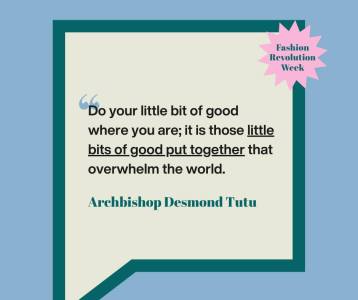
Logo by SamFashion Revolution is a not-for-profit global movement that was founded by British fashion designers Orsola de Castro and Carry Somers following the collapse of the Rana Plaza garment factory in Bangladesh on April 24, 2013 that killed 1,134 people and injured another 2,500. Fashion Revolution campaigns for a clean, safe, fair, transparent and accountable fashion industry; one that that conserves and restores the environment and values people over growth and profit. Over the past ten years, it has grown to become the world’s largest fashion activism movement, mobilizing citizens, brands and policymakers through research, education and advocacy. Every year, they organize Fashion Revolution Week in April, but this year’s campaign is marking a decade of active campaigning with ten days of action running from April 15 to 24.
433469133_424161200263956_5310705543677909198_n

I don’t consider myself a fashion activist, but I do believe that everyone has a part to play in building a fashion industry that puts people and the planet first. Until our our clothing is made in safe, clean, and fair ways, we’re all part of the problem.

Those of us who live in North America have little choice but to buy clothes that are produced overseas and it’s virtually impossible to find out whether they are made in sweatshops where workers are exploited and forced to work in unsafe conditions or manufactured in socially and environmentally responsible factories. So, what can we do? How can we be part of the solution instead of the problem?

Overconsumption has become a huge problem. Apparently, the number of clothes that the average consumer purchased between 2000 and 2014 increased by 60 percent and those clothes tended to kept about only half as long as in the past. Individually, we can do our part by buying less and choosing quality over quantity. After all, how much do we really need hanging in our closets? At least one of the fashion bloggers that I follow has committed to The Rule of 5, planning to buying no more than five new fashion items this year. She’s decided to explore second-hand shopping which, as you know, is one of my favourite ways to add to my wardrobe.

427688654_401397839206959_3748741648498203248_n

Another way that we can take action is to extend the life of our clothing by learning to mend, repair, and upcycle. In cities around the world Fashion Revolution activists are planning to come together in public spaces tomorrow to work on personal mending projects while drawing attention to the goals of the movement. That reminds me that I still have two pieces set aside from my recent closet cull waiting for some simple upcycling. Though I won’t be doing it in a public place, perhaps that should be my Fashion Revolution Week project.

Make your closet more eco-friendly

Tips for creating and maintaining a sustainable wardrobe

Logo by SamTo begin with, what is a sustainable wardrobe? In a nutshell, it’s one that reduces the impact that your clothes have on the planet. Adopting sustainable practices improves the quality of our lives, protects the environment, and preserves natural resources for future generations. So where do we start?
I’d recommend doing some research and trying to find sustainable and ethical clothing brands and purchasing only those, but I know how challenging it can be to find accurate information. Choosing sustainable fabrics is also easier said than done, so what’s an ordinary person to do? Here are some simple affordable steps that we can all take to dress more sustainably:

5303cf89c82d3a46d85205a6f0dc1c86

Buy less

The most sustainable anything is the one you already own. Instead of shopping, look for new ways to wear what’s already hanging in your closet. 

Quality over quantity

Instead of chasing trends and buying numerous pieces of poor quality clothing every season, avoid fast fashion altogether and invest in a few good quality pieces that will last. There’s no question that buying higher quality clothes will cost more initially, but they’ll outlast cheaper, less eco-friendly options, greatly reducing the cost per wear

The 30 wears test

I was shocked to read on the Wear Me 30 Times website that the average woman keeps a piece of clothing in her wardrobe for only 5 weeks! In my opinion, that’s inexcusable! Wear Me 30 Times is a slow-fashion initiative focused on supporting conscious consumption and increasing awareness of the problem of waste in the fashion industry. The principle is very simple. Before purchasing something, if you can honestly say that you’ll wear it a minimum 30 times (and hopefully more often), then go ahead and buy it. There are exceptions, of course. The dress you buy to wear to your son’s wedding or your 40th anniversary celebration might not pass the 30 wears test and that’s okay, but even on those occasions try to invest in something with longevity that you’ll be able to wear again. 

Shop second-hand

If you’ve been following my blog for very long, you know that I love thrift store shopping! Not only is it a great way to welcome sustainability into your wardrobe, but it’s fun. It’s like going on a treasure hunt, never knowing what you’ll find. If you’re new to this, you can find 18 tips for successful second-hand shopping here

Look for recycled fabric

Check labels. You may be surprised to find clothing or accessories made from plastic bottles or sweaters made of pre-used wool. Some brands are even making vegan leather out of pineapple rinds and apple peels!

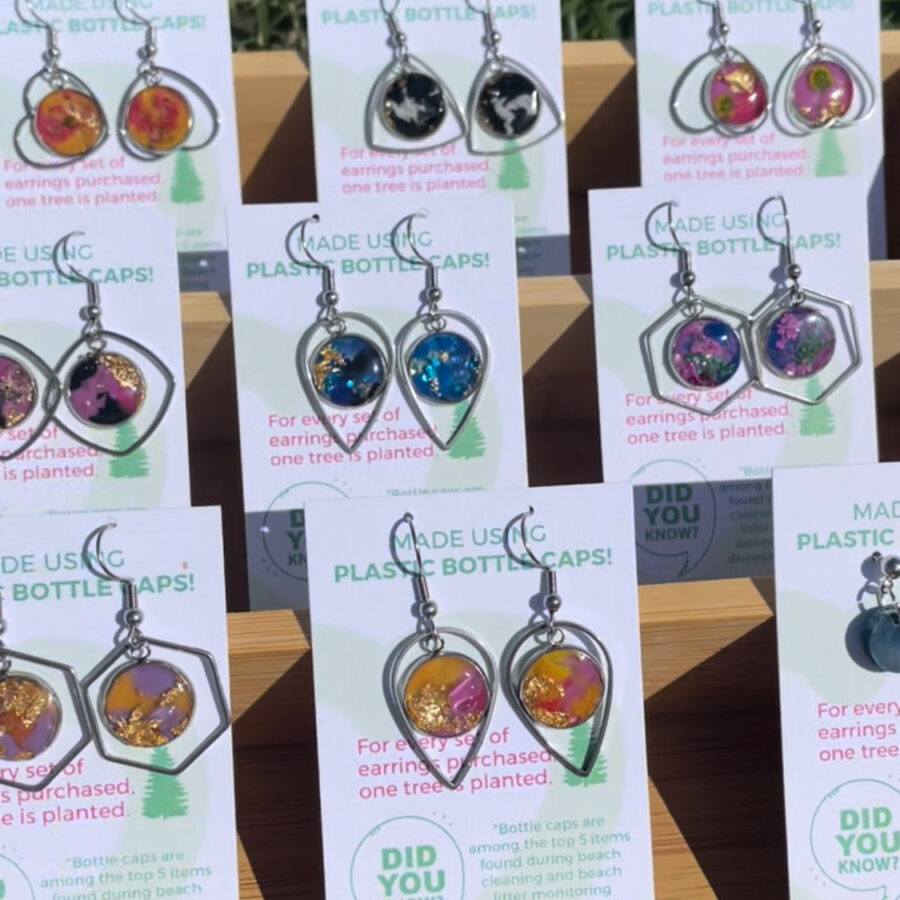
I have to give a shout-out here to Karyn, one of my former students and founder of Repurposed Plastic. Earrings from plastic bottle caps! Brilliant!

IMG_8665-900x900

Follow good laundry practices

First and foremost in this category, as mentioned in last week’s post, don’t wash clothes that aren’t dirty! With the exception of socks, underwear and workout wear, you should be able to wear an item at least three times before putting it in the laundry. Not only does washing less often save water and electricity, but it also helps your clothes last longer. Make your laundry routine even more sustainable by using eco-friendly laundry products. Wash in cold water, don’t overfill the machine, and when possible, air dry your clothes. 

Mend and repair

Prolong the life of your quality clothing by learning how to mend. It’s not as difficult as it might sound and there are lots of online articles and videos available to help. If the job is beyond your skill level, consider finding a tailor who can do it for you. Most dry cleaners also offer mending services. Taking shoes and boots to a repair shop for resoling is a cost-effective way to prolong their life while keeping perfectly good uppers out of the landfill.

Do you have any tips to add? Have you found any sustainable clothing brands that you can recommend? 

Happy Saint Patricks Day Background.

Those darned socks!

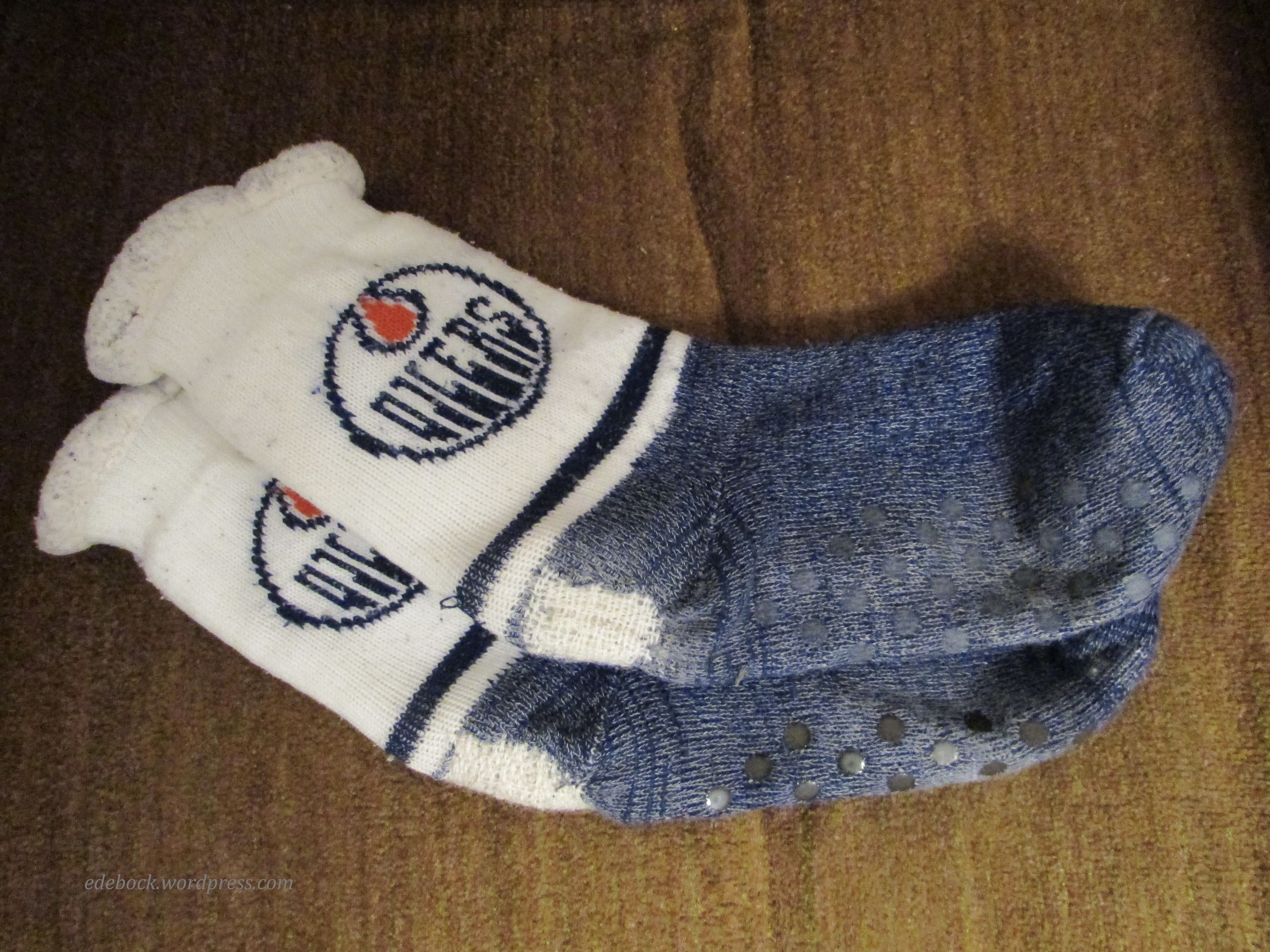
Logo by SamWe hadn’t been married very long when hubby was shocked to discover that I had no intention of darning his holey socks. He grew up in poverty and darning socks was something his mother did out of necessity. We were both teaching school, however, and could afford to buy new socks when our old ones wore out. After more than 46 years of marriage, however, I recently darned a pair of sock slippers that he uses when we travel. Not only did I want to extend the lifespan of something that he loves, but mending and darning, once second nature to homemakers, are making a comeback as a way to participate in sustainable fashion.

IMG_5004 2

I’ve done lots of sewing and needlecraft in the past, but since darning was something new for me, I first had to figure out how to do it. You can learn almost anything from YouTube, so I started by watching this very helpful video.

I don’t have a darning egg. In fact, until I decided to tackle this project, I didn’t even know that such a thing existed! Always one to improvise when necessary, I found that an empty olive jar did the trick. Next, I dug into my old crafting supplies and found some yarn. I would have used blue to match the soles of the socks, but I didn’t have any, so I made do with what I had.

After just one false start, I figured out what I was doing and the first part of the process went fairly smoothly. I was even beginning to think that this darning thing was pretty easy.

IMG_5007

The next part was more challenging though and I’m sure the end result isn’t as neat and tidy as it would have been if my late mother-in-law had done it. I’m satisfied though and so is hubby. I just hope he doesn’t think this means that I’m going to start darning all his holey socks because that’s definitely not going to happen!

IMG_5010 2

Mending and alterations… making old new again

Logo by SamLong before I took the required Home Economics class in grade 8, my mother had already taught me the basics of sewing. Before I made the requisite Home Ec apron, I’d already sewn a skirt with a fitted waistband and a zipper. I’ve had my own sewing machine since I was 18 and there was a time when I made many of my own clothes. I even sewed my own wedding dress! It’s been years since I did that much sewing, but the skills that my mother taught me still come in handy from time to time.

Spring or fall, when I do my seasonal closet switch, is the perfect time to do any small repairs that have been overlooked or neglected during the previous season. Mending clothing is an ancient practice that needs to be revived if we want to work toward more sustainable wardrobes and lessen our impact on the environment. In a culture of disposability upheld by the fast fashion industry, mending is a slow fashion practice that focuses on care and re-wear. It rejects the idea that new is always better. While some mending jobs are quite simple, others are more complicated. Replacing a zipper, for example, might be something that you can do yourself, but if not, a tailor can do it for you and add life to a garment that you already own.

Alterations, whether you’re able to do them yourself or pay someone to do them for you, can often make an ill-fitting garment look like it was made for you. Tailoring is excellent for those times when you find great clothes on sale that just need a little tweaking. It can also help you build a sustainable wardrobe by purchasing quality second-hand items and having them altered to fit. It’s often hard to find the perfect size in a thrift store, but tailoring opens up many possibilities. A good rule of thumb when choosing a size is to go with what fits the widest part of your body. From there, a tailor can make all the necessary adjustments to make the piece look perfect on you. Just make sure that you take the price of tailoring into account whenever you purchase something that will need to be altered.

Alterations can be as simple as taking up a hem or adding a hidden snap to the front of a blouse that gapes or they can be as complicated as taking in a waistband or adding vents to a jacket. This week, I did a simple alteration that gave new life to an older top that I haven’t worn for quite awhile. Four years ago when I bought it, I knew that bell sleeves were a trend that wouldn’t last, but it was on sale for less than $20 and I thought even then that someday I’d probably alter the sleeves.

Before…

img_5508 2

After…

IMG_3934

A simple change from bell to three-quarter sleeves gave the top a much more current look and now I’ll start wearing it again!