Early in December, I was looking for something light and entertaining to read when I came across two books that fit the bill. The fact that both are set in locations that I’ve had the privilege of visiting added to the fun. Since I couldn’t decide which one to review this month, I decided to share them both.
Buying a Piece of Paris: The Home of My Dreams in the City of Lights
Ellie Nielsen
 Buying a Piece of Paris is a charming memoir about the Australian author’s humorous and challenging quest to find and purchase an apartment in Paris. With only two weeks to locate and secure the apartment of her dreams, something exuding character and Parisian chic, Ellie embarks on what seems an almost impossible pursuit. Armed with only a cursory grasp of the language, she finds herself trying to navigate the bewildering French real estate market with its unique customs, quirky agents, and unexpected cultural hurdles. All in all, a very entertaining read and especially so since, although I’ve only spent five days in Paris, I could visualize many of the places that she mentioned and the kind of buildings she visited in her frantic and sometimes hilarious search for the perfect place to call home.
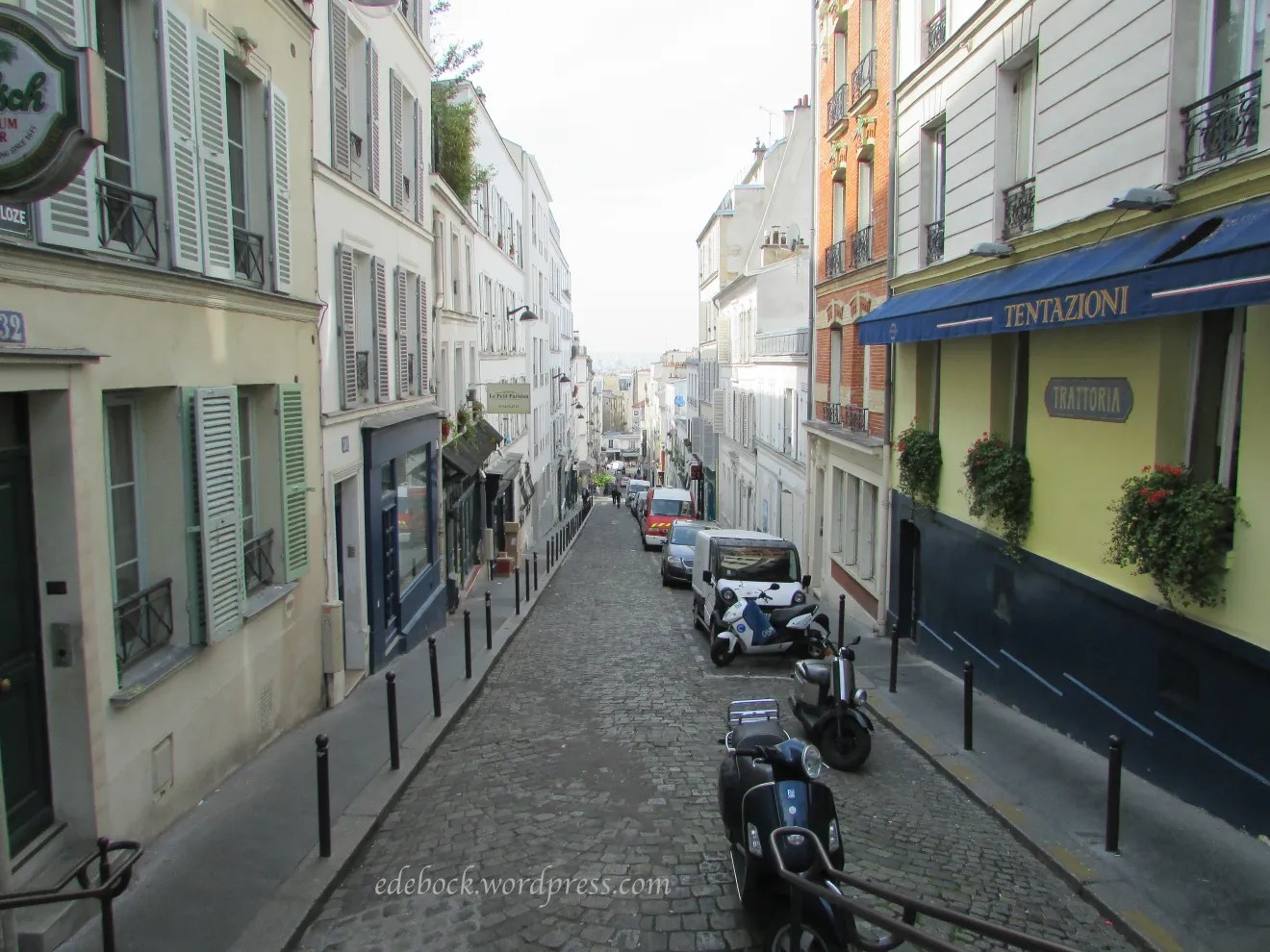
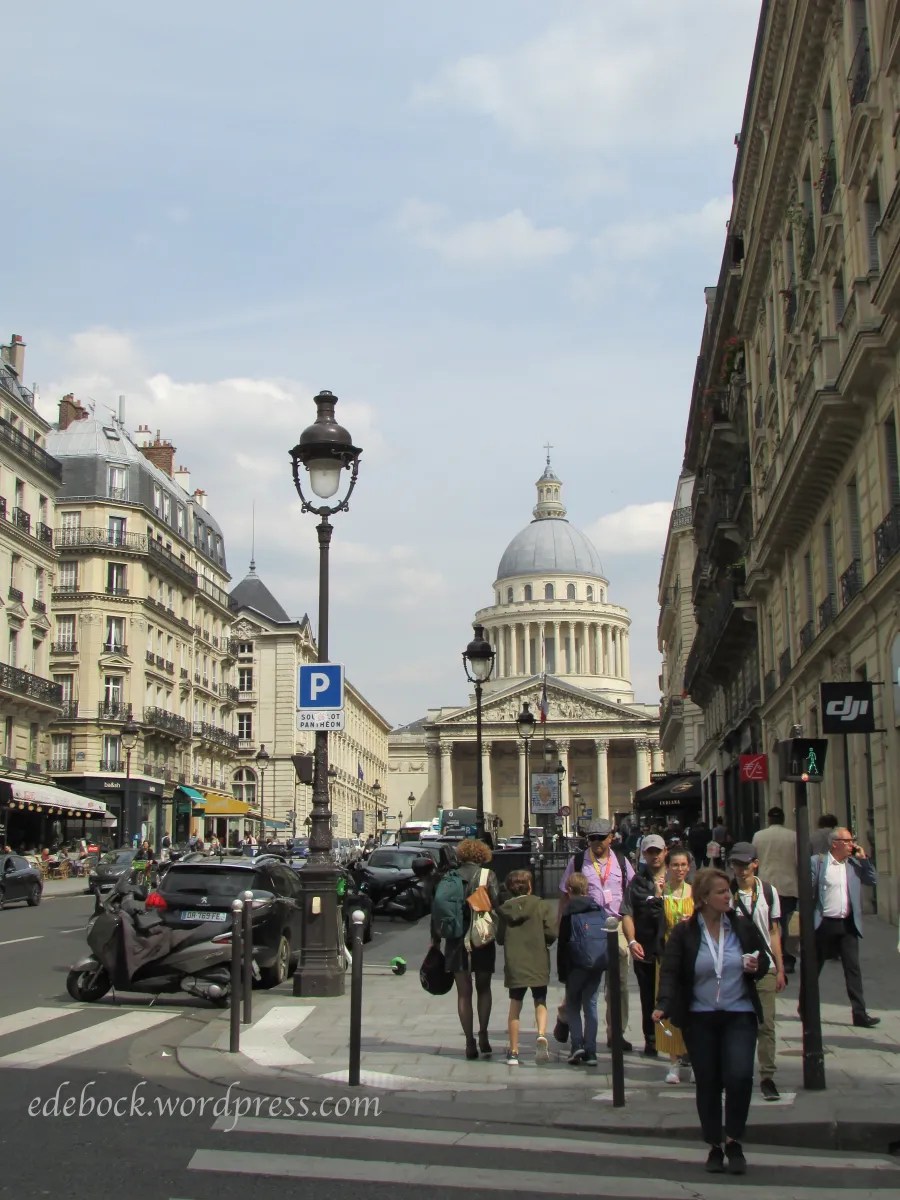
A couple of Paris street scenes from our visit in 2019…
The Colour of Tea
Hannah Tunnicliffe
 After moving with her husband to the tiny, bustling city of Macau, across the Pearl River delta from Hong Kong, Grace Miller finds herself a stranger in a very foreign land. Facing the devastating news of her infertility and a marriage in crisis, Grace resolves to do something bold, something that her impetuous mother might have done. Turning to her love of baking, she opens Lillian’s, a café specializing in coffee, tea, and delicate French macarons. In this story of love, friendship, and renewal, Lillian’s quickly becomes a sanctuary where women from different cultural backgrounds come together to support one another.
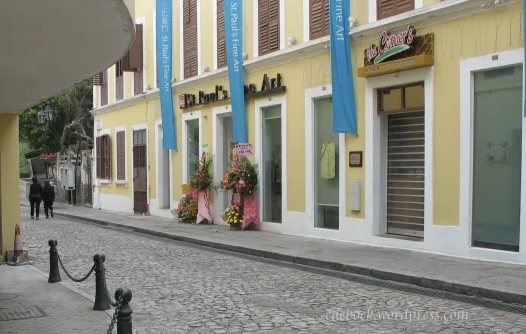
I could easily visualize Grace’s café on a street like this, one of the many that we walked down during our one day visit to Macau in 2009.
 At seven years old, Suzanne Heywood set sail from England with her parents and younger brother on what was supposed to be a three-year trip around the world retracing one of Captain Cook’s voyages. What followed was a decade of isolation on a 70-foot sailboat crossing some of the world’s most dangerous oceans and surviving horrendous storms, shipwrecks, and reefs. What sounded like the romantic adventure of a lifetime became a child’s worst nightmare “trapped inside someone else’s dream”.
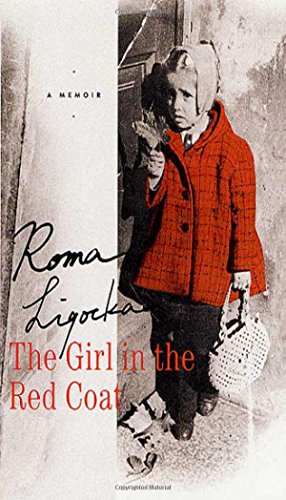 The book opens with an elderly Jewish woman sitting in the elegant dining room of a posh hotel on the French Riviera. Suddenly and quite seamlessly it transitions to the dark Ghetto of Kraków, Poland during World War II and I was hooked!
 In this compelling family memoir, Canadian lawyer Mark Sakamoto writes about his grandparents’ harrowing experiences during World War II. In so doing, he shares with us one of the ugliest and most shameful parts of our country’s history, the forced evacuation of Japanese Canadians from the coastal areas of British Columbia.
 Following Augustine