 People often wonder how I find so many amazing items in the two small thrift stores in our local area. Racks packed with clothing of every size and description can be overwhelming for even a seasoned second-hand shopper, but a few tricks can make the search much easier and a lot more fun.
1. Let go of your prejudices.
Perhaps your idea of a thrift store is a dingy, cluttered mess of old and worn out clothing. While there may be a few of those out there, thrift stores are often clean, bright, and well organized. Also, second-hand shopping isn’t only for the poor amongst us. In troubled economic times, it’s definitely a good way to stretch your wardrobe dollar, but thrift store shopping is for everyone. If you must, think of it as doing a good deed. You can help whichever charity the shop supports while at the same time keeping perfectly good merchandise out of our already overcrowded landfills. It’s definitely a win-win situation!
2. Allow yourself plenty of time to browse.
Be patient. Sometimes you have to sift through a lot of things to find one treasure, but it’s definitely worth it!
3. Dress comfortably.
In my opinion, any second-hand clothing store worth its salt will have a dressing room, but some do not, so be prepared. If you have to try things on in the aisles, you want to be able to do it easily and modestly. Even if there is a dressing room, wearing leggings, a cami, and slip on shoes will make trying things on a breeze.
4. Try everything on.
Just because it looks nice on the hanger and the tag says it’s your size doesn’t mean that it’s right for you. Don’t buy just because the price is right. Make sure it’s something you’re actually going to enjoy wearing.
5. Don’t limit your search to the size you usually wear.
Sizes have changed over time. What used to be a size 12 might now be an 8, so when you’re looking at older or vintage garments, expand your search to take in sizes on both sides of what you normally wear. Also keep in mind that sizes vary widely between manufacturers as well as areas of origin. North American sizing is different from European.
6. Consider making a list.
If you’re looking for specific items, having a list can definitely narrow the search and make it less overwhelming, but…
7. Be open-minded.
Look beyond what’s on your list. Be creative. Think outside the box. Thrift store shopping is a great way to step out of your fashion comfort zone without spending a lot of money. It’s a perfect opportunity to try colours and styles that you haven’t worn before.
8. Examine the item carefully.
Second-hand stores seldom take returns. Before you head for the till, check cuffs and collars for wear. Look for holes, stains, missing buttons, loose seams, and zippers that don’t work.
9. Consider tailoring.
A vintage, designer, or high quality item that doesn’t fit quite right can often be altered to fit you perfectly. Investing a little extra might be well worth it if you end up with a quality garment that you love to wear.
10. Look for quality brands.
Lots of well-made, expensive clothing can be found hiding in thrift stores. You may have to search for it, but I consider that part of the fun!
11. Try new brands.
Thrift store shopping is also an opportunity to try brands that you may not have worn before.
You can often recreate new looks with older items. For example, velvet is on-trend this season, but it’s been popular before. Look what I found for my daughter this week…

Black velvet heels! Ooh la la! For myself, I’d love to find a velvet blazer.
13. Go often.
Inventory is constantly changing.
14. Learn when new inventory hits the racks.
Larger stores like Value Village and Goodwill tend to restock their shelves all day, every day, but smaller stores may not. For example, our local Good As New shop is closed on Mondays and Thursdays. Clothing is sorted and racks refilled on those two days, so obviously Tuesdays and Fridays are the best days to shop.
15. Watch for sales and specials.
Whenever the Good As New is overstocked, they hold a “Brown Bag Sale”. With the exception of a few items such as jewelry, you can buy everything that you can stuff into a large brown paper bag for $5! Some thrift stores have regular half price days.
16. Find out whether or not haggling is acceptable.
The second-hand stores that I regularly shop at have set prices and I’m glad they do because haggling is not something that I’m good at or care to do, but when in Rome as the saying goes. If haggling is part of the thrift store culture where you are, learn to bargain with confidence.
17. Don’t be afraid to leave empty-handed.
Thrifting is like a treasure hunt; sometimes you’re lucky and sometimes you’re not, but don’t give up. Just try again another day!
18. Thrift while on vacation.
If you have time, seek out second-hand stores in places that you visit and go home with mementos from your trip for next to nothing.
If you don’t shop second-hand, what’s stopping you? Why not follow these tips and give it a try. I think you’ll be glad you did!
 Whether we think they’re necessary, absolute foolishness, or an infringement on our rights and freedoms, it appears that face masks are here to stay at least for the foreseeable future. More and more municipalities and establishments are making them mandatory. Since that’s the case, the next question to ask might be how can we wear them most comfortably, especially in the heat of summer. Here are a few tips that might help.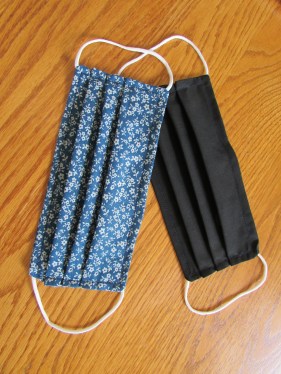
 They say that you should write what you know, but this time I’m going out on a limb and writing about something I’ve never tried. Everything I suggest here is based on what others have written.
 Following Augustine