The past couple of days in Powell River, the BC coastal town where I was born and spent the first ten years of my life, have been a wonderful time of revisiting and reminiscing. One of my favourite things as a child was riding the ferries and after all these years, that hasn’t changed.

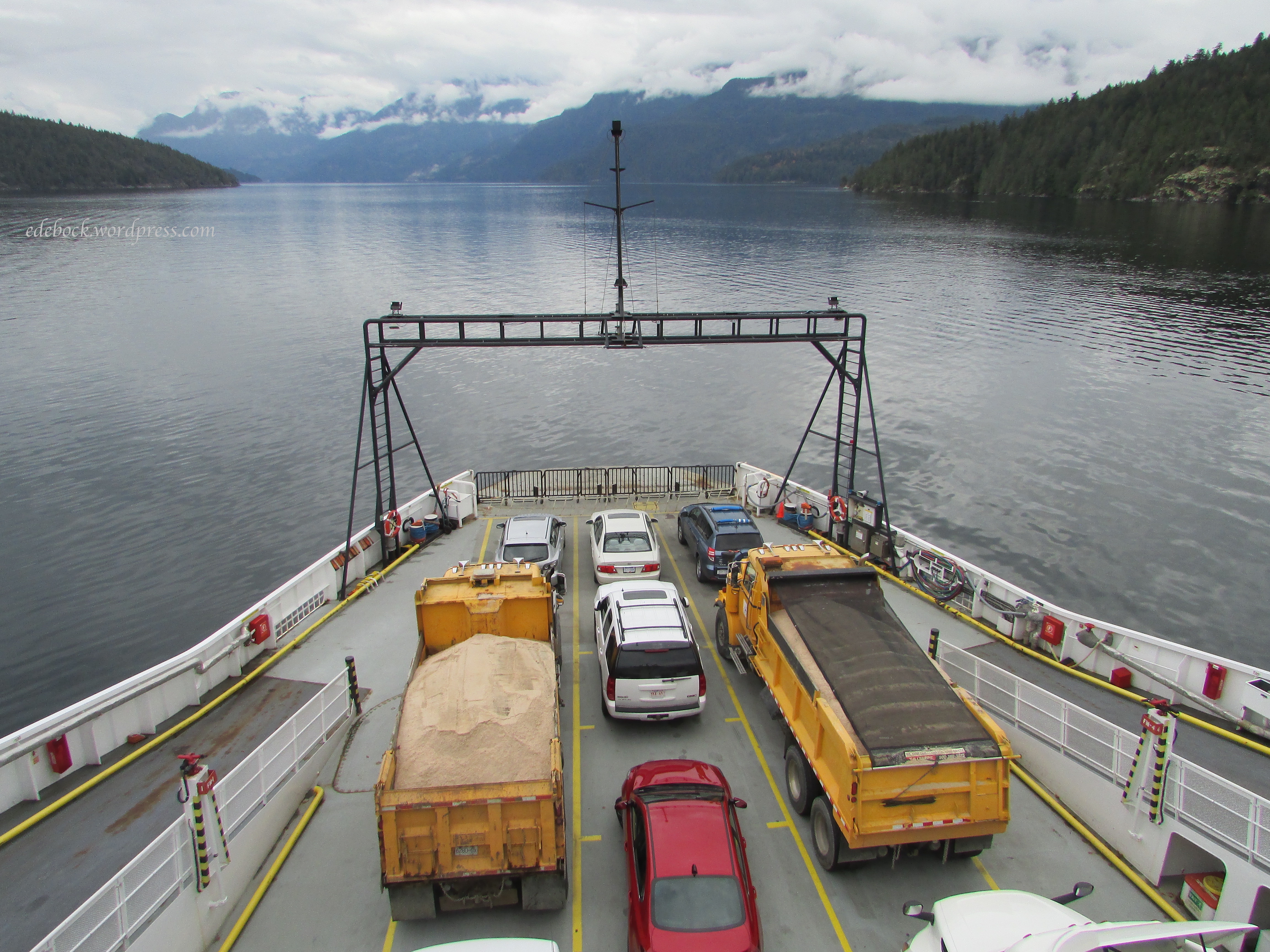
That’s the one that took us from Earl’s Cove to Saltery Bay on the last leg of our trip and there’s our white SUV sandwiched between two big trucks as we make the 50 minute crossing.
When we arrived in town, we immediately drove up the hill to check on the one remaining piece of family history in town, the giant California redwood that my grandmother planted from seed in the early 1940s. It stands in the corner of the yard that was hers and continues to thrive in its unusual location. Back in 2019, I contacted the Powell River weekly newspaper and they published this excellent article about it.
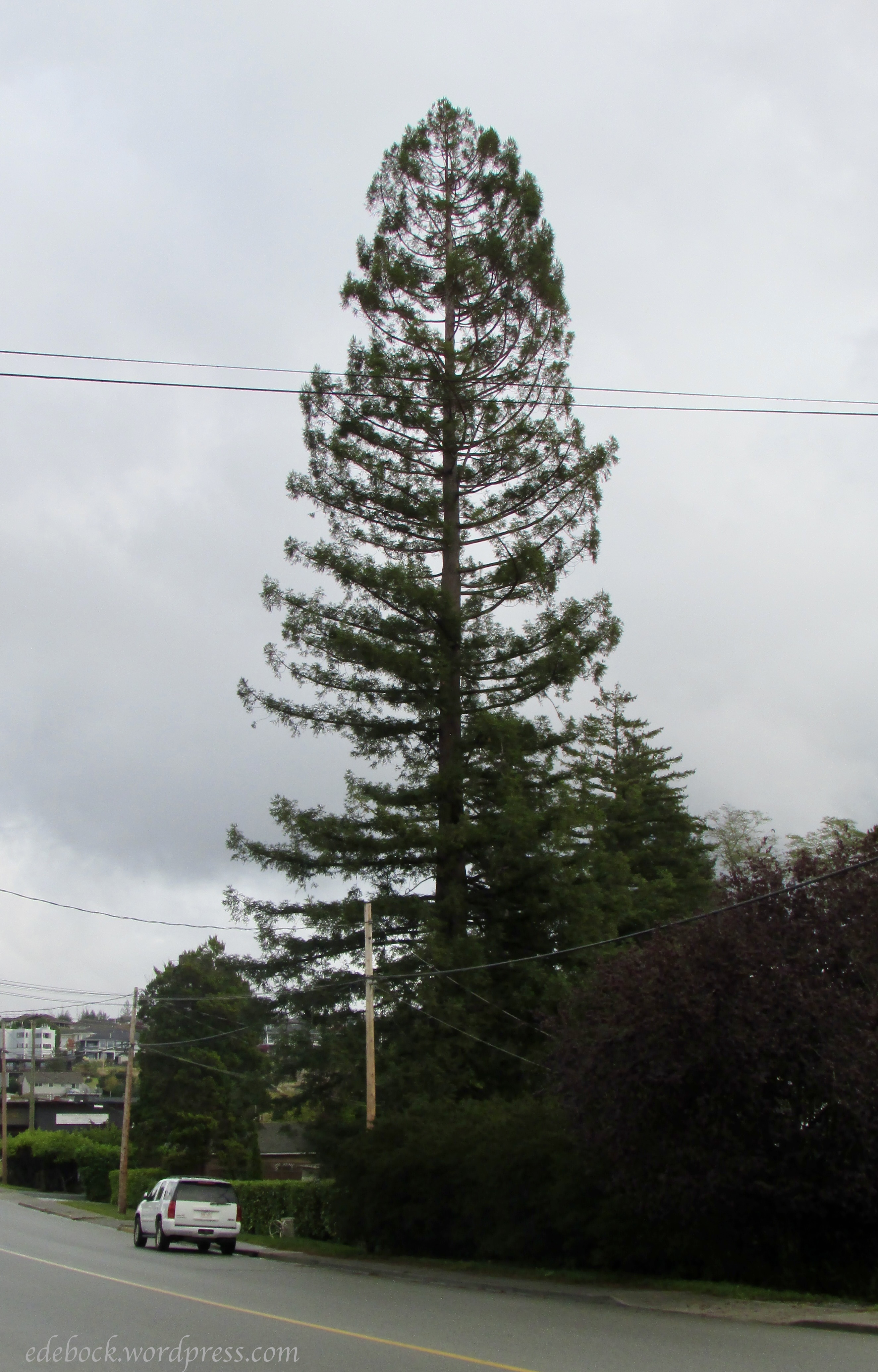
There’s our vehicle again to give you an idea of how big the tree actually is!
The little house that my grandfather built in the 1930s is still standing, but I’m sure my grandmother, an avid gardener, would be as horrified as I was at the condition of the yard. She lived in that house until she passed away in late 1980 and I spent many, many happy hours there.

My childhood home is still standing too, but it’s been completely transformed since we lived in it. When we moved in in 1955, it was a modest family home with two bedrooms and one bathroom, a completely unfinished upper storey, and a partially dirt basement. Later, as the family expanded, my father added two additional bedrooms and a half bath upstairs. Now for sale, it’s advertised as a “stunning 5 bed 4 bath character home” with a walk out basement and an attached bachelor suite and if you happen to have an extra $1.5 million to spend, it could by yours! While I wouldn’t even recognize it as the same house from the ocean side, this view from the street still looks very familiar.

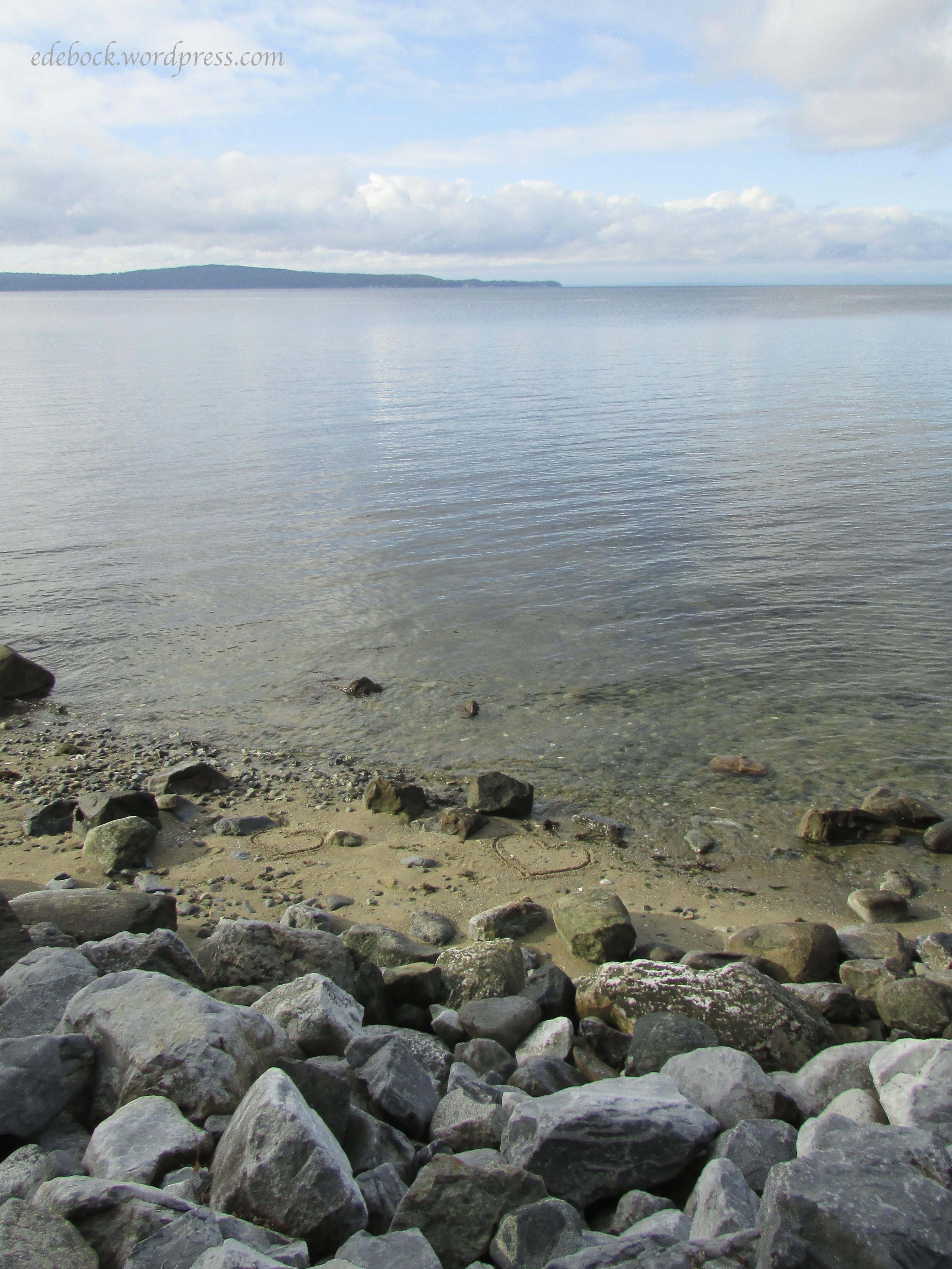
Living on the waterfront, I could hear the waves from my bedroom at night and the beach was my playground. On this visit, we walked the 2.7 km (out and back) Seawalk that is a new addition since our days in PR.

I remember my father telling the tale of climbing Valentine Mountain with his two preschool children (my older brother and I) on Father’s Day 1955 and, in his words, when we got home his wife “felt like having a baby”. My sister was born later that day! I also remember that in his younger days, Dad, an avid mountaineer, would climb the mountain with a pack filled with 40 pounds of magazines on his back to stay in shape. With these family stories in mind, I decided that on this trip, hubby and I would climb Valentine Mountain. It’s actually a short, but steep hike up to a rocky bluff with a beautiful view. The final part of the climb is a made up of steep stone steps.
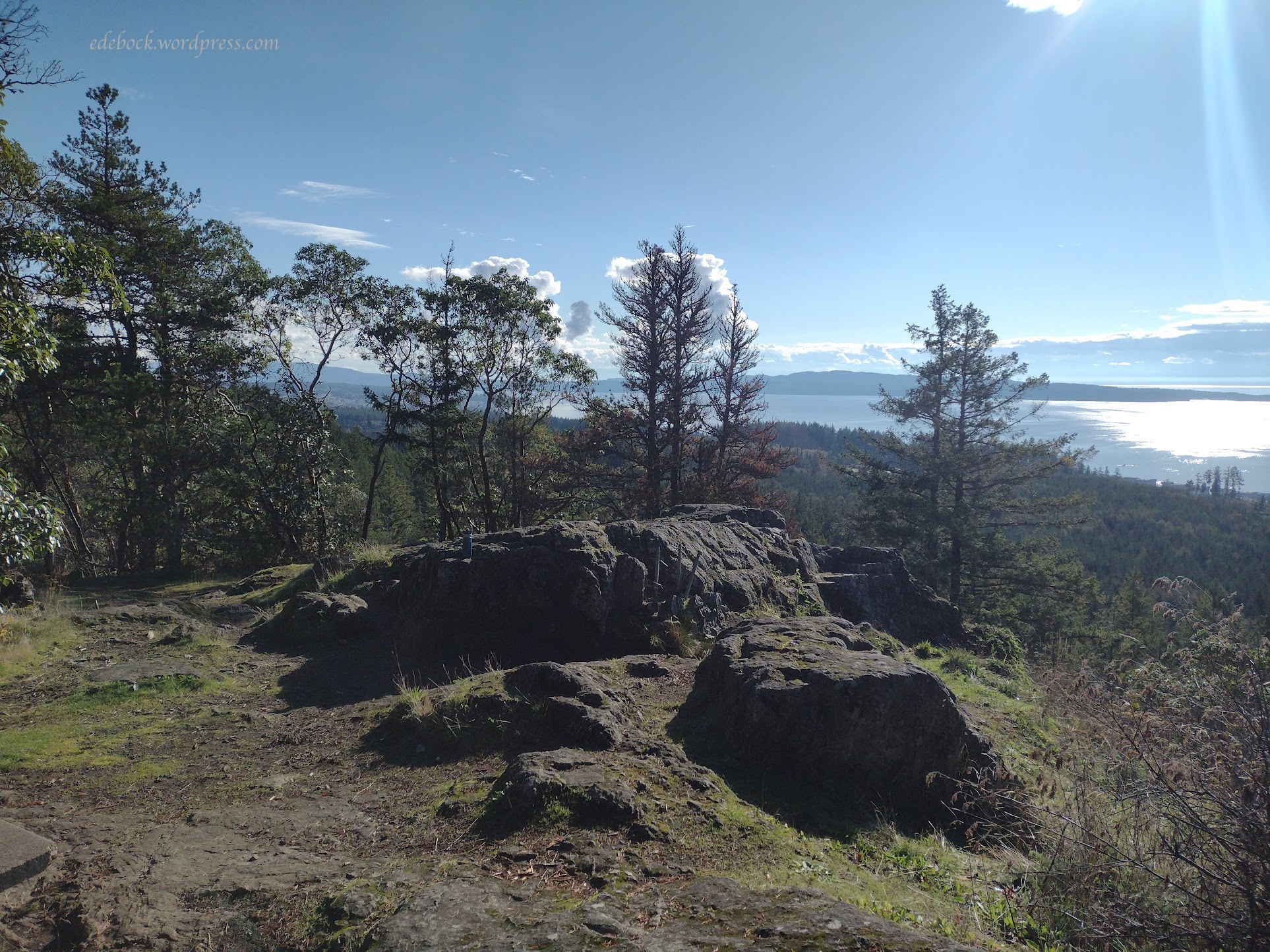
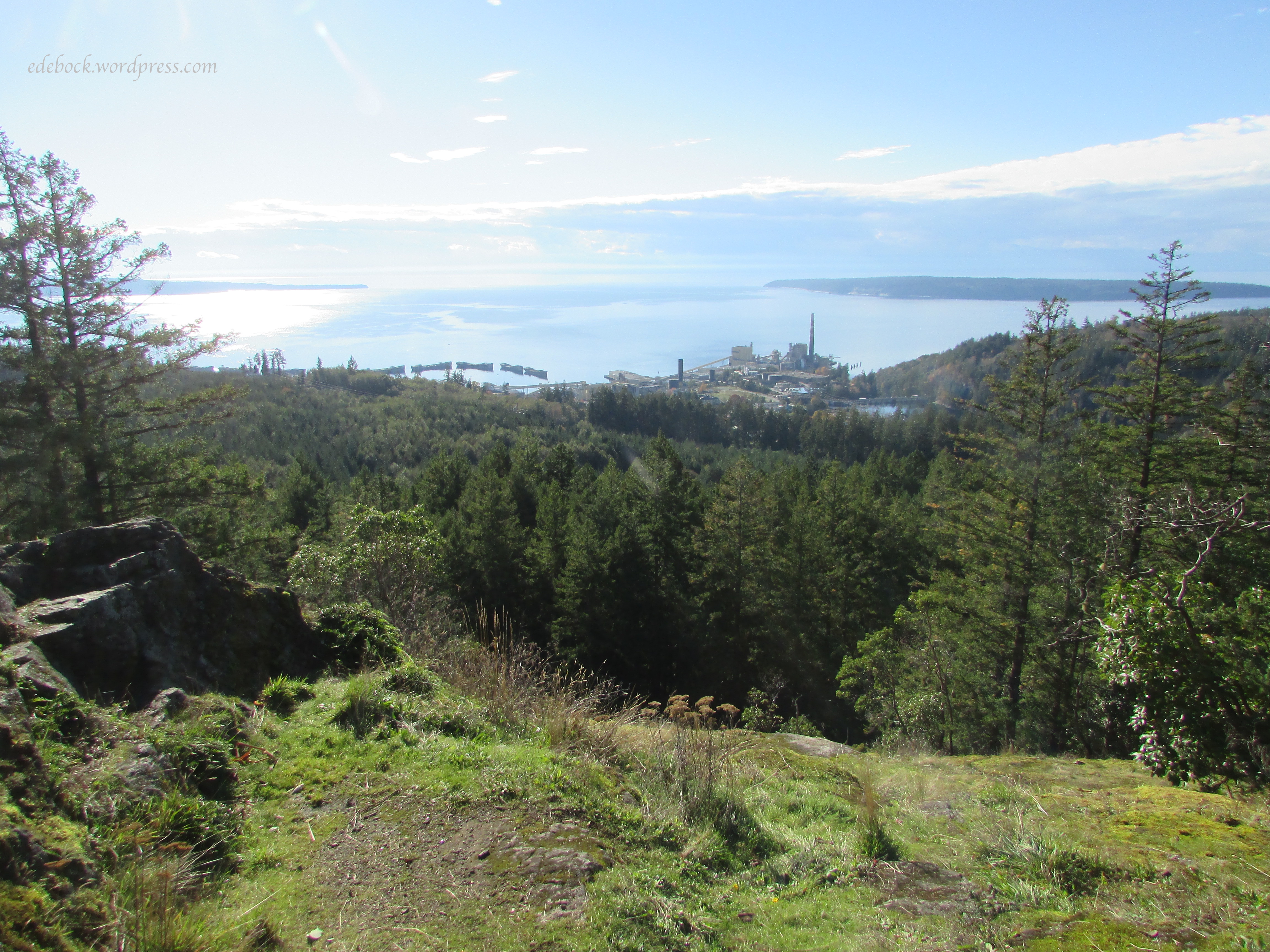
The panoramic view from the top includes the old pulp and paper mill which was originally Powell River’s sole reason for being as well as a breakwater made of WWII merchant marine vessels.

The mill, now closed, played a very big role in our family history. The grandfather that I never knew because he died in his 30s worked in the mill and my beloved Grandpa, the man my grandmother married when I was 7, was a millwright there for his entire working life. During WWII, when women filled roles left vacant by men who’d gone to war, my mother also worked in the mill and later, my father was employed as an engineer by the company.
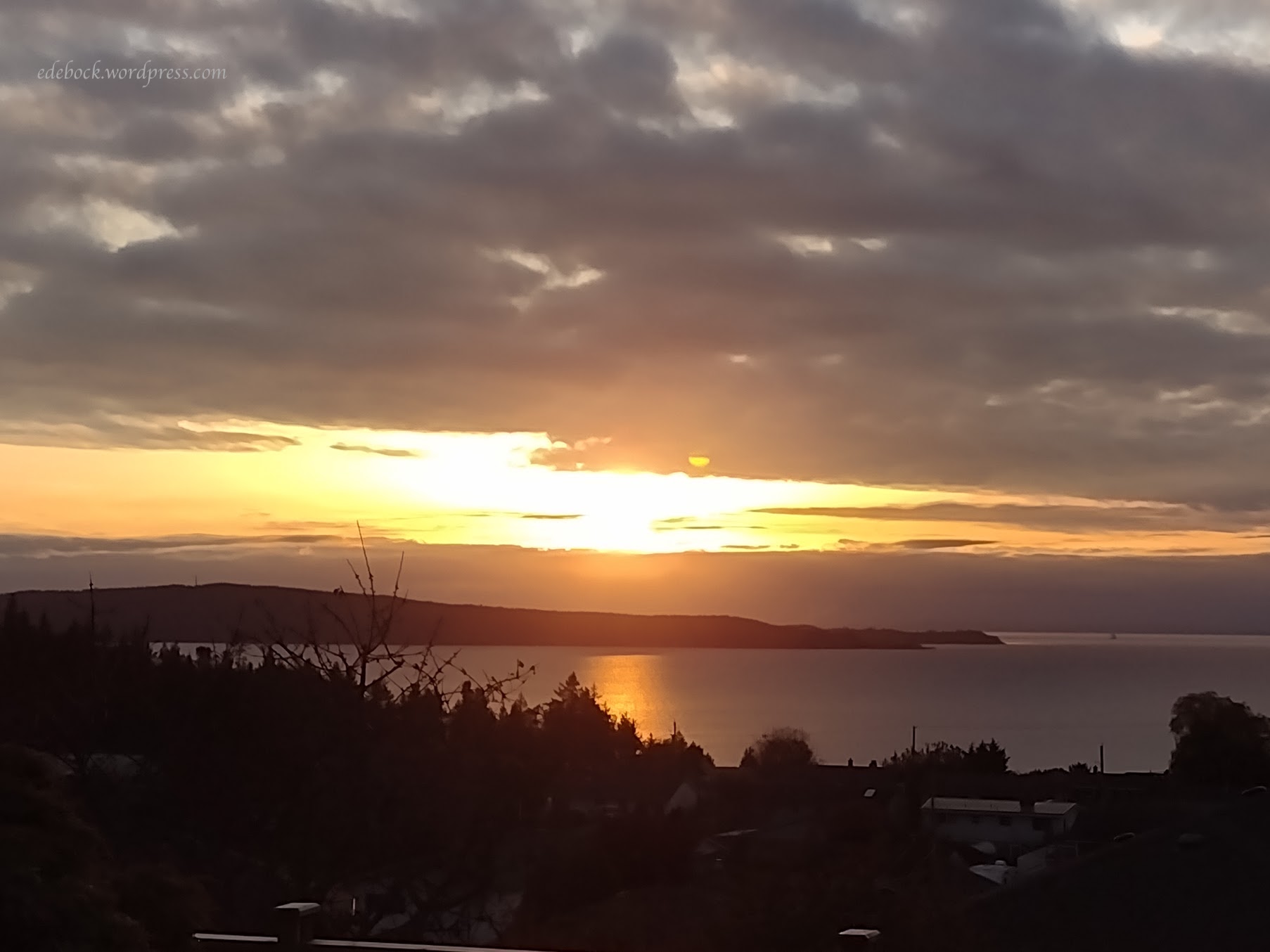
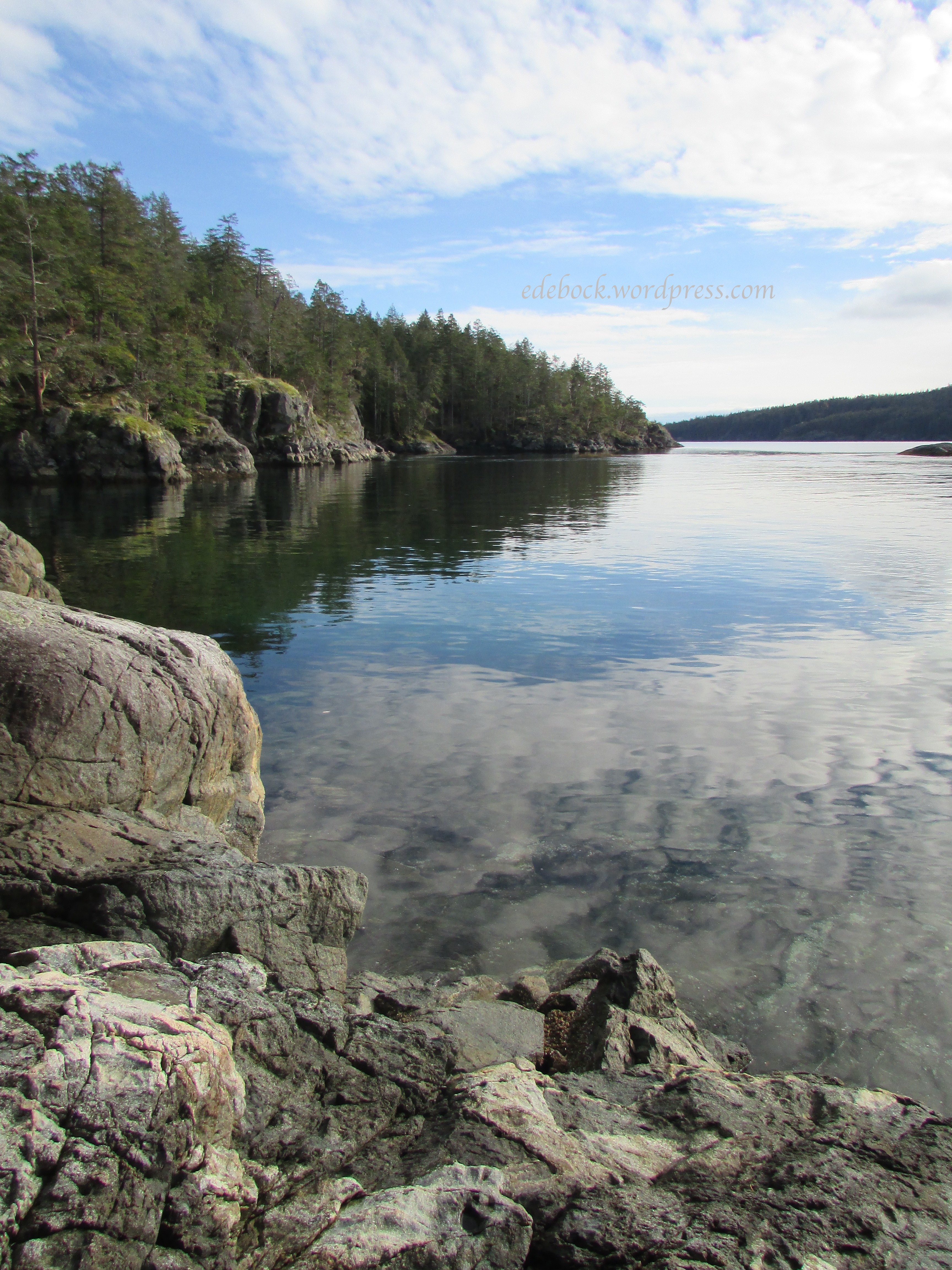
While in Powell River, we’ve been staying in a beautiful airbnb with an ocean view. Each evening, we’d watch the sun set and then go out for dinner.
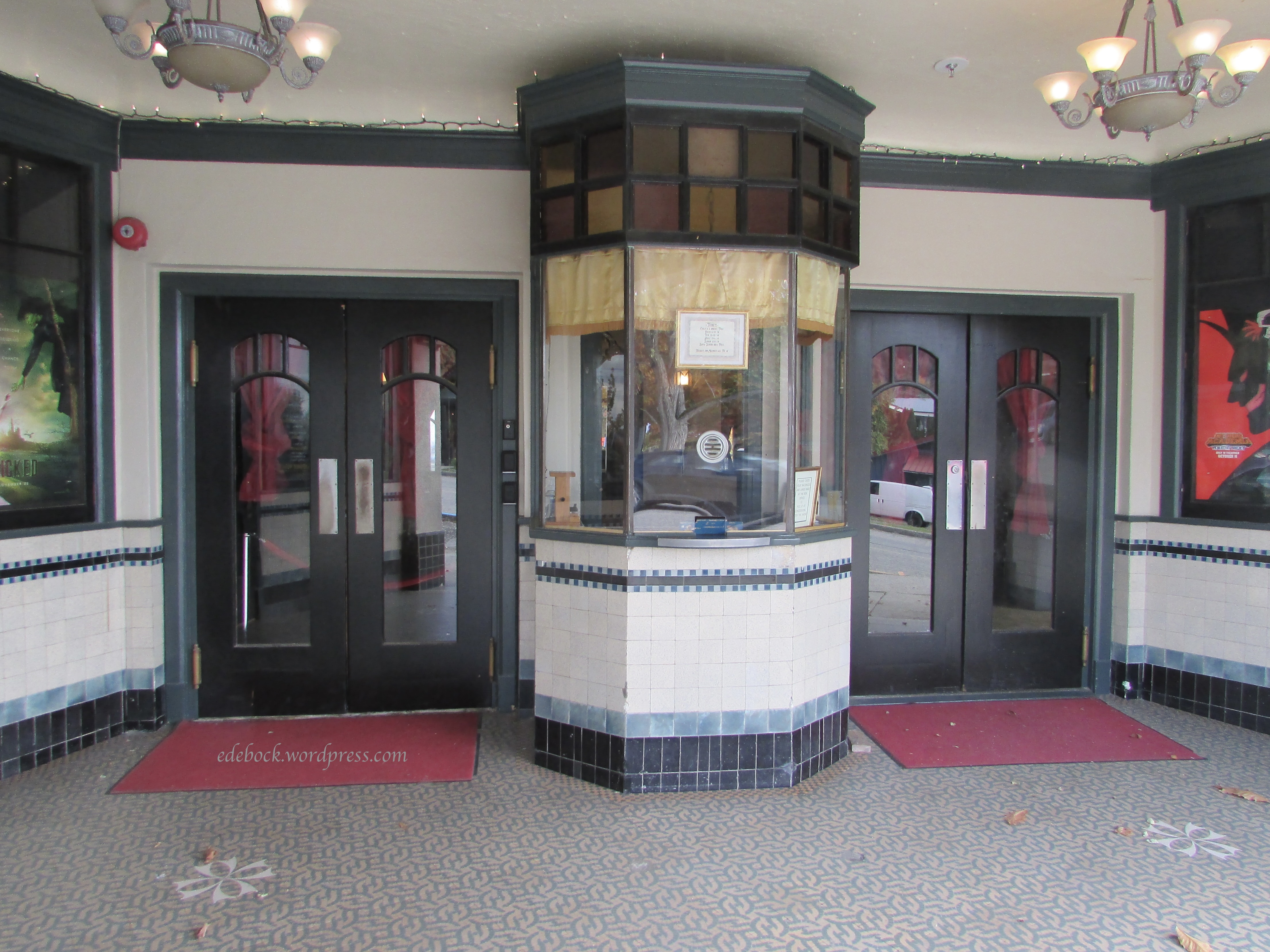
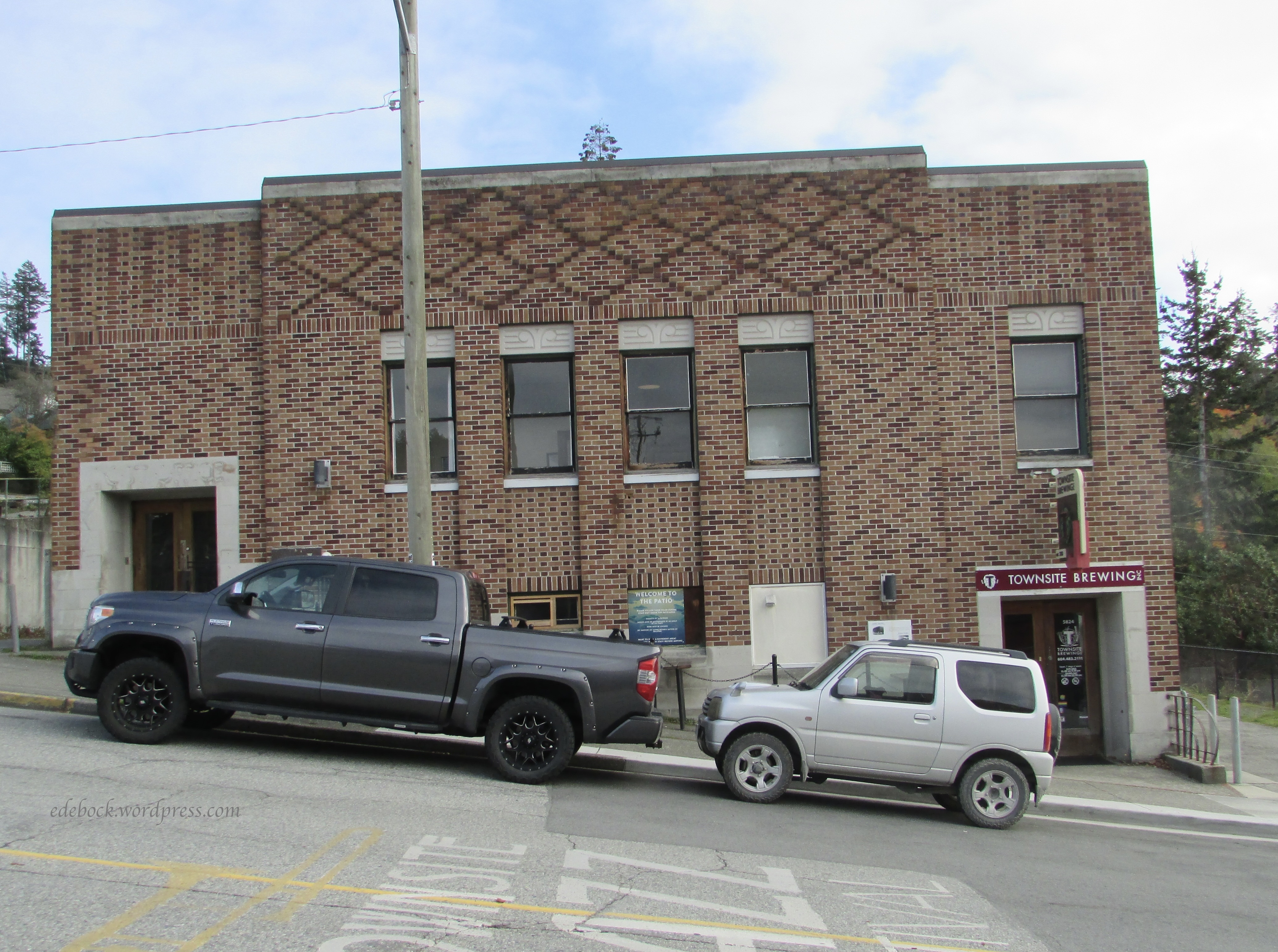
We were halfway through dinner the first evening when I realized that the restaurant we were eating in was probably originally the movie theatre where I’d seen the 1959 film, The Shaggy Dog, with a group of neighbourhood kids. The waitress confirmed my suspicion. Then this evening, we ate in a bistro that is housed in what was always called the beer parlour when I was a child. I remember that back then it had two separate entrances. The signs over the doors said “Men” and “Women and Escorts”. My grandmother spoke of it as if it was a terrible place. I’m sure the ambiance has changed significantly since then!
Tomorrow, we’ll say goodbye to Powell River and return to Vancouver. There won’t be a fashion post this week, but I do plan to write a couple more about our time here. In the meantime, I hope you’ve enjoyed this rambling bit of reminiscing.









 This book is really three stories in one, each distinct, but all connected. Deborah Birch is a seasoned hospice nurse assigned to care for an embittered and lonely history professor whose career ended in academic scandal. As his life slowly ebbs away, the professor, an expert in the Pacific Theater of World War II, begrudgingly puts his trust in Deborah and begins to share with her an unpublished book that he wrote. As she reads to him from his story about a Japanese fighter pilot who dropped bombs on the coastline of Oregon, he challenges her to decide if it is true or not.
















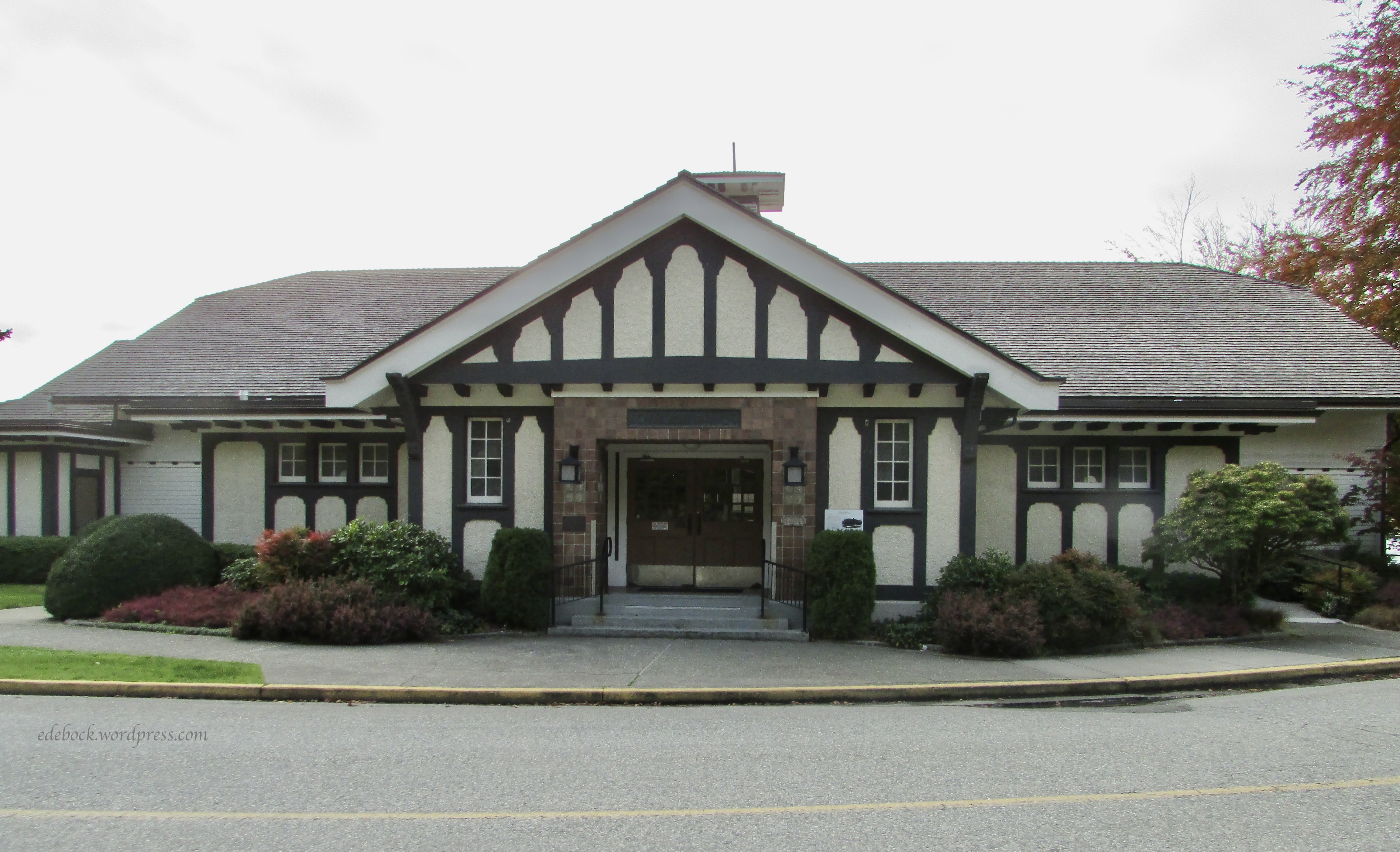
 Dr. Henderson agreed to come to Powell River on one condition. There had to be a hospital, so St. Luke’s Hospital was built next door to his home. While no longer a hospital, that building is still in use today.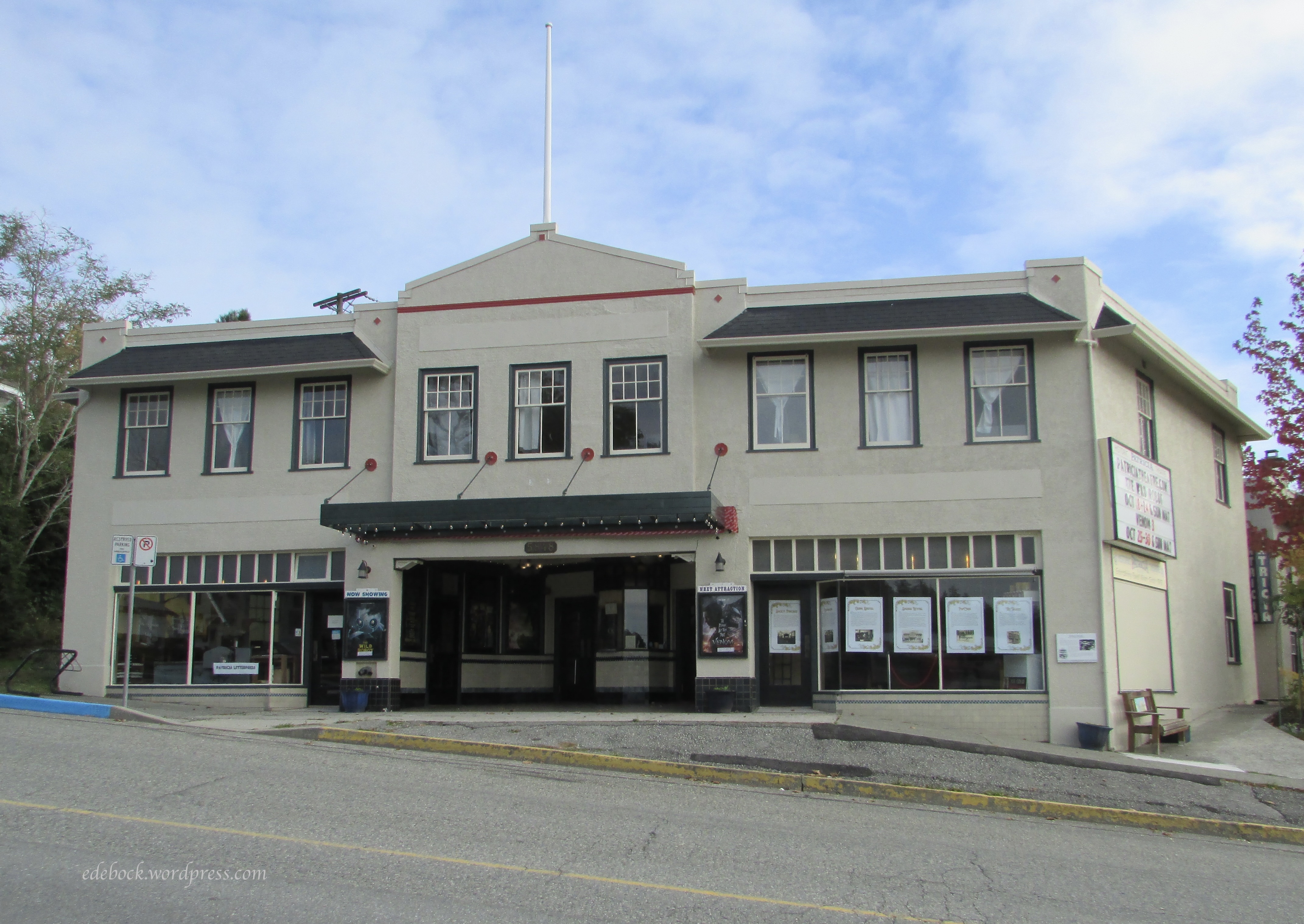


 We all know that fashion repeats itself. If we wait long enough a style comes around again, although in some cases I really wonder why. After all, isn’t once sometimes enough? A perfect example of this is stirrup pants! Yes, that strange trend from the 1980s and early 90s is back again!


 Following Augustine