Finding Flora
Elinor Florence
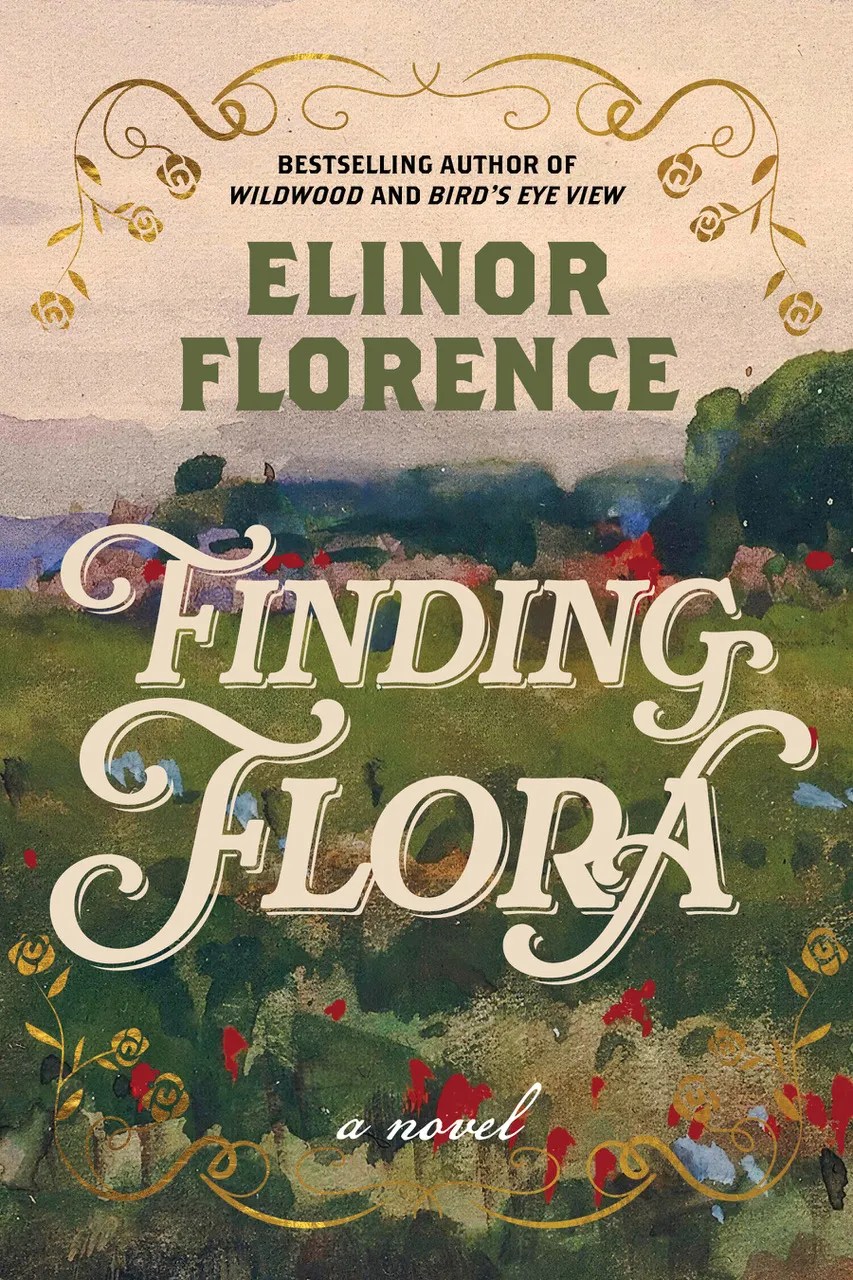 When a friend recommended this historical novel I was immediately intrigued because the setting is a very familiar one. The story takes place near the location of present-day Clive, Alberta, about an hour and a half by car from where I live! The action begins in 1905 with Scottish newcomer, Flora Craigie, jumping from a moving train to escape a disastrous marriage. Depending on where you live, 1905 might seem like fairly recent history, but this was brand new country at that time. The town where I live was established as a Canadian Pacific Railway townsite in 1906 and incorporated as a village in March 1907.
In the early 1900s, the Canadian government granted 160 acres of free land to any man who met three stringent conditions: he had to live on the property for three years, build a habitable dwelling, and cultivate a required number of acres each year. That opportunity wasn’t open to single women, however. Not surprising, I suppose, if you consider the fact that women in Canada weren’t even legally declared persons until October 18, 1929!
The heroine of our very well-researched story finds a legal loophole, however. Canadian veterans of the Boer War in South Africa were granted homesteads by the federal government in appreciation for their service and there was no law against them selling these claims. Flora purchases her claim from one of the twelve Canadian nurses who served in the Boer War and who were therefore considered veterans. She is astonished to find that her nearest neighbours are also female: a Welsh widow with three children, two American women raising chickens, and a Métis woman who trains wild horses.
With strength, determination, and endless courage Flora and her neighbours battle the harsh environment as well as those who were opposed to women owning land. They endure backbreaking labour and many hardships that were common to early Canadian settlers. Hardships like the winter storm that kept us housebound one day last week. Imagine surviving a prairie blizzard in a one room cabin without insulation, indoor plumbing, electricity, and central heating! To complicate matters for Flora, there were indications that her violent husband hadn’t given up looking for her.
The kindness of strangers and the importance of community are themes that weave their way through this heartwarming story. There’s also an element of romance and although the ending is quite predictable, I can’t help but love a story about resilient boundary-breaking women!

 If I didn’t know that this novel was was a well-researched, but fictionalized retelling of a true story I would have thought it a bit far-fetched. A father giving his 16-year-old daughter control of three family plantations in South Carolina while he leaves the country to secure his political position on the Caribbean island of Antigua would be remarkable at any time, but this was 1738! At a time when the role of women was purely domestic, intelligent and headstrong Eliza Lucas was determined to find a cash crop to pull the plantations out of debt, pay for their upkeep, and support her family.
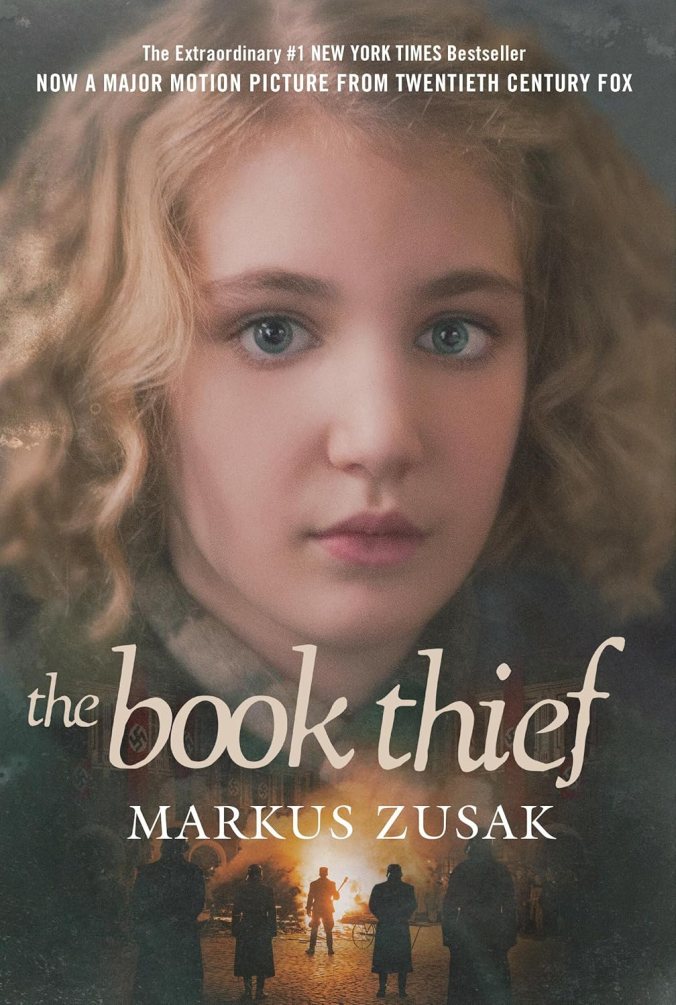 I’ve been avoiding books set during World War II lately. Over the past year or so I’d read so many of that popular genre that I was growing weary of them, but The Book Thief was different from most.
 Like many children in wartime Britain, 10-year-old Agnes Crawford was sent out of London to the safety of the countryside where she lived with the well-to-do McIntyre family. Tragically orphaned by the war, she stayed on afterward as their maid and close friend of their daughter, Isobel. When tragedy strikes again, Agnes adopts her deceased friend’s identity and with it the opportunity to become a medical student at a London university.
 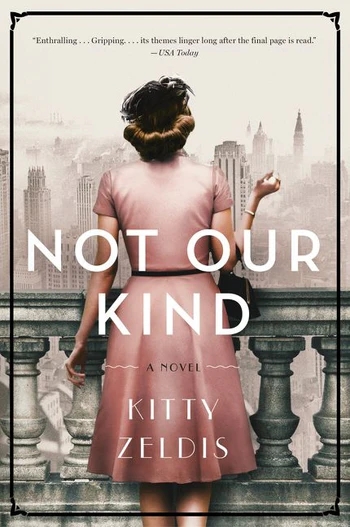 Not Our Kind is the story of two very different women whose lives intersect on a rainy morning in June, two years after the end of World War II. A minor traffic accident in New York City brings together Eleanor Moskowitz, a bright young teacher on her way to a job interview, and Patricia Bellamy, a socialite whose difficult thirteen-year-old daughter, Margaux, recovering from polio, needs a private tutor. When Eleanor goes to work for the Bellamys, she forms an immediate bond with Margaux, but because they live in a restricted building, she has to conceal her Jewish identity.
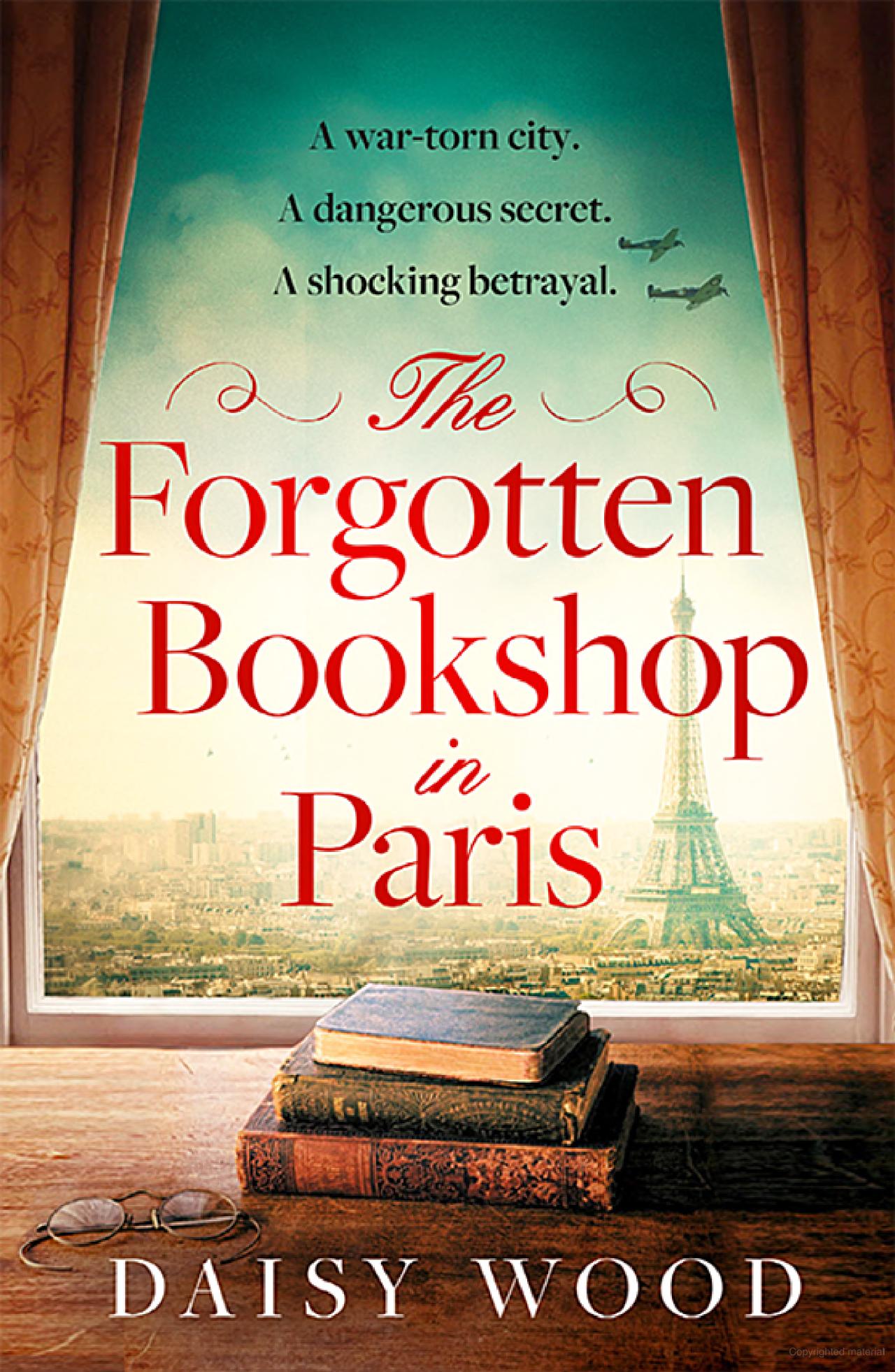 Until the end, when the two finally come together, this is really two completely different storylines connected only by a specific location.
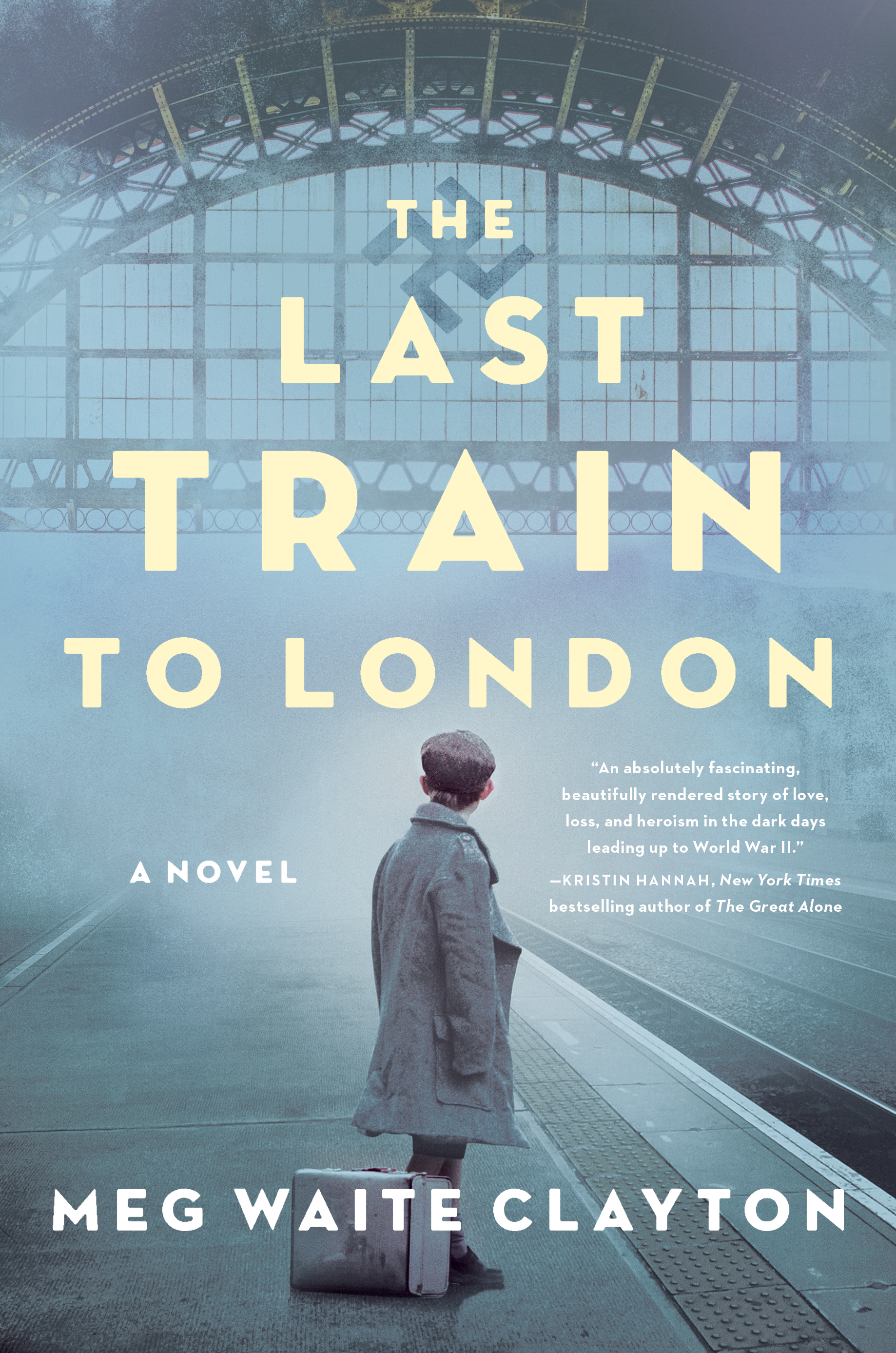 Geertruida (Truus) Wijsmuller, a childless member of the Dutch resistance, risks her life smuggling Jewish children out of Nazi Germany to the nations that will take them. It is a mission that becomes even more dangerous after Hitler’s annexation of Austria when, across Europe, countries begin to close their borders to the growing number of refugees desperate to escape. After Britain passes a measure to take in at-risk child refugees from the German Reich, Tante Truus, as she is known by the children, dares to approach Adolf Eichmann, the man who would later help devise the “Final Solution to the Jewish Question” and is granted permission to escort a trainload of 600 children (not 599 or 601, but exactly 600) out of the country. In a race against time, 600 children between the ages of 4 and 17 are registered, photographed, checked by medical doctors and put on board the train to begin a perilous journey to an uncertain future abroad. Thus begins the famous Kindertransport system that went on to transport thousands of children out of various parts of Europe during the Nazi occupation of the region in the late 1930s, immediately prior to the official start of World War II.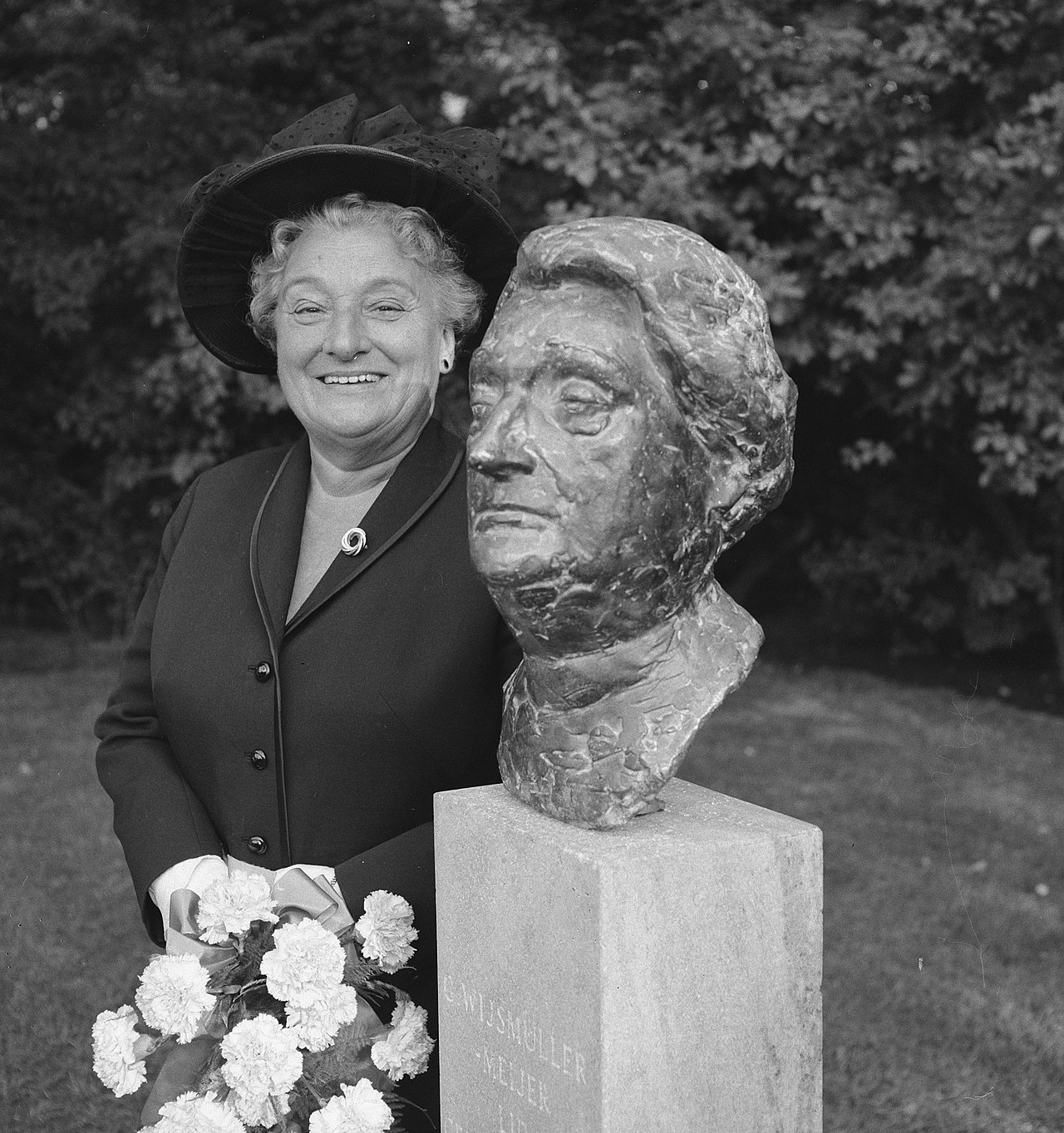
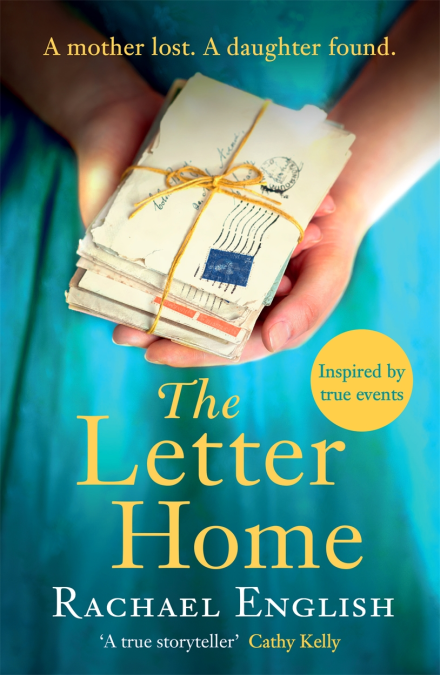 Rachael English is a novelist and a presenter on Ireland’s most popular radio programme, Morning Ireland. In her most recent novel, inspired by true events, the lives of three remarkable women are interwoven across time.
 Following Augustine