Frankfurt Am Main

Although we commonly refer to it as Frankfurt, the city’s full name is Frankfurt Am Main which means “Frankfurt on the Main” (pronounced mine). The Main River, the longest tributary of the Rhine, figured prominently in our day today.

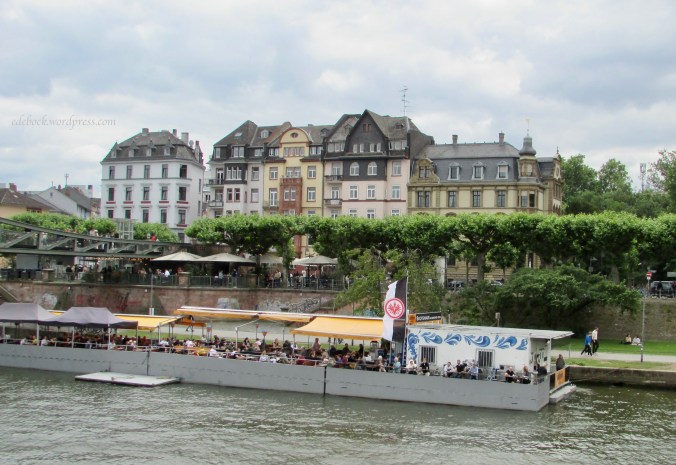
We love the way that the city has preserved green spaces along both sides of the river and we’ve spent some time walking by the water each day since our arrival.
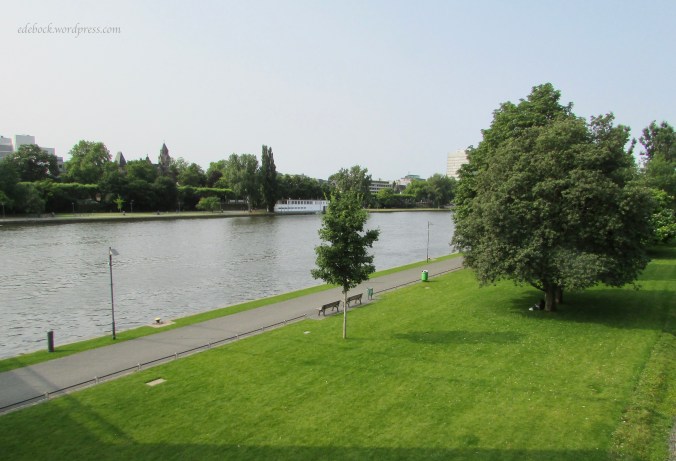
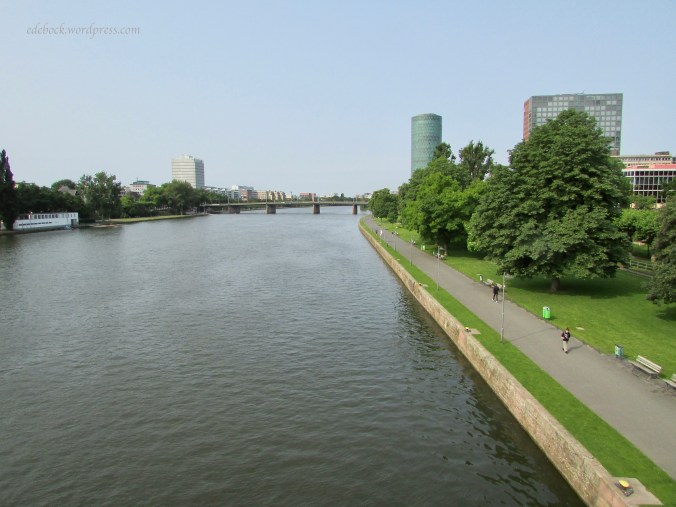
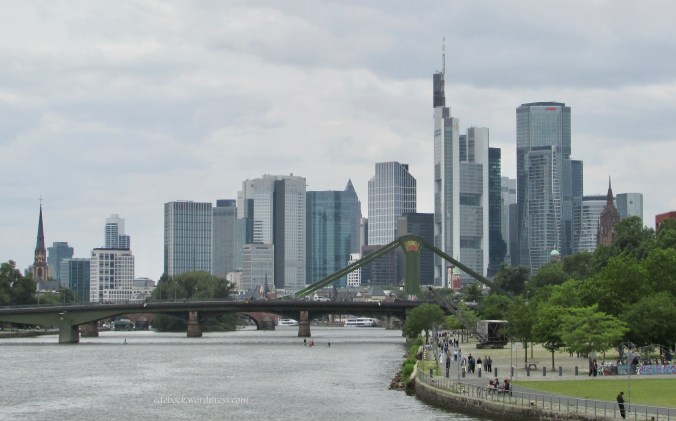
This morning, we walked about a kilometre from our hotel to Hobeinsteg, a suspension bridge built in 1990 that is one of two footbridges that span the river.
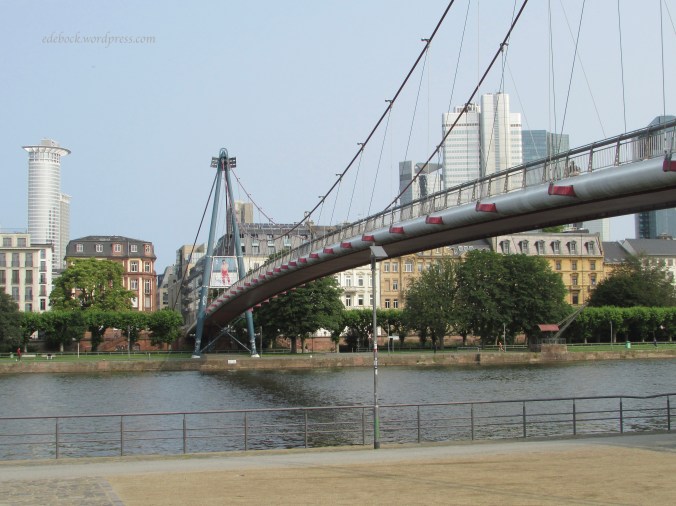
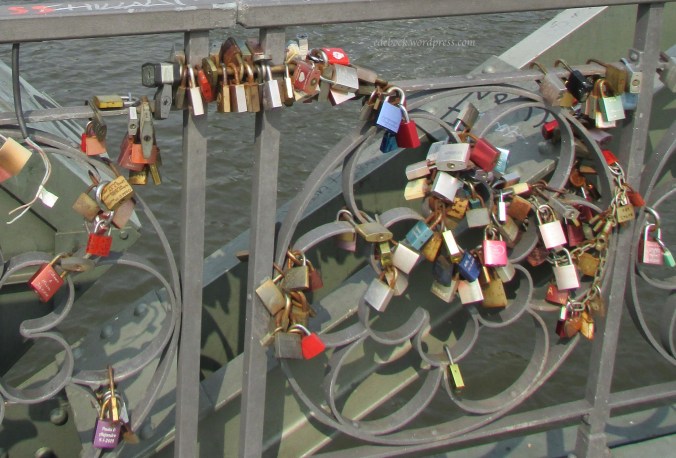
After crossing, we enjoyed a leisurely stroll along the south side of the river eventually crossing back over on Eiserner Steg, the other much older pedestrian bridge that is famous for the thousands of locks of love that adorn its iron rails.

We had hoped to spend some time in Kleinmarkthalle, a huge indoor market featuring more than 60 stalls selling fruit, vegetables, meat, fish, cheese, baked goods, and international delicacies, but when we arrived, we discovered that it was closed. That’s when we realized that today is a holiday in Germany! It wasn’t until we returned to the hotel and I checked online that we learned that it’s Whit Monday or Pentecost Monday which is celebrated the day after Pentecost.

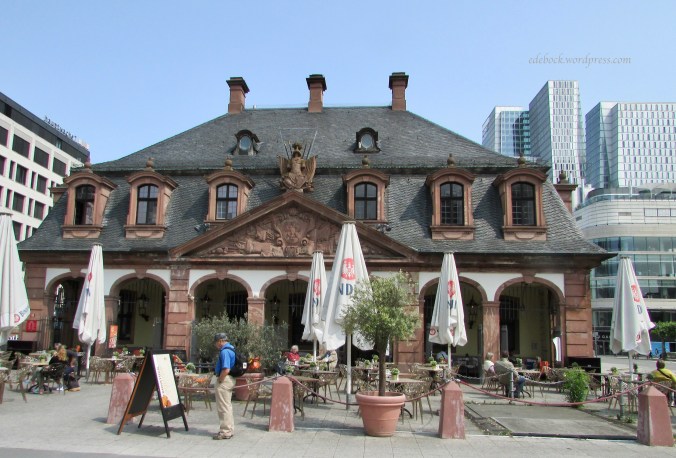
Since we couldn’t visit the market, we took a look at our tourist information to find out what else of interest might be in the area and discovered that Hauptwache was less than half a kilometre away. Built in 1730 as Frankfurt’s main guardhouse or police station, the baroque-style building is now a popular café where we enjoyed lunch at an outdoor table in the sun.
Walking just a little further, we spotted something that absolutely had to be checked out. I almost expected to see Rapunzel at one of the tower windows!

Upon investingating, we discovered that the 47 metre (154 feet) high Eschenheimer Turm, erected in the early 1400s, was the northern tower of the wall that surrounded the then fortified town of Frankfurt Am Main.

Returning to the river, we embarked on a 100 minute cruise with the Primus Line. After all the walking we’ve been doing, it was very nice to sit and watch the city glide by.

Exploring Frankfurt

Our time in ministry came to an end late Friday night and we headed for the nearest airport almost immediately afterward. Saying goodbye was hard, but flights in and out of that part of the world all seem to go at bizarre hours of the night. We arrived in Frankfurt, Germany early Saturday morning tired in mind and body, but buoyed in spirit by all that we had been experiencing.

Since we had to fly through Frankfurt, it only made sense to the wanderer in me to spend some time exploring a bit of Germany before we head for home. After making our way through passport control, grabbing a quick breakfast at the airport, and figuring out how to catch the train into the city, we located our hotel just around the corner from the central station. As it was several hours before our room would be ready, we left our two little suitcases (yes, we’re traveling carry-on only again) in a locker in the lobby and set off on foot to explore our surroundings.

Approximately 25% of Frankfurt’s population are immigrants who don’t hold a German passport and another 10% are naturalized German citizens. Along with recent refugees from Ukraine, the city is home to a vast number of Syrian asylum seekers as well as expats from many other locations around the world. The multi-cultural nature of the city was clearly evident as we explored the area near our hotel. In fact, we had a hard time finding a traditional German meal!

Later, we walked some more to see the Old Opera House which was constructed during the 19th century, destroyed during World War II, and rebuilt in 1981.

After a good night’s sleep and a hearty breakfast in a restaurant in the corner of the train station, our feet hit the pavement again and we headed for historic Alstadt (Old Town) about 1.6 km (1 mile) from our hotel. It was a cool, cloudy day with occasional light showers, so my photos aren’t as clear and bright as they might otherwise have been, but I took almost 100 and will share just a few of them here.

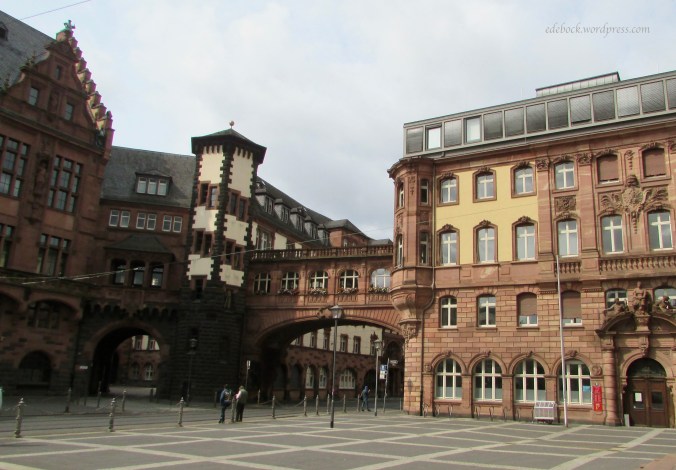
We entered the area through the arched bridge that connects the north and south buildings that make up the Altes Rathaus or Old Town Hall.

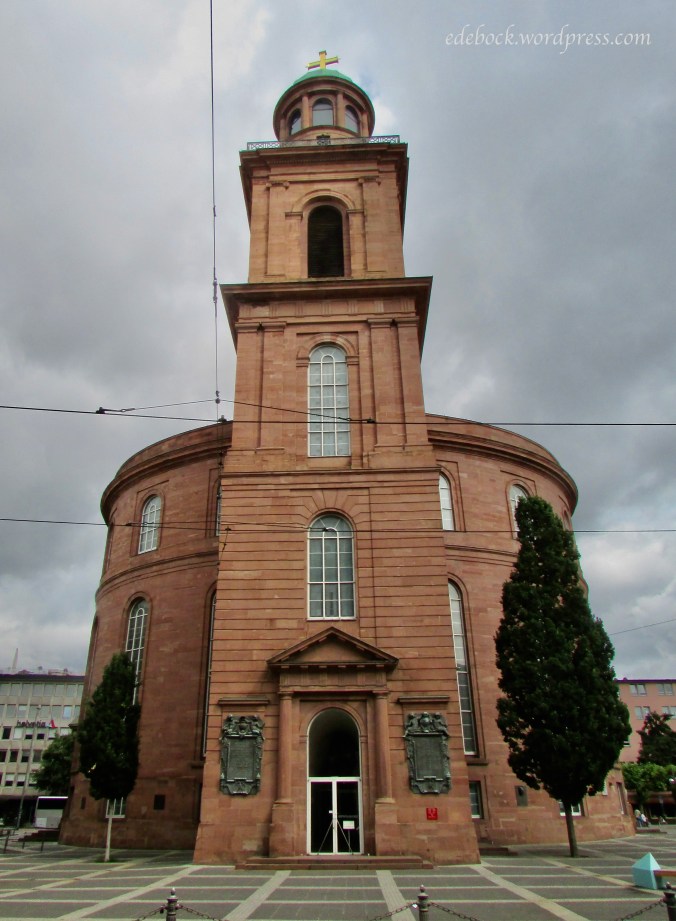
St. Paul’s Church, consecrated in 1833, was the seat of the first freely elected German parliament and is now used by the City of Frankfurt as a special events venue.

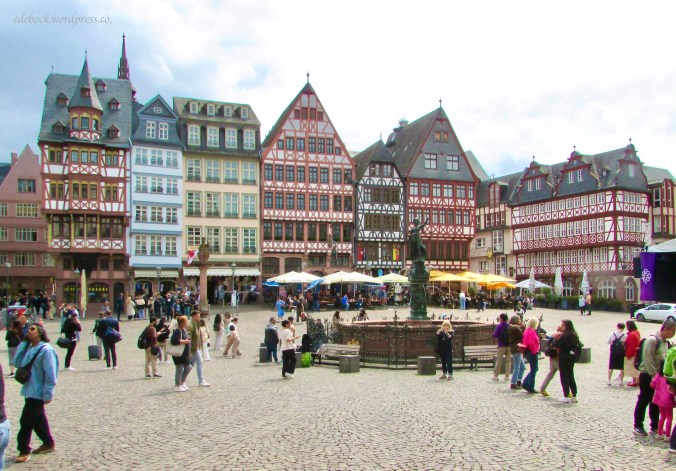
A two minute walk took us to colourful Römerberg Square, a post war reconstruction of the old city plaza that was used for hundreds of years to hold markets, fairs, tournaments, festivals, and even executions.

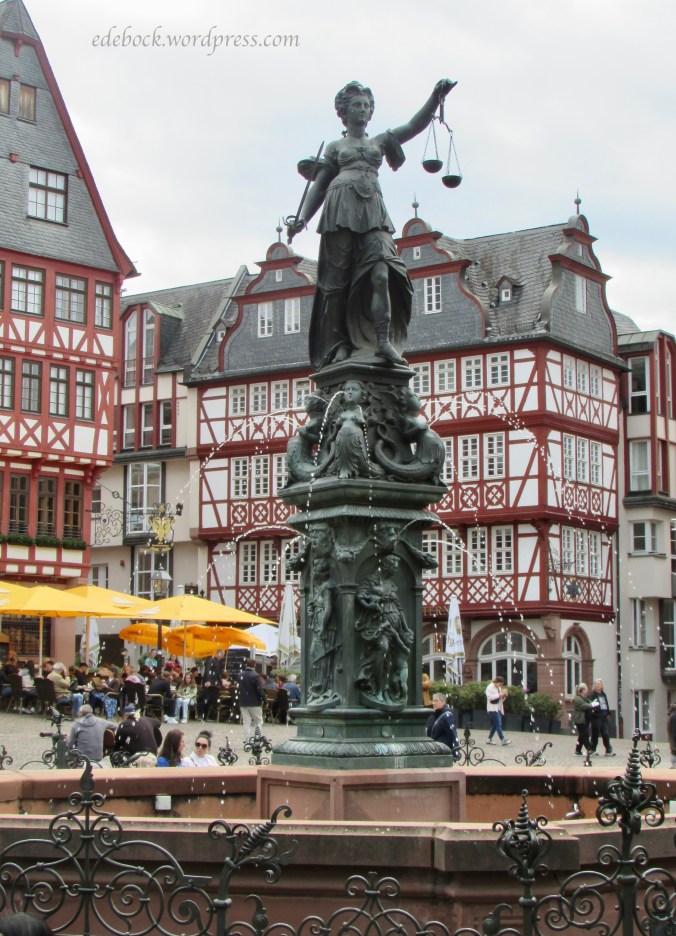
The Fountain of Justice stands at the centre of the square.

With its three gabled roof, the 15th century Town Hall or Römer dominates one side of the square.

Römerberg Square is also home to a monument that might be easily overlooked by many visitors as they focus on the colourful historic buildings surrounding them. Set into the pavement, the large memorial plaque reads “At this place on May 10, 1933 National Socialist students burnt books by authors, scientists and publicists.” Records show that these Nazi sympathizers burned more than 25,000 books that were deemed to be “un-German.” A quote by German-Jewish writer Heinrich Heine stating, “That was just the beginning. Where one burns books, in the end, people are burnt as well.” encircles the memorial.

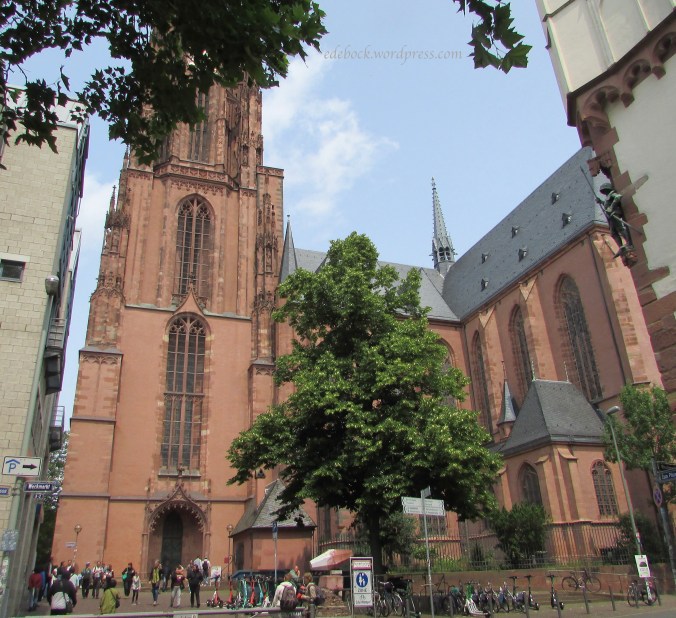
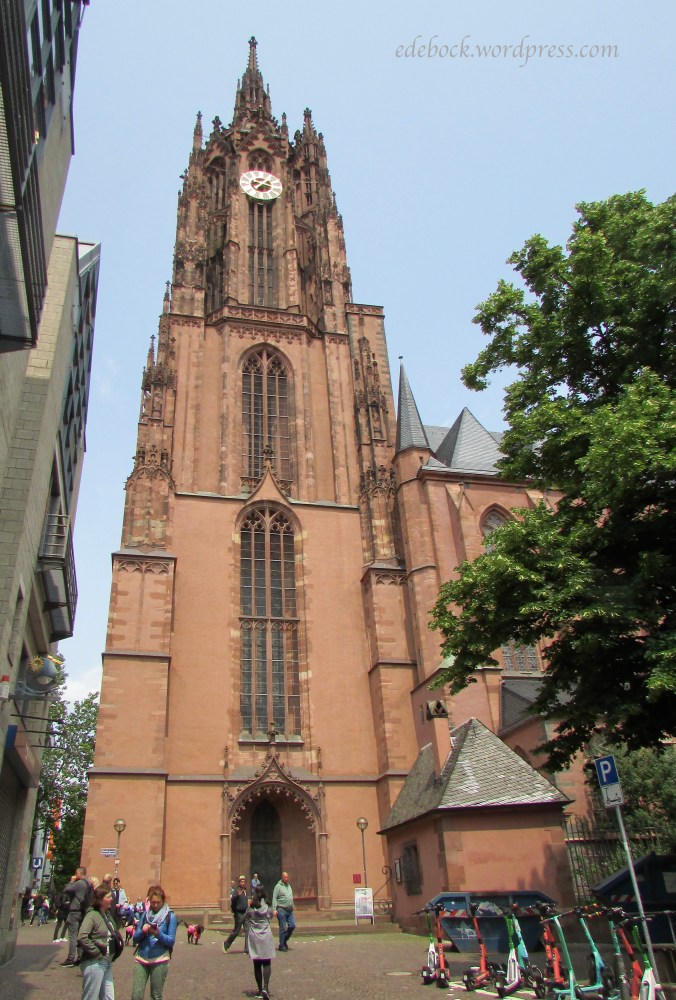
Nearby, the gothic style Frankfurt Cathedral, dedicated to St. Bartholomew, is the largest religious building in the city. It’s so big, in fact, that I couldn’t find a good vantage point to fit it all in a photo!

The 95 metre (312 feet) tall cathedral tower is by far the most magnificent part of the structure.

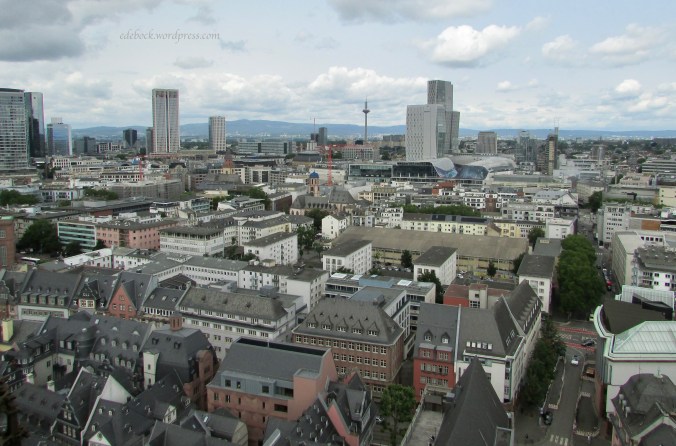
328 stairs took us to the top for some spectacular views of the city! Is it any wonder that our legs are telling us that they’ve been overworked?

Now I’d best get some sleep as we intend to put on many more miles tomorrow!