 If you had told me ten years ago that I would someday write a fashion blog, I’d have laughed. In fact, I probably would have told you that you were crazy! Fashion just wasn’t my thing. Then I discovered fashion blogs, followed several of them, started to take a greater interest, and eventually decided to add this weekly feature to my own already established blog. Now I’m in the process of unsubscribing from some of those blogs that first caught my interest.
Why?
Has my interest in fashion waned? Not really. It’s about ethics and excess and what the fashion industry is doing to the planet we live on.
I’m not naming any names, but over time, some of the fashion bloggers or influencers that I’ve followed for a long time have become little more than advertising arms for the retailers that they are affiliated with. They’ve decided to make their blogs their careers; in some cases, their only source of income. It’s all about selling stuff. Some have moved beyond fashion to hawking cosmetics, health care products, exercise programs, you name it. Anything that will make them a dollar. They make a small commission on every item that is ordered through links on their blogs, so it’s all about buy, buy, buy!
Then there are those who post new looks, new items every single day. How do they do that? Well, in the words of one of them, “I order a TON of things for photos, but I like to order when there is a sale so that I can get the best price available on items that I keep.” In other words, she constantly orders clothes for photos for her blog, but sends most of them back. She’s not alone in that. In fact, that’s a common practice amongst many fashion bloggers, vloggers, and Instagrammers. Do they not know that much of what they return ends up in the landfill, not back on the shelves? Do they not care?
There are also those who just buy a lot of clothes, more than any woman could possibly need. If I hear (or read) the phrase “shopping haul” one more time, I might scream! One blogger recently posted a photo of a beautifully organized section of her closet. It contained 28 long-sleeved button up shirts! 28! Why would any woman need 28 shirts? Nine of them were white. I will give this particular woman credit. She abstains from buying fast fashion, buys only quality items, and keeps them for a long time. She also shows the same items worn in different ways as opposed to wearing something new every time she posts. But 28 shirts? Come on! That’s excess to the extreme.
So who are some of the bloggers who are not on my cutting room floor and why? Fellow Canadian, Sue Burpee, who writes High Heels in the Wilderness, is one of my favourites. In fact, she wrote about this same topic in this recent post. Sue and I have a lot in common. Also a retired school teacher, her passions include books, fashion, and travel. When she’s not writing about fashion, she might be writing a book review, an intelligent opinion piece or telling about a recent hike or a trip back home to New Brunswick to visit her mum. Sue encourages her readers to be ethical shoppers and to shop their own closets for new looks.
Through Sue’s blog, I discovered Frances, another Canadian, who writes Materfamilias Writes. Also a retired academic, Frances and her husband traded life on a small coastal island for a home in the heart of Vancouver a few years ago. Though she includes an outfit photo in many of her posts, she also writes about family, books, and travel, and offers many interesting observations on life.
Are you beginning to see a trend? No, I’m not talking about the fact that both these women are Canadians or that they both retired from teaching careers. I enjoy bloggers who lead interesting lives, who read, travel, and sometimes think deep thoughts, and who also happen to have an interest in fashion.
More recently, I’ve been following Dutch blogger, Greetje, who writes No Fear of Fashion. She posts once a week, on Sundays, and I find myself looking forward to her entertaining posts. She features one outfit a week and again, it isn’t always something new. Instead, she looks for new ways to combine pieces that she already owns. She’s not a bit shy about having her picture taken in public and looks for interesting locations for her fashion shoots, so I get to enjoy glimpses of European life and architecture as well as her outfits. In each post, after sharing her outfit, Greetje writes a bit about what she did that week. She’s a very social gal, so her mom, who she visits almost every week, and several of her friends are regulars on the blog. She often takes photos of what they wear as well and shares snippets of her life with them.
Each of these women has a style all her own. Of the three, Sue’s fashion style is most similar to my own, but I enjoy Greetje’s flamboyance and Frances’ unique style and I love reading about their lives. These are the kinds of blogs that I will continue to follow, not those that promote excess consumption with little or no concern for its long term effects on the planet.
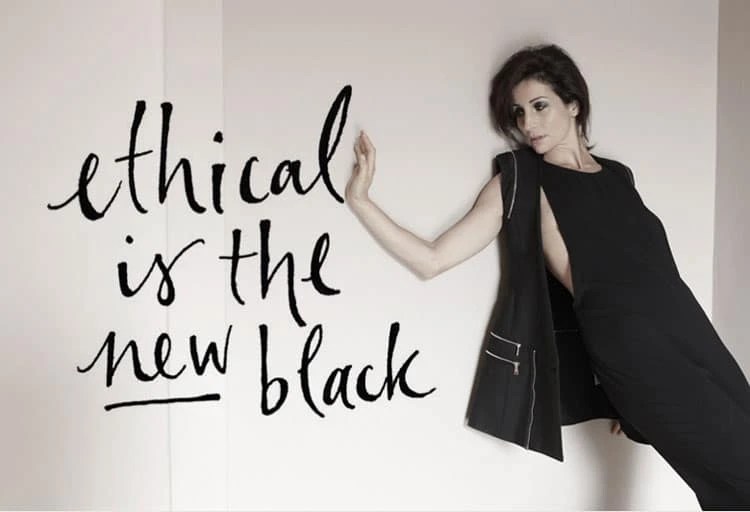
Image: Eluxe Magazine
 In a world where women and children are fleeing a war torn country with nothing but the clothes on their backs and the few possessions that they can carry, does fashion really matter? In a time when opposing opinions about wearing masks and getting vaccinated have torn families and friendships apart, does fashion matter? In a patriarchal world where International Women’s Day has just pointed out gender disparity in vital areas such as education and health care, does fashion matter? These are questions I’ve been asking myself as I wrestled with what to write about today. Perhaps writing about fashion is too frivolous, or is it?
 Tomorrow is the 8th anniversary of the collapse of the eight-storey Rana Plaza building in Dhaka, Bangladesh that housed five garment factories. More than 1,100 workers lost their lives that day and thousands more were injured. It was, to date, the worst industrial incident to hit the garment industry. The disaster drew attention to the human cost behind the clothes we wear and also inspired more people to start thinking about the broader topic of sustainability in the fashion industry.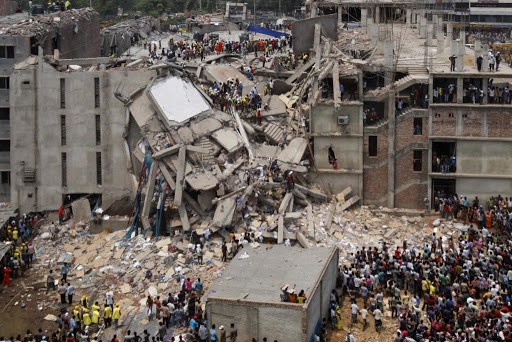
 Following Augustine