
As we enter a new season and continue to find ourselves caught in this strange Covid-19 conundrum, I wonder how many of us are thinking about fashion trends or even considering adding to our existing wardrobes. I think, more than anything, fashion this fall is going to be all about comfort and some of the trends definitely reflect that.
Before we look at specific styles, let’s talk about colour. Though black and grey will continue to be popular neutrals, bold jewel tones lead the way this fall. Marigold, orange, wine, and rust are very popular and even chartreuse is on trend. Rich, bold blues and deep olive are also highly favoured. Head to toe outfits in warm creamy tones are a new look for fall this year.
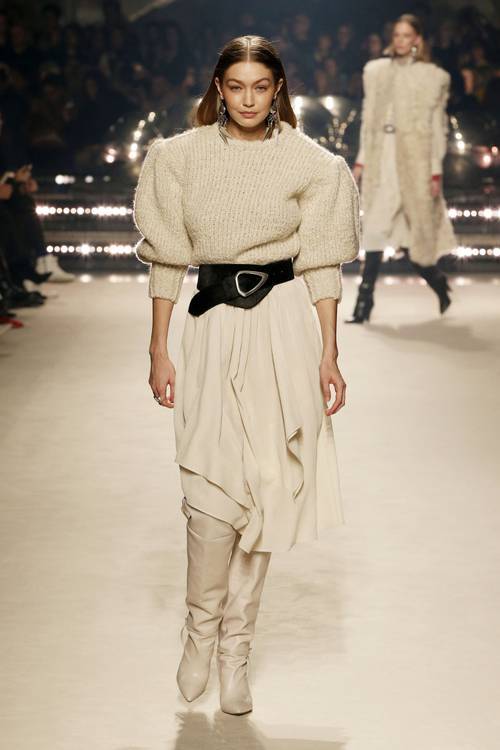
Now for 12 of the most popular trends for fall:
1. Textured coats – Shearling and faux fur are both very popular for outerwear this season.
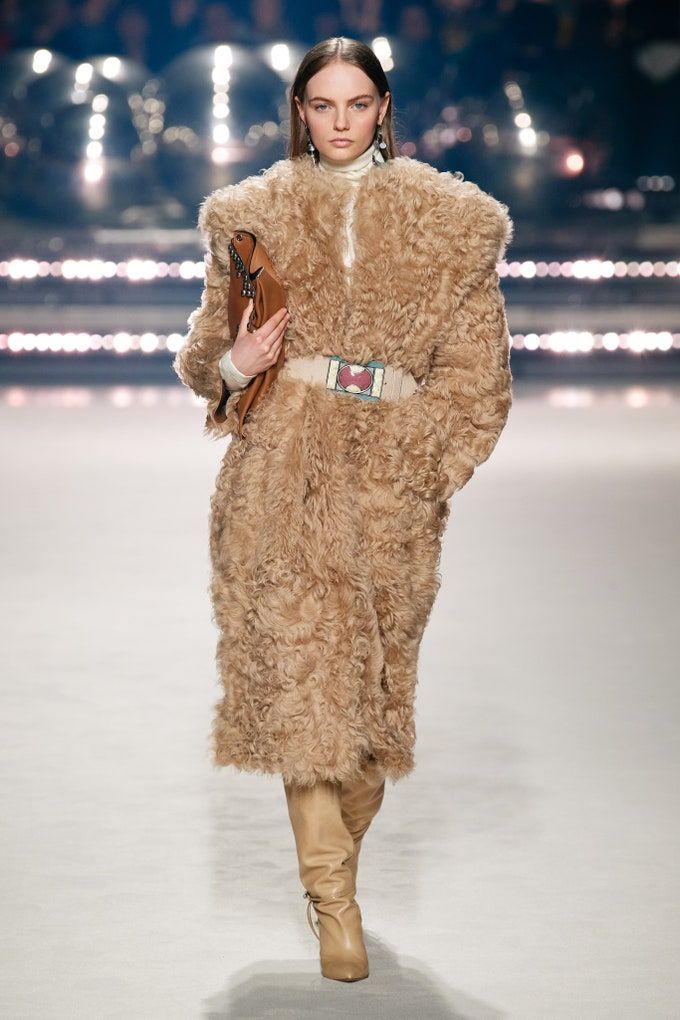
2. Oversized coats – We definitely want to wrap ourselves in something comfy as we move into winter!

3. Capes – Capes as coats continue the theme of wrapping ourselves in comfort.


4. Quilted fashions – Puffer coats and vests have been popular for awhile, but this season we’re also seeing quilted skirts!


5. Plaids and checks – Look for argyle patterns, tartans, gingham, houndstooth, checks of every kind this season. You may not have to look any further than your own closet to incorporate this look into your fall outfits. Vintage shops would be another great source.


6. Shoulder reveals – Not just the cold shoulder look that’s been around for the past couple of years, but asymmetrical shoulder cutouts, one shoulder, and off the shoulder looks are all on trend this season.


7. Puff sleeves – Anne of Green Gables anyone? Dramatic, voluminous sleeves are big (pun intended) this fall.
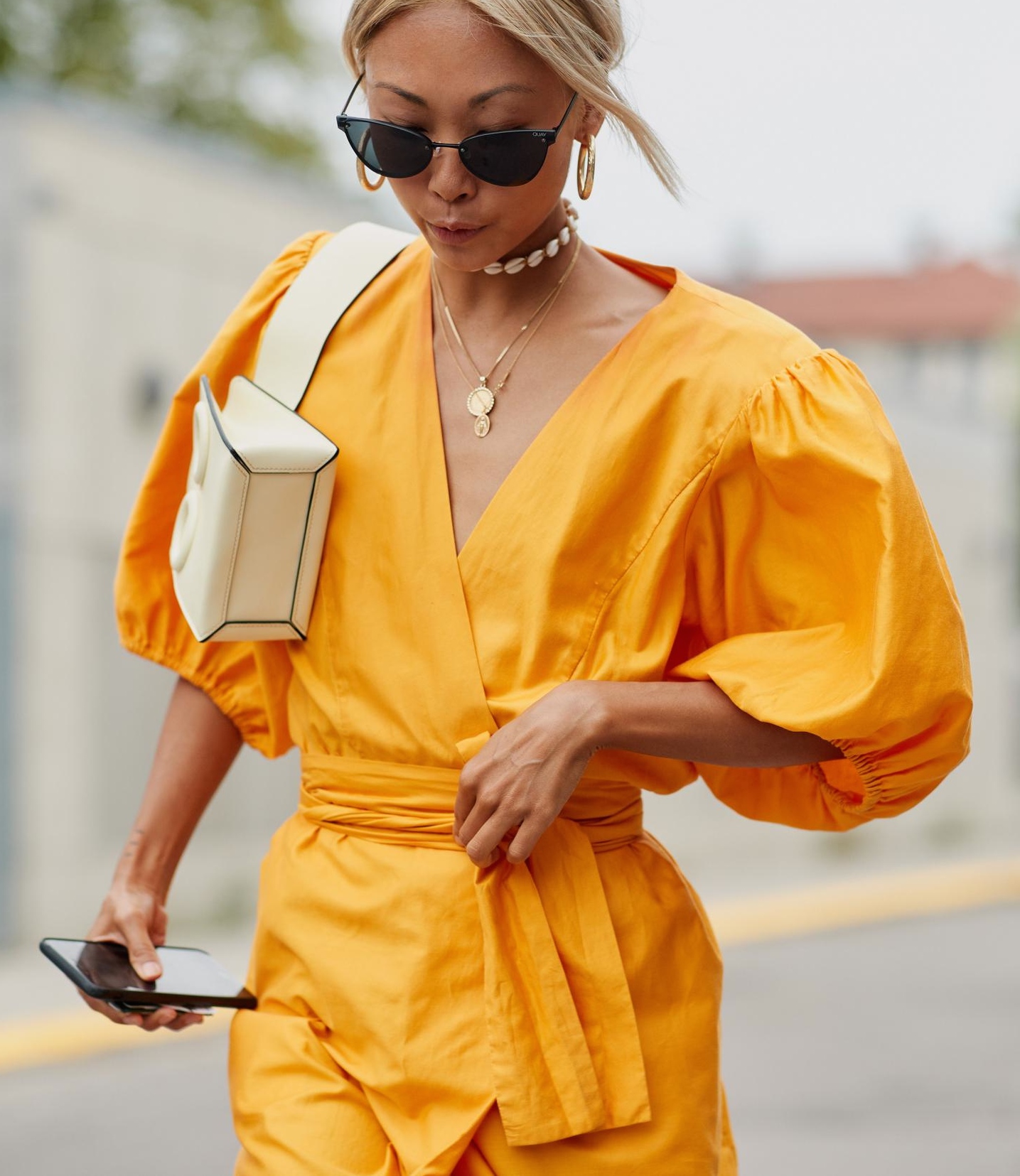
8. Ruffles and tiers – Ruffled skirts and tiered dresses are popular. Look for Victorian-era details, particularly ruffled Victorian necklines.

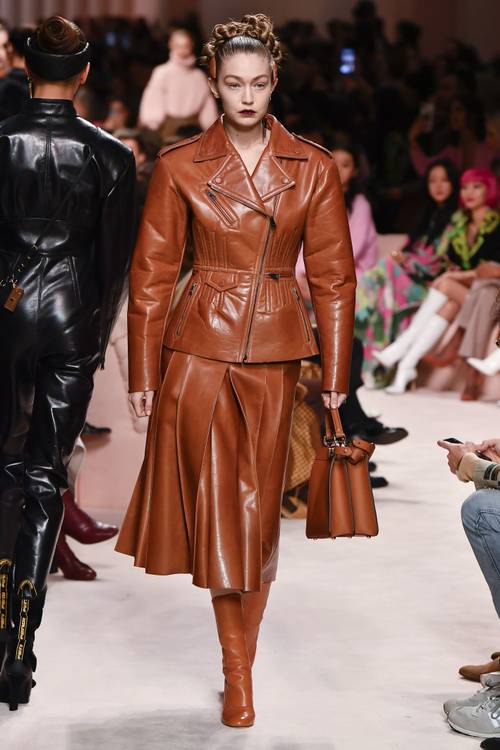
9. Skirt suits – Summer’s short suits have transitioned into skirt suits for fall. This trend might appeal to many women who’ve been able to return to the workplace and who are looking to amp up their fall and winter wardrobes. Some have pleated skirts, many are seen in bright colours, and some are even all leather.
10. Fringe – Fringes, sometimes very long fringes, are being seen on hemlines, sleeves, handbags, pretty much anywhere you can put a fringe.


11. Metallics and sequins – The majority of us probably won’t be going anywhere in the near future that requires anything very fancy, but if you do, metallic fabric (especially silver) or sequins is the way to go.


12. Lingerie looks – Lastly, for the more adventurous amongst us and perhaps those who live in a warmer climate than I do, is the intimate apparel as daywear look. If you can’t decide which shirt to wear, don’t panic. Just go without one! Bra tops and bustiers under jackets are a trend, though not one that I”m likely to adopt!

As you can see from the photos, it’s very easy to mix and match this fall’s trends. Think plaid overcoat, cape, or skirt suit, for example.
As I’ve mentioned in previous seasonal trend posts, some of these may appeal to you and others probably won’t. Don’t ever feel compelled to wear something simply because it’s on trend. Instead, pick and choose those colours that suit your skin tone and looks that fit your personal style. And, before you start shopping for this season’s trends, remember to shop your own closet. Perhaps you’ll find something there that fits right in with the current trends.


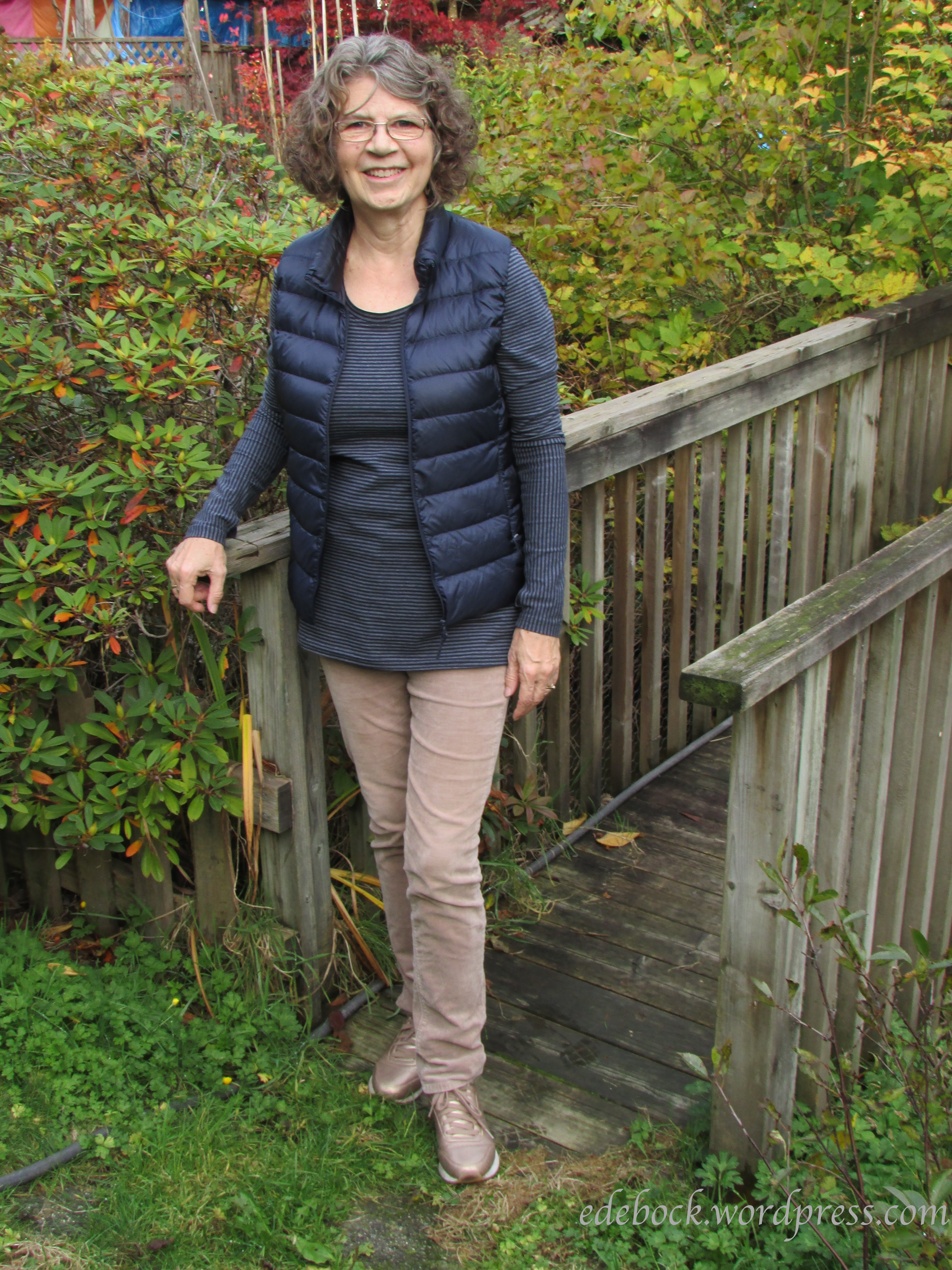
 I still remember my favourite corduroy bell bottoms from the 1970s. They were a warm toffee colour with dark brown patch pockets. Though its roots go back to ancient Egypt, corduroy as we know it today has been around since the late 18th century when it first appeared as factory wear in Manchester, England. It remained a working class fabric for the next hundred years before becoming a popular alternative to denim in the 1960s. While its popularity probably peaked in the 1970s, corduroy has never completely disappeared from the fashion world and it has been making a comeback this fall. Pants, skirts, jackets, and even dresses are showing up in this comfortable, easy care fabric.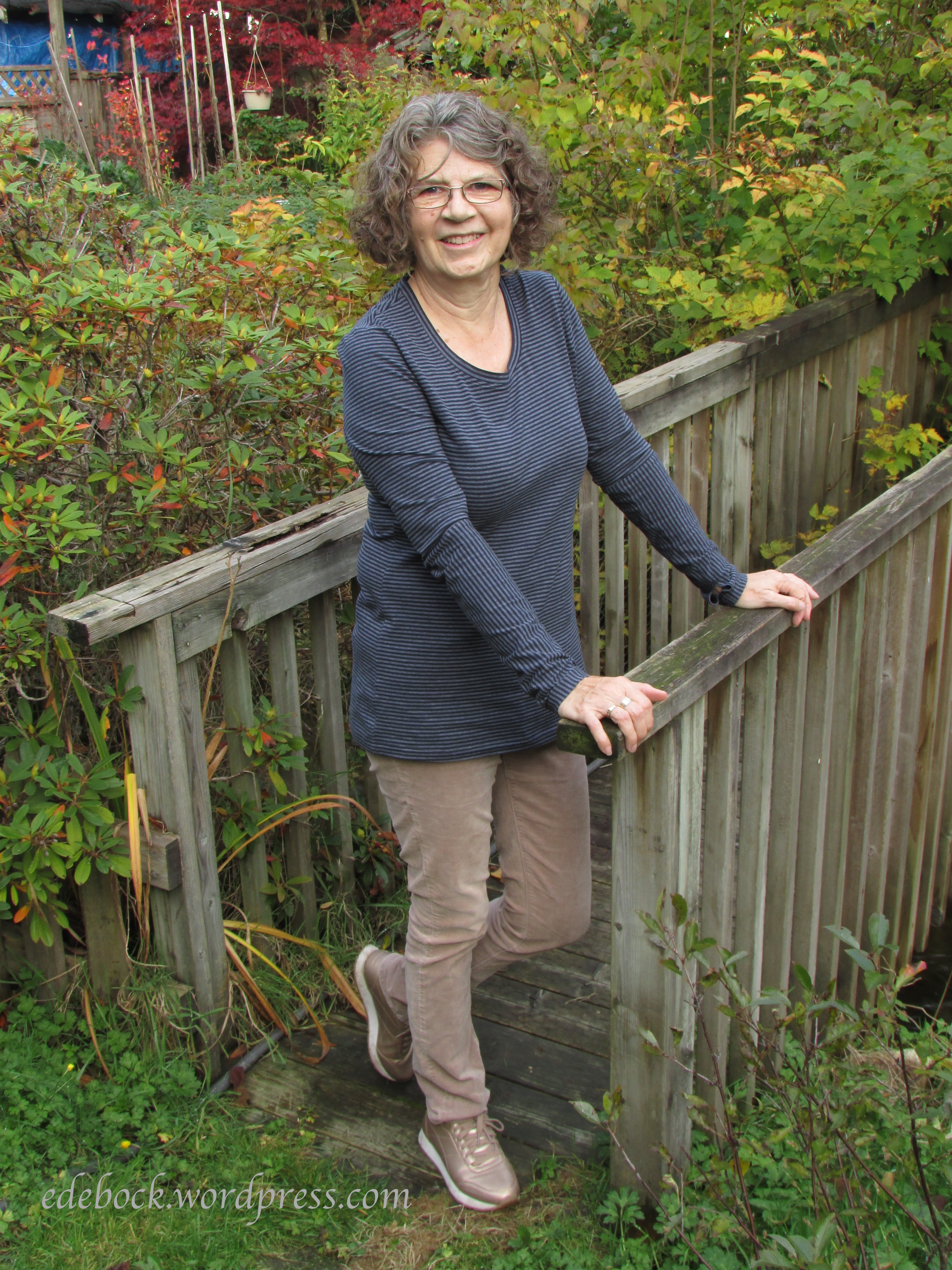
 Following Augustine