The Canadian shopping conundrum

For the most part, I try to avoid mentioning politics on the blog, but as a Canadian I can’t sit by and say nothing when our closest neighbour, ally, and trade partner decides to become a bully and starts threatening our sovereignty. There might not be a lot that I can do about the situation, but I can’t do nothing. There’s too much at stake!
If there’s one thing that the present crisis has done, it has drawn Canadians together. We are seeing a kind of collective nationalism that goes far beyond cheering for the right hockey team. Canada is not for sale! We are not interested in becoming the 51st state and thousands of us are saying so with every grocery item we buy. Since money seems to be what the individuals behind the bullying understand best, I have joined an informal movement of fellow Canadians in boycotting products made in the United States. It’s first and foremost a shop Canadian movement, but beyond that, it’s about buying anything except American.

It’s not easy. Grocery shopping takes a lot longer these days as we squint at the small print on labels and try to figure out where the products we’re used to buying come from. Sometimes, as in the case of Campbell’s soups and some Kellogg’s cereals, the label reads “Product of USA” and we put the item back on the shelf, but it’s not always that straightforward. There’s “Made in Canada” which means that at least 51% of the total cost of the product’s creation had to have occurred in Canada. “Product of Canada” indicates that at least 98% of the total cost was incurred in Canada. But then there’s “Made in Canada with imported ingredients” or “Made in Canada from domestic and imported ingredients” with no indication where those imported ingredients came from. There’s also “Imported for _______” but again, nothing to say where the item is imported from.

I tried to do a bit of “investigative journalism” in preparation for writing this post and to help with my personal shopping decisions, but I wasn’t very successful. I already knew from reading the labels that Green Giant frozen vegetables are grown and packaged in Canada, but that the packaging is printed in the United States. When I emailed the company to ask why the printing wasn’t done in Canada, I received a very generic sounding response telling me that Green Giant is a brand that originated in the United States and that it has facilities in both Canada and the US, but that didn’t answer my question. Probing a bit further, I received a second reply assuring me that the company is proud to source their vegetables from farmers in Alberta, Ontario, and Quebec, but still no answer to my original question.

The label on my Kraft Peanut Butter jar says nothing about where it was made, but the KraftHeinz website told me that it was “proudly prepared in Canada”. While there’s a limited amount of peanut farming in southern Ontario, I know that it doesn’t produce enough to provide thousands of Canadian households with peanut butter. When I emailed KraftHeinz to ask where the peanuts are imported from, I was told all about how peanut butter is prepared and packaged and assured that “all ingredients used in Kraft products comply with our rigorous food safety standards” but after inquiring more than once, I still wasn’t told where the peanuts come from. I finally wrote, “I can only assume that your reluctance to give me this information is due to the fact that they are American grown and you realize that I, like many Canadians, am refusing to buy American products due to the fact that our closest neighbour and trade partner is now threatening our sovereignty. If I am wrong about this, please let me know.” I received no response to that, so Kraft Peanut Butter will no longer be on my grocery list. I had a very similar experience with Mondelēz International when I tried to find out where Triscuit crackers are imported from. 

Finding fresh produce is especially problematic in a country with long winters and a very short growing season, but I’ve been able to buy Canadian grown potatoes and carrots as well as tomatoes, lettuce, cucumbers, peppers, and mushrooms. I’ve been enjoying bananas from Guatemala and blueberries from both Mexico and Peru, but the only nice looking oranges that I’ve been able to find were grown in California, so they stayed in the store.

Of course, boycotting American products goes far beyond the grocery store. My favourite toothpaste is made in Mexico, but it’s a product of Colgate-Palmolive, a huge U.S. corporation, so where do we draw the line? The flouride gel that I’ve had to use every day since I lost one of my parotid glands to cancer over ten years ago, is made in Canada, but my skin care products, shampoo, and conditioner are all imported from the States. Obviously, I’ll have to look for other brands to try. I’ve already found a replacement for the Tide laundry detergent that I’ve used for years. I’ll be trying Canadian-made Tru Earth laundry strips.

Shopping ethically is further complicated for me by the fact that I try to avoid buying products from China which is notorious for its human rights abuses. Given the present situation, however, if forced to choose, I would probably buy a Chinese product over an American one.

Before I close, I want to assure my American readers that I fully understand that many of you are as dismayed as I am about what is happening in your country and our hearts go out to you at this difficult time. We also know that the tariffs that your leader is threatening to impose will be as hard on you as consumers as they are on us.

Is thrifting ethical or not?

Logo by SamIf you’ve been following my blog for long, you know that many of my clothes come from second-hand stores, not because I can’t afford to buy new, but because I love thrifting and because one of my fashion goals is to be a more ethical shopper. The benefits of second-hand fashion are undeniable. Instead of going to the landfill, clothing that is no longer wanted finds new life in someone else’s closet. Textiles are reused and the harmful environmental impacts that result from producing new garments are reduced. Sadly, however, thrifting is not without ethical concerns.

One of the most common criticisms of thrift store shopping is related to supply and demand. If people like me, who can afford to buy our clothes new, instead choose to shop second-hand, will there be enough for those those in need? While this fear of “stealing from the poor” may be a good-hearted concern, it doesn’t accurately portray the situation. In reality, because we are such an affluent society, most second-hand stores receive far more in donations than they can possibly sell. The sad reality of thrifting is that while some of the clothes that go unsold are donated to women’s shelters and other charitable organizations, a large percentage end up in landfills or are shipped to third world countries.

While there is little danger of second-hand stores not having enough stock to meet the needs of low-income customers, thrifting as a fashion choice among the more well-to-do has led to a different problem. The “gentrification” of thrift stores, as this trend has become known, has led to some second-hand stores raising their prices making it more difficult for those who are in need to access clothing that they can afford. I do the vast majority of my thrift store shopping at two small shops in my local area where prices have been kept very low, but I have definitely noticed an increase in prices in the larger city stores that I visit occasionally. For example, three of the thrifted items that I bought in the past year were purchased in city second-hand stores for between $7.00 and $14.99. They would have cost $2.50 each at one of the shops in our small rural community.

The most valid criticism of thrift store shopping, however, is not directed at those of us who purchase clothing to add to or fill gaps in our own wardrobes. It zeroes in on those who frequently buy far more than they can reasonably use so that they can feature their “hauls” on TikTok and YouTube and on those entrepreneurial thrifters who buy quality items at thrift store prices and then resell them for more on popular apps like thredUp. For some, thrifting has become a lucrative business, but how ethical is it to buy donated items at not for profit shops like Goodwill and use them to turn a profit?

So, the question remains: Is thrifting truly an ethical way to shop or not? Personally, I think it is, especially if you live in an area where there is a high volume of second-hand clothing available. Thrifting is the recycling of the fashion world, but being an ethical thrifter requires mindfulness and discipline. It requires shopping with your practical needs in mind and not falling into the trap of overconsumption simply because the prices are so low. As a conscious shopper, you might also ask how you can strengthen or support the industry. This might look like volunteering your time and/or donating your own gently worn clothes to continue the cycle.

Ethics and fashion blogging

LogoIf you had told me ten years ago that I would someday write a fashion blog, I’d have laughed. In fact, I probably would have told you that you were crazy! Fashion just wasn’t my thing. Then I discovered fashion blogs, followed several of them, started to take a greater interest, and eventually decided to add this weekly feature to my own already established blog. Now I’m in the process of unsubscribing from some of those blogs that first caught my interest.

Why? 

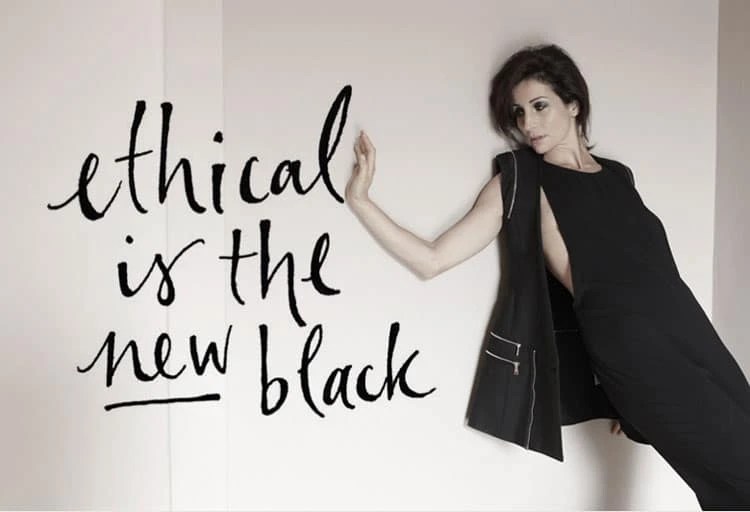
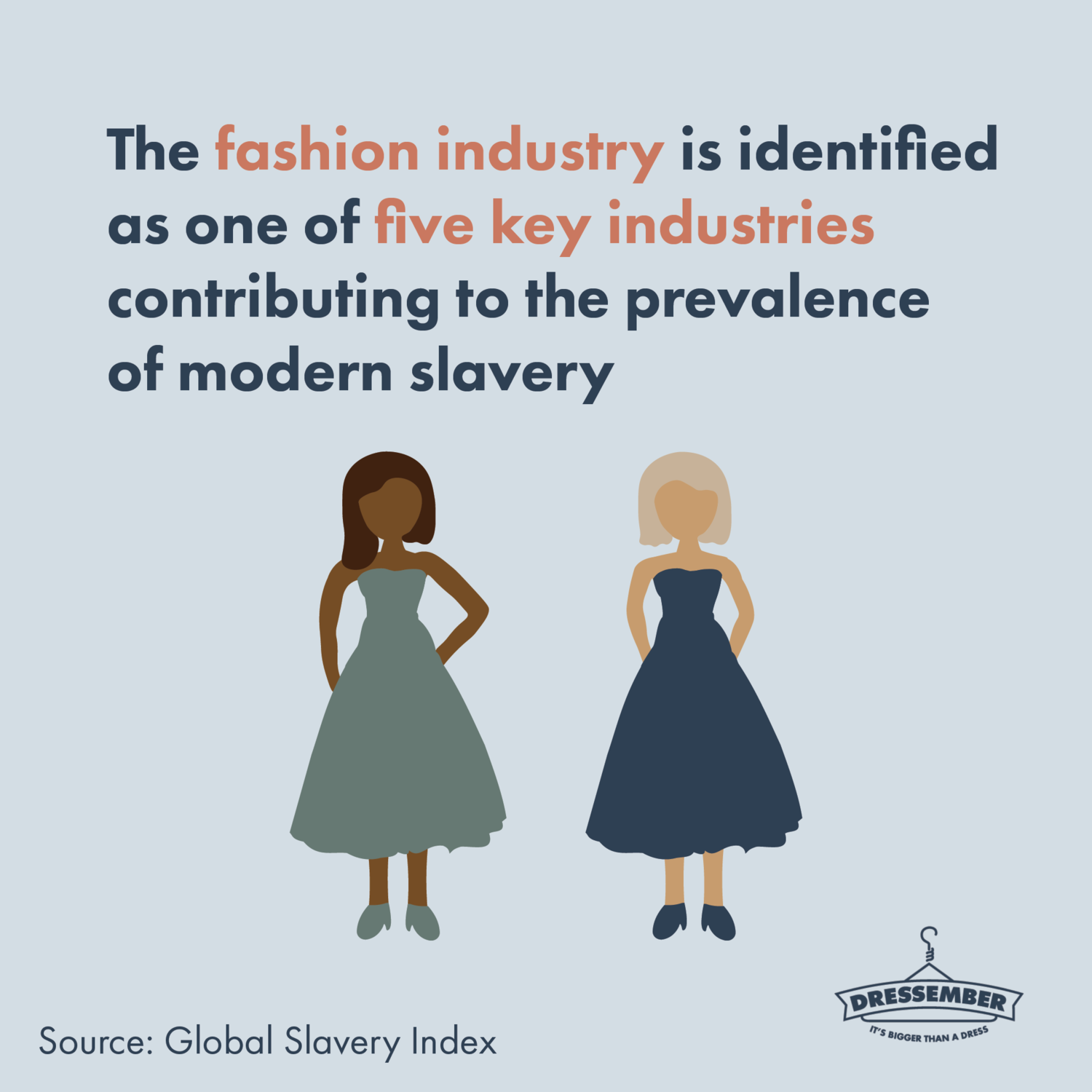
Has my interest in fashion waned? Not really. It’s about ethics and excess and what the fashion industry is doing to the planet we live on.

I’m not naming any names, but over time, some of the fashion bloggers or influencers that I’ve followed for a long time have become little more than advertising arms for the retailers that they are affiliated with. They’ve decided to make their blogs their careers; in some cases, their only source of income. It’s all about selling stuff. Some have moved beyond fashion to hawking cosmetics, health care products, exercise programs, you name it. Anything that will make them a dollar. They make a small commission on every item that is ordered through links on their blogs, so it’s all about buy, buy, buy!

Then there are those who post new looks, new items every single day. How do they do that? Well, in the words of one of them, “I order a TON of things for photos, but I like to order when there is a sale so that I can get the best price available on items that I keep.” In other words, she constantly orders clothes for photos for her blog, but sends most of them back. She’s not alone in that. In fact, that’s a common practice amongst many fashion bloggers, vloggers, and Instagrammers. Do they not know that much of what they return ends up in the landfill, not back on the shelves? Do they not care?

There are also those who just buy a lot of clothes, more than any woman could possibly need. If I hear (or read) the phrase “shopping haul” one more time, I might scream! One blogger recently posted a photo of a beautifully organized section of her closet. It contained 28 long-sleeved button up shirts! 28! Why would any woman need 28 shirts? Nine of them were white. I will give this particular woman credit. She abstains from buying fast fashion, buys only quality items, and keeps them for a long time. She also shows the same items worn in different ways as opposed to wearing something new every time she posts. But 28 shirts? Come on! That’s excess to the extreme. 

So who are some of the bloggers who are not on my cutting room floor and why? Fellow Canadian, Sue Burpee, who writes High Heels in the Wilderness, is one of my favourites. In fact, she wrote about this same topic in this recent post. Sue and I have a lot in common. Also a retired school teacher, her passions include books, fashion, and travel. When she’s not writing about fashion, she might be writing a book review, an intelligent opinion piece or telling about a recent hike or a trip back home to New Brunswick to visit her mum. Sue encourages her readers to be ethical shoppers and to shop their own closets for new looks.

Through Sue’s blog, I discovered Frances, another Canadian, who writes Materfamilias Writes. Also a retired academic, Frances and her husband traded life on a small coastal island for a home in the heart of Vancouver a few years ago. Though she includes an outfit photo in many of her posts, she also writes about family, books, and travel, and offers many interesting observations on life.

Are you beginning to see a trend? No, I’m not talking about the fact that both these women are Canadians or that they both retired from teaching careers. I enjoy bloggers who lead interesting lives, who read, travel, and sometimes think deep thoughts, and who also happen to have an interest in fashion.

More recently, I’ve been following Dutch blogger, Greetje, who writes No Fear of Fashion. She posts once a week, on Sundays, and I find myself looking forward to her entertaining posts. She features one outfit a week and again, it isn’t always something new. Instead, she looks for new ways to combine pieces that she already owns. She’s not a bit shy about having her picture taken in public and looks for interesting locations for her fashion shoots, so I get to enjoy glimpses of European life and architecture as well as her outfits. In each post, after sharing her outfit, Greetje writes a bit about what she did that week. She’s a very social gal, so her mom, who she visits almost every week, and several of her friends are regulars on the blog. She often takes photos of what they wear as well and shares snippets of her life with them.

Each of these women has a style all her own. Of the three, Sue’s fashion style is most similar to my own, but I enjoy Greetje’s flamboyance and Frances’ unique style and I love reading about their lives. These are the kinds of blogs that I will continue to follow, not those that promote excess consumption with little or no concern for its long term effects on the planet.  

ethical-code-cruelty-free-fashion-blog

Image: Eluxe Magazine

It’s a start

LogoI was thinking about a topic for this week’s fashion post when I came across a news article that fit very well with what I said last week about boycotting products that are made in China.

The Canadian Border Service Agency (CBSA) recently intercepted a shipment of women’s and children’s clothing that originated in China on the grounds that the garments were made by forced labour. This was the first interception of its kind since new federal laws came into place in July 2020 officially banning the import of goods made partially or wholly by forced labour. Just as there is no way for us as consumers to know what conditions our purchases were made under, there is no visual indicator to show a border services officer the labour standards by which a particular good was produced. This makes this a very difficult situation to deal with, but the CBSA says that it will continue to investigate complaints and allegations pertaining to imports made using forced labour. Hopefully this will lead to further interceptions of this kind and will ultimately result in retailers ensuring that they don’t order goods that have been produced unethically. At least it’s a start. 

So what exactly is forced labour? According to the International Labour Organization (ILO), forced or compulsory labour is “all work or service which is exacted from any person under the threat of a penalty and for which the person has not offered himself or herself voluntarily.” It refers to a form of modern slavery in which people are coerced to work through the use of violence or intimidation, or by more subtle means such as manipulated debt, retention of identity papers, or threats of being handed over to immigration authorities. In China, Uyghurs and other Turkic minority ethnic groups are being subjected to forced labour in Xinjiang province. As well, a recent CBC Marketplace investigation found that several Canadian retailers, including one of my favourites, had brought hundreds of shipments of clothing into Canada from a Chinese factory suspected of secretly using North Korean forced labour. The factory is located in the city of Dandong, just across the Yalu River from North Korea.

The more I learn about unethical clothing production in China, the more convinced I am not to support it with my fashion dollars! I know I’m only one and I’m not even a big spender when it comes to clothing, but if I can convince even one of you to consider not purchasing clothes that are made in China, it’s a start. 

DAY+22

And now, are you wondering how the six items or less challenge is going? At the end of the second week, I must admit that wearing the same things over and over again is a bit boring, but there are also advantages. Getting dressed in the morning is easy and so was packing for a weekend away to meet our brand new baby granddaughter! I simply wore two items and packed the other four along with some socks, underwear, and pjs. Easy peasy! No thought involved. 

The China conundrum

LogoIf I was to empty my closet of every item that was made in China, there wouldn’t be much left. 70% of the clothing, shoes, and accessories that I’ve purchased in the last year and a half (since I started keeping track) were made in China. None were made here in Canada. Why is this a problem, or is it?


As I’ve mentioned before, I want to be an ethical shopper, but it isn’t easy. Until now, my concern with purchasing items that were made in China has been the fact that it’s very difficult, often impossible, to determine whether or not they were manufactured in factories that are socially and environmentally responsible or sweatshops where workers are exploited and forced to work in unsafe conditions. Quite a few of my clothes are purchased through direct sales as opposed to retail environments. In those cases, the stylists or vendors have assured me that they sell only ethically produced garments. I hope they’re right, but I haven’t found any way to verify that and having lived in China for a short while, I know that you can’t always believe what they tell the rest of the world.

Now I have another concern. Following Augustine isn’t meant to be a political blog, but Canada is increasingly at odds with China and I have to ask myself, should that affect my spending habits? Should I avoid purchasing more items that are made in China?

For those of you who are not Canadian or who haven’t been following the news, here’s a bit of background information. On December 1, Meng Wanzhou, an executive with the giant tech company, Huawei, was arrested in Canada at the request of U.S. authorities who want to try her on fraud charges. She’s currently under house arrest in one of her mansions in Vancouver awaiting extradition to the U.S. China immediately warned of repercussions and there have been a number of those. Days after Meng’s arrest China responded by detaining two Canadians and sentencing another to death. The men have not been allowed access to family members or lawyers while in custody. Since then, China has placed trade bans on key Canadian products including canola. On Tuesday of this week, the country announced that it would halt all meat exports from Canada. Our country is one of the world’s largest agricultural producers and our farmers depend on exports. Needless to say they are hit hard by these developments and some are urging Canadians to stop purchasing Chinese goods.

So, back to fashion. Obviously, I’m not going to stop wearing the items that I already have, but should I refuse to buy anything else that’s made in China? I’m sure that I, one lone Canadian, won’t make any difference in the big political picture, but should I support a country like China with my clothing dollars? That’s a very tough question!

What do you think? I’d love to hear your opinion.

Fashion and social justice

Logo

levi

Famous jeans maker, Levi Strauss, made news last week by jumping into the gun control fray calling for stricter gun laws in the US and pledging $1 million in grants to be distributed over the next four years to non-profit and activist groups fighting to stop gun violence. The company “simply cannot stand by silently when it comes to issues that threaten the very fabric of the communities where we live and work,” wrote the firm’s president and chief executive, Chip Bergh, in a piece for Fortune magazine.

nike LOGO 2

Levi’s action followed hard on the heels of Nike who, on September 3rd, unveiled a giant billboard featuring former San Francisco 49ers quarterback, Colin Kaepernick, over San Francisco’s Union Square. Similar billboards followed in other cities. Kaepernick has been a controversial figure since he took a knee during the national anthem to protest racial injustice, a gesture that spread to players on other NFL teams and sparked a nation-wide debate. Nike followed up by releasing an ad featuring Kaepernick which aired during the NFL season opener on September 6th. In spite of the fact that many customers blasted the company on social media and some filmed themselves destroying Nike products and claiming that they will boycott the company, Nike reported a 31% increase in sales over the Labour Day holiday this year compared with the same time period last year.

Levi Strauss and Nike are far from the first members of the fashion industry to involve themselves in social issues. Women’s apparel brand, Eileen Fisher, proudly supports a long list of environmental and human rights groups.  Through its Heart of Cabi Foundation, Cabi, one of the largest direct sale women’s apparel businesses in the US, supports several initiatives to encourage and empower women in need around the world. Even fast fashion giant, H&M, has collection boxes in their stores worldwide aimed at recycling clothing items (any brand) and reducing the tonnes of textiles that end up in landfills. These are just a few examples.

Should companies like Levi and Nike stick to producing products and making money and leave issues like gun control and racial inequality to politicians and lobby groups or should they put consumers in the position of deciding whether or not to support these issues with our clothing dollars? When you shop for clothes do you want to have to think about whether or not you agree with the manufacturer’s ethics? After all, when you give money to a company, you implicitly support the values that that company stands for.

I’d love to hear your opinion!