 On January 4 of this year one of my favourite bloggers, Sue Burpee, writer of High Heels in the Wilderness, published a post entitled Is It Possible To Be An Ethical Shopper? In it, she analysed the progress that she had made over the previous year in her quest to be a more ethical shopper and gave herself an overall mark of B-. By the time I was half way through reading her post, I had decided that I would keep a list of all the clothing purchases that I made this year and then analyse my own shopping habits. In addition to wanting to be a more ethical shopper, I was interested in finding out more about my spending habits and I wanted to be more intentional about wardrobe development.
Sue’s advice at the end of her post was
Plan carefully. Purchase wisely, not too much. Mostly quality.
And ethically… if possible.
I divided my list into three categories: Clothing, Accessories, and Footwear. Within each category, I kept track of each item that I bought listing the date and place where it was purchased, where it was made, the regular price, and if it was bought on sale, the amount that I actually spent. I also indicated which items were thrifted.
So how did I do?
Alhough it’s difficult to find accurate information on women’s spending habits and it clearly varies from place to place, a survey of 1000 American women conducted by ING Direct and Capital One banks in 2012 found that most women, on average, spend somewhere between $150 and $400 on clothing per month, which equals approximately $1,800 to $4,800 per year. According to the research that Sue did for her post, the average American woman added 70 items to her wardrobe in 2013. Based on these statistics, I would give myself an excellent mark! In fact, I can’t even imagine spending or buying that much. All told, I purchased 35 wardrobe items in 2018. In addition to accessories and footwear, this included socks, underwear, and three badly needed bras. I paid full price for only 10 of the 35 items and I spent a total of approximately $1135 (CAD). Had I paid full price for everything, I would have paid somewhere around $2000. I can only give a rough estimate of that because I don’t know the original prices of the 5 thrifted pieces that I bought. For example, I spent $4.00 for a classic trench coat that would probably retail for $100 or more.

Although I love thrift store shopping, I purchased fewer second hand items this year because I was determined not to continue filling my closet with impulse buys simply because the prices were fantastic. Instead, I spent more and focused on buying items that I needed and that could be worn at least three ways with things that I already owned.
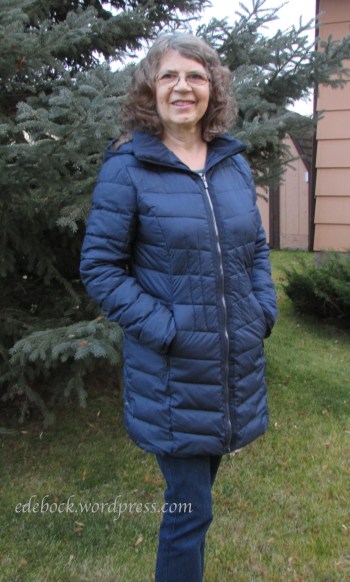
My most expensive purchase was my new winter coat. It was a planned purchase and I shopped around to find exactly what I wanted. I paid the full price of $179.99, but considering cost per wear it will probably be one of my most economic purchases. By buying the coat when I did, I also received a $50 rebate on any item in the store which my husband was able to use for a new pair of jeans.
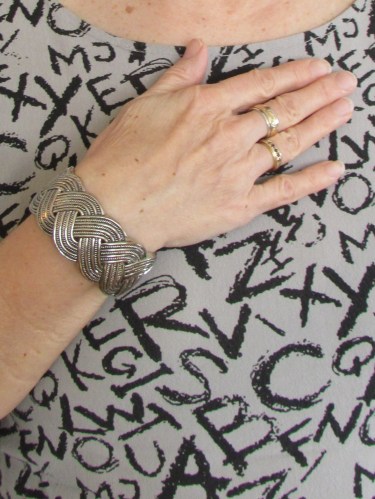
I did purchase one item that I’ve never worn; a piece of costume jewelry that didn’t look as good as I thought it would with the items that I planned to wear it with. Thankfully, I bought it at half price and only paid $8.98.
Now, back to the topic of Sue’s post. She came to the conclusion that trying to shop ethically is complicated and discouraging and I completely concur. 22 of the items that I purchased this year were made in China and 5 in Vietnam, but were they made in sweatshops where workers are exploited and forced to work in unsafe conditions or are they manufactured in socially and environmentally responsible factories? It’s often impossible to find out. I’ve learned that retailers seldom respond to inquiries especially ones that touch on sensitive subjects like this one. I bought 8 cabi garments this year. I’ve been told by two different cabi stylists that their products are ethically produced, but I can’t find anything on their website to verify that. Likewise, I purchased 3 garments from another retailer who assured me that she carries only ethically produced clothing, but how do I know for sure and even if the garments are produced in safe and responsible factories, we have no way of finding out anything at all about the production of the fabric itself. As a result, though I very much want to be, I really don’t know if I’m an ethical shopper, so I won’t be as bold as Sue and attempt to give myself a letter grade for this year’s fashion shopping.
What are my goals for 2019?
- I will continue tracking my purchases for the coming year so that I can review and evaluate my shopping habits again a year from now.
- I would like to buy less and spend less.
- I intend to buy basics that I need and items I love that work well with what I already have.
- I will resist the pressure of friends to buy pieces that they like, but that aren’t right for me.
- I will continue to buy quality pieces, not wasting money on fast fashion items that are poorly made and end up in the landfill after only a few wearings.
- I will continue to write a weekly fashion post!
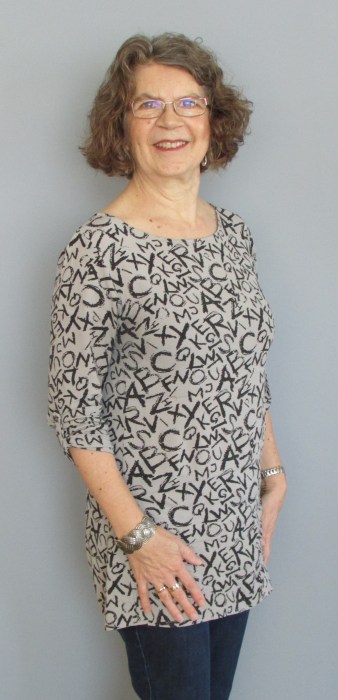
And finally, here are of a few of my favourite fashion purchases this year:




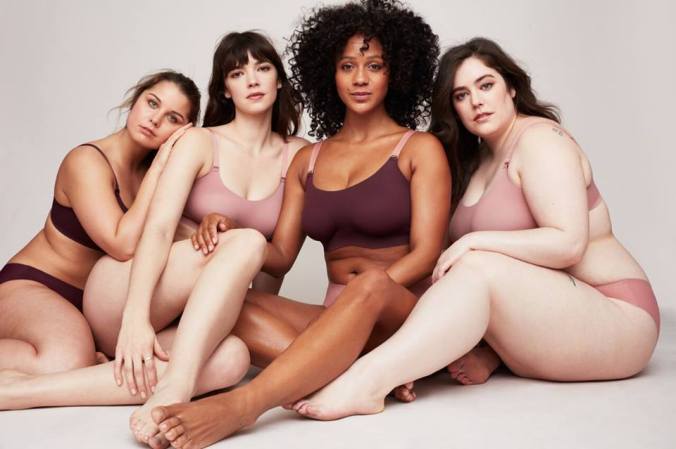
 When my children were small, I told them that Mommy didn’t have a belly button! I was that self conscious about my stomach which was marred by stretch marks and a surgical scar. Now older, and I hope somewhat wiser, I realize that these aren’t ugly. They’re simply emblems of life and survival.


 Following Augustine