 For the second year in a row, I kept a list of all the clothing purchases that I made over the past year so that I could analyse my shopping habits and establish goals for the following year. I started doing this at the beginning of 2018 in part because I wanted to be a more ethical shopper. I was also interested in finding out more about my spending habits and I wanted to be more intentional about wardrobe development.
Based on what I learned in 2018, I came up with the following goals for 2019. Let’s see how I did.
- I will continue tracking my purchases for the coming year so that I can review and evaluate my shopping habits again a year from now. Done!
- I would like to buy less and spend less. Partial success. I actually purchased more items, but I spent less.
- I intend to buy basics that I need and items I love that work well with what I already have. Mostly successful. I did buy two thrifted items, a tank top and a necklace, that didn’t fit into my wardrobe very well. Both have already been returned to be enjoyed by someone else.
- I will resist the pressure of friends to buy pieces that they like, but that aren’t right for me. Complete success!
- I will continue to buy quality pieces, not wasting money on fast fashion items that are poorly made and end up in the landfill after only a few wearings. Success!
- I will continue to write a weekly fashion post! Done!
It’s difficult to find accurate information on women’s shopping habits and it clearly varies from place to place, but it appears that on average most women purchase approximately 70 items of clothing a year and spend somewhere between $150 and $400 a month or approximately $1800 to $4800 annually. Personally, I can’t imagine buying or spending anywhere near that much! Over the past year, I spent a total of $1071.74 CAD or approximately $89 a month. With that, I purchased 43 items including clothing, accessories, and footwear. The biggest change from the previous year was the number of accessories I bought which included two hats, two purses, one belt, one scarf, and several pieces of jewelry. Accessories take up very little space and don’t have to be expensive, but they are the finishing touches that add interest, individuality, and detail to an outfit.
Another difference from the previous year was the number of thrifted items that I added to my wardrobe. I bought only 5 second-hand pieces in 2018, but 14 in 2019 and some of those are amongst my favourite purchases. I paid full price for only 9 items over the past year. The majority of the brand new garments that I bought were on sale. I also added several cabi pieces to my wardrobe at half price by hosting a party in my home in September. The most expensive item that I bought all year cost $99. I have no idea what the total value of my purchases was because I don’t know the original prices of the thrifted items, but I do know that if I’d paid full price for all the brand new items, those pieces alone would have cost me $1609.80. All in all, I’m very satisfied with my wardrobe spending over the past year.
When it comes to shopping ethically, however, I wouldn’t consider myself particularly successful. Finding accurate information in order to make wise choices is extremely difficult. In late June I wrote this post outlining my concerns about purchasing items made in China. I thought seriously about refusing to buy anything else that was produced in that country and for awhile I tried. I read labels and even walked away from a few items, but I soon found myself caving in. In spite of my increased concern, I did only marginally better than the previous year. Some of my thrifted purchases were missing their labels so I don’t know where they were made, but I knowingly bought 18 made in China items in 2019 compared to 20 the year before. Many of the others were made in third world countries such as Vietnam, Cambodia, and Bangladesh. I have no way of knowing if they were manufactured in factories that are socially and environmentally responsible or sweatshops where workers are exploited and forced to work in unsafe conditions, but at least those countries are not the threat to Canada that I believe China to be.
So what are my goals for 2020? Many are the same as last year, but I’ve revised some a bit and added a couple of new ones.
- I will continue tracking my purchases for at least one more year so that I can review and evaluate my shopping habits again a year from now.
- I will continue to buy things that I need and items I love that work well with what I already have.
- I will strive to buy less and experiment with new ways to wear what I already have.
- I will continue to buy quality pieces and not waste money on fast fashion.
- When considering a purchase that was made in China, I will attempt to find a suitable alternative made elsewhere.
- When adding to my closet, I will consider five adjectives that begin with C… classy, confident, comfortable, casual, and creative. These words all describe what I’d like my wardrobe to say about me. Thank you, Pam Lutrell, for inspiring this one!
- I will continue to write a Fashion Friday post each week.
As I look at my list of purchases from 2019, it’s difficult to choose just a few favourites to share with you here because I truly love so many of them! You’ve seen most of them on the blog before, but here’s a small sample:
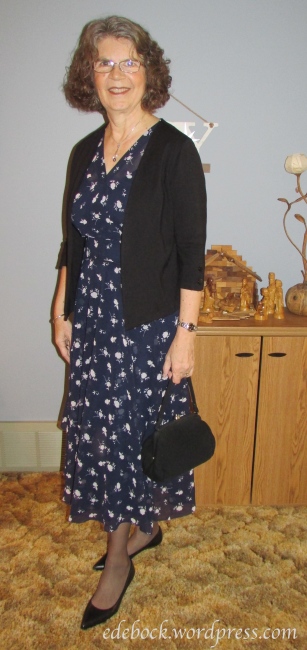
This is what I wore on New Year’s Eve for an evening of fine dining and dancing with my hubby. The little black jacket was my first purchase of 2019 and has been worth it’s weight in gold. It has appeared on the blog several times throughout the past year as it can be worn with so many things in my closet. The Dream Dress from cabi was bought half price at the end of the Spring/Summer season and I picked up the vintage evening purse at our local thrift store for just $3!
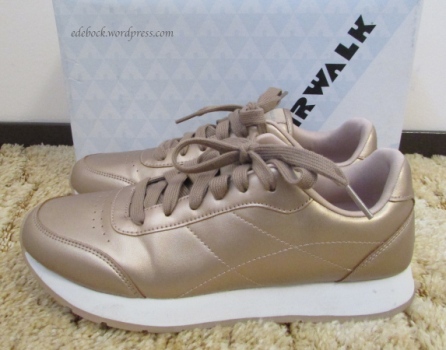
The Airwalk Speed Vitesse sneakers that I purchased at a Payless closing out sale were absolutely perfect for walking the streets of Europe in May and have continued to serve me well ever since. They were amongst several items that were bought specifically for traveling in 2019.
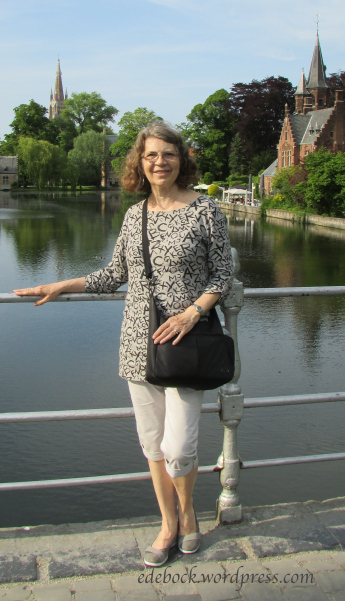
In this photo, taken in beautiful Bruges, Belgium, I’m wearing a favourite thrifted top and carrying the anti-theft crossbody bag that kept my valuables safe while we traveled.
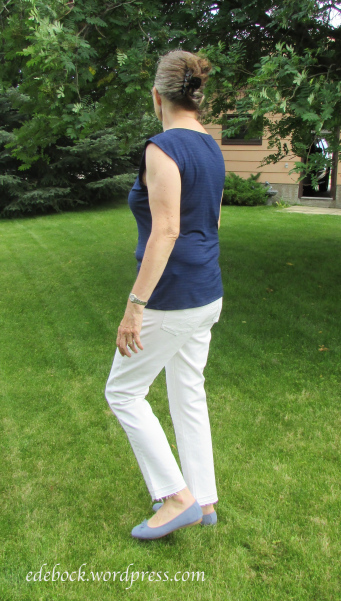
I can hardly wait for summer to return so that I can wear my DIY frayed white jeans again! They were also thrifted and cost just $2 plus a few minutes work to let down the hems and fray the edges.
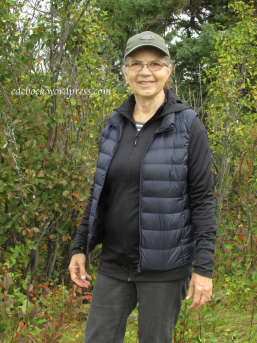
Here I am on a hiking trail wearing two more favourite purchases from 2019, a lightweight thrifted hoodie and my Uniqlo ultra light down vest. Both have proved to be great travel companions!
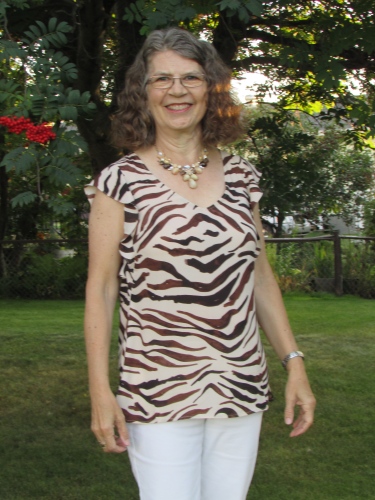
And finally, here’s my zebra print top from cabi.


 Following Augustine