Fashion Revolution Week

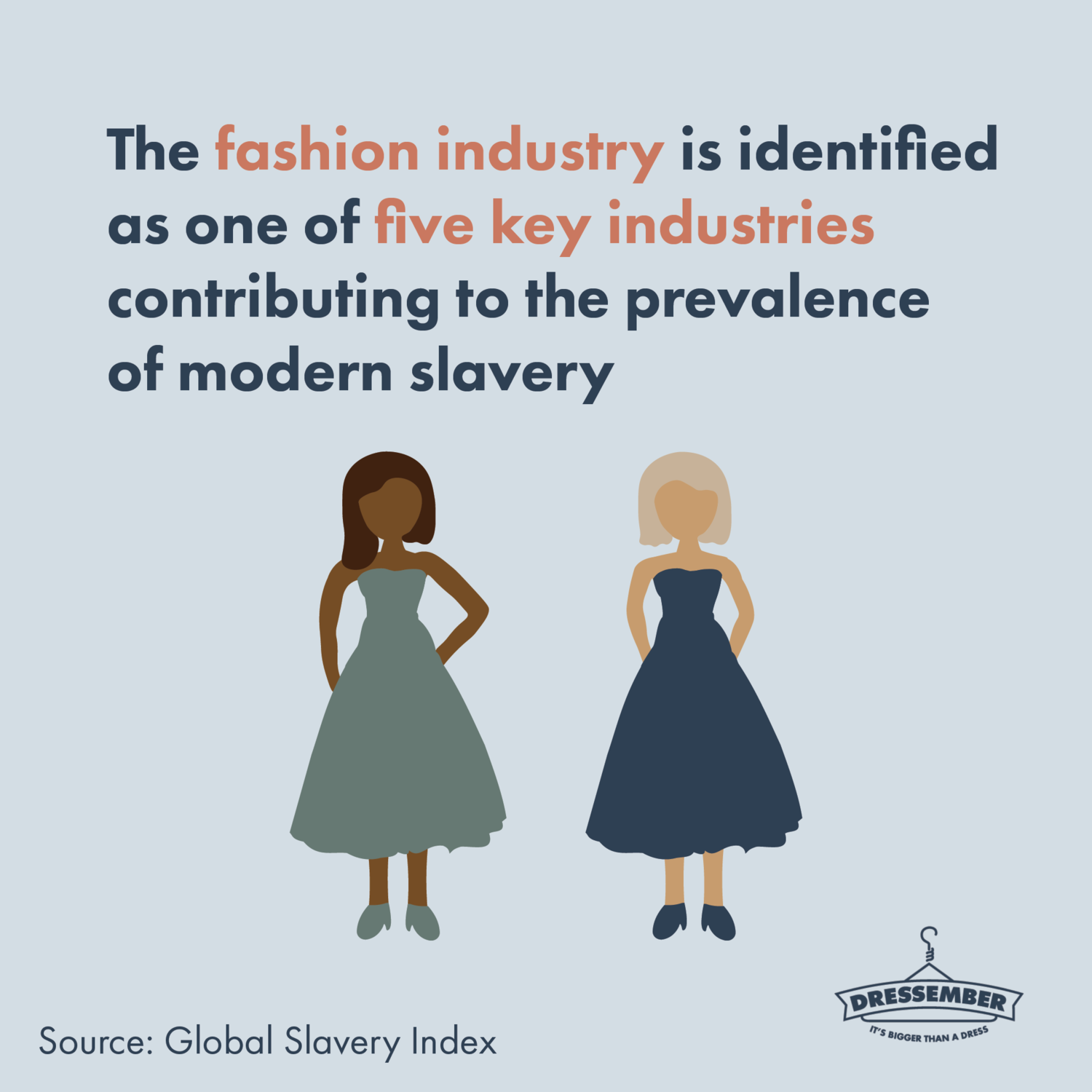
Logo by SamFashion Revolution is a not-for-profit global movement that was founded by British fashion designers Orsola de Castro and Carry Somers following the collapse of the Rana Plaza garment factory in Bangladesh on April 24, 2013 that killed 1,134 people and injured another 2,500. Fashion Revolution campaigns for a clean, safe, fair, transparent and accountable fashion industry; one that that conserves and restores the environment and values people over growth and profit. Over the past ten years, it has grown to become the world’s largest fashion activism movement, mobilizing citizens, brands and policymakers through research, education and advocacy. Every year, they organize Fashion Revolution Week in April, but this year’s campaign is marking a decade of active campaigning with ten days of action running from April 15 to 24.

433469133_424161200263956_5310705543677909198_n

I don’t consider myself a fashion activist, but I do believe that everyone has a part to play in building a fashion industry that puts people and the planet first. Until our our clothing is made in safe, clean, and fair ways, we’re all part of the problem.

Those of us who live in North America have little choice but to buy clothes that are produced overseas and it’s virtually impossible to find out whether they are made in sweatshops where workers are exploited and forced to work in unsafe conditions or manufactured in socially and environmentally responsible factories. So, what can we do? How can we be part of the solution instead of the problem?

Overconsumption has become a huge problem. Apparently, the number of clothes that the average consumer purchased between 2000 and 2014 increased by 60 percent and those clothes tended to kept about only half as long as in the past. Individually, we can do our part by buying less and choosing quality over quantity. After all, how much do we really need hanging in our closets? At least one of the fashion bloggers that I follow has committed to The Rule of 5, planning to buying no more than five new fashion items this year. She’s decided to explore second-hand shopping which, as you know, is one of my favourite ways to add to my wardrobe.

427688654_401397839206959_3748741648498203248_n

Another way that we can take action is to extend the life of our clothing by learning to mend, repair, and upcycle. In cities around the world Fashion Revolution activists are planning to come together in public spaces tomorrow to work on personal mending projects while drawing attention to the goals of the movement. That reminds me that I still have two pieces set aside from my recent closet cull waiting for some simple upcycling. Though I won’t be doing it in a public place, perhaps that should be my Fashion Revolution Week project.

Is thrifting ethical or not?

Logo by SamIf you’ve been following my blog for long, you know that many of my clothes come from second-hand stores, not because I can’t afford to buy new, but because I love thrifting and because one of my fashion goals is to be a more ethical shopper. The benefits of second-hand fashion are undeniable. Instead of going to the landfill, clothing that is no longer wanted finds new life in someone else’s closet. Textiles are reused and the harmful environmental impacts that result from producing new garments are reduced. Sadly, however, thrifting is not without ethical concerns.

One of the most common criticisms of thrift store shopping is related to supply and demand. If people like me, who can afford to buy our clothes new, instead choose to shop second-hand, will there be enough for those those in need? While this fear of “stealing from the poor” may be a good-hearted concern, it doesn’t accurately portray the situation. In reality, because we are such an affluent society, most second-hand stores receive far more in donations than they can possibly sell. The sad reality of thrifting is that while some of the clothes that go unsold are donated to women’s shelters and other charitable organizations, a large percentage end up in landfills or are shipped to third world countries.

While there is little danger of second-hand stores not having enough stock to meet the needs of low-income customers, thrifting as a fashion choice among the more well-to-do has led to a different problem. The “gentrification” of thrift stores, as this trend has become known, has led to some second-hand stores raising their prices making it more difficult for those who are in need to access clothing that they can afford. I do the vast majority of my thrift store shopping at two small shops in my local area where prices have been kept very low, but I have definitely noticed an increase in prices in the larger city stores that I visit occasionally. For example, three of the thrifted items that I bought in the past year were purchased in city second-hand stores for between $7.00 and $14.99. They would have cost $2.50 each at one of the shops in our small rural community.

The most valid criticism of thrift store shopping, however, is not directed at those of us who purchase clothing to add to or fill gaps in our own wardrobes. It zeroes in on those who frequently buy far more than they can reasonably use so that they can feature their “hauls” on TikTok and YouTube and on those entrepreneurial thrifters who buy quality items at thrift store prices and then resell them for more on popular apps like thredUp. For some, thrifting has become a lucrative business, but how ethical is it to buy donated items at not for profit shops like Goodwill and use them to turn a profit?

So, the question remains: Is thrifting truly an ethical way to shop or not? Personally, I think it is, especially if you live in an area where there is a high volume of second-hand clothing available. Thrifting is the recycling of the fashion world, but being an ethical thrifter requires mindfulness and discipline. It requires shopping with your practical needs in mind and not falling into the trap of overconsumption simply because the prices are so low. As a conscious shopper, you might also ask how you can strengthen or support the industry. This might look like volunteering your time and/or donating your own gently worn clothes to continue the cycle.

2023 fashion shopping review

Logo by SamAt the beginning of 2018, following the example of one of my favourite bloggers, Sue Burpee of High Heels in the Wilderness, I started keeping a list of all my fashion purchases including clothing, accessories, and footwear. I was interested in finding out more about my spending habits and I wanted to be more intentional about wardrobe development. In addition, I wanted to become a more ethical shopper. I’ve continued this practice every year since and at the end of each year I publish a fashion shopping review analyzing my purchases and setting some goals for the next year.

What surprises me most when I look at this year’s list is how short it is. I only bought 17 items! That’s less than half as many as most other years. Of those, 12 were thrifted and only 5 purchased new. I spent a total of $395.50 (CAD), again less than half what I’ve spent most other years. Research shows that some women spend that much every month!

So, what did I get for less than $400?

  • 2 pairs of pants
  • 7 tops
  • 1 vintage jacket
  • 1 vest
  • 1 scarf
  • 1 swimsuit (which hasn’t actually been worn yet, though I hope to remedy that soon)
  • 1 swimsuit cover up (also not worn yet)
  • 1 pair of earrings
  • 1 necklace
  • 1 pair of sandals

The last item on that list was by far the most expensive. At $175 my Ecco walking sandals were worth every cent. I love thrift store shopping, but good quality footwear is something that I’m willing to spend a significant amount of money on. I consider it an investment in healthy feet.

IMG_5497

Trying to shop ethically is complicated and how successful I’ve been is always very difficult to assess. One of my fashion shopping goals in recent years has been to avoid buying items, especially new ones, that were made in China. I loved living and teaching there, but these days Canada-China relations are chilly at best. Conditions for many factory workers in that country are abhorrent and human rights are being increasingly eroded. It’s a personal choice, but I prefer not to support China if I can avoid it. One of the items that I bought new in 2023 and several of the second-hand ones were made in China and others were made in Vietnam and Cambodia. It’s virtually impossible to find out whether they were made in sweatshops where workers are exploited and forced to work in unsafe conditions or manufactured in socially and environmentally responsible factories. Unfortunately, since the vast majority of fashion manufacturing takes place overseas, those of us who live in North America have little choice but to buy clothing made in these countries.

Until recently, thrift store shopping was lauded as being ethical and sustainable, but now that’s a topic that’s up for debate. I still feel that it’s often a better option than buying new, but I plan on writing a post about this early in the new year, so I won’t go into it here.

Having done this exercise for the past six years has definitely made a difference to how I shop. I’ve become much more intentional, making fewer impulse buys and limiting them to things that I love and pieces that go well with what I already own. My goal for the coming year will simply be to continue in this vein. Some new blue jeans will probably be on my shopping list as a couple of pairs of old favourites are starting to show their age. I’d like to try a pair of wide-legged ones while they’re in style. I also need some new capri pants for summer as most of mine are quite worn. The worst ones didn’t make the cut when I did my seasonal closet switch in the fall.

And now, in addition to the sandals shown above, here are a few of my favourite fashion purchases from the past year. They’ve all appeared on the blog before.

IMG_6301

When winter rolled around again, I was very happy to start wearing the dark brown button fly cords from cabi again. Purchased in a season end sale last January, they’re a little dressier than my jeans.

IMG_5491

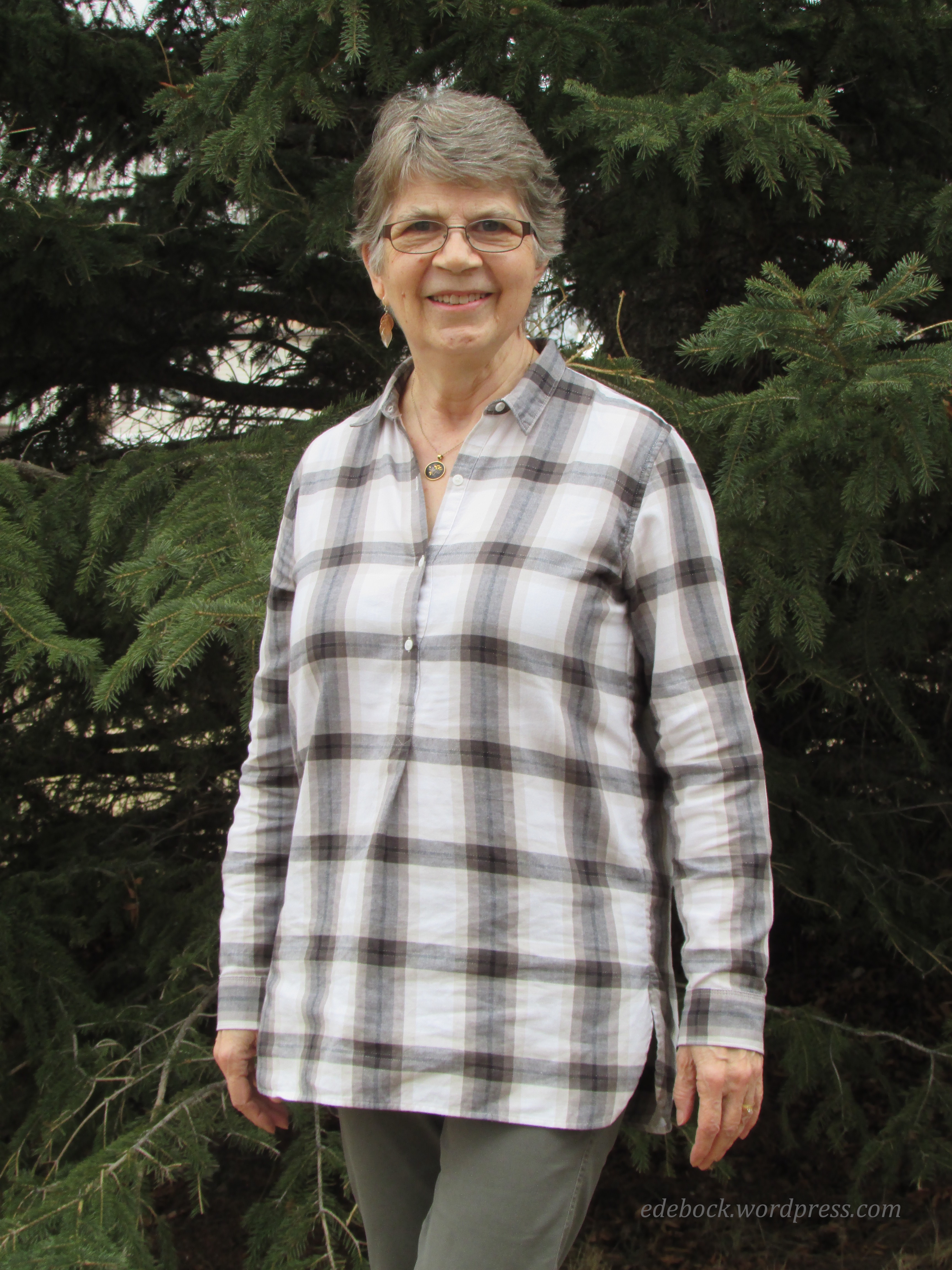
The neutral plaid shirt, originally from Gap, was an excellent second-hand purchase that only cost me $2! 

IMG_5738 2

As comfortable as pjs, these striped linen blend pants were a great addition to my summer wardrobe. They were also thrifted.  

IMG_6095 2

Finally, I was very fortunate to find this sleeveless top from cabi’s Fall 2018 Collection in our local thrift store in September. I don’t know where it had been hiding for the past five years, but it looked as if it had never been worn!

And now, with with just two days left in 2023, I want to take a moment to wish you and yours a very Happy New Year!

2022 fashion shopping review

Logo by SamOnce again, I kept a list of all the clothing, footwear, and accessories that I bought over the past year so that I could analyze my shopping habits and establish some goals for next year. I started doing this a few years ago because I wanted to be more intentional about wardrobe development and because I wanted to focus on becoming a more ethical shopper. I think it’s helped. There are definitely a few impulse buys on this year’s list, but the majority were planned purchases or items that filled specific needs.

Let’s begin by looking at a few stats.

  • I bought a total of 43 items
    • 31 garments
    • 9 accessories
    • 3 pairs of footwear
  • 21 items were thrifted and 22 bought new
  • I paid full price for 14 items
  • I spent a total of $819.87 CAD or an average of $68.32 a month
  • The most expensive item that I purchased was a purse that I paid full price for ($79.99)

This analysis alone was a good exercise for me as I discovered that I bought 15 more items and spent $237.49 more than I did the previous year! Considering the fact that it’s estimated that most North American women purchase an average of approximately 70 items of clothing annually spending somewhere between $1800 and $4800, I think I’d still qualify as a frugal fashionista, but why such a significant increase in purchases and spending since last year? With pandemic restrictions lifted, I spent more time shopping, but the biggest reason is that this was a wardrobe basics rebuilding year.

In addition to a 6 pack of underwear (I counted that as one purchase), I bought 2 pairs of pyjama pants, 1 pyjama top, and 6 bras. The bras alone cost a total of $295.60, more than one-third of this year’s fashion spending. I didn’t actually need all 6 of them, but I absolutely hate bra shopping. When, after a great deal of frustration, I finally found two styles that fit beautifully, I bought extras and put two of them away for the future.

When it comes to ethical shopping, I definitely slipped up in 2022. One of my fashion shopping goals in recent years has been to avoid buying items that were made in China. I loved my time living and teaching there in 2013, but I know that the conditions for many factory workers in that country are abhorrent and that human rights are being increasingly eroded. I also consider China a threat to Canada, so I see these as good reasons to avoid purchasing items made in that country. I’m not proud of the fact that I failed in this area this year. Almost 25% of my fashion purchases were produced in China. 😦 My only consolation is the fact that the half of those items were thrifted which is, at least, an ethical way to shop.

Another of my goals for 2022 was to add more colour to my wardrobe. While I did try a couple of different colours that were new to me, I still found myself gravitating to my favourite blues and warm neutrals and I’ve decided that I’m okay with that.

What was the most surprising thing about my fashion shopping this year? I DIDN’T BUY ANY SHOES! None! Not a single pair! My three footwear purchases were tall black boots and sandals, both thrifted, as well as a pair of slippers that I use for travel. My shoe purchases have been far fewer and much more intentional since Payless ShoeSource closed all their North American stores in 2019. I seldom passed one of those stores without at least going in to browse and I often ended up buying something.

My goals for 2023 are simple.

  • I will continue to be intentional about my purchases, limiting impulse buys to a few items that I love and that will go well with what I already own.
  • I’ll continue to experiment with new ways to wear what I already have.
  • I’ll buy fewer new items that were made in China.
  • I’ll continue tracking my purchases.
  • As long as I don’t run out of ideas, I’ll continue writing a Fashion Friday post each week.
  • And I might even buy a pair of shoes! 😂

Now for a few of my favourite fashion purchases of 2022. They’ve all appeared on the blog before.

IMG_4827

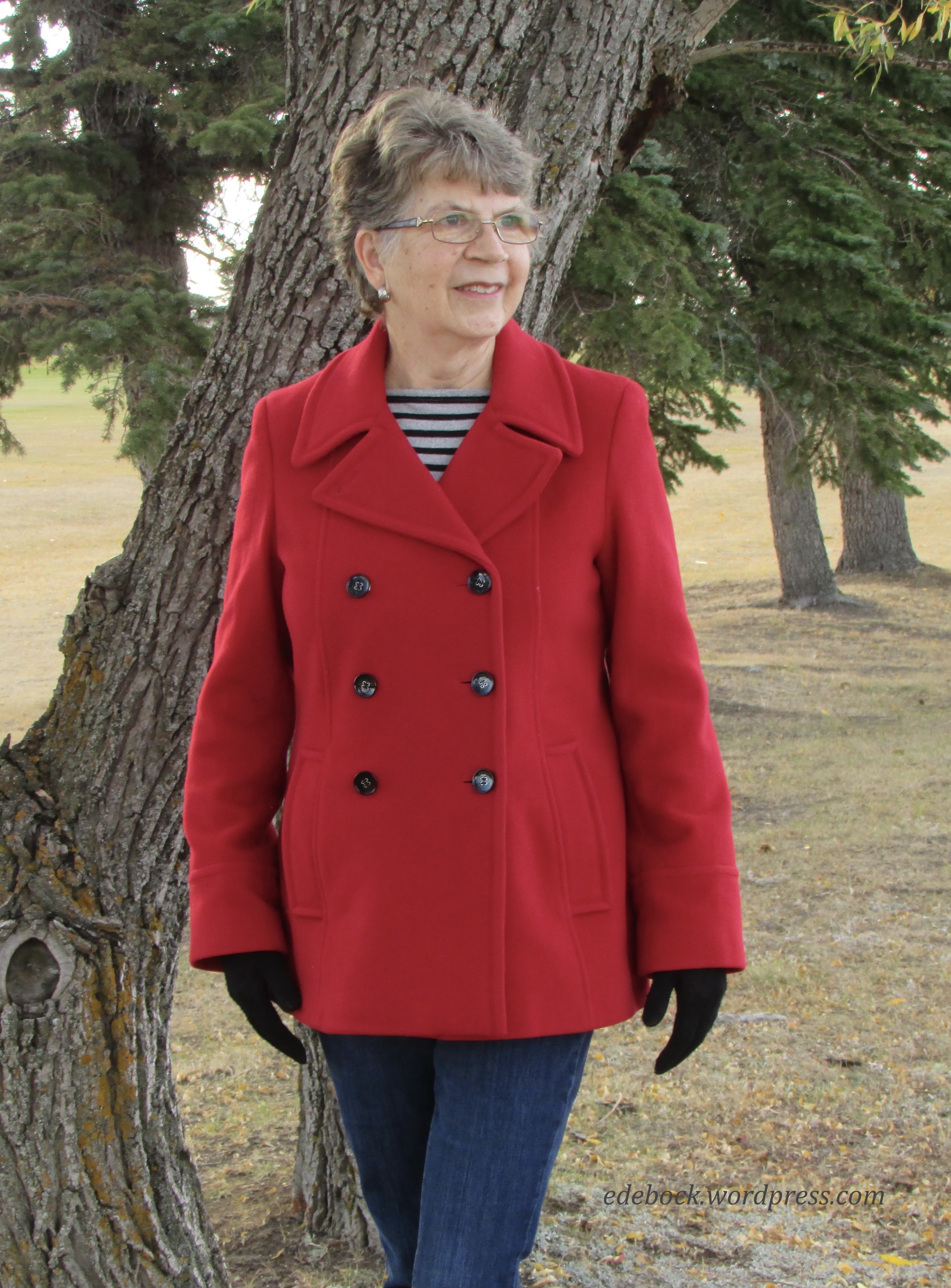
The red Calvin Klein jacket that I bought for $7 at a local thrift store in October is a hands down winner!

IMG_4440

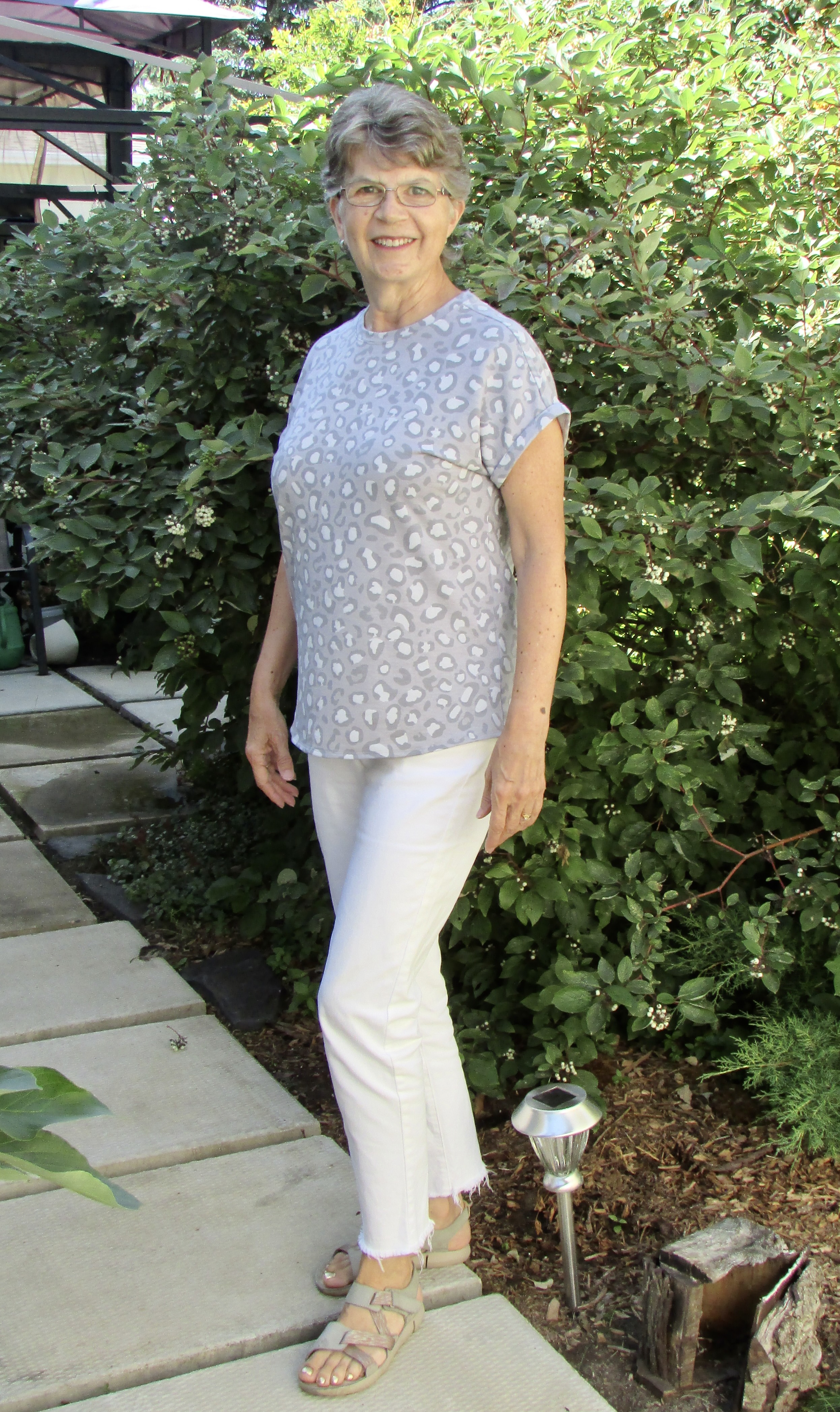
The grey animal print t-shirt and the Clarks sandals, also both purchased second-hand, were great additions to my summer wardrobe.

IMG_4348 2

This dress was an impulse buy that I’ll never regret.

IMG_3842

Then there’s the hat that I bought on a chilly April morning in Victoria. Not only is it a fond reminder of our trip, but I love wearing it.

And now, with with less than 48 hours left in 2022, I want to take a moment to wish you and yours a very Happy New Year!

Made in Canada?

Logo by SamThose of us who live in small towns in particular are used to hearing the “shop local” mantra, but buying affordable domestically made clothing has never been more challenging. As of 2019, the majority of clothing purchased in Canada was imported from China, Bangladesh, Vietnam, and Cambodia, countries where workers’ rights are often limited or non-existent. Many proudly Canadian brands including Roots, Lululemon and Joe Fresh design their clothing in Canada, but the majority is actually produced elsewhere. The situation is similar for those of you who shop in the US.

As one who attempts to shop ethically, I was delighted to purchase three items recently that boast “Made in Canada” labels. Delighted, that is, until I discovered that even those labels can be deceptive. According to Canadian law, designers can legally use that term as long as the last substantial transformation of the garment occurs in Canada and a minimum of 51% of the cost of its creation is incurred in this country. Some items are partially assembled cheaply in Asian factories and then imported to Canada where finishing details and those all-important “Made in Canada” labels are added. Then, of course, there’s also the question of where the fabric and notions were produced, but that’s another rabbit trail that I haven’t managed to go down yet.

In spite of knowing that they may not have been 100% produced in Canada after all, I’m quite delighted with my recent purchases, two tops and a dress. One of the tops was thrifted which is, of course, an ethical way to shop regardless of where the item originated, but the other pieces were new.

IMG_4348 2

The dress was totally an impulse buy. It caught my eye as soon as I entered the store, but I didn’t really need another new summer dress. After all, I’d just bought this one a few weeks earlier and had only worn it a couple of times. I looked at everything else in the store, but my eye kept going back to the dress, so I finally decided that I had to try it on. I do my best to be a mindful shopper, but once in awhile an impulse buy just has to happen!

IMG_4359

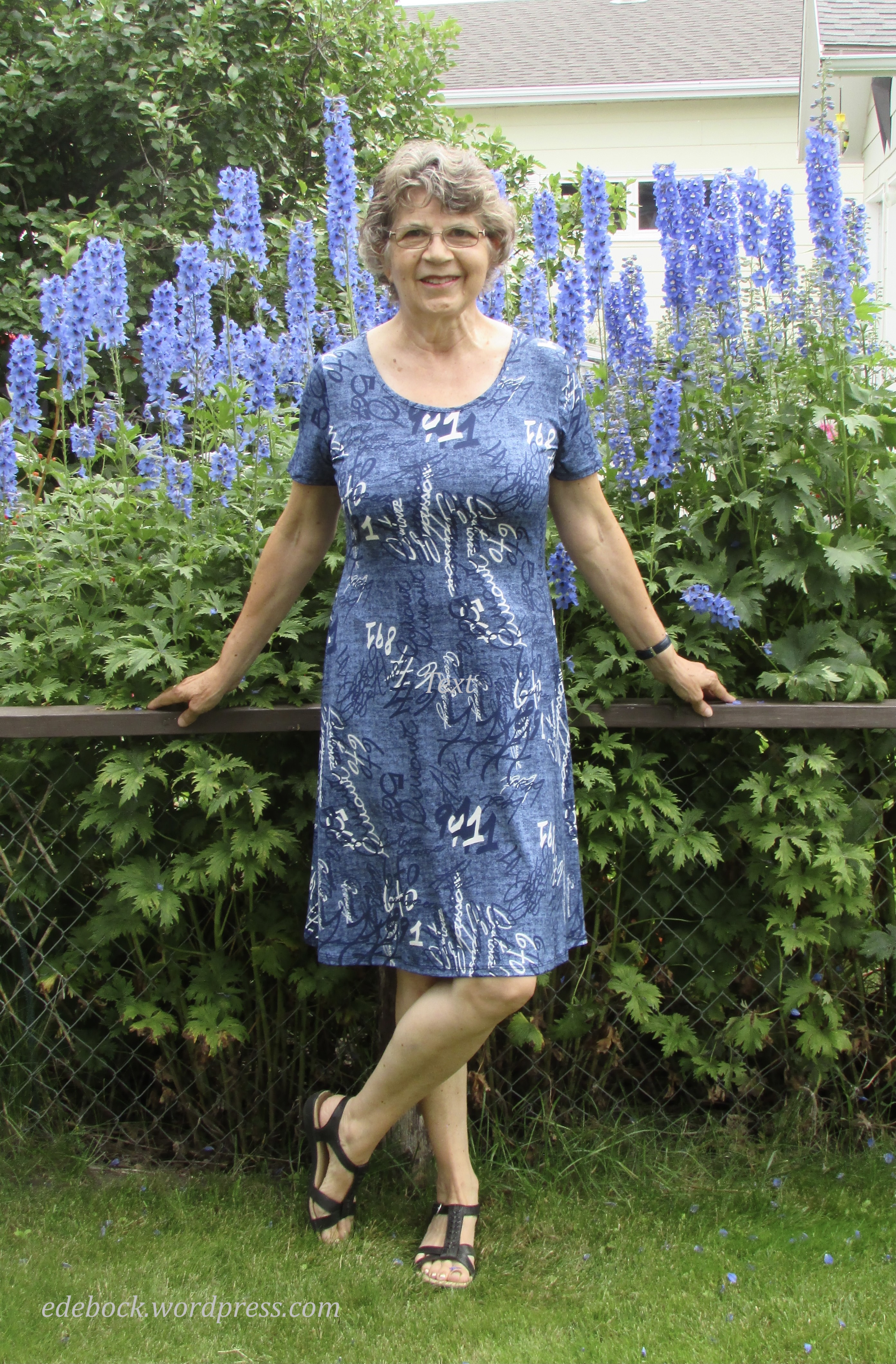
The dress is as comfortable as a favourite t-shirt and as you can see, it’s easy to dress up or down. The lightweight polyester knit is machine washable and will hardly take up any space in a suitcase when we finally decide to fly again.

IMG_4366

The beautiful floral backdrop is our neighbour’s. She’s an amazing gardener and we thoroughly enjoy the results of her labour! Thank you, Connie!

2021 fashion shopping review

LogoAs I’ve done for the past few years, I once again kept a list of all the clothes, footwear, and accessories that I bought over the past year so that I could analyze my shopping habits and establish goals for next year. I started doing this because I wanted to be more intentional about wardrobe development and because I wanted to focus on becoming a more ethical shopper. Hopefully, I’ve made progress in both these areas.

Let’s begin by looking at my fashion shopping goals for 2021 and see how I did.

  • I will continue tracking my purchases for at least one more year so that I can review and evaluate my shopping habits again a year from now. Done!
  • I will continue to buy things that I need and items I love that work well with what I already have. Mostly successful. Two items have already been returned to the thrift store though. After wearing one of them a couple of times, I realized that I didn’t like it as much as I thought I would. The other, a pair of sandals, ended up being quite uncomfortable when worn for more than a few minutes. 
  • I will continue to experiment with new ways to wear what I already have. Done!
  • When considering a purchase that was made in China, I will attempt to find a suitable alternative made elsewhere. Fairly successful. Only three of the fourteen new items that I bought this year were made in China. Read more about why I’ve made this a personal goal here and here.   
  • When adding to my closet, I will consider five adjectives that begin with C… classy, confident, comfortable, casual, and creative. While I don’t consciously think about these adjectives as often as I used to, purchasing and wearing clothes that say these things about me has become habit.  
  • I will continue to write a Fashion Friday post each week. Done!  

With the pandemic continuing throughout the past year, shopping trips were few and far between. That, combined with the fact that I live in a rural town with a population of just over 800 people and no clothing or shoe stores, made it very easy to limit my 2021 purchases. Let’s take a look at a few stats.

  • I bought a total of 28 items
    • 18 garments
    • 6 accessories
    • 4 pairs of footwear (shoes, boots, and sandals)
  • 14 items were thrifted and 14 purchased new
  • I paid full price for only 4 items
  • I spent a total of $582.38 CAD or an average of $48.53 a month
  • The most expensive item that I purchased was a pair of Asics running shoes that I paid full price for ($159.99)

The six goals from last year, mostly unchanged from the year before, will continue to guide my fashion shopping for 2022, but I’m adding two more.

  • I will strive to add more colour to my wardrobe.
  • I will be more selective and intentional about the thrifted items that I buy. A bargain is only a bargain if it’s something that you’re actually going to wear!

And now a few of my favourite fashion purchases of 2021. They’ve all appeared on the blog before.

Uniqlo denim shirt

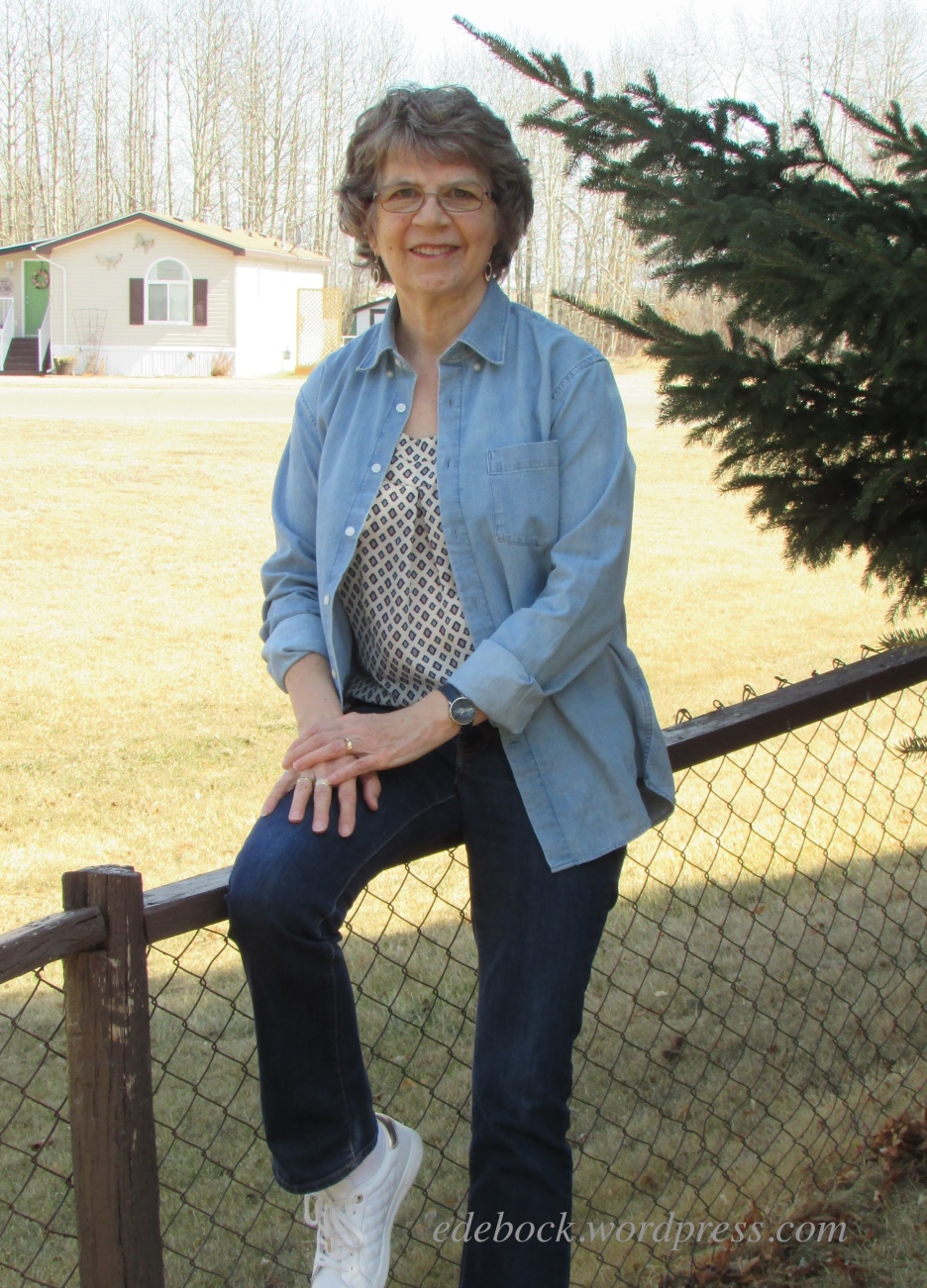
The Uniqlo denim shirt, purchased last spring, quickly became a workhorse in my wardrobe and was one of the six items that I wore exclusively for an entire month earlier this winter.

IMG_3053

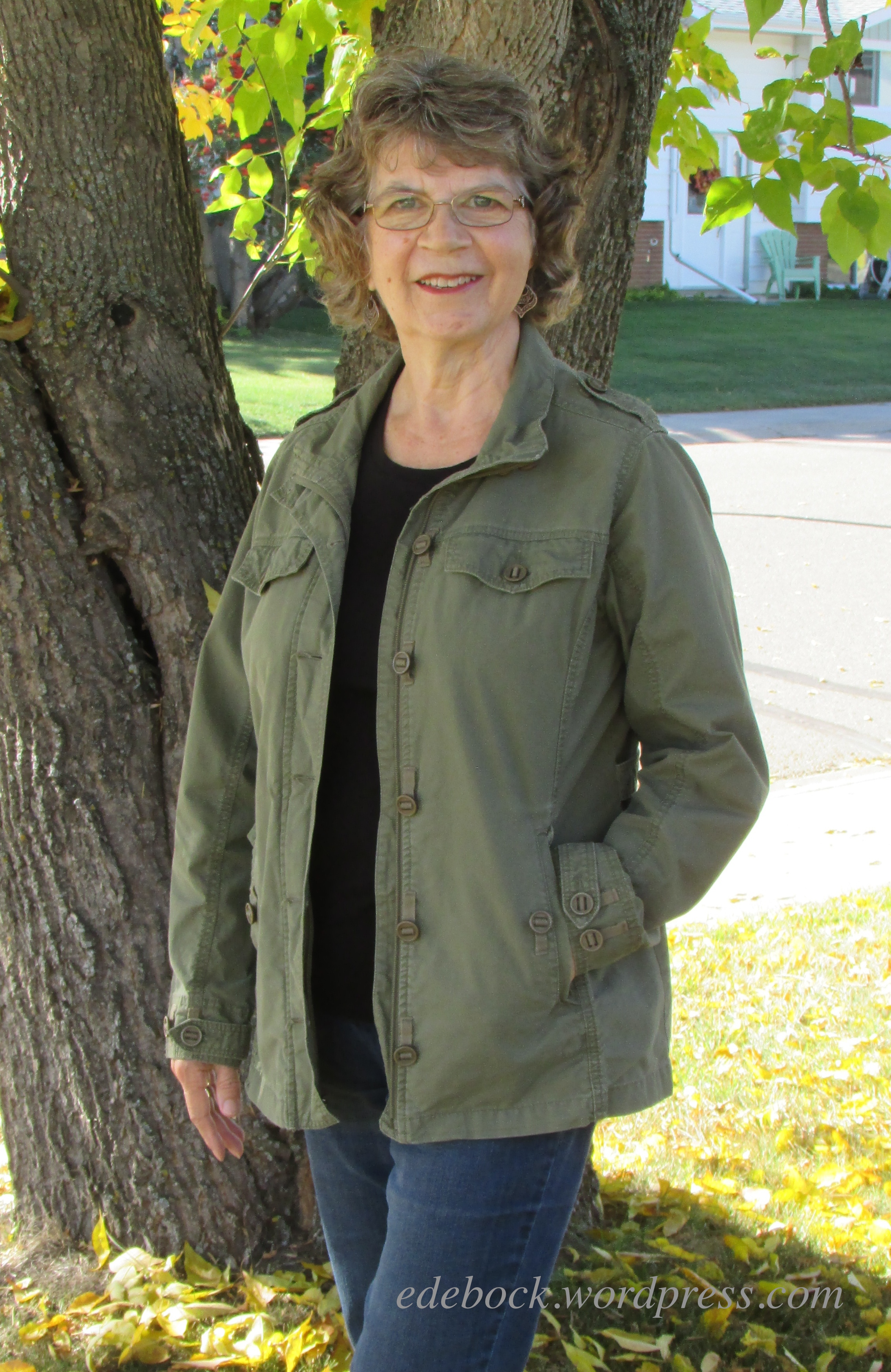
The Cabella’s utility jacket that I bought at a garage sale was one of my best second-hand purchases this year.

IMG_3082

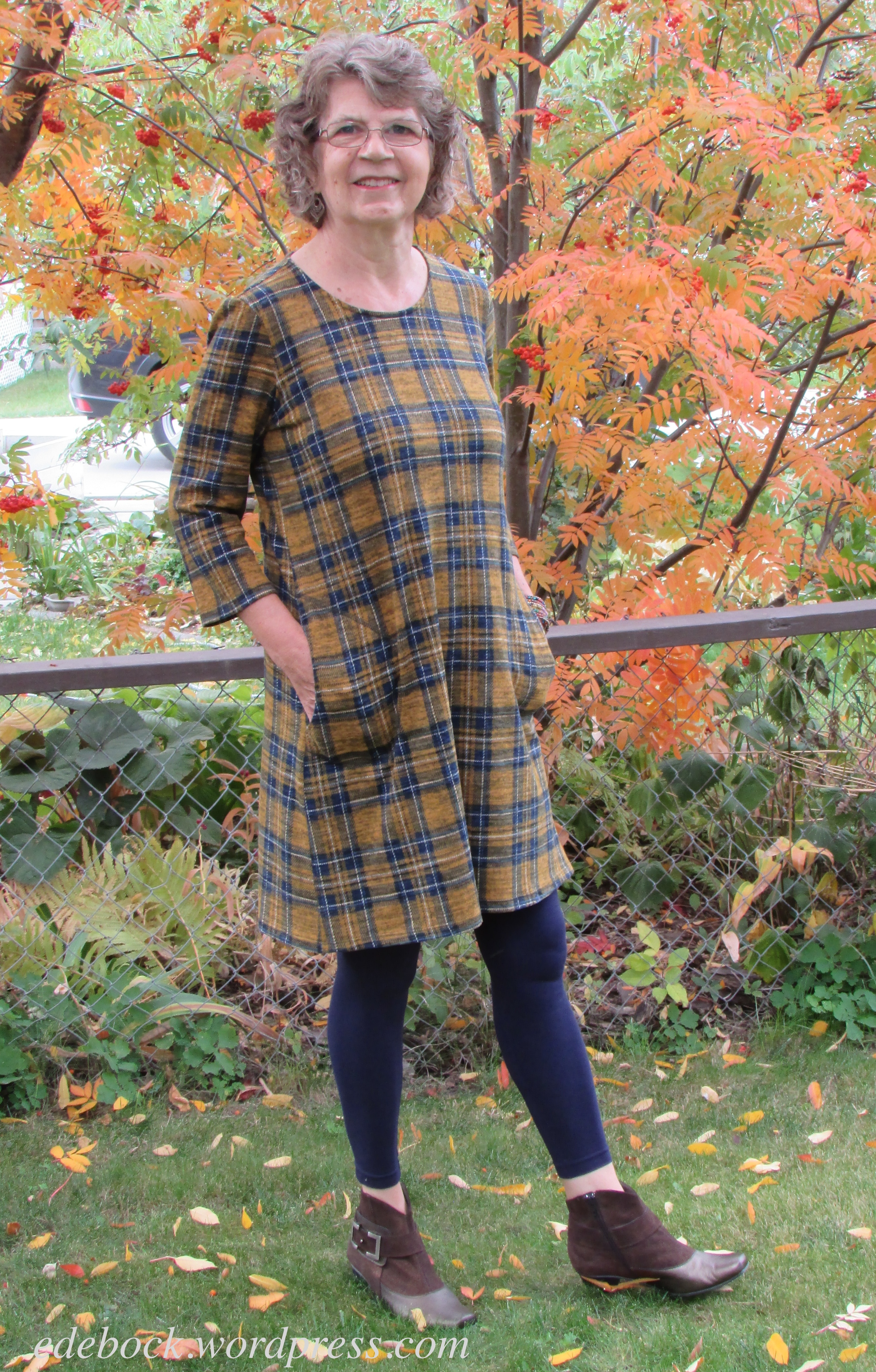
I stepped a bit outside my fashion comfort zone with this thrifted outfit, but both the dress and the boots have become favourites.

IMG_3405

And finally, the gentlewoman blazer that I purchased earlier in December. Judging by the number of you who checked the link when it first appeared on the blog, I wasn’t the only one who loved it. Now it’s on sale for a fraction of what I paid for it!

And finally, with just a few hours left in 2021, I wish you and yours a very Happy New Year! Hopefully 2022 will be a better year for all of us.

It’s a start

LogoI was thinking about a topic for this week’s fashion post when I came across a news article that fit very well with what I said last week about boycotting products that are made in China.

The Canadian Border Service Agency (CBSA) recently intercepted a shipment of women’s and children’s clothing that originated in China on the grounds that the garments were made by forced labour. This was the first interception of its kind since new federal laws came into place in July 2020 officially banning the import of goods made partially or wholly by forced labour. Just as there is no way for us as consumers to know what conditions our purchases were made under, there is no visual indicator to show a border services officer the labour standards by which a particular good was produced. This makes this a very difficult situation to deal with, but the CBSA says that it will continue to investigate complaints and allegations pertaining to imports made using forced labour. Hopefully this will lead to further interceptions of this kind and will ultimately result in retailers ensuring that they don’t order goods that have been produced unethically. At least it’s a start. 

So what exactly is forced labour? According to the International Labour Organization (ILO), forced or compulsory labour is “all work or service which is exacted from any person under the threat of a penalty and for which the person has not offered himself or herself voluntarily.” It refers to a form of modern slavery in which people are coerced to work through the use of violence or intimidation, or by more subtle means such as manipulated debt, retention of identity papers, or threats of being handed over to immigration authorities. In China, Uyghurs and other Turkic minority ethnic groups are being subjected to forced labour in Xinjiang province. As well, a recent CBC Marketplace investigation found that several Canadian retailers, including one of my favourites, had brought hundreds of shipments of clothing into Canada from a Chinese factory suspected of secretly using North Korean forced labour. The factory is located in the city of Dandong, just across the Yalu River from North Korea.

The more I learn about unethical clothing production in China, the more convinced I am not to support it with my fashion dollars! I know I’m only one and I’m not even a big spender when it comes to clothing, but if I can convince even one of you to consider not purchasing clothes that are made in China, it’s a start. 

DAY+22

And now, are you wondering how the six items or less challenge is going? At the end of the second week, I must admit that wearing the same things over and over again is a bit boring, but there are also advantages. Getting dressed in the morning is easy and so was packing for a weekend away to meet our brand new baby granddaughter! I simply wore two items and packed the other four along with some socks, underwear, and pjs. Easy peasy! No thought involved. 

More about the six

LogoFacebook comments in response to last week’s post about my self-imposed “six items or less” challenge ranged from “I could absolutely NOT do this!” to “I’ve been living in the same set of clothing since I retired.”

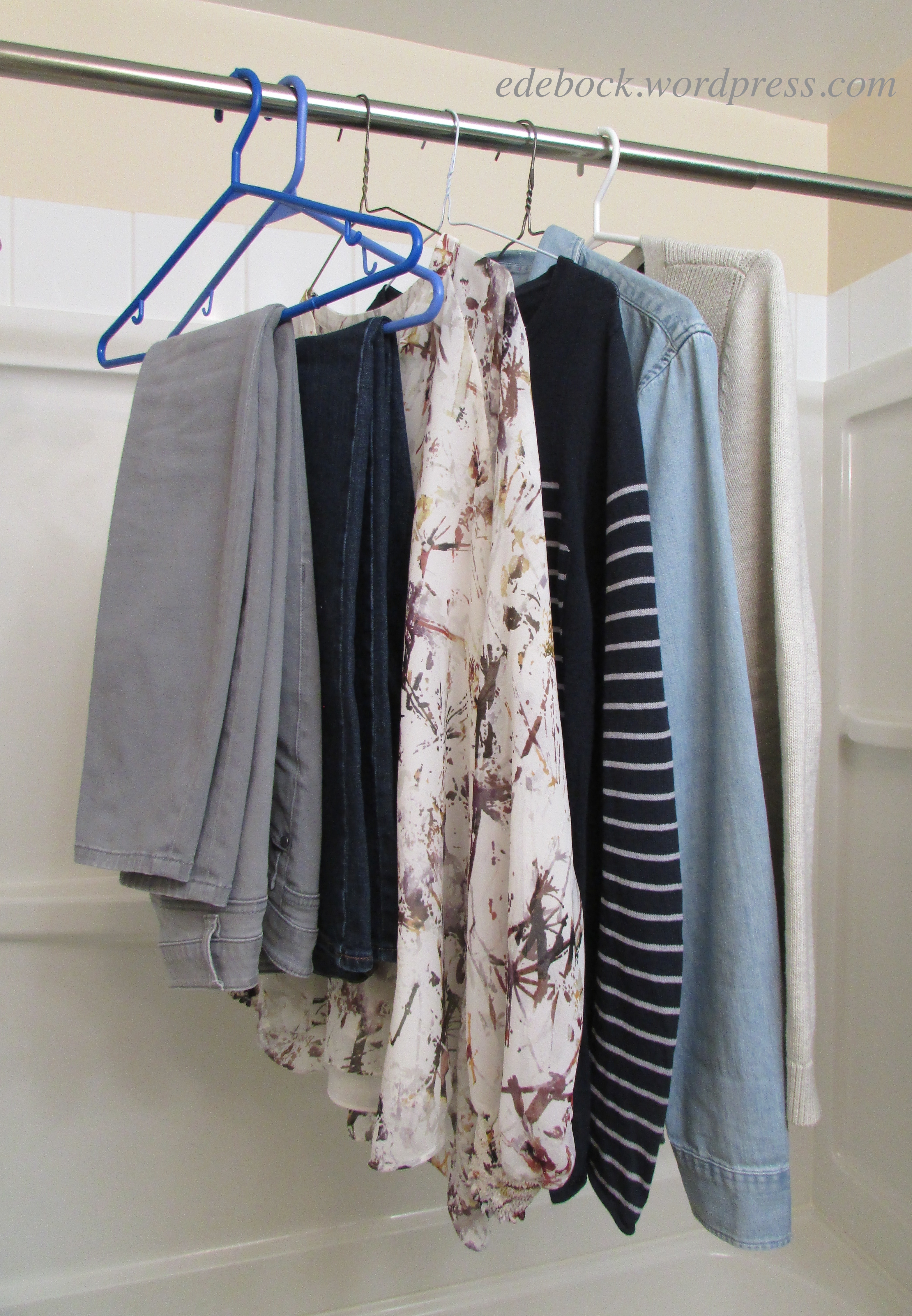
Today, after one full week, I thought I’d share a bit more about each of the six pieces that I’m wearing for the duration of the one month challenge. None are new and they’ve all appeared on the blog at one time or another in the past. First, let’s take another look at the photo…

IMG_3313

From left to right:

  1. Grey skinny jeans  –  cabi  –  purchased new in fall 2018  –  made in China
  2. Dark wash jeans  –  Old Navy  –  gifted in early 2018  –  made in China
  3. Patterned blouse  –  cabi  –  thrifted in fall 2020  –  made in China
  4. Navy striped pullover  –  cabi  –  purchased new in fall 2017  –  made in China
  5. Denim shirt  –  Uniqlo  –  purchased new in early 2021  –  made in Bangladesh
  6. Cardigan  –  cabi  –  purchased new in late 2016  –  made in China

It wasn’t until I’d carefully chosen all six pieces that I realized that four of them were cabi! In addition to the fact that I simply have a lot of cabi, I think that there are a couple of other good reasons for that. First of all, cabi intentionally produces clothing that coordinates well with previous and future seasons. This makes building a cohesive wardrobe very easy. Second, cabi clothing is good quality. It lasts! I suspect that many fast fashion pieces that are sold today wouldn’t hold up to a month of steady wear and washing. Instead, they fall apart after a few wearings and end up in the landfill.

As someone who is attempting to be an ethical shopper, I was also surprised and somewhat alarmed to see that five of the six items were made in China! While shopping in Superstore last week, I passed up a super cute pair of leopard print sneakers. The deciding factor, in addition to not really needing them, was the fact that they were made in China. Having lived in that country for several months, I’m conflicted about buying anything that is produced there. I know that the majority of the population is extremely poor and that garment factories provide much needed employment, but I also know that the conditions in many of them are abhorrent. Men and women work in unsafe surroundings 10 to 12 hours a day, 360+ days a year for a mere pittance. In addition, there are political reasons for boycotting Chinese products. I see China as a threat to Canadian security and although the two Michaels were released in September, it’s clear that they were held for almost three years on trumped up charges in retaliation for Canada’s arrest of Chinese high-tech executive Meng Wanzhou. That’s simply not a country I want to support with my fashion dollars!

My justification for having five made in China items on the list of six is threefold. First, two of them were thrifted or gifted. My intention is to try to avoid purchasing new items that are made in China. Second, the new items were purchased prior to 2019 when I made a commitment to begin shopping more ethically. And third, four of the five items are cabi. I’ve been assured by two independent cabi stylists that their products are made in socially and environmentally responsible factories. In spite of that, I was happy to see that my most recent cabi purchase, which you’ll see on the blog later this winter, was made in Vietnam. I suspect that this means that cabi, like many other companies, is moving their factories out of China, not for political reasons, but because the cost of production there has risen significantly and other locations in Asia are more cost efficient. In any case, I’ll feel better about buying cabi in the future if it’s made elsewhere.

And now, before I close, here are a couple of the outfits that I wore this week. On Tuesday, when I went to my weekly Bible study and ran some errands, I layered the denim shirt over the patterned blouse and paired them with the grey skinny jeans. I dressed the outfit up with my newest boots and a necklace, both thrifted.

IMG_3321

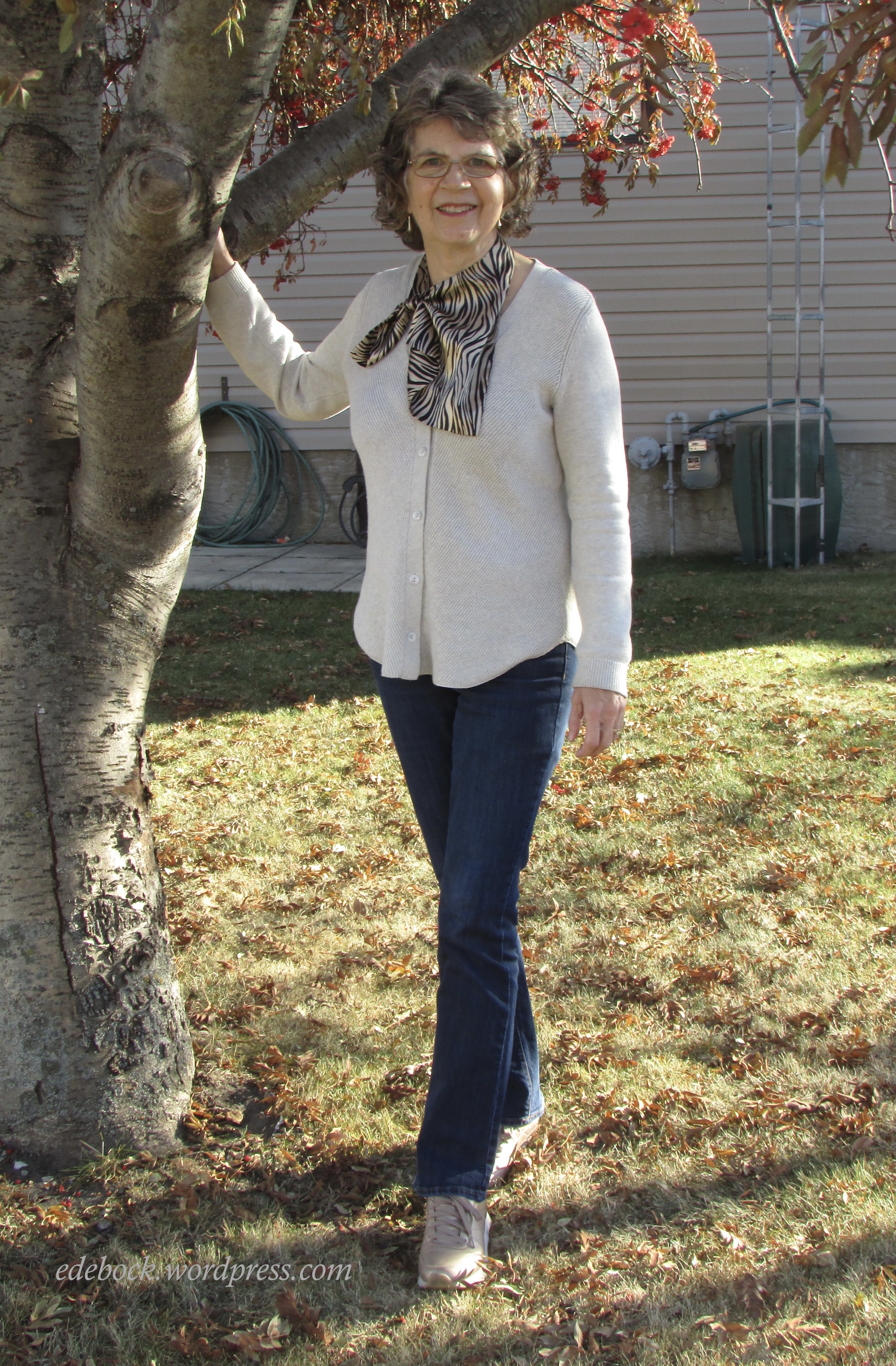
Though I’ve never worn the cardigan this way before, I knew when I decided to include it as one of the six that I would probably try buttoning it up and wearing it with a scarf. When you only have six items to work with, you have to be creative!

IMG_3337

I wore it this way on Wednesday. We bowled in the morning, so I needed something that was comfortable and easy to move in. This Wednesday was also NET Cancer Day and since the zebra is our symbol, I wanted to wear a touch of zebra stripes that day. Interestingly, I purchased the scarf in a shop on Russian Street in Dalian, China when we lived there, but it was actually made in Taiwan! According to the somewhat sketchy instructions that came with it, it can be worn ten different ways, but I’ve yet to figure out most of them.

I don’t know if you can tell, but I was freezing during the taking of these pictures! The temperature was barely above 0ºC (32ºF), but as you can see, we don’t have any snow yet, so we decided to take advantage of that and squeeze in a couple more outdoor shoots.

2020 fashion shopping review

LogoOnce again, I kept a list of all the clothing purchases that I made over the past year so that I could analyze my shopping habits and establish goals for the following year. I do this in part because I want to be a more ethical shopper, but also because I want to be intentional about wardrobe development. Little did I know when the year began, however, what was lurking just around the corner! If there’s one good thing that the Covid-19 pandemic has done for me, it’s been the fact that it sent me deep into my closets and storage spaces for things to wear instead of to the mall. As I look at my list of purchases, it’s much shorter than previous years and it tells me once again what a strange year 2020 was!

Before we look at what I did buy, let’s take a look at my goals for 2020 and see how I did. 

  • I will continue tracking my purchases for at least one more year so that I can review and evaluate my shopping habits again a year from now.  Done!
  • I will continue to buy things that I need and items I love that work well with what I already have.  Done!
  • I will strive to buy less and experiment with new ways to wear what I already have.  Thanks to Covid-19 and the fact that I seldom purchase clothing online, this was a major success! 
  • I will continue to buy quality pieces and not waste money on fast fashion.  Done!
  • When considering a purchase that was made in China, I will attempt to find a suitable alternative made elsewhere.  Quite successful. I only bought a couple of new items that were made in China. More about that later in the post. 
  • When adding to my closet, I will consider five adjectives that begin with C… classy, confident, comfortable, casual, and creative.  Done!  
  • I will continue to write a Fashion Friday post each week.  Done!

It’s estimated that in a normal non-pandemic year most women purchase an average of approximately 70 items of clothing spending somewhere between $150 and $400 a month or approximately $1800 to $4800 annually. As a frugal fashionista, I never come close to that. For example, in 2019 I bought 43 items and spent $1071.74 CAD or approximately $89 a month. In 2020, however, I spent only $402.33 or approximately $33.50 a month! With that, I bought 24 items including clothing, accessories, and footwear. Exactly half of them were new and the other half were thrifted. I paid full price for only 8 items. 

While the thrift store purchases were largely impulse buys, most of them were items that I loved and that fit into my existing wardrobe well. More than ever in past years, the new items that I bought were intentional, planned purchases that filled identified gaps in my wardrobe. Those included underwear and pyjamas to replace ones that were worn out, the running shoes that I bought to use on the treadmill, and two pairs of chinos purchased at the beginning of summer to fill a need for pants that would be warmer than my shorts and capris, but cooler than jeans.

One of the ways that I attempt to be an ethical shopper is to avoid purchasing new items that were made in China. I did buy several garments that were made in third world countries such as Bangladesh, Vietnam, and Cambodia. Unfortunately, I have no way of knowing if they were manufactured in factories that are socially and environmentally responsible or sweatshops where workers are exploited and forced to work in unsafe conditions. Having lived in China, however, I do know that the conditions for many factory workers there are abhorrent and that human rights in that country are being increasingly eroded. In addition, China continues to hold two Canadians in prison in what is widely seen as retaliation for Canada’s arrest of Chinese high-tech executive Meng Wanzhou and I believe that China is a threat to Canada in other ways. These are all good reasons to avoid purchasing items made in that country. I did slip up a couple of times this year. I failed to find out where the sneakers that wanted to be mine were made before I ordered them and while I made most of our face masks, I did buy one package that were made in China. 

Since this was such an unusual year and I did so little clothes shopping, rather than coming up with a whole new list of fashion shopping goals for 2021, I’m going to keep the same ones for another year and hope that I actually get to do some real shopping. With that in mind, however, I will make one change. The third goal will change from “I will strive to buy less and experiment with new ways to wear what I already have.” to “I will continue to experiment with new ways to wear what I already have.” I can’t imagine buying less than I did this year! I yearn for the day when I can browse the stores, feel the fabric, try things on, and even take a few of them home with me!   

In the meantime, here’s a sample of my favourite purchases of 2020. You’ve seen many of them on the blog before. 

Three tops, all thrifted. The Goddess Blouse from cabi’s Fall 2018 Collection, shown on the left, is one of the only two cabi pieces that I bought in 2020. The other was also second-hand. As I look at the photo on the right, I’m reminded of an unwritten fashion goal that I’ve had for the past couple of years; to gradually transition from black, especially close to my face, to navy and other neutrals that are more flattering to my complexion. I would not have bought this top if the background had been black.  

These are the only shoes I bought in 2020. On the left, the Asics GT2000 6 running shoes that were purchased specifically for walking on the treadmill. I’ve put plenty of miles on them since buying them last January. On sale at 40% off their regular price, they continue to be comfortable and supportive and were definitely a very good buy. On the right, the sneakers from Mark’s that I bought simply because I love them! They were also on sale. 

And finally, a pair of thrifted capris and one of my most recent purchases, a navy sweater dress from Reitmans.

Fast fashion, ethical shopping, and Covid-19

LogoJustine Leconte is a French fashion and jewelry designer who lives and works in Berlin. On her YouTube channel, Justine Leconte officiel, she shares her creative process as well as fashion tips about how to create and enjoy your own wardrobe. Her weekly videos often include information on how to shop for good quality, dress for your body shape, create a capsule wardrobe, or choose colours that work for you.

Sometimes, however, Justine Leconte deals with more serious fashion related topics. She is strongly opposed to fast fashion. When she designs a piece of clothing or jewelry, it is produced in Europe using materials that are sourced within Europe. She oversees the process and checks production samples herself. She refuses to work with factories that don’t pay their workers a fair wage. Clearly, she practices what she preaches!

Unfortunately, fast fashion brands have been taking advantage of the present Covid-19 pandemic in ways that are seriously disturbing. In one of her most recent videos, Justine addresses this topic and tells us how we, as consumers, can make a difference. If you are even the least bit concerned with being an ethical fashion shopper, I urge you to take thirteen minutes to watch this video!