Lessons from my fall wardrobe transition

As much as I hate to see summer come to an end, I have to quit denying reality and accept the fact that fall is here! The days are getting shorter, the furnace is coming on in the morning, coloured leaves are falling, and the farmers around us are finishing harvest. I actually love autumn, but it’s a bittersweet season because it means that our long, cold winter is just around the corner.

Another sign that fall is here is the fact that I recently found myself reaching for the warmer items in my closet. As a result, I finally made the switch from my summer wardrobe to my fall/winter one this week. As I moved my summer clothes into storage and brought out warmer ones, I tried to do a better job of purging than I’ve done in recent years. So, what went into the donate pile and what, if any, lessons can be learned?

  • Items that I bought because someone else said they looked good on me, but that I didn’t wear very often because they never really felt like me. Lesson: Don’t dress to please others. I need to consider my 5 style adjectives (classy, casual, comfortable, confident, and authentic) when I’m deciding whether or not to buy something.
  • Thrifted items that were too good to pass up, but that I’ve seldom worn.  Lesson: A bargain is only a bargain if you’re actually going to wear it.
  • Garments that no longer fit the way they should. Lesson: Dress for the body that I have today, not the one I used to have or wish I still had. My aging body is changing; there’s more around the middle than there used to be and that’s okay.
  • Items that I have too many of.  Lesson: A woman who hardly ever wears leggings doesn’t need 7 pairs!
  • Pieces that I’ve hung onto for sentimental reasons.  Lesson: I don’t need a closet full of nostalgia for my kids to clean out someday.

Now that I’ve finished sorting clothes, I need to do the same with footwear. Once that’s done, it will be time to take a close look at my wardrobe and decide whether or not there are any gaps that need to be filled before the really cold weather arrives. In the meantime, I’m hoping that our beautiful fall weather lasts for awhile longer!

Fashion and self-care

What comes to mind when you think of self-care? Eating nutritious meals? Exercising? Getting enough sleep? Scheduling some “me” time? In reality, there are a myriad of ways that we can take an active role in preserving or improving our own well-being, but when I asked what comes to mind when you think about self-care, you probably didn’t think about fashion.

The morning ritual of getting dressed is an often overlooked aspect of self-care, but it plays an important role in our well-being. In fact, a common symptom of depression is difficulty showering and getting dressed.

There are times, like during the incredible cold snap that we’ve experienced here in Alberta recently, when getting dressed truly is a matter of caring for our bodies. Keeping warm and protecting ourselves from the elements is priority #1.

But dressing contributes to self-care in ways far beyond keeping warm. Taking care of our mental and emotional well-being is just as important as caring for our physical comfort and fashion can play a vital role in that. We’ve all heard the term “dress for success”, but dressing mindfully is about more than impressing other people. It’s also about feeling confident, comfortable, and empowered. When we dress in ways that make us feel good about ourselves, we’re also more likely to participate in other self-care practices like exercising, eating well, engaging with others, or getting out in nature. In addition, intentional dressing sparks creativity which is also good for our physical and mental health.

Please note that this is not a post about “retail therapy”. Retail therapy is the act of shopping for clothes to make yourself feel better which may or may not actually work. Instead, as I’ve done before, I urge you to shop your closet. Take time to put together outfits that enhance your mental and emotional state; that make you feel truly good about yourself. If there are pieces in your closet that don’t do this for you, that drag you down emotionally, consider getting rid of them.

In the dark days of winter and a time when what’s going on in the world around us might seem overwhelming, it’s easy to begin to feel like we’re in an emotional rut. In times like this, more than ever, we need the boost that looking and feeling good in our clothes can give us.

2024 fashion shopping review

logo-by-samFor the past seven years, I have kept a list of all my fashion purchases including clothing, accessories, and footwear. Initially, I had three goals in mind. I was interested in finding out more about my spending habits, I wanted to be more intentional about wardrobe development, and I wanted to work on becoming a more ethical shopper. At the end of each year I’ve published a fashion shopping review analyzing my purchases and setting some goals for the next year. What I’ve found is that over those years, my shopping habits have changed significantly.

In 2018, I bought 35 items. 30 of them were purchased new and the other 5 were thrifted. I spent approximately $1135 CAD. This year, I bought only 14 items. 9 of them were new and again, 5 were thrifted. I spent $420.58.

Why such a dramatic change? In the past, I tended to buy on impulse. I saw something I liked and I bought it. Now, most of my purchases are planned. Also, for several years, I regularly shopped with friends. I often gave in to their opinions about what looked good on me or what I ought to buy instead of trusting my own instincts. Although most of the clothes that I bought were good quality and I still have some wonderful pieces that I wear regularly, I also ended up with a number of purchases that I regretted making and seldom wore. Discovering more about my personal style and deciding on 5 style adjectives to describe it made a big difference to my shopping habits.

I also find that I don’t actually enjoy shopping as much as I used to. I’ve spent so little time in stores over the past few years that unless I’m looking for something specific that I’ve already looked at online, I tend to find them quite overwhelming. Time is also an issue. Whenever we’re in the city, we have so many things to accomplish that I don’t have time to simply browse, try things on, and enjoy the experience. Perhaps one goal for the coming year should be to set aside some time to do exactly that.

So, after all that self-examination, let’s take a look at what I bought this year.

  • 1 pair of lightweight, wide legged pants
  • 6 tops
  • 2 sweaters
  • 1 denim jacket
  • 1 pair of knit gloves
  • 1 ball cap
  • 1 pair of hiking shoes
  • 1 pair of slippers

I didn’t buy any accessories this year. In fact, I’ve decided that I have way too many and one of my goals for the coming year is to sort through them and narrow down my collection to those that I actually wear or am likely to wear again. I also didn’t buy any socks, underwear, or sleepwear. That will likely change in the coming year as those things do wear out.

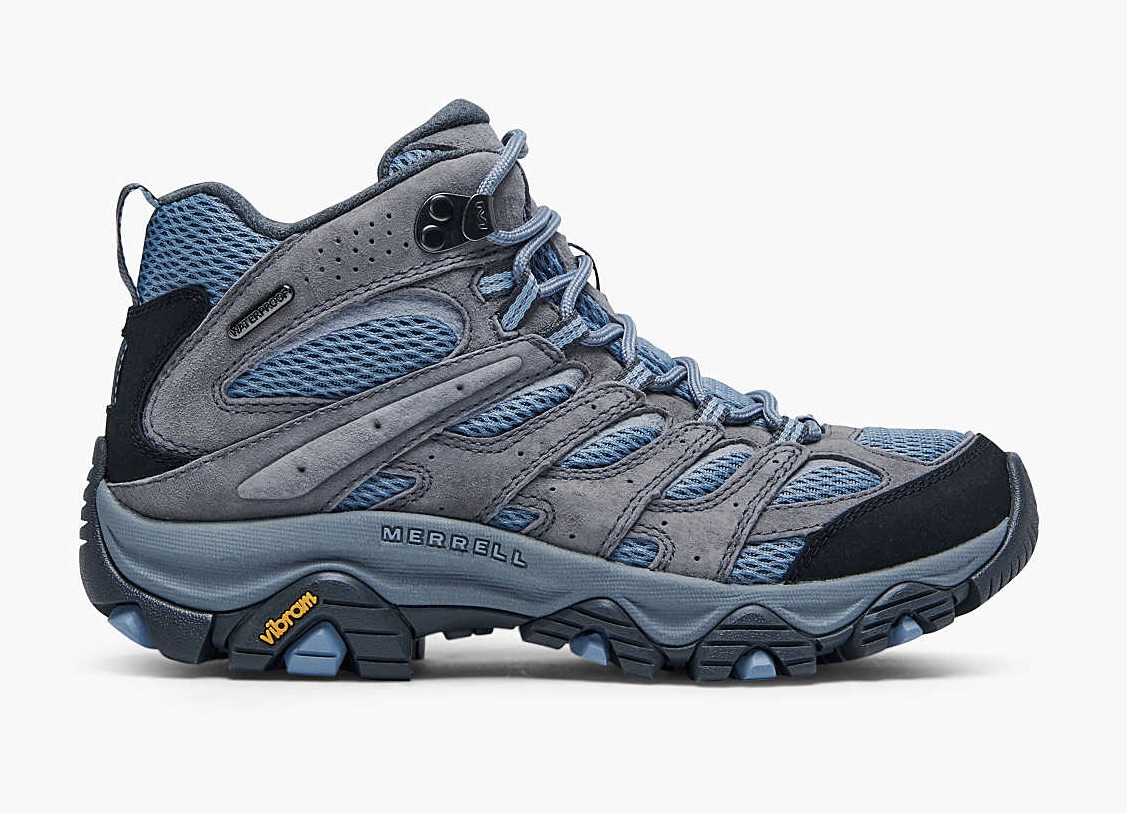
By far the most expensive item that I bought this year was my Merrell Moab 3 hiking shoes, but they are worth every cent that I spent. As much as I enjoy thrift store shopping, good quality footwear is something that I’m willing to spend a significant amount of money on. I consider it an investment in healthy feet and I’m excited about all the places that those shoes might take me.

MRLW-J036328-021621-S21-001 2

Here are a few of my other favourite fashion purchases from the past year. All of them have appeared on the blog before.

IMG_6854

A simple cropped linen top.

Both these sweaters have been getting lots of wear this winter. The one on the left was thrifted, the other one bought new.

IMG_7409

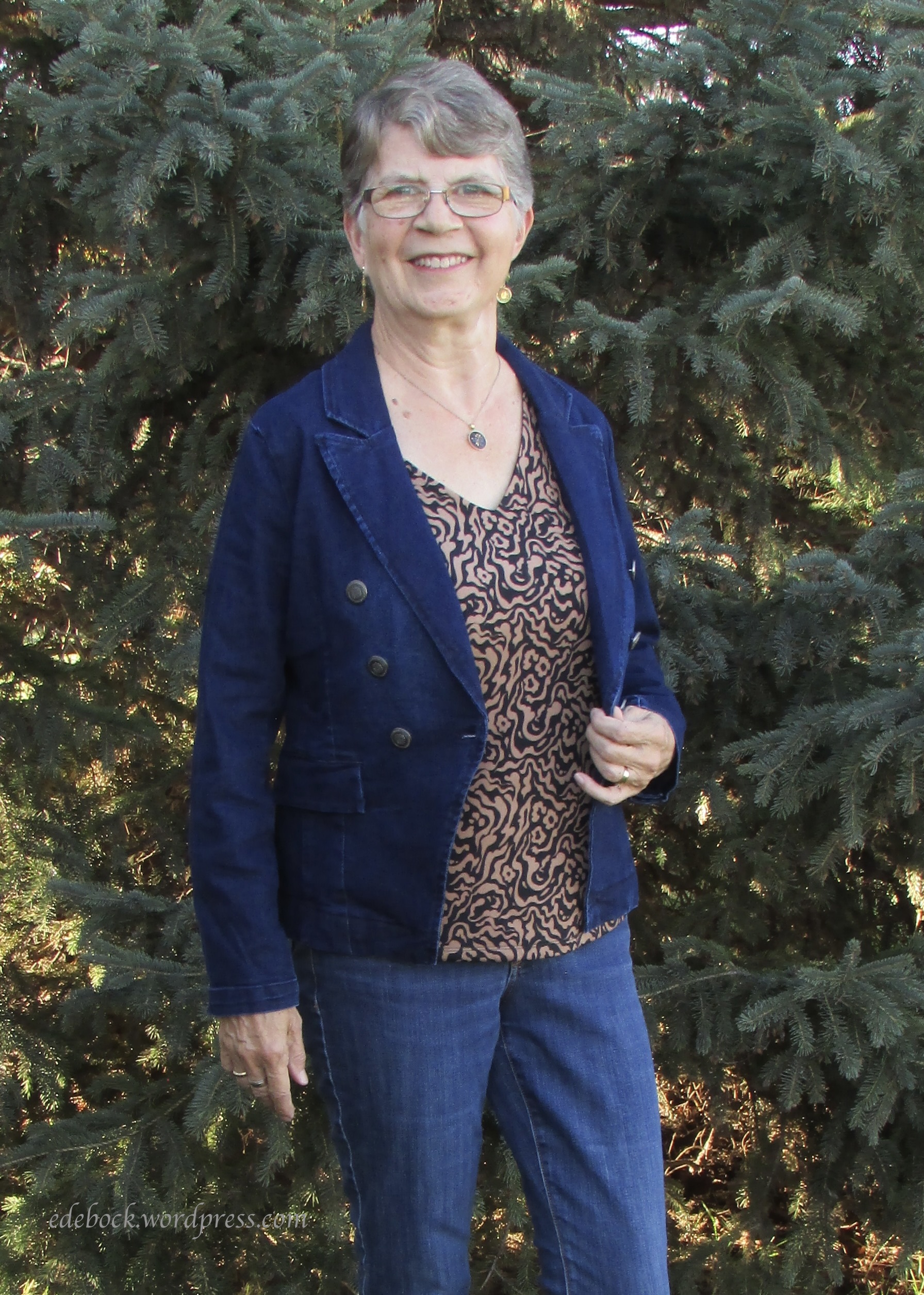
My denim military jacket.

Not all of my purchases were as successful as these ones. One shirt was only worn a couple of times before I decided that it didn’t suit me. I donated it back to the thrift store where I bought it and hope that it has found a place in someone else’s wardrobe who will appreciate it more than I did. The pants were completely appropriate at the resort where I bought them last January, but they don’t fit my at-home wardrobe very well and were only worn once or twice during the summer. I guess another goal for 2025 should be to not make any more fashion shopping blunders!

My other fashion shopping goals for the coming year are really a continuation of the things I’ve learned to do over the past few years. They include avoiding fast fashion and buying quality pieces that will last, attempting to shop for ethically sourced garments (which is much easier said than done), and continuing to track my purchases so that I can evaluate again a year from now.
How to look put together every day

logo-by-samIt’s late in the day and I still haven’t written today’s Fashion Friday post, so this is going to be a quick one. We spent two days in the city this week attending medical appointments so that’s my excuse for not being better prepared. The good news is that the lab work and CT scans that I’ve had done over the past couple of weeks showed that my cancer is stable! That’s a word that I wasn’t sure I was ever going to hear again, so of course, I’m delighted. We’ll redo all the tests in three months time, but for now I can put that on the back burner and get on with other things.

We may not always feel as if we have it all together, but we can always look as though we do and how we look affects how we feel. Today I’m going to share 14 tips on how to look put together every single day regardless of age or occasion.

  1. Start by taking care of yourself. Regular exercise, a healthy diet, and adequate sleep go a long way toward looking and feeling your best.
  2. Get a good, low maintenance haircut.
  3. Good grooming is key. Develop a good skin care routine, make sure your hair is neat and clean, practice good dental hygiene, and don’t neglect nail care.
  4. Make sure your clothes are clean.
  5. Don’t wear wrinkled clothes (with the exception of linen which is supposed to be wrinkled). You might want to invest in a hand-held steamer for quick touch ups.
  6. Ensure that your clothing fits well.
  7. Invest in good basics. Shop within your means, but buy the best quality that you can afford.
  8. Use a fabric shaver to remove pilling from knitwear.
  9. Find the colour palette that works best for you.
  10. Make sure your footwear is clean and in good condition.
  11. Accessorize, but don’t overdo.
  12. Use makeup strategically. Again, don’t overdo.
  13. Practice good posture.
  14. And finally, wear a smile!

These tips might seem obvious, but you don’t have to look far to see women who ignore them, especially at this busy, sometimes frenzied time of year. Do you have any other tips to add to the list?

Uniqlo comes to Southgate

Logo by SamI fell in love with Uniqlo on our first visit to Japan in 2005. The popular Japanese fashion retailer is known for innovative yet functional apparel as well as high-quality, reasonably priced, easy-to-wear basics for men, women, and children. When we lived in Japan in 2008-2009, it was a short bicycle ride from our apartment to the closest Uniqlo store and later, in 2013, when we spent a semester in Dalian, China we were delighted to find Uniqlo a short bus ride from home!
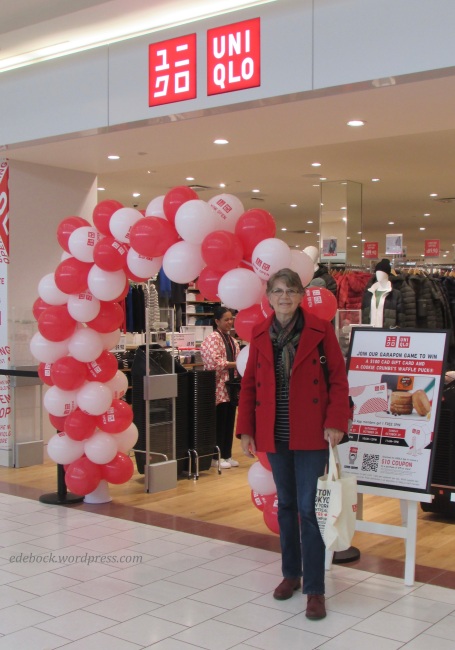
From one store in Hiroshima in 1984, the chain has spread across Asia and around the world. The first store in Canada opened in Toronto’s Eaton Centre in September 2016, but that’s still a very long way from my home in Alberta! In October of the following year, a Uniqlo store opened in Vancouver just a few kilometres from where my father was living at the time. Every visit to that city included a stop at Uniqlo! Then, in September 2019, Uniqlo finally came to Alberta! A week ago today, Edmonton’s second Uniqlo store opened in Southgate Mall and we were there!

IMG_6256

The chain has been very strategic in choosing new locations and if the number of people crowding the aisles last Friday morning was any indication, they’ve made another good choice.

Like the more than 2400 stores worldwide, Uniqlo’s newest store will carry business attire, leisurewear, intimate apparel, and some accessories. With winter’s sudden arrival in our part of the world, customers might be particularly interested in the brand’s HEATTECH line made of innovative fabric that absorbs body heat and stores it in air pockets deep within the fibres to keep the wearer warm. For additional winter comfort, the brand also offers cashmere sweaters, extra fine merino garments, fleece jackets, and a variety of ultra light down outerwear all suitable for our cold climate.

My favourite Uniqlo purchase has been the Ultra Light Down Vest which I’ve had for several years. The 2023 version of this Uniqlo staple is slightly shorter and boxier than the one that I have, but otherwise the same.

IMG_6245

Last week, I left the store with just one new item, the HEATTECH Lined Padded Scarf a cozy neck warmer that folds into it’s own little pocket for easy carrying. For someone who feels the cold as I do, I know that it’s going to be another favourite!

IMG_6258

PLEASE NOTE: This is not a sponsored post. I am not a brand ambassador for Uniqlo (although I probably wouldn’t say no if they asked!) I simply like the brand and want to share it with you. 

Thinking about laundry

Logo by SamOver 40 years ago, when we bought our house, one of the things I loved about it was its main floor laundry. The older I get, the more I appreciate not having to carry laundry up and down the stairs! Laundry has been part of history since humans started wearing clothes and it’s one of those household tasks that never seems to be finished! 

Here’s an interesting bit of laundry trivia… astronauts on the International Space Station wear their clothes until they can’t stand the stench then throw them in the trash. Along with other garbage, the discarded clothing is loaded onto cargo ships that generally burn up on reentry into the earth’s atmosphere. That might sound like a great solution to the never-ending laundry problem, but most of us actually want our clothes to last. Thankfully, how we do our laundry can ensure that our clothing lasts longer, help protect the environment, and even save us money!

Read the labels.

The first step in doing the laundry should happen in the clothing store. Read the labels and only buy if you’re prepared to follow the washing instructions. Personally, I very rarely buy anything that requires dry cleaning. I developed that habit in my early days of teaching school when chalk dust was the bane of every teacher’s existence. I also wanted to be able to teach a messy art class, kneel beside a student’s desk, or play with the children on the playground without having to send my clothes to the dry cleaners. With experience, however, you learn that in spite of what the labels say, some fabrics don’t actually require dry cleaning. For example, the label on this polyester top from Calvin Klein says that it should be dry cleaned, but synthetic fabrics like polyester actually wash very well. I simply launder the top using the hand wash cycle and hang it to dry to ensure that it keeps its shape.

img_4474

Treat stains.

The first rule in treating stains is to do it as quickly as possible. Stain removal pens are a great innovation. You might even want to  carry one in your purse or keep it in your desk drawer to deal with mishaps when they happen. Additional stain removal treatment might also be required before tossing the item into the laundry. This stain removal guide includes a comprehensive list of stain makers and how to deal with each of them. Once you’ve washed the item, recheck to ensure that the stain is gone. It will be much harder to remove once it’s gone through the dryer.

Wash less often.

No one wants to stink, but overwashing clothes wears them out and causes them to fade more quickly. It also wastes water and electricity. With the exception of socks, underwear and workout wear, you can likely wear an item at least 3 times before putting it in the laundry.

Don’t overload the washer.

Washing a full load rather than just a few items definitely helps conserve water, but cramming the washer full of clothes is actually detrimental. Not only do the clothes not get as clean as they ought to, but they rub together so much that it can actually be harmful to the fabric.

Turn the temperature down.

90% of the energy used to wash a load of clothes goes into heating the water! Not only does washing in cold water save electricity but it helps prevent the fibres from breaking down. It also prevents shrinkage or stretching and helps keep colours from running and fading. Don’t worry about your clothes not getting clean. Most modern detergents are designed to work well in cold water.

Extremely high dryer heat can also be damaging to clothes.

Skip the softener. 

Fabric conditioners add a lot of unnecessary chemicals and fragrances to your clothes and also coat the fibres with a waxy residue that can lead to fading and fibre breakdown. I haven’t used fabric softener or dryer sheets for years and my laundry hasn’t suffered for it.

Wash inside out.

Keep jeans and strong colours from fading and printed t-shirts from cracking by washing them inside out.

Hand wash delicate items.

Hand washing delicate garments helps them last longer. This is especially easy if your washer has a hand wash cycle! Simply place the items in mesh bags to keep them from rubbing against one another and being damaged, then let the machine do the work.

Air dry.

When we lived in Asia, we did as all our neighbours did and hung our laundry to dry. Here in Canada, I’m happy to have and use a dryer, but I still hang a lot of my clothes. Heat breaks down the elasticity in garments, causing unwanted stretching, and also contributes to shrinkage. Since pant length has always been an issue for me and I don’t want to lose even a cm, I hang all my pants to dry.

depositphotos_22198035-stock-photo-colorful-clothes-in-laundry-basket

Sustainable fashion addresses the entire process by which clothing is produced, consumed, cared for and disposed of. We can all do our part to reduce the impact of the clothing industry on the environment by not only purchasing sustainably produced clothing, but by following good laundry practices.

Do you have any tips to add to the ones given here?

Second Hand September

Logo by SamThe fashion industry’s carbon footprint is enormous and has grown even more apparent with the rapid rise of fast fashion over the past few years. It now accounts for more carbon emissions globally than those emitted by all international flights and maritime shipping combined. In addition, approximately 10 million tons of clothes are sent to landfills every year. Second Hand September, a campaign introduced by Oxfam in 2019, has inspired thousands of people in the UK to begin thinking more sustainably by buying only second-hand clothes during the month of September. 
This year, I’ve decided to try taking Second Hand September one step further. I’m challenging myself to wear only second-hand clothing for the entire month! 

I’m going to follow the same rules as I did for last November’s “six Items or less challenge”. Underwear, socks, and pyjamas will not be included. I always purchase those items new. Outerwear, footwear, and accessories will also be exempt. Though I do have second-hand items in each of those categories and will try to make good use of them throughout the month, I won’t restrict myself only to those. 

Though my closet contains many more than six second-hand items, I suspect that this challenge might actually be the more difficult of the two. In selecting six items to wear for 30 days, I was able to be very intentional about choosing a colour palette that could easily be mixed and matched to create many different looks, pieces that could be dressed up or down, and pieces that worked well for layering. This time, I find myself working with a much more random mix of items. Most of those are quite casual and I have at least two events this month, including a concert tomorrow evening, that might require a bit of polish. I’ll also have church every Sunday. September is a shoulder season here in Canada and the weather throughout the month will likely range from hot and dry to chilly and wet. To make this work, I’ll likely be pulling second-hand pieces from both my summer and winter wardrobes.   

Have I bitten off more than I can chew? Only time will tell. Throughout the month, I’ll be sharing my experience and showing you some of the outfits that I create with my Second Hand September wardrobe, so stay tuned! 

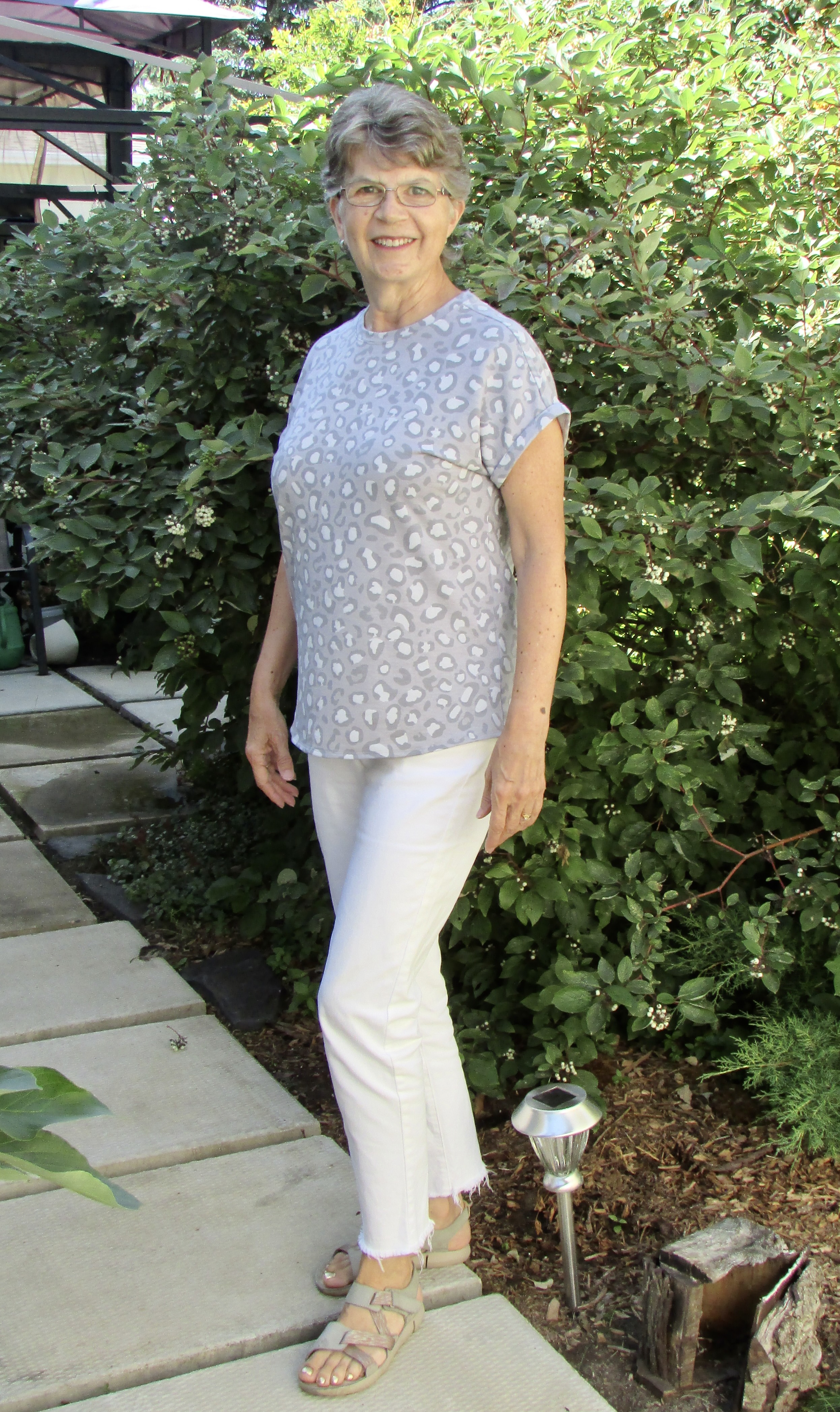
To start things off, here’s what I wore yesterday for the first day of the challenge. I think it has a coastal grandmother feel to it. 

IMG_4440

I’ve had the white frayed hem jeans for three years. They first appeared on the blog here. Thankfully, the archaic “don’t wear white after Labour Day” rule has long been abandoned and while I don’t wear these jeans in the depth of our Canadian winter, I’ll certainly continue wearing them throughout September. The Clarks sandals were a lucky find earlier this summer and the loose and comfortable light grey animal print tee is a new-to-me acquisition. Thanks to regular sales at our local thrift stores, the entire outfit, cost me less than $10!

In closing, I would be remiss not to acknowledge those of you who responded to last week’s post asking for your input about what you’d like to see on the blog. I will be working at incorporating some of your ideas into future posts. 


15 fashion stats

LogoTomorrow is the 8th anniversary of the collapse of the eight-storey Rana Plaza building in Dhaka, Bangladesh that housed five garment factories. More than 1,100 workers lost their lives that day and thousands more were injured. It was, to date, the worst industrial incident to hit the garment industry. The disaster drew attention to the human cost behind the clothes we wear and also inspired more people to start thinking about the broader topic of sustainability in the fashion industry.

unnamed

Here, in no particular order, are 15 statistics about the fashion industry.

  • 97% of the clothing sold in America is made overseas.
  • Garment workers are often forced to work 14 to 16 hours a day, 7 days a week in buildings with no ventilation.
  • 75% to 85% of the world’s garment workers are women and they are amongst the lowest paid workers in the world.
  • American women aged 35 to 44 spend an average of $960 on clothes each year, the highest among all age groups.
  • On average, an article of clothing in a woman’s closet is worn only seven times before being discarded.
  • The average American throws away approximately 81.5 pounds of clothing every year.
  • Approximately 10 million tons of clothes are sent to landfills every year.
  • Less than 11% of fashion brands have implemented recycling strategies for their products.
  • The fashion industry is responsible for 8% to 10% of carbon emissions globally, more than those emitted by all international flights and maritime shipping combined.
  • Solvents and dyes used in the manufacturing of clothing are responsible for 20% of the world’s industrial water pollution.
  • About 1,800 gallons of water are needed to produce the cotton in one pair jeans, and 400 gallons to produce the cotton in a shirt.
  • 23% of all chemicals produced in the world are used in the textile industry.
  • Nearly 70 million barrels of oil are used each year to make polyester fibre which is the most commonly used fibre in our clothing.
  • Polyester fibre takes more than 200 years to decompose.
  • Today, 400% more clothing is produced than 20 years ago.

I think that you’ll agree that many of these facts are disturbing. We all wear clothes, so in a sense, we’re all responsible. The hard question is what are we going to do about it? Do we care enough to do anything at all?

Thankfully, there is some good news on this front. A recent survey of 2,000 respondents from the US and the UK revealed that more than half want the fashion industry to be more sustainable and many are willing to pay more for sustainable clothing. Younger consumers in particular are seriously concerned with social and environmental causes. As they increasingly back up their beliefs with their shopping habits, countless brands are responding by doing their bit to transform the fashion industry for the better. We can also do our part by buying fewer, better quality items and wearing them longer. They may cost more to purchase, but their extended life will make them a more affordable option in the long run.

14 wardrobe essentials

LogoWhat are the items that every woman should probably have in her wardrobe regardless of who she is or where she lives? Before I created my own list, which you’ll see below, I searched online and came up with several lists of 10 to 25 items. I was astonished to see what some women consider essential. A leopard print midi skirt? A striped sweater? A wrap dress? On the other hand, there was a lot of agreement on some very basic items.

For the purposes of this post, I’m not going to include underwear, socks, sleepwear, or overcoats. It goes without saying that we all need good undergarments. I’m reminded of my grandmother who always told us to make sure that our underwear was clean and in good condition in case we were in an accident. I sincerely doubt that that’s a high priority for first responders, but good undergarments do provide the best foundation to build an outfit on. What we wear to bed, or if we wear anything at all, is a matter of personal choice and varies greatly, and what kind of outerwear we need really depends on the climate where we live.

So, aside from those items, here’s my list of essentials:

  1. A little black dress. Of course, if you’ve read this post, you know that it doesn’t actually have to be black. 
  2. A basic knee length skirt. You can’t go wrong with a pencil skirt in a neutral colour. 
  3. A basic cardigan.
  4. A classic, go-to blazer.
  5. A jean jacket.
  6. A pair of black dress pants.
  7. A pair of blue jeans in the cut of your choice. If I had to have only one pair, they would be dark wash, bootcut, but who ever has only one pair of jeans? 
  8. A long sleeve t-shirt. My absolute favourite is my grey and white Breton tee. 
  9. A basic white V or crew neck t-shirt. I don’t actually wear mine very often, but I’m including it because it was on every list I read! 
  10. A button-up shirt. Most of the lists that I read suggested that this should be white, but too much white close to my face totally washes me out. For the photo below, I included my black and white plaid shirt, but I have a light blue one on my wish list. 
  11. A dressy blouse.
  12. White sneakers. 
  13. A pair of black ballet flats. If you prefer heels, you could replace the flats with black pumps, or you might consider both essential. 
  14. A pair of basic loafers or similar shoes that are comfortable to walk in. Menswear inspired loafers are on trend for 2021, so this would be a good time to pick up a pair. 

After compiling my list, I went through my closets and assembled the “essentials collection”. 

IMG_2100

This is not to say, of course, that this is all you ought to have in your closet, but most or all of these items should probably be there. These pieces, all in neutral colours, build the foundation of a wardrobe. If I had nothing else to wear, think of how many combinations I could create. The outfits would be somewhat drab or boring though. The real fun comes in adding creativity and individuality through colour, pattern, and perhaps some interesting shapes. Finish it all off with some great accessories and you have a complete wardrobe.

Is there anything else that you would add to your list of essentials? Anything you’d delete from the list above? 

What fashion is NOT

LogoI’m noticing a common theme amongst the fashion bloggers that I follow and I completely identify. As the pandemic drags on and on, we’re finding it increasingly difficult to come up with new and interesting content. I refer to Following Augustine as a “lifestyle, travel, and fashion” blog, but when life is mostly stay-at-home, travel has been non-existent for almost a year, and I’ve only shopped for absolute essentials, what do I write about? I’ve been depending on my own closet for most of these weekly fashion features, trying to come up with new ways to wear old pieces, but I’m rapidly running out of ideas!

In preparation for a weekly study that I lead, I’ve spent quite a bit of time lately looking at what the Bible has to say about women, so I’m going to draw on that for today’s post. 1 Peter 3:3-4a says, “Your beauty should not come from outward adornment, such as elaborate hairstyles and the wearing of gold jewelry or fine clothes. Rather, it should be that of your inner self, the unfading beauty of a gentle and quiet spirit.” Does that mean that a Christian woman shouldn’t concern herself with style, dress in fine clothes, wear jewelry, use make-up, or write a fashion blog. Not at all! 

When looking at the Bible for guidance we need to ask ourselves what the timeless principles behind the scriptures are and how we can stay true to them in our day and age. First century Israel was under Roman rule. It was the practice of the upper class Roman women to flaunt their position by wearing elaborate hairstyles adorned with genuine jewels. They intentionally used their clothing and jewelry to set themselves apart from the lower class women. I believe that it was this attitude that the apostle Peter was warning against.  

46777e2aa293da928de45001227531de

Wall painting from the Vila San Marco, Stabiae, 1st century

I’ve written before about the 3Cs, the things I want my wardrobe to say about me. When I look in the mirror, I want what I’m wearing to say classy, confident, and comfortable. I could add to that casual and creative. I do NOT want my wardrobe to say that I think I’m better than anyone else! Fashion is not, or should not be, a competition! 

I actually had no idea where this post was going when I started writing it, but perhaps I’ll just leave you with this thought.

129944384_236449687835181_6603705724580703289_o