2023 fashion shopping review

Logo by SamAt the beginning of 2018, following the example of one of my favourite bloggers, Sue Burpee of High Heels in the Wilderness, I started keeping a list of all my fashion purchases including clothing, accessories, and footwear. I was interested in finding out more about my spending habits and I wanted to be more intentional about wardrobe development. In addition, I wanted to become a more ethical shopper. I’ve continued this practice every year since and at the end of each year I publish a fashion shopping review analyzing my purchases and setting some goals for the next year.

What surprises me most when I look at this year’s list is how short it is. I only bought 17 items! That’s less than half as many as most other years. Of those, 12 were thrifted and only 5 purchased new. I spent a total of $395.50 (CAD), again less than half what I’ve spent most other years. Research shows that some women spend that much every month!

So, what did I get for less than $400?

  • 2 pairs of pants
  • 7 tops
  • 1 vintage jacket
  • 1 vest
  • 1 scarf
  • 1 swimsuit (which hasn’t actually been worn yet, though I hope to remedy that soon)
  • 1 swimsuit cover up (also not worn yet)
  • 1 pair of earrings
  • 1 necklace
  • 1 pair of sandals

The last item on that list was by far the most expensive. At $175 my Ecco walking sandals were worth every cent. I love thrift store shopping, but good quality footwear is something that I’m willing to spend a significant amount of money on. I consider it an investment in healthy feet.

IMG_5497

Trying to shop ethically is complicated and how successful I’ve been is always very difficult to assess. One of my fashion shopping goals in recent years has been to avoid buying items, especially new ones, that were made in China. I loved living and teaching there, but these days Canada-China relations are chilly at best. Conditions for many factory workers in that country are abhorrent and human rights are being increasingly eroded. It’s a personal choice, but I prefer not to support China if I can avoid it. One of the items that I bought new in 2023 and several of the second-hand ones were made in China and others were made in Vietnam and Cambodia. It’s virtually impossible to find out whether they were made in sweatshops where workers are exploited and forced to work in unsafe conditions or manufactured in socially and environmentally responsible factories. Unfortunately, since the vast majority of fashion manufacturing takes place overseas, those of us who live in North America have little choice but to buy clothing made in these countries.

Until recently, thrift store shopping was lauded as being ethical and sustainable, but now that’s a topic that’s up for debate. I still feel that it’s often a better option than buying new, but I plan on writing a post about this early in the new year, so I won’t go into it here.

Having done this exercise for the past six years has definitely made a difference to how I shop. I’ve become much more intentional, making fewer impulse buys and limiting them to things that I love and pieces that go well with what I already own. My goal for the coming year will simply be to continue in this vein. Some new blue jeans will probably be on my shopping list as a couple of pairs of old favourites are starting to show their age. I’d like to try a pair of wide-legged ones while they’re in style. I also need some new capri pants for summer as most of mine are quite worn. The worst ones didn’t make the cut when I did my seasonal closet switch in the fall.

And now, in addition to the sandals shown above, here are a few of my favourite fashion purchases from the past year. They’ve all appeared on the blog before.

IMG_6301

When winter rolled around again, I was very happy to start wearing the dark brown button fly cords from cabi again. Purchased in a season end sale last January, they’re a little dressier than my jeans.
IMG_5491

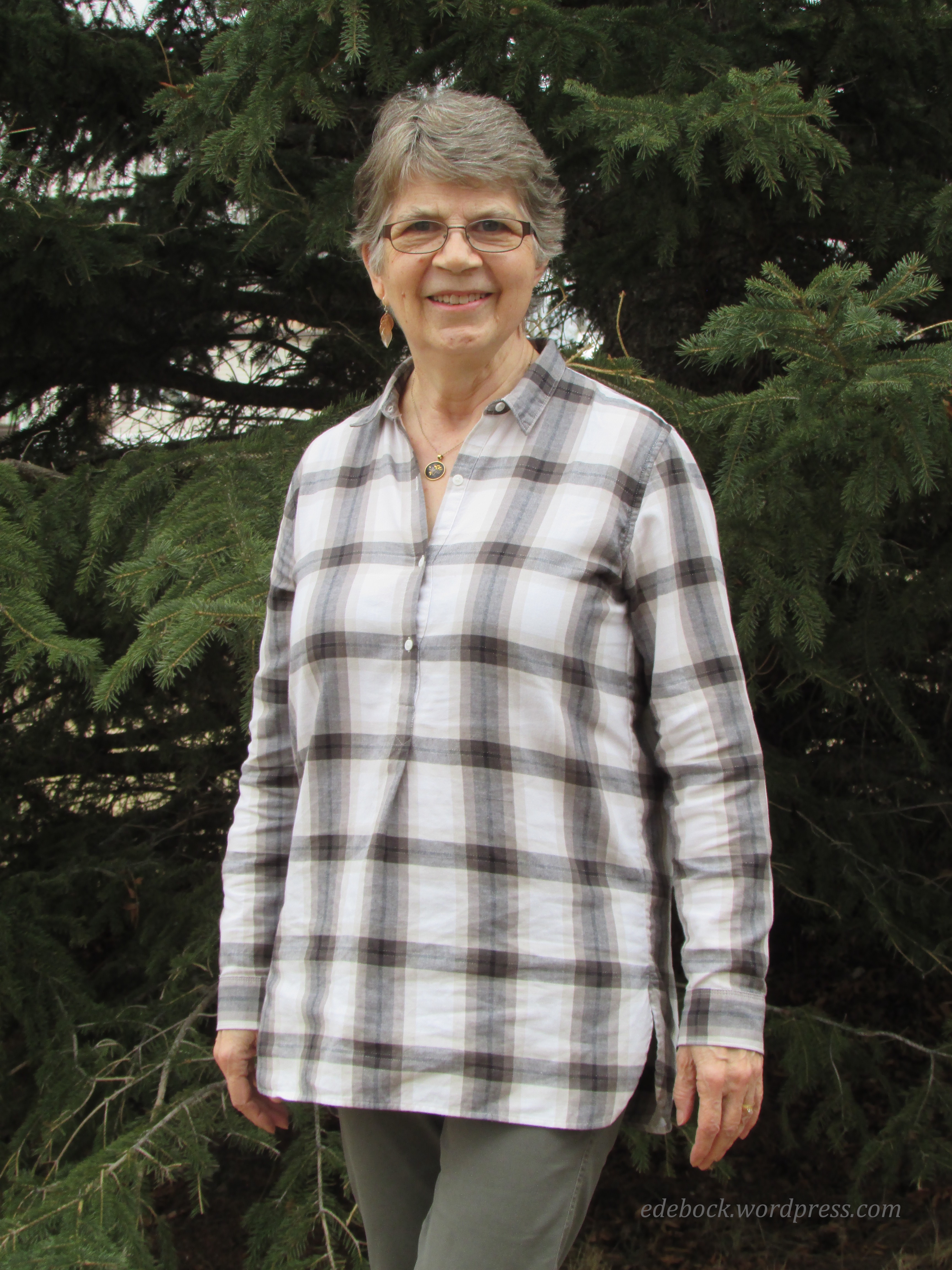
The neutral plaid shirt, originally from Gap, was an excellent second-hand purchase that only cost me $2! 

IMG_5738 2

As comfortable as pjs, these striped linen blend pants were a great addition to my summer wardrobe. They were also thrifted.  

IMG_6095 2

Finally, I was very fortunate to find this sleeveless top from cabi’s Fall 2018 Collection in our local thrift store in September. I don’t know where it had been hiding for the past five years, but it looked as if it had never been worn!

And now, with with just two days left in 2023, I want to take a moment to wish you and yours a very Happy New Year!

Book of the month – November 2023

The Tea Girl of Hummingbird Lane

Lisa See

81URNOpF3vL._SY522_I read mostly for enjoyment, but I love a book that transports me to another place or perhaps another time and a book that teaches me something. The Tea Girl of Hummingbird Lane was such a book. Before reading it, I knew absolutely nothing about the Akha people, a minority hill tribe who live in small villages in Thailand, Myanmar, Laos, and Yunnan province in China.
As the story opens in the late 1980s, the families of Spring Village are living a very traditional lifestyle without modern conveniences and with very little contact with the outside world. Traditional beliefs and rituals dominate their existence and their lives are aligned around the seasons and the growing of tea. When twins are born to a young village couple, the father is required to kill his babies and the couple is banished from the village.

That’s when I had to put the book aside to do a bit of research. Who were these Akha people? Did they really exist? Were they still living that way in the late 1900s? I learned that indeed they were. The Akha believed that only animals could give birth to more than one offspring, therefore until about 20 years ago, twins were considered an extremely ominous occurrence and were killed immediately, as were babies born out of wedlock.

Now, back to the story… Gradually, the outside world begins to encroach on Spring Village. Li-yan, daughter of the local midwife and one of the few educated girls on the mountain, slowly begins to reject the customs that shaped her early life. When she gives birth to a baby out of wedlock, she rejects tradition and travels with her newborn daughter to a nearby city. There she leaves the baby, wrapped in a blanket with a tea cake tucked in its folds, near an orphanage.

While Li-yan eventually leaves her village for further education, a job, and city life, her daughter, Haley, is raised in California by loving adoptive parents. Despite her privileged childhood, Haley wonders about her origins and across the ocean, Li-yan longs for her lost daughter. Over the years, each searches for meaning in the study of Pu’er, the tea that has shaped their family’s destiny for centuries.

Perhaps the well-researched story tells us more about the history and the production of tea than we really care to know, but it’s also an enthralling family saga; a captivating story of mothers and daughters, families, fate and love. A secondary narrative depicts what it might be like to be one of the many Chinese girl children adopted by American families.

My favourite quote? “Those who suffer have earned contentment.”

373533072_273279982227296_6534294399832151140_n

Fashion Friday will return next week. 

2022 fashion shopping review

Logo by SamOnce again, I kept a list of all the clothing, footwear, and accessories that I bought over the past year so that I could analyze my shopping habits and establish some goals for next year. I started doing this a few years ago because I wanted to be more intentional about wardrobe development and because I wanted to focus on becoming a more ethical shopper. I think it’s helped. There are definitely a few impulse buys on this year’s list, but the majority were planned purchases or items that filled specific needs.

Let’s begin by looking at a few stats.

  • I bought a total of 43 items
    • 31 garments
    • 9 accessories
    • 3 pairs of footwear
  • 21 items were thrifted and 22 bought new
  • I paid full price for 14 items
  • I spent a total of $819.87 CAD or an average of $68.32 a month
  • The most expensive item that I purchased was a purse that I paid full price for ($79.99)

This analysis alone was a good exercise for me as I discovered that I bought 15 more items and spent $237.49 more than I did the previous year! Considering the fact that it’s estimated that most North American women purchase an average of approximately 70 items of clothing annually spending somewhere between $1800 and $4800, I think I’d still qualify as a frugal fashionista, but why such a significant increase in purchases and spending since last year? With pandemic restrictions lifted, I spent more time shopping, but the biggest reason is that this was a wardrobe basics rebuilding year.

In addition to a 6 pack of underwear (I counted that as one purchase), I bought 2 pairs of pyjama pants, 1 pyjama top, and 6 bras. The bras alone cost a total of $295.60, more than one-third of this year’s fashion spending. I didn’t actually need all 6 of them, but I absolutely hate bra shopping. When, after a great deal of frustration, I finally found two styles that fit beautifully, I bought extras and put two of them away for the future.

When it comes to ethical shopping, I definitely slipped up in 2022. One of my fashion shopping goals in recent years has been to avoid buying items that were made in China. I loved my time living and teaching there in 2013, but I know that the conditions for many factory workers in that country are abhorrent and that human rights are being increasingly eroded. I also consider China a threat to Canada, so I see these as good reasons to avoid purchasing items made in that country. I’m not proud of the fact that I failed in this area this year. Almost 25% of my fashion purchases were produced in China. 😦 My only consolation is the fact that the half of those items were thrifted which is, at least, an ethical way to shop.

Another of my goals for 2022 was to add more colour to my wardrobe. While I did try a couple of different colours that were new to me, I still found myself gravitating to my favourite blues and warm neutrals and I’ve decided that I’m okay with that.

What was the most surprising thing about my fashion shopping this year? I DIDN’T BUY ANY SHOES! None! Not a single pair! My three footwear purchases were tall black boots and sandals, both thrifted, as well as a pair of slippers that I use for travel. My shoe purchases have been far fewer and much more intentional since Payless ShoeSource closed all their North American stores in 2019. I seldom passed one of those stores without at least going in to browse and I often ended up buying something.

My goals for 2023 are simple.

  • I will continue to be intentional about my purchases, limiting impulse buys to a few items that I love and that will go well with what I already own.
  • I’ll continue to experiment with new ways to wear what I already have.
  • I’ll buy fewer new items that were made in China.
  • I’ll continue tracking my purchases.
  • As long as I don’t run out of ideas, I’ll continue writing a Fashion Friday post each week.
  • And I might even buy a pair of shoes! 😂

Now for a few of my favourite fashion purchases of 2022. They’ve all appeared on the blog before.

IMG_4827

The red Calvin Klein jacket that I bought for $7 at a local thrift store in October is a hands down winner!

IMG_4440

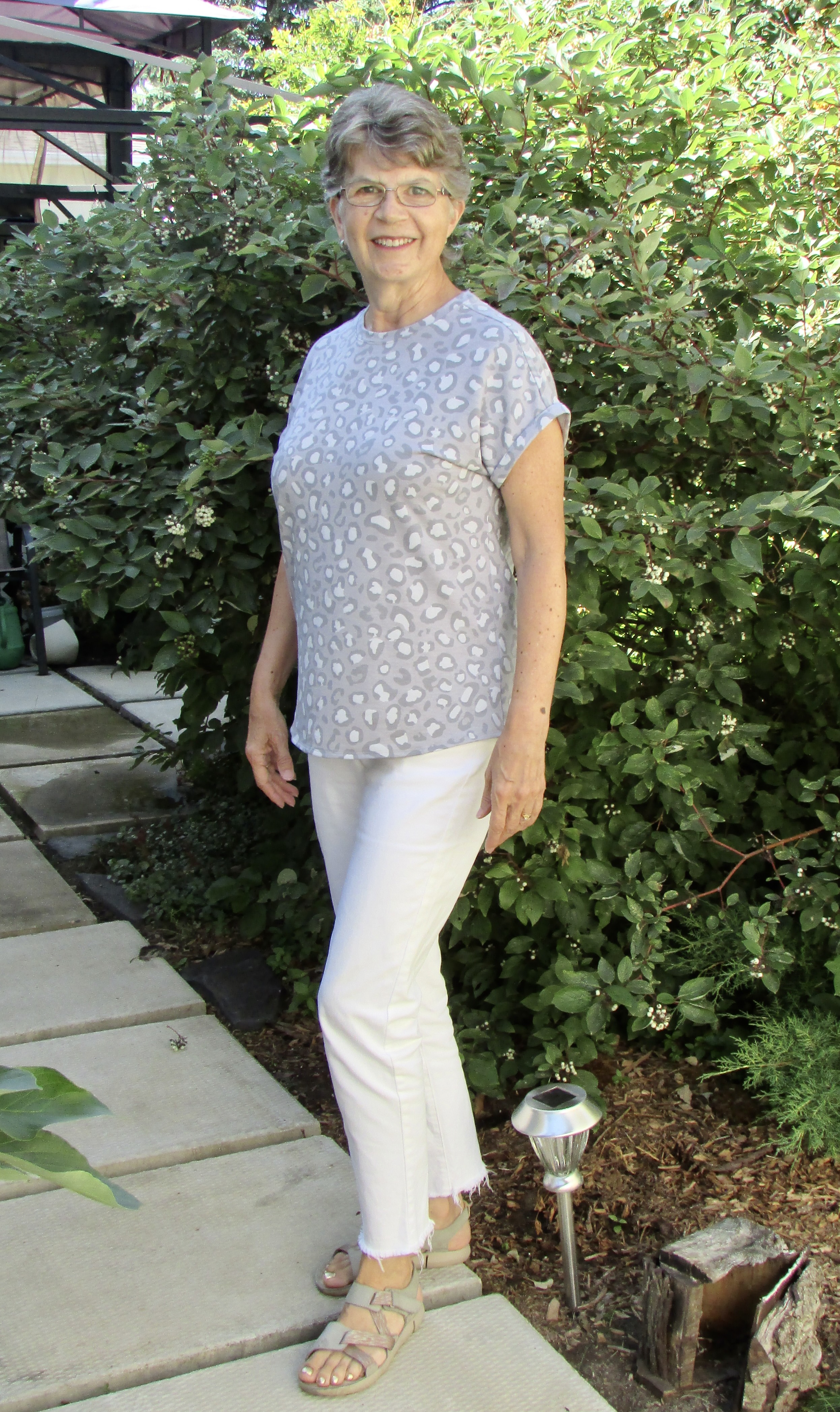
The grey animal print t-shirt and the Clarks sandals, also both purchased second-hand, were great additions to my summer wardrobe.

IMG_4348 2

This dress was an impulse buy that I’ll never regret.

IMG_3842

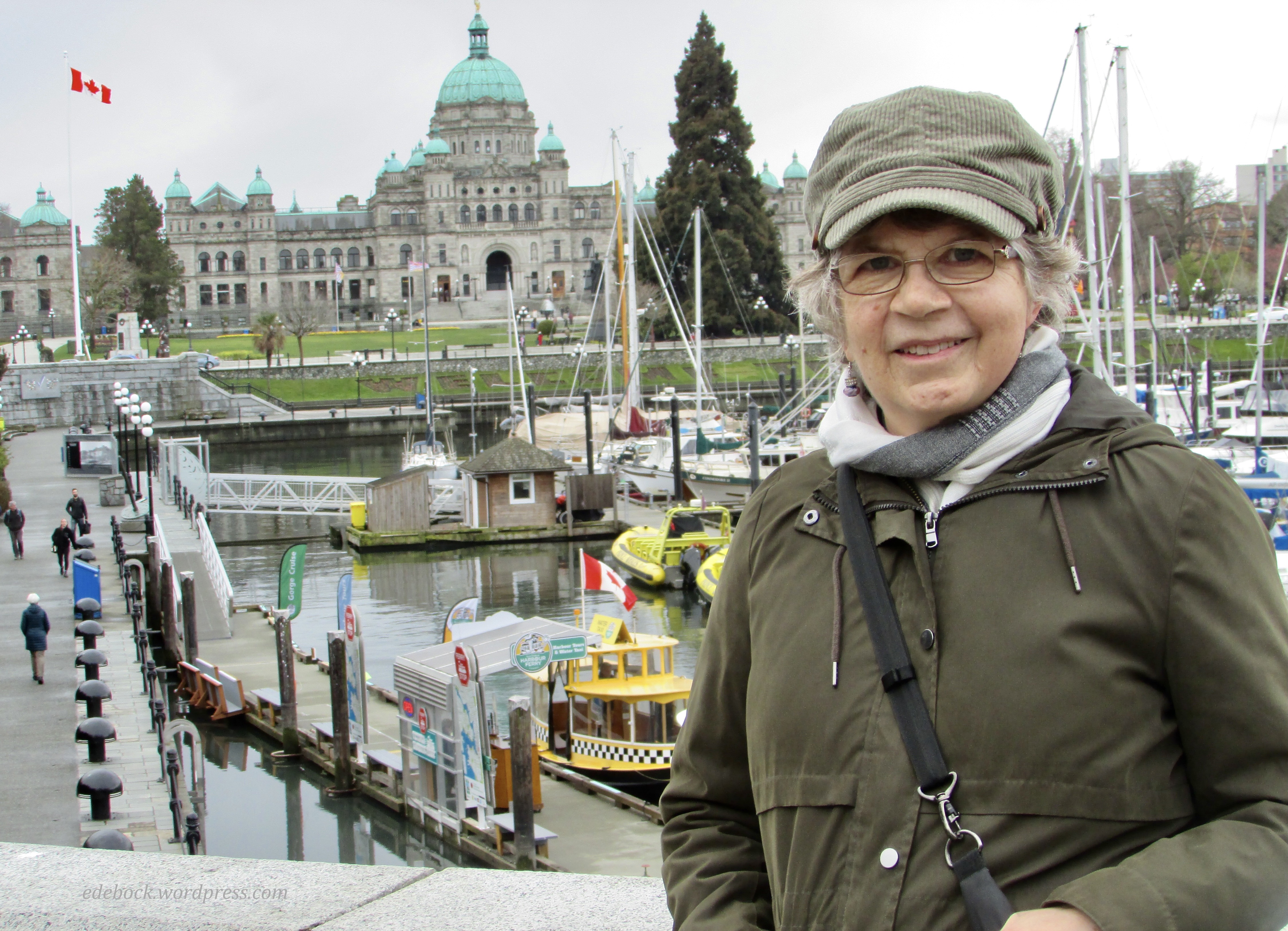
Then there’s the hat that I bought on a chilly April morning in Victoria. Not only is it a fond reminder of our trip, but I love wearing it.

And now, with with less than 48 hours left in 2022, I want to take a moment to wish you and yours a very Happy New Year!

2021 fashion shopping review

LogoAs I’ve done for the past few years, I once again kept a list of all the clothes, footwear, and accessories that I bought over the past year so that I could analyze my shopping habits and establish goals for next year. I started doing this because I wanted to be more intentional about wardrobe development and because I wanted to focus on becoming a more ethical shopper. Hopefully, I’ve made progress in both these areas.
Let’s begin by looking at my fashion shopping goals for 2021 and see how I did.

  • I will continue tracking my purchases for at least one more year so that I can review and evaluate my shopping habits again a year from now. Done!
  • I will continue to buy things that I need and items I love that work well with what I already have. Mostly successful. Two items have already been returned to the thrift store though. After wearing one of them a couple of times, I realized that I didn’t like it as much as I thought I would. The other, a pair of sandals, ended up being quite uncomfortable when worn for more than a few minutes. 
  • I will continue to experiment with new ways to wear what I already have. Done!
  • When considering a purchase that was made in China, I will attempt to find a suitable alternative made elsewhere. Fairly successful. Only three of the fourteen new items that I bought this year were made in China. Read more about why I’ve made this a personal goal here and here.   
  • When adding to my closet, I will consider five adjectives that begin with C… classy, confident, comfortable, casual, and creative. While I don’t consciously think about these adjectives as often as I used to, purchasing and wearing clothes that say these things about me has become habit.  
  • I will continue to write a Fashion Friday post each week. Done!  

With the pandemic continuing throughout the past year, shopping trips were few and far between. That, combined with the fact that I live in a rural town with a population of just over 800 people and no clothing or shoe stores, made it very easy to limit my 2021 purchases. Let’s take a look at a few stats.

  • I bought a total of 28 items
    • 18 garments
    • 6 accessories
    • 4 pairs of footwear (shoes, boots, and sandals)
  • 14 items were thrifted and 14 purchased new
  • I paid full price for only 4 items
  • I spent a total of $582.38 CAD or an average of $48.53 a month
  • The most expensive item that I purchased was a pair of Asics running shoes that I paid full price for ($159.99)

The six goals from last year, mostly unchanged from the year before, will continue to guide my fashion shopping for 2022, but I’m adding two more.

  • I will strive to add more colour to my wardrobe.
  • I will be more selective and intentional about the thrifted items that I buy. A bargain is only a bargain if it’s something that you’re actually going to wear!

And now a few of my favourite fashion purchases of 2021. They’ve all appeared on the blog before.

Uniqlo denim shirt

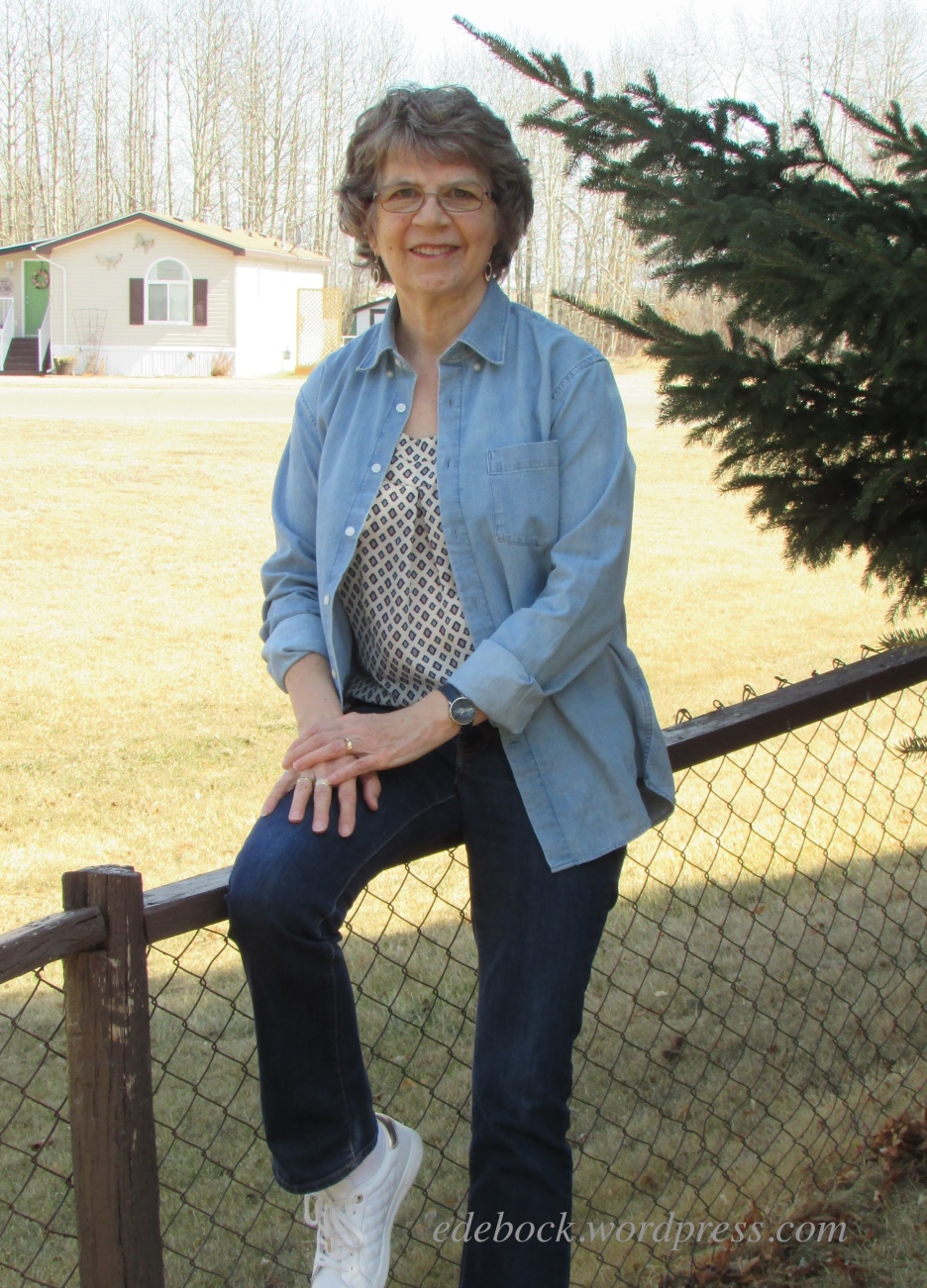
The Uniqlo denim shirt, purchased last spring, quickly became a workhorse in my wardrobe and was one of the six items that I wore exclusively for an entire month earlier this winter.

IMG_3053

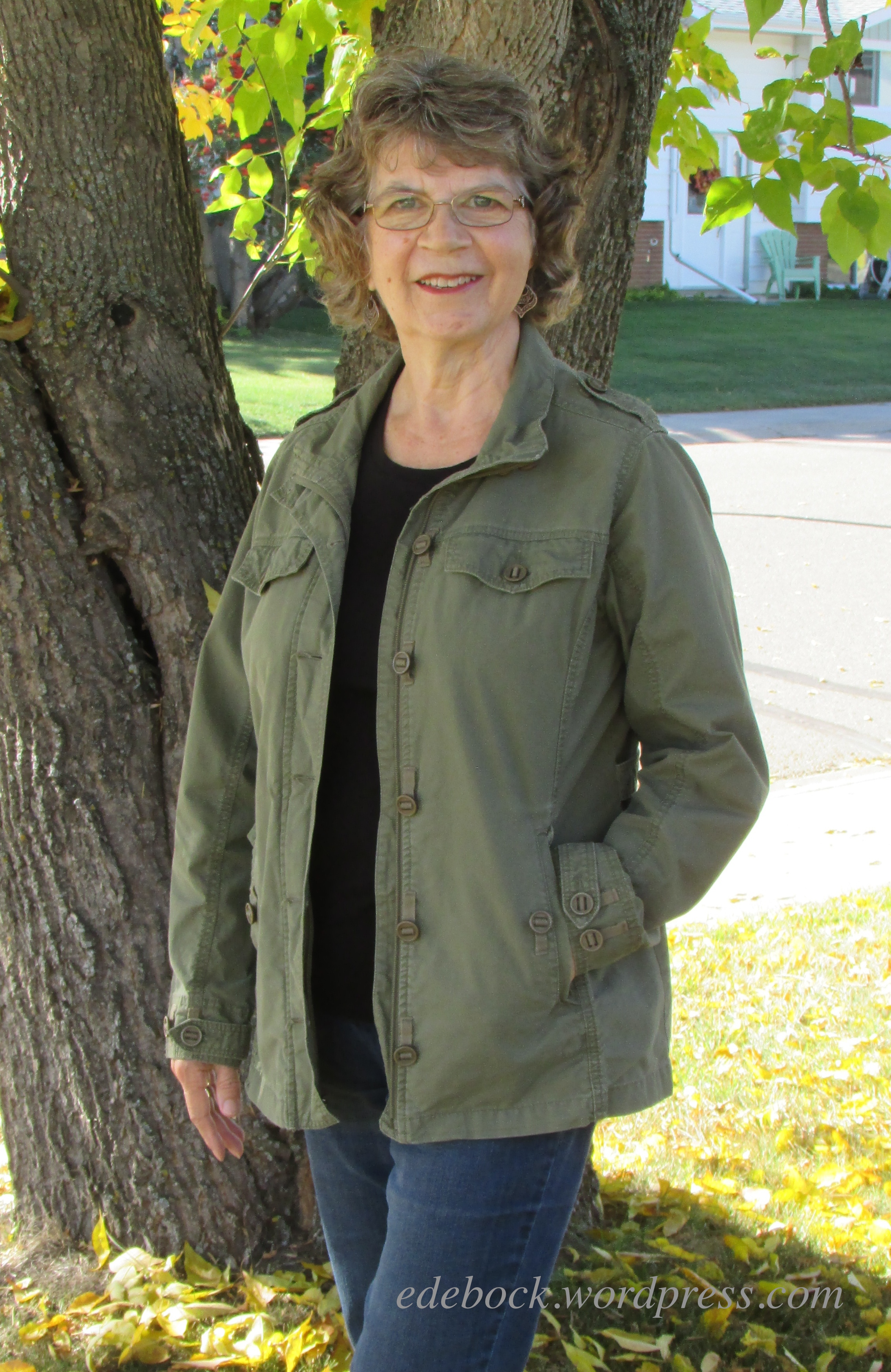
The Cabella’s utility jacket that I bought at a garage sale was one of my best second-hand purchases this year.

IMG_3082

I stepped a bit outside my fashion comfort zone with this thrifted outfit, but both the dress and the boots have become favourites.

IMG_3405

And finally, the gentlewoman blazer that I purchased earlier in December. Judging by the number of you who checked the link when it first appeared on the blog, I wasn’t the only one who loved it. Now it’s on sale for a fraction of what I paid for it!

And finally, with just a few hours left in 2021, I wish you and yours a very Happy New Year! Hopefully 2022 will be a better year for all of us.

It’s a start

LogoI was thinking about a topic for this week’s fashion post when I came across a news article that fit very well with what I said last week about boycotting products that are made in China.

The Canadian Border Service Agency (CBSA) recently intercepted a shipment of women’s and children’s clothing that originated in China on the grounds that the garments were made by forced labour. This was the first interception of its kind since new federal laws came into place in July 2020 officially banning the import of goods made partially or wholly by forced labour. Just as there is no way for us as consumers to know what conditions our purchases were made under, there is no visual indicator to show a border services officer the labour standards by which a particular good was produced. This makes this a very difficult situation to deal with, but the CBSA says that it will continue to investigate complaints and allegations pertaining to imports made using forced labour. Hopefully this will lead to further interceptions of this kind and will ultimately result in retailers ensuring that they don’t order goods that have been produced unethically. At least it’s a start. 

So what exactly is forced labour? According to the International Labour Organization (ILO), forced or compulsory labour is “all work or service which is exacted from any person under the threat of a penalty and for which the person has not offered himself or herself voluntarily.” It refers to a form of modern slavery in which people are coerced to work through the use of violence or intimidation, or by more subtle means such as manipulated debt, retention of identity papers, or threats of being handed over to immigration authorities. In China, Uyghurs and other Turkic minority ethnic groups are being subjected to forced labour in Xinjiang province. As well, a recent CBC Marketplace investigation found that several Canadian retailers, including one of my favourites, had brought hundreds of shipments of clothing into Canada from a Chinese factory suspected of secretly using North Korean forced labour. The factory is located in the city of Dandong, just across the Yalu River from North Korea.

The more I learn about unethical clothing production in China, the more convinced I am not to support it with my fashion dollars! I know I’m only one and I’m not even a big spender when it comes to clothing, but if I can convince even one of you to consider not purchasing clothes that are made in China, it’s a start. 

DAY+22

And now, are you wondering how the six items or less challenge is going? At the end of the second week, I must admit that wearing the same things over and over again is a bit boring, but there are also advantages. Getting dressed in the morning is easy and so was packing for a weekend away to meet our brand new baby granddaughter! I simply wore two items and packed the other four along with some socks, underwear, and pjs. Easy peasy! No thought involved. 

More about the six

LogoFacebook comments in response to last week’s post about my self-imposed “six items or less” challenge ranged from “I could absolutely NOT do this!” to “I’ve been living in the same set of clothing since I retired.”

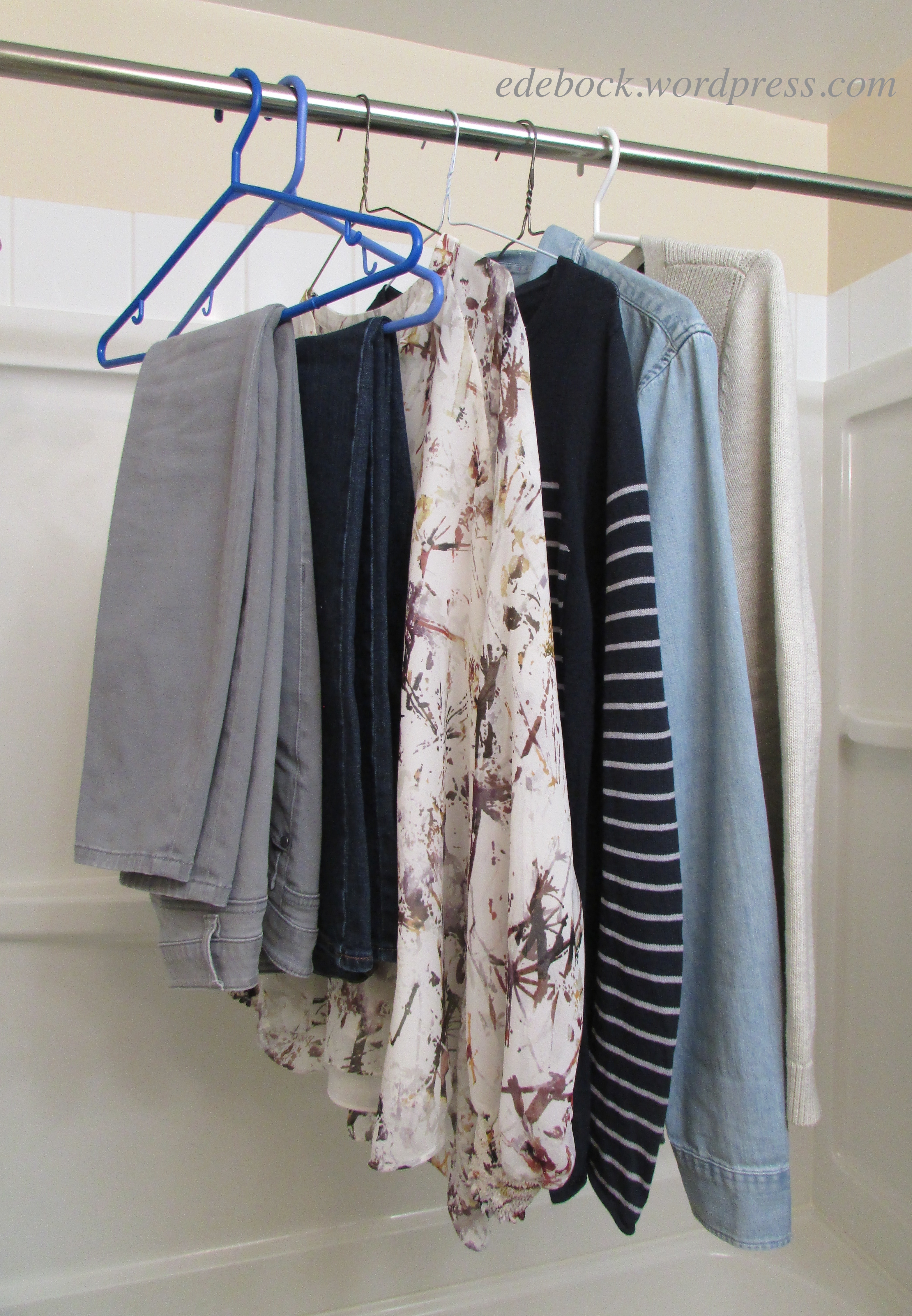
Today, after one full week, I thought I’d share a bit more about each of the six pieces that I’m wearing for the duration of the one month challenge. None are new and they’ve all appeared on the blog at one time or another in the past. First, let’s take another look at the photo…

IMG_3313

From left to right:

  1. Grey skinny jeans  –  cabi  –  purchased new in fall 2018  –  made in China
  2. Dark wash jeans  –  Old Navy  –  gifted in early 2018  –  made in China
  3. Patterned blouse  –  cabi  –  thrifted in fall 2020  –  made in China
  4. Navy striped pullover  –  cabi  –  purchased new in fall 2017  –  made in China
  5. Denim shirt  –  Uniqlo  –  purchased new in early 2021  –  made in Bangladesh
  6. Cardigan  –  cabi  –  purchased new in late 2016  –  made in China

It wasn’t until I’d carefully chosen all six pieces that I realized that four of them were cabi! In addition to the fact that I simply have a lot of cabi, I think that there are a couple of other good reasons for that. First of all, cabi intentionally produces clothing that coordinates well with previous and future seasons. This makes building a cohesive wardrobe very easy. Second, cabi clothing is good quality. It lasts! I suspect that many fast fashion pieces that are sold today wouldn’t hold up to a month of steady wear and washing. Instead, they fall apart after a few wearings and end up in the landfill.

As someone who is attempting to be an ethical shopper, I was also surprised and somewhat alarmed to see that five of the six items were made in China! While shopping in Superstore last week, I passed up a super cute pair of leopard print sneakers. The deciding factor, in addition to not really needing them, was the fact that they were made in China. Having lived in that country for several months, I’m conflicted about buying anything that is produced there. I know that the majority of the population is extremely poor and that garment factories provide much needed employment, but I also know that the conditions in many of them are abhorrent. Men and women work in unsafe surroundings 10 to 12 hours a day, 360+ days a year for a mere pittance. In addition, there are political reasons for boycotting Chinese products. I see China as a threat to Canadian security and although the two Michaels were released in September, it’s clear that they were held for almost three years on trumped up charges in retaliation for Canada’s arrest of Chinese high-tech executive Meng Wanzhou. That’s simply not a country I want to support with my fashion dollars!

My justification for having five made in China items on the list of six is threefold. First, two of them were thrifted or gifted. My intention is to try to avoid purchasing new items that are made in China. Second, the new items were purchased prior to 2019 when I made a commitment to begin shopping more ethically. And third, four of the five items are cabi. I’ve been assured by two independent cabi stylists that their products are made in socially and environmentally responsible factories. In spite of that, I was happy to see that my most recent cabi purchase, which you’ll see on the blog later this winter, was made in Vietnam. I suspect that this means that cabi, like many other companies, is moving their factories out of China, not for political reasons, but because the cost of production there has risen significantly and other locations in Asia are more cost efficient. In any case, I’ll feel better about buying cabi in the future if it’s made elsewhere.

And now, before I close, here are a couple of the outfits that I wore this week. On Tuesday, when I went to my weekly Bible study and ran some errands, I layered the denim shirt over the patterned blouse and paired them with the grey skinny jeans. I dressed the outfit up with my newest boots and a necklace, both thrifted.

IMG_3321

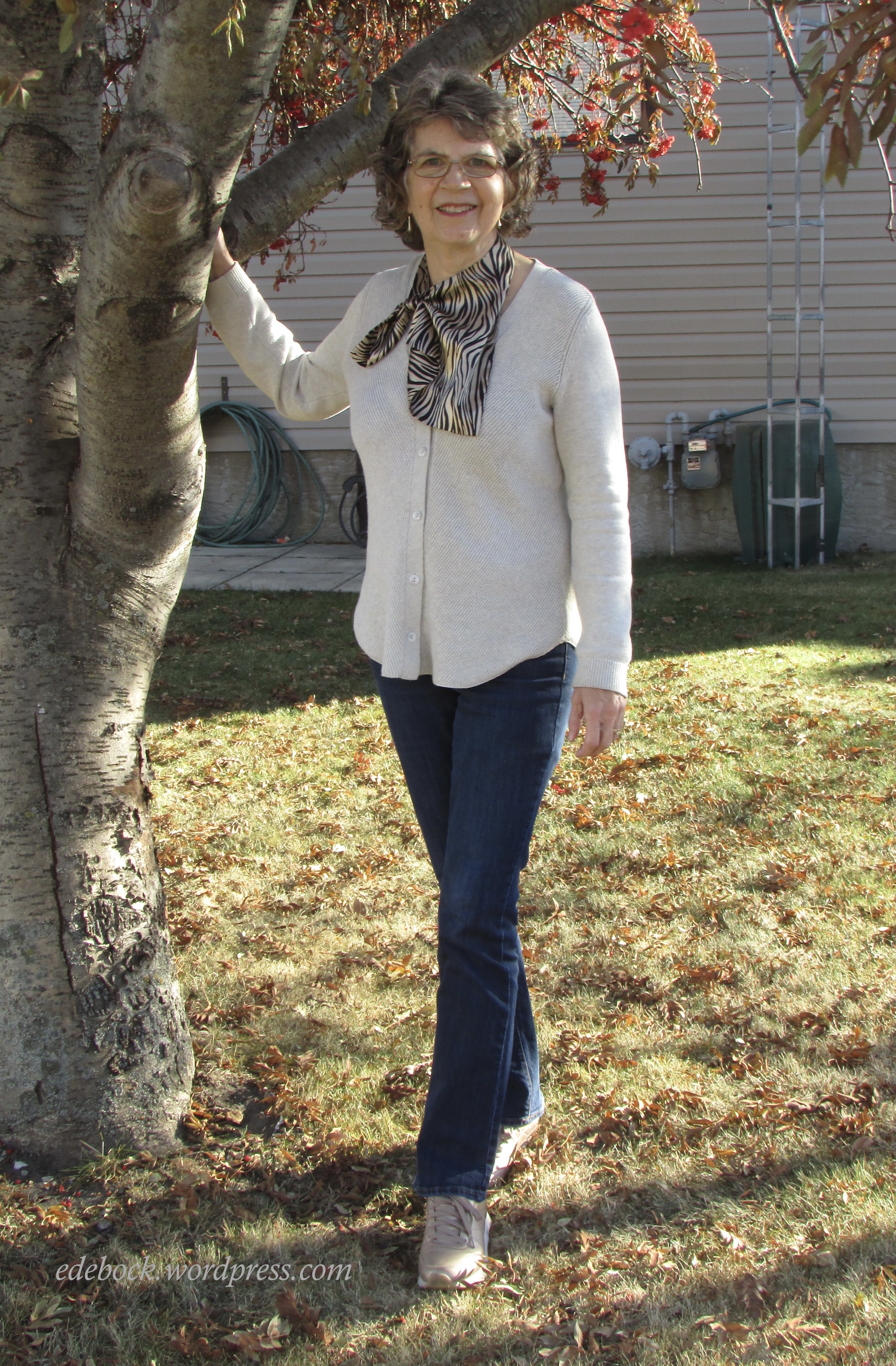
Though I’ve never worn the cardigan this way before, I knew when I decided to include it as one of the six that I would probably try buttoning it up and wearing it with a scarf. When you only have six items to work with, you have to be creative!

IMG_3337

I wore it this way on Wednesday. We bowled in the morning, so I needed something that was comfortable and easy to move in. This Wednesday was also NET Cancer Day and since the zebra is our symbol, I wanted to wear a touch of zebra stripes that day. Interestingly, I purchased the scarf in a shop on Russian Street in Dalian, China when we lived there, but it was actually made in Taiwan! According to the somewhat sketchy instructions that came with it, it can be worn ten different ways, but I’ve yet to figure out most of them.

I don’t know if you can tell, but I was freezing during the taking of these pictures! The temperature was barely above 0ºC (32ºF), but as you can see, we don’t have any snow yet, so we decided to take advantage of that and squeeze in a couple more outdoor shoots.

2020 fashion shopping review

LogoOnce again, I kept a list of all the clothing purchases that I made over the past year so that I could analyze my shopping habits and establish goals for the following year. I do this in part because I want to be a more ethical shopper, but also because I want to be intentional about wardrobe development. Little did I know when the year began, however, what was lurking just around the corner! If there’s one good thing that the Covid-19 pandemic has done for me, it’s been the fact that it sent me deep into my closets and storage spaces for things to wear instead of to the mall. As I look at my list of purchases, it’s much shorter than previous years and it tells me once again what a strange year 2020 was!

Before we look at what I did buy, let’s take a look at my goals for 2020 and see how I did. 

  • I will continue tracking my purchases for at least one more year so that I can review and evaluate my shopping habits again a year from now.  Done!
  • I will continue to buy things that I need and items I love that work well with what I already have.  Done!
  • I will strive to buy less and experiment with new ways to wear what I already have.  Thanks to Covid-19 and the fact that I seldom purchase clothing online, this was a major success! 
  • I will continue to buy quality pieces and not waste money on fast fashion.  Done!
  • When considering a purchase that was made in China, I will attempt to find a suitable alternative made elsewhere.  Quite successful. I only bought a couple of new items that were made in China. More about that later in the post. 
  • When adding to my closet, I will consider five adjectives that begin with C… classy, confident, comfortable, casual, and creative.  Done!  
  • I will continue to write a Fashion Friday post each week.  Done!

It’s estimated that in a normal non-pandemic year most women purchase an average of approximately 70 items of clothing spending somewhere between $150 and $400 a month or approximately $1800 to $4800 annually. As a frugal fashionista, I never come close to that. For example, in 2019 I bought 43 items and spent $1071.74 CAD or approximately $89 a month. In 2020, however, I spent only $402.33 or approximately $33.50 a month! With that, I bought 24 items including clothing, accessories, and footwear. Exactly half of them were new and the other half were thrifted. I paid full price for only 8 items. 

While the thrift store purchases were largely impulse buys, most of them were items that I loved and that fit into my existing wardrobe well. More than ever in past years, the new items that I bought were intentional, planned purchases that filled identified gaps in my wardrobe. Those included underwear and pyjamas to replace ones that were worn out, the running shoes that I bought to use on the treadmill, and two pairs of chinos purchased at the beginning of summer to fill a need for pants that would be warmer than my shorts and capris, but cooler than jeans.

One of the ways that I attempt to be an ethical shopper is to avoid purchasing new items that were made in China. I did buy several garments that were made in third world countries such as Bangladesh, Vietnam, and Cambodia. Unfortunately, I have no way of knowing if they were manufactured in factories that are socially and environmentally responsible or sweatshops where workers are exploited and forced to work in unsafe conditions. Having lived in China, however, I do know that the conditions for many factory workers there are abhorrent and that human rights in that country are being increasingly eroded. In addition, China continues to hold two Canadians in prison in what is widely seen as retaliation for Canada’s arrest of Chinese high-tech executive Meng Wanzhou and I believe that China is a threat to Canada in other ways. These are all good reasons to avoid purchasing items made in that country. I did slip up a couple of times this year. I failed to find out where the sneakers that wanted to be mine were made before I ordered them and while I made most of our face masks, I did buy one package that were made in China. 

Since this was such an unusual year and I did so little clothes shopping, rather than coming up with a whole new list of fashion shopping goals for 2021, I’m going to keep the same ones for another year and hope that I actually get to do some real shopping. With that in mind, however, I will make one change. The third goal will change from “I will strive to buy less and experiment with new ways to wear what I already have.” to “I will continue to experiment with new ways to wear what I already have.” I can’t imagine buying less than I did this year! I yearn for the day when I can browse the stores, feel the fabric, try things on, and even take a few of them home with me!   

In the meantime, here’s a sample of my favourite purchases of 2020. You’ve seen many of them on the blog before. 

Three tops, all thrifted. The Goddess Blouse from cabi’s Fall 2018 Collection, shown on the left, is one of the only two cabi pieces that I bought in 2020. The other was also second-hand. As I look at the photo on the right, I’m reminded of an unwritten fashion goal that I’ve had for the past couple of years; to gradually transition from black, especially close to my face, to navy and other neutrals that are more flattering to my complexion. I would not have bought this top if the background had been black.  

These are the only shoes I bought in 2020. On the left, the Asics GT2000 6 running shoes that were purchased specifically for walking on the treadmill. I’ve put plenty of miles on them since buying them last January. On sale at 40% off their regular price, they continue to be comfortable and supportive and were definitely a very good buy. On the right, the sneakers from Mark’s that I bought simply because I love them! They were also on sale. 

And finally, a pair of thrifted capris and one of my most recent purchases, a navy sweater dress from Reitmans.

Why is it so hard?

As I’ve seen the news about pastors, like Rev. Tony Spell in Louisiana, who are insisting on their “right” to hold Easter services in spite of the Covid-19 pandemic, I have to ask why is it so hard to obey stay-at-home orders that have been put in place to protect the lives of the vulnerable; the very people that churches profess to care about? Why is it so hard?

I fully understand people wanting to be with family and to take part in their traditional Easter celebrations. I’d love to be with my kids and grandkids too, but I’ve been pondering why we do what we do and why we think we need to. Nowhere in scripture are we commanded to gather together for Easter (other than the instruction not to give up meeting together in Hebrews 10:25 which, thankfully, we’re able to do virtually) or given any instructions about how to celebrate the resurrection. These are manmade traditions. Perhaps a quiet, at home Easter without all those extras is not a bad thing. Perhaps it’s a time for us to reflect in a more intentional way on the real meaning of the event which is not bunnies, eggs, and chocolate. It isn’t even necessarily going to church!

I’m not saying that there’s anything wrong with the ways we usually celebrate Easter, but just this once, it’s okay to do things differently. In fact, we need to do things differently! As the church, we need to be obedient to the Word of God which tells us in several places to obey those in positions of authority over us. Romans 13:1 tells us, “Let every person be subject to the governing authorities. For there is no authority except from God, and those that exist have been instituted by God.” Regardless of what people like Rev. Spell proclaim, we are called to obey those who put the current social distancing regulations in place! Why is that so hard?

I’m reminded of the two Easters that we spent in non Christian countries. In Japan, we did attend a Christian church and celebrated Easter there, but outside the walls of the church, there was no recognition of Easter at all. In China, where we weren’t part of any Christian organization, I’ll always remember that we went out for dinner with a couple of our college students on Easter Sunday and ate roast duck and bullfrog! Not frog’s legs, the whole frog! It was delicious, but I digress! At the end of that day, I wrote this and I think it applies as well to our current situation as it did then.

“Easter isn’t really about what we eat or who we spend the day with. Whether we’re with family around a table laden with ham and all the trimmings or in a shopping mall in China eating bullfrog, as Christians, Easter is at the centre of who we are and what we believe.”


The Good Women of China

Do you ever finish reading a book and think that perhaps you should start over and read it again; that there was simply too much to absorb the first time through? The Good Women of China: Hidden Voices was such a book for me, not because it was enjoyable or entertaining, but because it was moving and at the same time very disturbing.

9781400030804

From 1989 to 1997, the author, Xinran, hosted a radio call-in show, “Words on the Night Breeze” during which she invited Chinese women to speak about their lives. Broadcast every evening, the show became famous throughout the country for its unflinching portrayal of what it meant to be a woman in China. From the hundreds of women who phoned in to share their stories of forced marriages, Communist Party indoctrination, persecution and imprisonment, extreme poverty, shocking cruelty, and incredible endurance, Xinran chose fifteen, including her own, to share in the book which was only written after she left China. “At that time in China, I might have gone to prison for writing a book like this.” she wrote in the closing paragraph.

When we lived in China for a short time a few years ago, I remember how shocked some of my college age students were to learn how old I was. They told me that Chinese women my age looked much older. Knowing that life in China had been hard, I wasn’t completely surprised, but I started looking at the elderly women on the street and in the market more closely. I wondered how much older than me they actually were and what their lives had been like. Until I read The Good Women of China, however, could not have imagined what many them probably endured.

Xinran is six years younger than I am. Many of the women she writes about are my contemporaries. Their stories are powerful, gripping, and anguished accounts of inhumane treatment, sexual exploitation, torture, rape, hunger, and death often at the hands of Chairman Mao’s Red Guards during the Cultural Revolution of 1966 to 1976. All the while, I was going to school, starting my career, getting married, and enjoying a life of freedom completely oblivious to what was going on half a world away.

Later, during the 1990s and early 2000s, I had the privilege of being ESL tutor to an elderly Chinese gentleman. Ling Cong Xin, better known as Sunny Ling to his Canadian friends, came to Canada with his wife in 1987 to live with their daughter and her family. After we had been meeting together for quite some time, I tried to convince him that he ought to record his memories and experiences. At first, he was very reluctant to do so, but eventually he asked if I would help and so began one of the most exciting projects that I have ever had the privilege to be involved in. I recall Sunny speaking with contempt about the soldiers of the Imperial Japanese Army forcing women and girls in occupied territories including China to be their sex slaves or “comfort women” before and during World War II, but he never spoke of Chinese girls being repeatedly raped by their own countrymen during the Cultural Revolution. Sunny was a highly educated man who had at one time been an official in the Nationalist government. During the Cultural Revolution, many of China’s intellectuals were imprisoned or, like Sunny, forced to leave the cities and take menial jobs in the countryside. When we reached this point in his story he began to claim that his memory was failing him and our project came to an end. I believe that reliving the memories simply became more than he could bear. Like Xinran, he also expressed a genuine fear that if some of the things he told me about were ever published, the Chinese government might make life difficult for his relatives who still lived in that country. After reading The Good Women of China, I can’t help wishing that Sunny’s wife had spoken English and that I’d also had the opportunity to hear her story.

“These are stories that must be read. The lives of these anonymous women are so moving that when I finished reading their stories I felt my soul had been altered.”    Amy Tan

“Mao said ‘Women hold up half of heaven.’ Sadly, this remarkable book demonstrates that he was wrong. Women in China actually hold up half of hell. Xinran has written the first realistic portrayal of women in China. Read it, and weep.”   Jan Wong

2019 fashion shopping review

LogoFor the second year in a row, I kept a list of all the clothing purchases that I made over the past year so that I could analyse my shopping habits and establish goals for the following year. I started doing this at the beginning of 2018 in part because I wanted to be a more ethical shopper. I was also interested in finding out more about my spending habits and I wanted to be more intentional about wardrobe development. 

Based on what I learned in 2018, I came up with the following goals for 2019. Let’s see how I did.

  • I will continue tracking my purchases for the coming year so that I can review and evaluate my shopping habits again a year from now. Done!
  • I would like to buy less and spend less. Partial success. I actually purchased more items, but I spent less. 
  • I intend to buy basics that I need and items I love that work well with what I already have. Mostly successful. I did buy two thrifted items, a tank top and a necklace, that didn’t fit into my wardrobe very well. Both have already been returned to be enjoyed by someone else. 
  • I will resist the pressure of friends to buy pieces that they like, but that aren’t right for me. Complete success! 
  • I will continue to buy quality pieces, not wasting money on fast fashion items that are poorly made and end up in the landfill after only a few wearings. Success!
  • I will continue to write a weekly fashion post! Done!

It’s difficult to find accurate information on women’s shopping habits and it clearly varies from place to place, but it appears that on average most women purchase approximately 70 items of clothing a year and spend somewhere between $150 and $400  a month or approximately $1800 to $4800 annually. Personally, I can’t imagine buying or spending anywhere near that much! Over the past year, I spent a total of $1071.74 CAD or approximately $89 a month. With that, I purchased 43 items including clothing, accessories, and footwear. The biggest change from the previous year was the number of accessories I bought which included two hats, two purses, one belt, one scarf, and several pieces of jewelry. Accessories take up very little space and don’t have to be expensive, but they are the finishing touches that add interest, individuality, and detail to an outfit.

Another difference from the previous year was the number of thrifted items that I added to my wardrobe. I bought only 5 second-hand pieces in 2018, but 14 in 2019 and some of those are amongst my favourite purchases. I paid full price for only 9 items over the past year. The majority of the brand new garments that I bought were on sale. I also added several cabi pieces to my wardrobe at half price by hosting a party in my home in September. The most expensive item that I bought all year cost $99. I have no idea what the total value of my purchases was because I don’t know the original prices of the thrifted items, but I do know that if I’d paid full price for all the brand new items, those pieces alone would have cost me $1609.80. All in all, I’m very satisfied with my wardrobe spending over the past year.

When it comes to shopping ethically, however, I wouldn’t consider myself particularly successful. Finding accurate information in order to make wise choices is extremely difficult. In late June I wrote this post outlining my concerns about purchasing items made in China. I thought seriously about refusing to buy anything else that was produced in that country and for awhile I tried. I read labels and even walked away from a few items, but I soon found myself caving in. In spite of my increased concern, I did only marginally better than the previous year. Some of my thrifted purchases were missing their labels so I don’t know where they were made, but I knowingly bought 18 made in China items in 2019 compared to 20 the year before. Many of the others were made in third world countries such as Vietnam, Cambodia, and Bangladesh. I have no way of knowing if they were manufactured in factories that are socially and environmentally responsible or sweatshops where workers are exploited and forced to work in unsafe conditions, but at least those countries are not the threat to Canada that I believe China to be.

So what are my goals for 2020? Many are the same as last year, but I’ve revised some a bit and added a couple of new ones.

  • I will continue tracking my purchases for at least one more year so that I can review and evaluate my shopping habits again a year from now.
  • I will continue to buy things that I need and items I love that work well with what I already have.
  • I will strive to buy less and experiment with new ways to wear what I already have.
  • I will continue to buy quality pieces and not waste money on fast fashion.
  • When considering a purchase that was made in China, I will attempt to find a suitable alternative made elsewhere.
  • When adding to my closet, I will consider five adjectives that begin with C… classy, confident, comfortable, casual, and creative. These words all describe what I’d like my wardrobe to say about me. Thank you, Pam Lutrell, for inspiring this one!
  • I will continue to write a Fashion Friday post each week.

As I look at my list of purchases from 2019, it’s difficult to choose just a few favourites to share with you here because I truly love so many of them! You’ve seen most of them on the blog before, but here’s a small sample:

IMG_0630


This is what I wore on New Year’s Eve for an evening of fine dining and dancing with my hubby. The little black jacket was my first purchase of 2019 and has been worth it’s weight in gold. It has appeared on the blog several times throughout the past year as it can be worn with so many things in my closet. The Dream Dress from cabi was bought half price at the end of the Spring/Summer season and I picked up the vintage evening purse at our local thrift store for just $3!


The Airwalk Speed Vitesse sneakers that I purchased at a Payless closing out sale were absolutely perfect for walking the streets of Europe in May and have continued to serve me well ever since. They were amongst several items that were bought specifically for traveling in 2019.

img_7320

img_9026-version-2


In this photo, taken in beautiful Bruges, Belgium, I’m wearing a favourite thrifted top and carrying the anti-theft crossbody bag that kept my valuables safe while we traveled.


img_9738


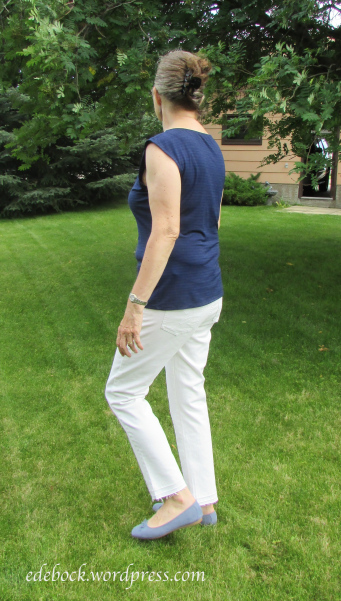
I can hardly wait for summer to return so that I can wear my DIY frayed white jeans again! They were also thrifted and cost just $2 plus a few minutes work to let down the hems and fray the edges.


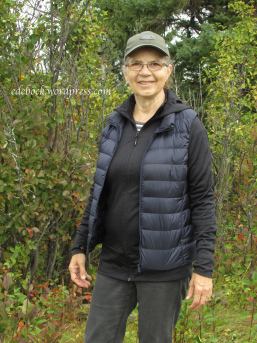
Here I am on a hiking trail wearing two more favourite purchases from 2019, a lightweight thrifted hoodie and my Uniqlo ultra light down vest. Both have proved to be great travel companions!

img_0159

And finally, here’s my zebra print top from cabi.

IMG_0071